Science
Discoveries that change how we understand the world.
Explore Science
Awards & achievements
People in Science
332 profiles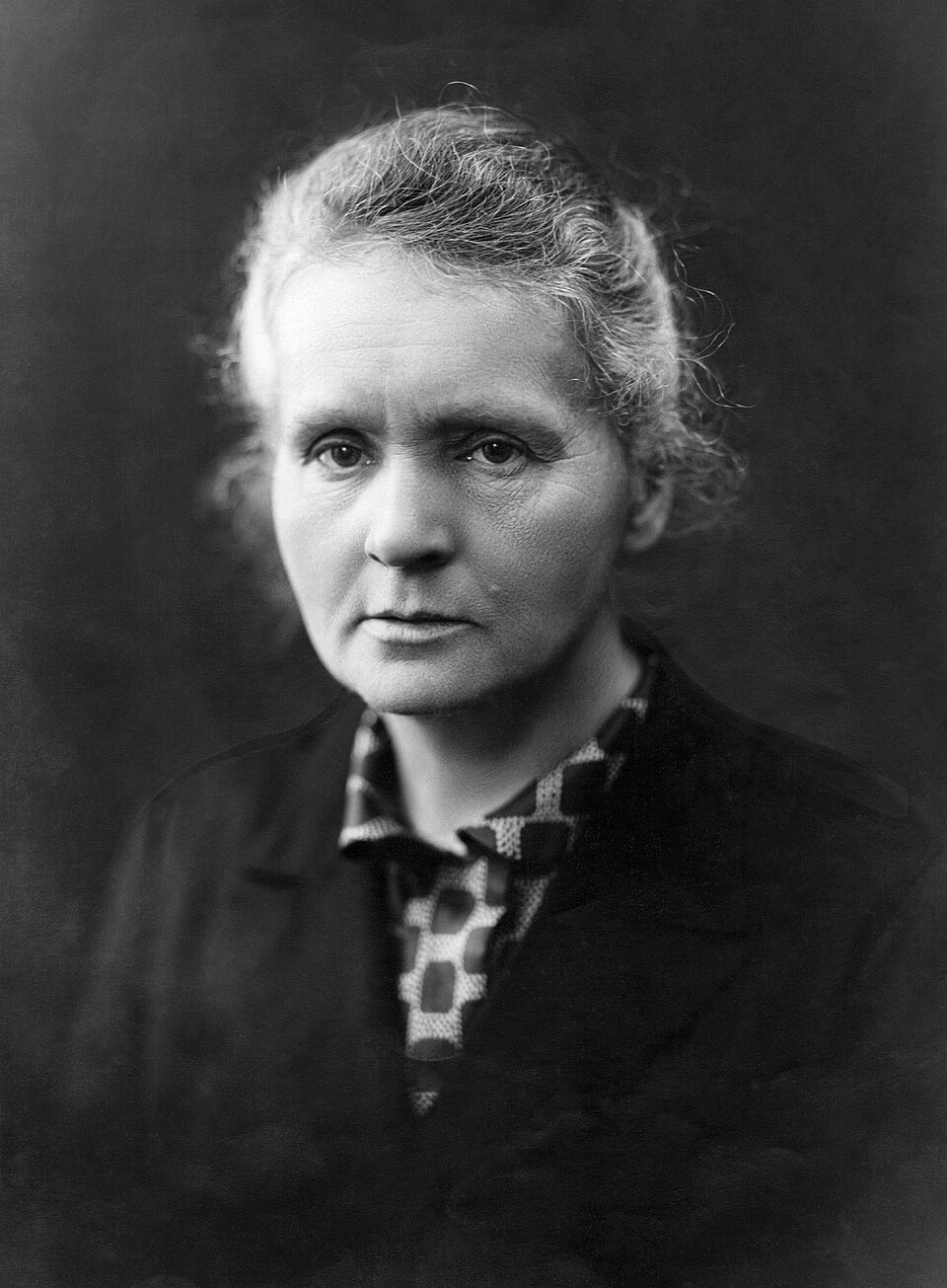 Scientist
Marie Curie
Discovering polonium and radium.
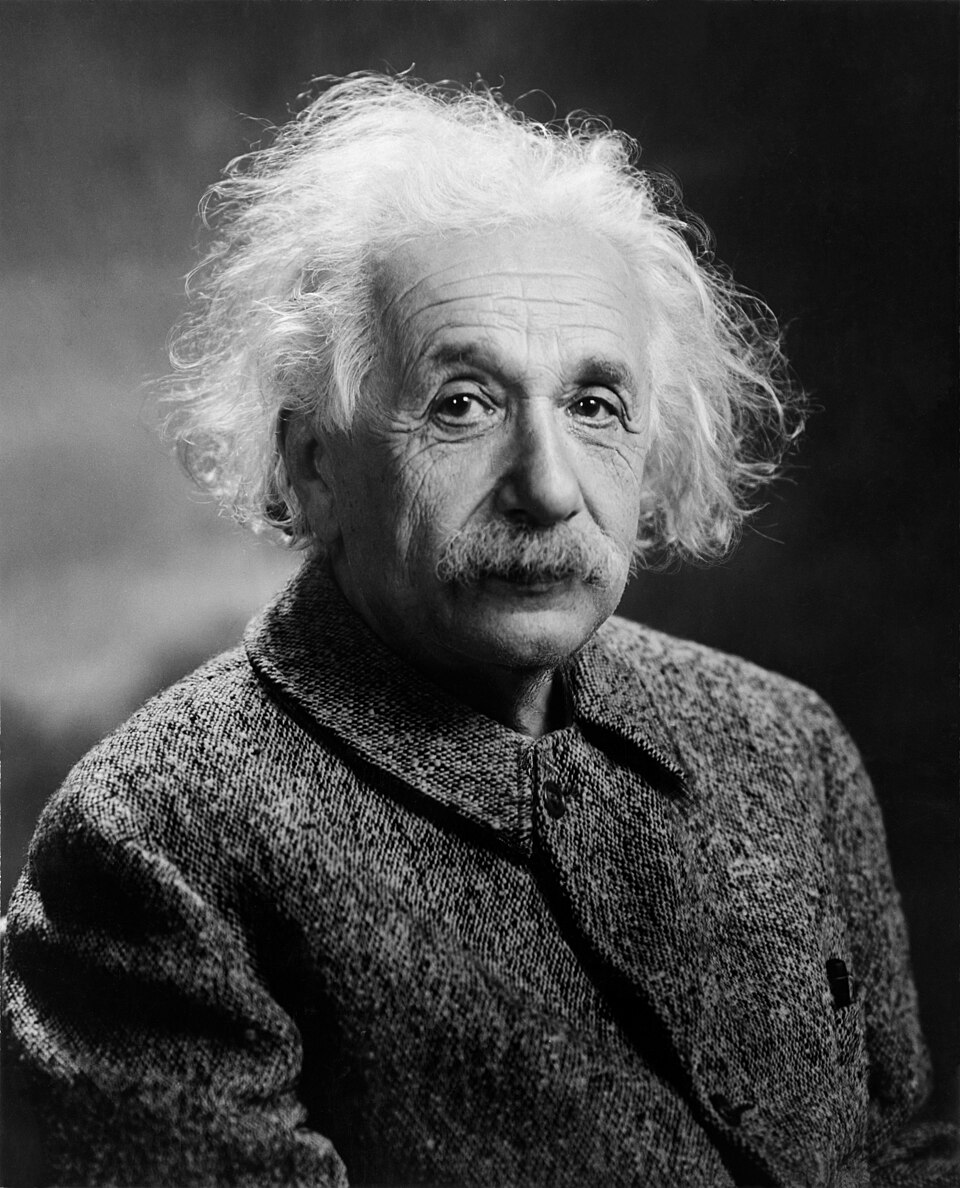 Physicist
Albert Einstein
Developing the theory of relativity.
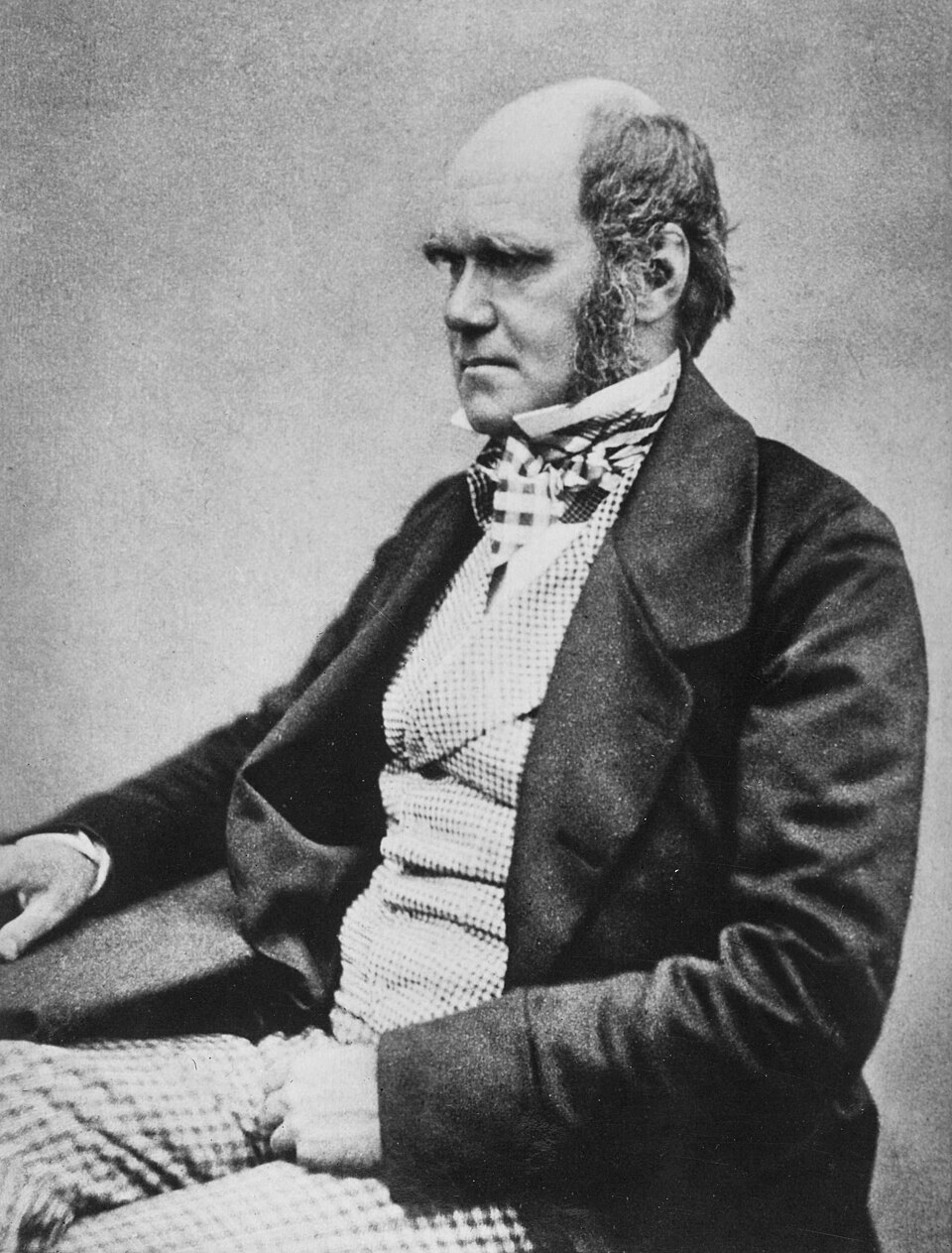 Naturalist
Charles Darwin
Explaining evolution through natural selection.
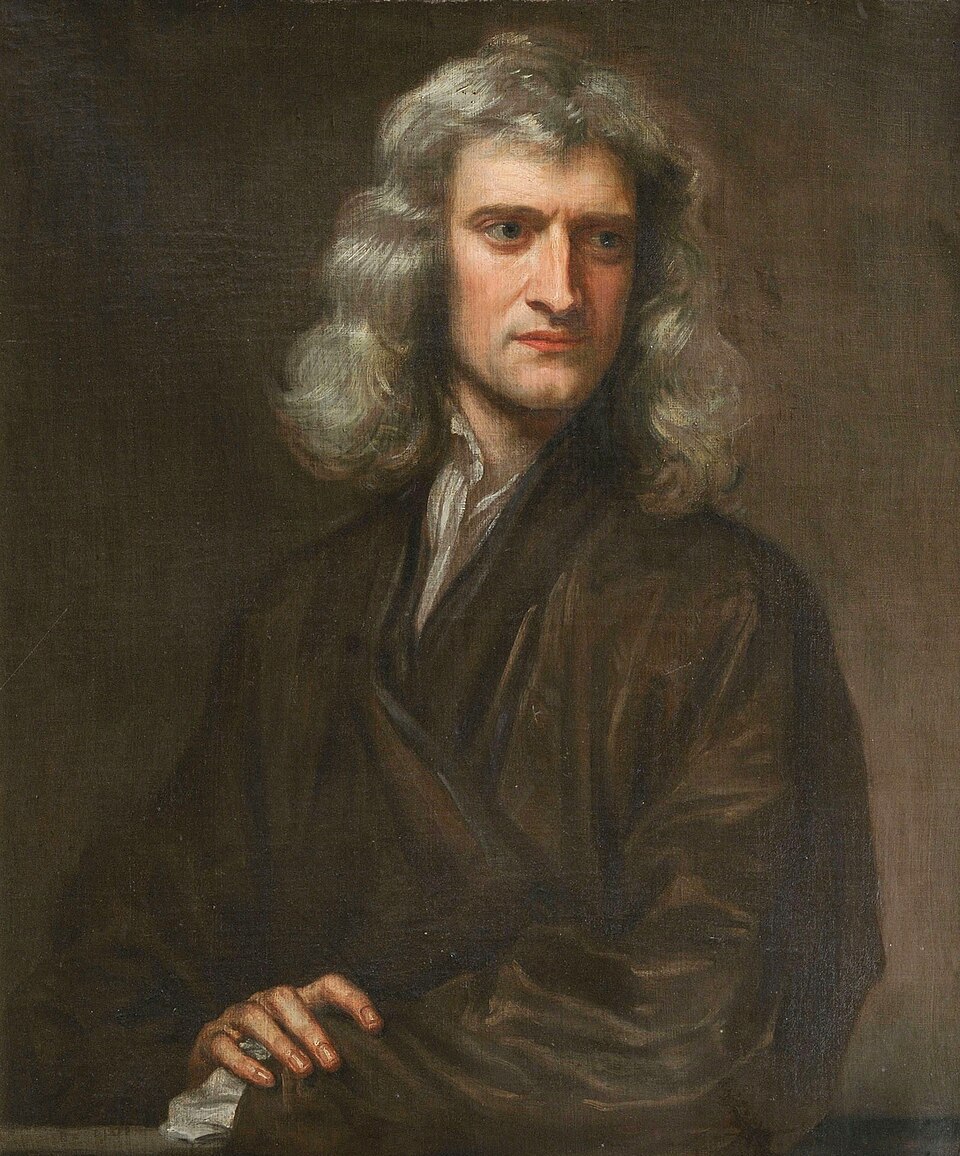 Physicist
Isaac Newton
Formulating the laws of motion and universal gravitation.
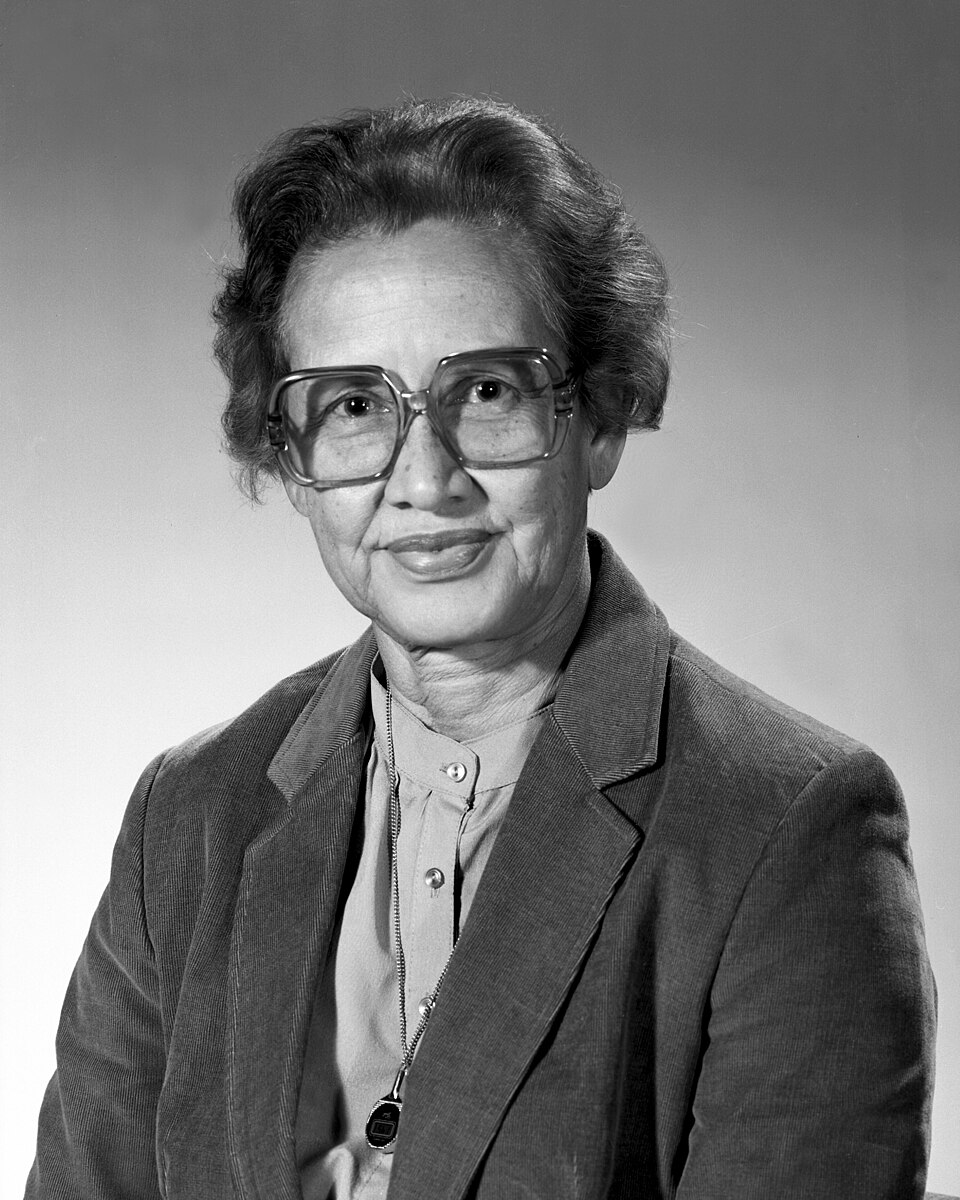 Mathematician
Katherine Johnson
Calculating flight paths for early US space missions.
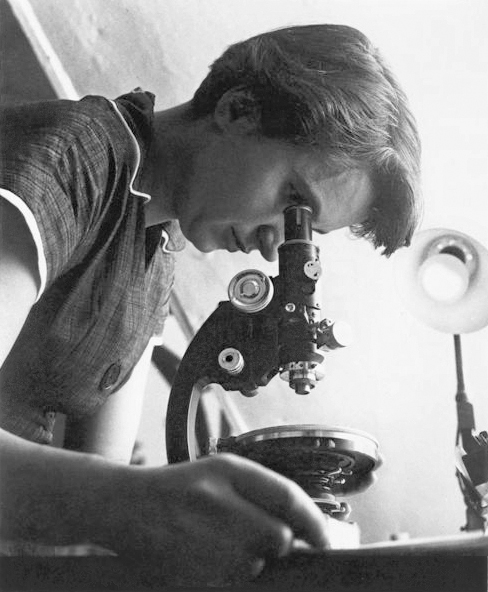 Chemist
Rosalind Franklin
Producing crucial X-ray evidence for DNA’s structure.
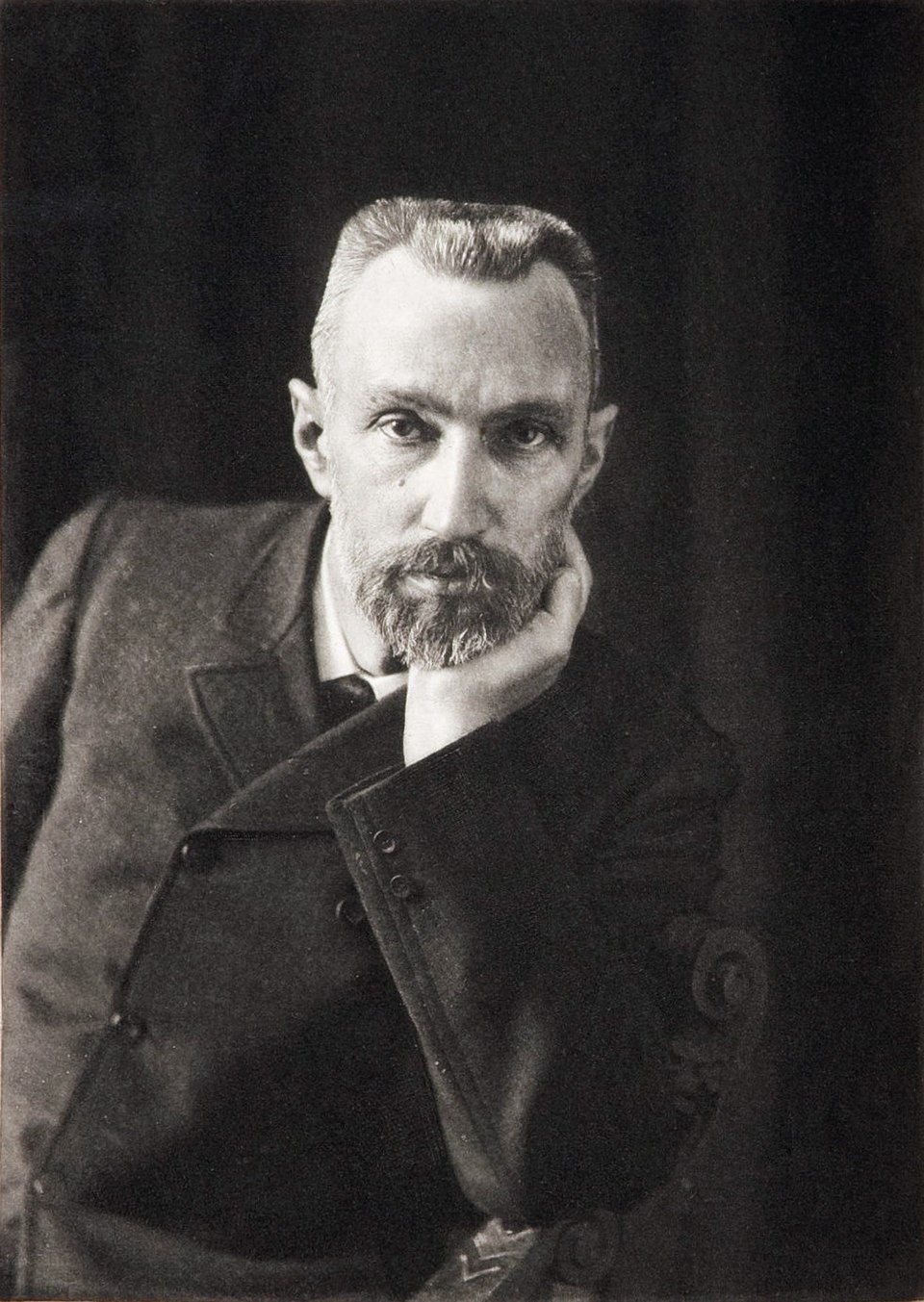 Physicist
Pierre Curie
Discovering polonium and radium with Marie Curie.
 Physicist
Stephen Hawking
Predicting that black holes emit radiation.
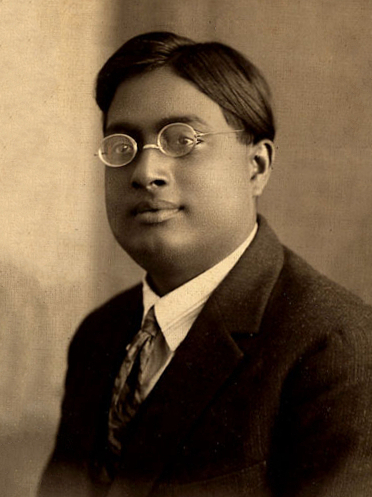 Physicist
Satyendra Nath Bose
The particle statistics behind bosons and Bose–Einstein condensates.
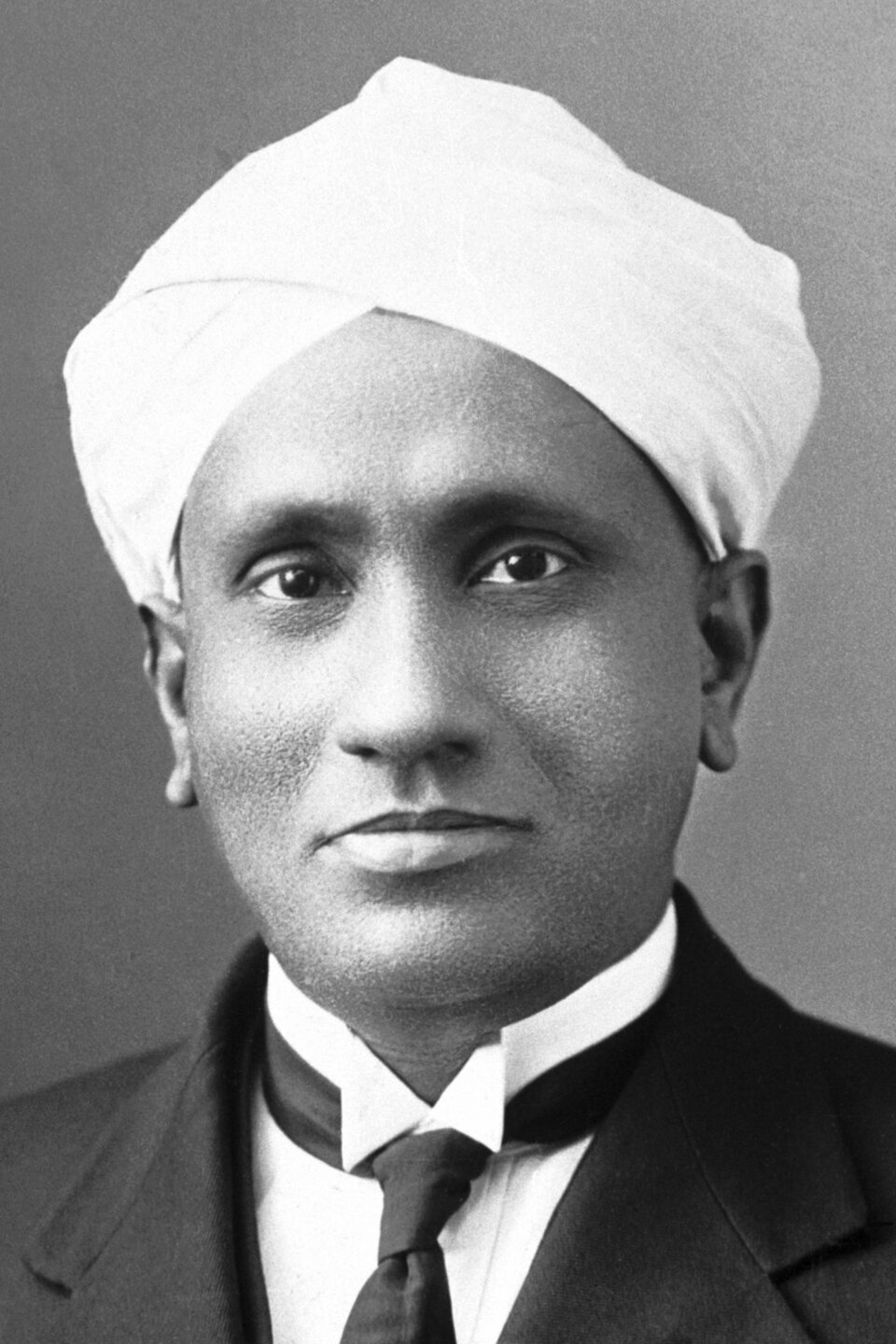 Physicist
C. V. Raman
Discovering how scattered light reveals the molecules it meets.
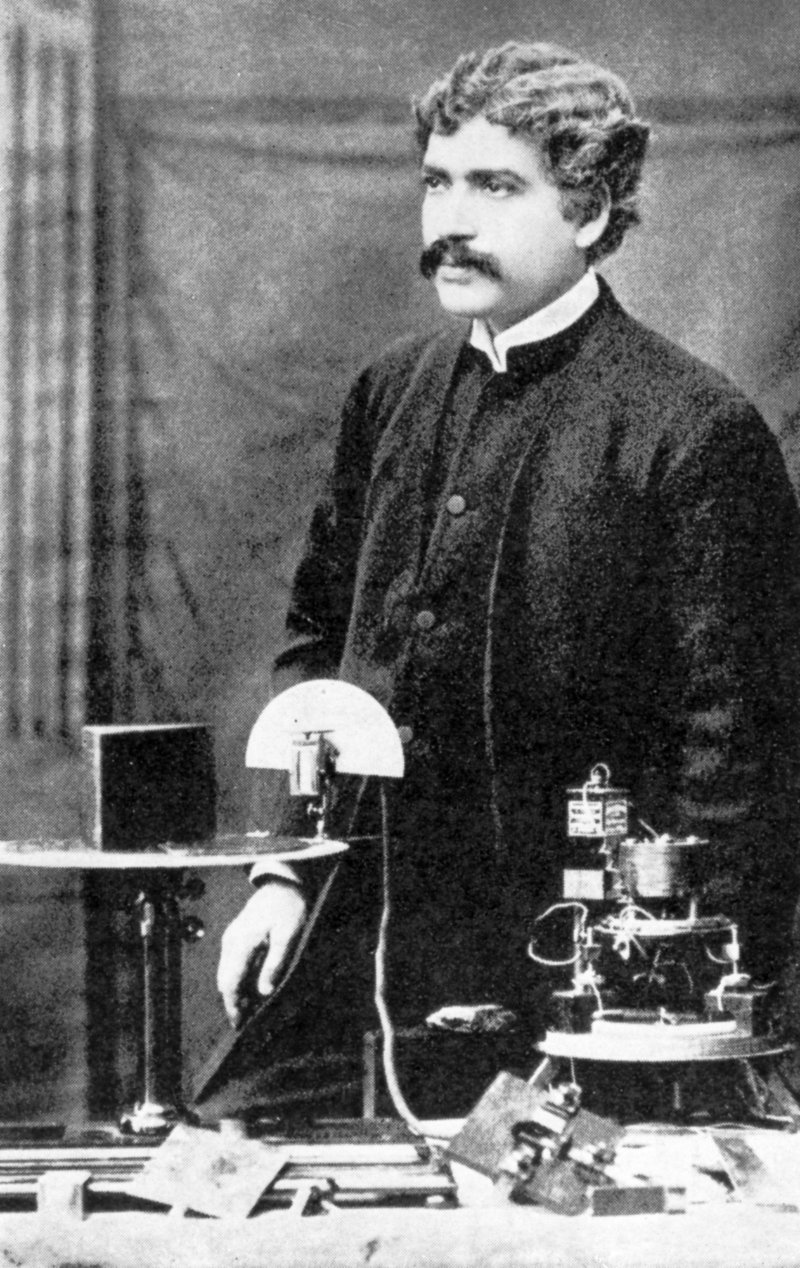 Scientist
Jagadish Chandra Bose
Pioneering microwave experiments and measuring electrical responses in plants.
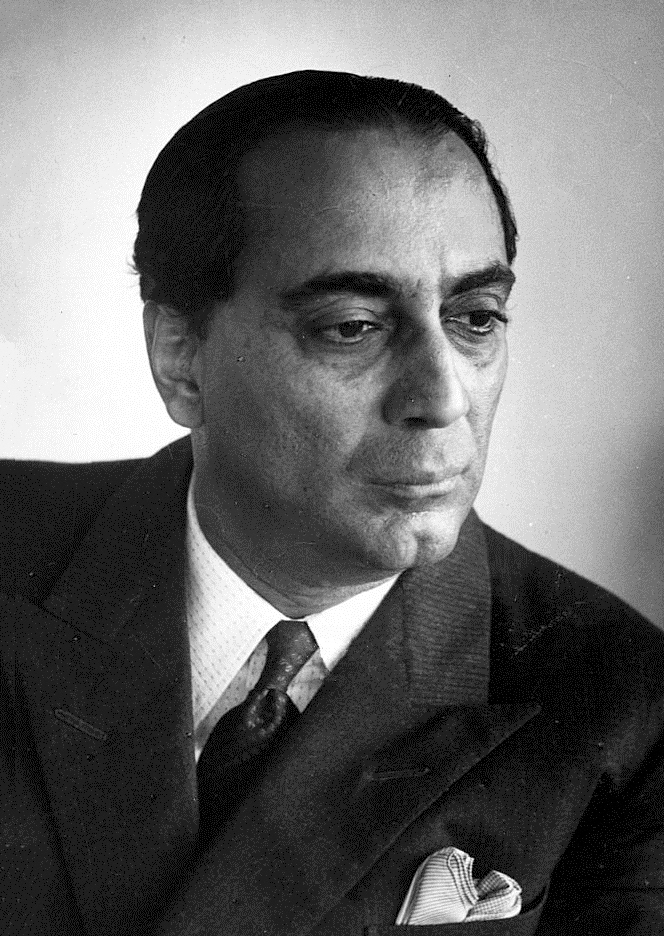 Physicist
Homi J. Bhabha
Building the institutions behind India’s nuclear programme.
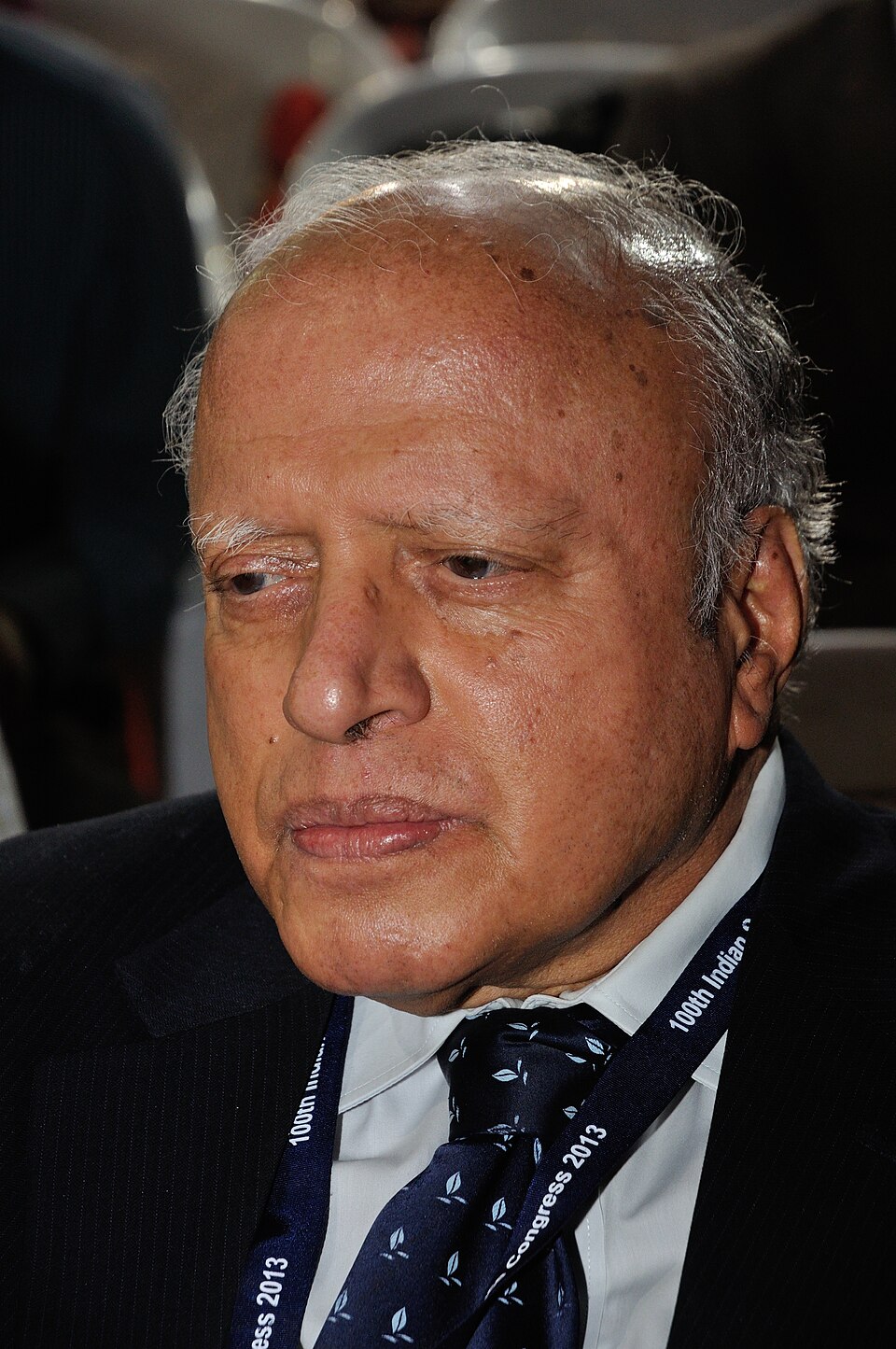 Agricultural scientist
M. S. Swaminathan
Helping transform India’s food production through the Green Revolution.
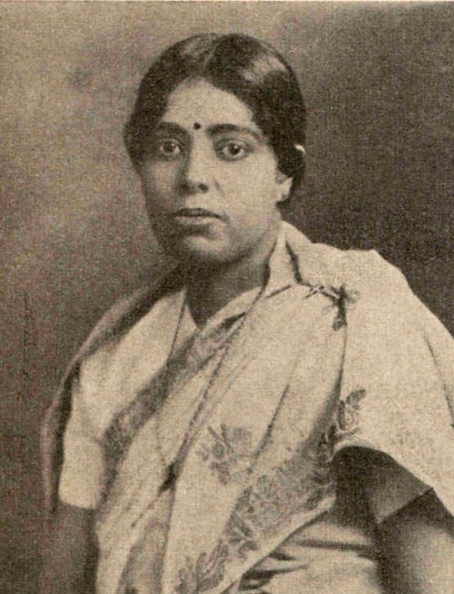 Botanist
Janaki Ammal
Using plant chromosomes to improve crops and understand their diversity.
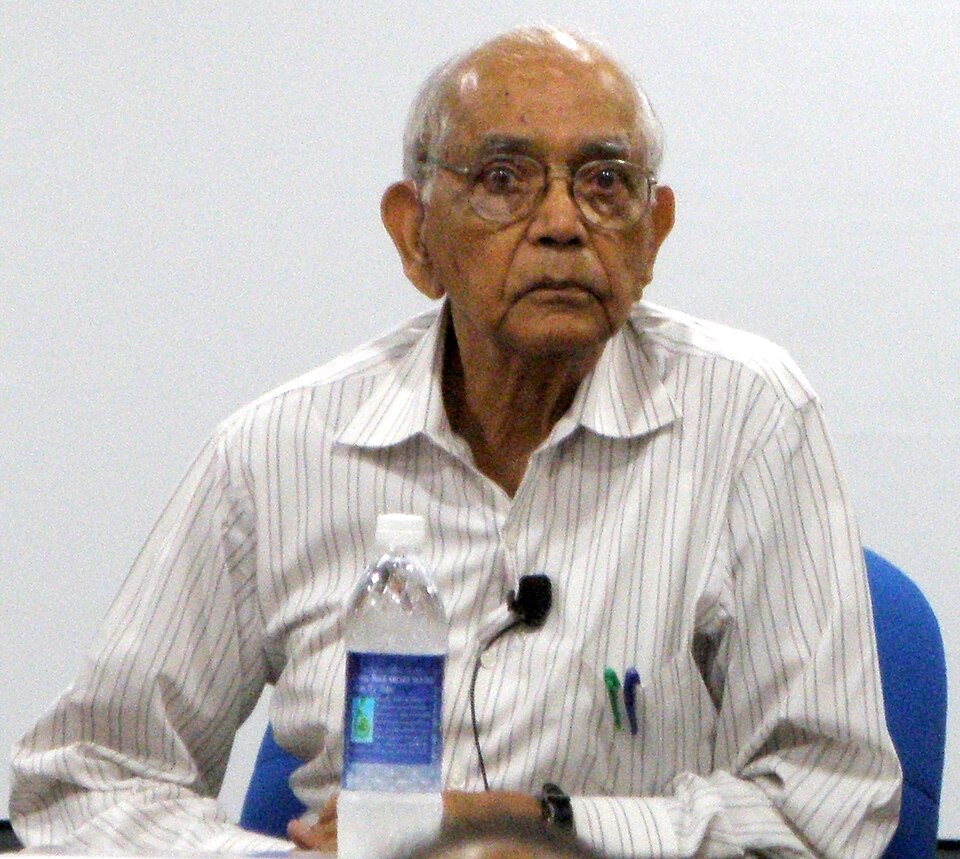 Statistician
C. R. Rao
Establishing fundamental ways to measure and improve statistical estimates.
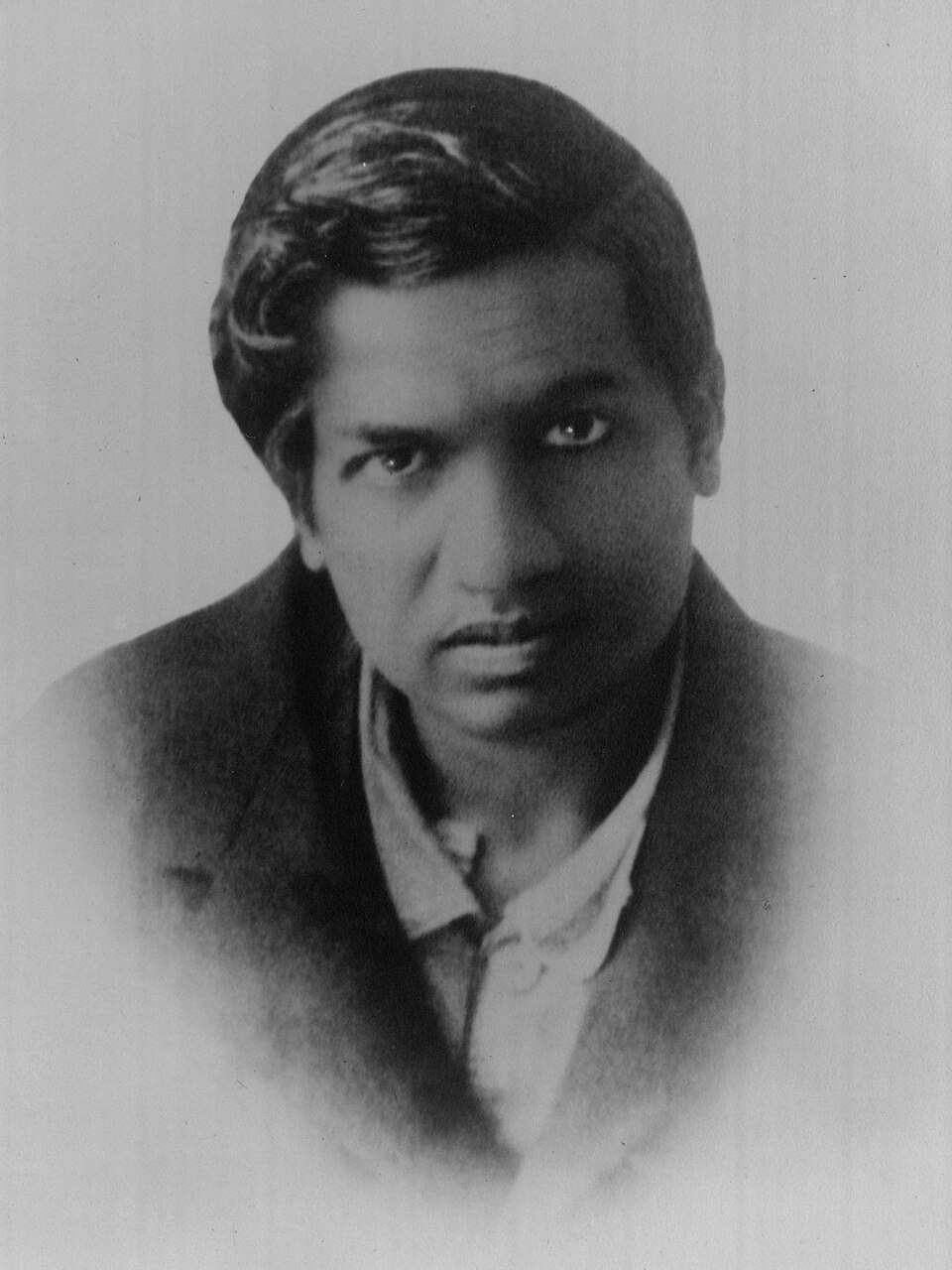 Mathematician
Srinivasa Ramanujan
Extraordinary discoveries about numbers, infinite series and partitions.
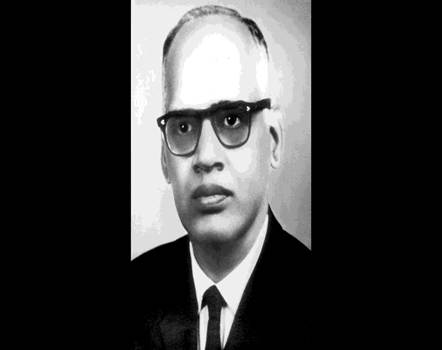 Biophysicist
G. N. Ramachandran
Mapping how protein chains can fold and proposing collagen’s triple helix.
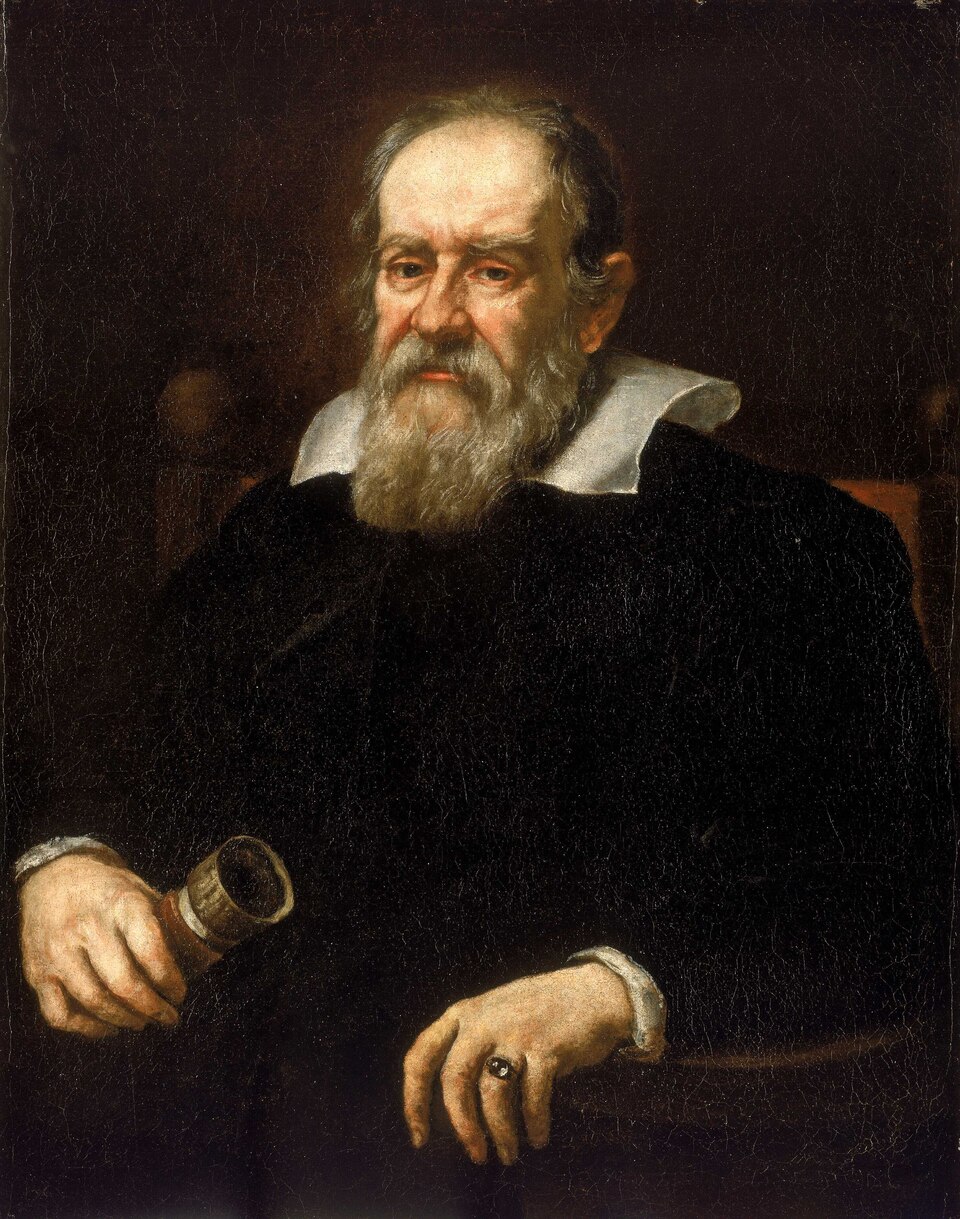 Scientist
Galileo Galilei
Using telescopic observations to challenge the Earth-centred universe.
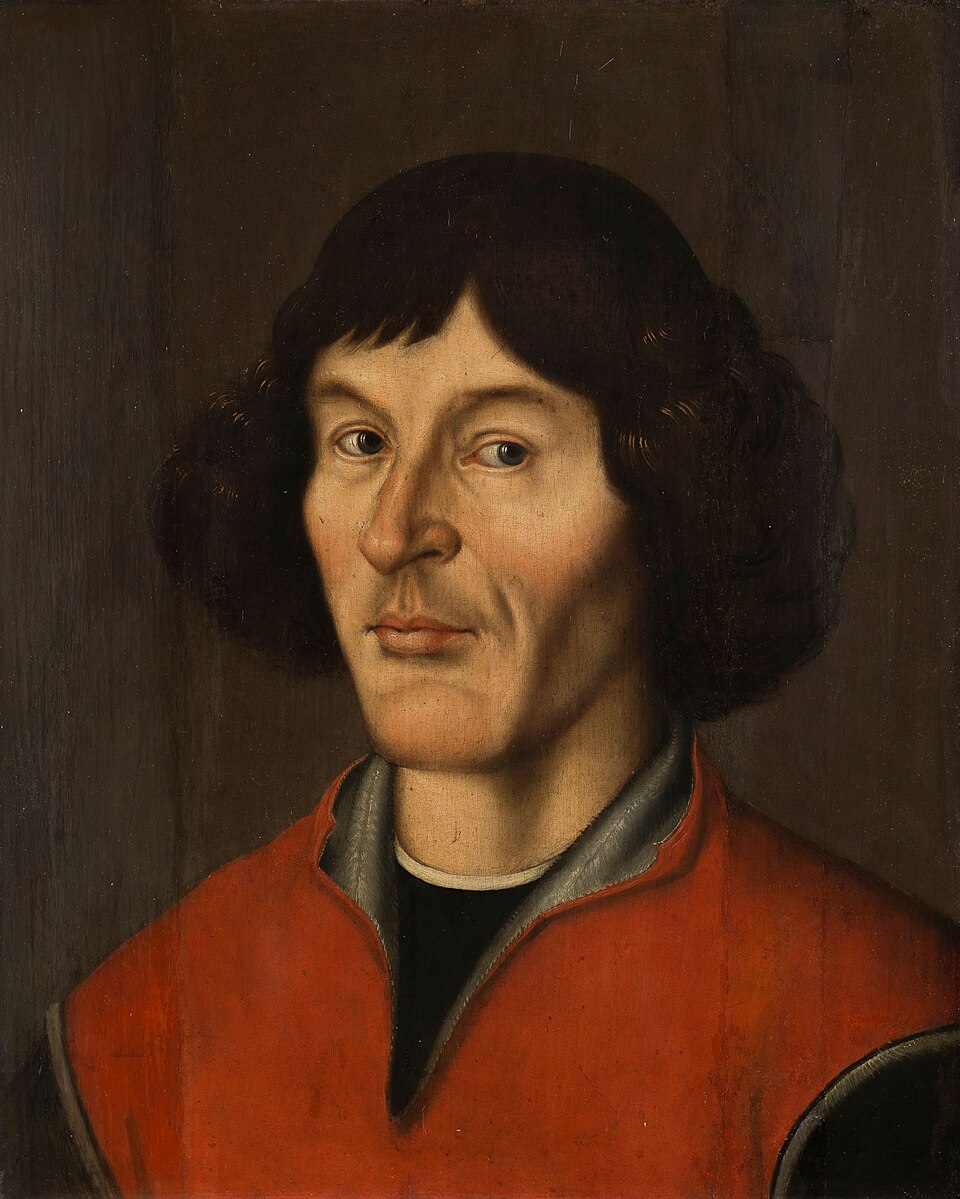 Astronomer
Nicolaus Copernicus
Placing the moving Earth around the Sun in a new model of the heavens.
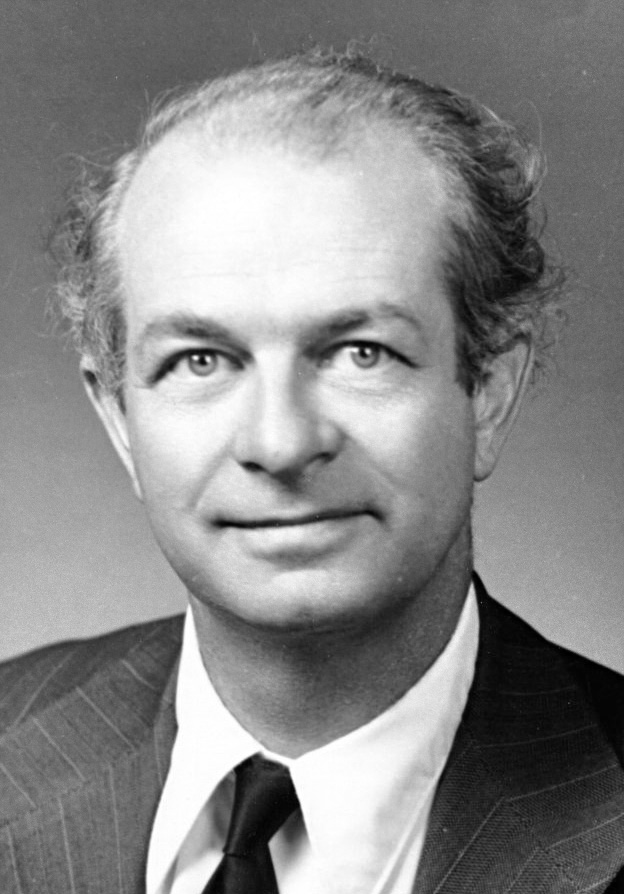 Chemist
Linus Pauling
Explaining chemical bonds and winning separate Nobel Prizes for chemistry and peace.
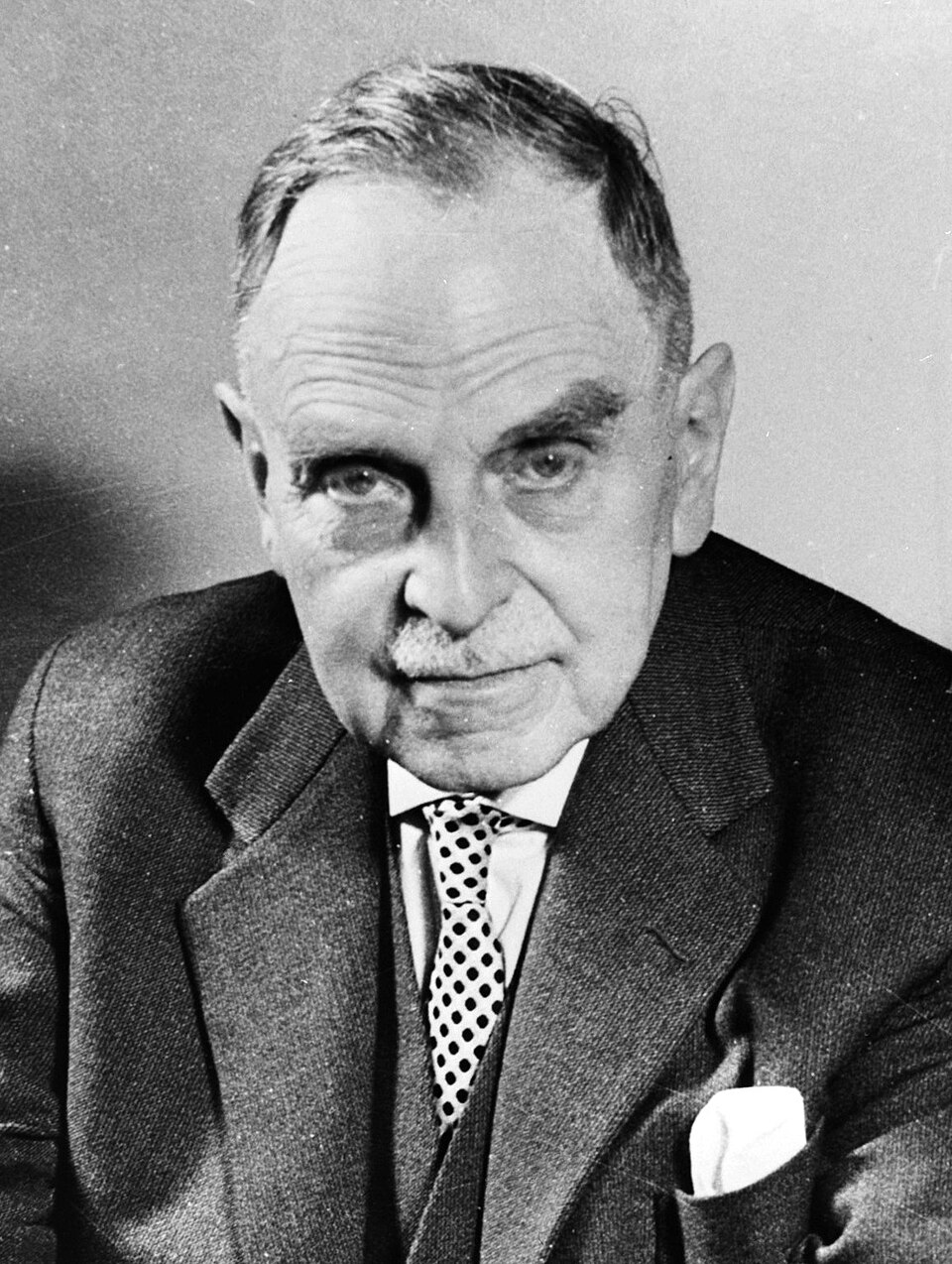 Chemist
Otto Hahn
Finding chemical evidence that uranium nuclei can split.
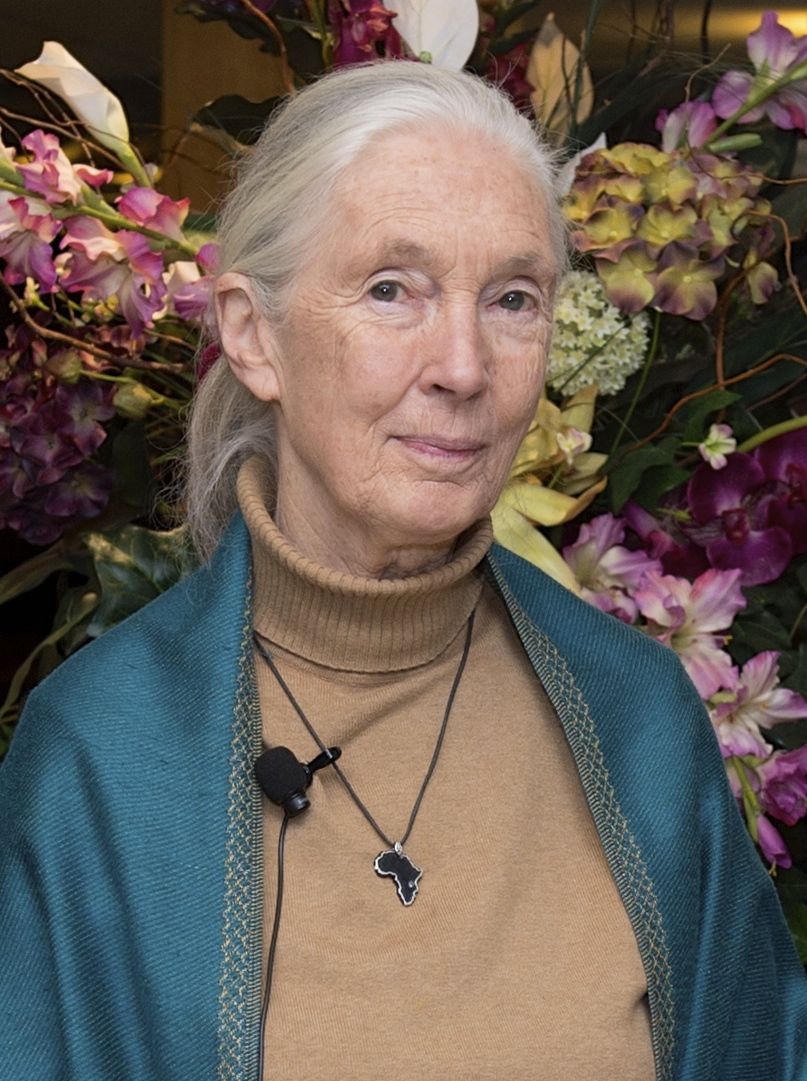 Primatologist
Jane Goodall
Revealing that wild chimpanzees make and use tools.
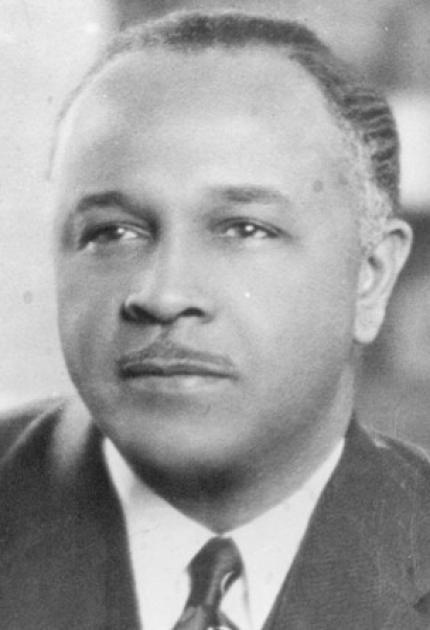 Chemist
Percy Julian
Synthesising medicinal compounds and developing industrial chemistry from soybeans.
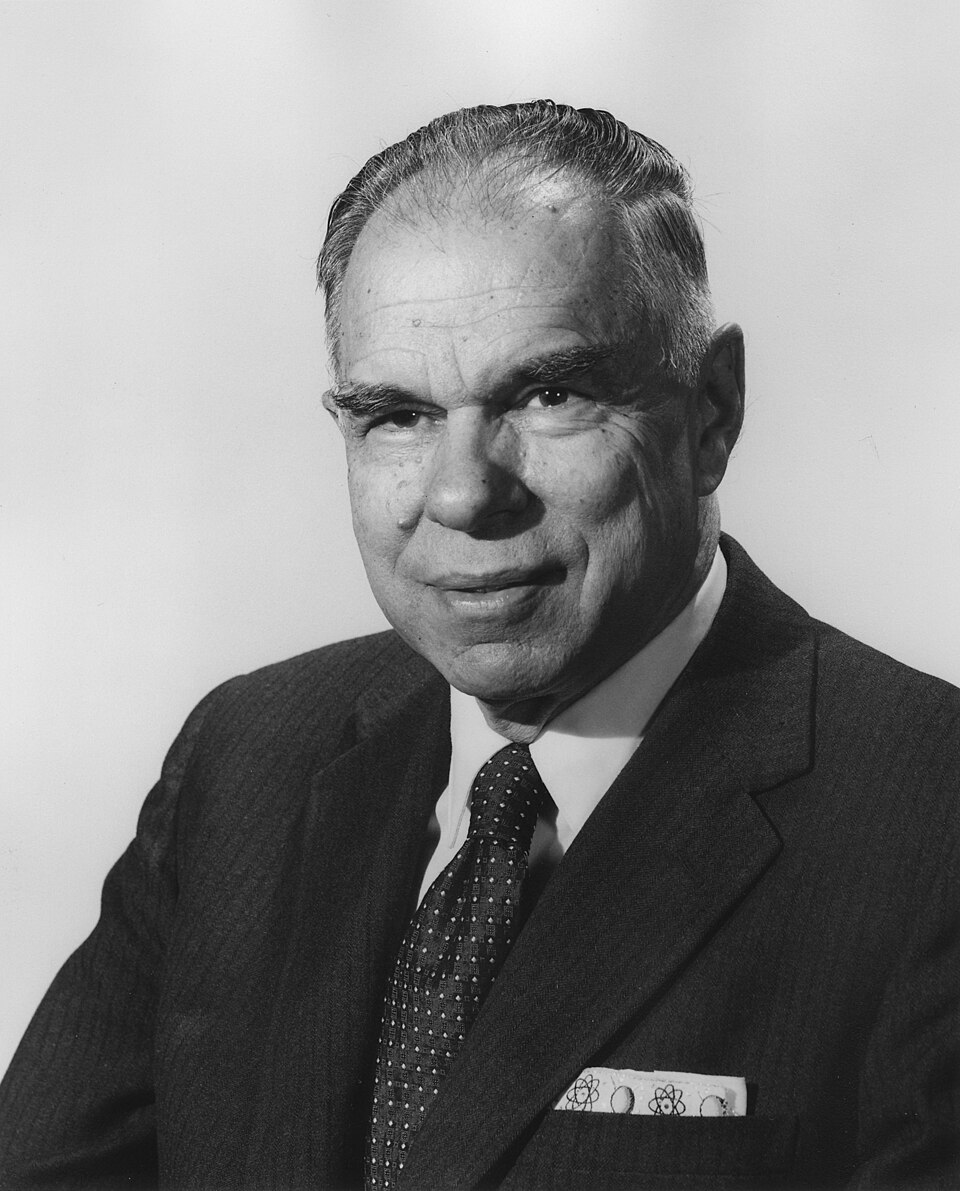 Chemist
Glenn T. Seaborg
Helping discover transuranium elements and reorganising the periodic table’s actinide series.
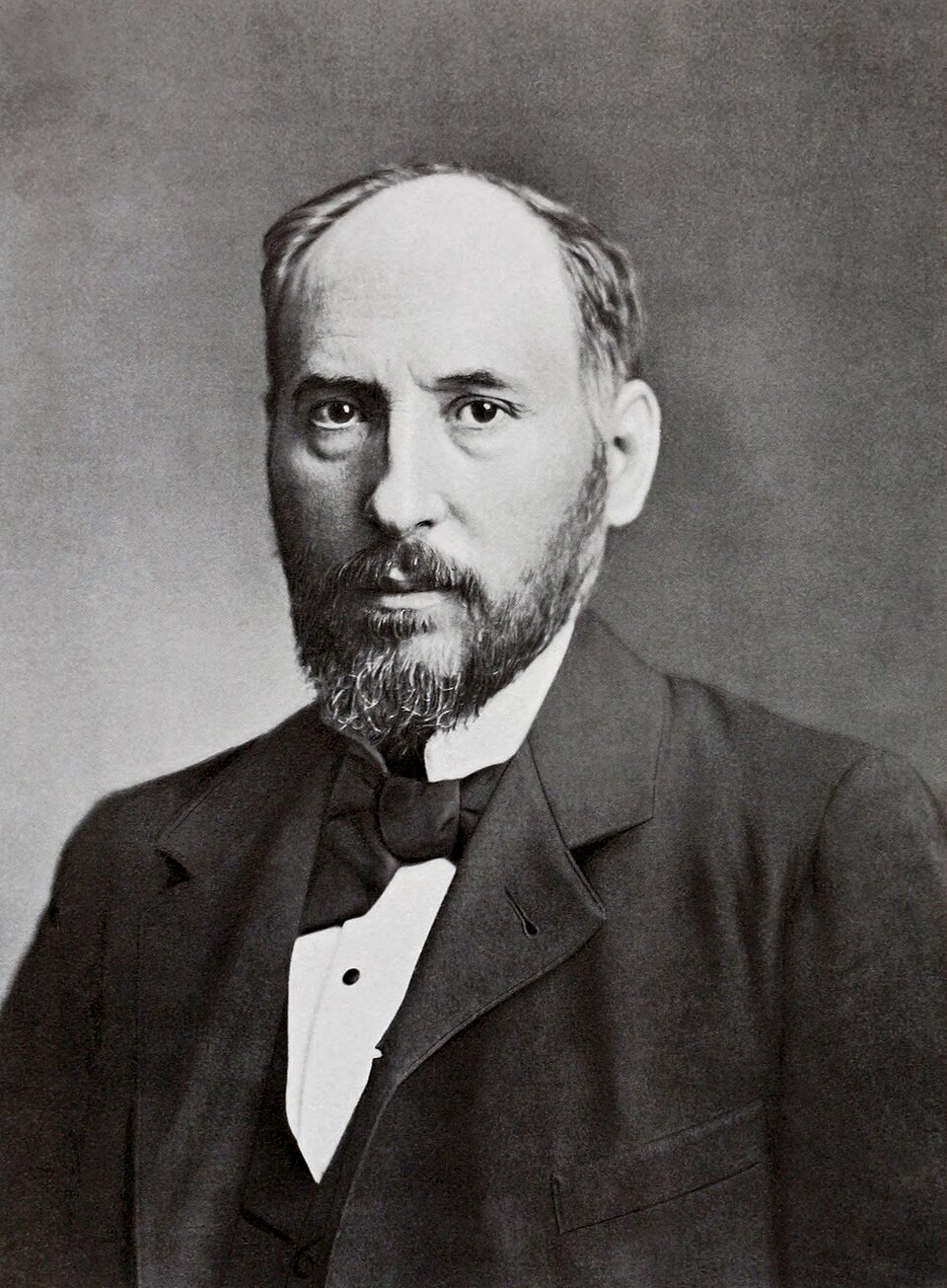 Neuroscientist
Santiago Ramón y Cajal
Establishing that the nervous system is built from individual cells.
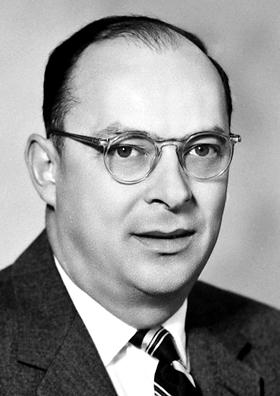 Physicist
John Bardeen
Co-inventing the transistor and helping explain superconductivity.
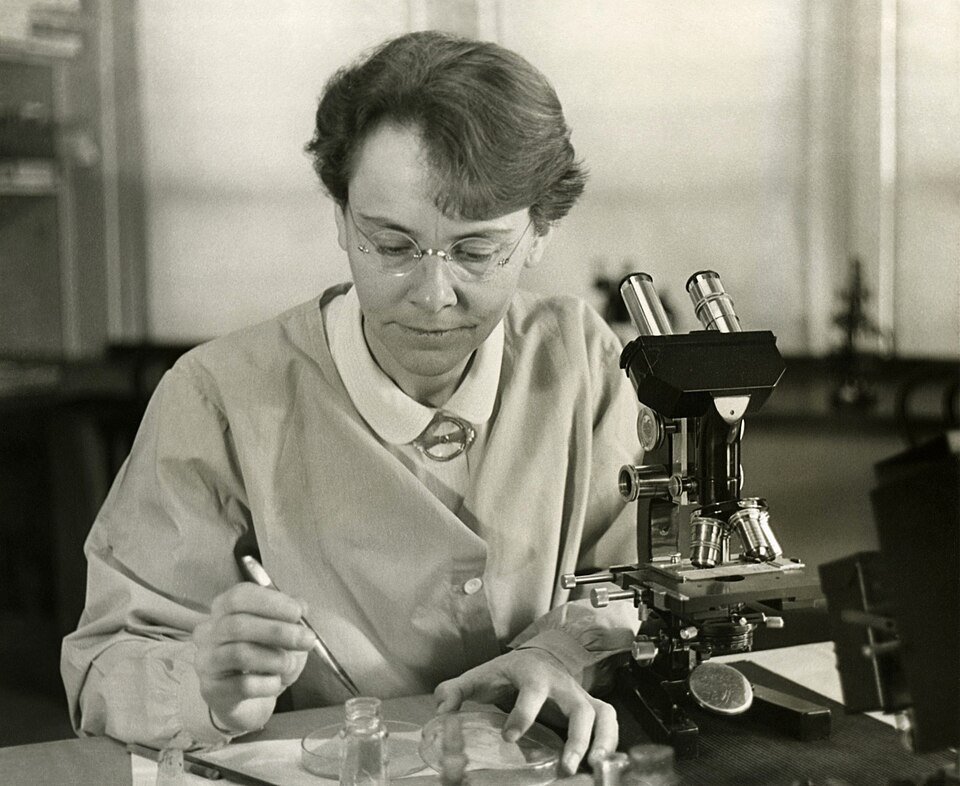 Geneticist
Barbara McClintock
Discovering mobile genetic elements, often called jumping genes.
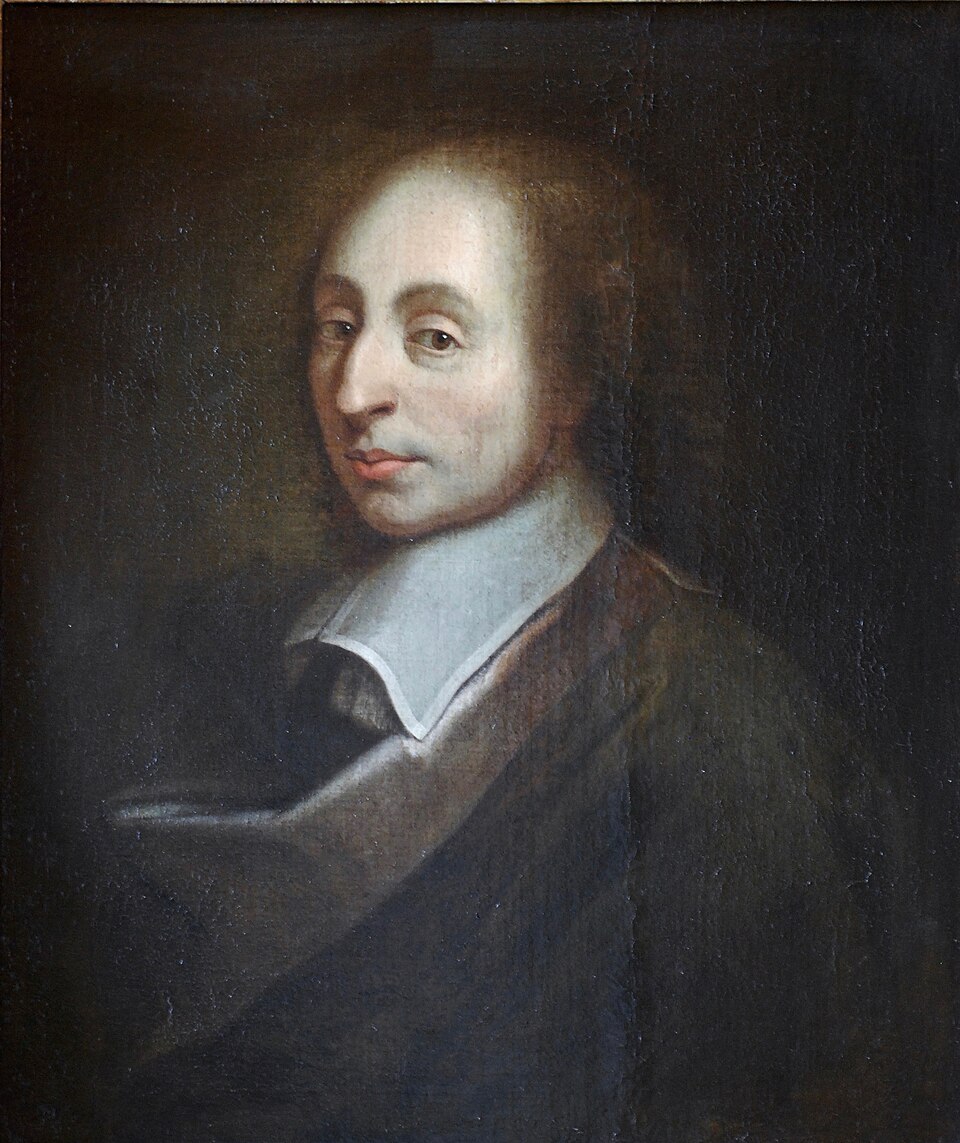 Mathematician
Blaise Pascal
Advancing probability, pressure research and early mechanical calculation.
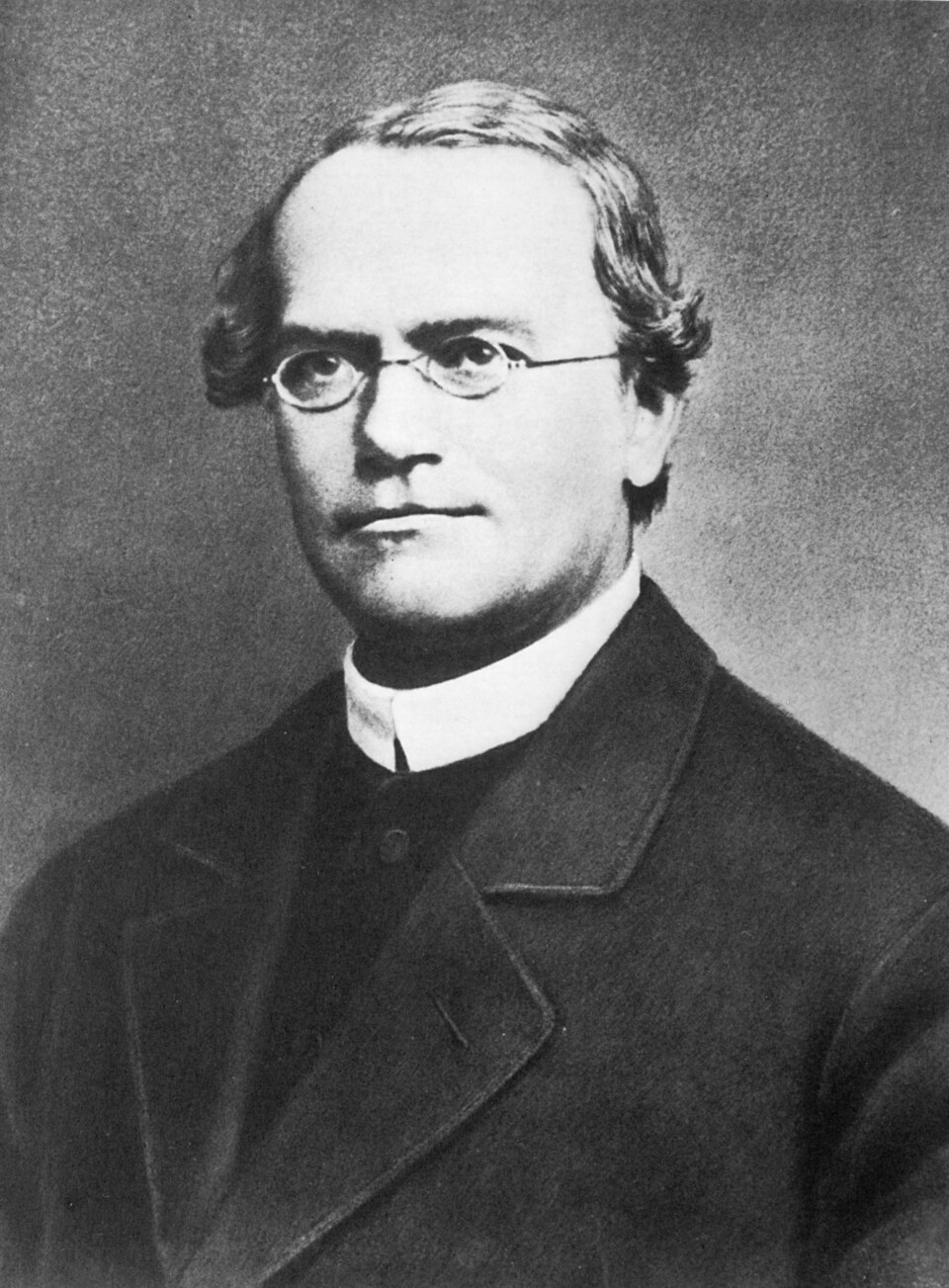 Biologist
Gregor Mendel
Revealing patterns of inheritance through pea-plant experiments.
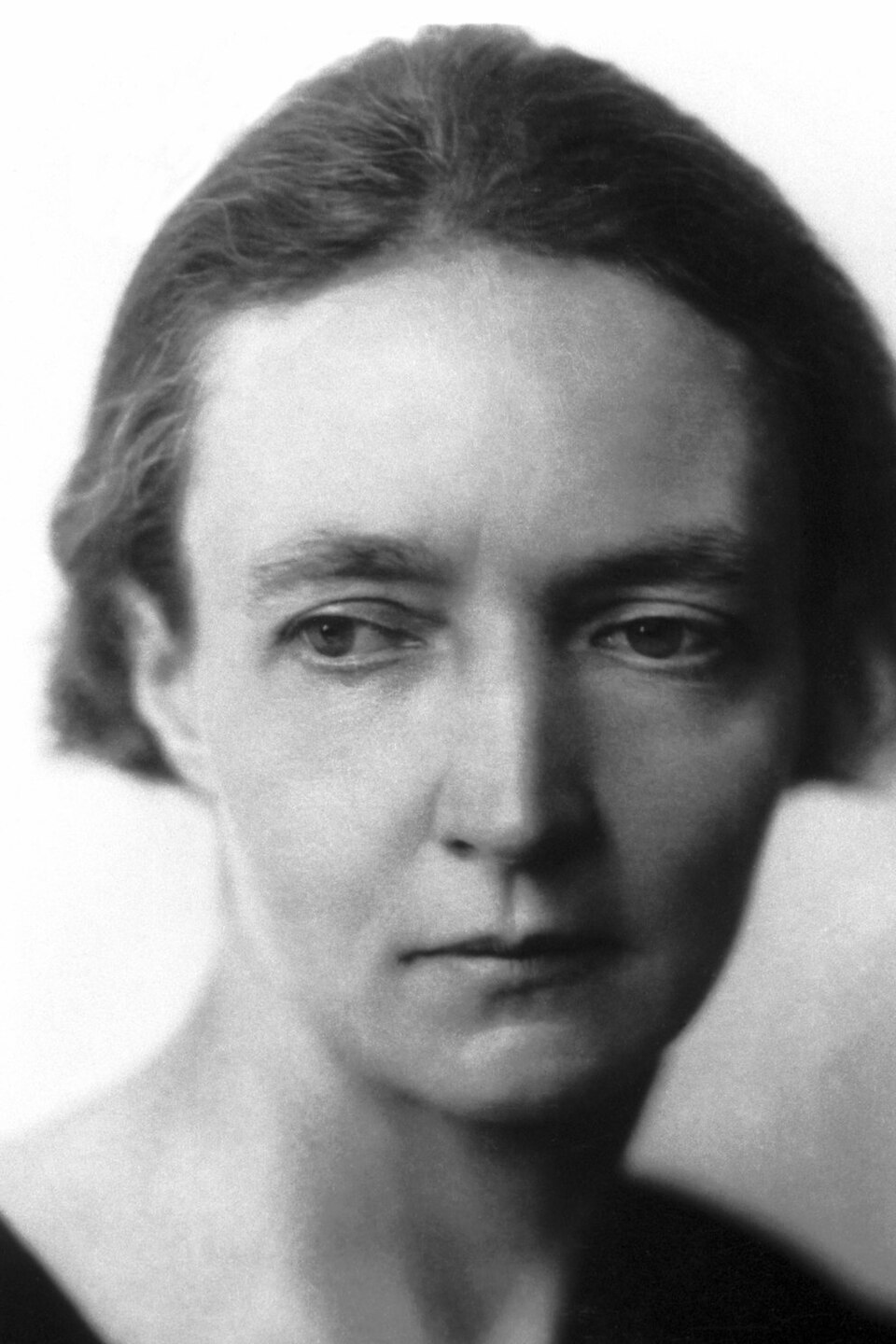 Scientist
Irène Joliot-Curie
Discovering artificial radioactivity with Frédéric Joliot-Curie.
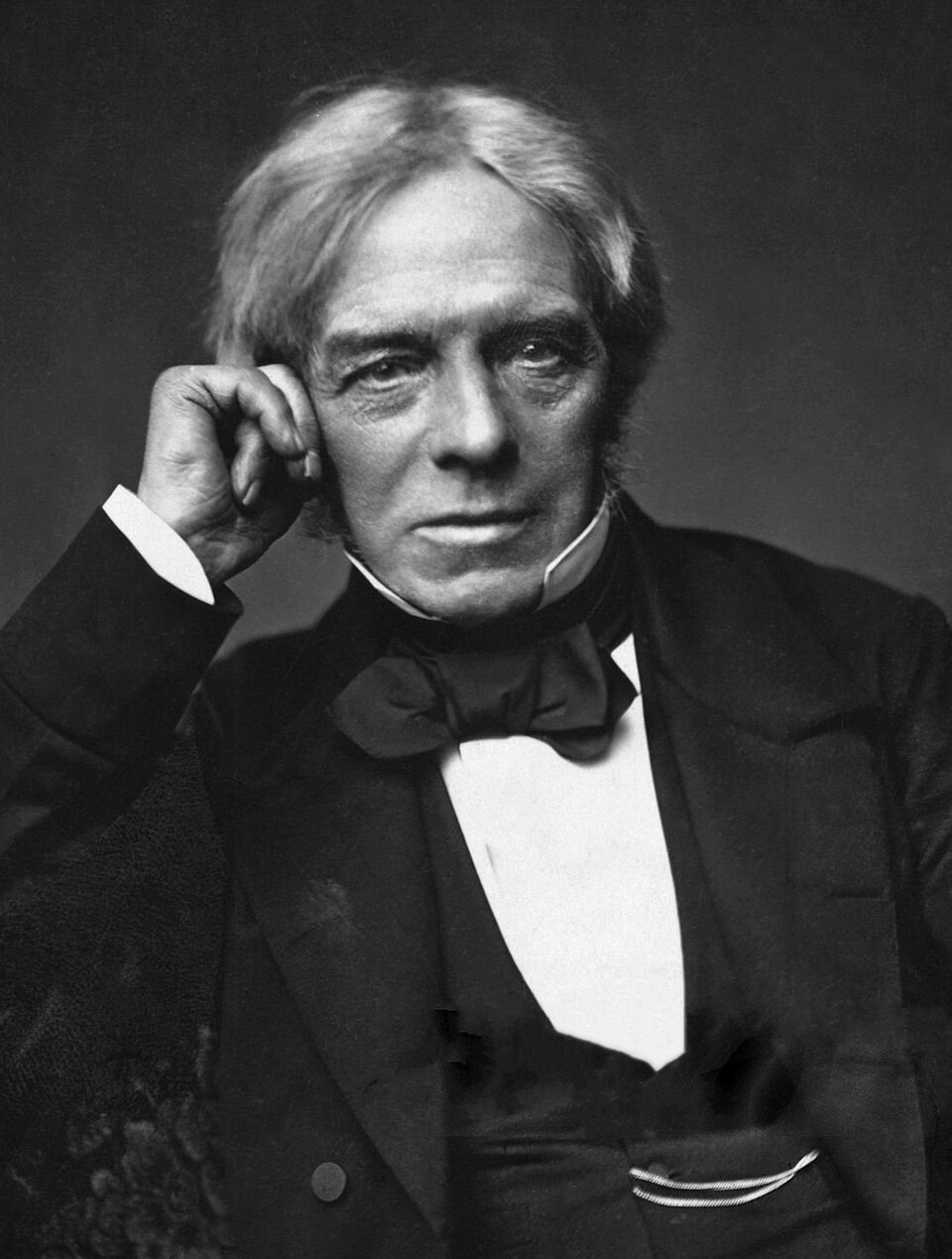 Scientist
Michael Faraday
Discovering electromagnetic induction, the basis of electric generators.
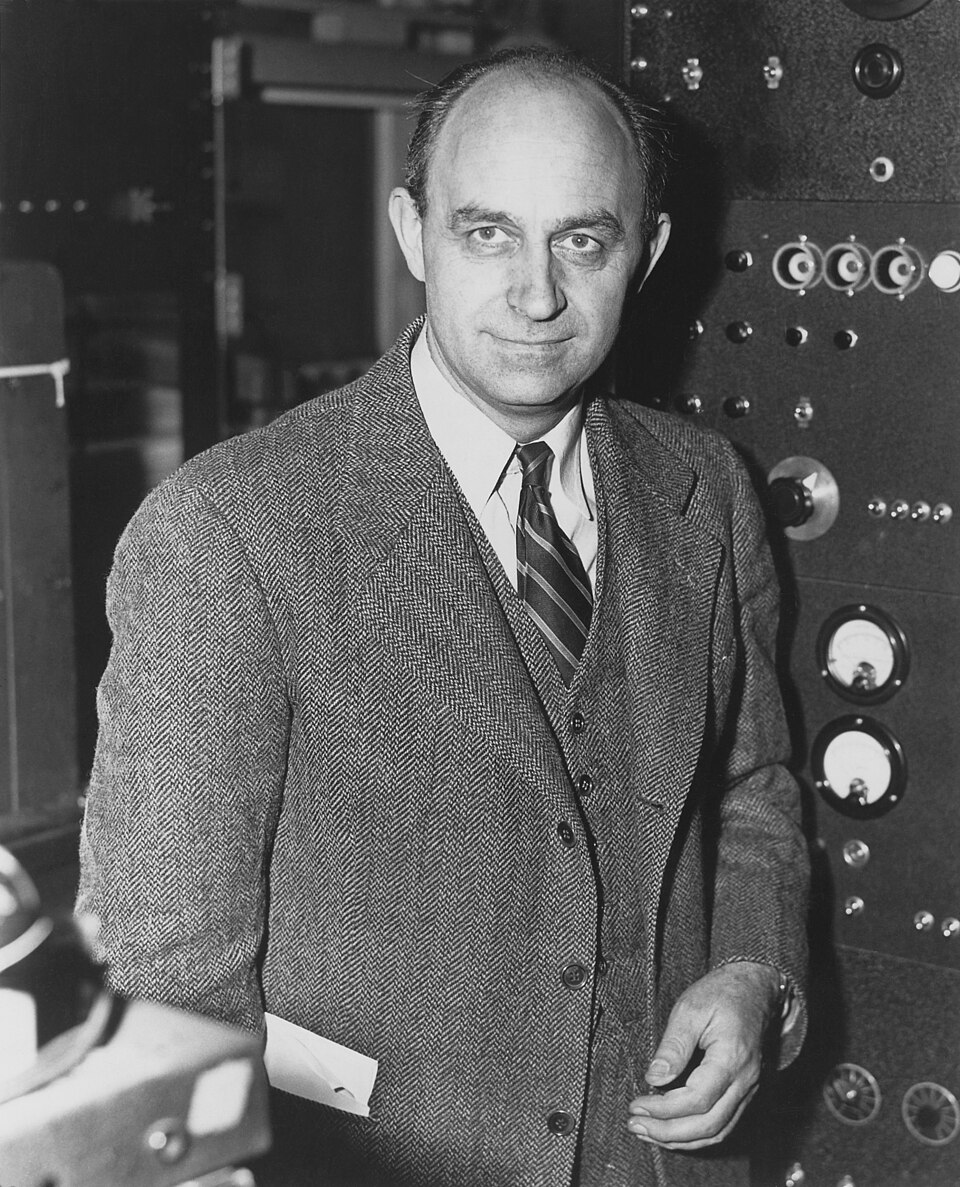 Physicist
Enrico Fermi
Leading the first controlled, self-sustaining nuclear chain reaction.
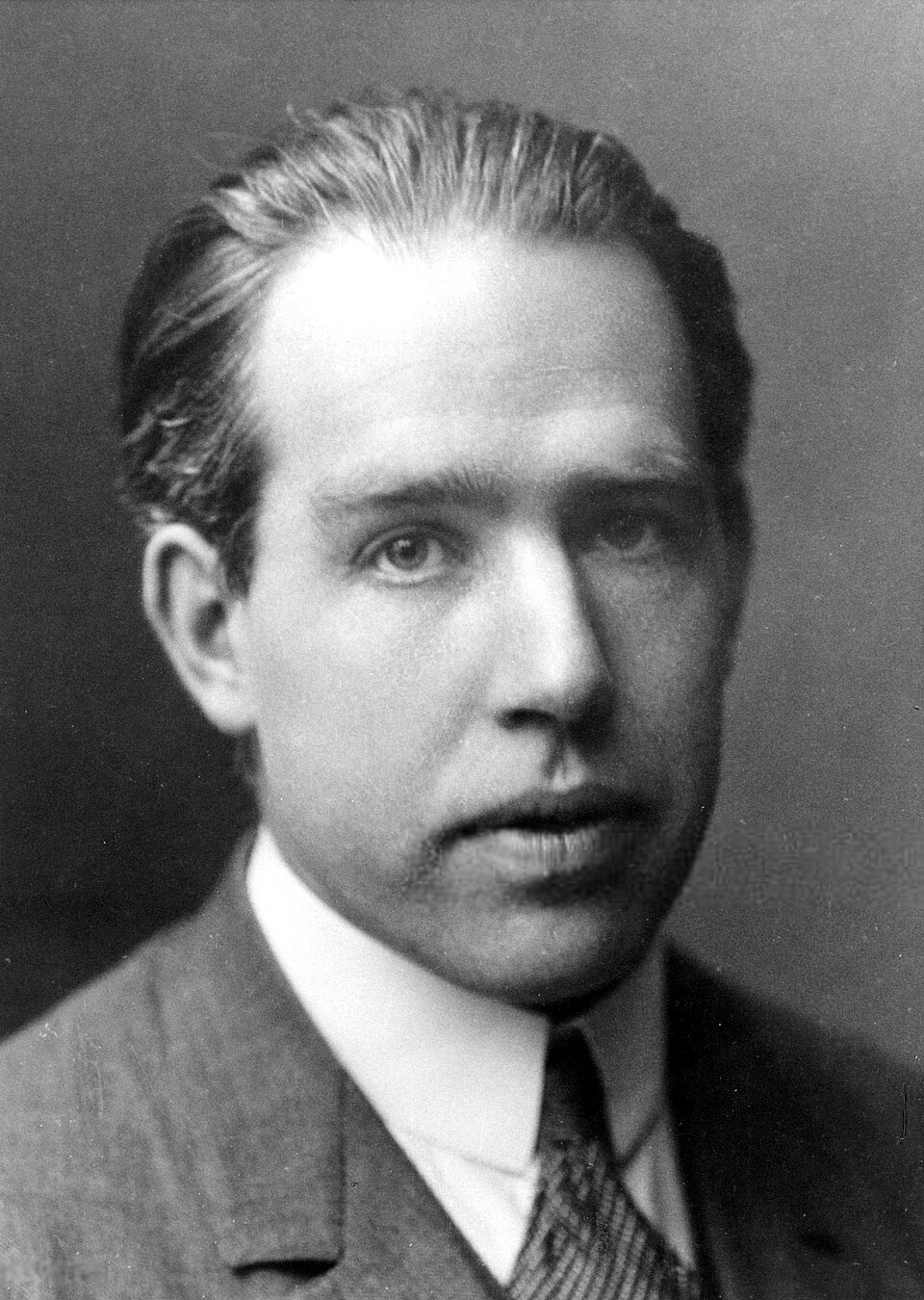 Physicist
Niels Bohr
Explaining atomic energy levels and helping establish quantum physics.
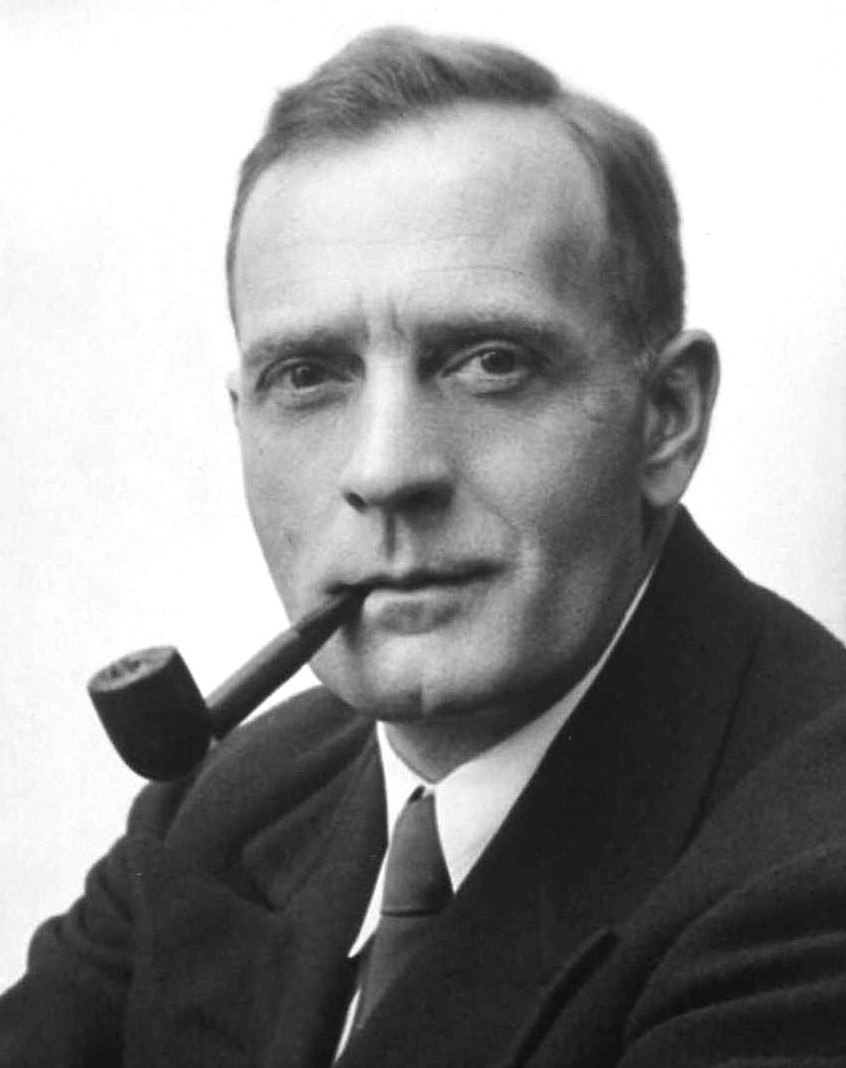 Astronomer
Edwin Hubble
Showing that galaxies exist beyond the Milky Way and helping establish the expanding universe.
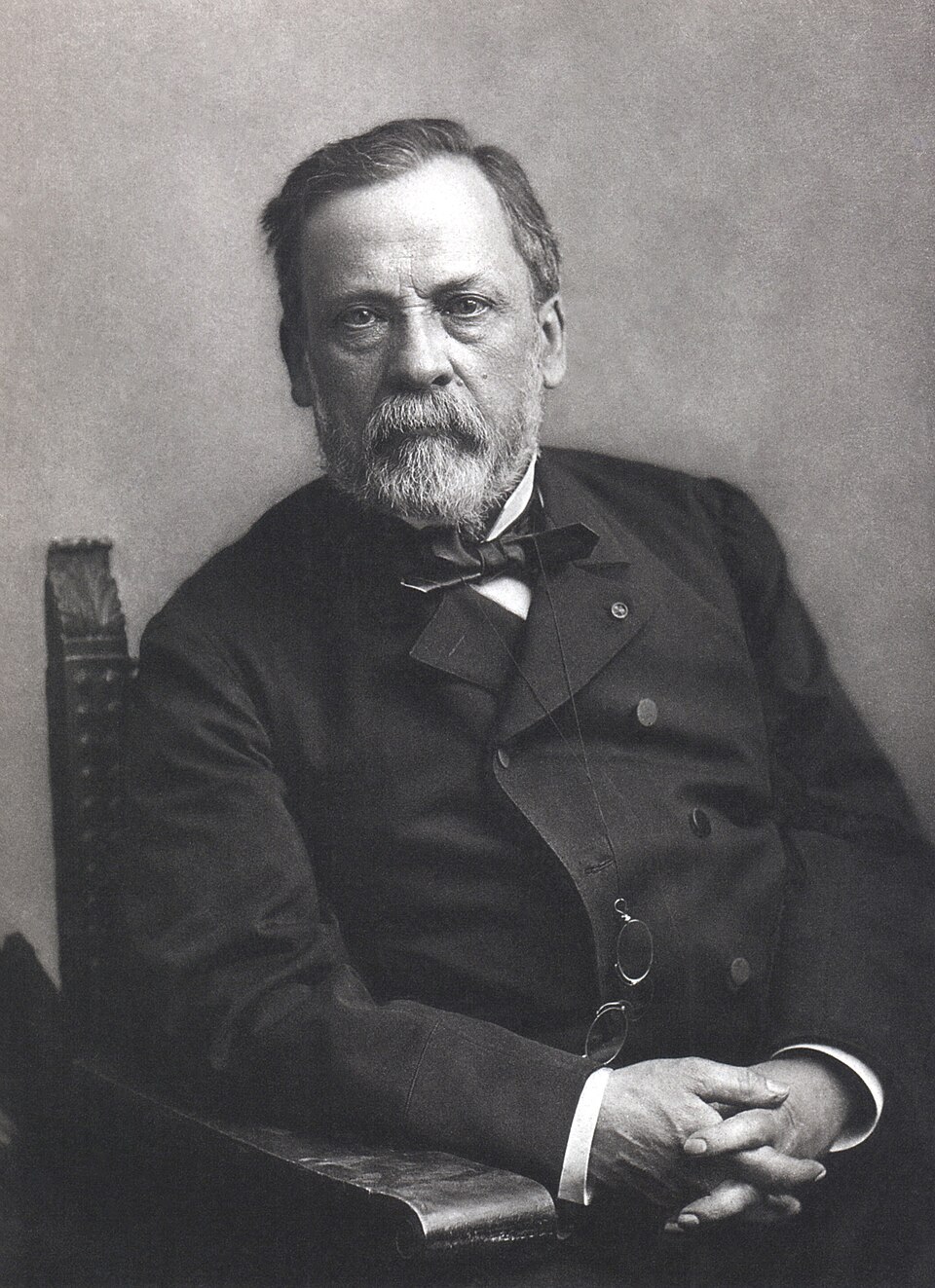 Microbiologist
Louis Pasteur
Explaining microbial fermentation, developing pasteurisation and advancing vaccination.
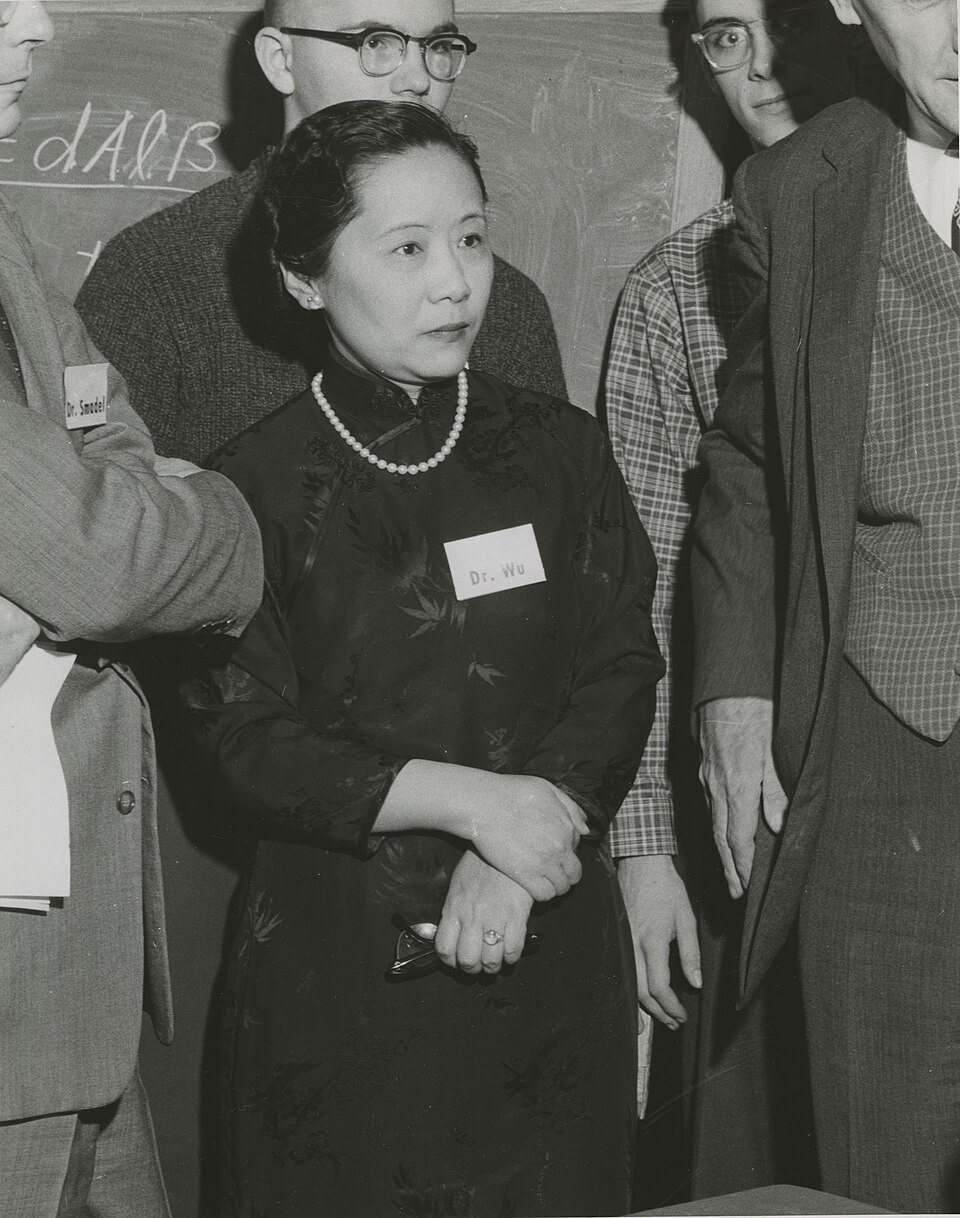 Physicist
Chien-Shiung Wu
Leading the experiment that showed nature’s weak interaction does not obey mirror symmetry.
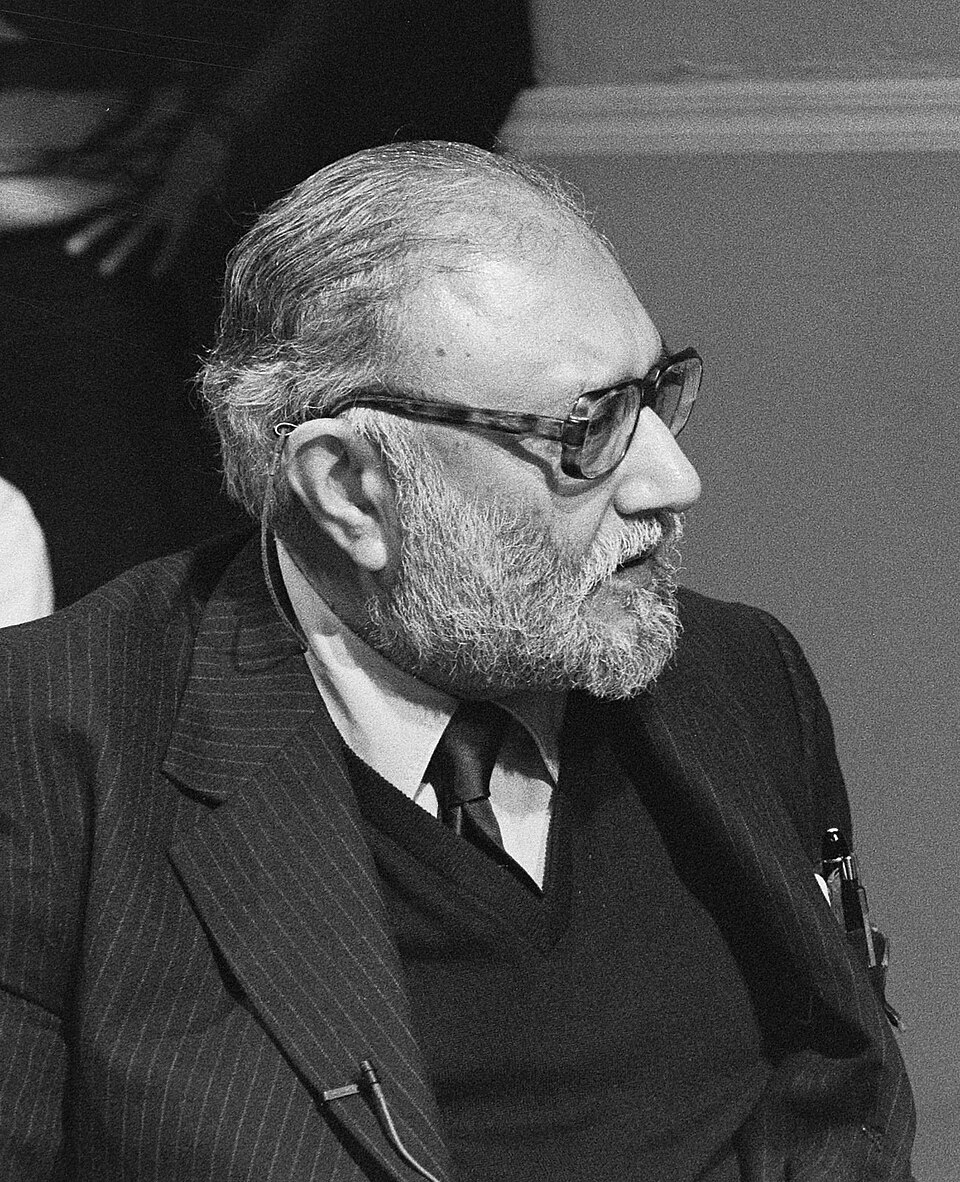 Physicist
Abdus Salam
Helping develop electroweak theory, which connects two fundamental forces.
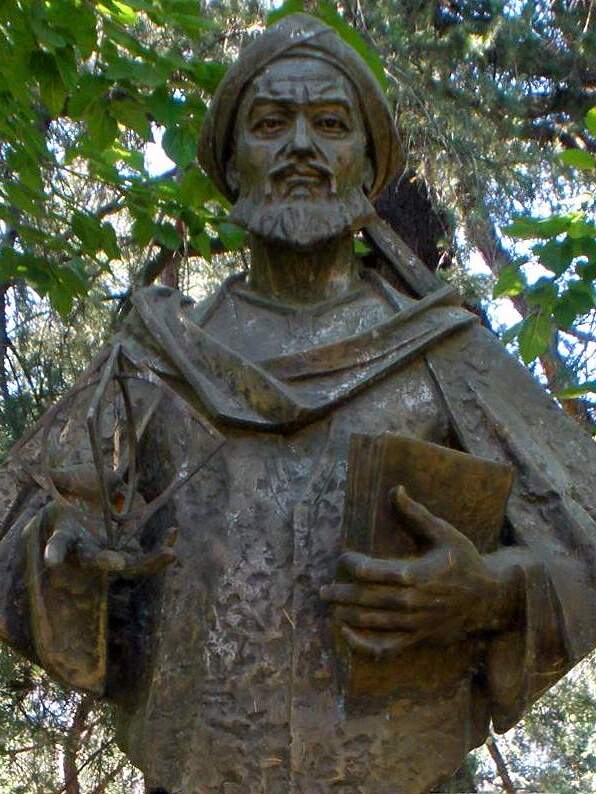 Mathematician
Al-Khwarizmi
Writing a foundational algebra treatise and helping transmit positional arithmetic.
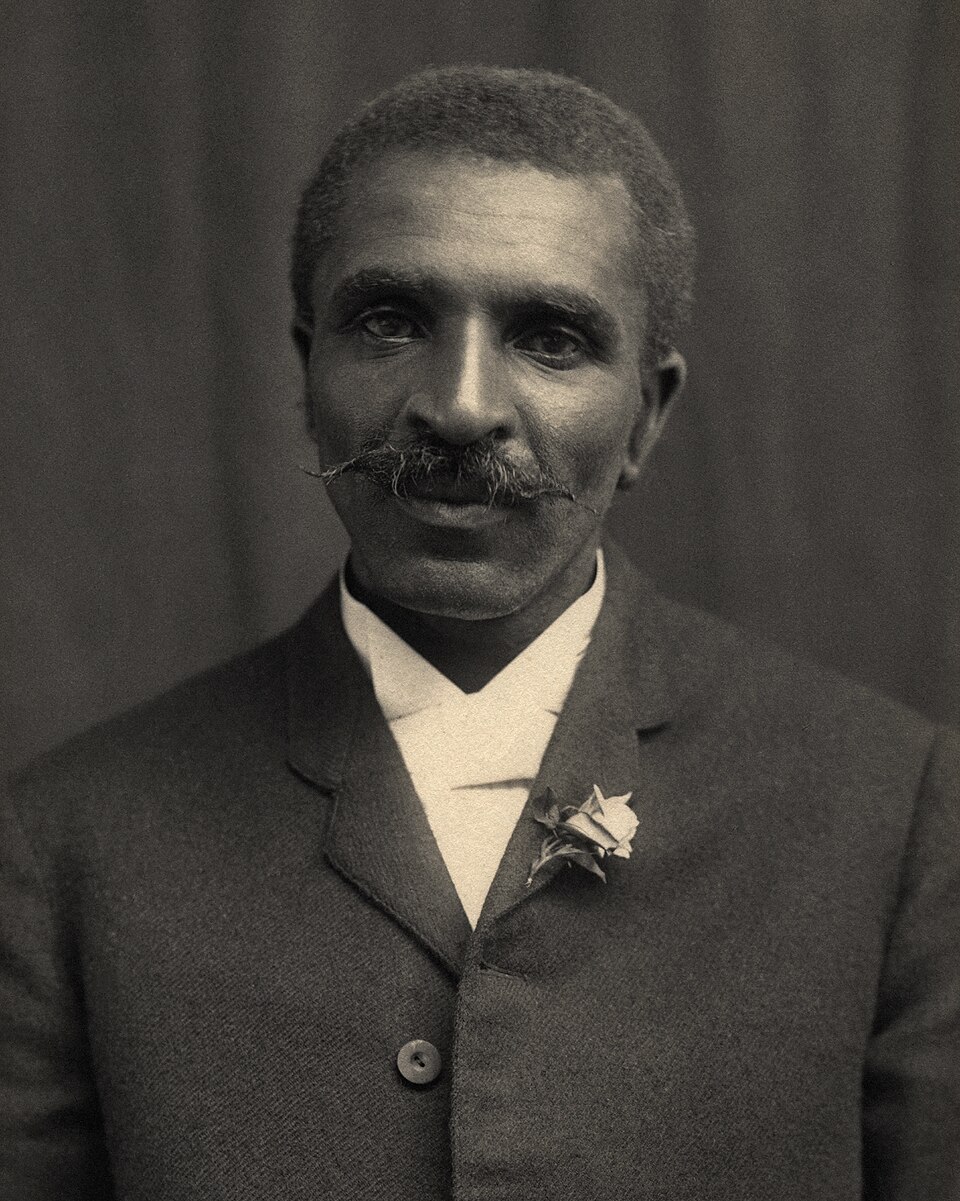 Agricultural scientist
George Washington Carver
Helping farmers restore worn-out soil and grow alternatives to cotton.
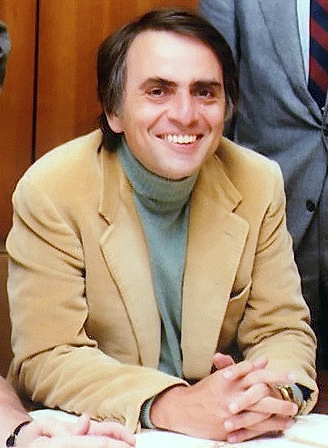 Astronomer
Carl Sagan
Bringing astronomy into ordinary homes through Cosmos and exploring the possibility of life beyond Earth.
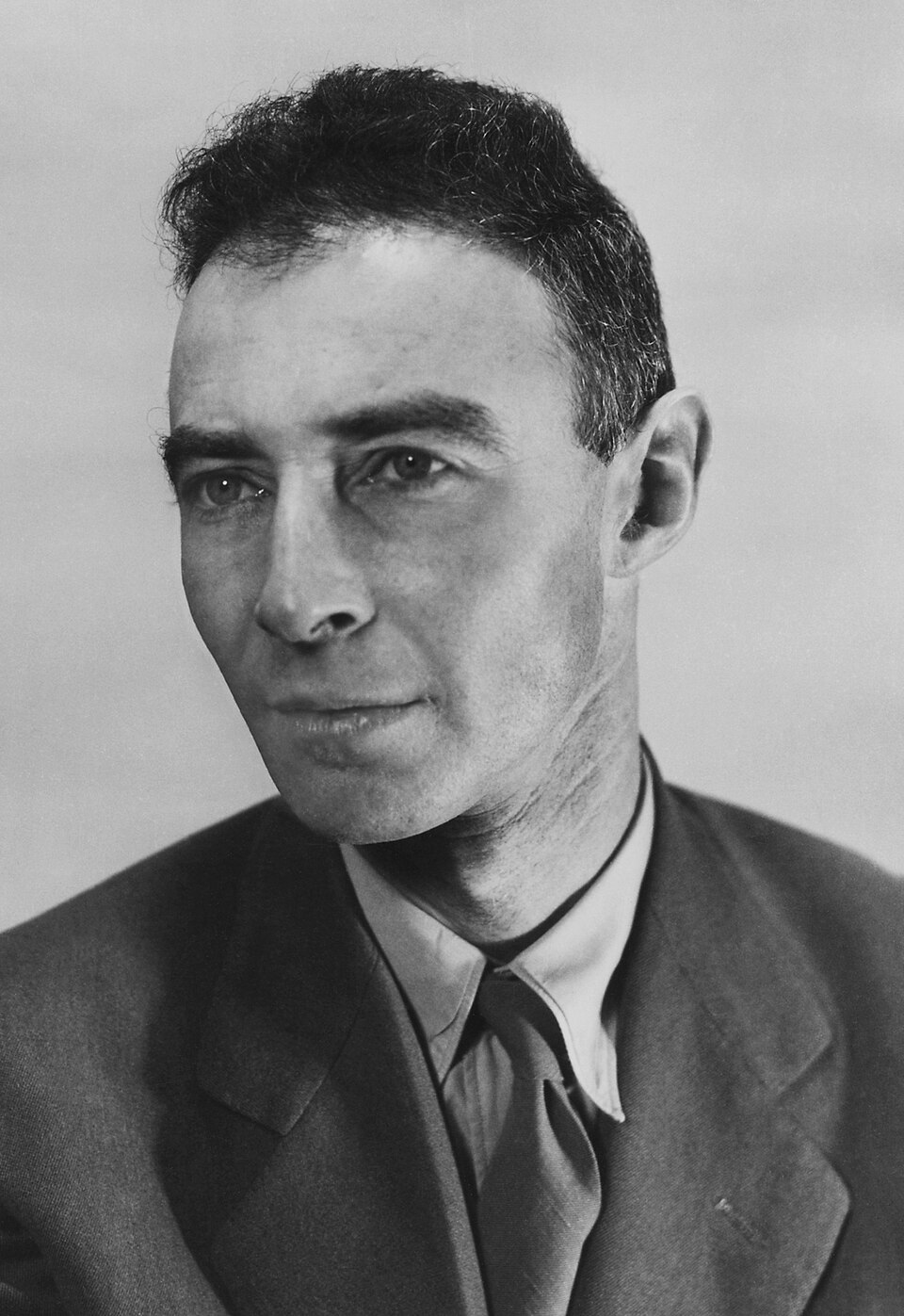 Physicist
J. Robert Oppenheimer
Directing Los Alamos during the development of the first atomic bombs.
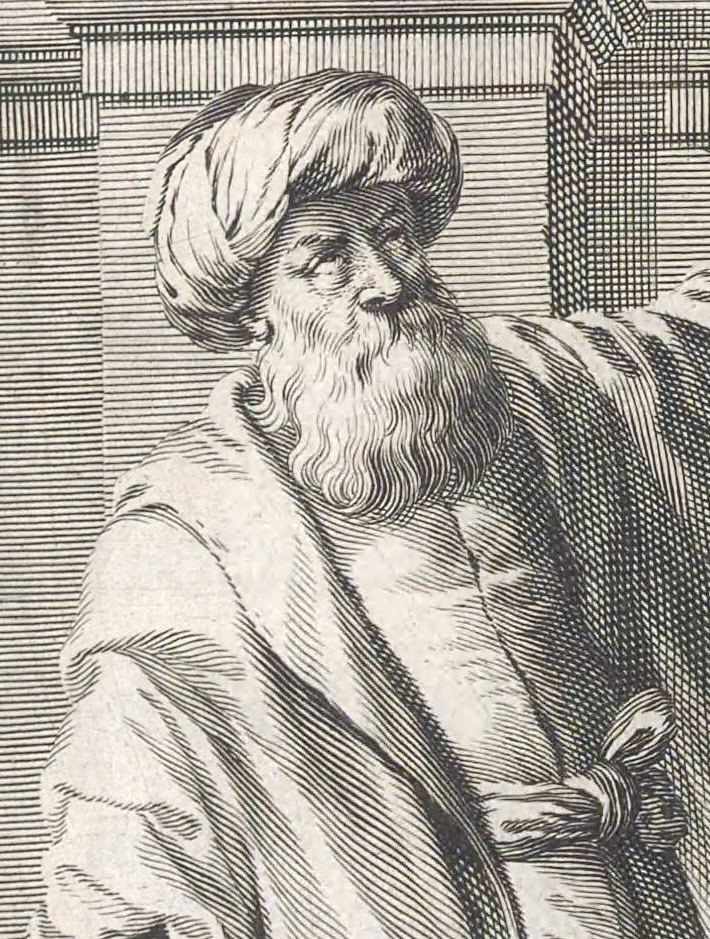 Physicist
Ibn al-Haytham
Explaining vision through light entering the eye and developing experimental studies of optics.
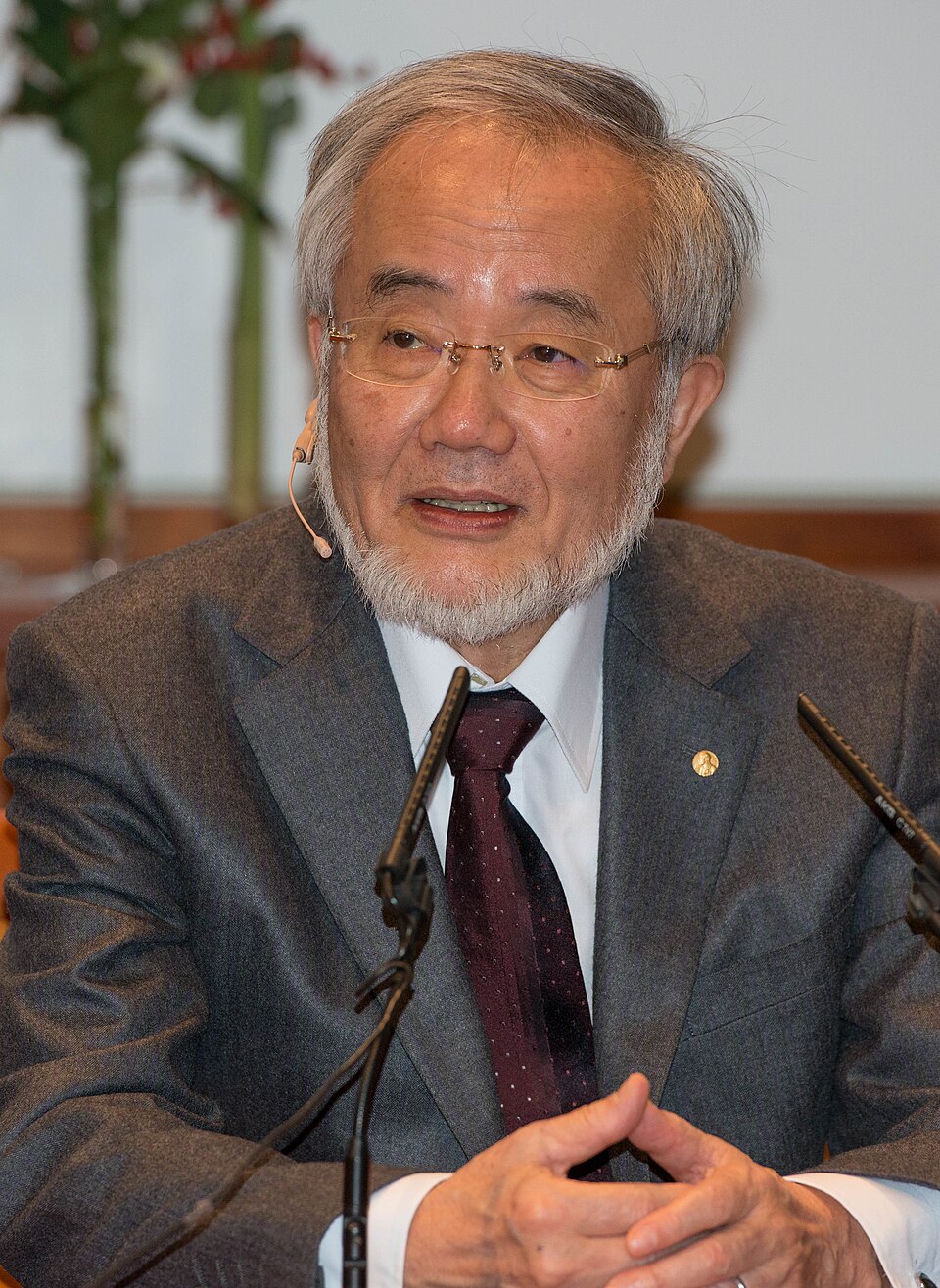 Biologist
Yoshinori Ohsumi
Revealing how cells dismantle and recycle their own components through autophagy.
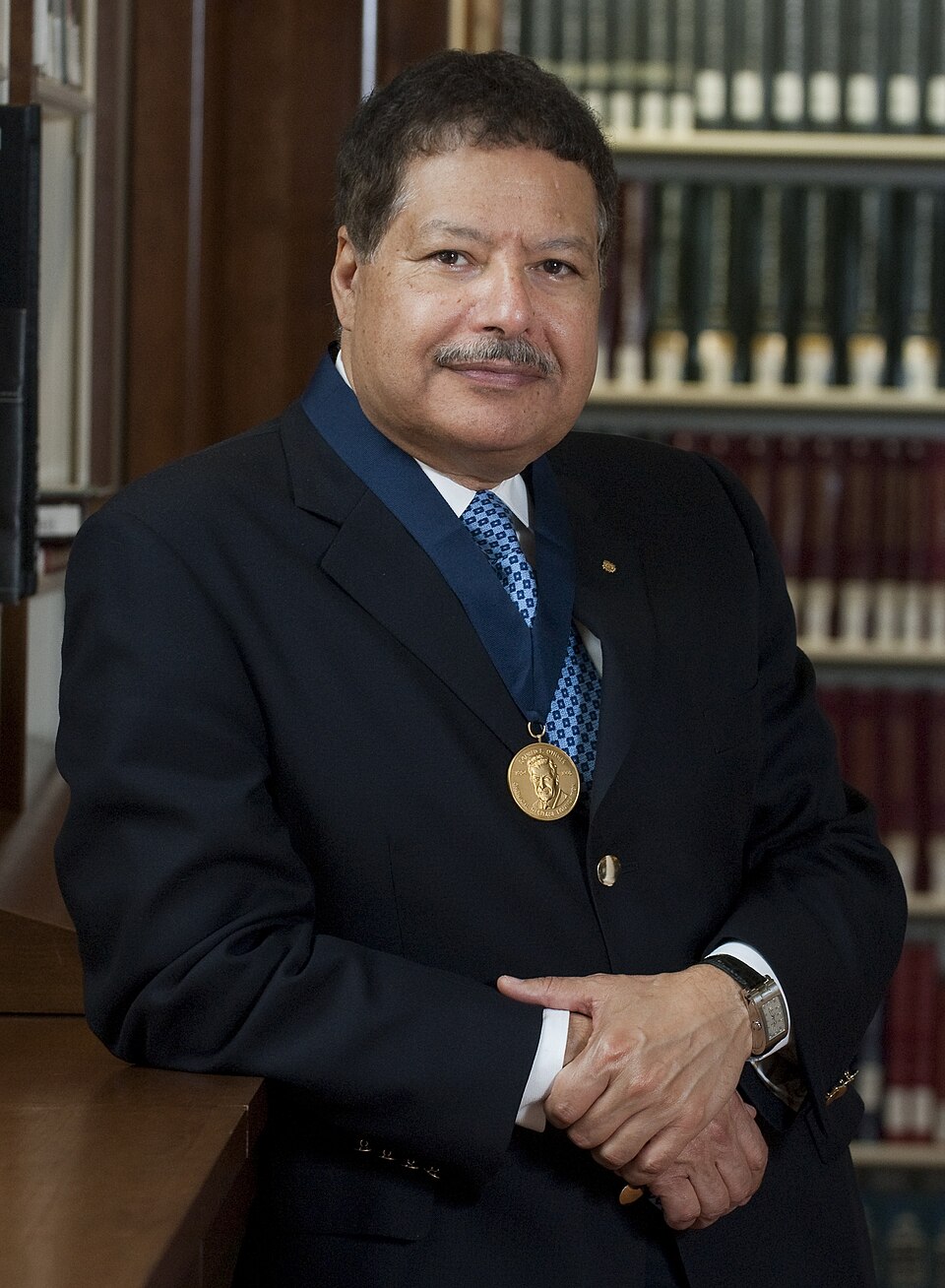 Chemist
Ahmed Zewail
Using ultrafast laser pulses to observe chemical bonds breaking and forming.
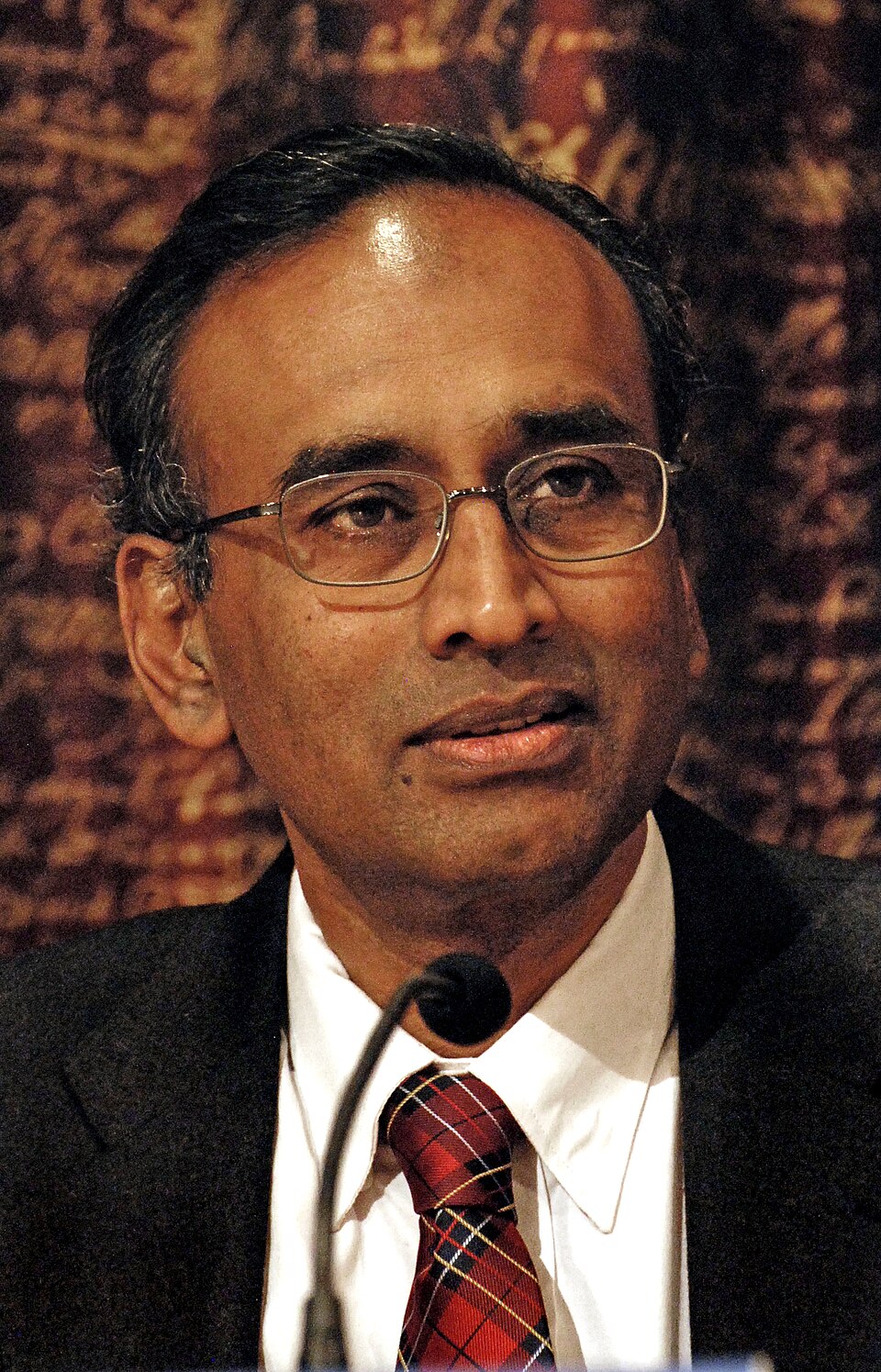 Biologist
Venki Ramakrishnan
Mapping the ribosome, the molecular machinery that builds proteins.
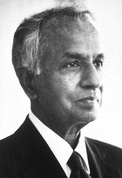 Physicist
Subrahmanyan Chandrasekhar
Discovering the mass limit beyond which a white dwarf cannot support itself.
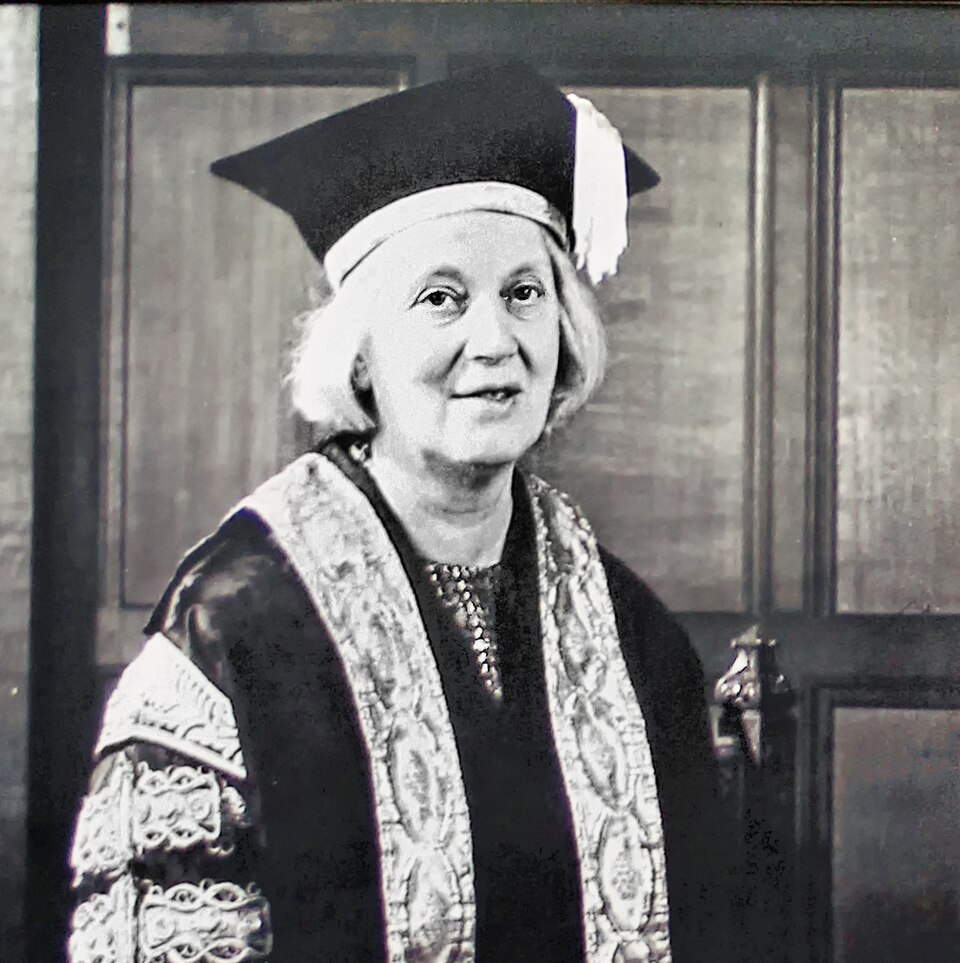 Chemist
Dorothy Hodgkin
Using X-rays to reveal the structures of penicillin, vitamin B12 and insulin.
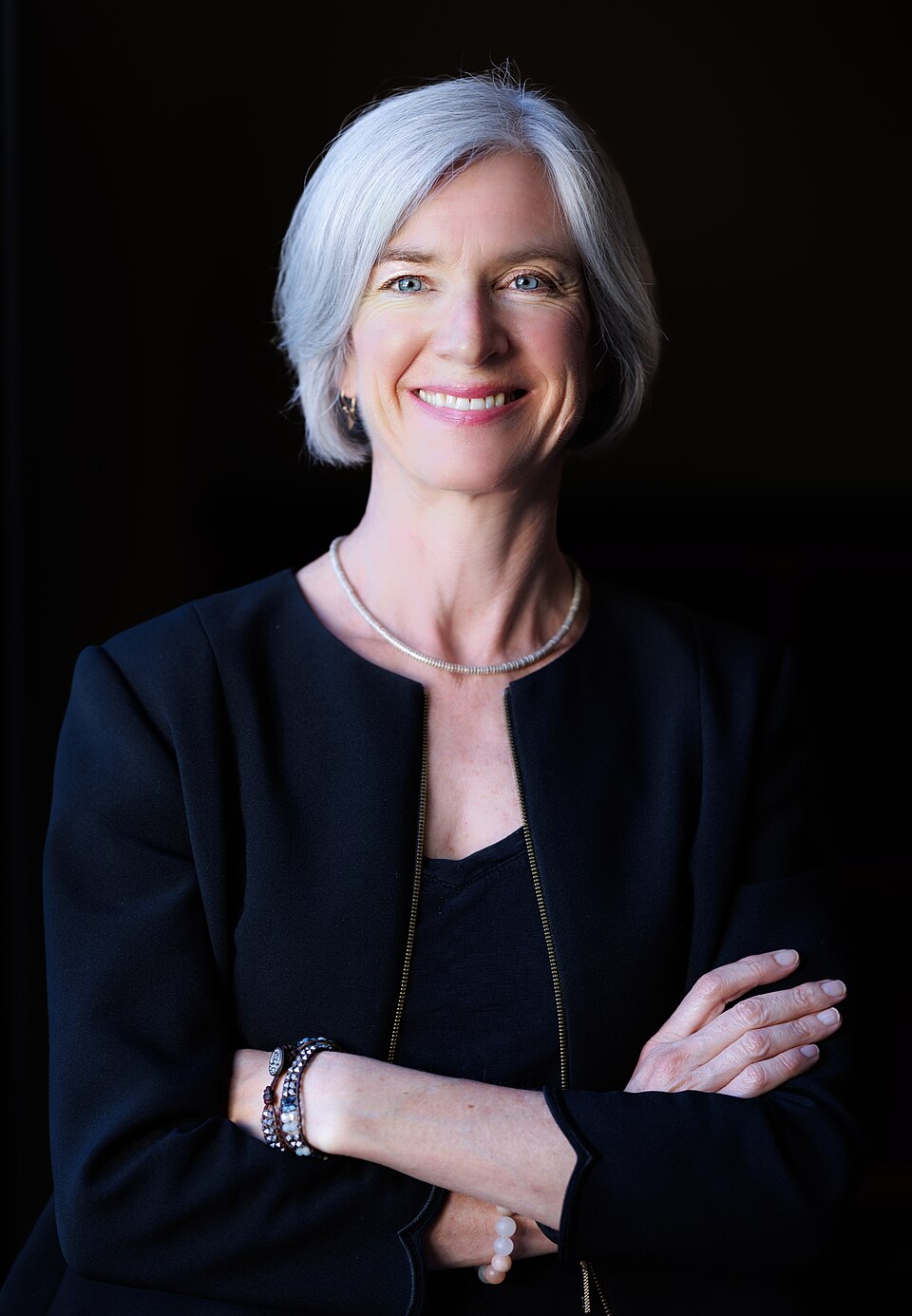 Biochemist
Jennifer Doudna
Co-developing CRISPR-Cas9 as a programmable tool for editing DNA.
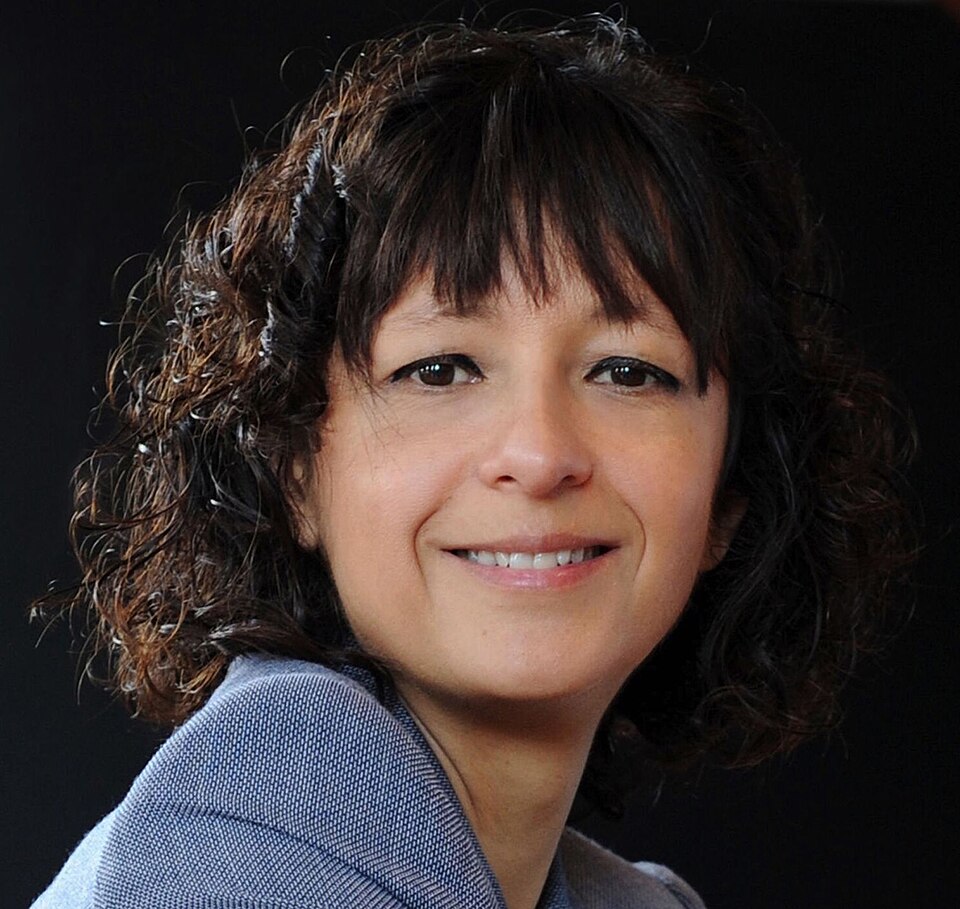 Microbiologist
Emmanuelle Charpentier
Co-developing CRISPR-Cas9 as a programmable method for editing DNA.
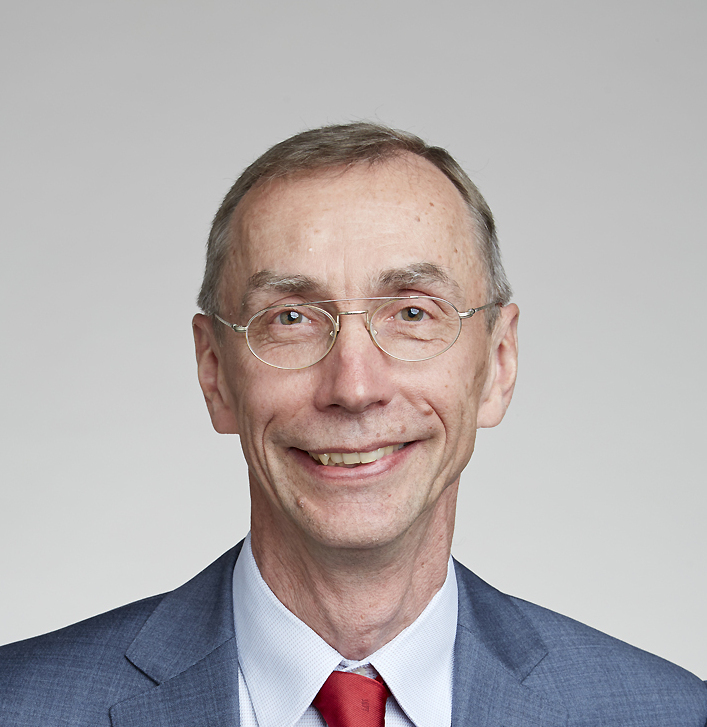 Geneticist
Svante Pääbo
Recovering ancient human DNA and revealing our genetic connections with Neanderthals and Denisovans.
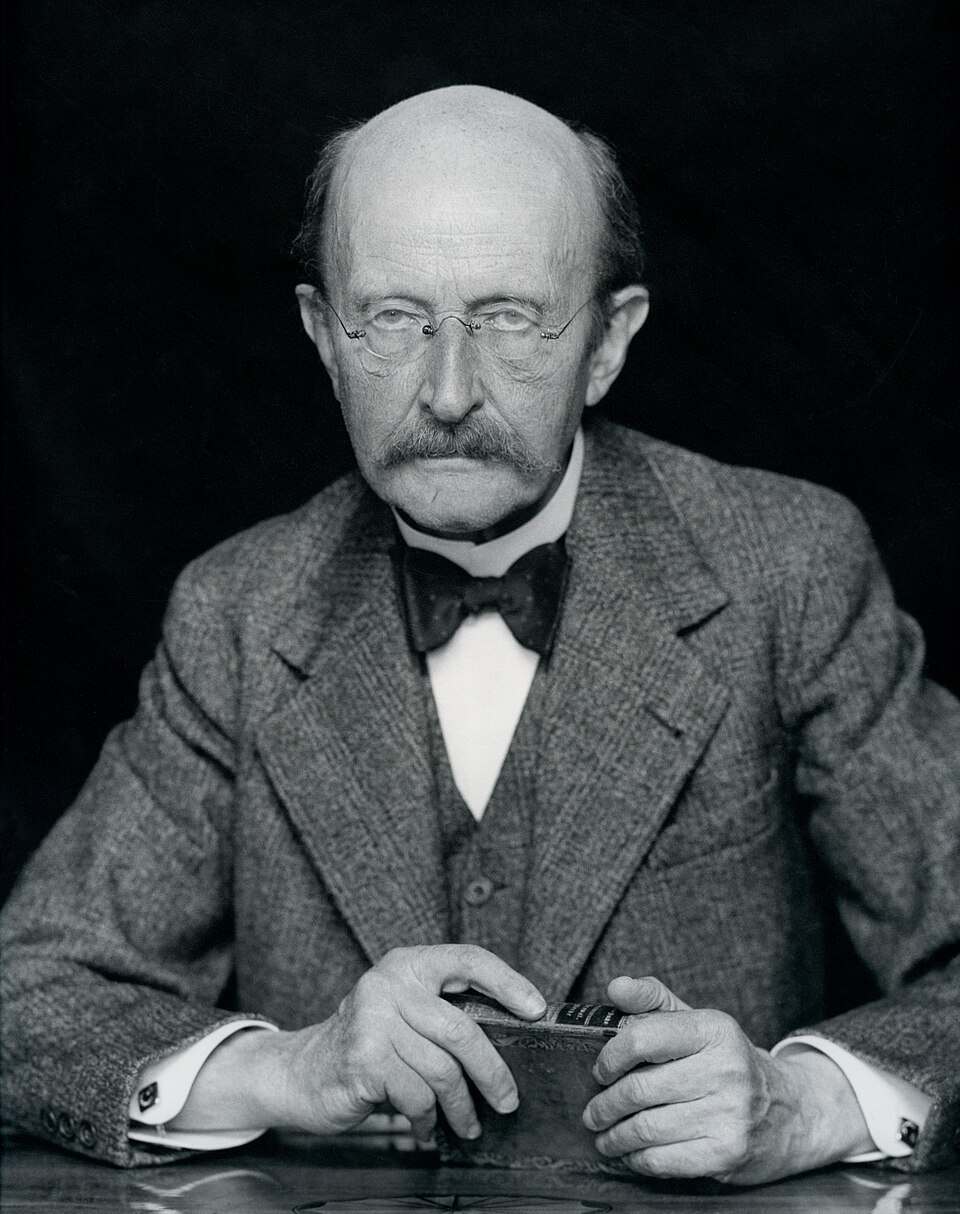 Physicist
Max Planck
Introducing energy quanta and helping launch quantum physics.
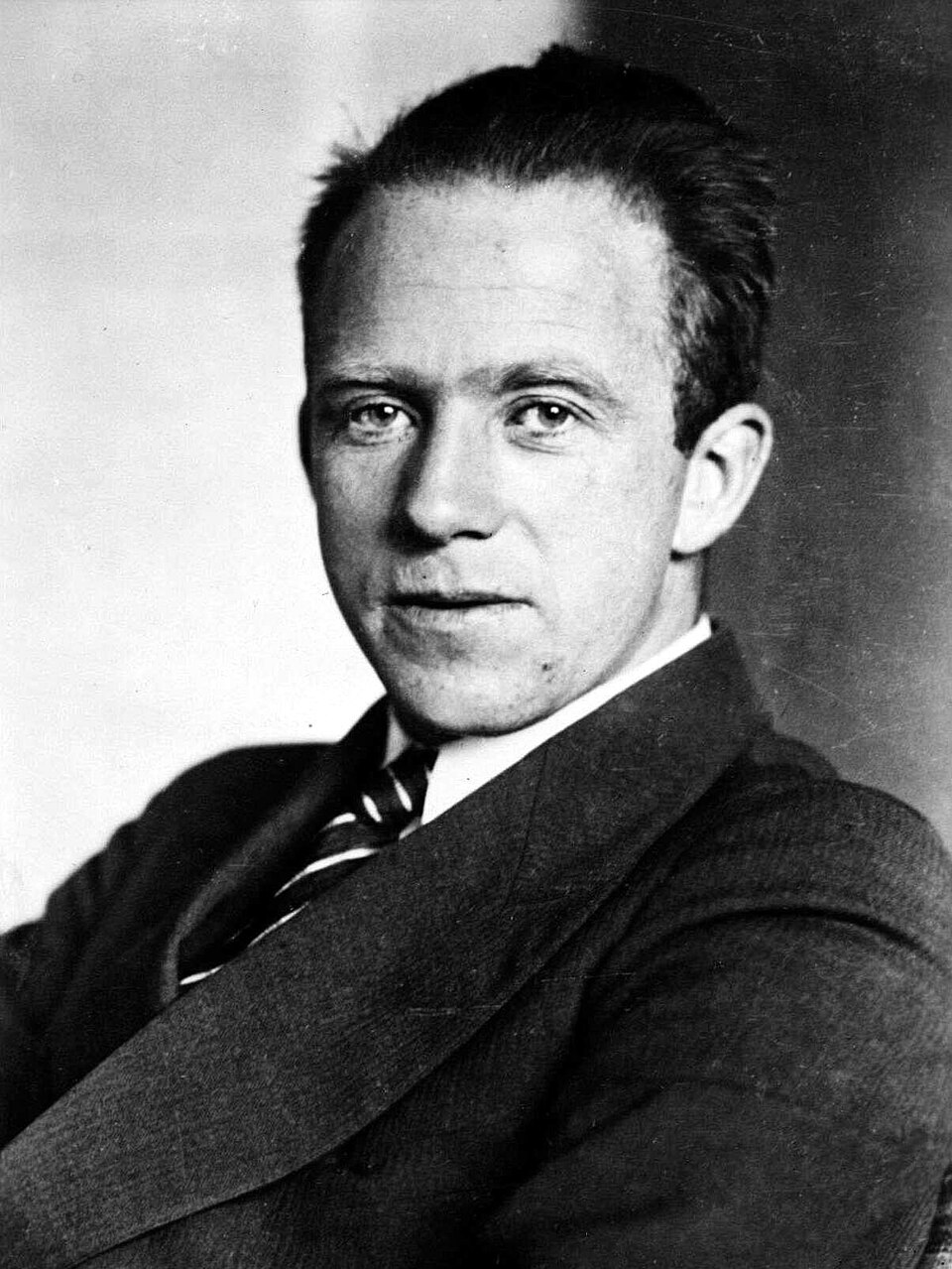 Physicist
Werner Heisenberg
Formulating matrix mechanics and the uncertainty principle.
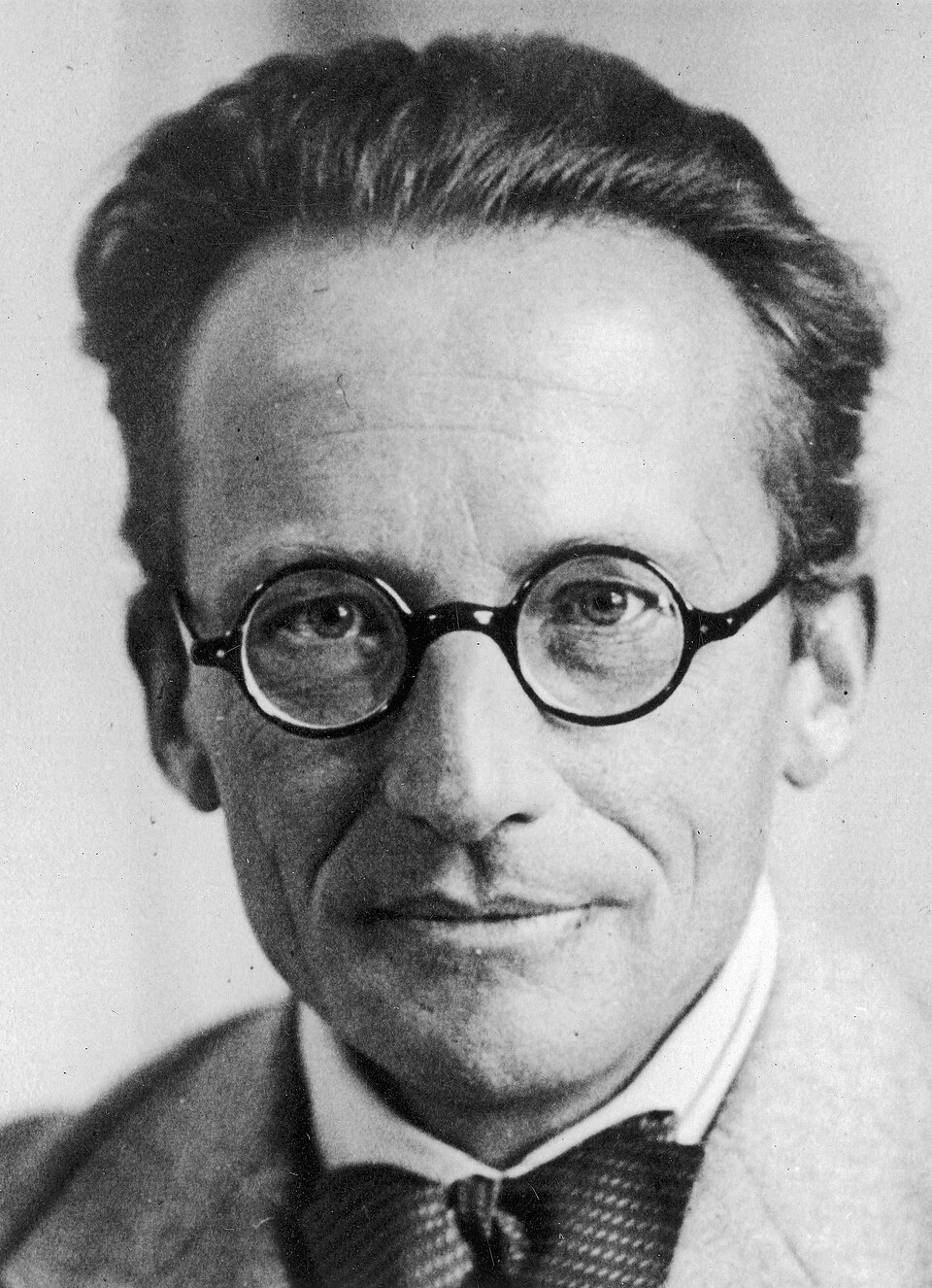 Physicist
Erwin Schrödinger
Developing the wave equation at the heart of quantum mechanics.
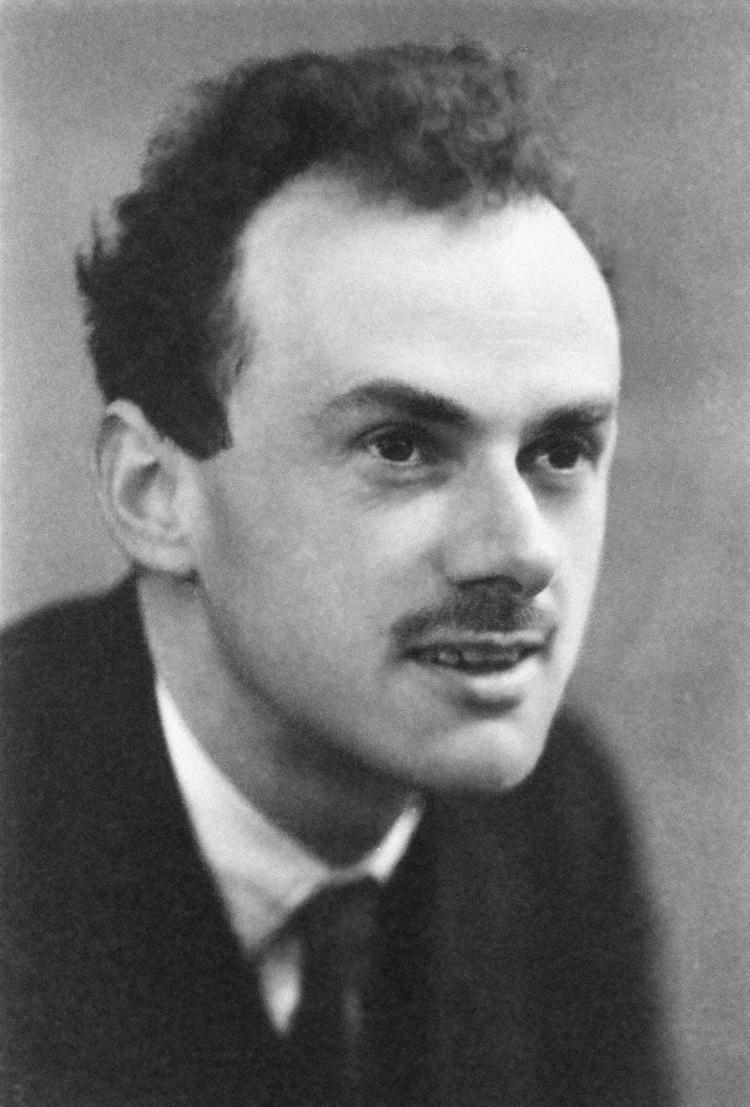 Physicist
Paul Dirac
Developing a relativistic equation for the electron that pointed towards antimatter.
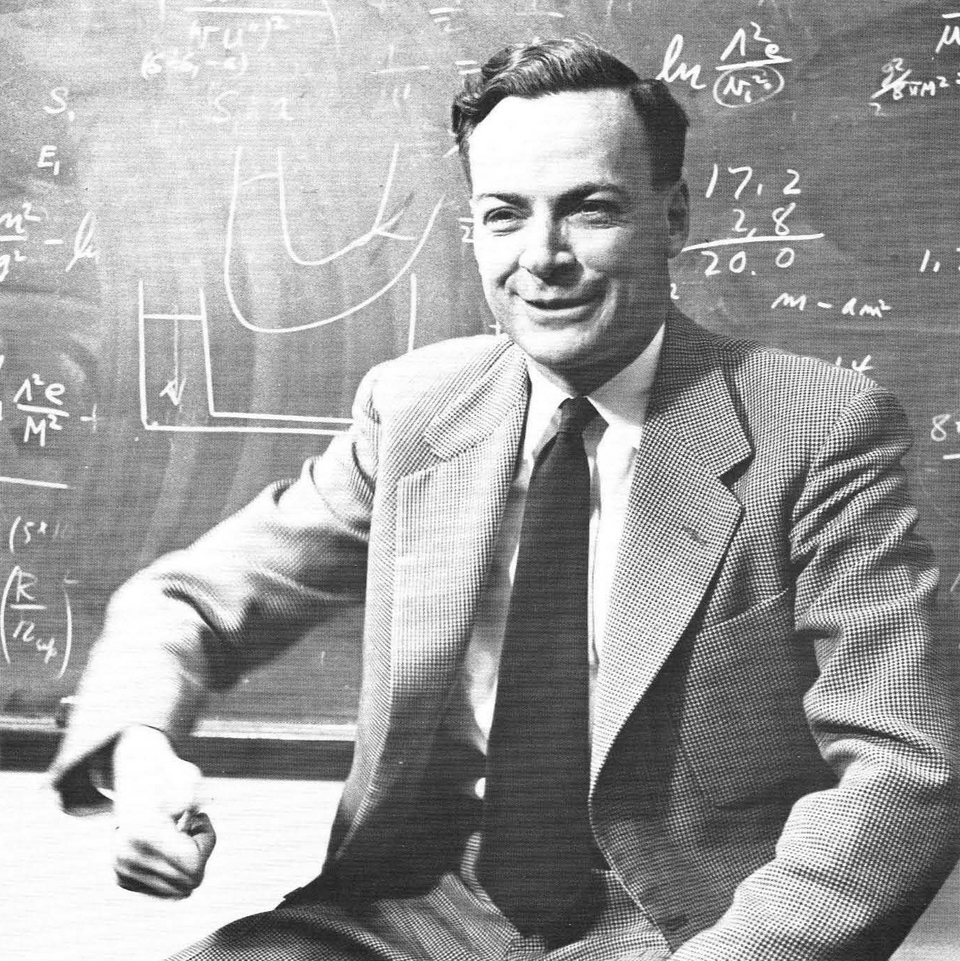 Physicist
Richard Feynman
Developing quantum electrodynamics tools and explaining physics with unusual clarity.
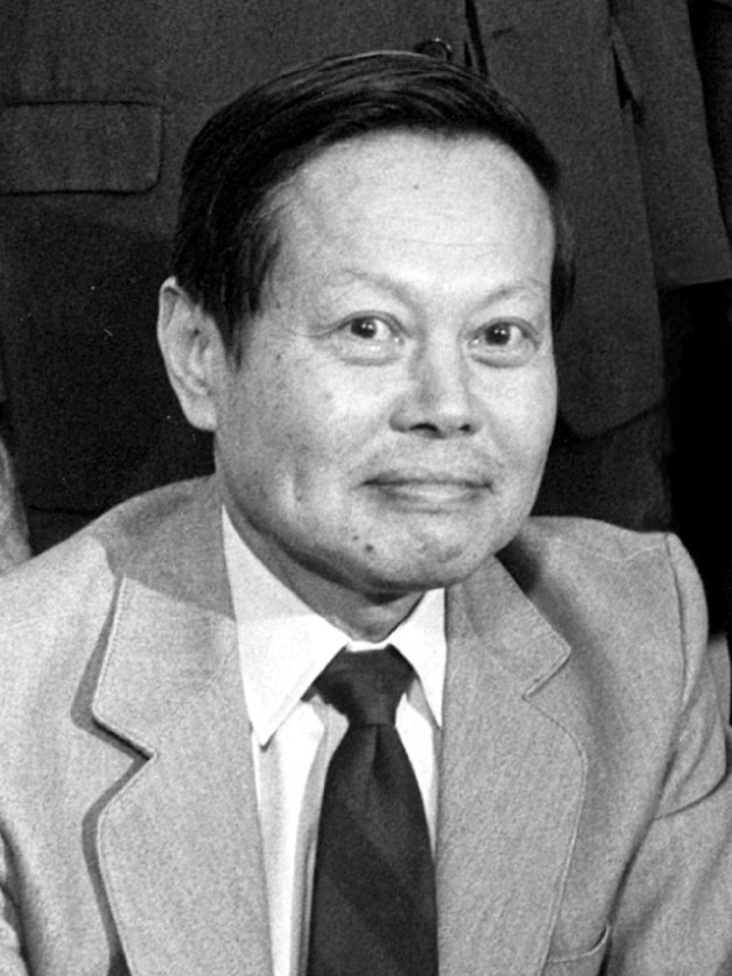 Physicist
Chen Ning Yang
Challenging mirror symmetry in particle physics and co-developing Yang–Mills theory.
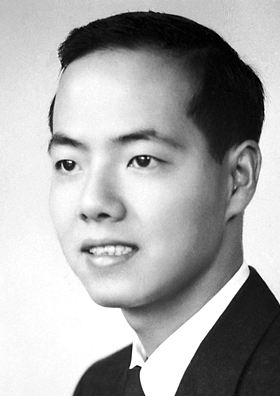 Physicist
Tsung-Dao Lee
Helping reveal that weak interactions do not obey mirror symmetry.
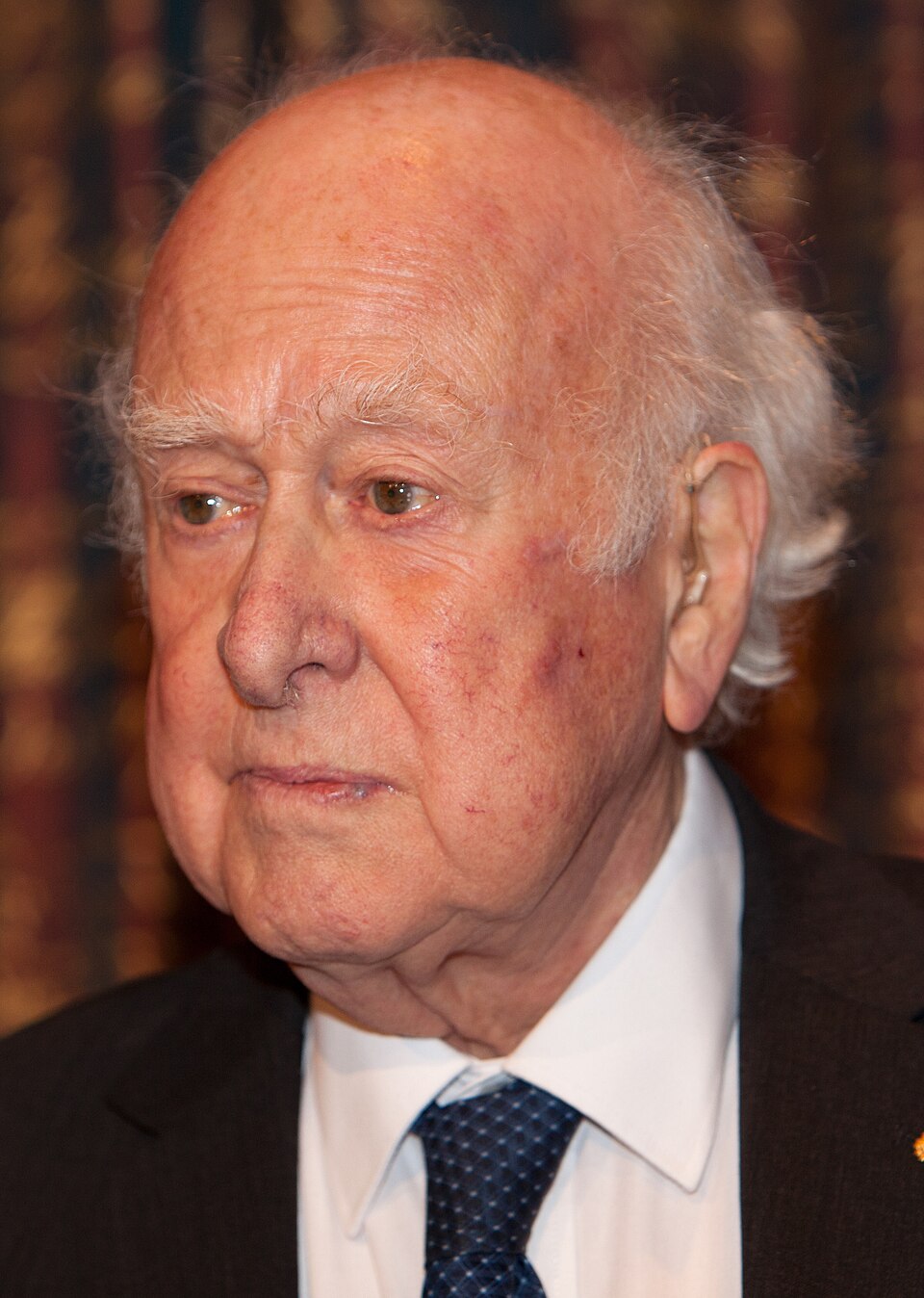 Physicist
Peter Higgs
Proposing a mechanism that helps explain how elementary particles acquire mass.
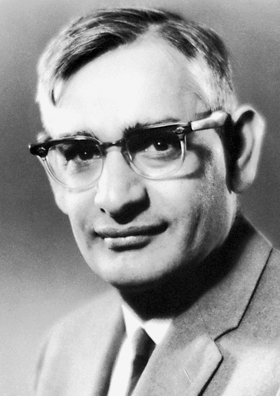 Biochemist
Har Gobind Khorana
Helping decipher how the genetic code specifies proteins.
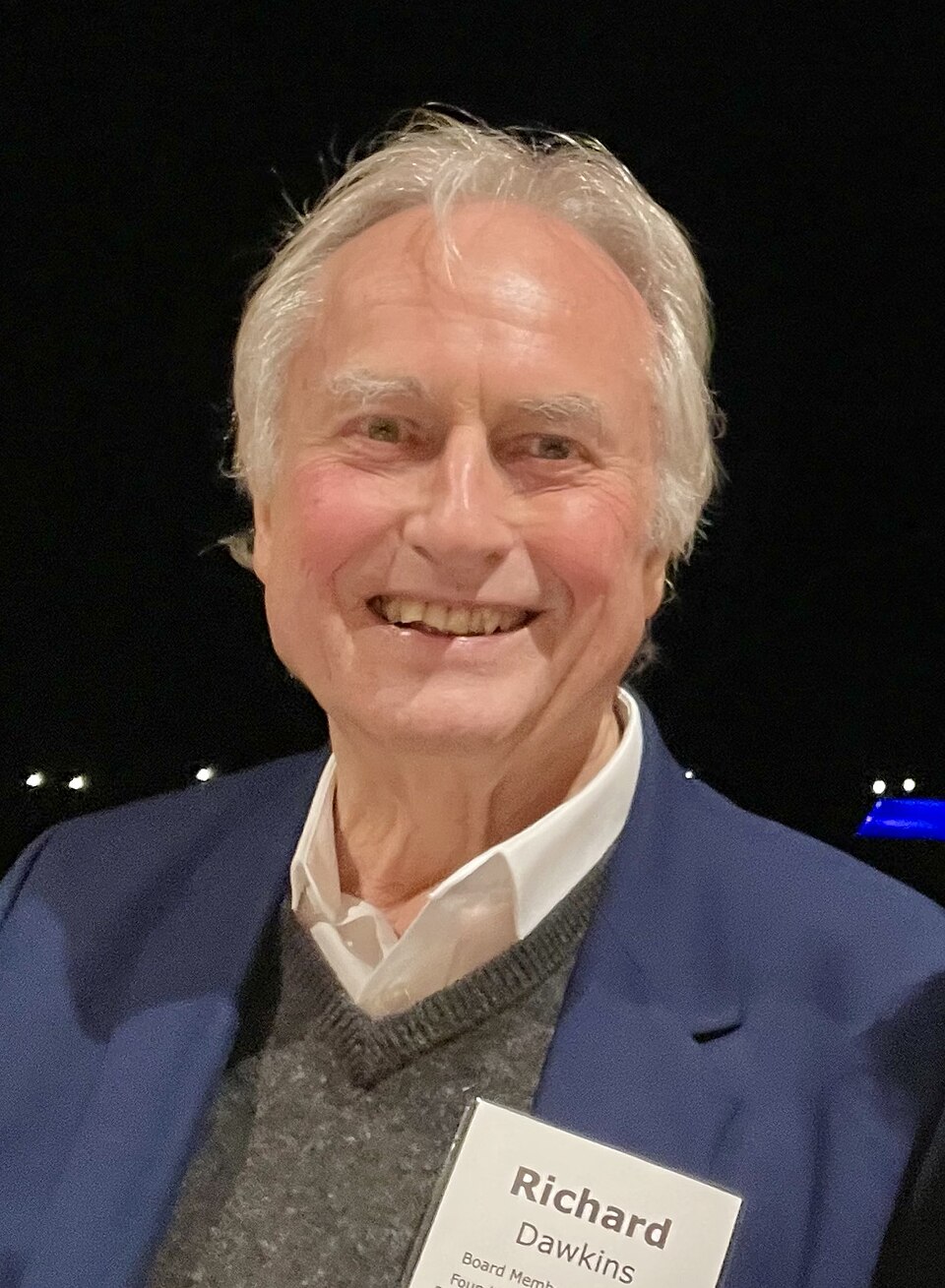 Biologist
Richard Dawkins
Explaining evolution through The Selfish Gene and becoming a prominent advocate of atheism.
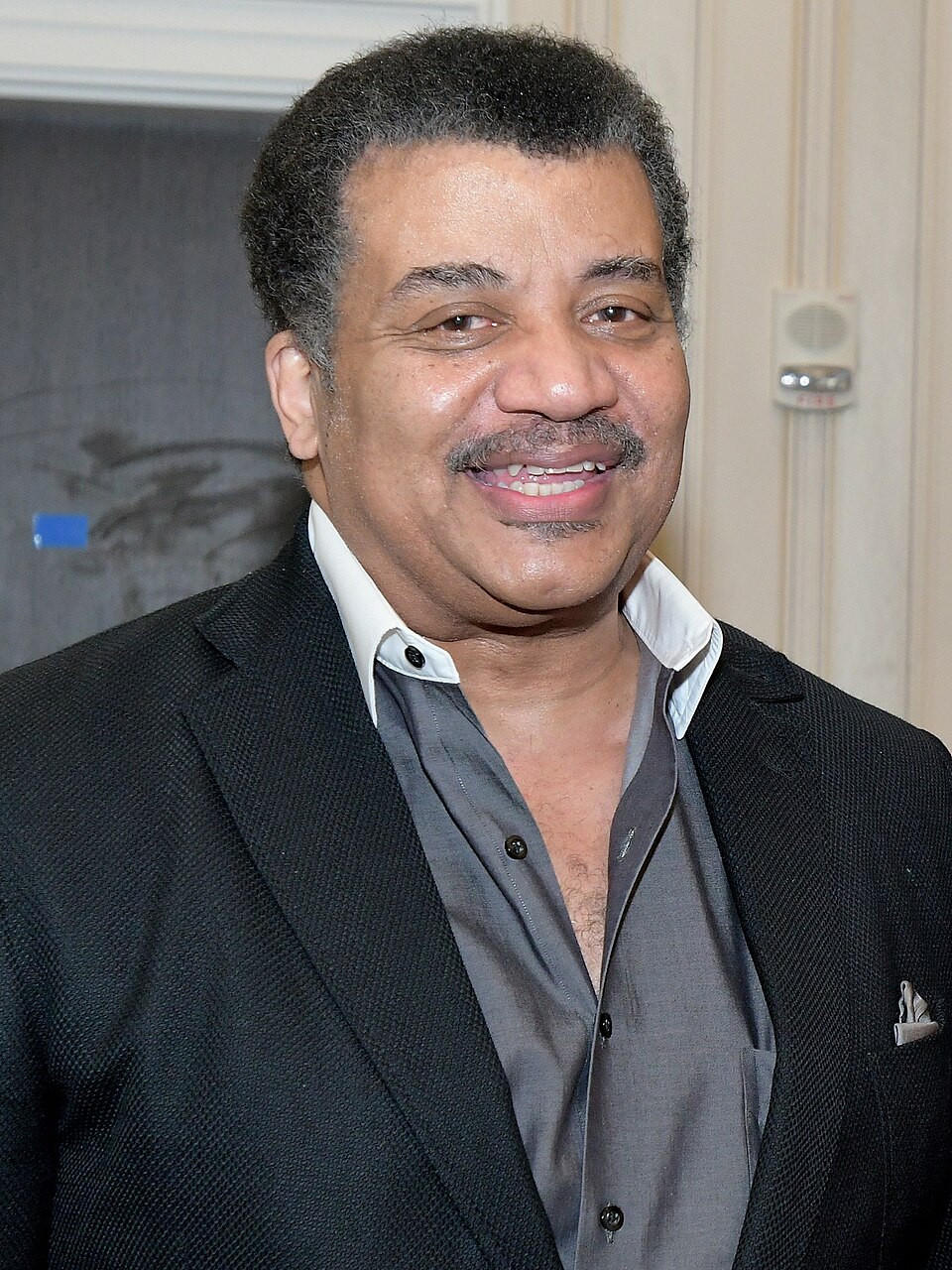 Astronomer
Neil deGrasse Tyson
Bringing astronomy to mass audiences through Cosmos and StarTalk.
 Mathematician
Maryam Mirzakhani
Becoming the first woman to receive the Fields Medal for work on curved surfaces.
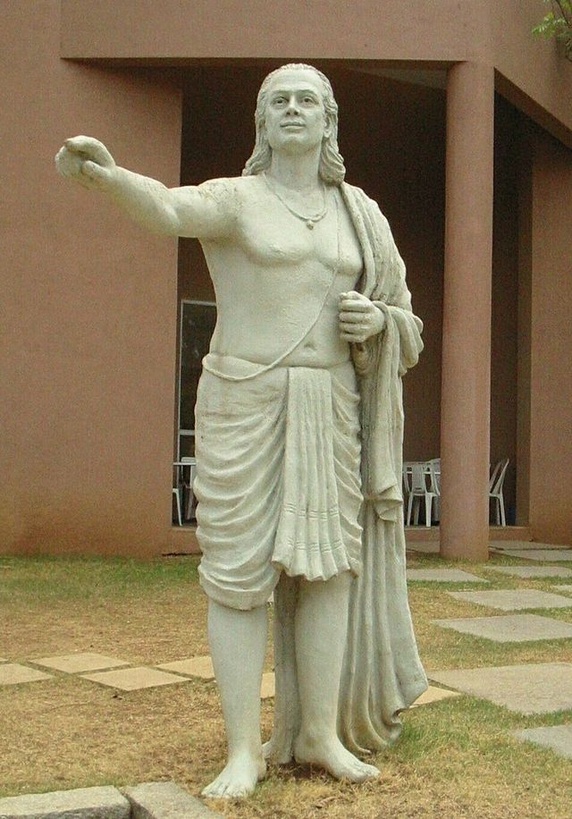 Mathematician
Aryabhata
Developing influential mathematical and astronomical methods in the Aryabhatiya.
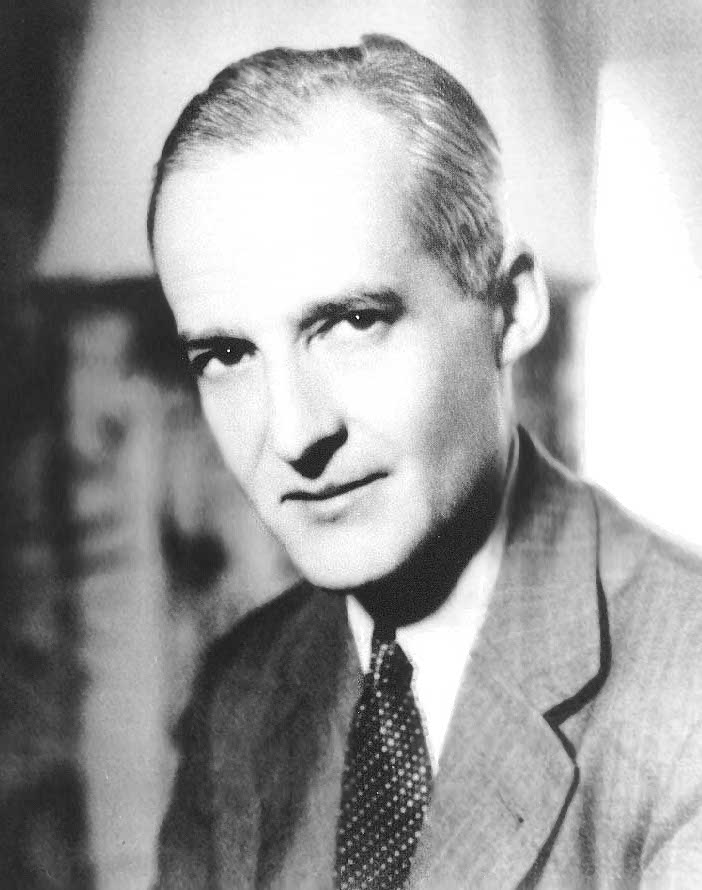 Biochemist
Luis Federico Leloir
Discovering how sugar nucleotides help cells build carbohydrates.
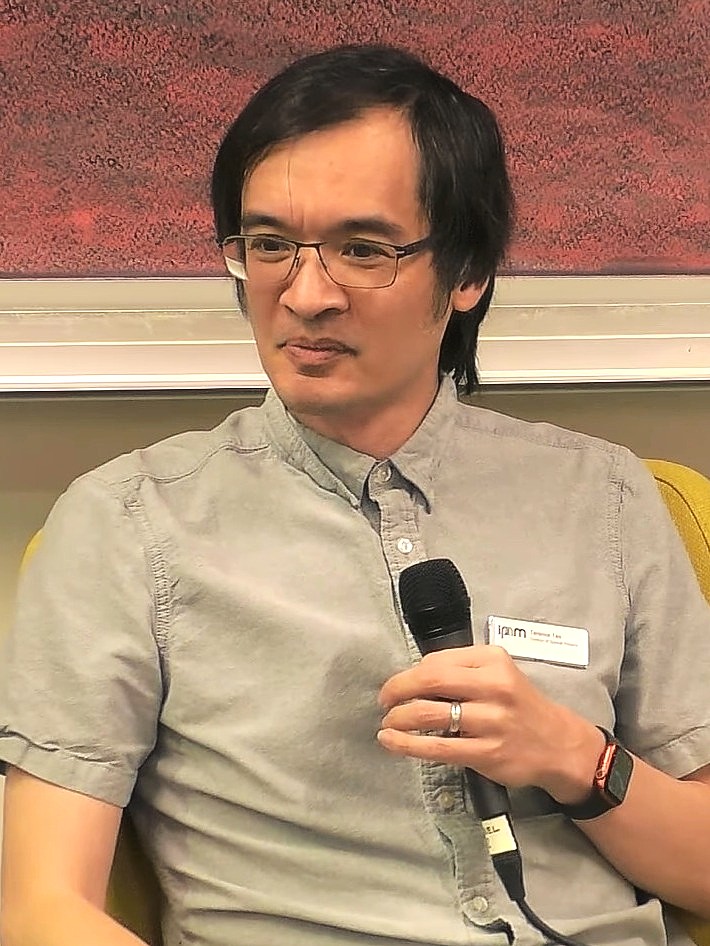 Mathematician
Terence Tao
Making major contributions across analysis, number theory and combinatorics.
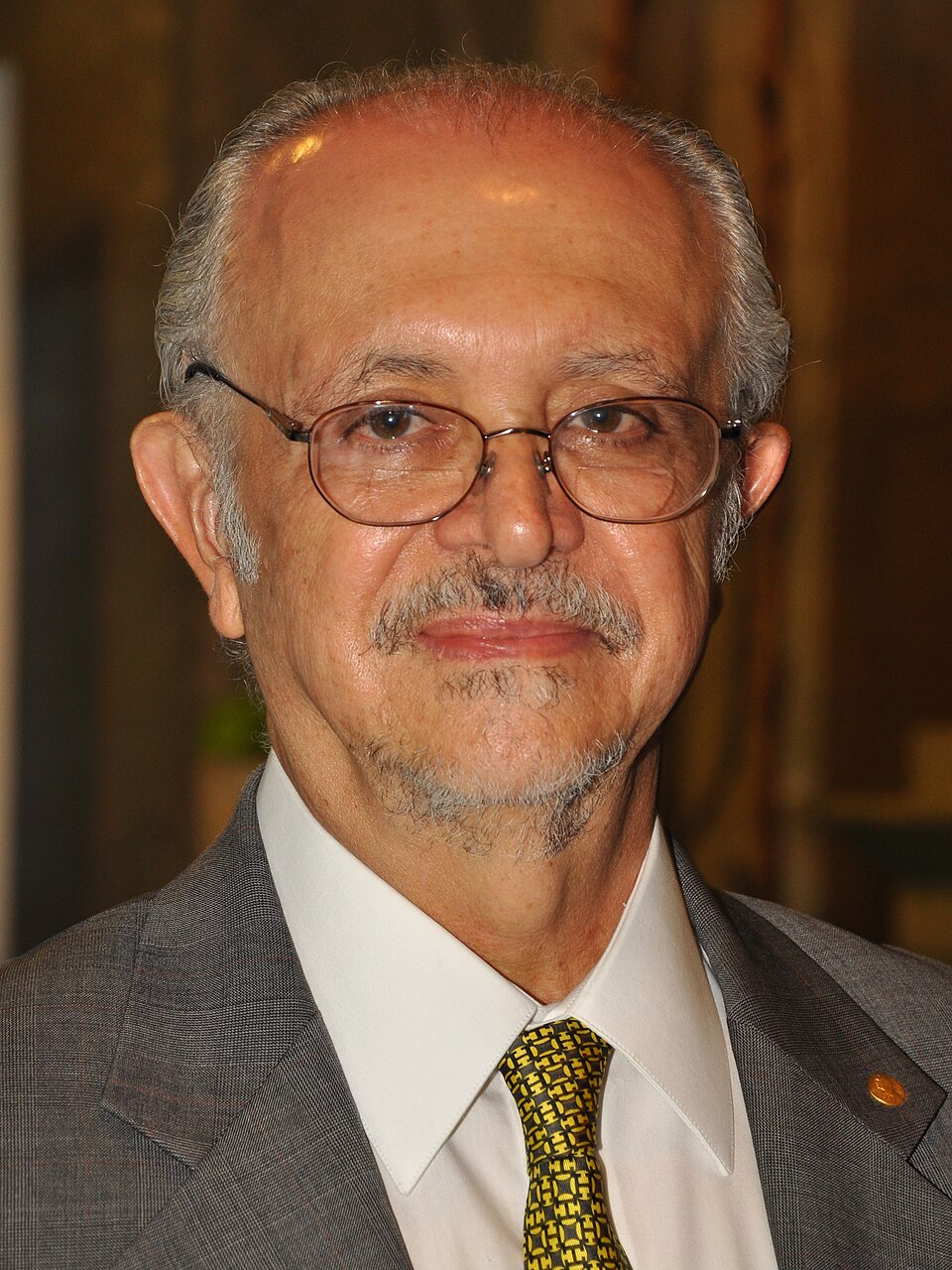 Chemist
Mario Molina
Showing how CFC gases threaten the ozone layer.
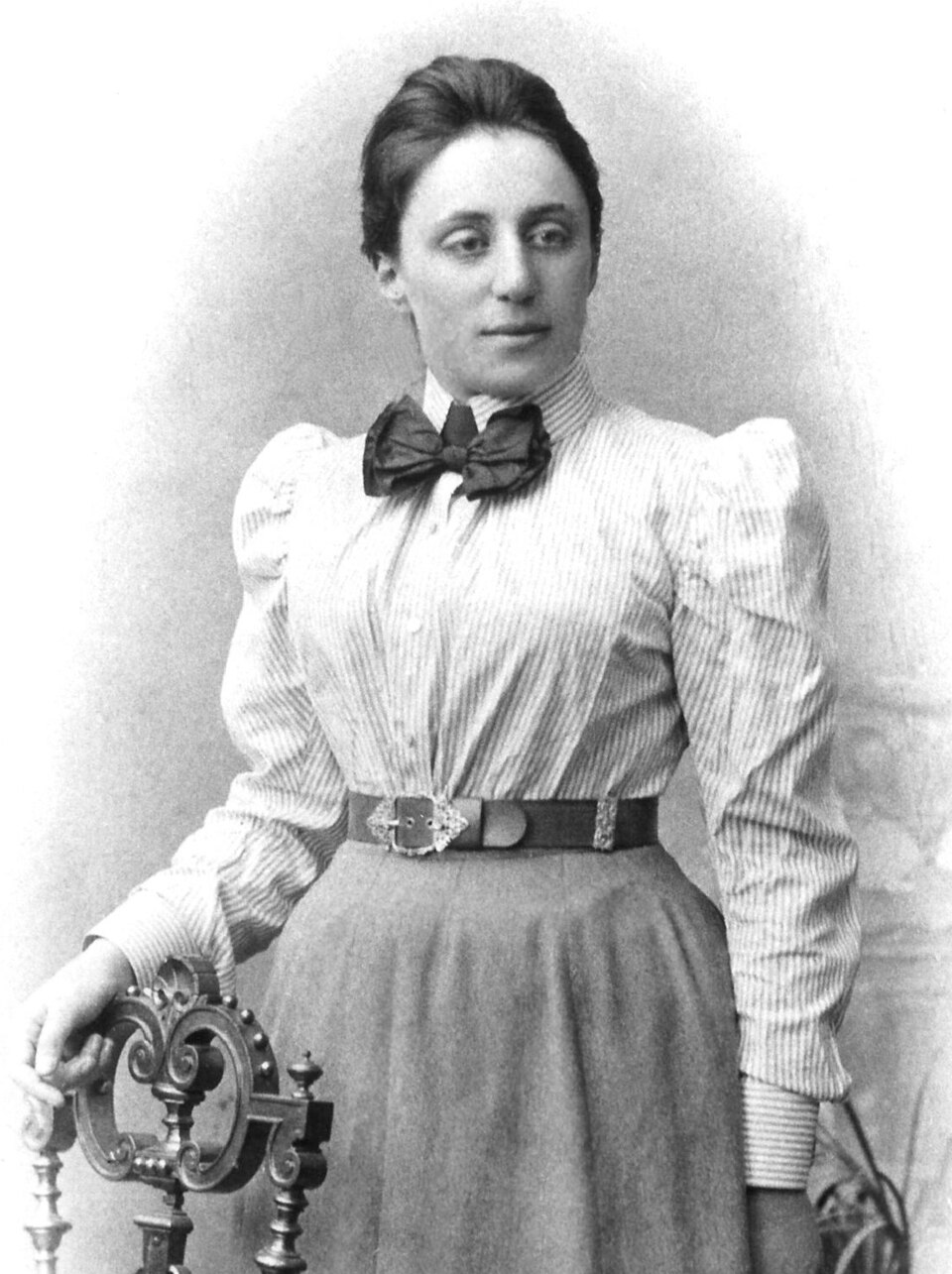 Mathematician
Emmy Noether
Connecting symmetry with conservation laws and transforming abstract algebra.
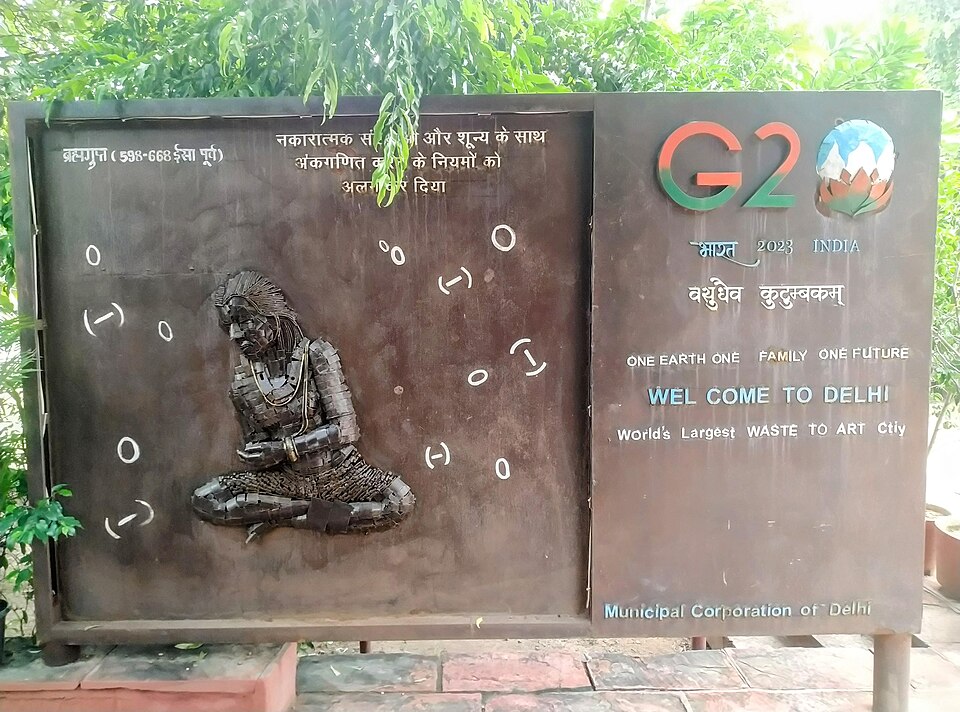 Mathematician
Brahmagupta
Setting out influential rules for zero, negative numbers and algebra.
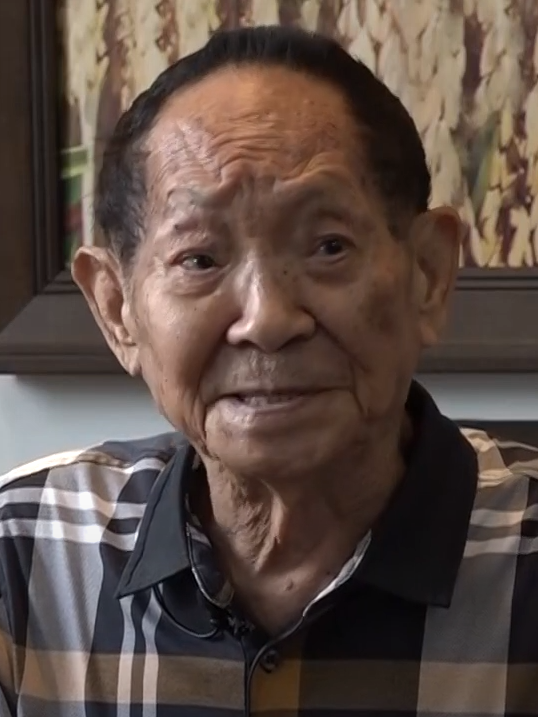 Agricultural scientist
Yuan Longping
Helping develop high-yield hybrid rice for large-scale cultivation.
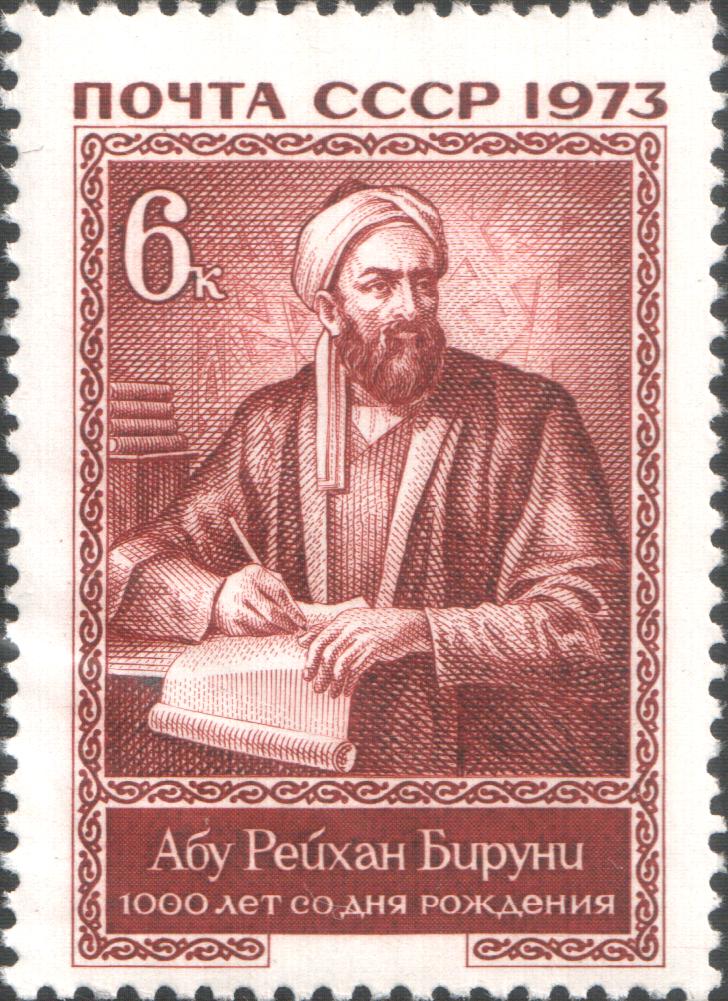 Scientist
Al-Biruni
Combining mathematical astronomy with detailed studies of cultures and calendars.
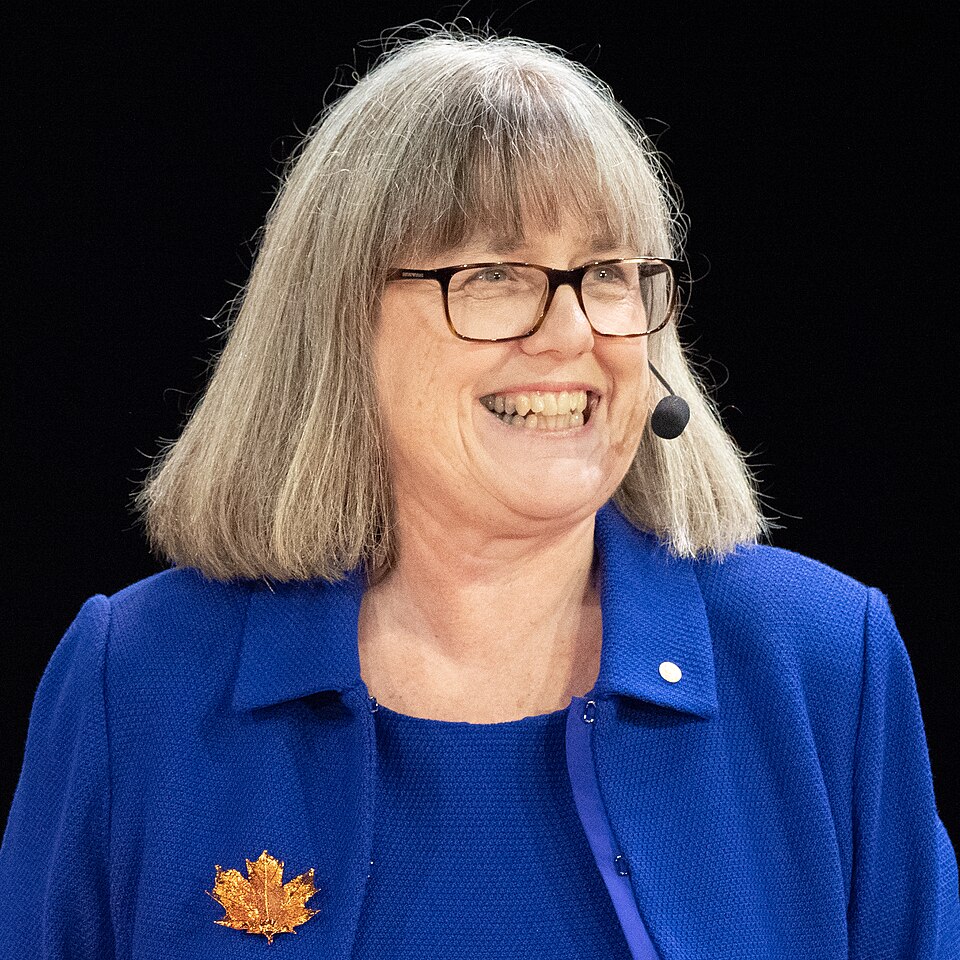 Physicist
Donna Strickland
Developing a method for producing extremely intense, short laser pulses.
 Mathematician
Bhaskara II
Writing influential works on arithmetic, algebra and mathematical astronomy.
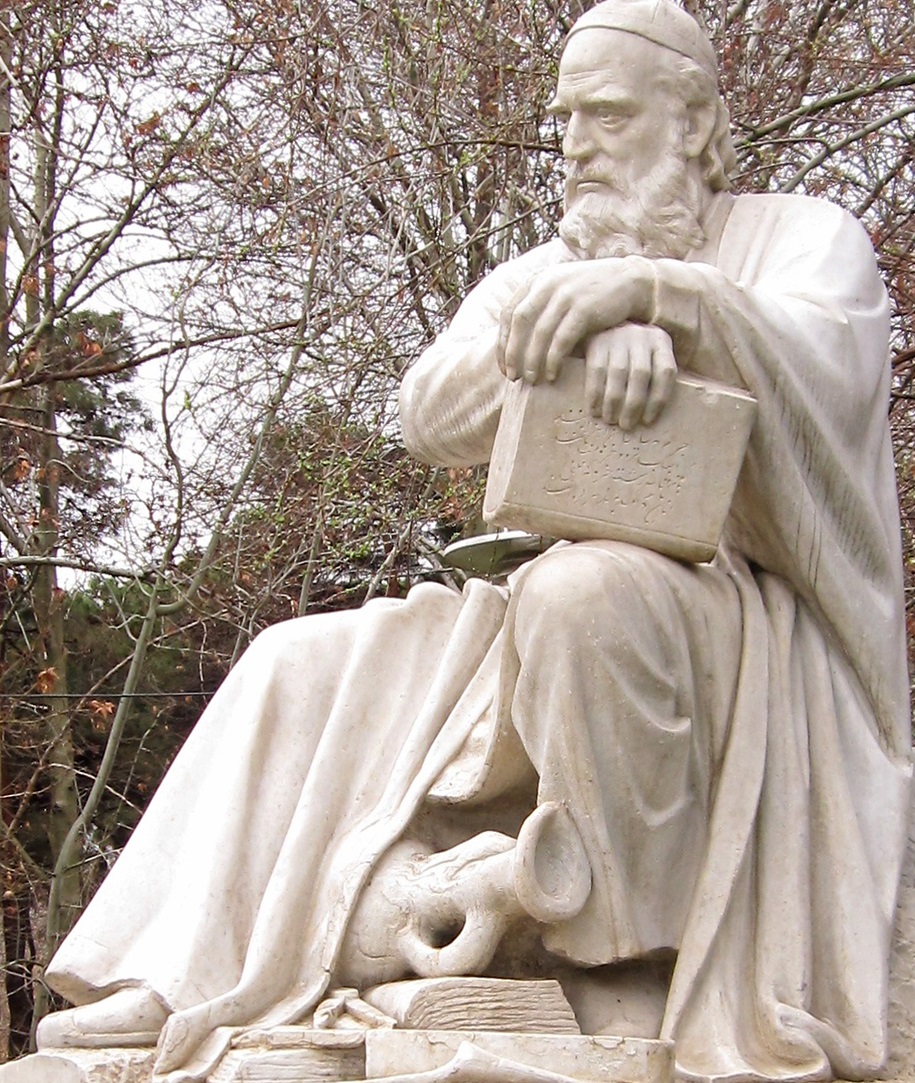 Mathematician
Omar Khayyam
Working on cubic equations and calendar reform, alongside a lasting poetic reputation.
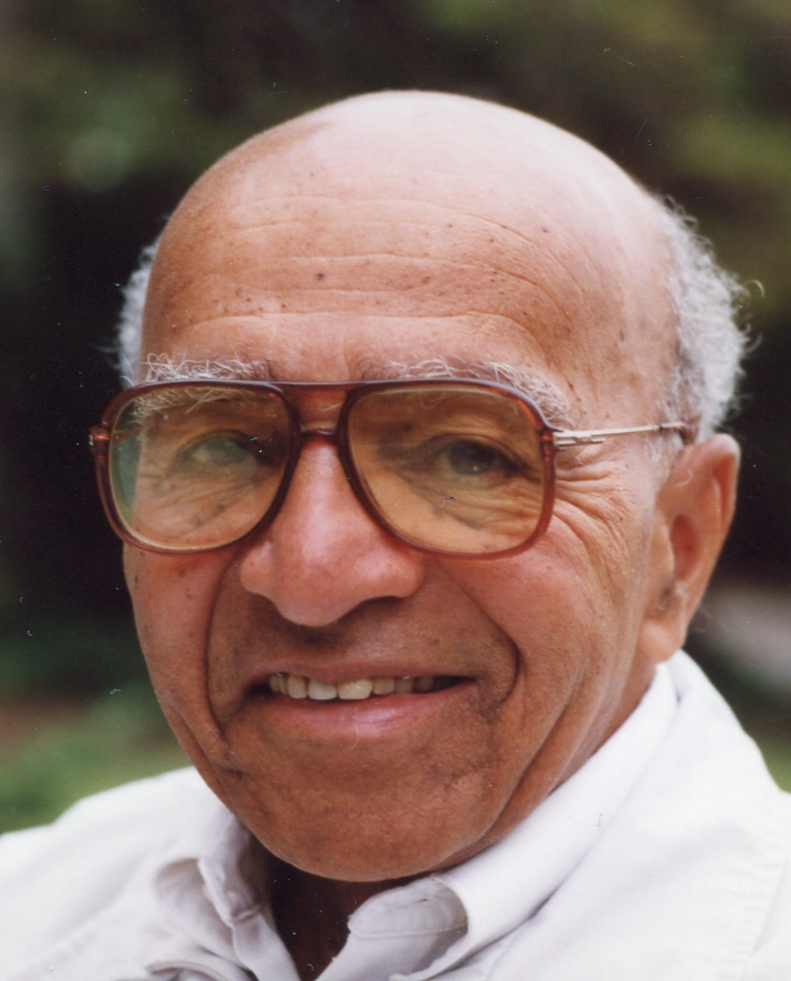 Mathematician
David Blackwell
Advancing statistics, decision theory and the mathematical study of information.
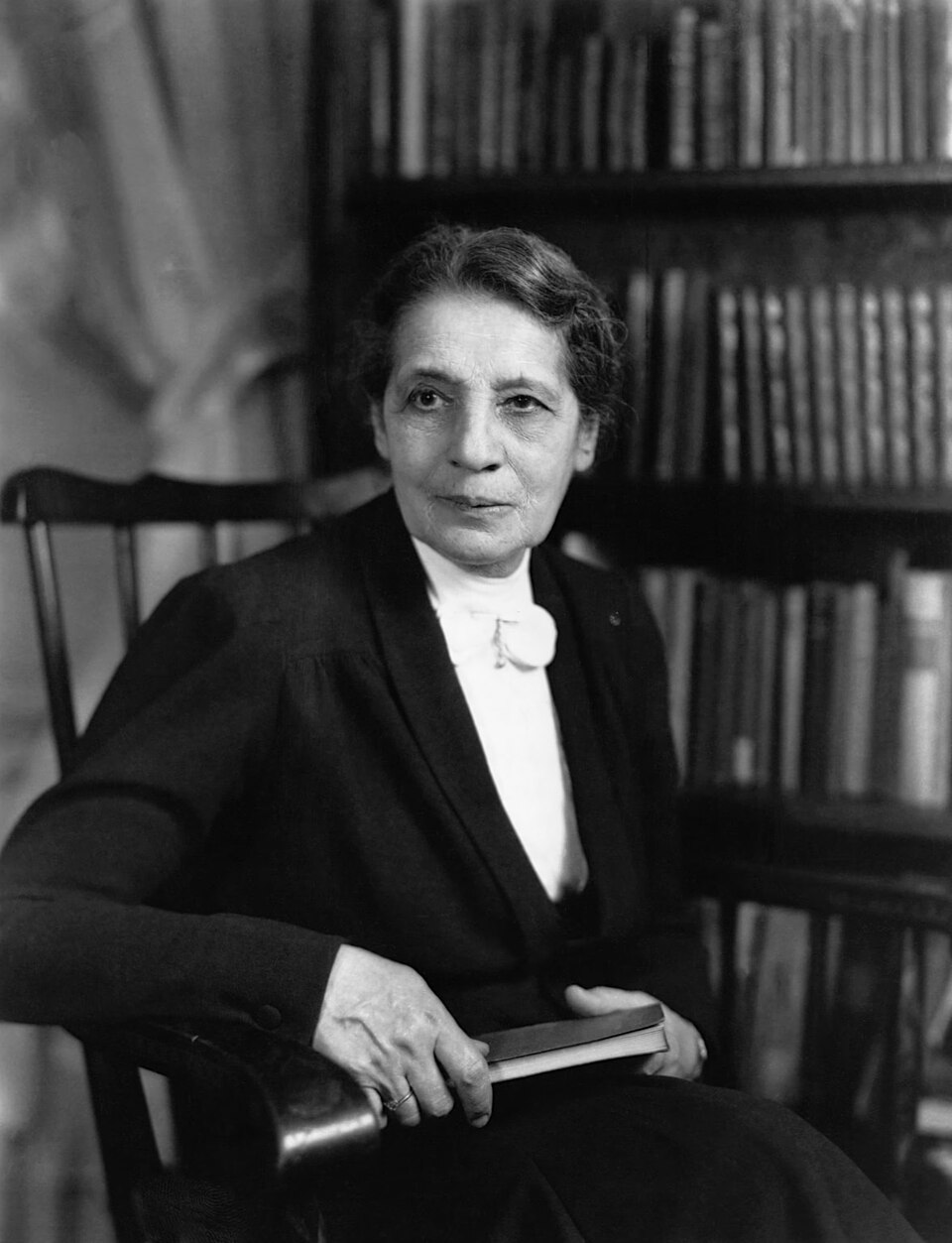 Physicist
Lise Meitner
Helping explain nuclear fission after decades of research into radioactivity.
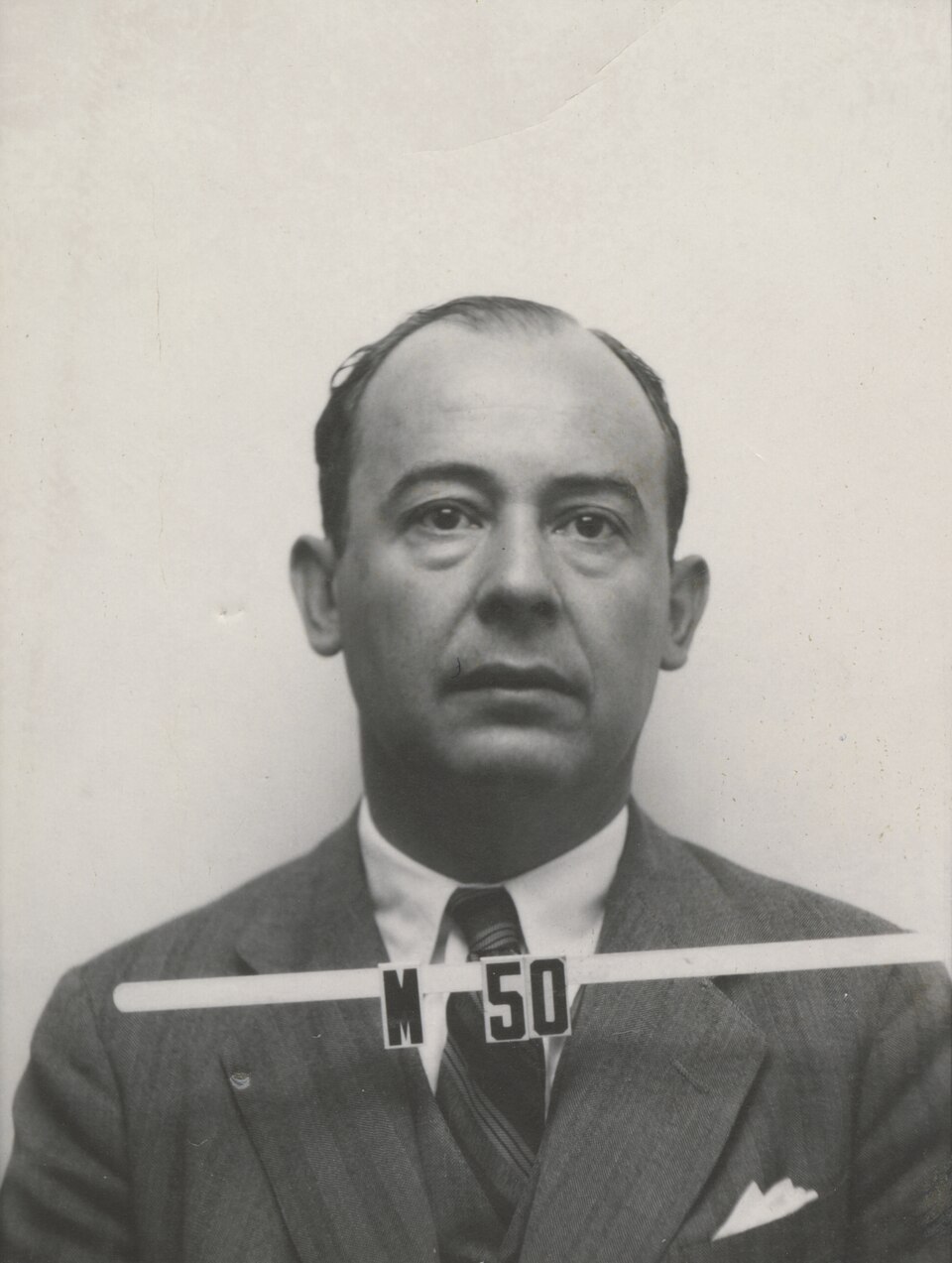 Mathematician
John von Neumann
Shaping modern computing, game theory and mathematical physics.
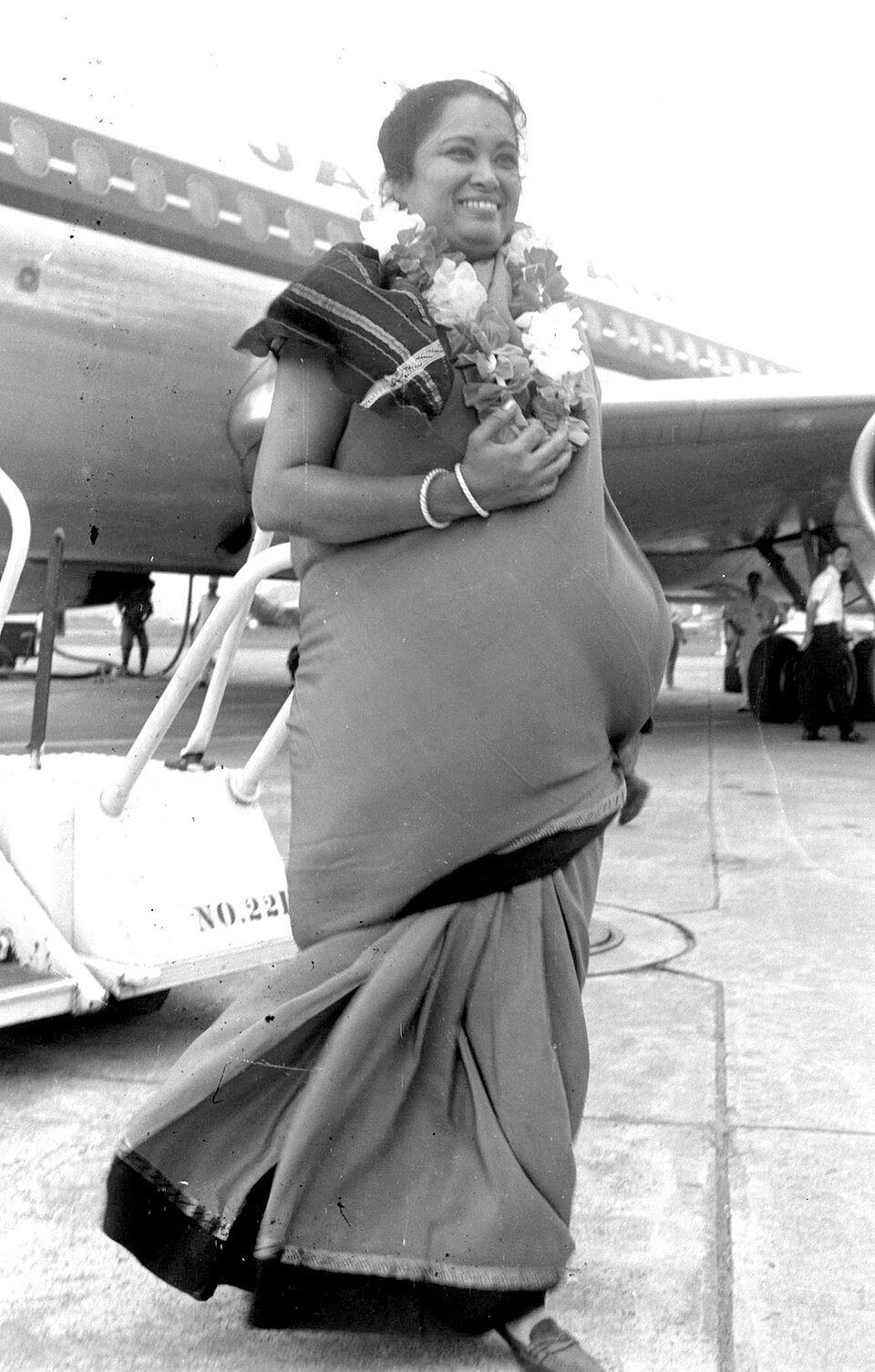 Mental calculator
Shakuntala Devi
Performing extraordinary calculations mentally before live audiences.
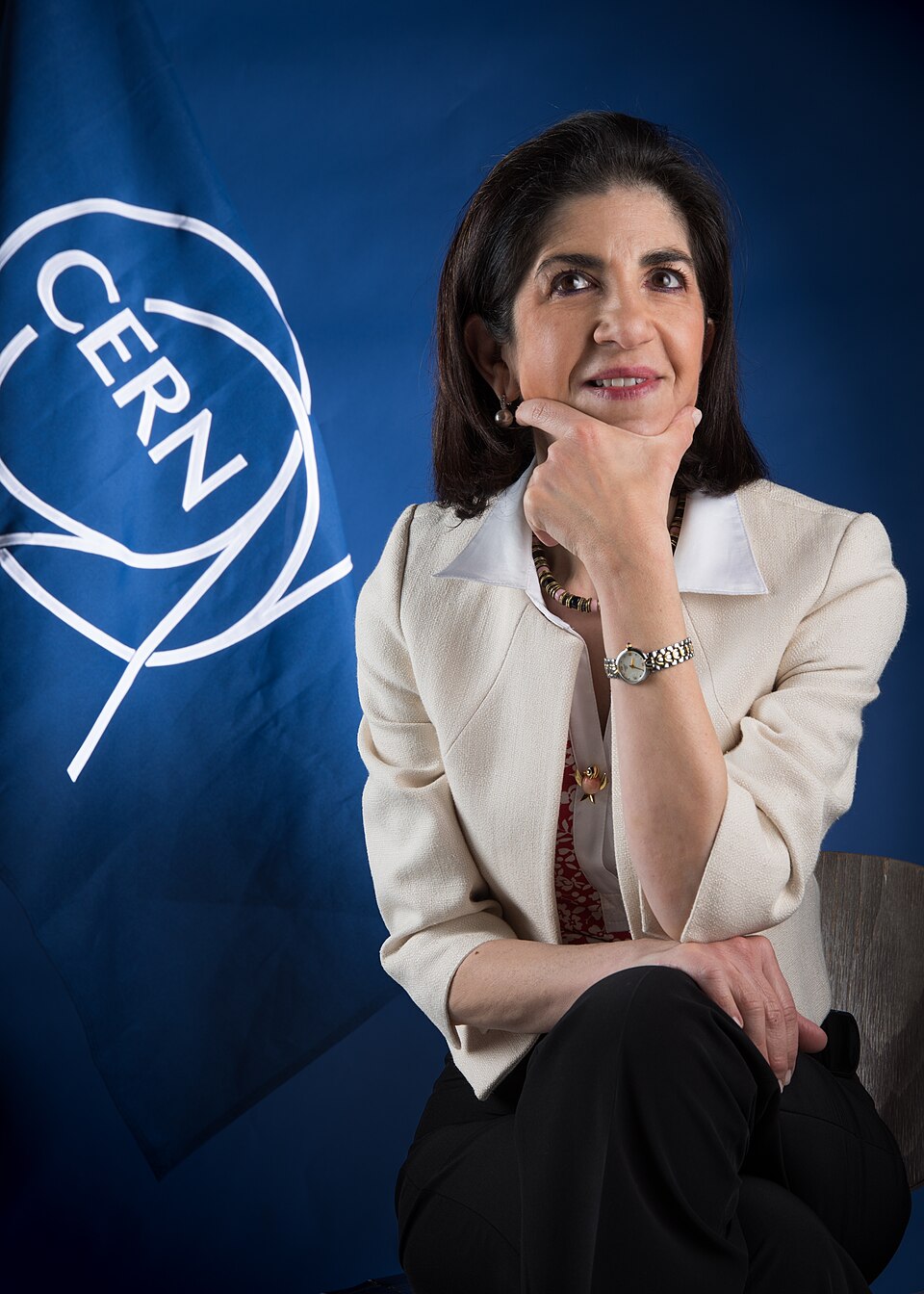 Physicist
Fabiola Gianotti
Leading CERN and helping present the discovery of the Higgs boson.
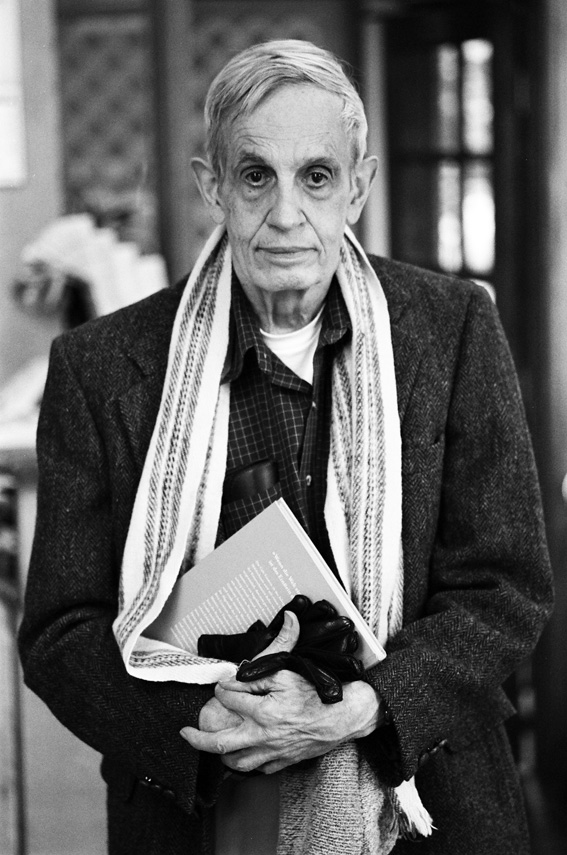 Mathematician
John Nash
Developing the equilibrium concept central to modern game theory.
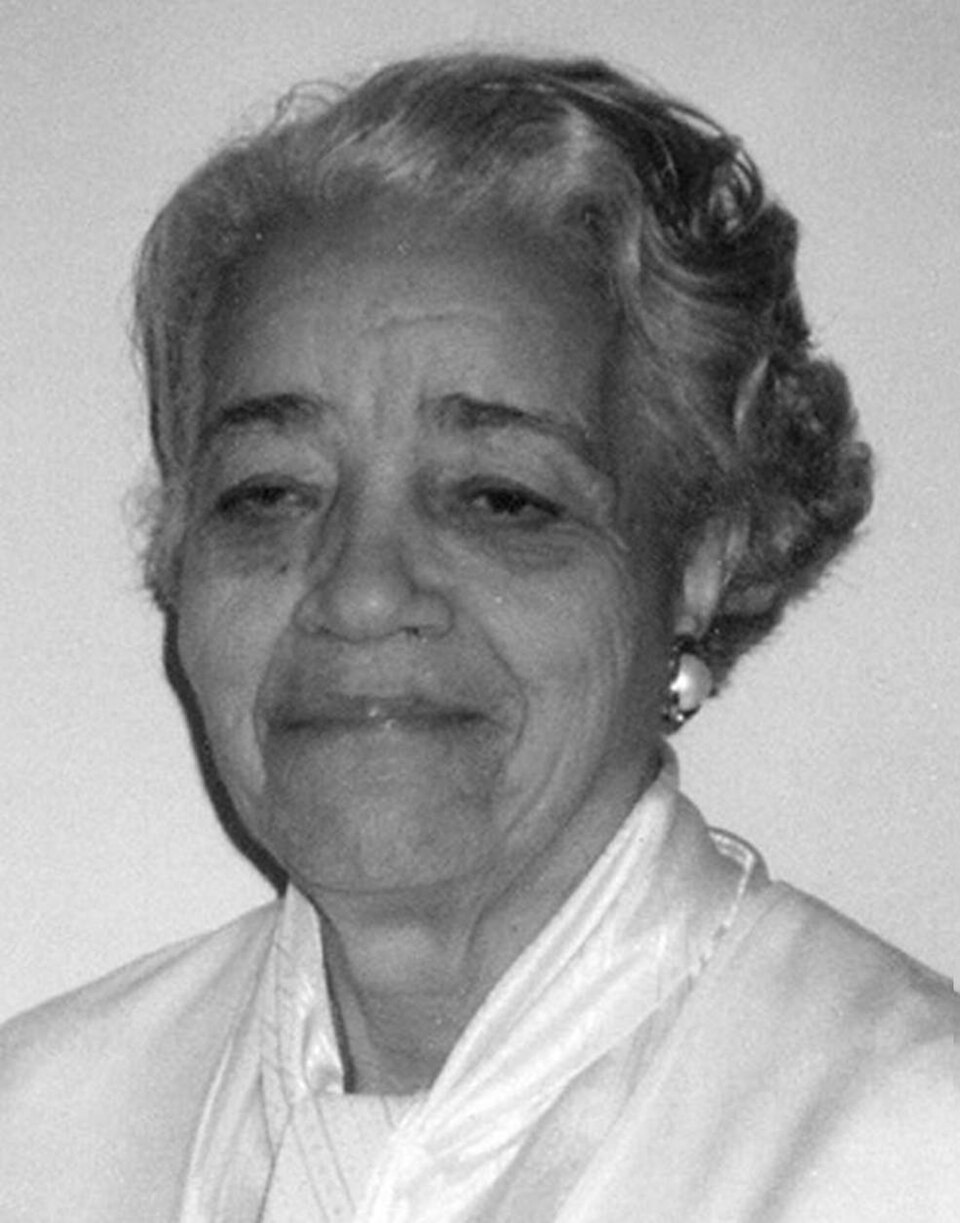 Mathematician
Dorothy Vaughan
Leading Black women mathematicians at Langley and helping them move into computer programming.
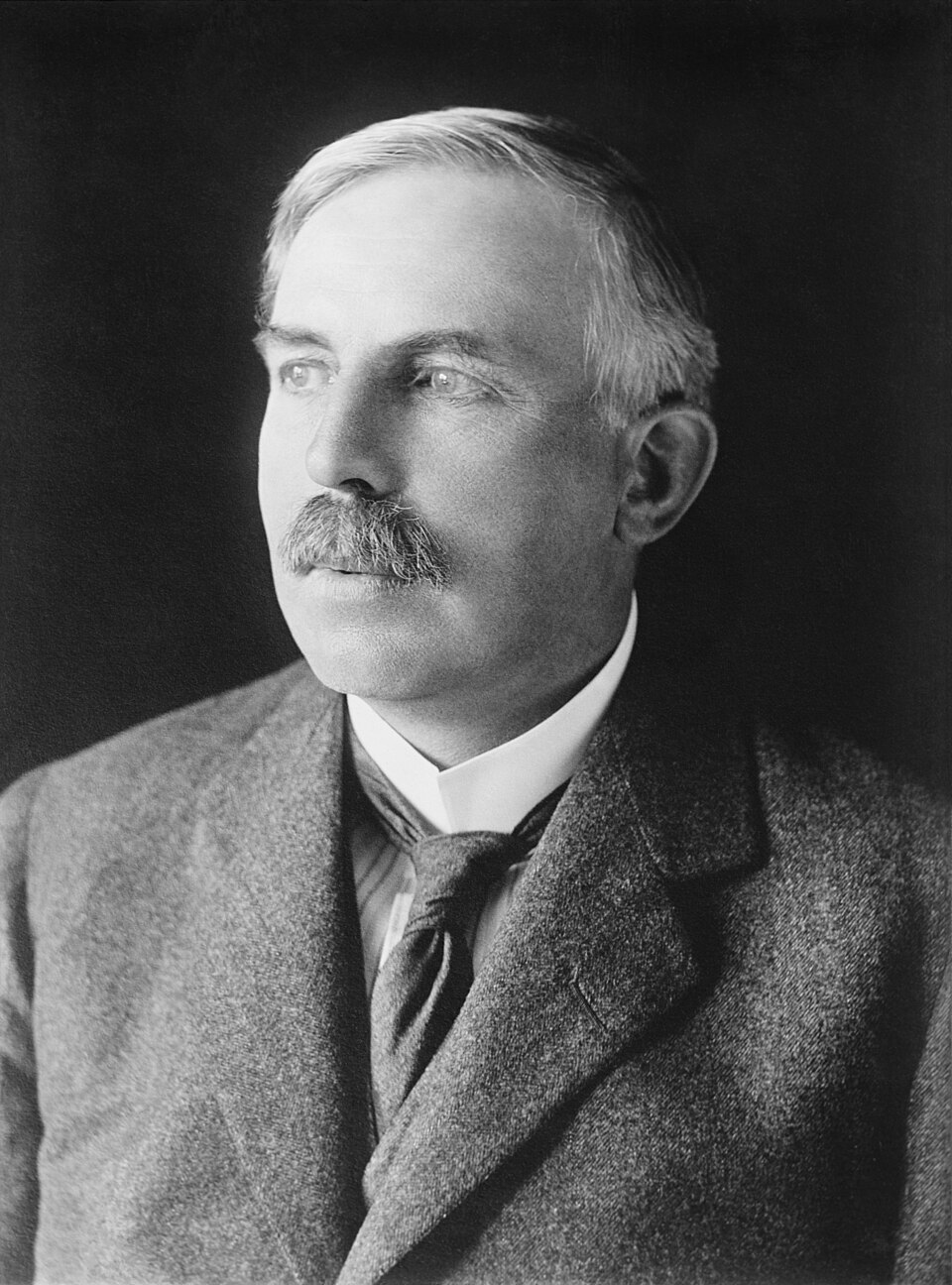 Physicist
Ernest Rutherford
Revealing the tiny nucleus at the centre of the atom.
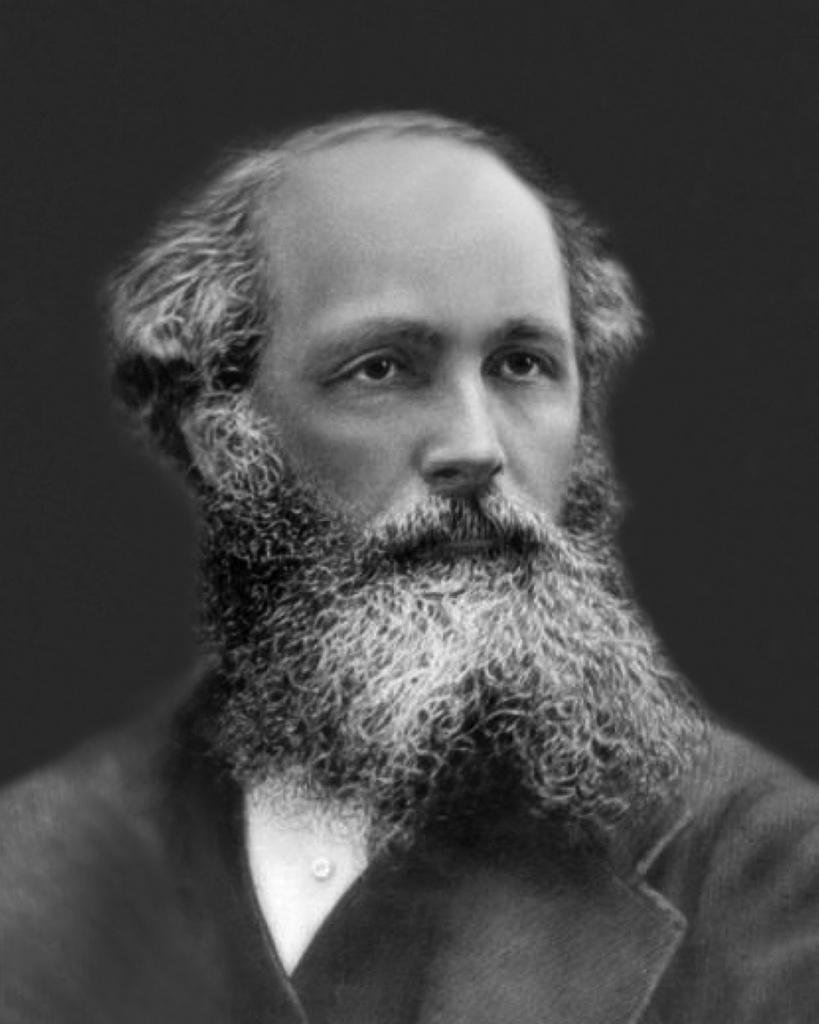 Physicist
James Clerk Maxwell
Uniting electricity, magnetism and light in one theory.
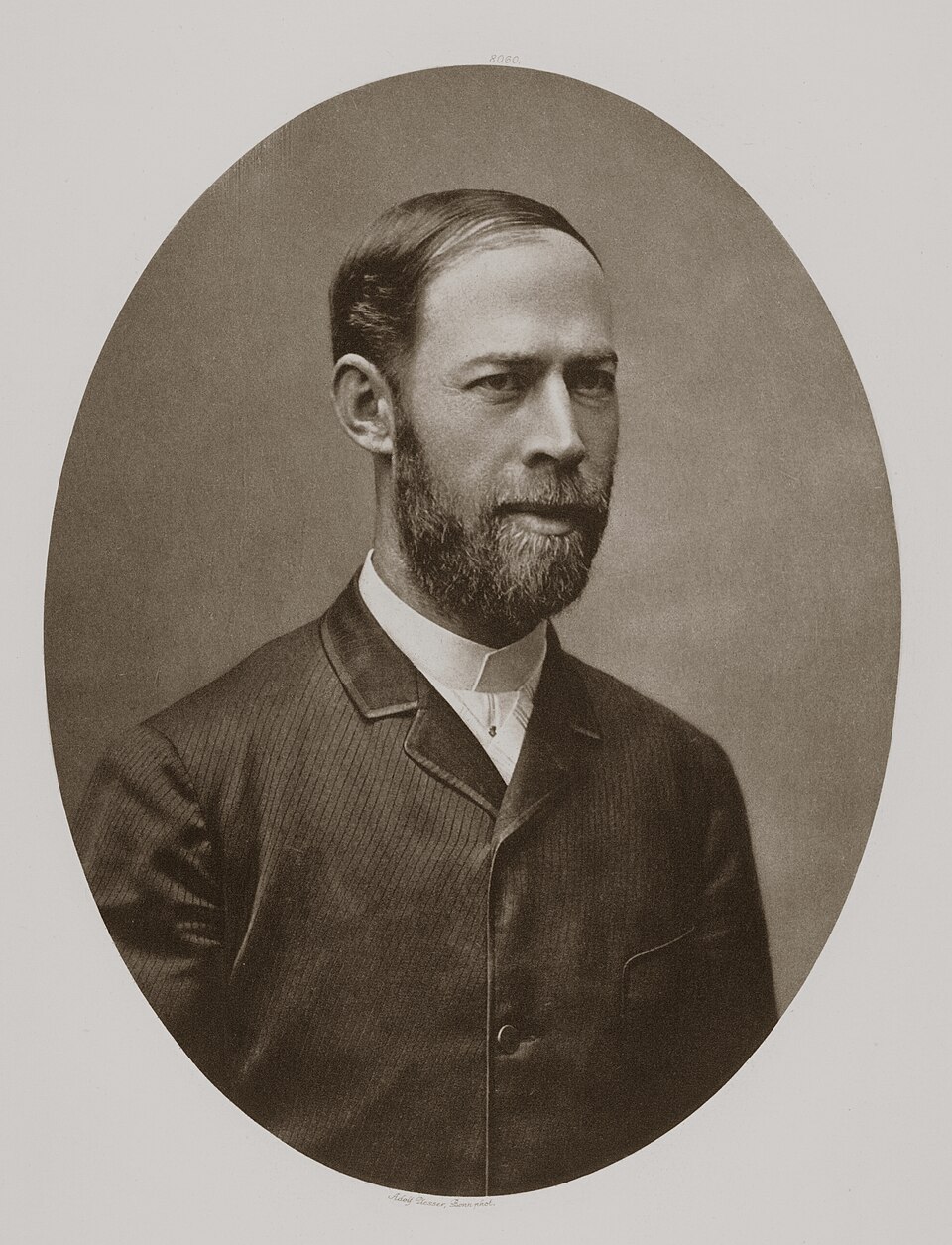 Physicist
Heinrich Hertz
Proving that radio waves exist.
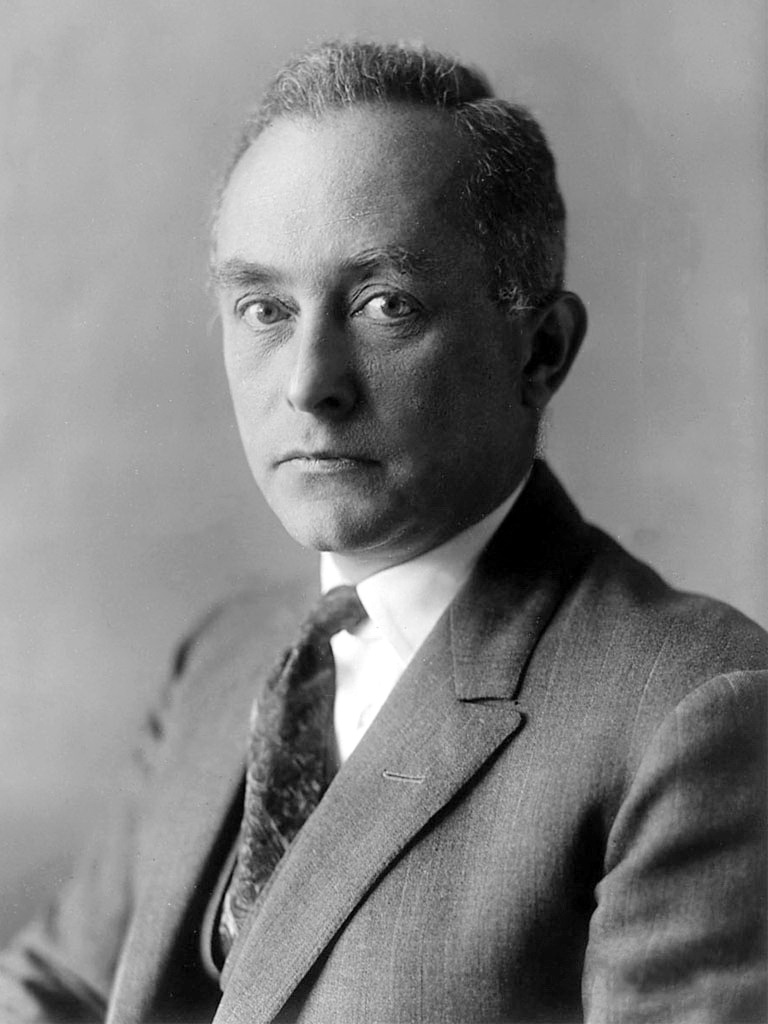 Physicist
Max Born
Explaining quantum waves in terms of probability.
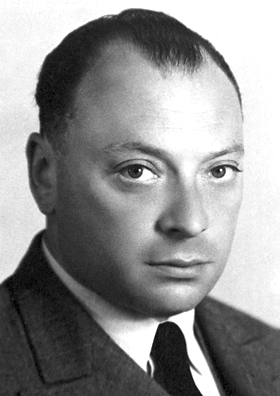 Physicist
Wolfgang Pauli
Formulating the exclusion principle that helps explain atomic structure.
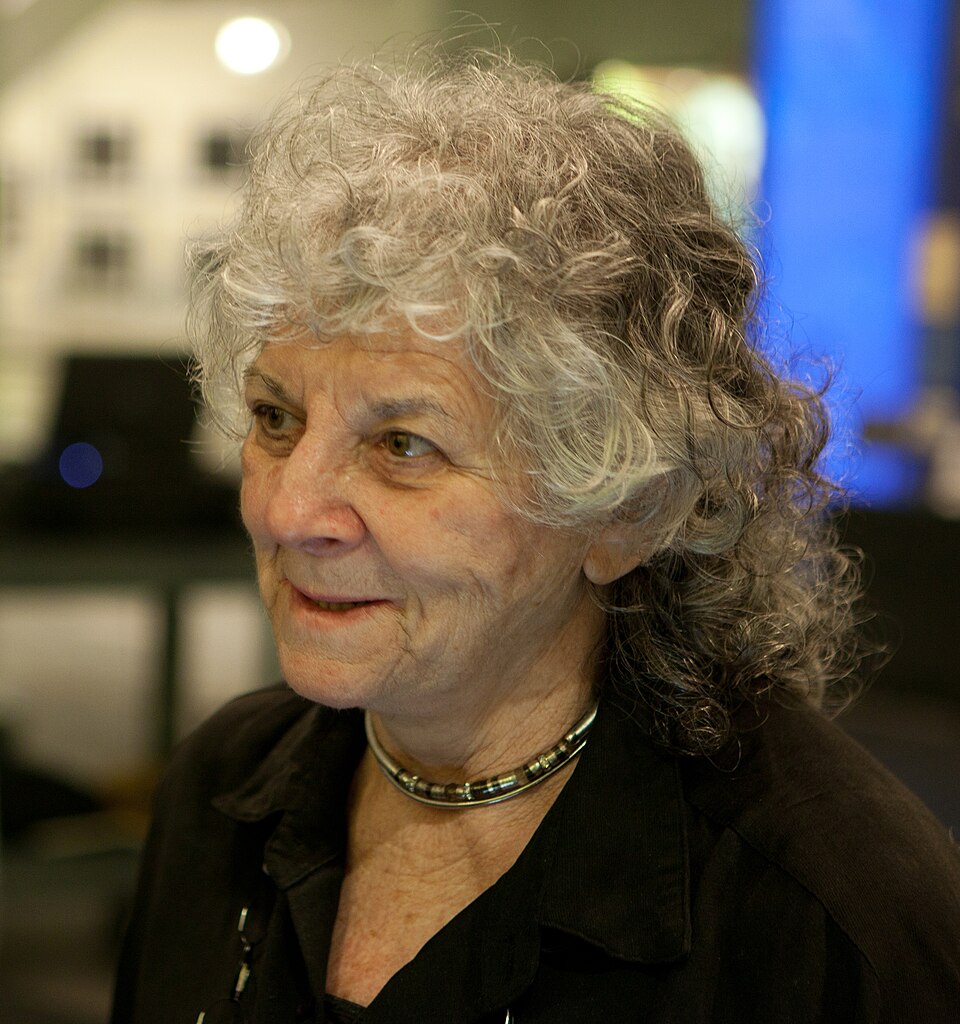 Chemist
Ada Yonath
Revealing the structure of the ribosome, the cell’s protein-making machinery.
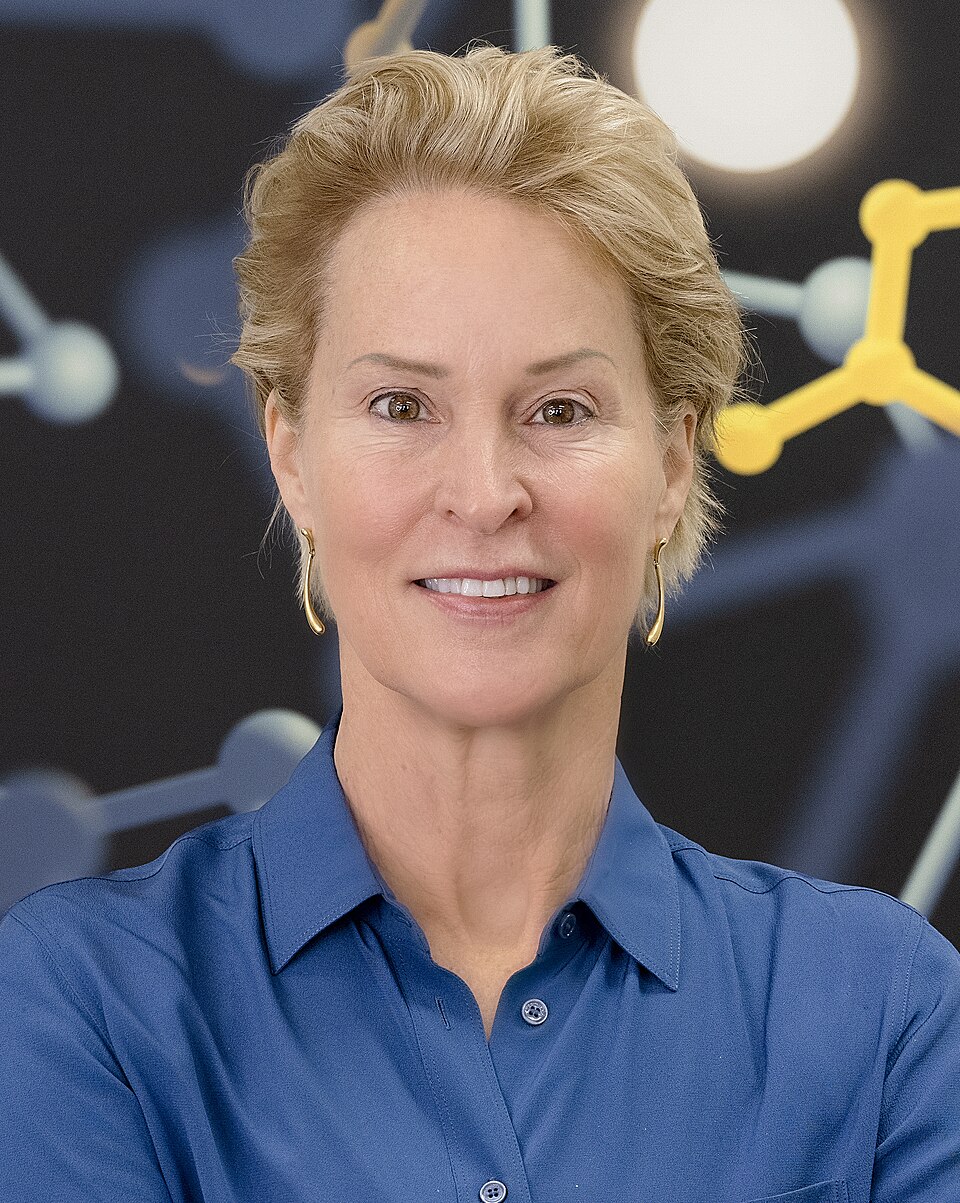 Chemist
Frances Arnold
Using directed evolution to engineer useful enzymes.
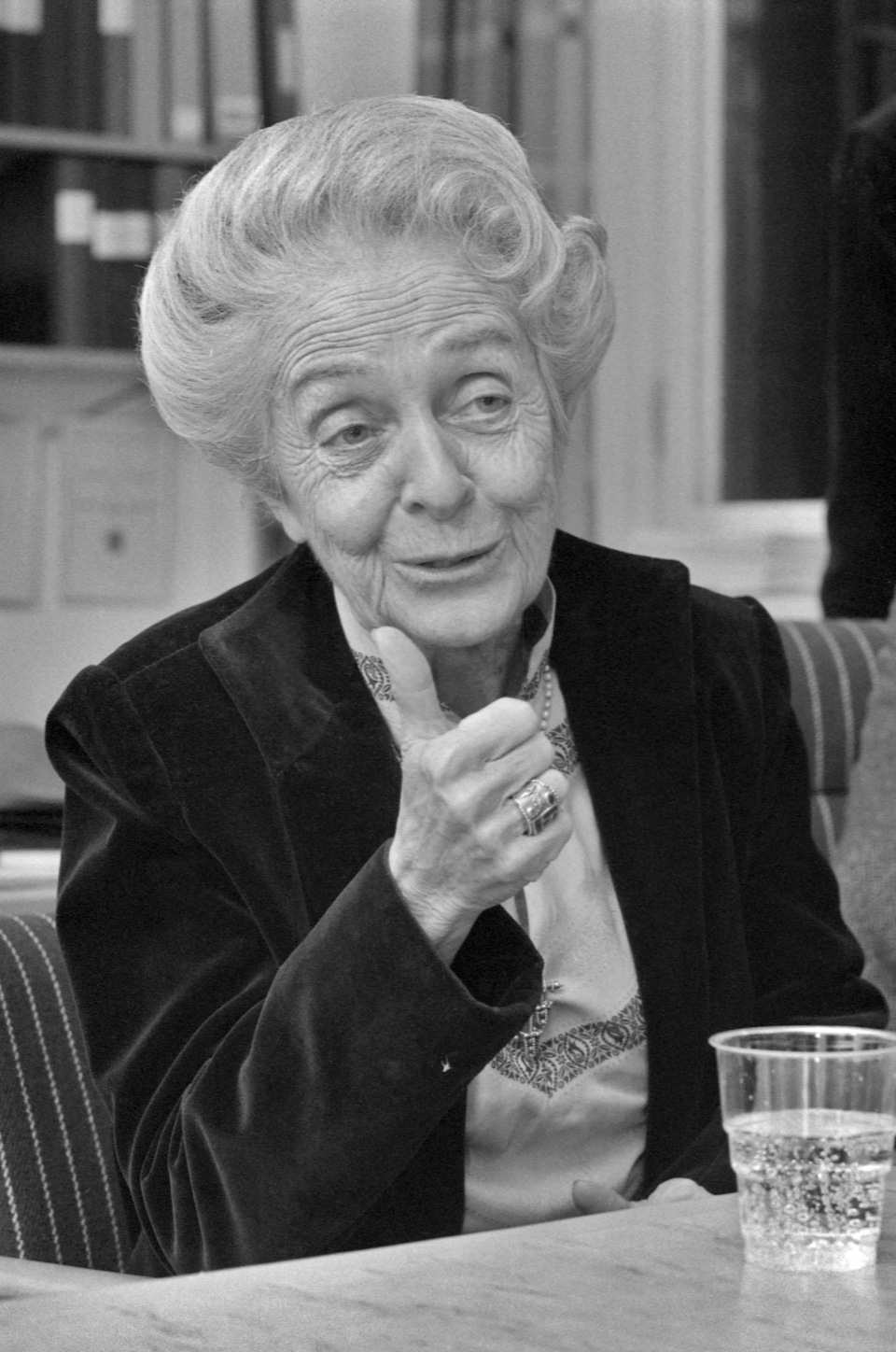 Neuroscientist
Rita Levi-Montalcini
Discovering nerve growth factor, a signal that supports nerve cells.
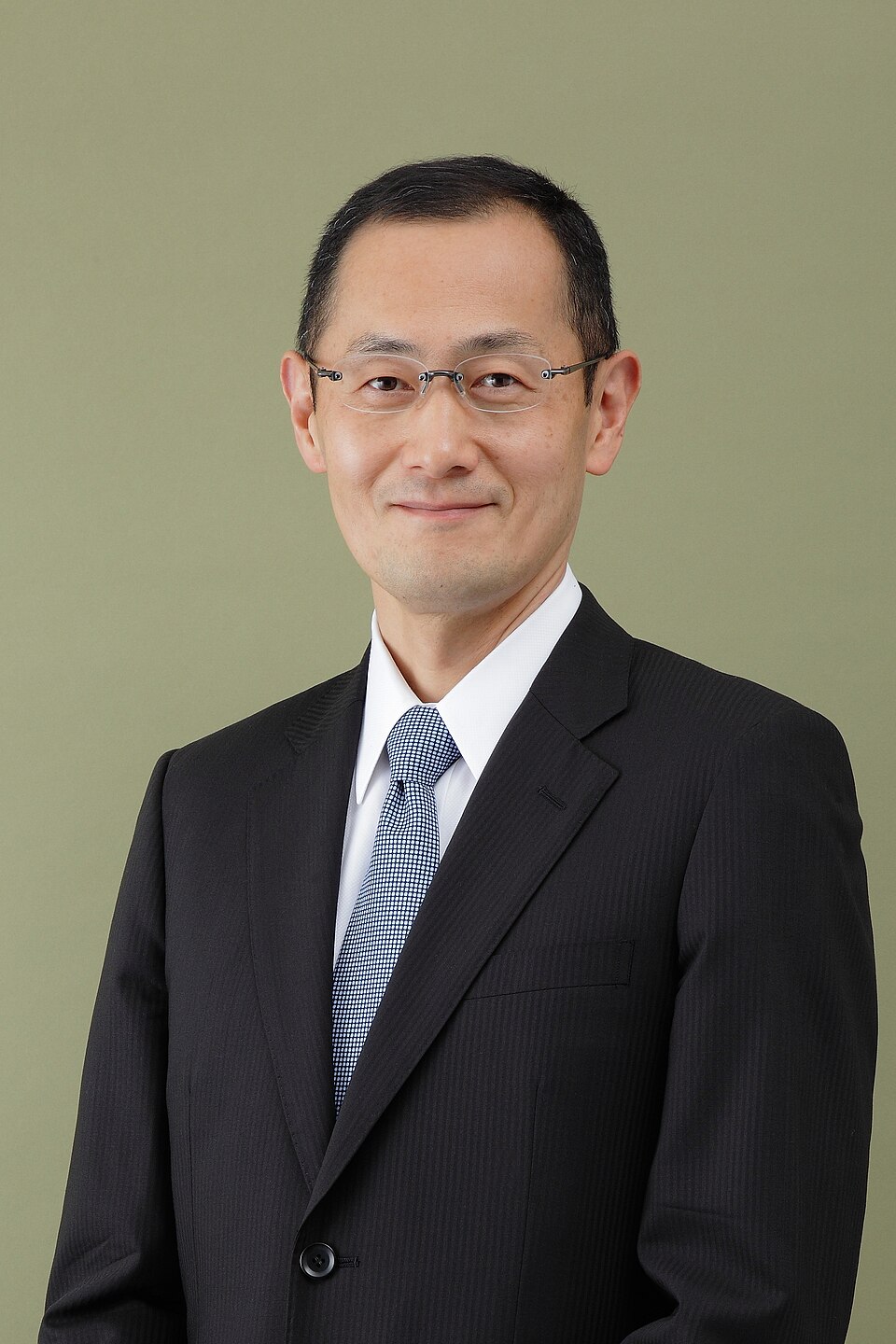 Biologist
Shinya Yamanaka
Reprogramming adult cells into stem cells.
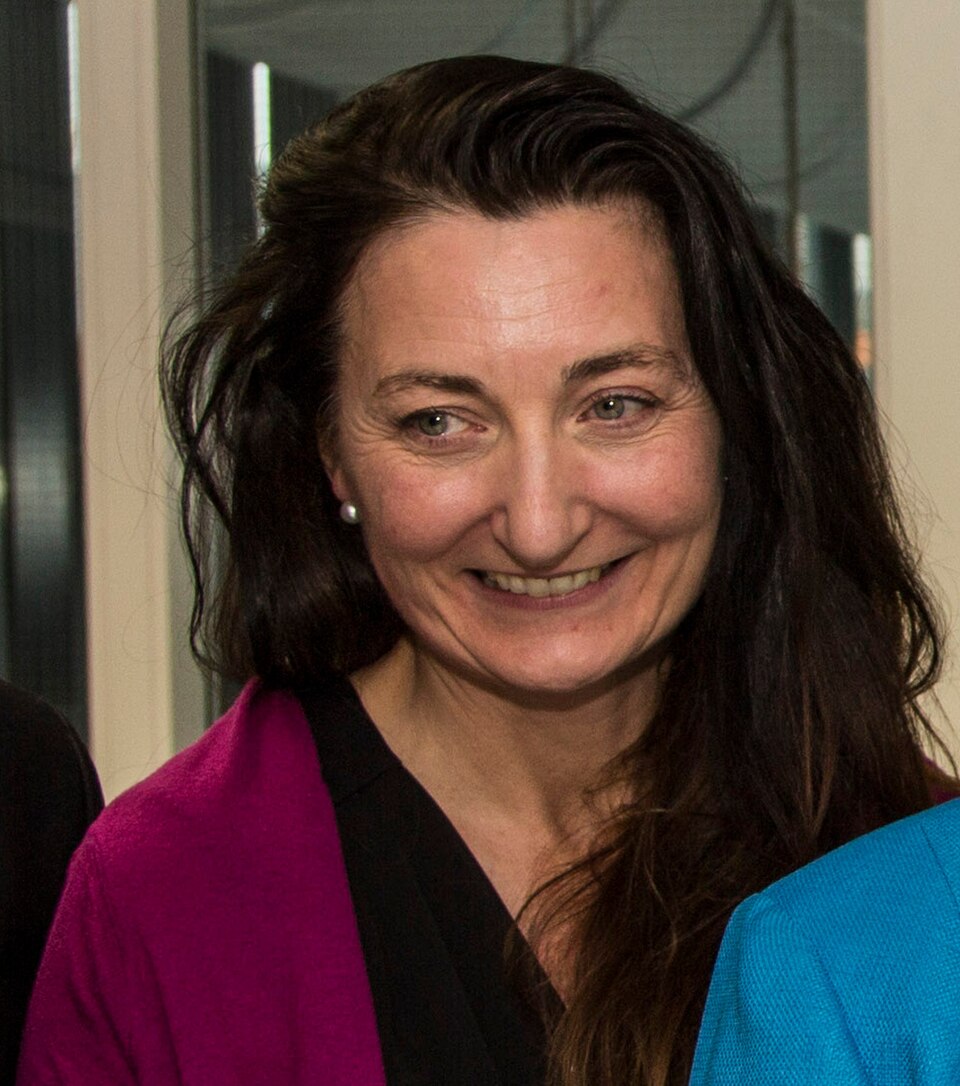 Neuroscientist
May-Britt Moser
Discovering grid cells that help the brain map space.
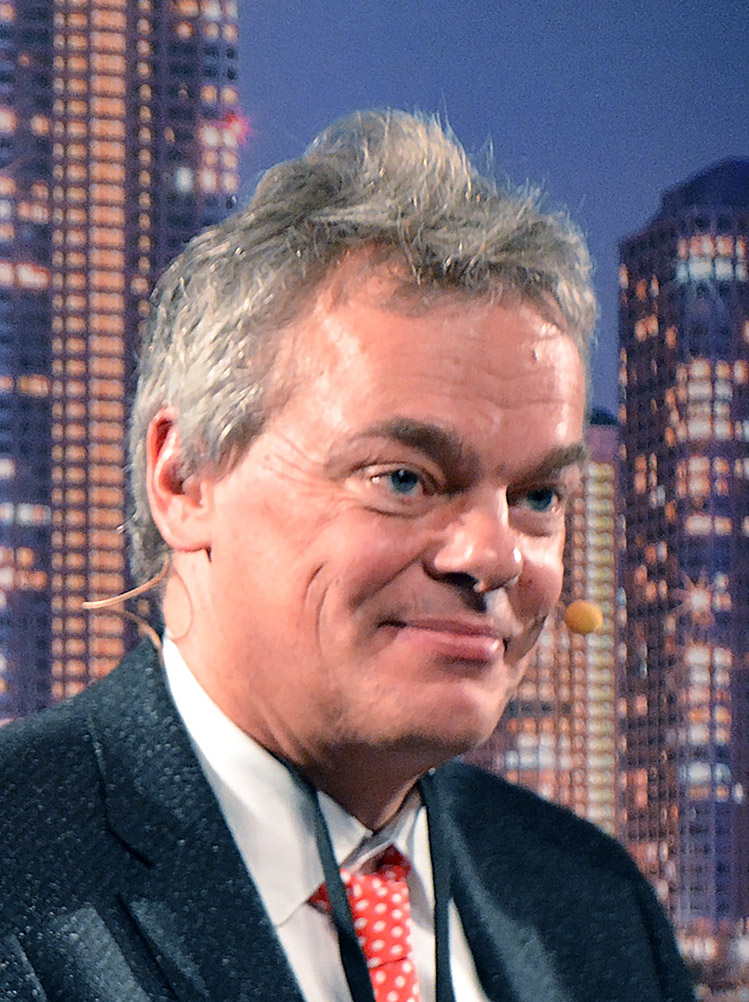 Neuroscientist
Edvard Moser
Co-discovering the grid cells used in the brain’s spatial navigation.
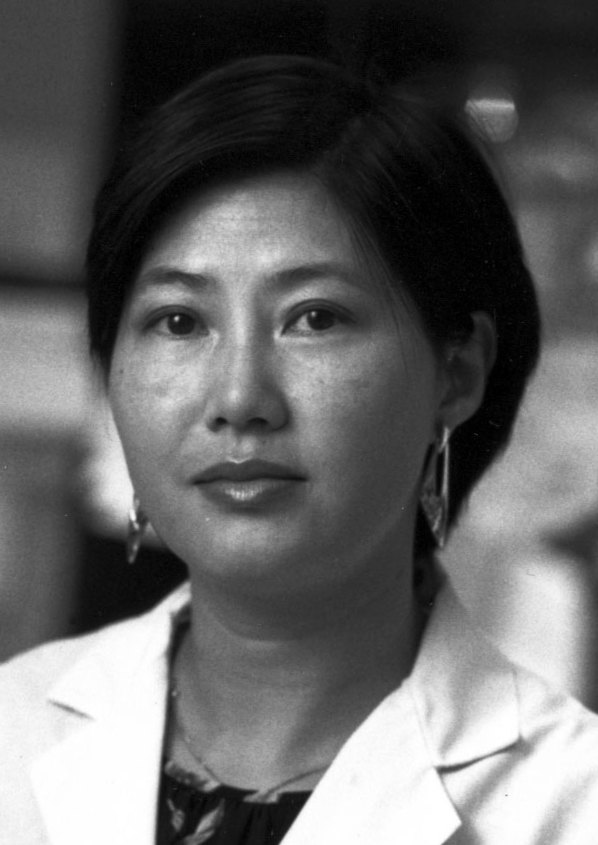 Biologist
Flossie Wong-Staal
Cloning HIV and mapping genes central to understanding AIDS.
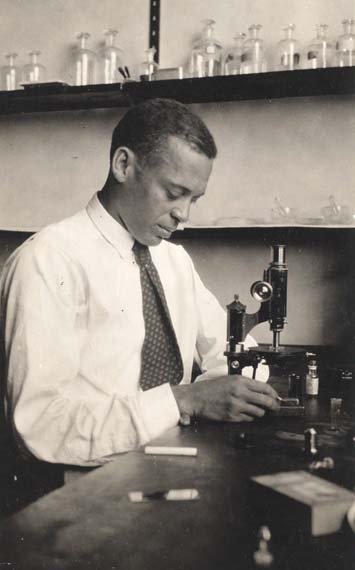 Biologist
Ernest Everett Just
Showing the importance of the cell surface in fertilisation and development.
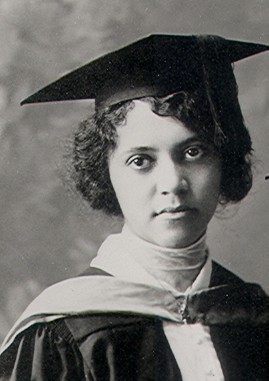 Chemist
Alice Ball
Developing an injectable chaulmoogra-oil treatment for Hansen’s disease.
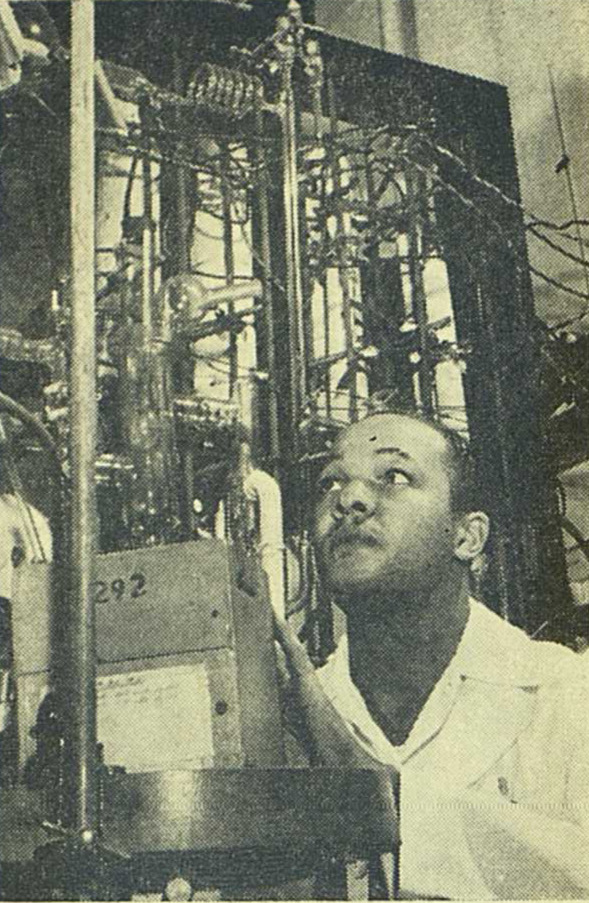 Chemist
Lloyd Quarterman
Contributing fluorine chemistry to the Manhattan Project and later nuclear research.
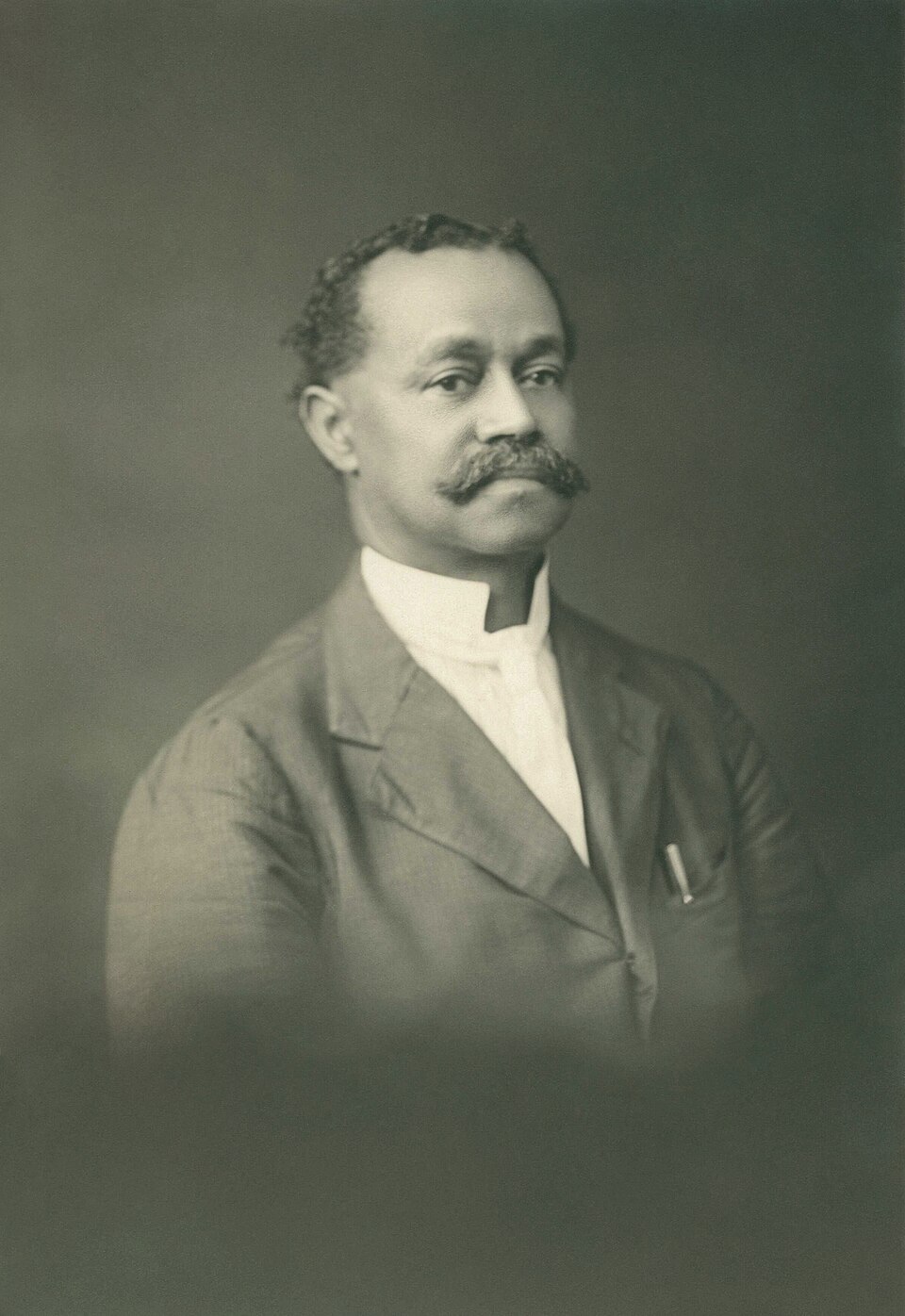 Biologist
Charles Henry Turner
Demonstrating learning and flexible behaviour in insects.
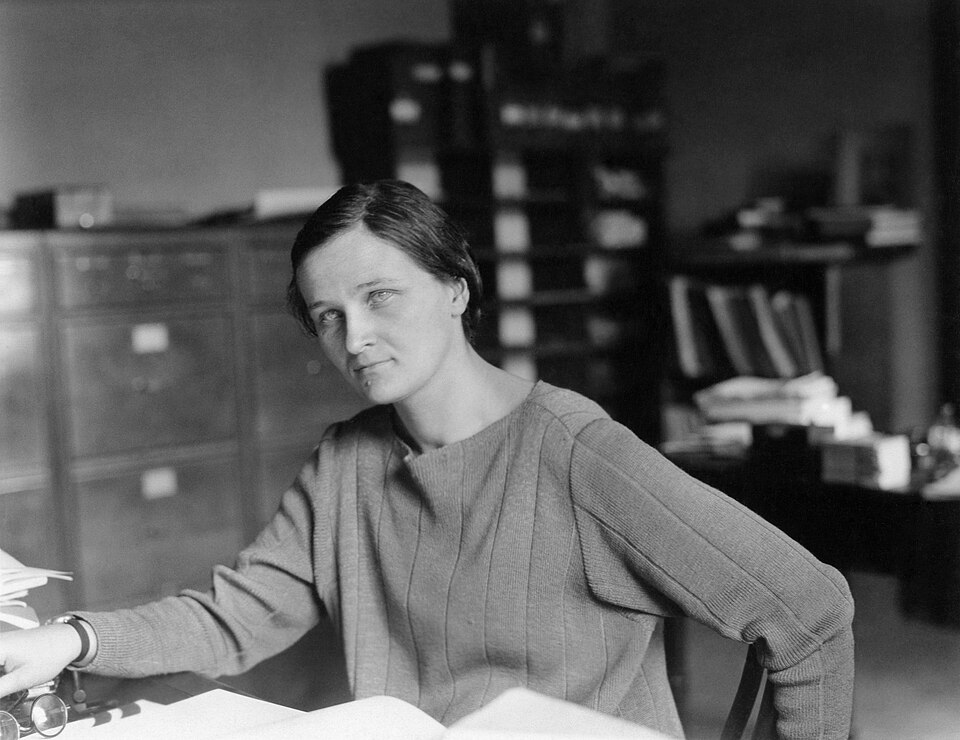 Astronomer
Cecilia Payne-Gaposchkin
Showing that stars consist mainly of hydrogen and helium.
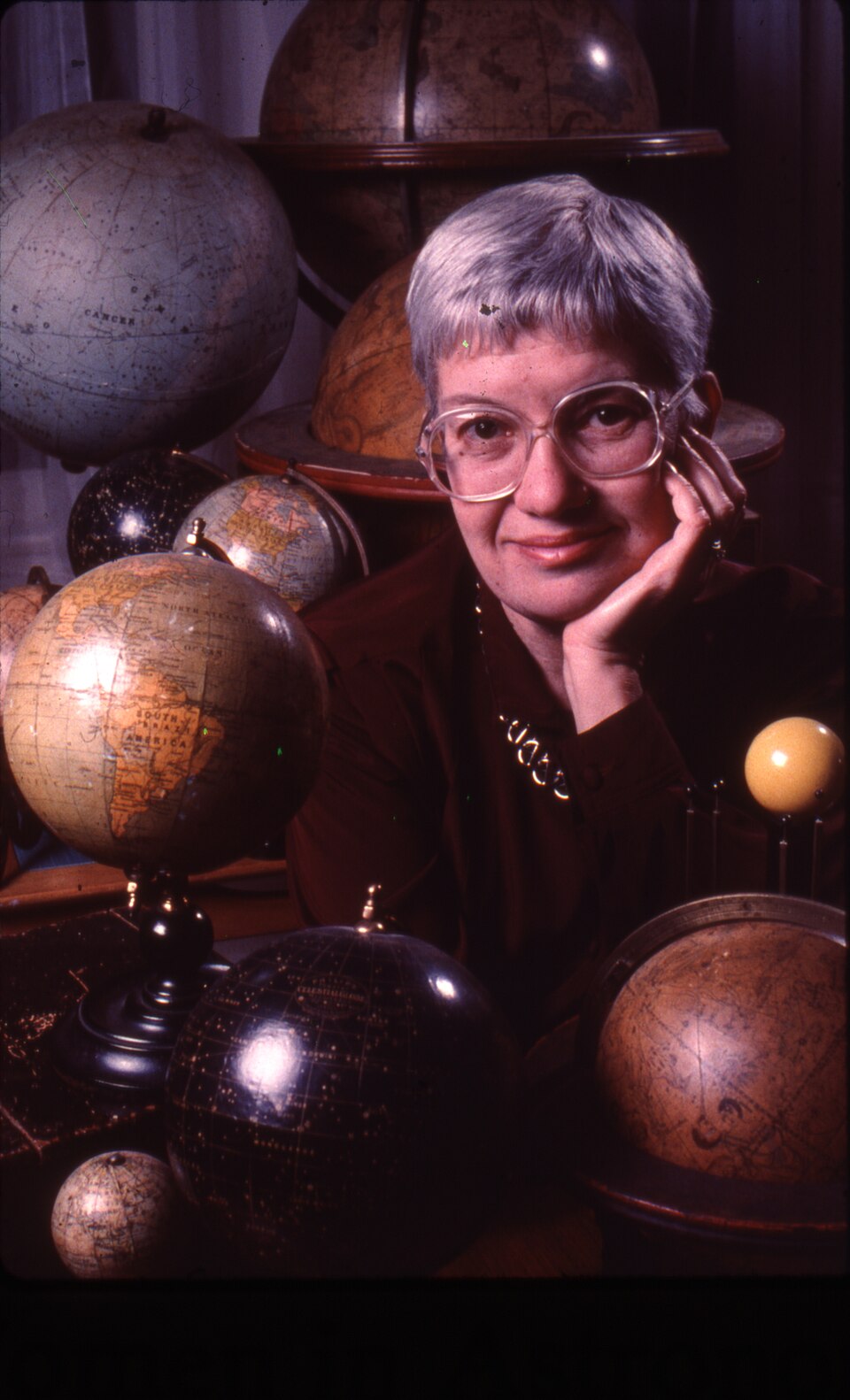 Astronomer
Vera Rubin
Finding powerful evidence for dark matter through galaxy rotation.
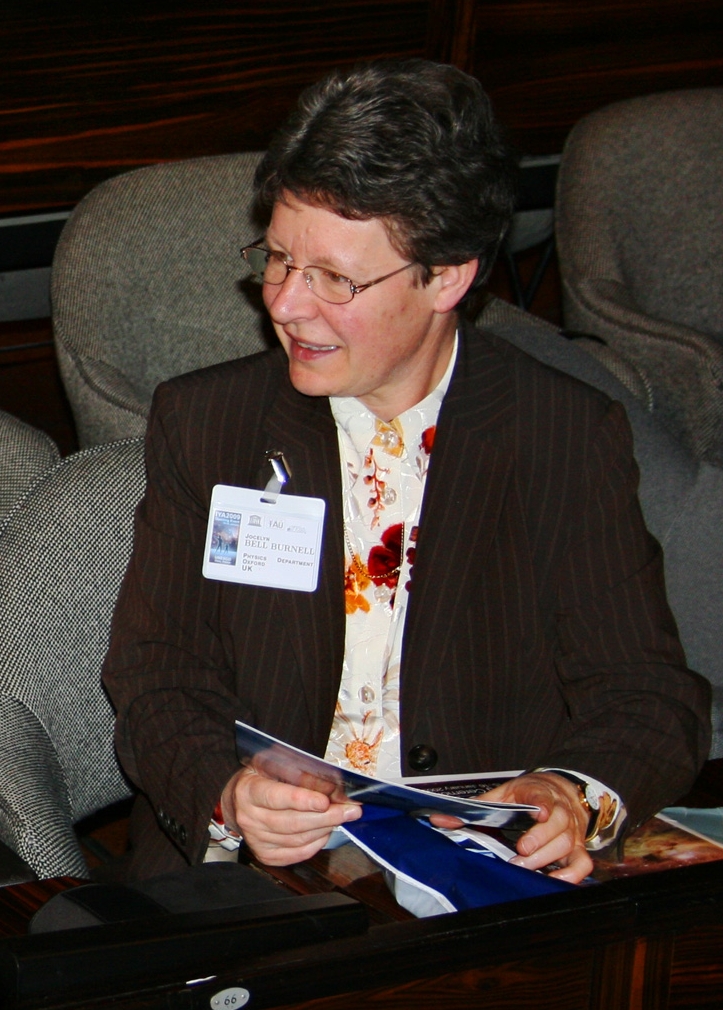 Astronomer
Jocelyn Bell Burnell
Discovering the first pulsars as a research student.
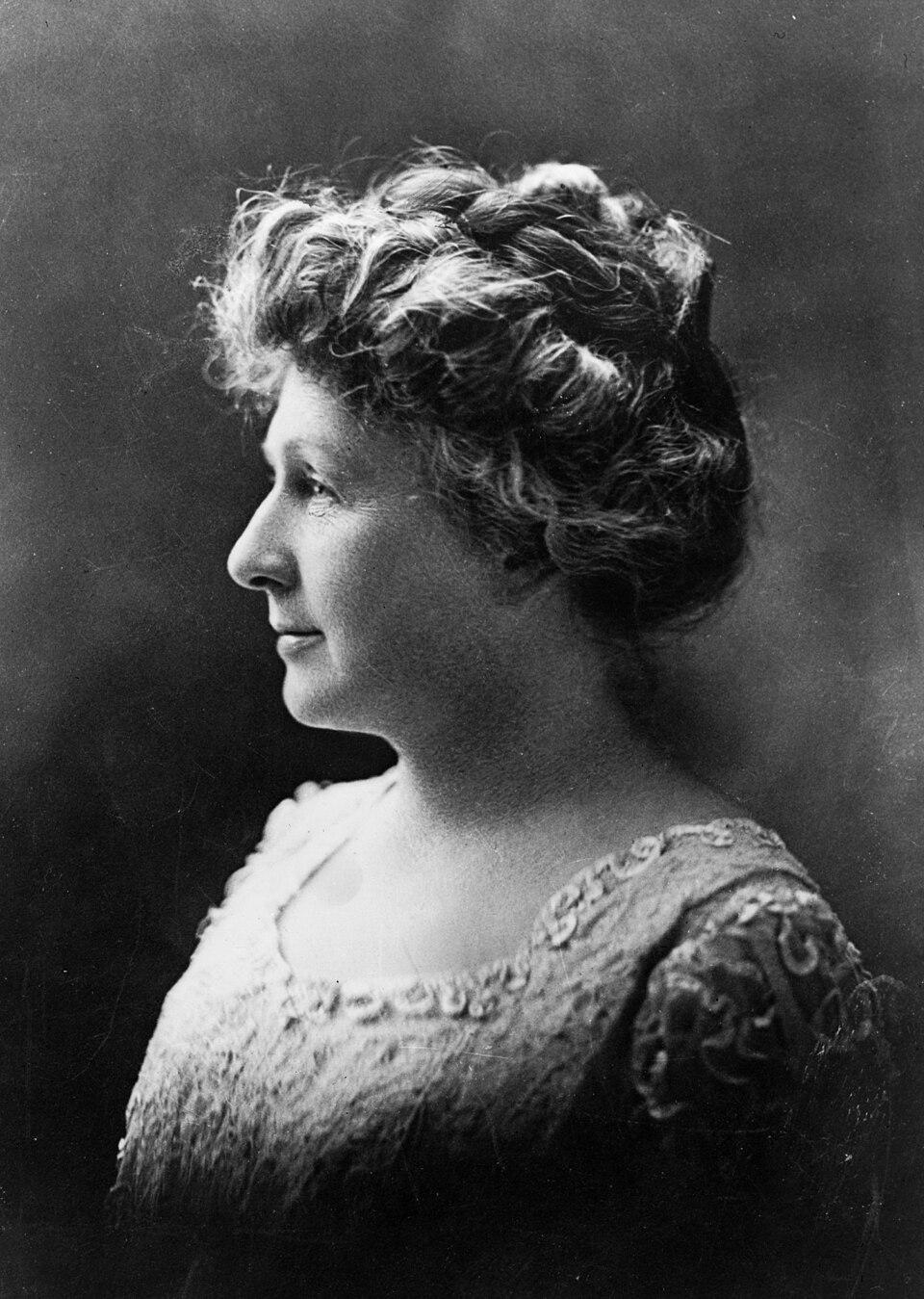 Astronomer
Annie Jump Cannon
Creating the stellar classification sequence used to organise stars by their spectra.
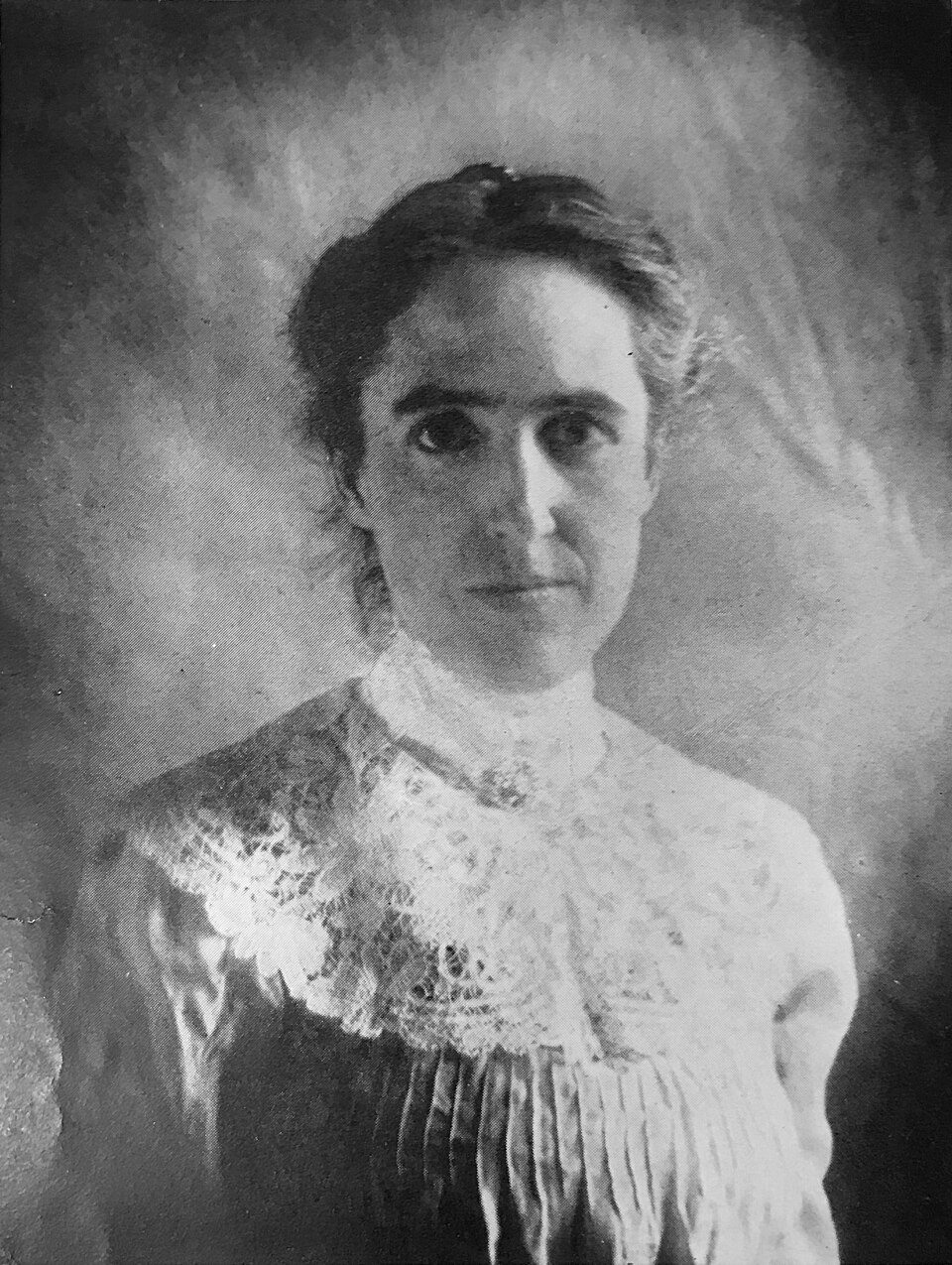 Astronomer
Henrietta Swan Leavitt
Discovering a relationship that made Cepheid stars cosmic distance markers.
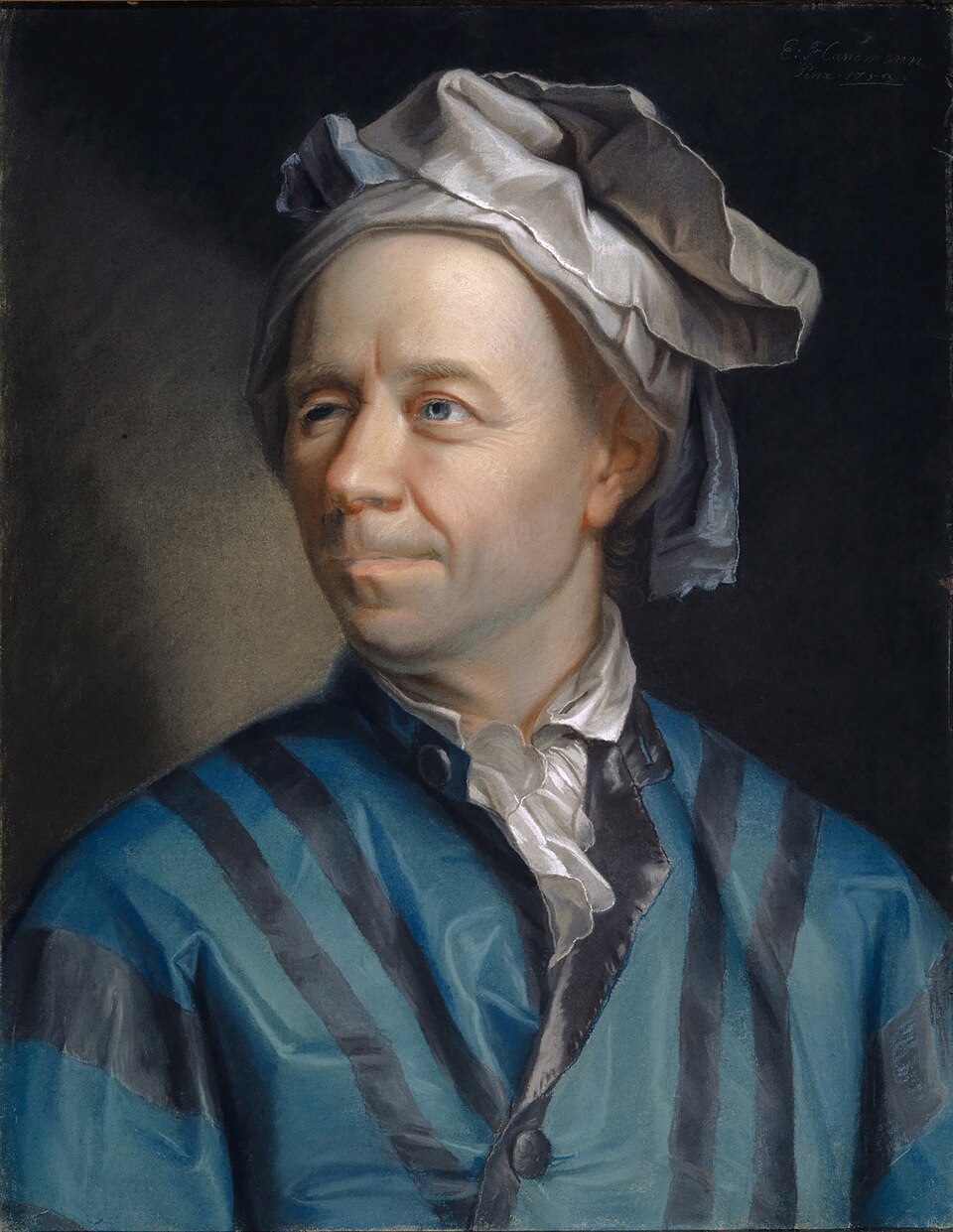 Mathematician
Leonhard Euler
Transforming mathematics, from calculus and number theory to the beginnings of graph theory.
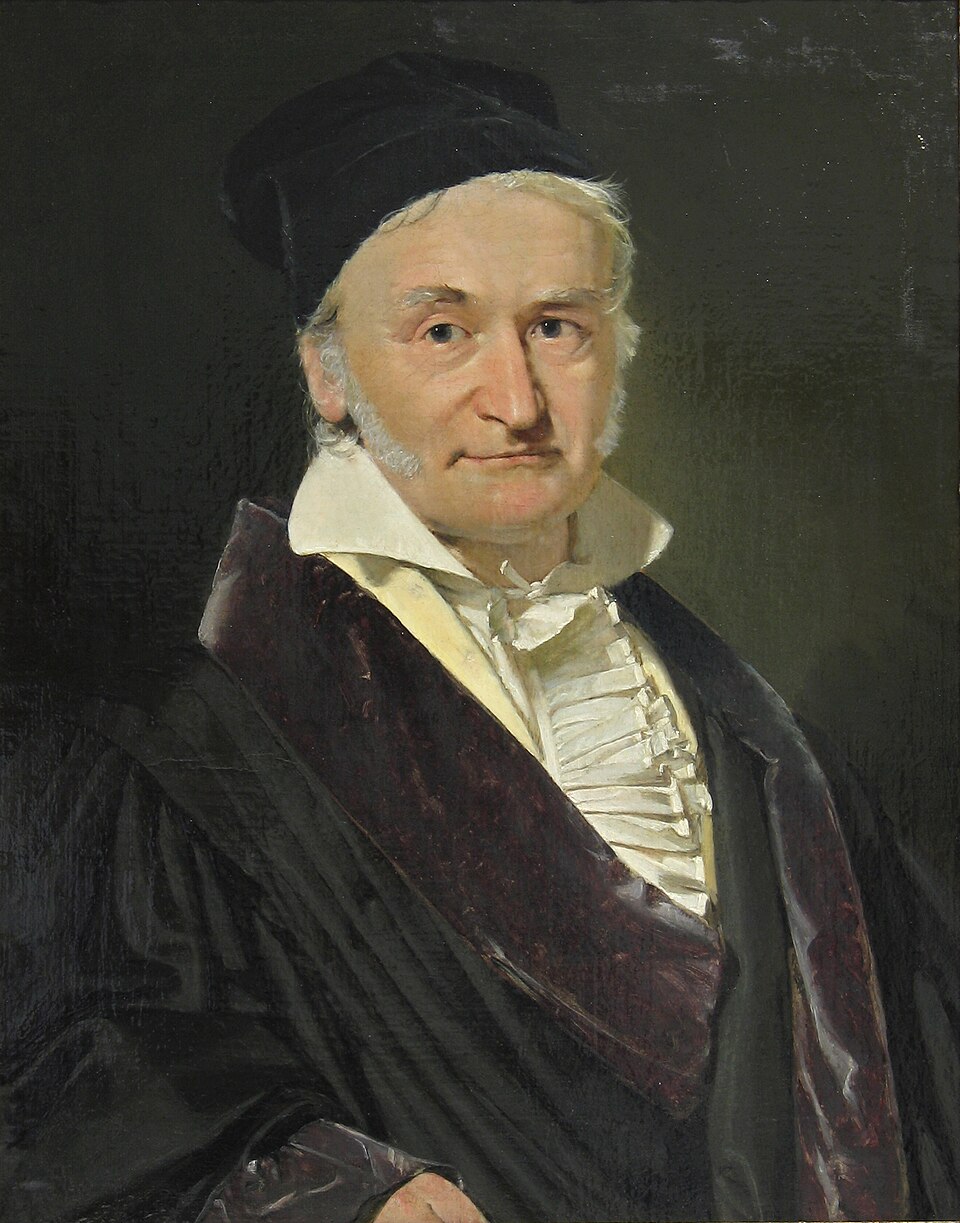 Mathematician
Carl Friedrich Gauss
Reshaping number theory and geometry, and calculating the orbit that helped astronomers recover Ceres.
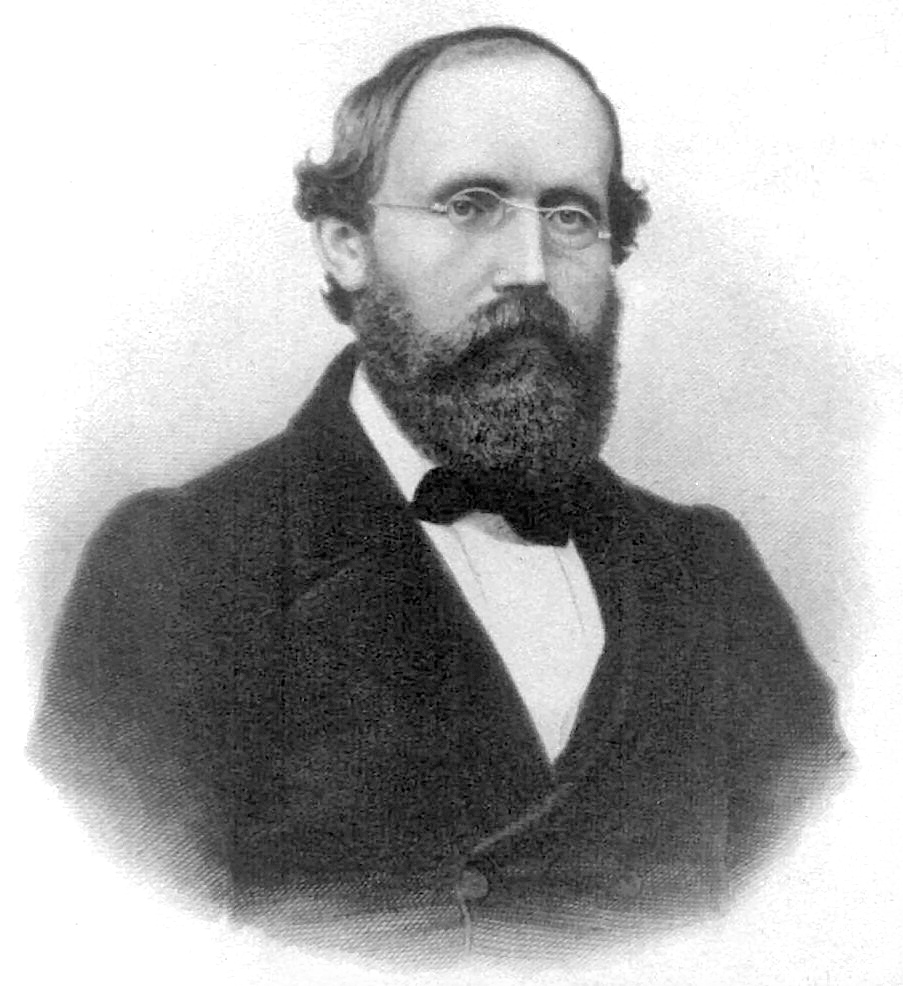 Mathematician
Bernhard Riemann
Developing the geometry later used in general relativity and posing the Riemann hypothesis about prime numbers.
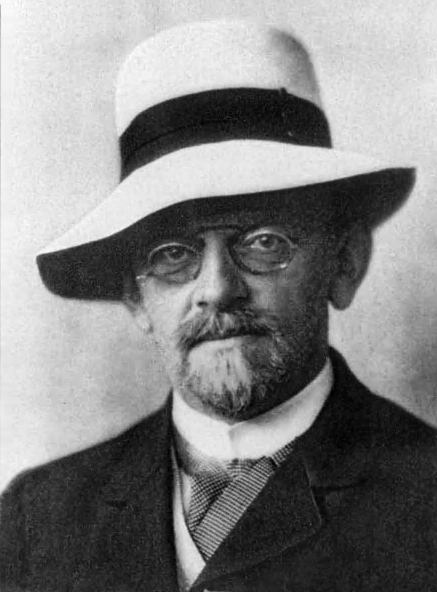 Mathematician
David Hilbert
Setting out 23 problems that helped shape twentieth-century mathematics.
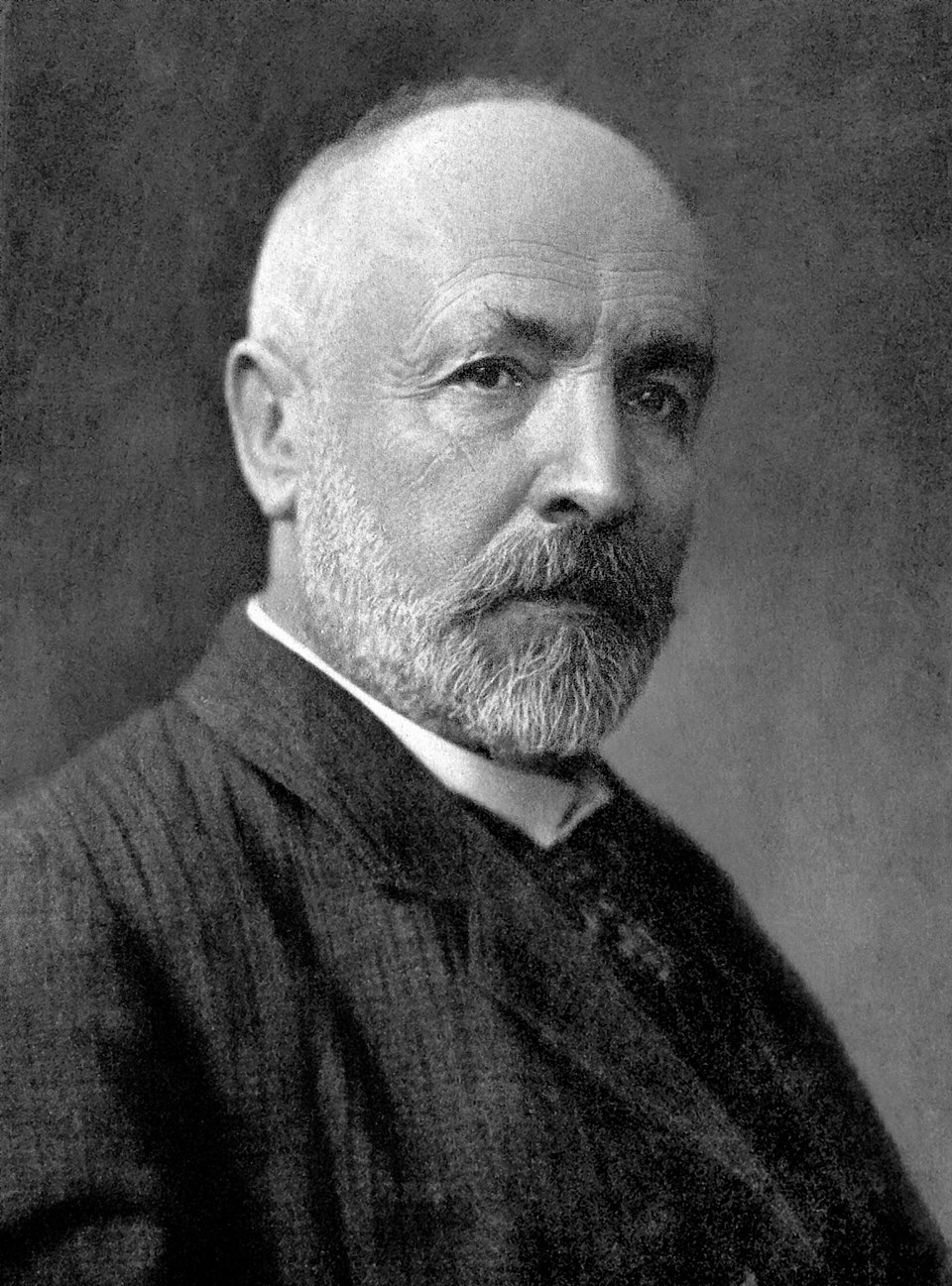 Mathematician
Georg Cantor
Showing that infinite sets can have different sizes and helping establish set theory.
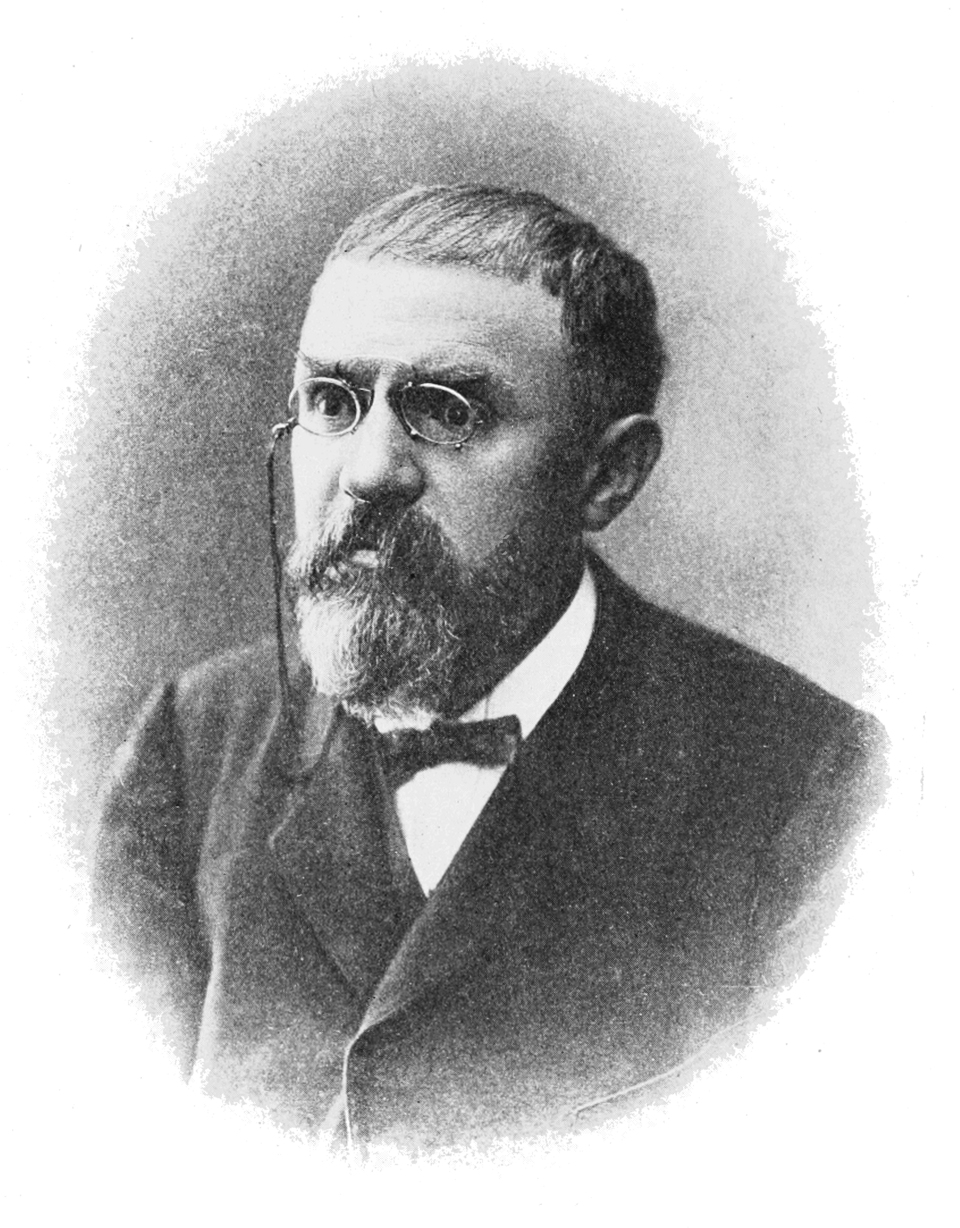 Mathematician
Henri Poincaré
Pioneering topology and revealing the unpredictable behaviour now associated with chaos theory.
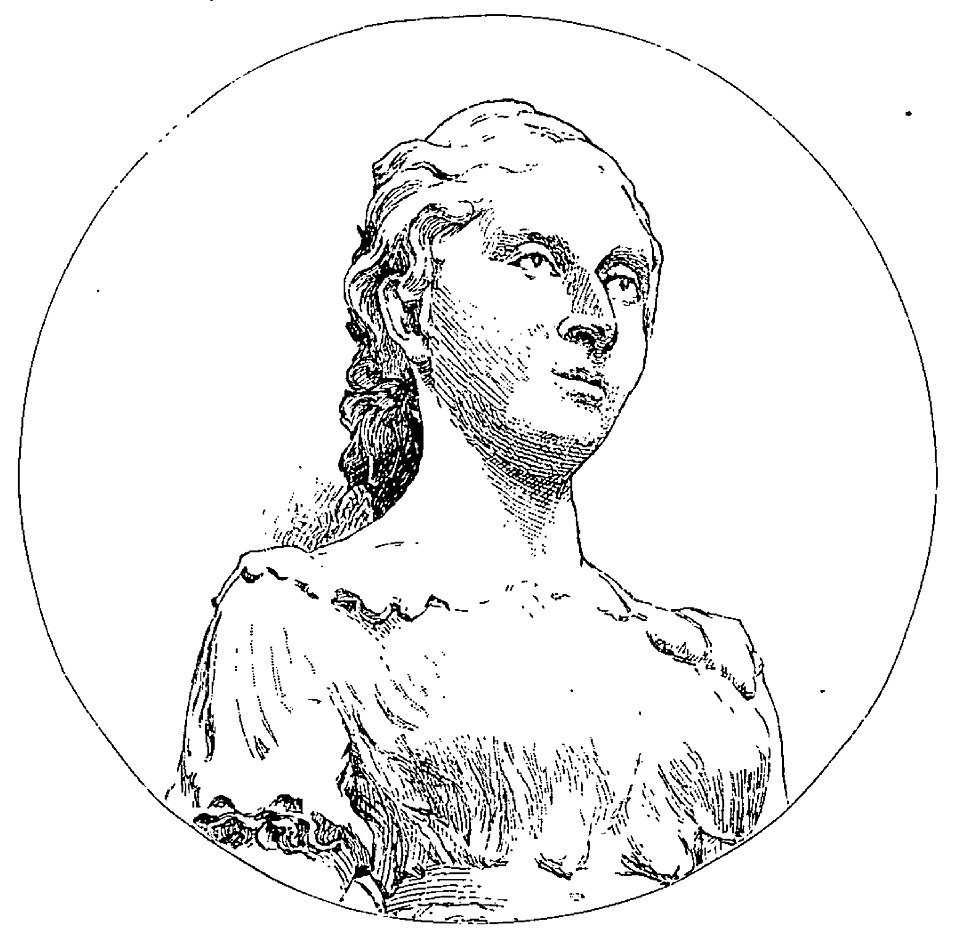 Mathematician
Sophie Germain
Advancing number theory and the mathematics of vibrating surfaces while excluded from formal university study.
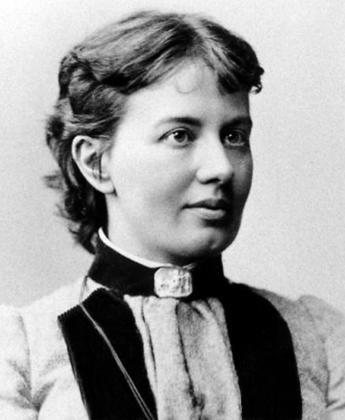 Mathematician
Sofya Kovalevskaya
Making major advances in differential equations and becoming a pioneering woman professor of mathematics.
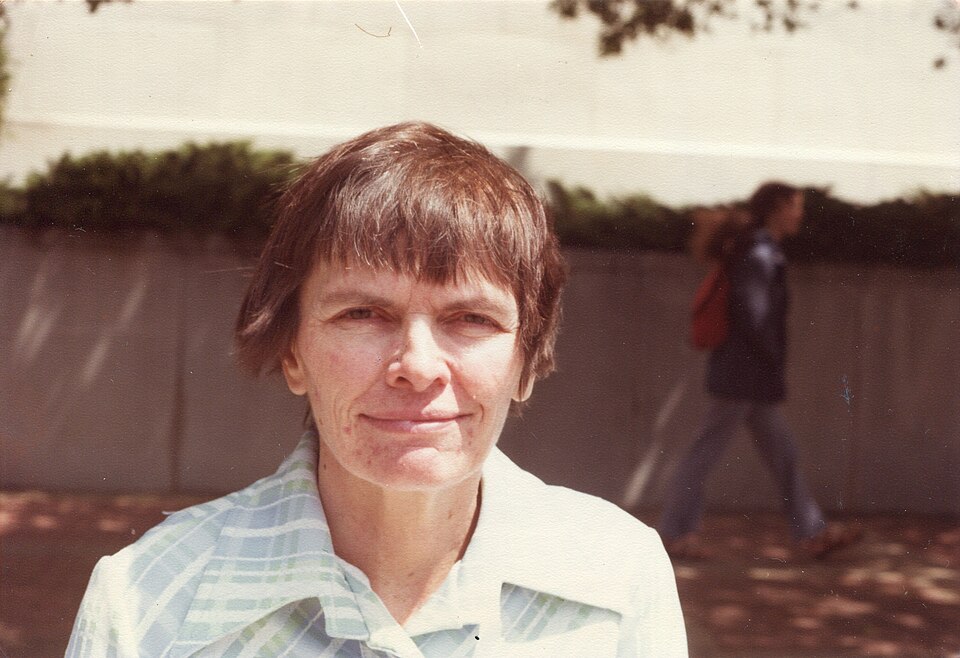 Mathematician
Julia Robinson
Helping prove that no universal algorithm can solve every whole-number equation of a certain kind.
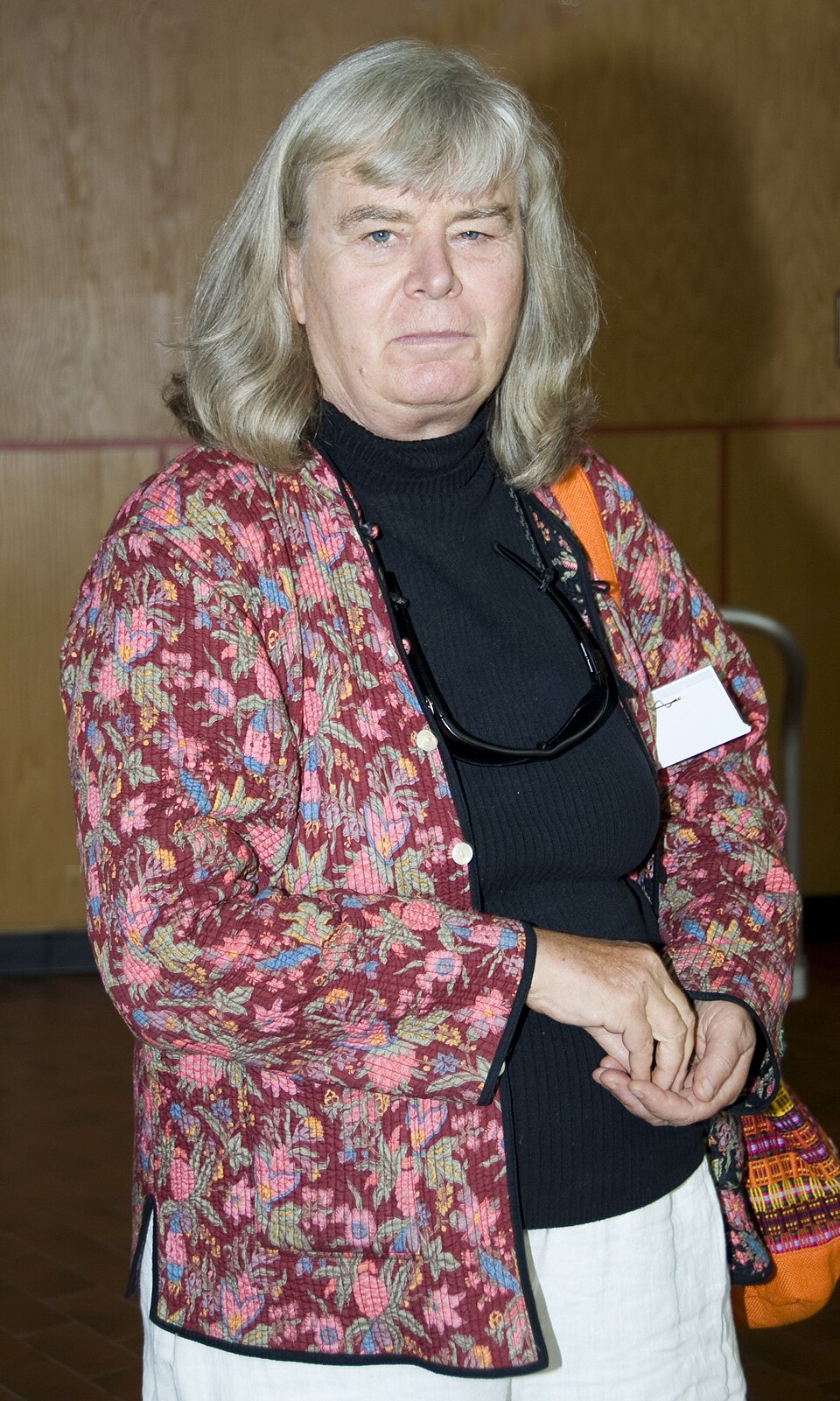 Mathematician
Karen Uhlenbeck
Pioneering geometric analysis and becoming the first woman to receive the Abel Prize.
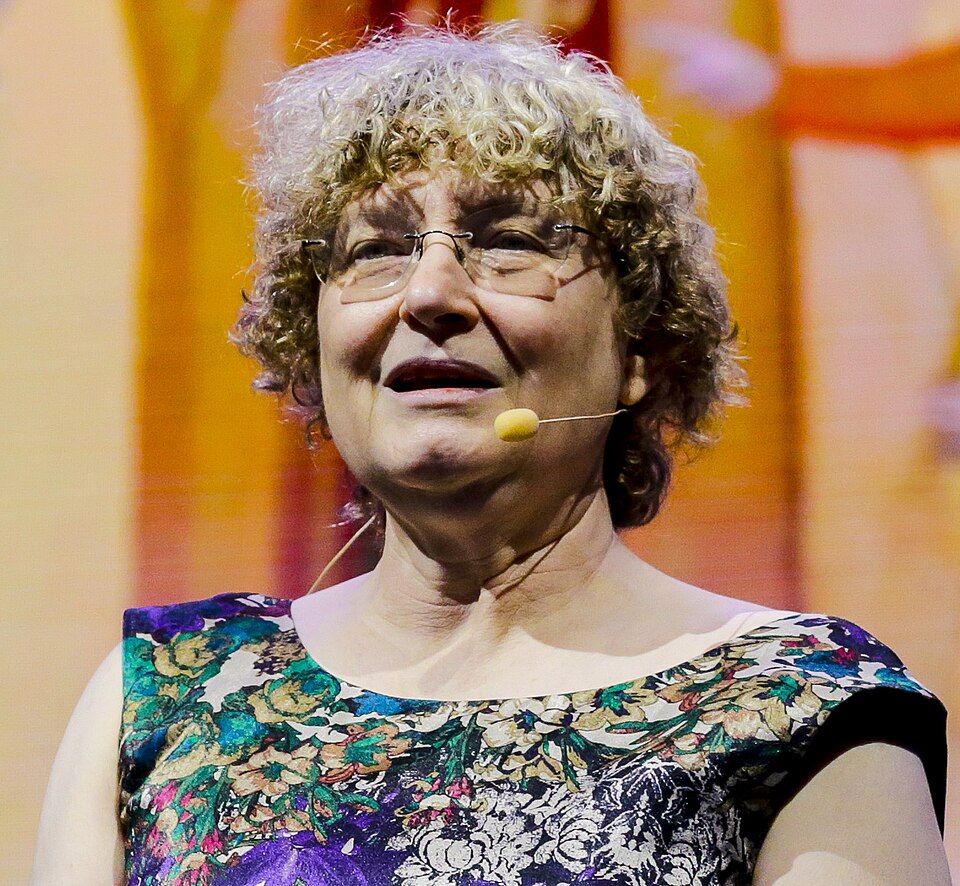 Mathematician
Ingrid Daubechies
Developing wavelets that helped make digital image compression practical.
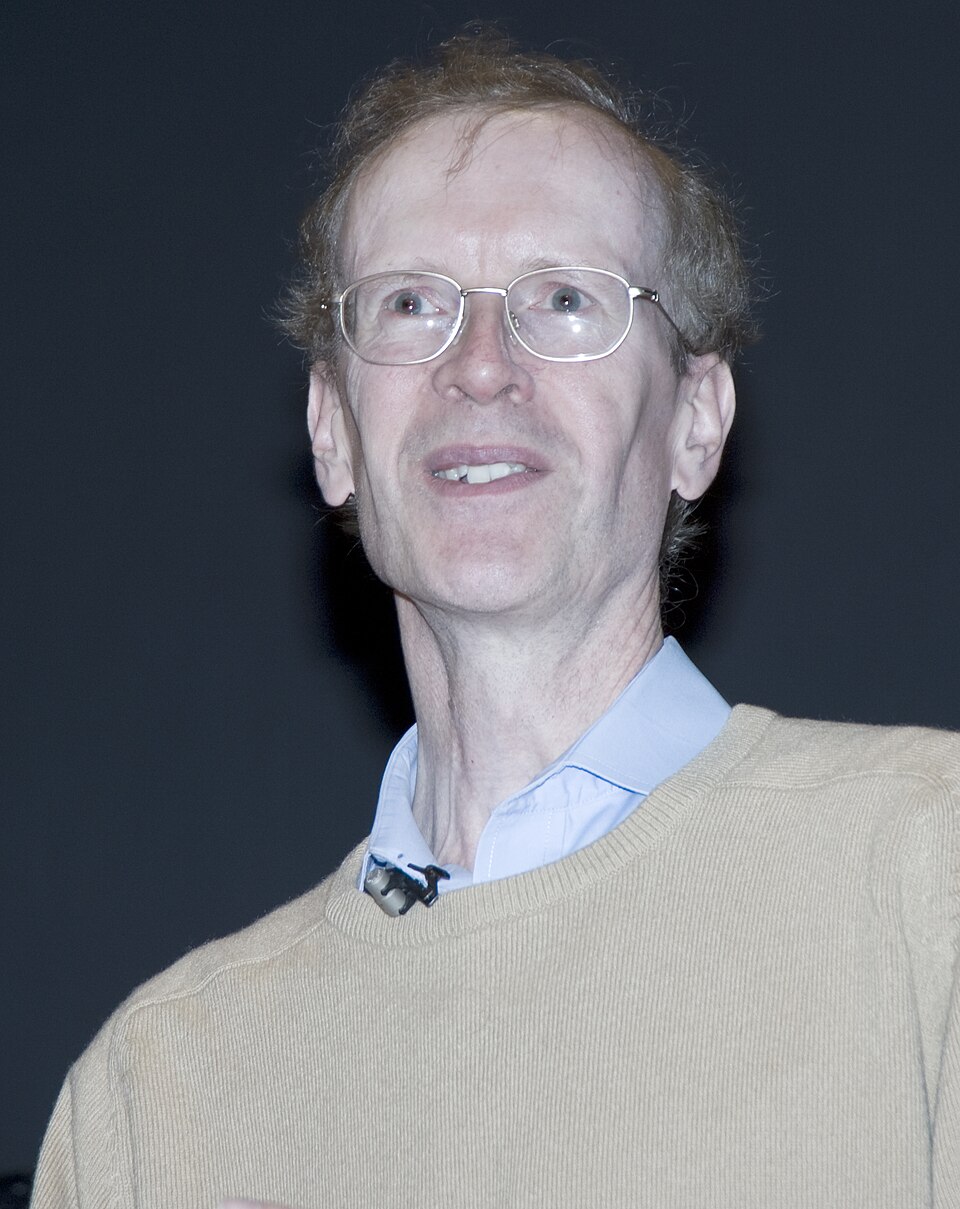 Mathematician
Andrew Wiles
Proving Fermat’s Last Theorem after it had resisted mathematicians for more than three centuries.
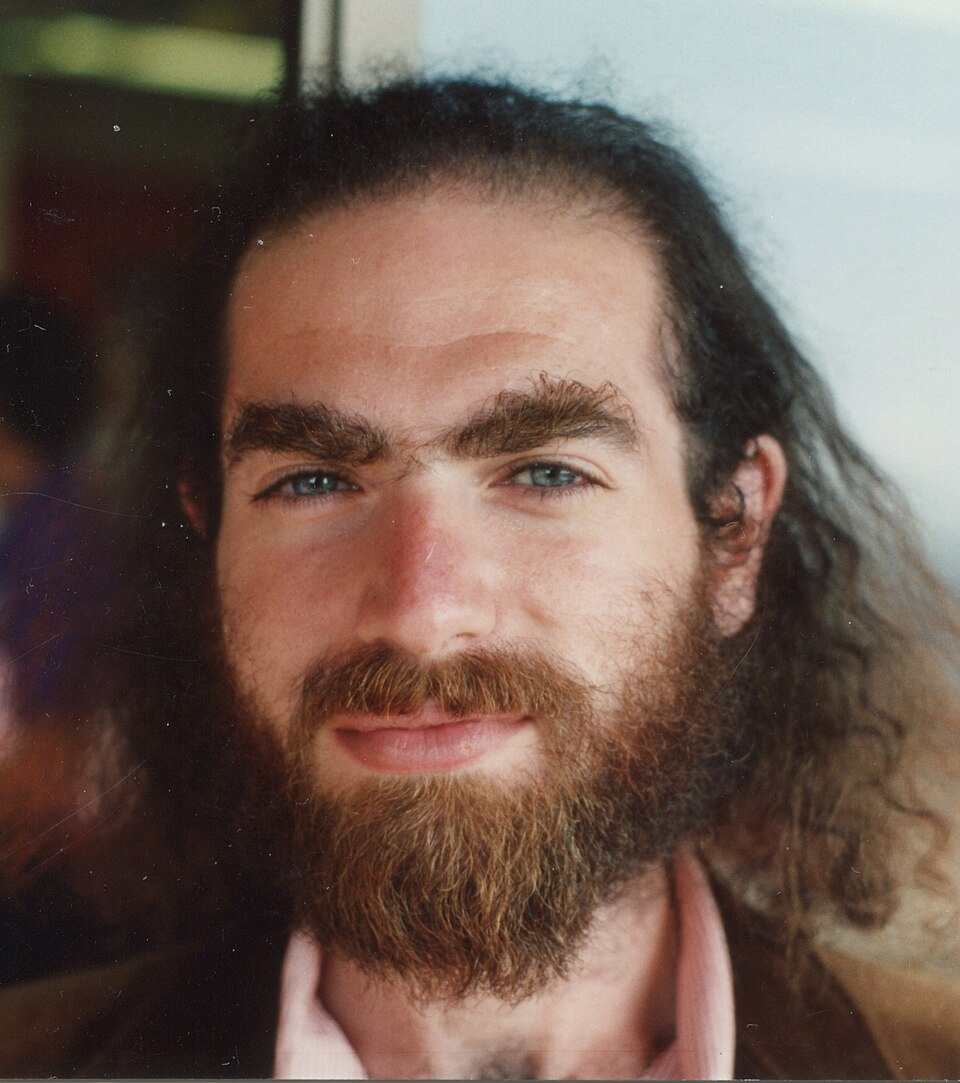 Mathematician
Grigori Perelman
Solving the Poincaré conjecture, a century-old problem about the shape of three-dimensional spaces.
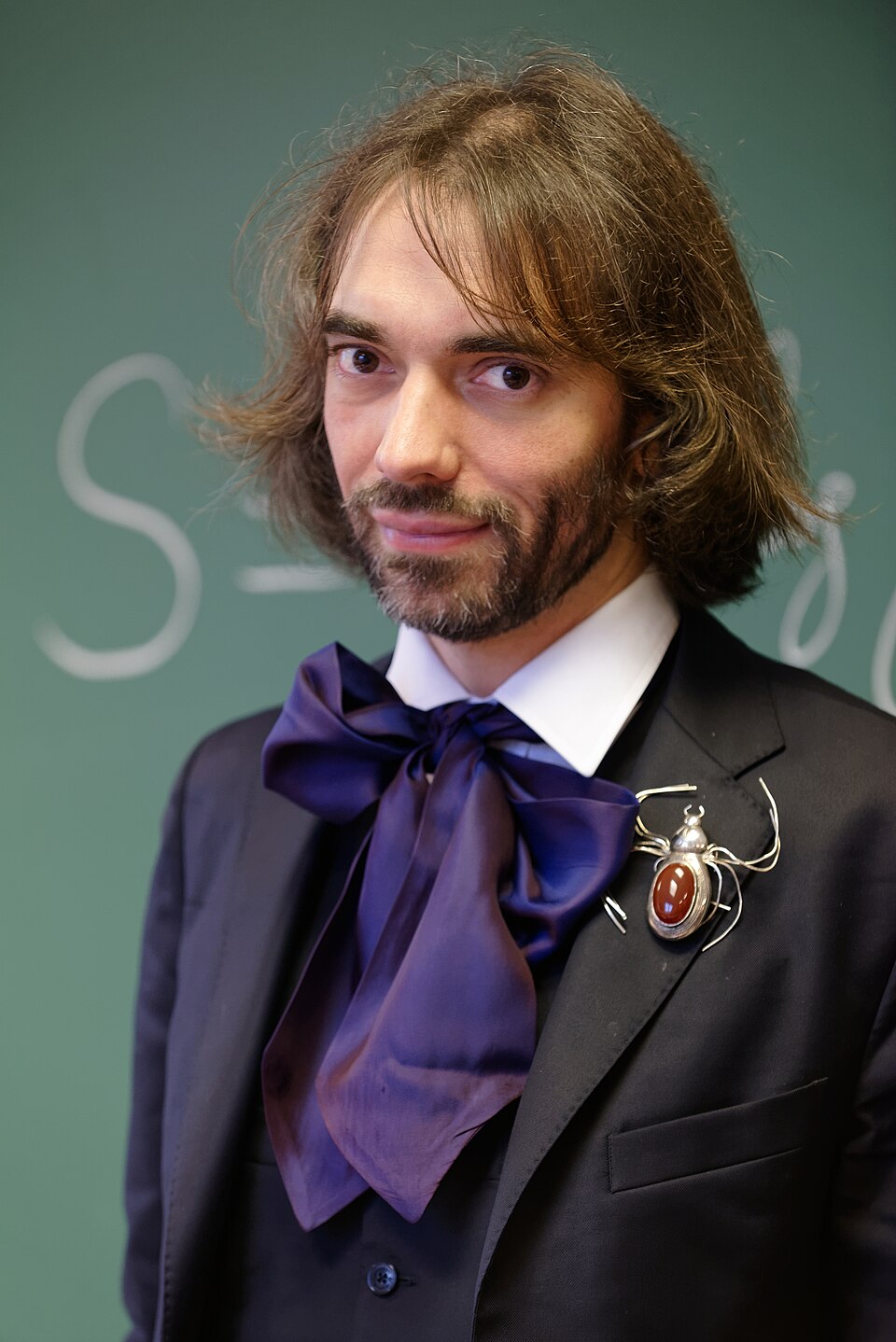 Mathematician
Cédric Villani
Winning the Fields Medal for work explaining how physical systems approach equilibrium.
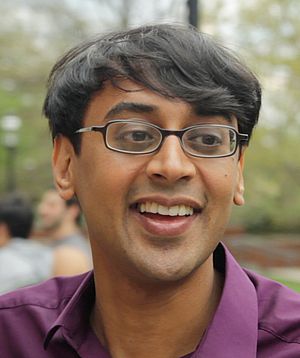 Mathematician
Manjul Bhargava
Winning the Fields Medal for new ways to count and understand important number systems.
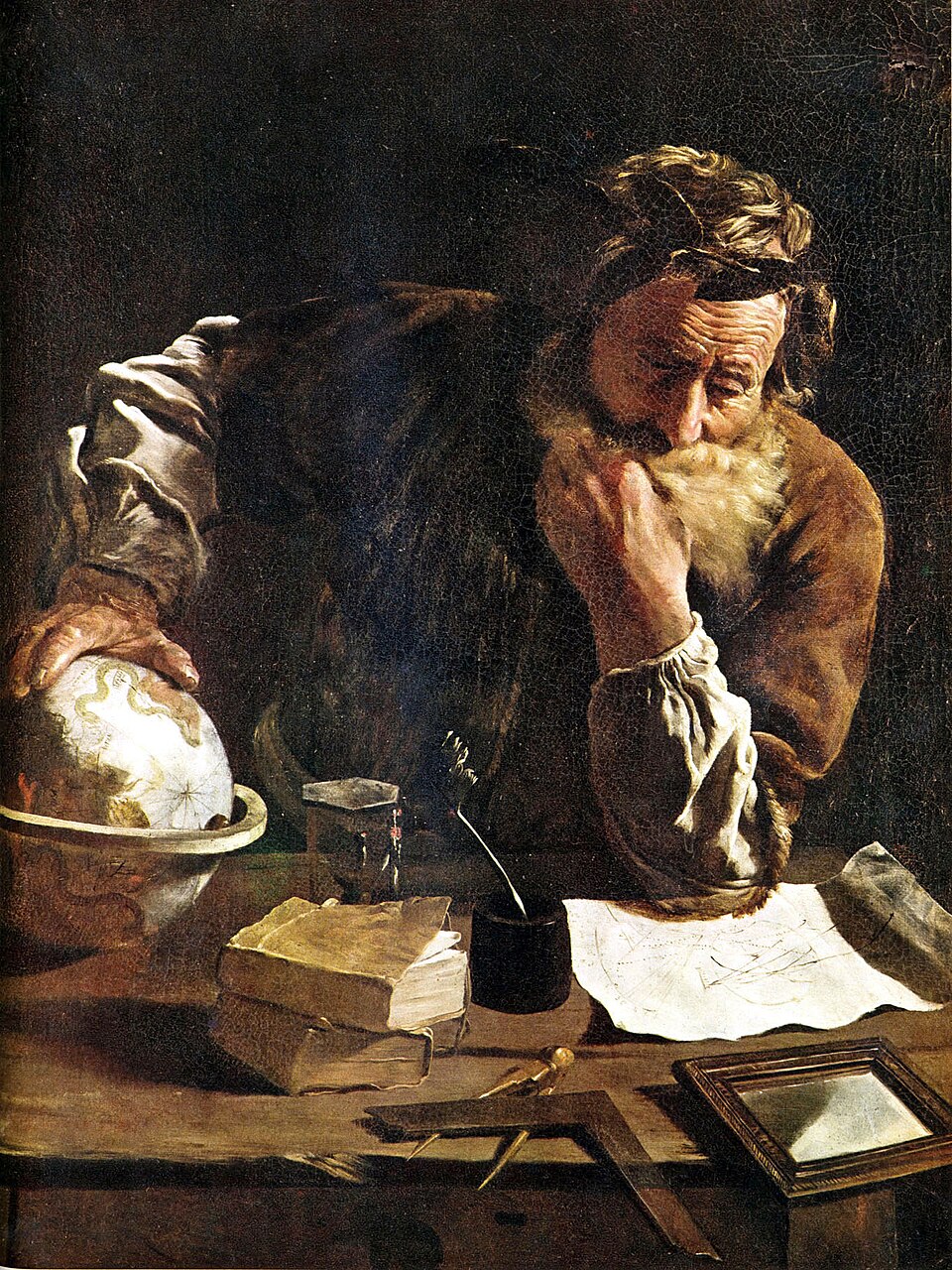 Mathematician
Archimedes
Explaining buoyancy and using geometry to calculate the sizes of curved shapes with extraordinary precision.
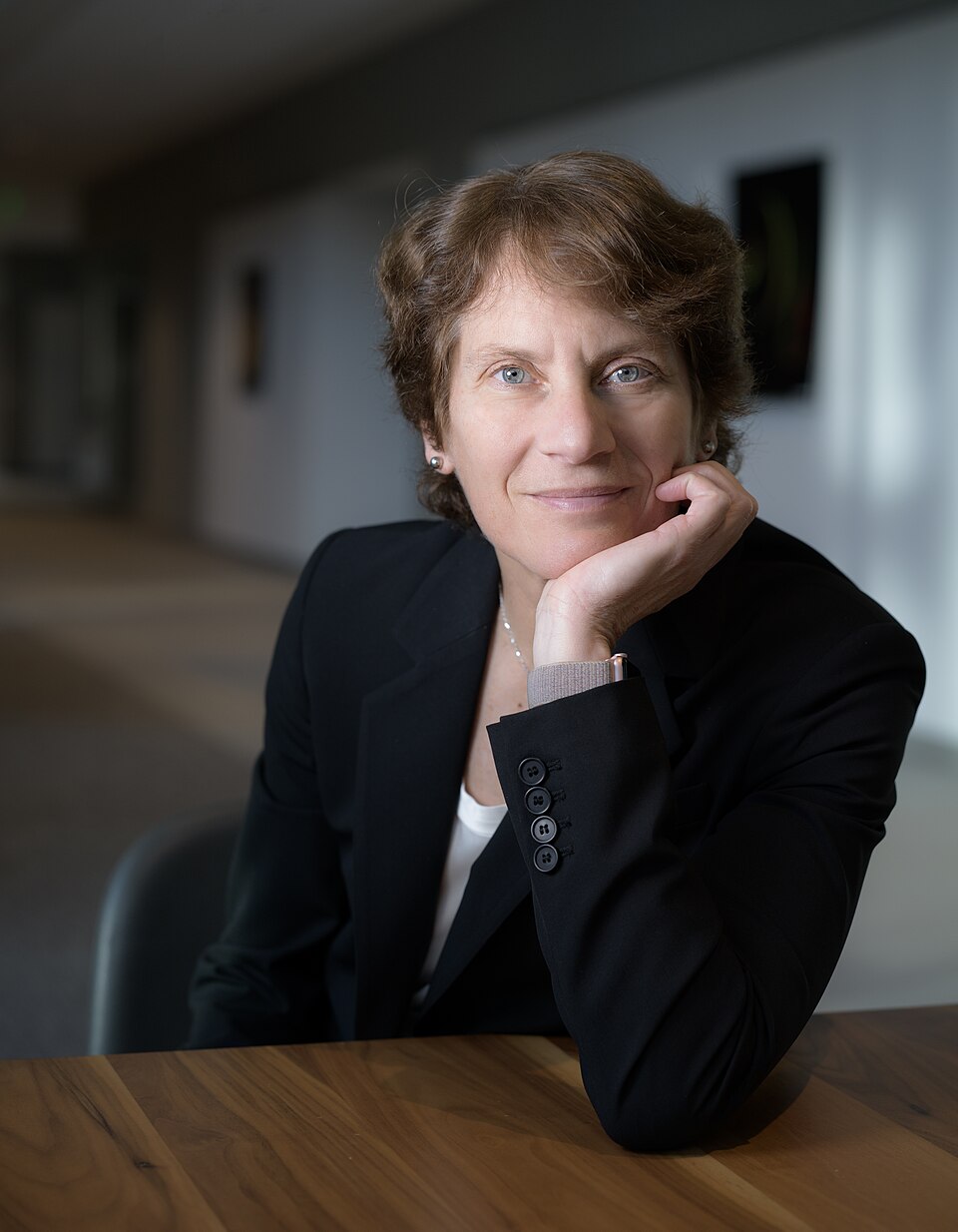 Chemist
Carolyn Bertozzi
Developing chemical reactions that can work inside living systems without disrupting their normal chemistry.
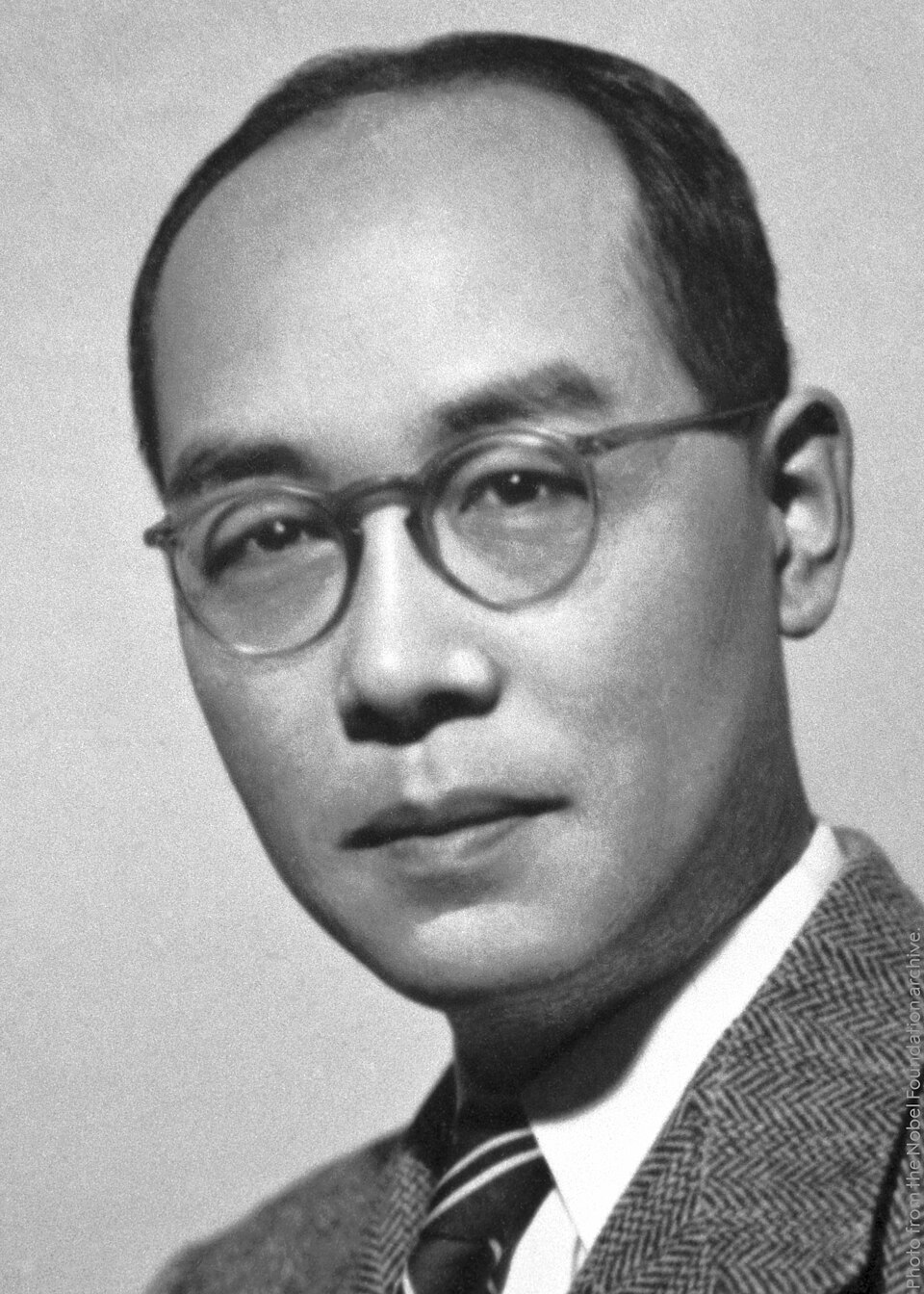 Physicist
Hideki Yukawa
Predicting a particle that could carry the force binding atomic nuclei, becoming Japan’s first Nobel laureate.
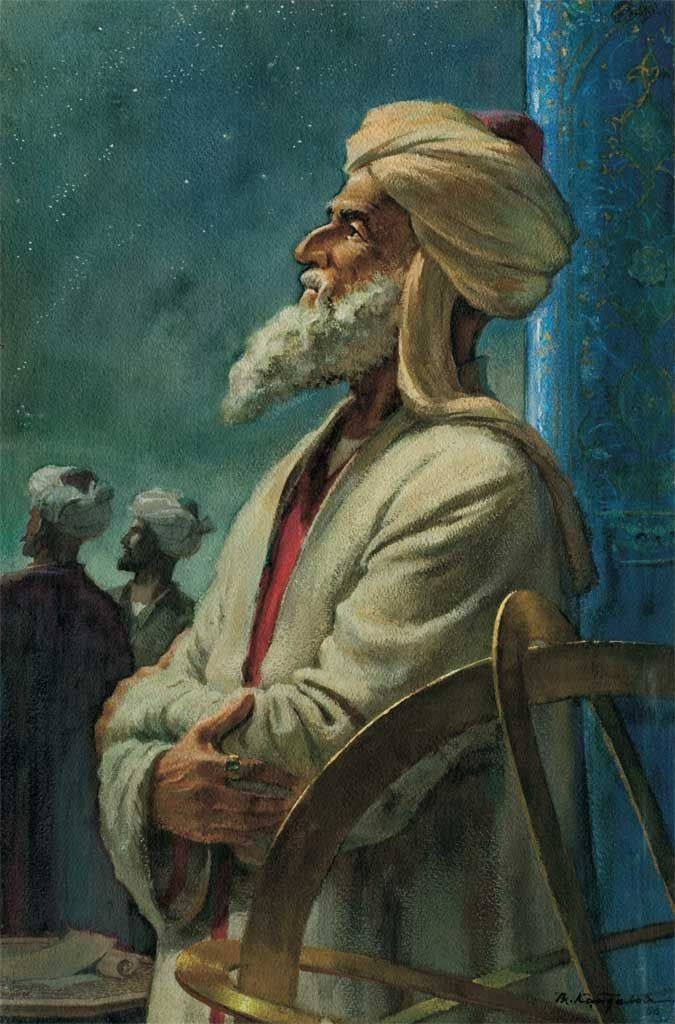 Mathematician
Jamshid al-Kashi
Calculating pi with remarkable accuracy and developing powerful arithmetic methods at Samarkand’s scientific court.
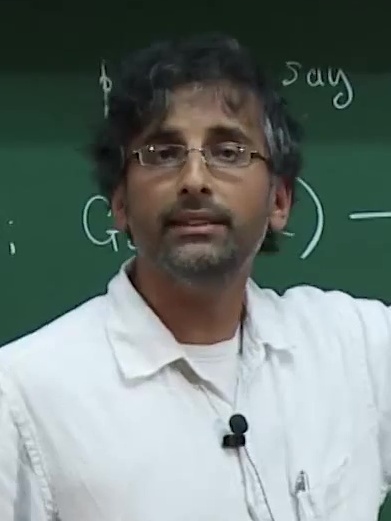 Mathematician
Akshay Venkatesh
Connecting number theory with geometry and dynamics, earning the 2018 Fields Medal.
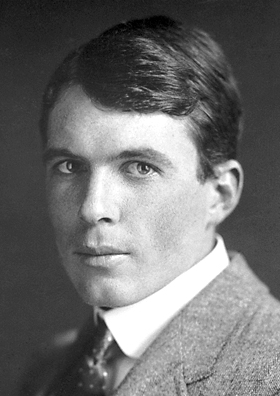 Physicist
Lawrence Bragg
Using X-rays to reveal crystal structures and sharing the 1915 physics Nobel with his father at age 25.
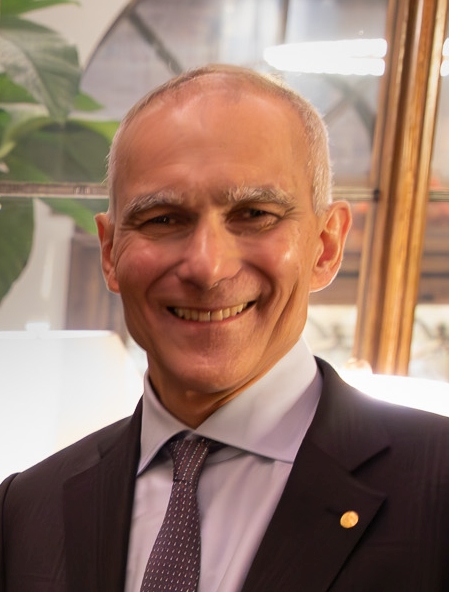 Chemist
Moungi Bawendi
Developing a practical way to make high-quality quantum dots, tiny crystals with size-dependent colours.
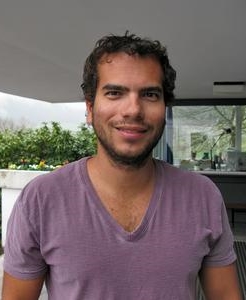 Mathematician
Artur Avila
Transforming the study of dynamical systems and becoming the first Latin American Fields medallist in 2014.
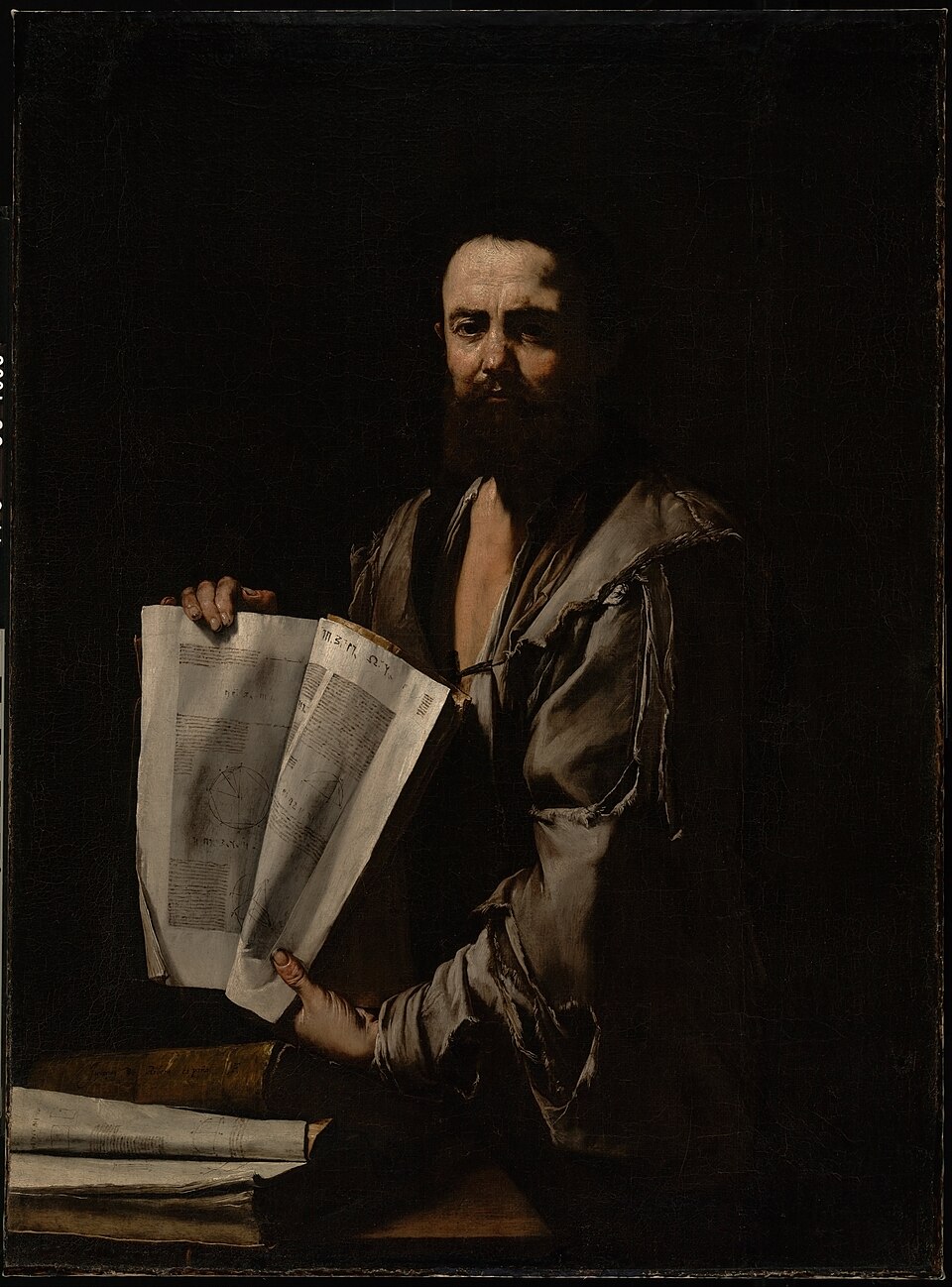 Mathematician
Euclid
Organising geometry into a logical system of definitions, assumptions and proofs in the Elements.
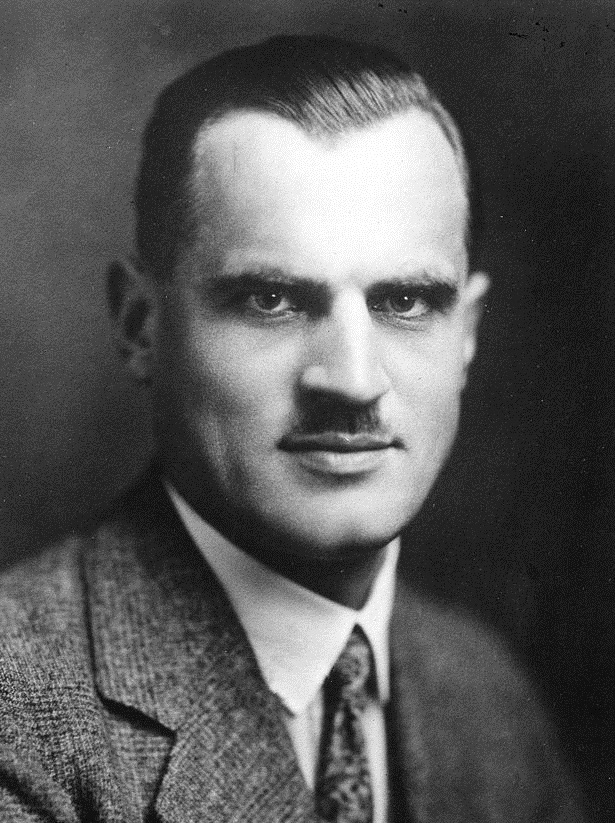 Physicist
Arthur Compton
Showing that X-rays scatter like particles in the Compton effect, a crucial result in quantum physics.
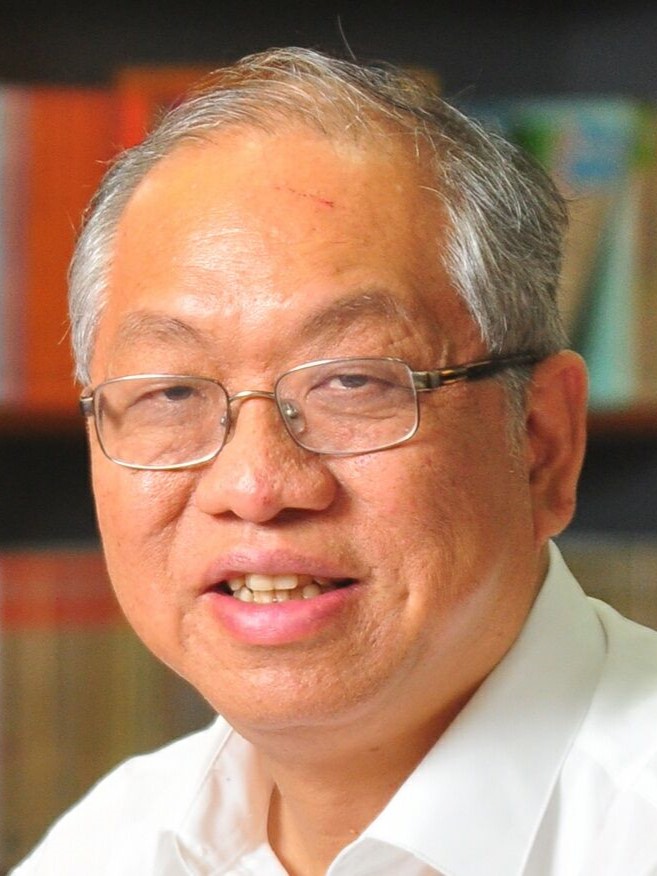 Mathematician
Shing-Tung Yau
Proving the Calabi conjecture and transforming the study of curved spaces through geometric analysis.
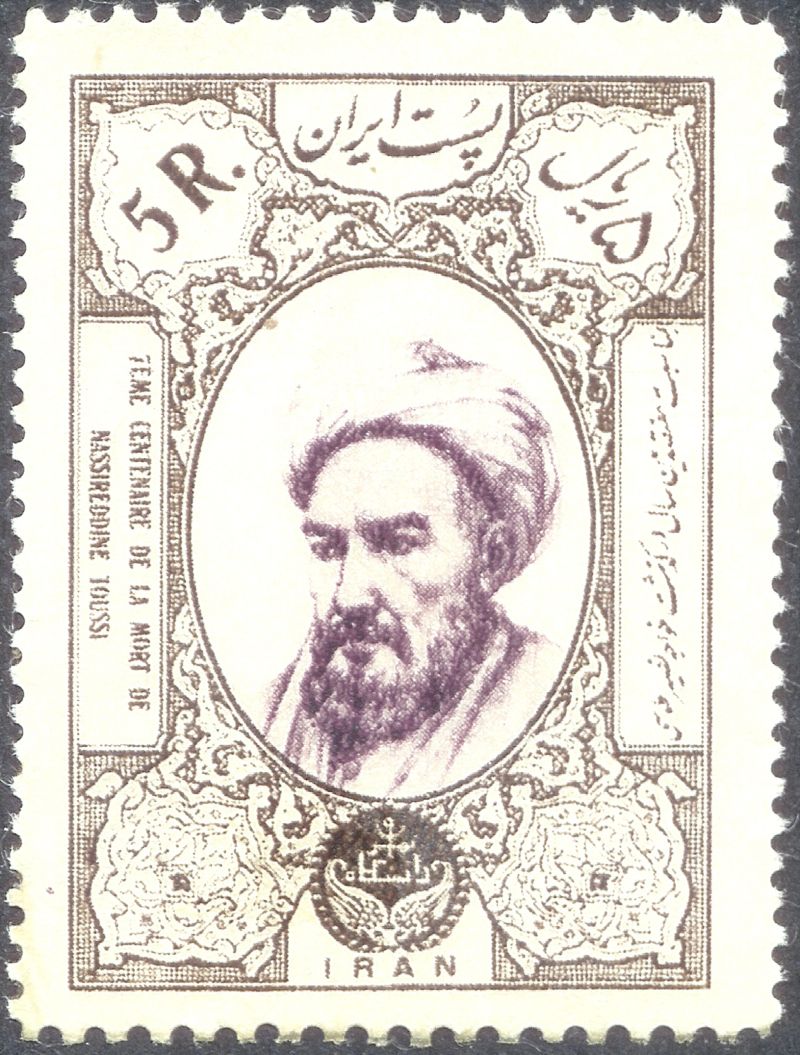 Mathematician
Nasir al-Din al-Tusi
Developing trigonometry and planetary models, and establishing the great observatory at Maragha.
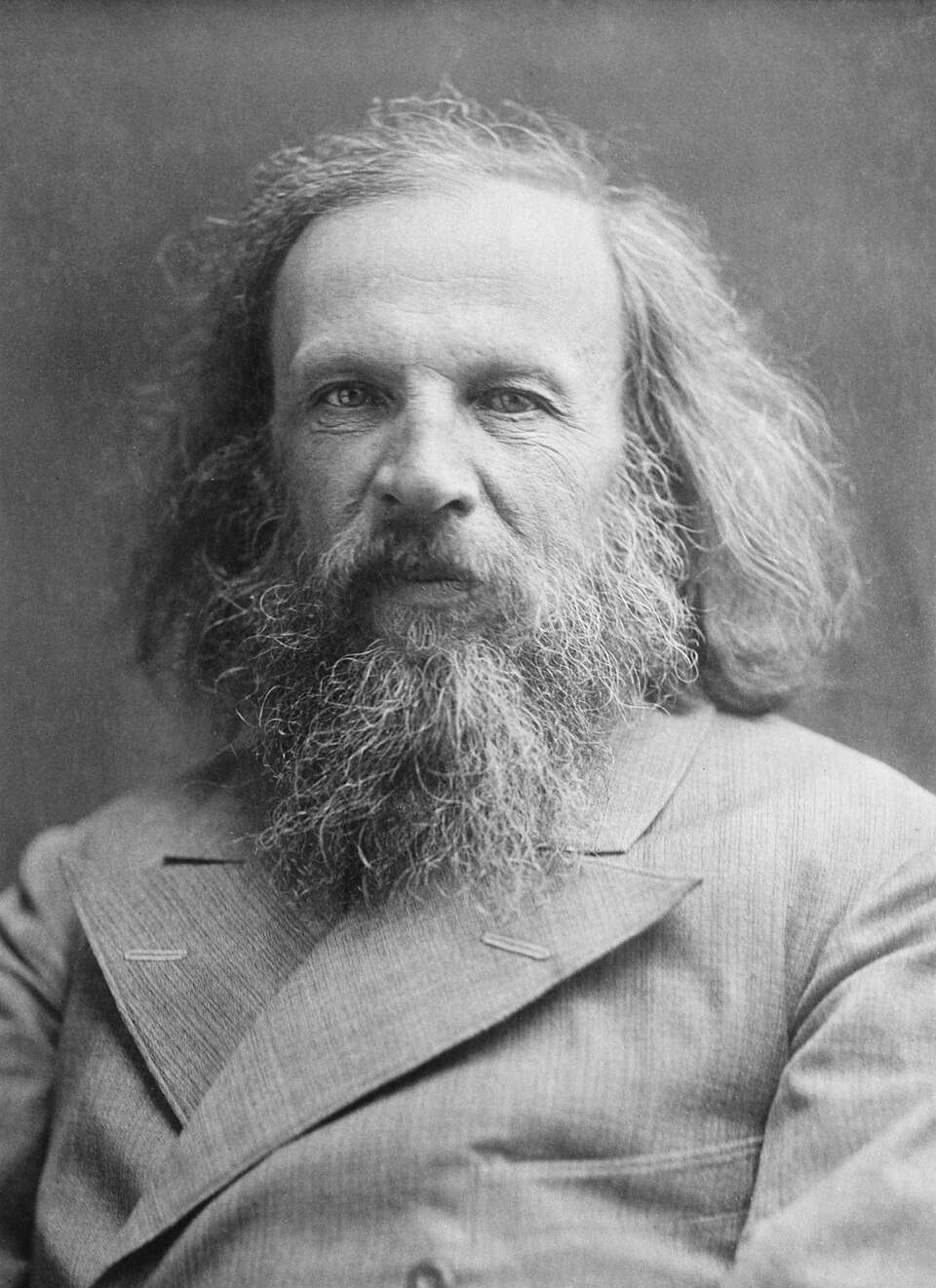 Chemist
Dmitri Mendeleev
Creating a periodic table that predicted the properties of elements before they were discovered.
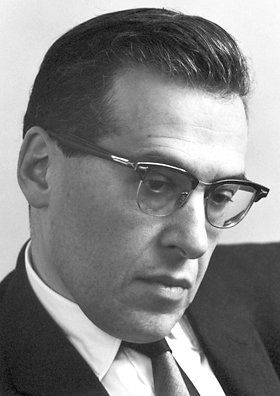 Physicist
Julian Schwinger
Developing quantum electrodynamics, the theory describing how light and electrically charged particles interact.
 Mathematician
Liu Hui
Explaining the reasoning behind ancient Chinese mathematical procedures and refining calculations of pi.
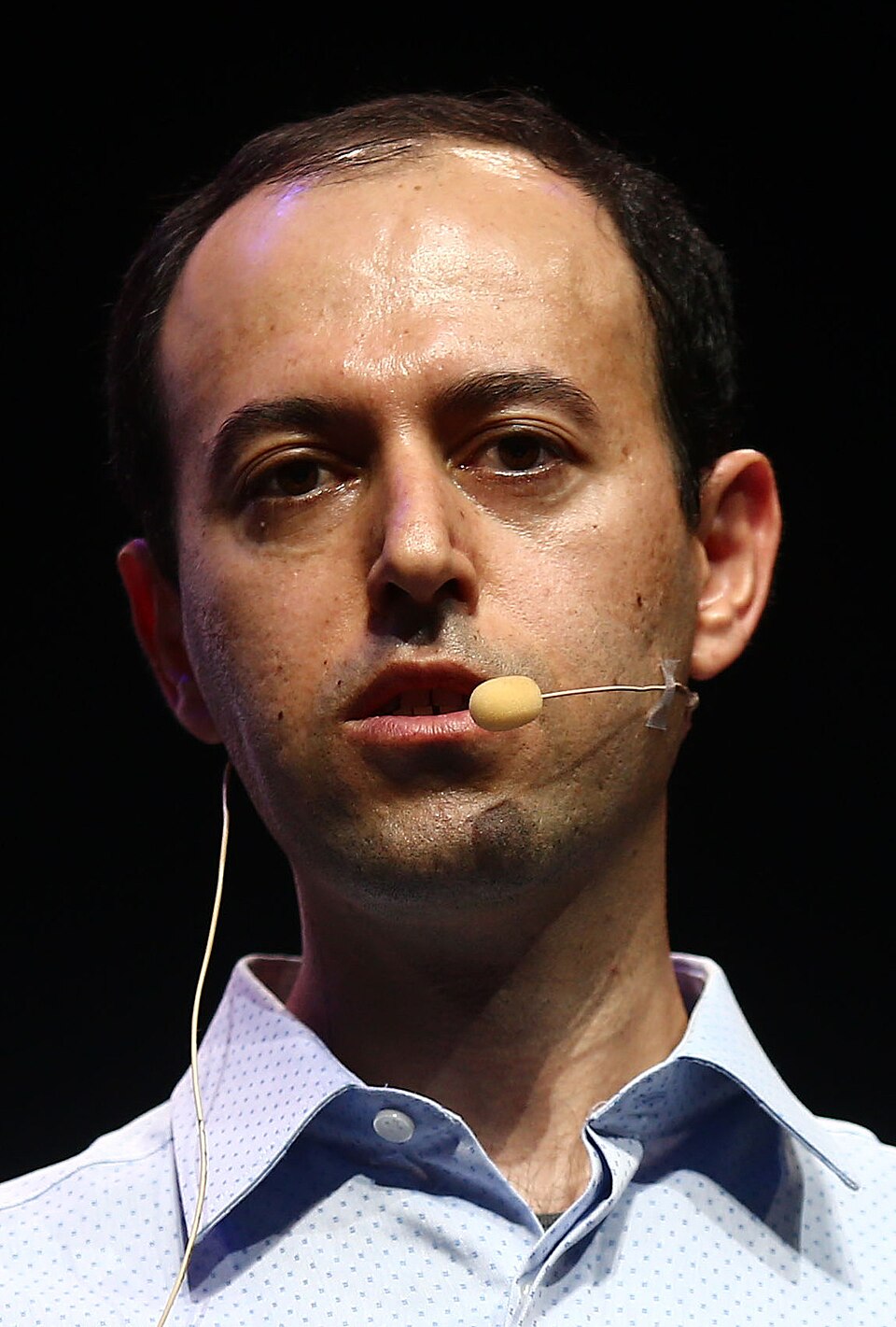 Mathematician
Caucher Birkar
Making major advances in classifying algebraic shapes, including a proof of boundedness for Fano varieties.
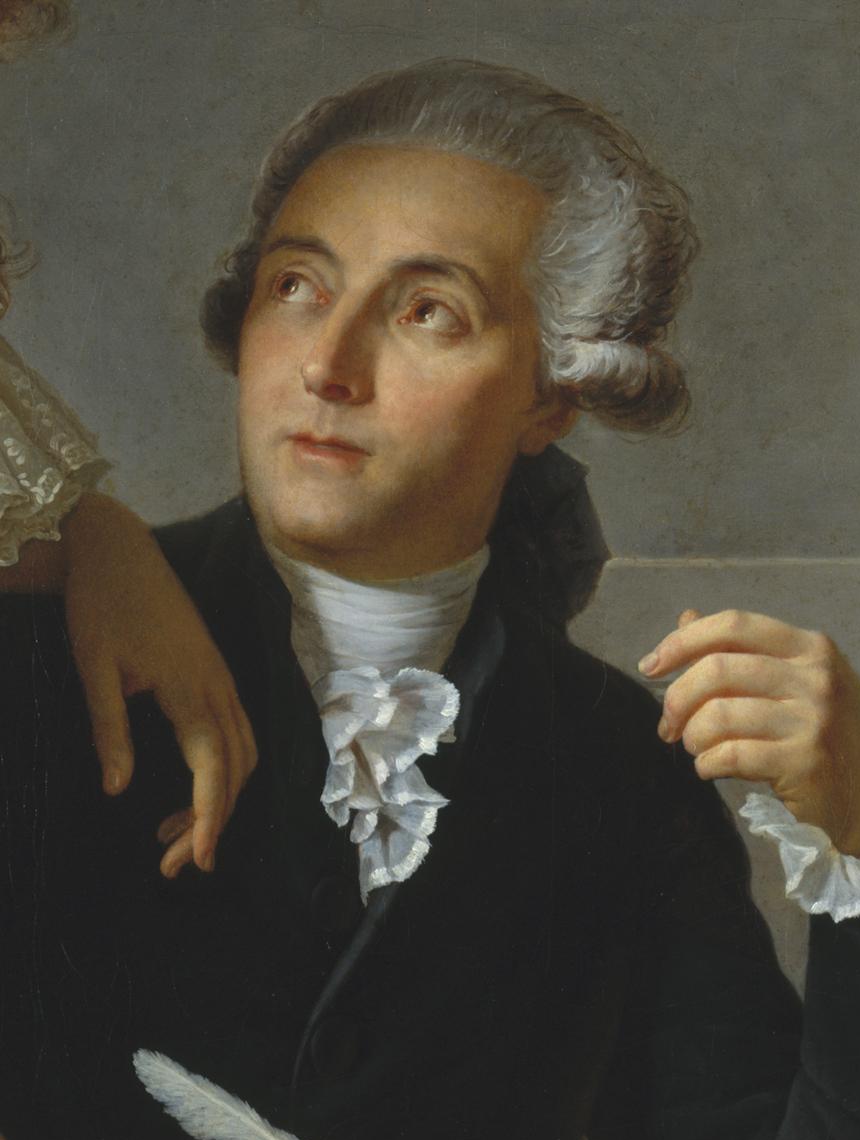 Chemist
Antoine Lavoisier
Transforming chemistry through precise measurement and explaining combustion in terms of oxygen.
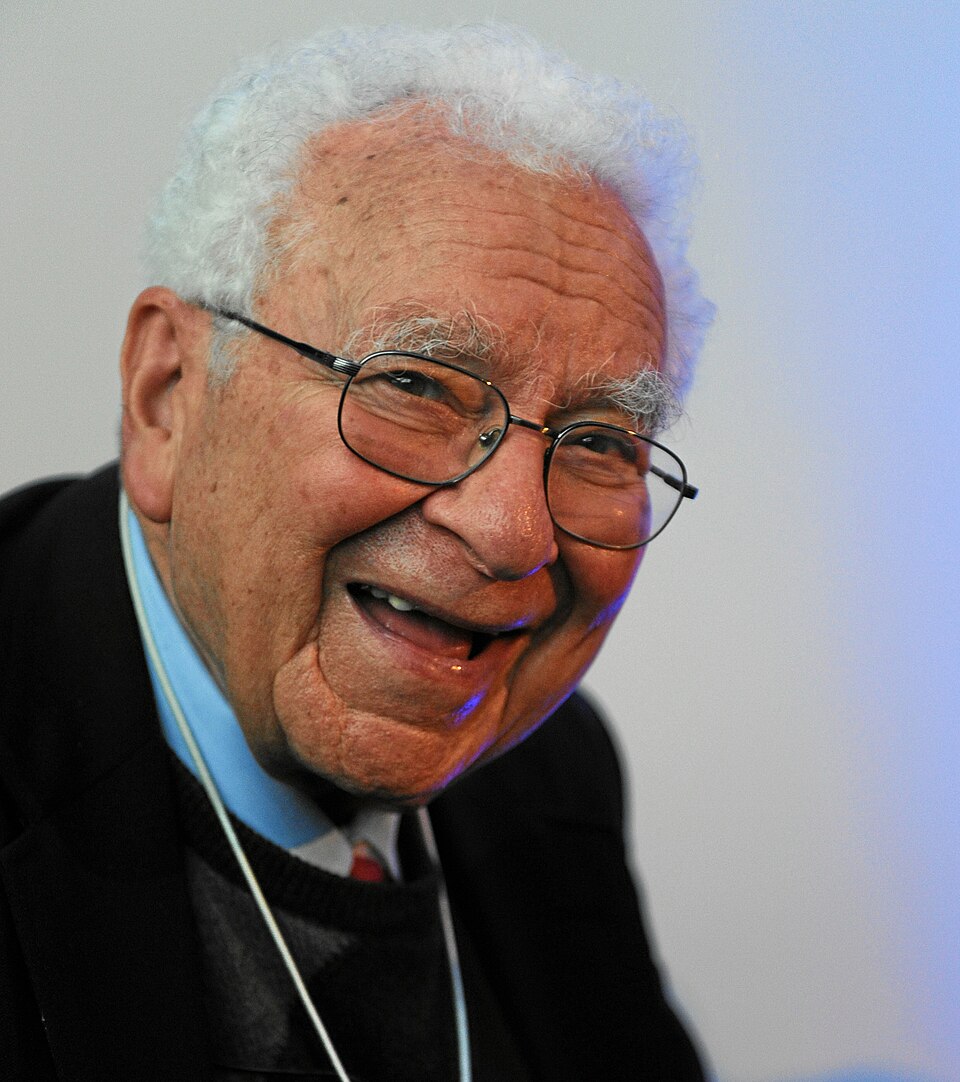 Physicist
Murray Gell-Mann
Proposing quarks: the building blocks inside protons and neutrons.
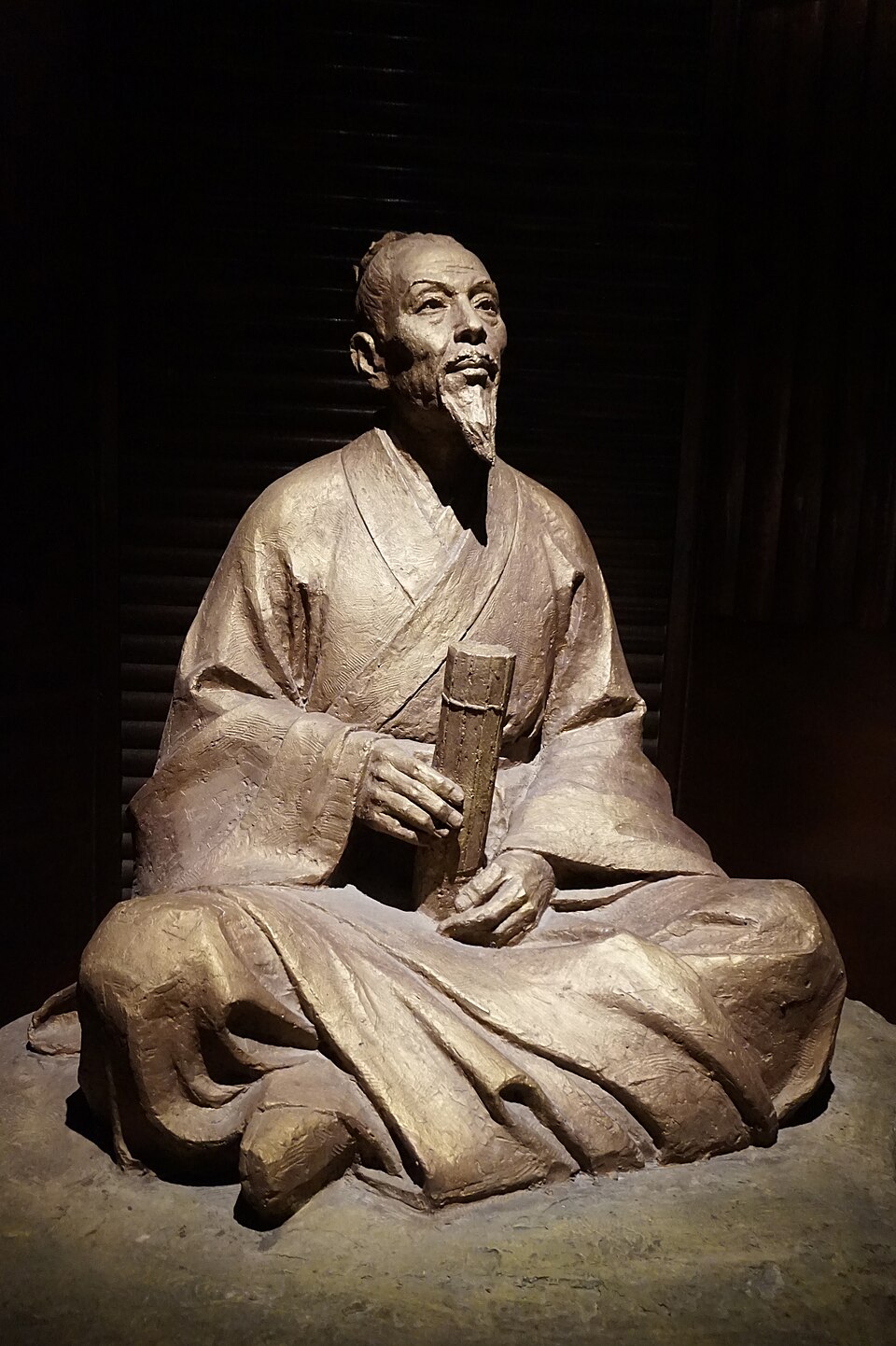 Mathematician
Zu Chongzhi
Calculating an exceptionally accurate value of pi in fifth-century China.
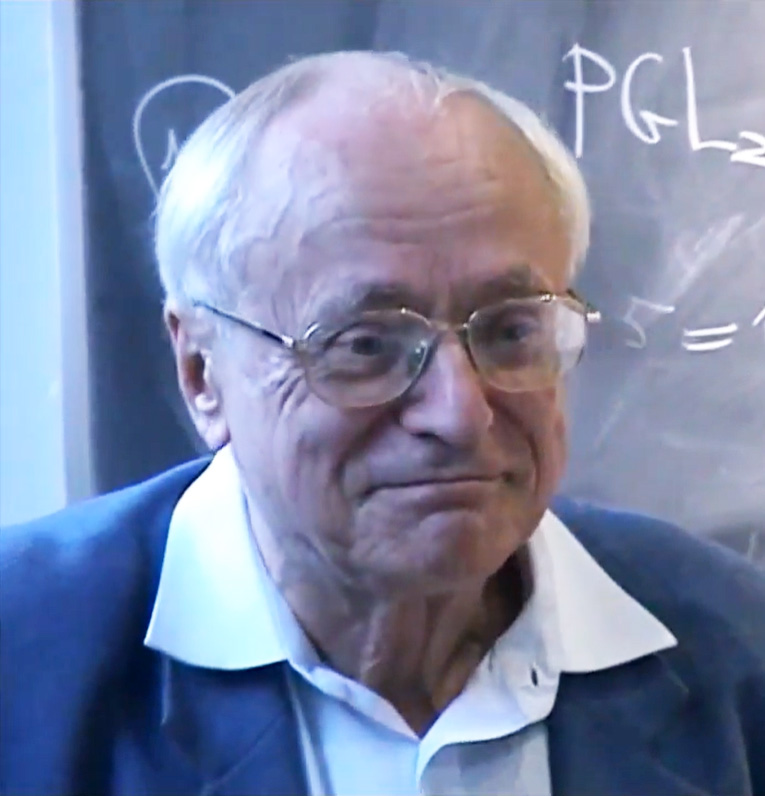 Mathematician
Jean-Pierre Serre
Connecting topology, algebraic geometry and number theory in work that reshaped modern mathematics.
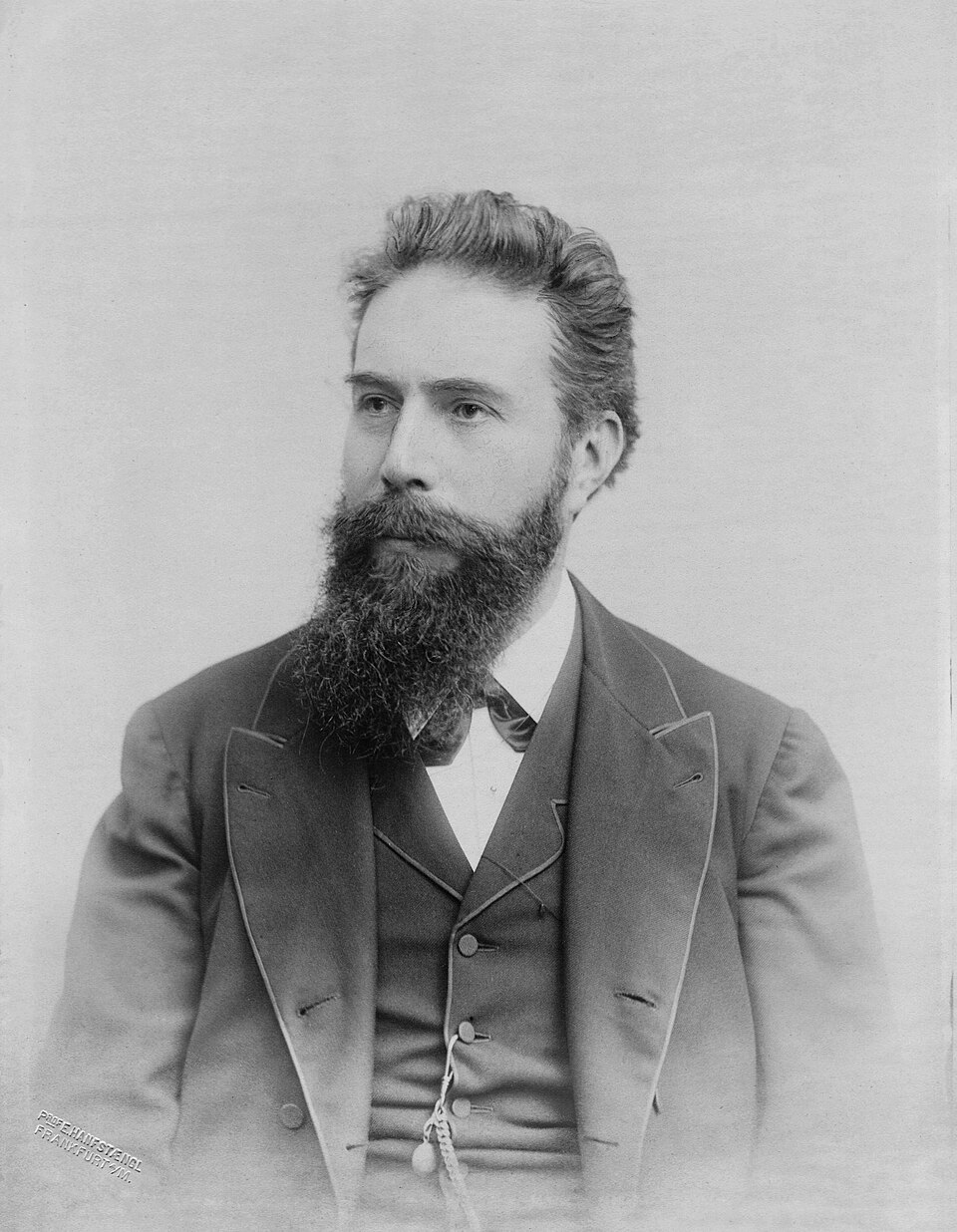 Physicist
Wilhelm Röntgen
Discovering X-rays, making it possible to see inside the body without surgery.
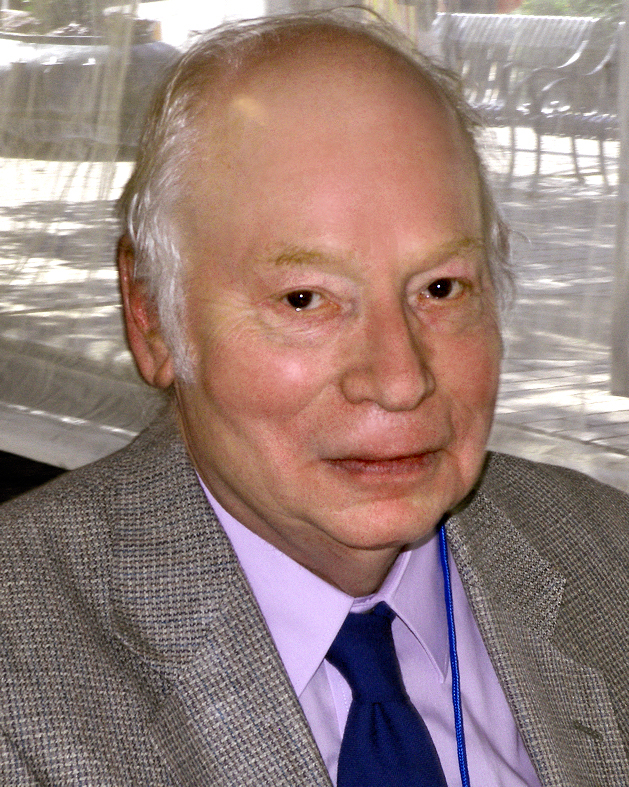 Physicist
Steven Weinberg
Helping unify electromagnetism and the weak nuclear force in the theory of elementary particles.
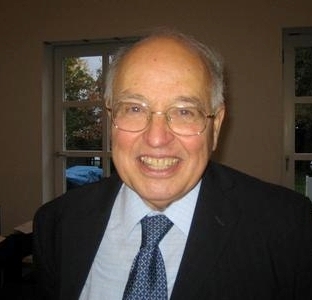 Mathematician
Michael Atiyah
Connecting geometry and equations through the Atiyah–Singer index theorem.
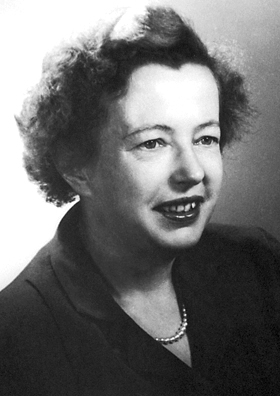 Physicist
Maria Goeppert Mayer
Explaining the structure of atomic nuclei and sharing the 1963 Nobel Prize in Physics.
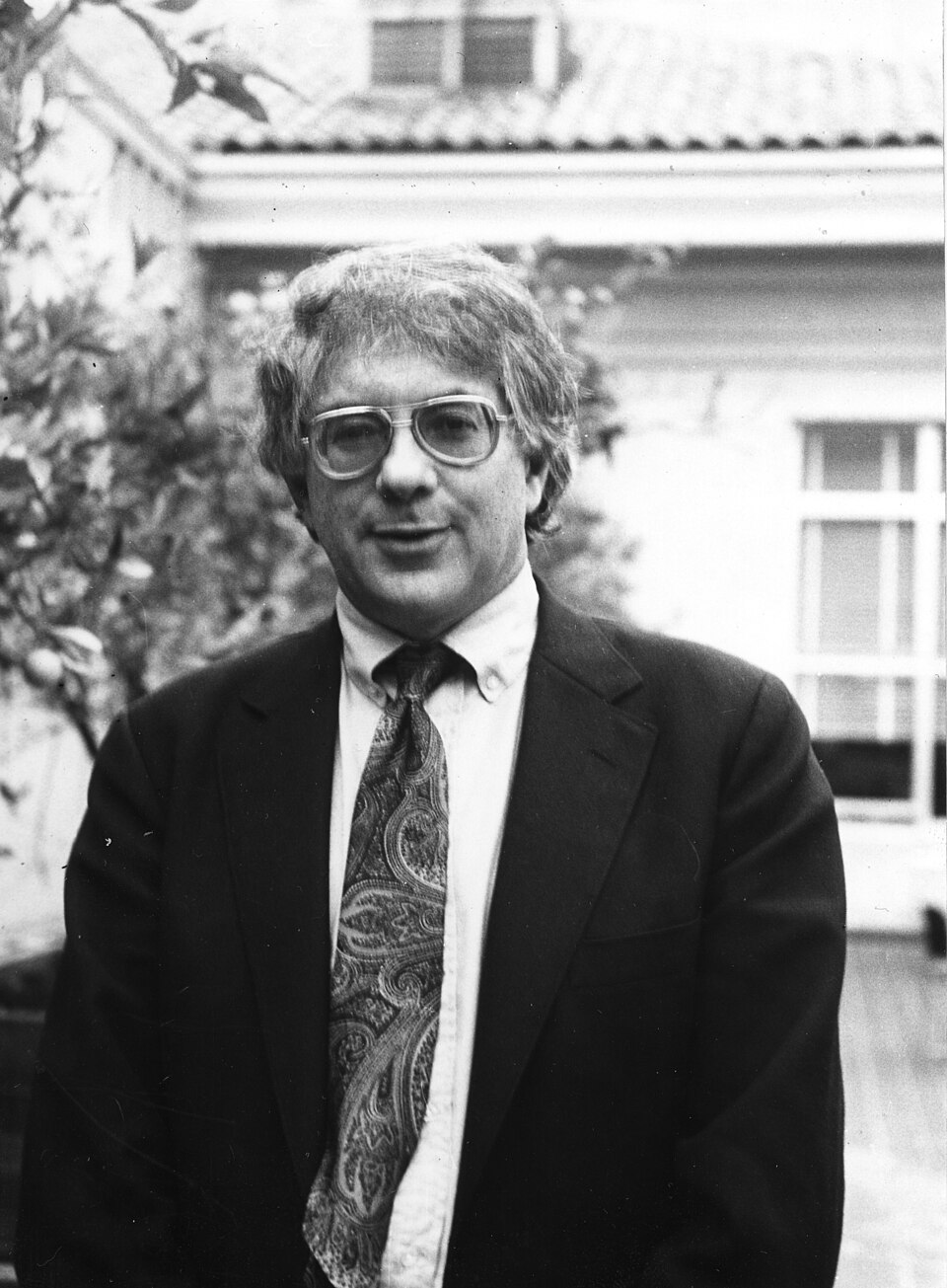 Physicist
Sheldon Glashow
Helping unify electromagnetism with the weak nuclear force and predict the charm quark.
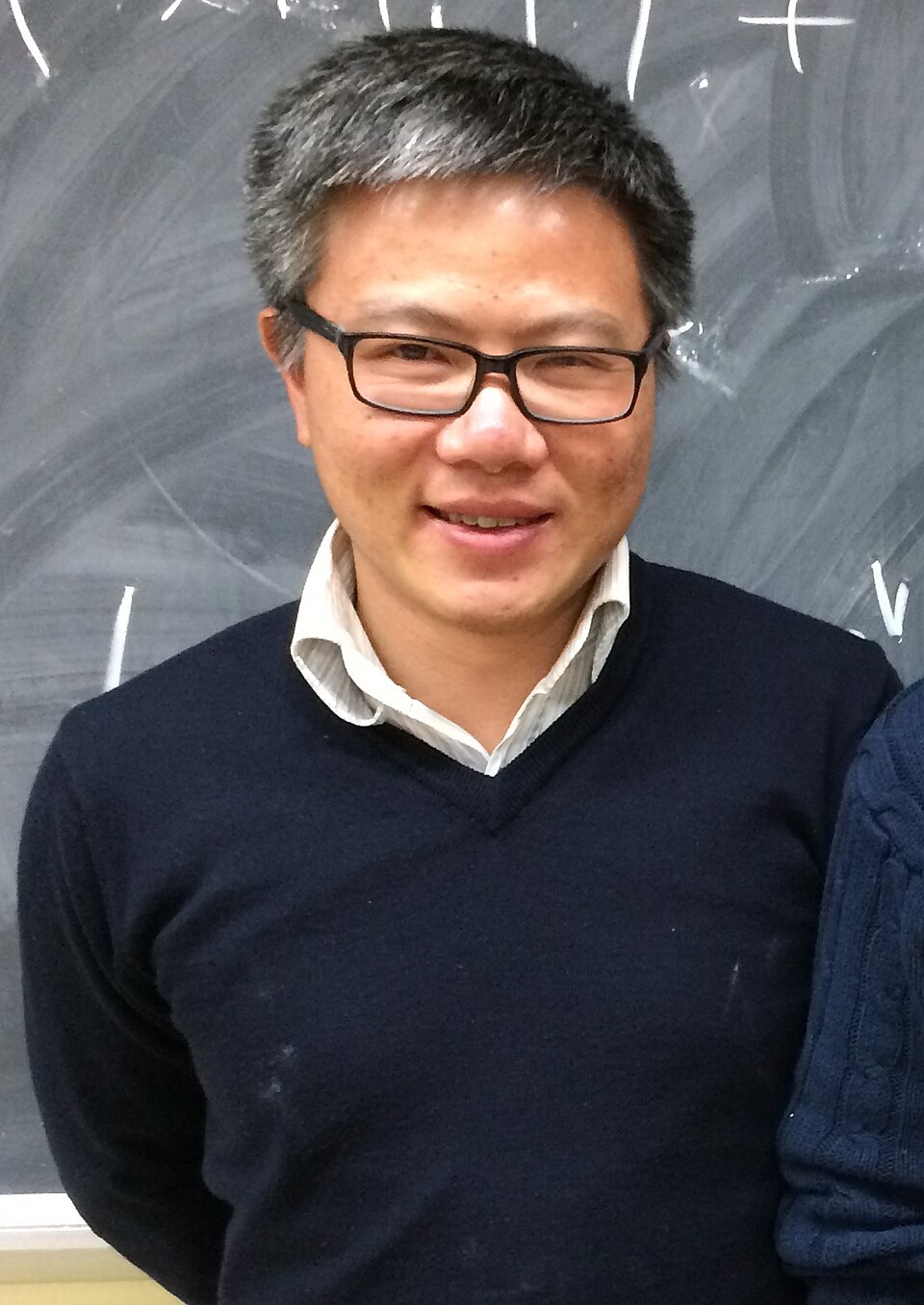 Mathematician
Ngô Bảo Châu
Proving the fundamental lemma, a central result in the Langlands programme.
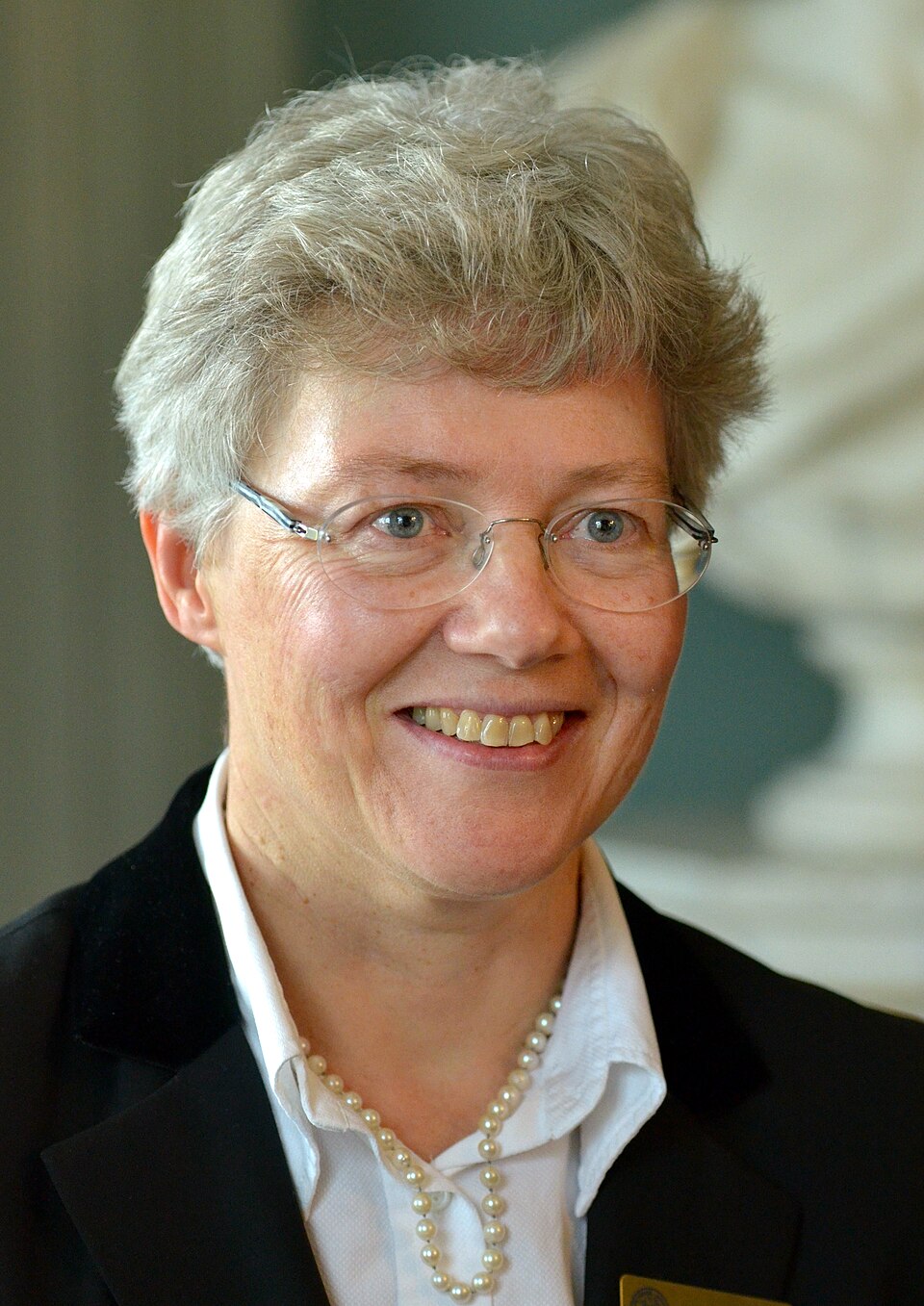 Physicist
Anne L'Huillier
Helping make it possible to study electrons using flashes of light lasting attoseconds.
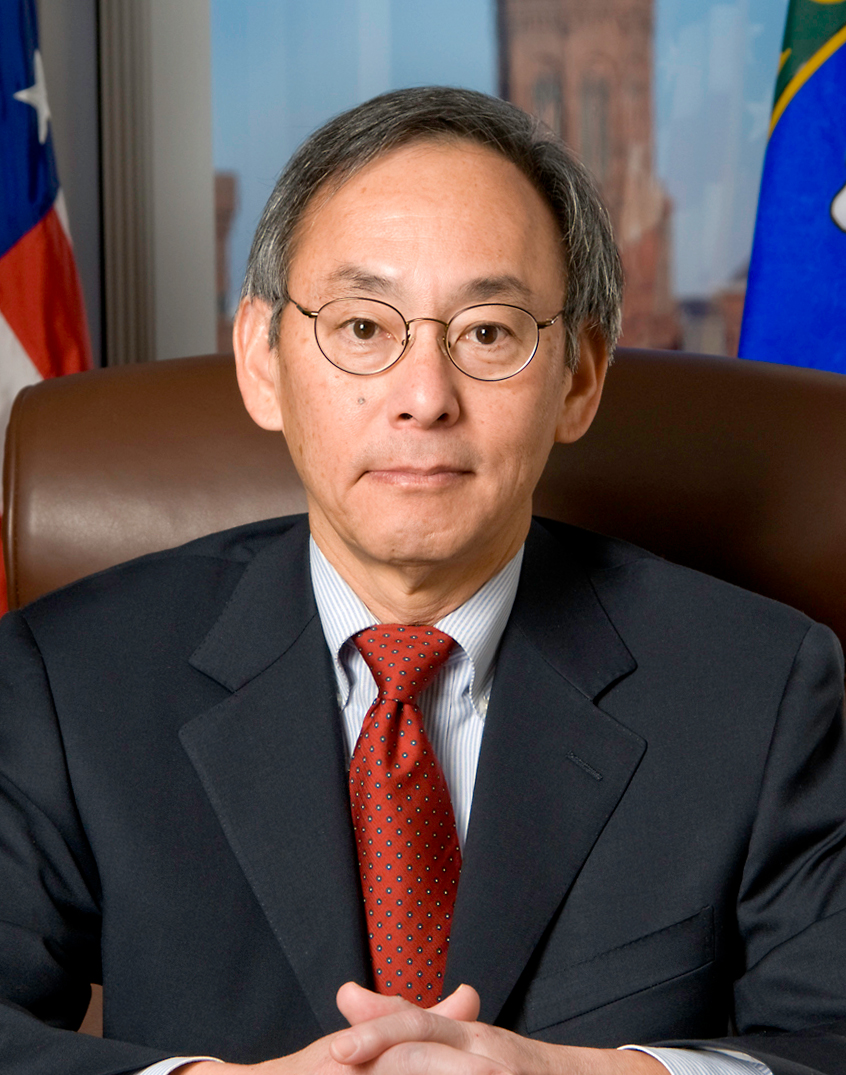 Physicist
Steven Chu
Developing methods to cool and trap atoms with laser light.
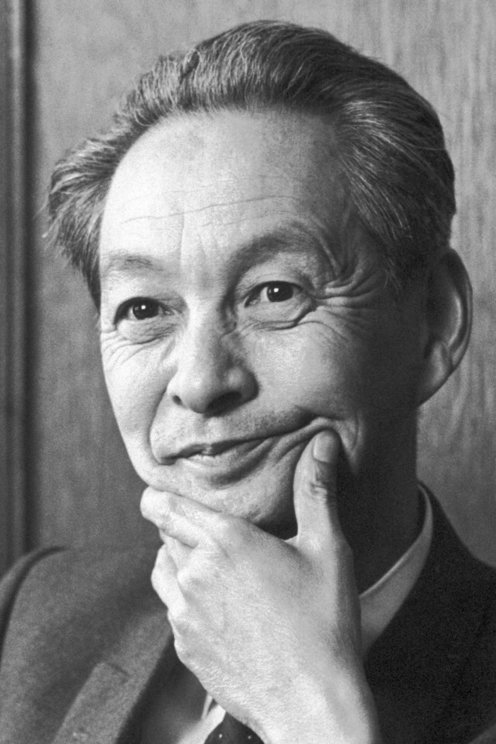 Physicist
Shin'ichirō Tomonaga
Helping make quantum electrodynamics a workable theory of how light and matter interact.
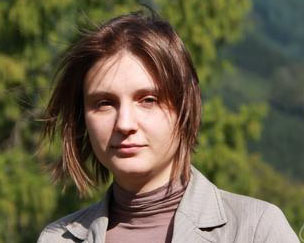 Mathematician
Maryna Viazovska
Solving the sphere-packing problem in eight dimensions and winning a Fields Medal.
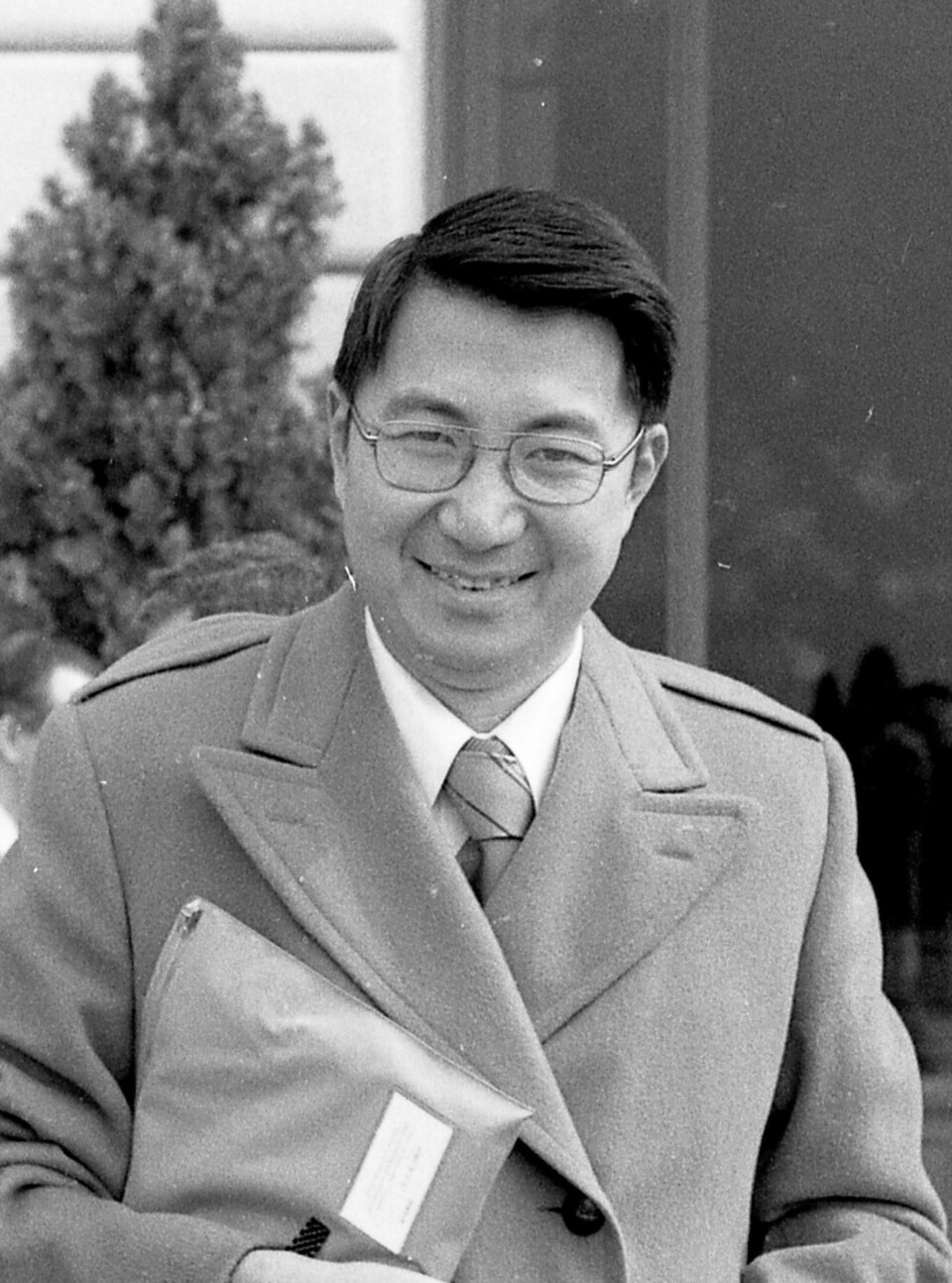 Physicist
Samuel C. C. Ting
Co-discovering the J/psi particle, helping establish the charm quark.
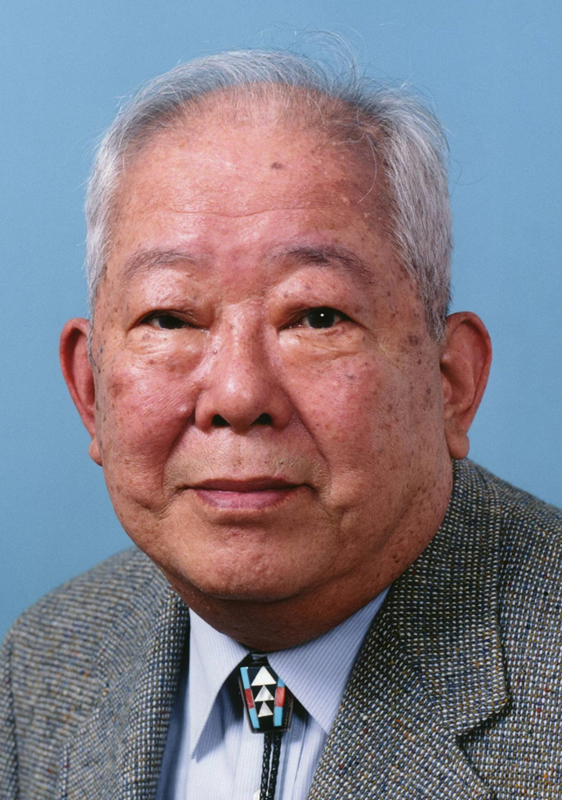 Physicist
Masatoshi Koshiba
Detecting neutrinos from a supernova and helping establish neutrino astronomy.
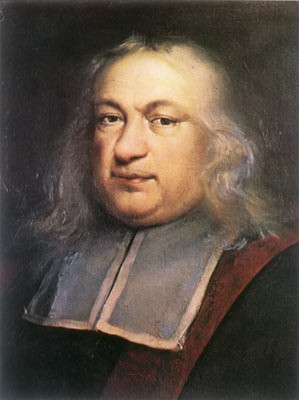 Mathematician
Pierre de Fermat
Posing Fermat’s Last Theorem and pioneering number theory and probability.
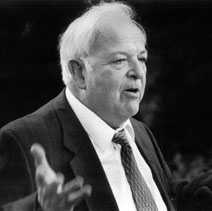 Physicist
Burton Richter
Co-discovering the J/psi particle and advancing particle accelerators.
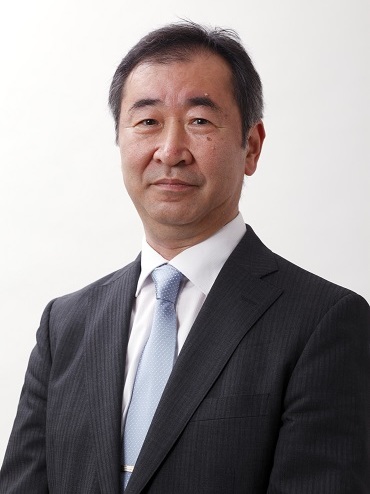 Physicist
Takaaki Kajita
The Nobel-winning physicist whose neutrino experiments showed that these elusive particles have mass.
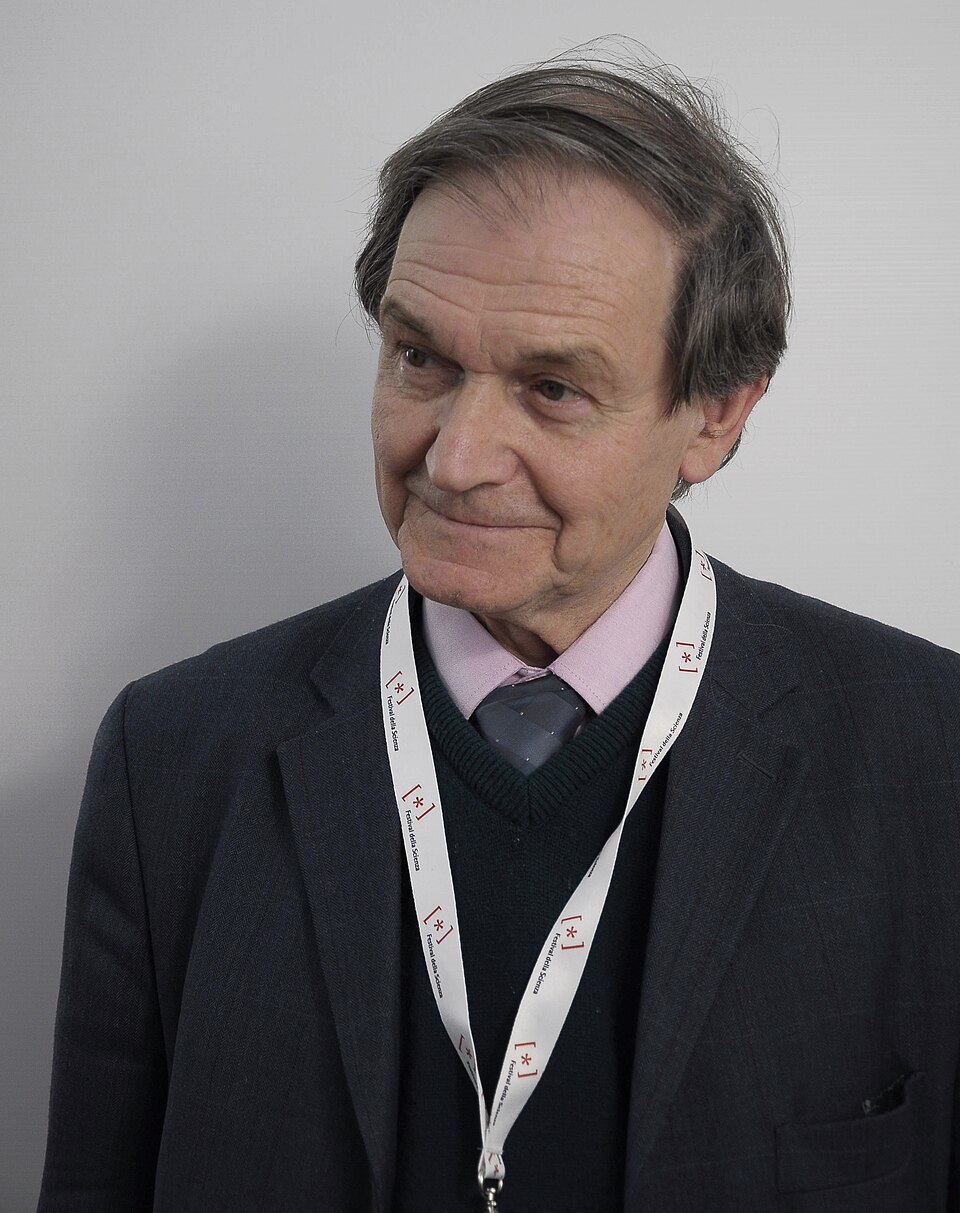 Physicist
Roger Penrose
The mathematical physicist who showed that black-hole formation follows robustly from general relativity.
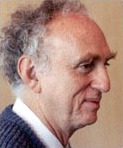 Physicist
Martin Lewis Perl
The Nobel-winning experimental physicist who discovered the tau lepton.
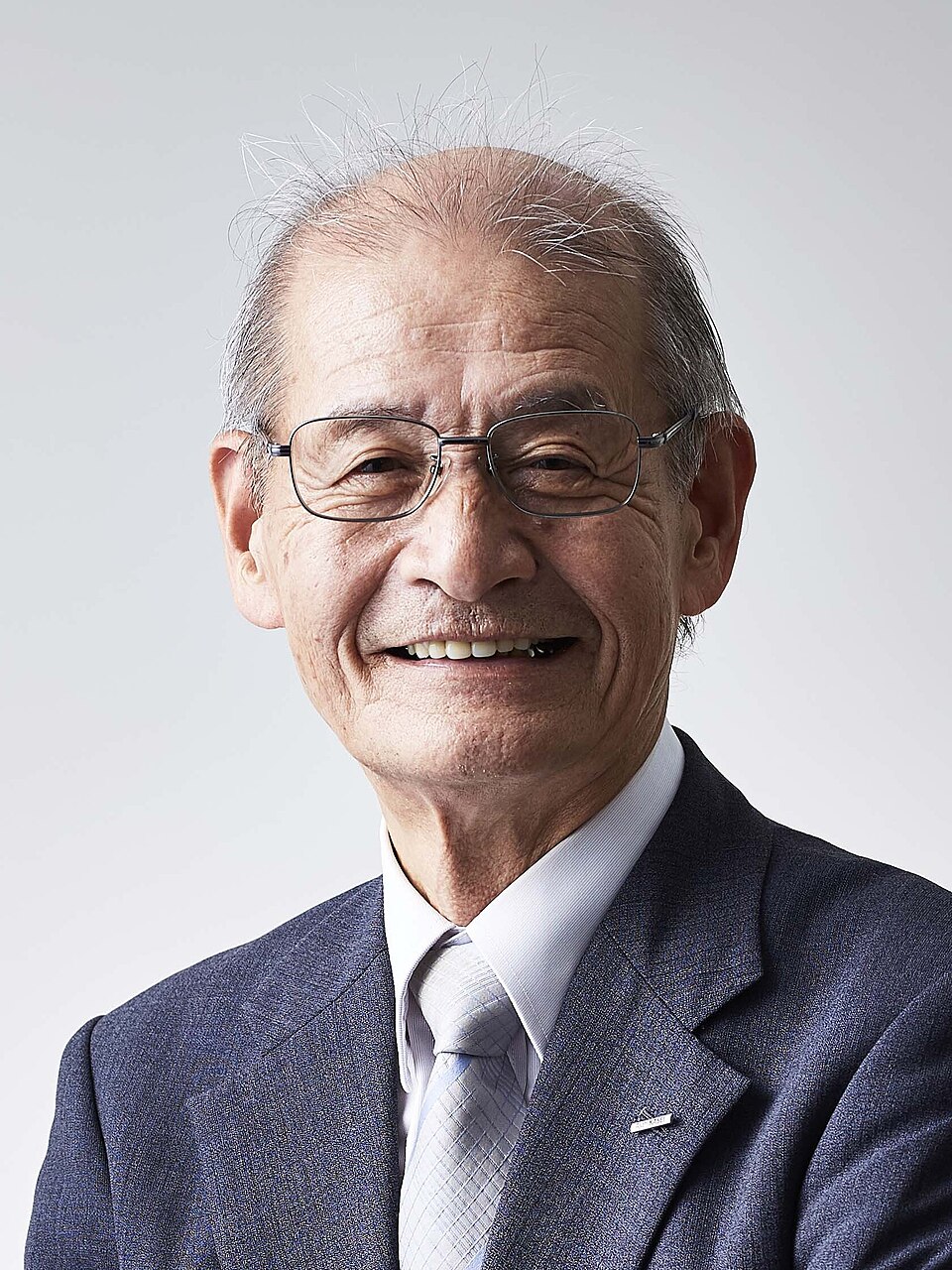 Chemist
Akira Yoshino
The chemist who developed a practical lithium-ion battery without a reactive lithium-metal anode.
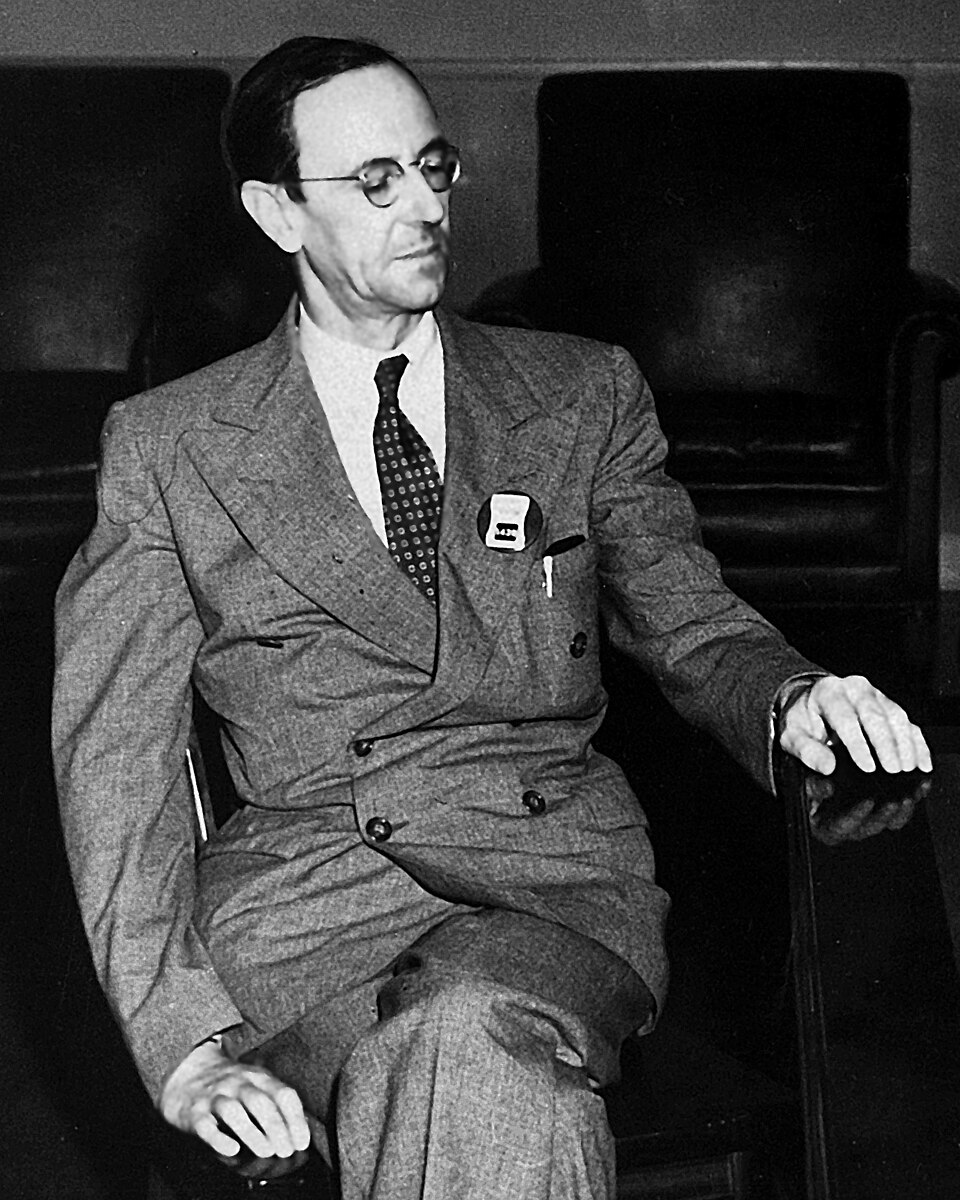 Physicist
James Chadwick
The physicist who discovered the neutron, the electrically neutral particle inside atomic nuclei.
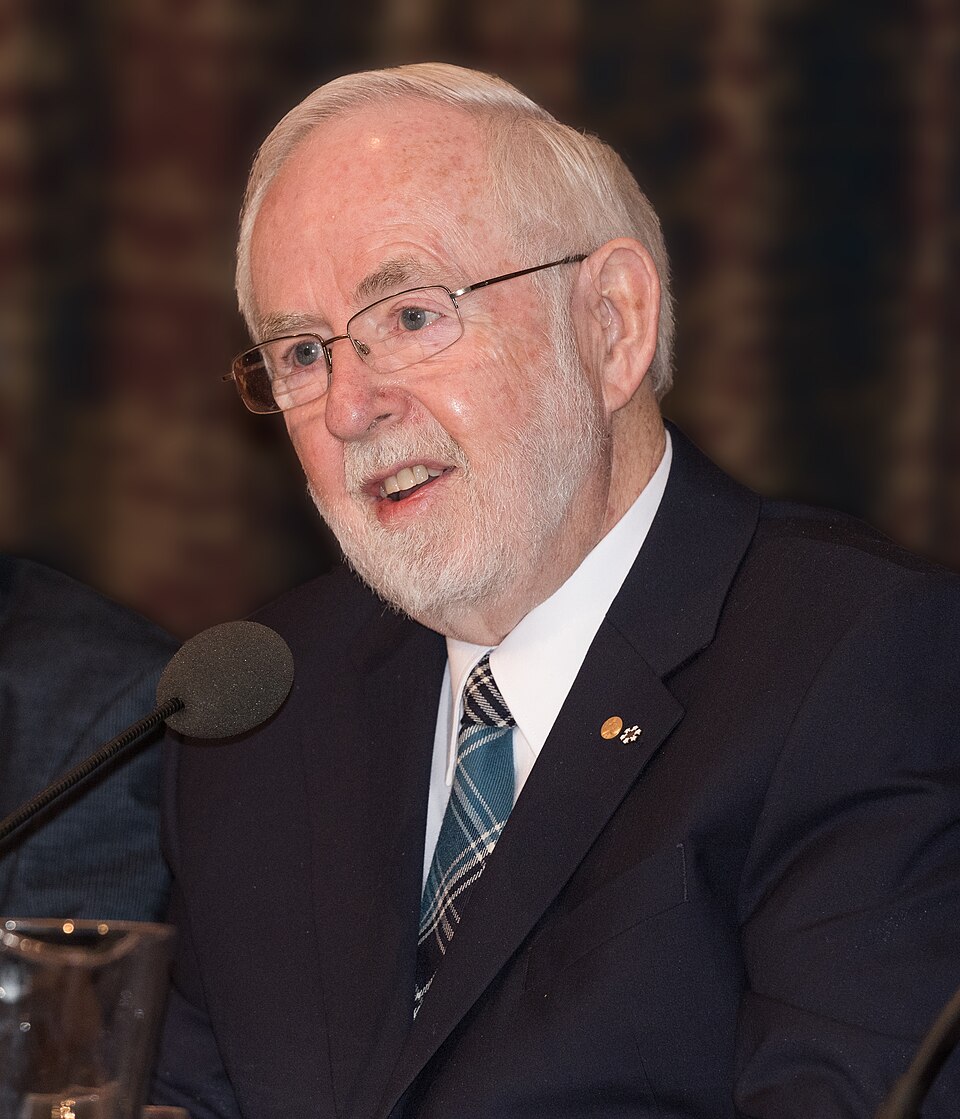 Physicist
Arthur B. McDonald
The physicist whose Sudbury neutrino experiment helped explain the Sun’s apparently missing neutrinos.
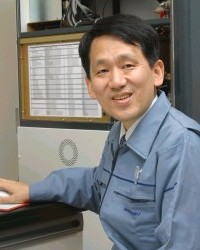 Engineer
Koichi Tanaka
The engineer whose soft laser-desorption method helped scientists analyse large biological molecules.
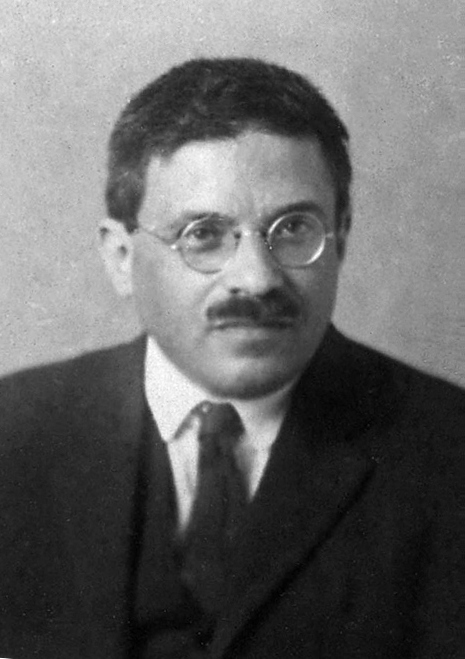 Physicist
Paul Ehrenfest
The theoretical physicist whose work connected statistical mechanics, quantum theory and classical motion.
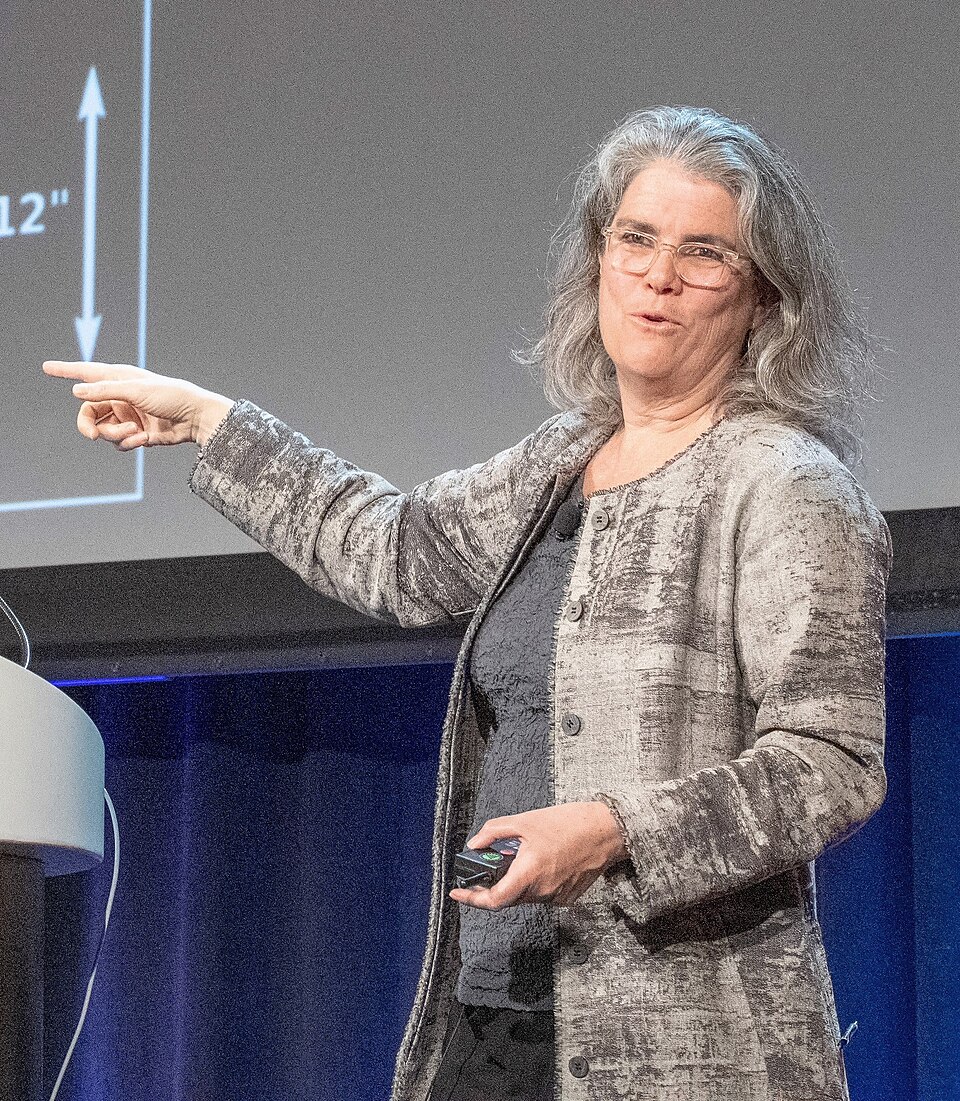 Physicist
Andrea M. Ghez
Tracking stars to establish the presence of a supermassive black hole at the Milky Way’s centre.
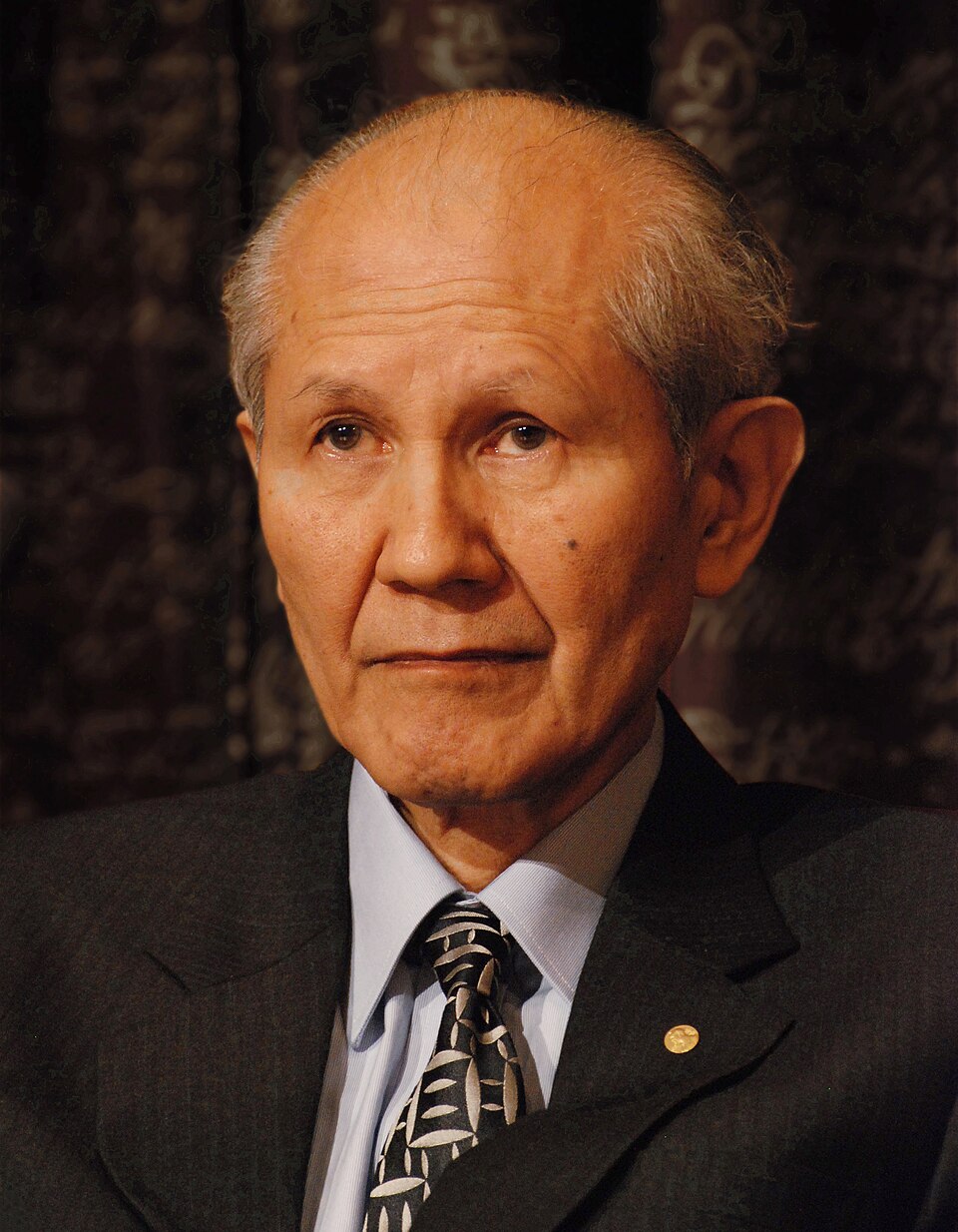 Chemist
Osamu Shimomura
Discovering green fluorescent protein, later transformed into a tool for seeing processes inside cells.
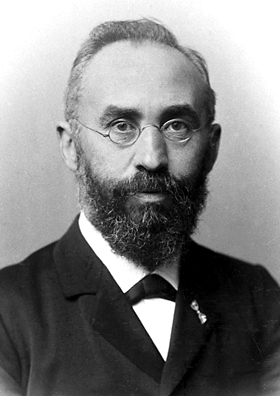 Physicist
Hendrik Lorentz
Developing electron theory and mathematical foundations used in special relativity.
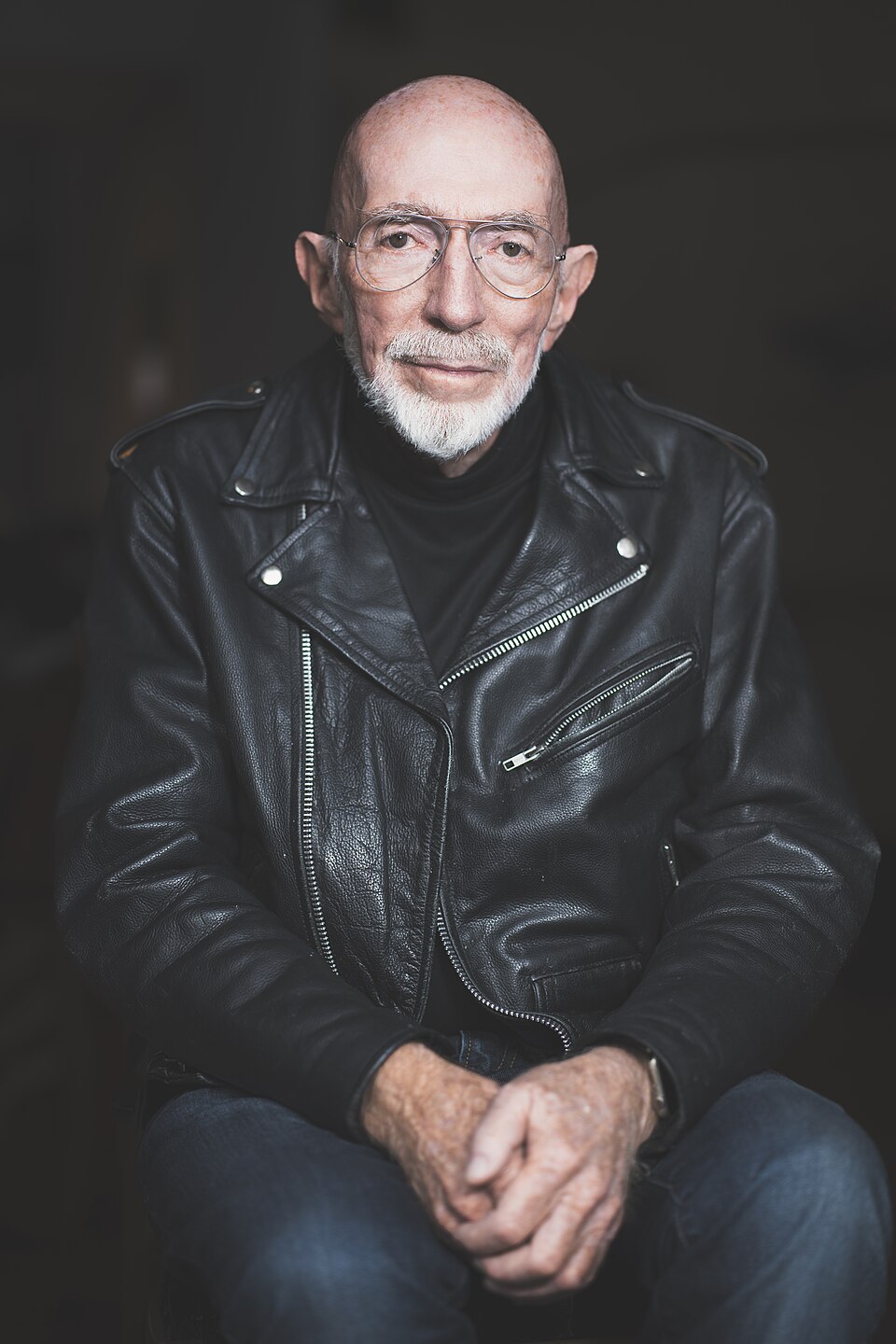 Physicist
Kip Thorne
Helping establish LIGO and the science of detecting gravitational waves.
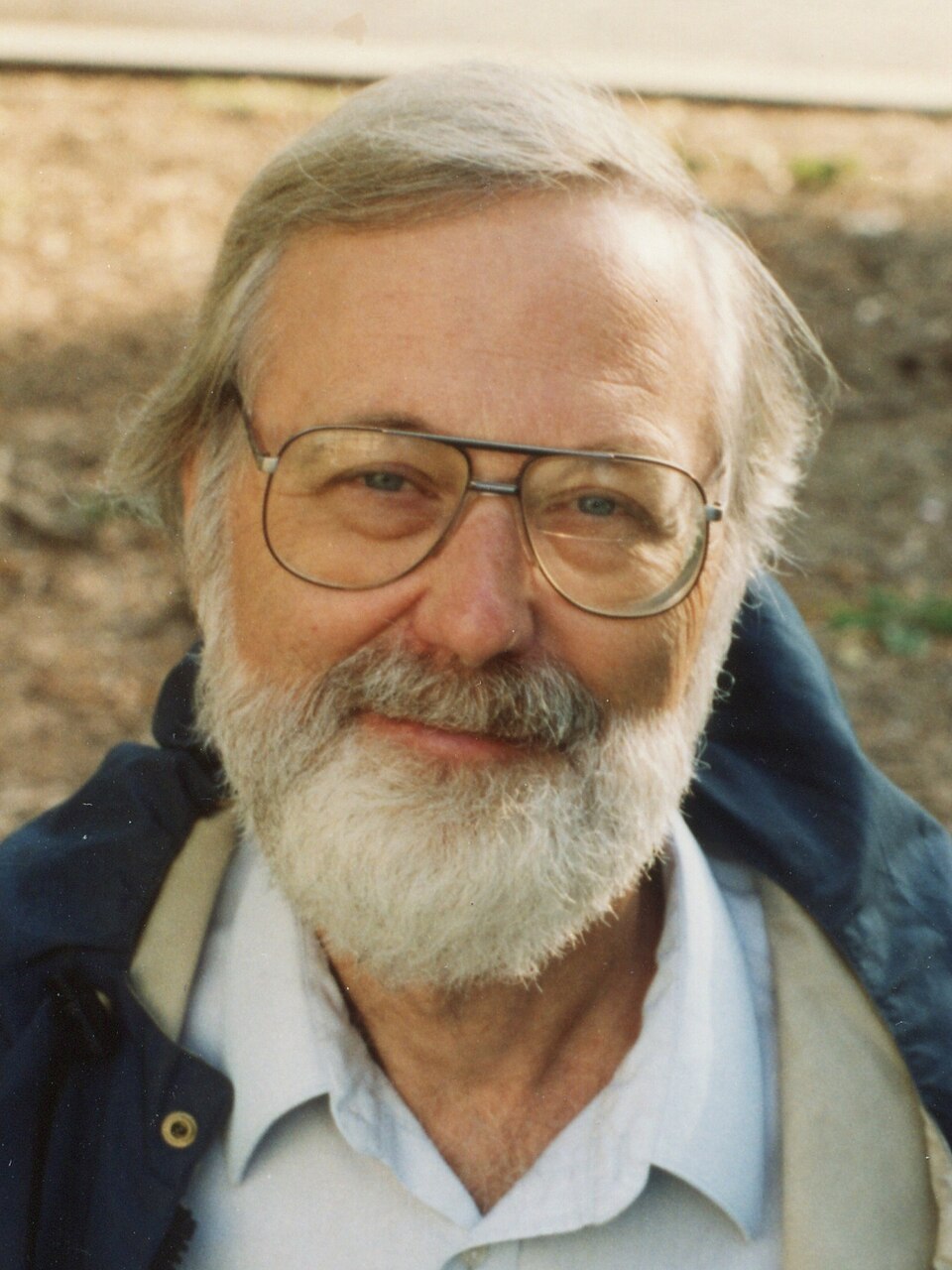 Mathematician
John Milnor
Discovering exotic spheres and transforming the study of higher-dimensional shapes.
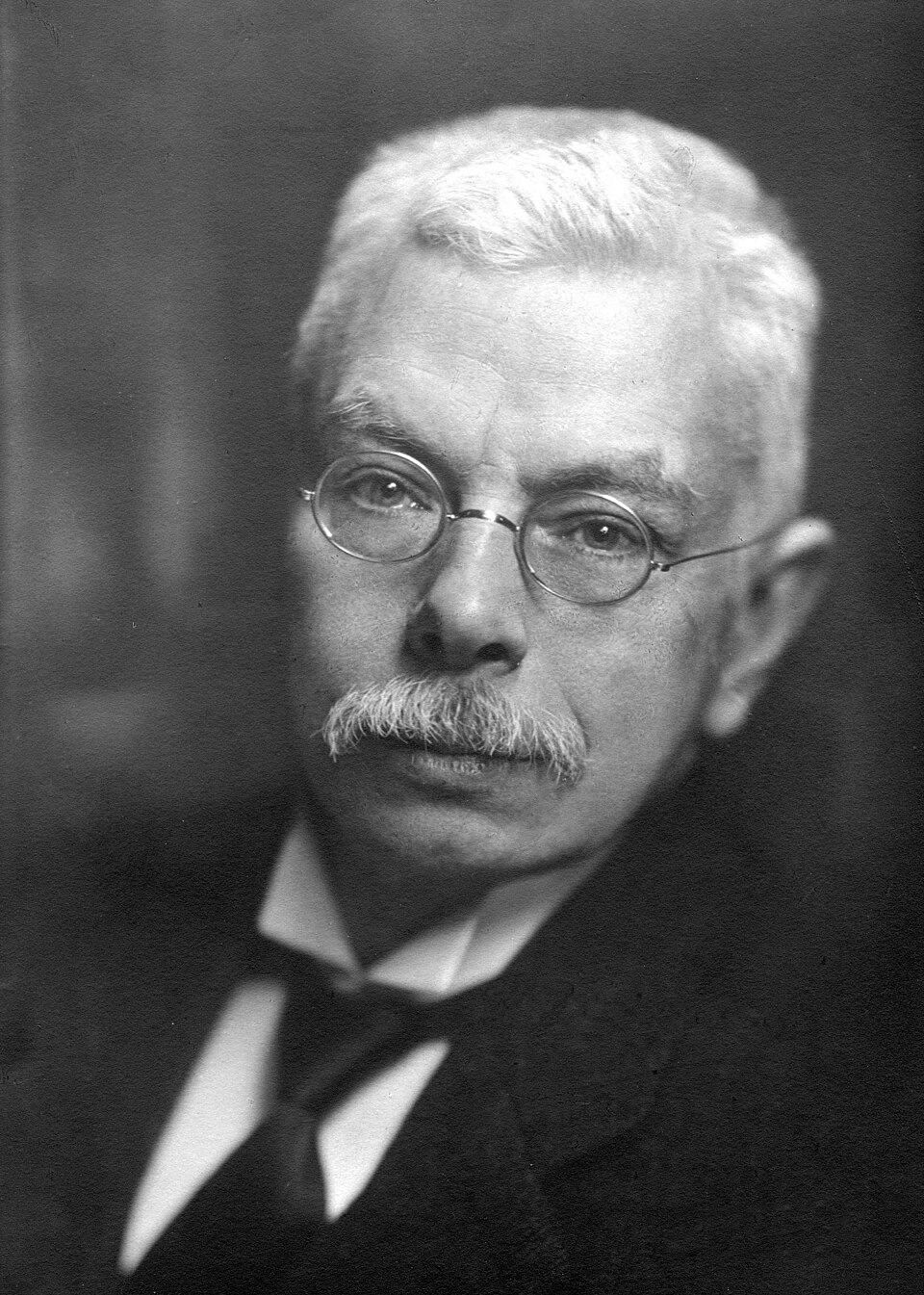 Physicist
Pieter Zeeman
Discovering how magnetic fields split the spectral lines of light.
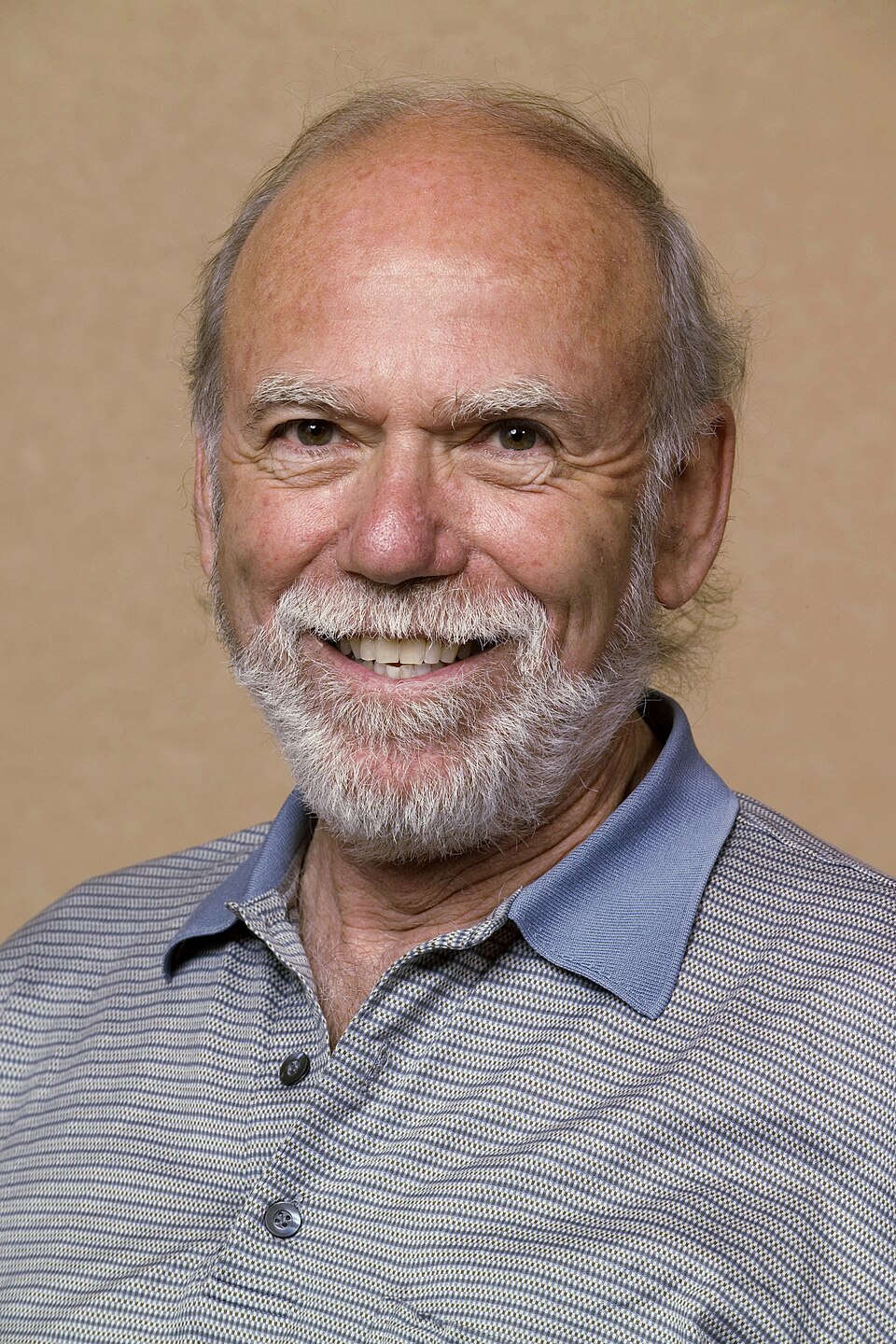 Physicist
Barry Barish
Leading LIGO through the development that enabled gravitational-wave detection.
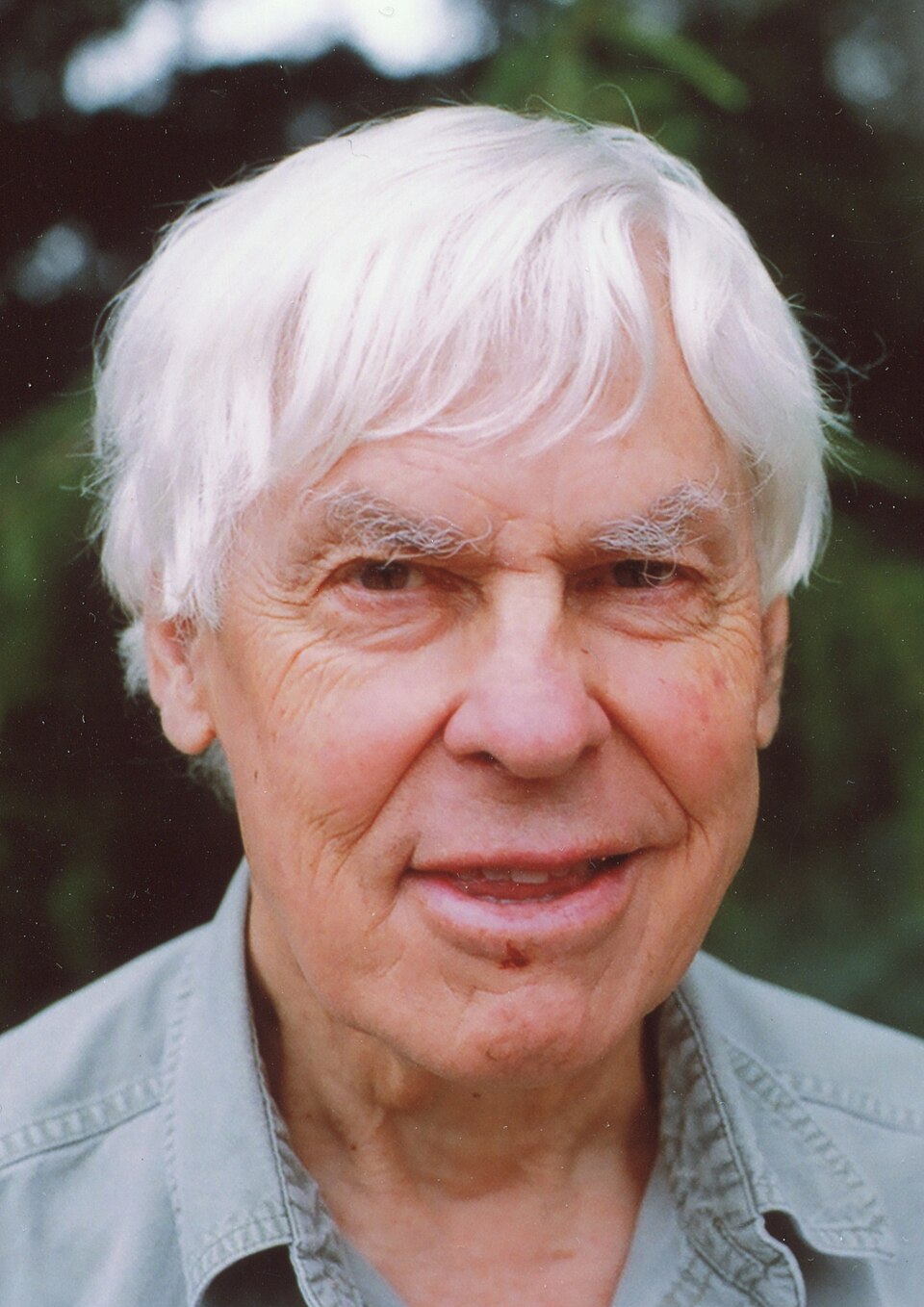 Mathematician
Stephen Smale
Transforming topology and developing tools for understanding chaotic dynamical systems.
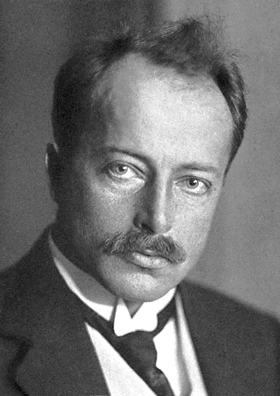 Physicist
Max von Laue
Discovering that crystals diffract X-rays.
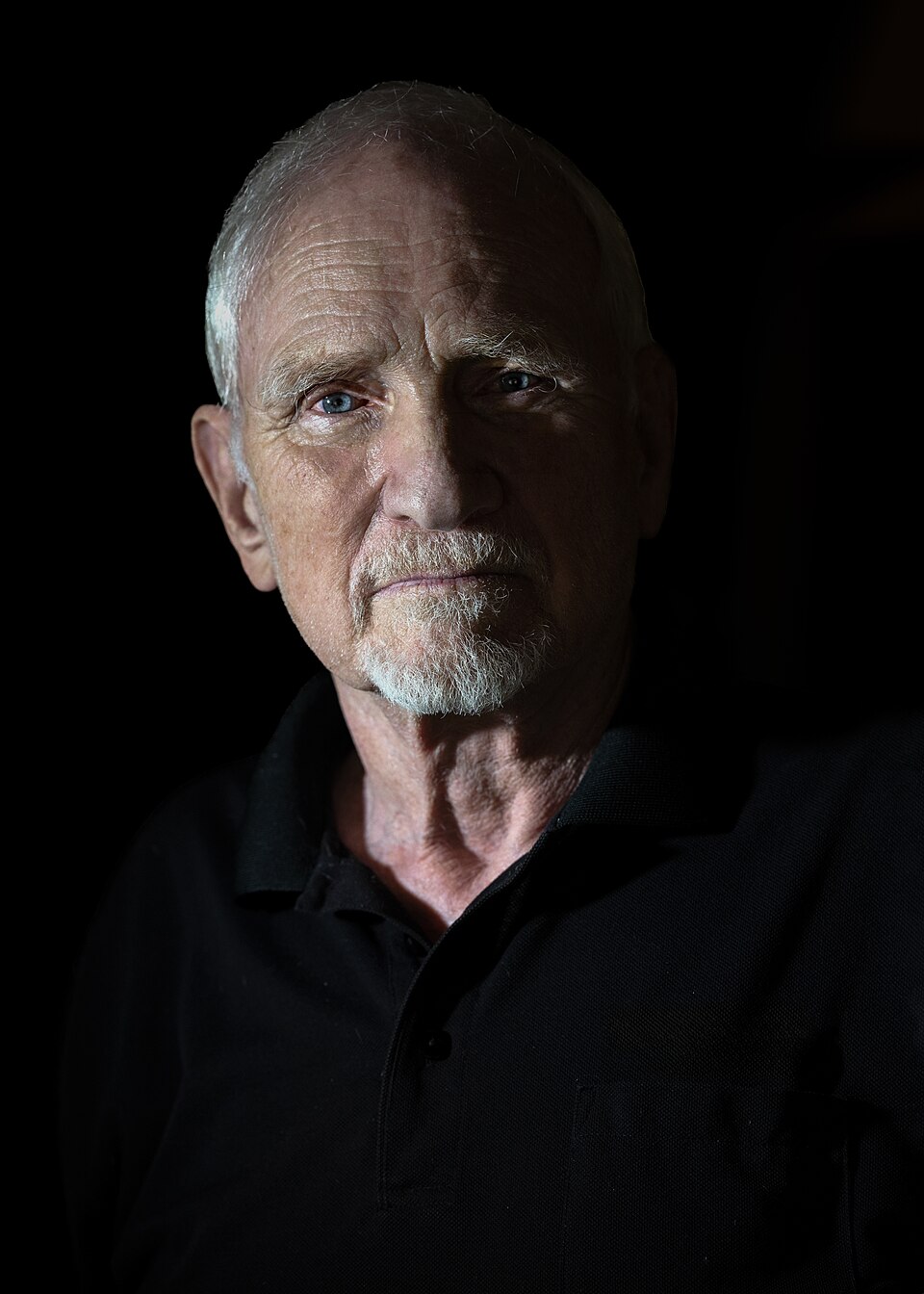 Physicist
John Clauser
Testing quantum entanglement in experiments that challenged classical ideas about reality.
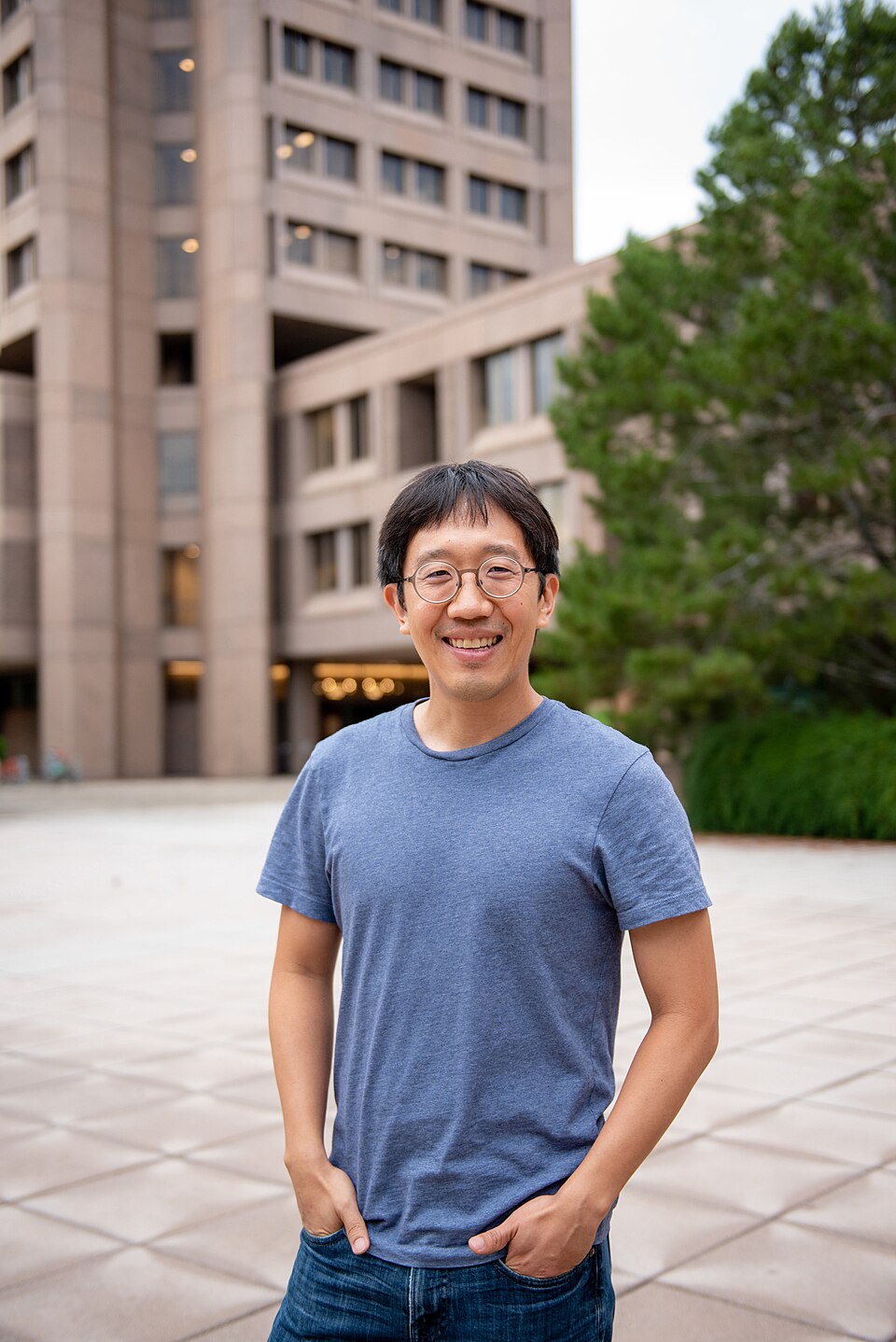 Mathematician
June Huh
Connecting geometry and combinatorics to solve longstanding mathematical problems.
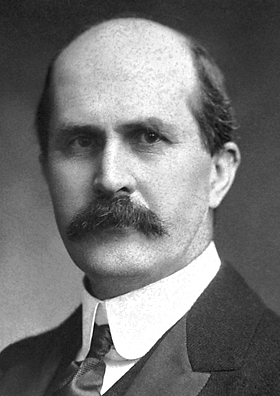 Physicist
William Henry Bragg
Developing X-ray crystallography with his son, revealing how atoms are arranged in crystals.
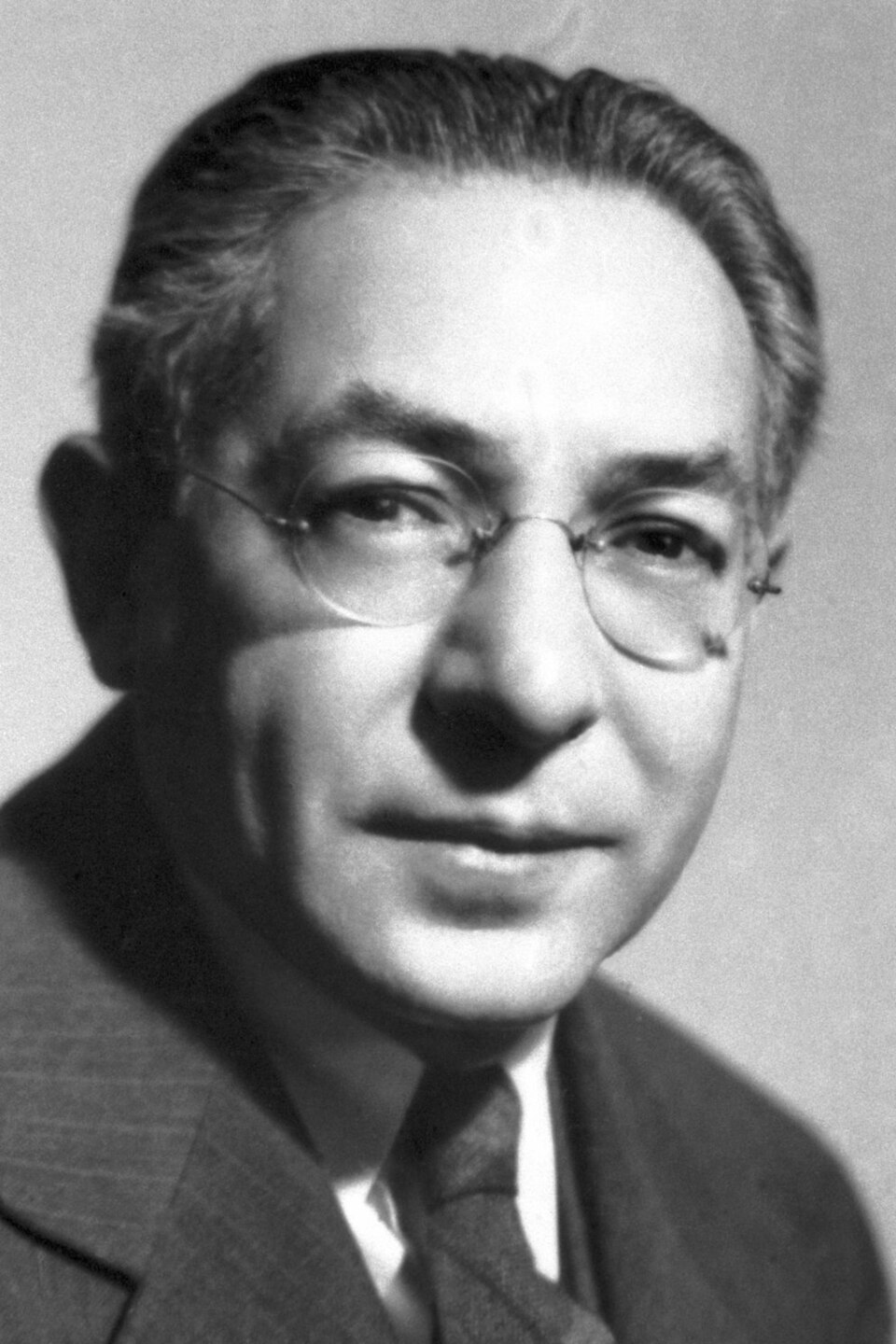 Physicist
Isidor Rabi
Developing a resonance method for measuring atomic nuclei’s magnetic properties.
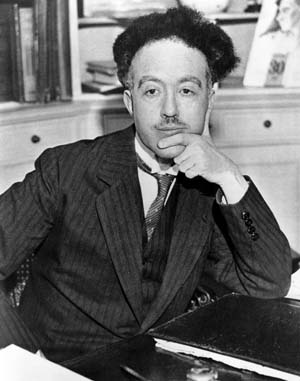 Physicist
Louis de Broglie
Proposing that particles of matter also behave as waves.
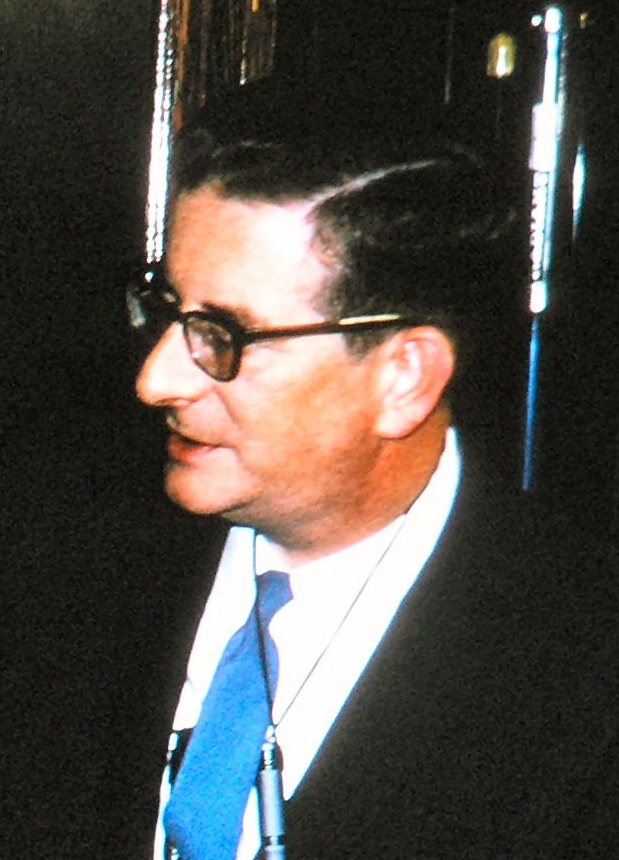 Chemist
Robert Burns Woodward
Constructing complex natural molecules through planned chemical synthesis.
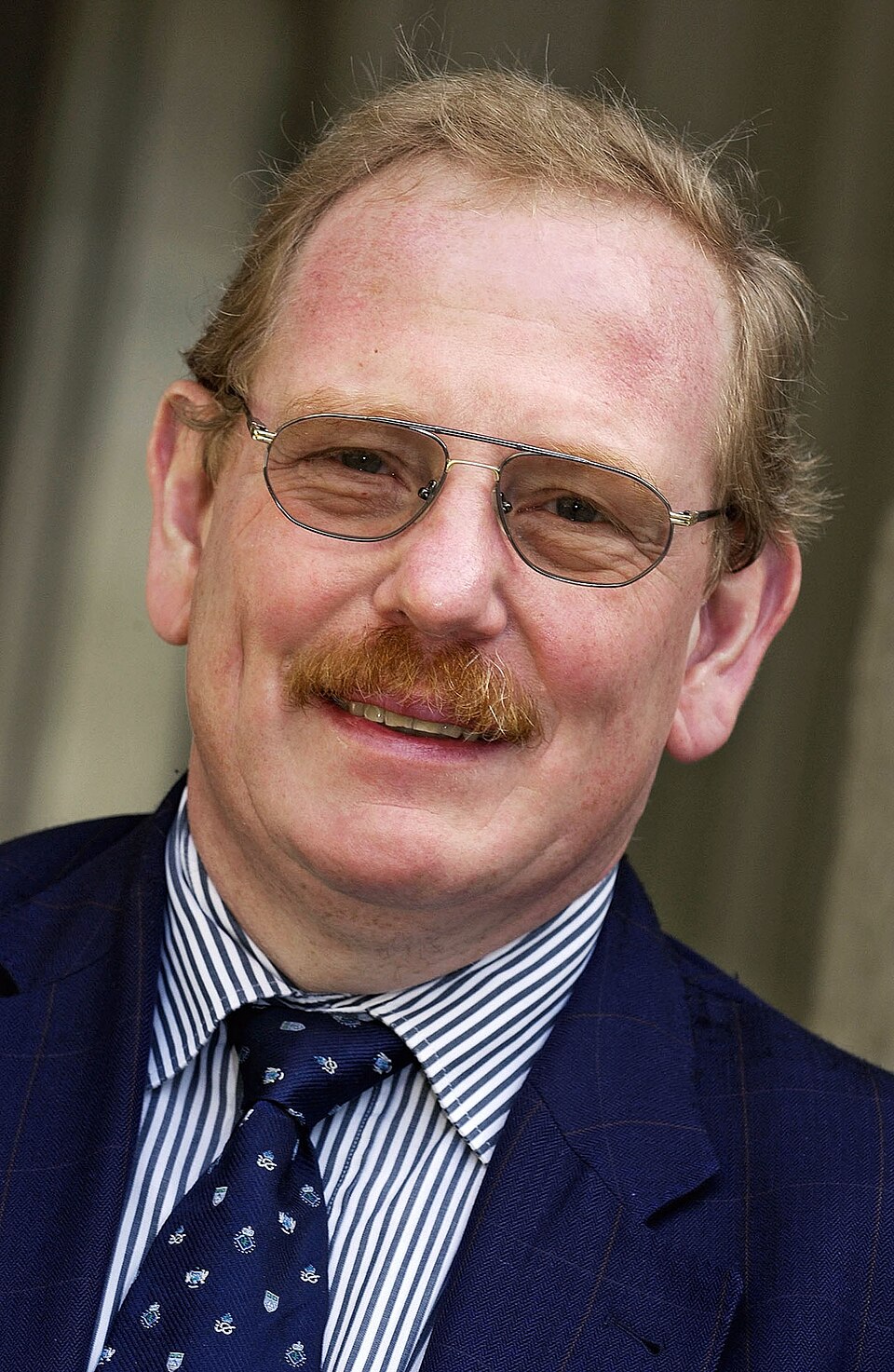 Physicist
Reinhard Genzel
Tracking stars that revealed a supermassive black hole at the Milky Way’s centre.
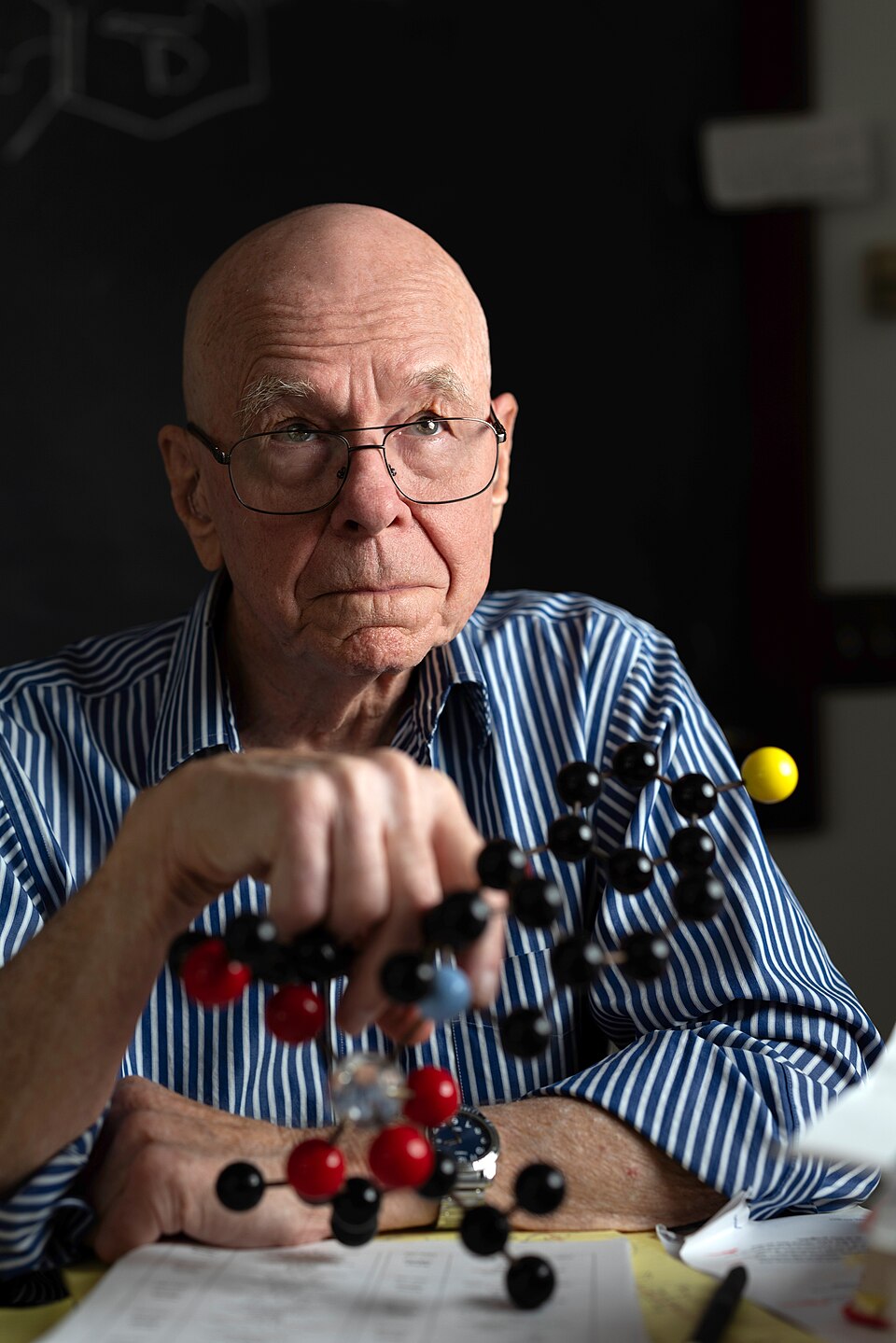 Chemist
Karl Barry Sharpless
Developing selective chemical reactions and click chemistry, earning two chemistry Nobel Prizes.
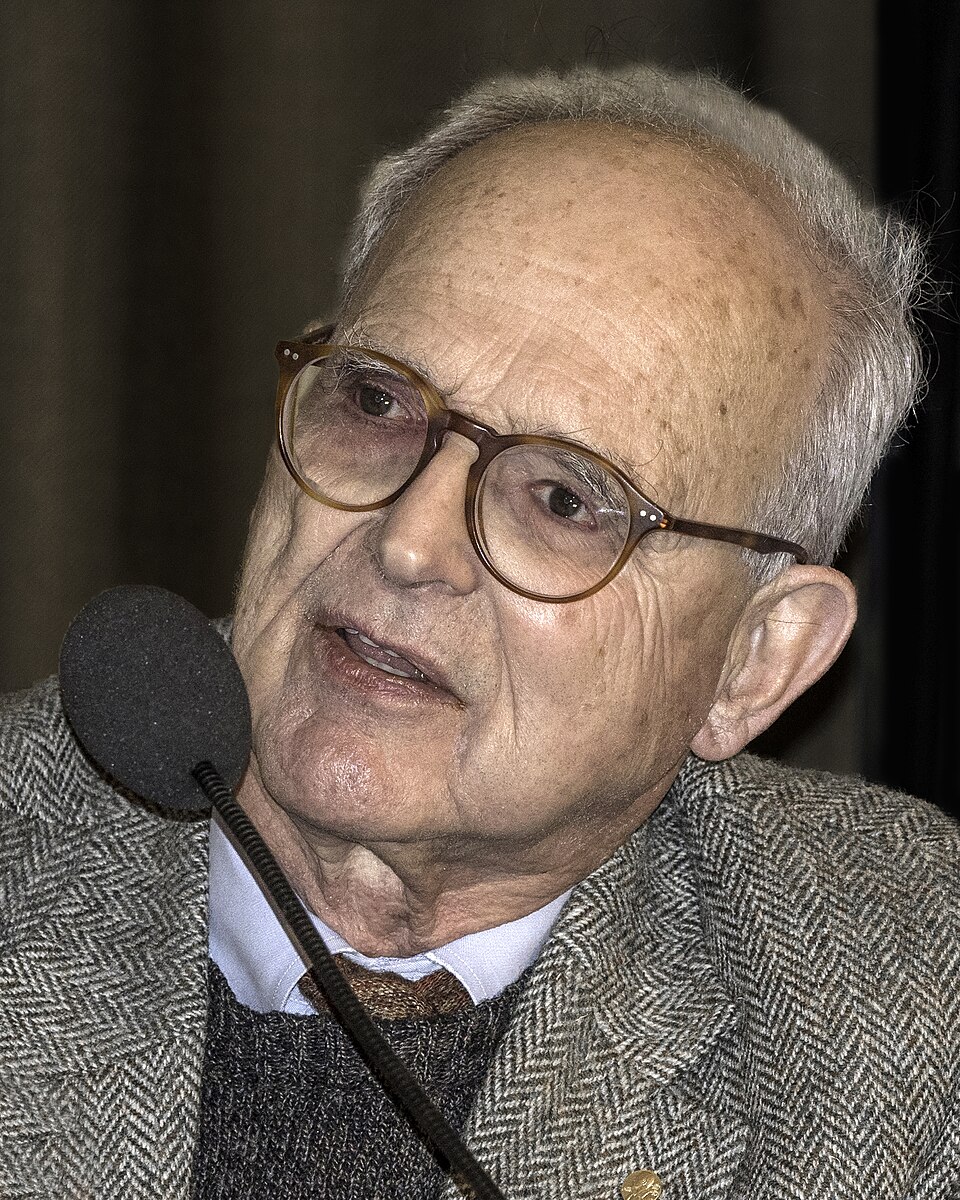 Physicist
Rainer Weiss
Helping design LIGO, which detected gravitational waves from colliding black holes.
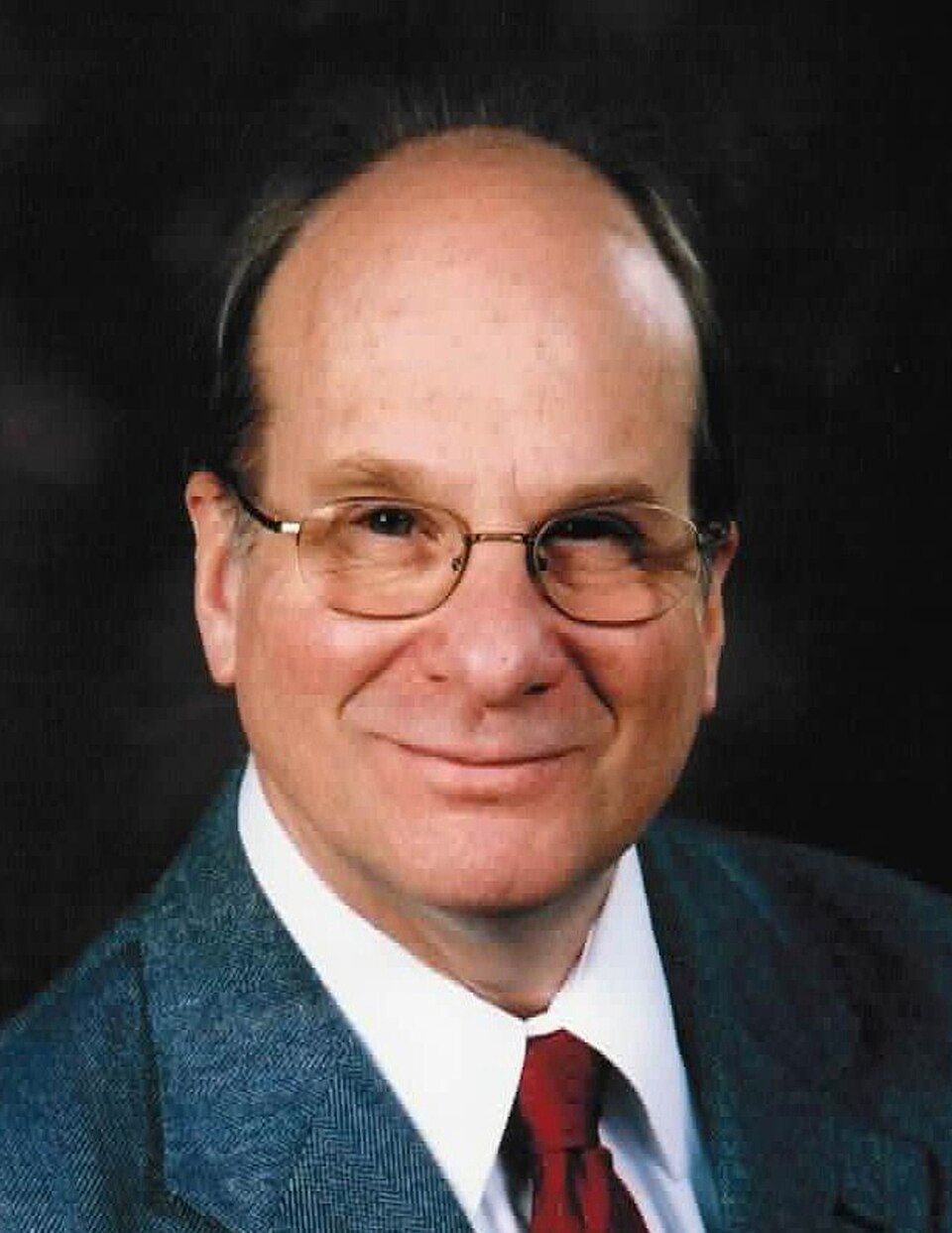 Chemist
Louis E. Brus
Discovering how the size of tiny semiconductor crystals changes their properties.
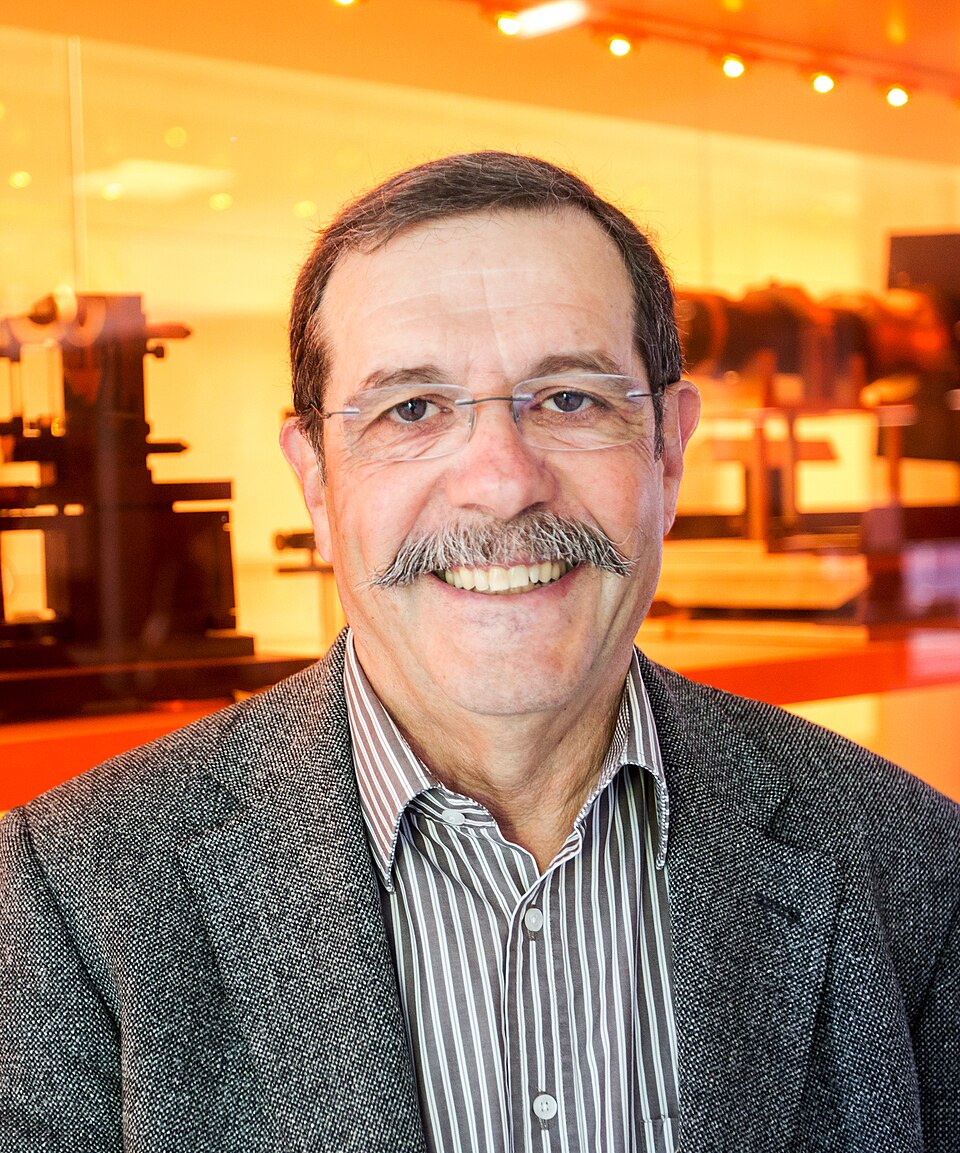 Physicist
Alain Aspect
Testing quantum entanglement with landmark experiments using photons.
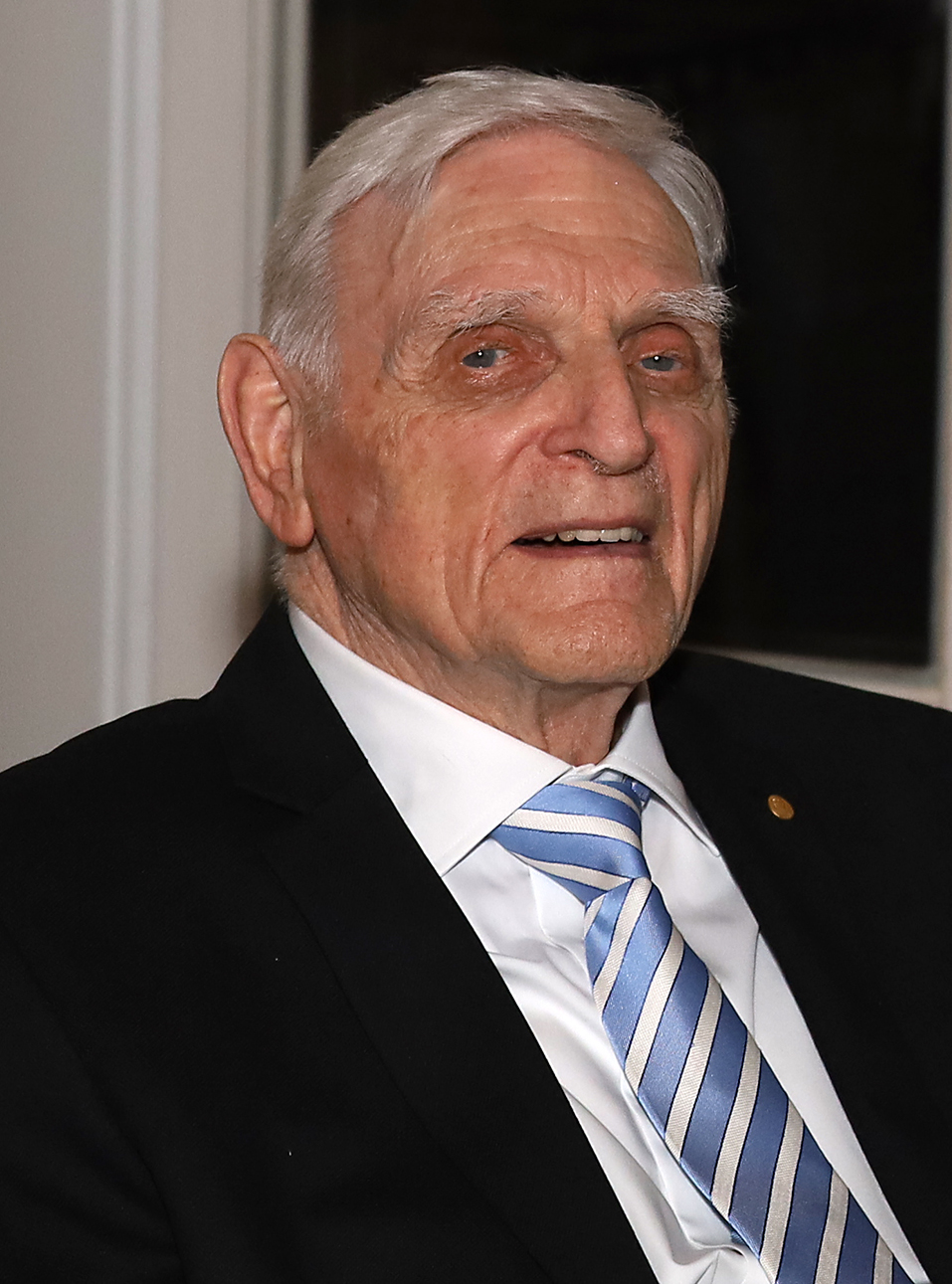 Scientist
John B. Goodenough
Developing materials that made powerful rechargeable lithium-ion batteries possible.
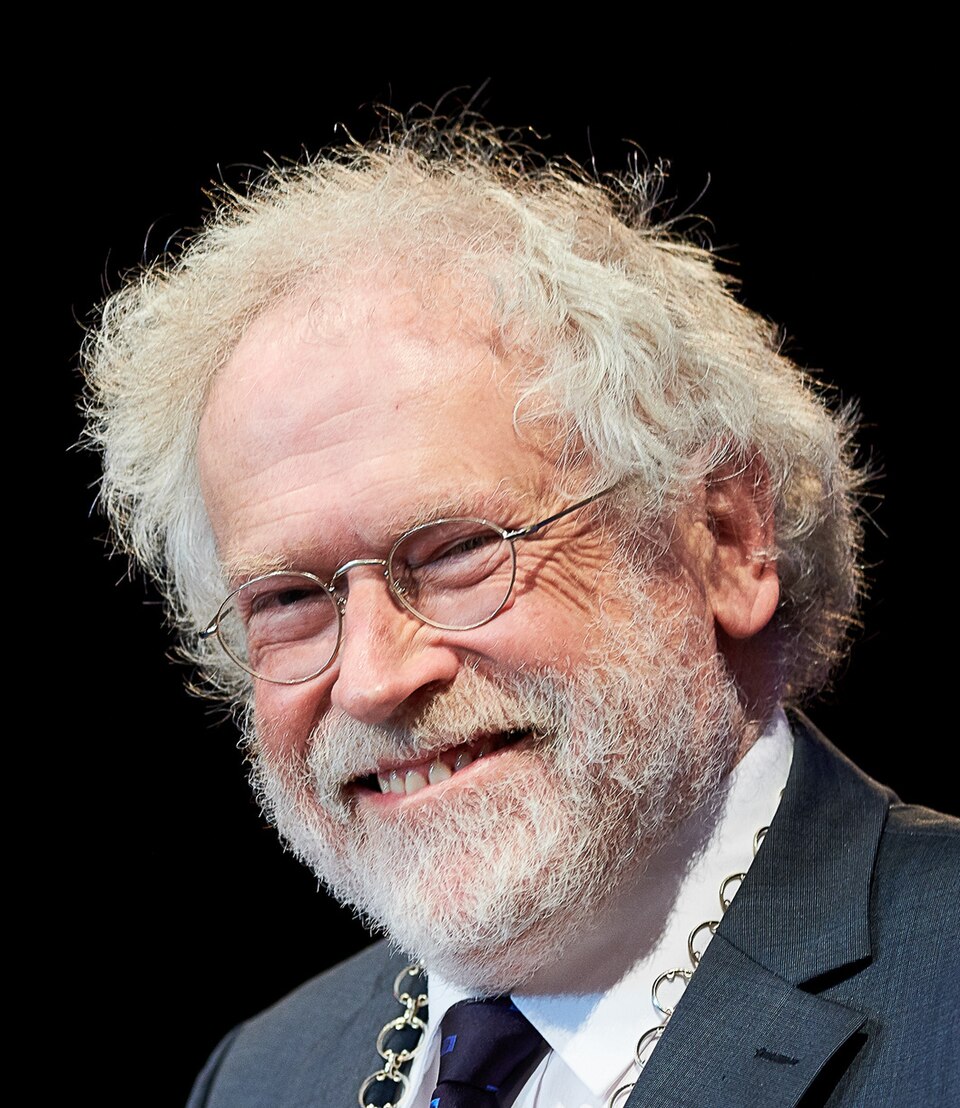 Physicist
Anton Zeilinger
Testing quantum entanglement and pioneering the transfer of quantum information.
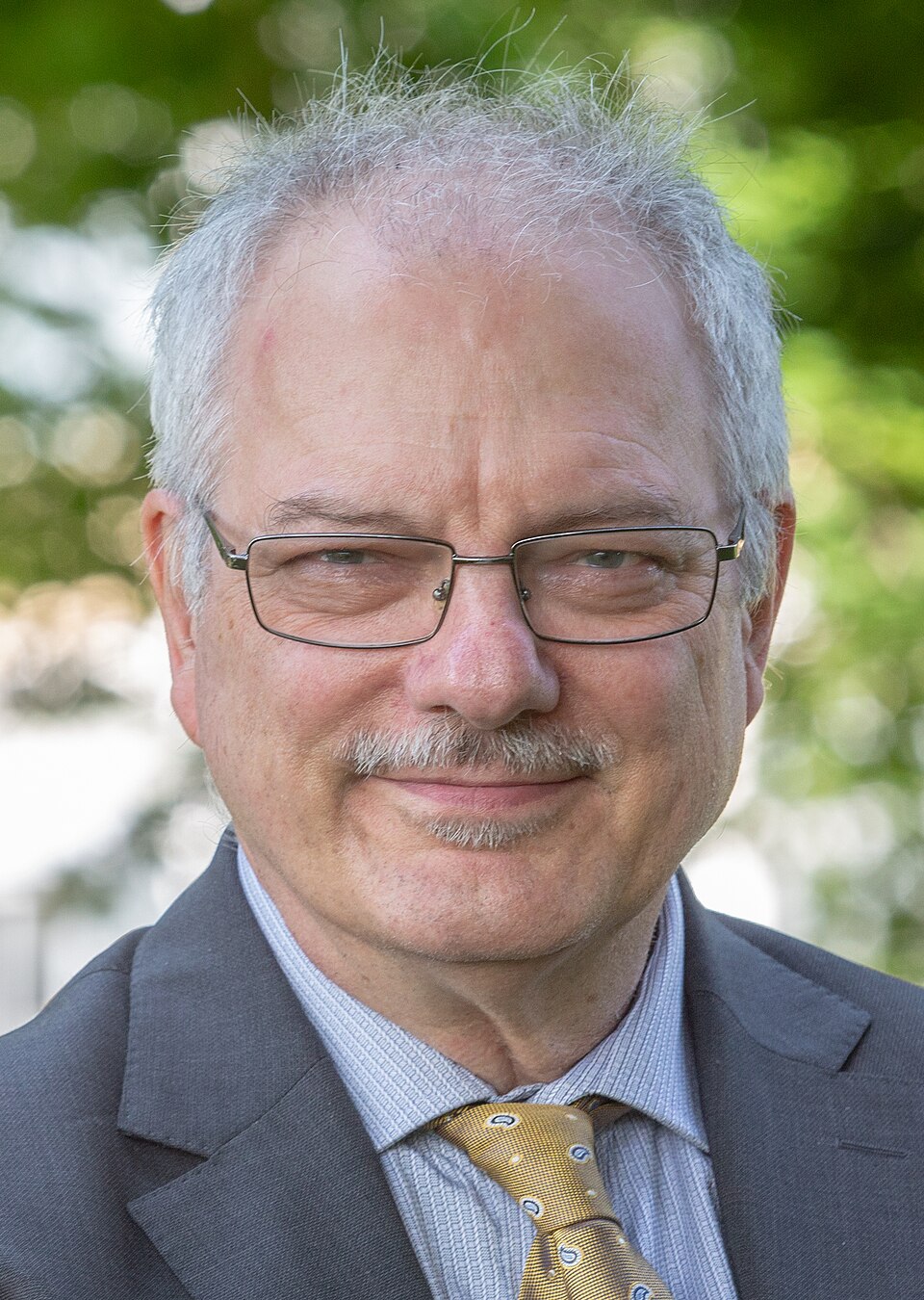 Chemist
Morten Meldal
Co-developing copper-catalysed click chemistry, a reliable way to join molecular building blocks.
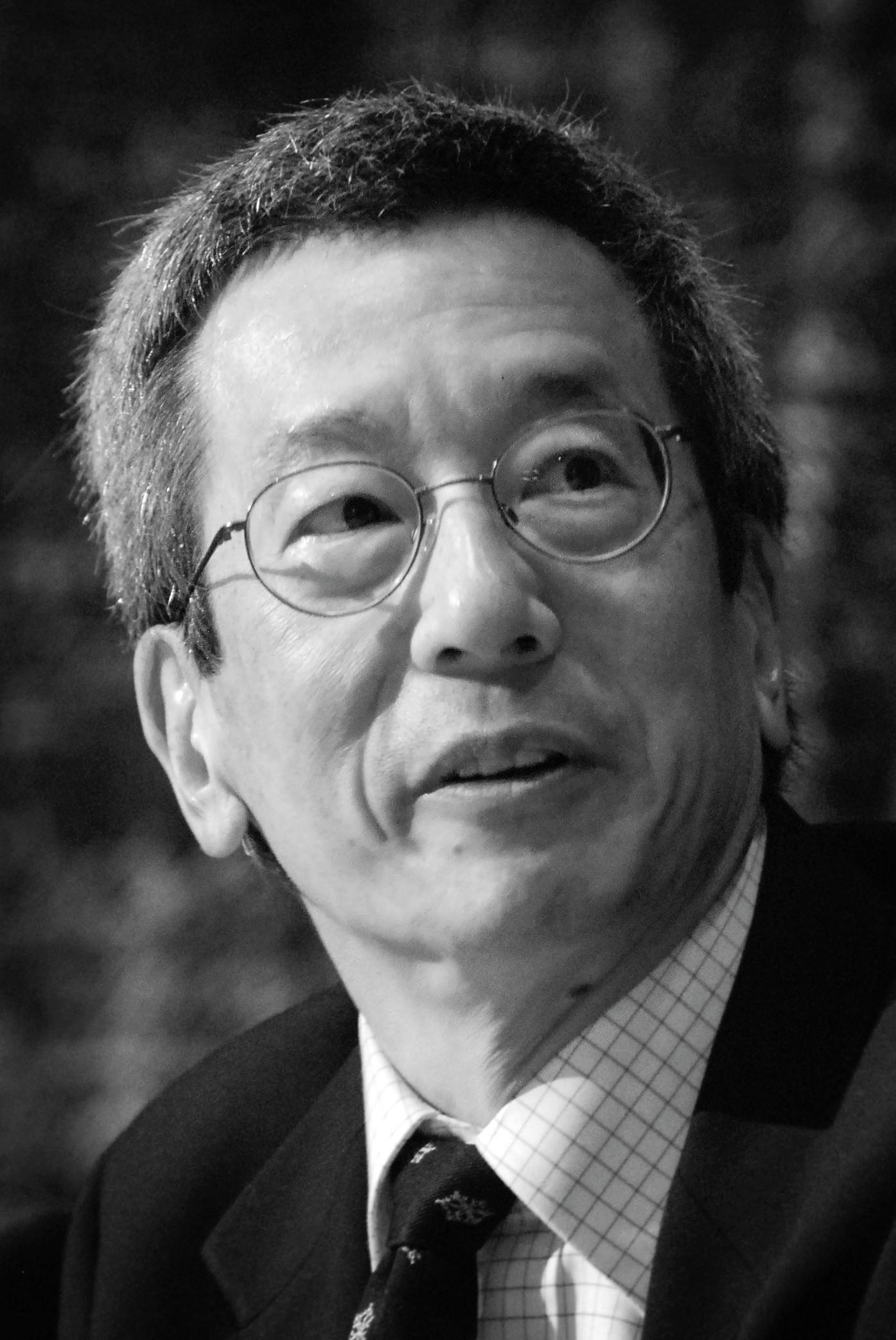 Chemist
Roger Y. Tsien
Turning fluorescent proteins into tools for watching processes inside living cells.
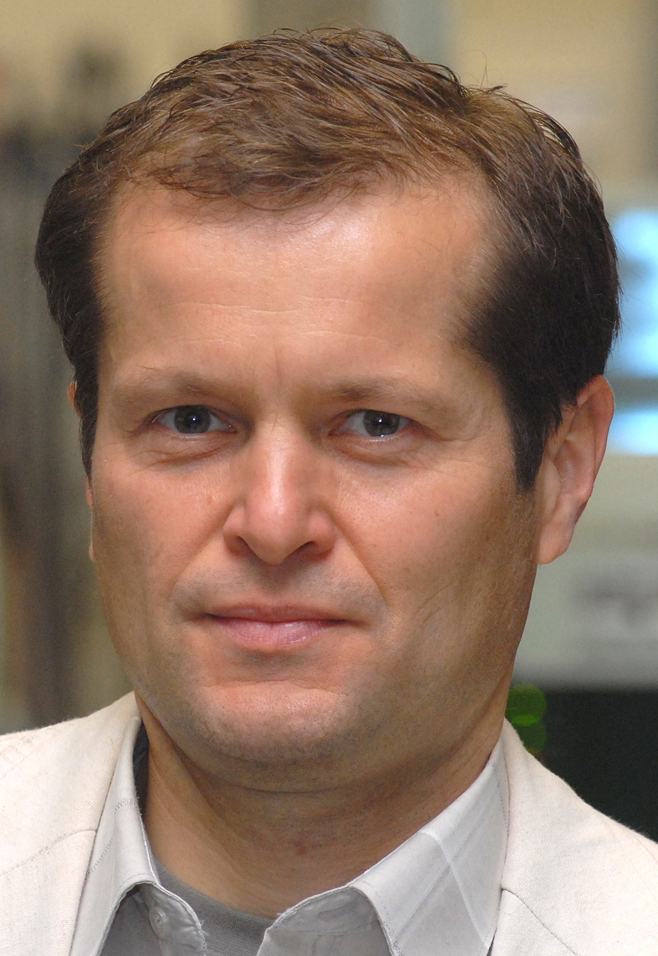 Physicist
Ferenc Krausz
Generating isolated attosecond light pulses to investigate electrons in motion.
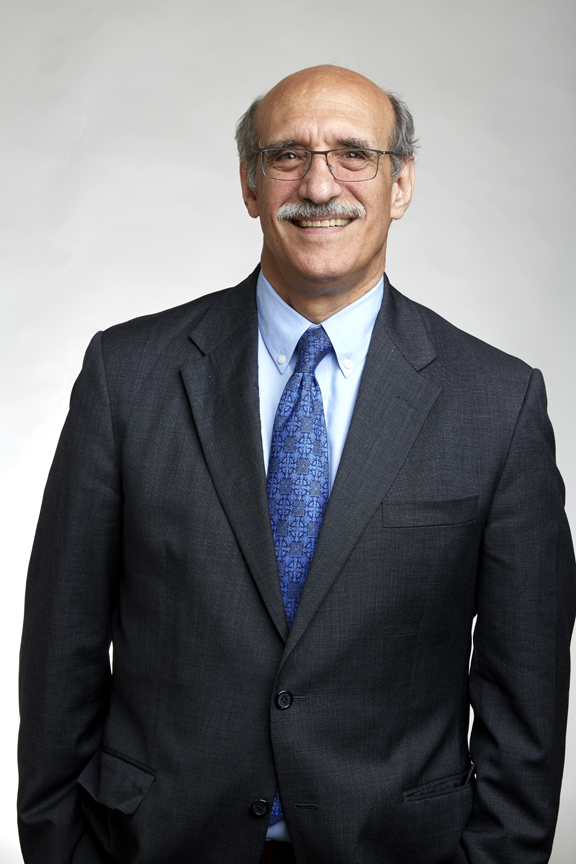 Biologist
Martin Chalfie
Showing how green fluorescent protein could mark living cells for scientific study.
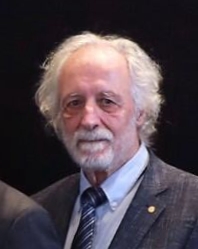 Physicist
Pierre Agostini
Developing attosecond light-pulse methods that made electron motion accessible to experiment.
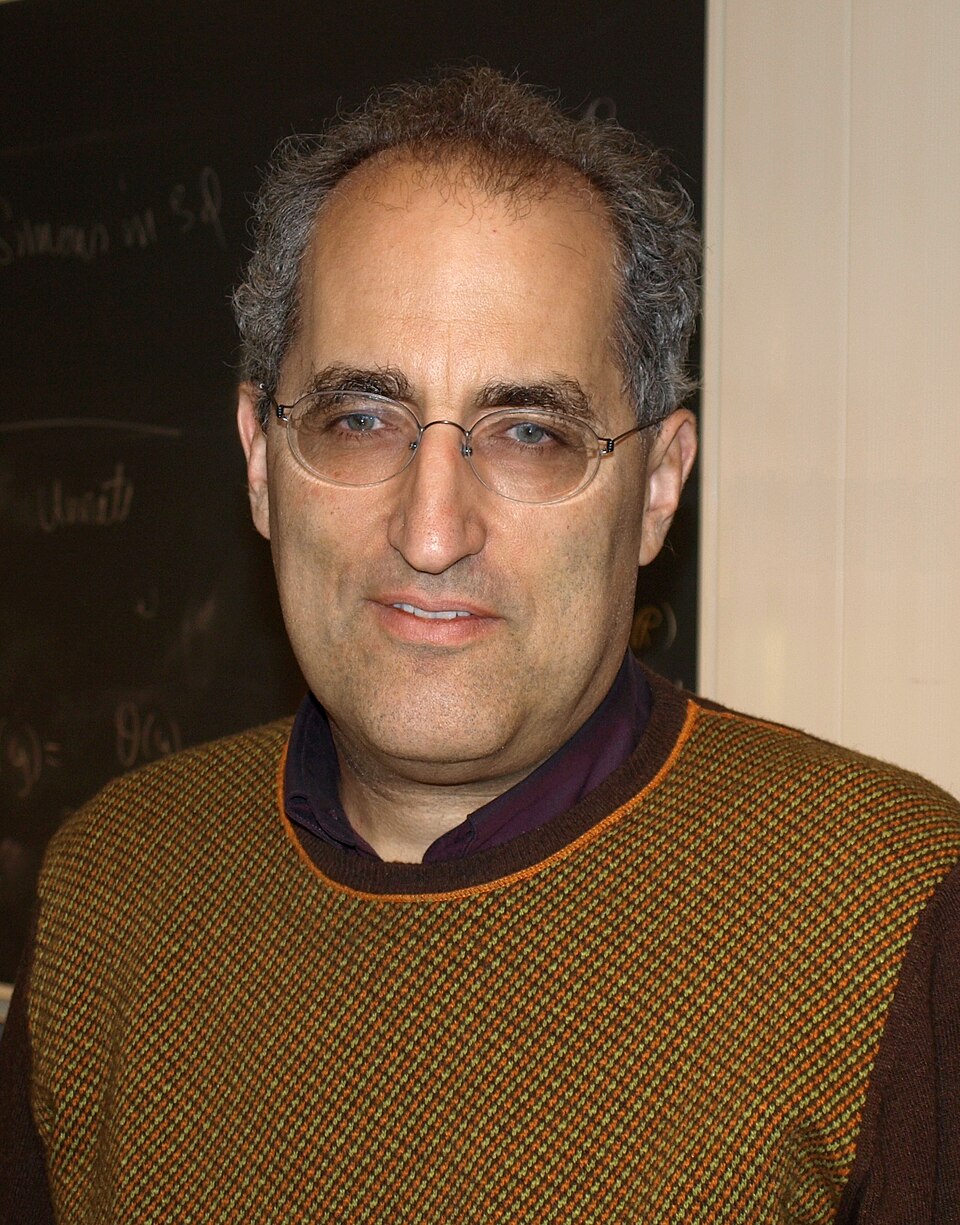 Physicist
Edward Witten
Connecting quantum physics with mathematics, from the shapes of knots to string theory.
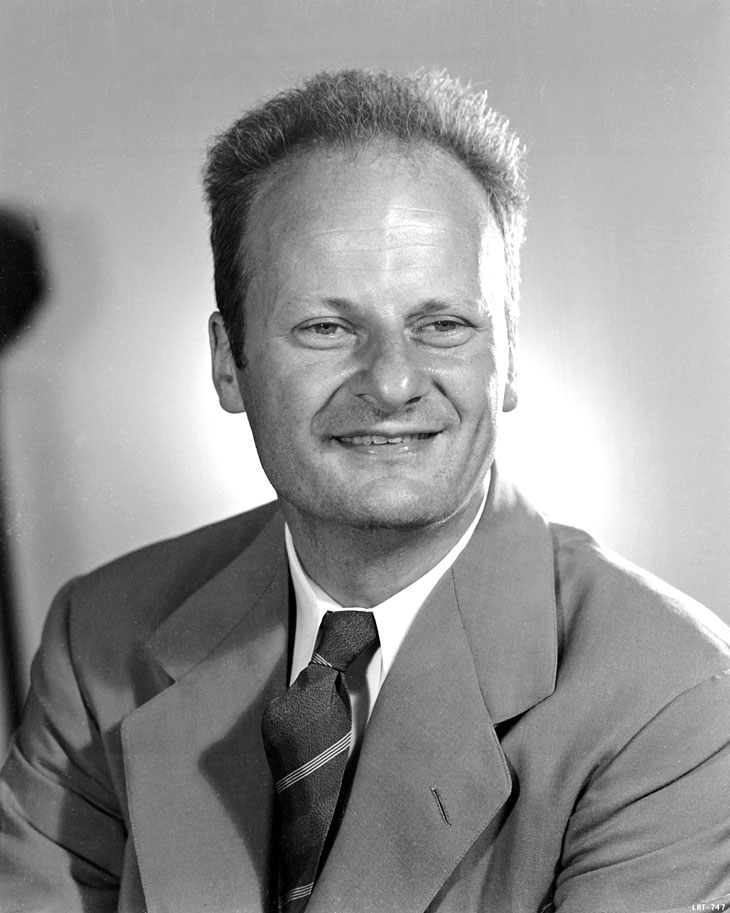 Physicist
Hans Bethe
Explaining the nuclear reactions that power stars.
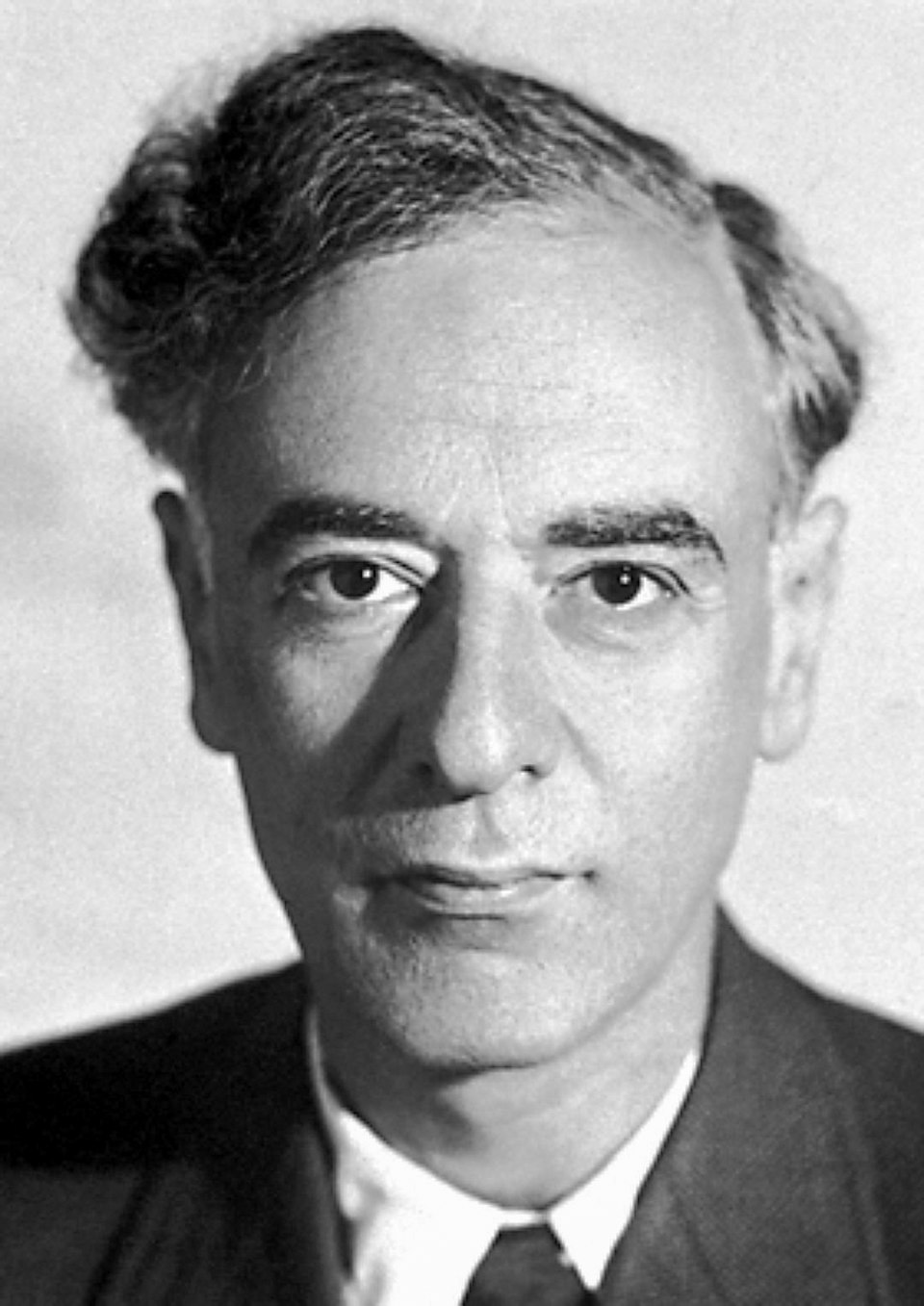 Physicist
Lev Landau
Explaining superfluid helium and building influential theories of matter.
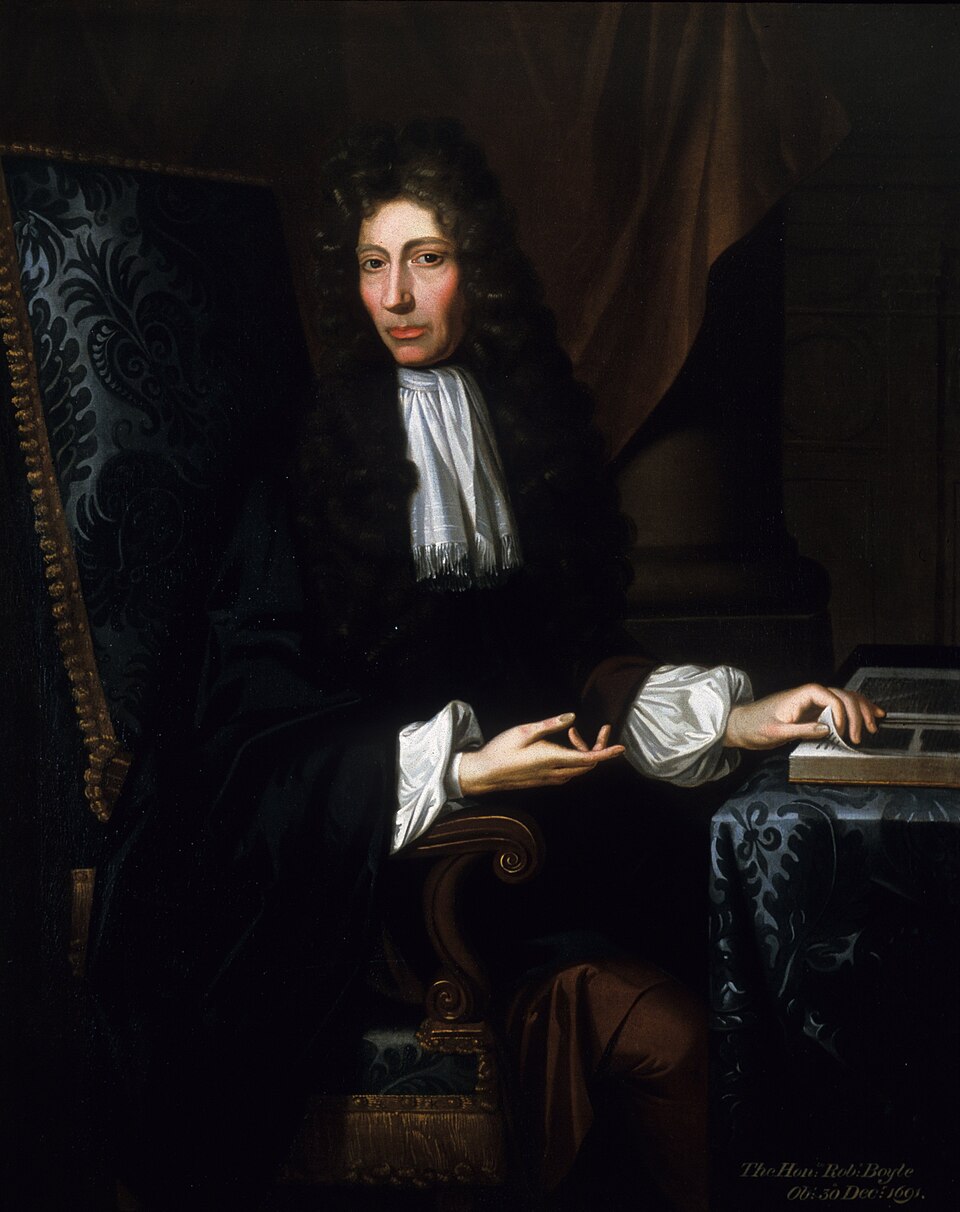 Scientist
Robert Boyle
Formulating Boyle’s law and helping make chemistry an experimental science.
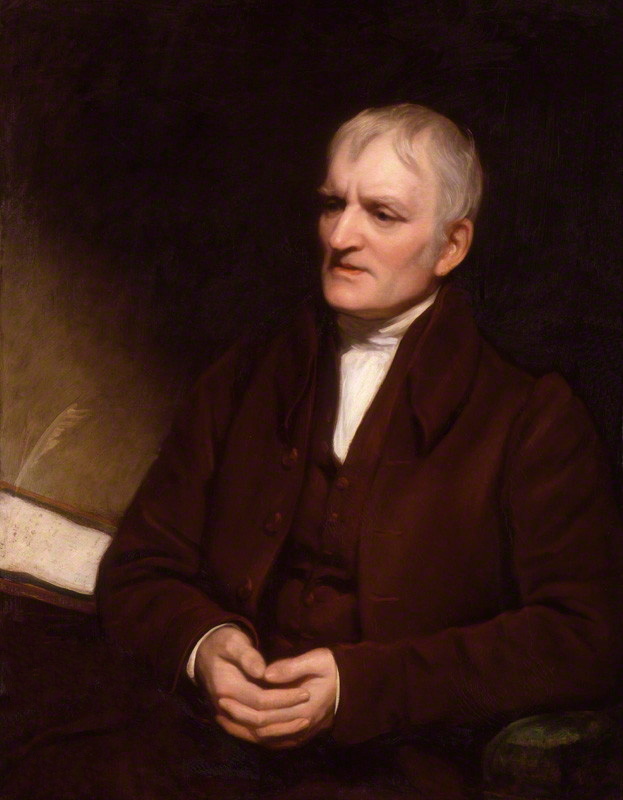 Chemist
John Dalton
Developing an atomic theory that explained how elements combine in fixed proportions.
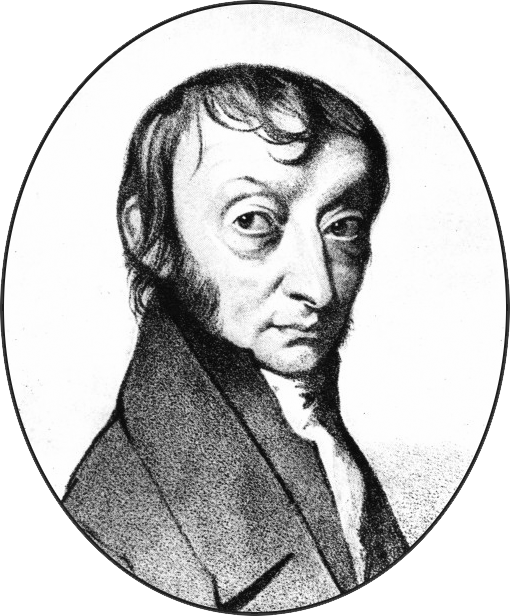 Scientist
Amedeo Avogadro
Explaining why equal volumes of gases contain equal numbers of molecules.
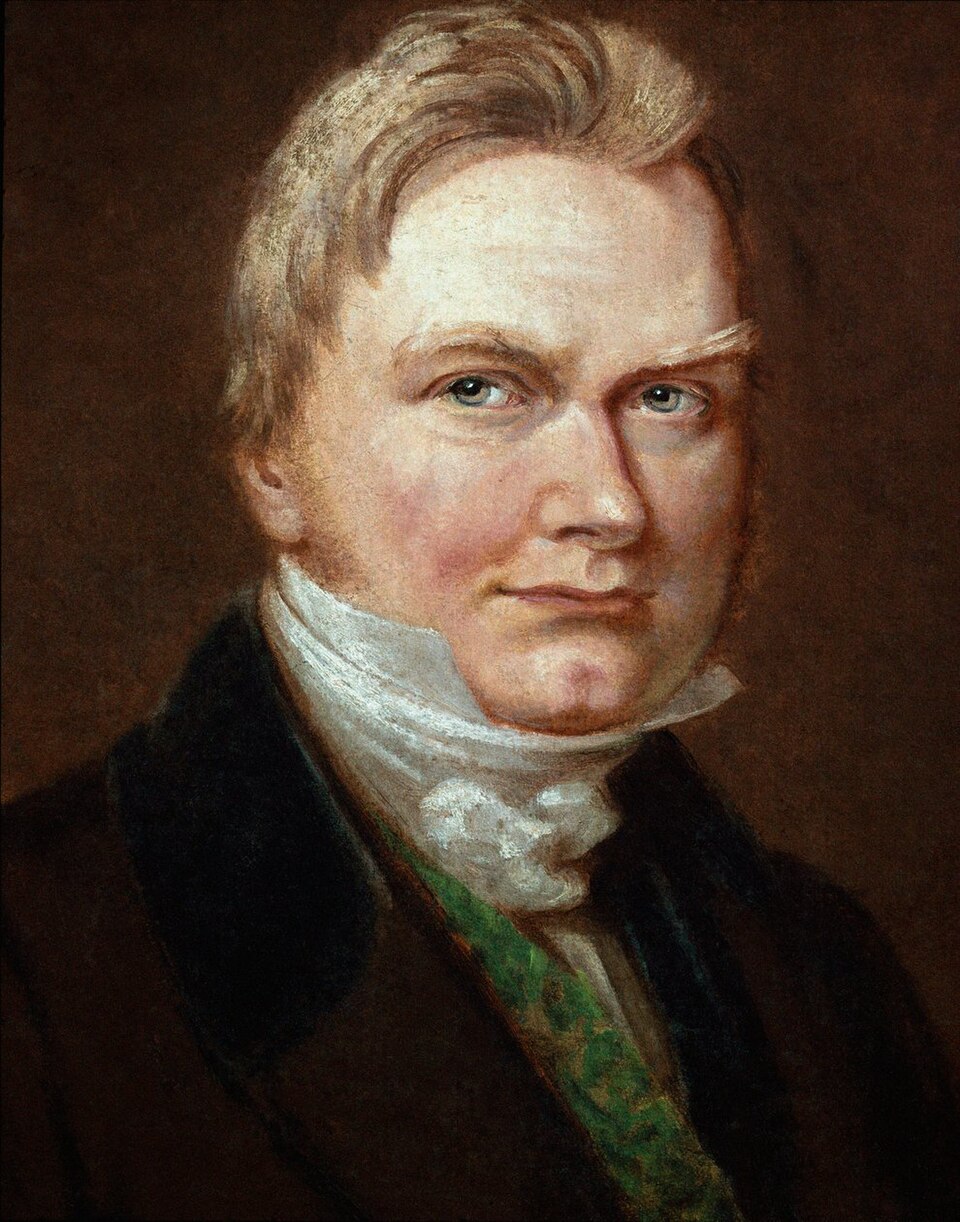 Scientist
Jöns Jacob Berzelius
Developing the chemical symbols and atomic measurements used to describe matter.
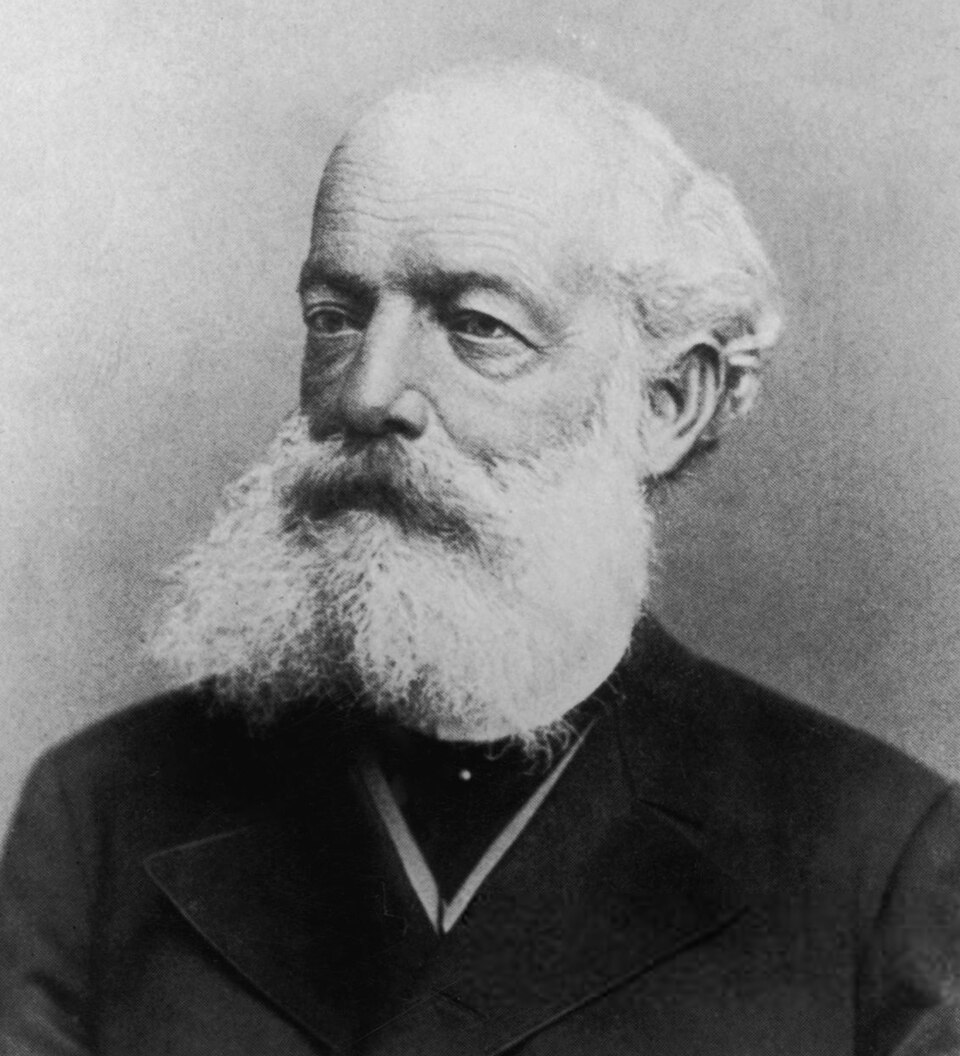 Scientist
August Kekulé
Proposing the ring structure of benzene.
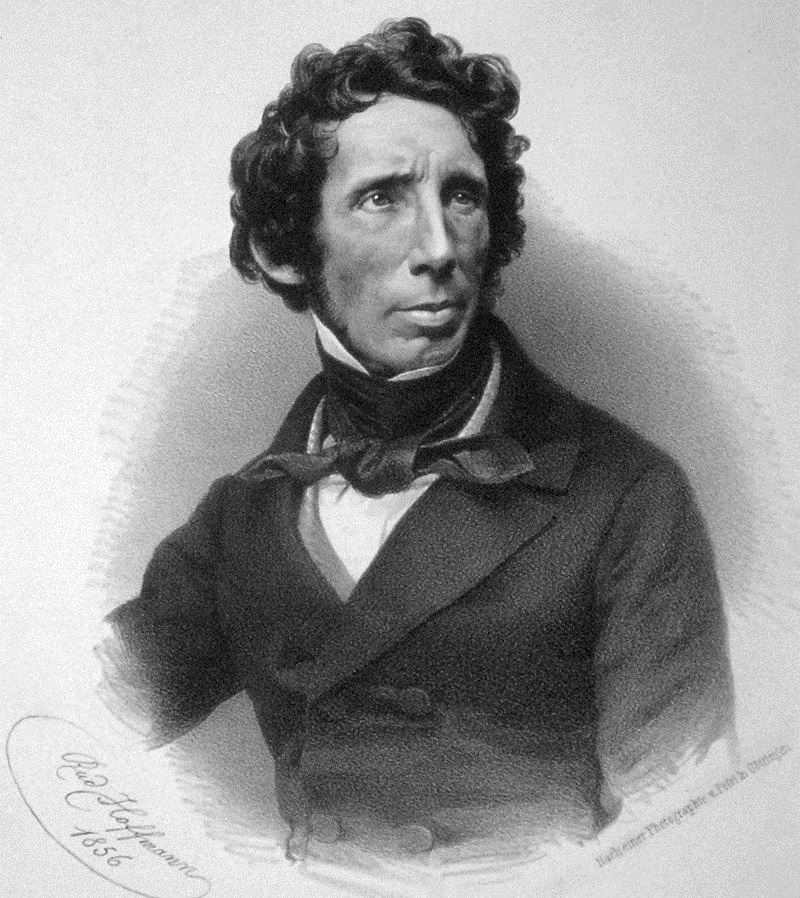 Chemist
Friedrich Wöhler
Synthesising urea from inorganic starting materials in 1828.
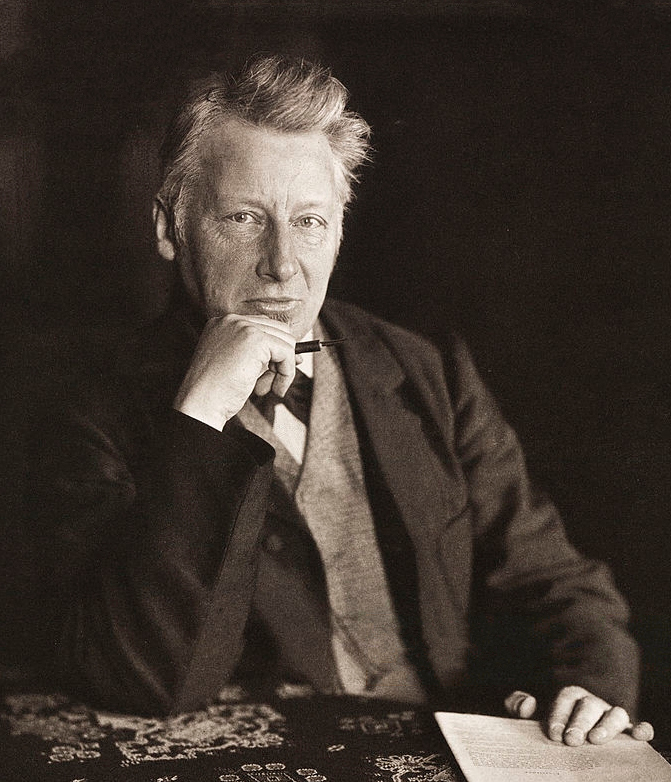 Chemist
Jacobus Henricus van 't Hoff
Helping establish stereochemistry and winning the first Nobel Prize in Chemistry.
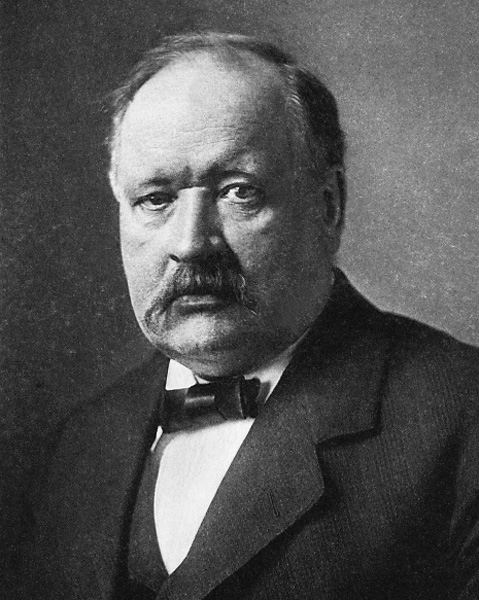 Chemist
Svante Arrhenius
Explaining ions in solution and calculating an early link between carbon dioxide and climate.
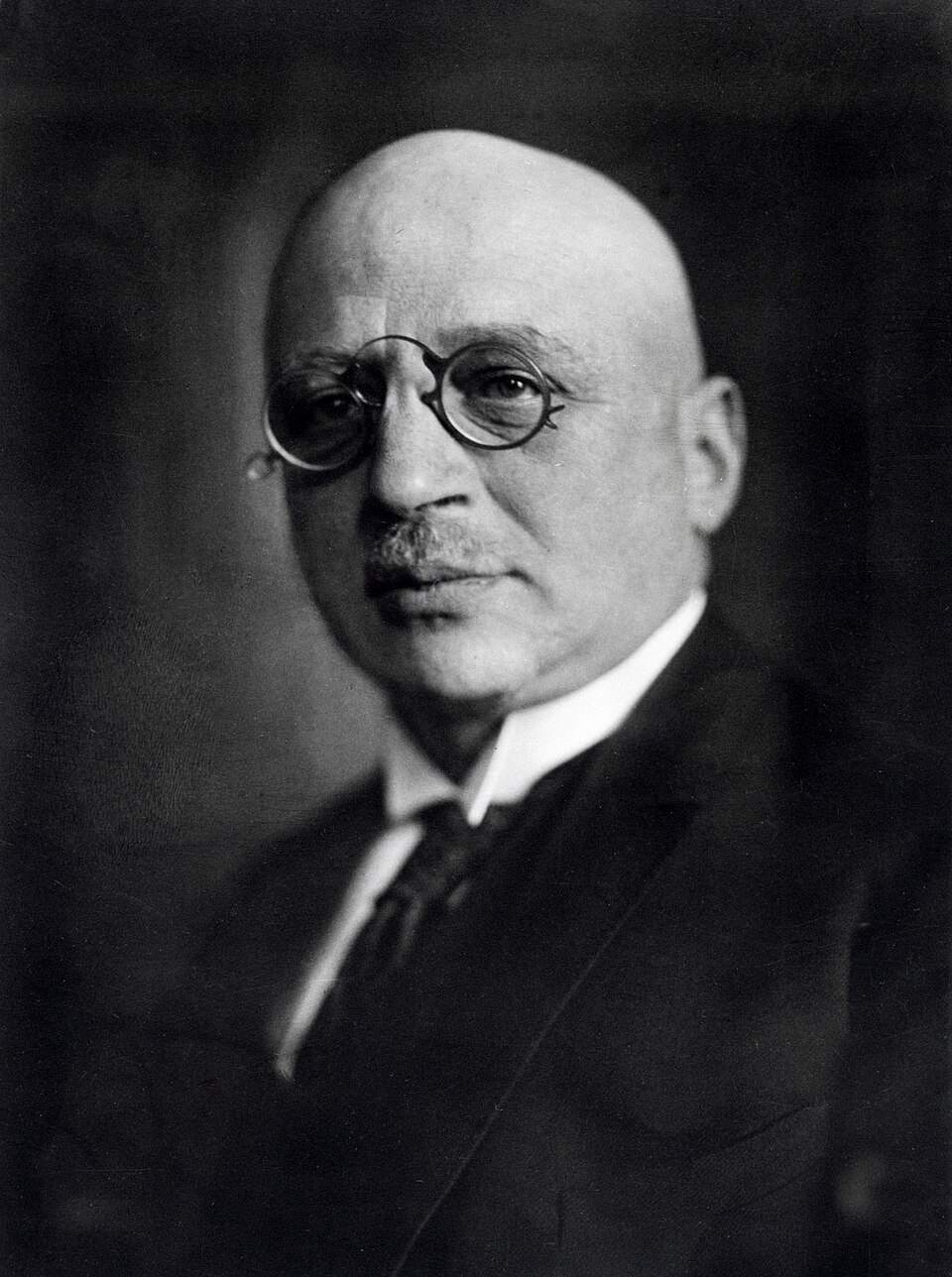 Chemist
Fritz Haber
Developing ammonia synthesis and directing Germany’s First World War poison-gas programme.
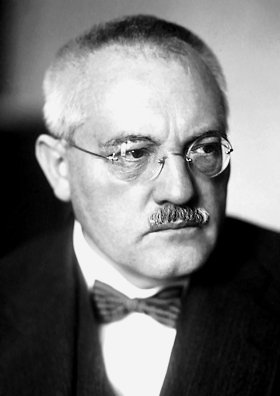 Chemist
Carl Bosch
Turning ammonia synthesis into an industrial process.
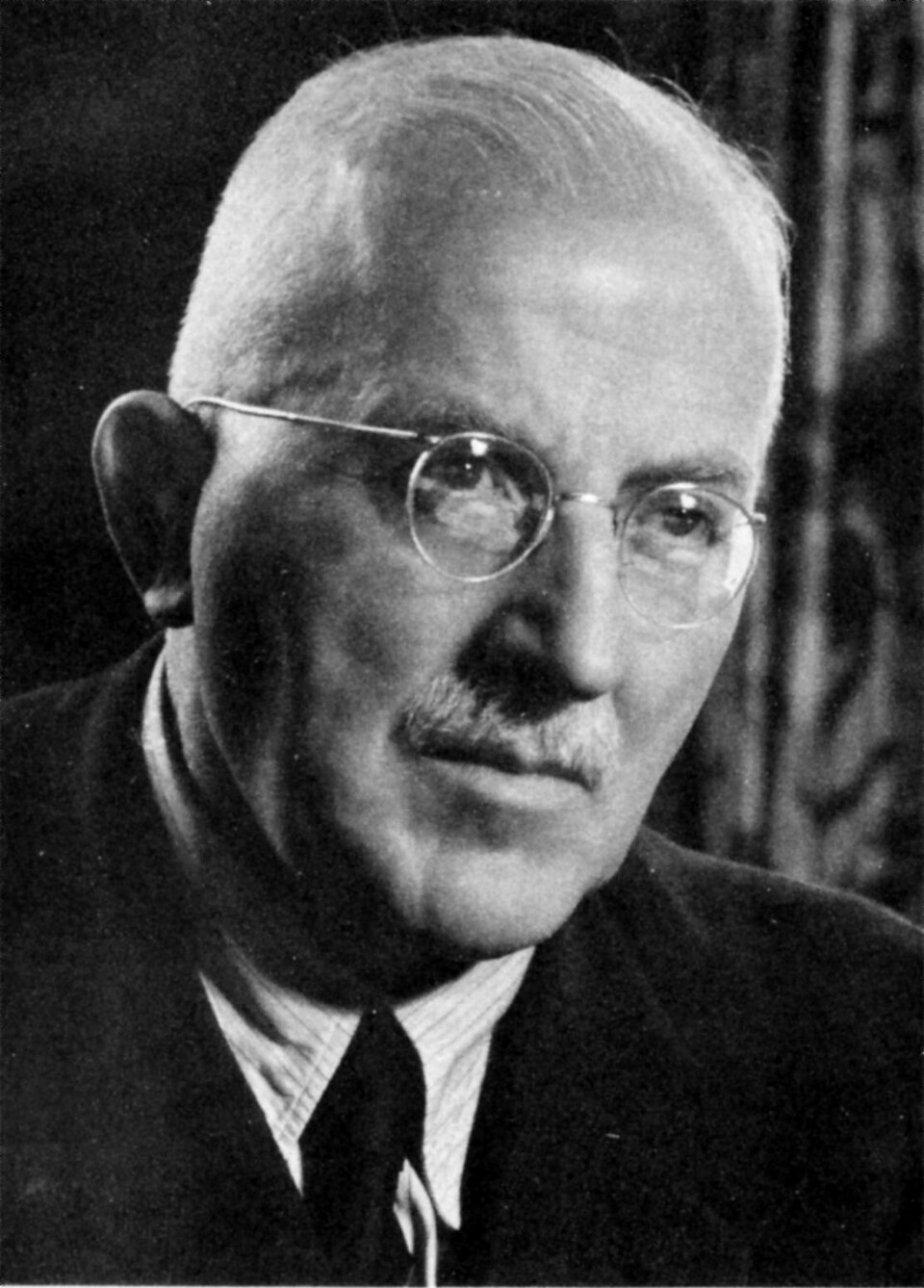 Chemist
Hermann Staudinger
Establishing that polymers are long chains of chemically bonded units.
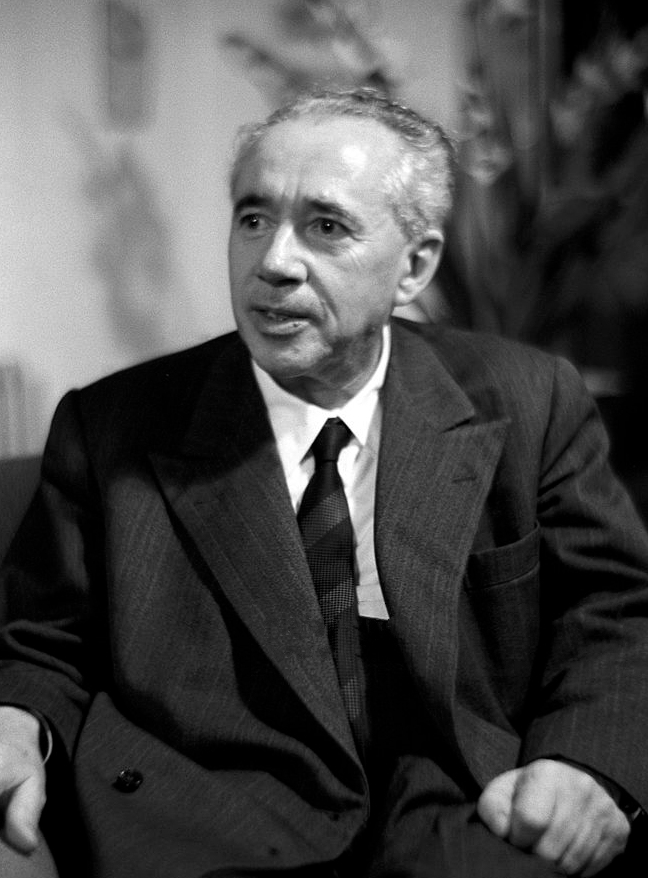 Chemist
Giulio Natta
Developing stereospecific polymerisation and isotactic polypropylene.
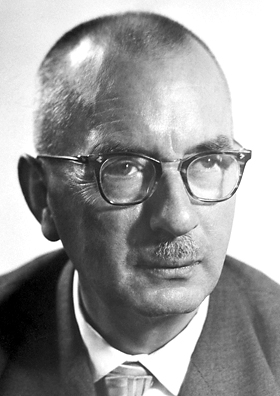 Chemist
Karl Ziegler
Discovering catalysts that made high-density polyethylene possible at low pressure.
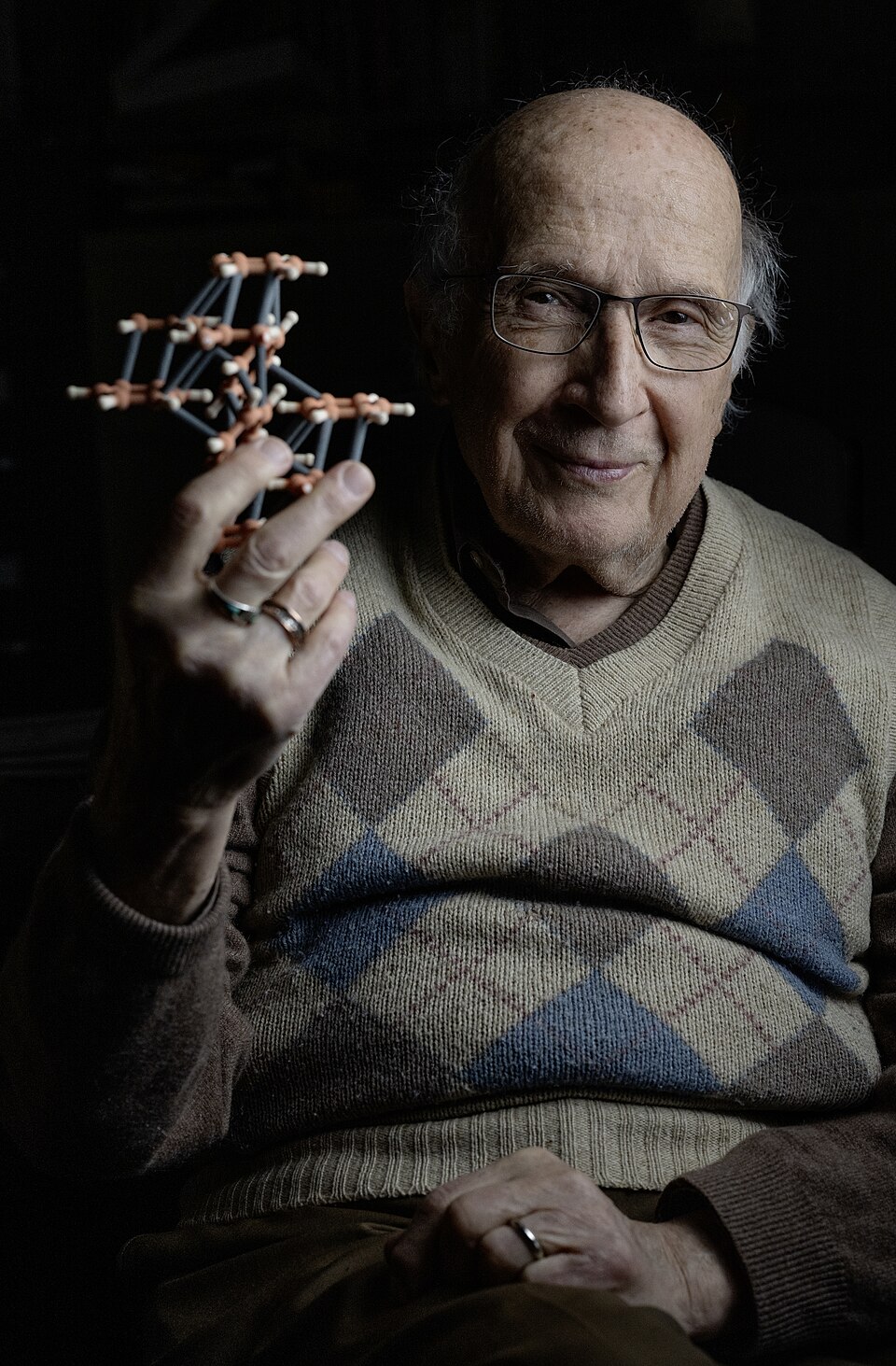 Chemist
Roald Hoffmann
Explaining chemical reactions through orbital symmetry.
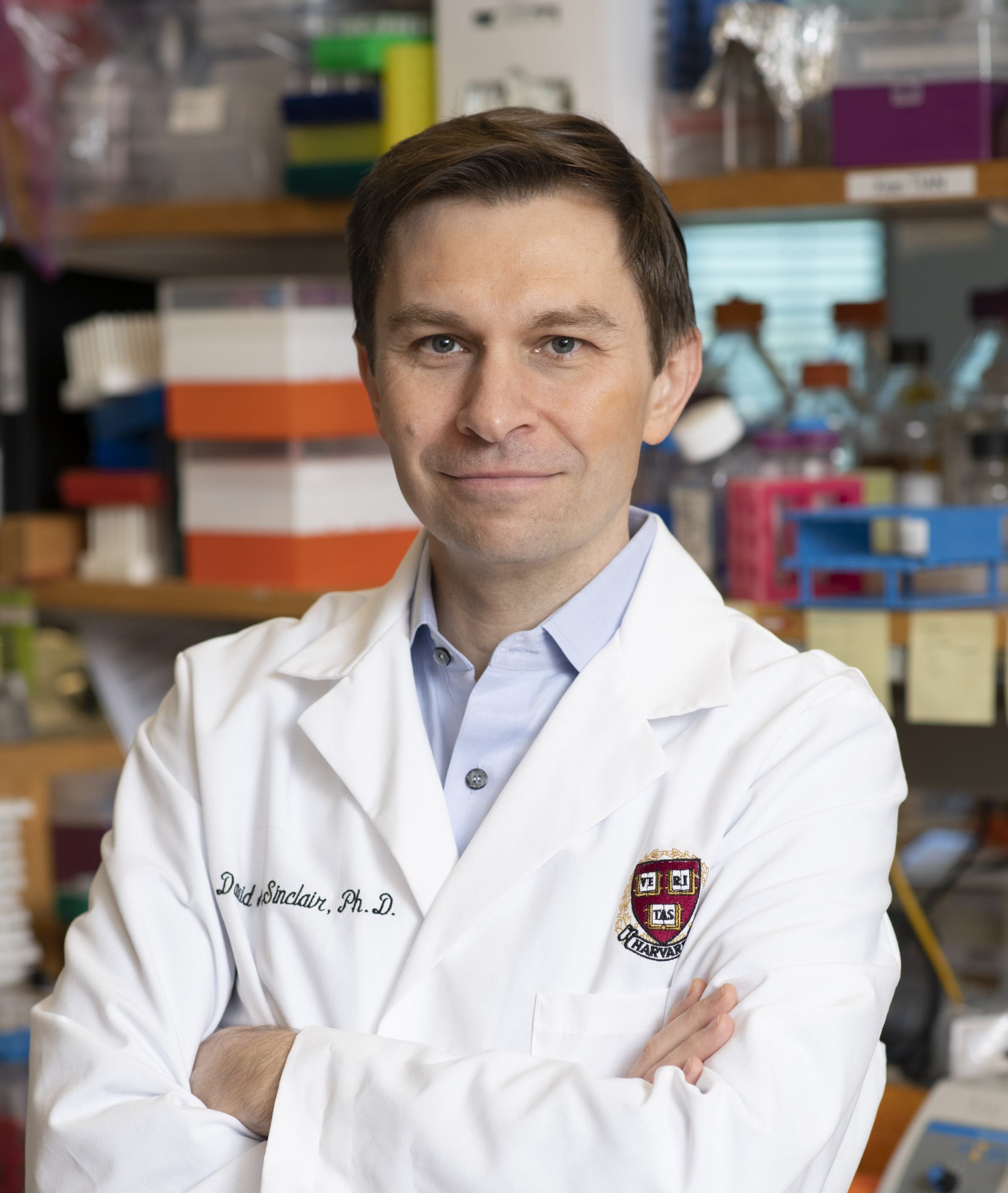 Biologist
David A. Sinclair
Researching ageing, sirtuins and epigenetics.
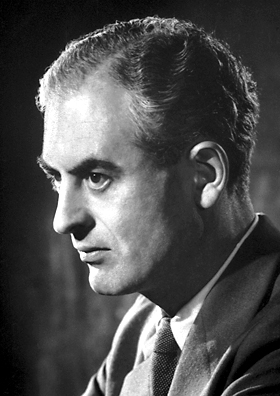 Biologist
Peter Medawar
Establishing acquired immune tolerance in transplantation research.
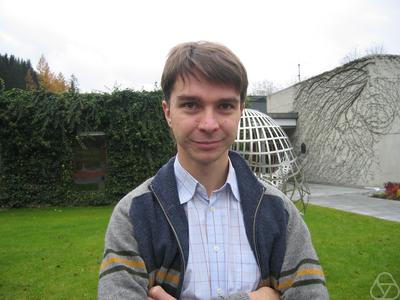 Mathematician
Stanislav Smirnov
Proving conformal invariance in models of statistical physics.
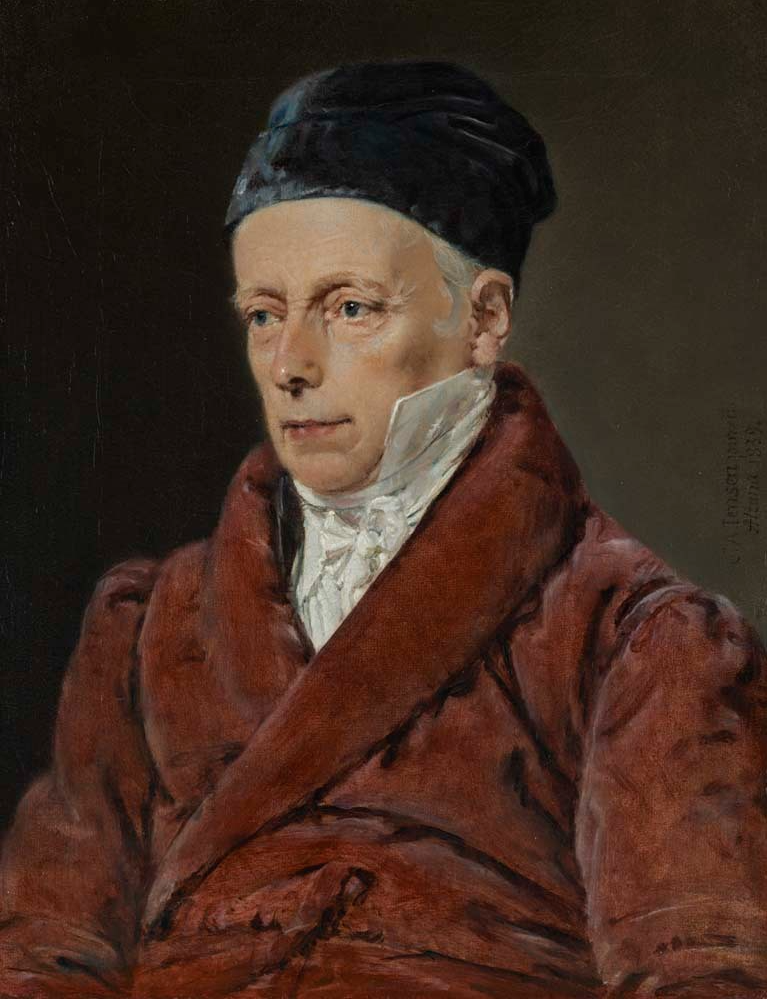 Astronomer
Heinrich Christian Schumacher
Founding Astronomische Nachrichten and organising geodetic surveys.
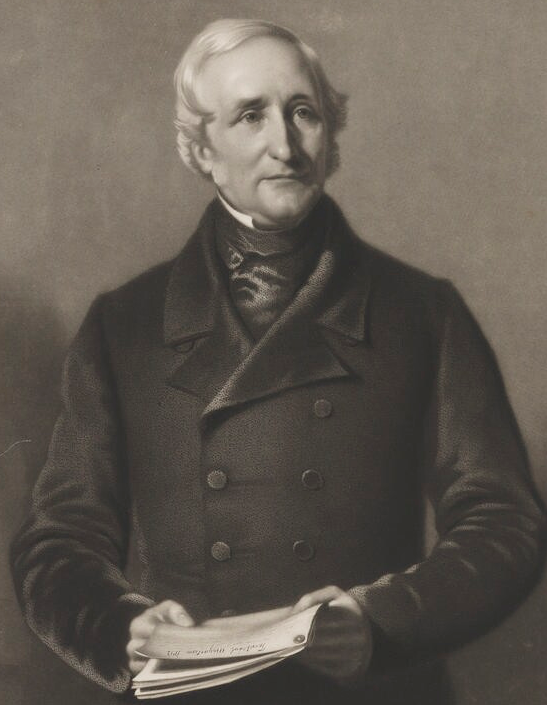 Geophysicist
Edward Sabine
Organising a global programme of magnetic observation.
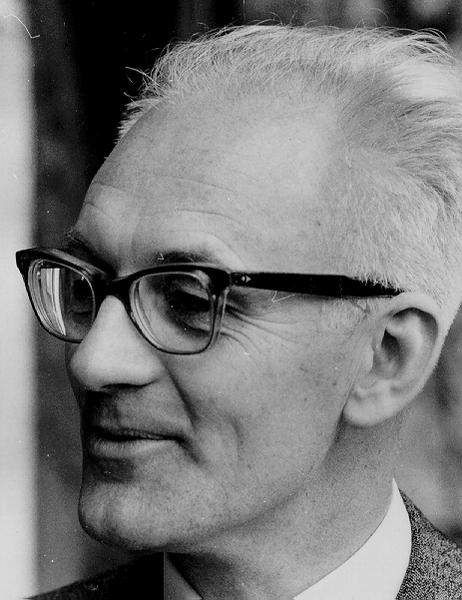 Astronomer
Kees de Jager
Studying the Sun and the most luminous stars.
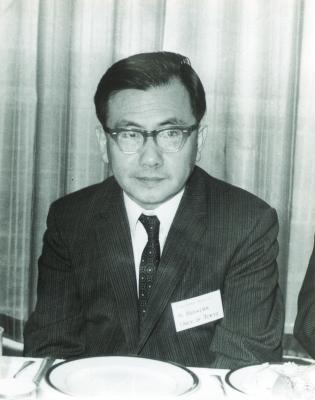 Mathematician
Kunihiko Kodaira
Advancing complex geometry and the theory of algebraic surfaces.
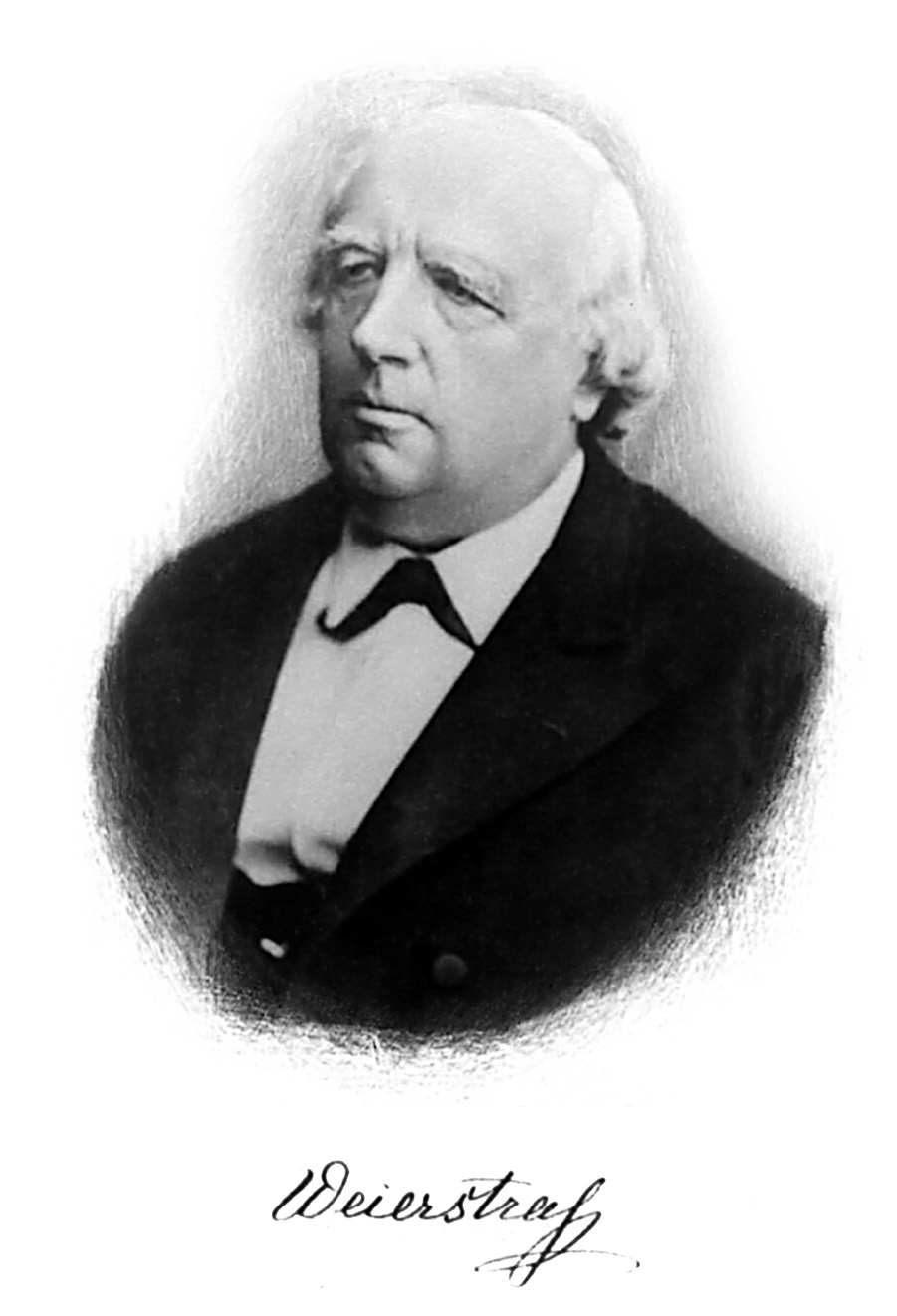 Mathematician
Karl Weierstrass
Giving mathematical analysis rigorous definitions of limits and continuity.
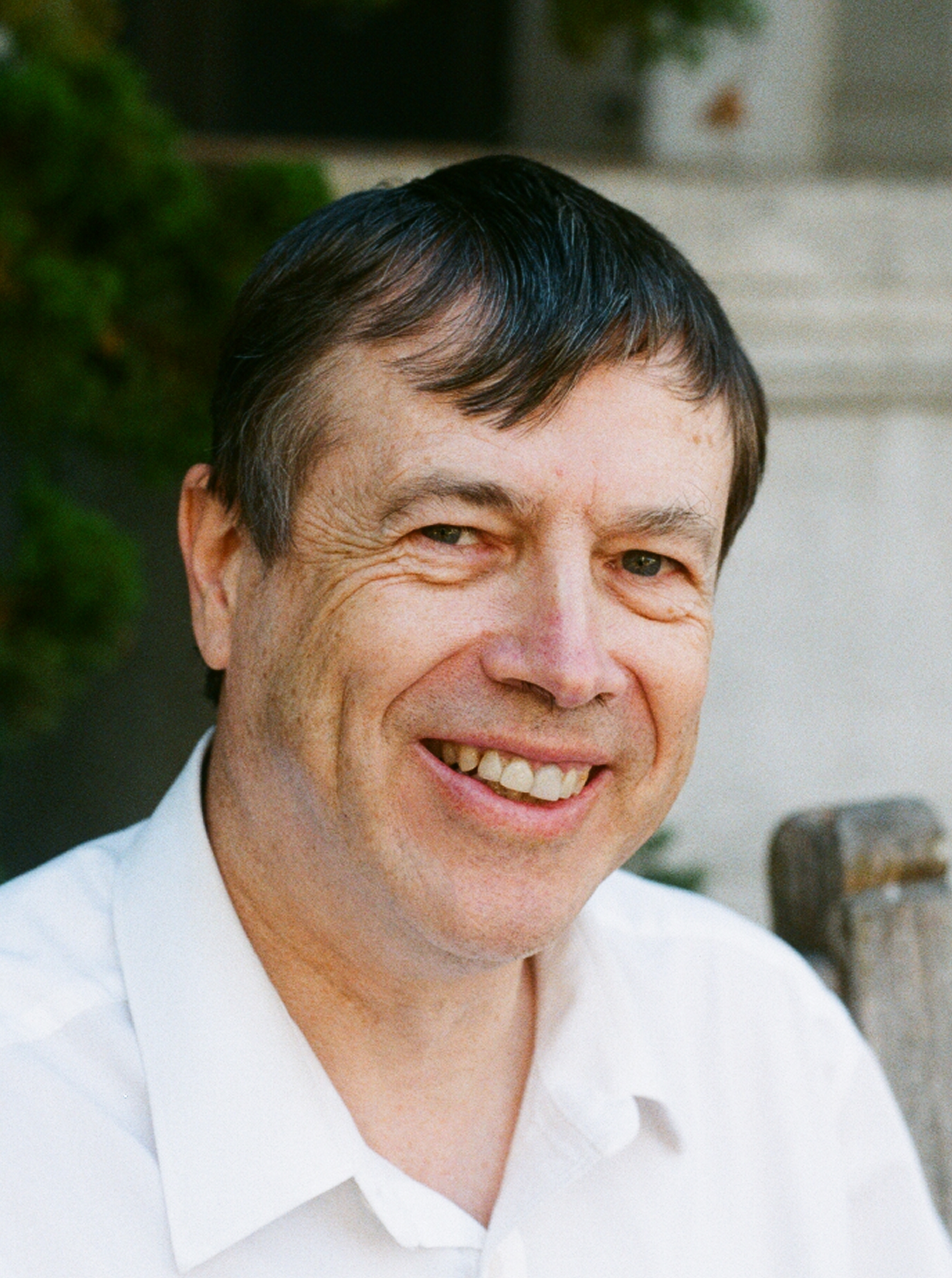 Mathematician
Jean Bourgain
Connecting major problems across mathematical analysis.
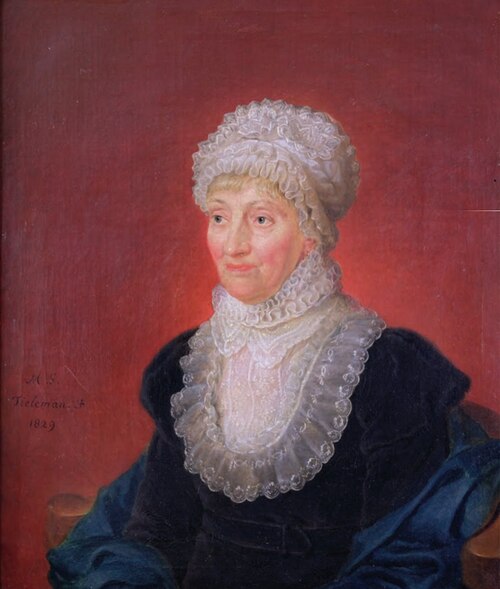 Astronomer
Caroline Herschel
Discovering comets and helping catalogue the night sky.
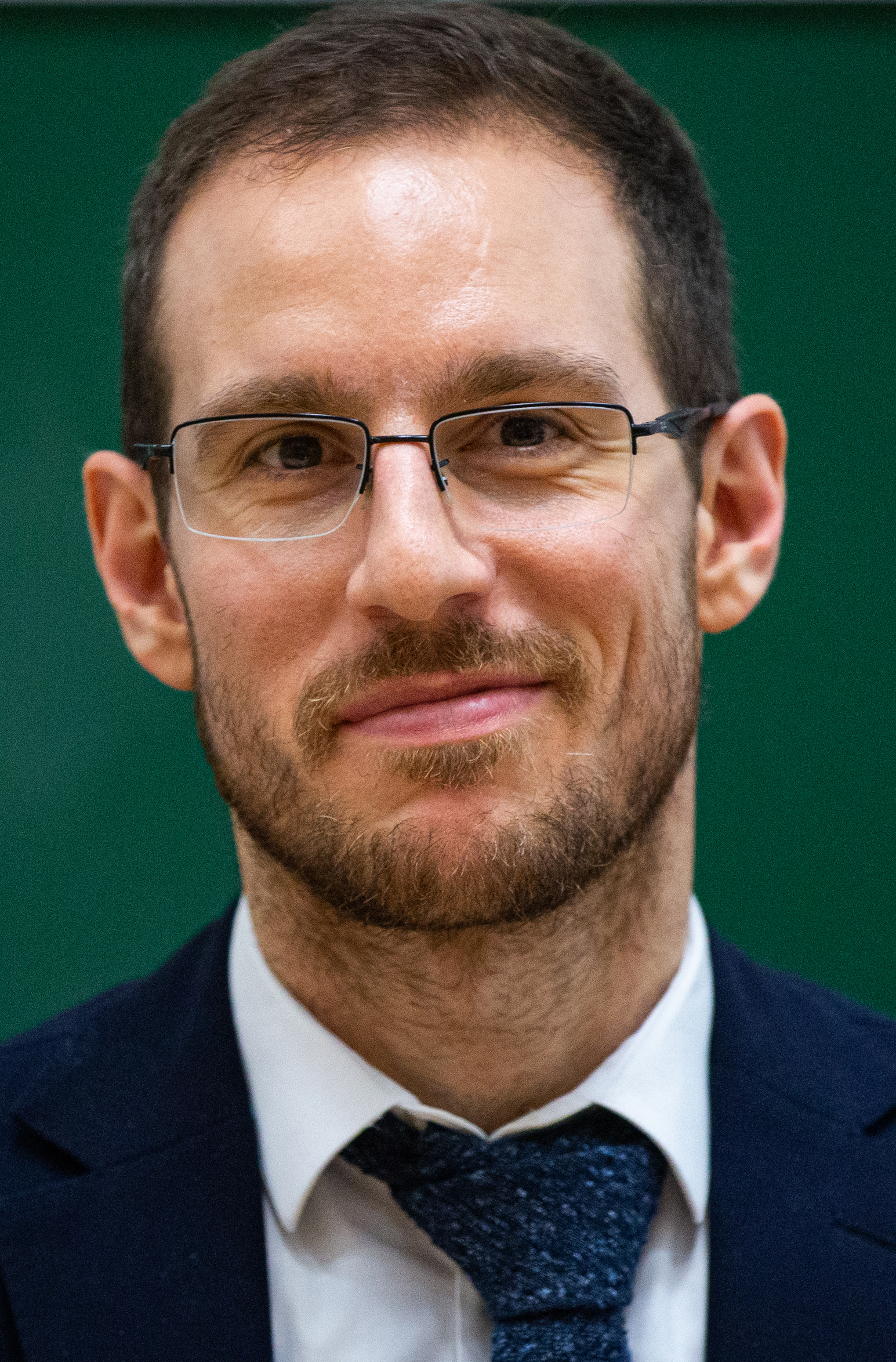 Mathematician
Alessio Figalli
Advancing optimal transport and its applications to analysis.
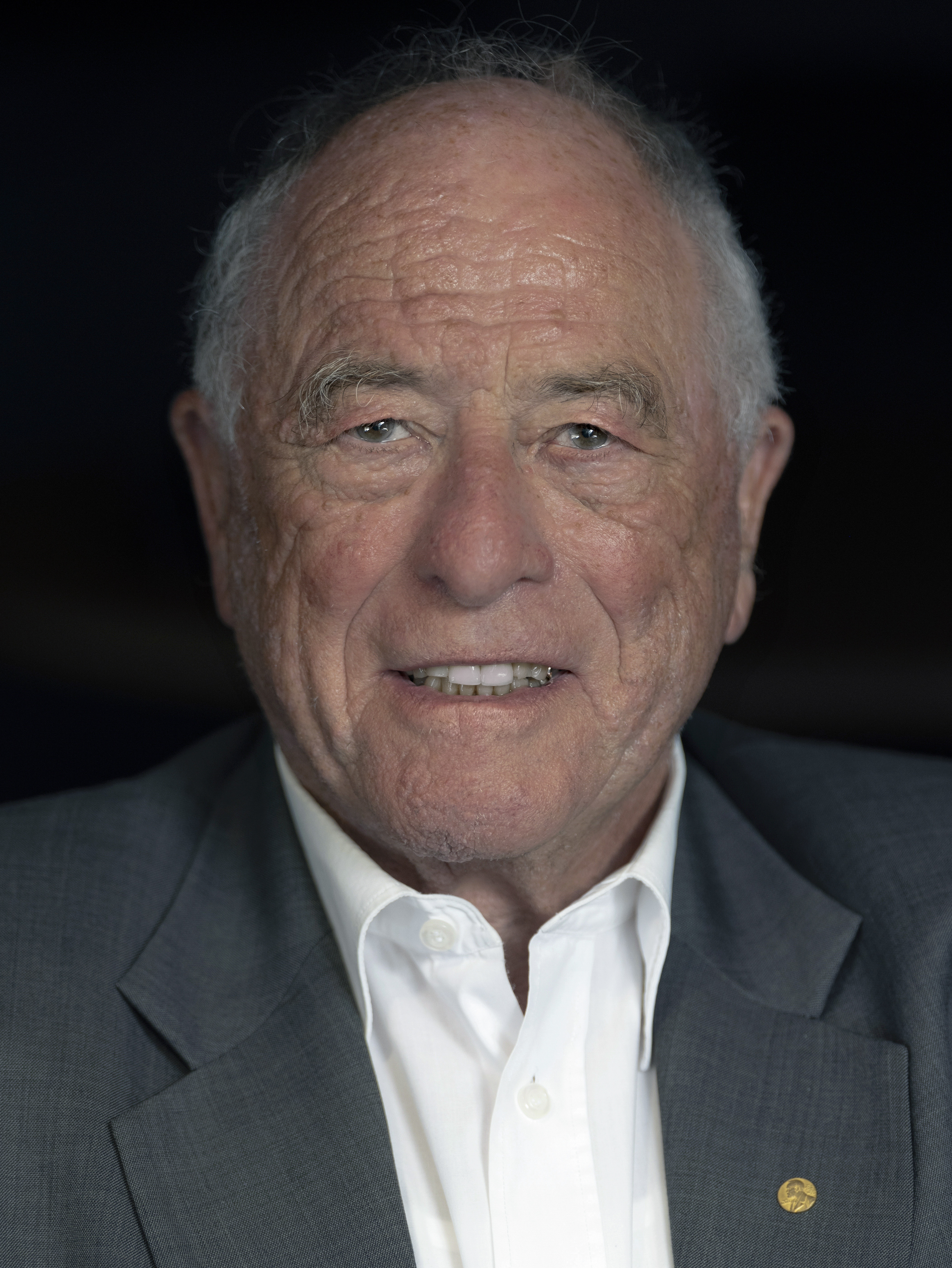 Chemist
Kurt Wüthrich
Using NMR to determine protein structures in solution.
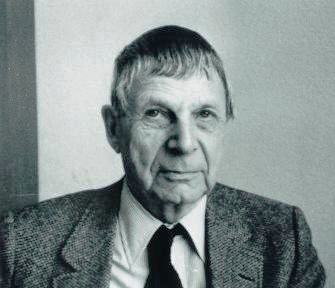 Mathematician
Lars Ahlfors
Advancing complex analysis and becoming an inaugural Fields medallist.
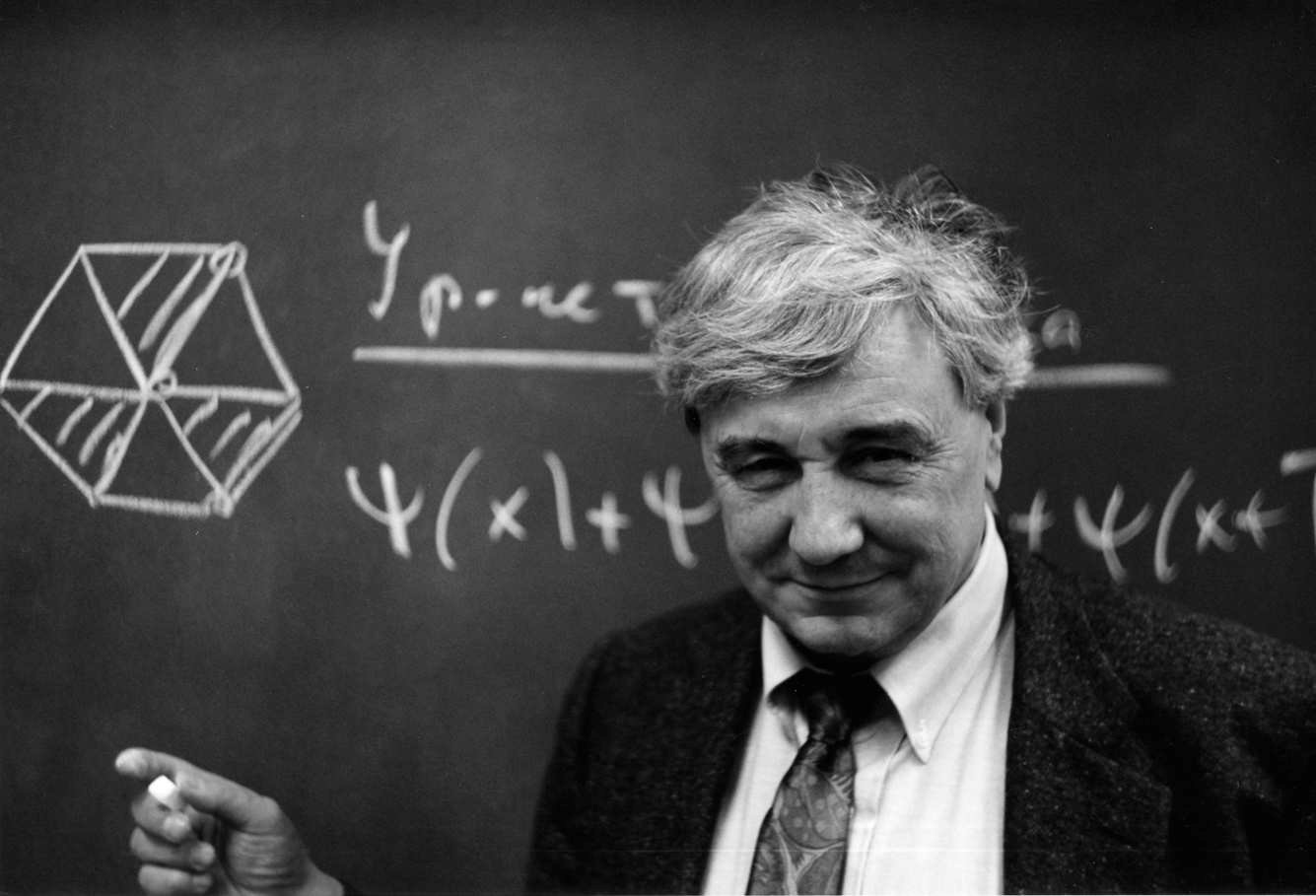 Mathematician
Sergei Novikov
Advancing algebraic topology and the mathematics of solitons.
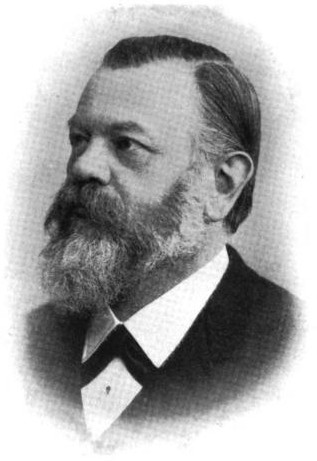 Astronomer
Hermann Carl Vogel
Measuring stellar motion through photographic spectroscopy.
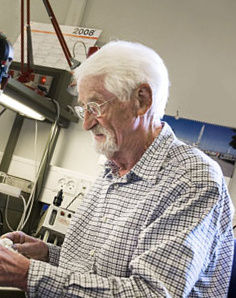 Biochemist
Jens Christian Skou
Discovering the sodium-potassium pump enzyme.
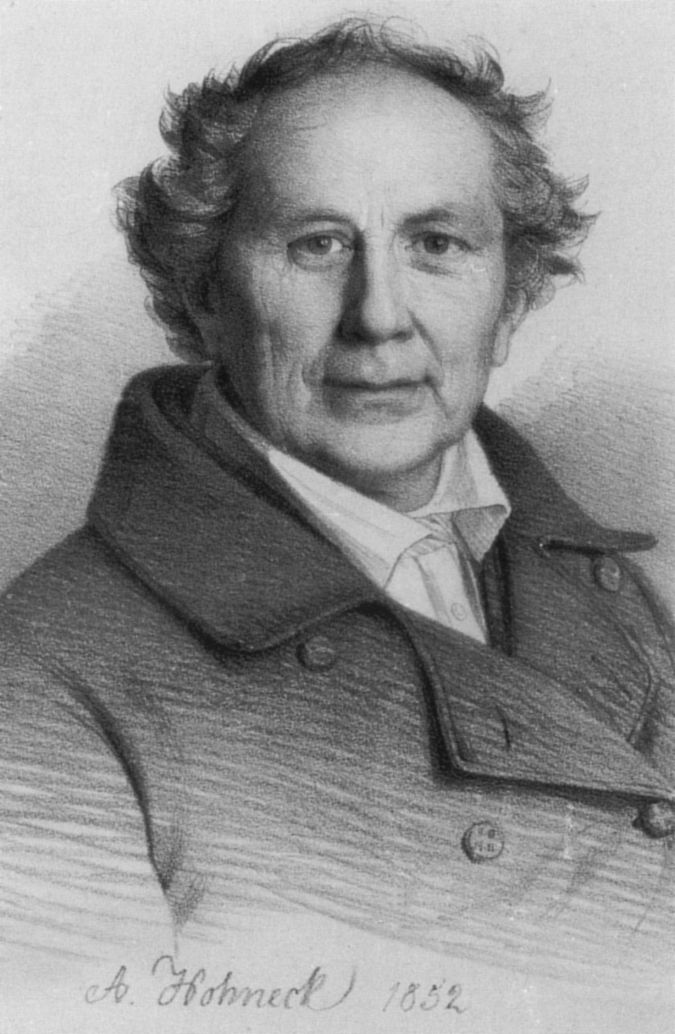 Astronomer
Friedrich Wilhelm Argelander
Mapping more than 324,000 stars in the Bonner Durchmusterung.
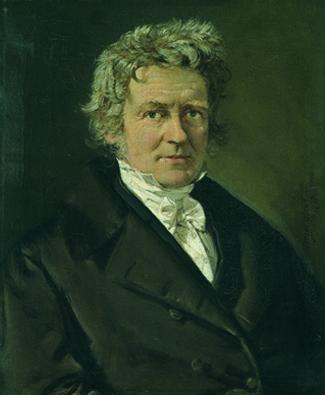 Astronomer
Friedrich Wilhelm Bessel
Measuring the distance to 61 Cygni through stellar parallax.
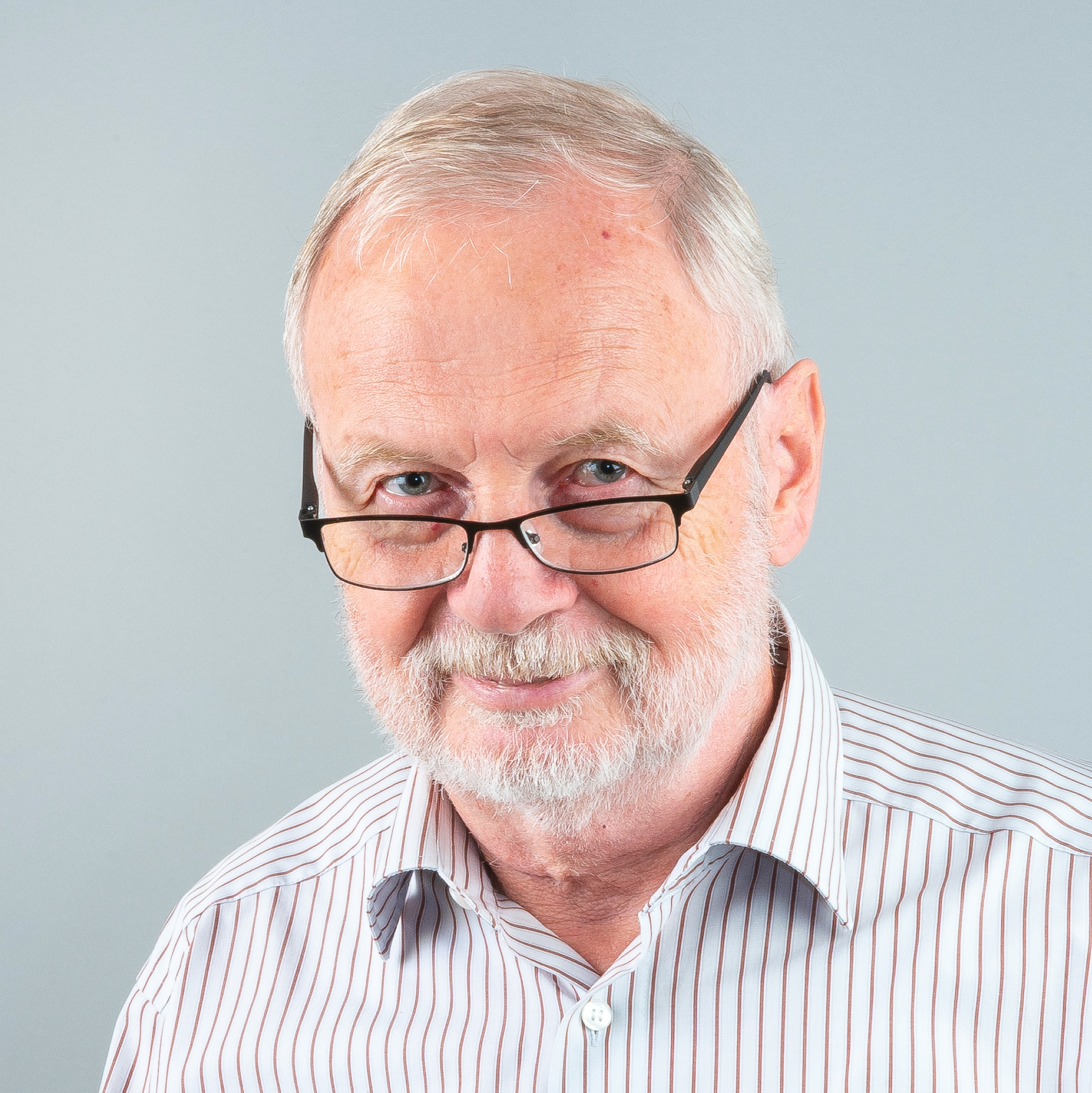 Biochemist
Hartmut Michel
Determining the structure of a photosynthetic reaction centre.
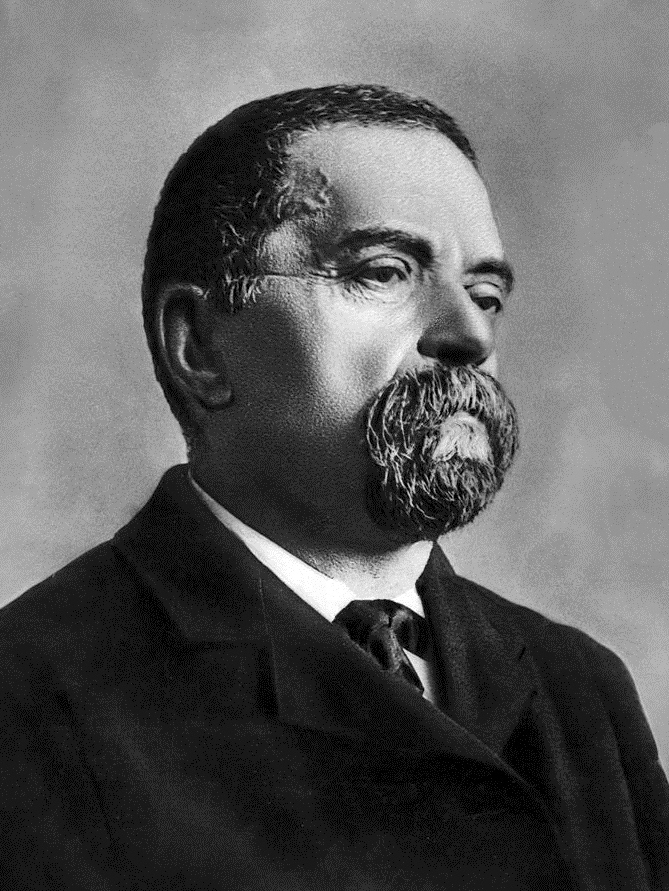 Astronomer
Giovanni Schiaparelli
Mapping Mars and connecting meteor showers with comet orbits.
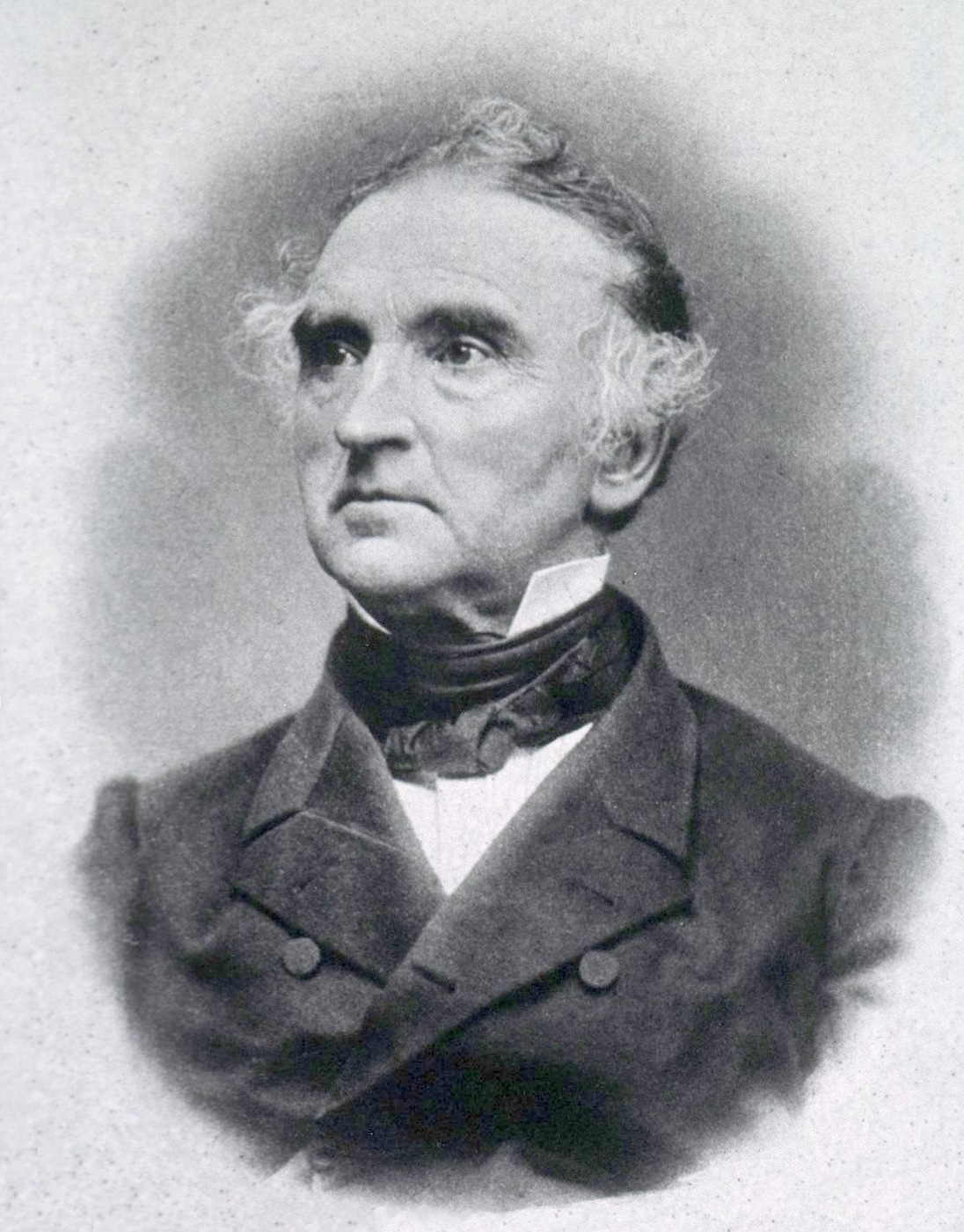 Chemist
Justus von Liebig
Transforming laboratory teaching and agricultural chemistry.
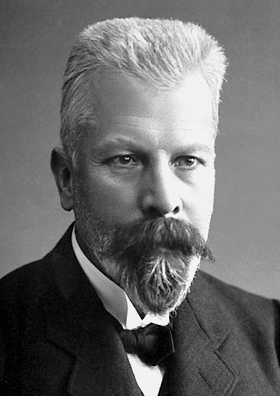 Chemist
Eduard Buchner
Demonstrating that fermentation can occur without living yeast cells.
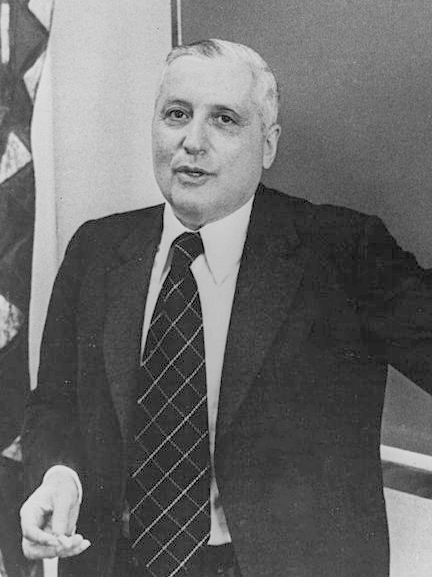 Chemist
Ilya Prigogine
Explaining ordered structures in systems far from equilibrium.
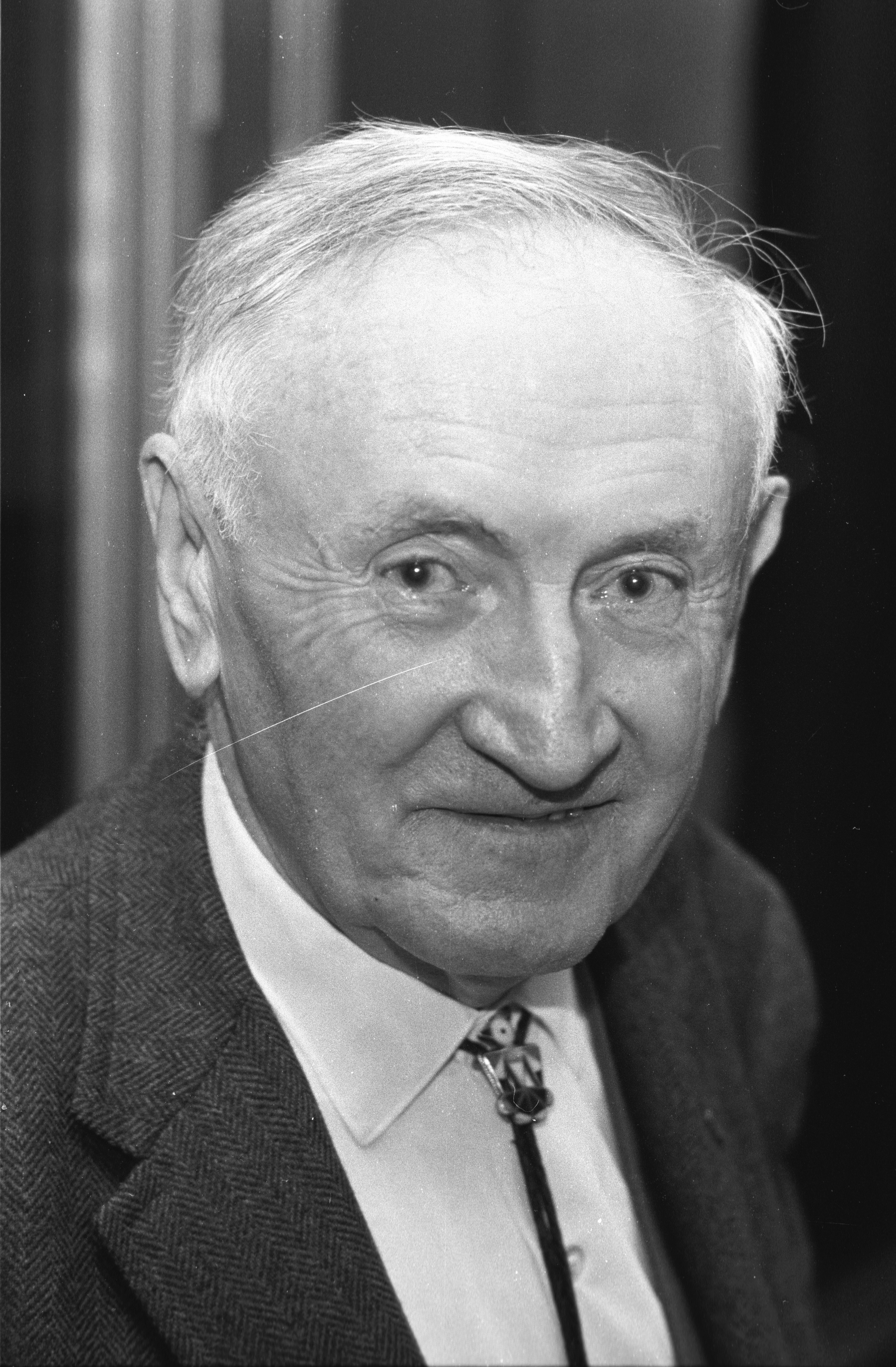 Astronomer
Fritz Zwicky
Identifying evidence for dark matter in galaxy clusters.
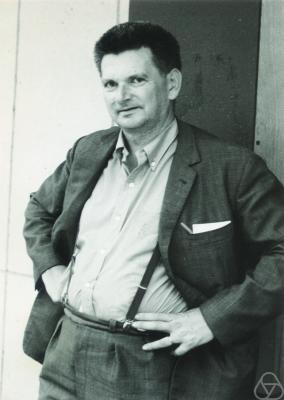 Mathematician
René Thom
Founding cobordism theory and developing catastrophe theory.
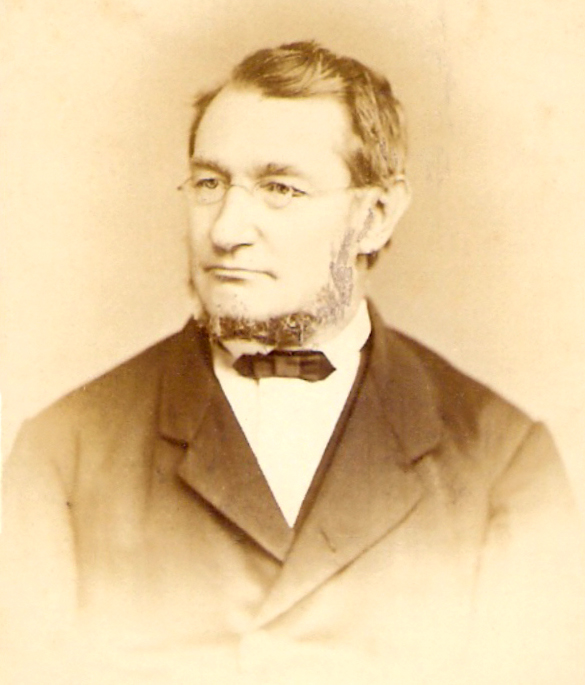 Physicist
Julius von Mayer
Helping establish the principle of conservation of energy.
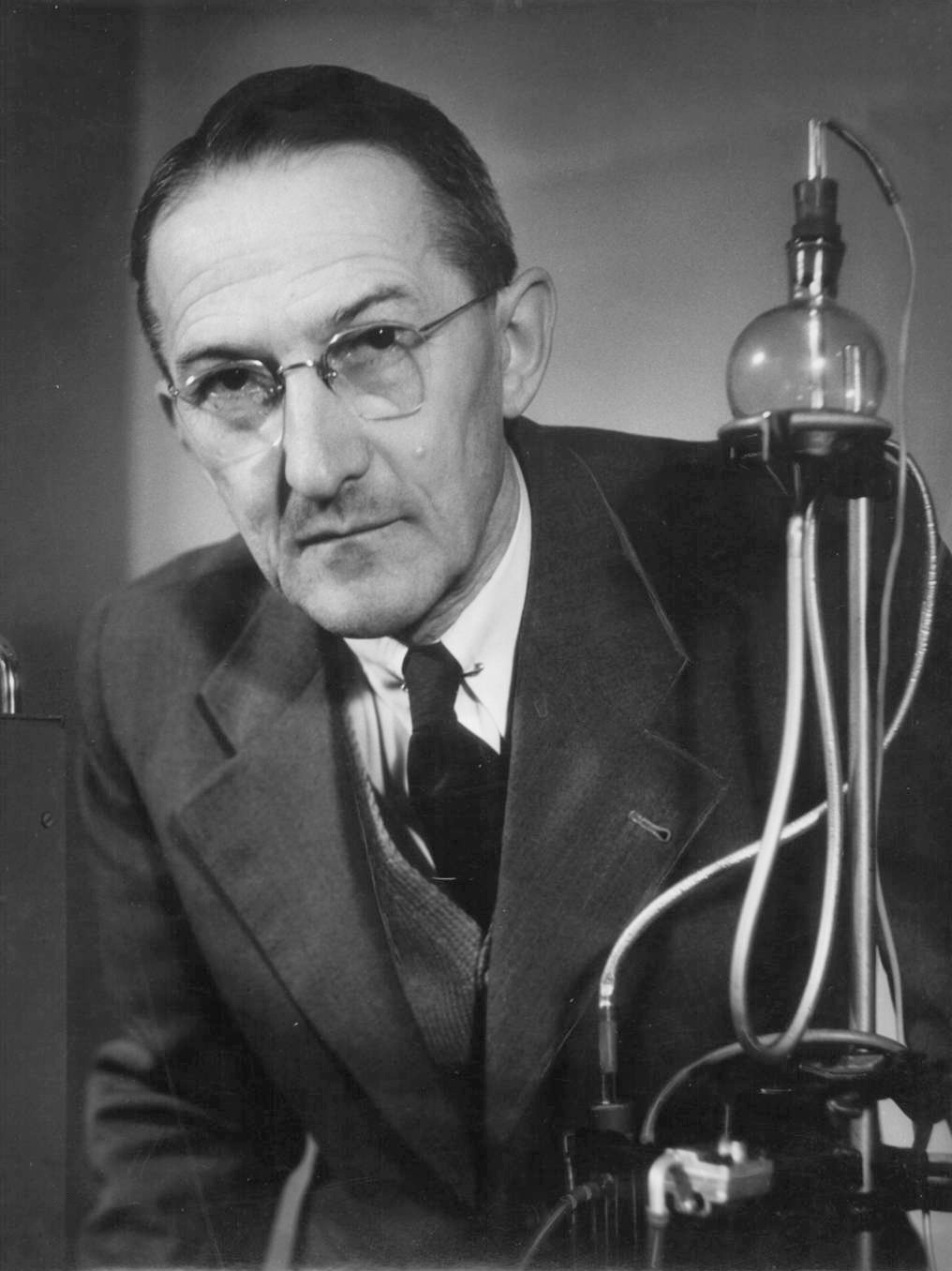 Chemist
Jaroslav Heyrovský
Inventing polarography for chemical analysis.
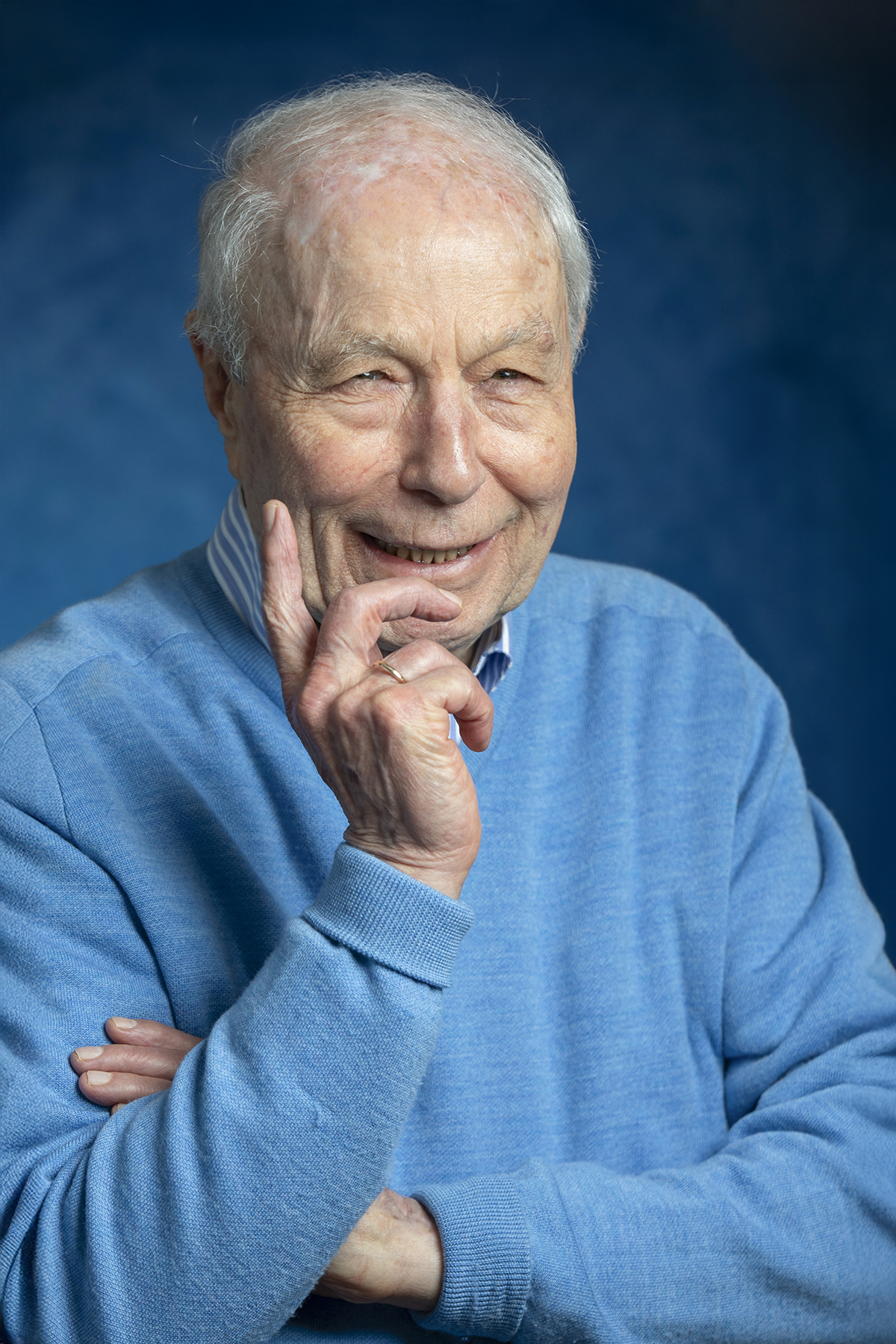 Biochemist
Avram Hershko
Discovering how ubiquitin marks proteins for destruction.
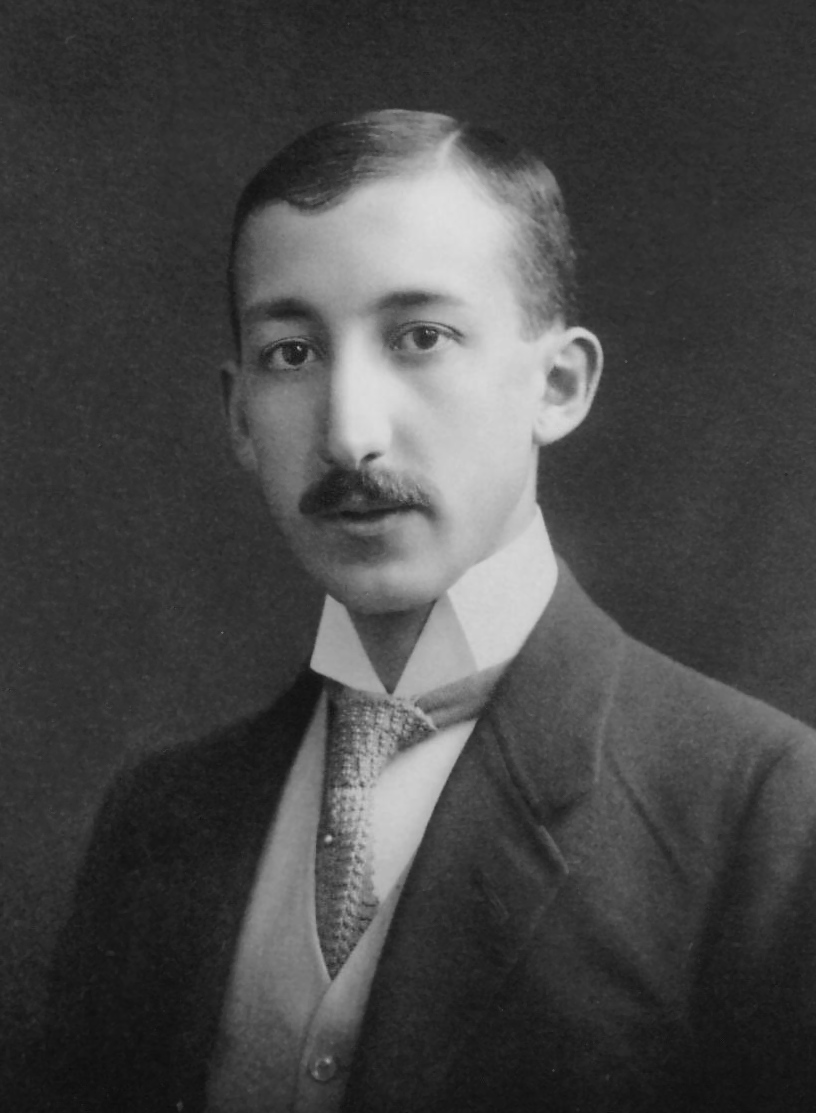 Chemist
George de Hevesy
Developing radioactive tracers and co-discovering hafnium.
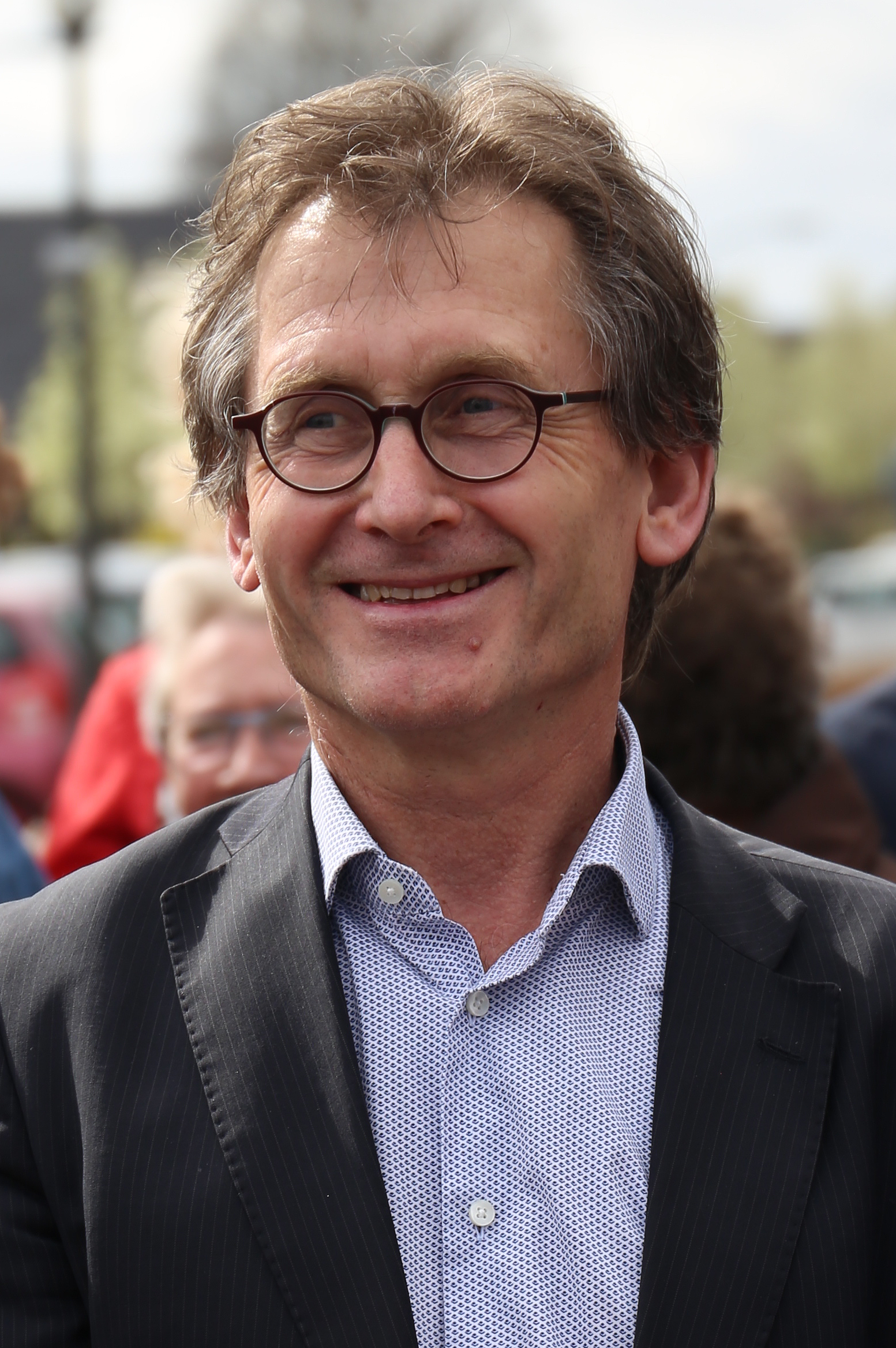 Chemist
Ben Feringa
Building molecular motors that turn in a controlled direction.
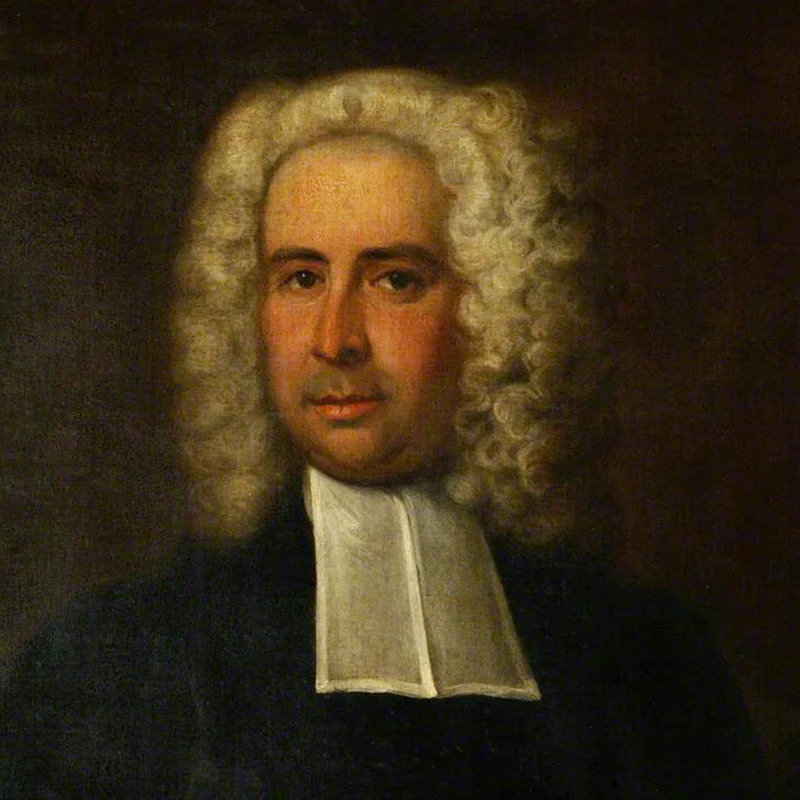 Physicist
John Theophilus Desaguliers
Bringing Newtonian science to public audiences through experimental lectures.
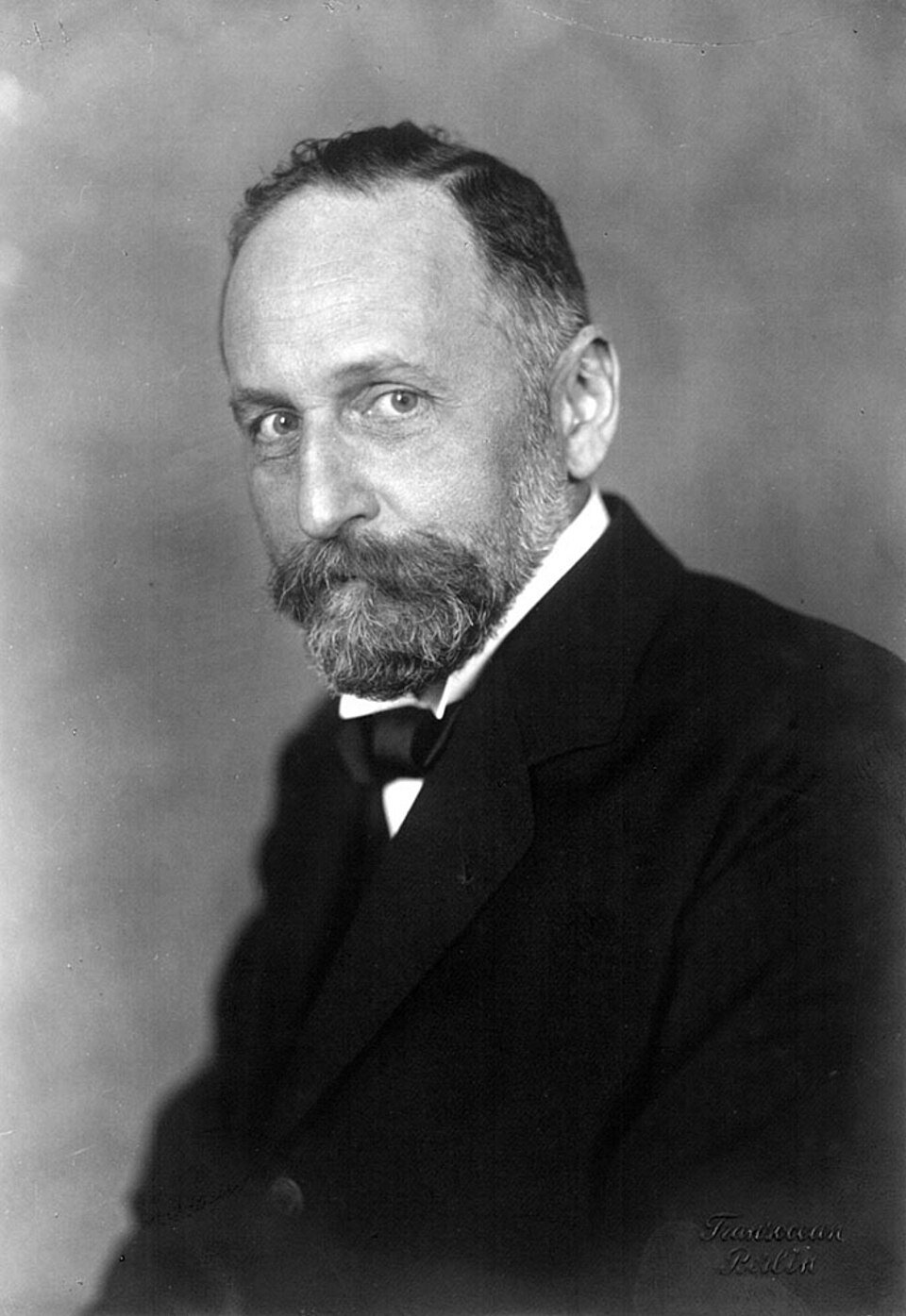 Chemist
Richard Willstätter
Determining the chemistry of chlorophyll and other plant pigments.
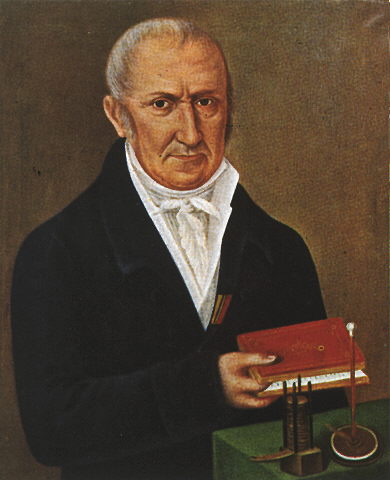 Physicist
Alessandro Volta
Inventing the voltaic pile, an early electric battery.
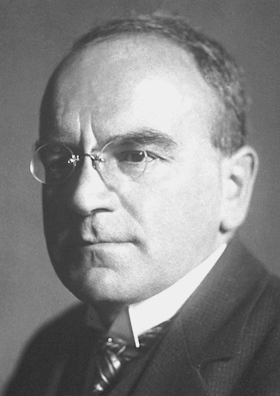 Chemist
Heinrich Otto Wieland
Investigating the chemical structure of bile acids.
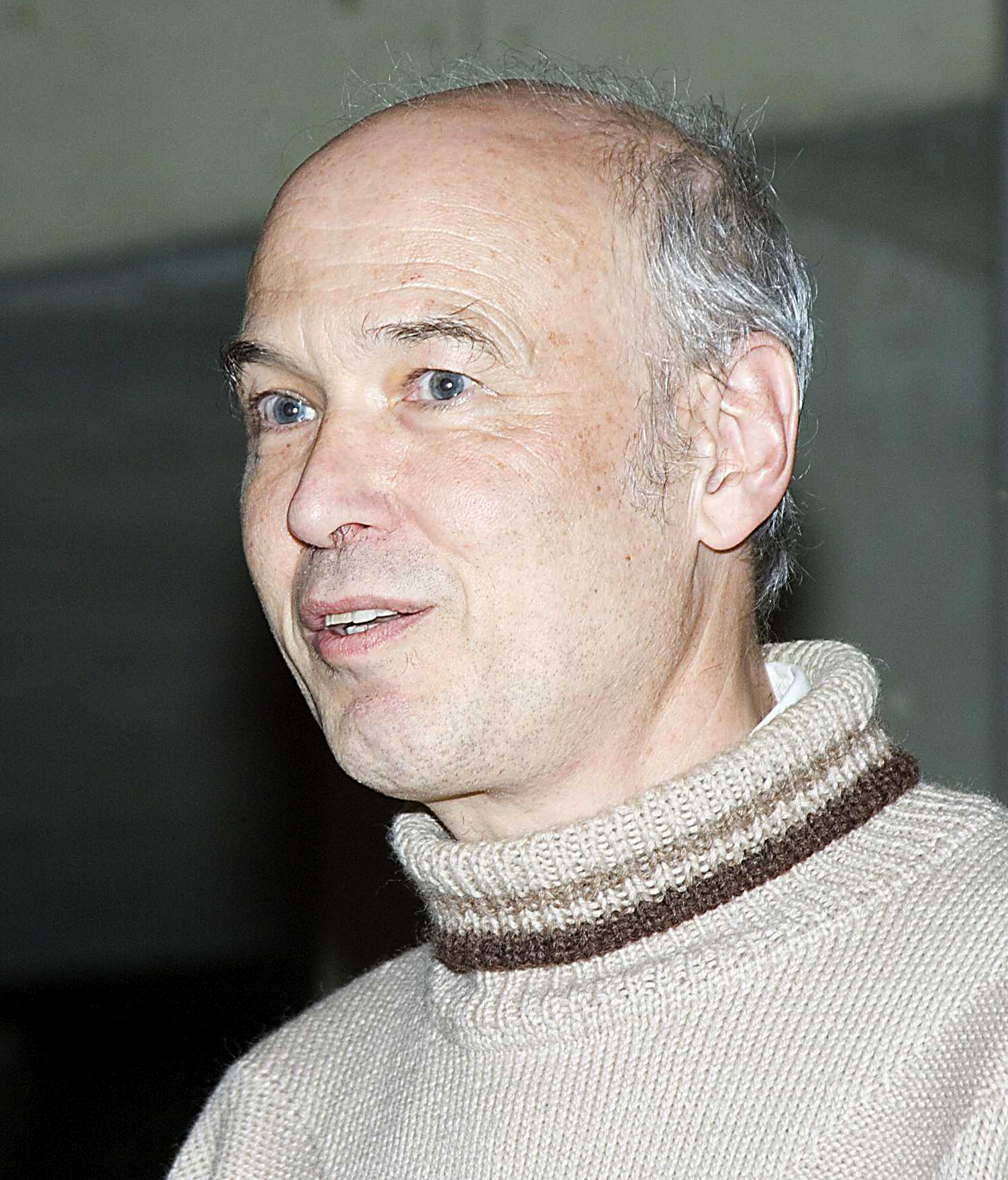 Mathematician
Pierre Deligne
Proving the final Weil conjecture in algebraic geometry.
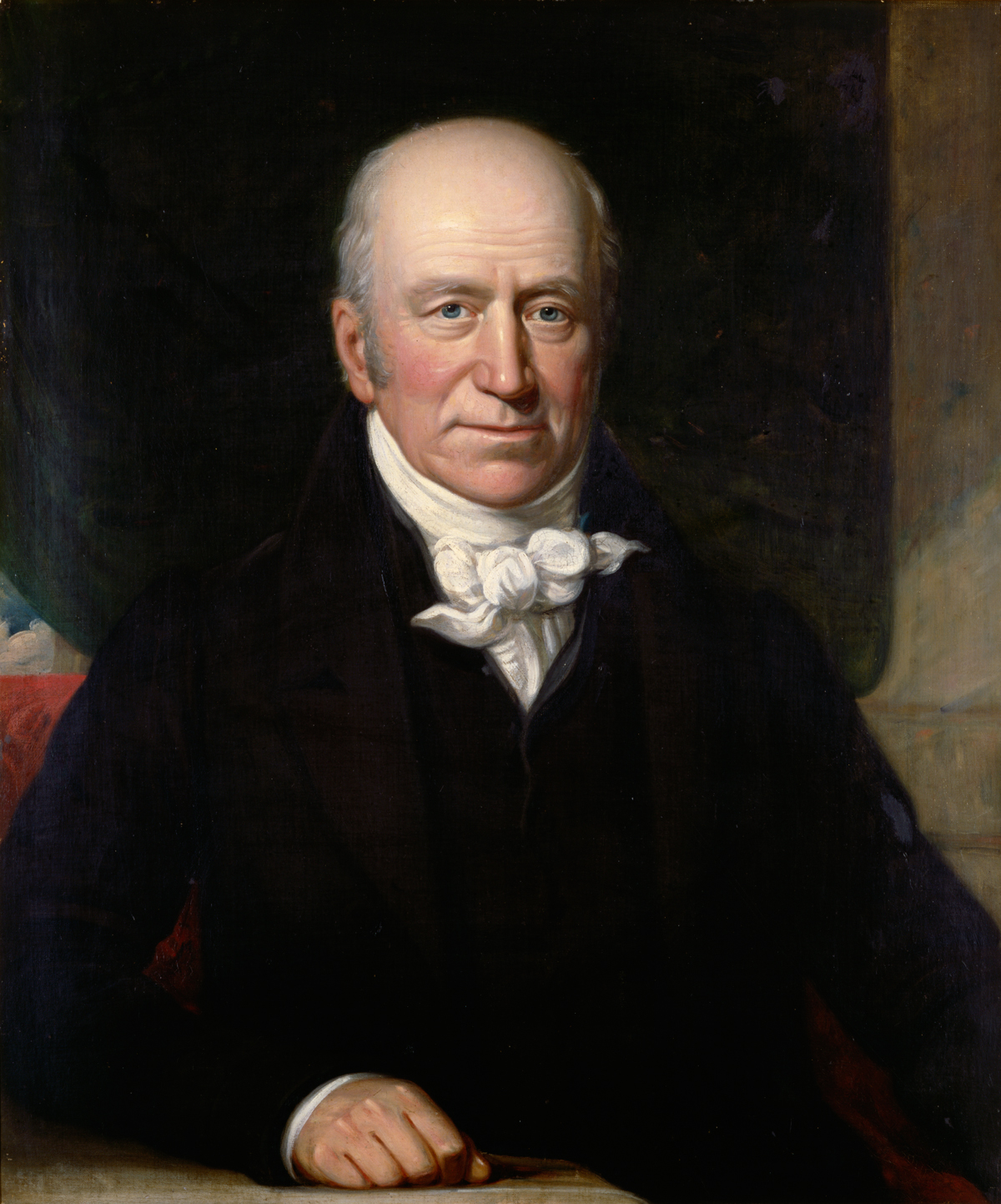 Botanist
Thomas Andrew Knight
Using experiments and selective breeding to improve fruit crops.
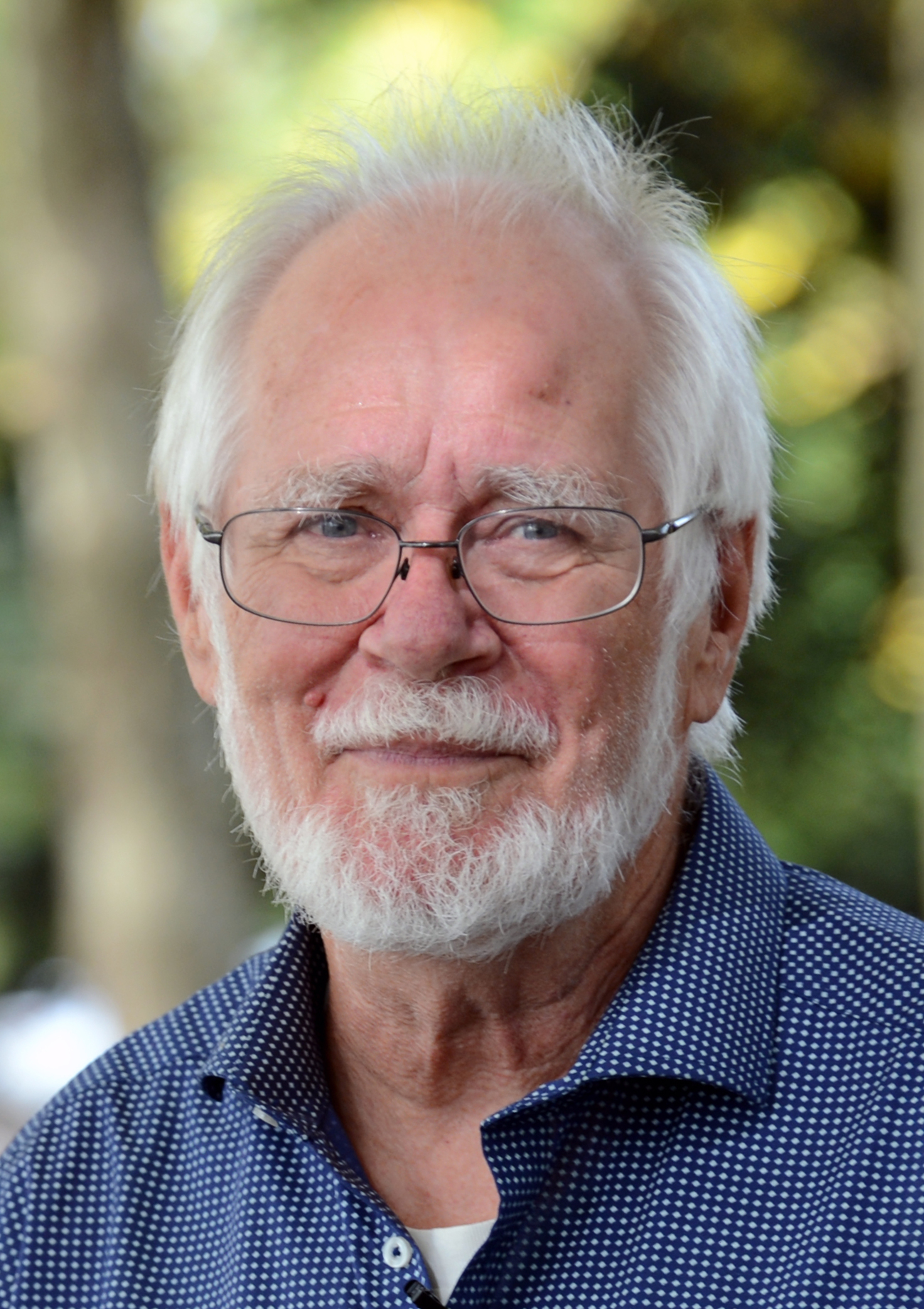 Scientist
Jacques Dubochet
Developing methods for cryo-electron microscopy.
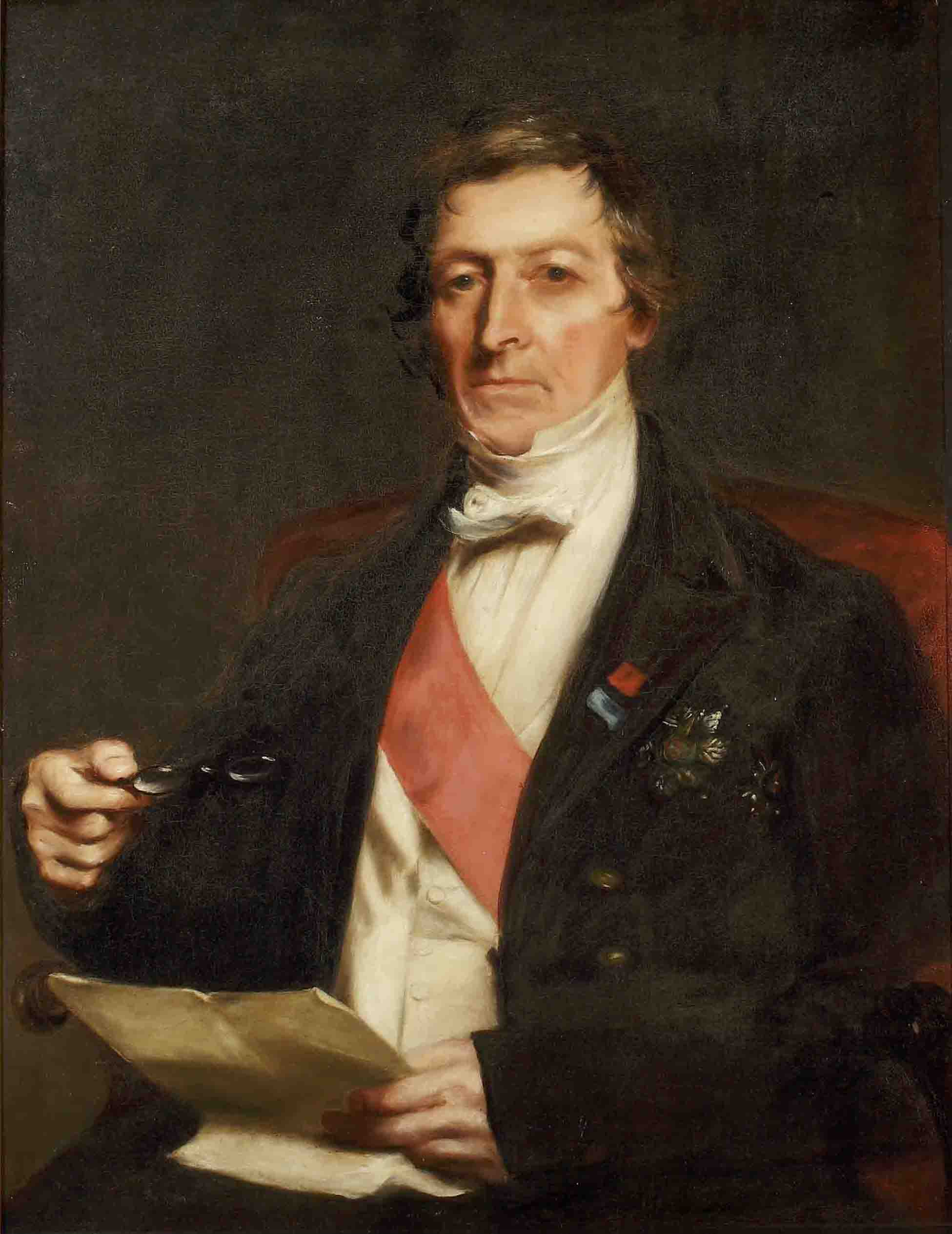 Astronomer
Thomas Brisbane
Establishing observatories and supporting the mapping of southern stars.
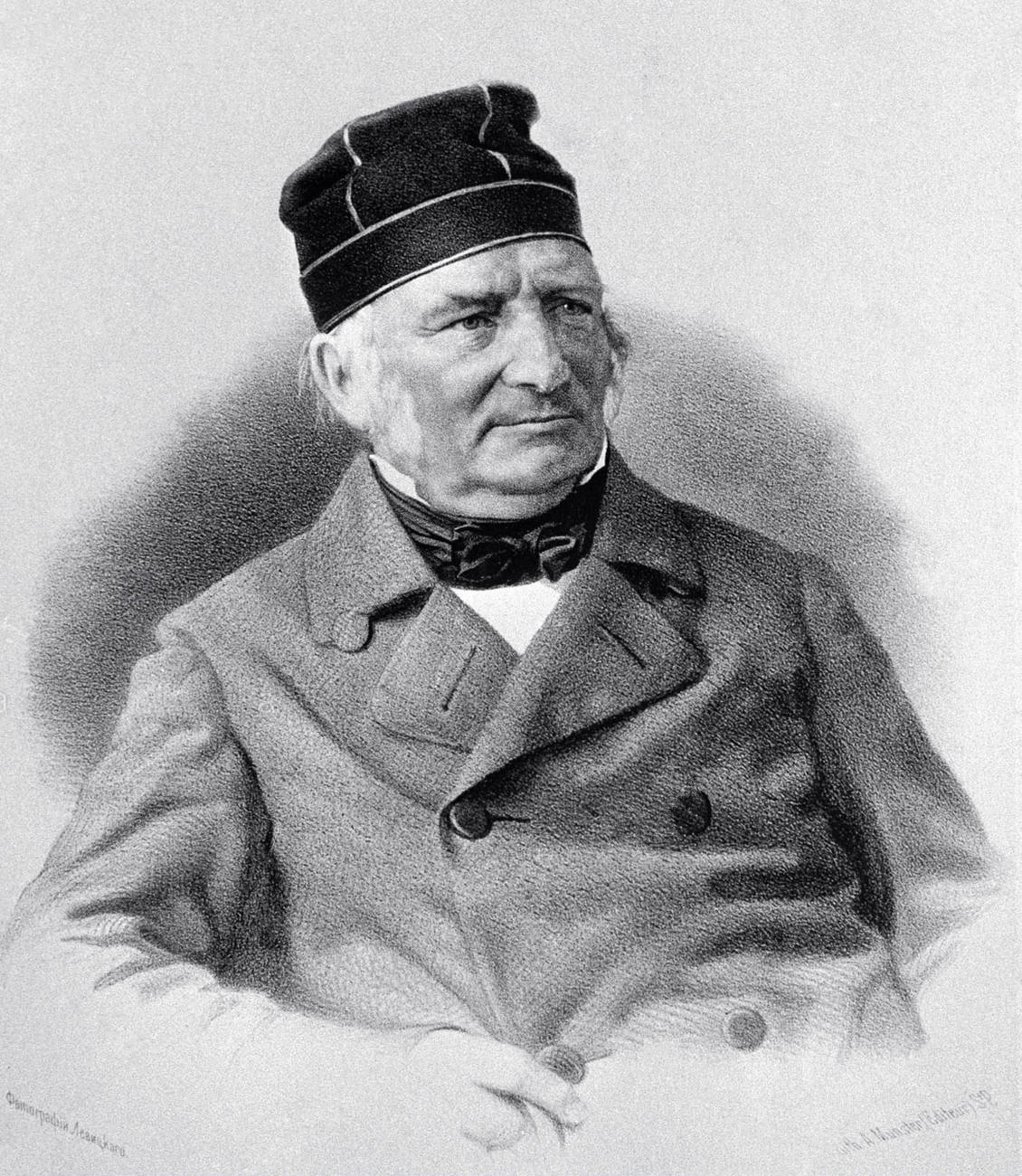 Astronomer
Friedrich Georg Wilhelm von Struve
Cataloguing double stars and initiating the Struve Geodetic Arc.
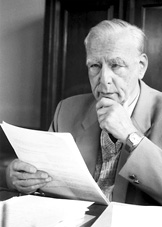 Physicist
Ernst Ruska
Developing the electron microscope.
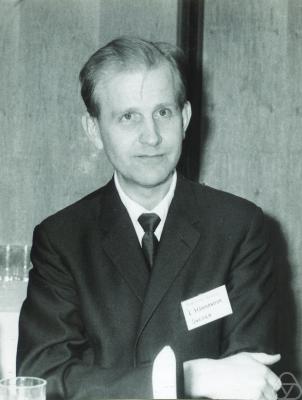 Mathematician
Lars Hörmander
Transforming the theory of linear partial differential equations.
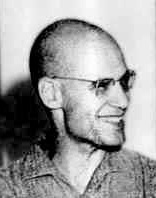 Mathematician
Alexander Grothendieck
Transforming the foundations of modern algebraic geometry.
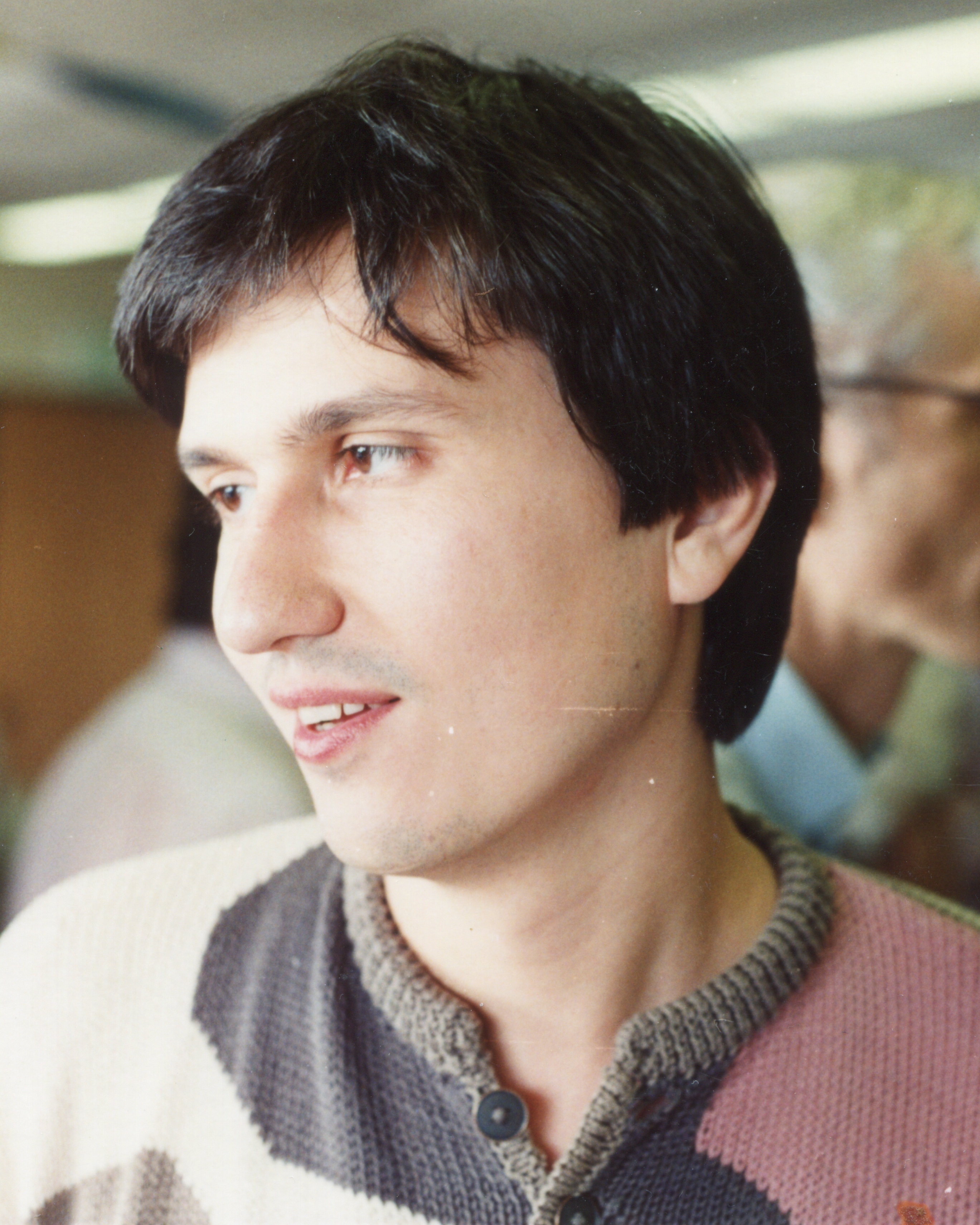 Mathematician
Maxim Kontsevich
Connecting geometry, topology and mathematical physics.
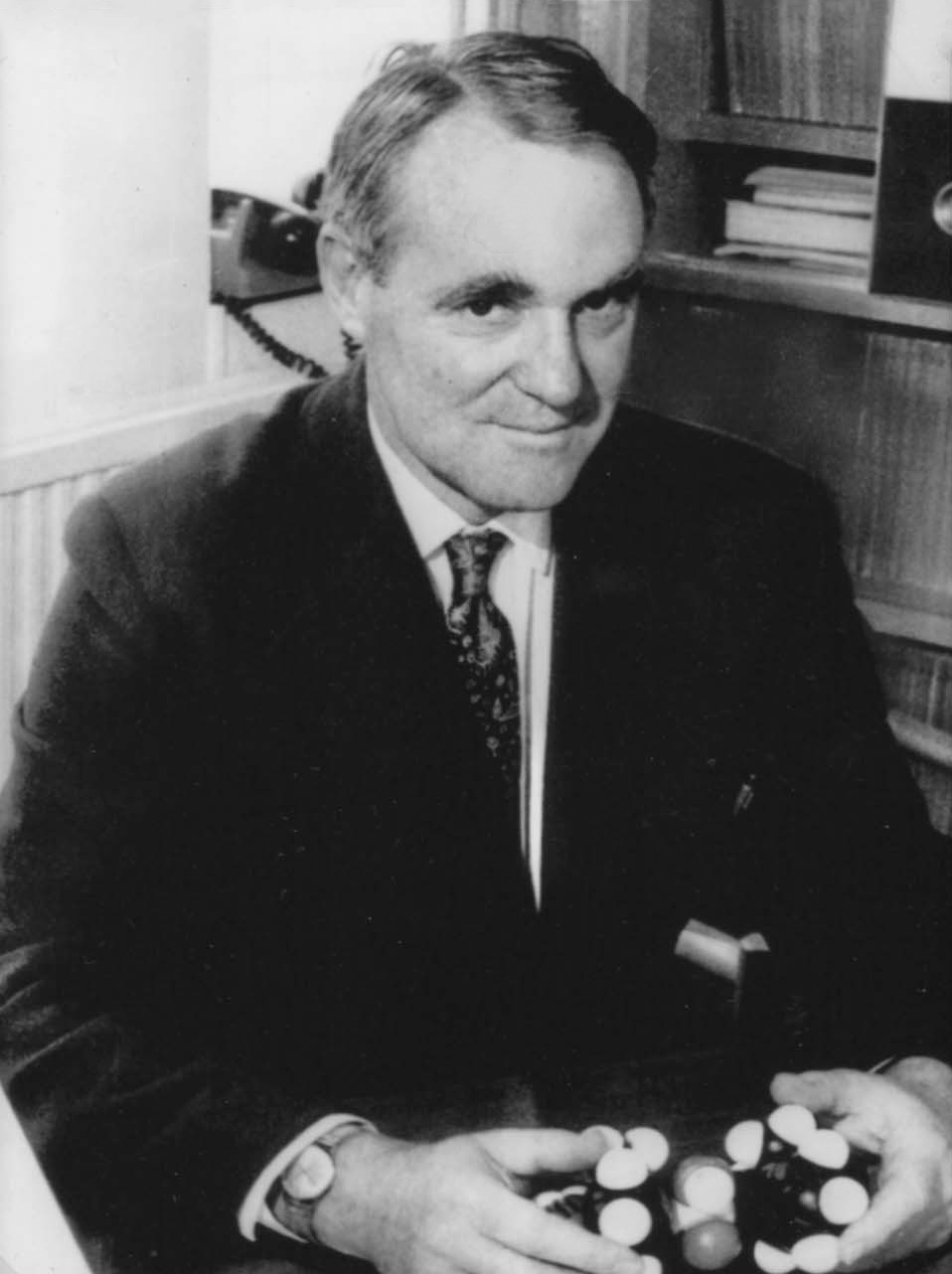 Chemist
John Cornforth
Explaining the stereochemistry of enzyme-catalysed reactions.
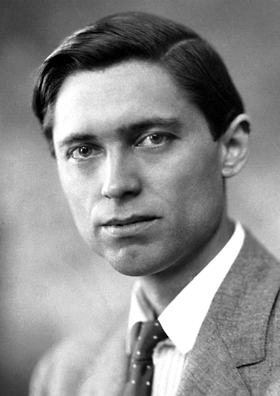 Chemist
Theodor Svedberg
Developing the ultracentrifuge for studying colloids and proteins.
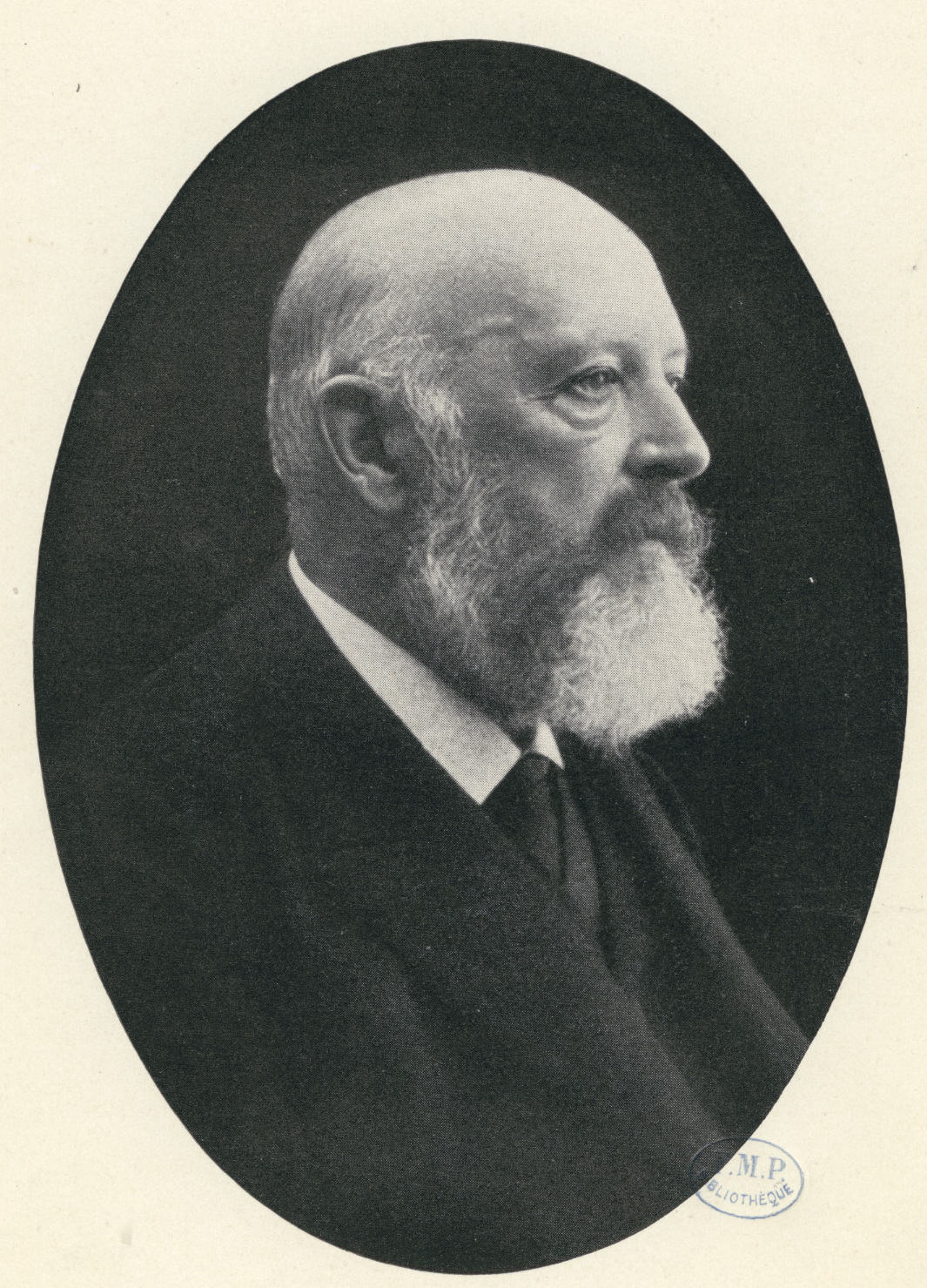 Chemist
Adolf von Baeyer
Synthesising indigo and investigating organic dyes.
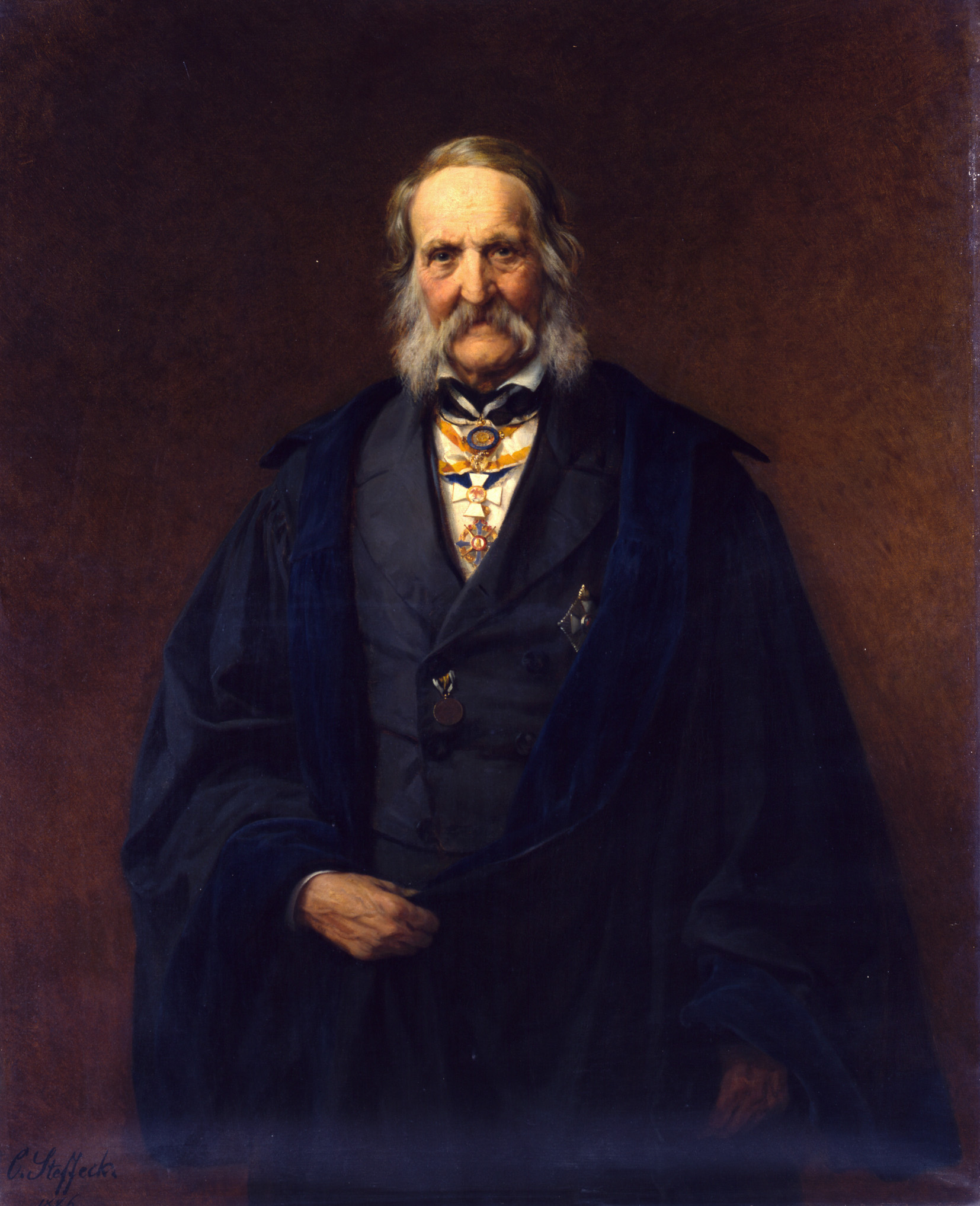 Physicist
Franz Ernst Neumann
Formulating mathematical descriptions of electromagnetic induction.
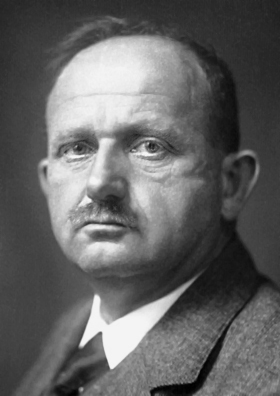 Chemist
Hans Fischer
Determining the chemistry of biological pigments and synthesising haemin.
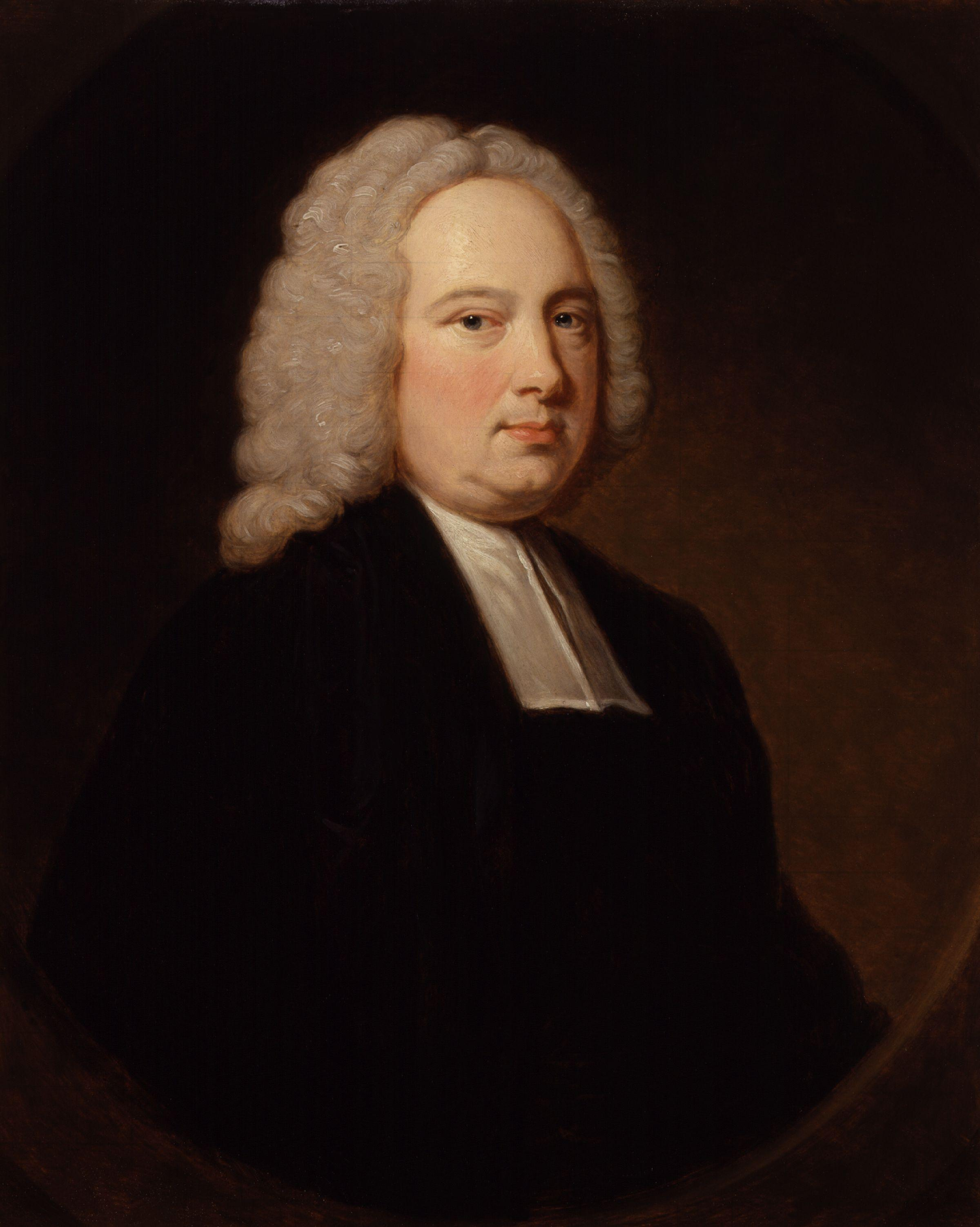 Astronomer
James Bradley
Discovering stellar aberration and the nutation of Earth’s axis.
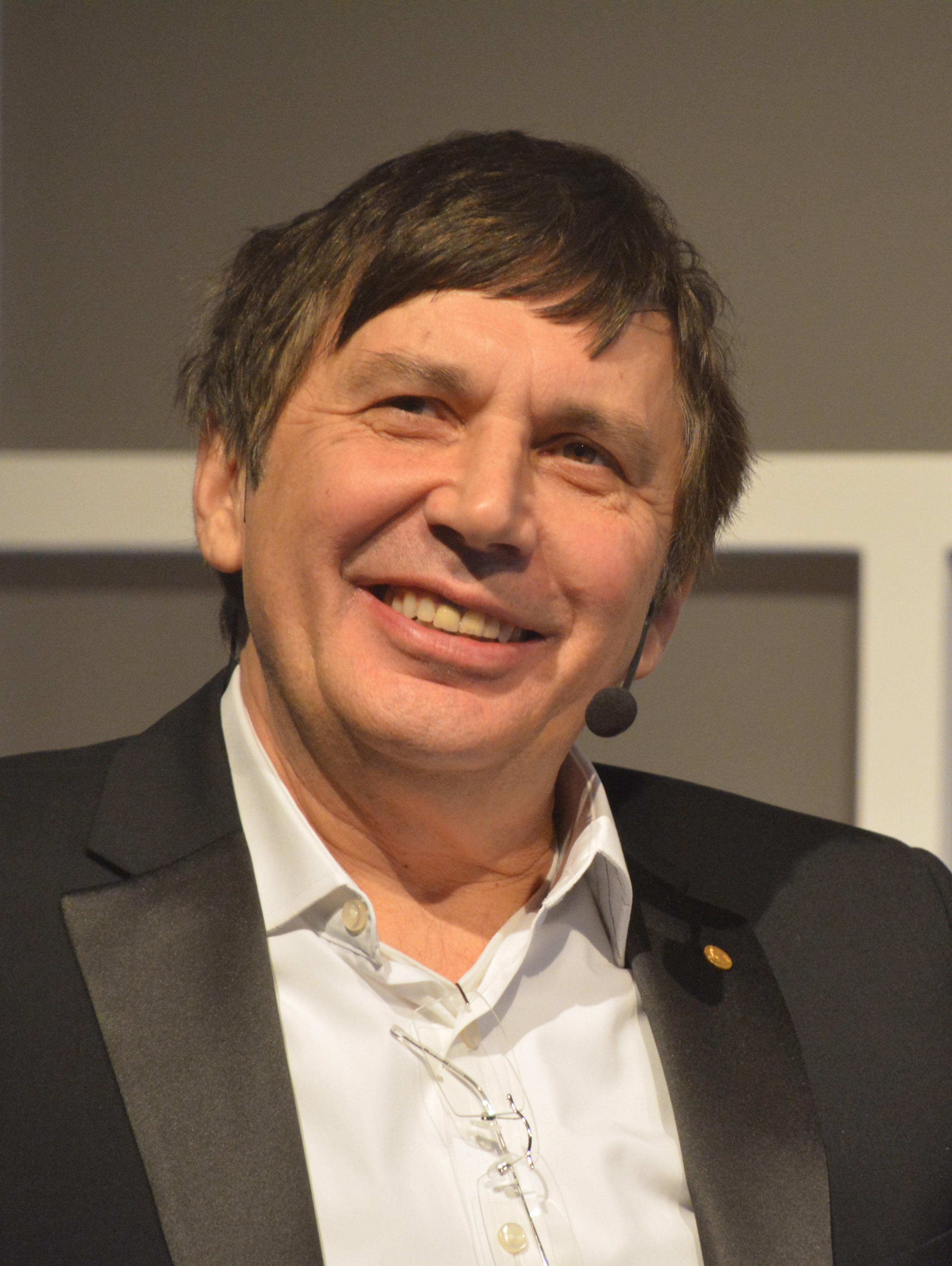 Physicist
Andre Geim
Isolating graphene with Konstantin Novoselov and colleagues.
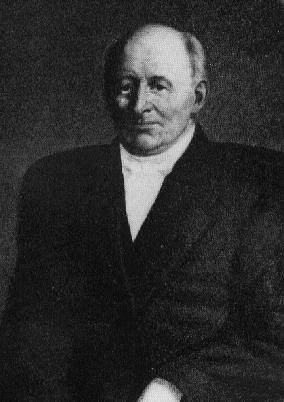 Astronomer
Heinrich Schwabe
Discovering the periodic variation in sunspot numbers.
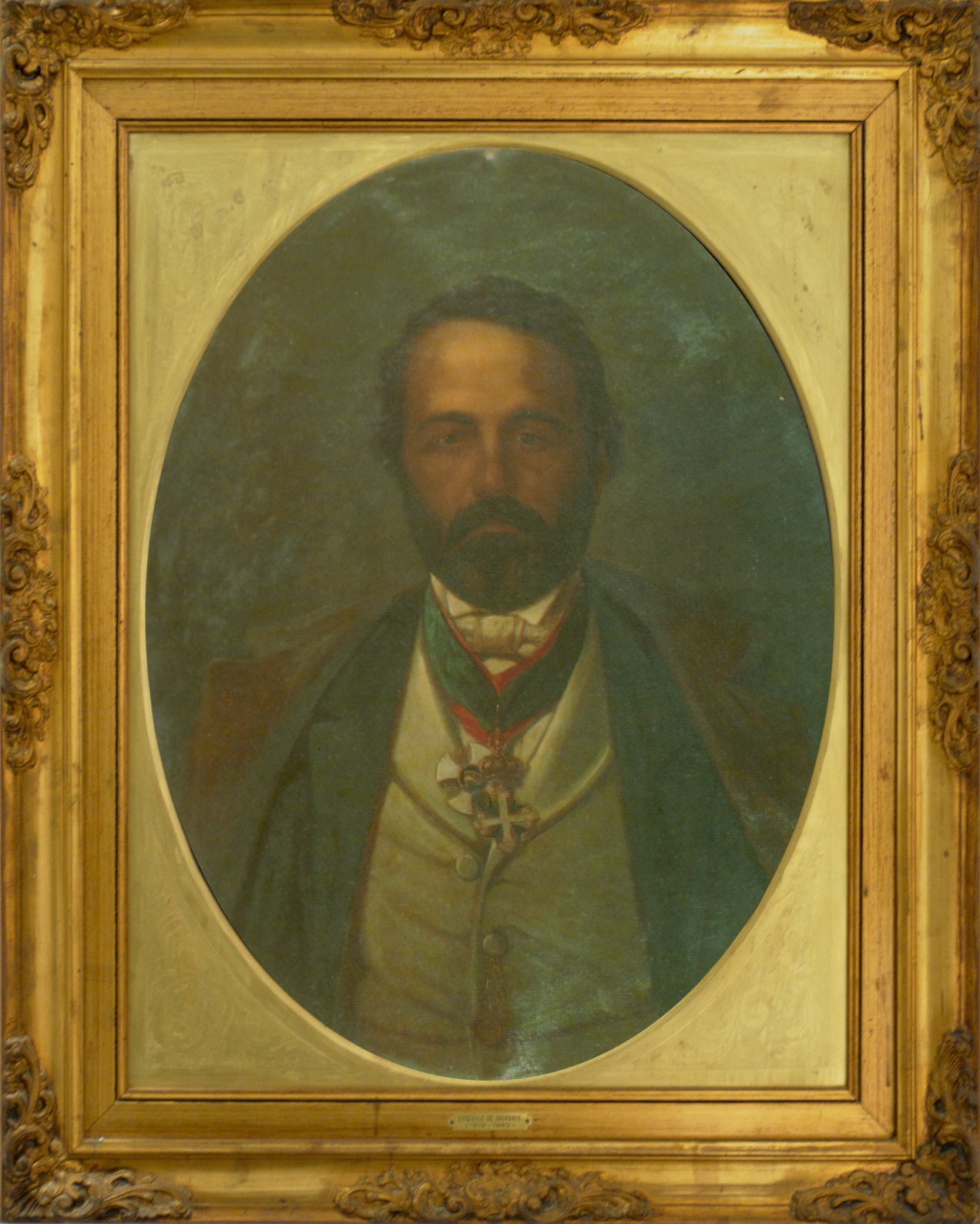 Astronomer
Annibale de Gasparis
Discovering asteroids including Hygiea.
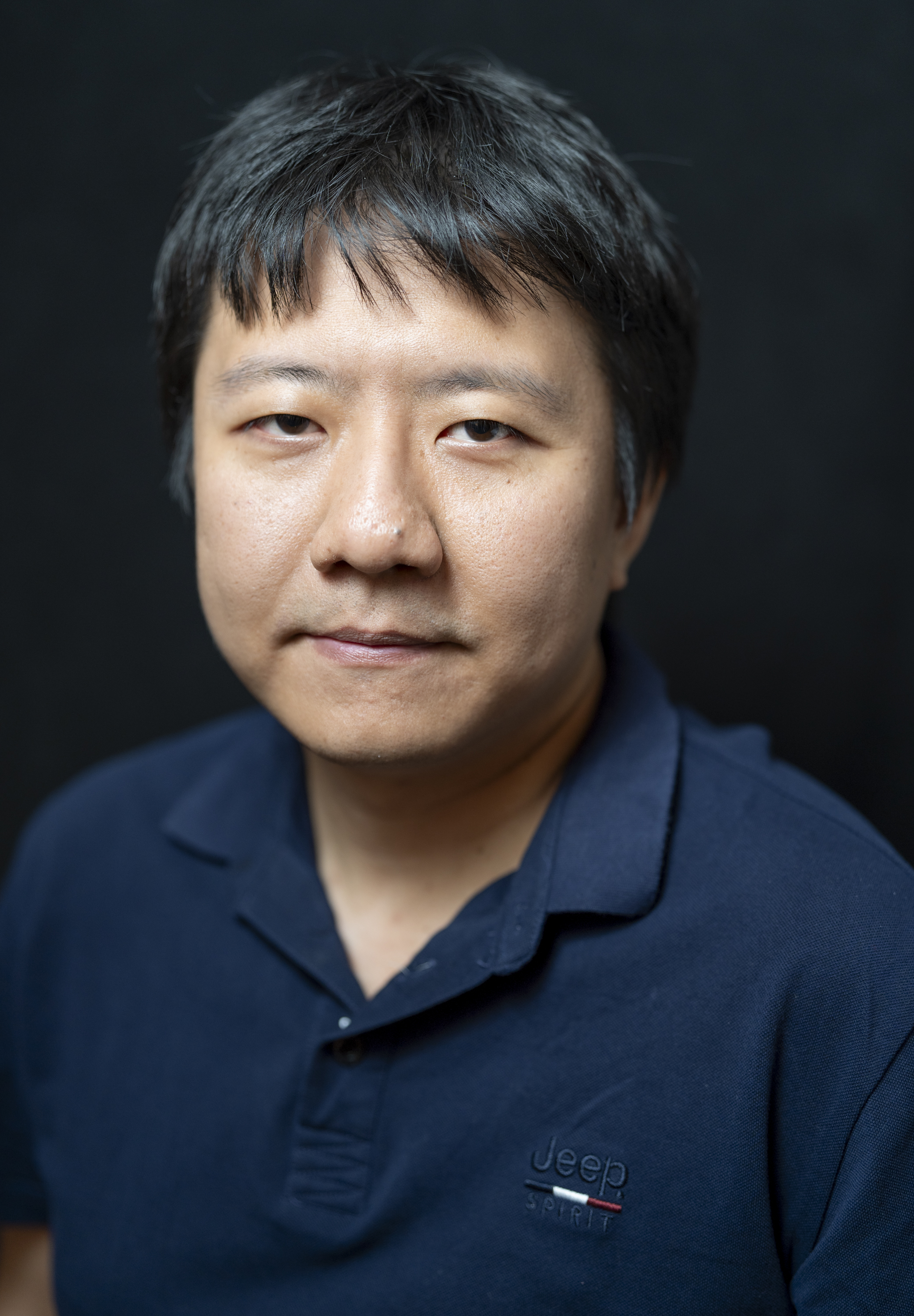 Mathematician
Yu Deng
Studying nonlinear equations and the mathematics of waves and particles.
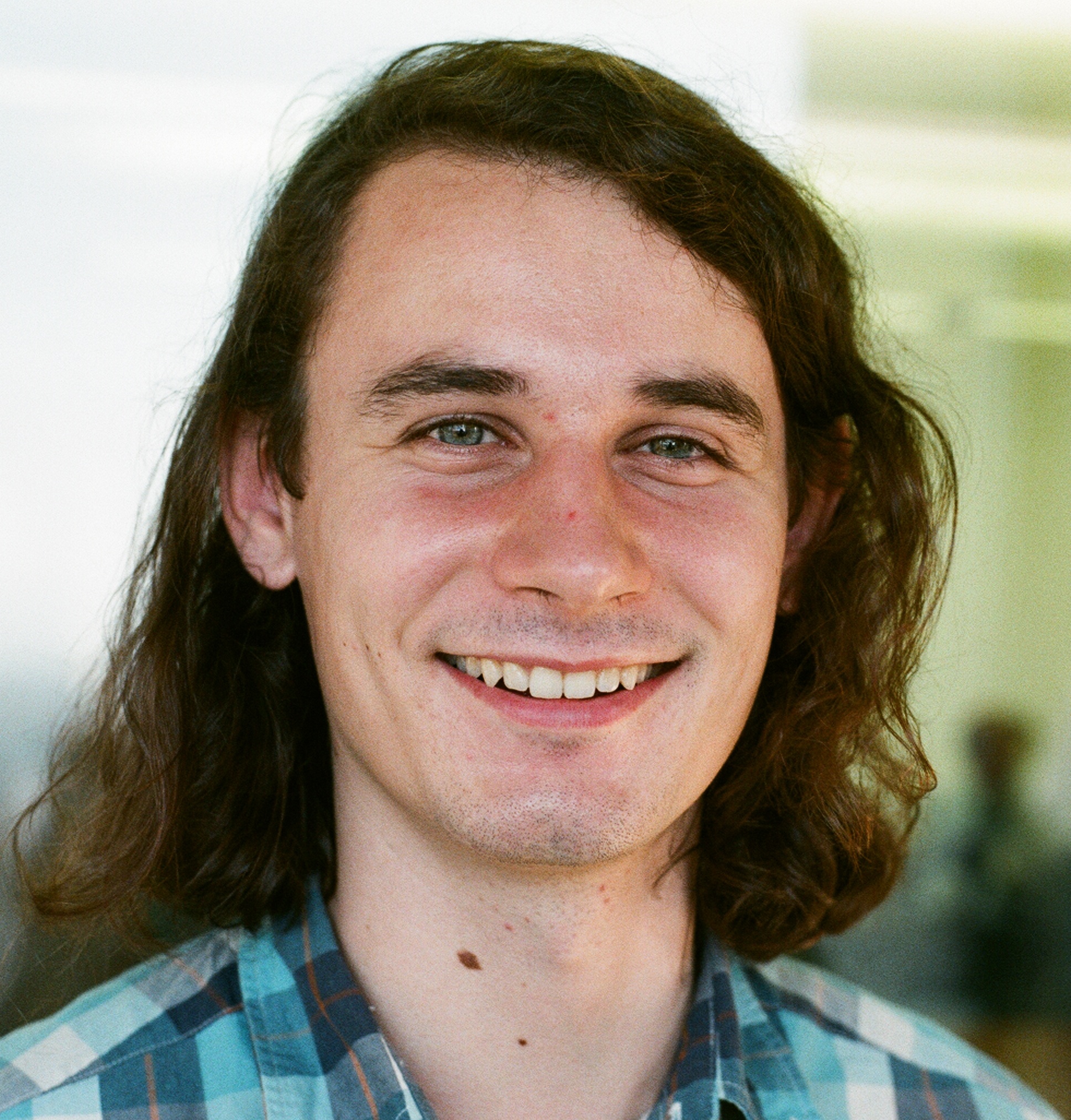 Mathematician
Peter Scholze
Introducing perfectoid spaces in arithmetic geometry
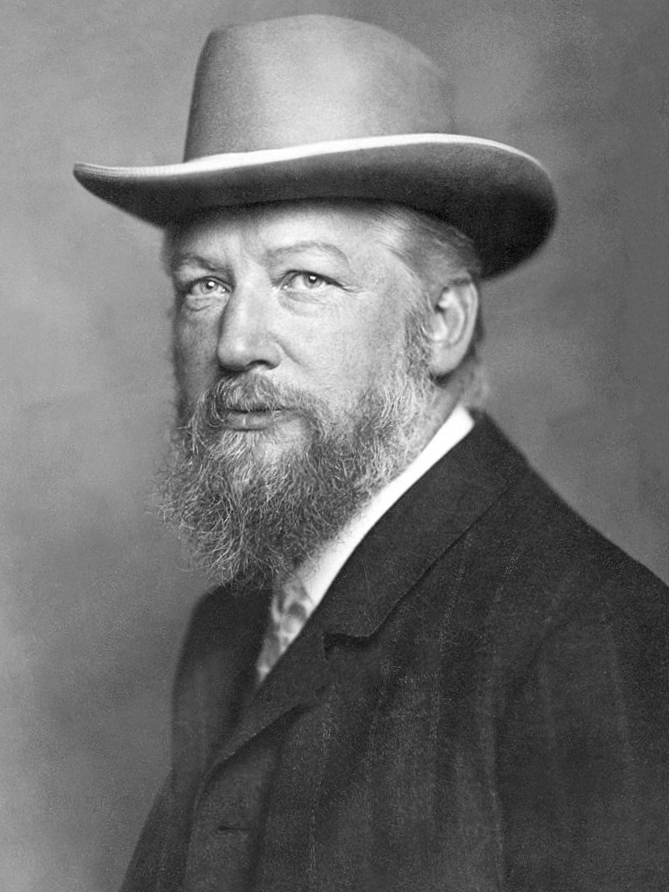 Chemist
Wilhelm Ostwald
Advancing physical chemistry and the study of catalysis.
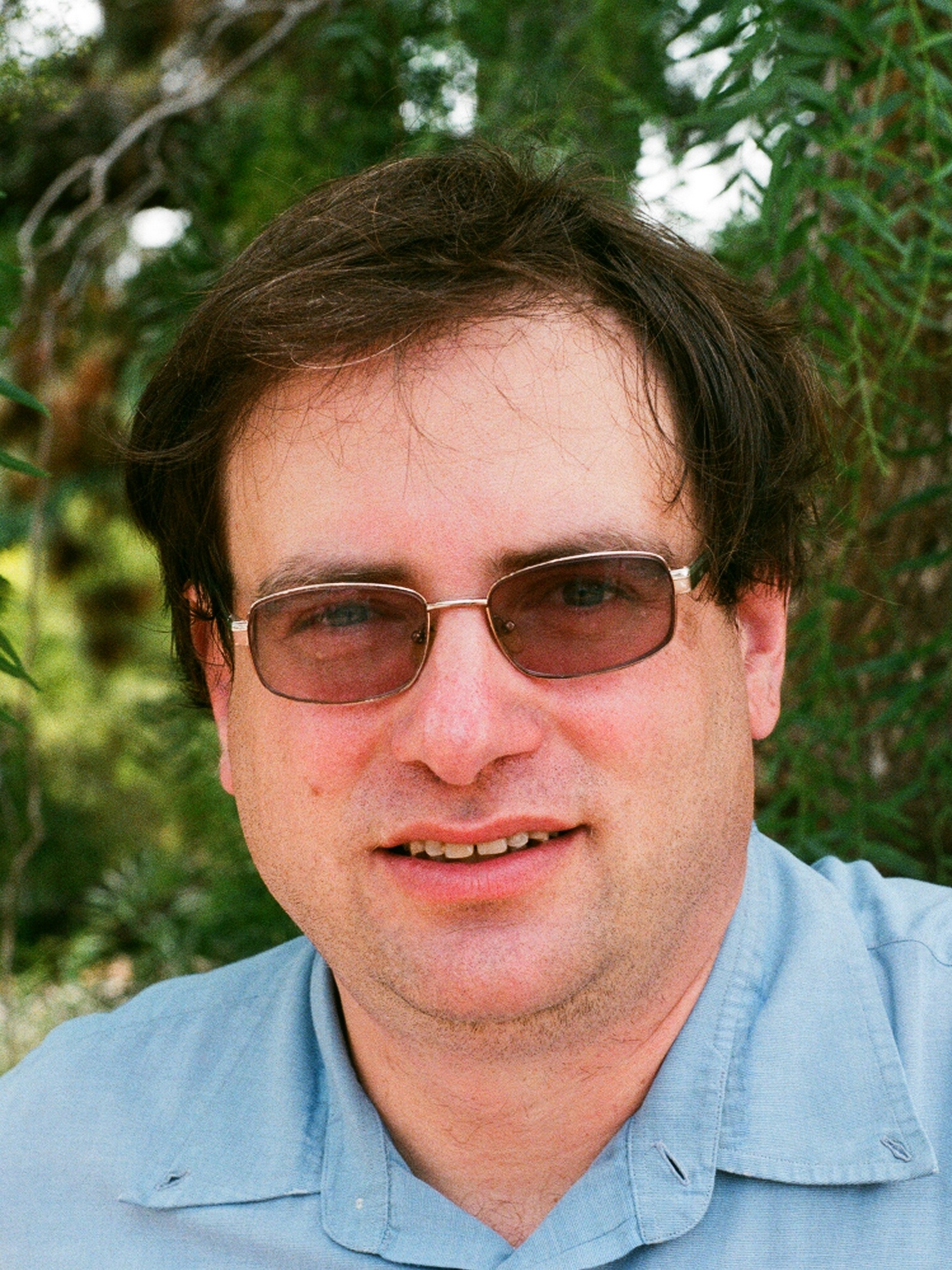 Mathematician
Elon Lindenstrauss
Connecting ergodic theory with problems in number theory.
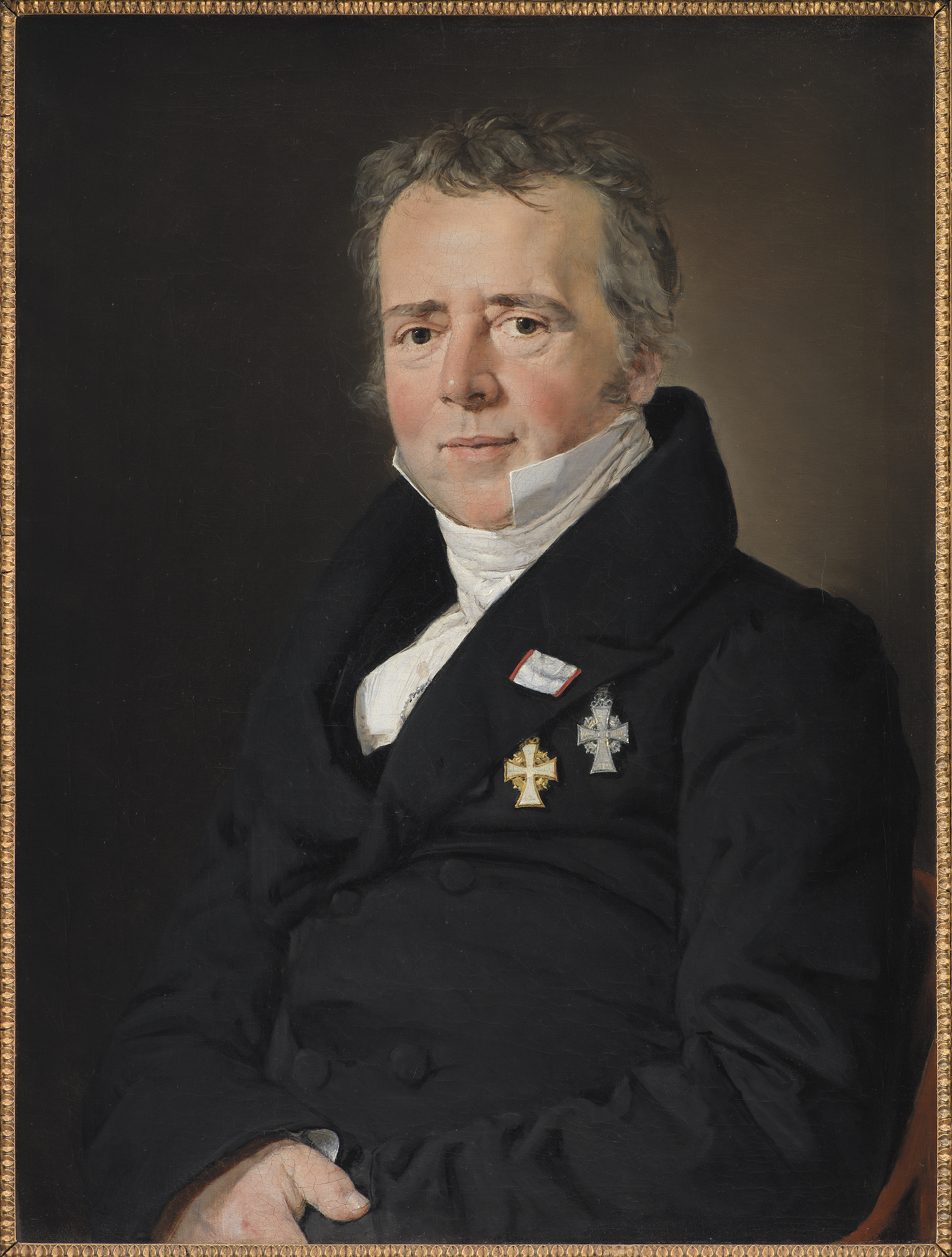 Physicist
Hans Christian Ørsted
Discovering that an electric current produces a magnetic field.
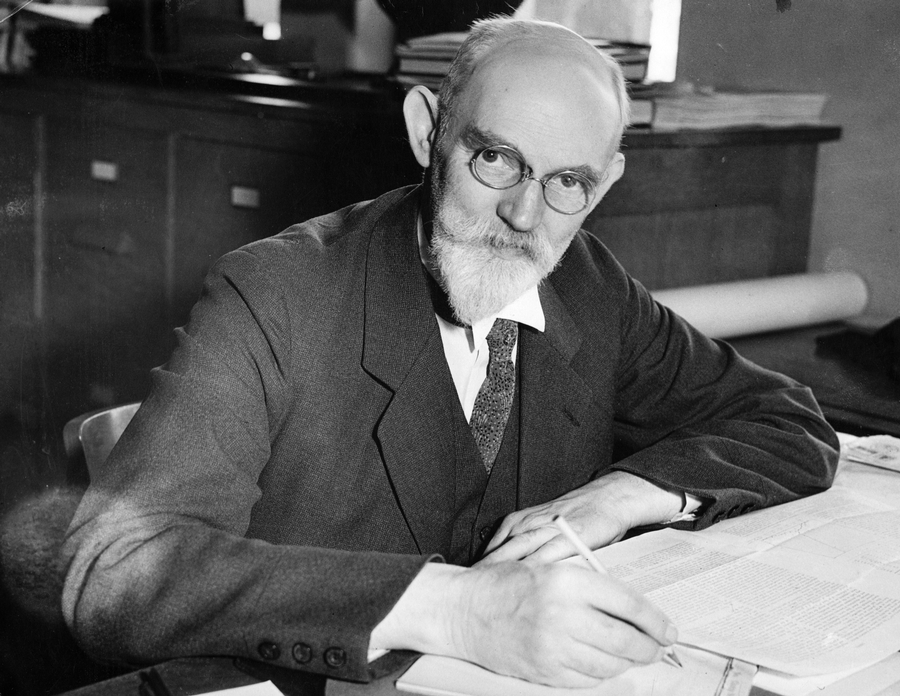 Astronomer
Willem de Sitter
Developing relativistic models of the universe.
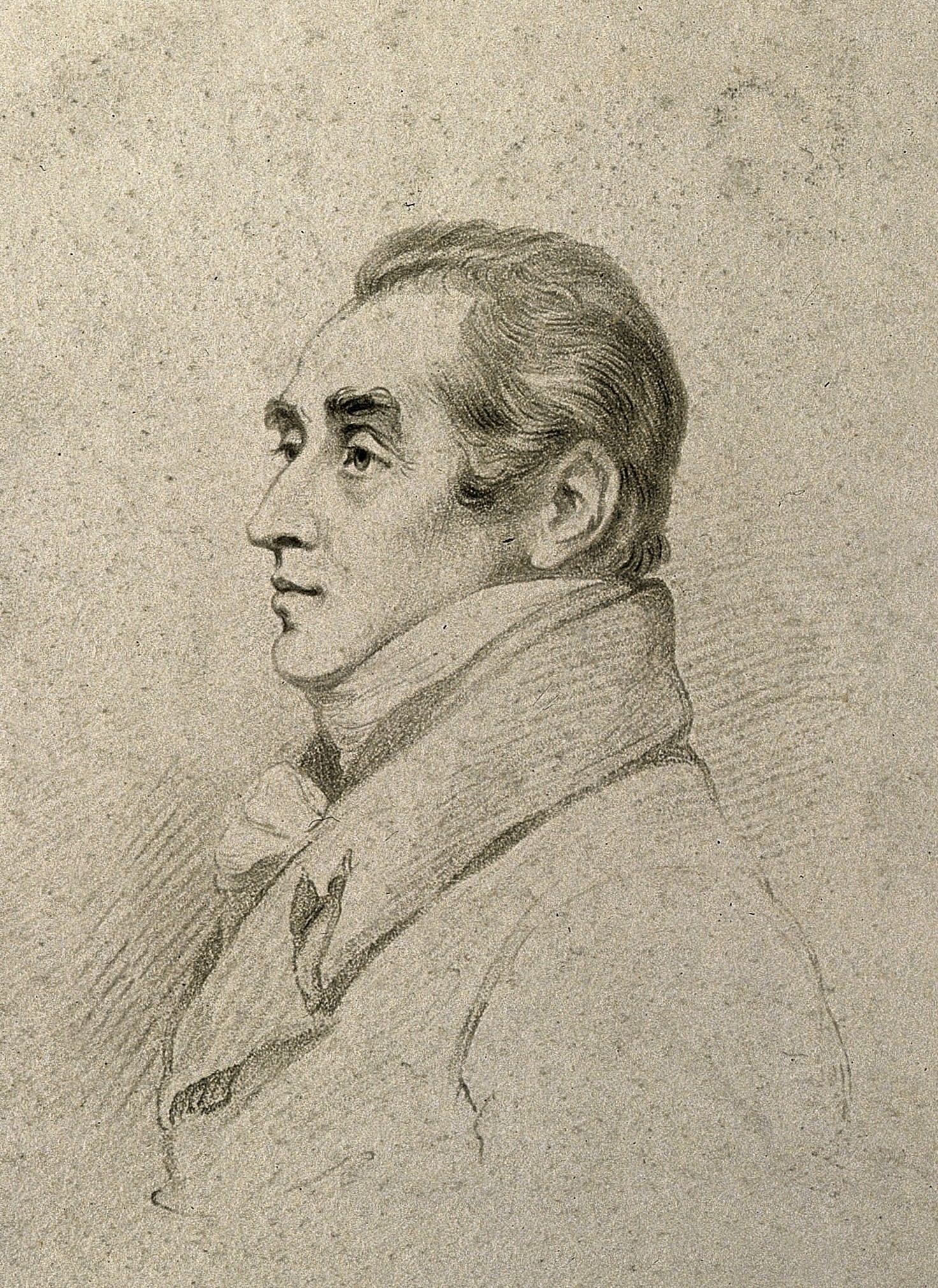 Chemist
Charles Hatchett
Discovering the element now called niobium.
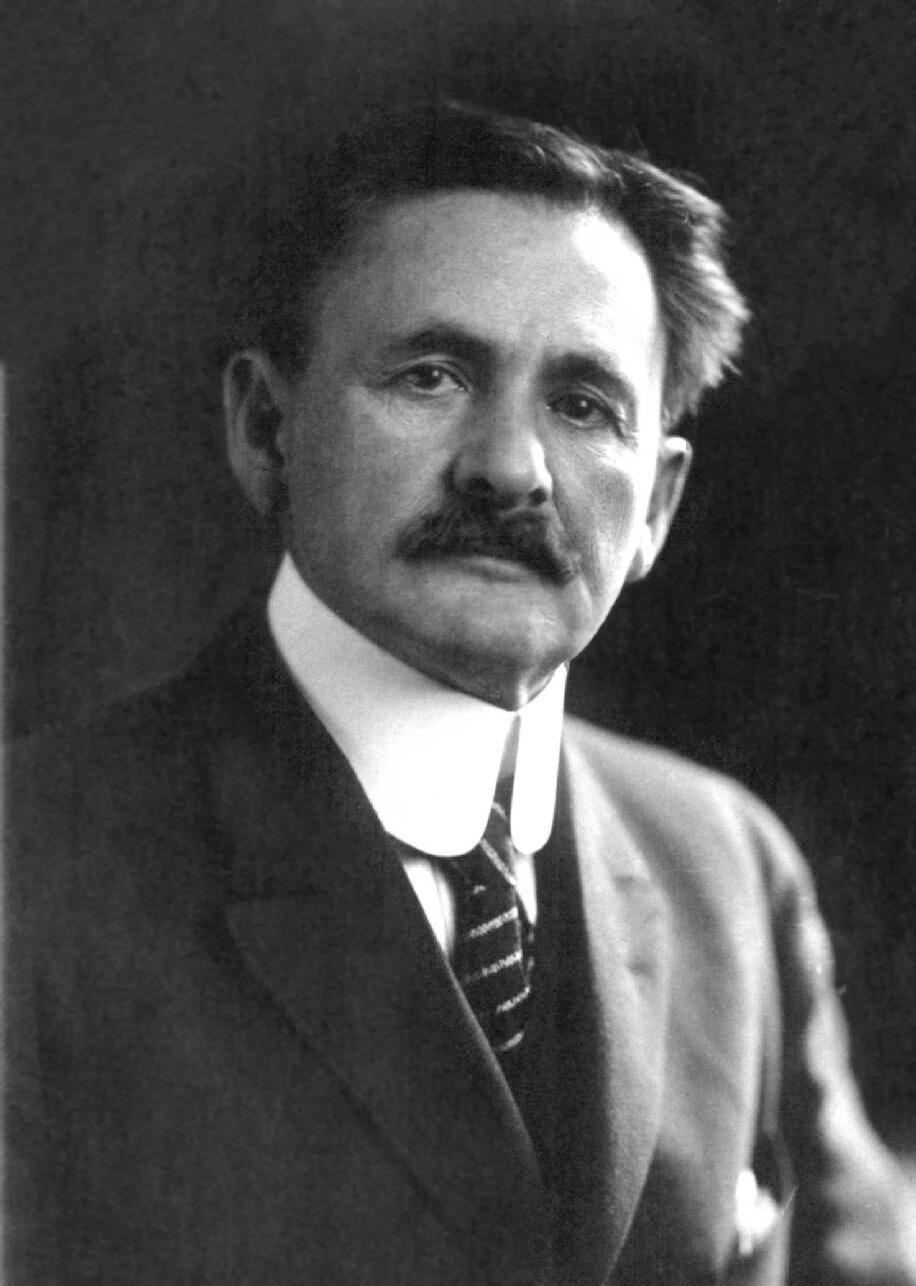 Physicist
Albert A. Michelson
Measuring light with precision interferometers.
 Mathematician
Klaus Roth
Proving a landmark theorem on approximating algebraic numbers.
 Mathematician
Gerd Faltings
Proving the Mordell conjecture in arithmetic geometry.
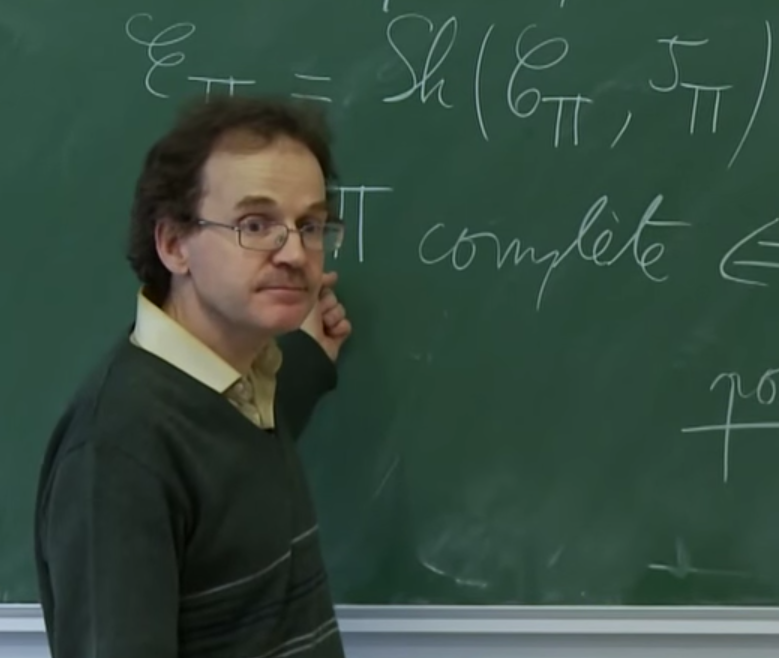 Mathematician
Laurent Lafforgue
Proving a major case of the Langlands correspondence.
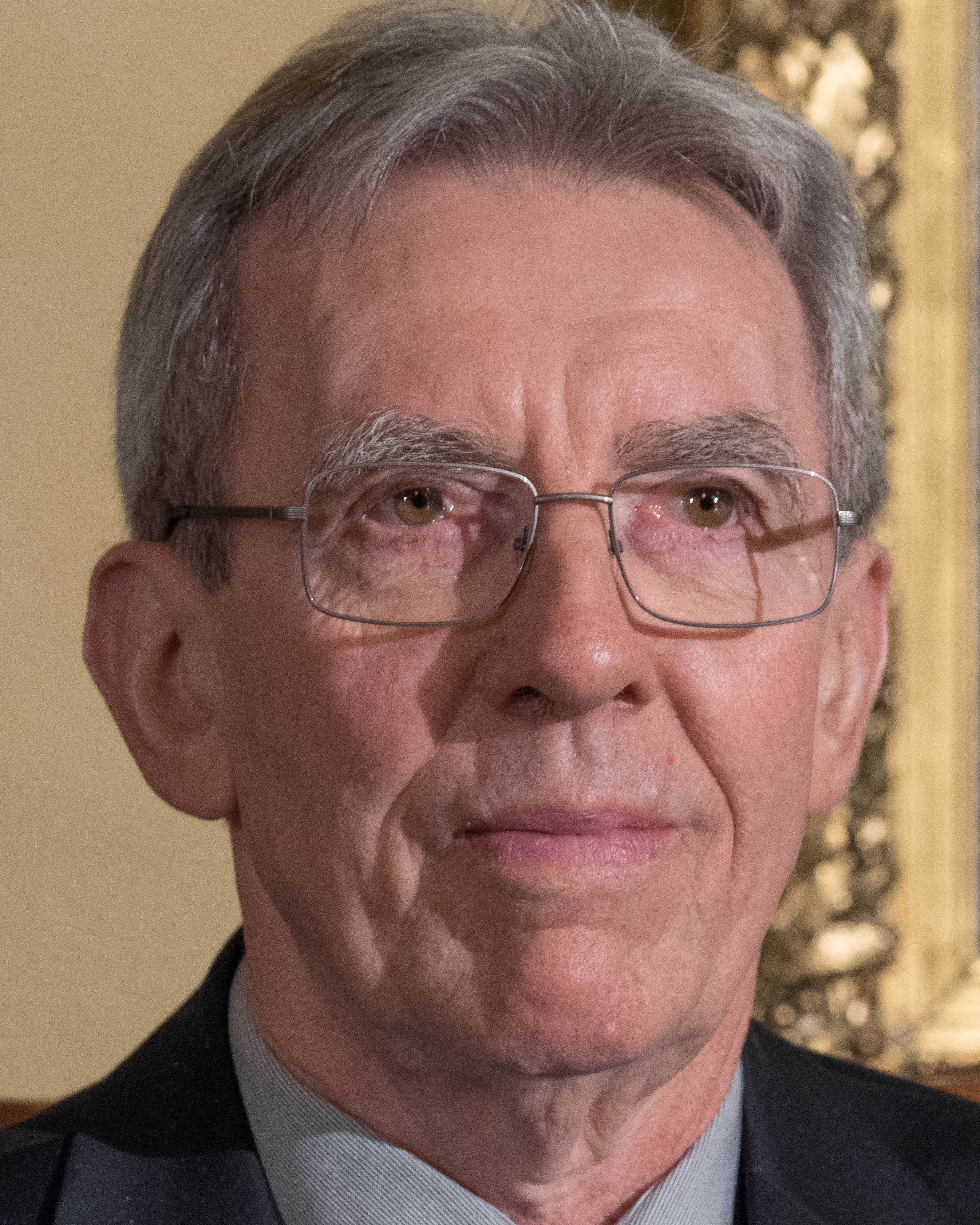 Chemist
Jean-Pierre Sauvage
Developing mechanically interlocked molecules for molecular machines.
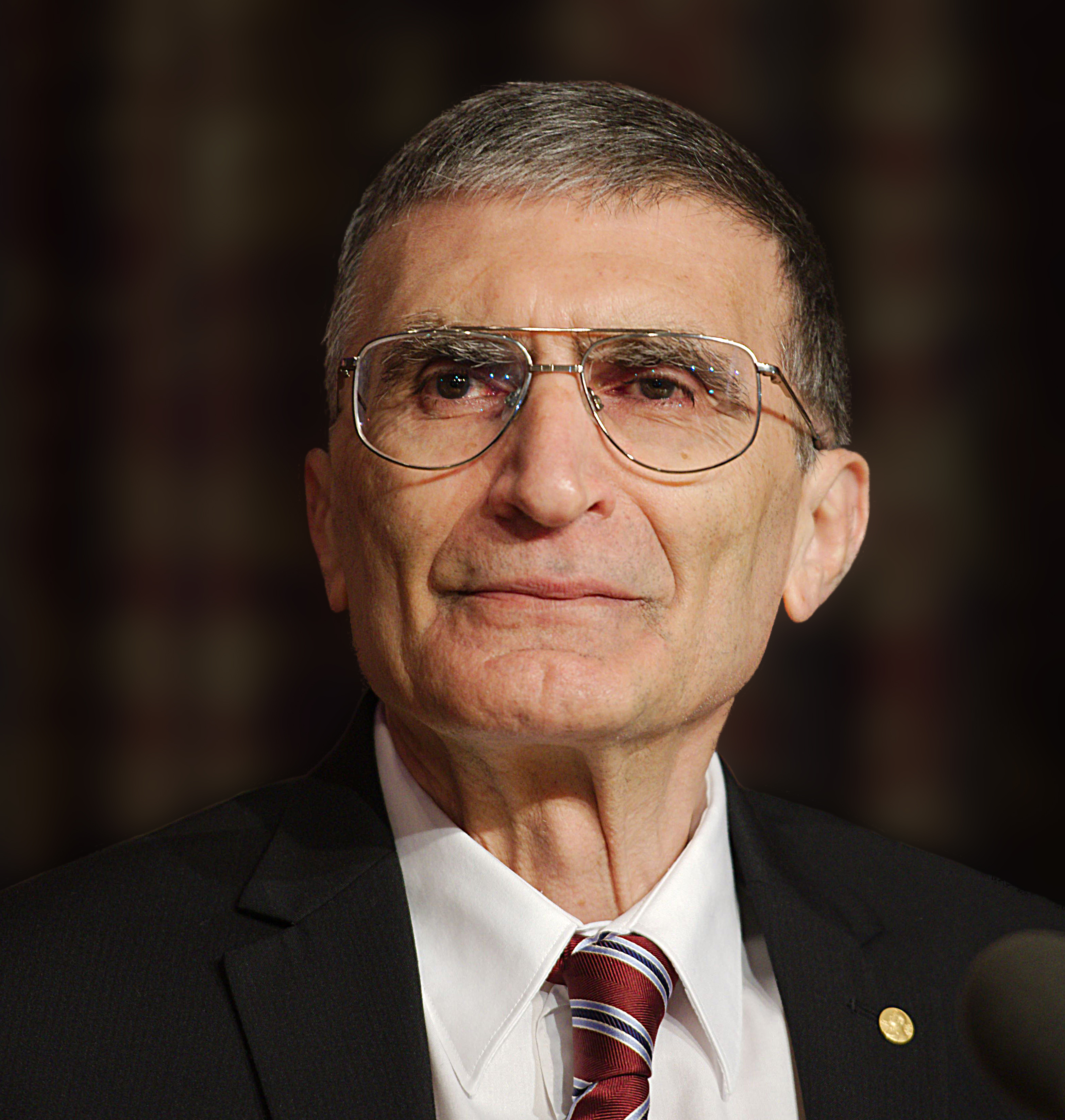 Biochemist
Aziz Sancar
Explaining how cells repair damaged DNA.
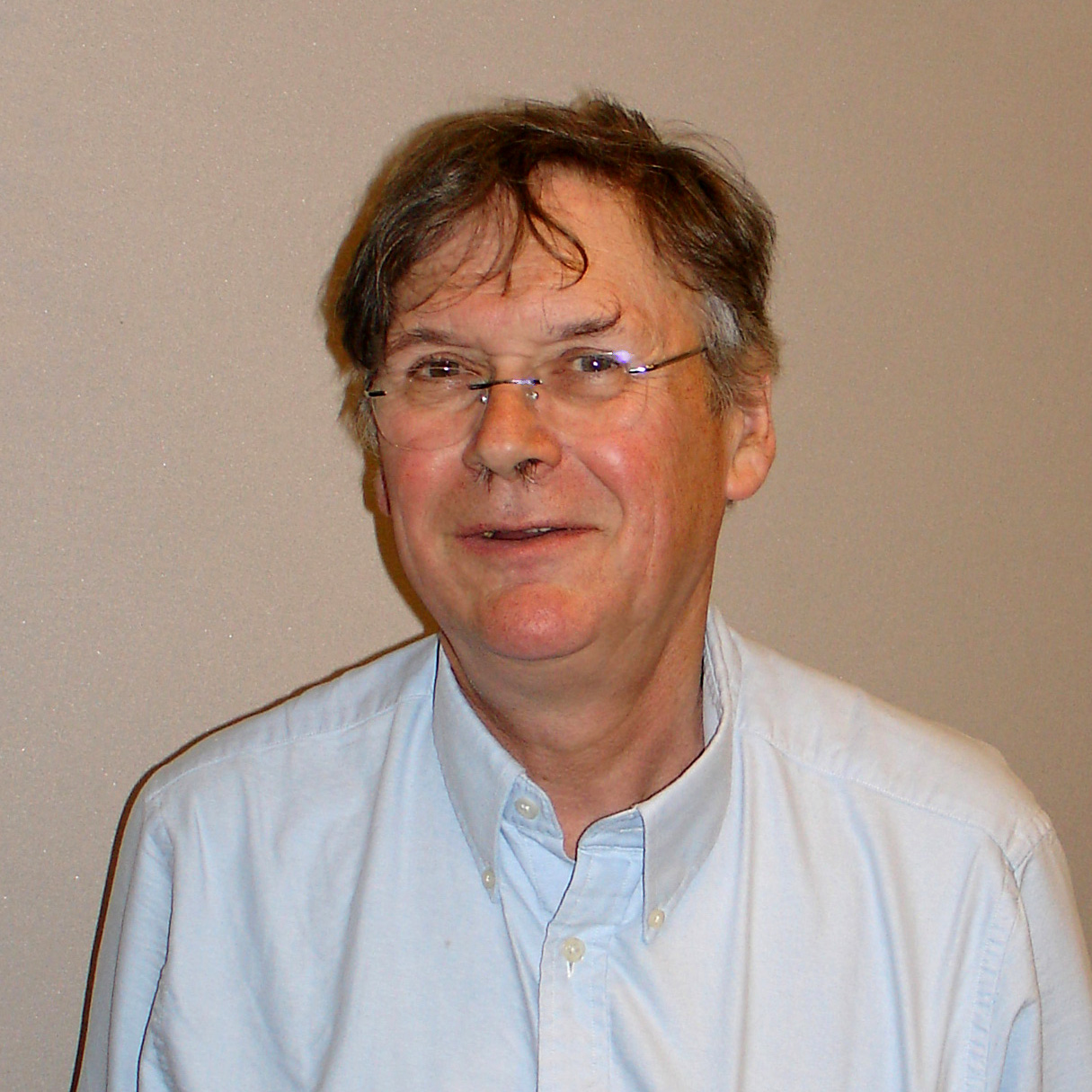 Biochemist
Tim Hunt
Discovering cyclins, proteins that help control cell division.
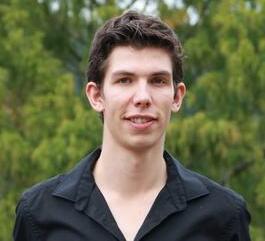 Mathematician
James Maynard
Advancing the study of gaps between prime numbers.
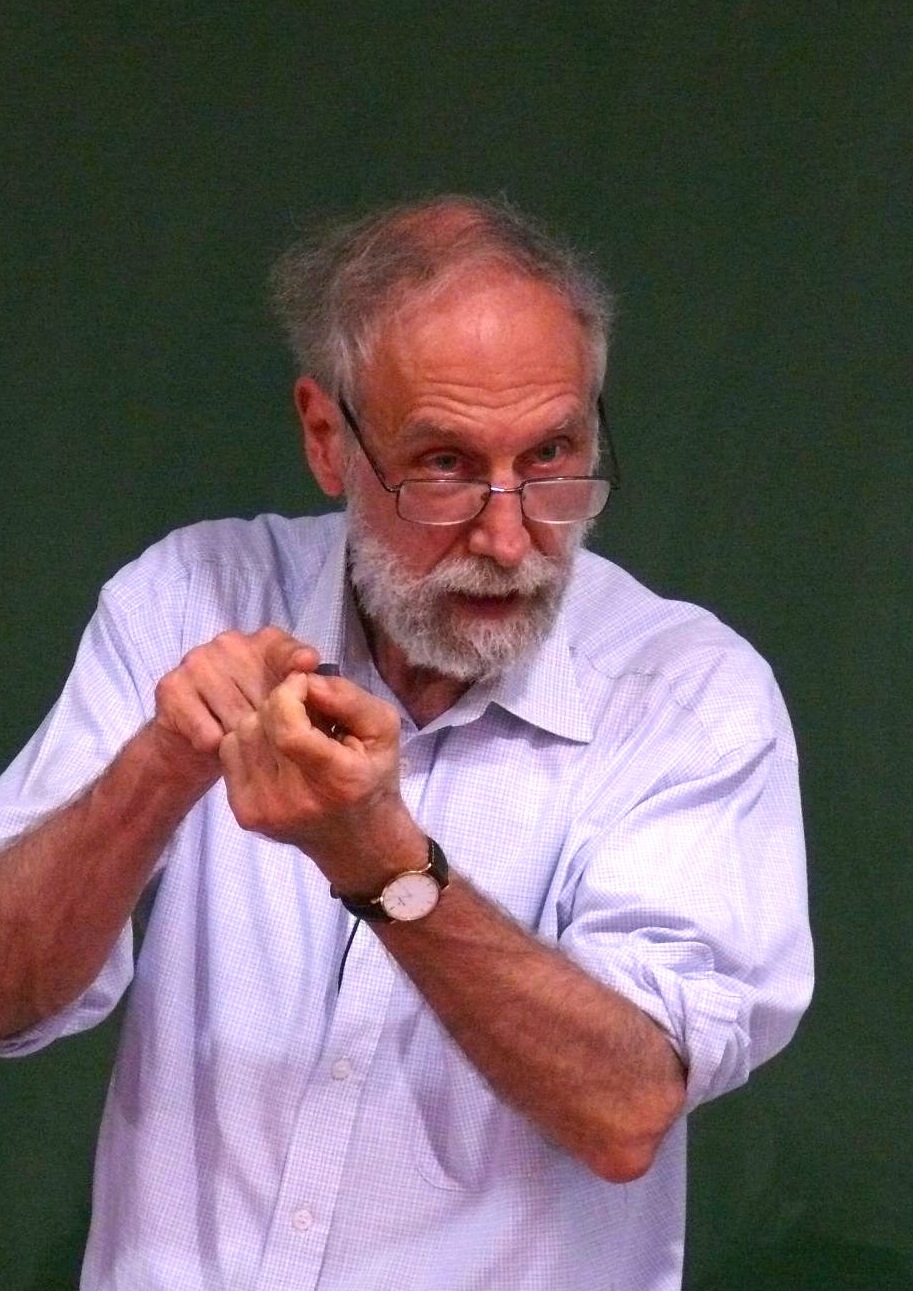 Mathematician
Alain Connes
Developing noncommutative geometry and the theory of operator algebras
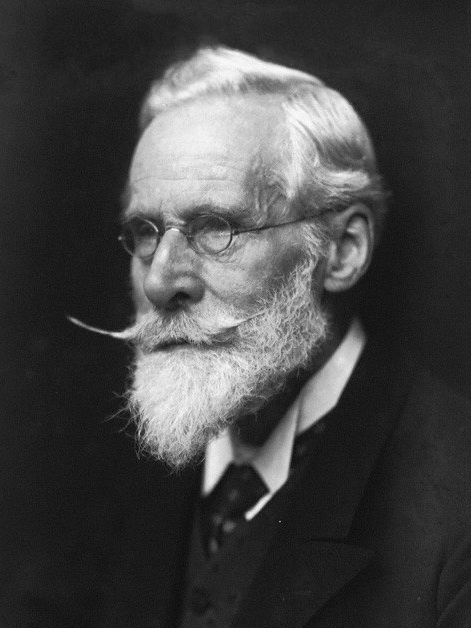 Chemist
William Crookes
Discovering thallium and investigating electrical discharges in vacuum tubes
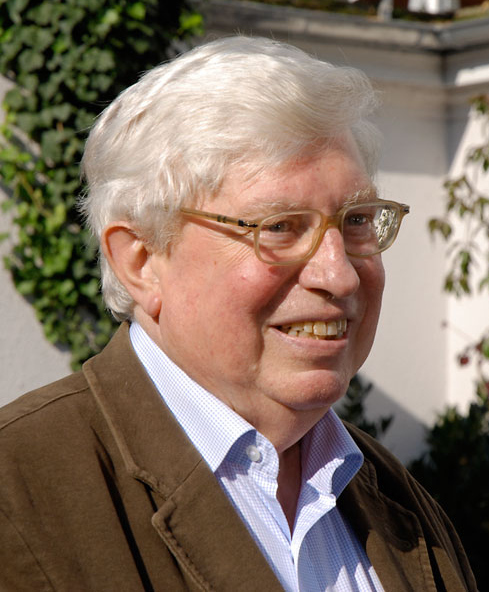 Chemist
Gerhard Ertl
Explaining chemical reactions on solid surfaces
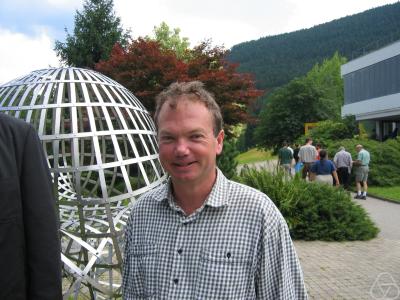 Mathematician
Jean-Christophe Yoccoz
Fields Medal-winning work on dynamical systems
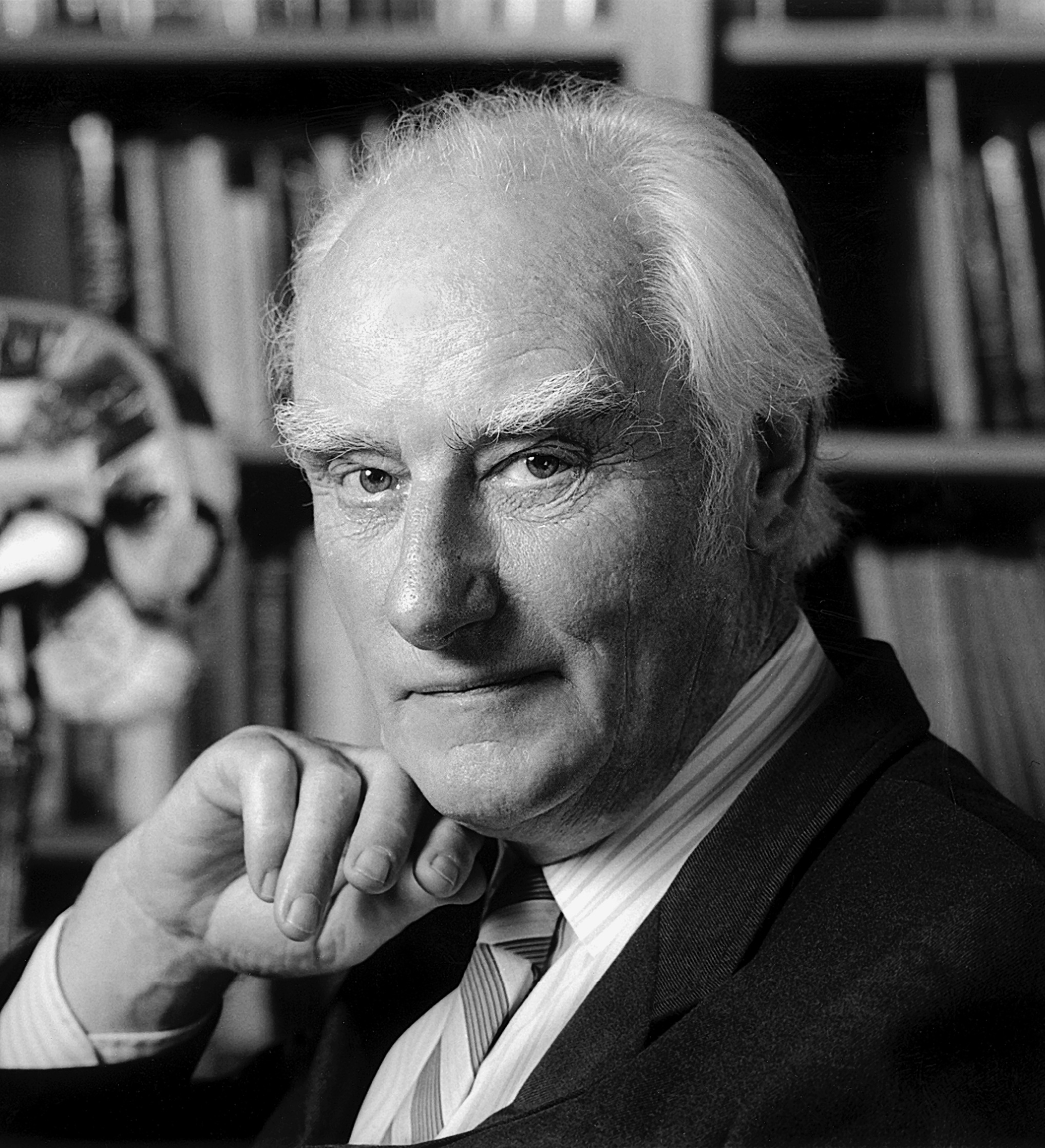 Biologist
Francis Crick
Co-developing the double-helix model of DNA
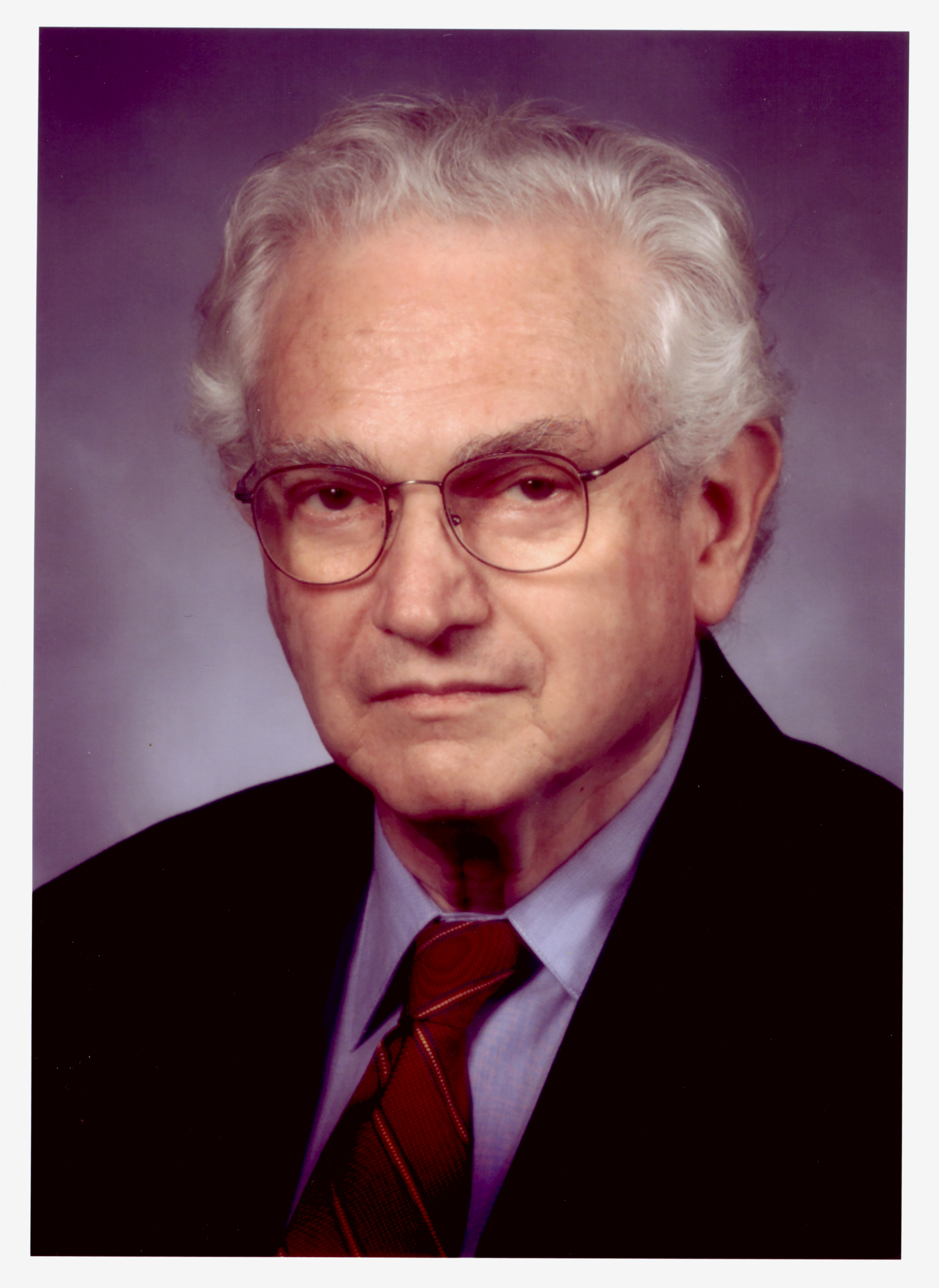 Biochemist
Marshall Warren Nirenberg
Helping decipher the genetic code
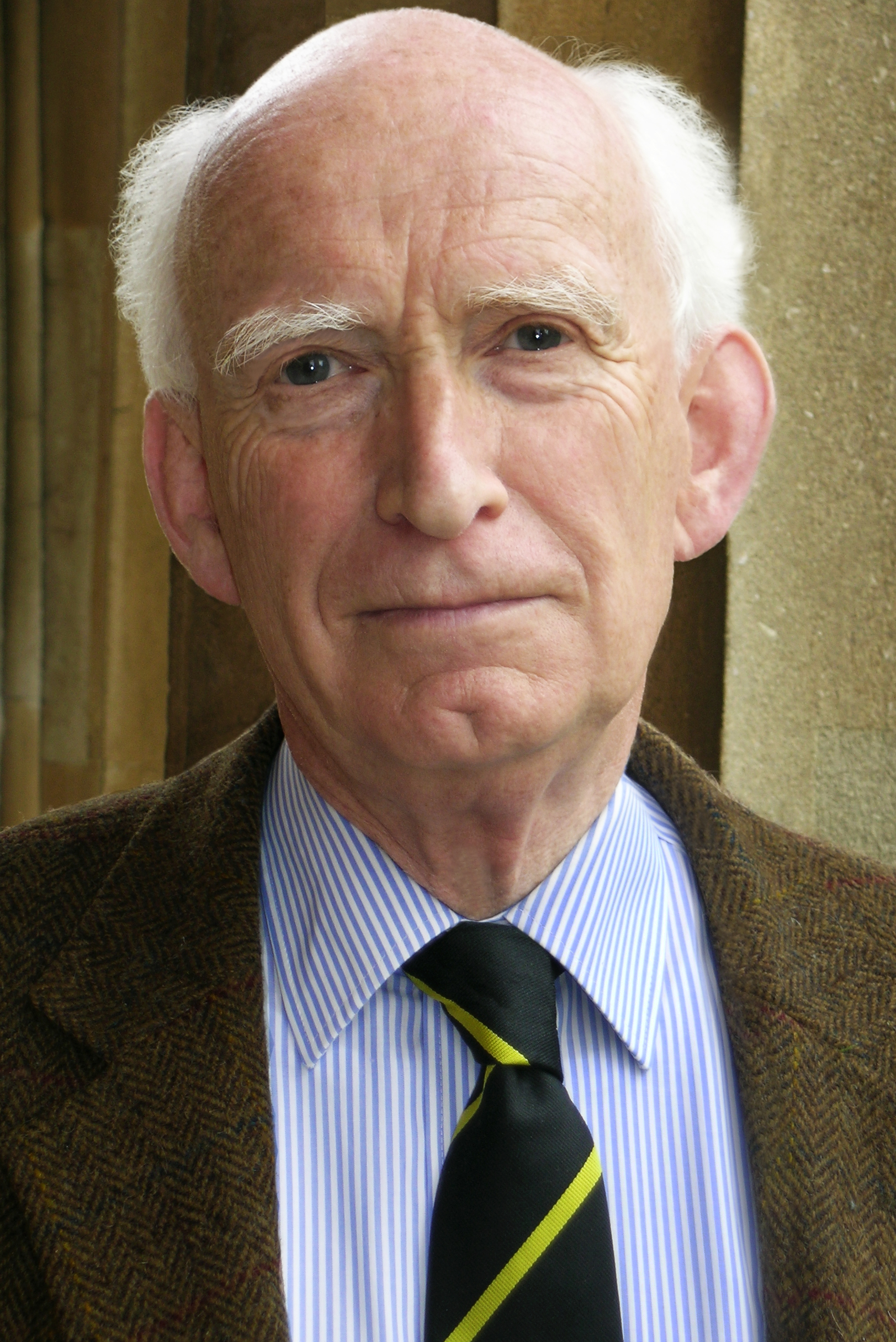 Scientist
Donald Lynden-Bell
Explaining how massive black holes power quasars
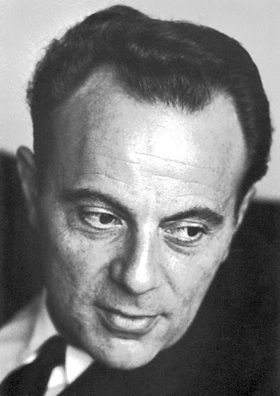 Biologist
François Jacob
Explaining how genes are switched on and off
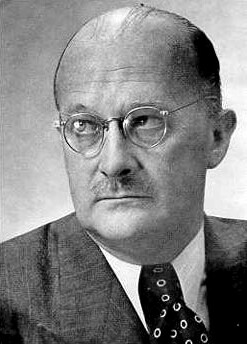 Chemist
Adolf Windaus
Research on sterols and vitamin D
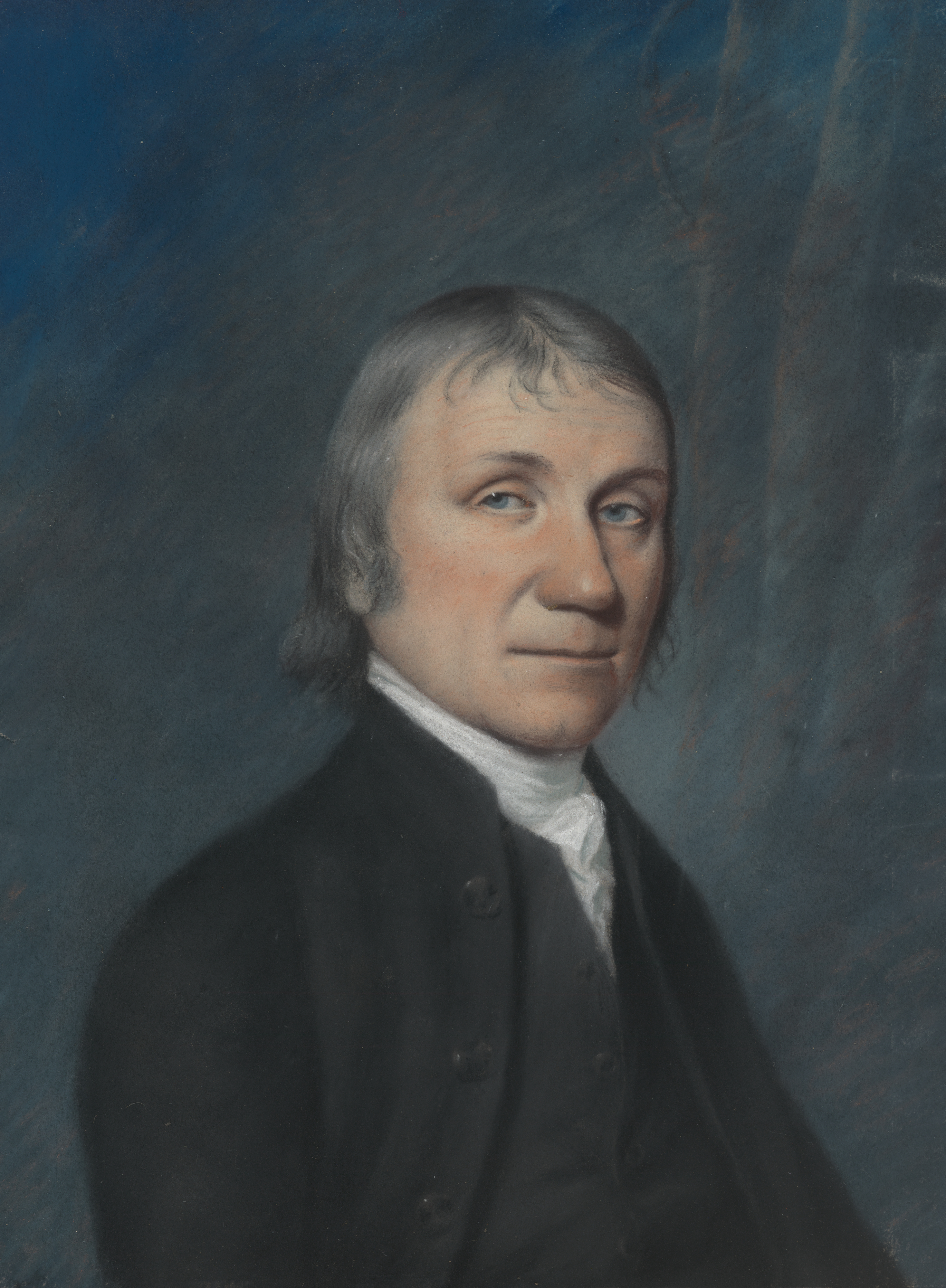 Chemist
Joseph Priestley
Independently isolating oxygen and experimenting with gases
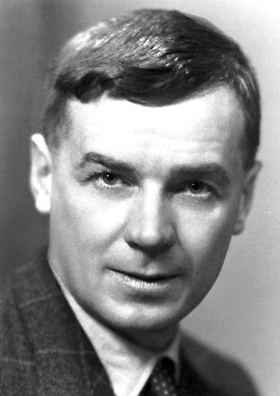 Biochemist
Richard Laurence Millington Synge
Co-developing partition chromatography
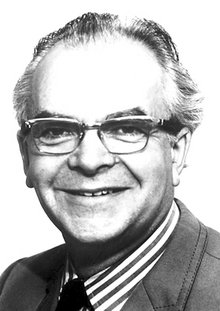 Biochemist
Peter D. Mitchell
The chemiosmotic explanation of cellular energy production
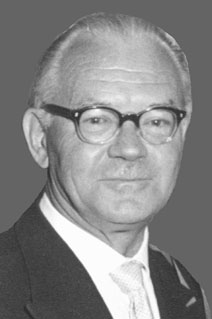 Chemist
Georg Wittig
Developing the Wittig reaction for building carbon–carbon double bonds.
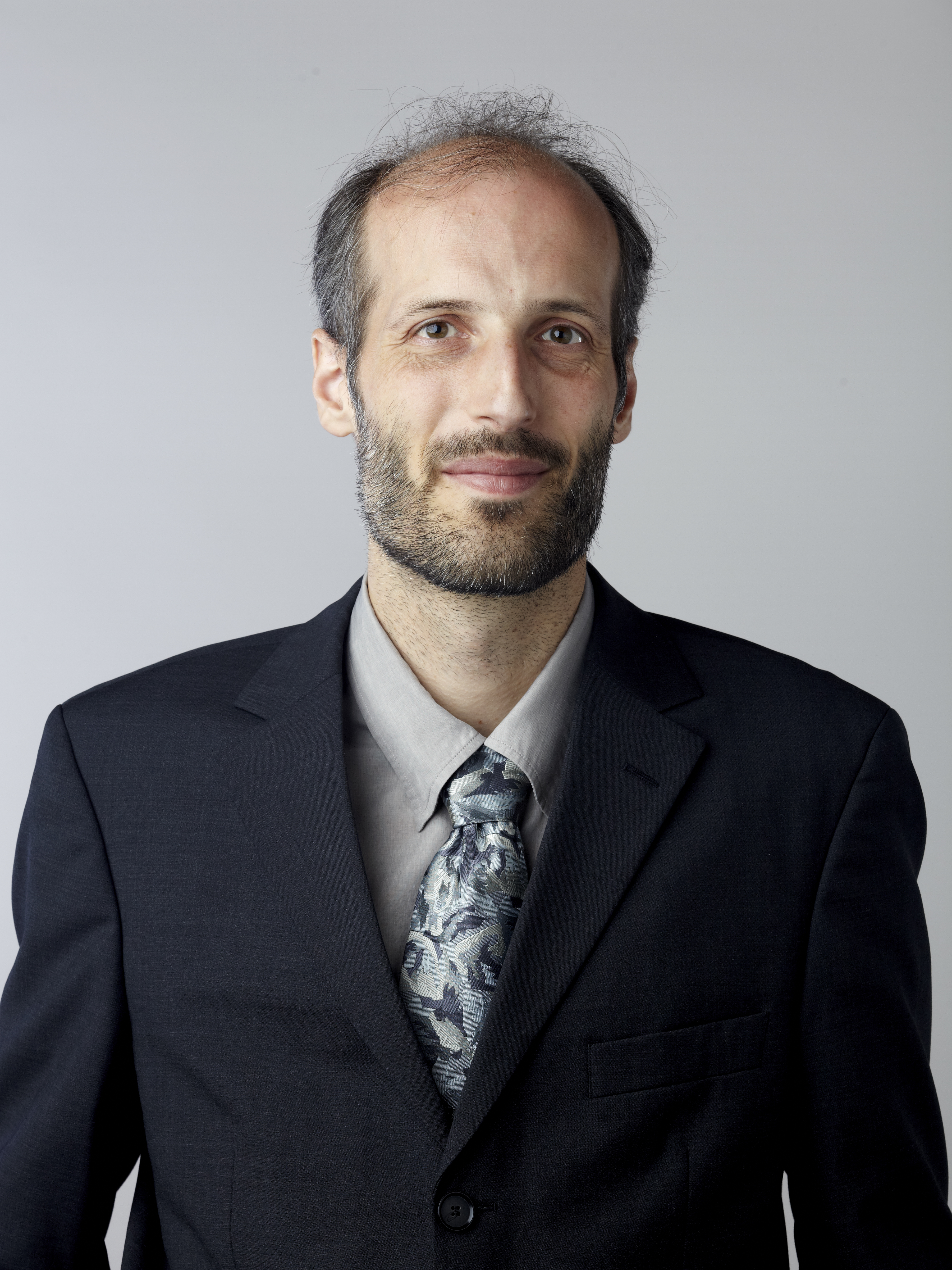 Mathematician
Martin Hairer
Developing regularity structures for stochastic equations.
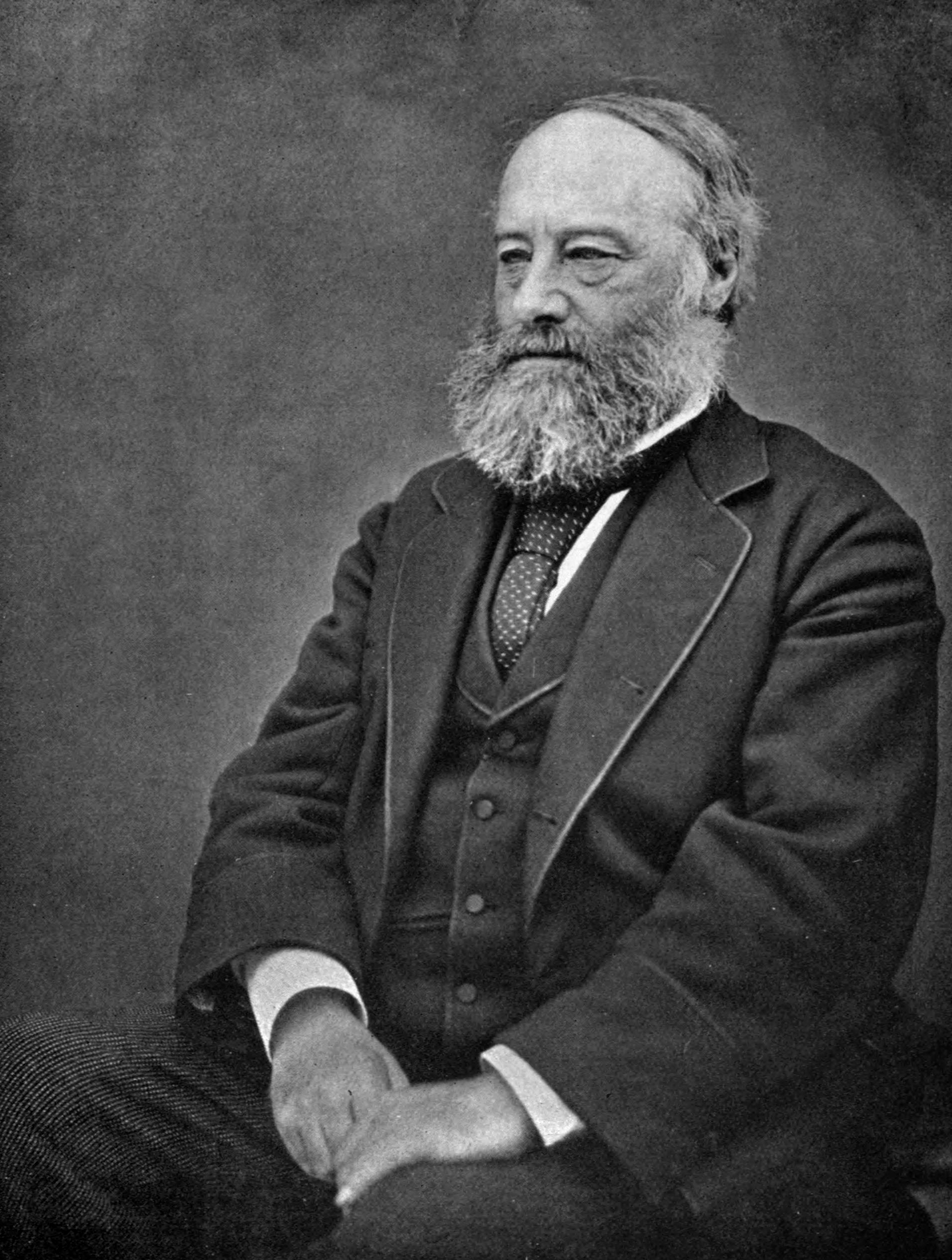 Physicist
James Prescott Joule
Demonstrating the relationship between heat and mechanical work.
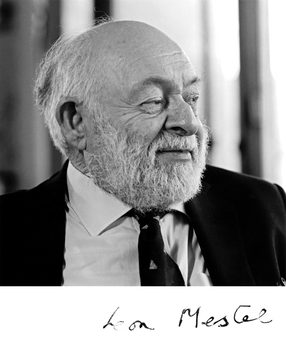 Astronomer
Leon Mestel
Research on stellar magnetism, star formation and astrophysical dynamics.
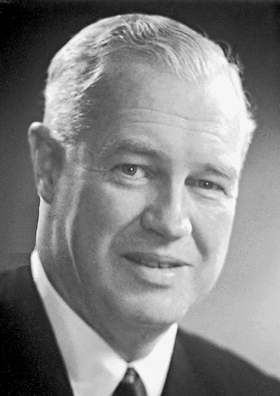 Biochemist
Alec Todd
Determining the chemistry of nucleotides and their coenzymes.
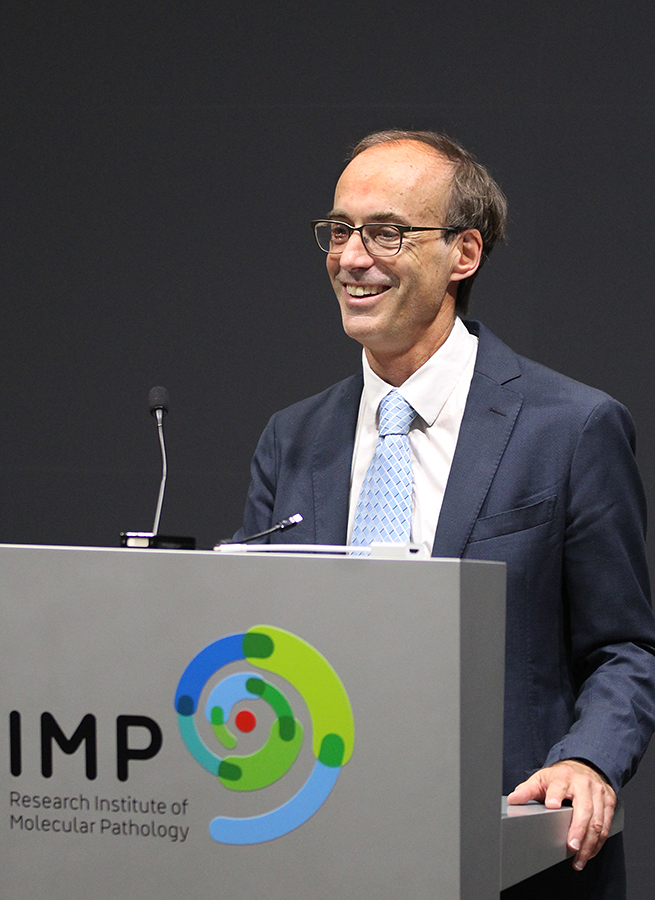 Biochemist
Ronald Vale
Discovering kinesin and explaining cellular motor proteins.
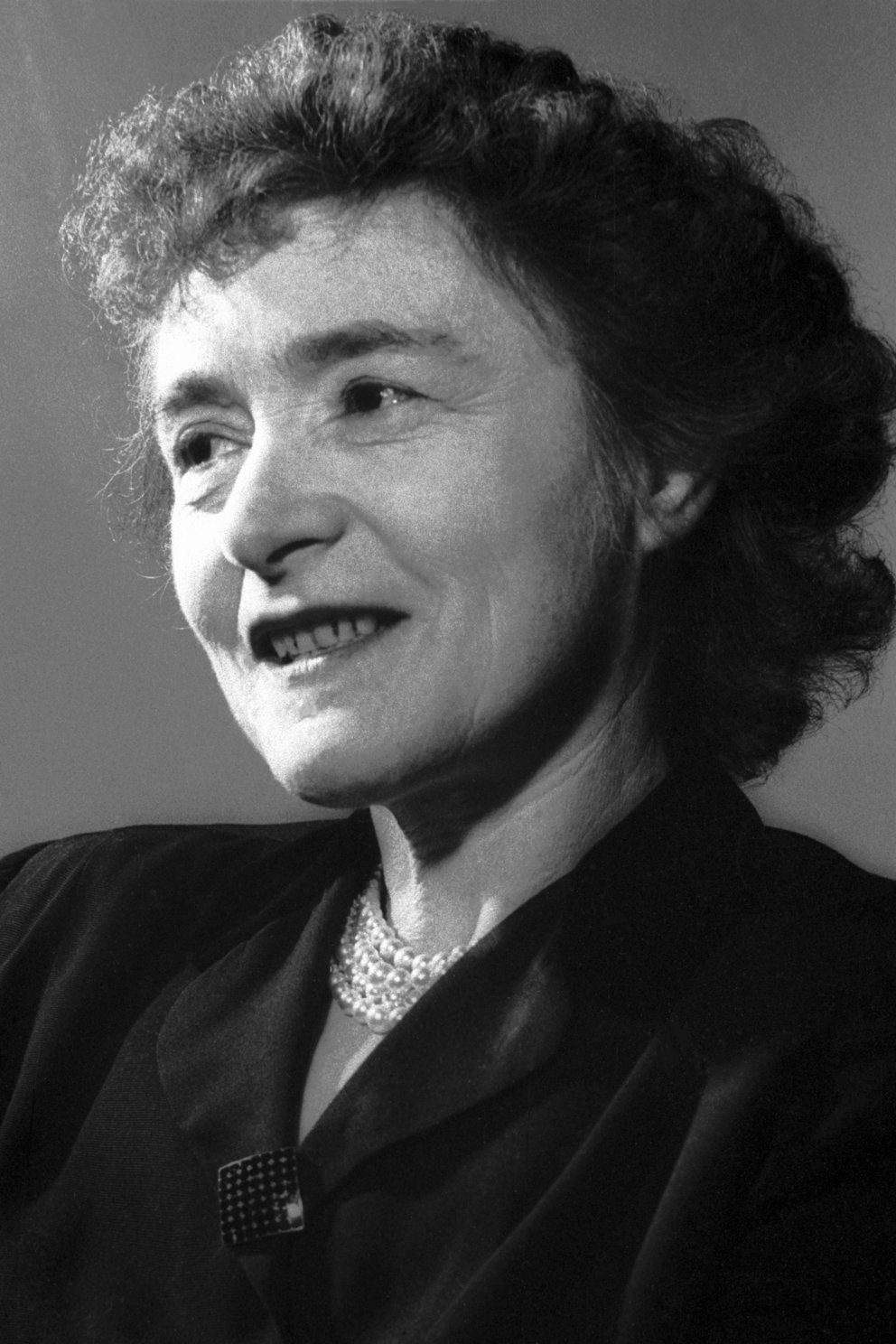 Biochemist
Gerty Cori
Explaining how the body stores and uses carbohydrate energy.
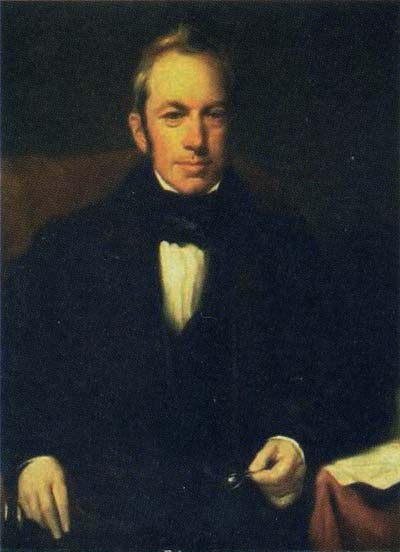 Botanist
Robert Brown
Microscopic observations of plant cells and Brownian motion.
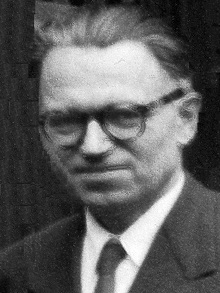 Physicist
Gerhard Herzberg
Using spectroscopy to reveal molecular structure.
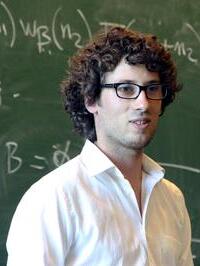 Mathematician
Hugo Duminil-Copin
Probability research explaining phase transitions in lattice models.
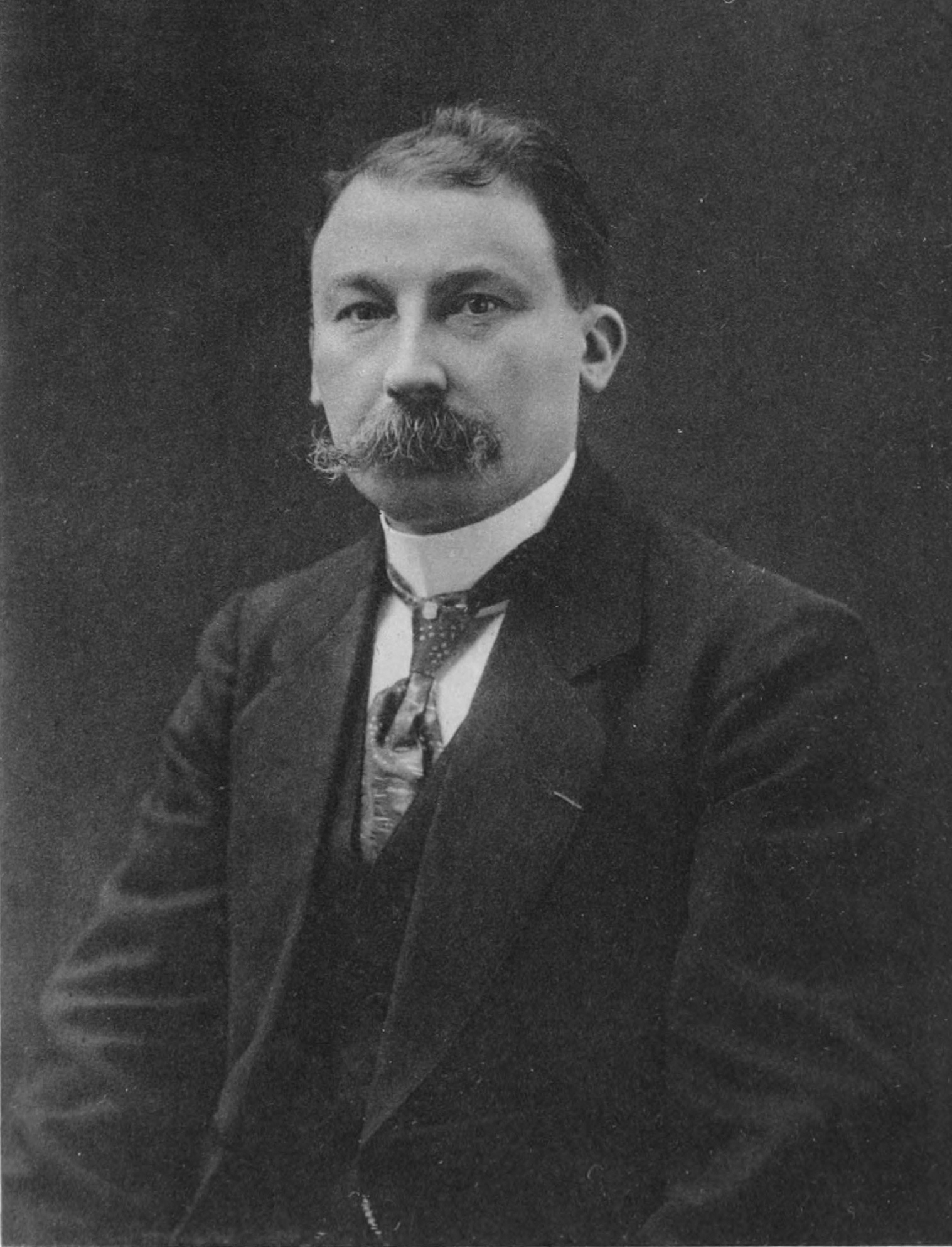 Chemist
Victor Grignard
Discovering organomagnesium reagents used to build carbon–carbon bonds.
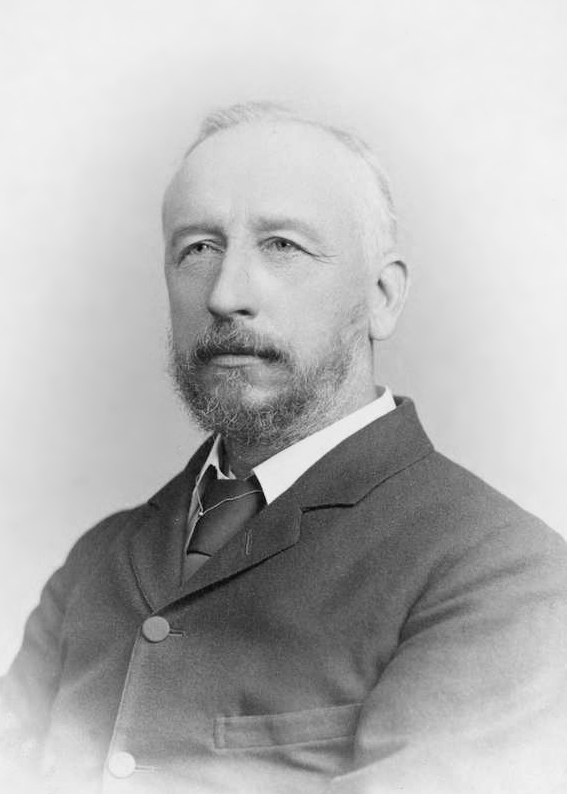 Astronomer
David Gill
Precision stellar distances and photographic mapping of the southern sky.
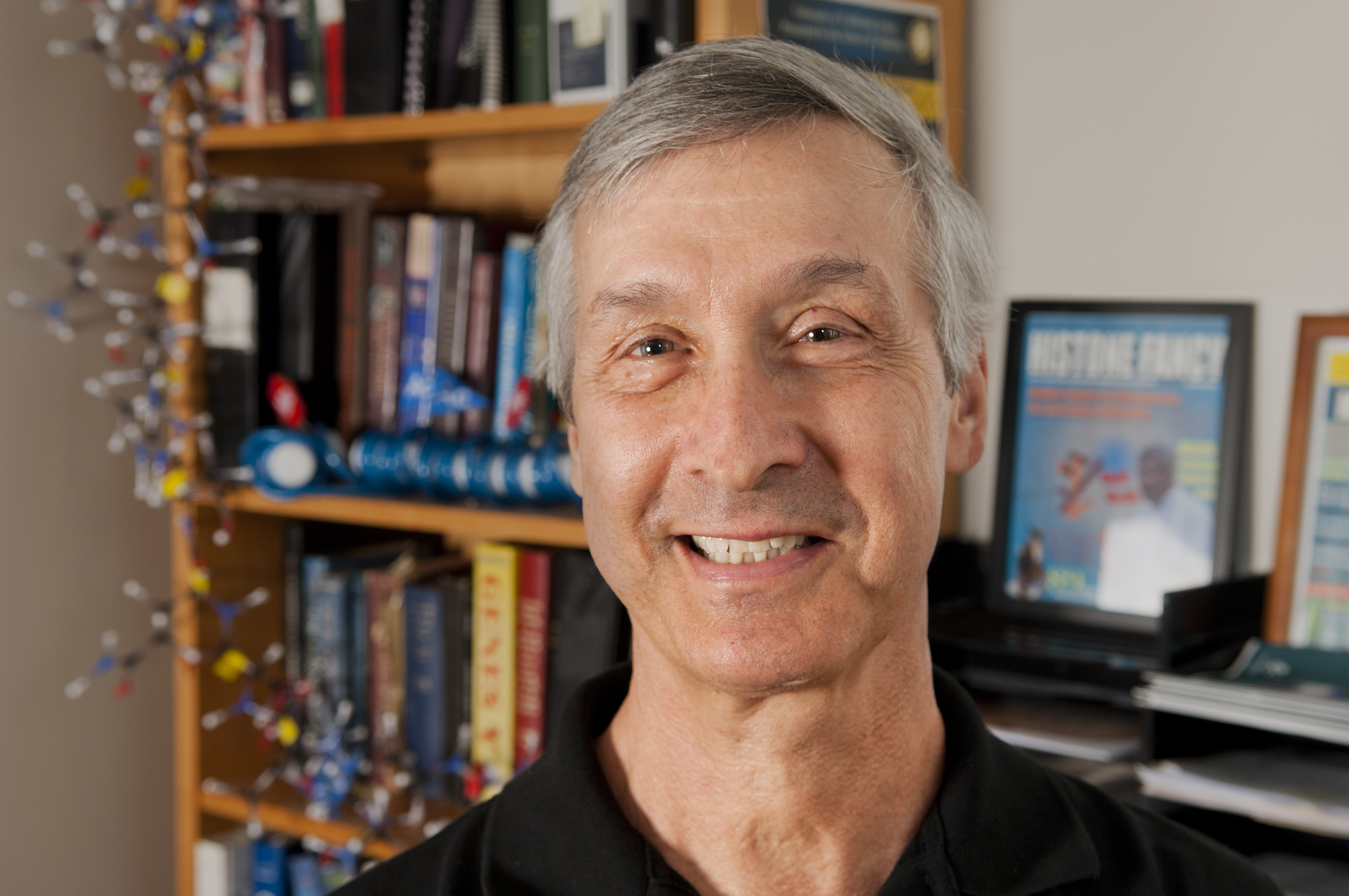 Biologist
Charles David Allis
Showing how histone modifications help regulate gene activity.
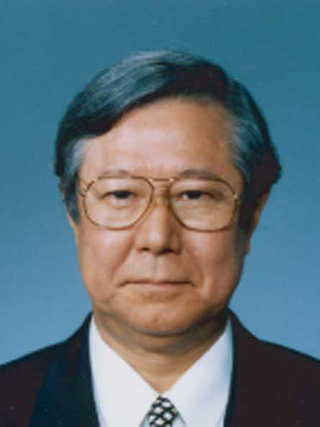 Mathematician
Heisuke Hironaka
Resolving singularities in algebraic geometry.
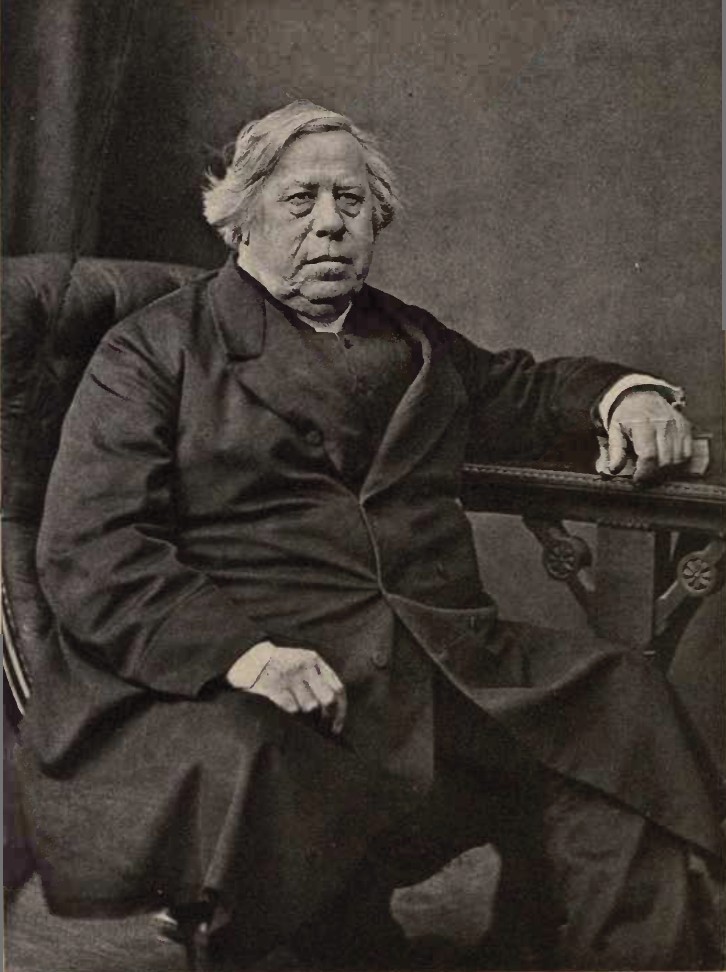 Astronomer
Charles Pritchard
Measuring stellar brightness and testing photographic astronomy.
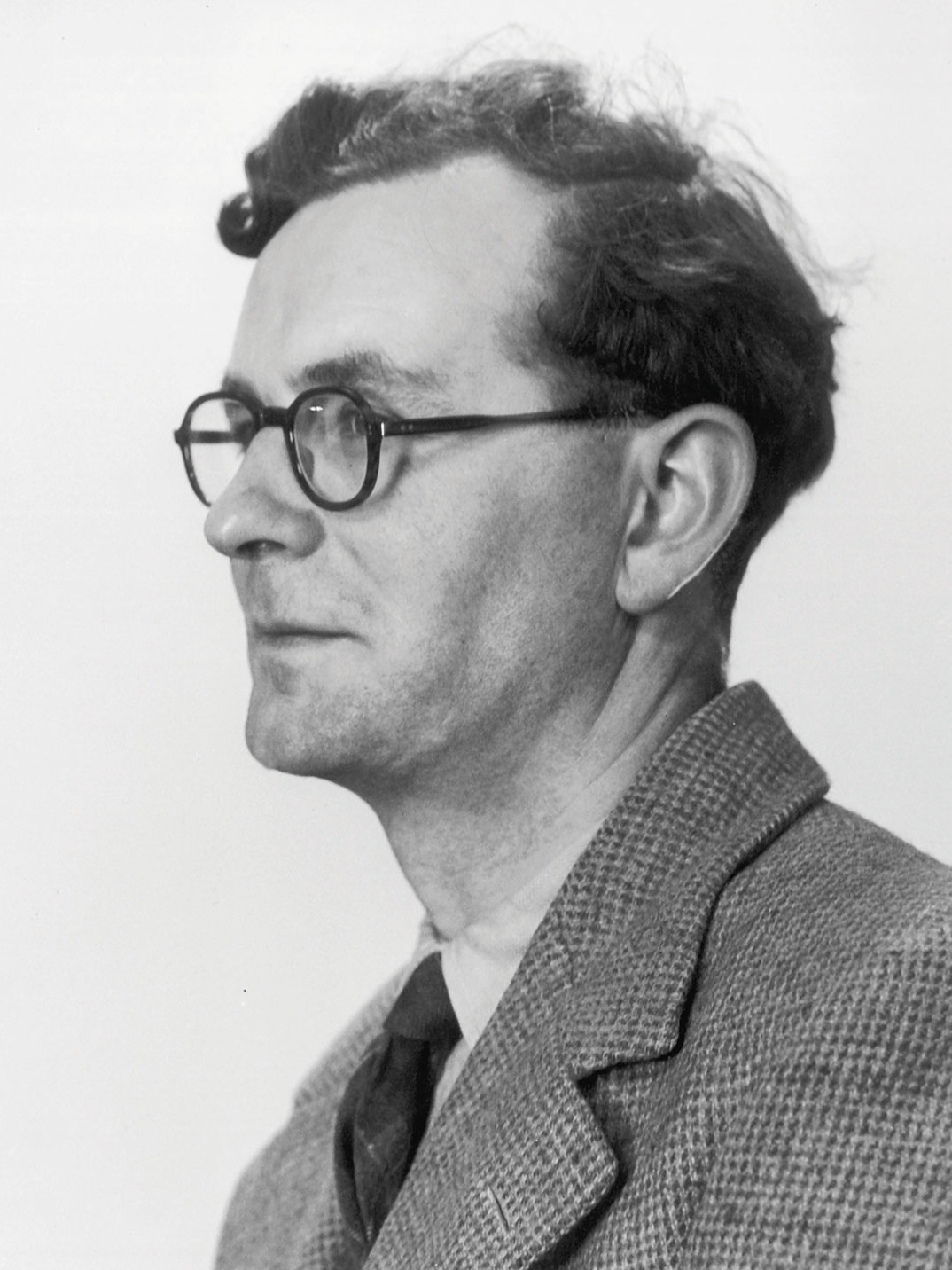 Biochemist
Rodney Porter
Determining the chemical structure of antibodies.
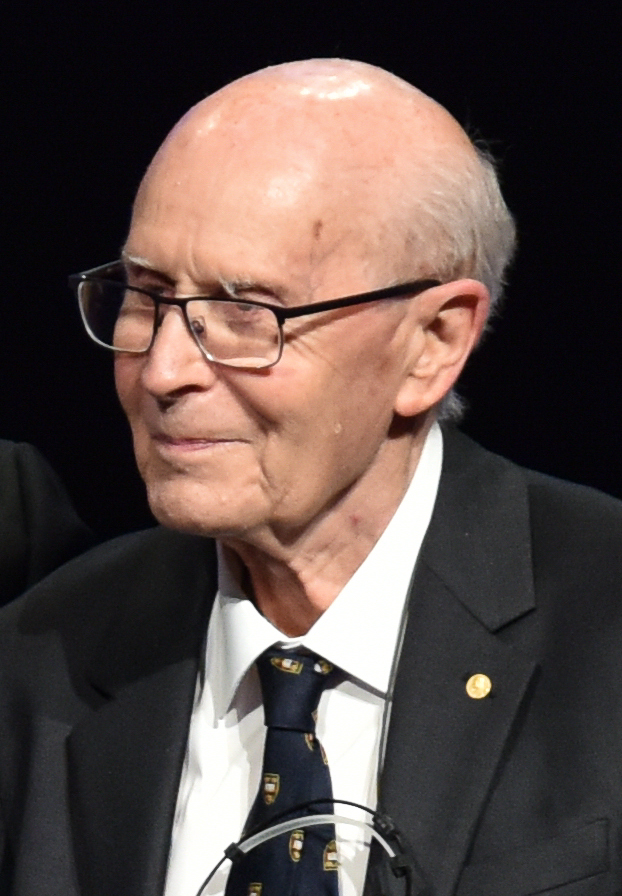 Chemist
Richard Robson
Designing extended molecular frameworks with open spaces.
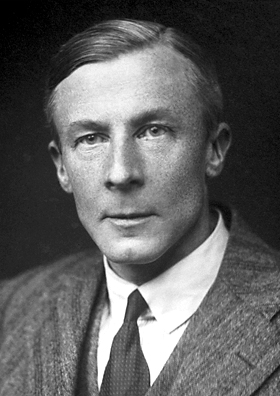 Physiologist
Edgar Adrian
Recording the electrical signals of individual nerve fibres.
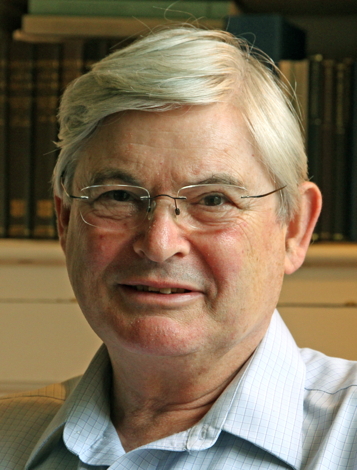 Chemist
Alan Fersht
Protein engineering and the chemistry of folding.
 Physicist
James Jeans
Mathematical work on gases, stars and gravitational instability.
 Biochemist
Fritz Albert Lipmann
Discovering coenzyme A and its role in metabolism.
 Chemist
Alfred Werner
Explaining the three-dimensional structure of coordination compounds.
 Mathematician
George Salmon
Influential nineteenth-century textbooks in algebra and geometry.
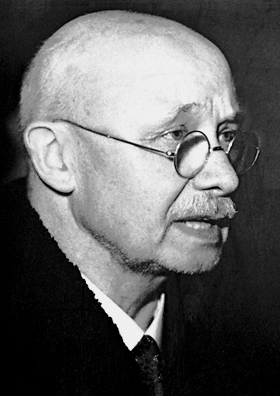 Chemist
Otto Diels
The Diels–Alder reaction for building carbon rings.
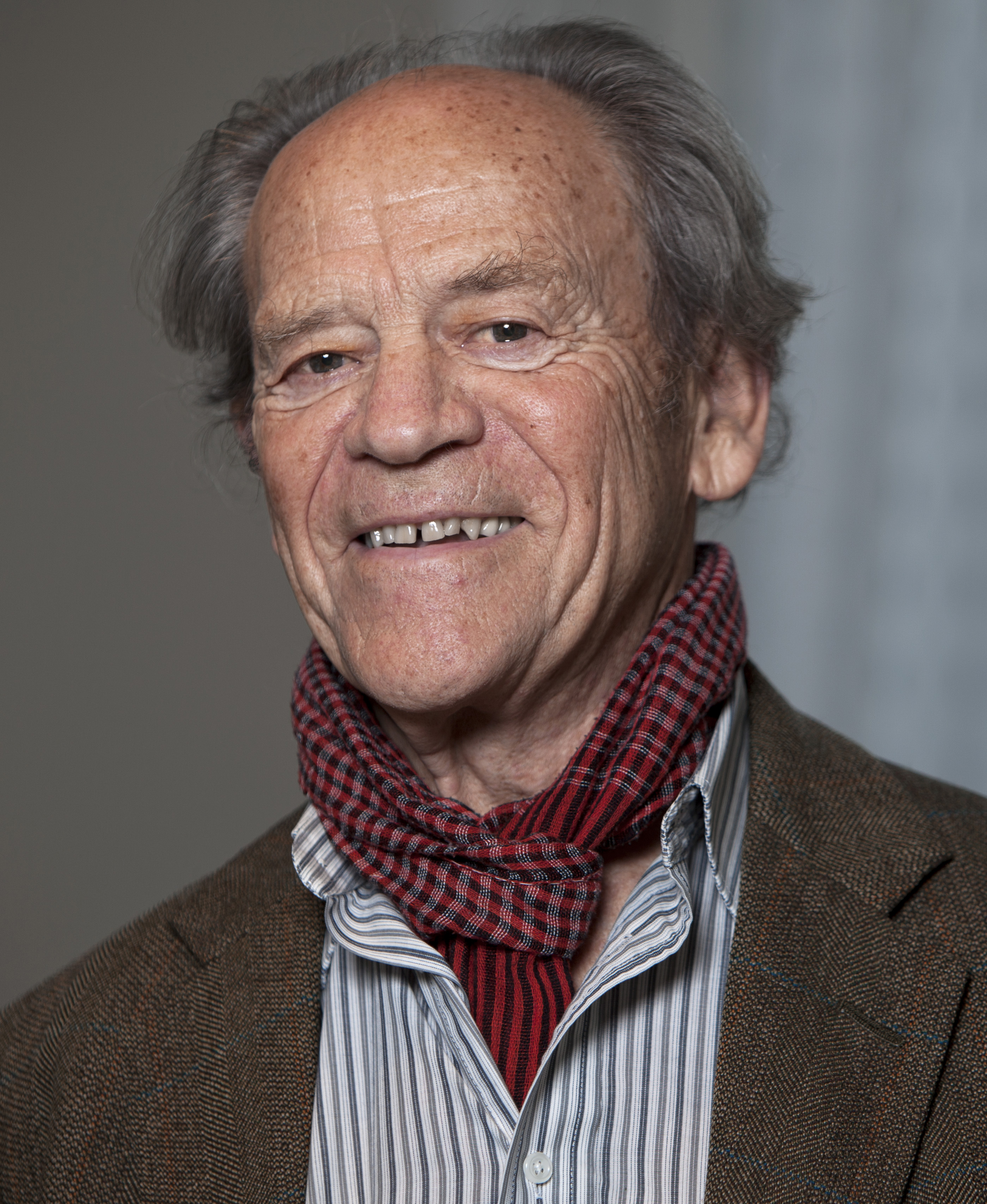 Neuroscientist
Torsten Wiesel
Explaining how the brain processes visual information.
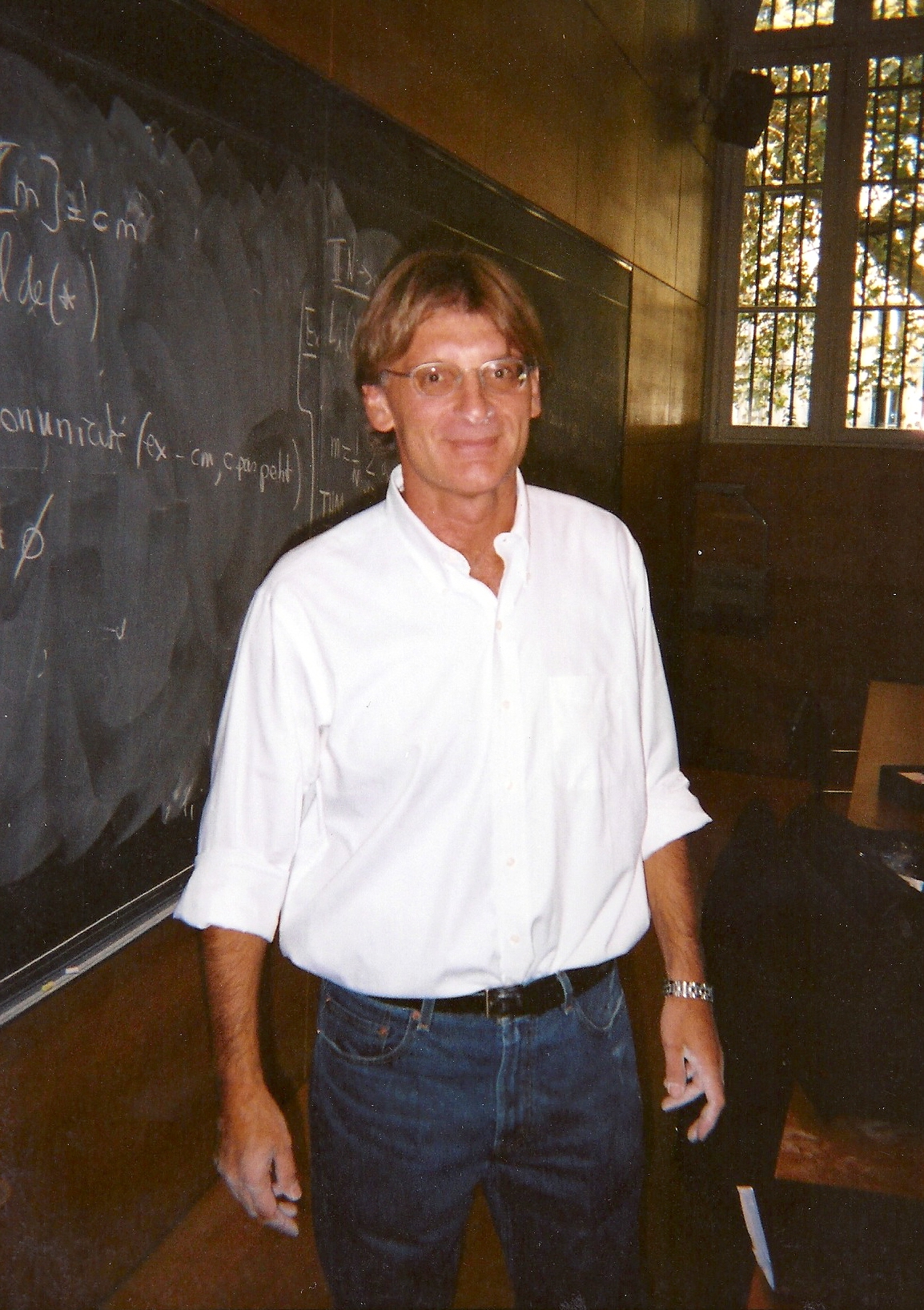 Mathematician
Pierre-Louis Lions
Partial differential equations and the calculus of variations.
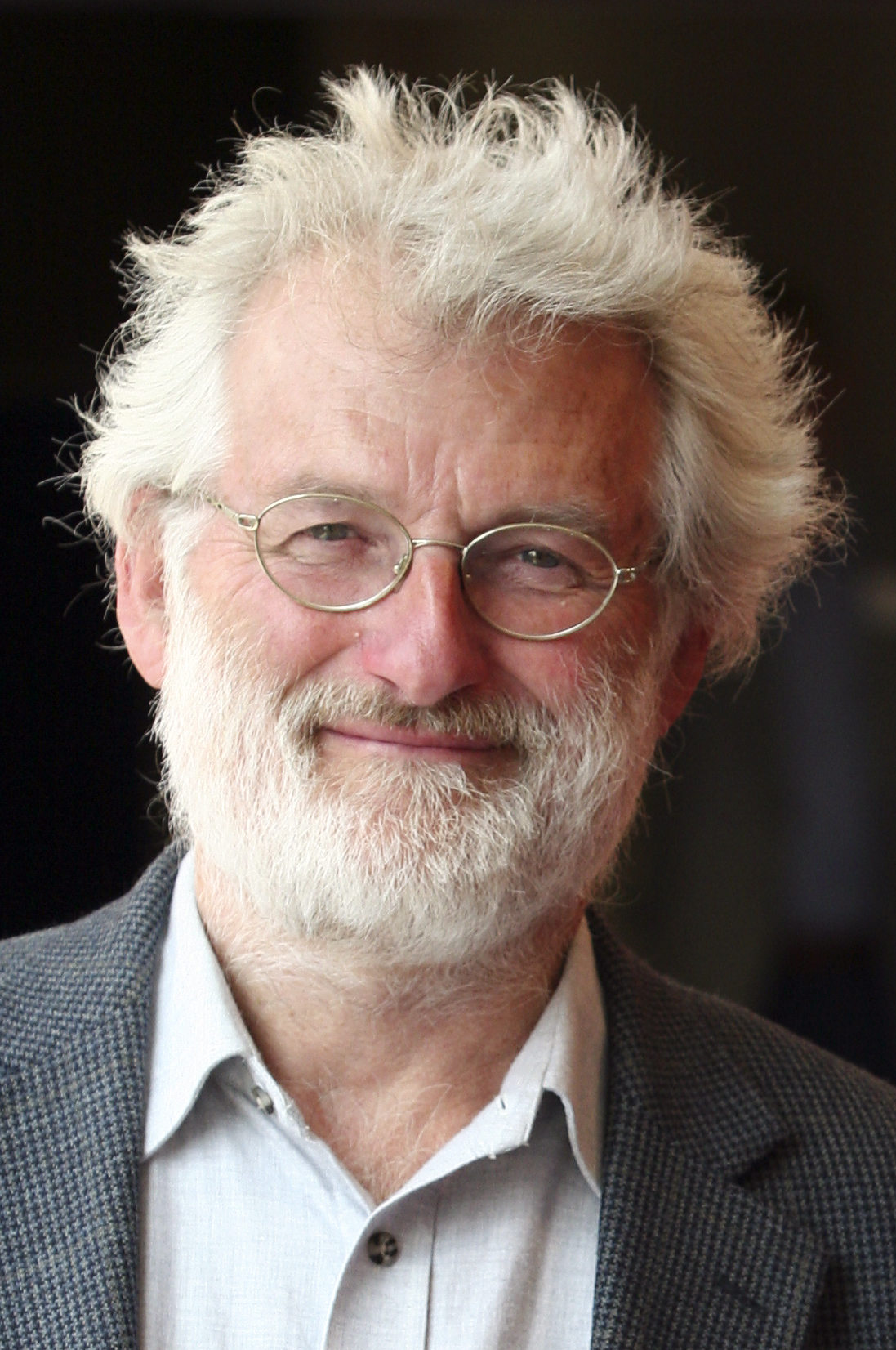 Biologist
John Sulston
Tracing cell development and championing public genome data.
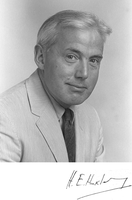 Biophysicist
Hugh Huxley
The sliding-filament explanation of muscle contraction.
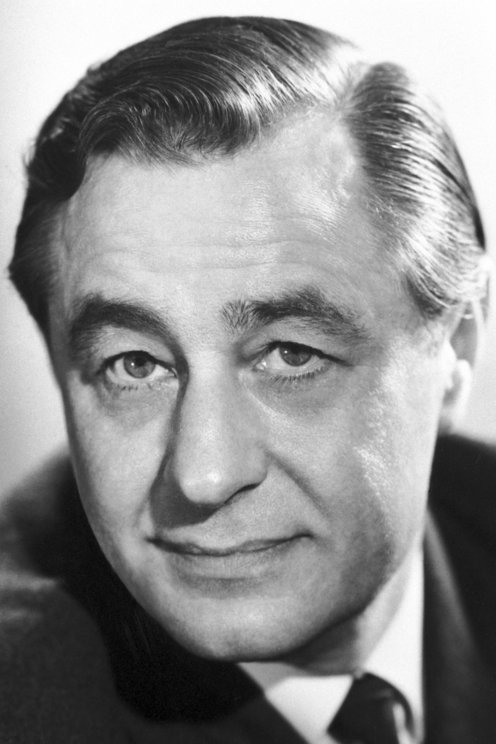 Chemist
George Porter
Using flash photolysis to study fleeting chemical reactions.
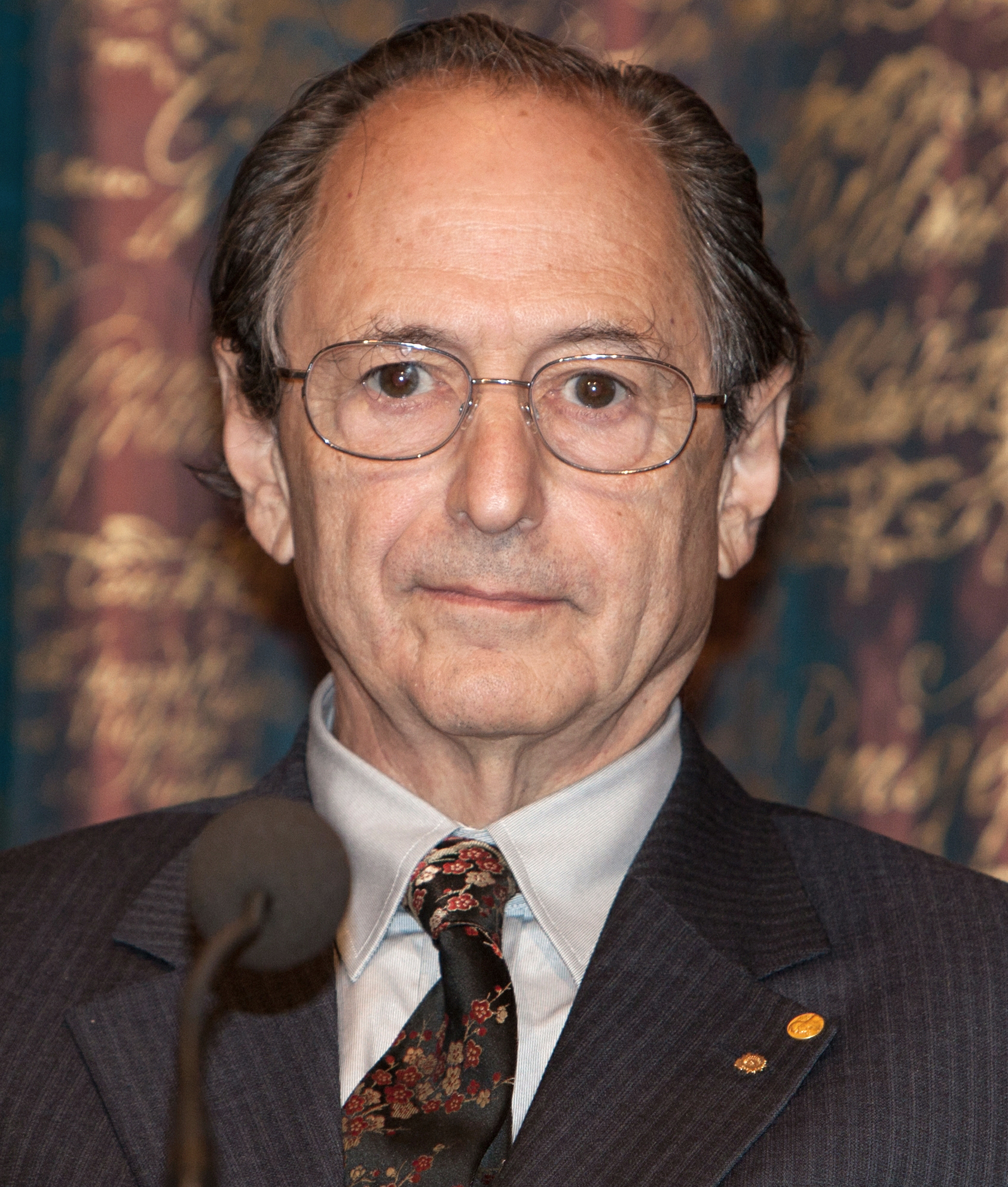 Biophysicist
Michael Levitt
Computer models for complex molecules and chemical systems.
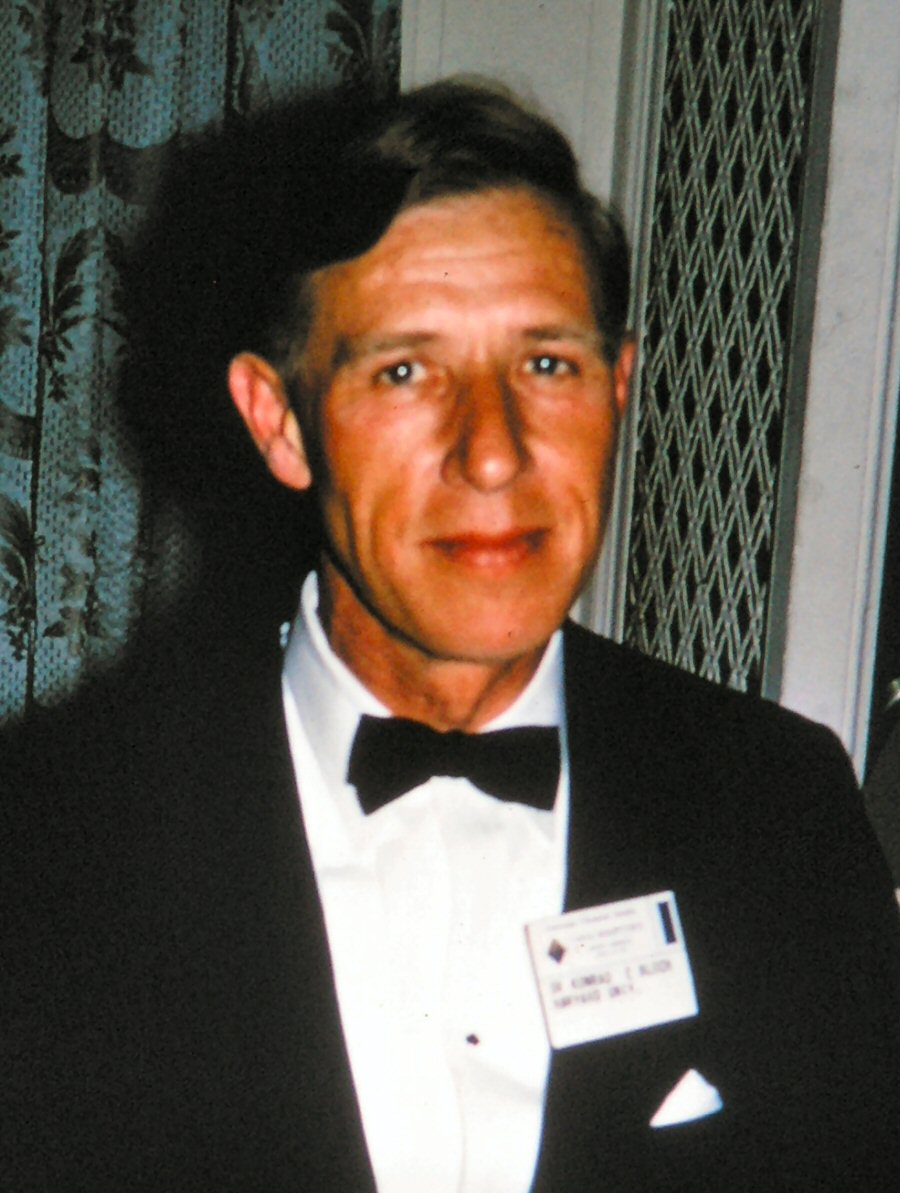 Biochemist
Konrad Emil Bloch
Tracing how the body synthesises cholesterol.
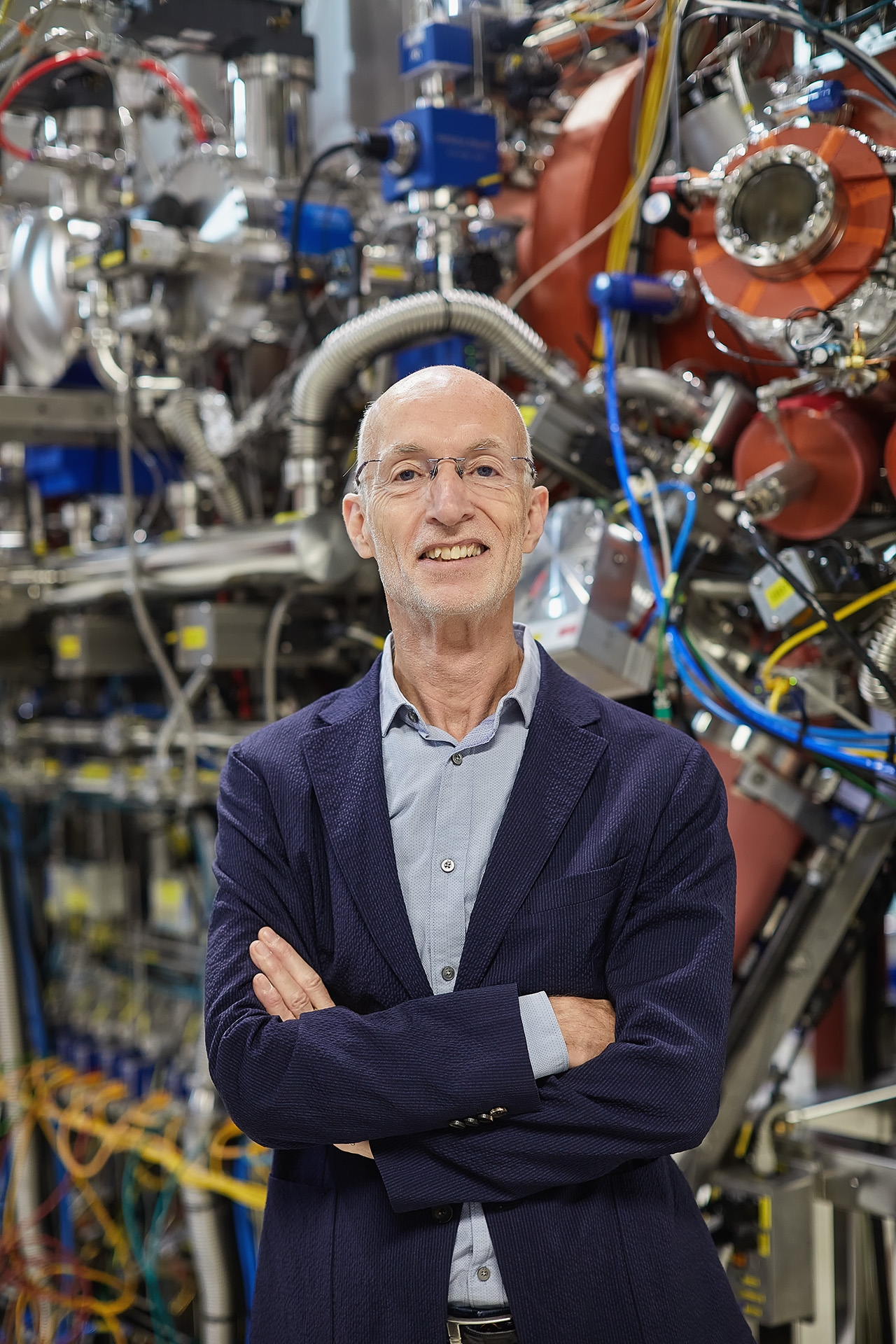 Physicist
Stuart Parkin
Spintronic materials that helped expand hard-drive storage.
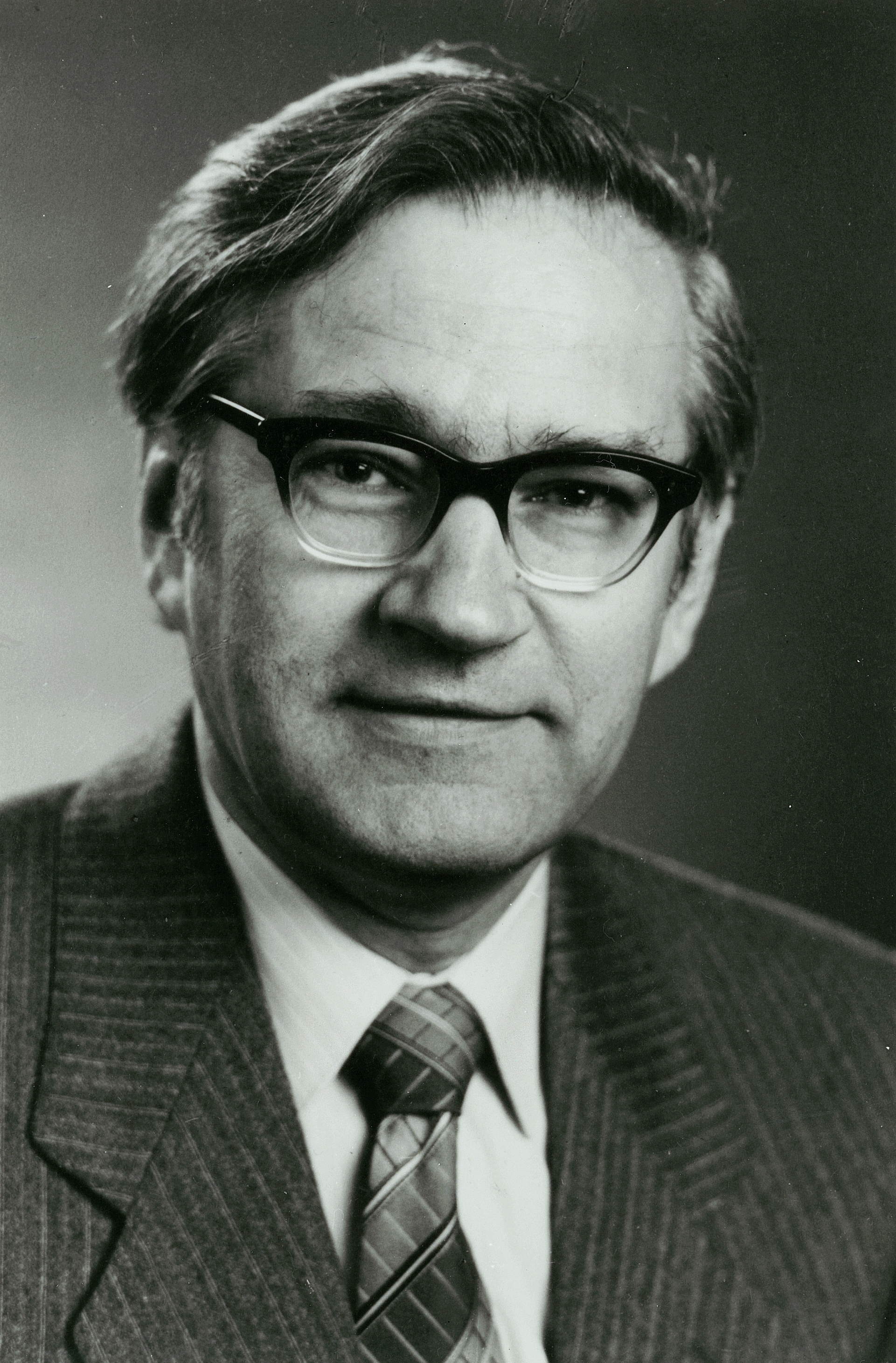 Chemist
Richard R. Ernst
Methods that transformed nuclear magnetic resonance spectroscopy.
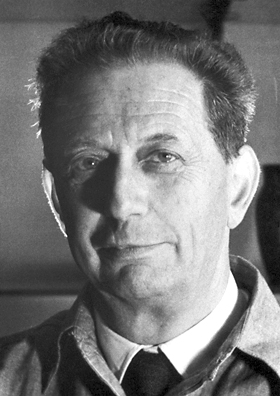 Microbiologist
André Michel Lwoff
Research into viruses and their relationship with bacteria.
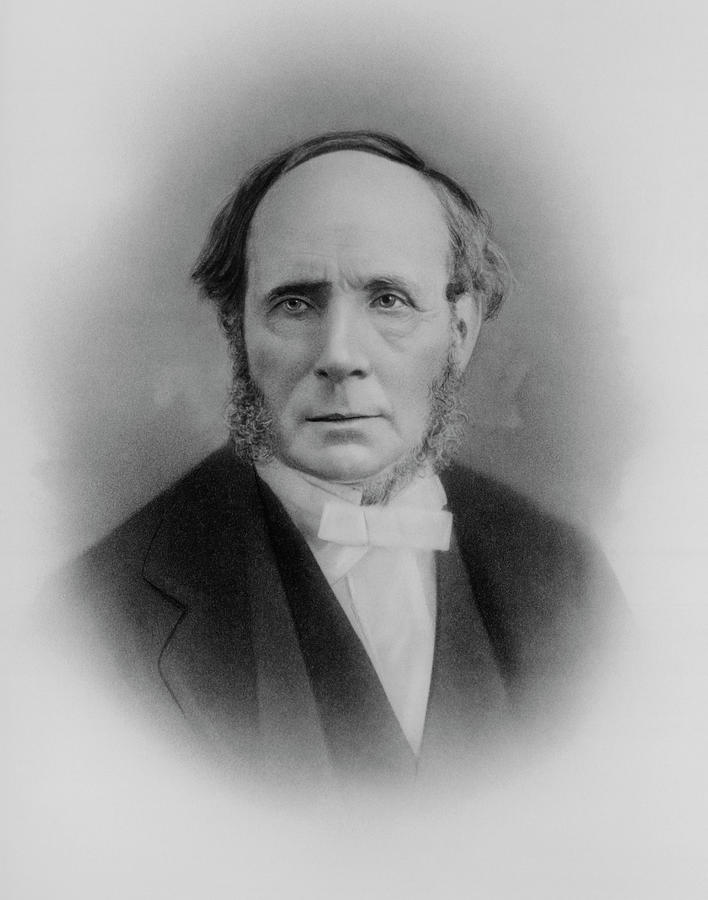 Astronomer
Robert Main
Stellar observations and astronomical catalogues at Greenwich and Oxford.
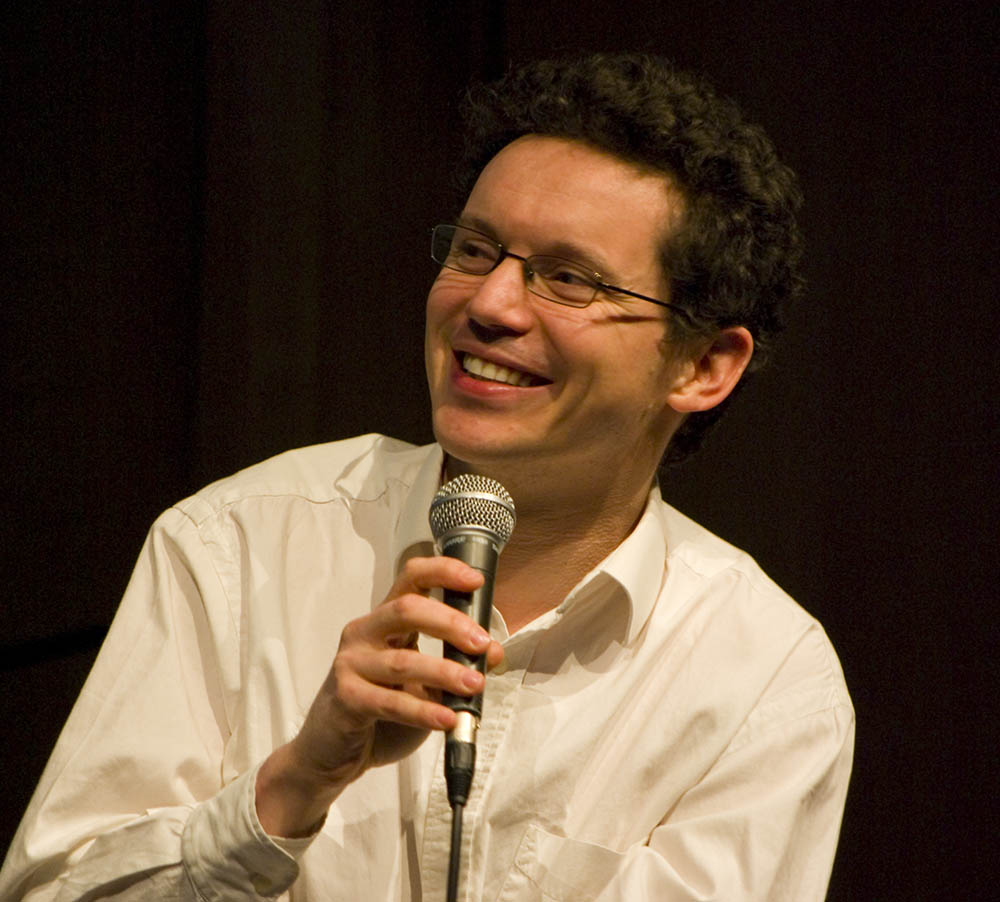 Mathematician
Wendelin Werner
Understanding the geometry of random processes.
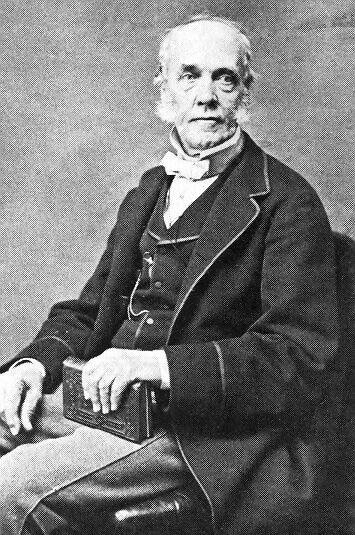 Astronomer
William Lassell
Discovering Triton, Ariel and Umbriel with self-built telescopes.
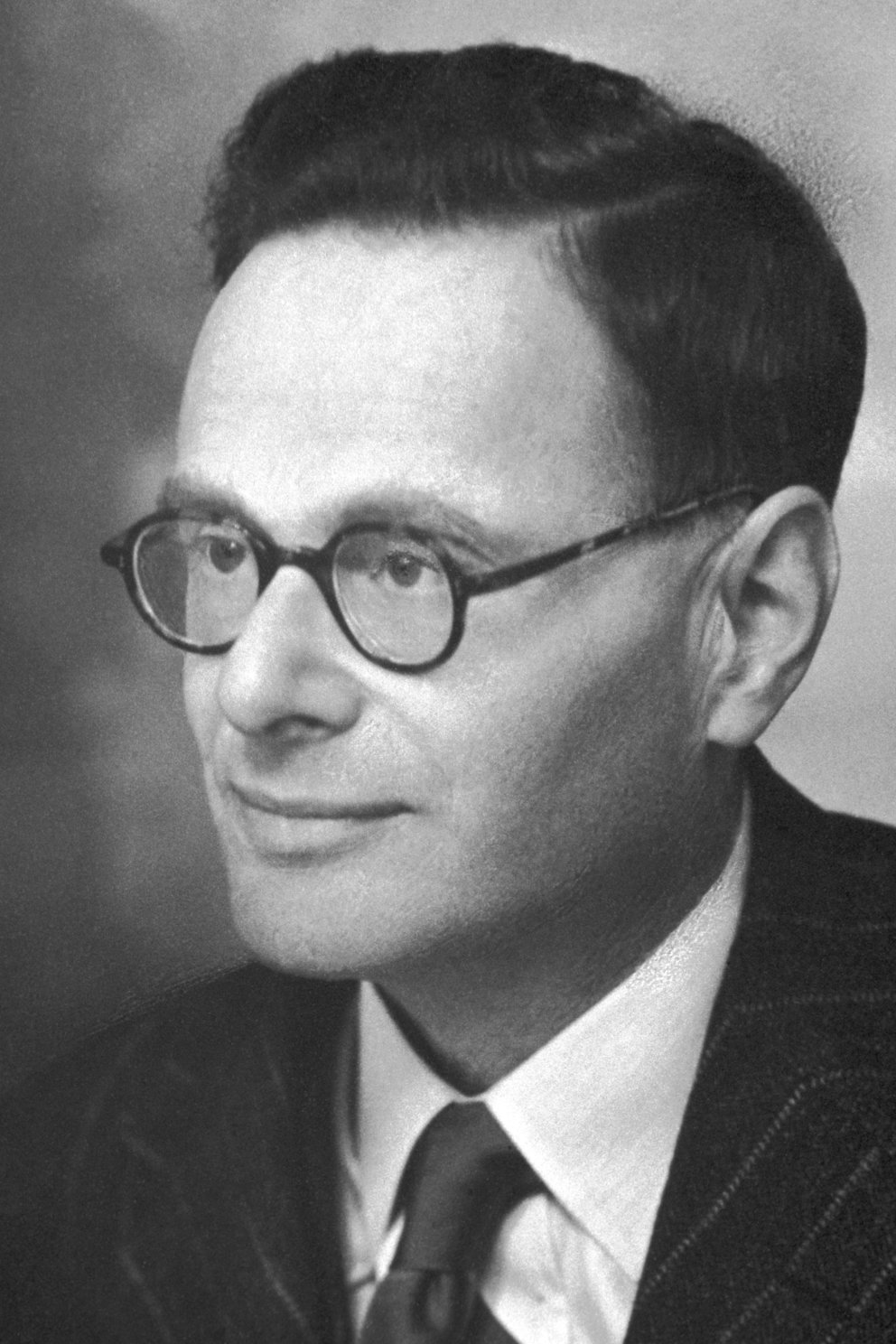 Biochemist
Hans Krebs
Discovering the citric acid cycle.
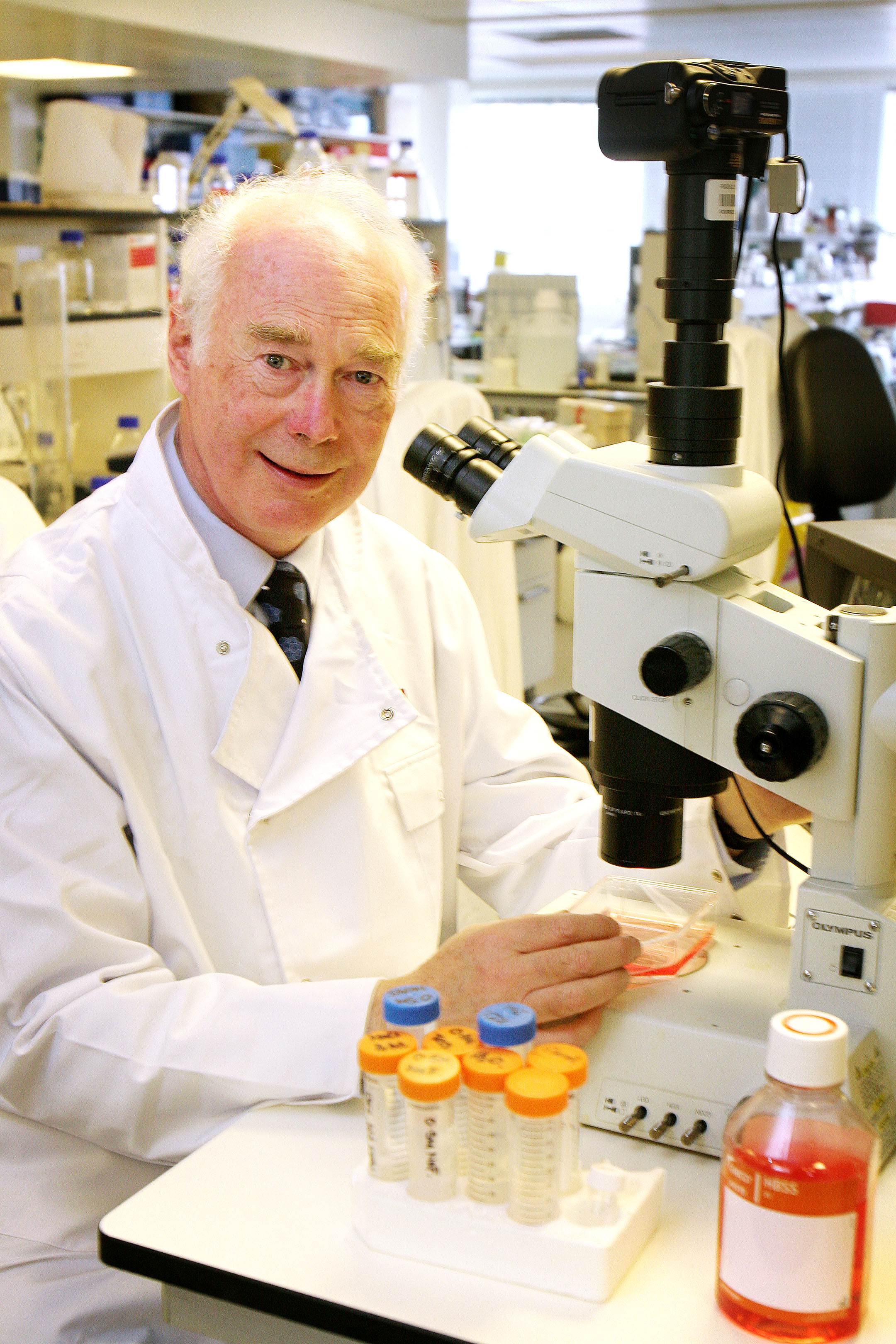 Biologist
Martin Evans
Developing embryonic stem-cell methods used in gene targeting.
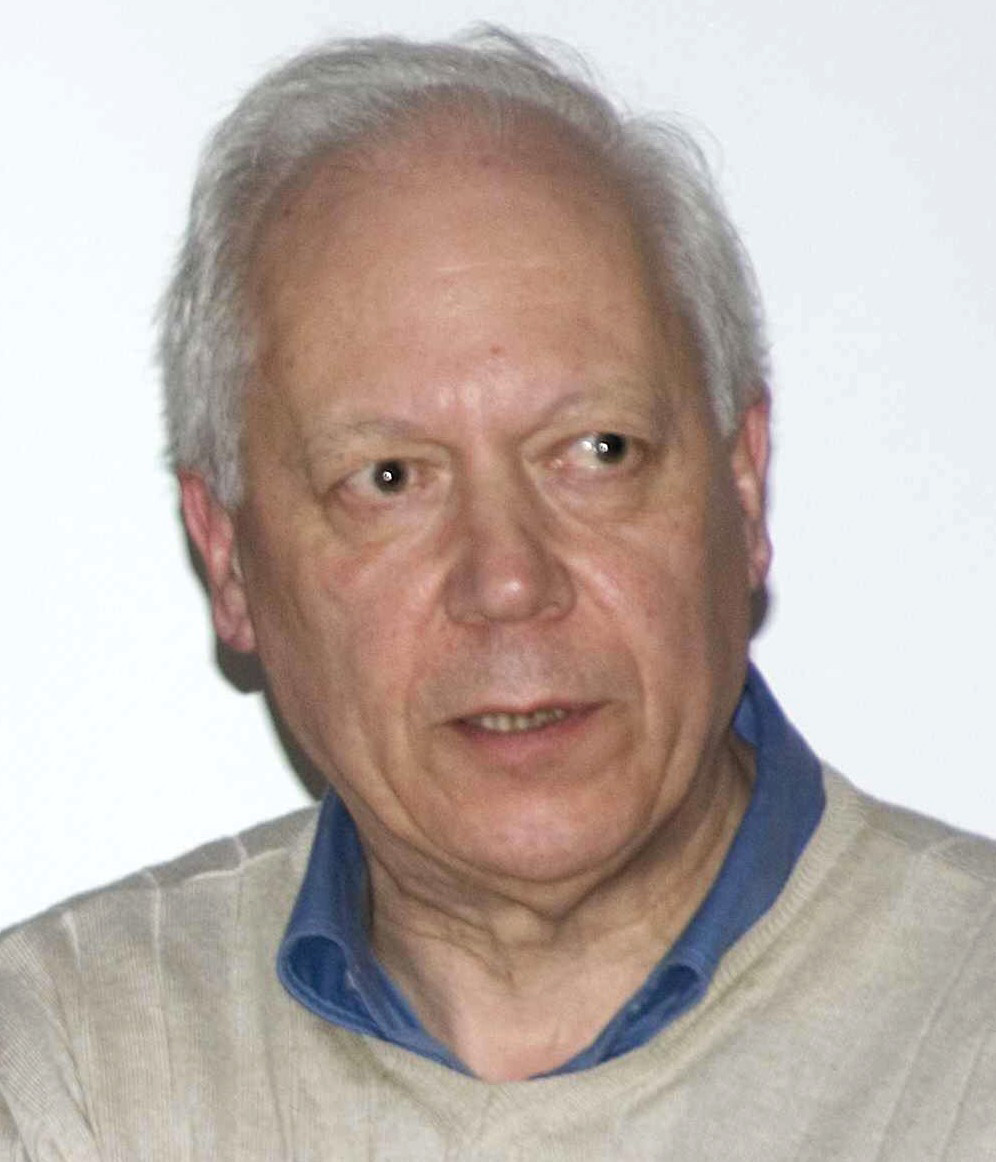 Mathematician
Enrico Bombieri
Major advances in analytic number theory and the large sieve.
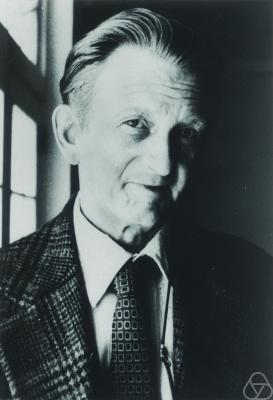 Mathematician
Atle Selberg
The Selberg sieve and advances in analytic number theory.
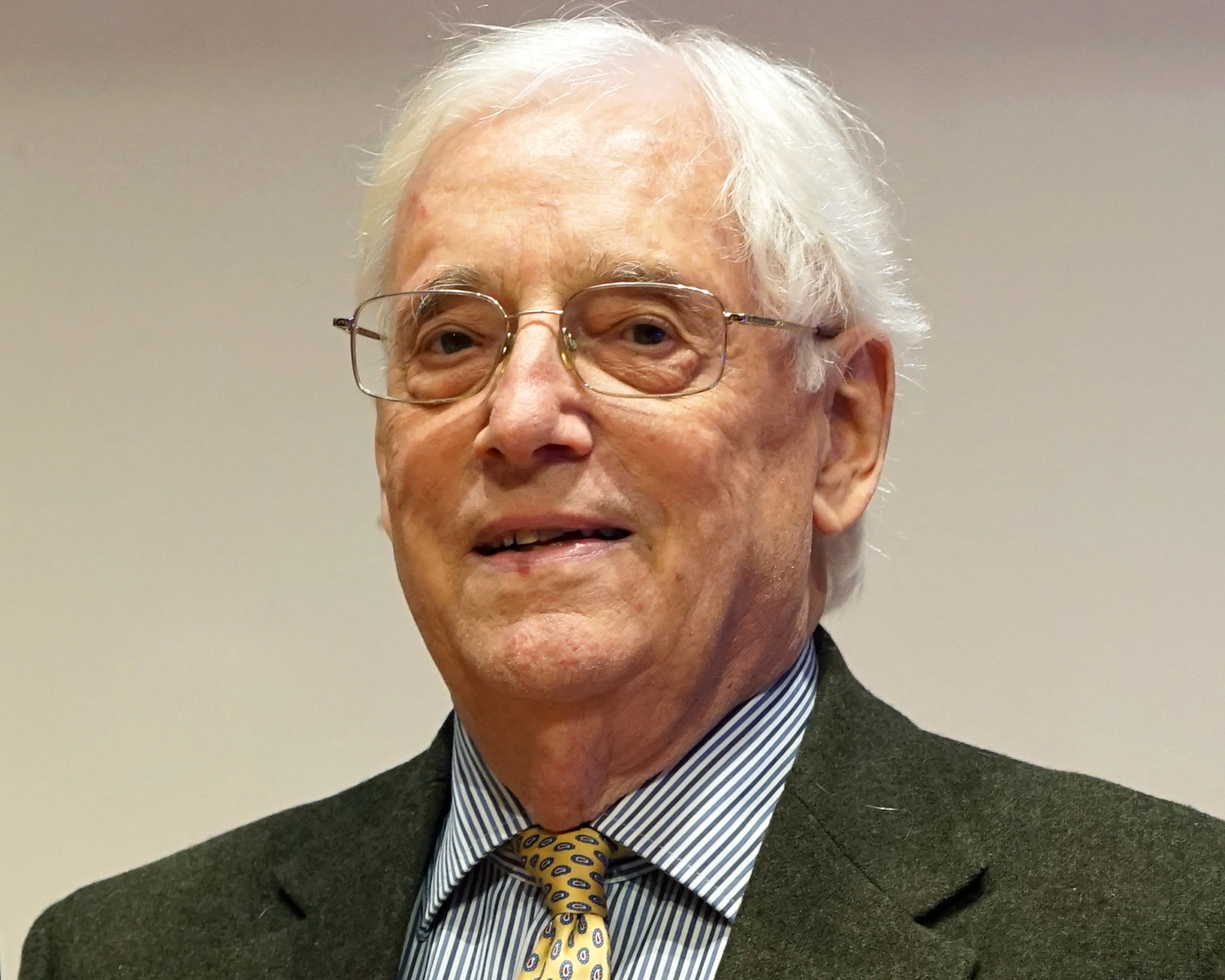 Chemist
John E. Walker
Revealing the structure of ATP-producing molecular machinery.
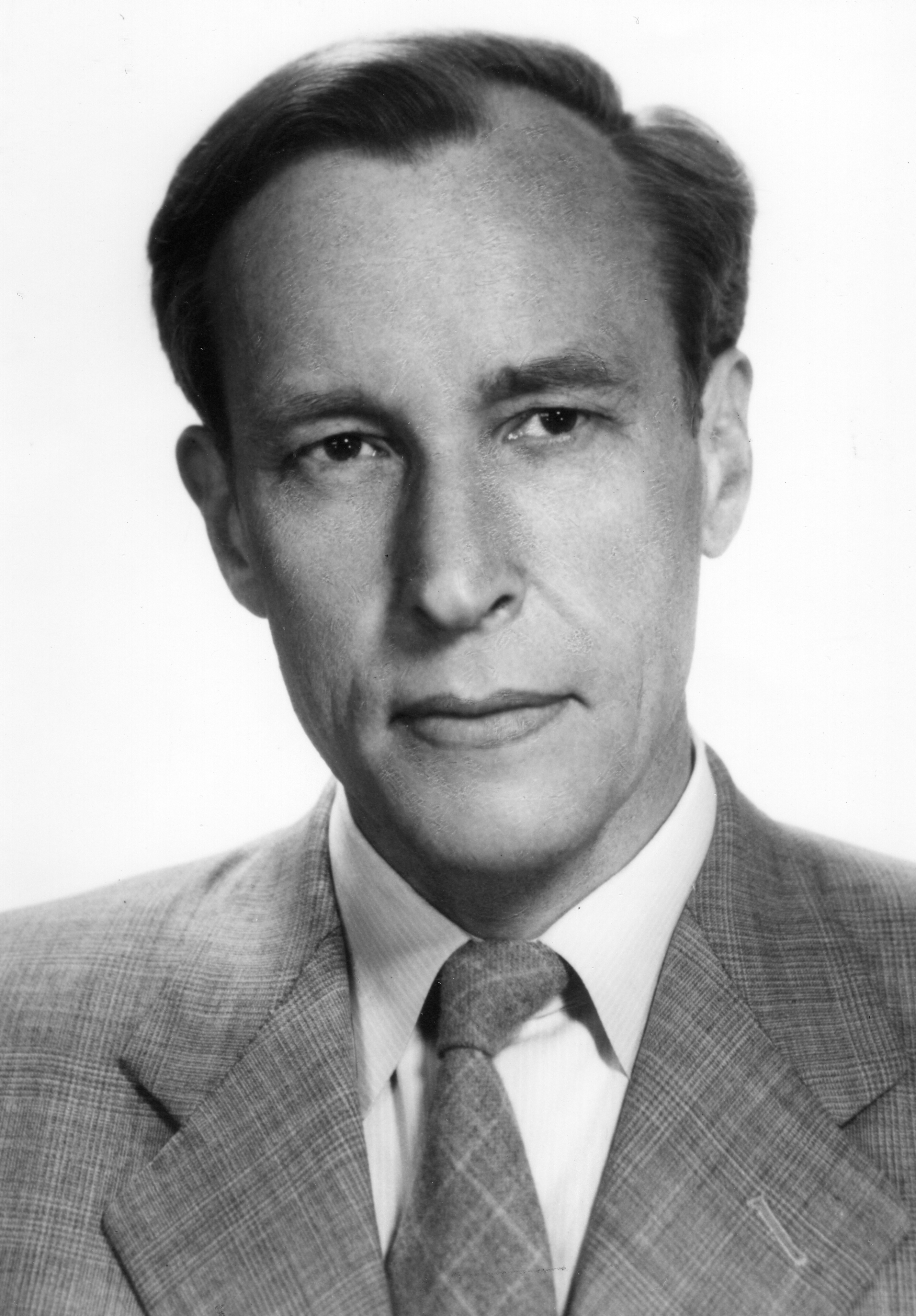 Astronomer
Bengt Edlén
Identifying the source of mysterious lines in the solar corona’s spectrum.
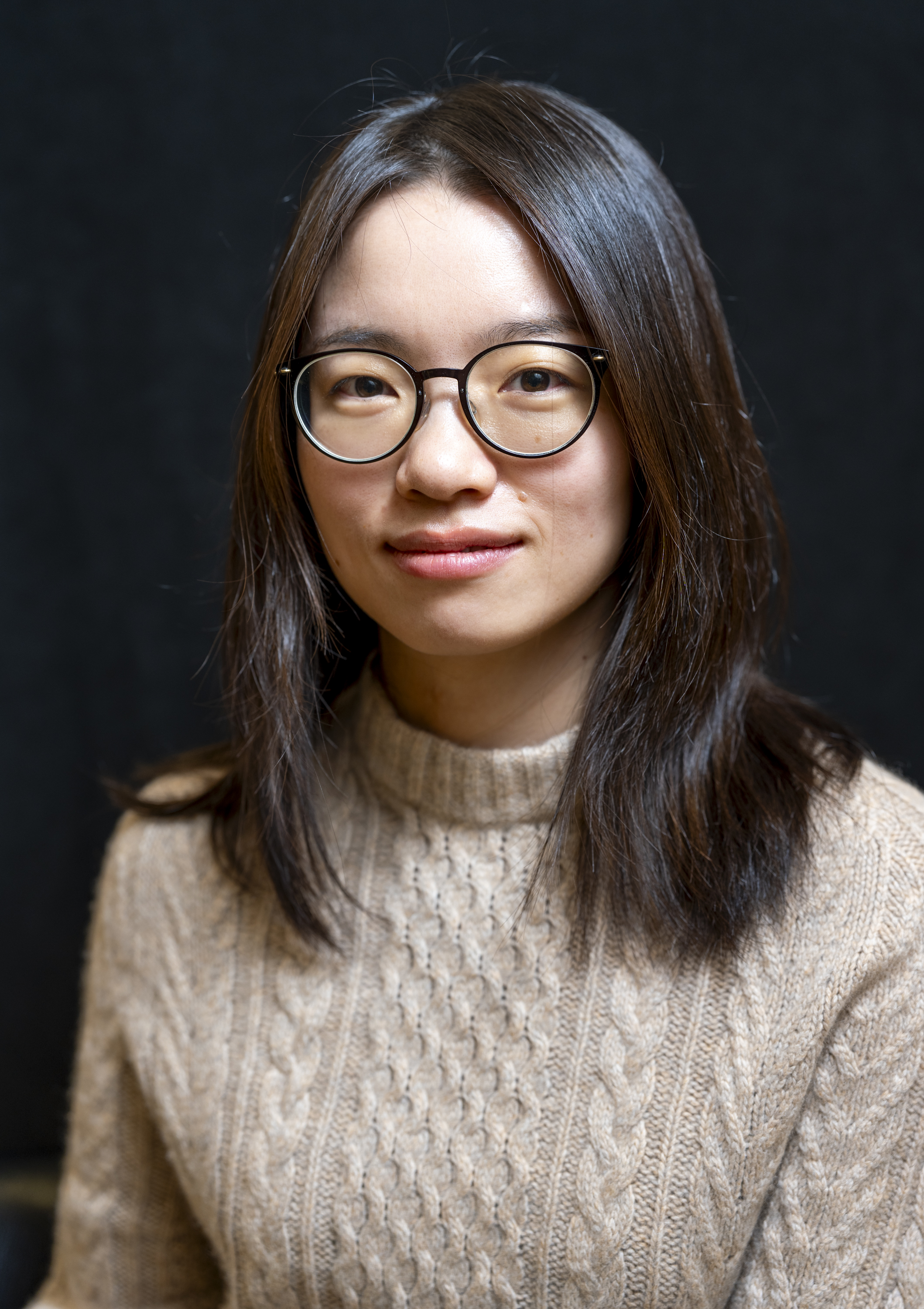 Mathematician
Hong Wang
Advancing the three-dimensional Kakeya problem with Joshua Zahl.
 Biologist
Don Craig Wiley
Revealing structures involved in viral infection and immune recognition.
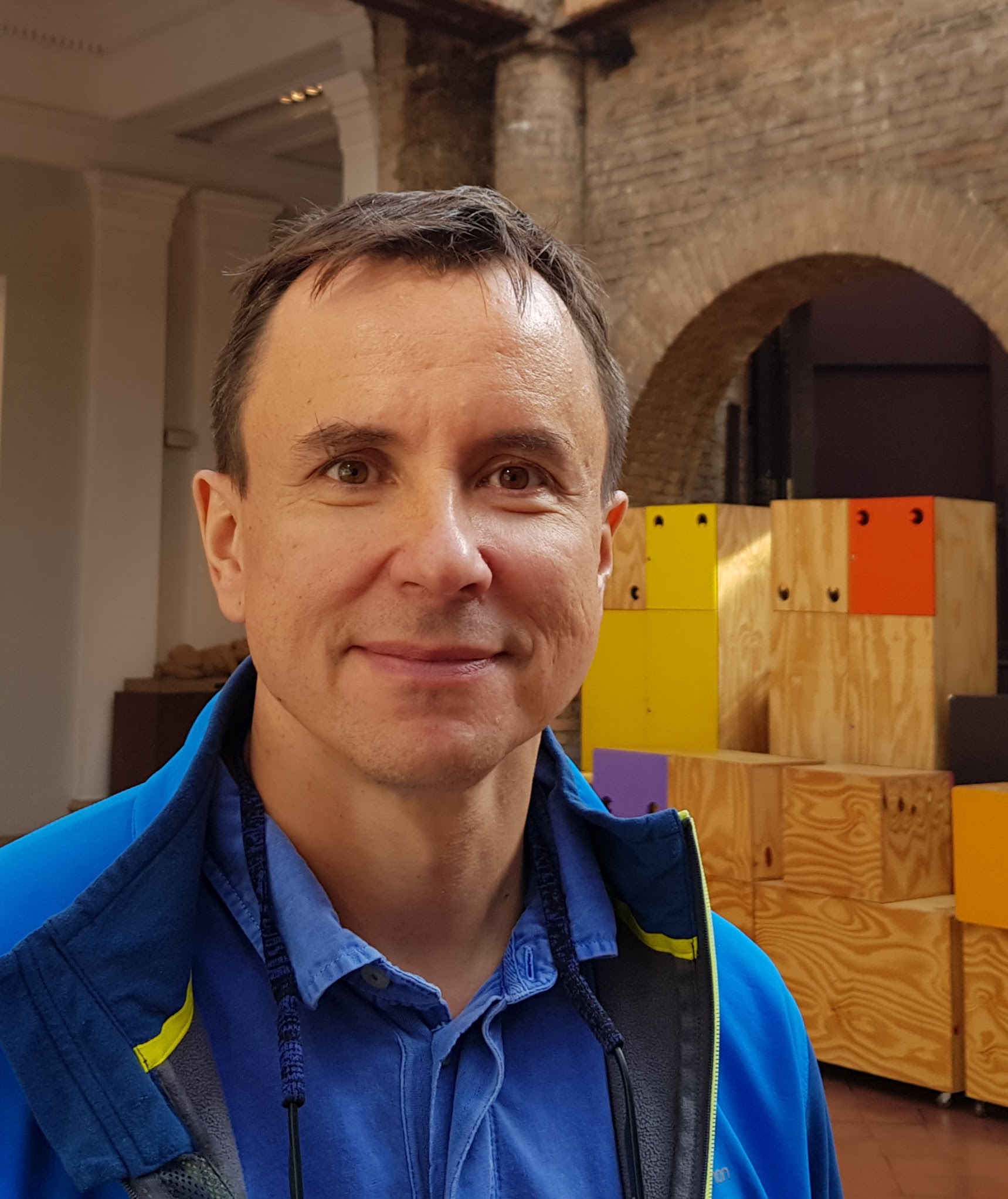 Mathematician
Andrei Okounkov
Connecting probability, representation theory and algebraic geometry
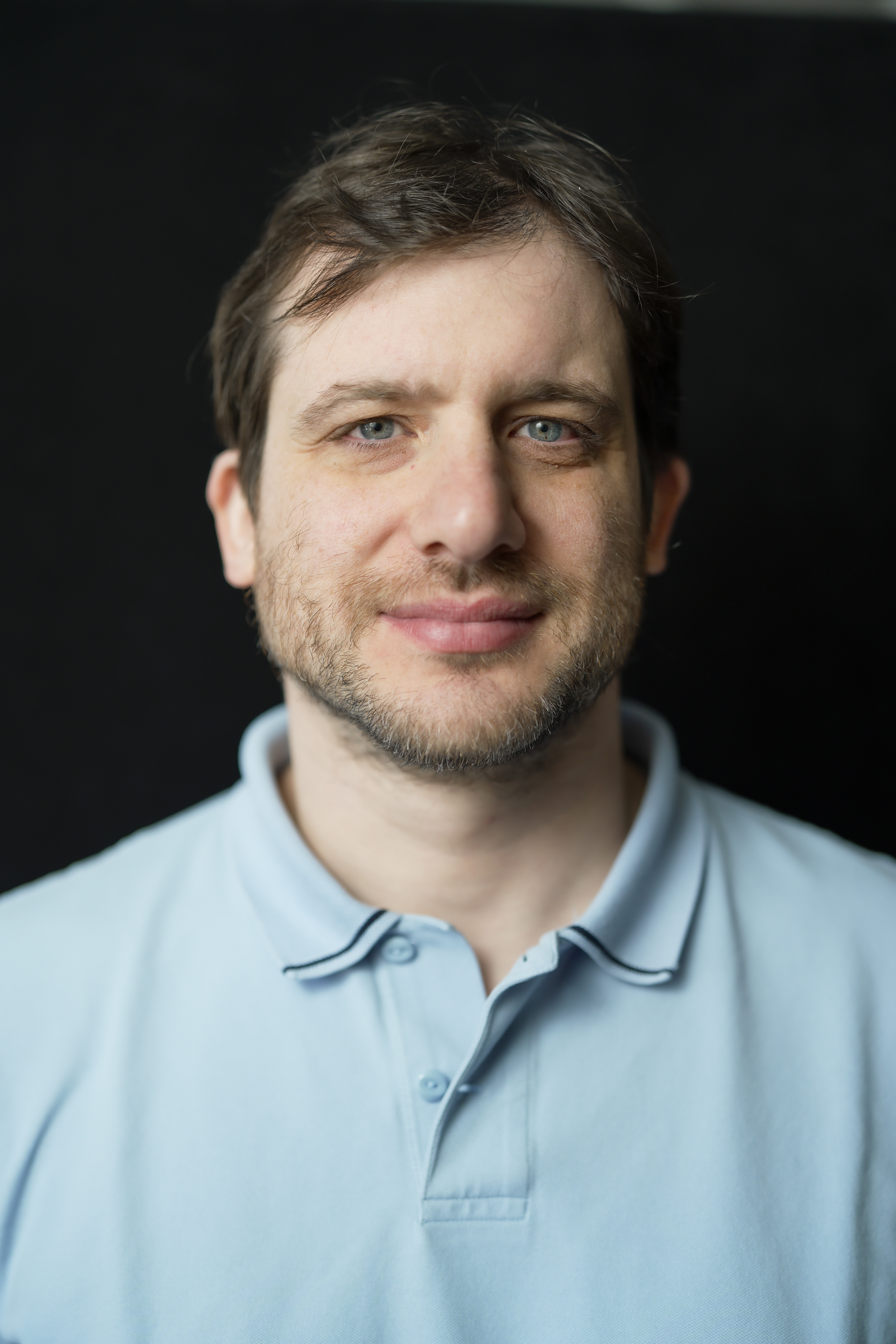 Mathematician
Jacob Tsimerman
Connecting number theory with algebraic geometry
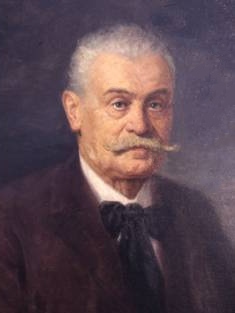 Astronomer
Karl Friedrich Küstner
Detecting changes in latitude and cataloguing stars.
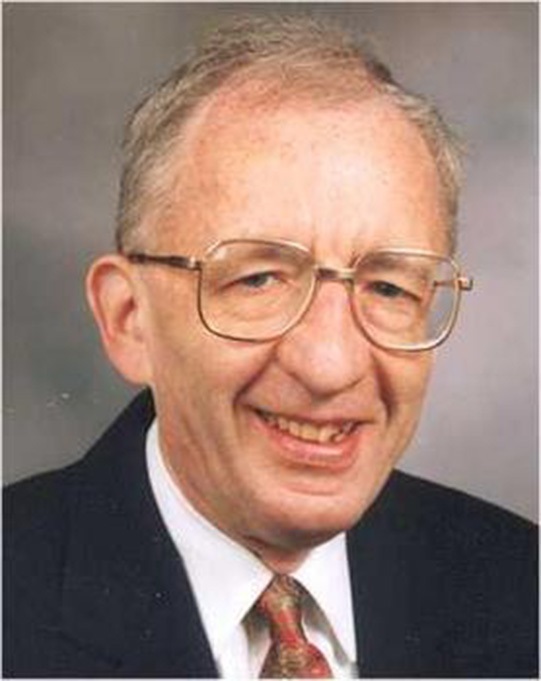 Mathematician
Alan Baker
Effective methods in transcendental number theory.
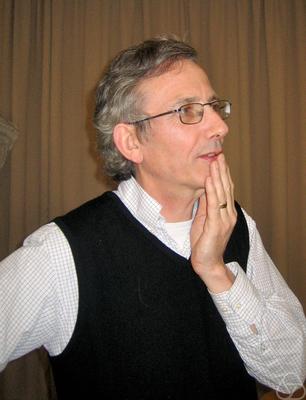 Mathematician
Simon Donaldson
Transforming the study of smooth four-dimensional spaces.
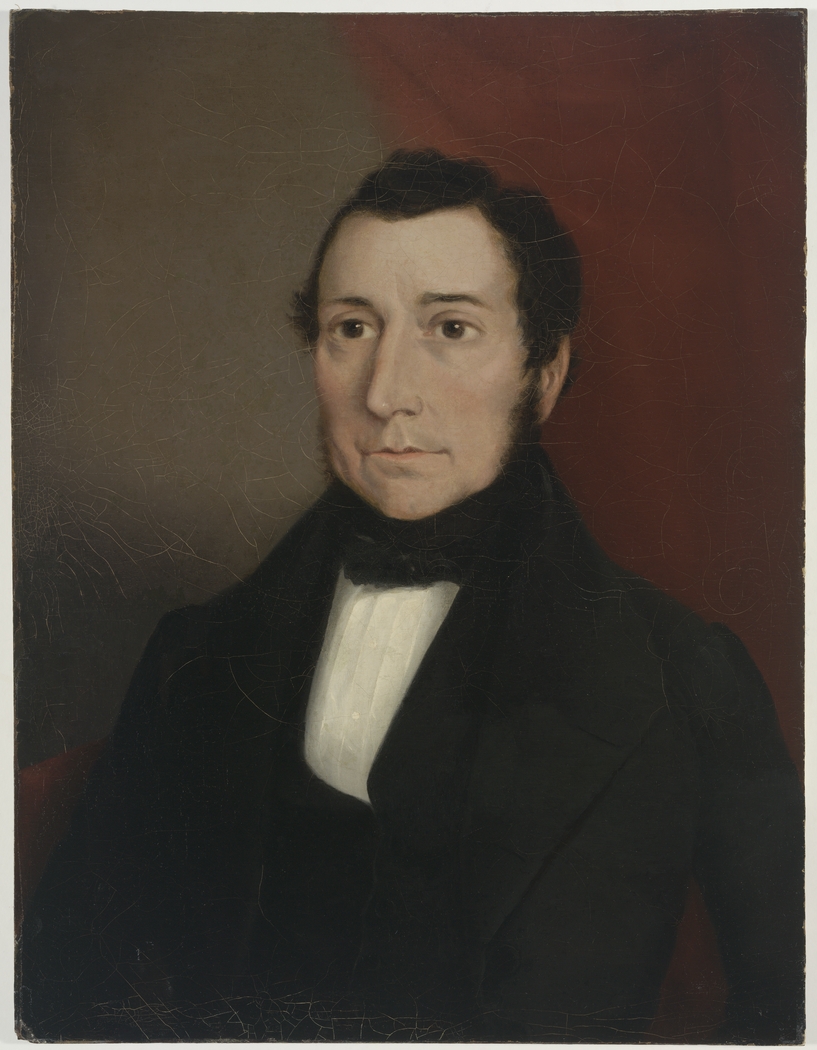 Astronomer
James Dunlop
Cataloguing stars and deep-sky objects in the southern sky.