Chemistry
Substances and how they change.
People in Chemistry
79 profiles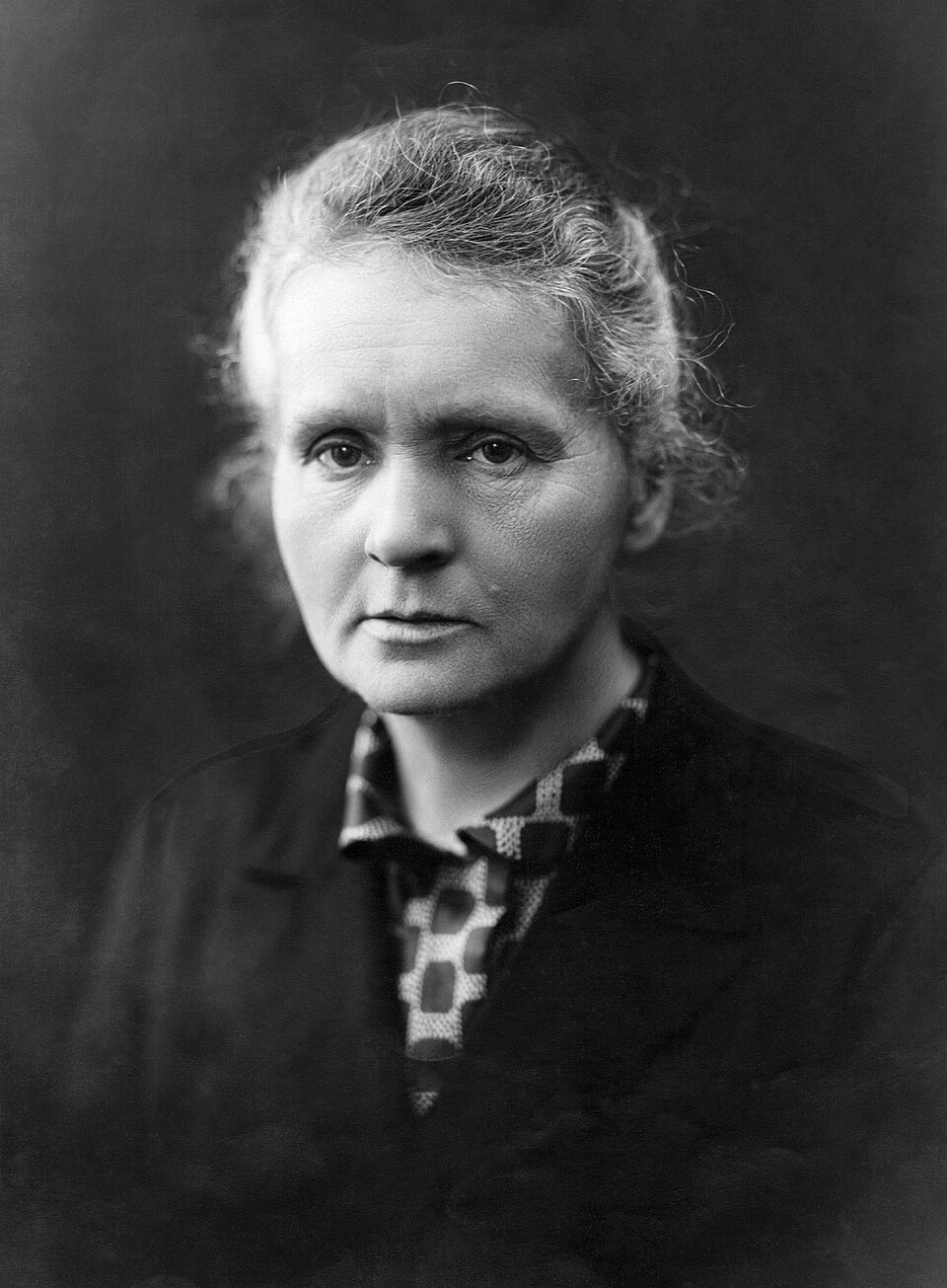 Scientist
Marie Curie
Discovering polonium and radium.
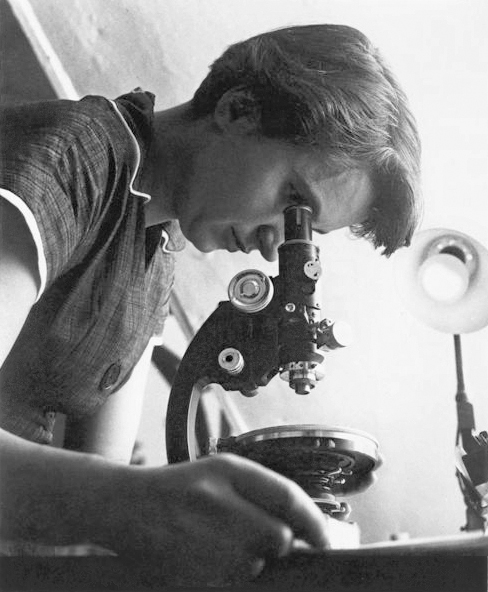 Chemist
Rosalind Franklin
Producing crucial X-ray evidence for DNA’s structure.
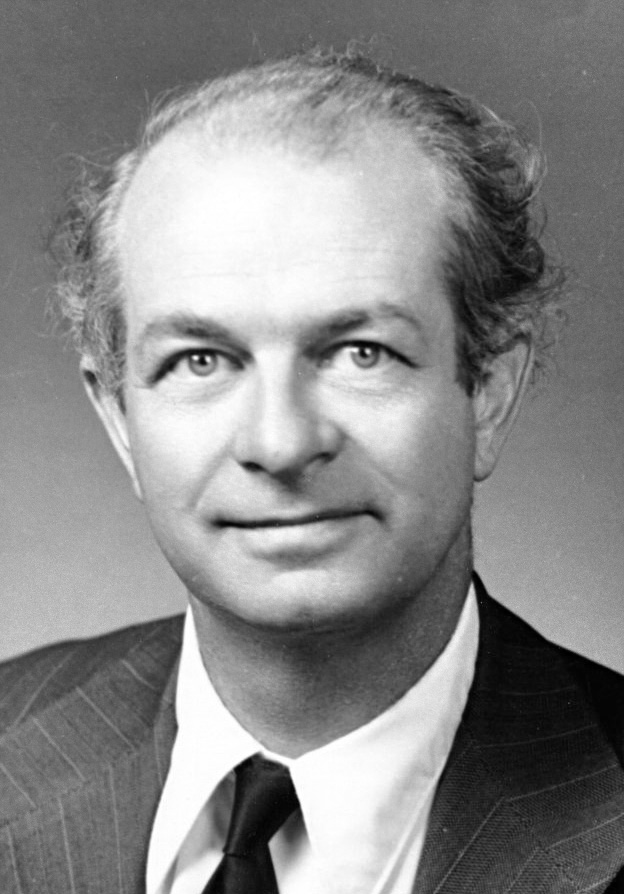 Chemist
Linus Pauling
Explaining chemical bonds and winning separate Nobel Prizes for chemistry and peace.
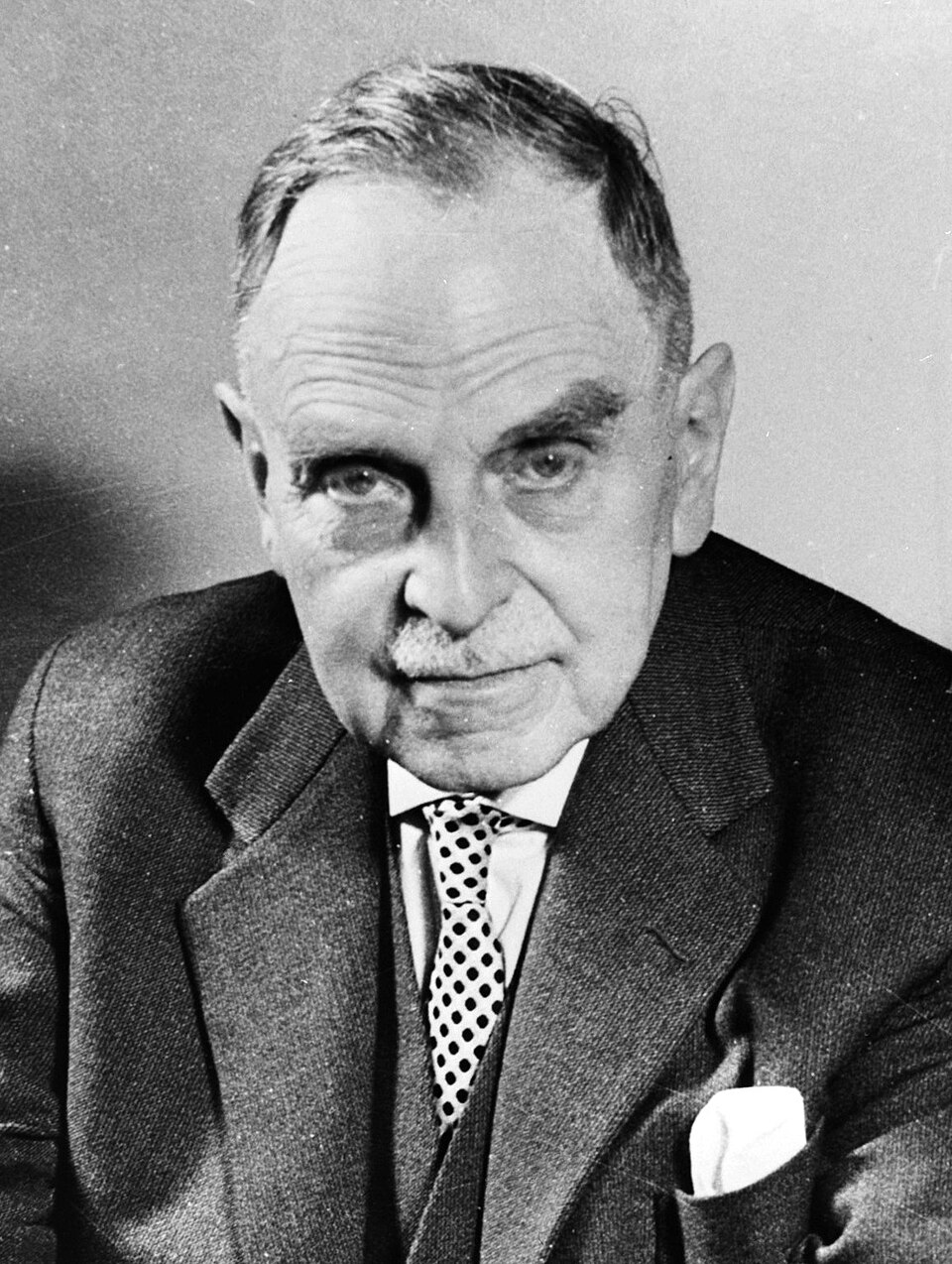 Chemist
Otto Hahn
Finding chemical evidence that uranium nuclei can split.
 Chemist
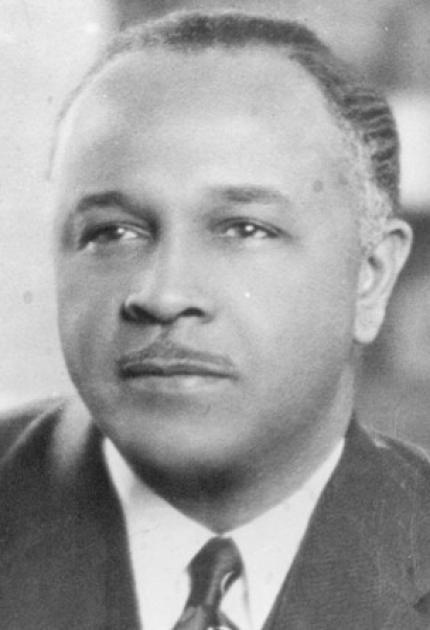
Percy Julian
Synthesising medicinal compounds and developing industrial chemistry from soybeans.
 Chemist
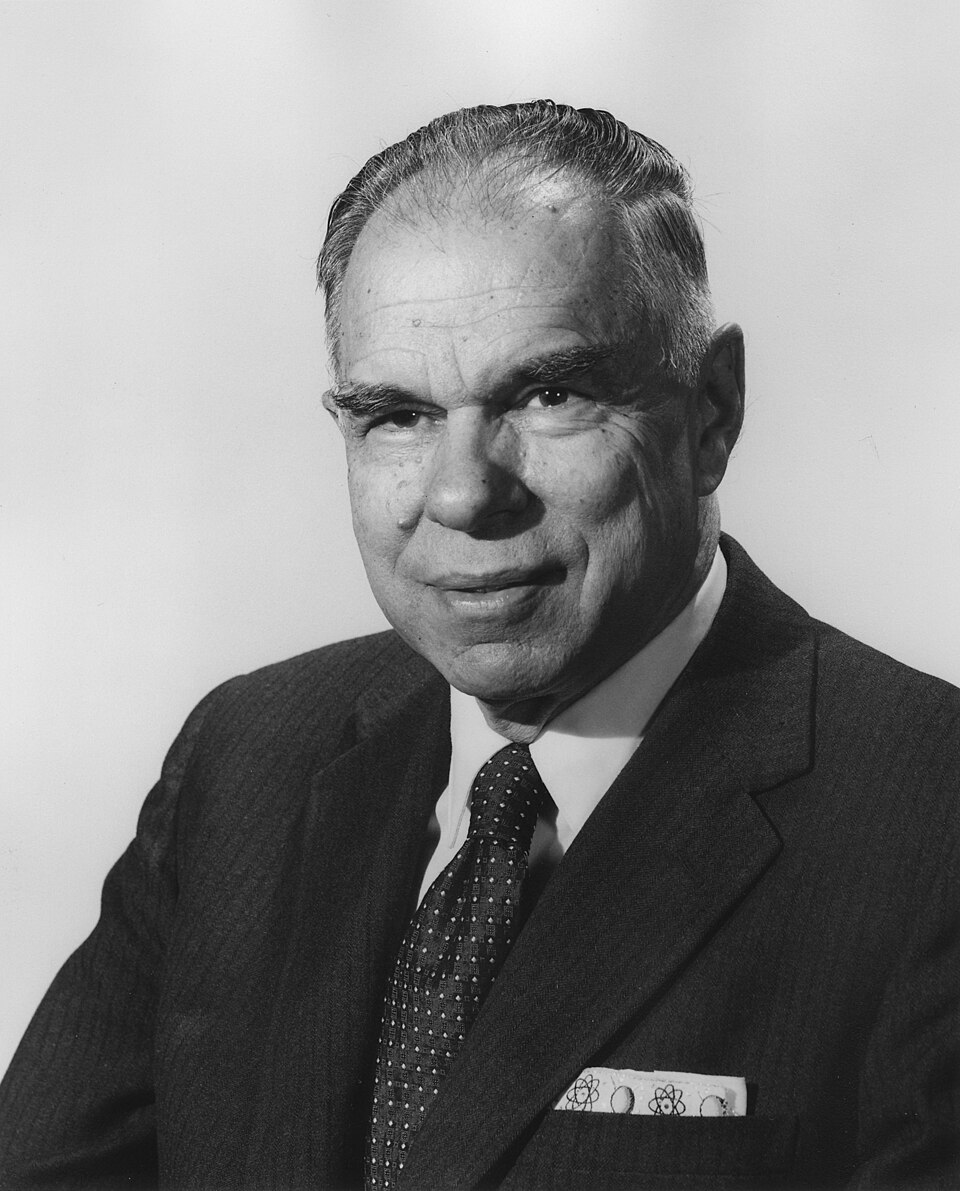
Glenn T. Seaborg
Helping discover transuranium elements and reorganising the periodic table’s actinide series.
 Scientist
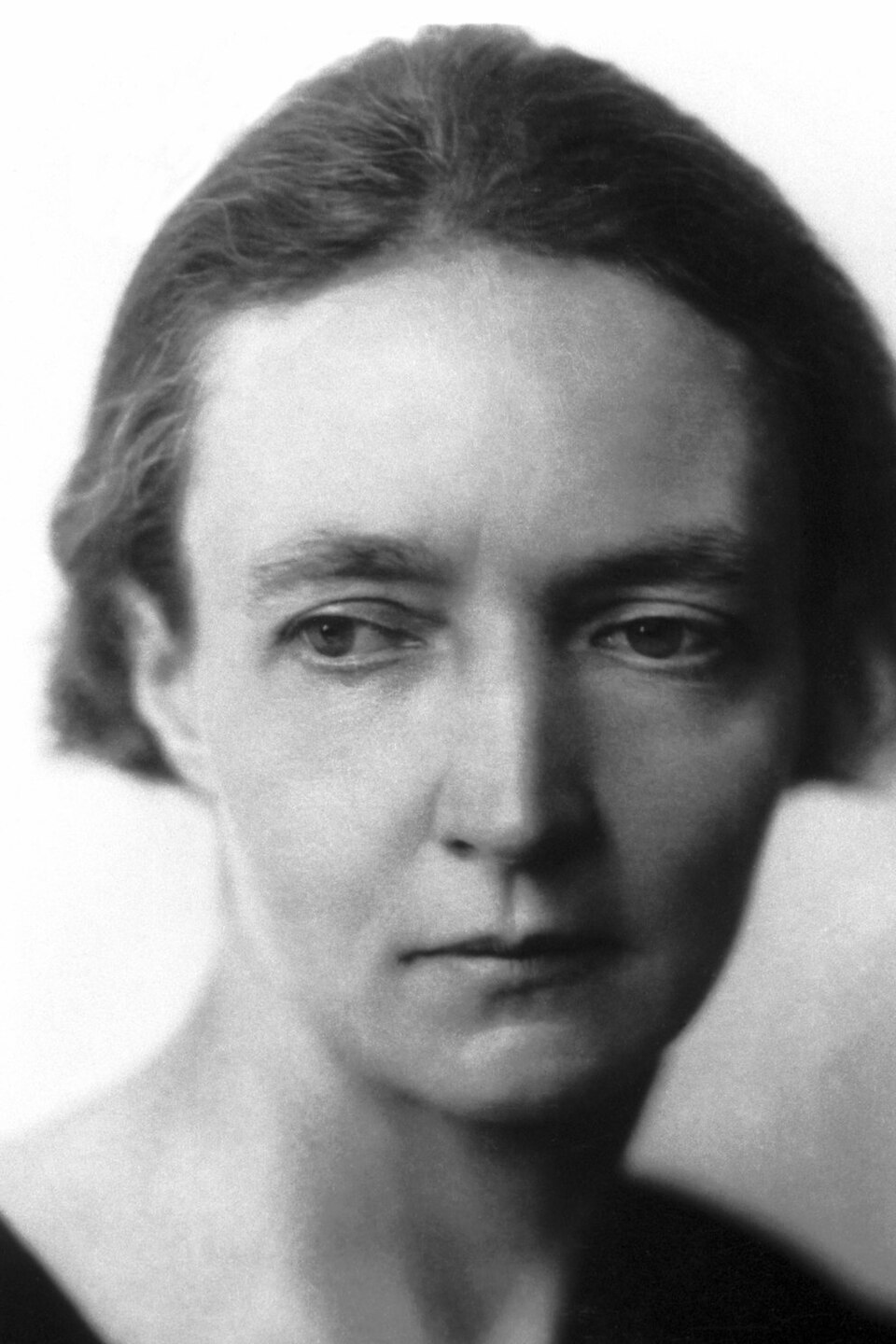
Irène Joliot-Curie
Discovering artificial radioactivity with Frédéric Joliot-Curie.
 Scientist
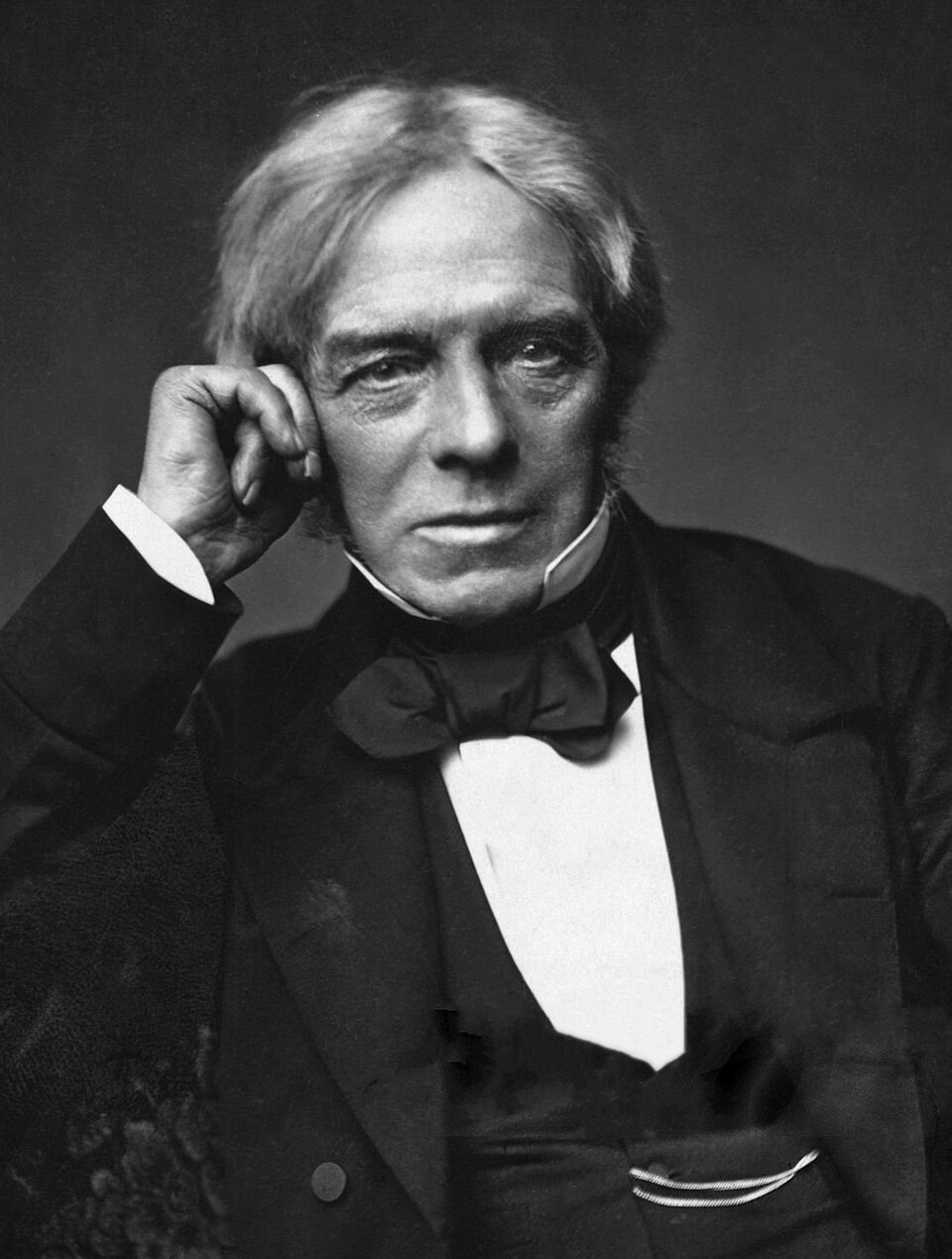
Michael Faraday
Discovering electromagnetic induction, the basis of electric generators.
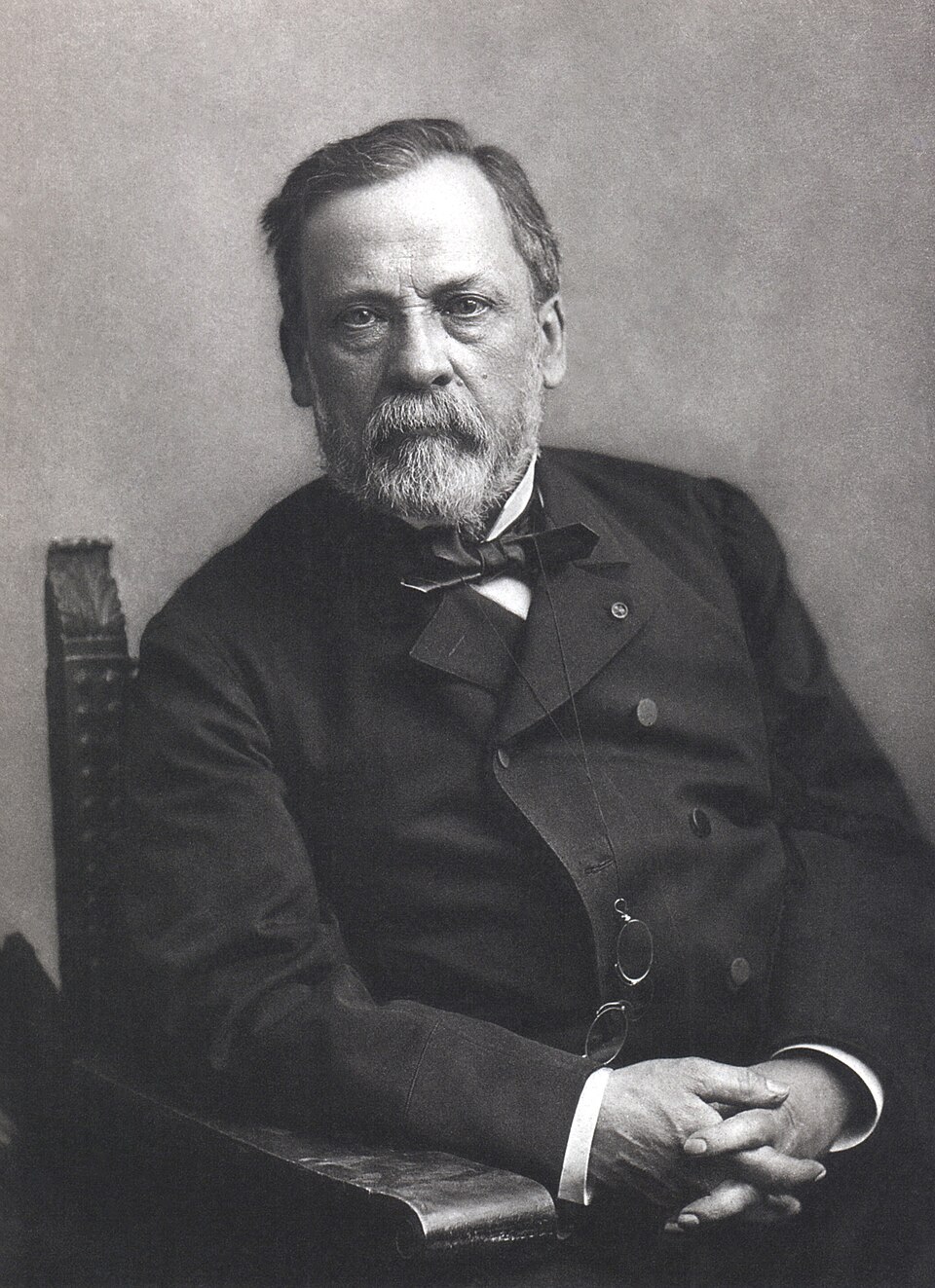 Microbiologist
Louis Pasteur
Explaining microbial fermentation, developing pasteurisation and advancing vaccination.
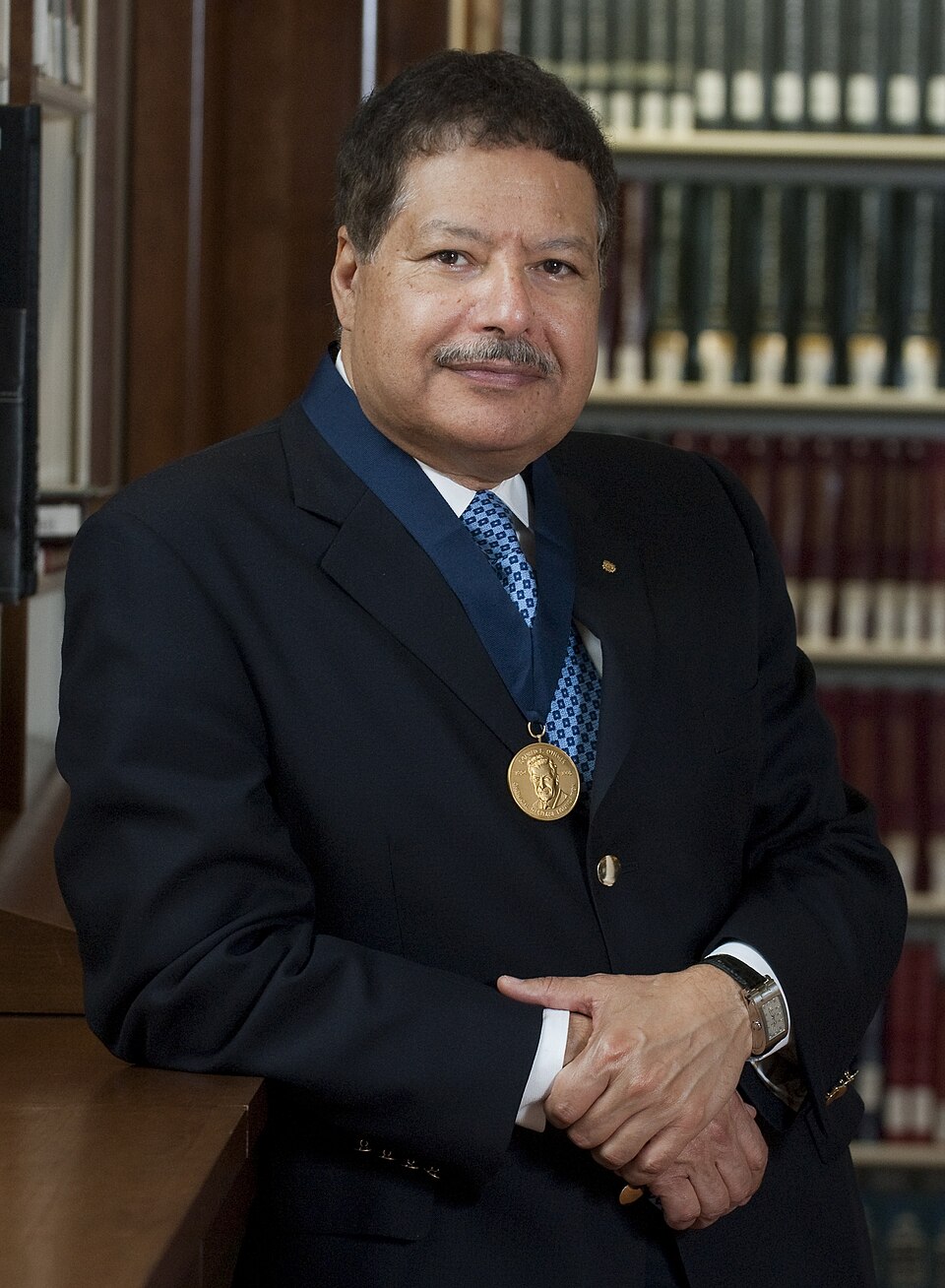 Chemist
Ahmed Zewail
Using ultrafast laser pulses to observe chemical bonds breaking and forming.
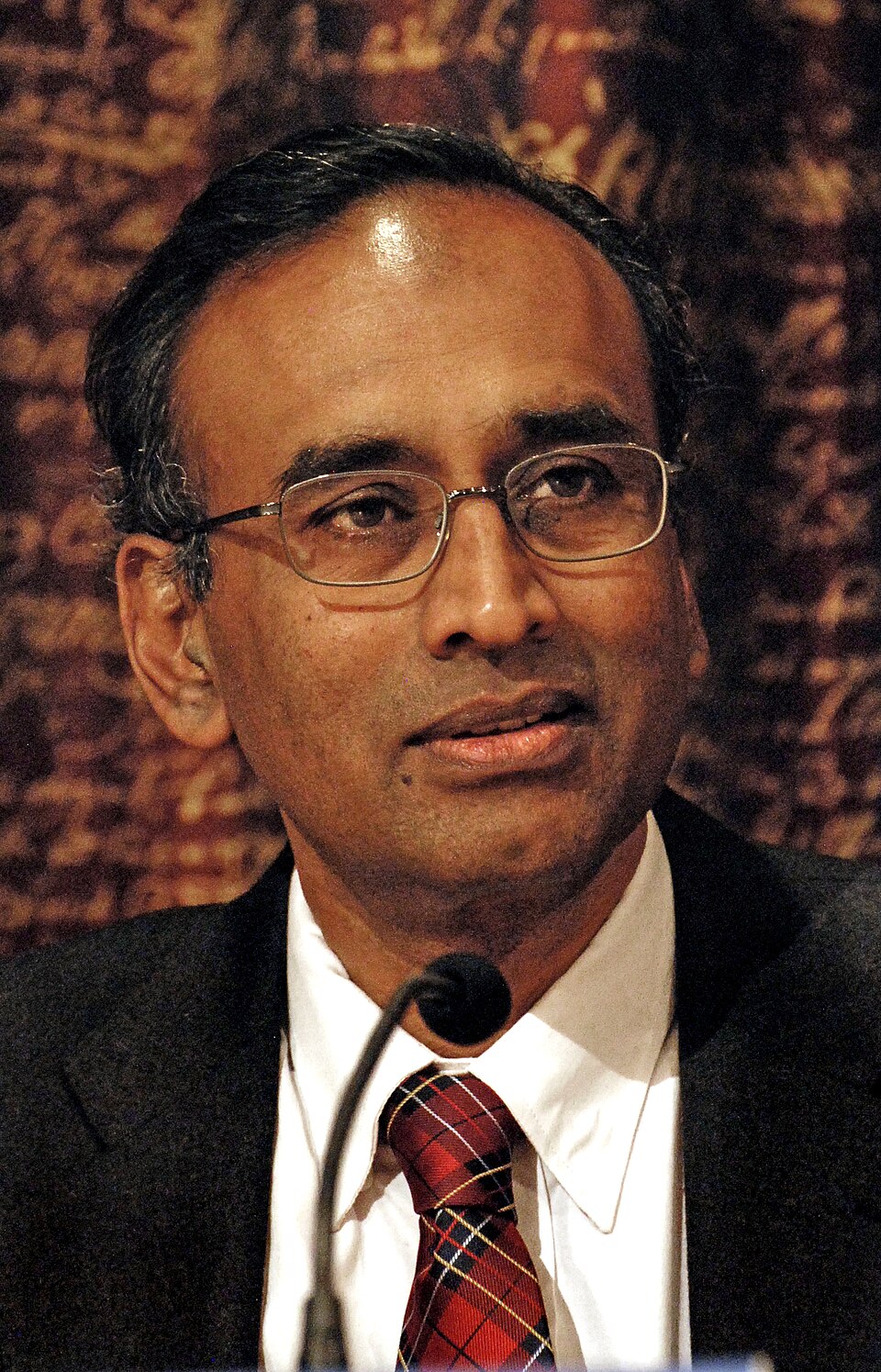 Biologist
Venki Ramakrishnan
Mapping the ribosome, the molecular machinery that builds proteins.
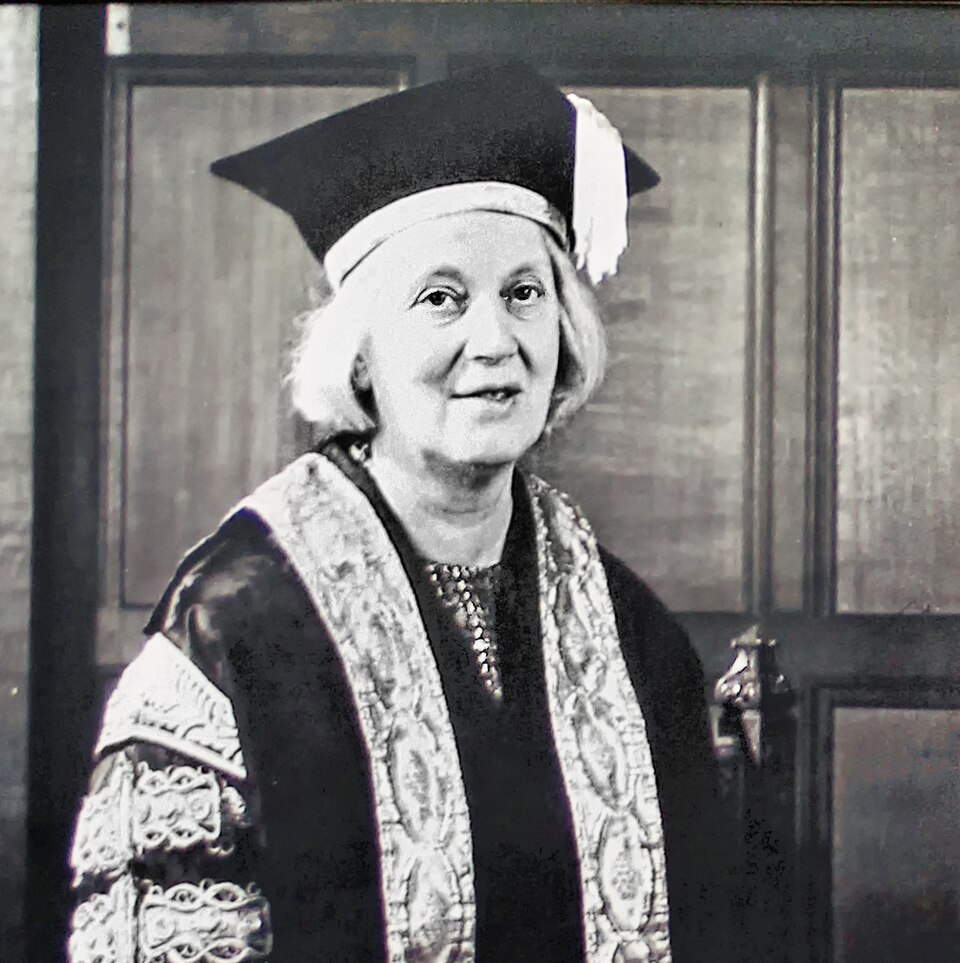 Chemist
Dorothy Hodgkin
Using X-rays to reveal the structures of penicillin, vitamin B12 and insulin.
 Biochemist
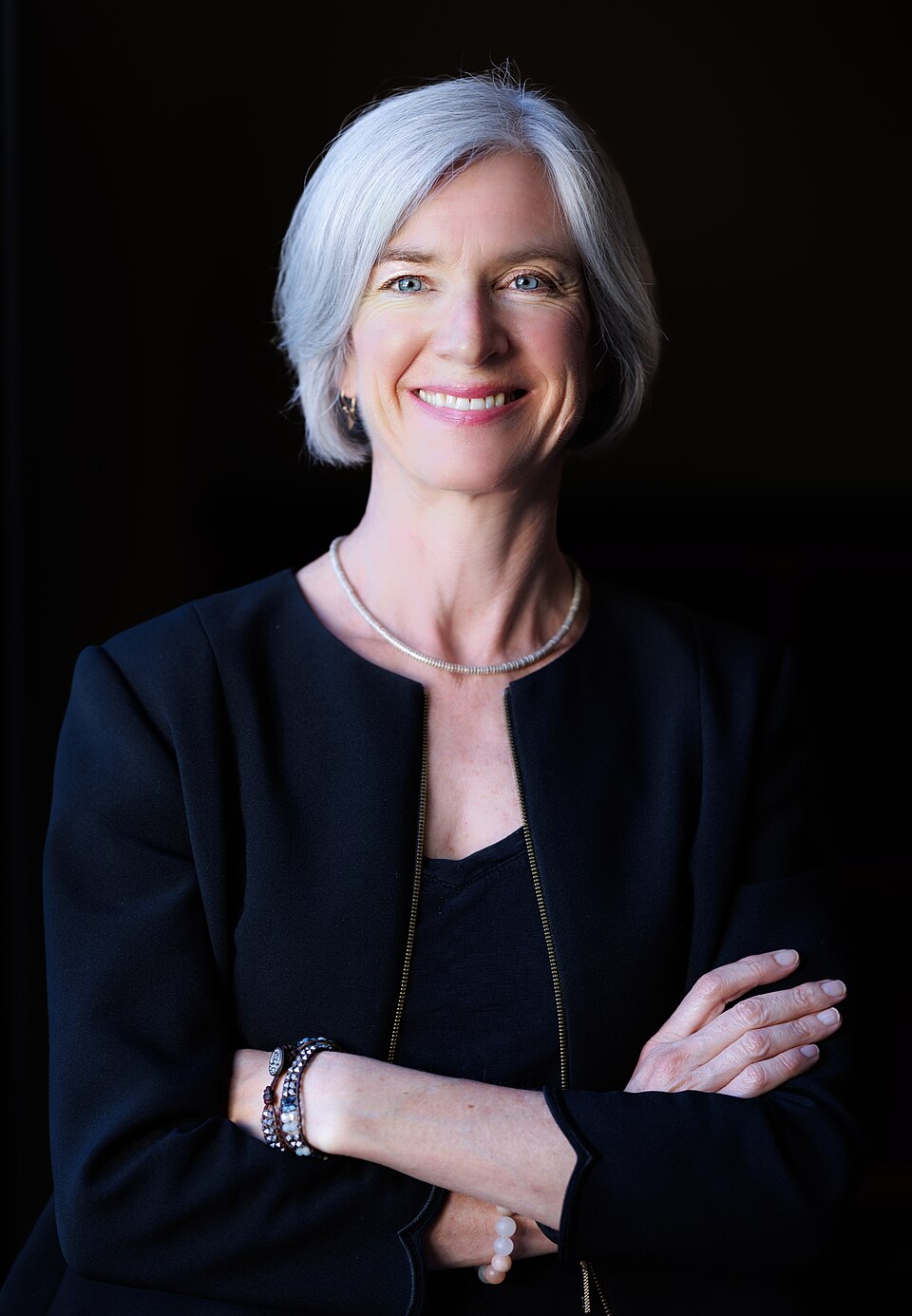
Jennifer Doudna
Co-developing CRISPR-Cas9 as a programmable tool for editing DNA.
 Microbiologist
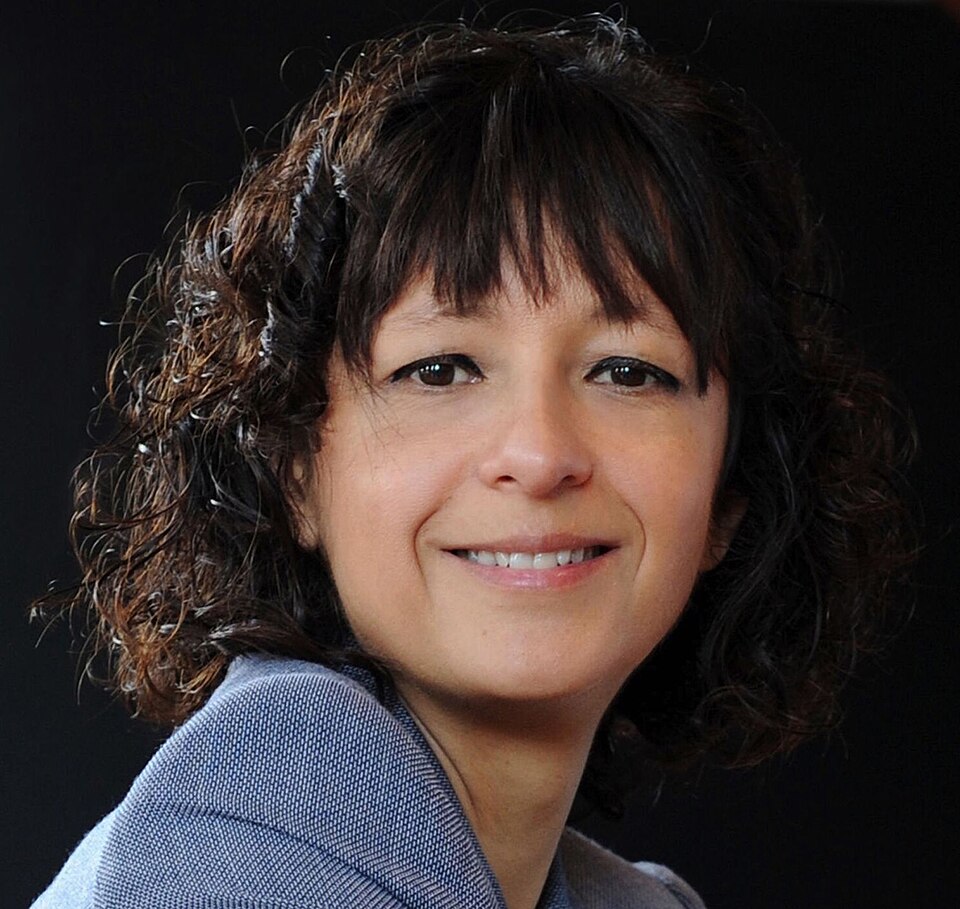
Emmanuelle Charpentier
Co-developing CRISPR-Cas9 as a programmable method for editing DNA.
 Chemist
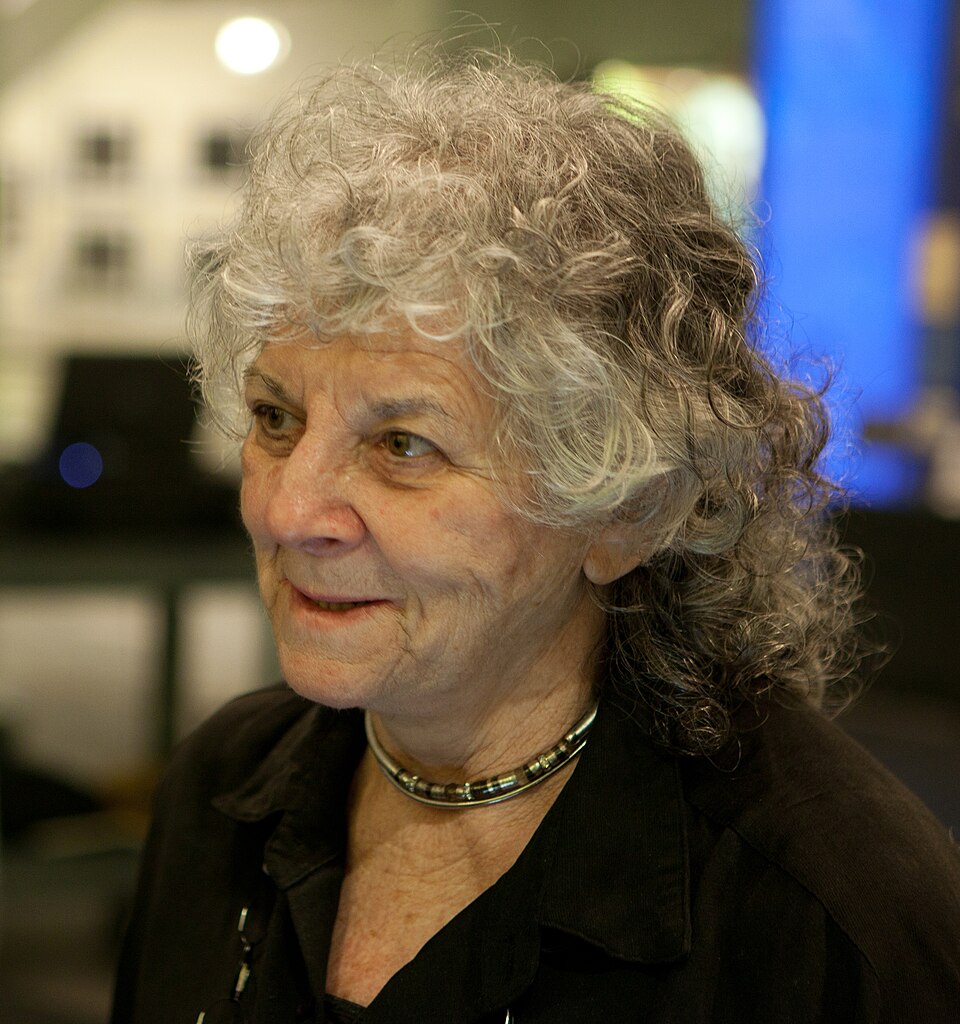
Ada Yonath
Revealing the structure of the ribosome, the cell’s protein-making machinery.
 Chemist
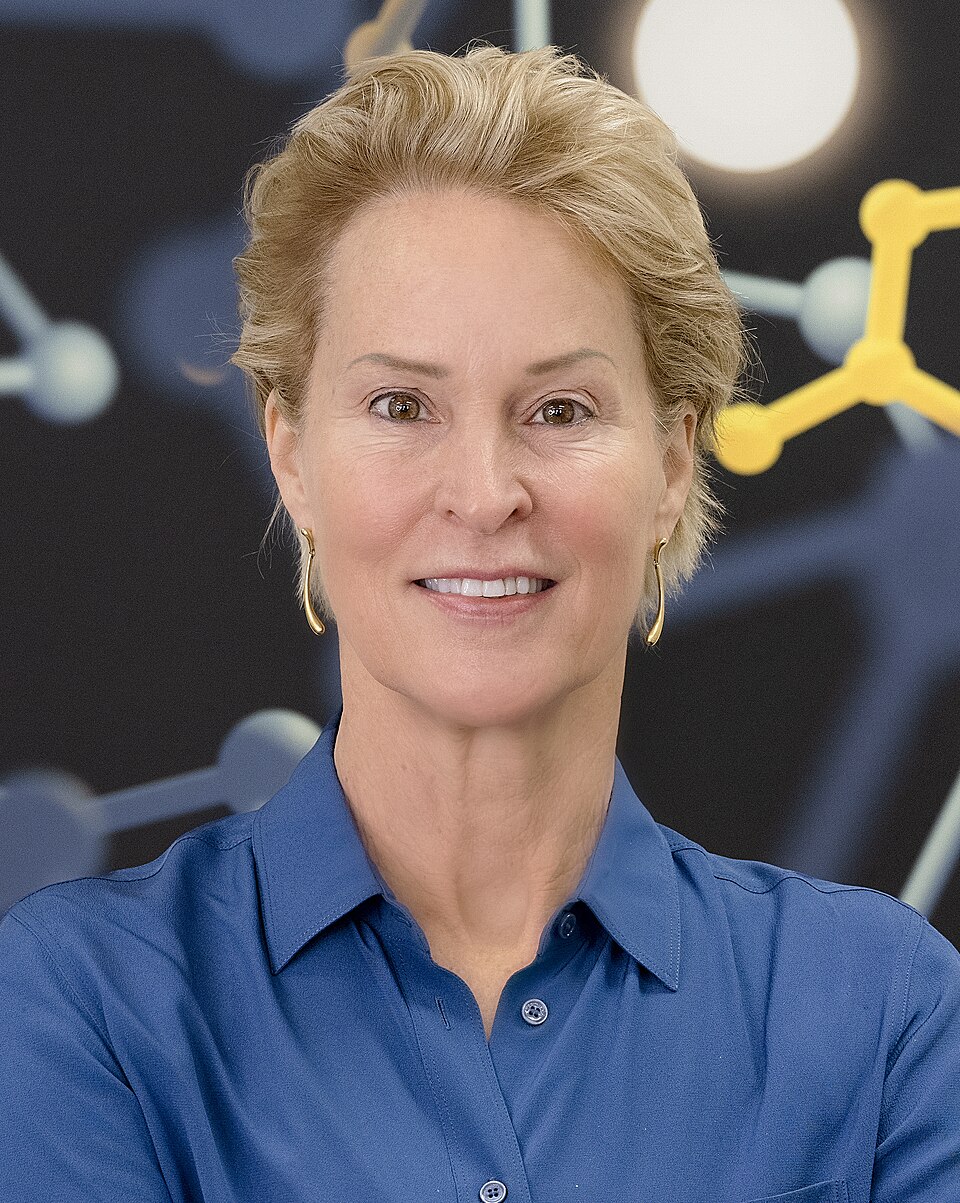
Frances Arnold
Using directed evolution to engineer useful enzymes.
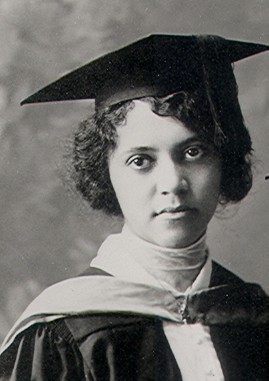 Chemist
Alice Ball
Developing an injectable chaulmoogra-oil treatment for Hansen’s disease.
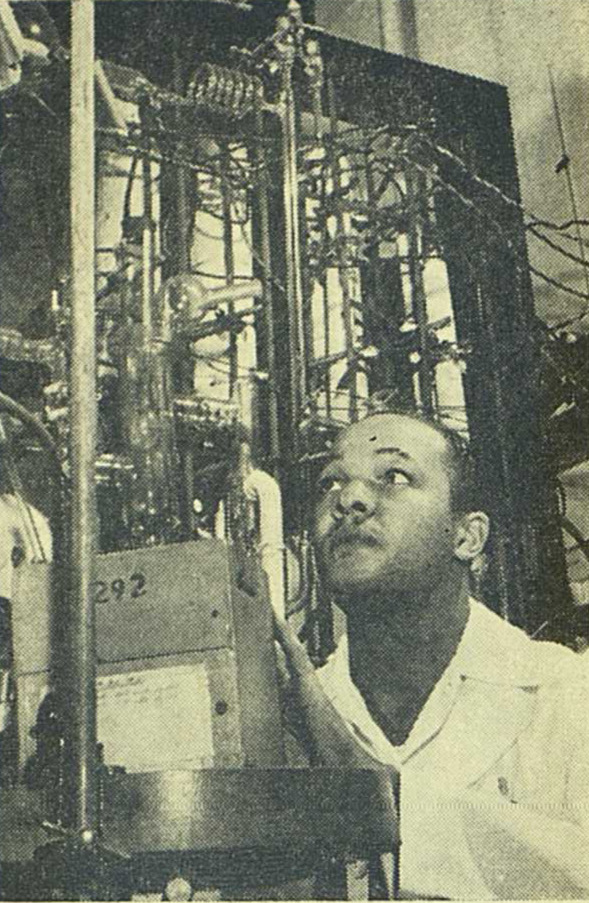 Chemist
Lloyd Quarterman
Contributing fluorine chemistry to the Manhattan Project and later nuclear research.
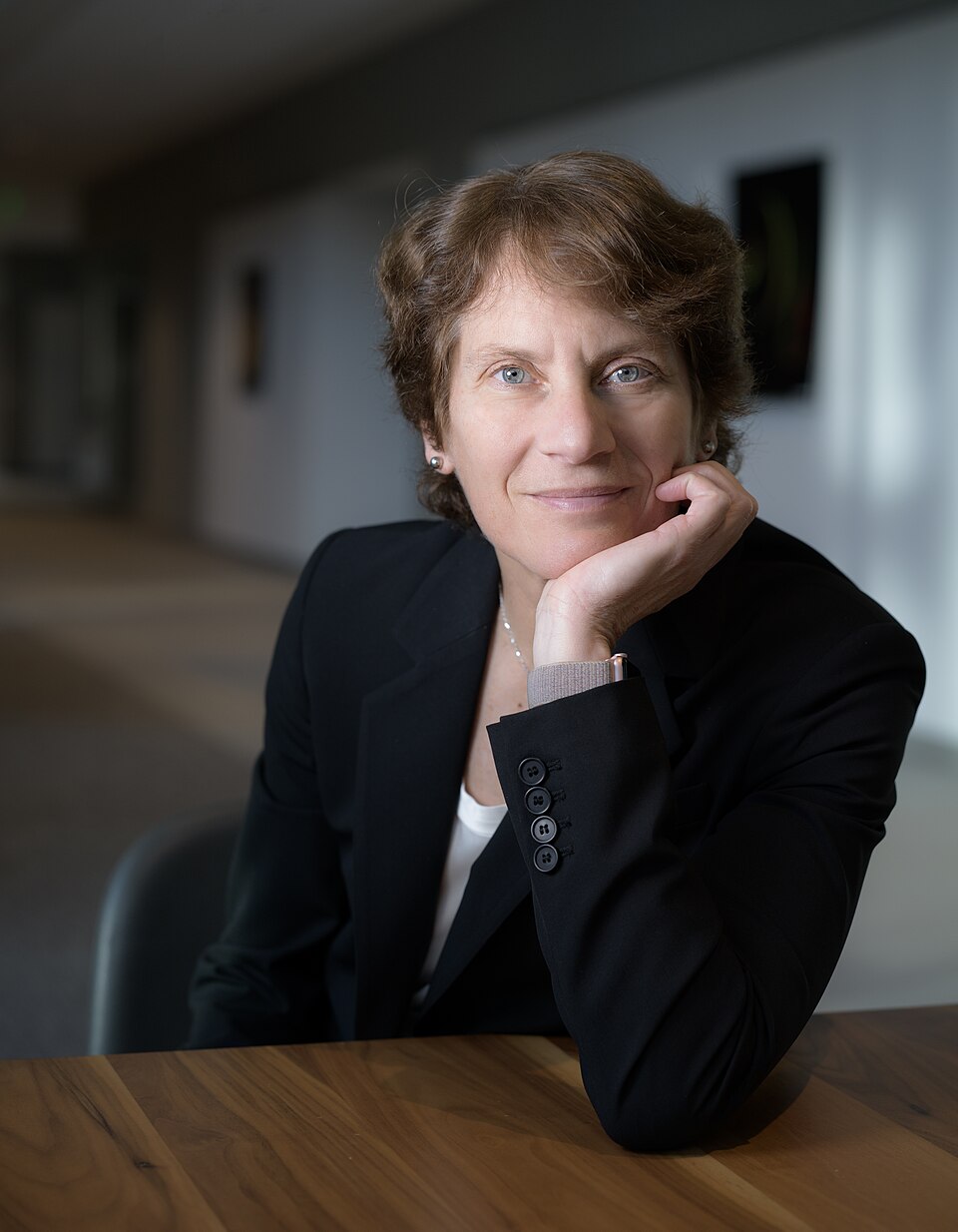 Chemist
Carolyn Bertozzi
Developing chemical reactions that can work inside living systems without disrupting their normal chemistry.
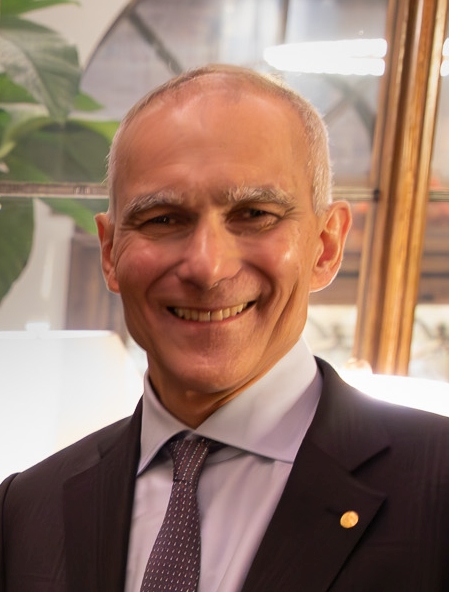 Chemist
Moungi Bawendi
Developing a practical way to make high-quality quantum dots, tiny crystals with size-dependent colours.
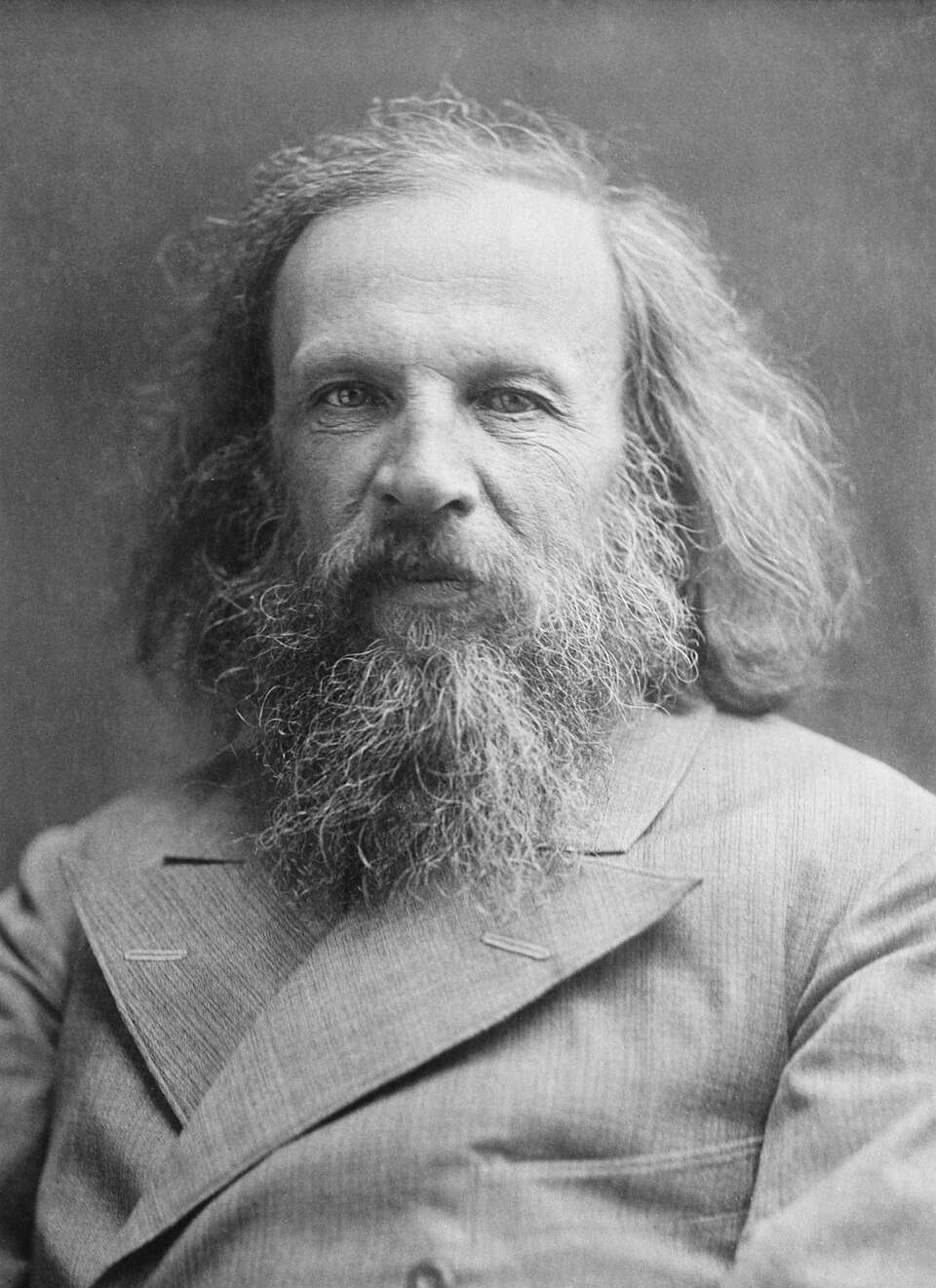 Chemist
Dmitri Mendeleev
Creating a periodic table that predicted the properties of elements before they were discovered.
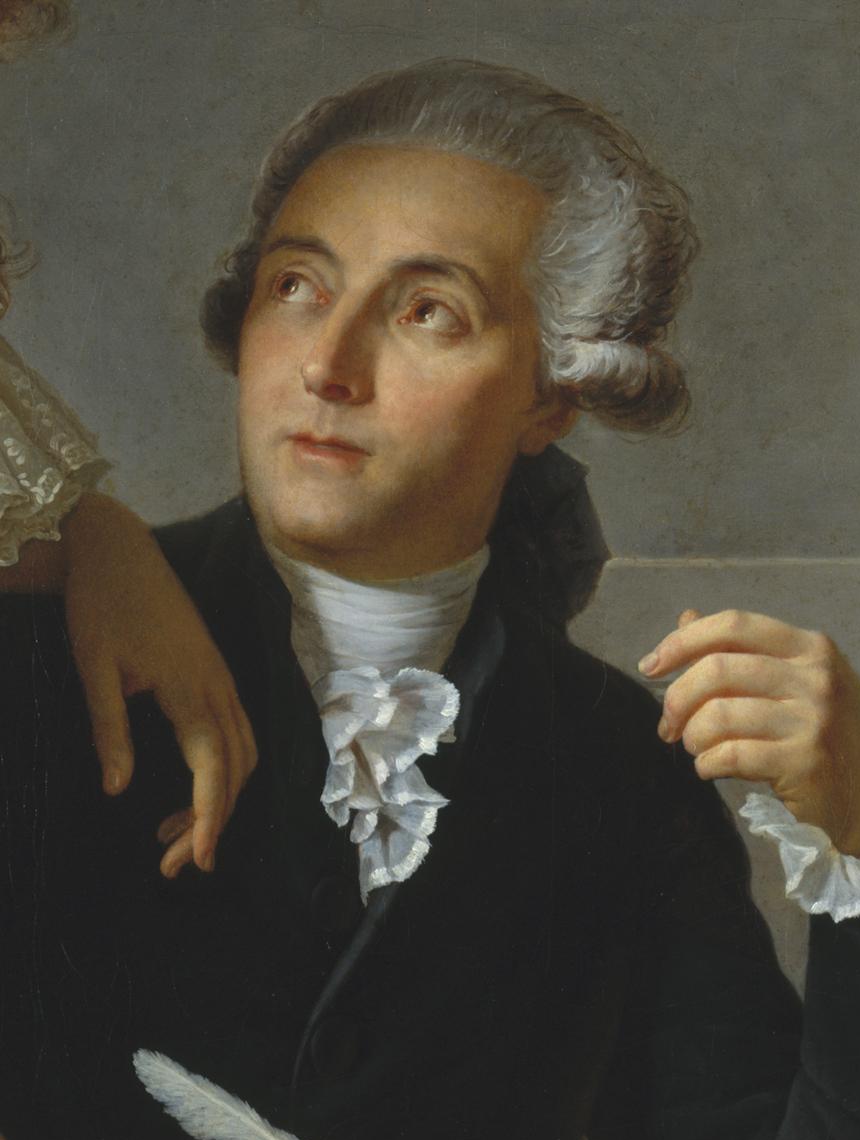 Chemist
Antoine Lavoisier
Transforming chemistry through precise measurement and explaining combustion in terms of oxygen.
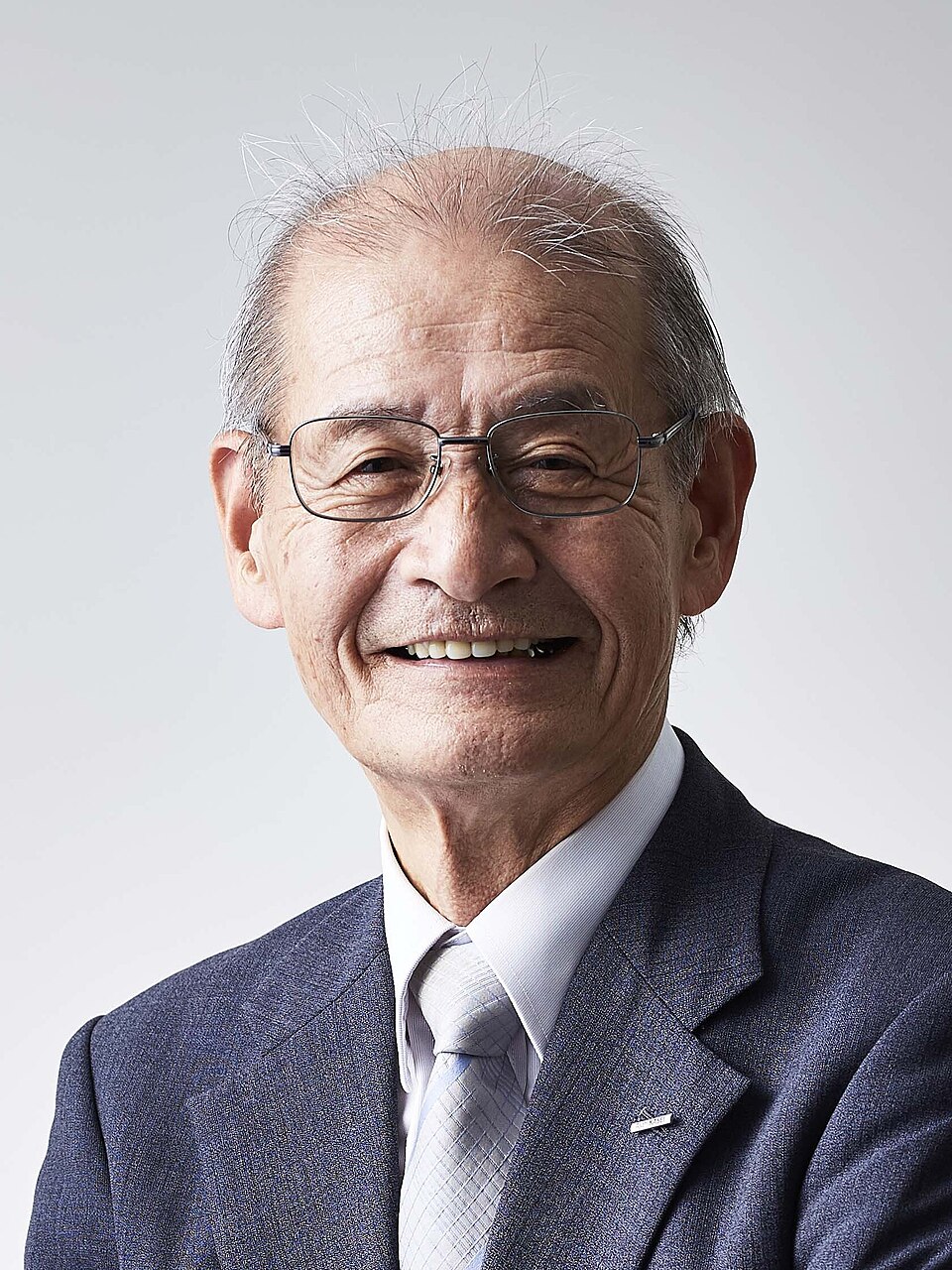 Chemist
Akira Yoshino
The chemist who developed a practical lithium-ion battery without a reactive lithium-metal anode.
 Engineer
Koichi Tanaka
The engineer whose soft laser-desorption method helped scientists analyse large biological molecules.
 Chemist
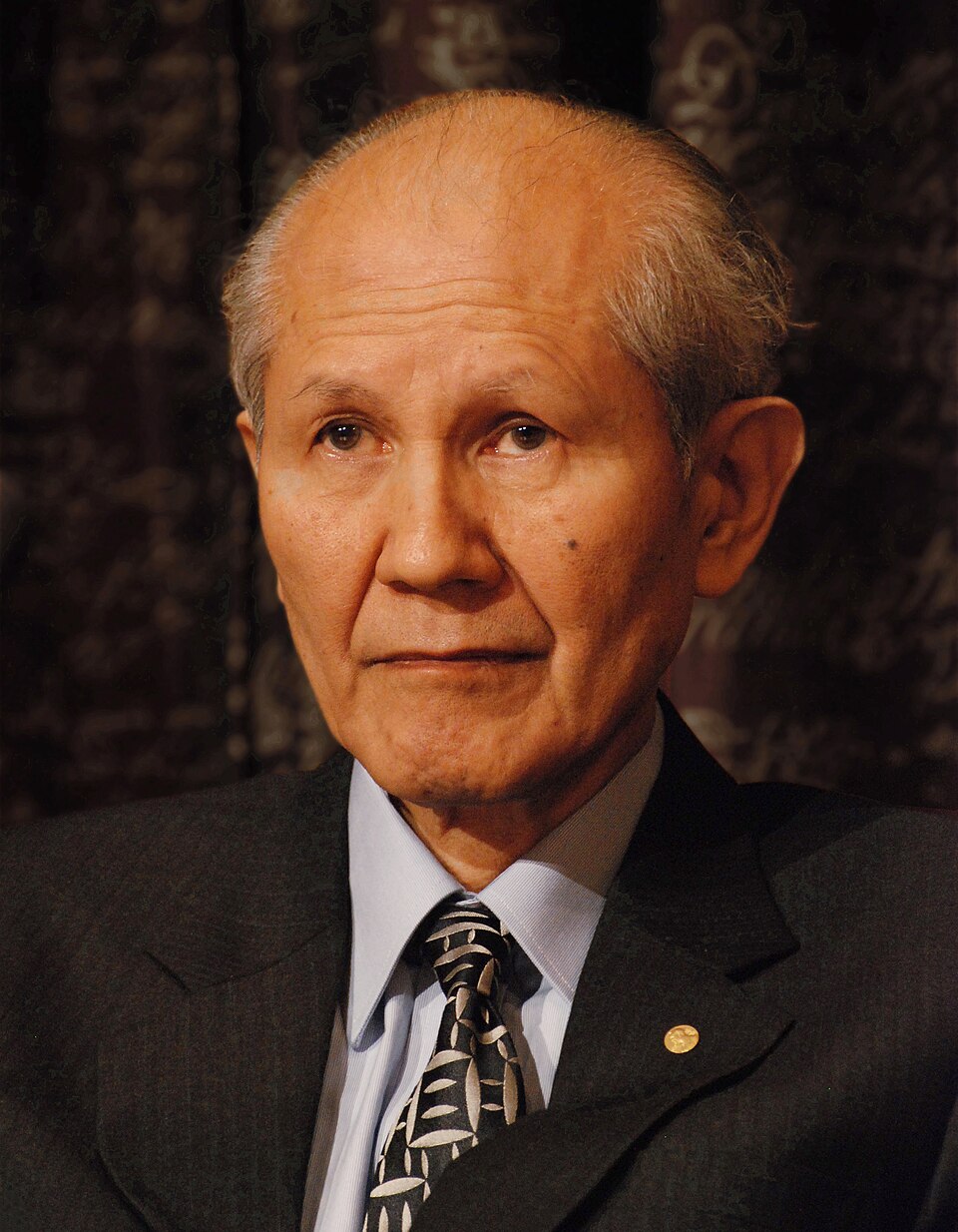
Osamu Shimomura
Discovering green fluorescent protein, later transformed into a tool for seeing processes inside cells.
 Chemist
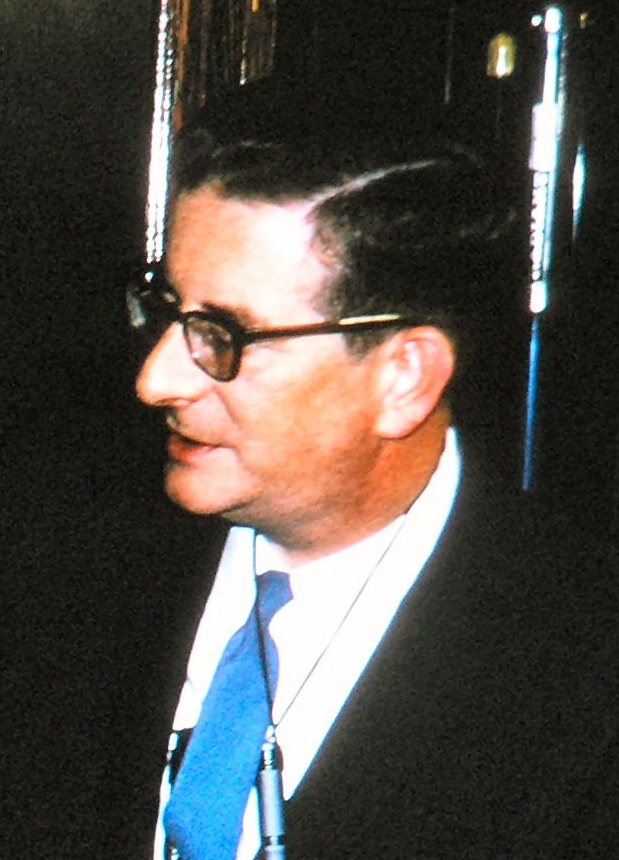
Robert Burns Woodward
Constructing complex natural molecules through planned chemical synthesis.
 Chemist
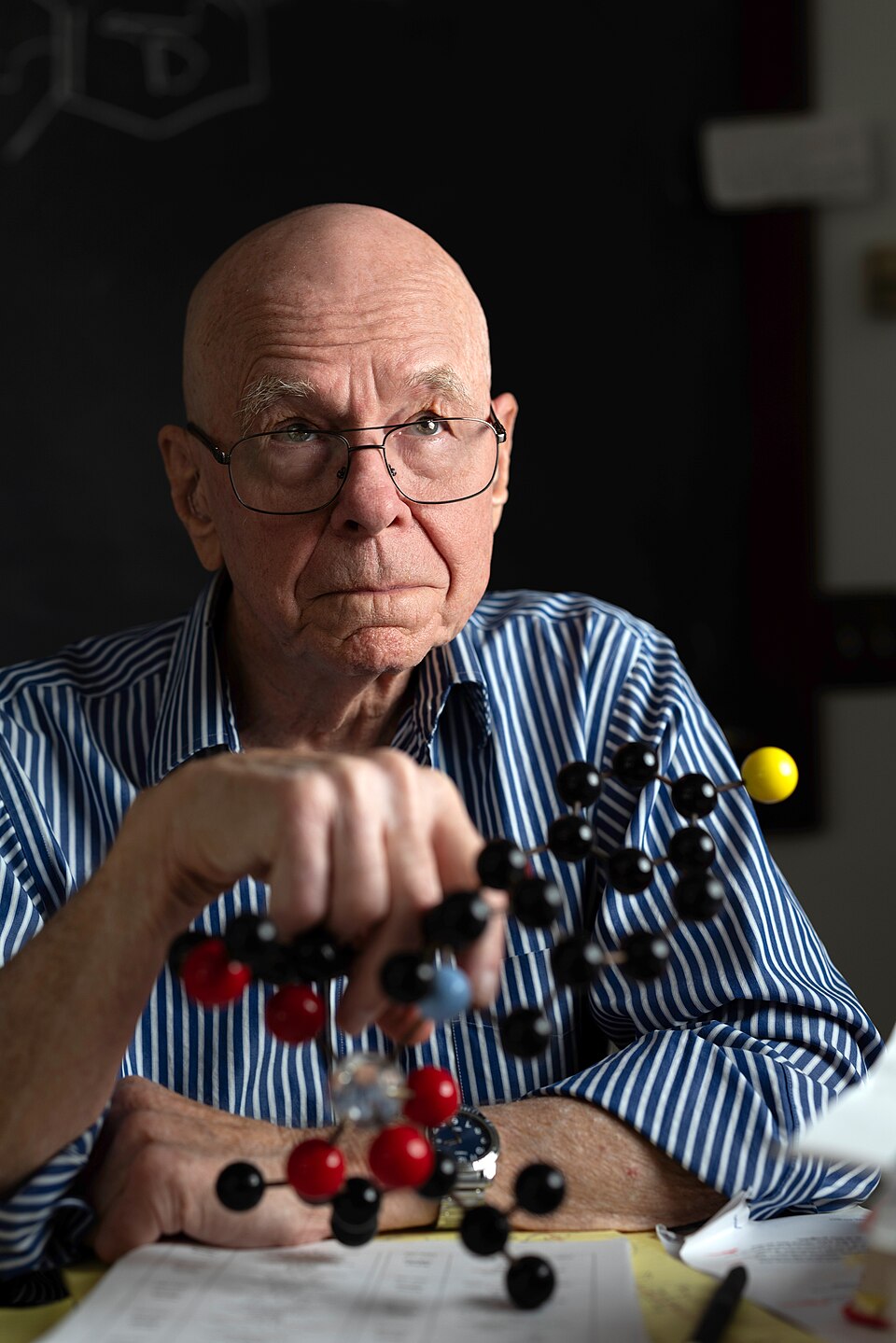
Karl Barry Sharpless
Developing selective chemical reactions and click chemistry, earning two chemistry Nobel Prizes.
 Chemist
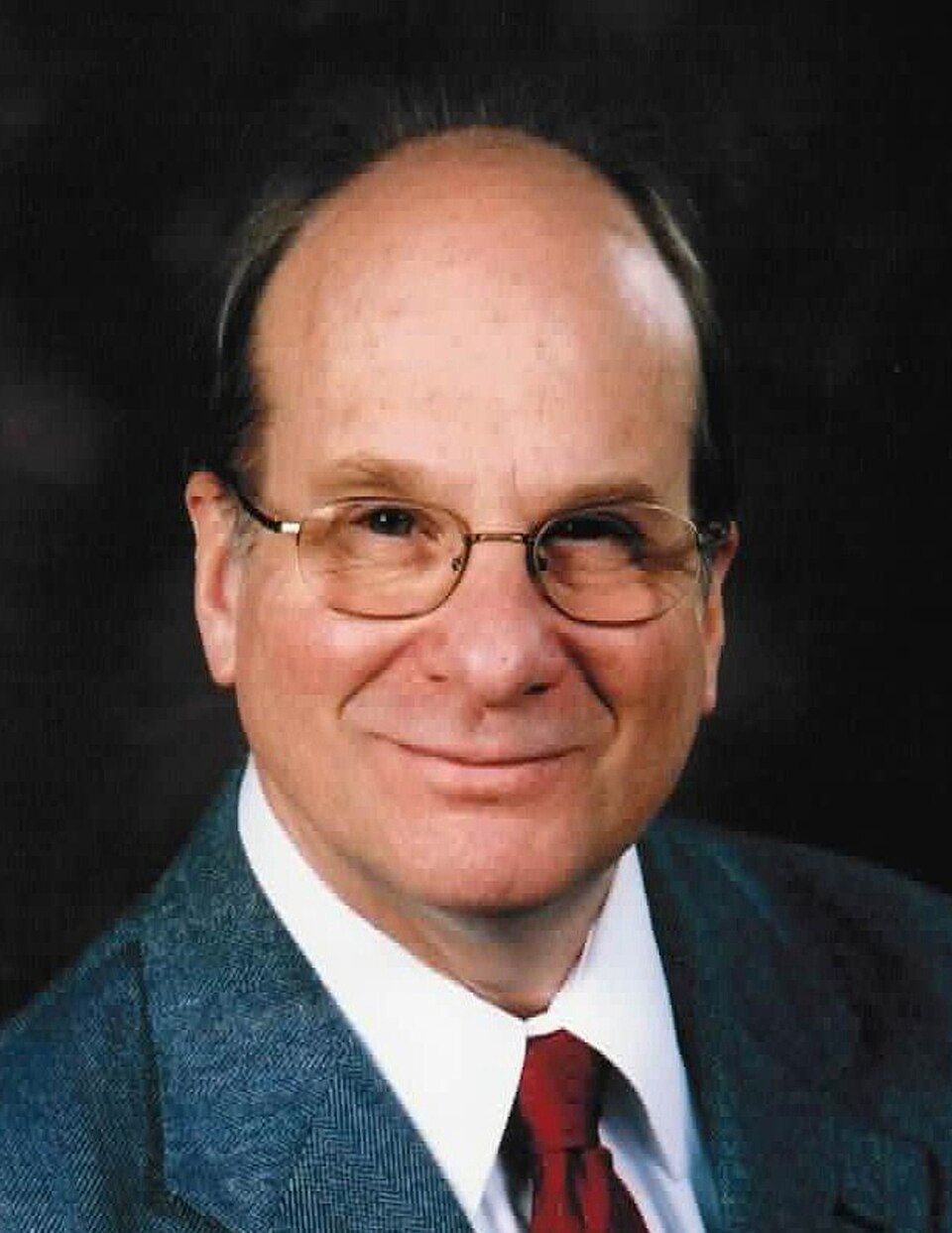
Louis E. Brus
Discovering how the size of tiny semiconductor crystals changes their properties.
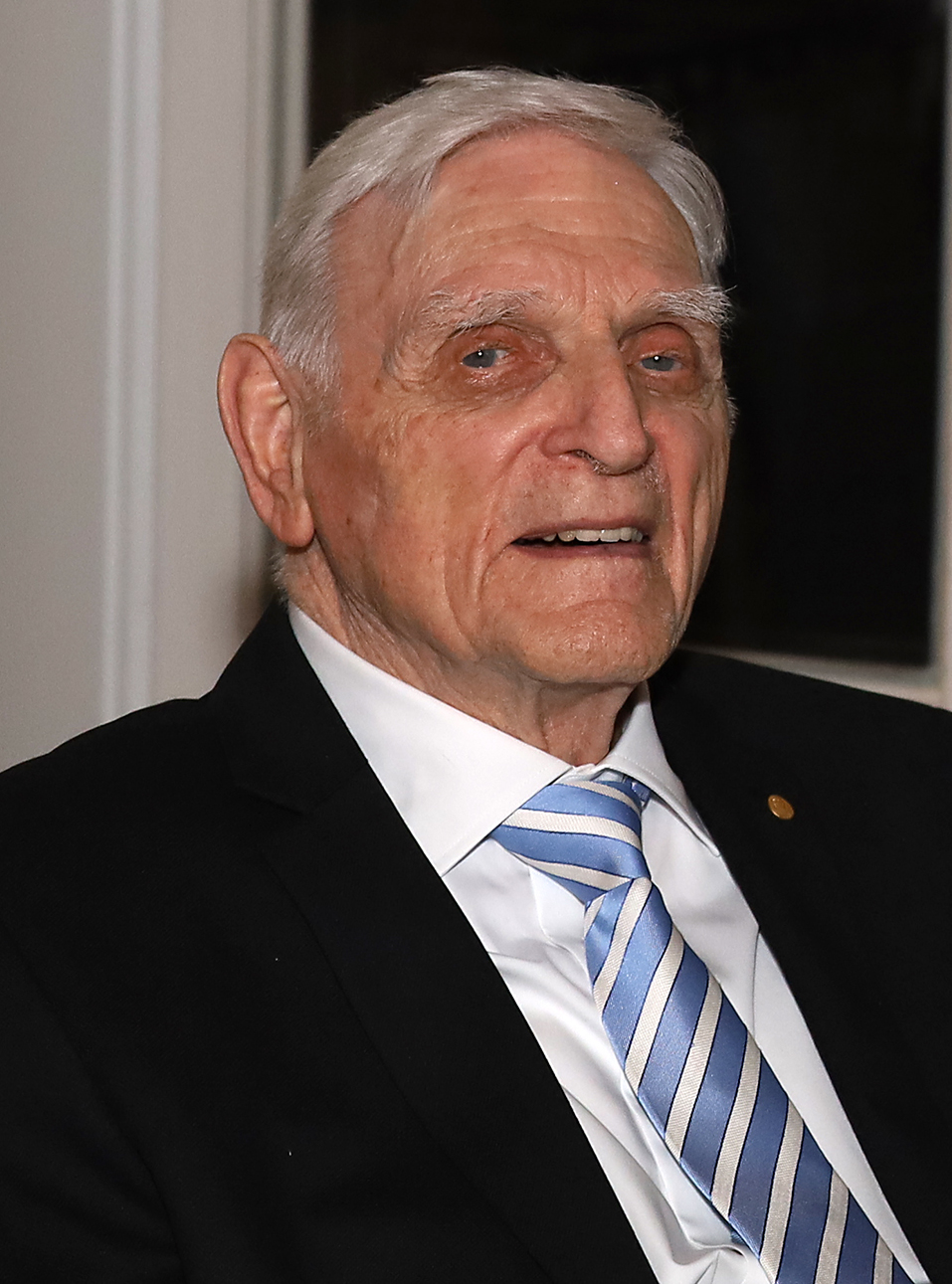 Scientist
John B. Goodenough
Developing materials that made powerful rechargeable lithium-ion batteries possible.
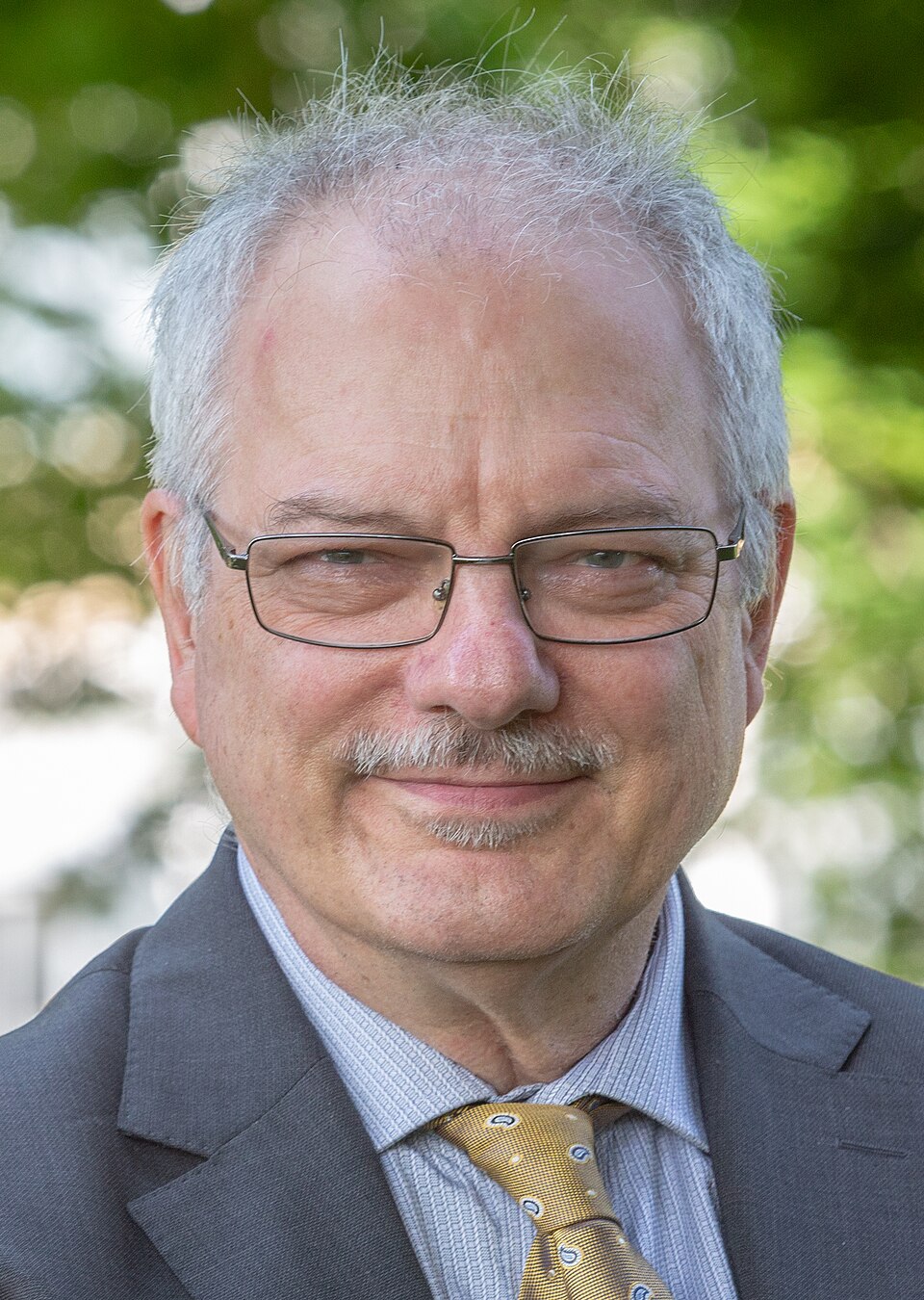 Chemist
Morten Meldal
Co-developing copper-catalysed click chemistry, a reliable way to join molecular building blocks.
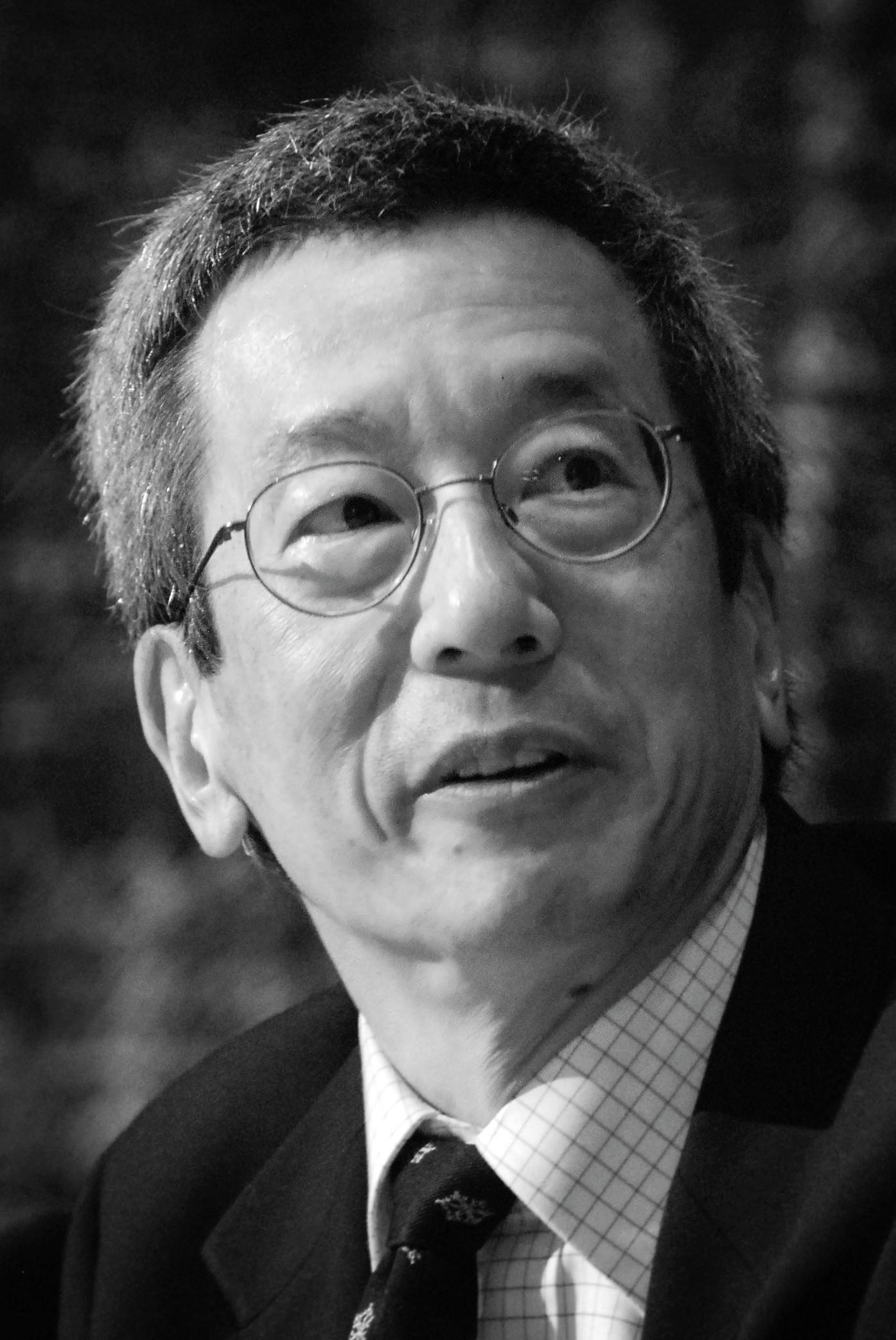 Chemist
Roger Y. Tsien
Turning fluorescent proteins into tools for watching processes inside living cells.
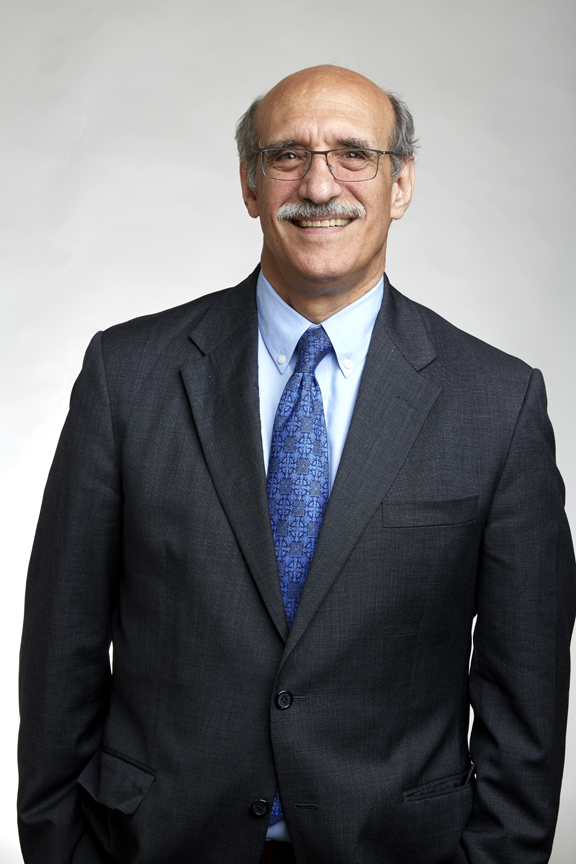 Biologist
Martin Chalfie
Showing how green fluorescent protein could mark living cells for scientific study.
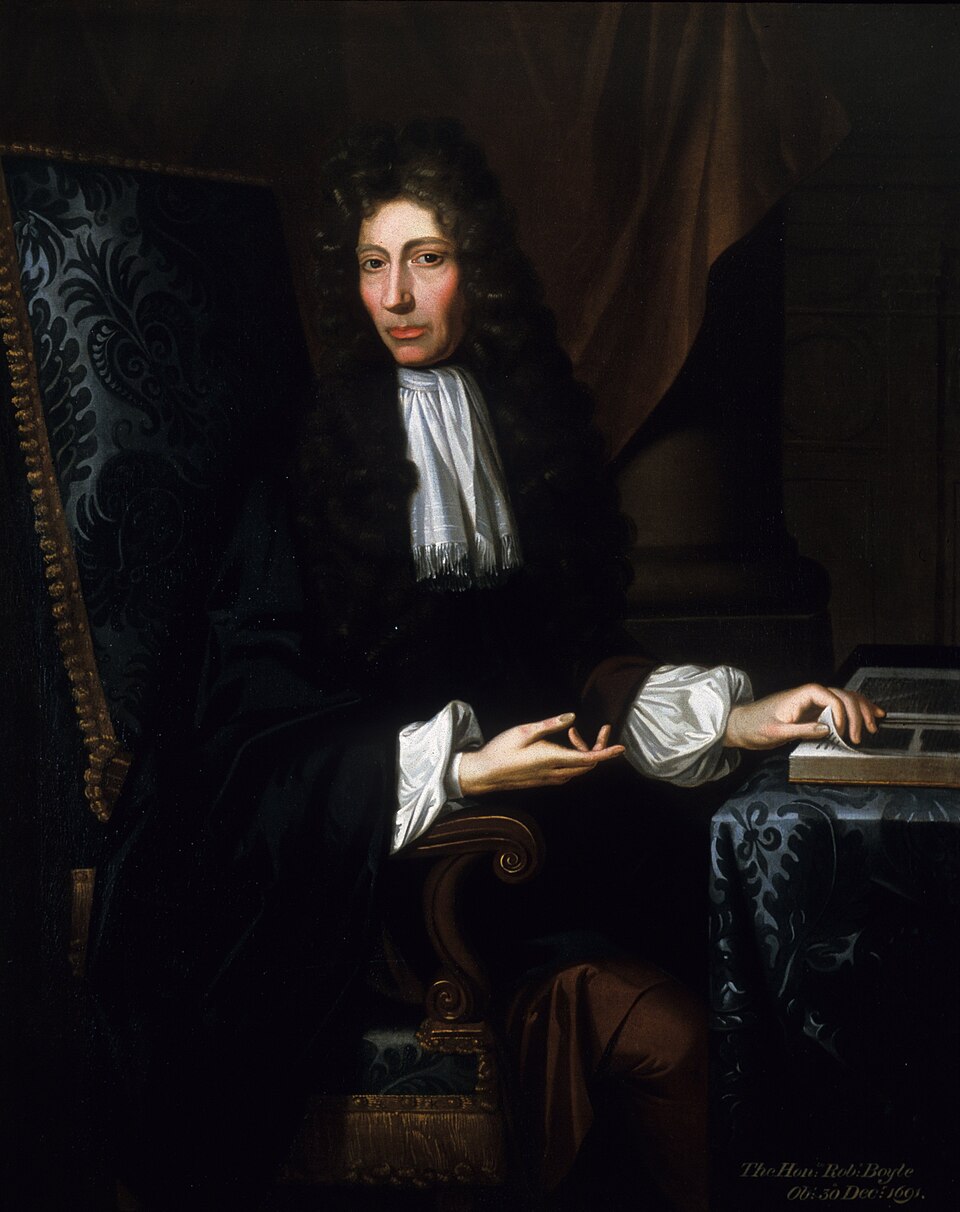 Scientist
Robert Boyle
Formulating Boyle’s law and helping make chemistry an experimental science.
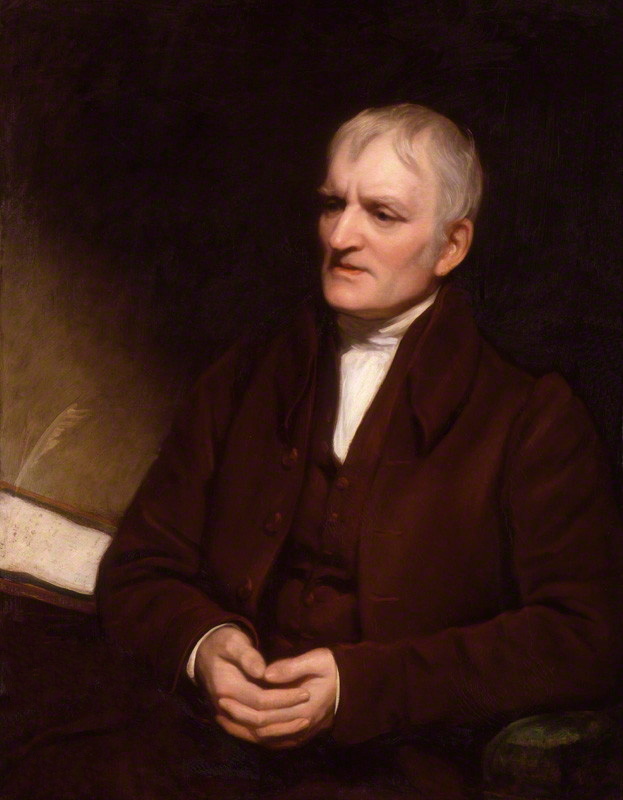 Chemist
John Dalton
Developing an atomic theory that explained how elements combine in fixed proportions.
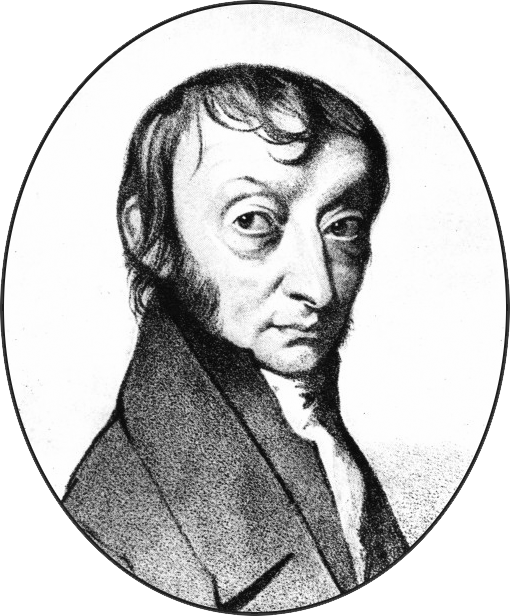 Scientist
Amedeo Avogadro
Explaining why equal volumes of gases contain equal numbers of molecules.
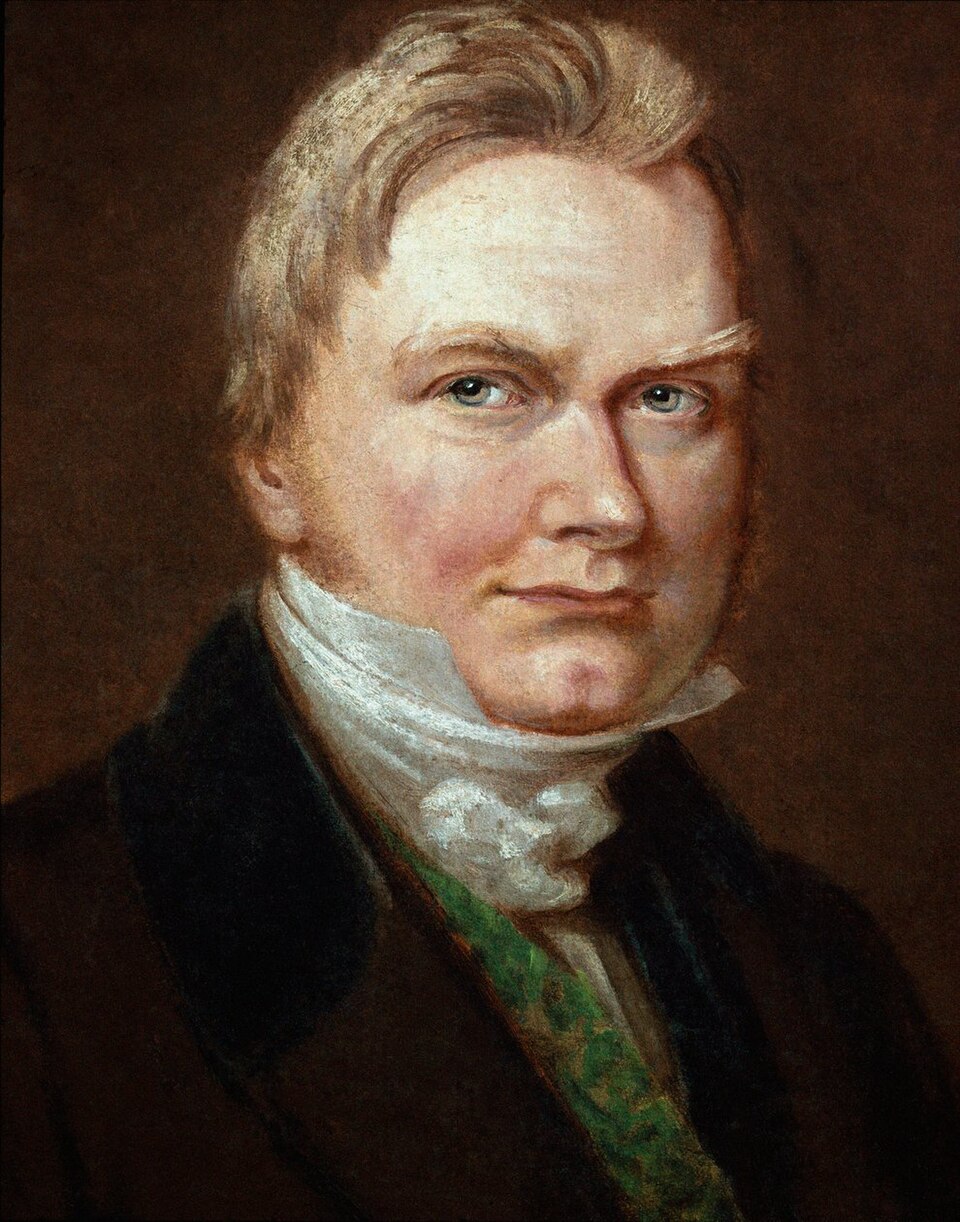 Scientist
Jöns Jacob Berzelius
Developing the chemical symbols and atomic measurements used to describe matter.
 Scientist
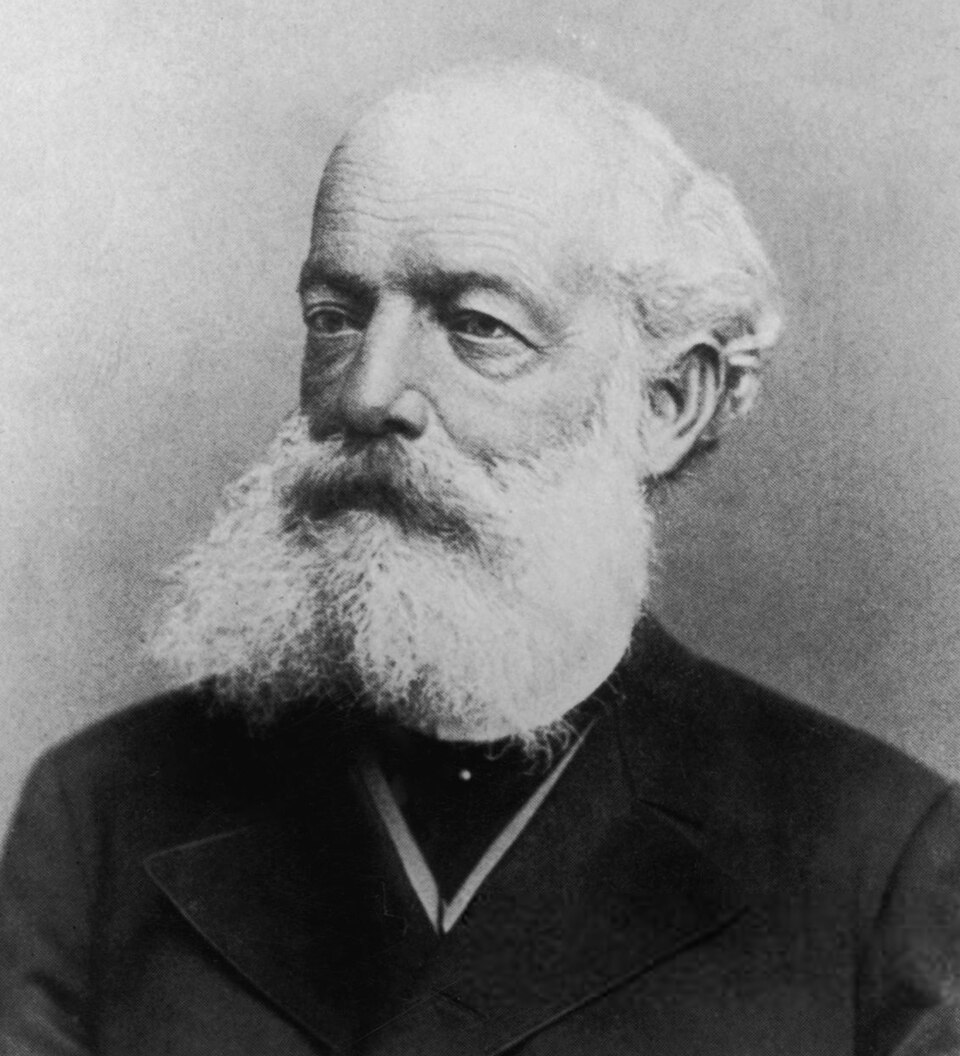
August Kekulé
Proposing the ring structure of benzene.
 Chemist
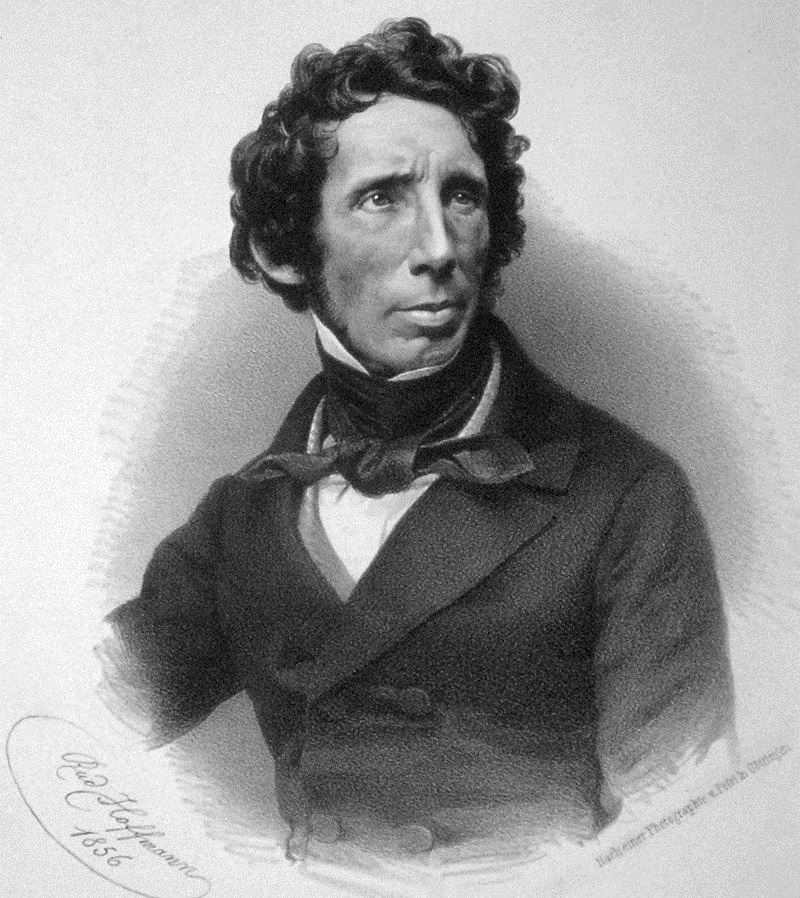
Friedrich Wöhler
Synthesising urea from inorganic starting materials in 1828.
 Chemist
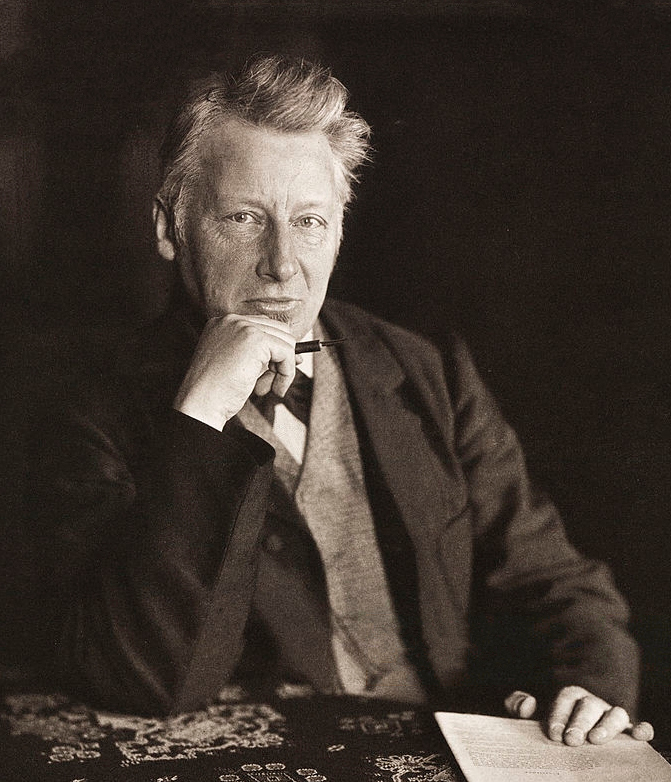
Jacobus Henricus van 't Hoff
Helping establish stereochemistry and winning the first Nobel Prize in Chemistry.
 Chemist
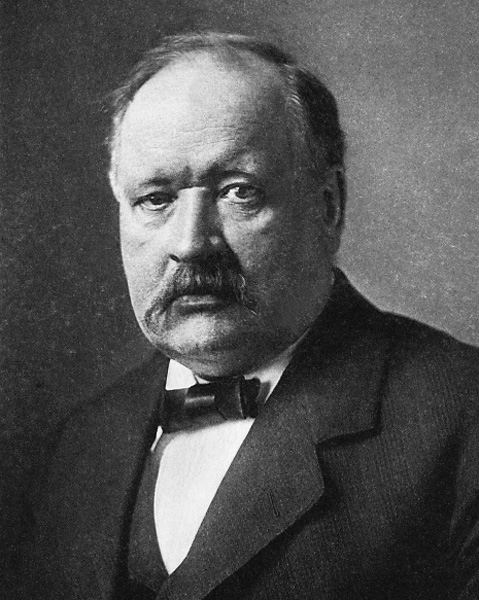
Svante Arrhenius
Explaining ions in solution and calculating an early link between carbon dioxide and climate.
 Chemist
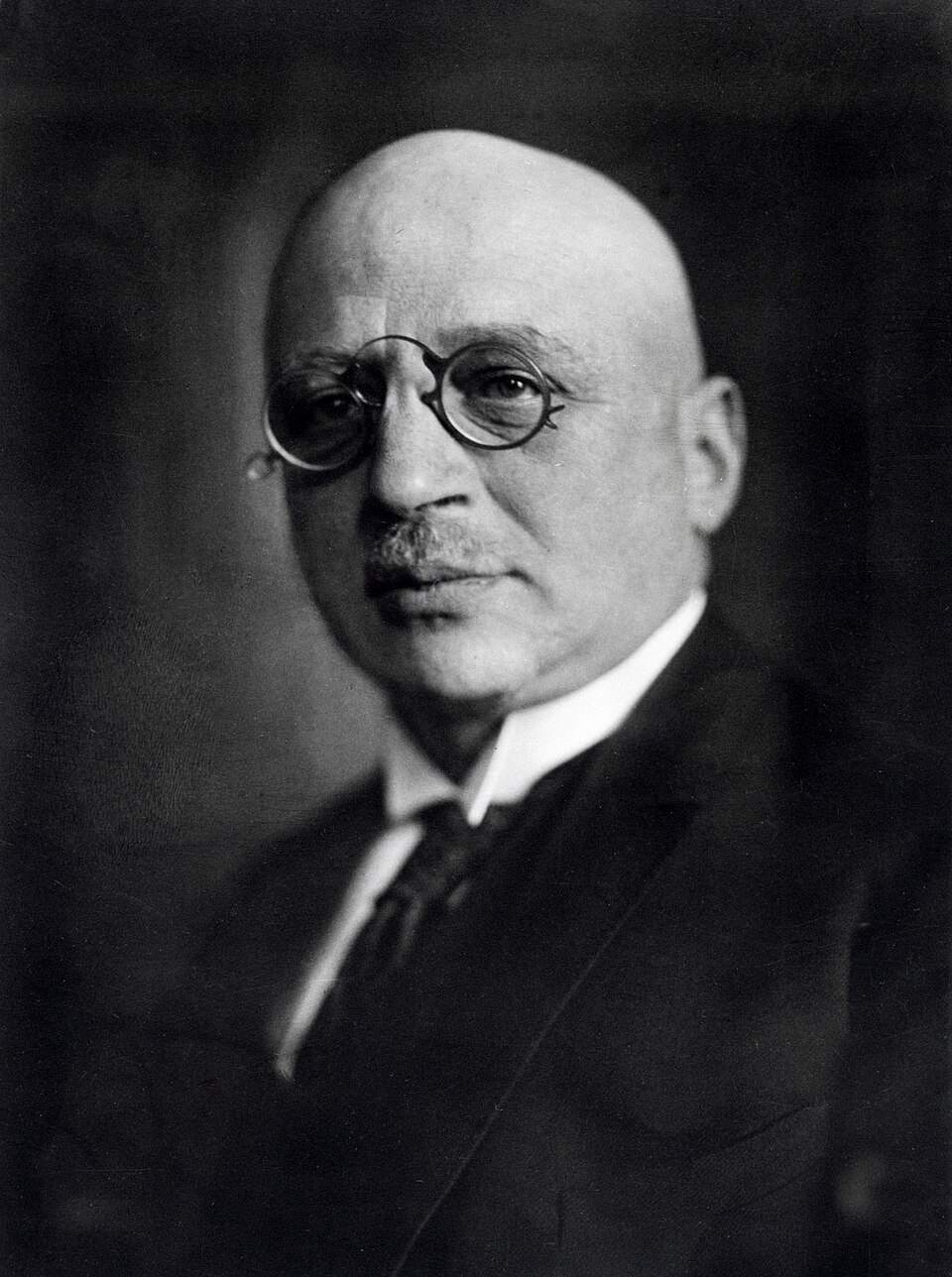
Fritz Haber
Developing ammonia synthesis and directing Germany’s First World War poison-gas programme.
 Chemist
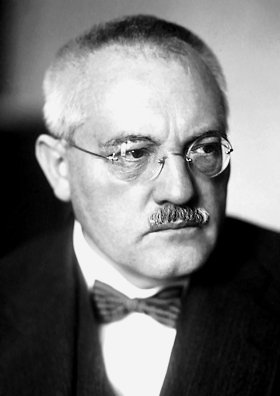
Carl Bosch
Turning ammonia synthesis into an industrial process.
 Chemist
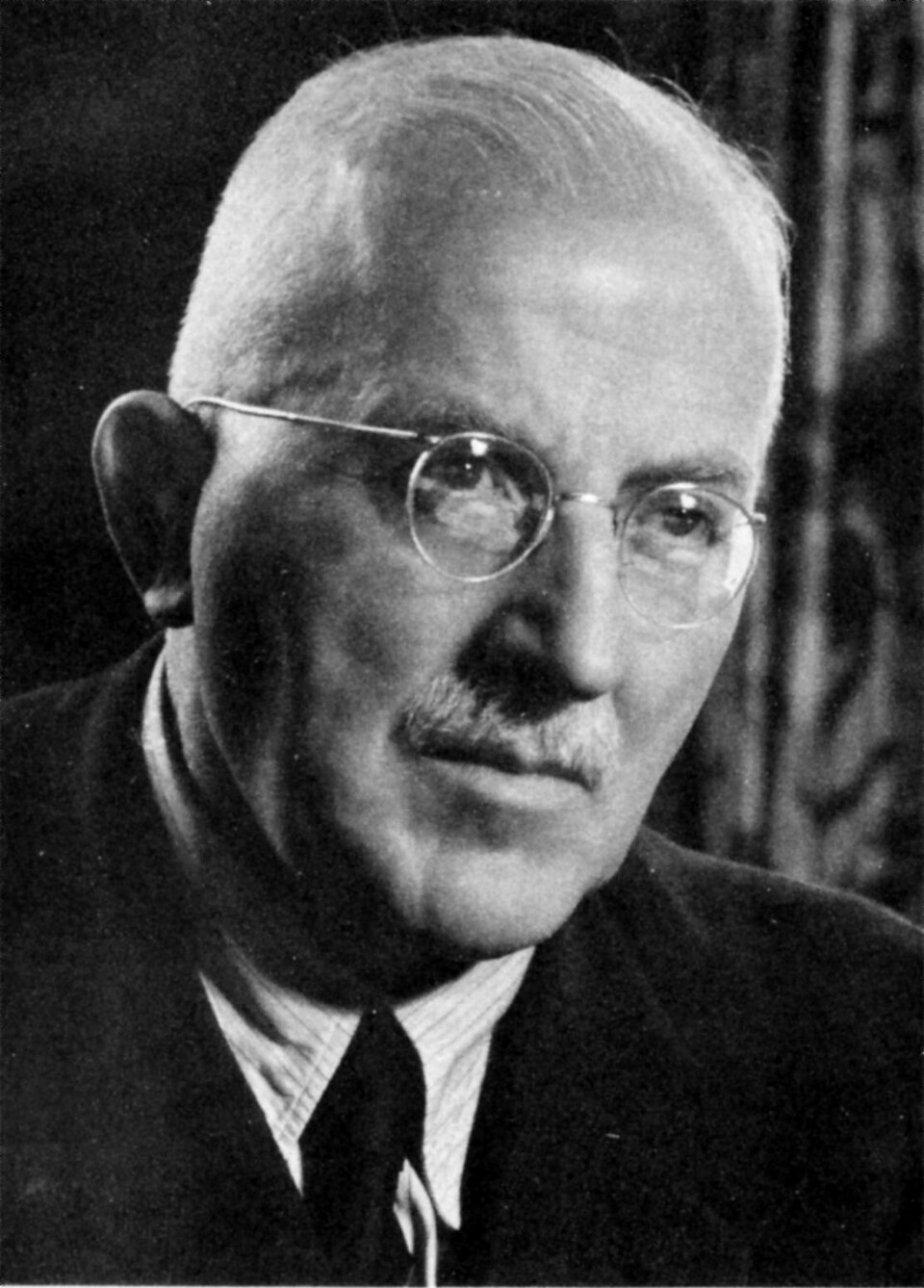
Hermann Staudinger
Establishing that polymers are long chains of chemically bonded units.
 Chemist
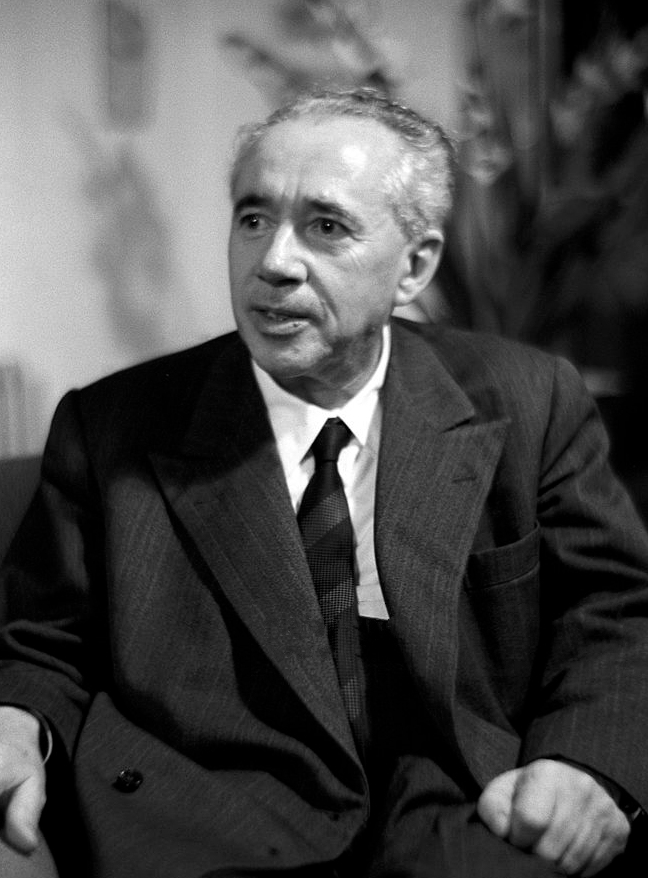
Giulio Natta
Developing stereospecific polymerisation and isotactic polypropylene.
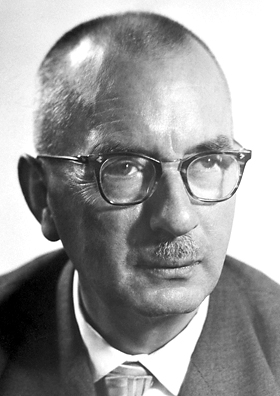 Chemist
Karl Ziegler
Discovering catalysts that made high-density polyethylene possible at low pressure.
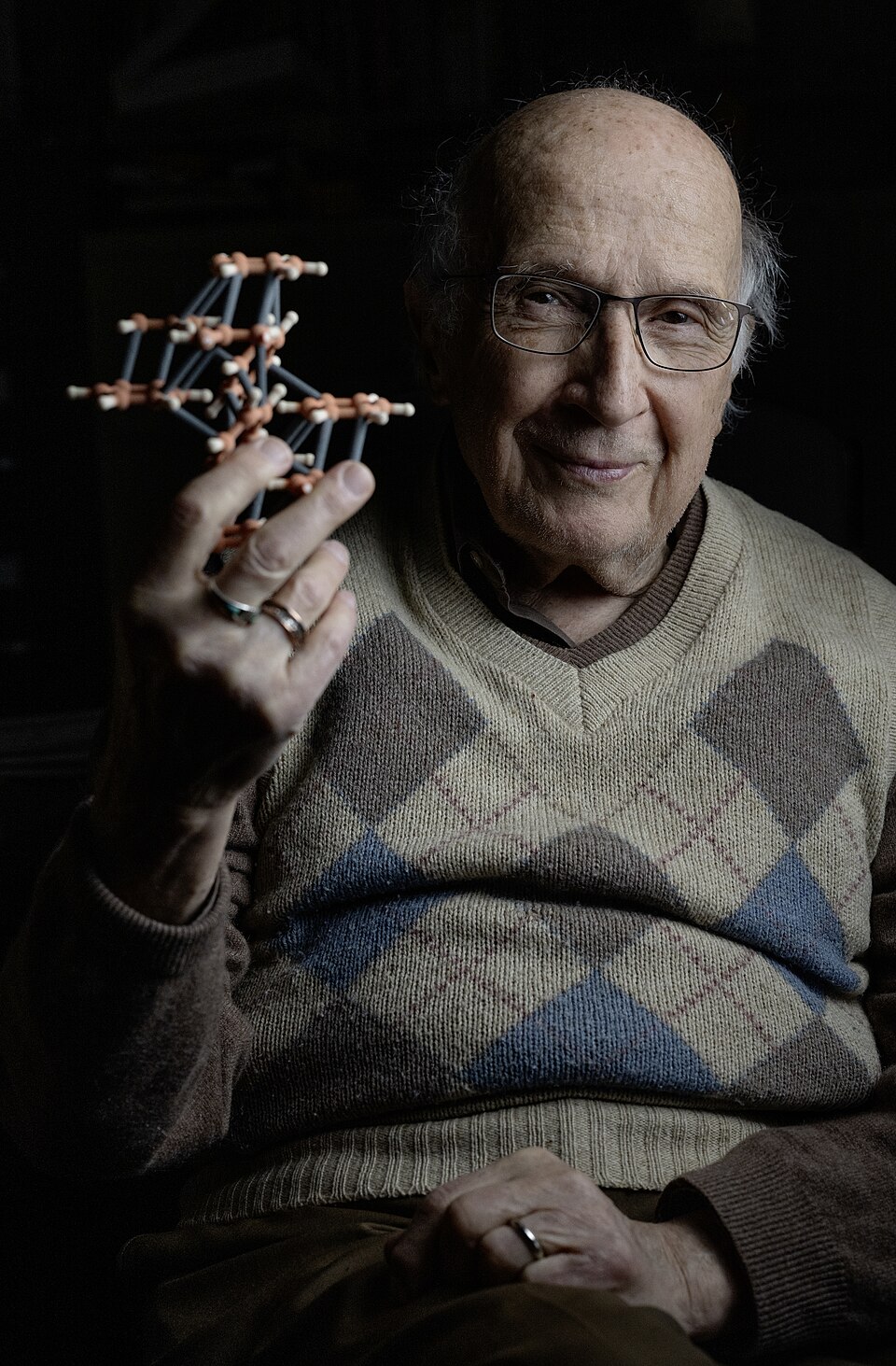 Chemist
Roald Hoffmann
Explaining chemical reactions through orbital symmetry.
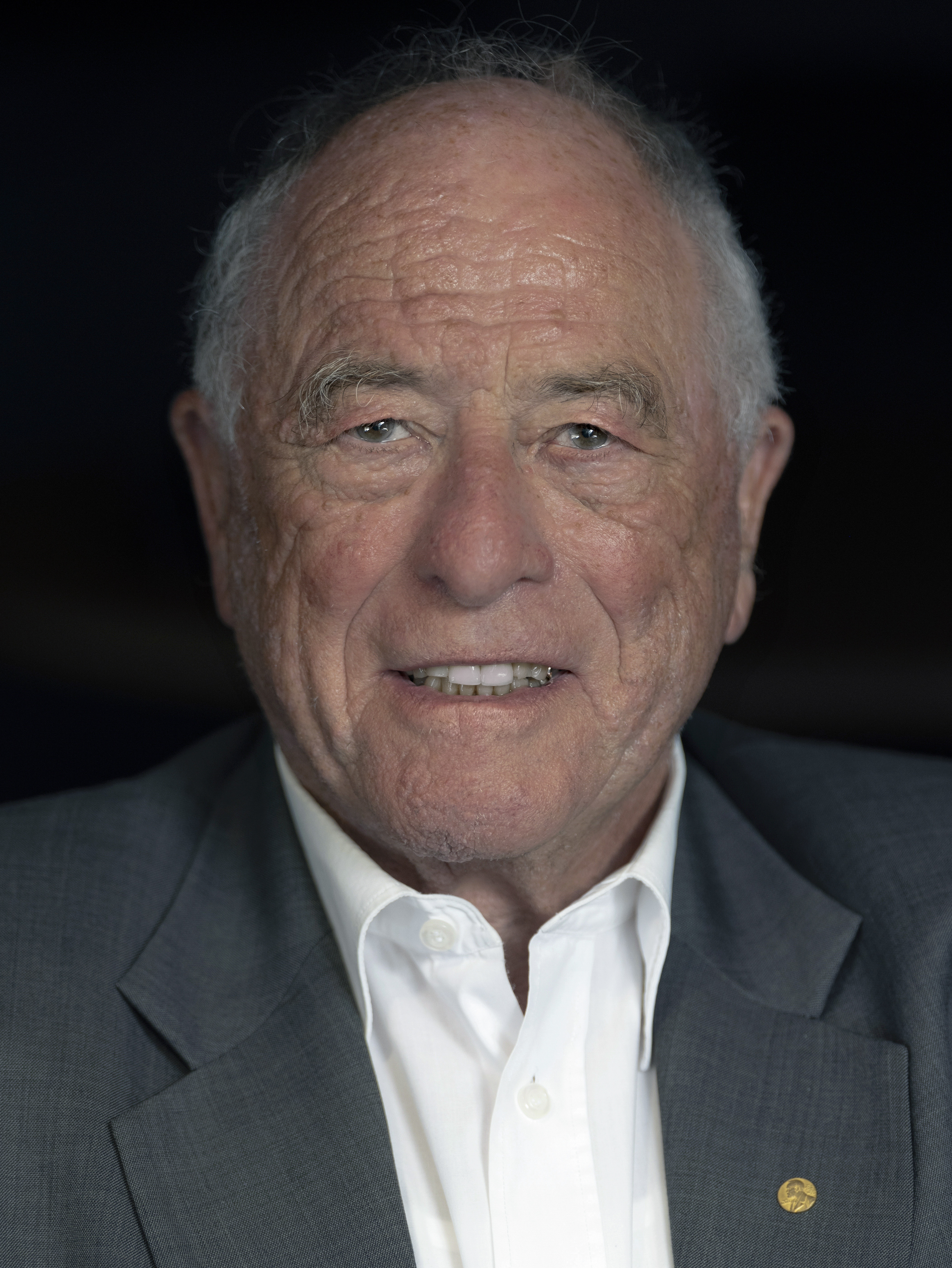 Chemist
Kurt Wüthrich
Using NMR to determine protein structures in solution.
 Biochemist
Jens Christian Skou
Discovering the sodium-potassium pump enzyme.
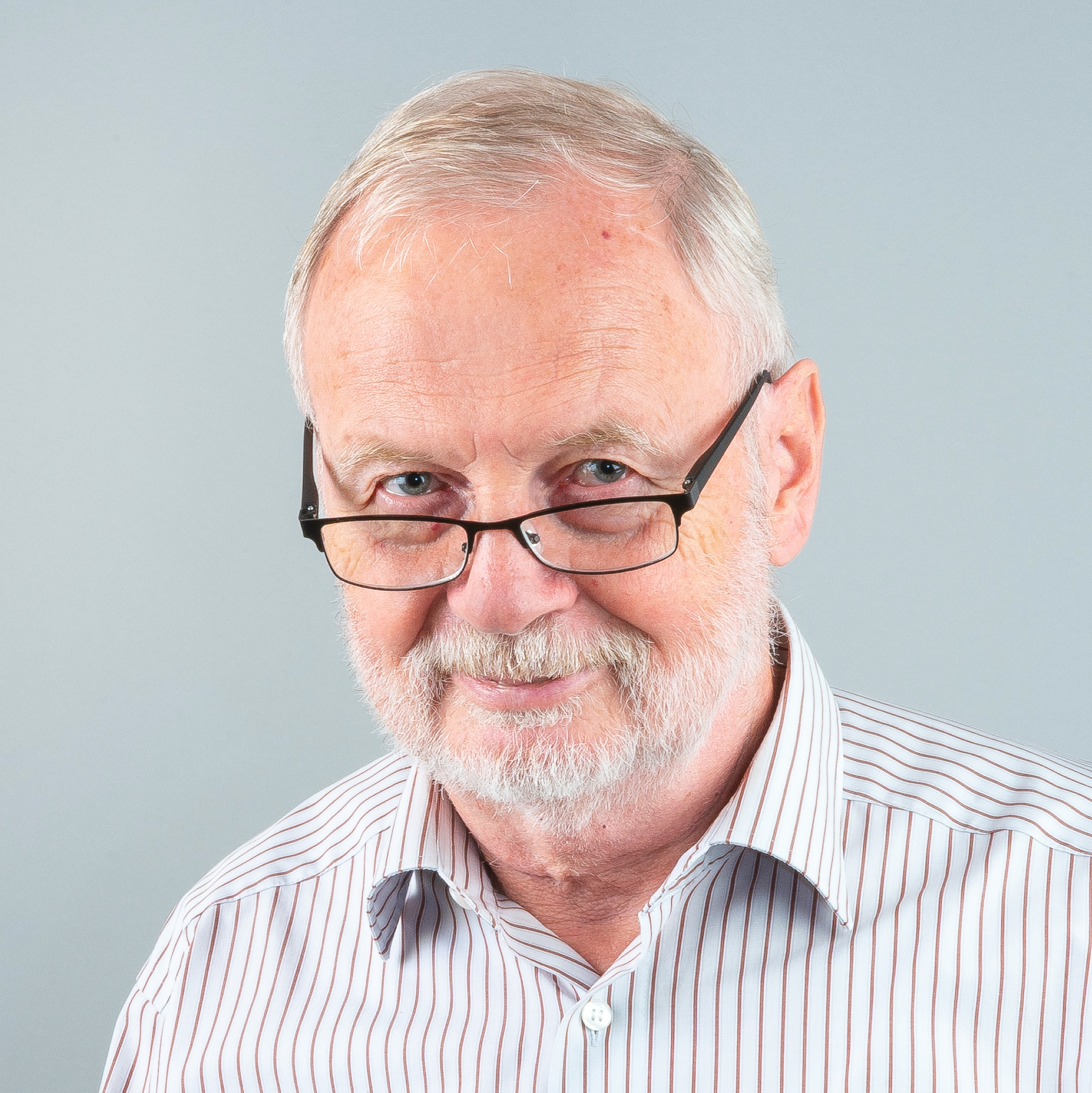 Biochemist
Hartmut Michel
Determining the structure of a photosynthetic reaction centre.
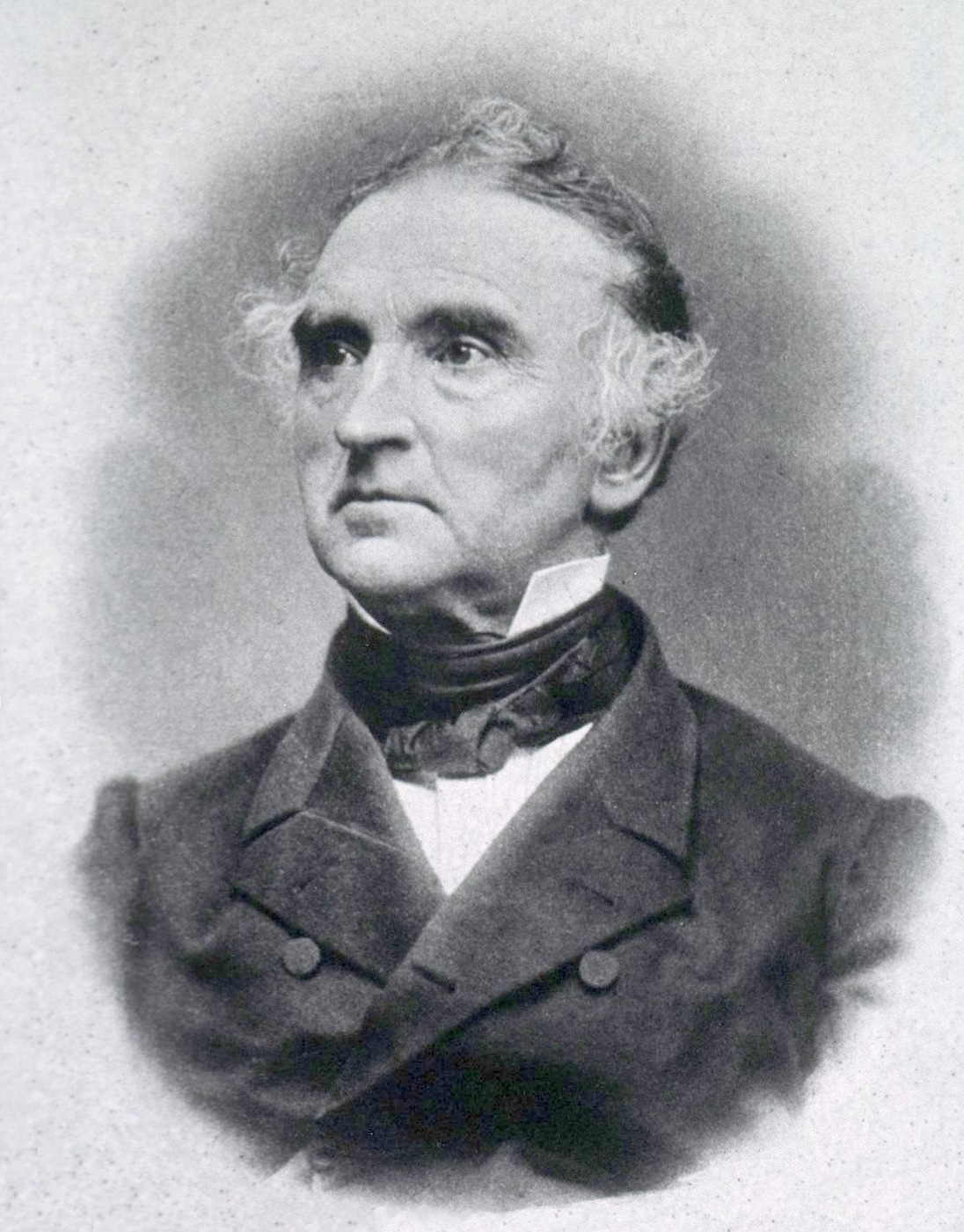 Chemist
Justus von Liebig
Transforming laboratory teaching and agricultural chemistry.
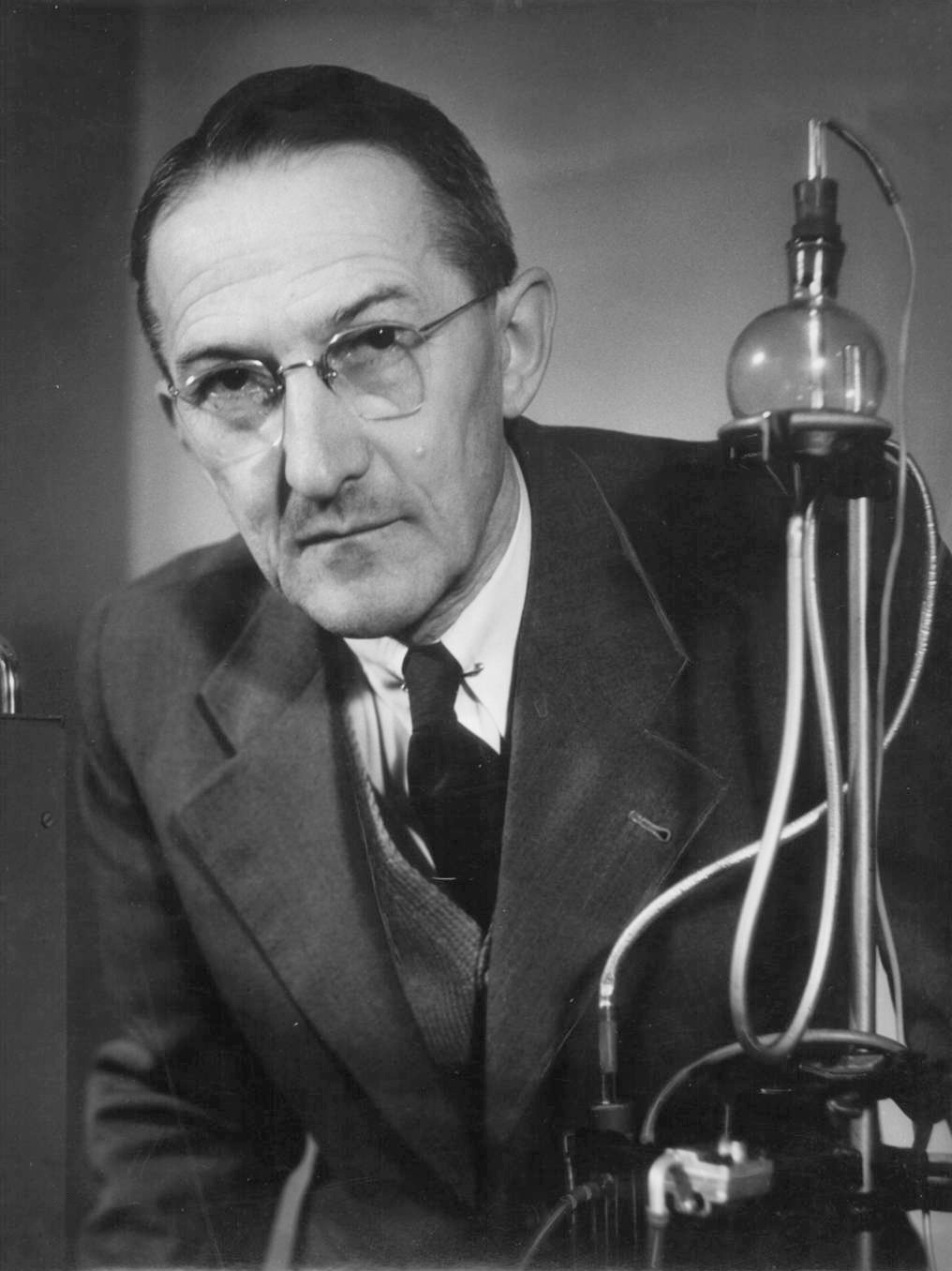 Chemist
Jaroslav Heyrovský
Inventing polarography for chemical analysis.
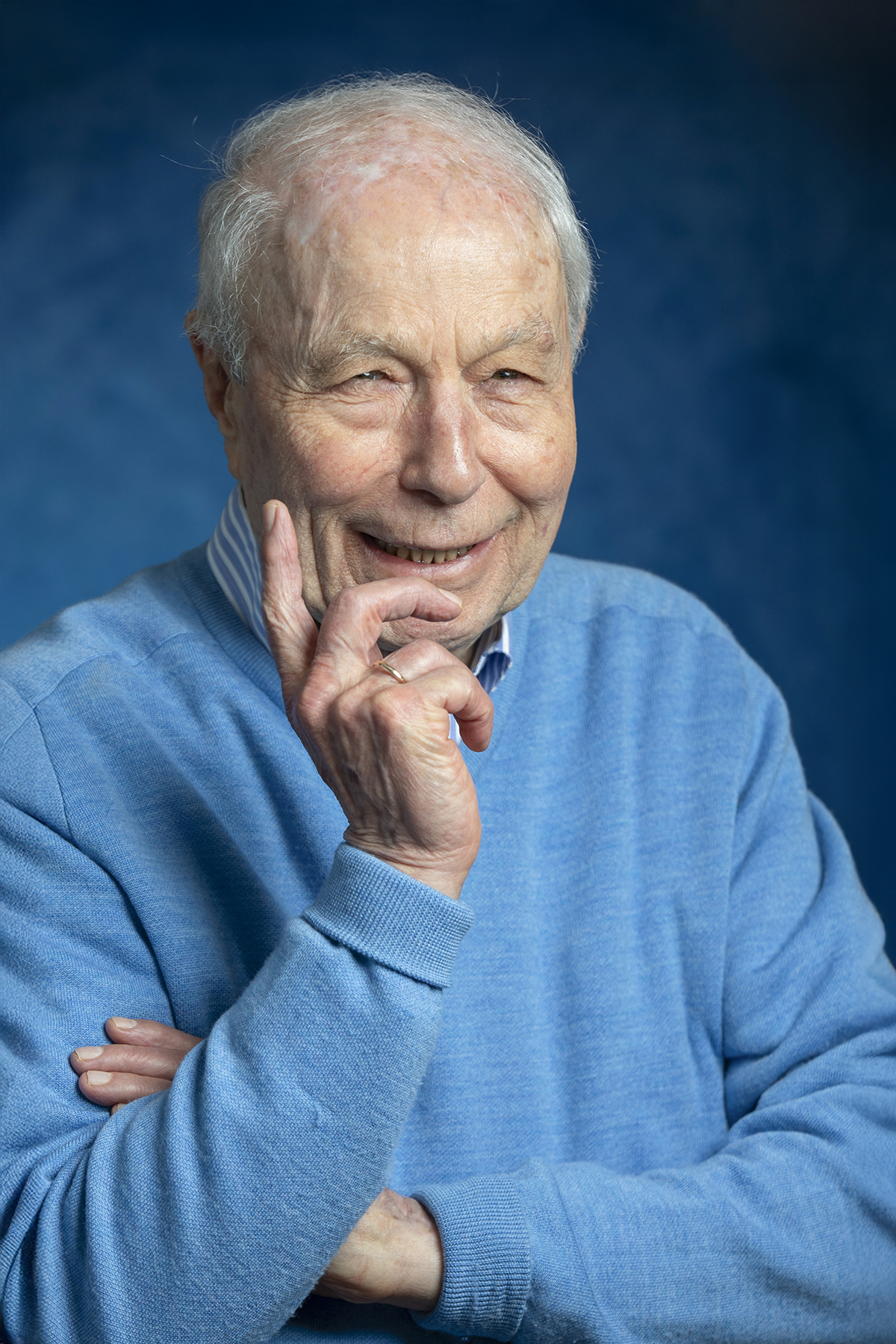 Biochemist
Avram Hershko
Discovering how ubiquitin marks proteins for destruction.
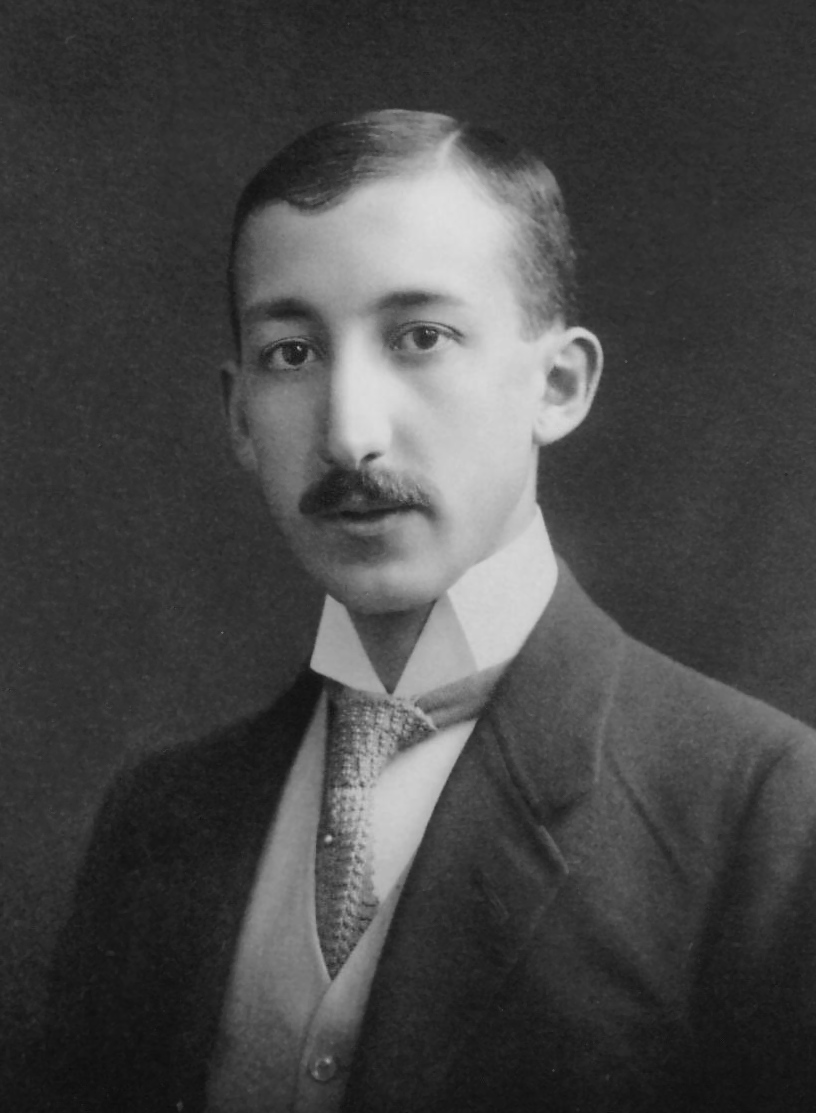 Chemist
George de Hevesy
Developing radioactive tracers and co-discovering hafnium.
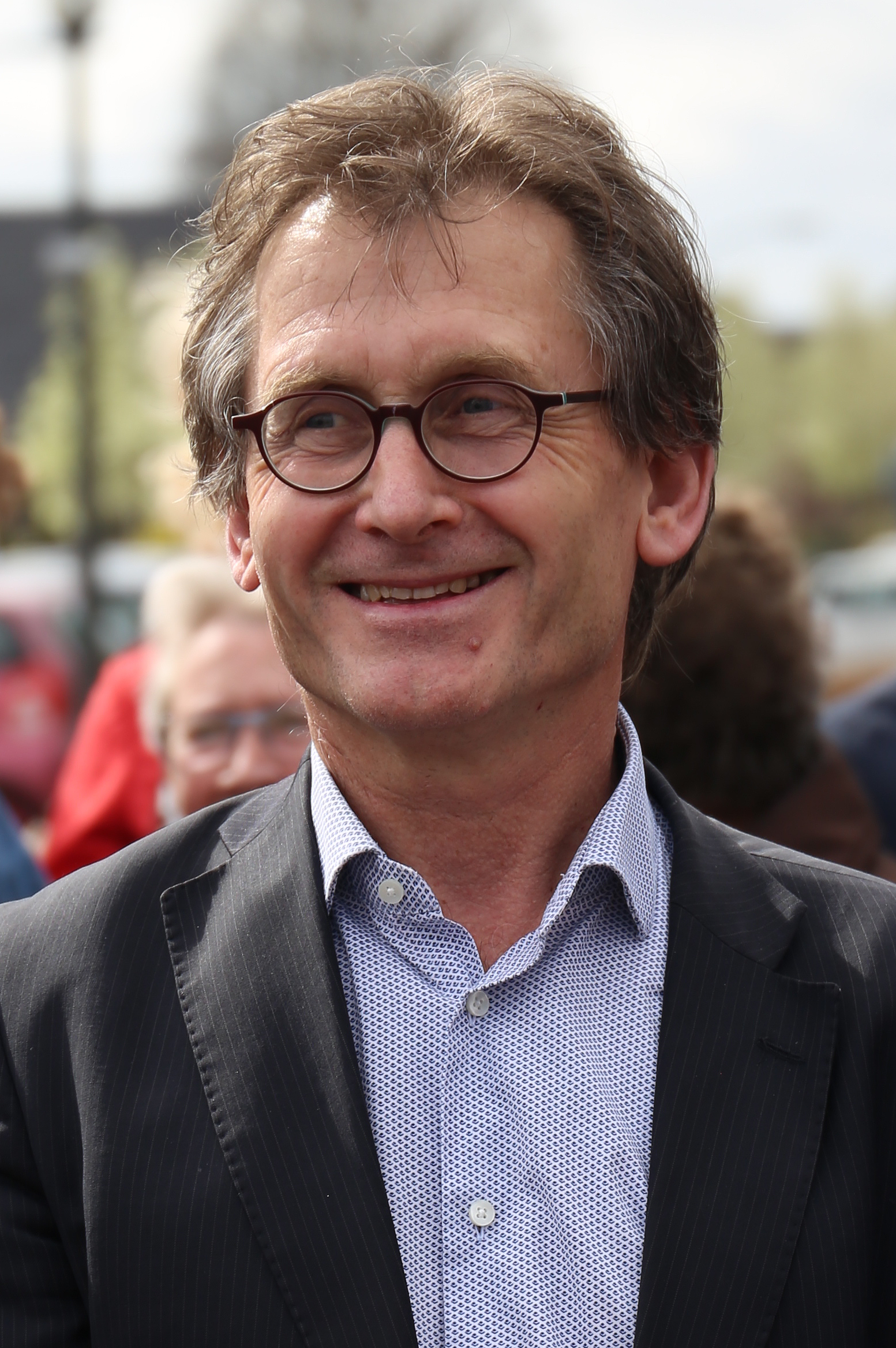 Chemist
Ben Feringa
Building molecular motors that turn in a controlled direction.
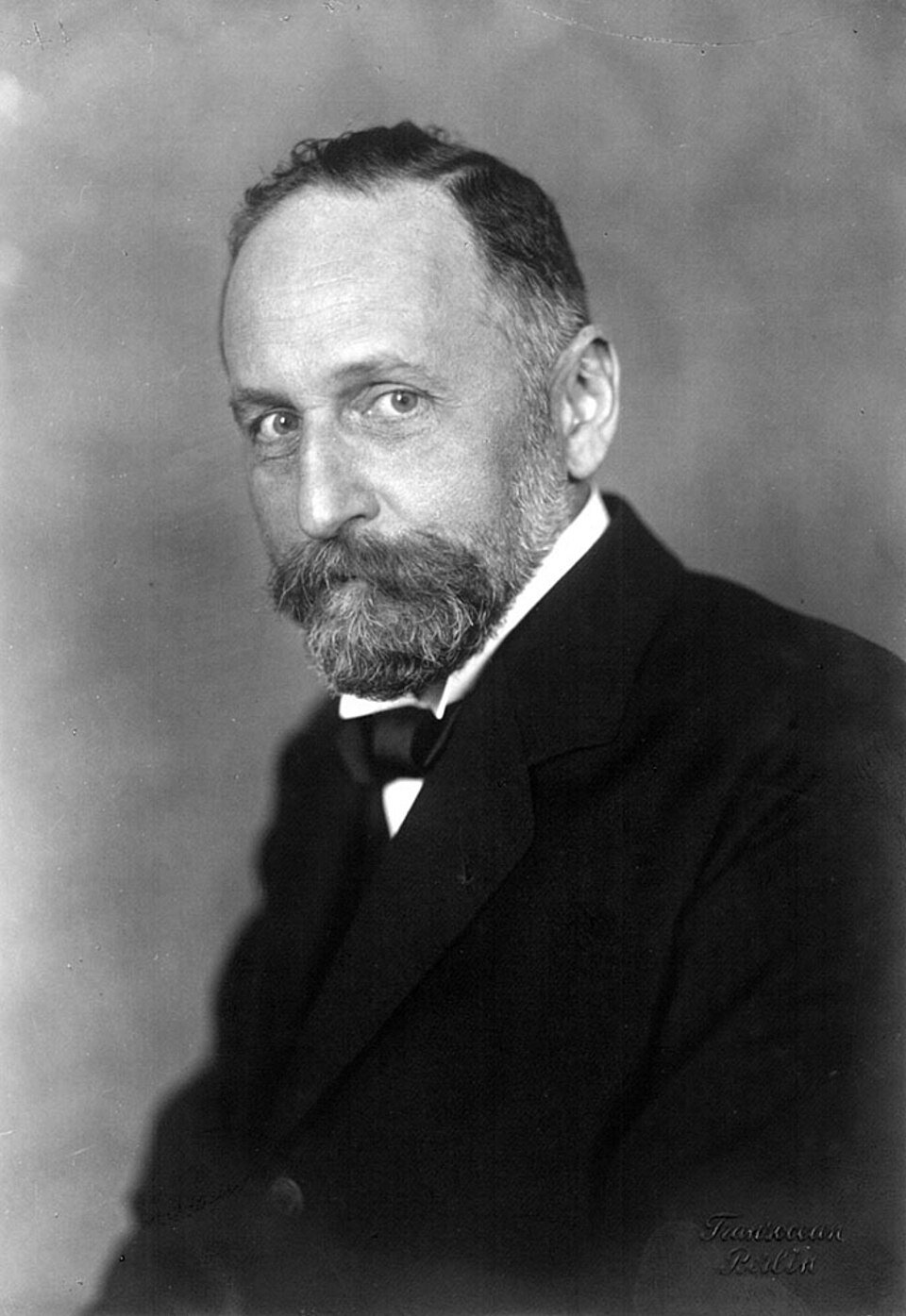 Chemist
Richard Willstätter
Determining the chemistry of chlorophyll and other plant pigments.
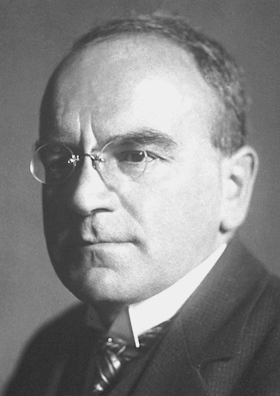 Chemist
Heinrich Otto Wieland
Investigating the chemical structure of bile acids.
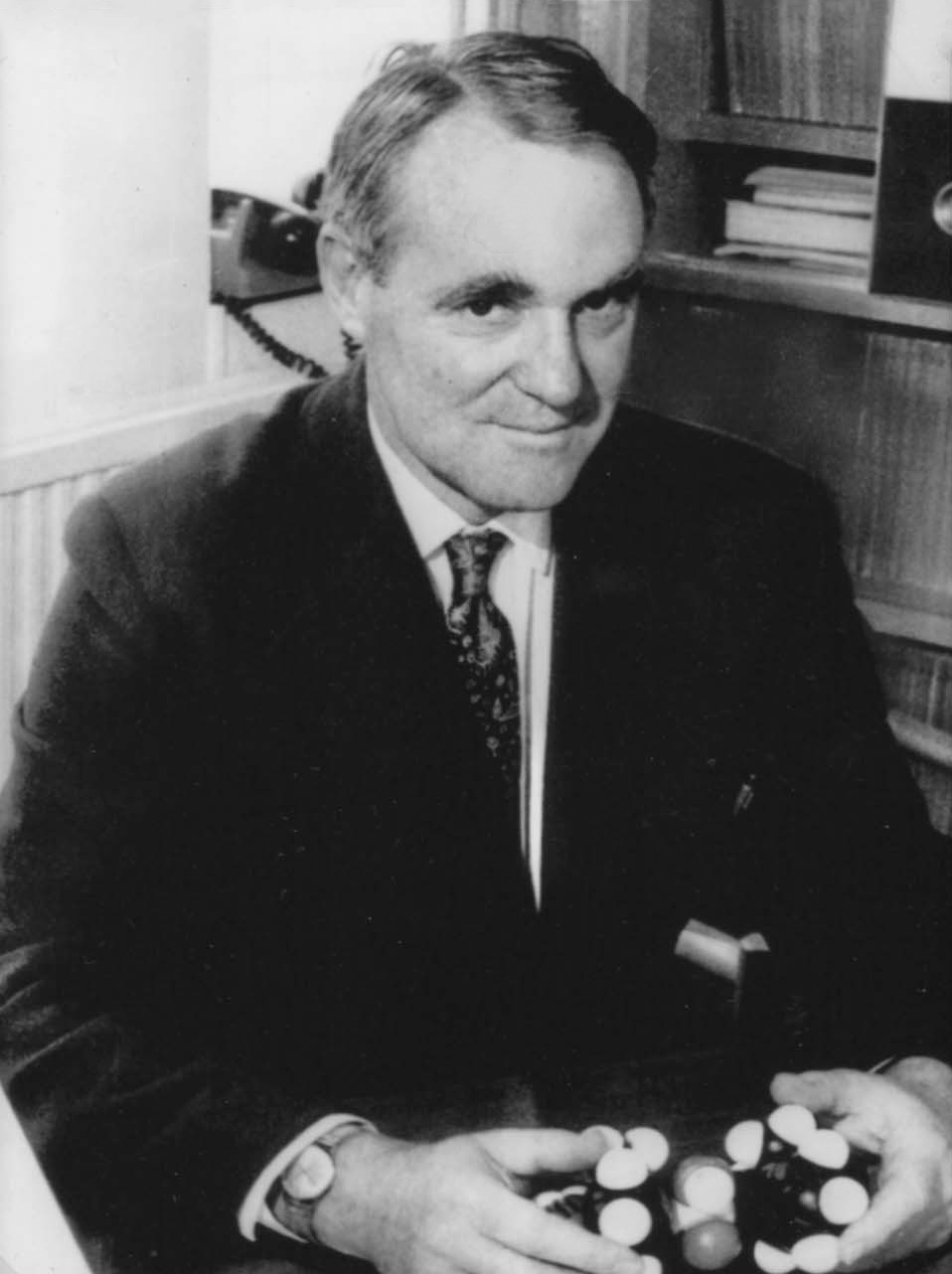 Chemist
John Cornforth
Explaining the stereochemistry of enzyme-catalysed reactions.
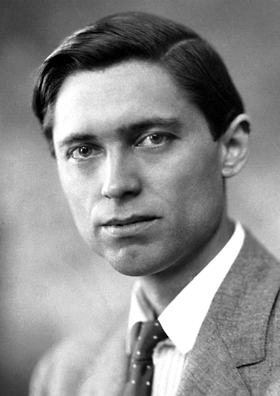 Chemist
Theodor Svedberg
Developing the ultracentrifuge for studying colloids and proteins.
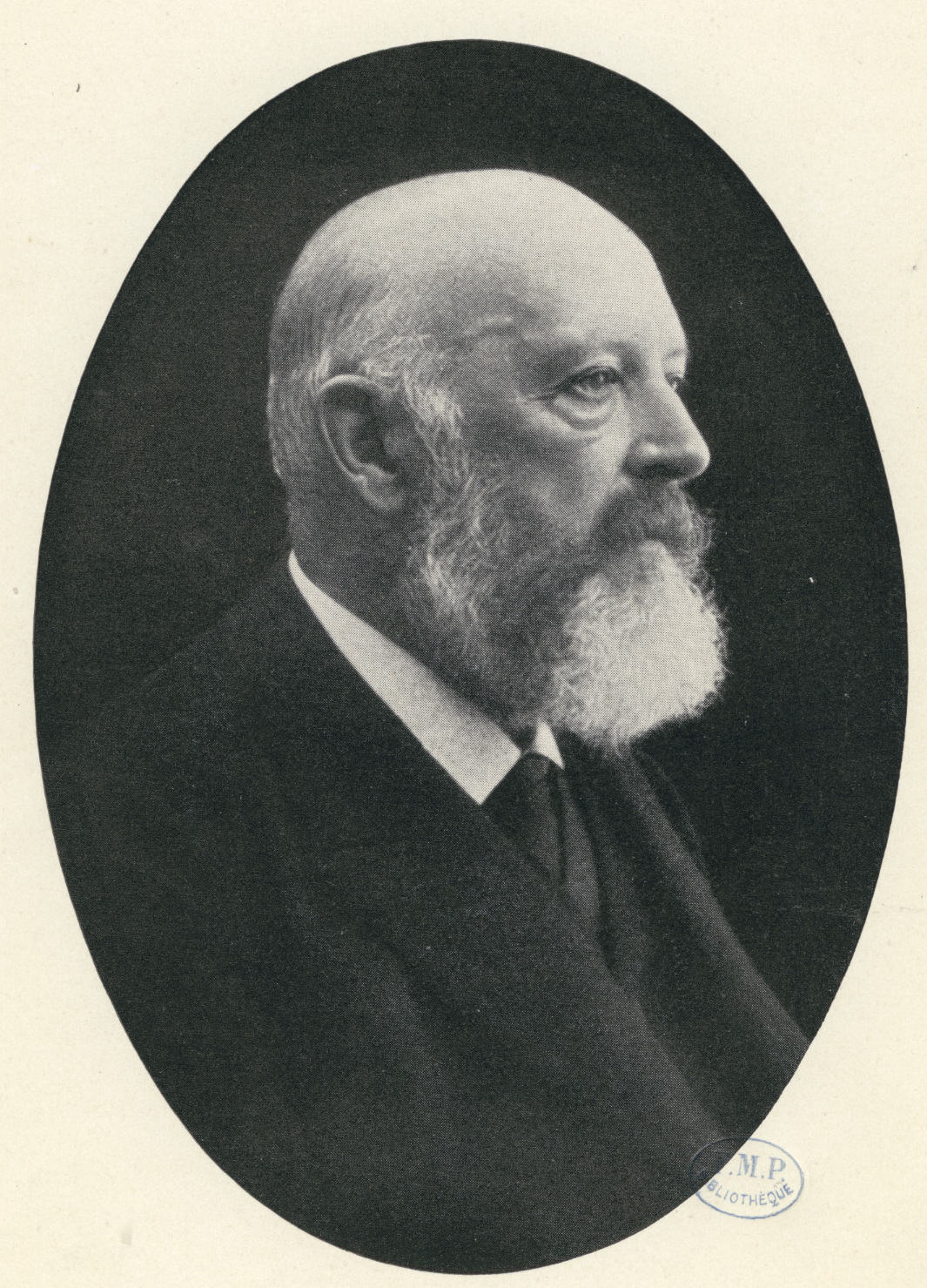 Chemist
Adolf von Baeyer
Synthesising indigo and investigating organic dyes.
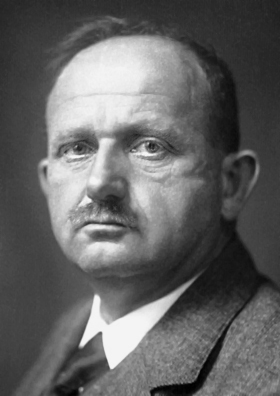 Chemist
Hans Fischer
Determining the chemistry of biological pigments and synthesising haemin.
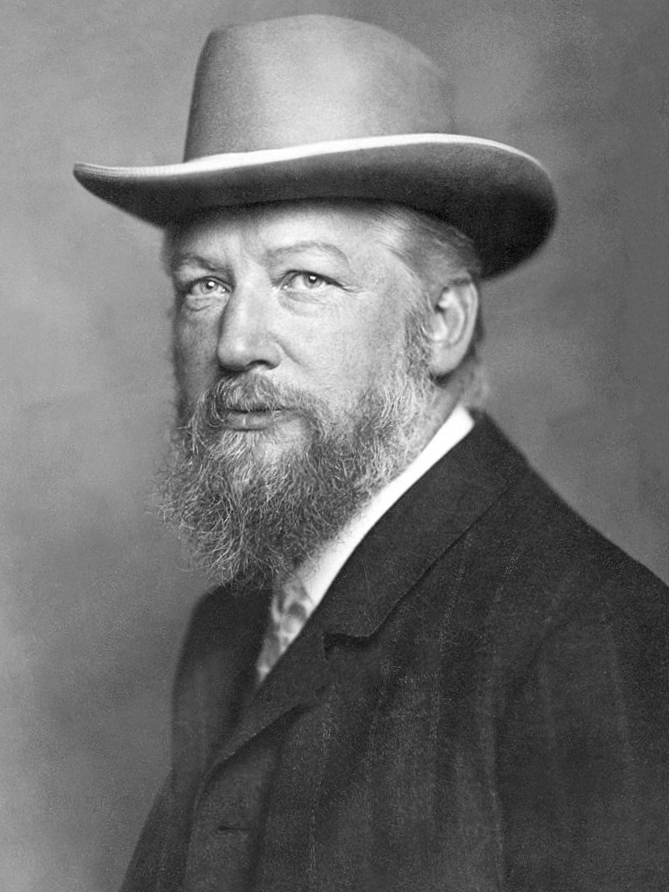 Chemist
Wilhelm Ostwald
Advancing physical chemistry and the study of catalysis.
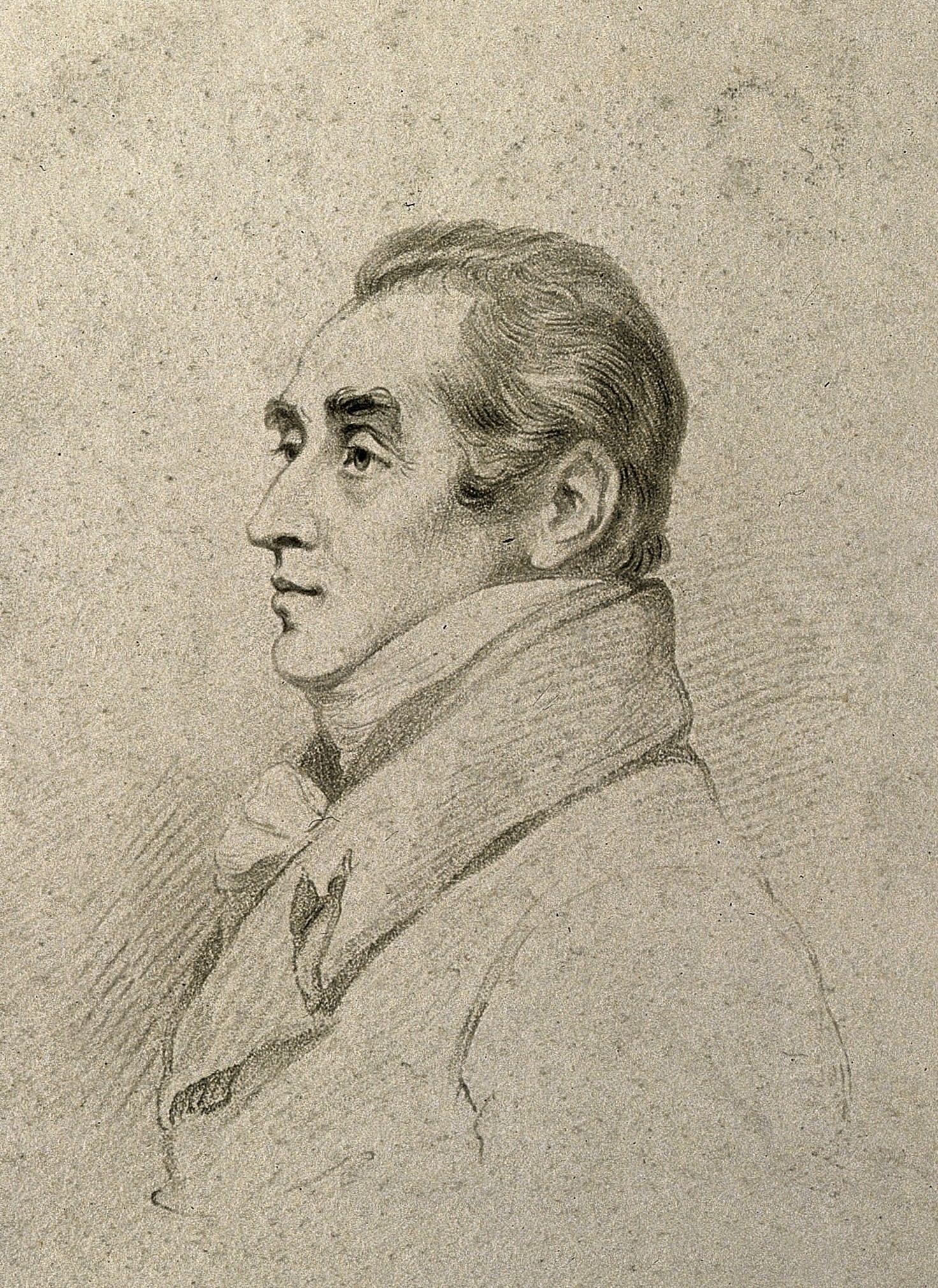 Chemist
Charles Hatchett
Discovering the element now called niobium.
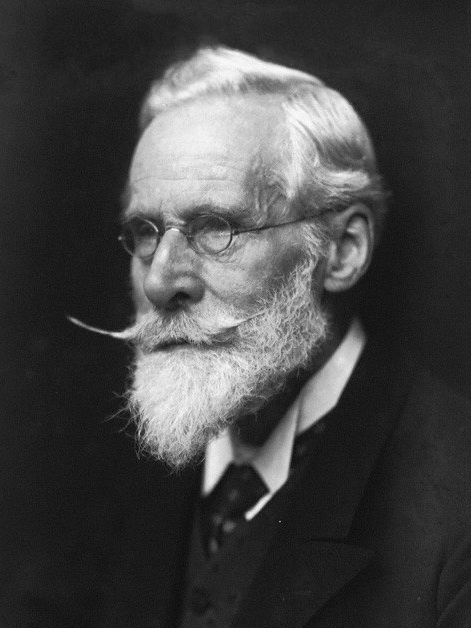 Chemist
William Crookes
Discovering thallium and investigating electrical discharges in vacuum tubes
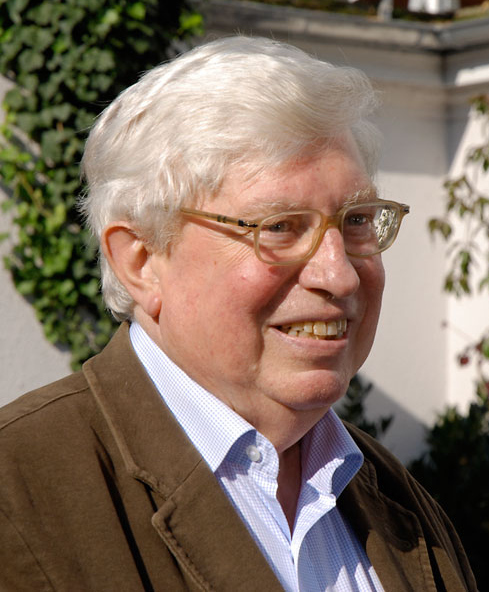 Chemist
Gerhard Ertl
Explaining chemical reactions on solid surfaces
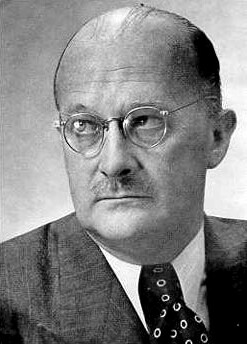 Chemist
Adolf Windaus
Research on sterols and vitamin D
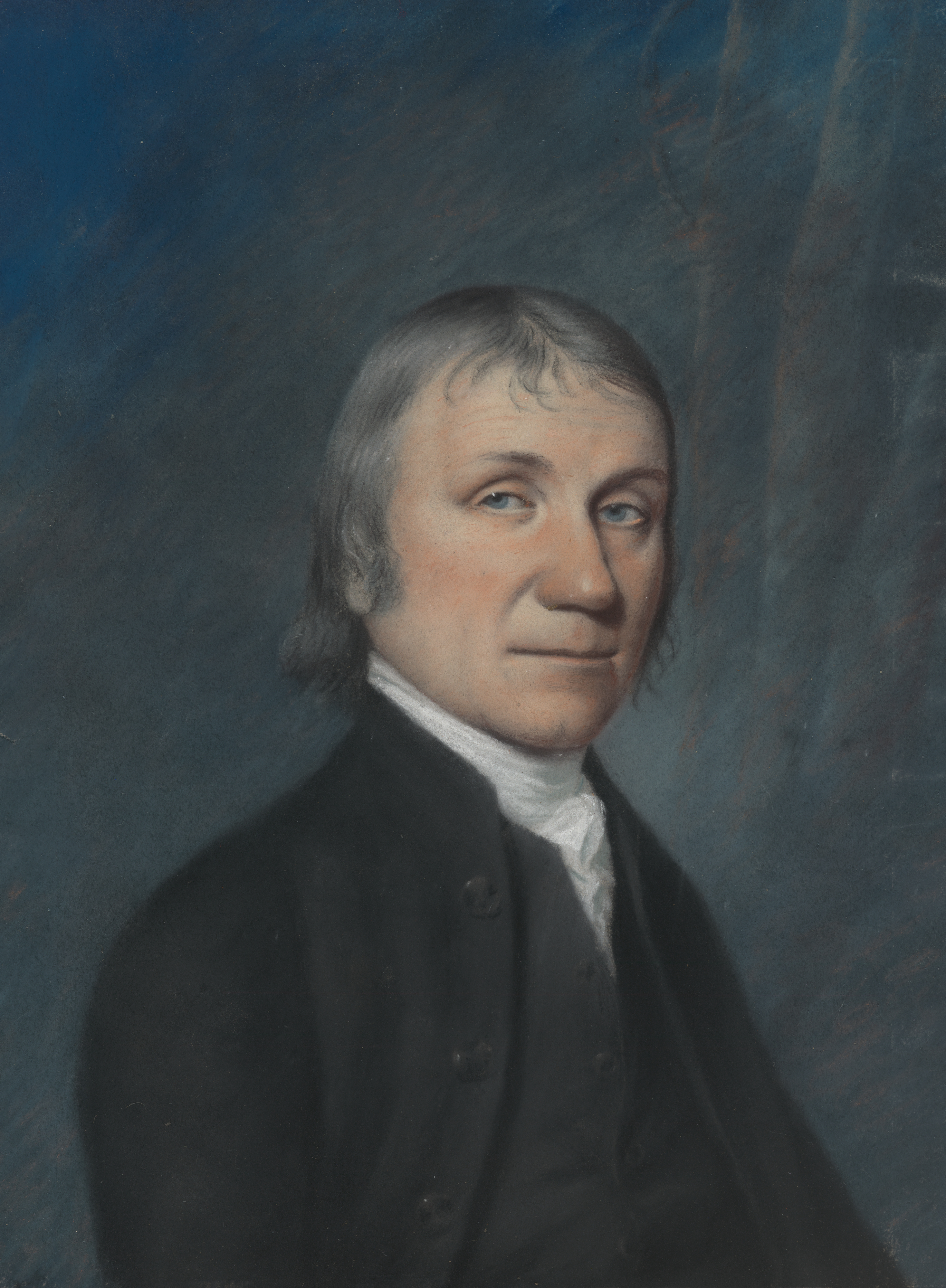 Chemist
Joseph Priestley
Independently isolating oxygen and experimenting with gases
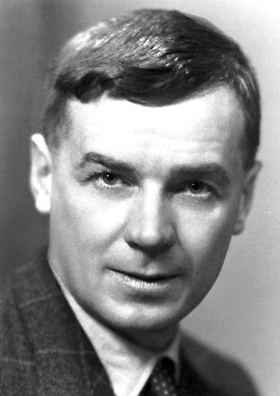 Biochemist
Richard Laurence Millington Synge
Co-developing partition chromatography
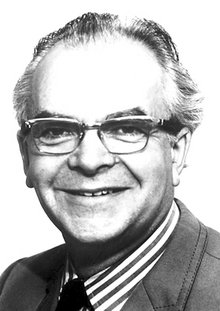 Biochemist
Peter D. Mitchell
The chemiosmotic explanation of cellular energy production
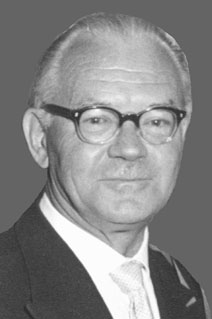 Chemist
Georg Wittig
Developing the Wittig reaction for building carbon–carbon double bonds.
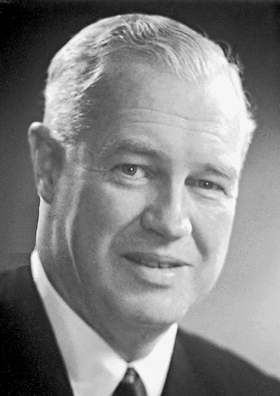 Biochemist
Alec Todd
Determining the chemistry of nucleotides and their coenzymes.
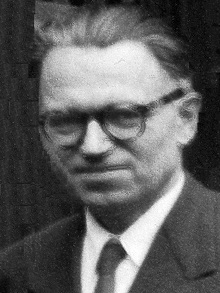 Physicist
Gerhard Herzberg
Using spectroscopy to reveal molecular structure.
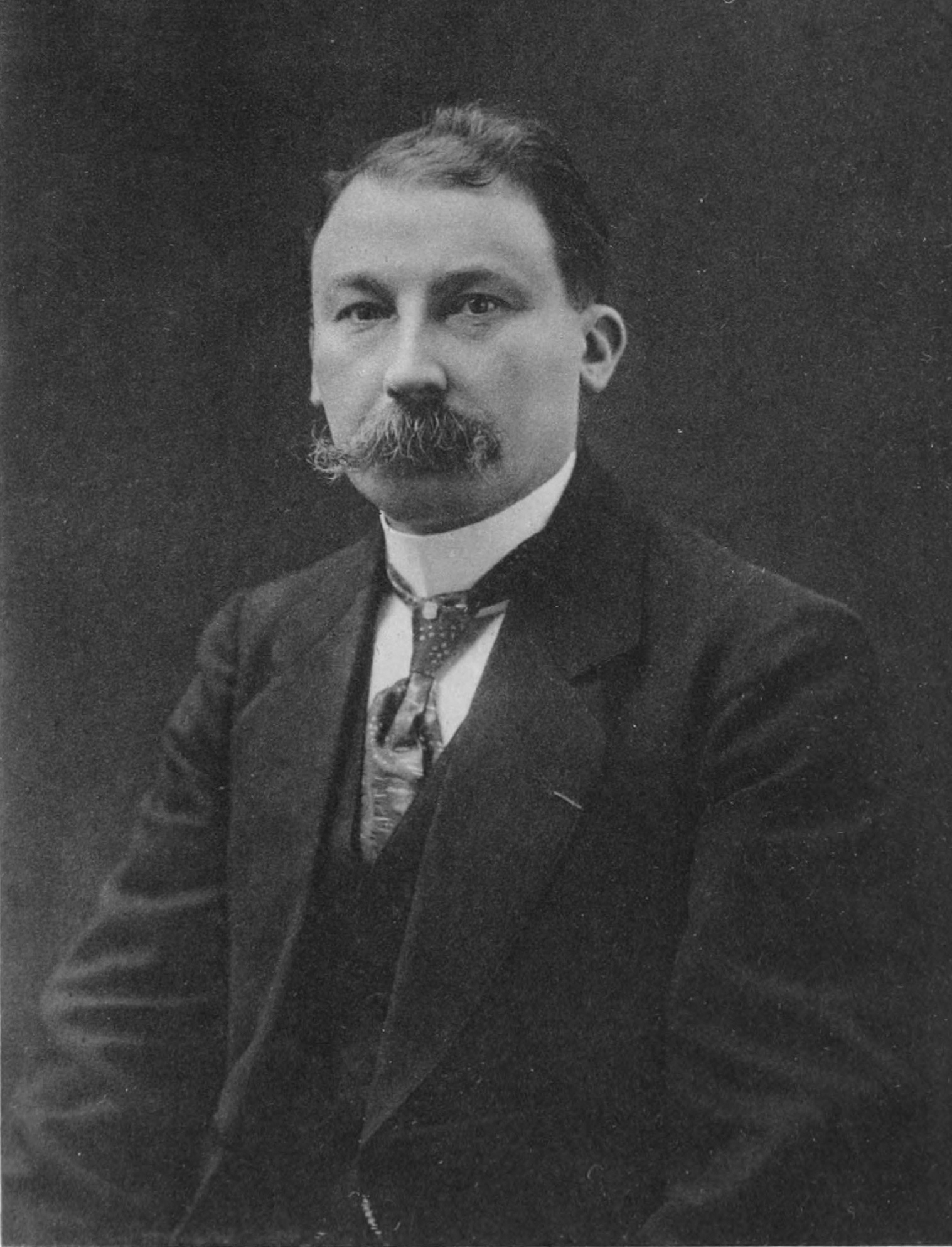 Chemist
Victor Grignard
Discovering organomagnesium reagents used to build carbon–carbon bonds.
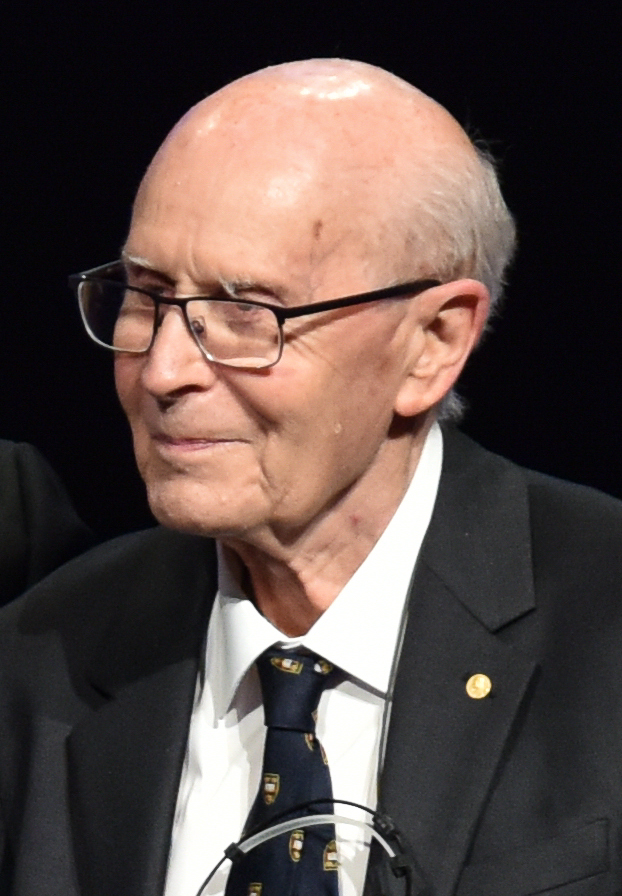 Chemist
Richard Robson
Designing extended molecular frameworks with open spaces.
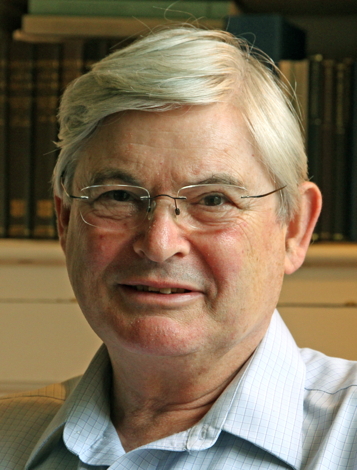 Chemist
Alan Fersht
Protein engineering and the chemistry of folding.
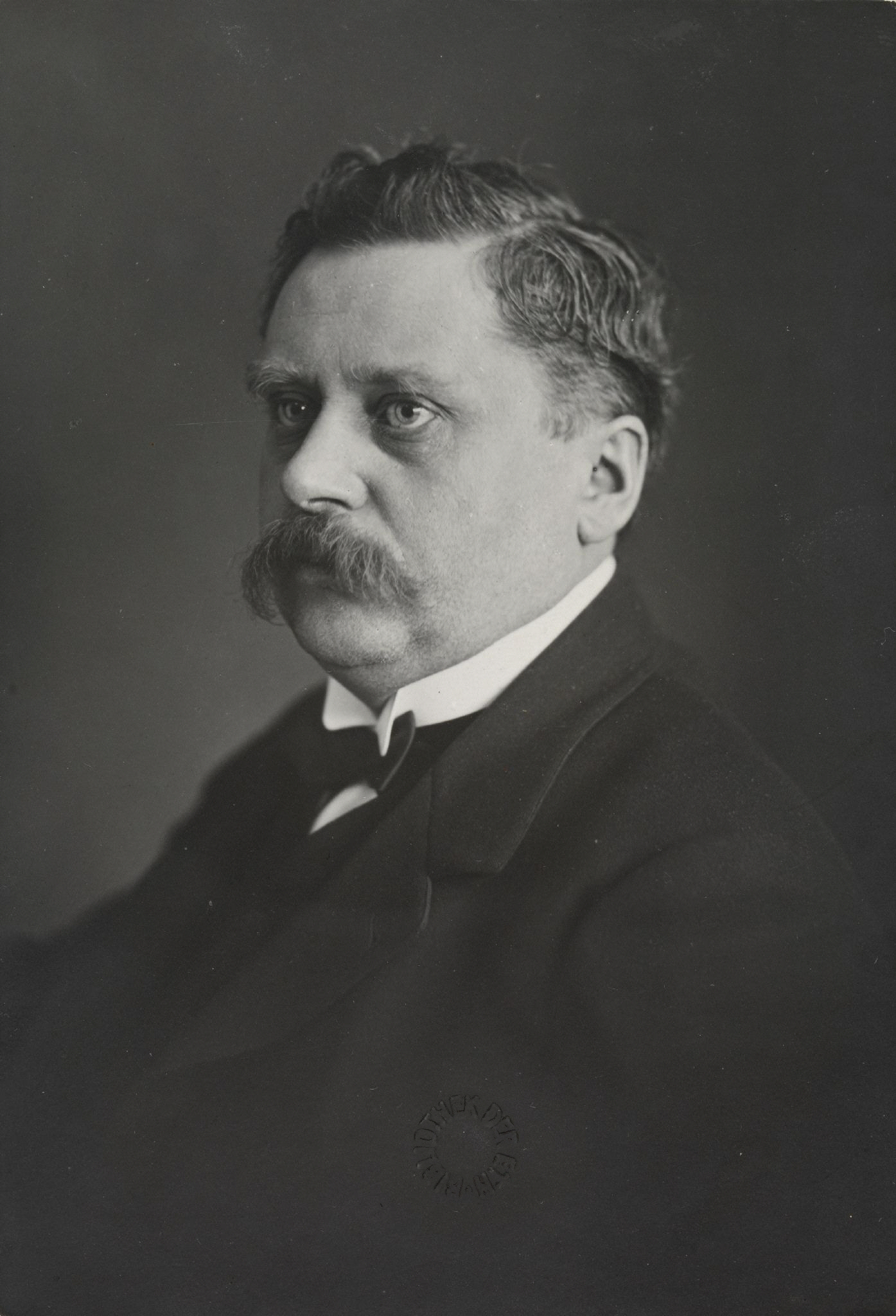 Chemist
Alfred Werner
Explaining the three-dimensional structure of coordination compounds.
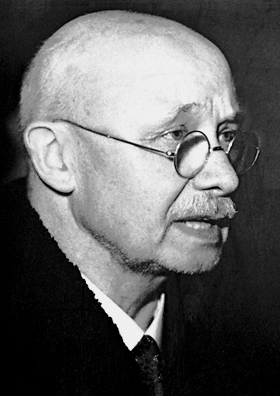 Chemist
Otto Diels
The Diels–Alder reaction for building carbon rings.
 Chemist
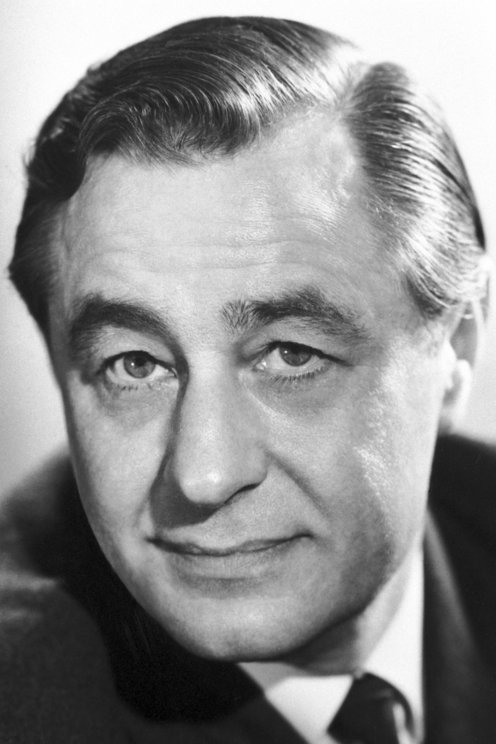
George Porter
Using flash photolysis to study fleeting chemical reactions.
 Chemist
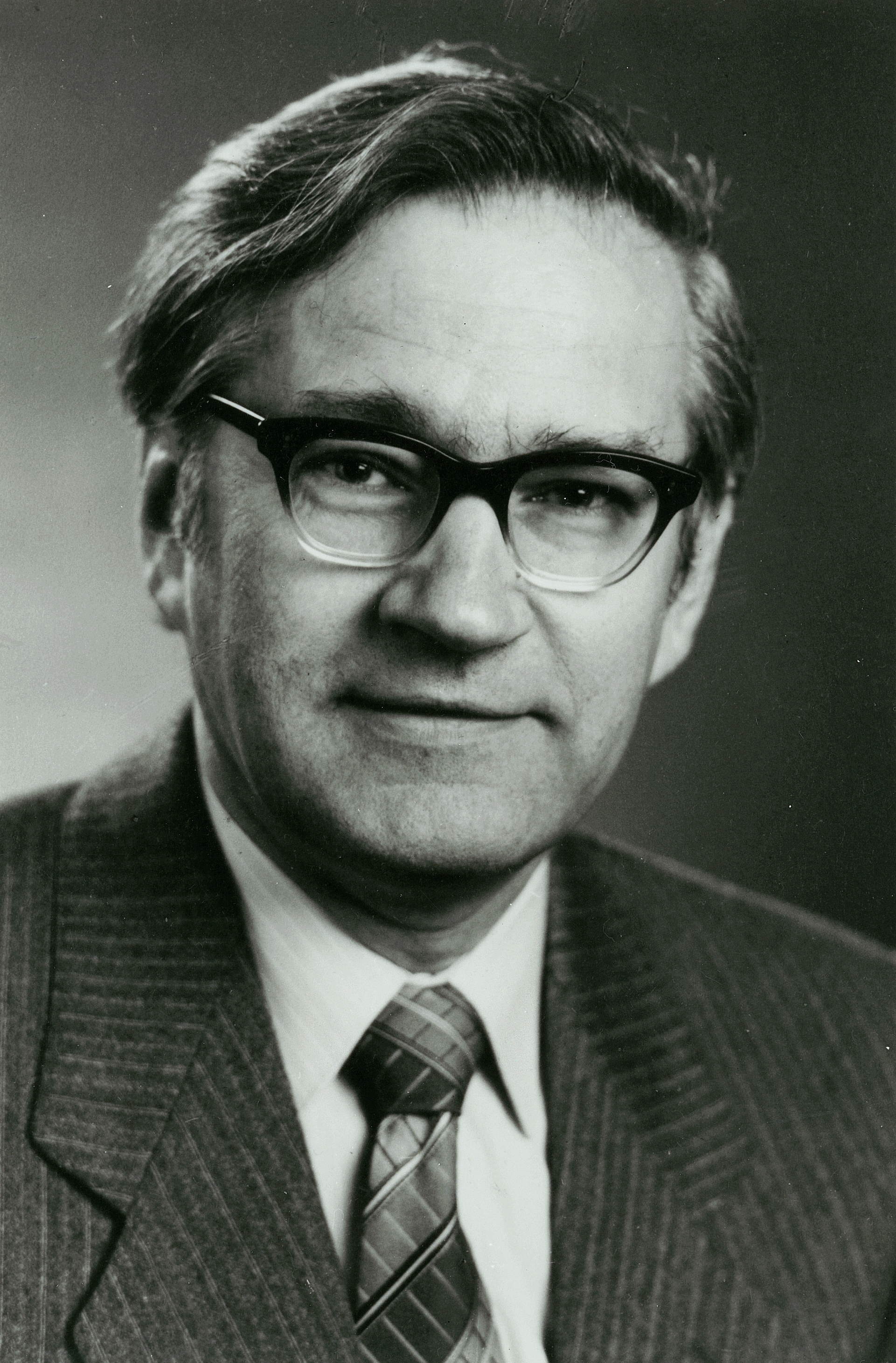
Richard R. Ernst
Methods that transformed nuclear magnetic resonance spectroscopy.
 Chemist
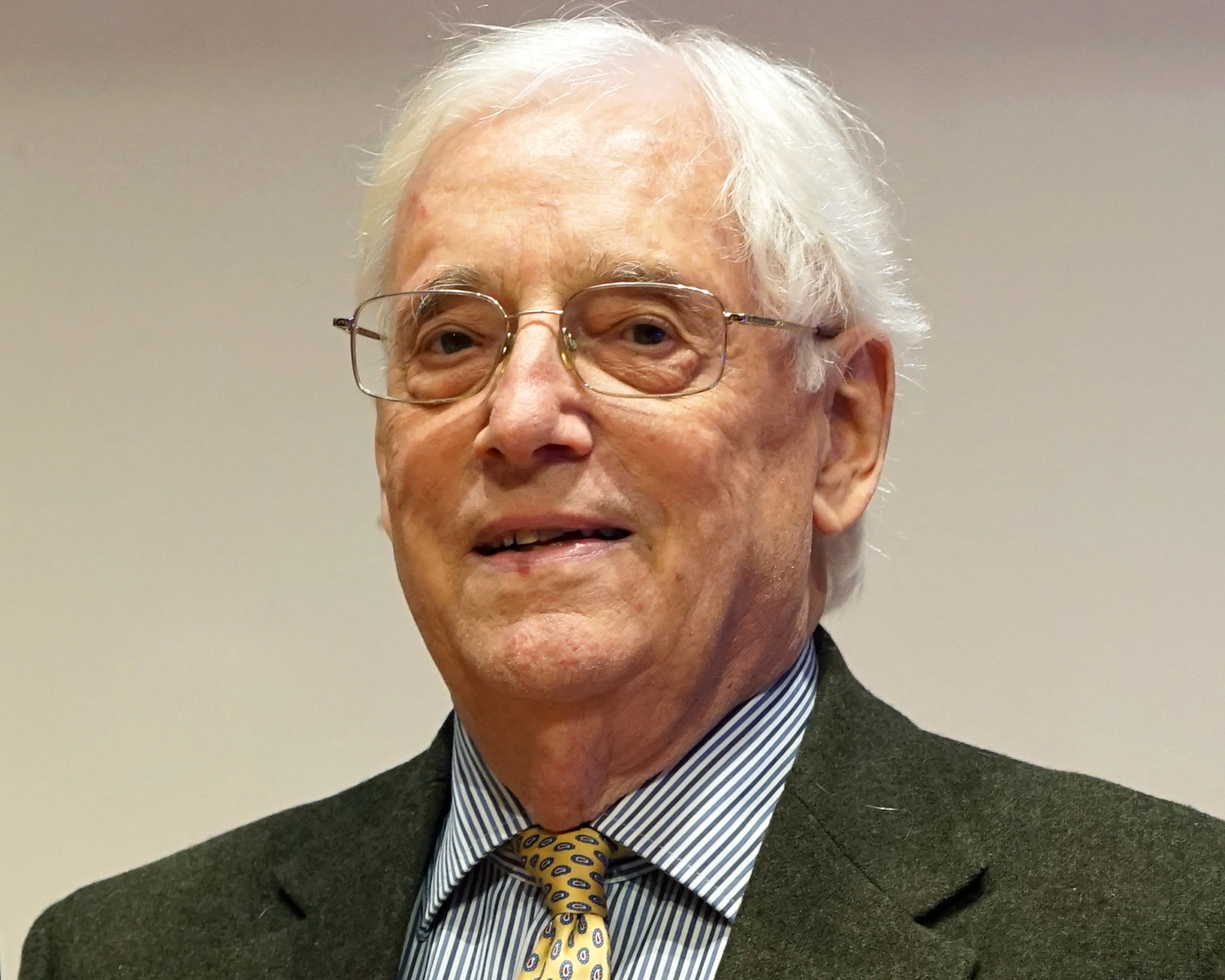
John E. Walker
Revealing the structure of ATP-producing molecular machinery.