Physics
Matter, energy, and the workings of the universe.
People in Physics
84 profiles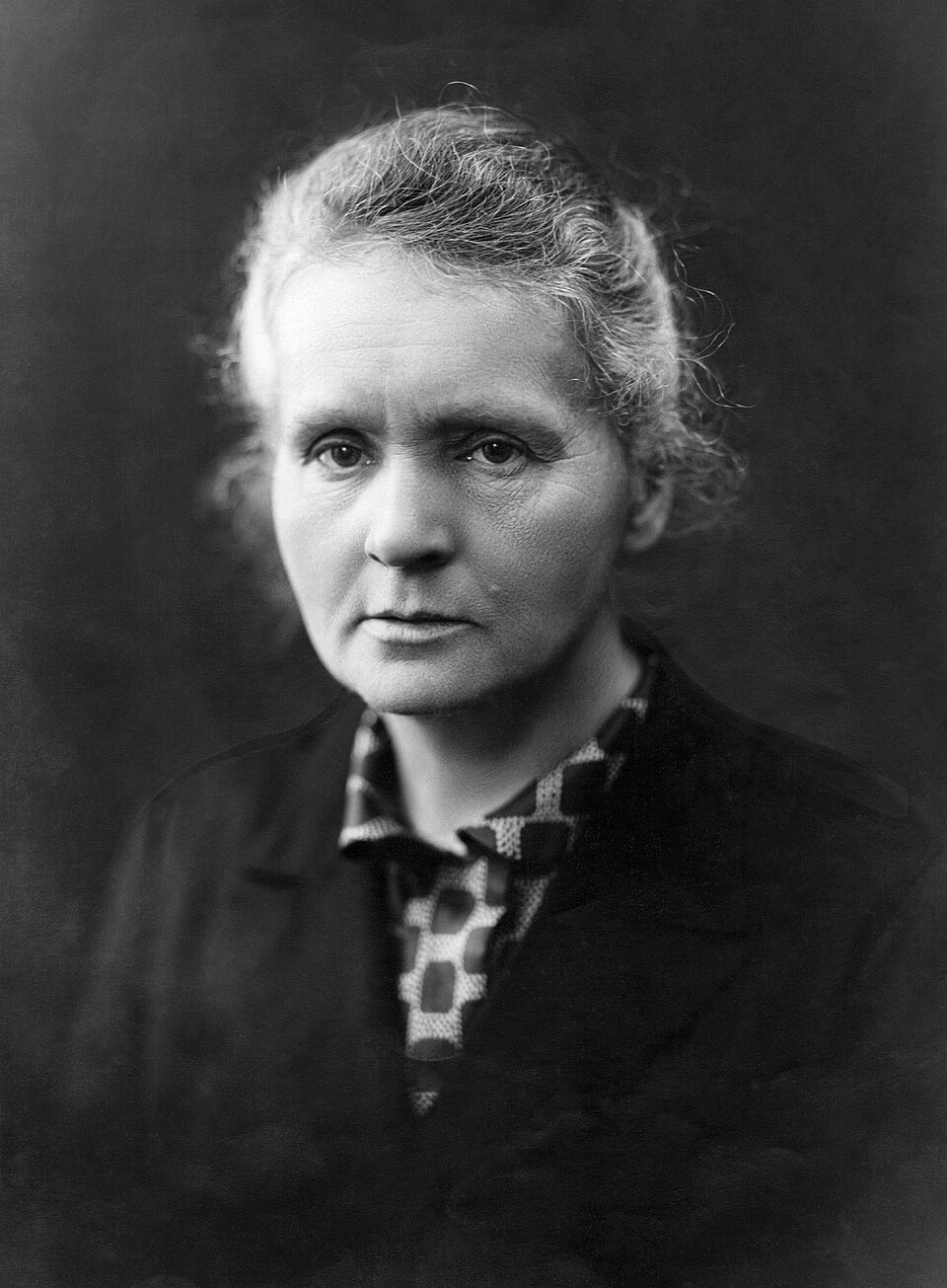 Scientist
Marie Curie
Discovering polonium and radium.
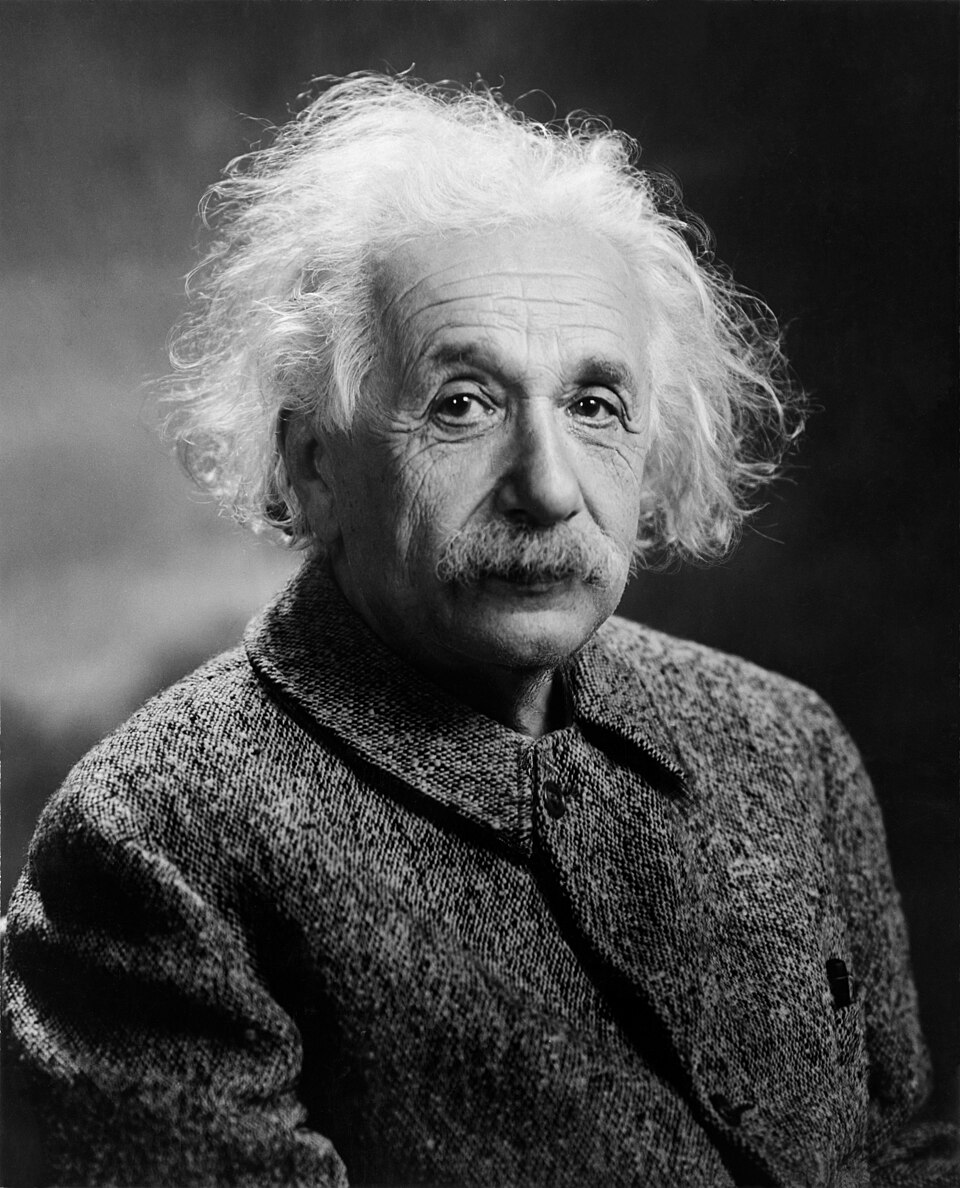 Physicist
Albert Einstein
Developing the theory of relativity.
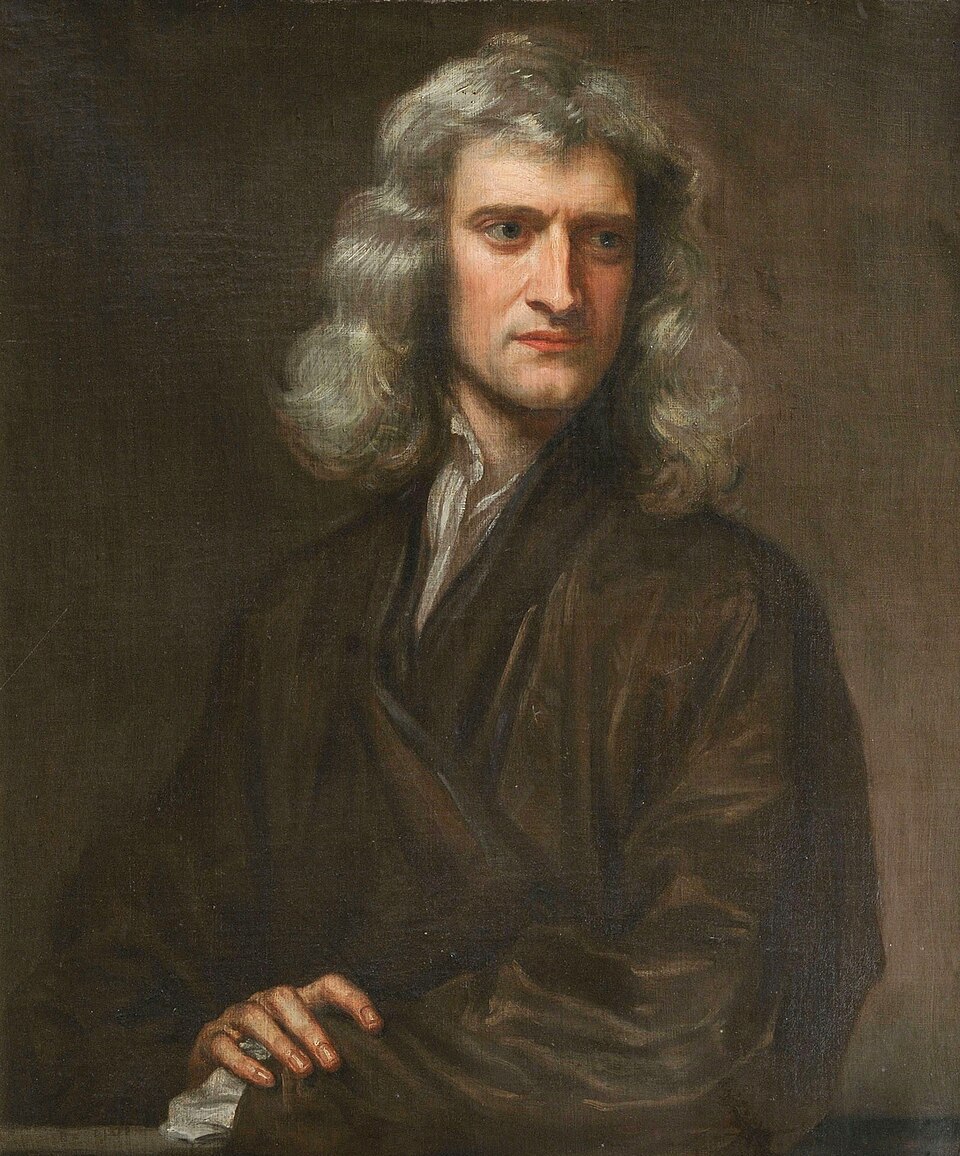 Physicist
Isaac Newton
Formulating the laws of motion and universal gravitation.
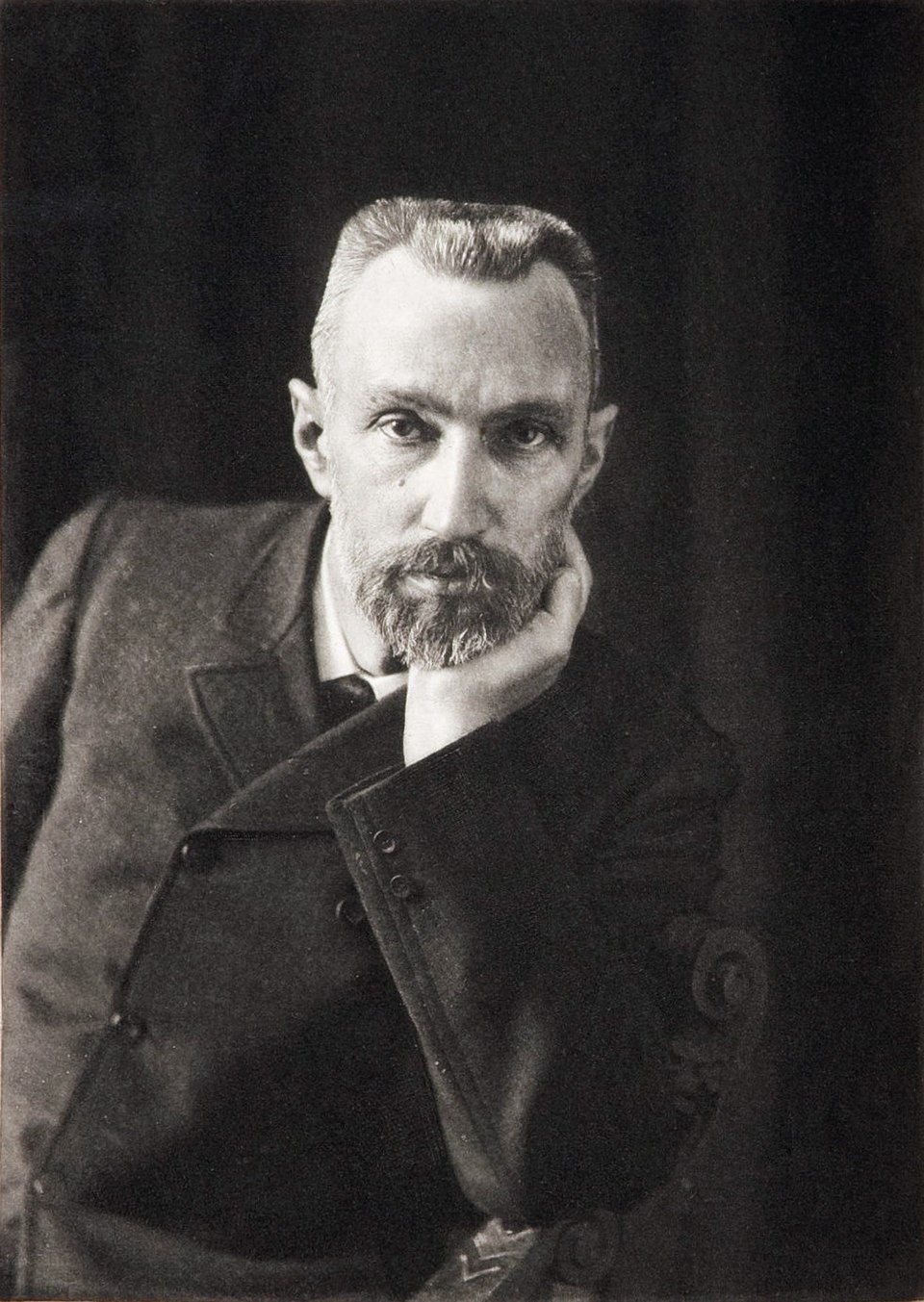 Physicist
Pierre Curie
Discovering polonium and radium with Marie Curie.
 Physicist
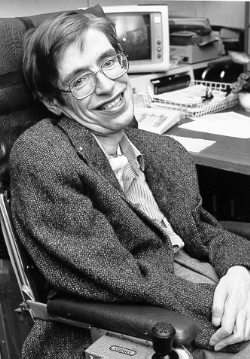
Stephen Hawking
Predicting that black holes emit radiation.
 Physicist
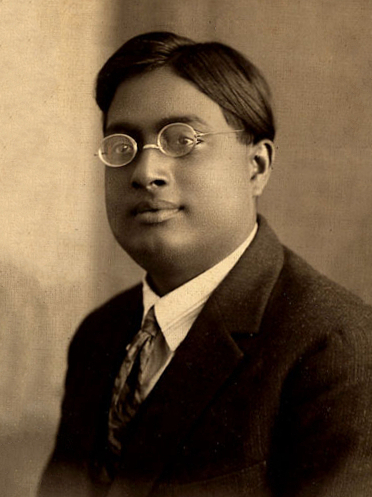
Satyendra Nath Bose
The particle statistics behind bosons and Bose–Einstein condensates.
 Physicist
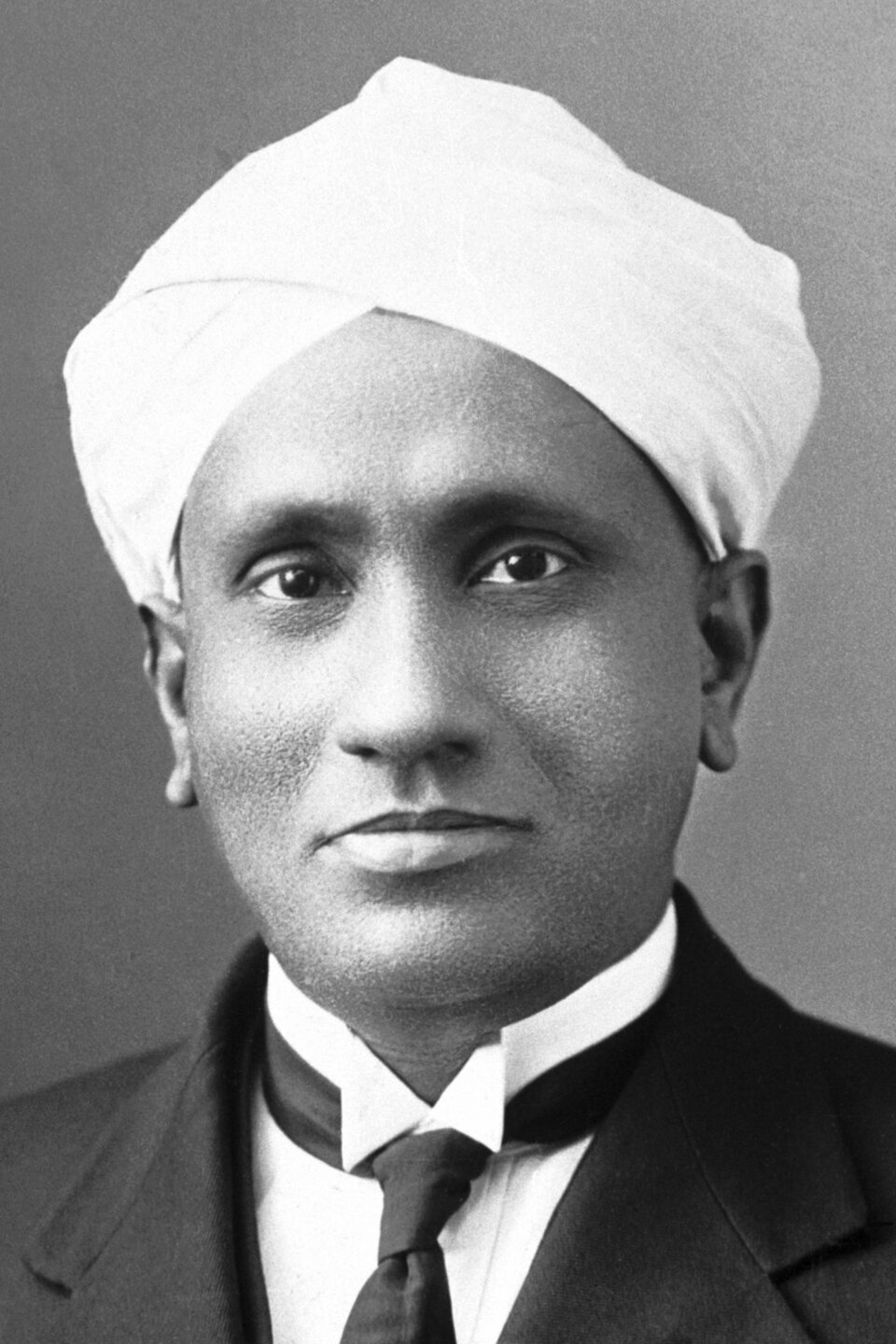
C. V. Raman
Discovering how scattered light reveals the molecules it meets.
 Scientist
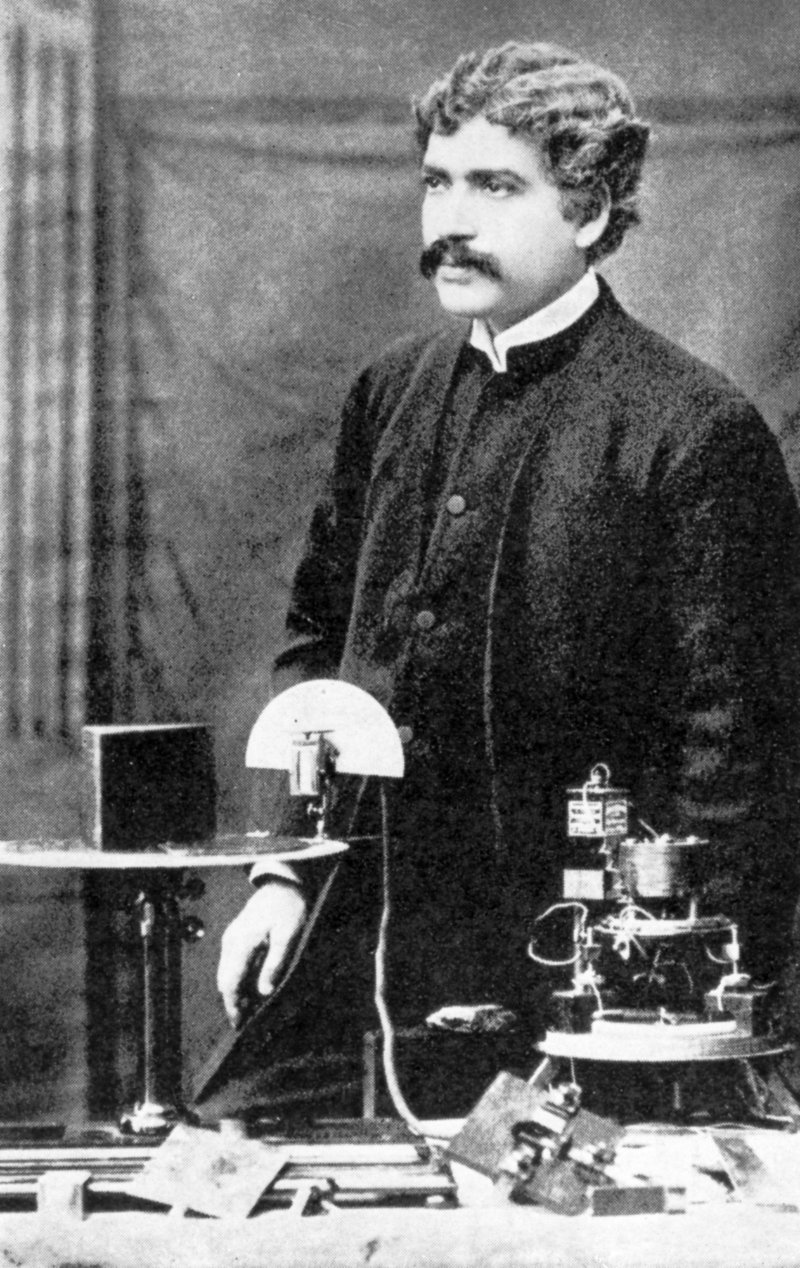
Jagadish Chandra Bose
Pioneering microwave experiments and measuring electrical responses in plants.
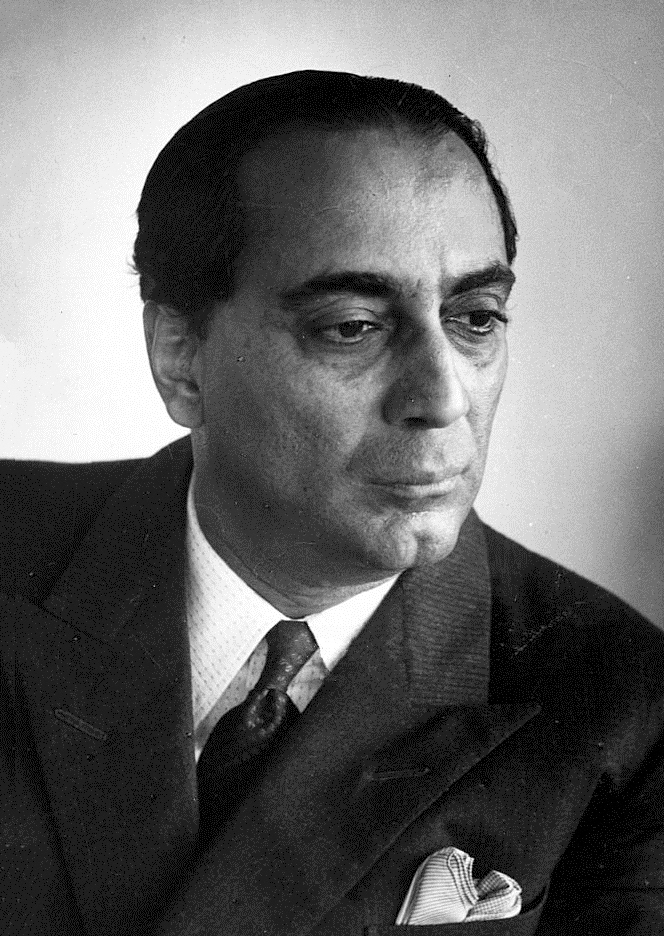 Physicist
Homi J. Bhabha
Building the institutions behind India’s nuclear programme.
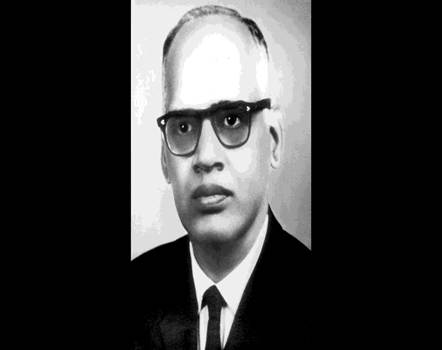 Biophysicist
G. N. Ramachandran
Mapping how protein chains can fold and proposing collagen’s triple helix.
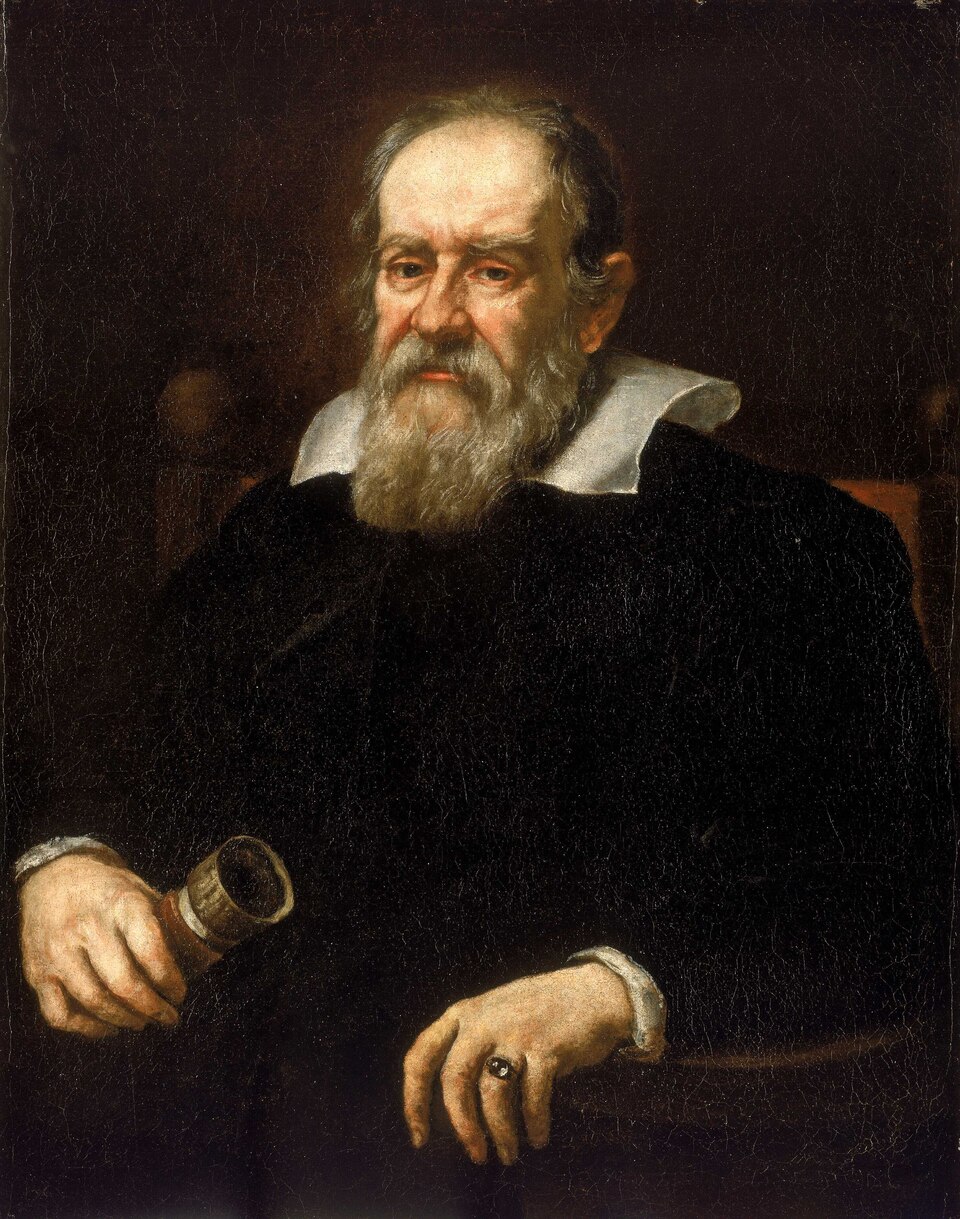 Scientist
Galileo Galilei
Using telescopic observations to challenge the Earth-centred universe.
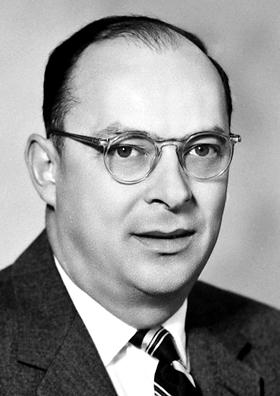 Physicist
John Bardeen
Co-inventing the transistor and helping explain superconductivity.
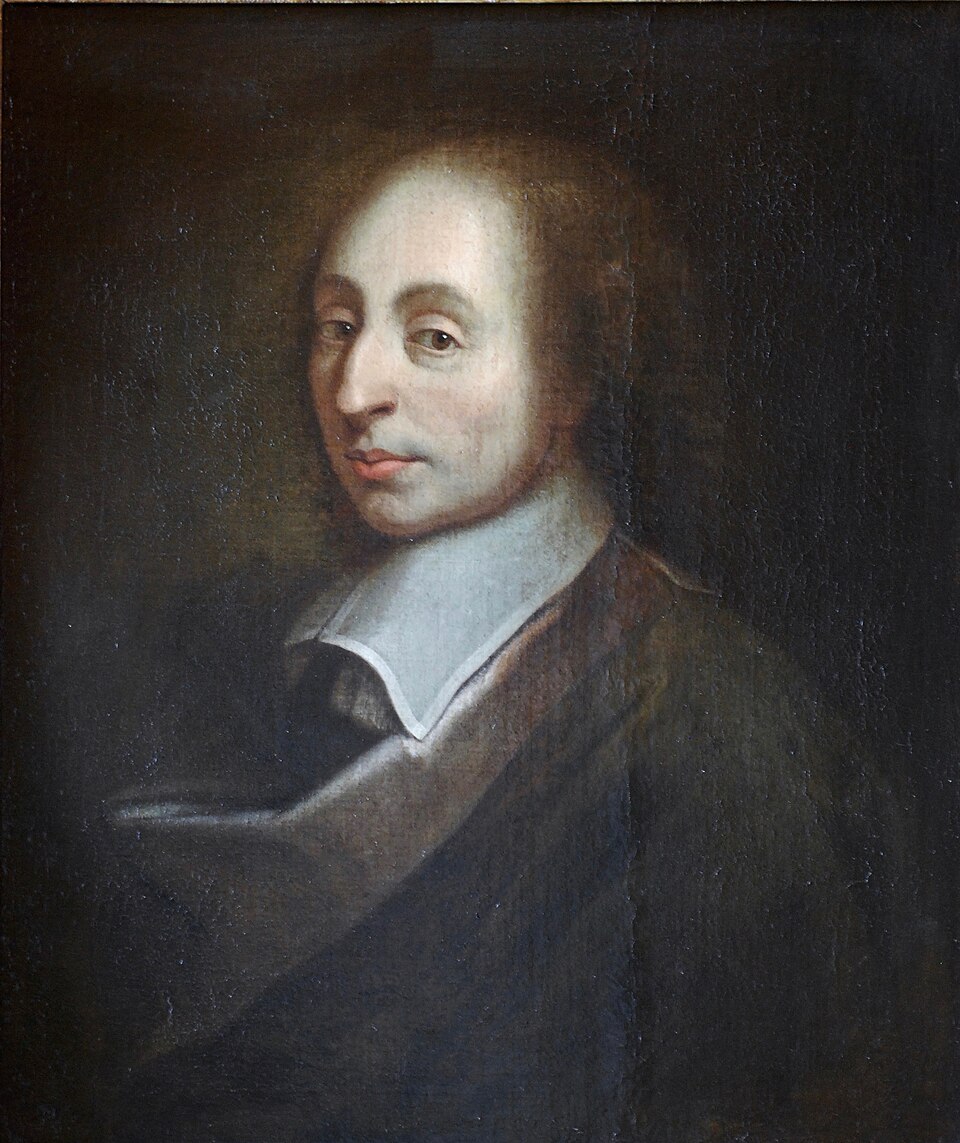 Mathematician
Blaise Pascal
Advancing probability, pressure research and early mechanical calculation.
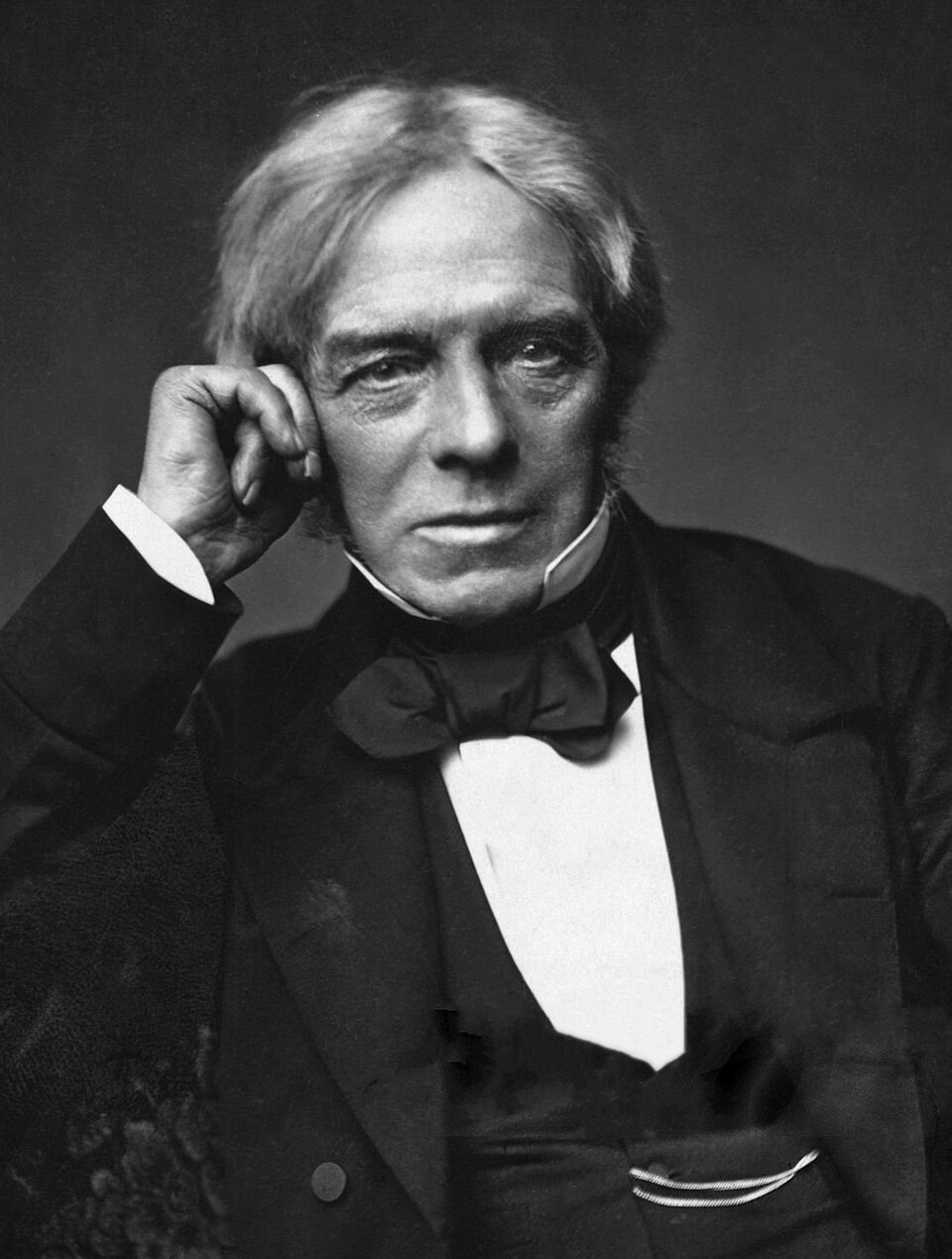 Scientist
Michael Faraday
Discovering electromagnetic induction, the basis of electric generators.
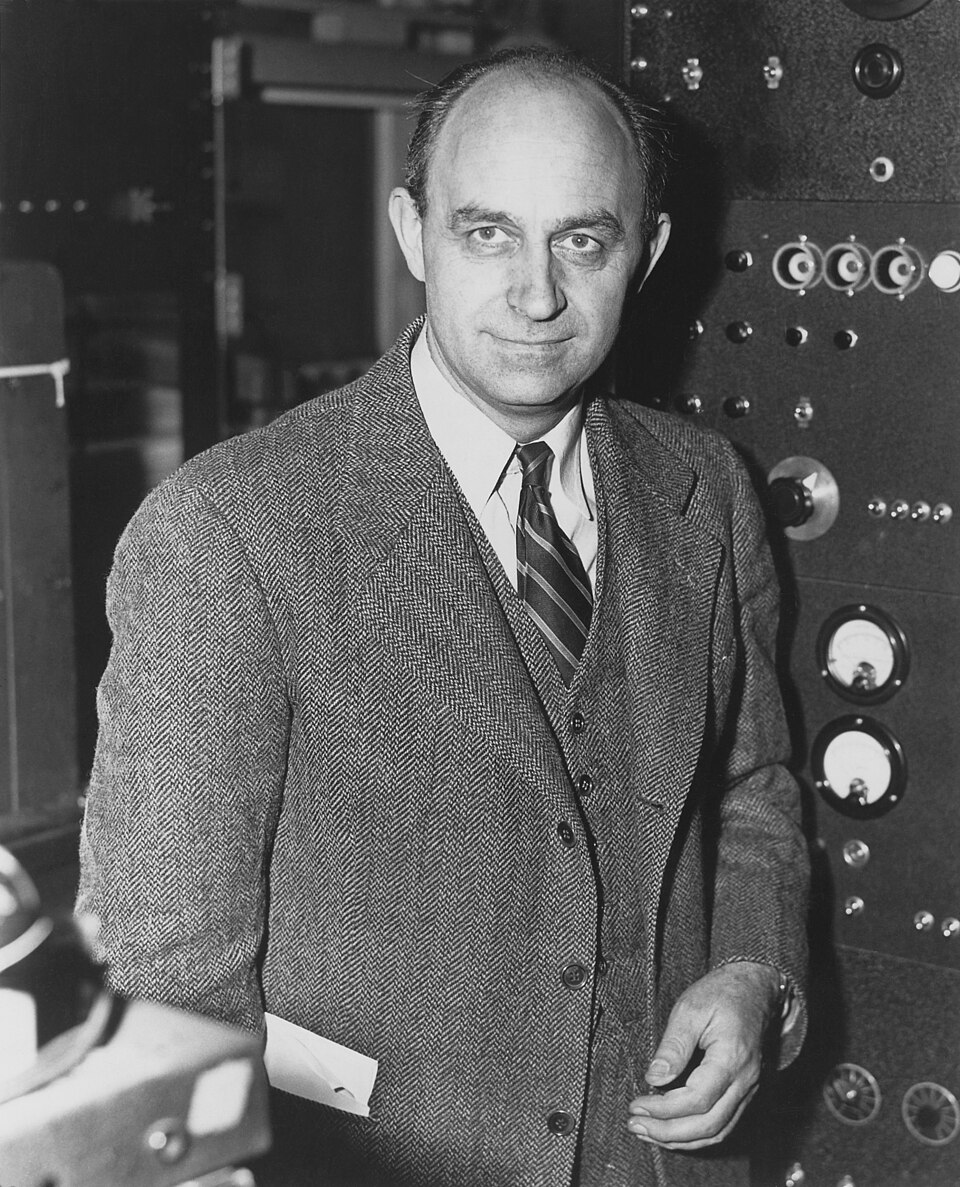 Physicist
Enrico Fermi
Leading the first controlled, self-sustaining nuclear chain reaction.
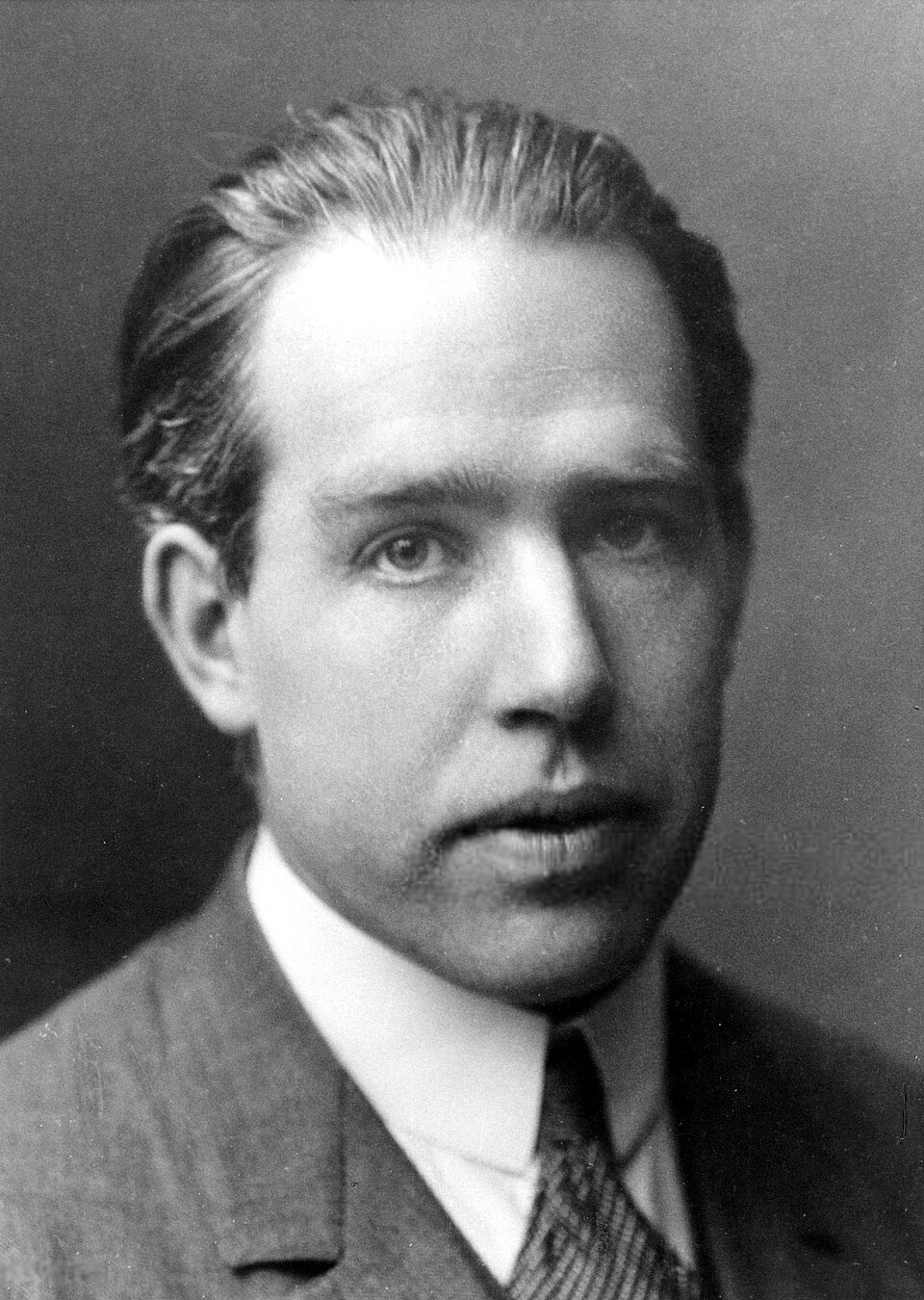 Physicist
Niels Bohr
Explaining atomic energy levels and helping establish quantum physics.
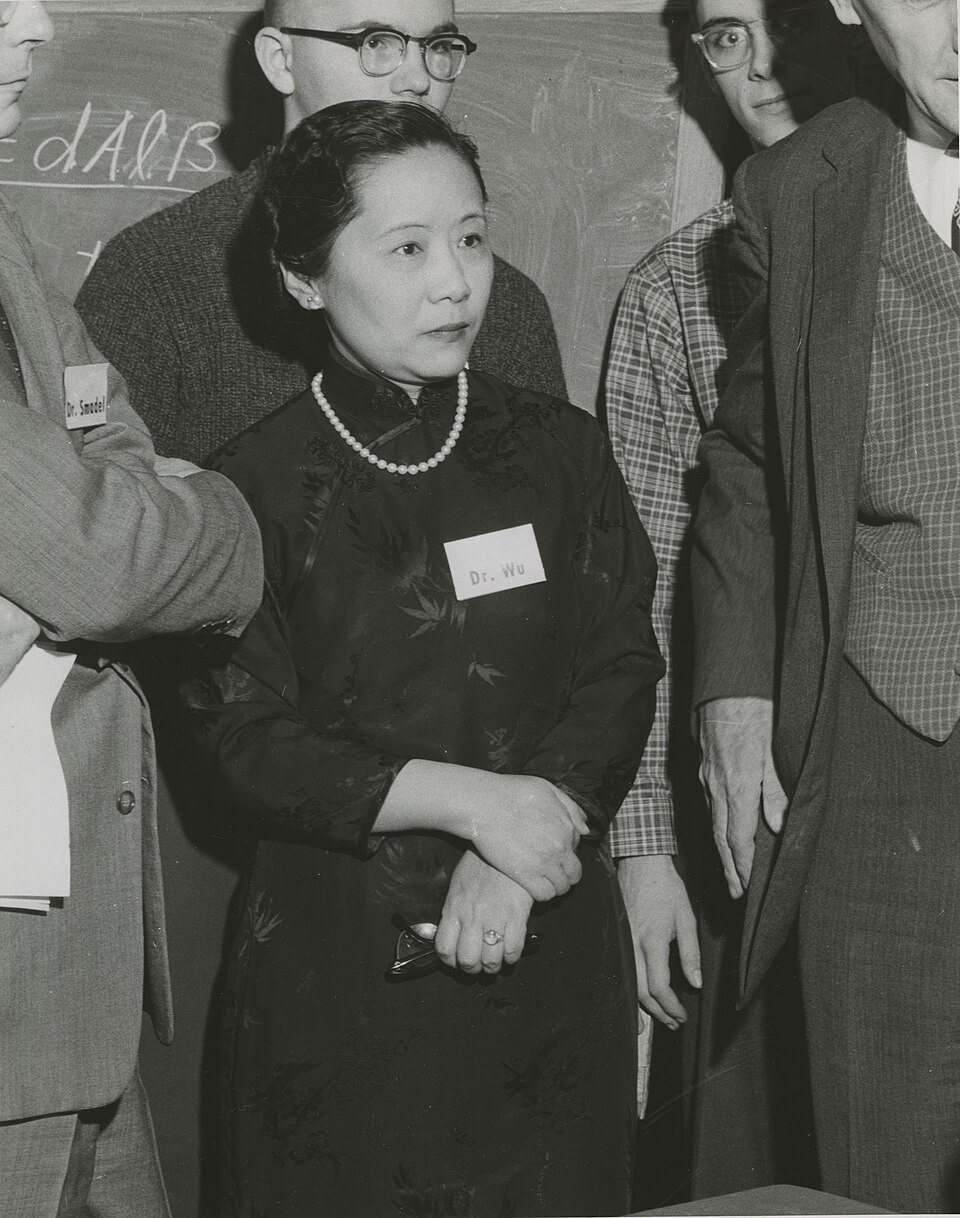 Physicist
Chien-Shiung Wu
Leading the experiment that showed nature’s weak interaction does not obey mirror symmetry.
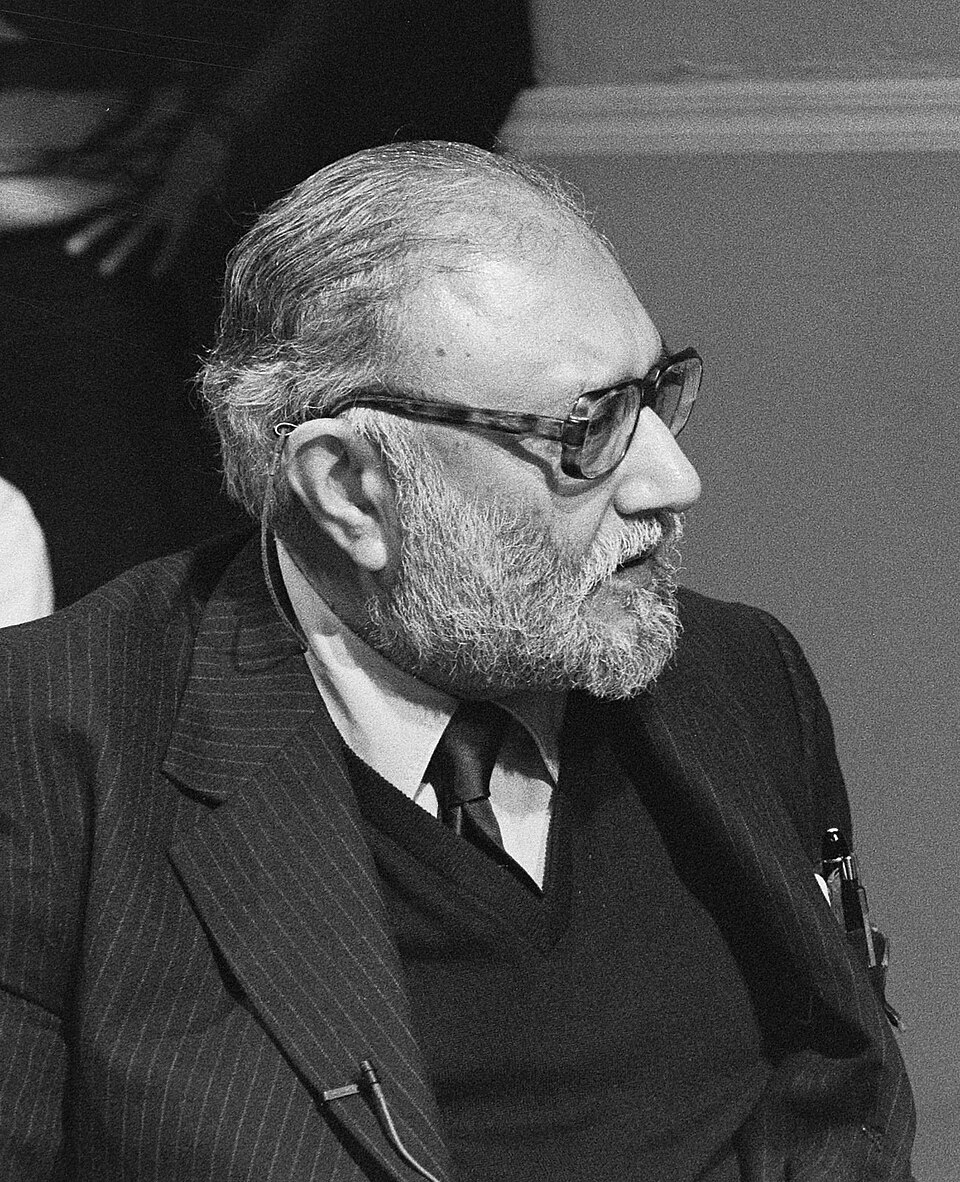 Physicist
Abdus Salam
Helping develop electroweak theory, which connects two fundamental forces.
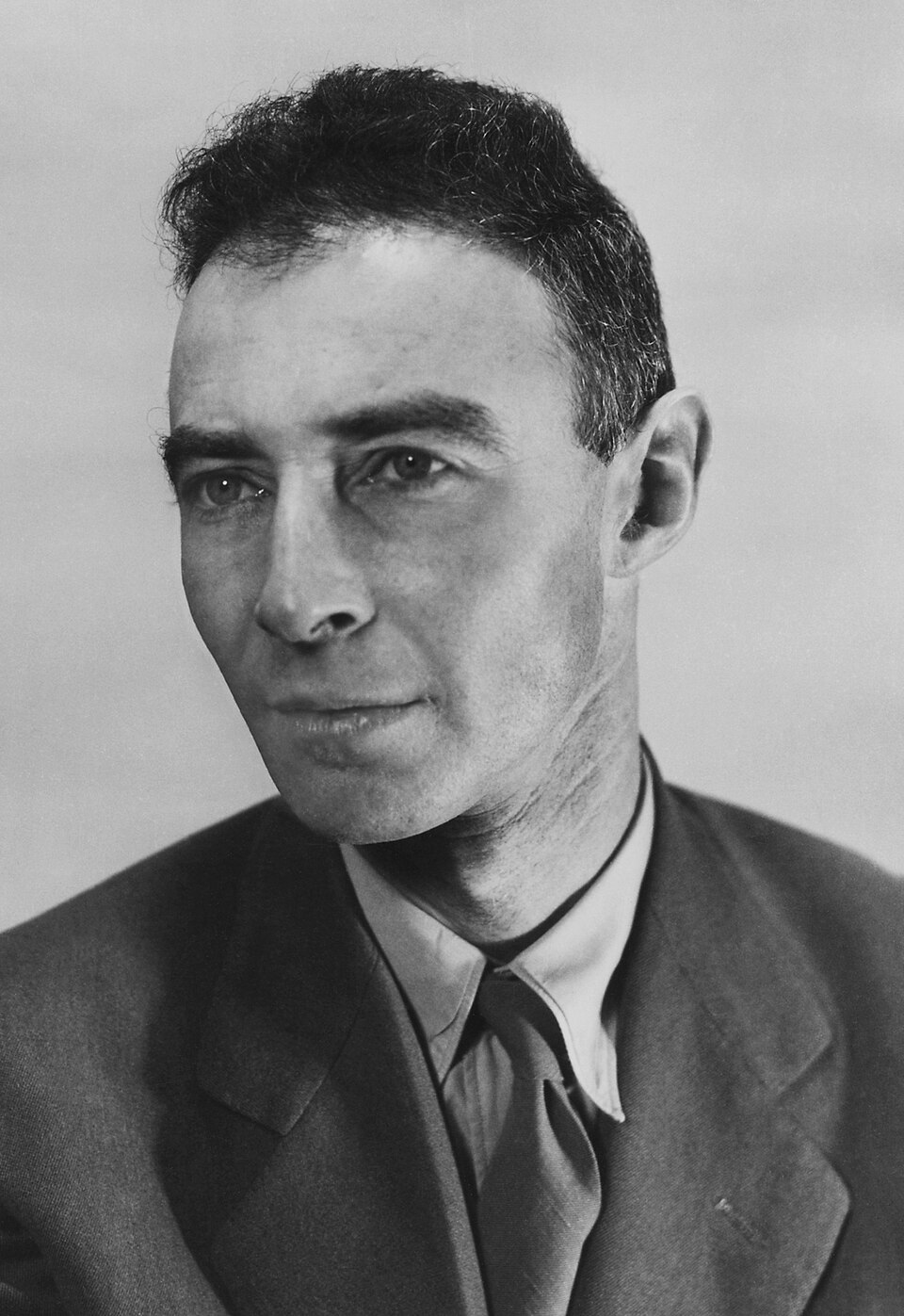 Physicist
J. Robert Oppenheimer
Directing Los Alamos during the development of the first atomic bombs.
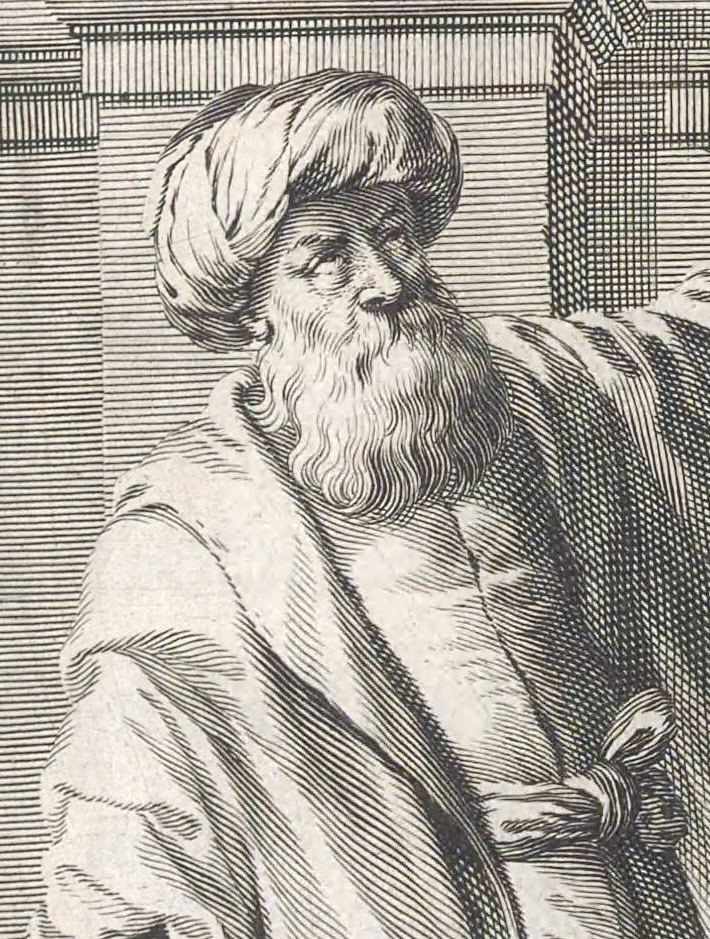 Physicist
Ibn al-Haytham
Explaining vision through light entering the eye and developing experimental studies of optics.
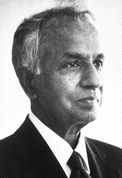 Physicist
Subrahmanyan Chandrasekhar
Discovering the mass limit beyond which a white dwarf cannot support itself.
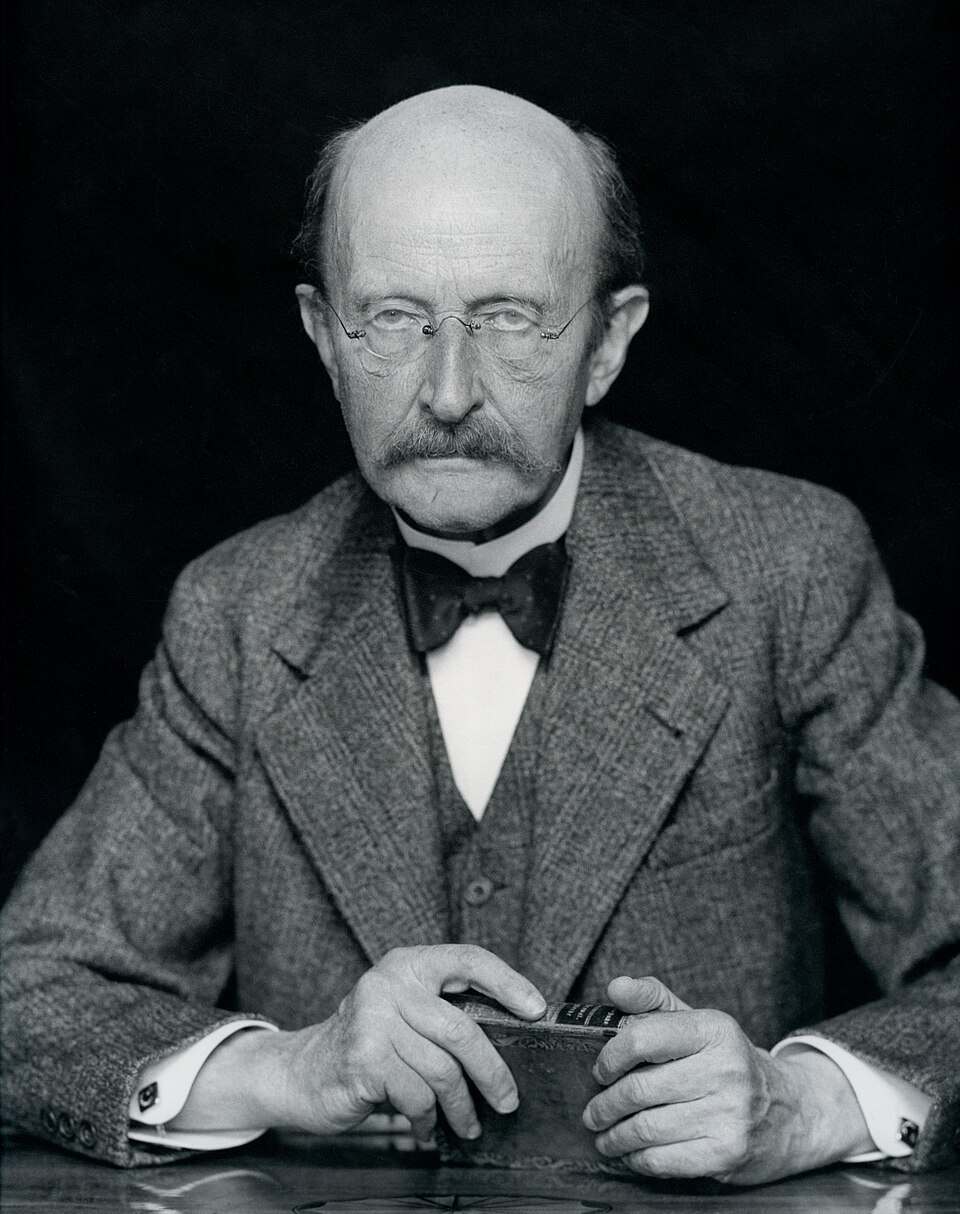 Physicist
Max Planck
Introducing energy quanta and helping launch quantum physics.
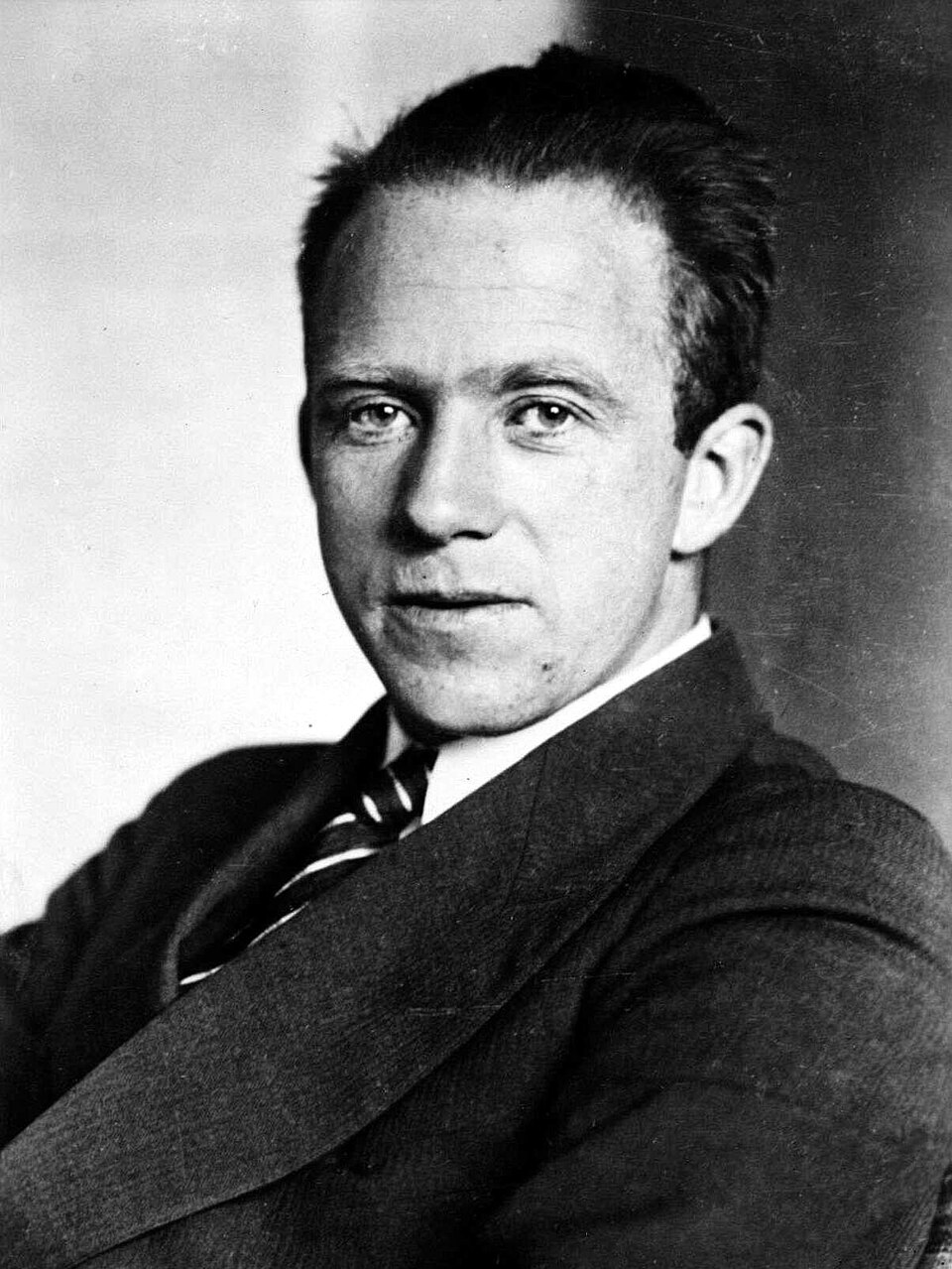 Physicist
Werner Heisenberg
Formulating matrix mechanics and the uncertainty principle.
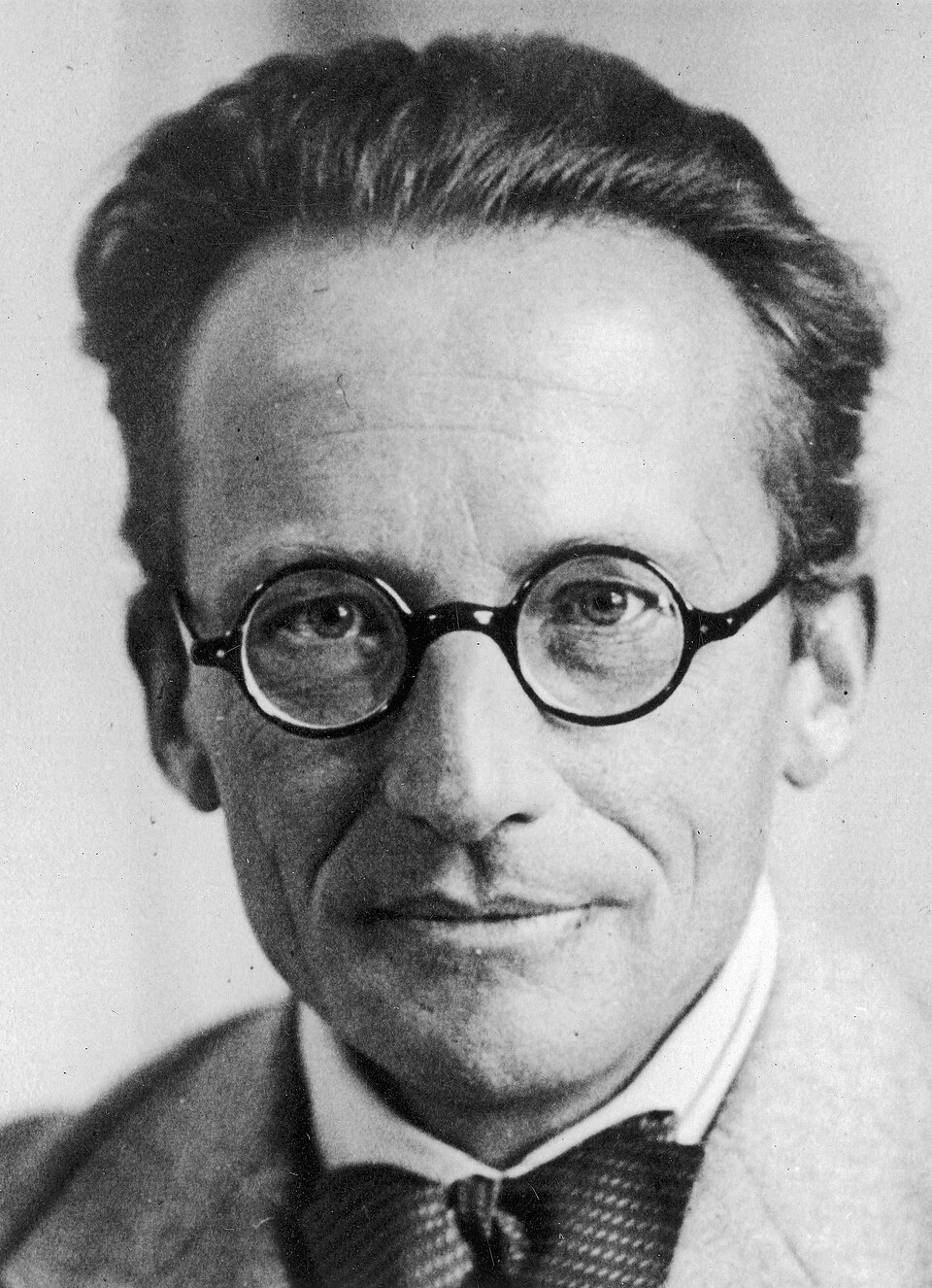 Physicist
Erwin Schrödinger
Developing the wave equation at the heart of quantum mechanics.
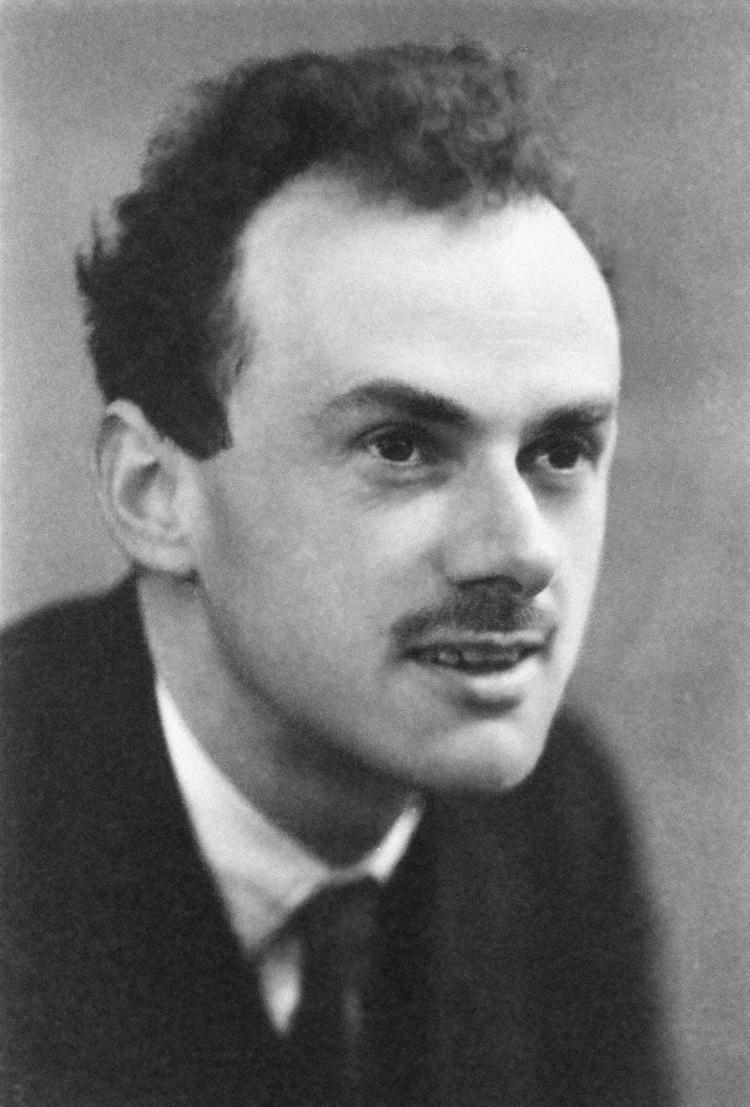 Physicist
Paul Dirac
Developing a relativistic equation for the electron that pointed towards antimatter.
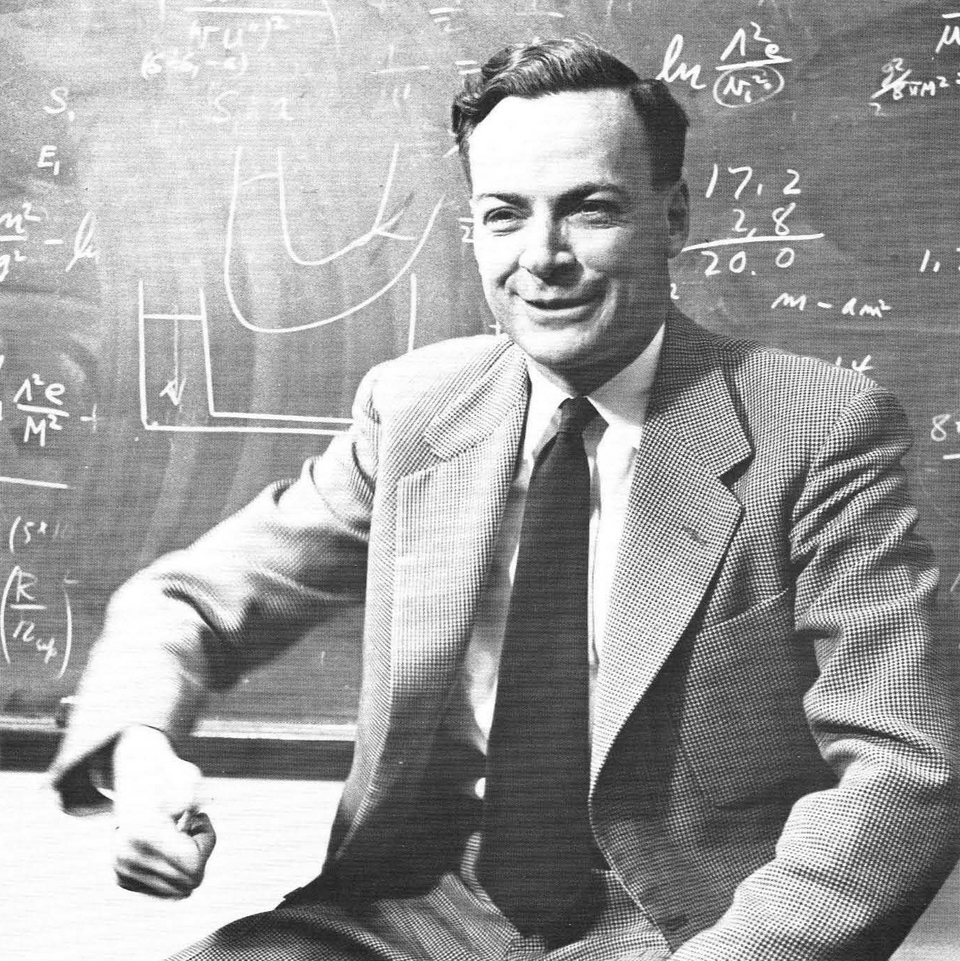 Physicist
Richard Feynman
Developing quantum electrodynamics tools and explaining physics with unusual clarity.
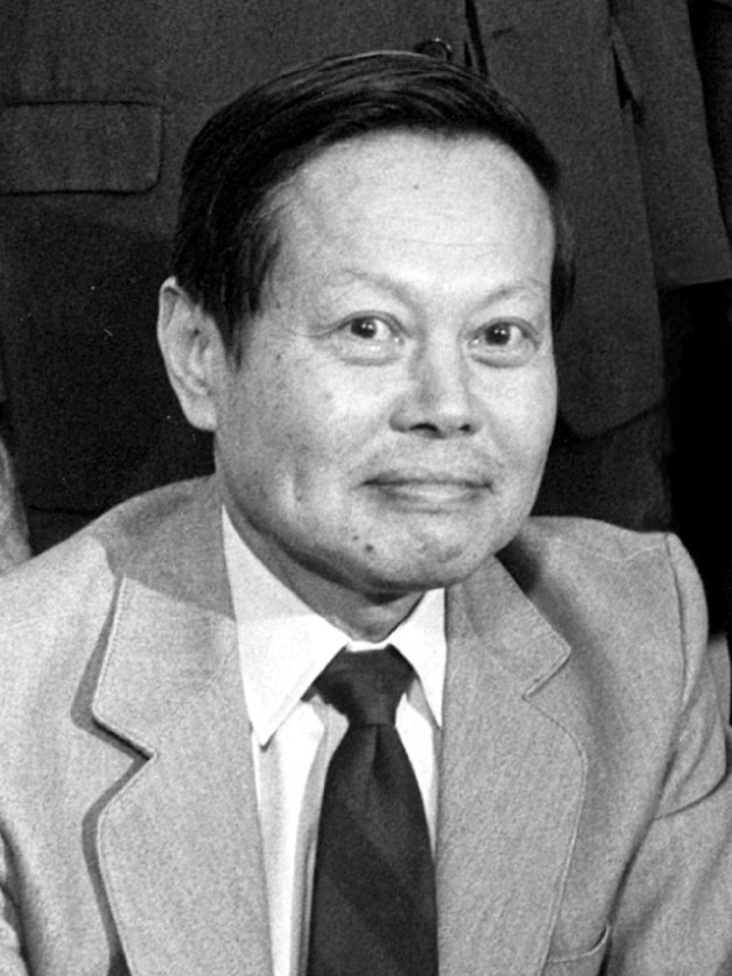 Physicist
Chen Ning Yang
Challenging mirror symmetry in particle physics and co-developing Yang–Mills theory.
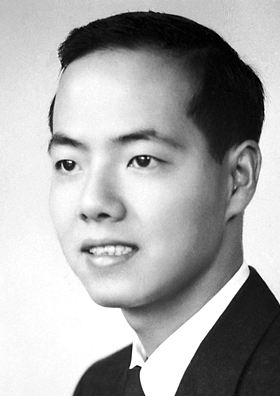 Physicist
Tsung-Dao Lee
Helping reveal that weak interactions do not obey mirror symmetry.
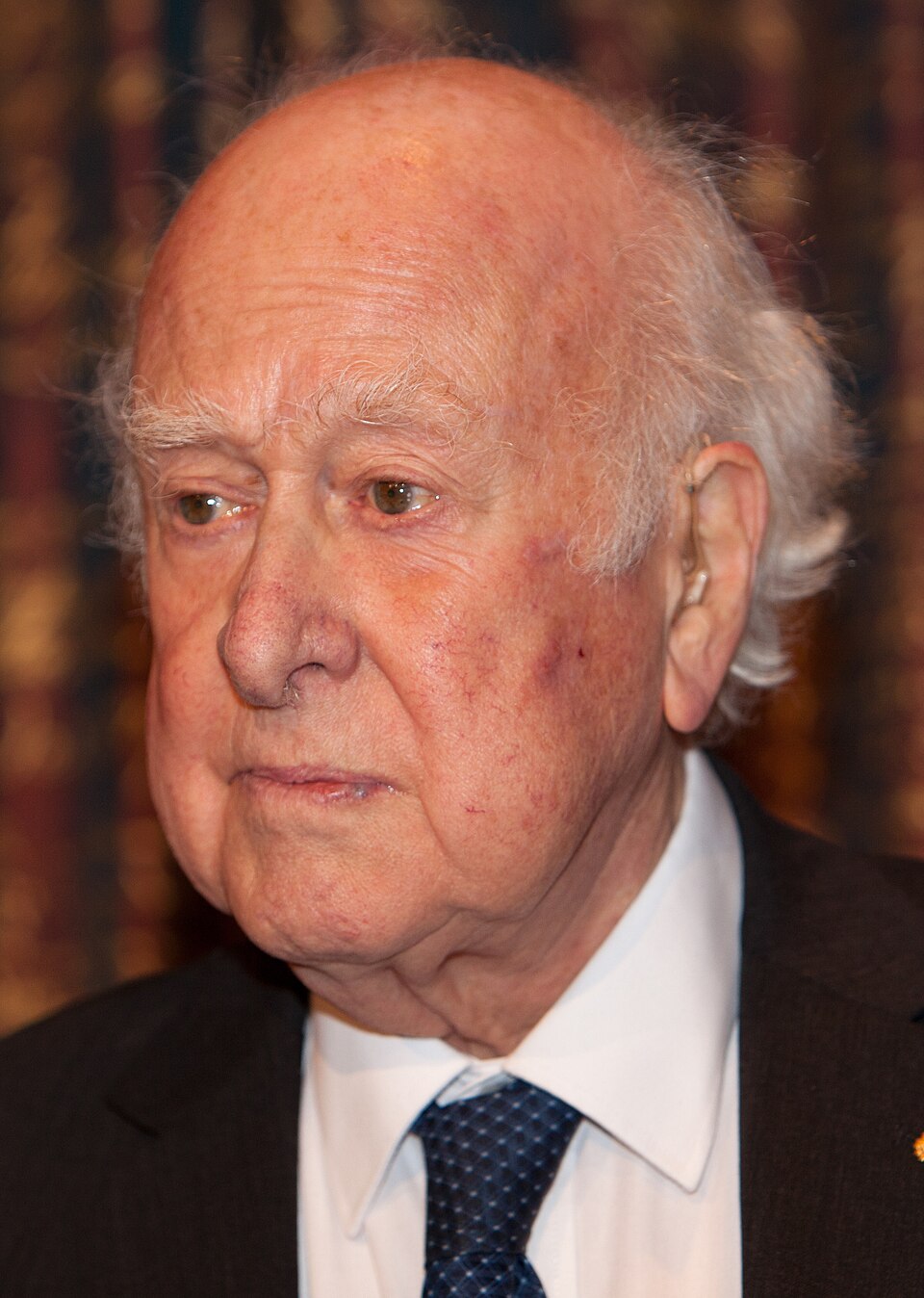 Physicist
Peter Higgs
Proposing a mechanism that helps explain how elementary particles acquire mass.
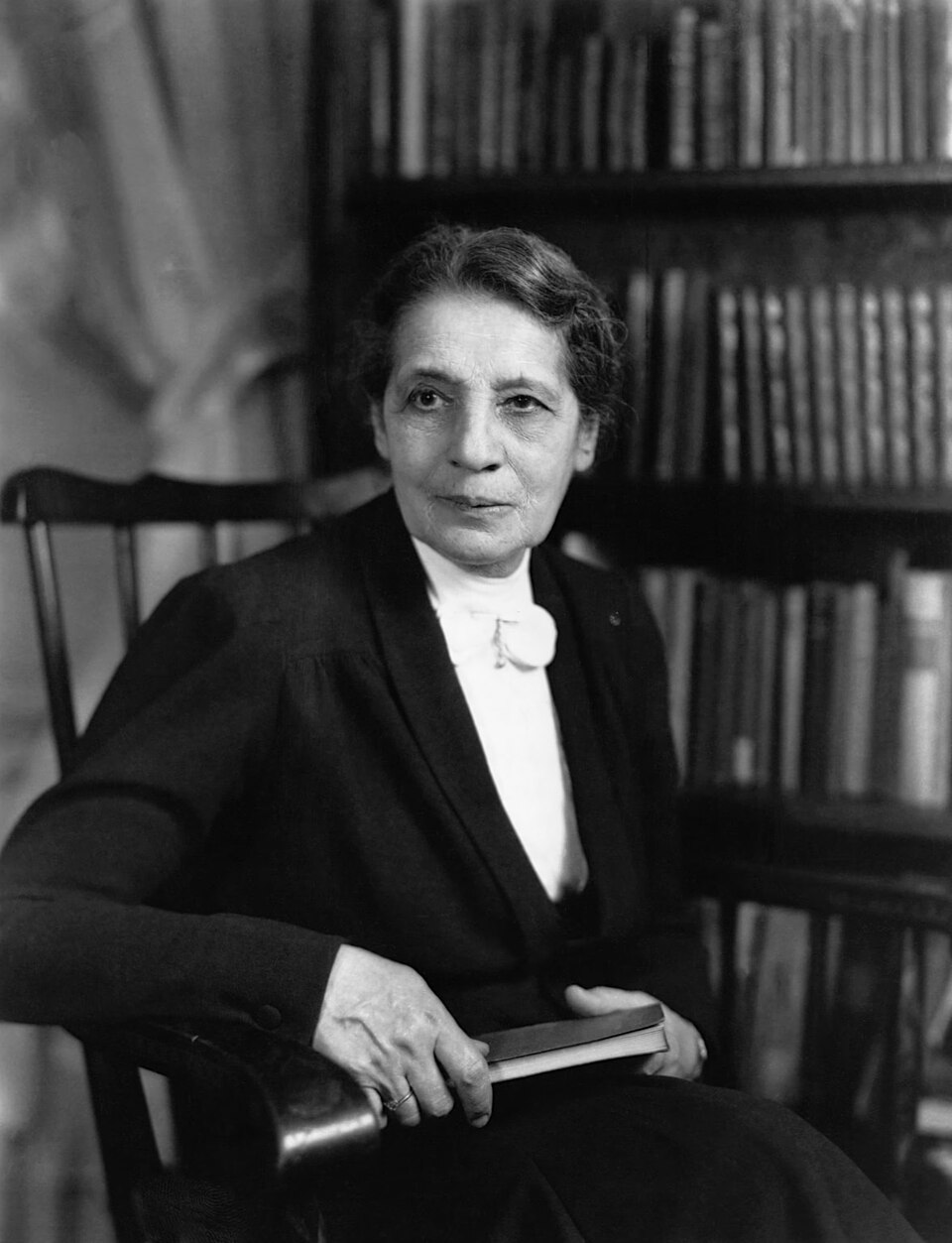 Physicist
Lise Meitner
Helping explain nuclear fission after decades of research into radioactivity.
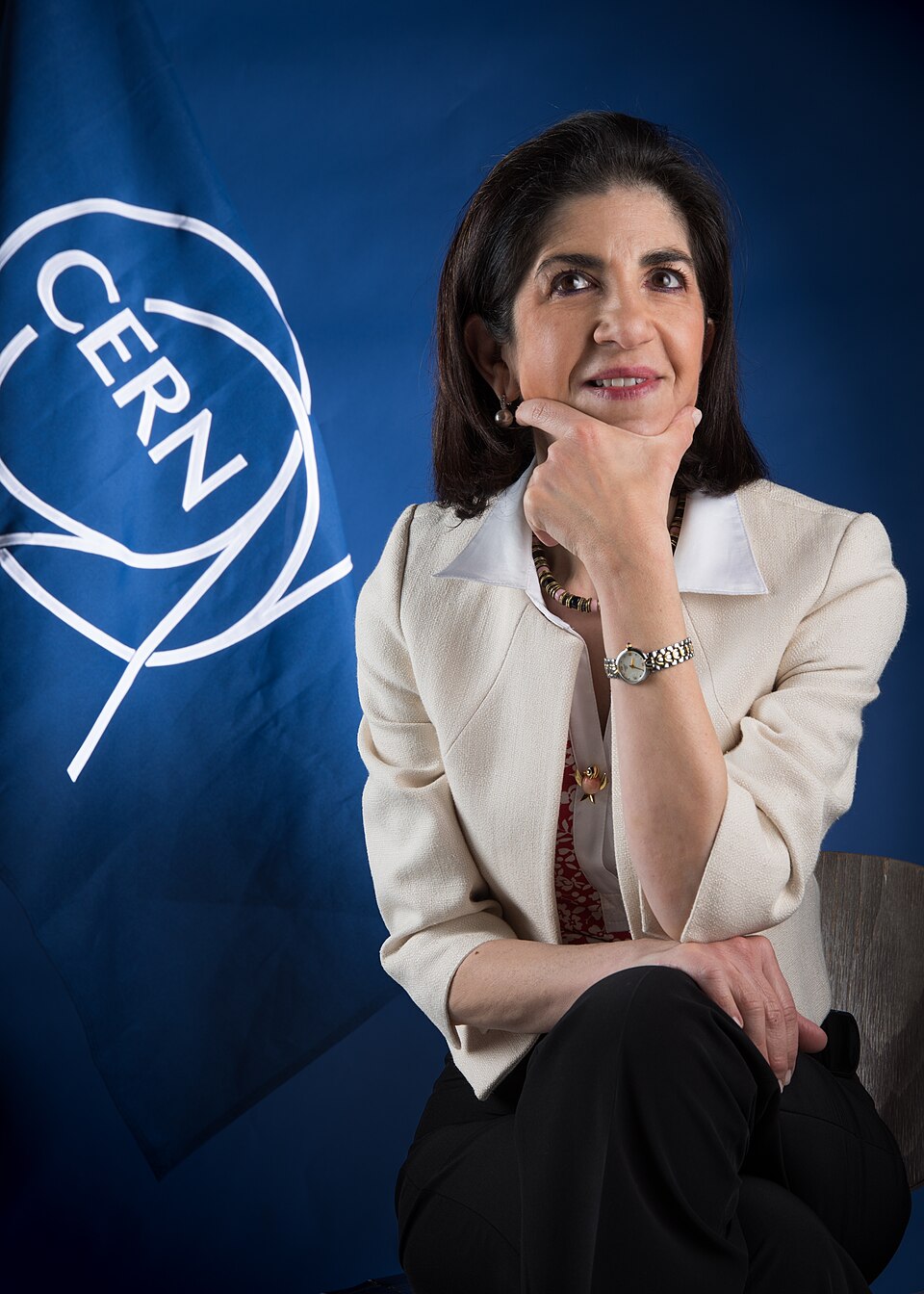 Physicist
Fabiola Gianotti
Leading CERN and helping present the discovery of the Higgs boson.
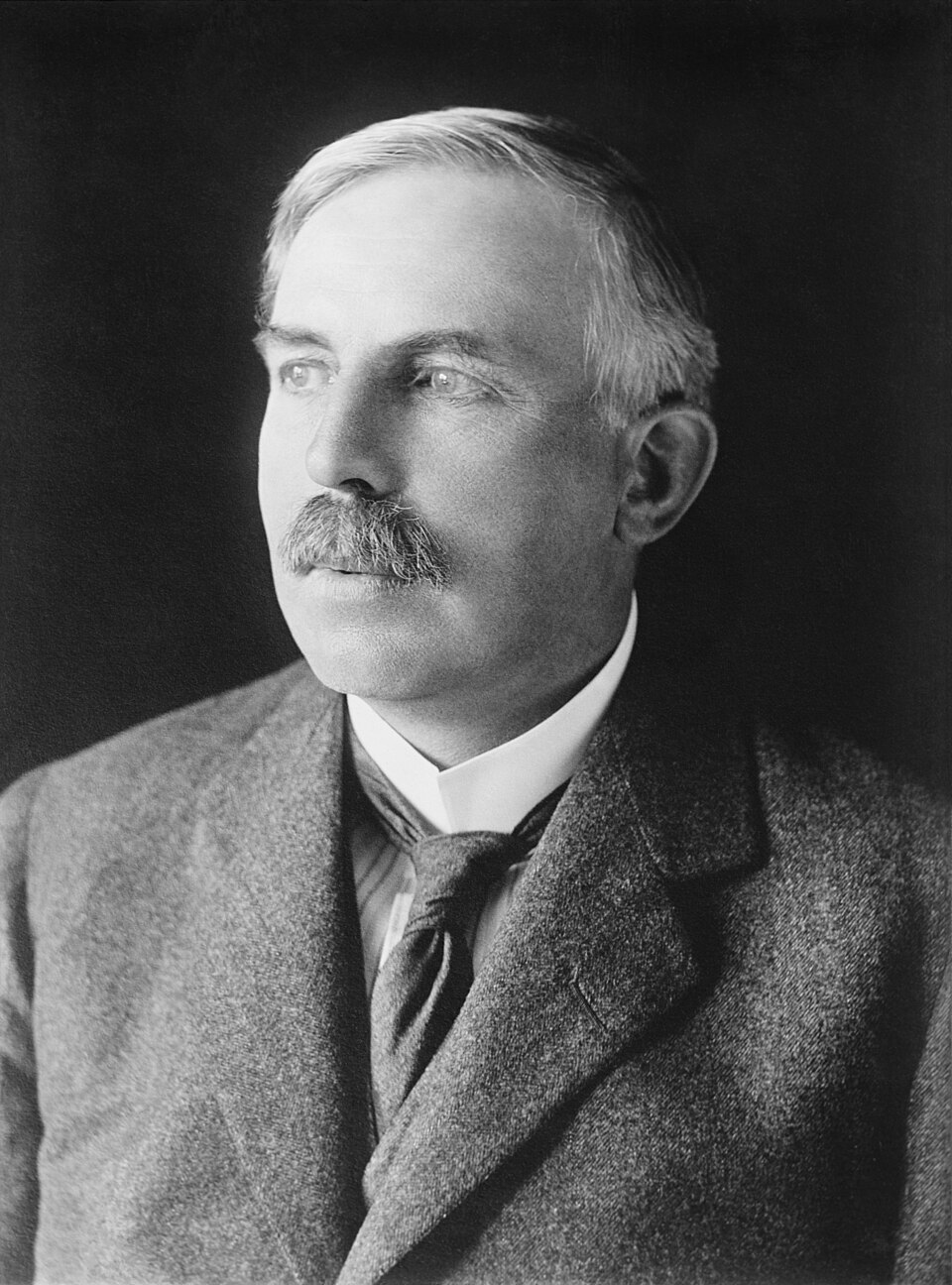 Physicist
Ernest Rutherford
Revealing the tiny nucleus at the centre of the atom.
 Physicist
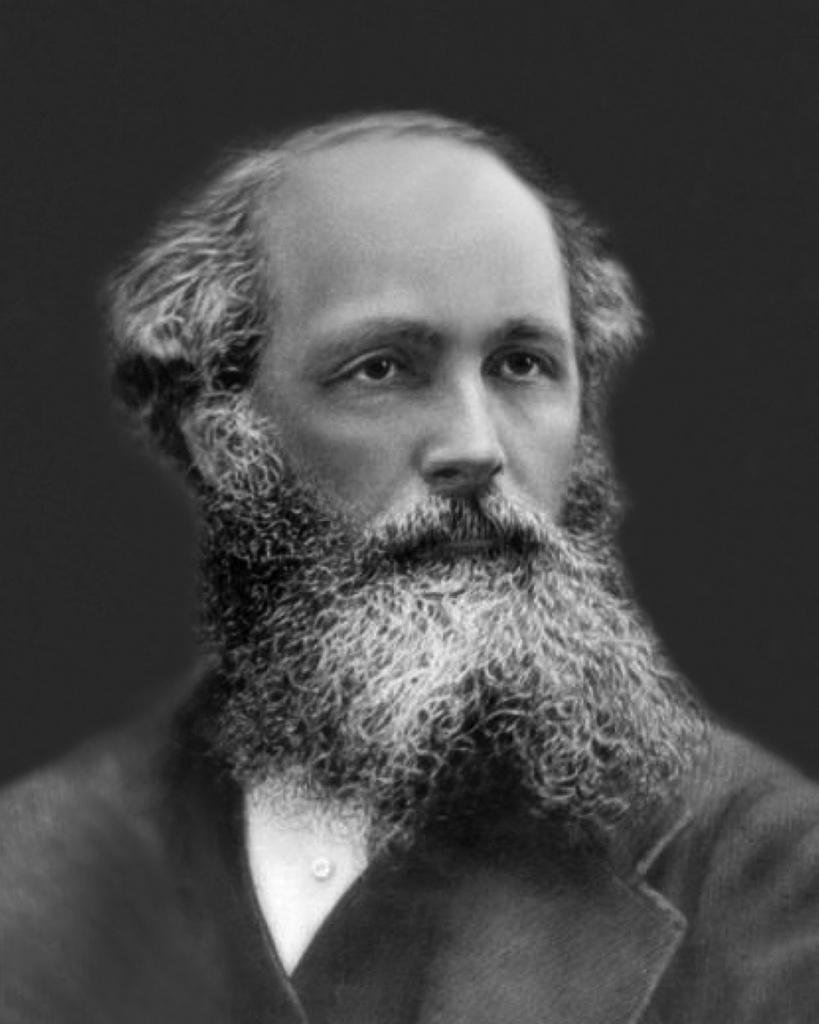
James Clerk Maxwell
Uniting electricity, magnetism and light in one theory.
 Physicist
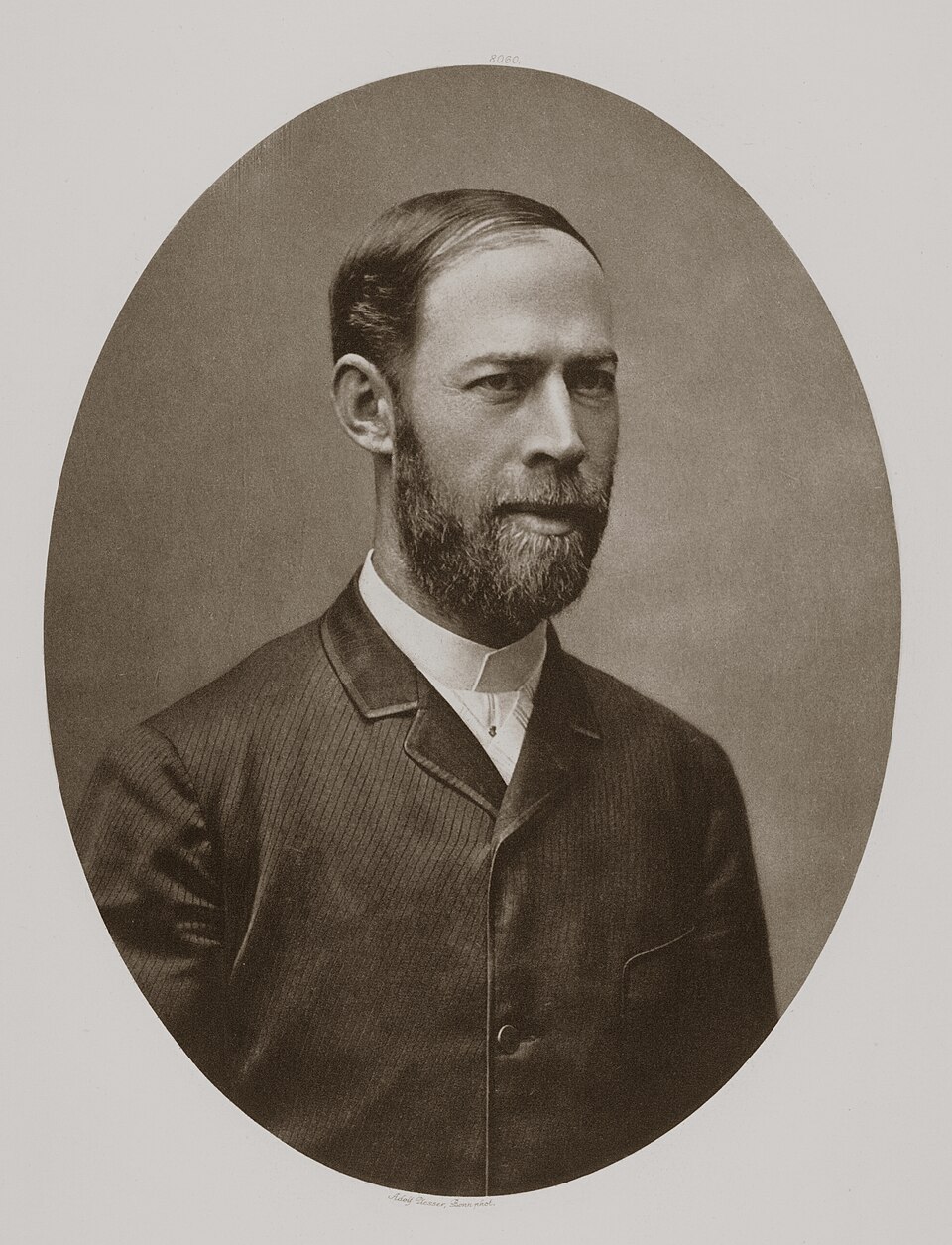
Heinrich Hertz
Proving that radio waves exist.
 Physicist
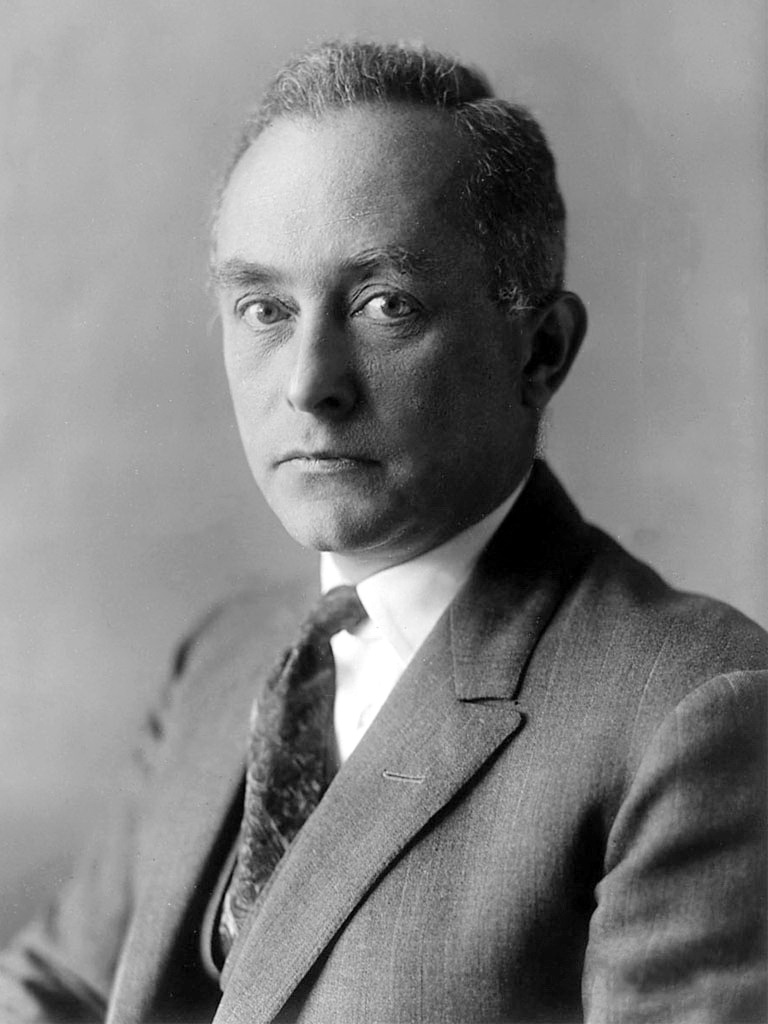
Max Born
Explaining quantum waves in terms of probability.
 Physicist
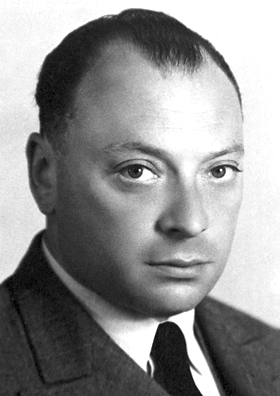
Wolfgang Pauli
Formulating the exclusion principle that helps explain atomic structure.
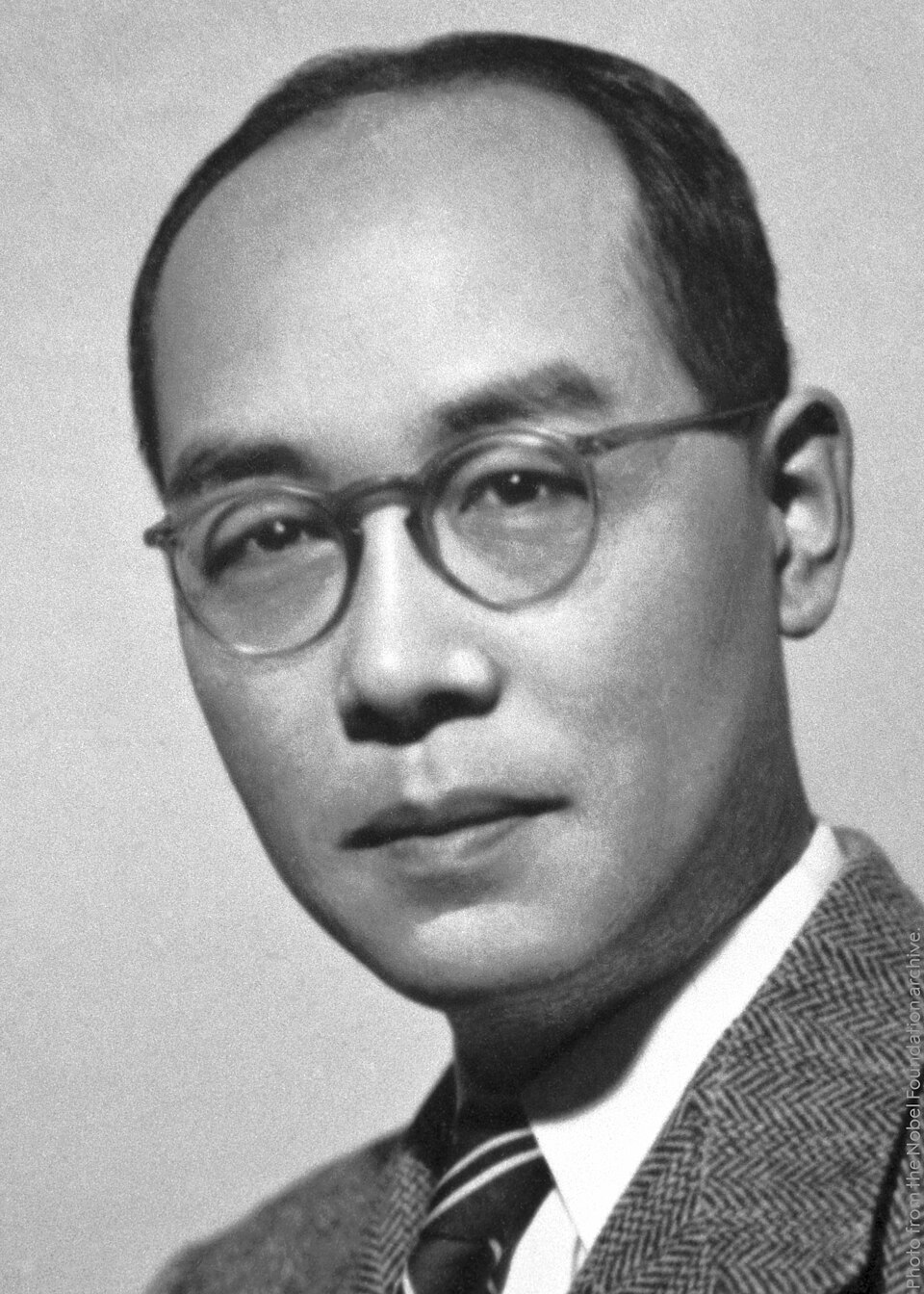 Physicist
Hideki Yukawa
Predicting a particle that could carry the force binding atomic nuclei, becoming Japan’s first Nobel laureate.
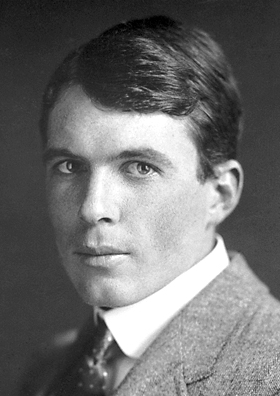 Physicist
Lawrence Bragg
Using X-rays to reveal crystal structures and sharing the 1915 physics Nobel with his father at age 25.
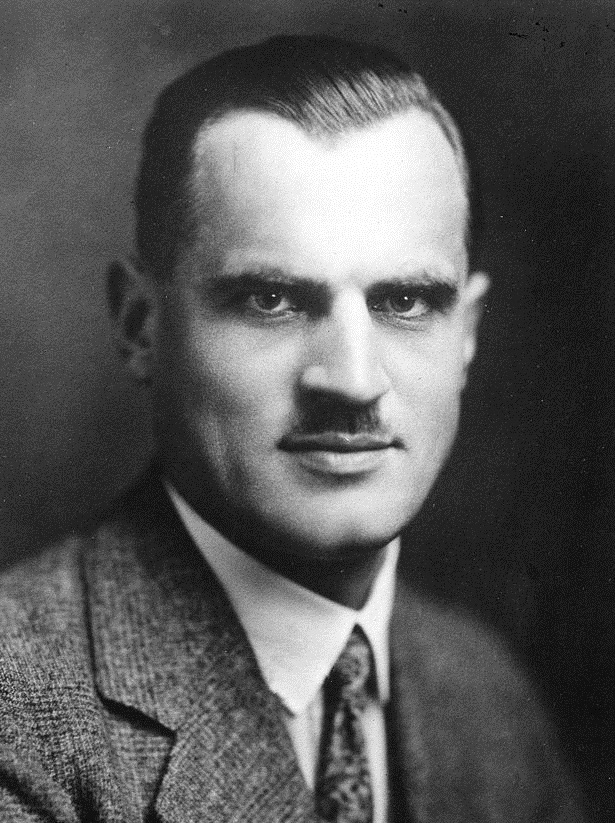 Physicist
Arthur Compton
Showing that X-rays scatter like particles in the Compton effect, a crucial result in quantum physics.
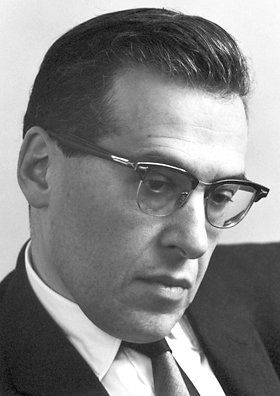 Physicist
Julian Schwinger
Developing quantum electrodynamics, the theory describing how light and electrically charged particles interact.
 Physicist
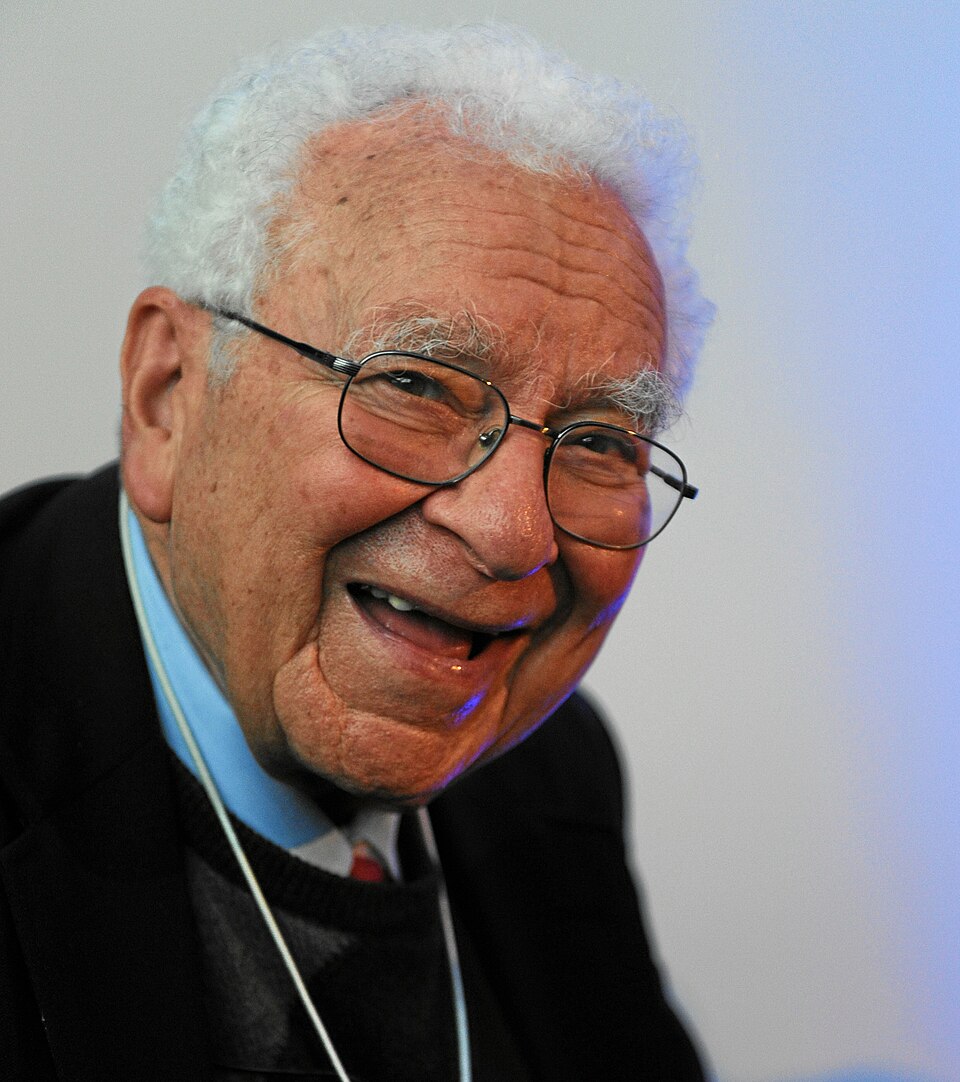
Murray Gell-Mann
Proposing quarks: the building blocks inside protons and neutrons.
 Physicist
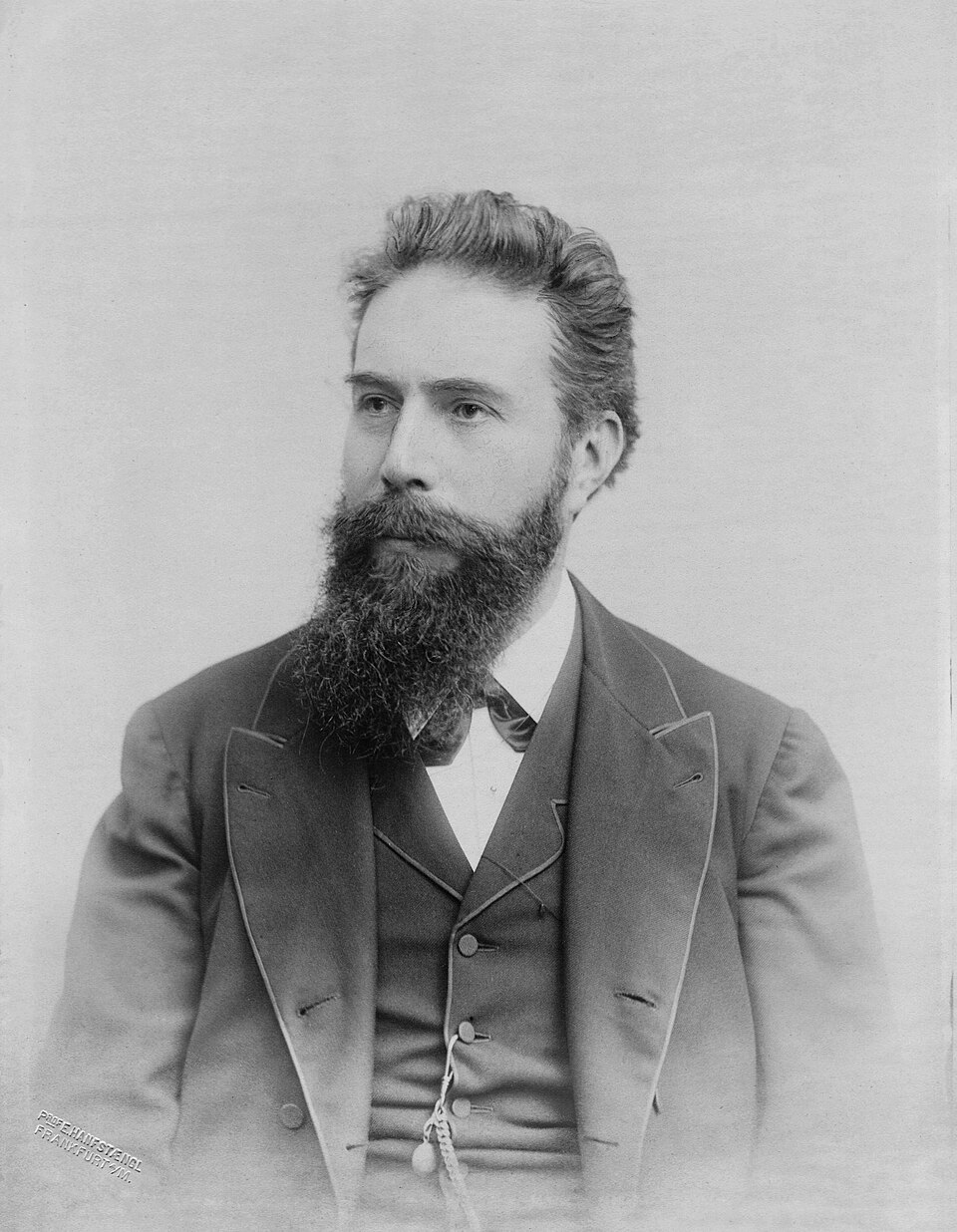
Wilhelm Röntgen
Discovering X-rays, making it possible to see inside the body without surgery.
 Physicist
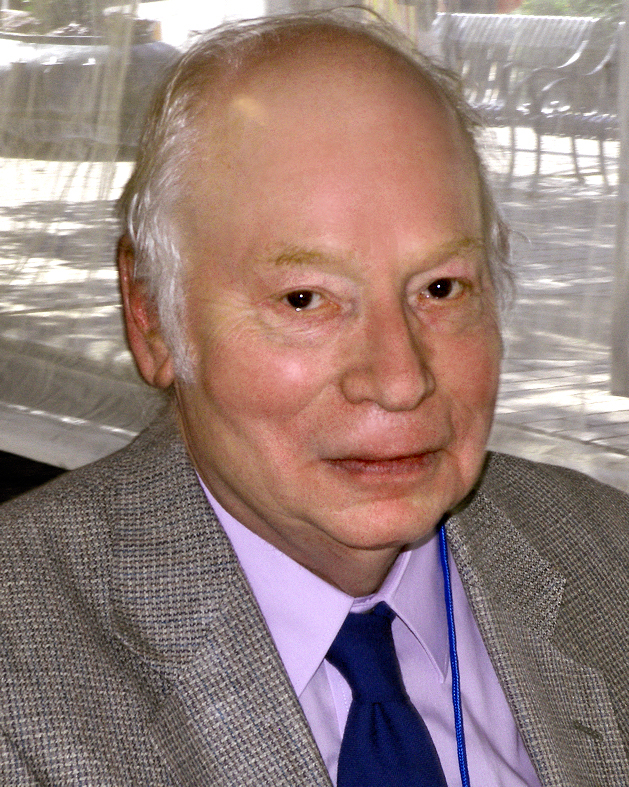
Steven Weinberg
Helping unify electromagnetism and the weak nuclear force in the theory of elementary particles.
 Physicist
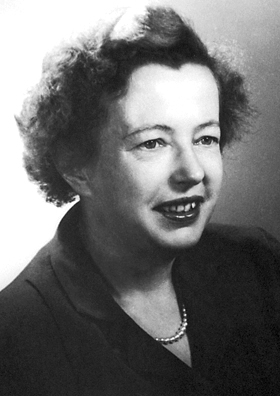
Maria Goeppert Mayer
Explaining the structure of atomic nuclei and sharing the 1963 Nobel Prize in Physics.
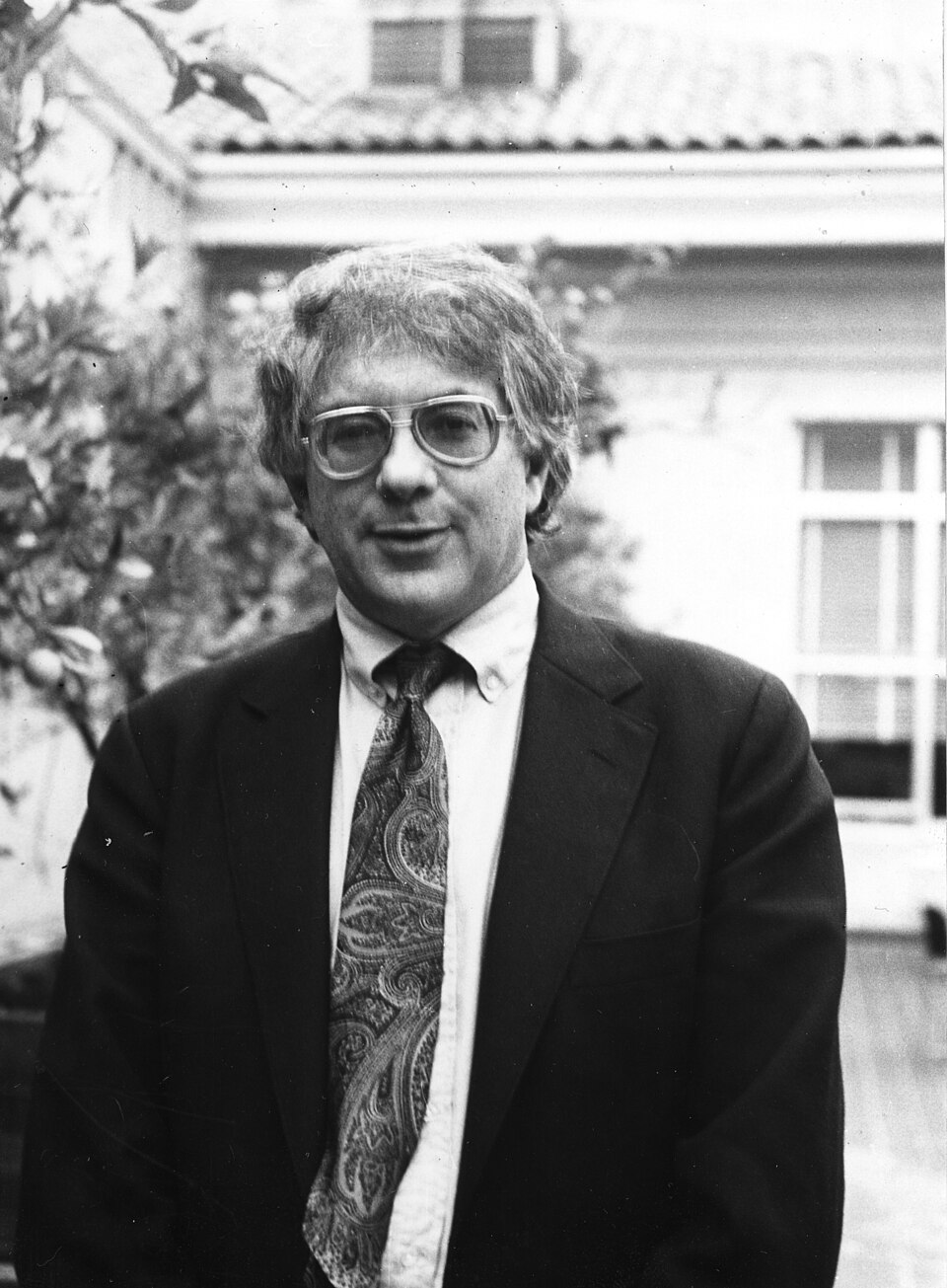 Physicist
Sheldon Glashow
Helping unify electromagnetism with the weak nuclear force and predict the charm quark.
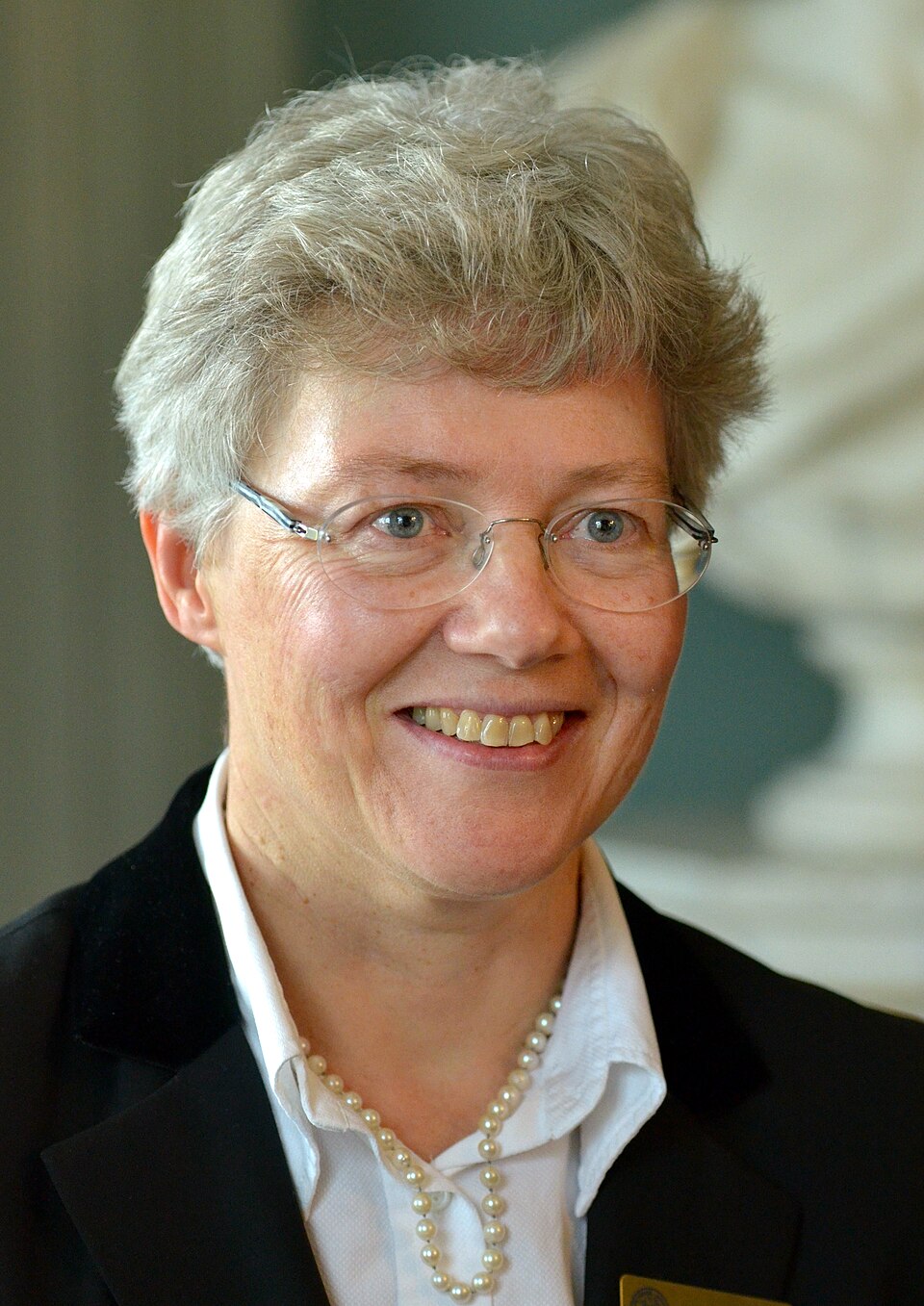 Physicist
Anne L'Huillier
Helping make it possible to study electrons using flashes of light lasting attoseconds.
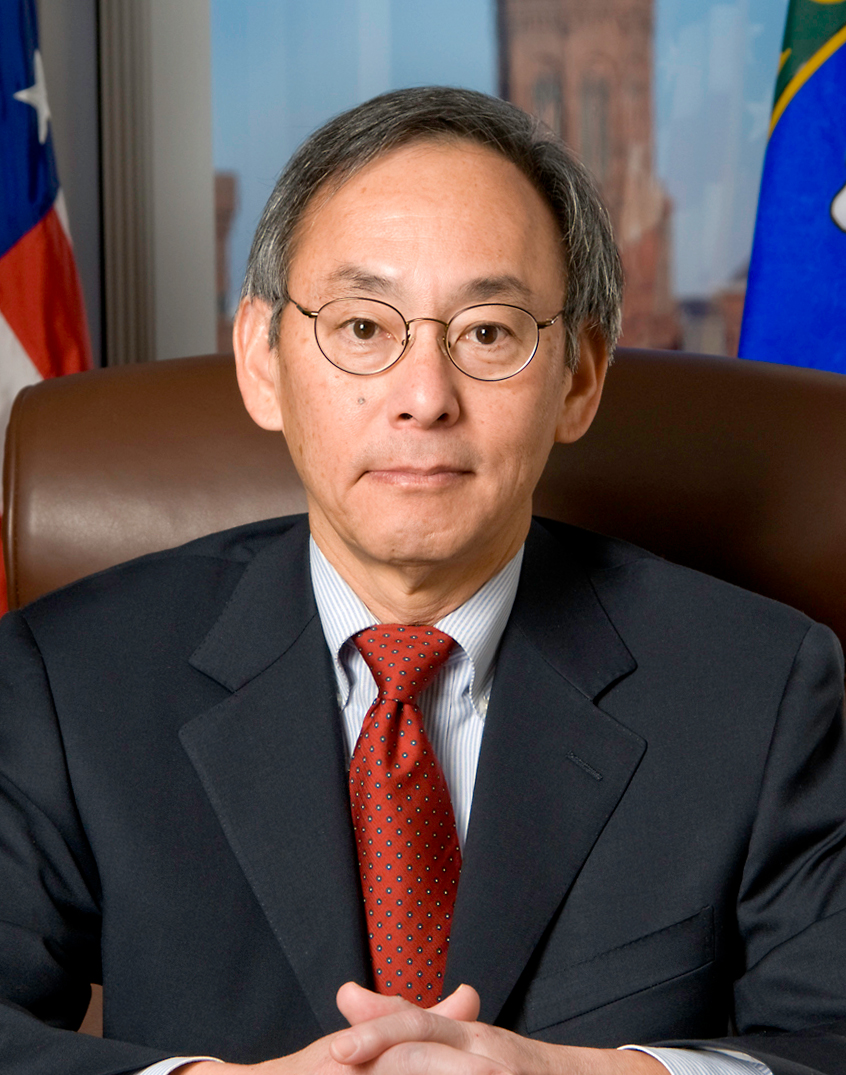 Physicist
Steven Chu
Developing methods to cool and trap atoms with laser light.
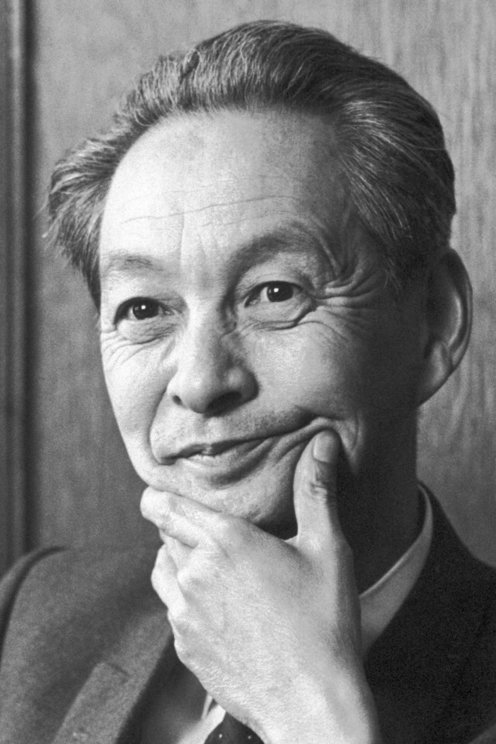 Physicist
Shin'ichirō Tomonaga
Helping make quantum electrodynamics a workable theory of how light and matter interact.
 Physicist
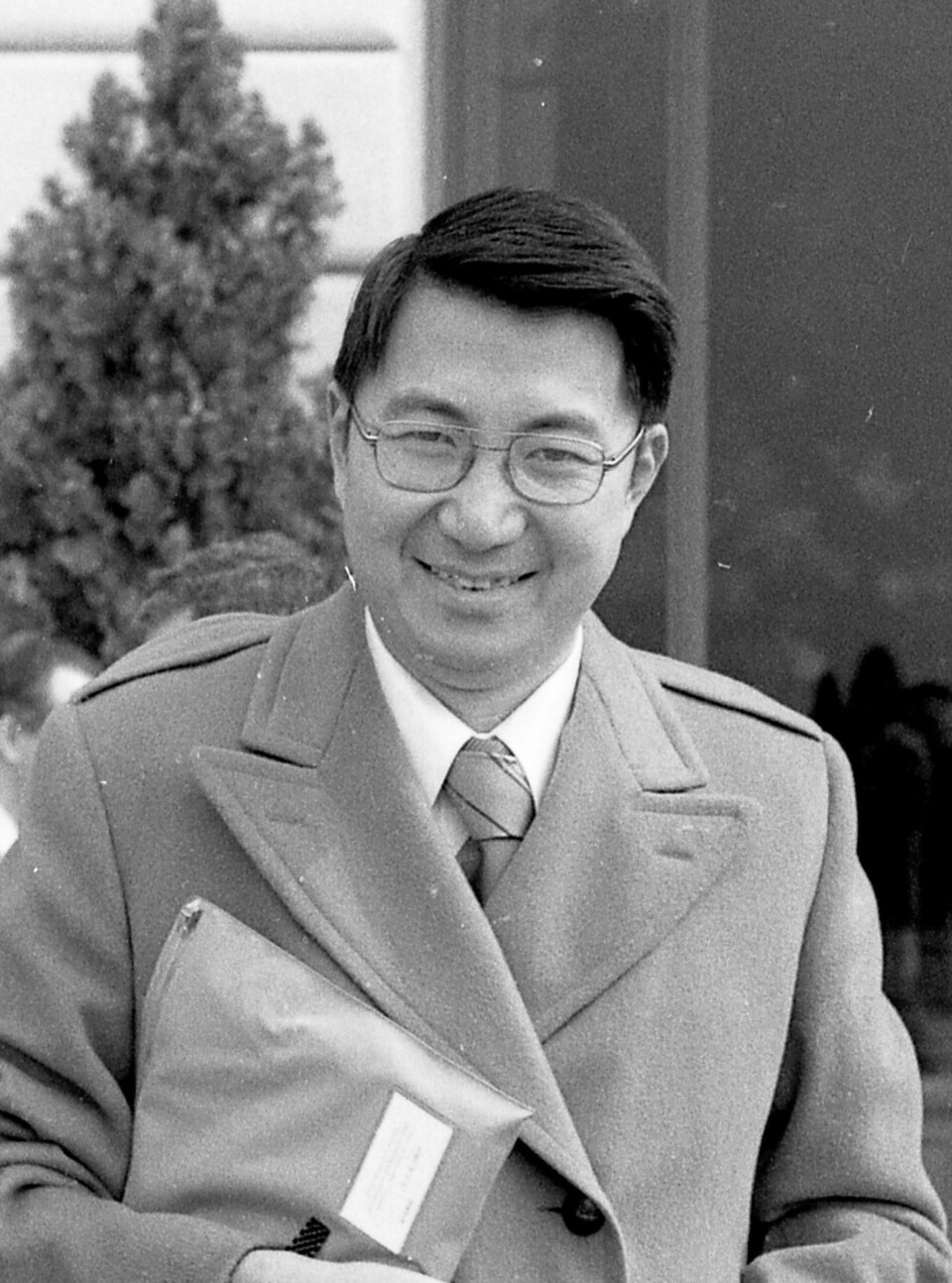
Samuel C. C. Ting
Co-discovering the J/psi particle, helping establish the charm quark.
 Physicist
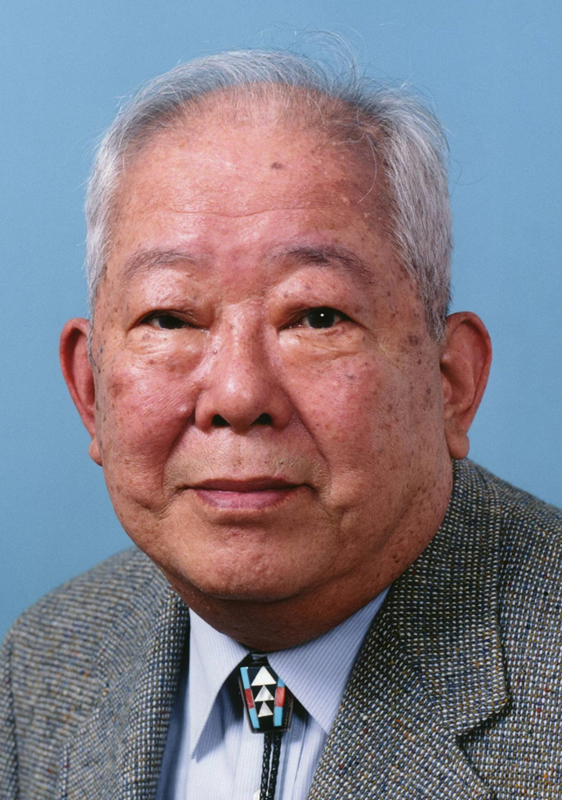
Masatoshi Koshiba
Detecting neutrinos from a supernova and helping establish neutrino astronomy.
 Physicist
Burton Richter
Co-discovering the J/psi particle and advancing particle accelerators.
 Physicist
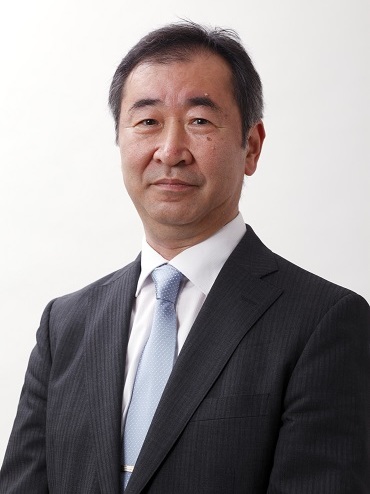
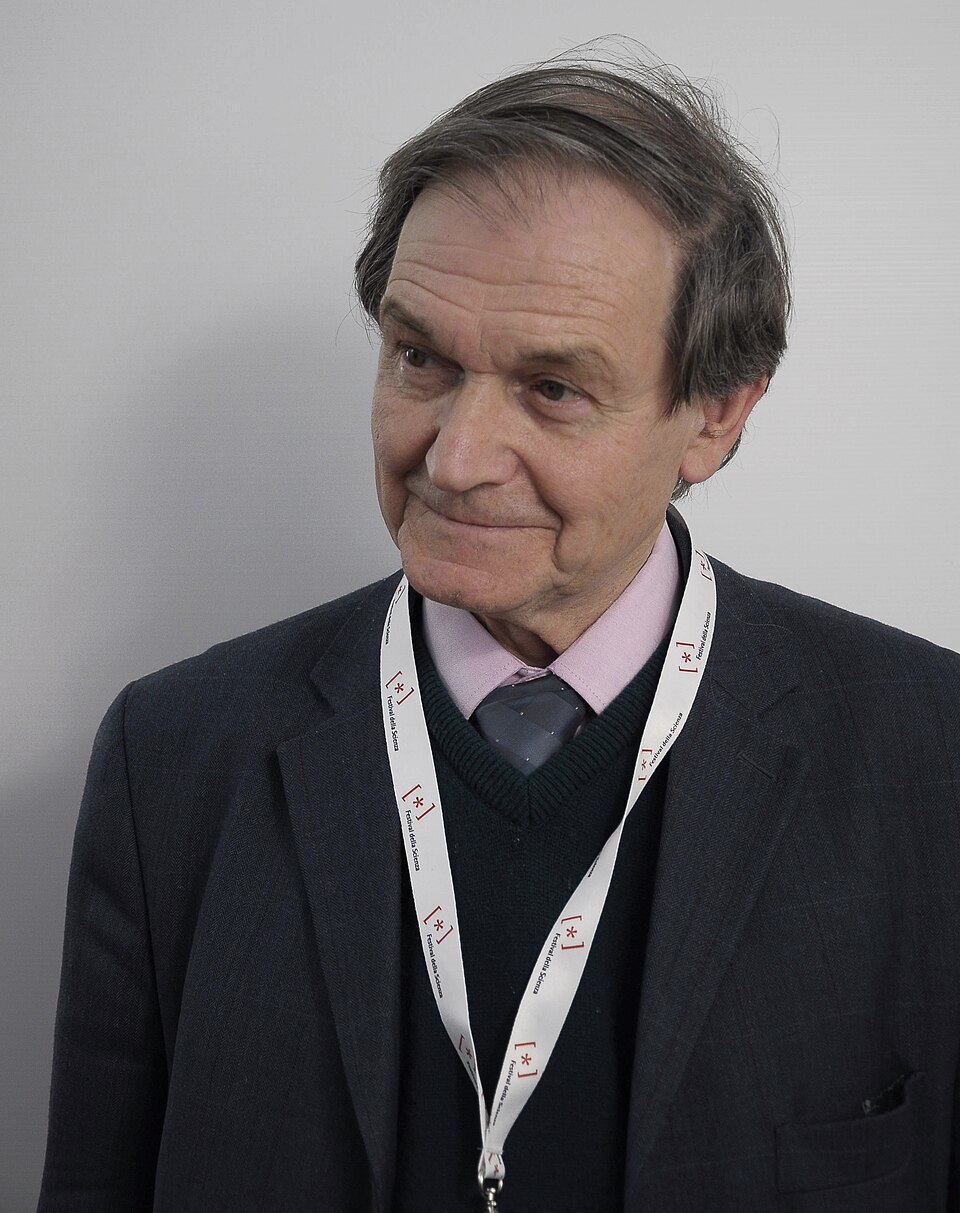
Takaaki Kajita
The Nobel-winning physicist whose neutrino experiments showed that these elusive particles have mass.
 Physicist
Roger Penrose
The mathematical physicist who showed that black-hole formation follows robustly from general relativity.
 Physicist
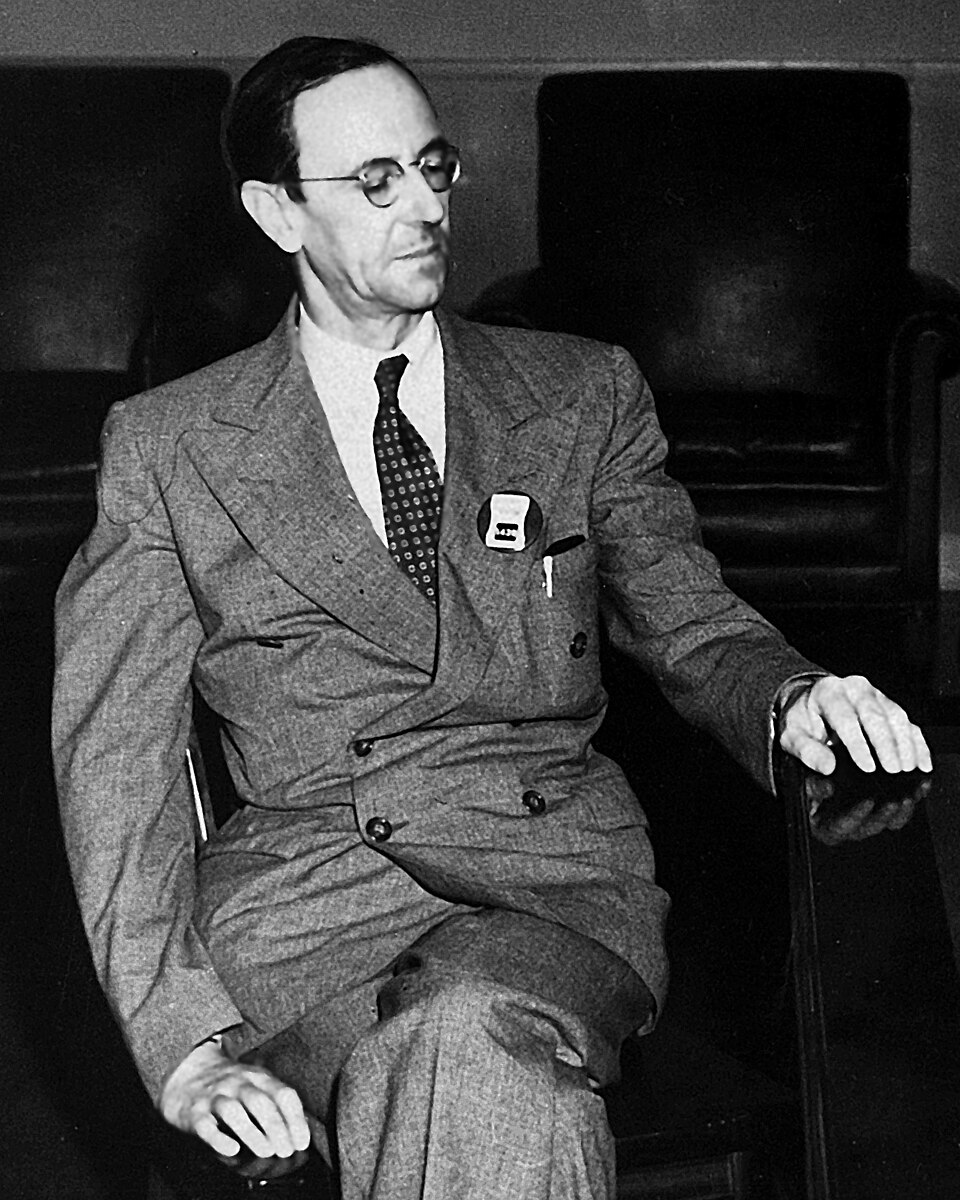
Martin Lewis Perl
The Nobel-winning experimental physicist who discovered the tau lepton.
 Physicist
James Chadwick
The physicist who discovered the neutron, the electrically neutral particle inside atomic nuclei.
 Physicist
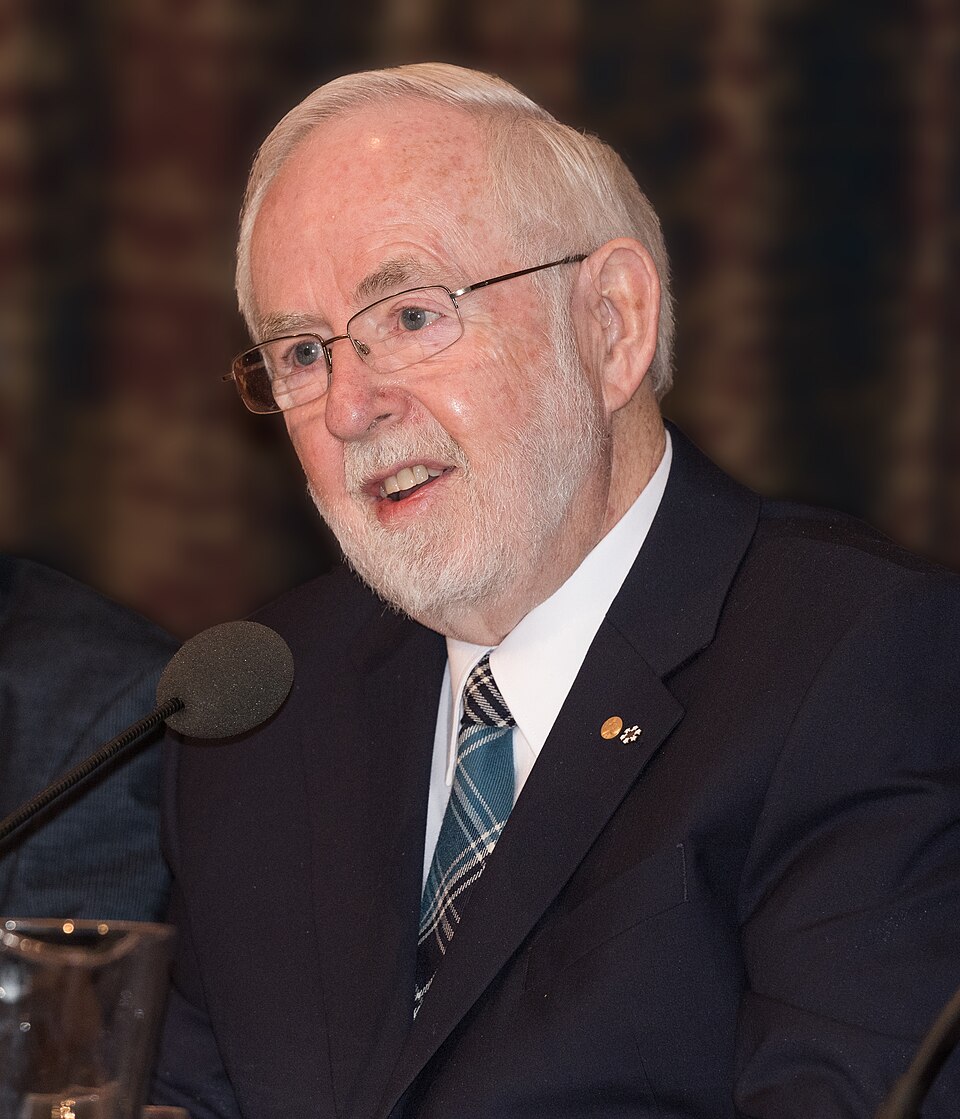
Arthur B. McDonald
The physicist whose Sudbury neutrino experiment helped explain the Sun’s apparently missing neutrinos.
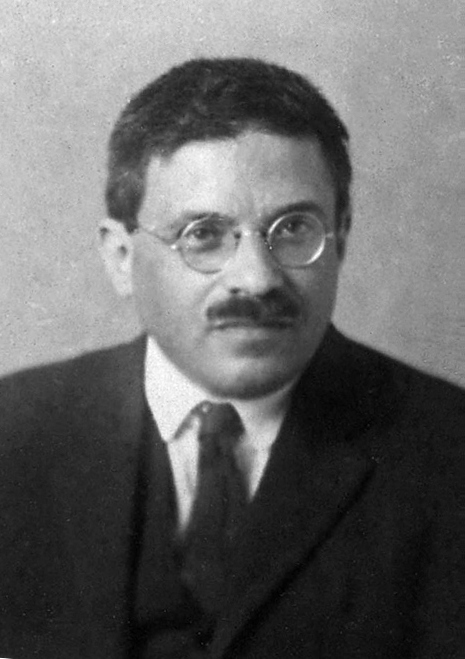 Physicist
Paul Ehrenfest
The theoretical physicist whose work connected statistical mechanics, quantum theory and classical motion.
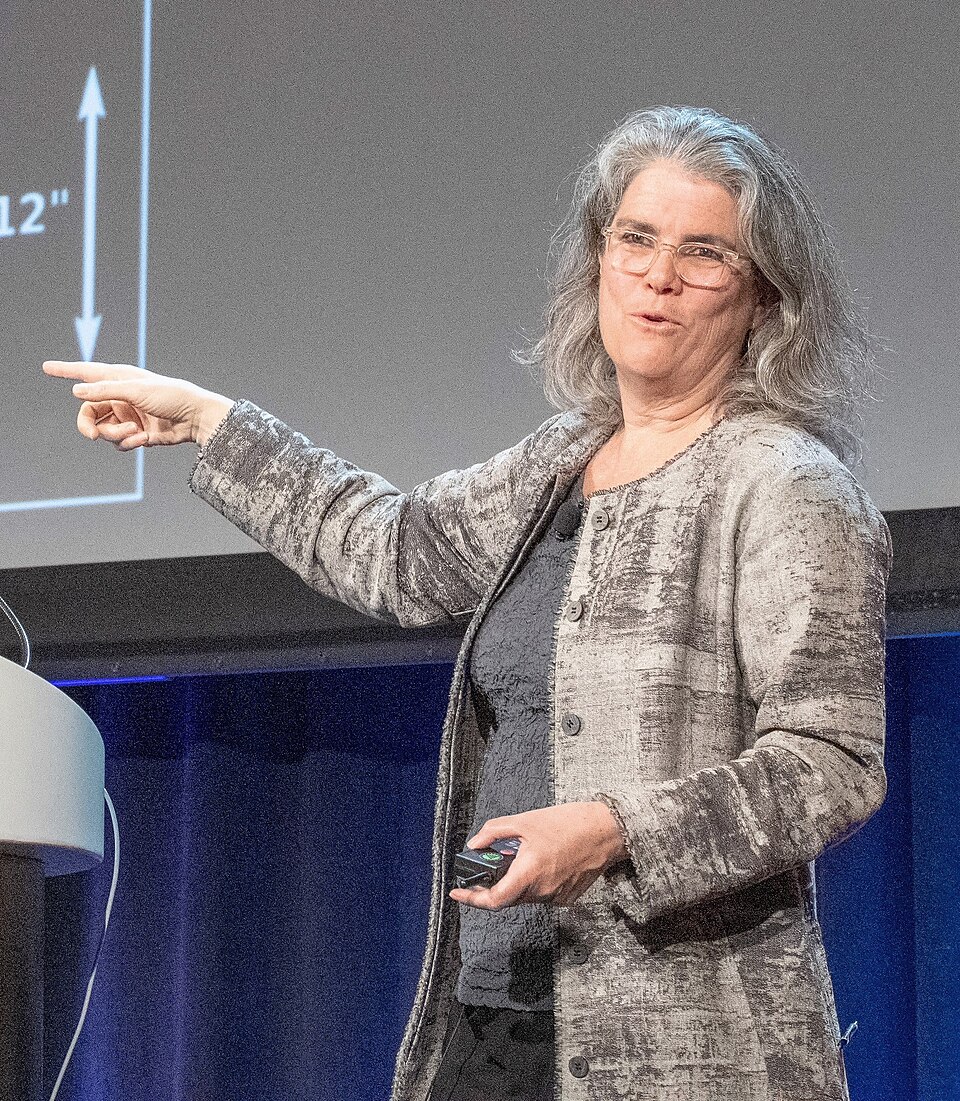 Physicist
Andrea M. Ghez
Tracking stars to establish the presence of a supermassive black hole at the Milky Way’s centre.
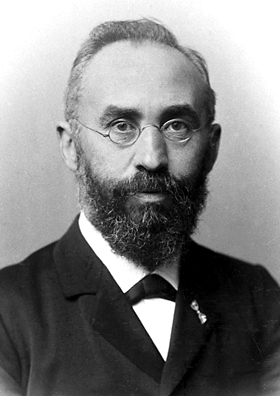 Physicist
Hendrik Lorentz
Developing electron theory and mathematical foundations used in special relativity.
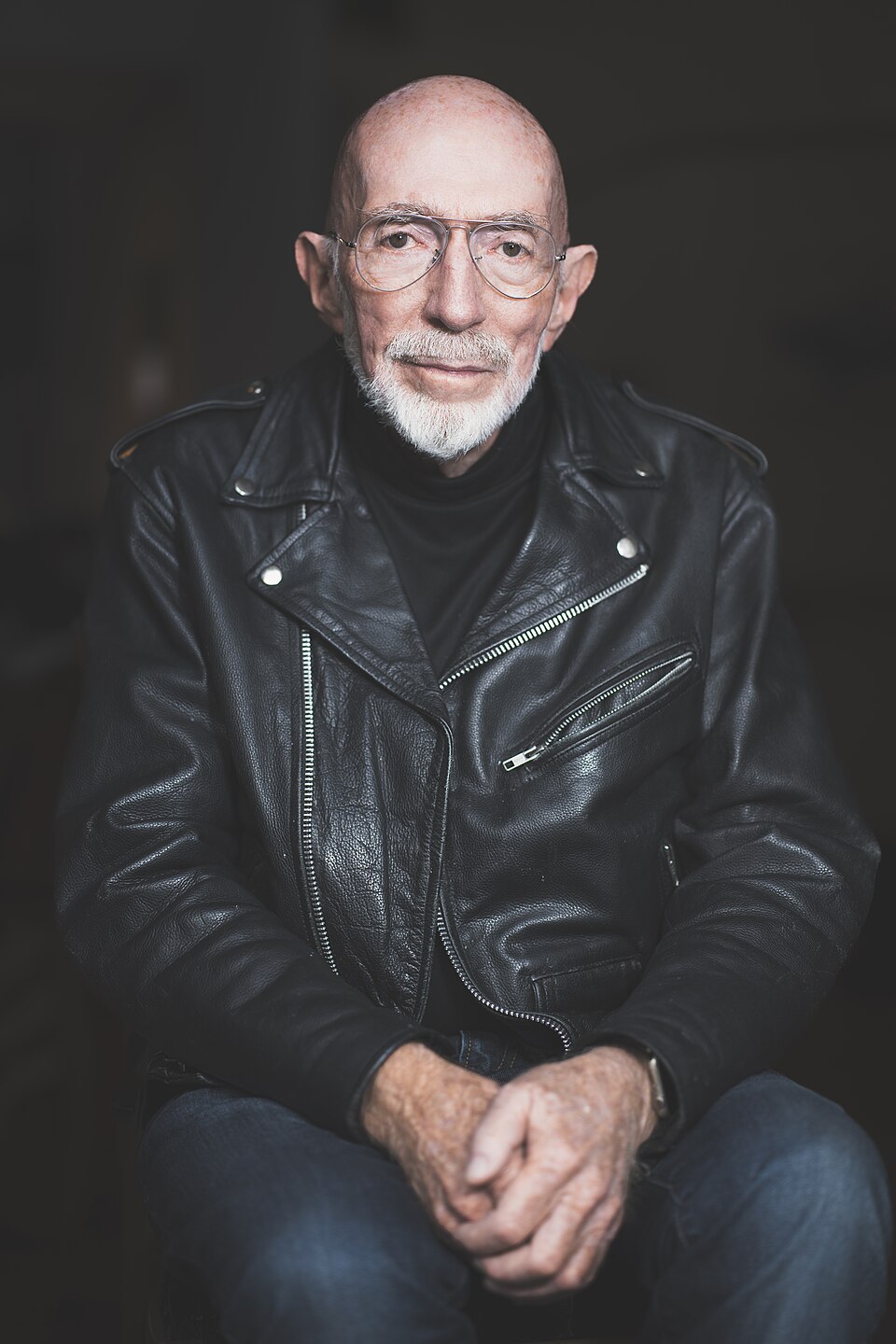 Physicist
Kip Thorne
Helping establish LIGO and the science of detecting gravitational waves.
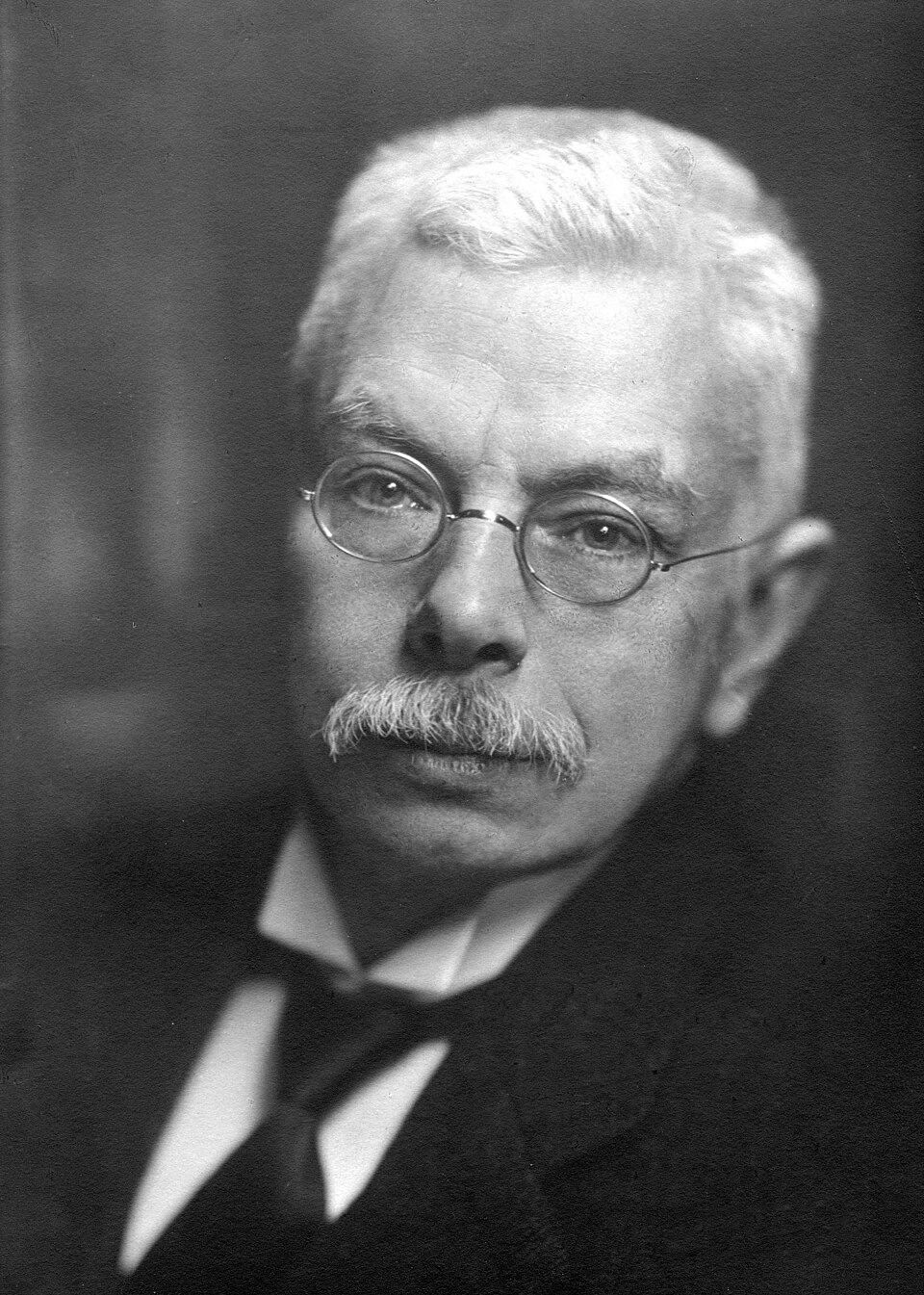 Physicist
Pieter Zeeman
Discovering how magnetic fields split the spectral lines of light.
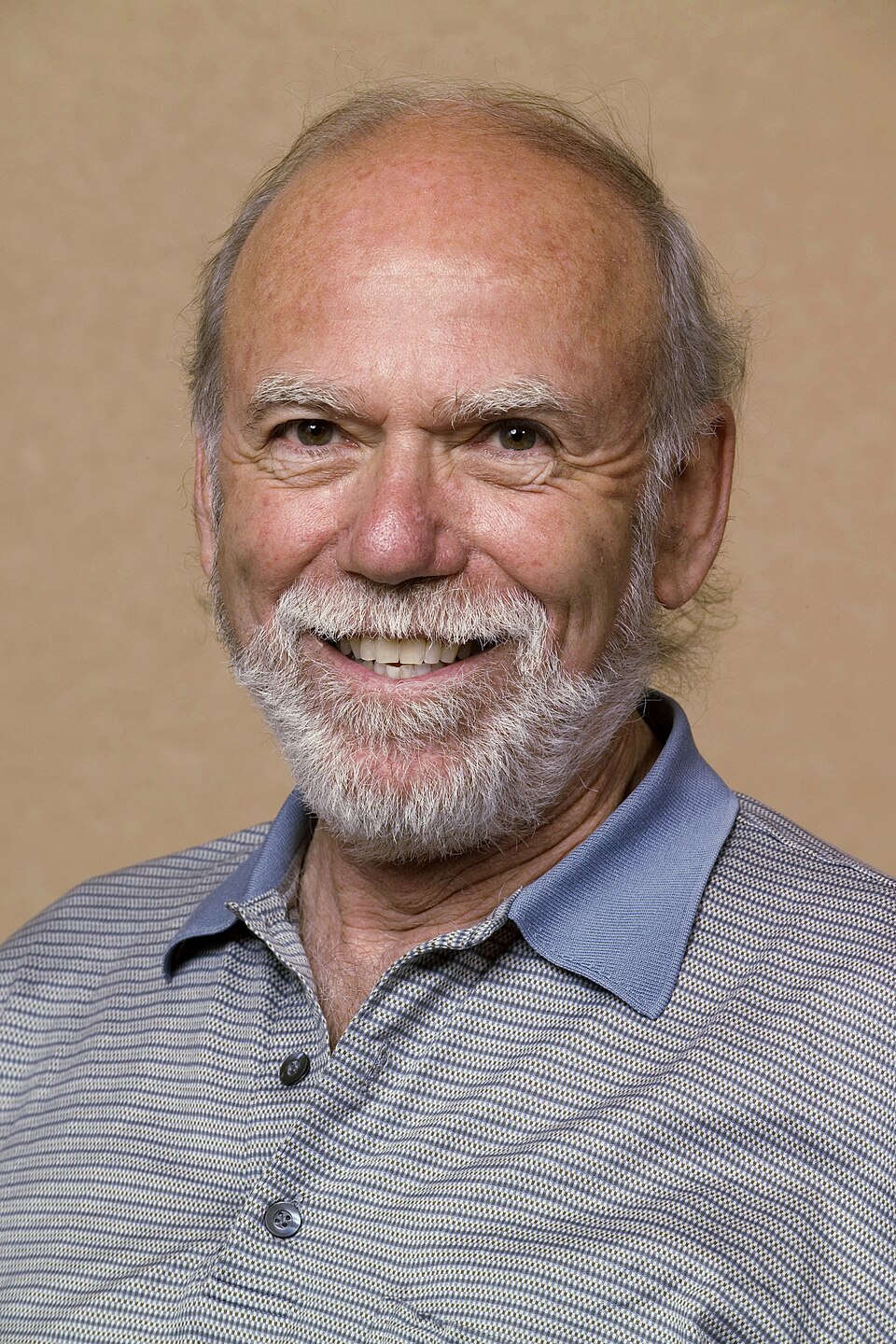 Physicist
Barry Barish
Leading LIGO through the development that enabled gravitational-wave detection.
 Physicist
Max von Laue
Discovering that crystals diffract X-rays.
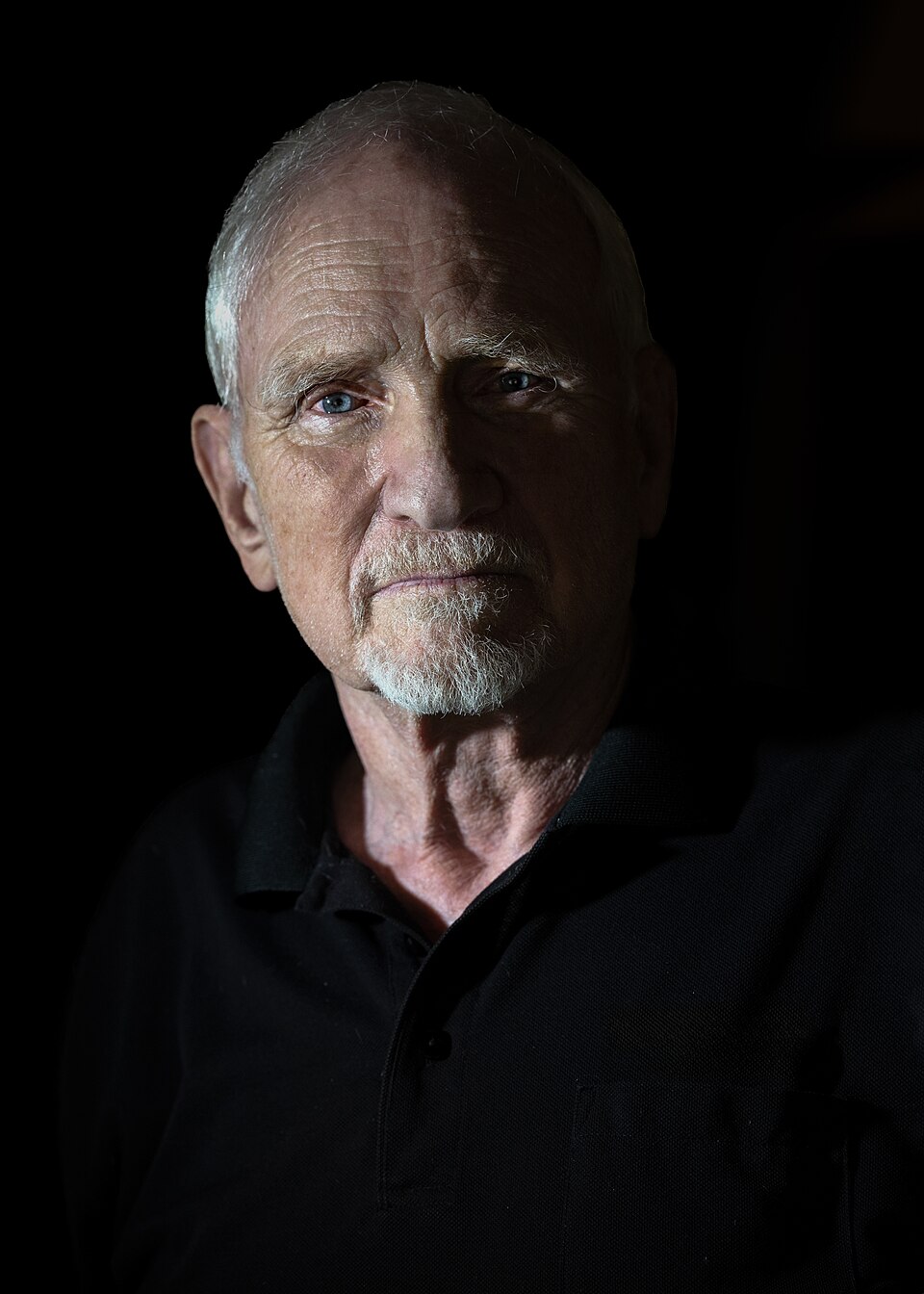 Physicist
John Clauser
Testing quantum entanglement in experiments that challenged classical ideas about reality.
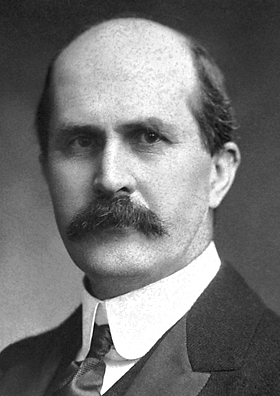 Physicist
William Henry Bragg
Developing X-ray crystallography with his son, revealing how atoms are arranged in crystals.
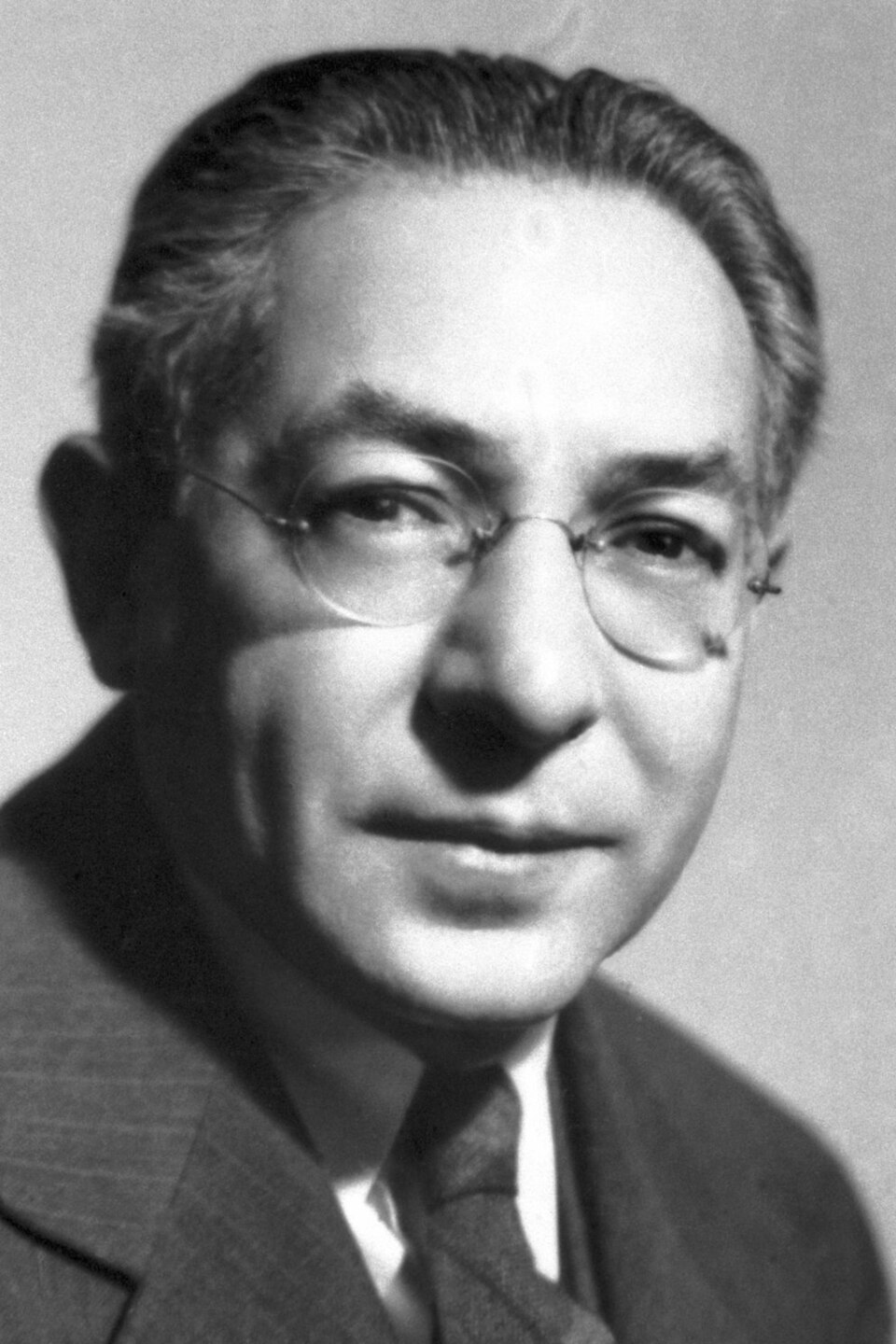 Physicist
Isidor Rabi
Developing a resonance method for measuring atomic nuclei’s magnetic properties.
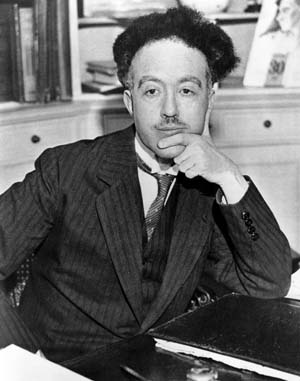 Physicist
Louis de Broglie
Proposing that particles of matter also behave as waves.
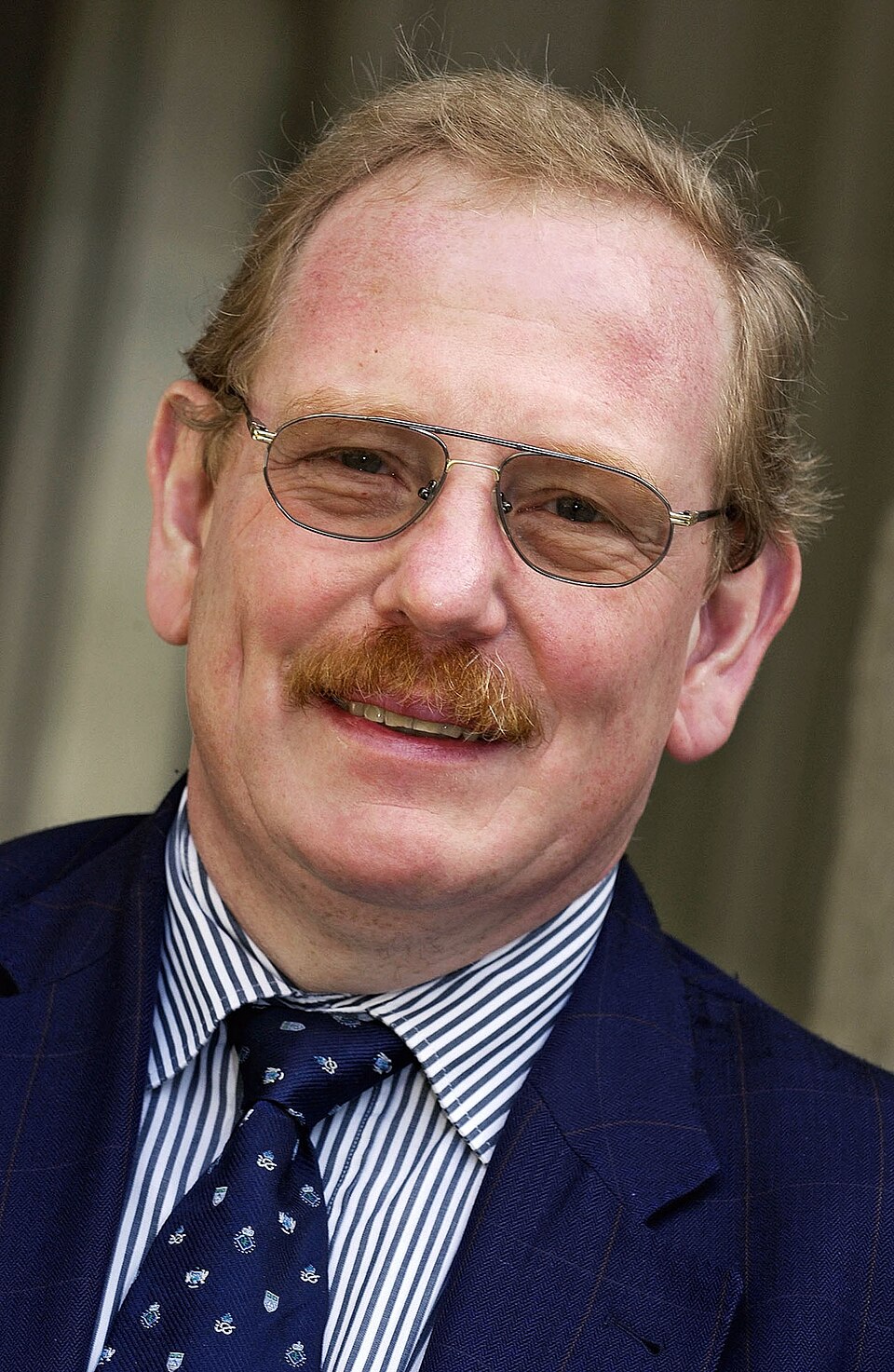 Physicist
Reinhard Genzel
Tracking stars that revealed a supermassive black hole at the Milky Way’s centre.
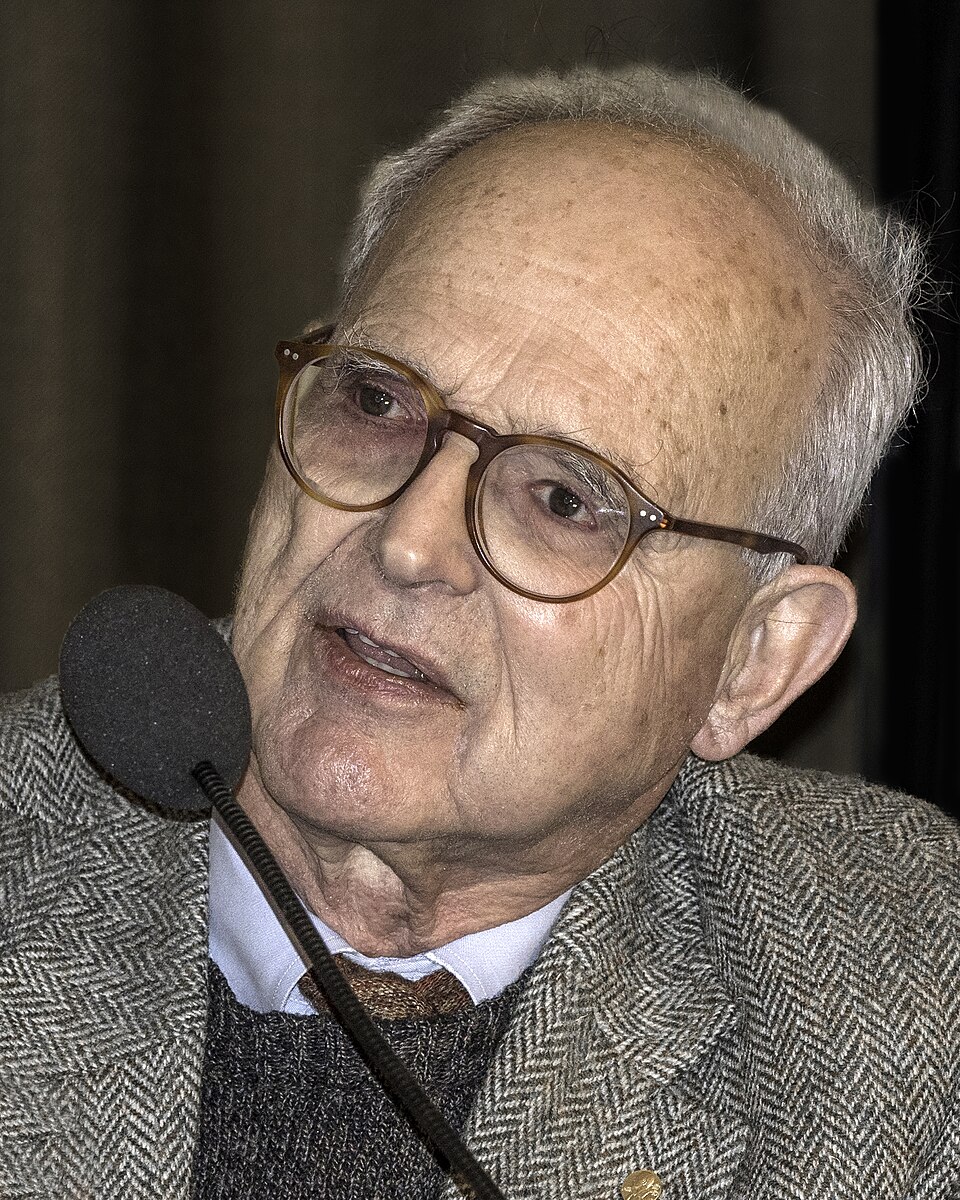 Physicist
Rainer Weiss
Helping design LIGO, which detected gravitational waves from colliding black holes.
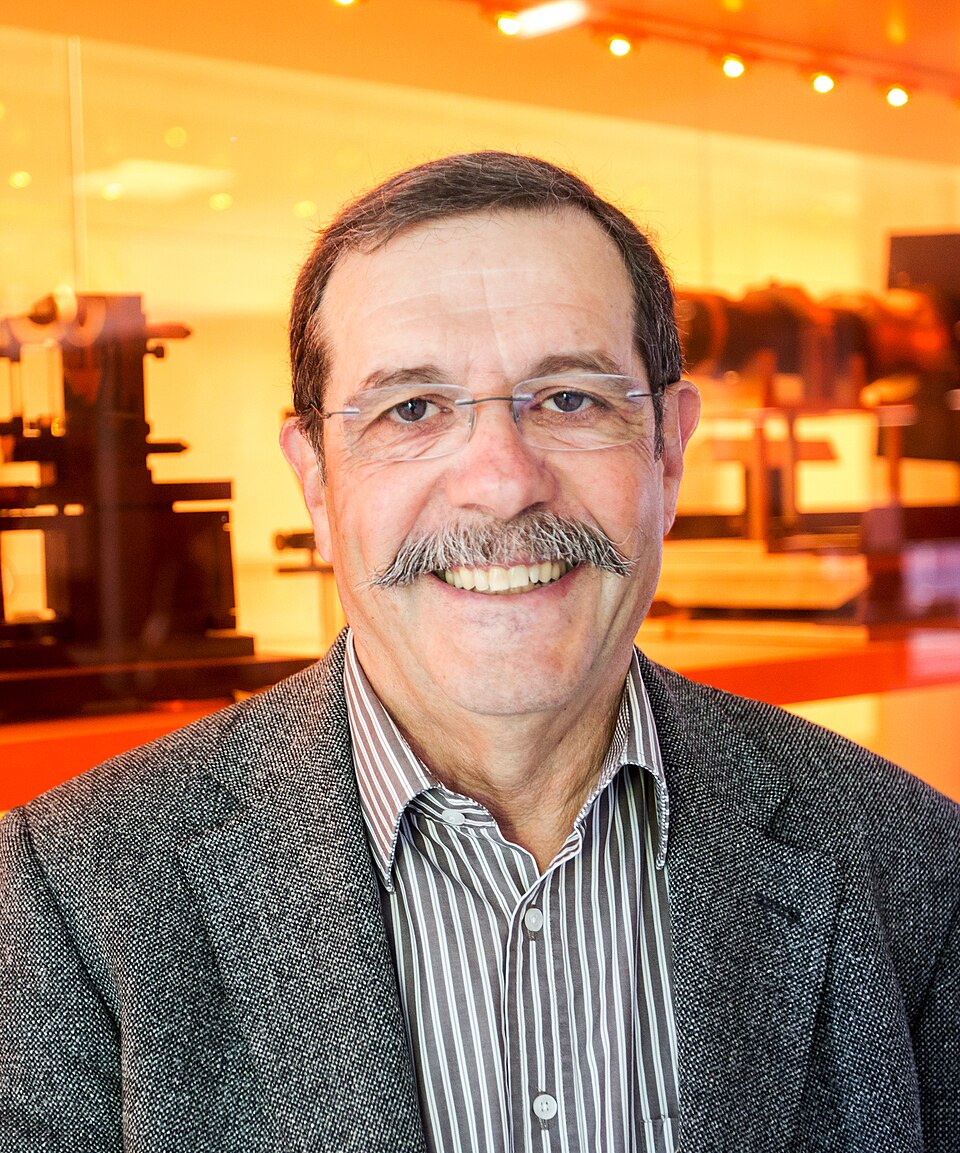 Physicist
Alain Aspect
Testing quantum entanglement with landmark experiments using photons.
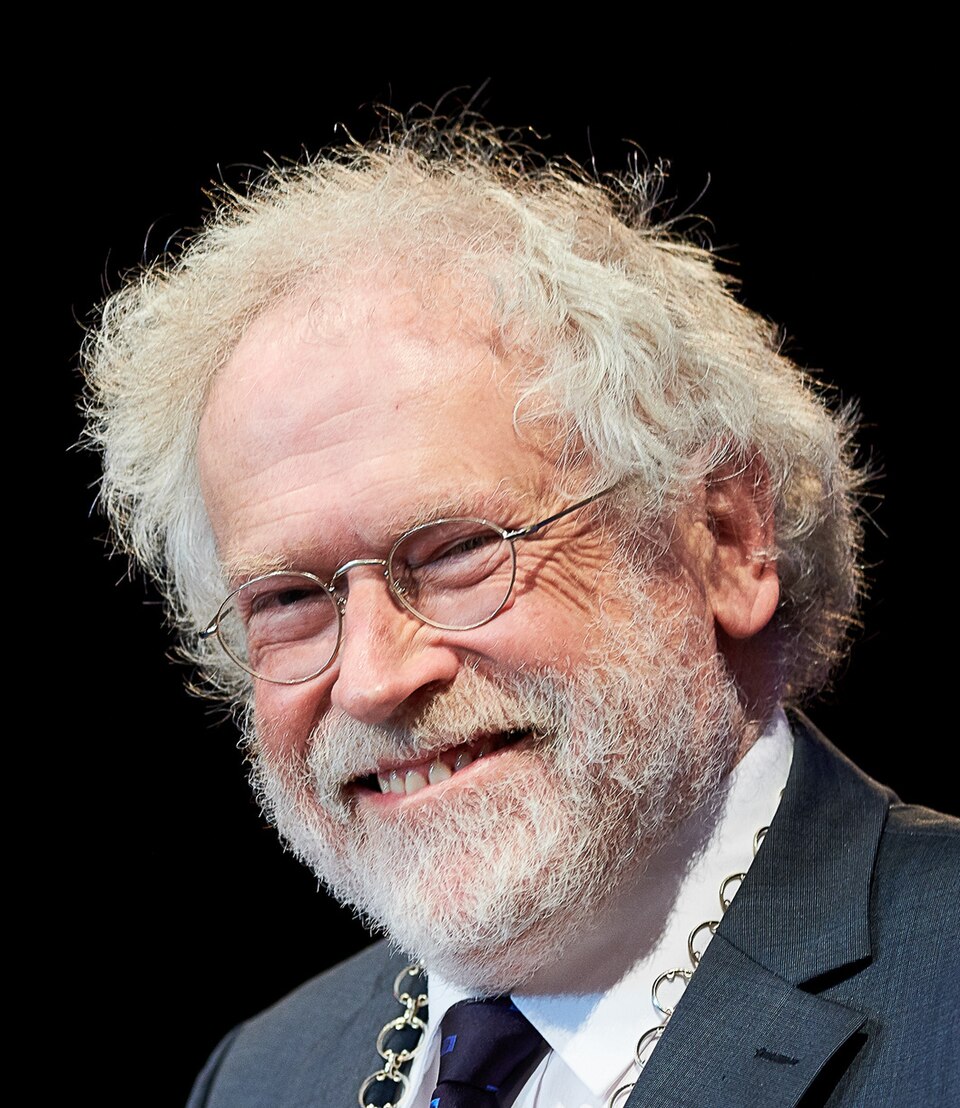 Physicist
Anton Zeilinger
Testing quantum entanglement and pioneering the transfer of quantum information.
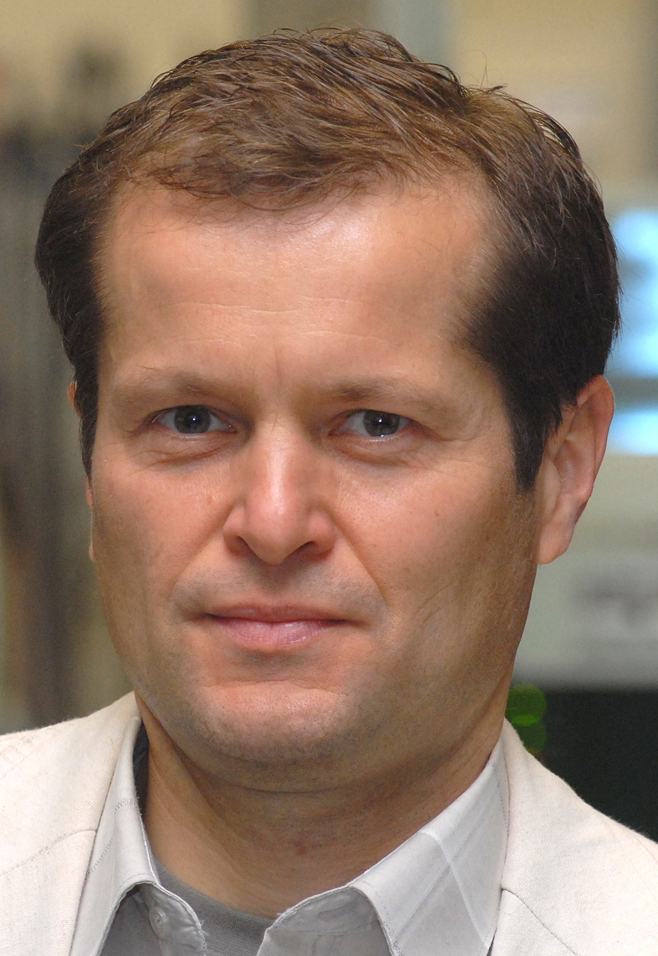 Physicist
Ferenc Krausz
Generating isolated attosecond light pulses to investigate electrons in motion.
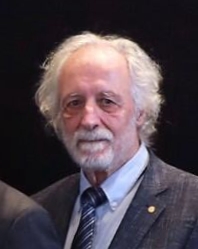 Physicist
Pierre Agostini
Developing attosecond light-pulse methods that made electron motion accessible to experiment.
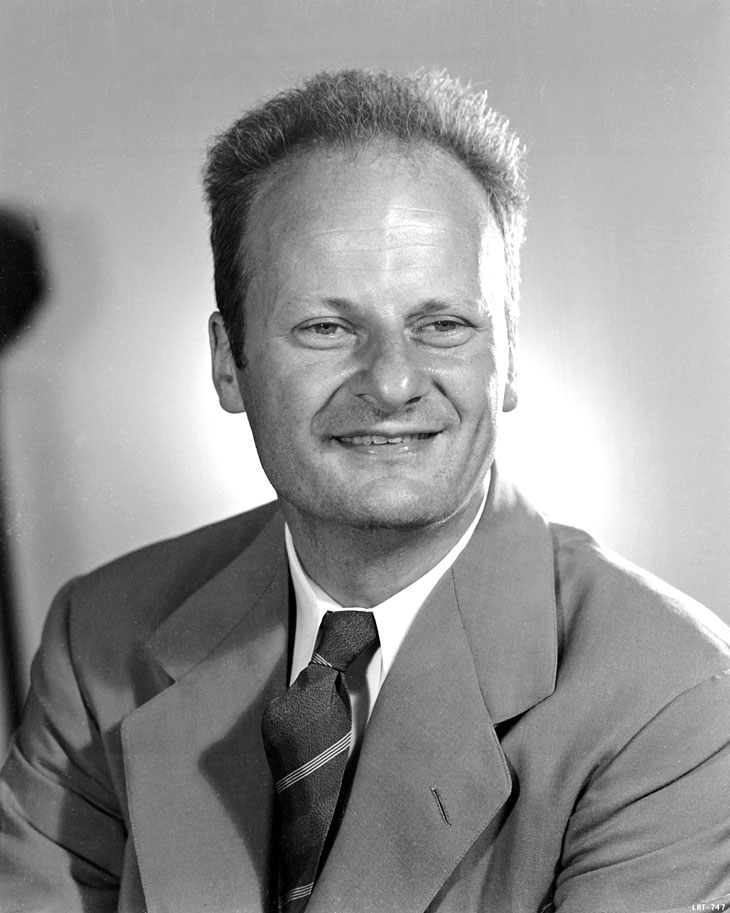 Physicist
Hans Bethe
Explaining the nuclear reactions that power stars.
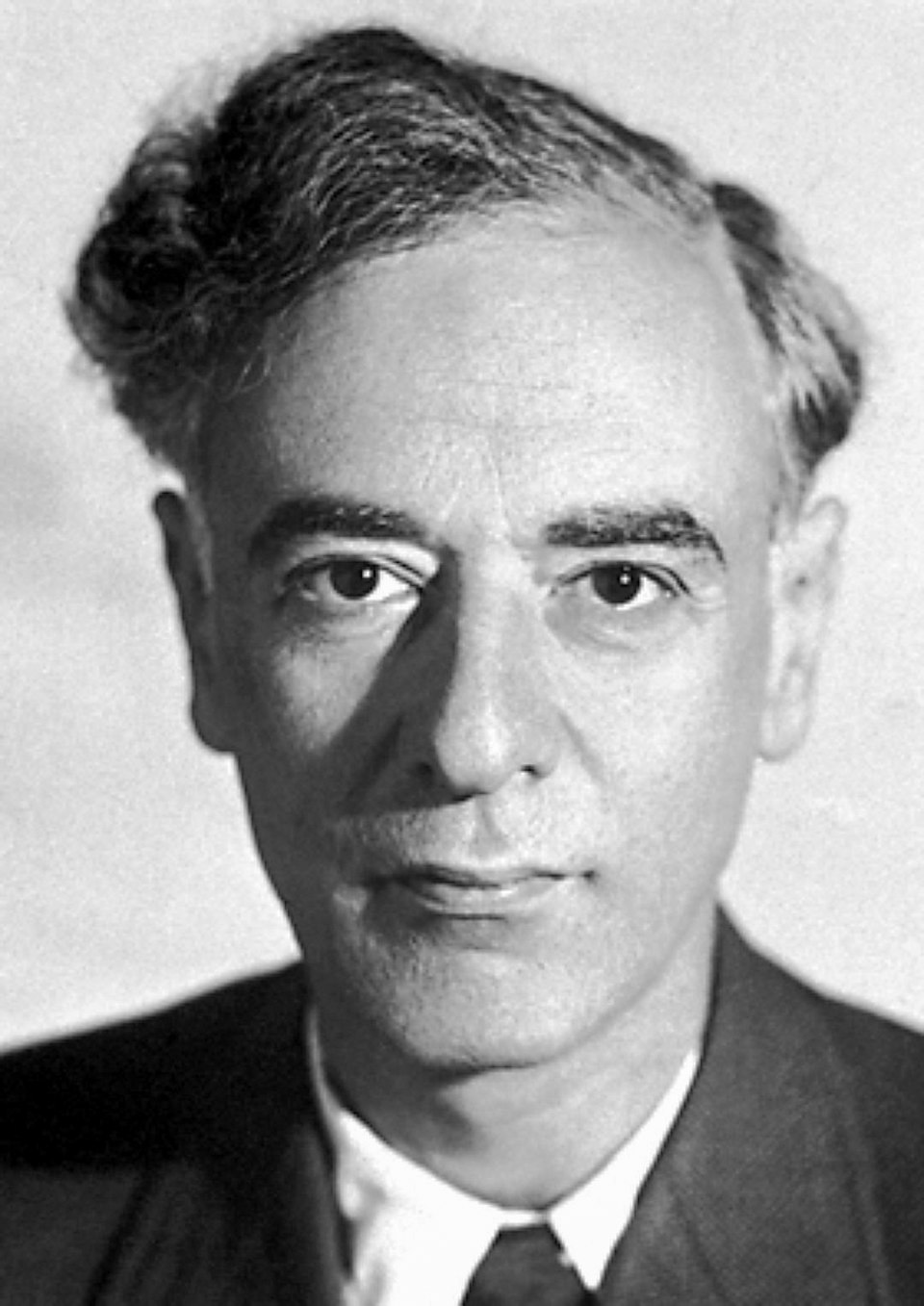 Physicist
Lev Landau
Explaining superfluid helium and building influential theories of matter.
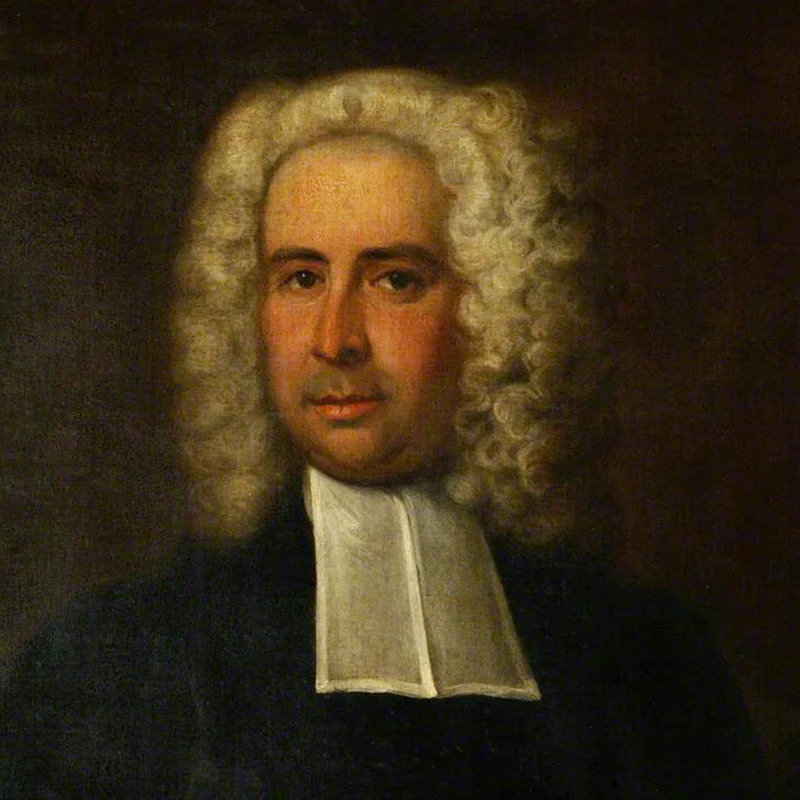 Physicist
John Theophilus Desaguliers
Bringing Newtonian science to public audiences through experimental lectures.
 Physicist
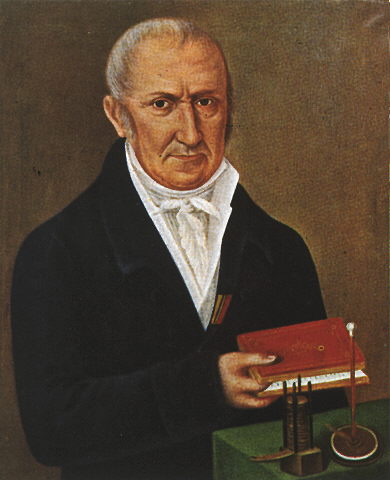
Alessandro Volta
Inventing the voltaic pile, an early electric battery.
 Physicist
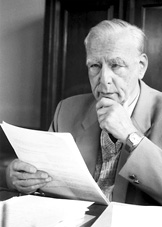
Ernst Ruska
Developing the electron microscope.
 Physicist
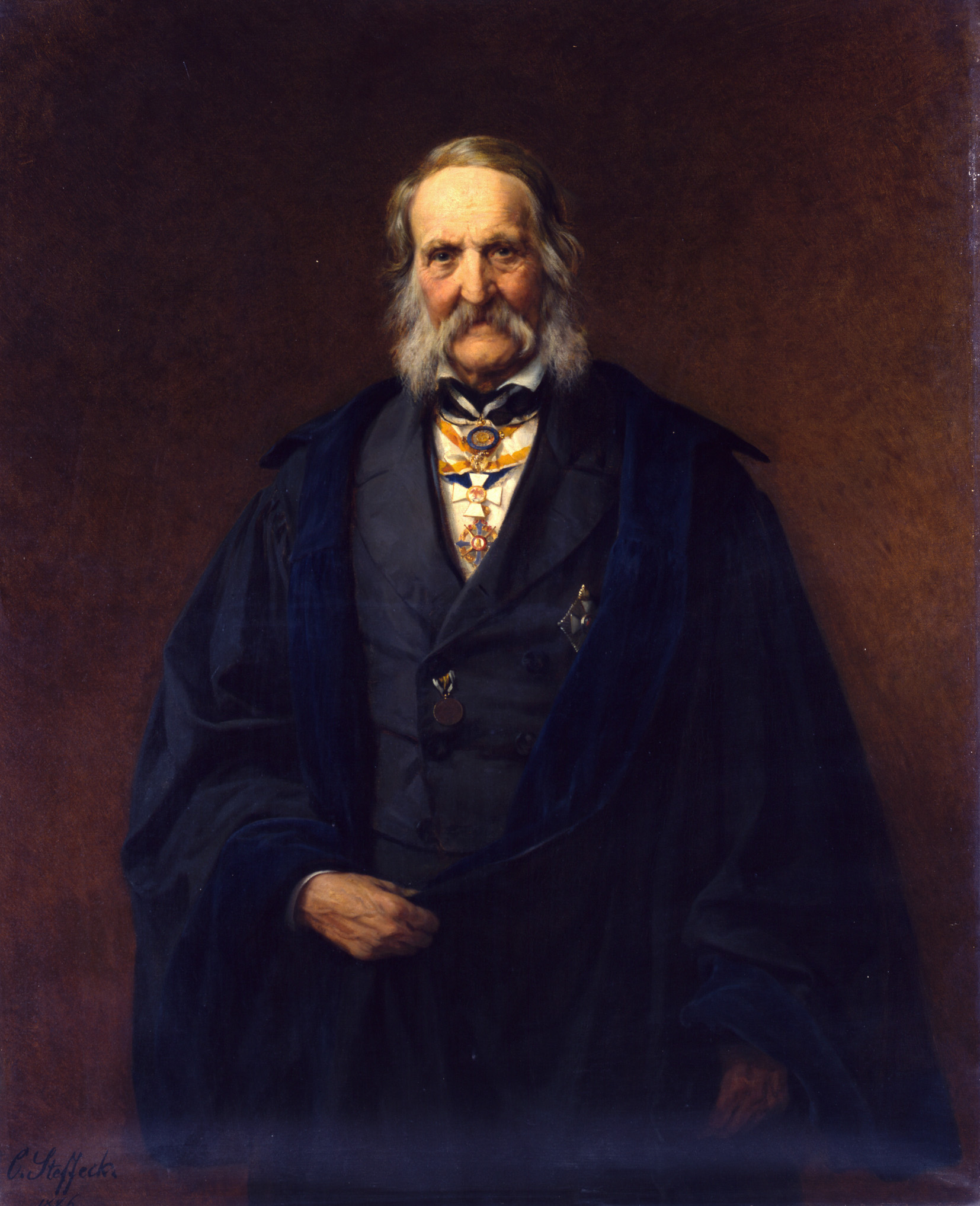
Franz Ernst Neumann
Formulating mathematical descriptions of electromagnetic induction.
 Physicist
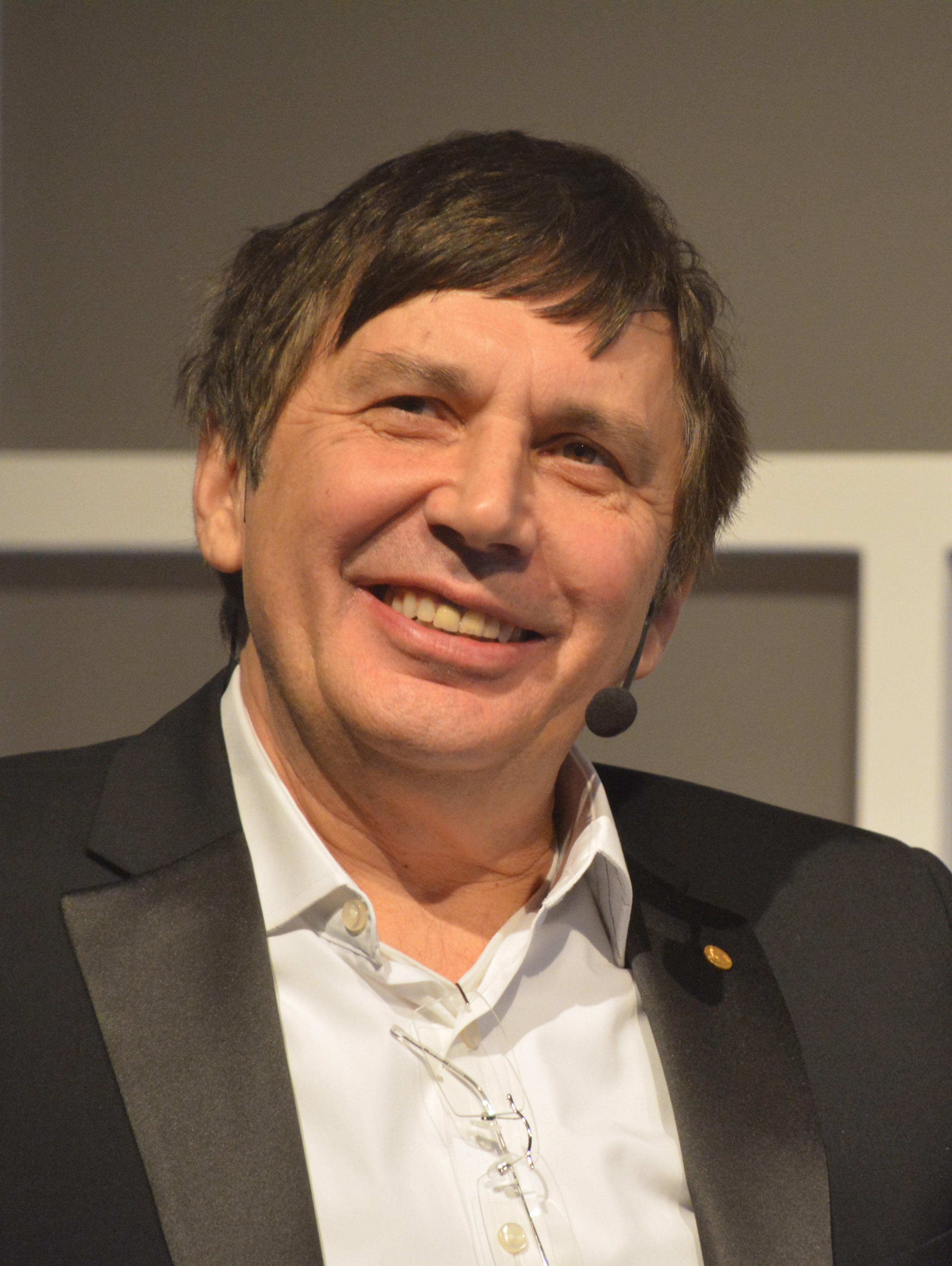
Andre Geim
Isolating graphene with Konstantin Novoselov and colleagues.
 Physicist
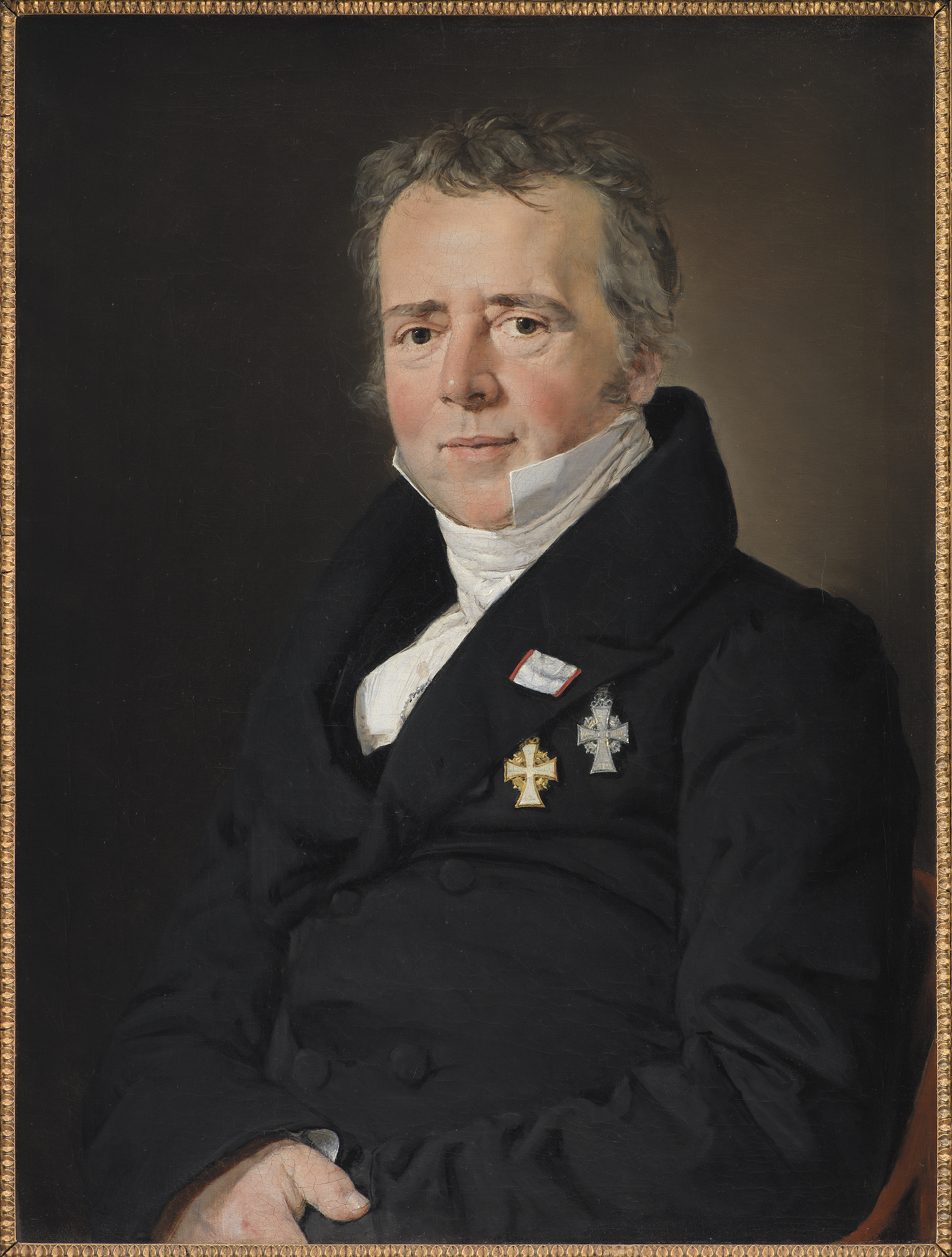
Hans Christian Ørsted
Discovering that an electric current produces a magnetic field.
 Physicist
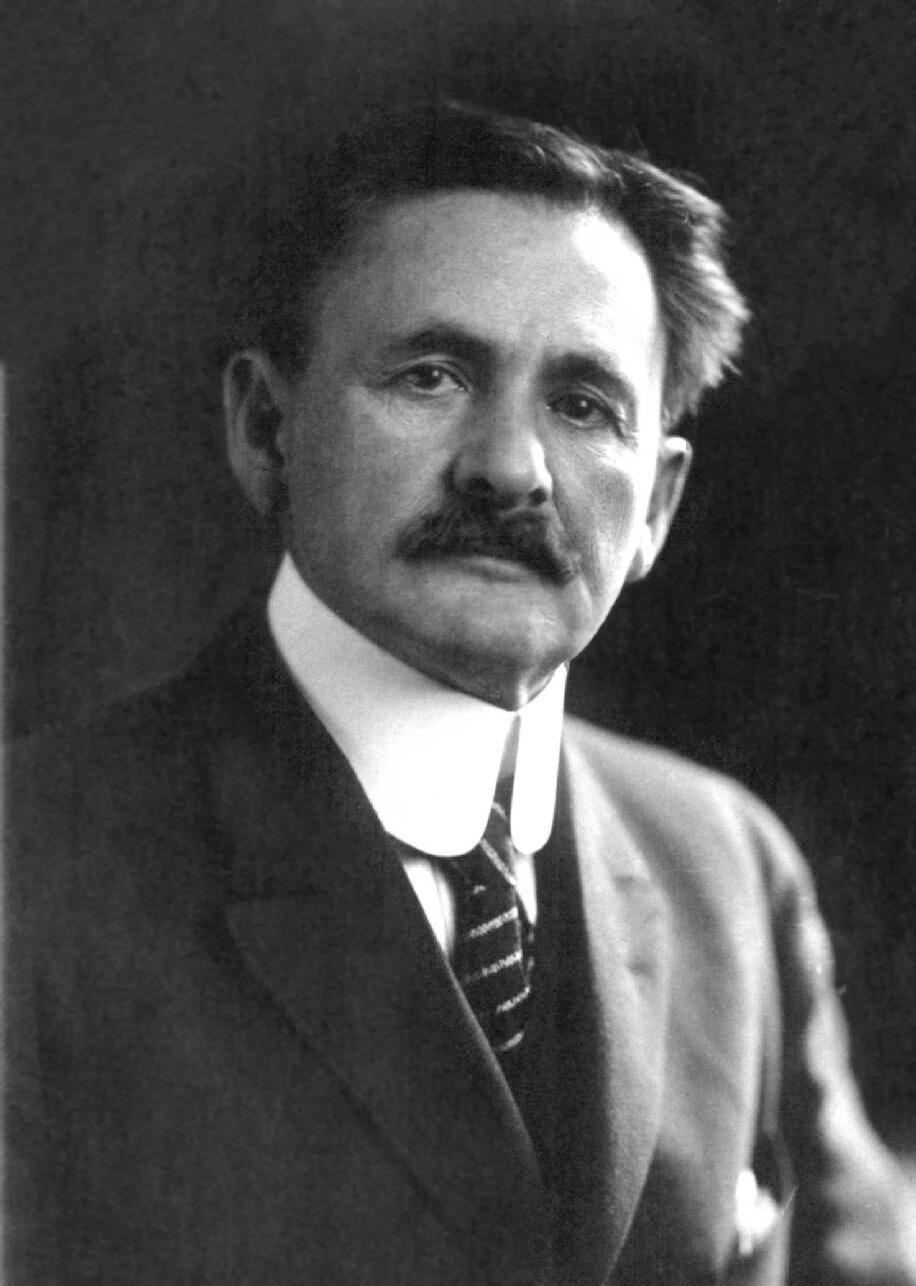
Albert A. Michelson
Measuring light with precision interferometers.
 Physicist
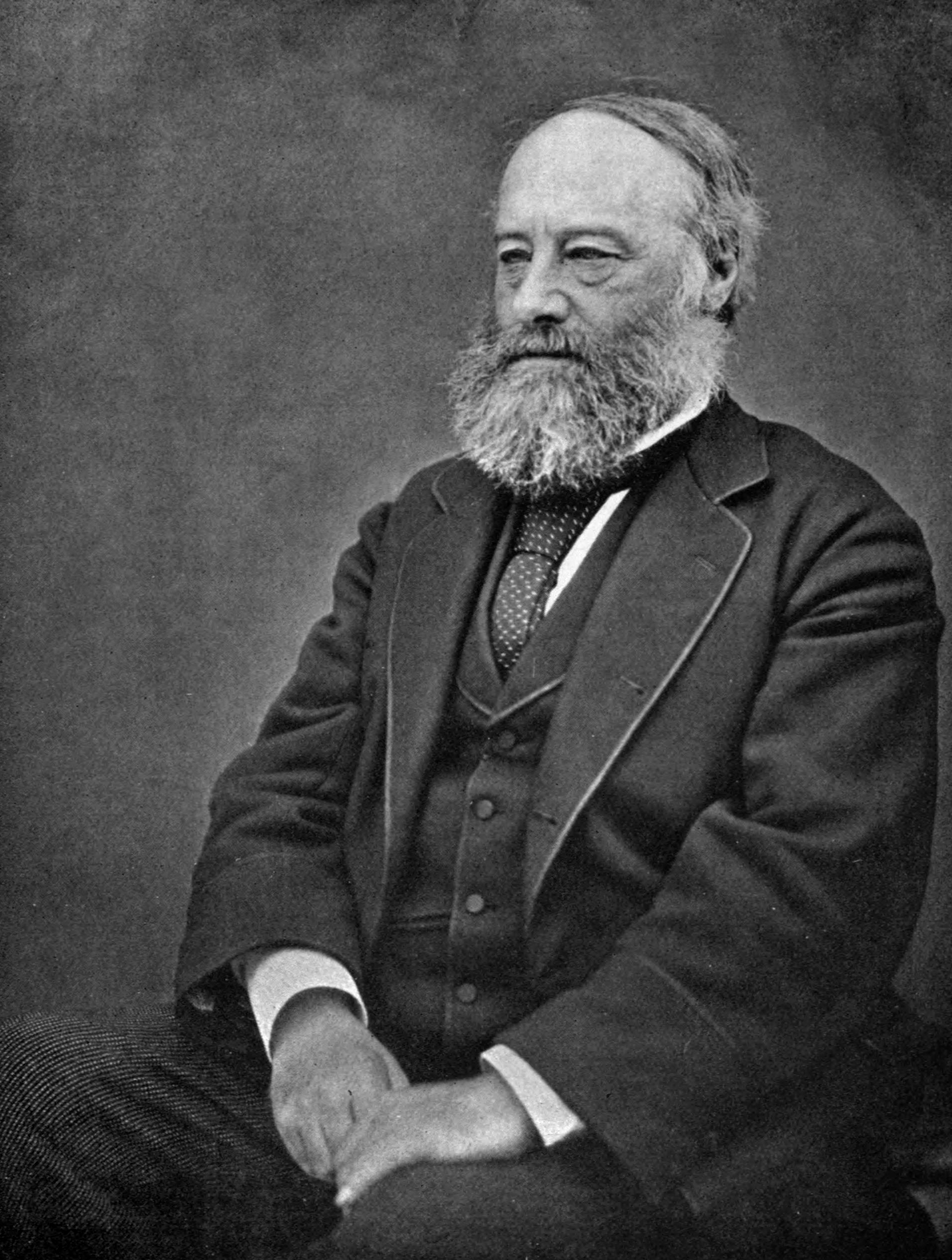
James Prescott Joule
Demonstrating the relationship between heat and mechanical work.
 Physicist
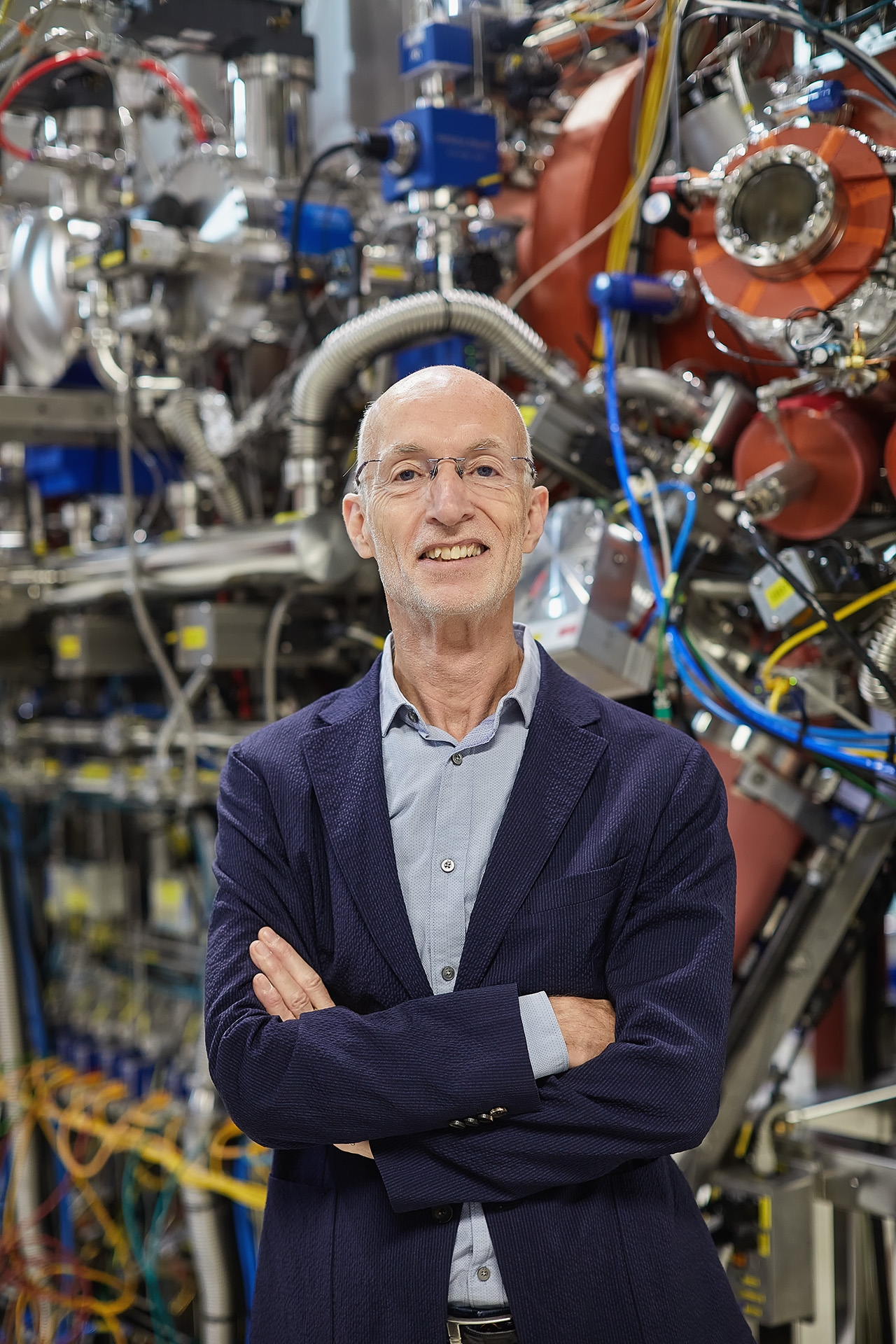
Stuart Parkin
Spintronic materials that helped expand hard-drive storage.