Contents
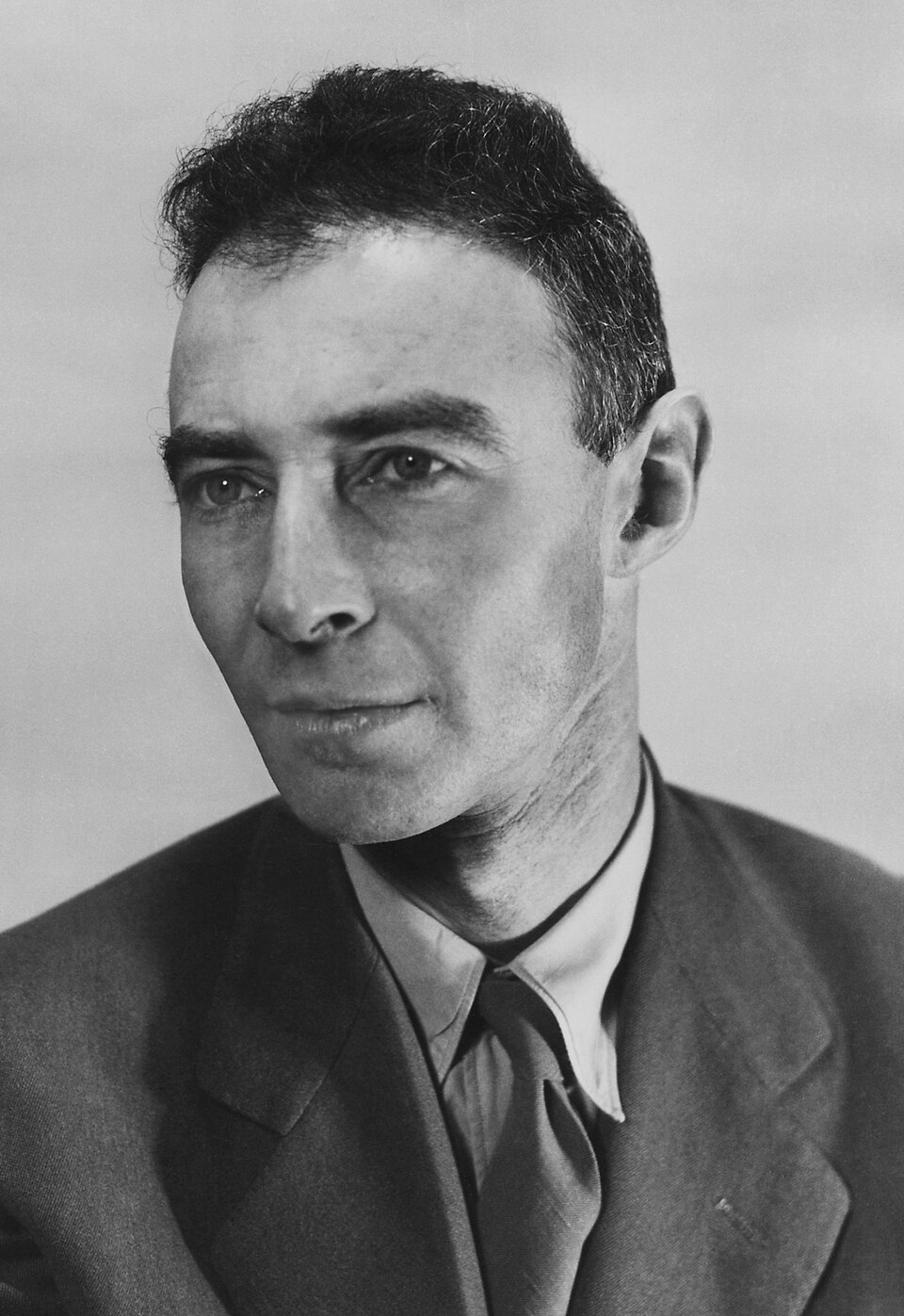
J. Robert Oppenheimer
Directing Los Alamos during the development of the first atomic bombs.
Born–Oppenheimer approximation · Stellar collapse
- Born
- 22 April 1904
- Birthplace
- New York City, United States
- Died
- 18 February 1967
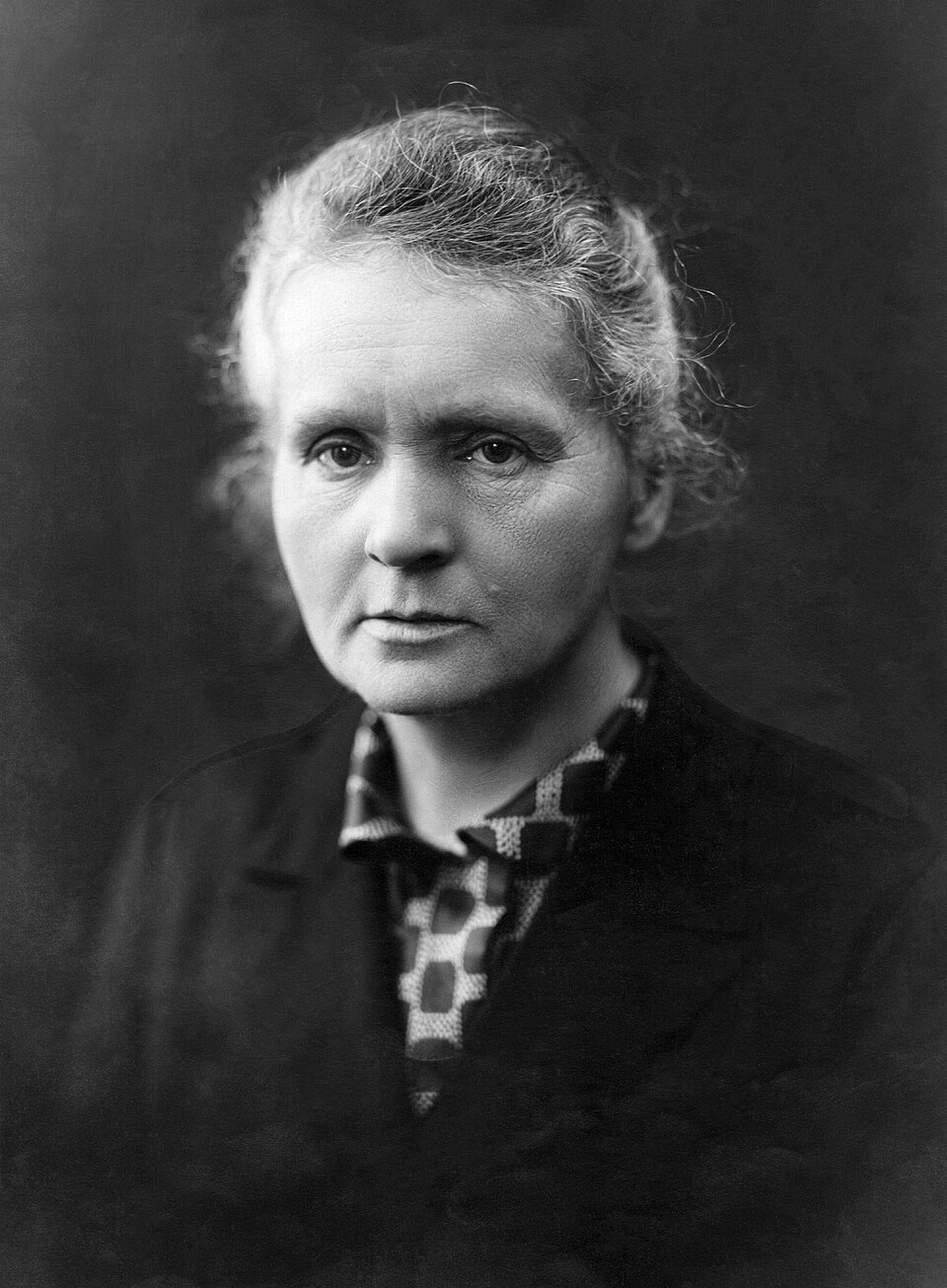
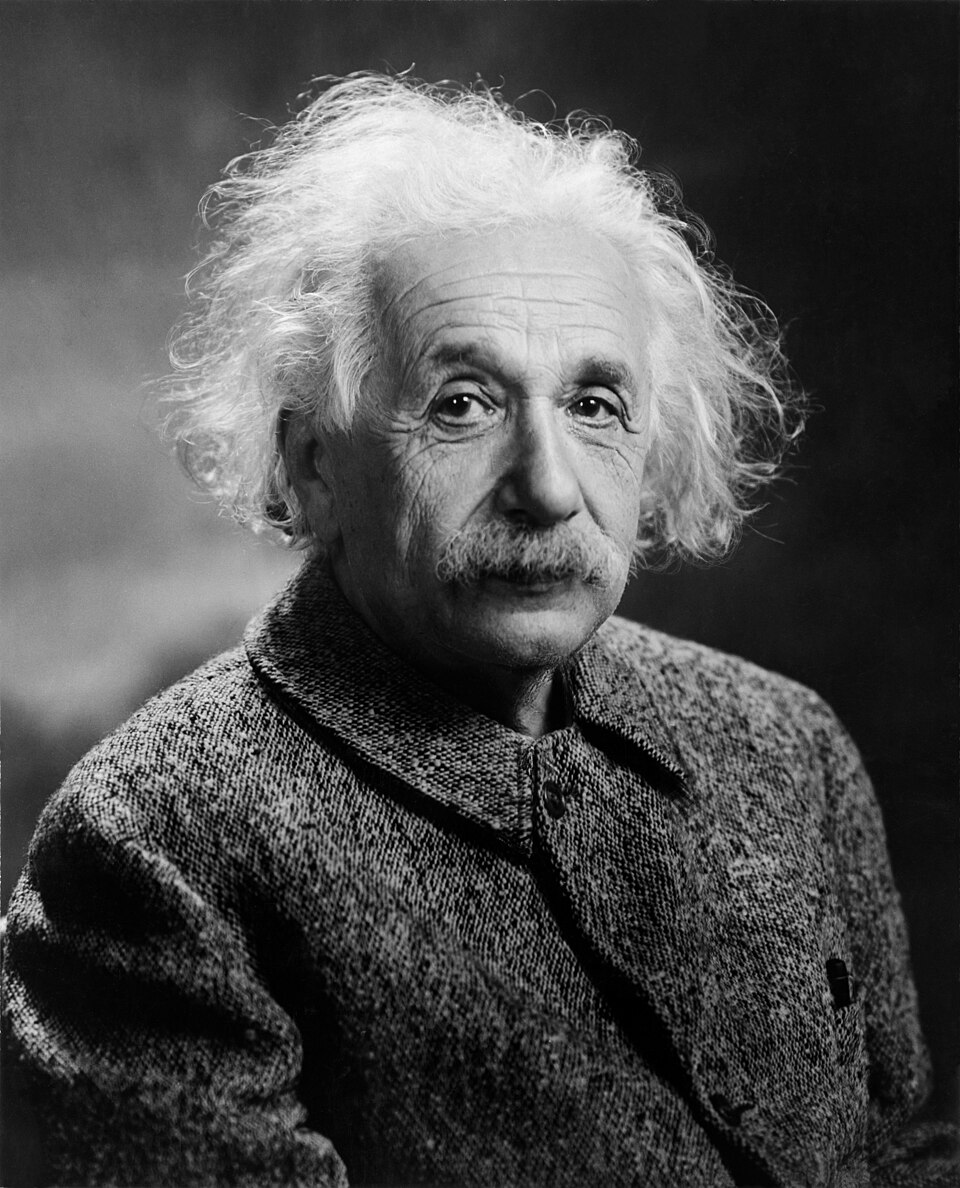
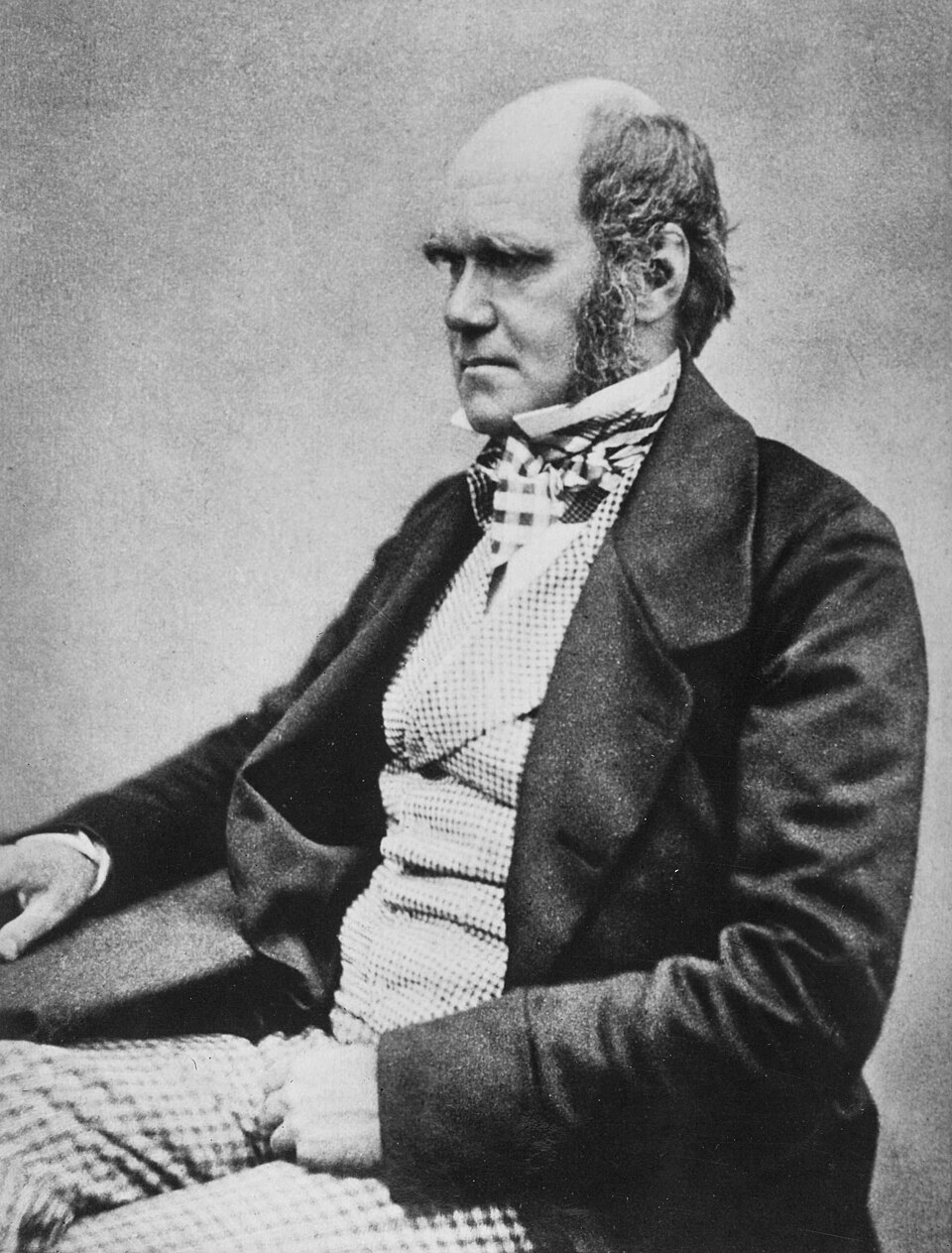
More people
J. Robert Oppenheimer
An American theoretical physicist whose research ranged from quantum theory to stellar collapse. His wartime leadership and later security hearing made him central to debates about science and state power.
Early life
New York education
Attended the Ethical Culture School and studied chemistry at Harvard.
European physics
Completed a doctorate at Göttingen under Max Born in 1927.
Career
- 1929
Berkeley
Joined the University of California and helped develop theoretical physics teaching.
- 1943–1945
Los Alamos
Directed the Manhattan Project laboratory.
- 1947
Institute for Advanced Study
Became director in Princeton.
- 1954
Security hearing
Lost his security clearance after a contested government proceeding.
Contributions
Born–Oppenheimer approximation
Helped simplify calculations by separating nuclear and electronic motion.
Stellar collapse
With Hartland Snyder, described collapse that anticipated later black-hole theory.
Trinity
Led the laboratory whose work produced the first nuclear test.
Beyond physics
Nuclear policy
Advocated international control and opposed an early crash programme for the hydrogen bomb.
Later reassessment
In 2022, the US Department of Energy vacated the 1954 clearance decision, citing a flawed process.
Sources & photo credit
Life, career and references ↗Department of Energy: 1954 decision vacated ↗Photo: Unknown author Unknown author. Public domain · Original image. Cropped and displayed in monochrome.
.jpg)