Contents
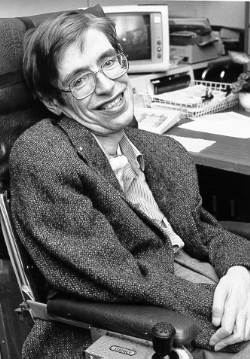
Stephen Hawking
Predicting that black holes emit radiation.
A Brief History of Time · Cosmology
- Born
- 8 January 1942
- Birthplace
- Oxford, England
- Died
- 14 March 2018
More people
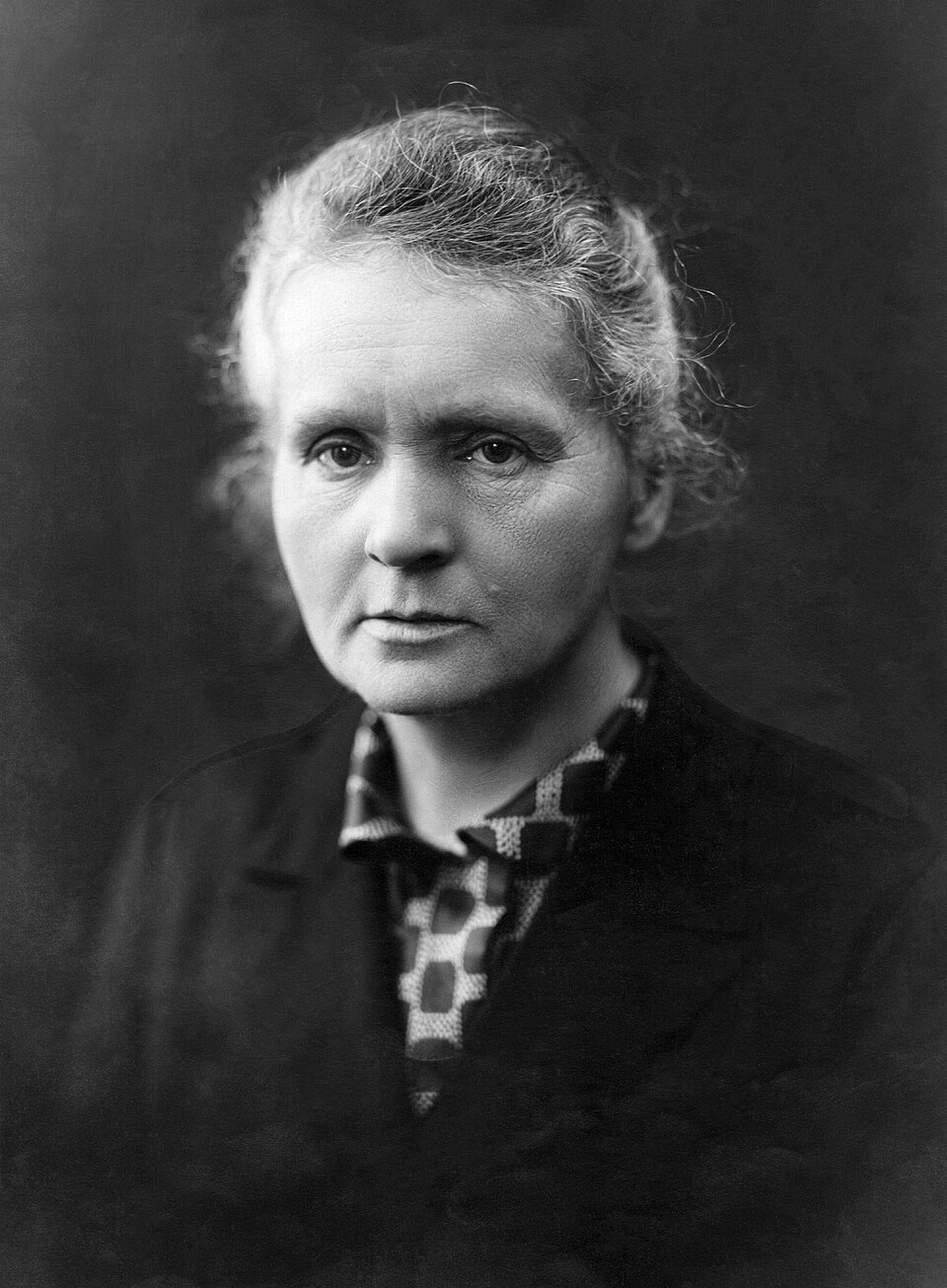
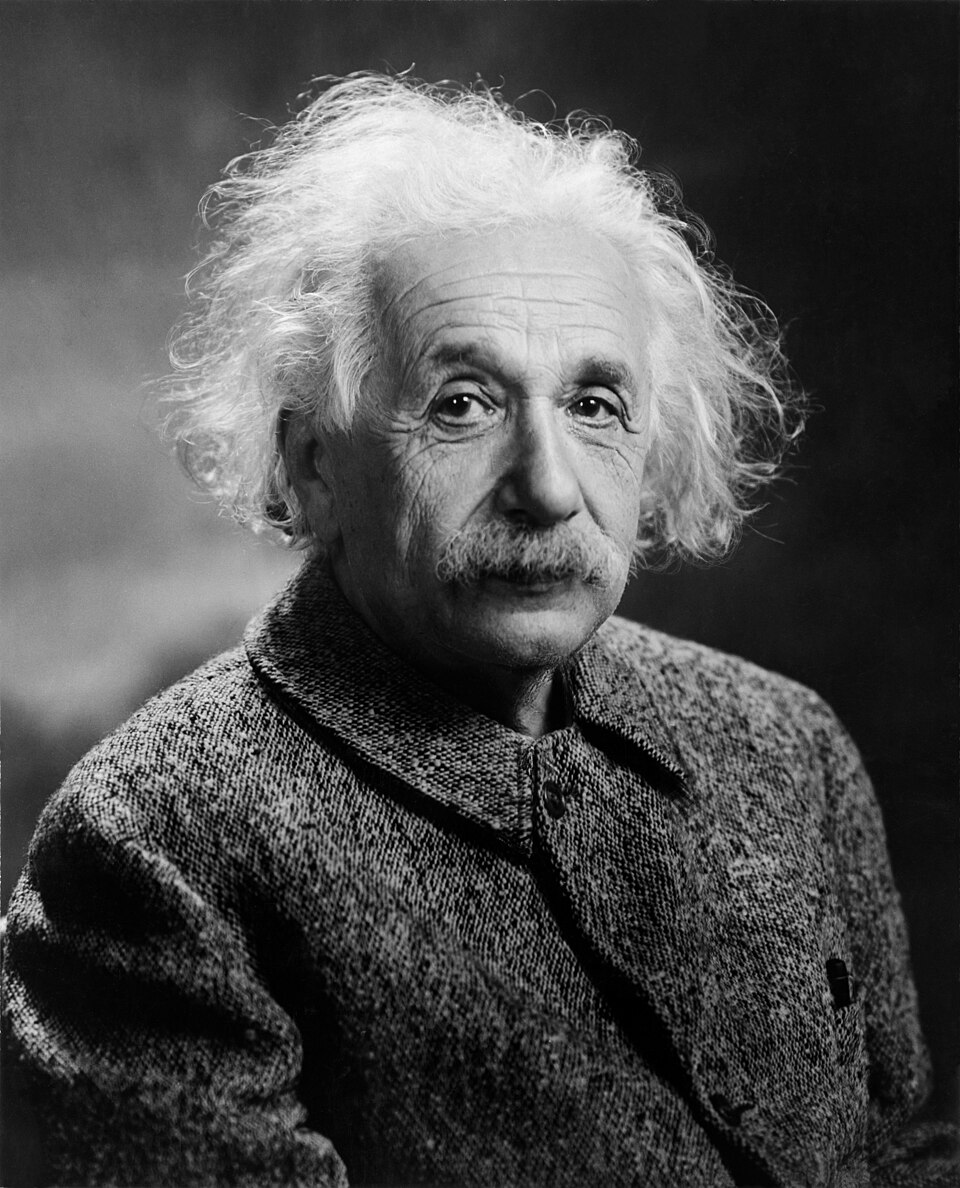
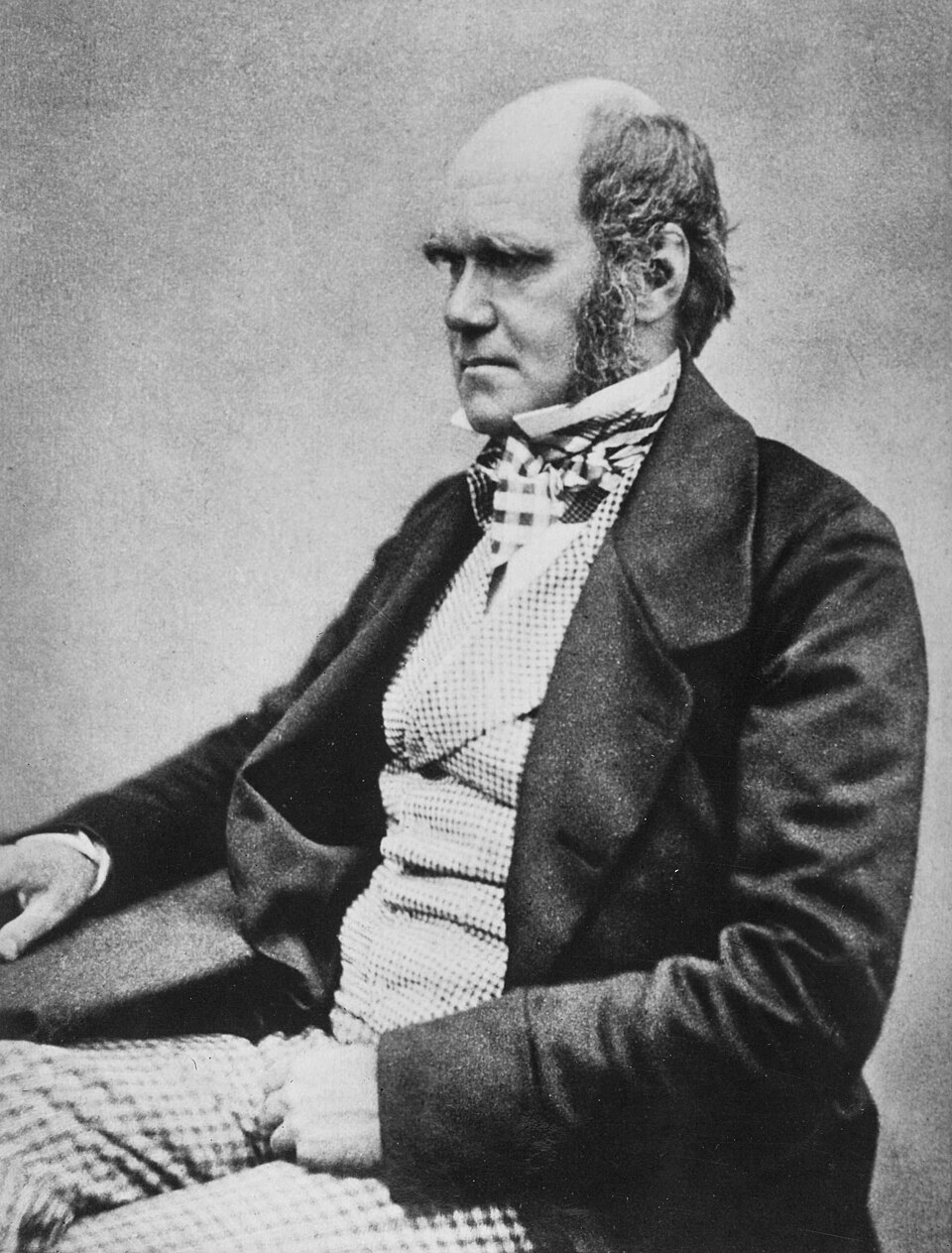
Stephen Hawking
An English theoretical physicist who studied black holes and the origins of the universe. He combined ideas from Albert Einstein's theory of gravity with quantum physics and wrote popular books about cosmology.
Early life
School years
Grew up partly in St Albans, with an early interest in how things worked.
Oxford to Cambridge
Studied physics at Oxford before beginning cosmology research at Cambridge.
Career
- 1966
Doctorate
Completed his Cambridge PhD and continued research into gravity and cosmology.
- 1970s
Black-hole research
Developed work on singularities, black-hole thermodynamics and quantum effects.
- 1979–2009
Lucasian Professor
Held Cambridge's mathematics chair, once occupied by Isaac Newton.
- 2009–2018
Continuing research
Became director of research at Cambridge's Centre for Theoretical Cosmology.
Contributions
Singularity theorem
With Roger Penrose, studied conditions in which relativity predicts singularities.
Hawking radiation
Predicted that quantum effects allow black holes to radiate and lose mass.
A Brief History of Time
Introduced cosmology to a broad readership.
The Universe in a Nutshell
An illustrated exploration of modern physics.
Beyond physics
Family
Had three children with Jane Wilde; later married Elaine Mason. Both marriages ended in divorce.
Communication
Lived with motor neurone disease and used a speech-generating device after losing his voice.
Sources & photo credit
Biographical reference ↗University of Cambridge: life and research ↗Cambridge University Library: scientific work ↗1974 research paper ↗Photo: NASA. Public domain · Original image. Cropped and displayed in monochrome.
