Contents
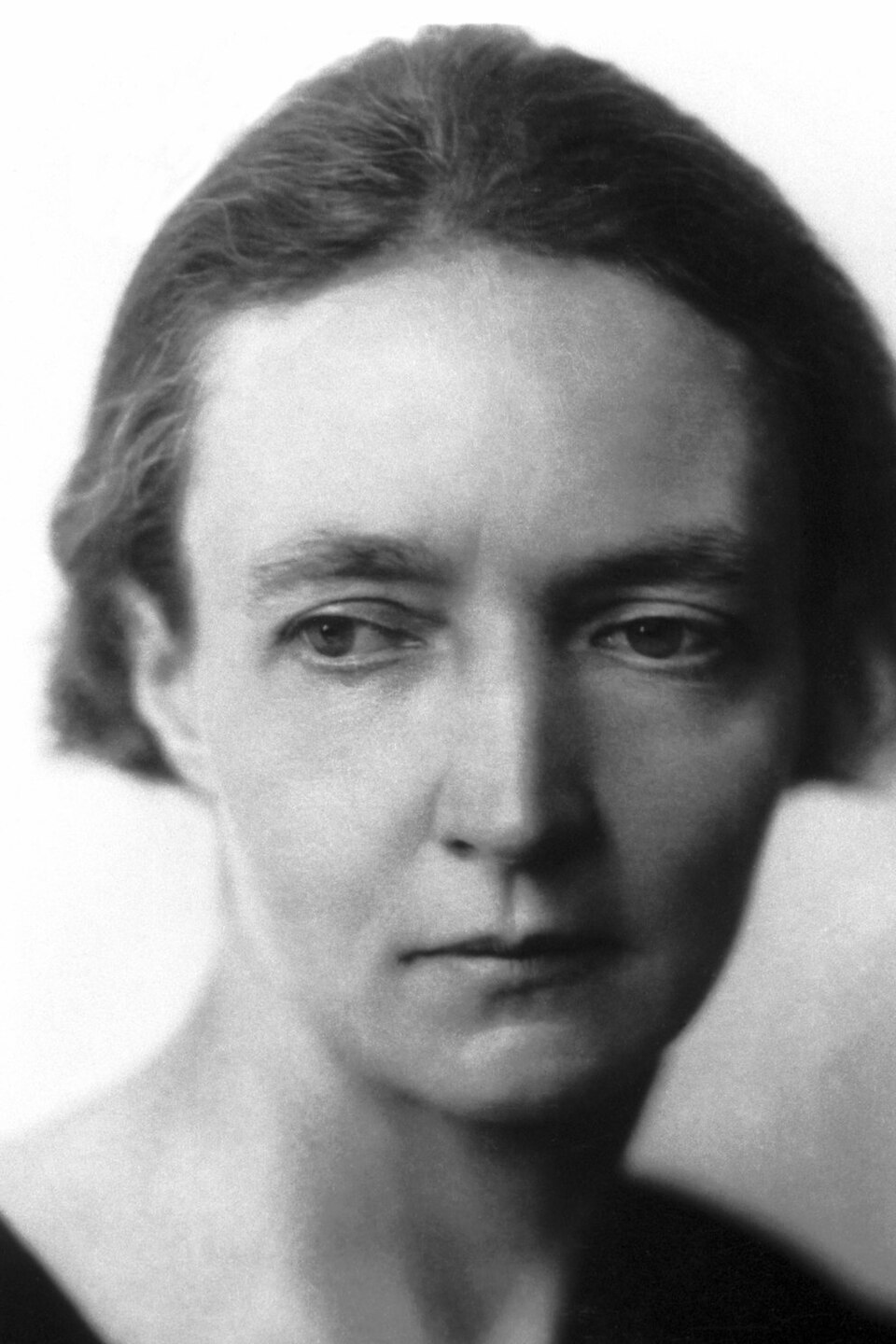
Irène Joliot-Curie
Discovering artificial radioactivity with Frédéric Joliot-Curie.
Radioisotopes · 1935 Chemistry Nobel
- Born
- 12 September 1897
- Birthplace
- Paris, France
- Died
- 17 March 1956
More people
Irène Joliot-Curie
Irène Joliot-Curie was a French physicist and chemist whose work showed that stable materials could be transformed into radioactive ones. She combined experimental research with scientific leadership and public service.
Early life
Scientific family
The elder daughter of Marie Curie and Pierre Curie grew up within an unusually active scientific circle.
Wartime training
Helped provide X-ray services during the First World War before completing advanced studies.
Career
- 1920s
Radium Institute research
Worked on radiation and completed a doctorate in 1925.
- 1934–1935
Artificial radioactivity
Made the discovery with her husband that brought their joint Nobel Prize.
- 1937 onwards
Professorship
Held a professorship at the University of Paris.
- 1946–1956
Institute director
Led the Radium Institute and supported development of new nuclear research facilities.
Contributions
Induced radioactivity
Produced radioactive isotopes by bombarding stable elements with alpha particles.
Chemistry Nobel
Shared recognition for the synthesis of new radioactive elements.
Orsay research centre
Helped plan the nuclear-physics centre developed at Orsay.
Beyond the lab
Family of researchers
Her children Hélène and Pierre also became scientists.
Public commitments
Supported women’s rights, peace causes and greater opportunities in science.
Sources & photo credit
Biography ↗Life and work ↗Photo: Nobel Foundation. Public domain · Original image. Cropped and displayed in monochrome.
