Nobel Prizes
Scientific discoveries recognised by Nobel Prizes.
Awards & achievements
People in Nobel Prizes
76 profiles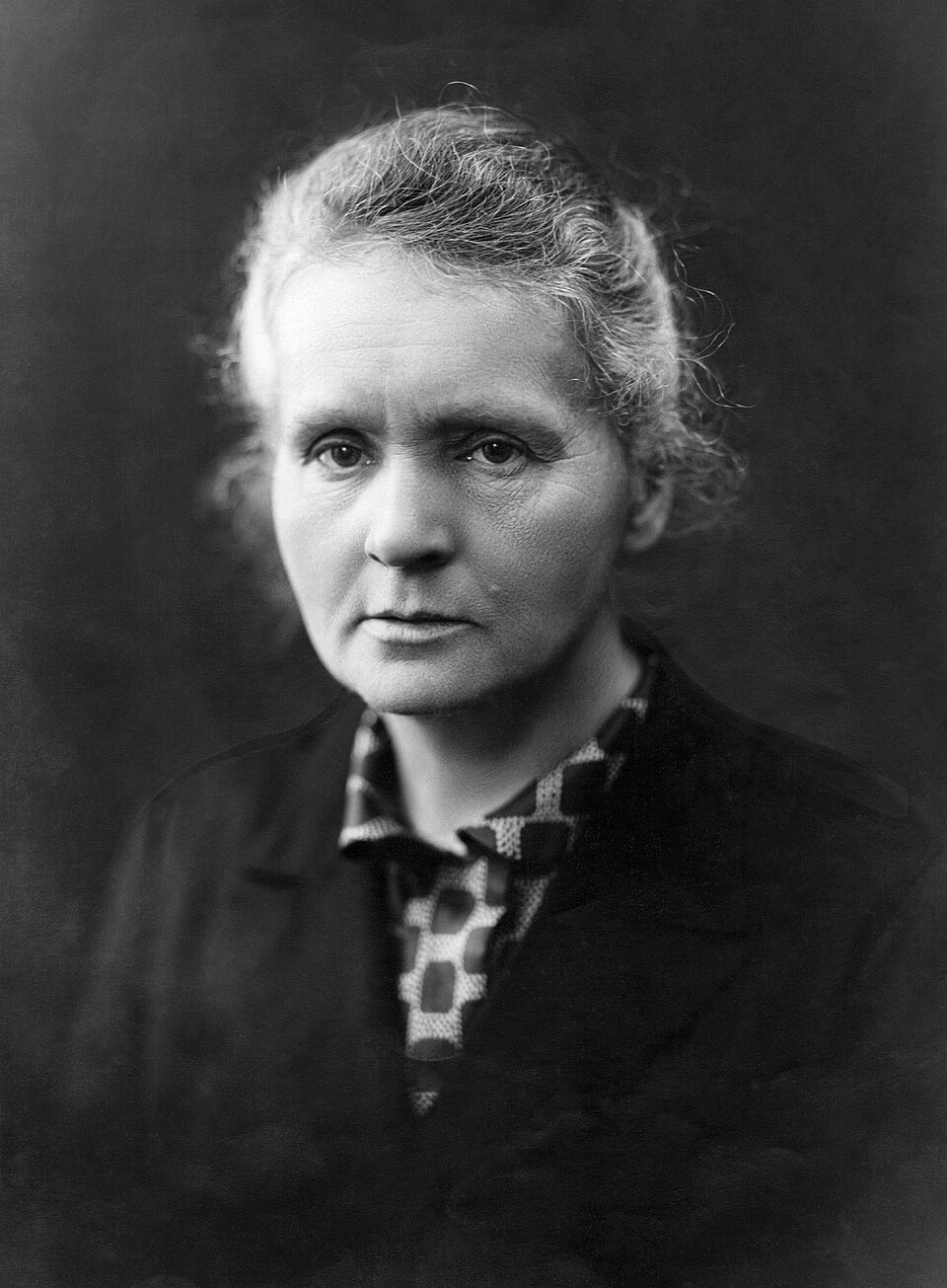 Scientist
Marie Curie
Discovering polonium and radium.
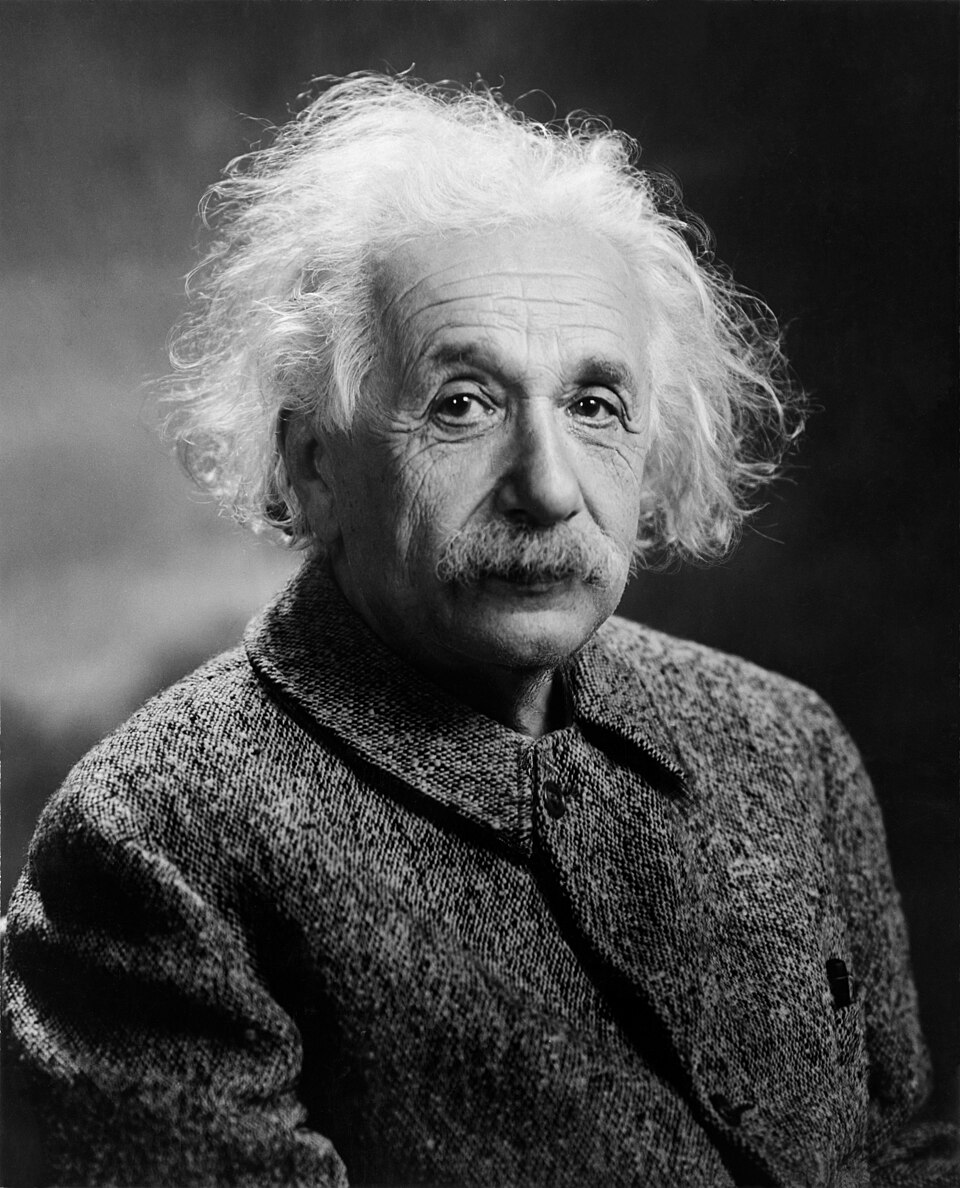 Physicist
Albert Einstein
Developing the theory of relativity.
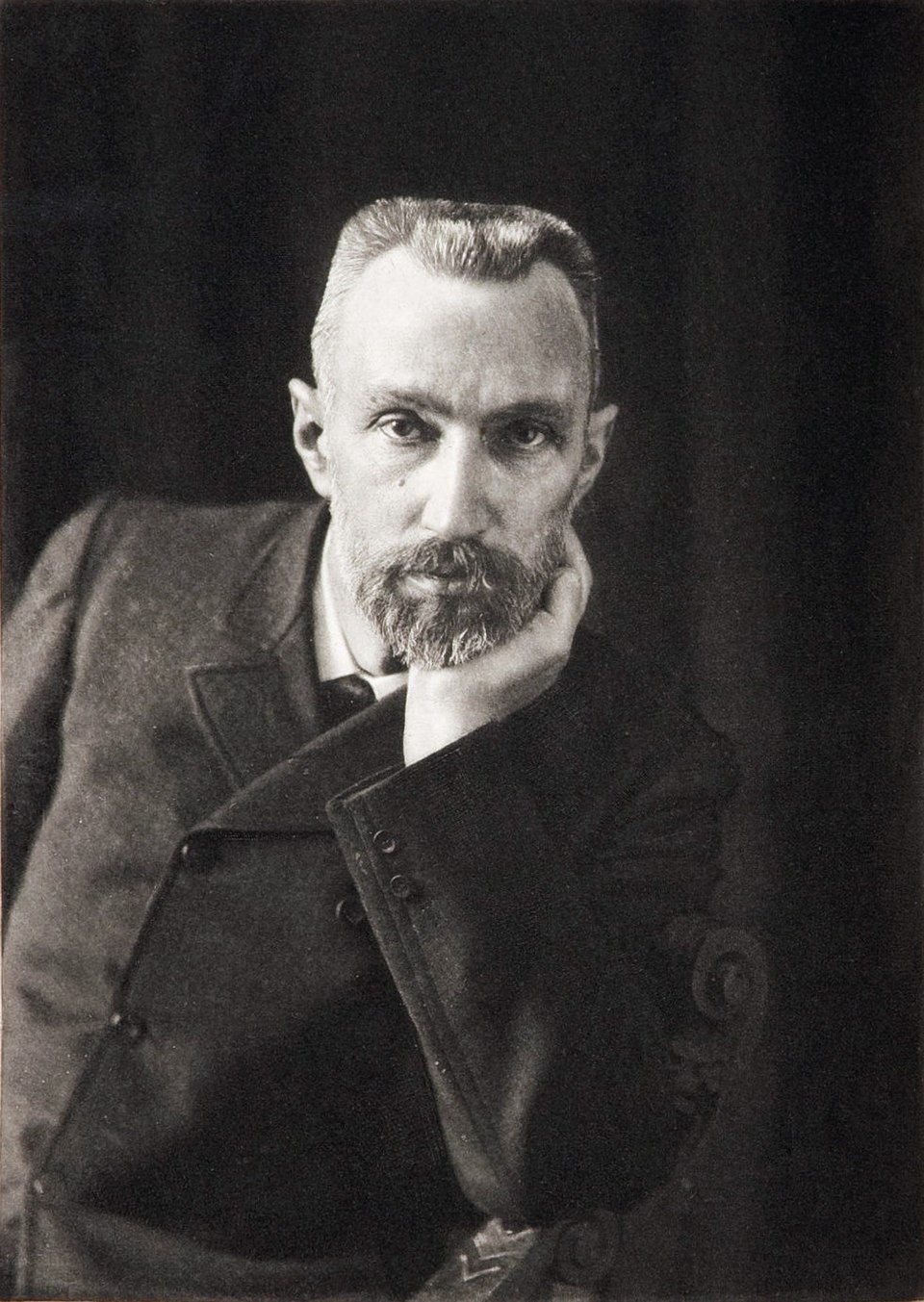 Physicist
Pierre Curie
Discovering polonium and radium with Marie Curie.
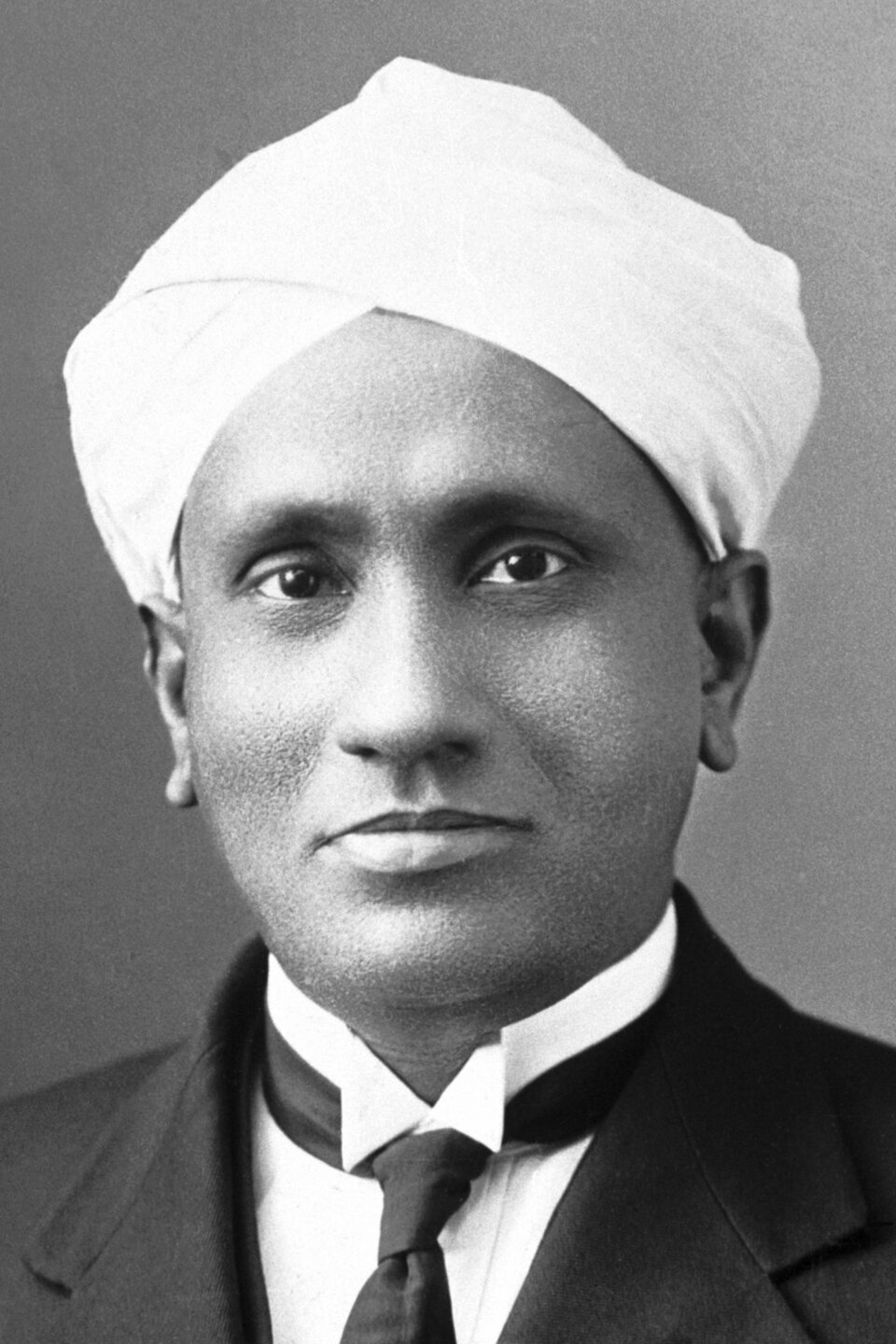 Physicist
C. V. Raman
Discovering how scattered light reveals the molecules it meets.
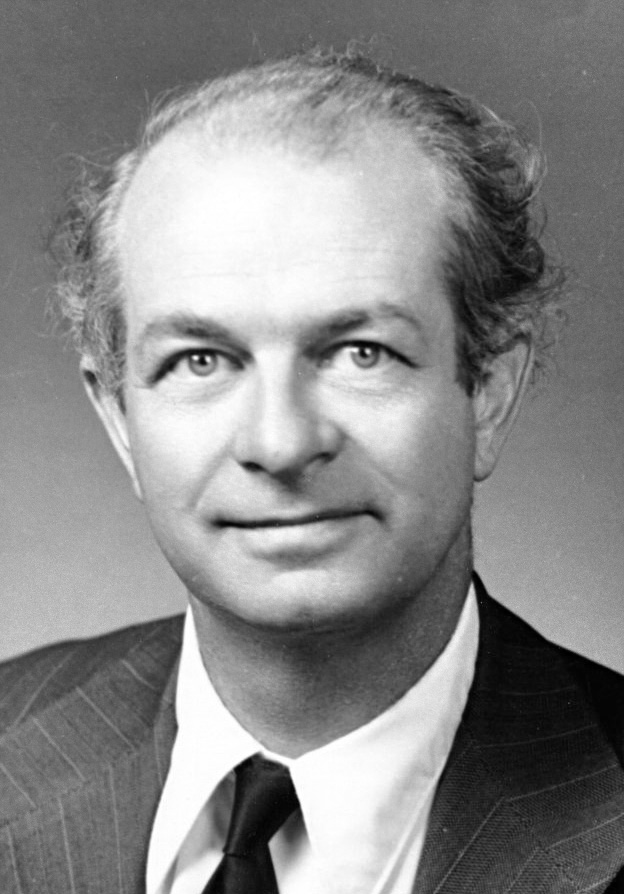 Chemist
Linus Pauling
Explaining chemical bonds and winning separate Nobel Prizes for chemistry and peace.
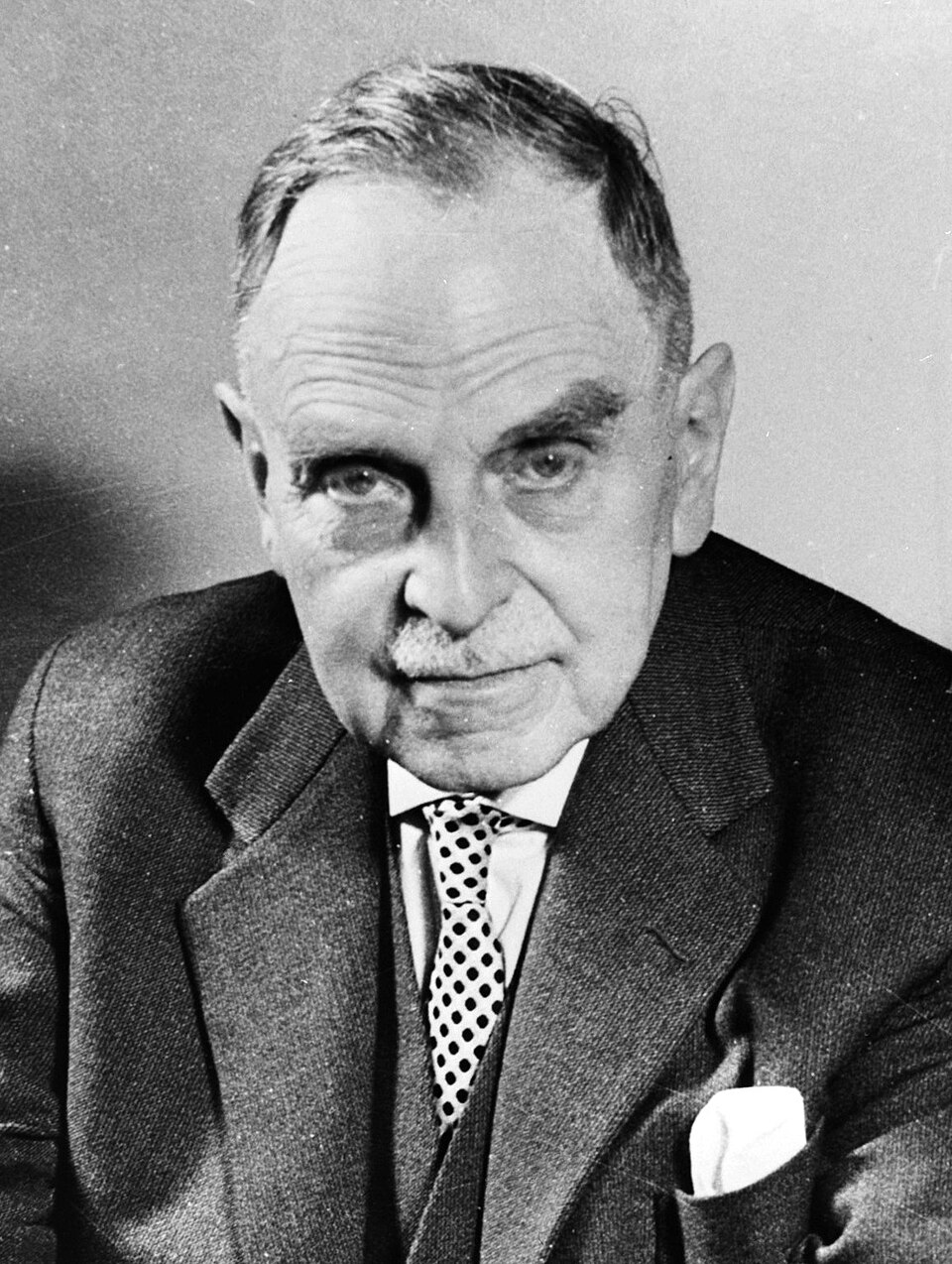 Chemist
Otto Hahn
Finding chemical evidence that uranium nuclei can split.
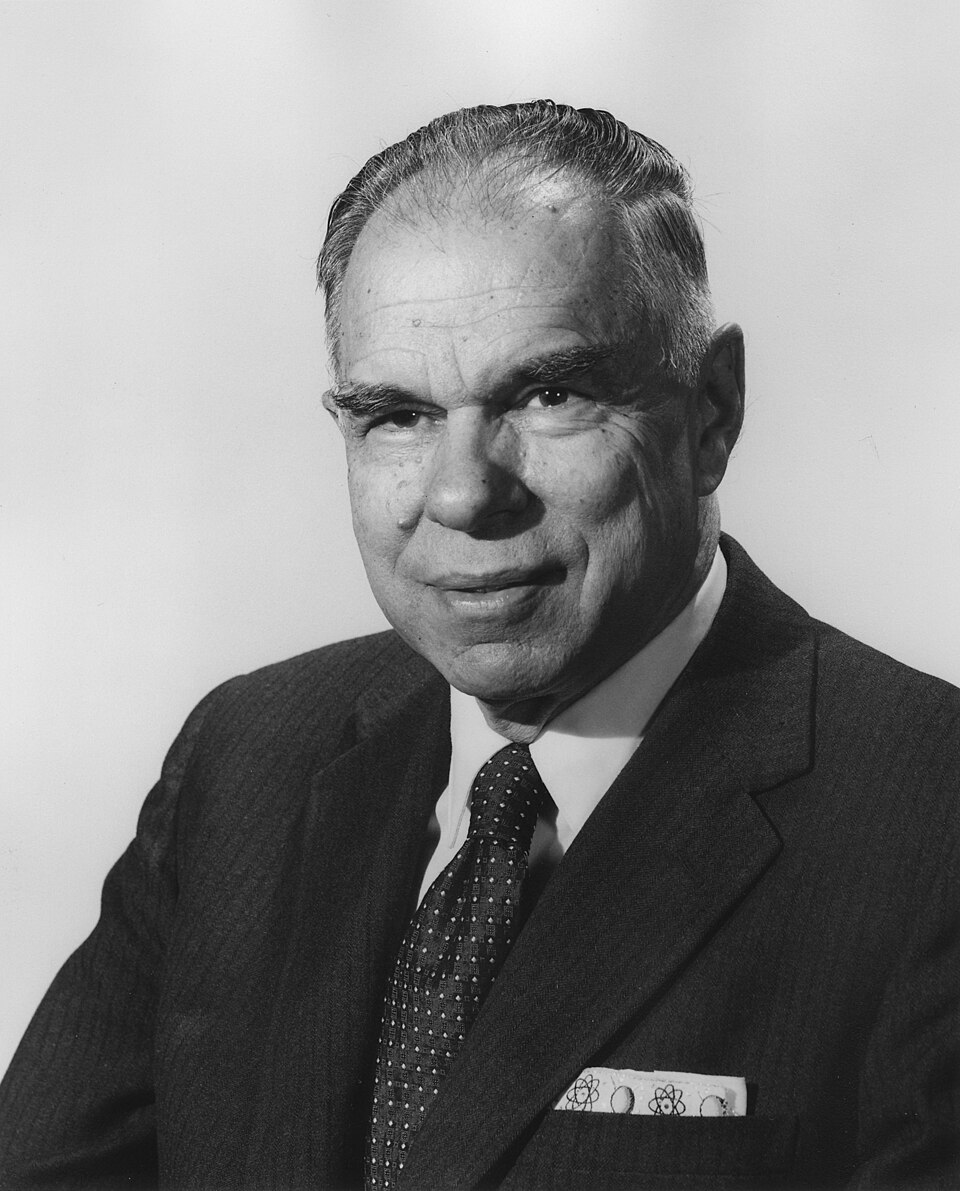 Chemist
Glenn T. Seaborg
Helping discover transuranium elements and reorganising the periodic table’s actinide series.
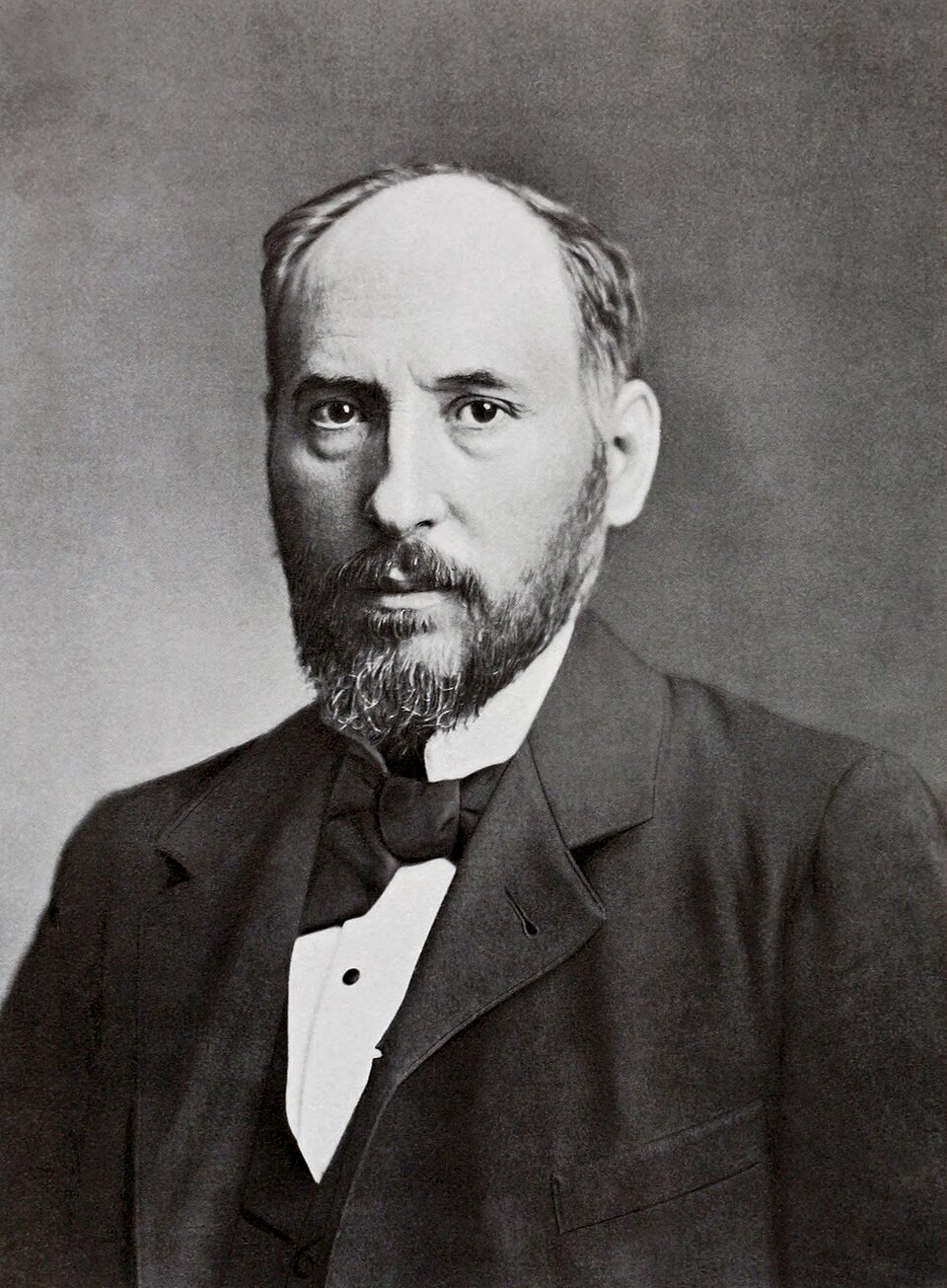 Neuroscientist
Santiago Ramón y Cajal
Establishing that the nervous system is built from individual cells.
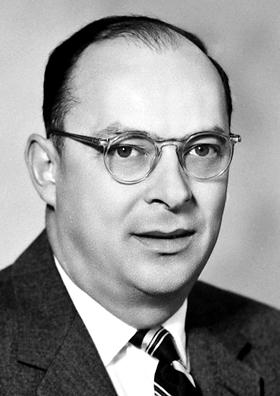 Physicist
John Bardeen
Co-inventing the transistor and helping explain superconductivity.
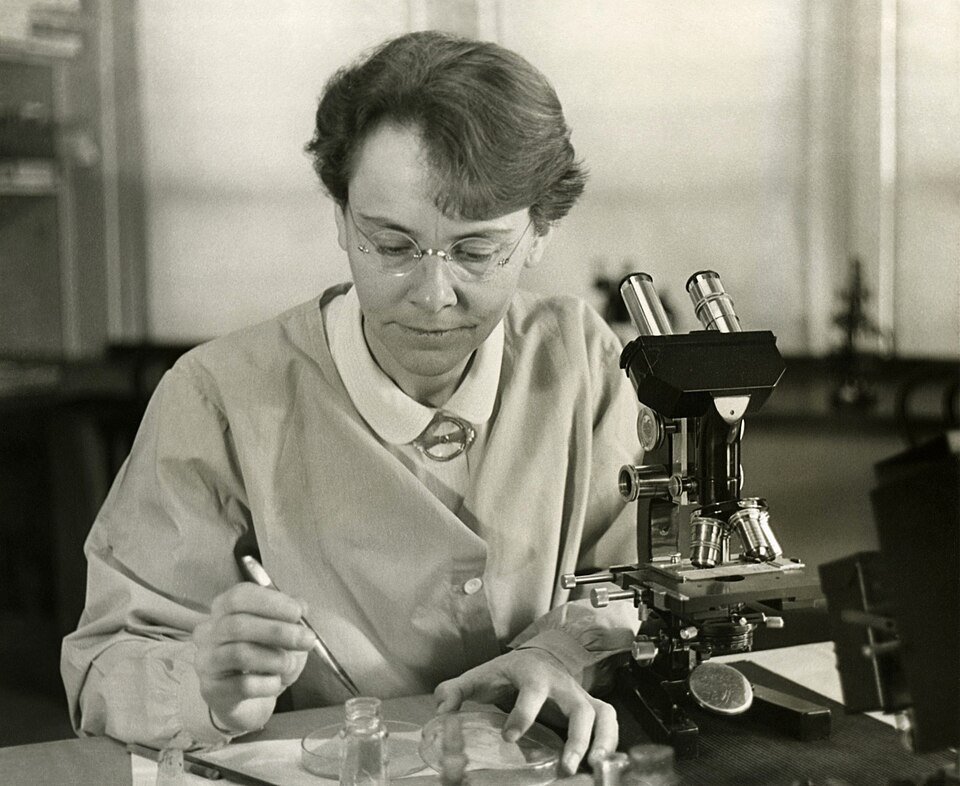 Geneticist
Barbara McClintock
Discovering mobile genetic elements, often called jumping genes.
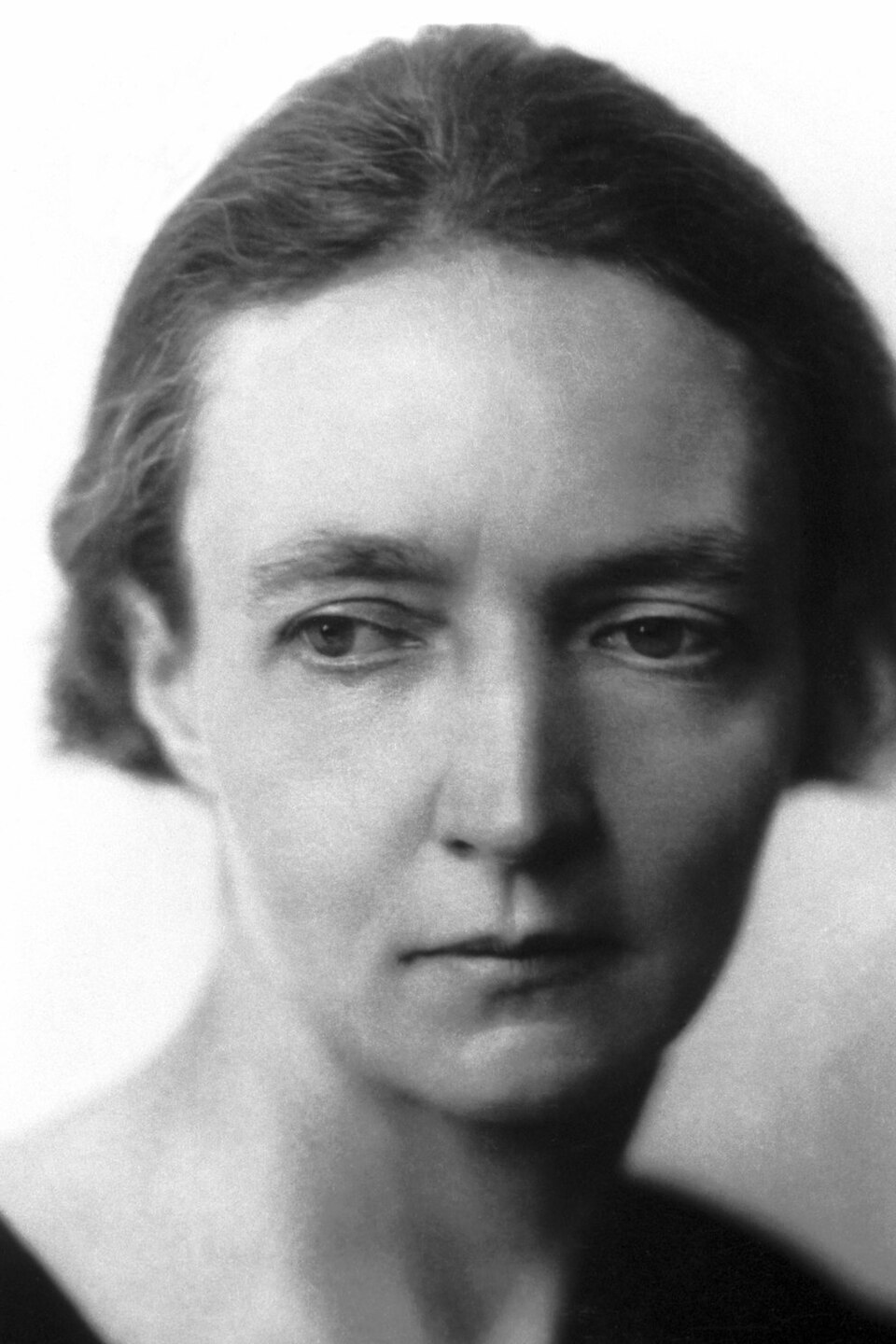 Scientist
Irène Joliot-Curie
Discovering artificial radioactivity with Frédéric Joliot-Curie.
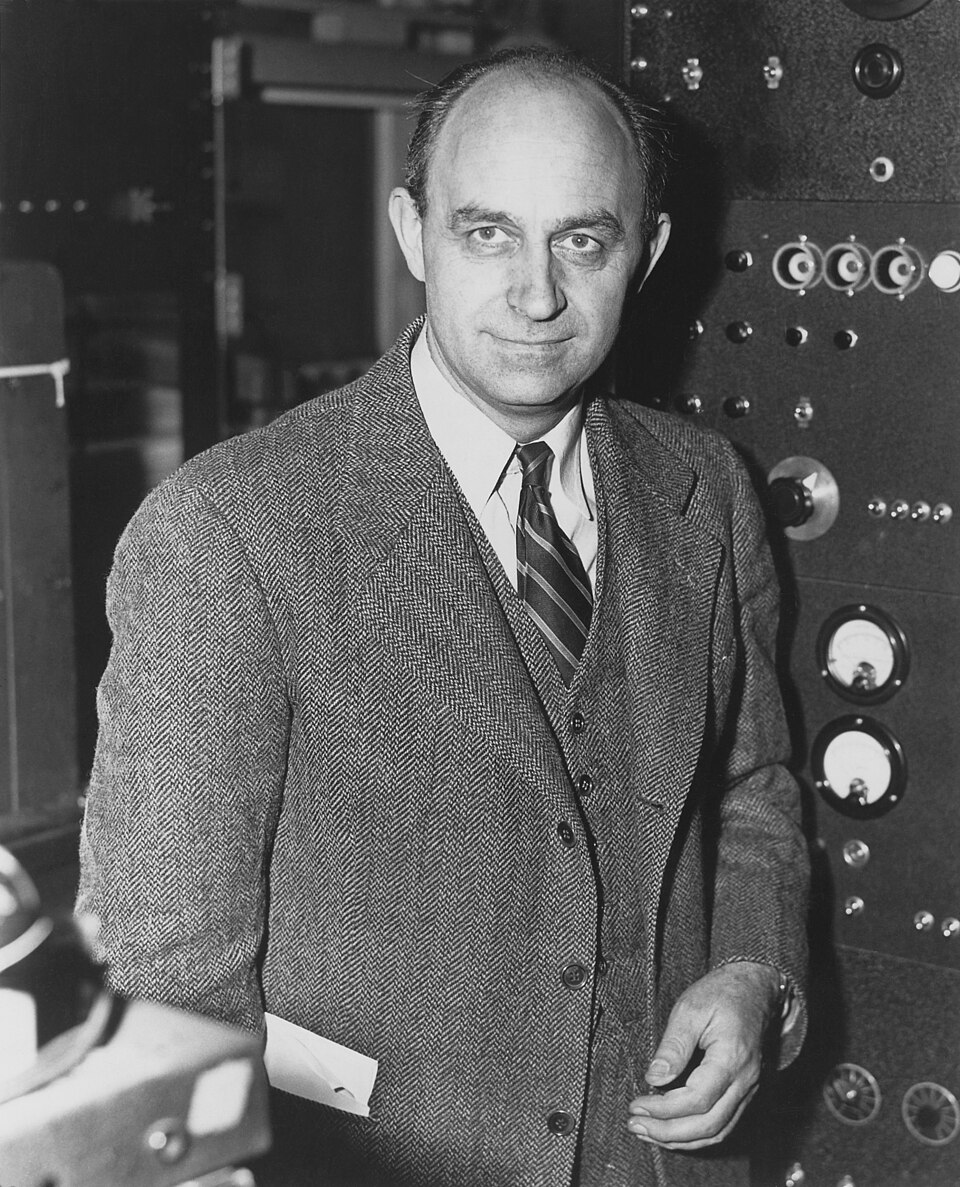 Physicist
Enrico Fermi
Leading the first controlled, self-sustaining nuclear chain reaction.
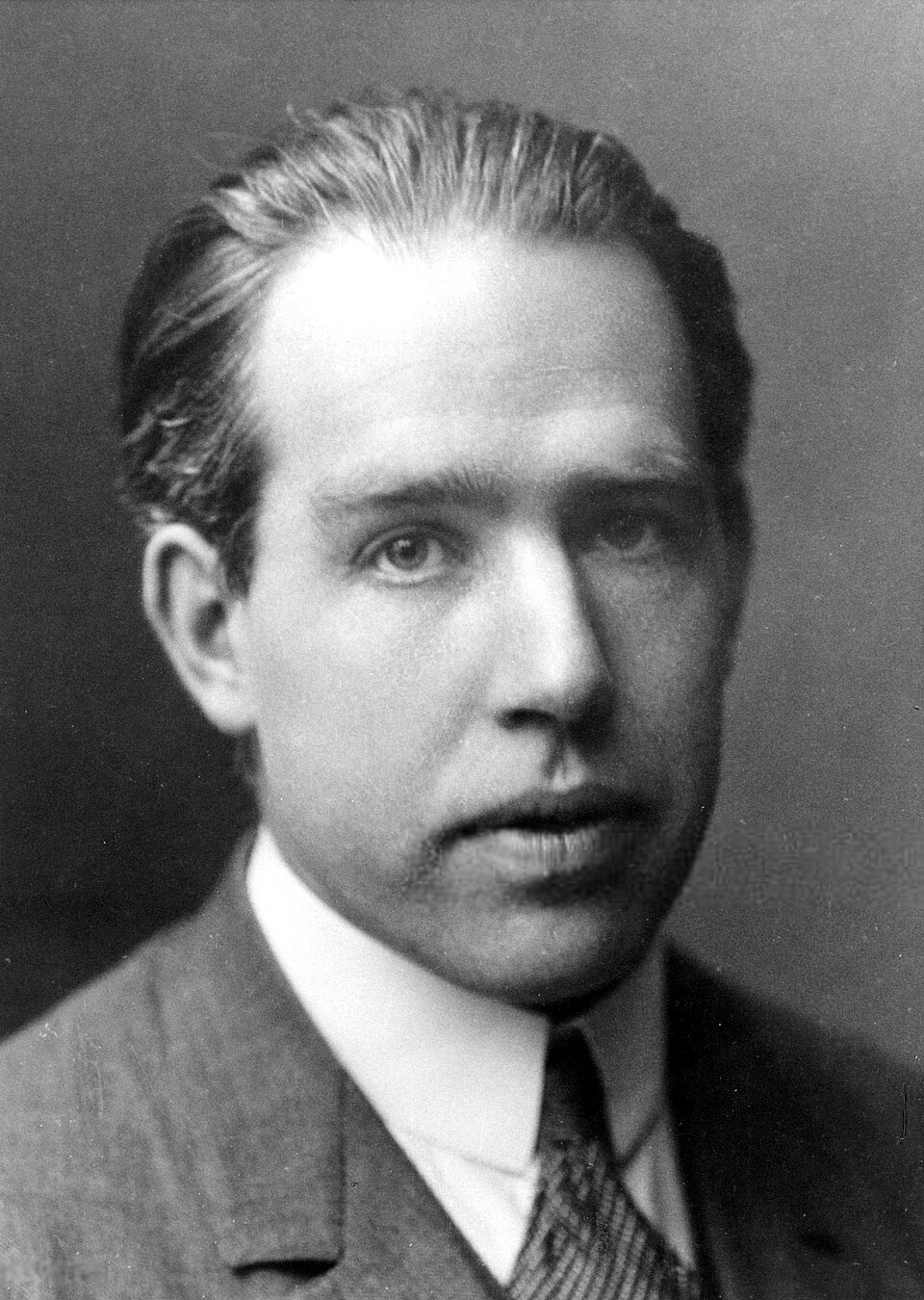 Physicist
Niels Bohr
Explaining atomic energy levels and helping establish quantum physics.
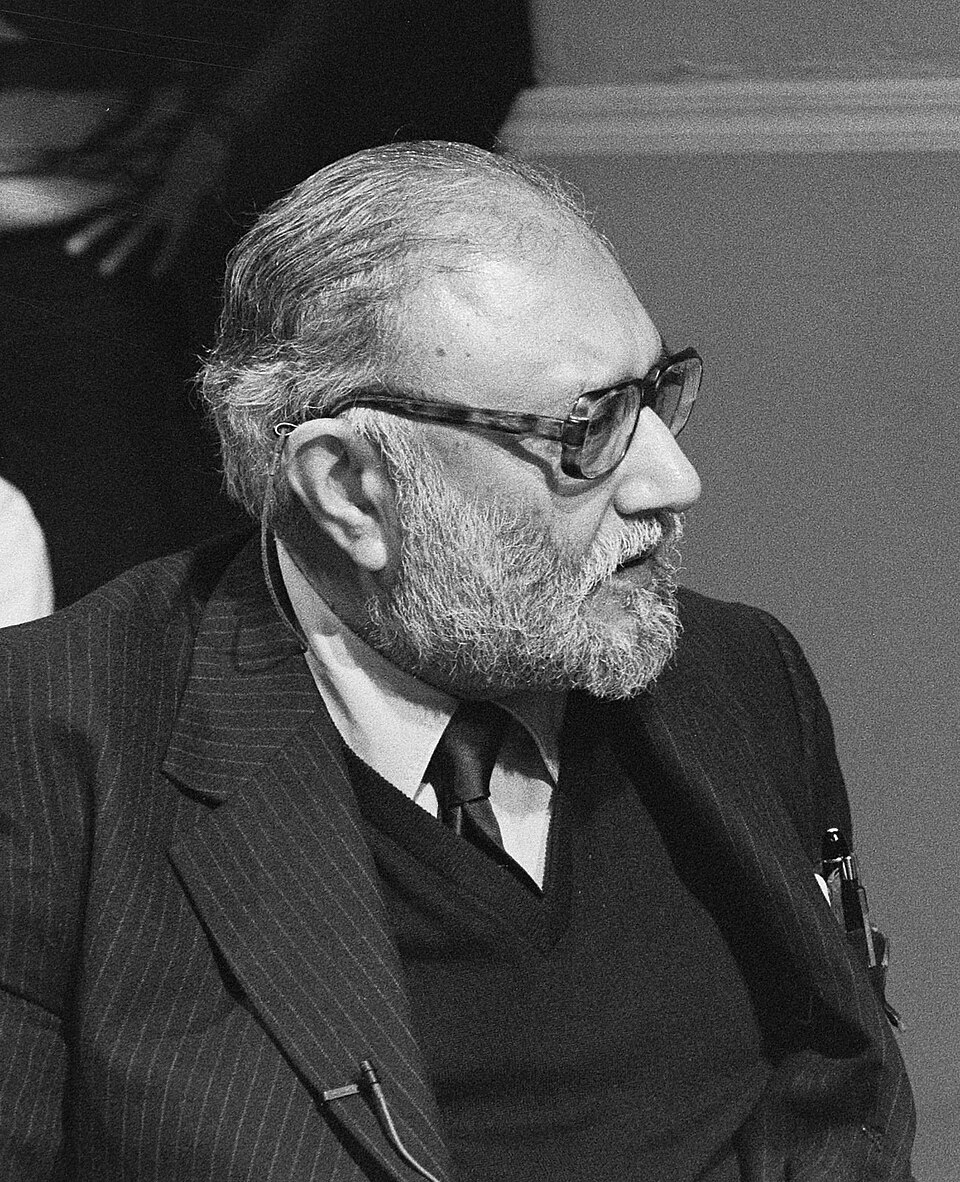 Physicist
Abdus Salam
Helping develop electroweak theory, which connects two fundamental forces.
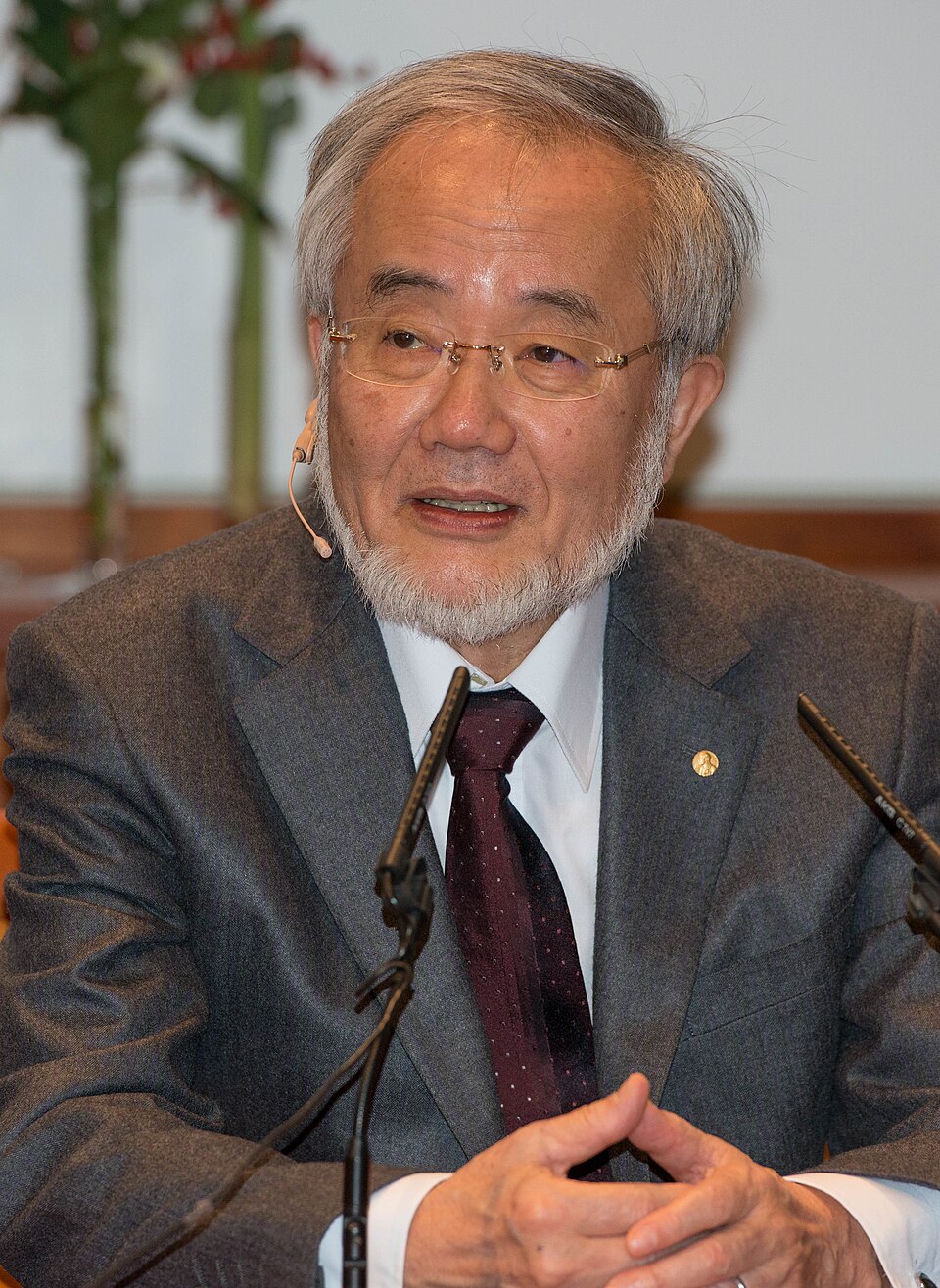 Biologist
Yoshinori Ohsumi
Revealing how cells dismantle and recycle their own components through autophagy.
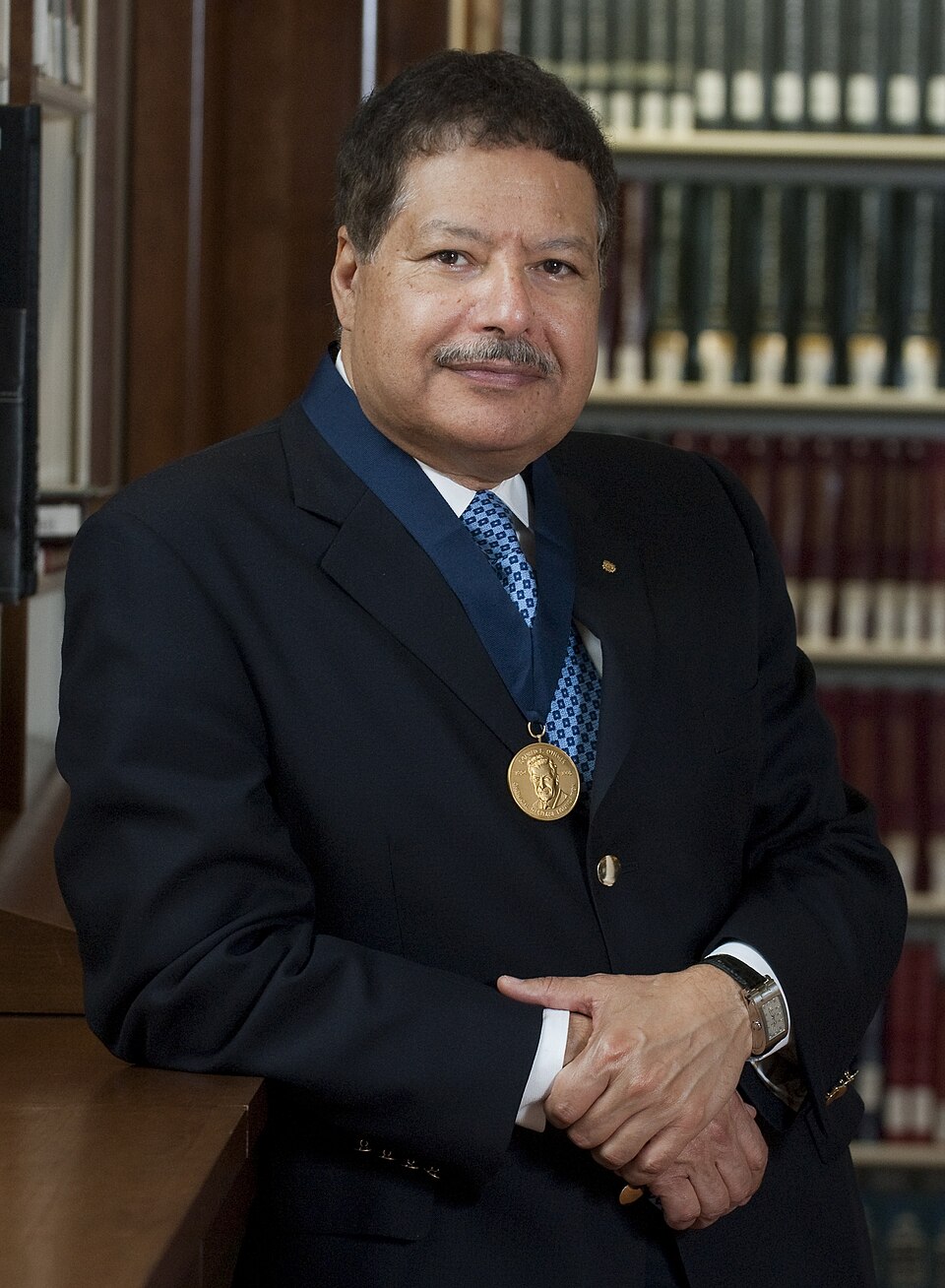 Chemist
Ahmed Zewail
Using ultrafast laser pulses to observe chemical bonds breaking and forming.
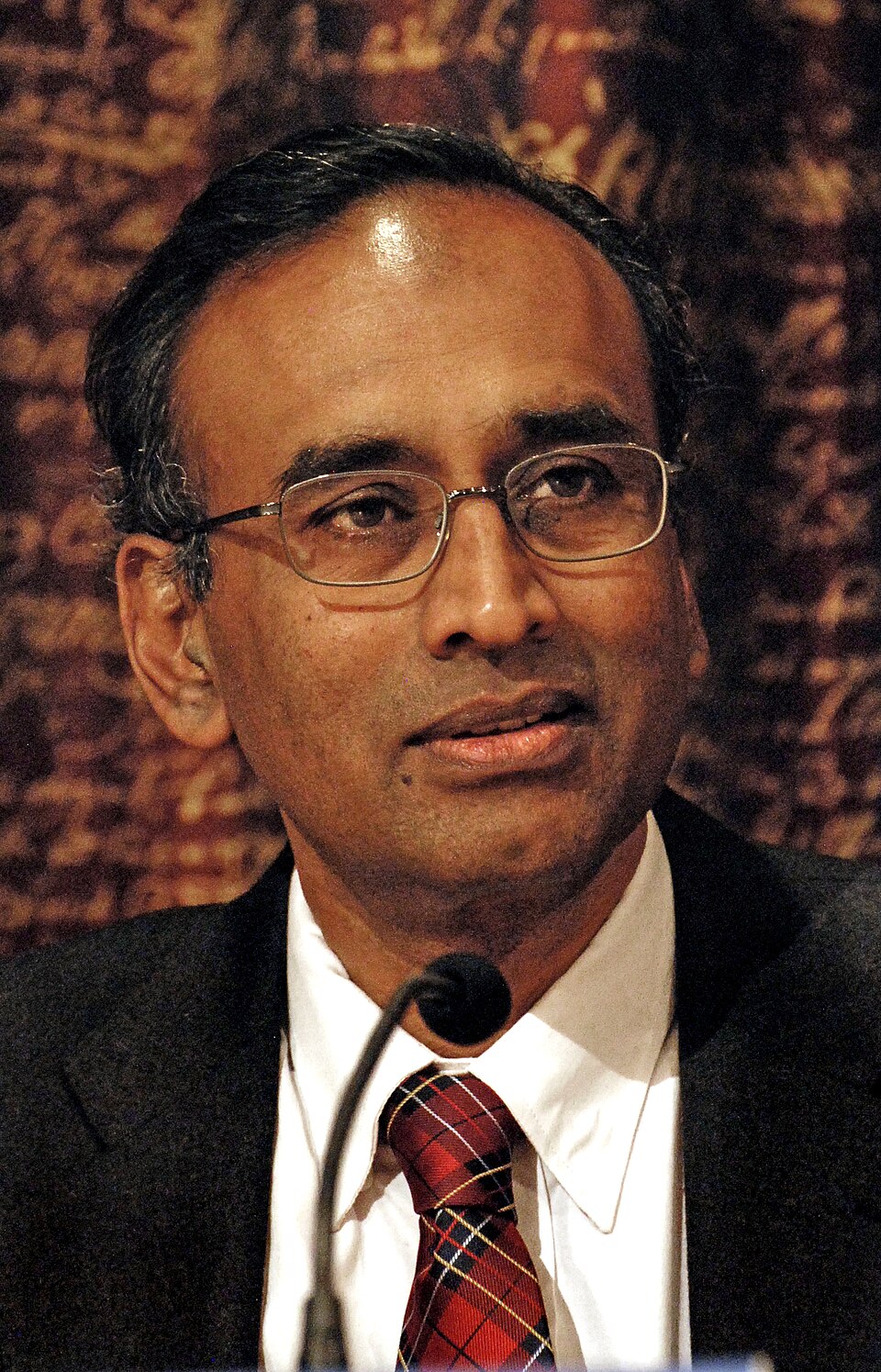 Biologist
Venki Ramakrishnan
Mapping the ribosome, the molecular machinery that builds proteins.
 Physicist
Subrahmanyan Chandrasekhar
Discovering the mass limit beyond which a white dwarf cannot support itself.
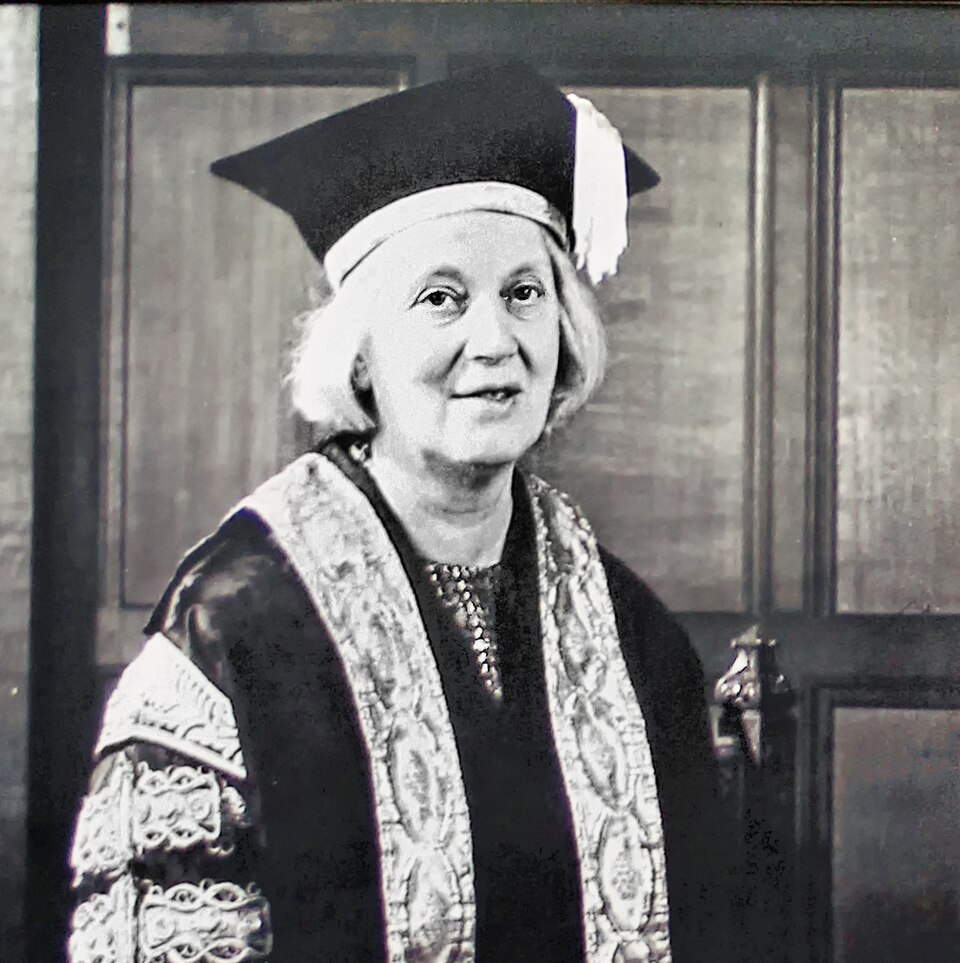 Chemist
Dorothy Hodgkin
Using X-rays to reveal the structures of penicillin, vitamin B12 and insulin.
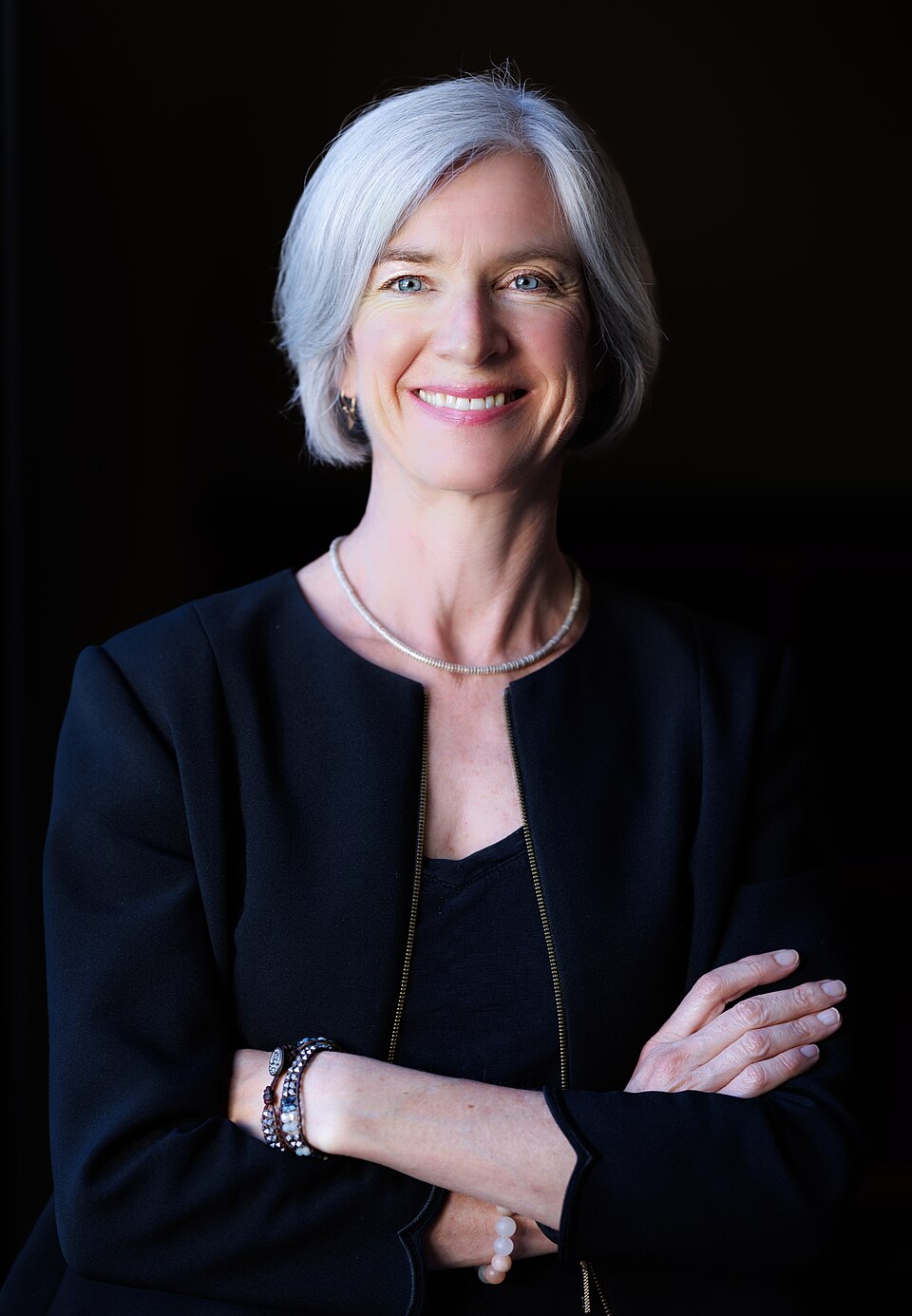 Biochemist
Jennifer Doudna
Co-developing CRISPR-Cas9 as a programmable tool for editing DNA.
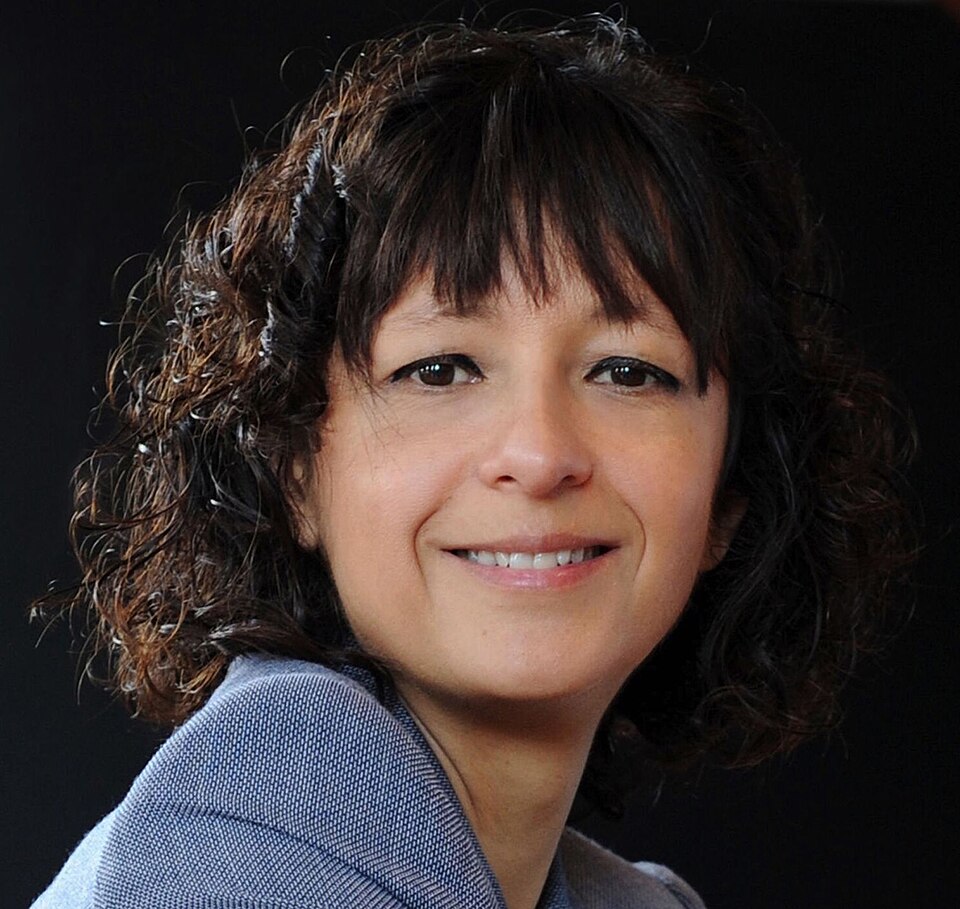 Microbiologist
Emmanuelle Charpentier
Co-developing CRISPR-Cas9 as a programmable method for editing DNA.
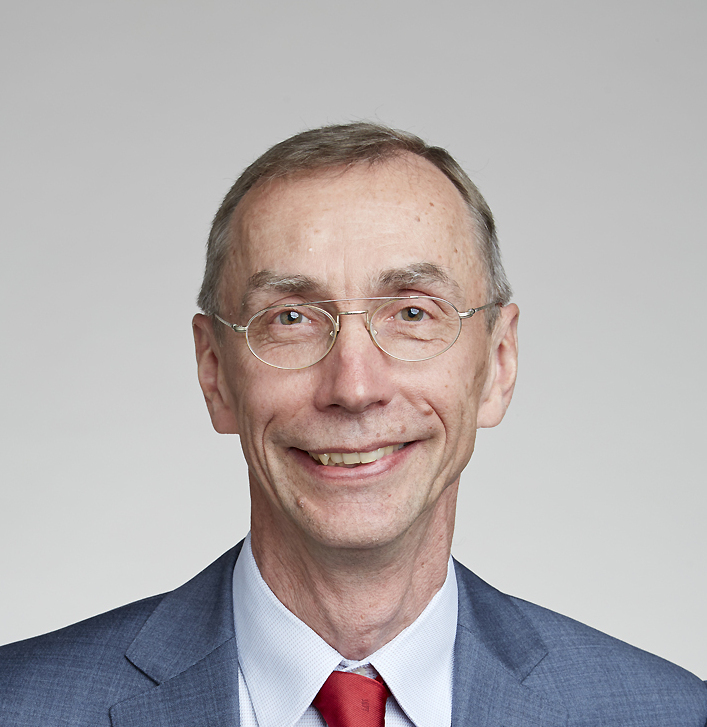 Geneticist
Svante Pääbo
Recovering ancient human DNA and revealing our genetic connections with Neanderthals and Denisovans.
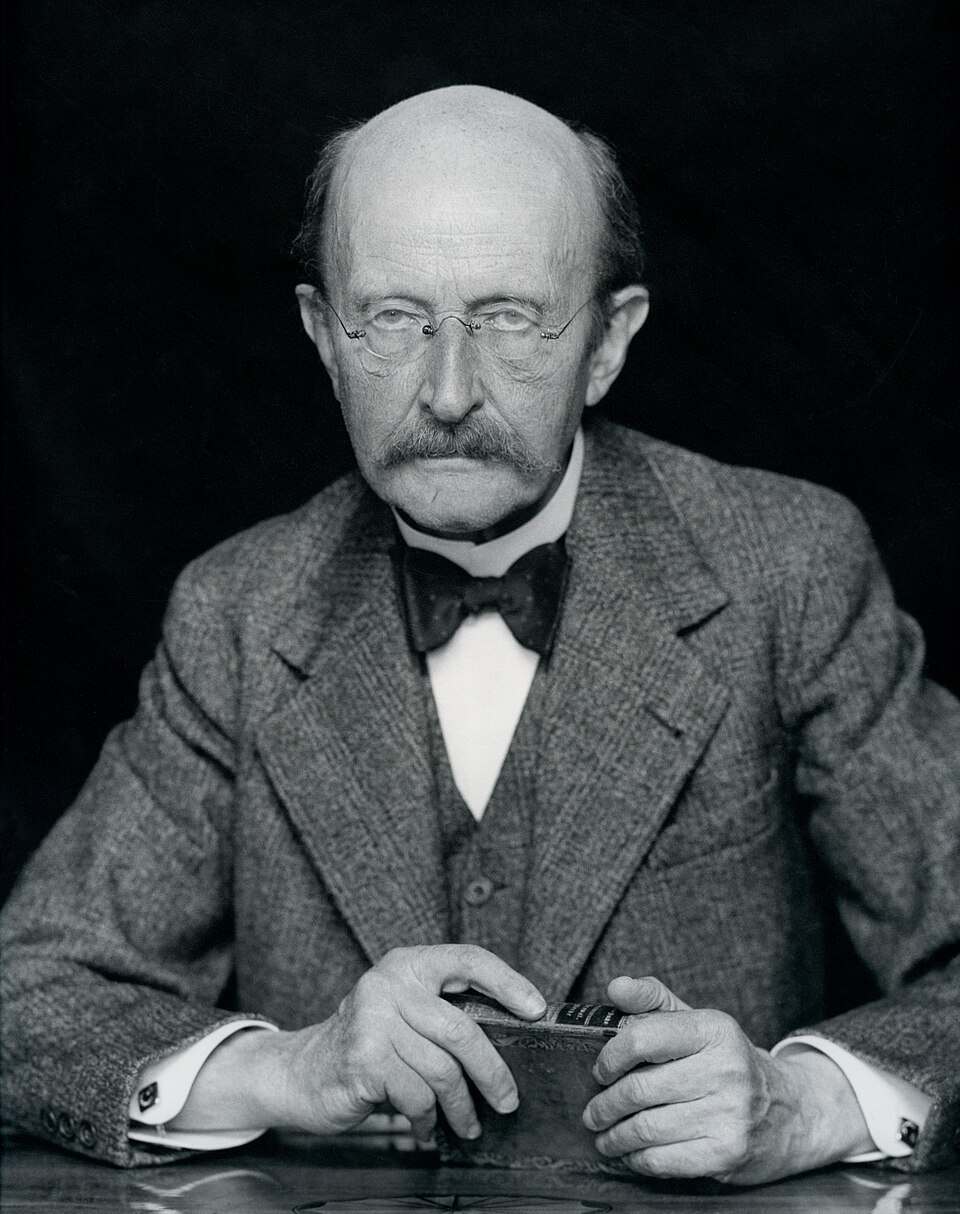 Physicist
Max Planck
Introducing energy quanta and helping launch quantum physics.
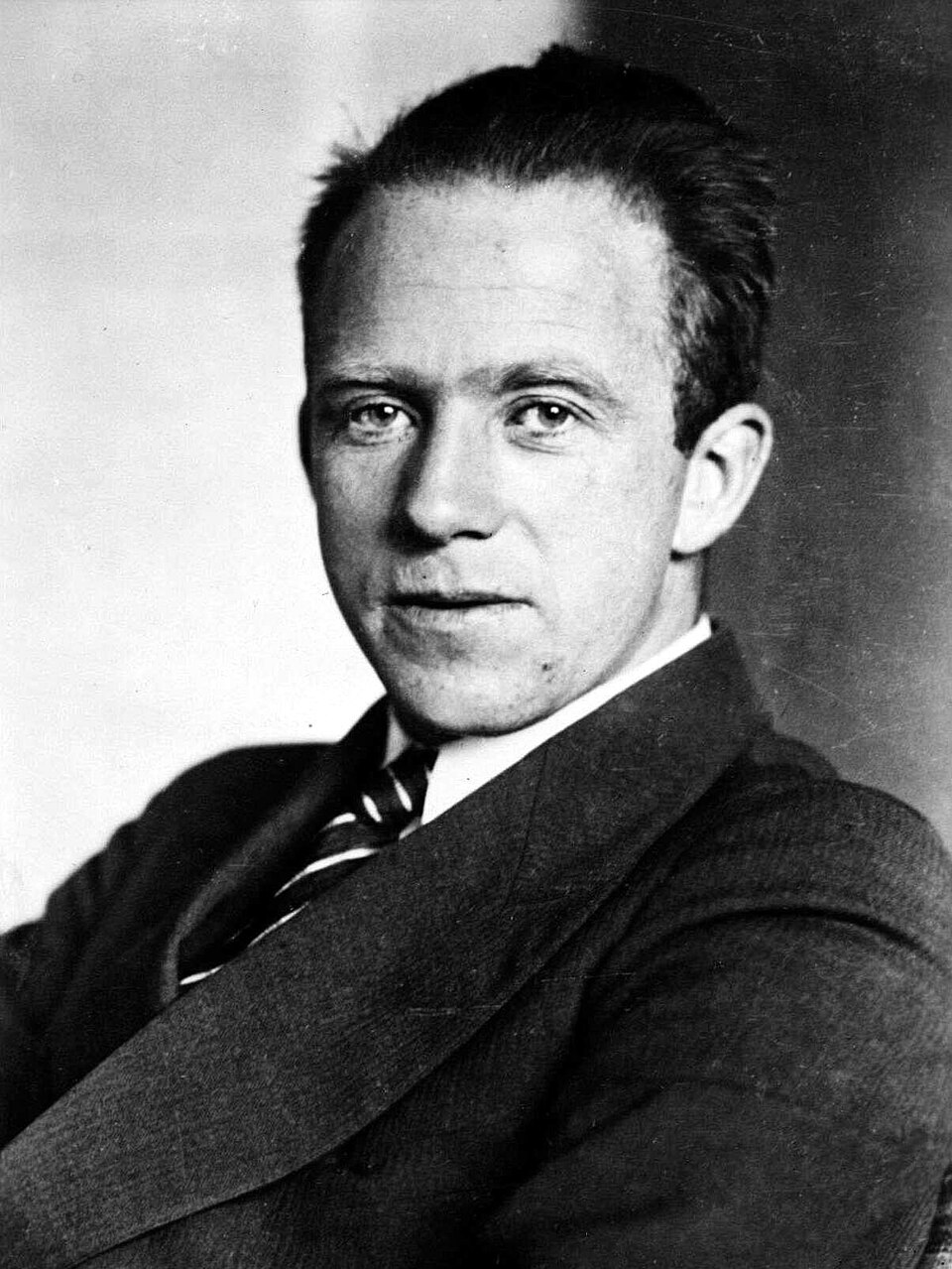 Physicist
Werner Heisenberg
Formulating matrix mechanics and the uncertainty principle.
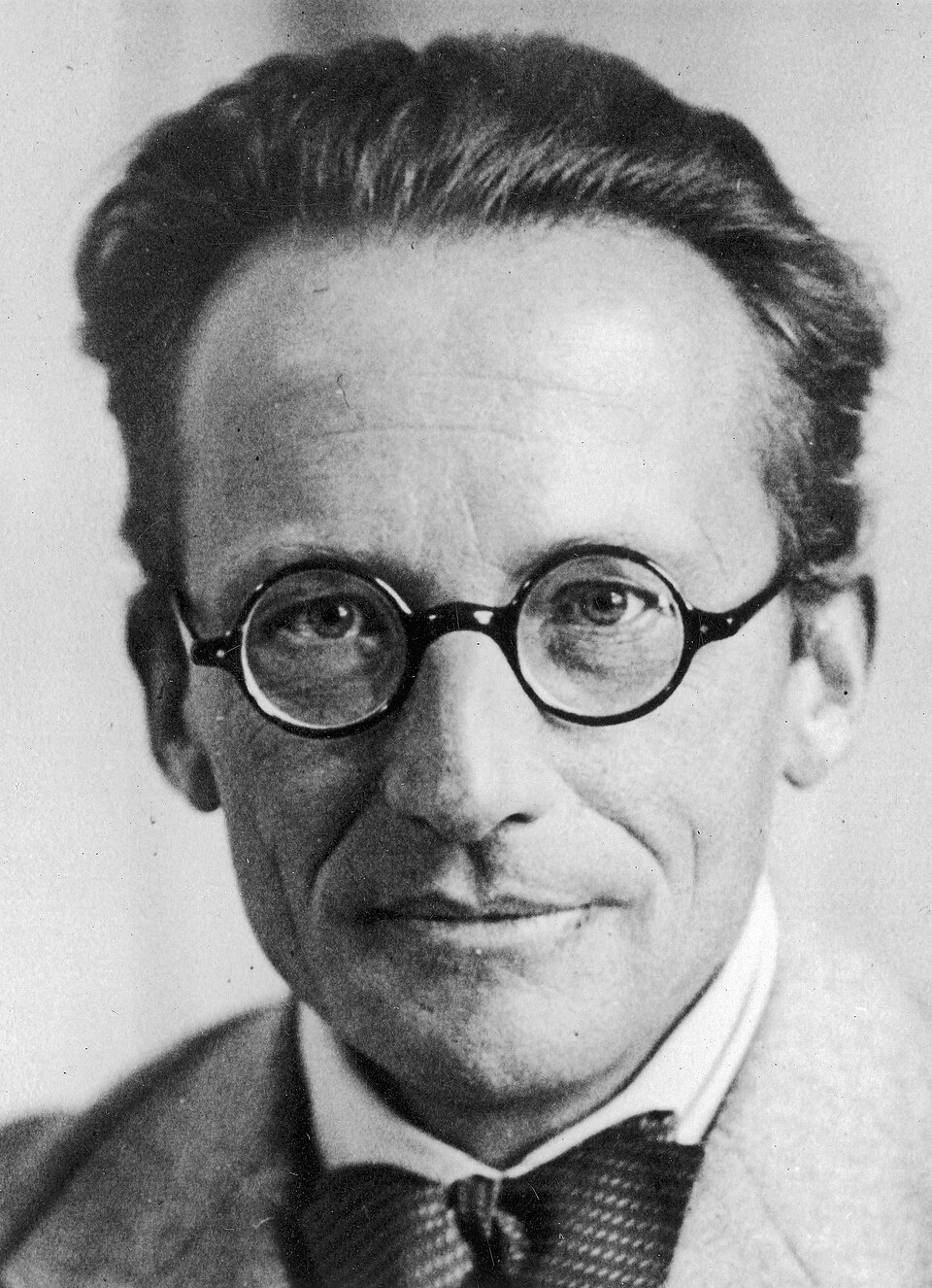 Physicist
Erwin Schrödinger
Developing the wave equation at the heart of quantum mechanics.
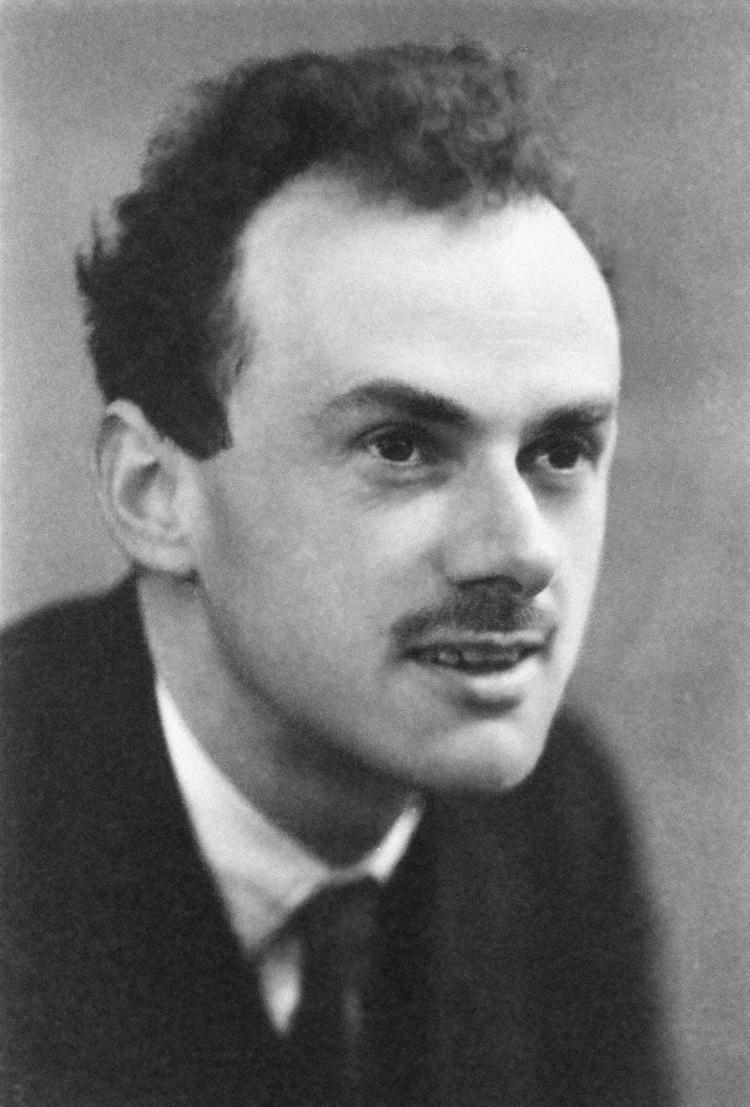 Physicist
Paul Dirac
Developing a relativistic equation for the electron that pointed towards antimatter.
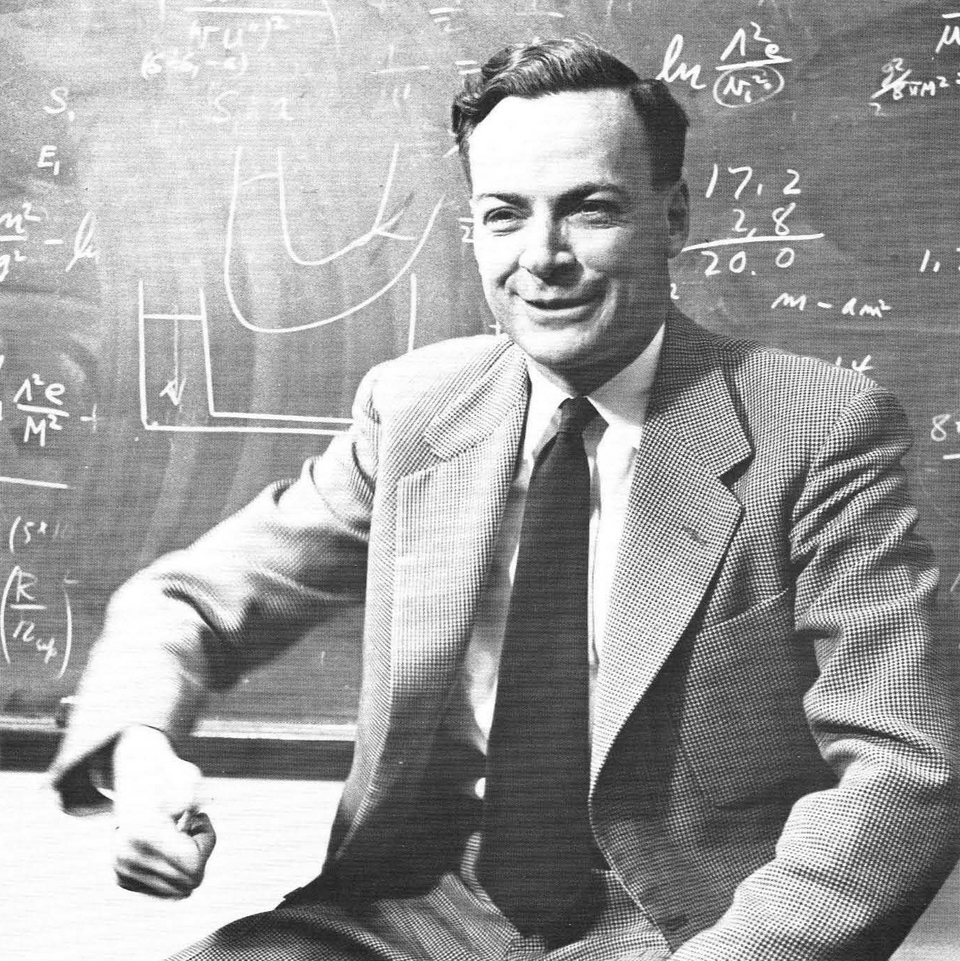 Physicist
Richard Feynman
Developing quantum electrodynamics tools and explaining physics with unusual clarity.
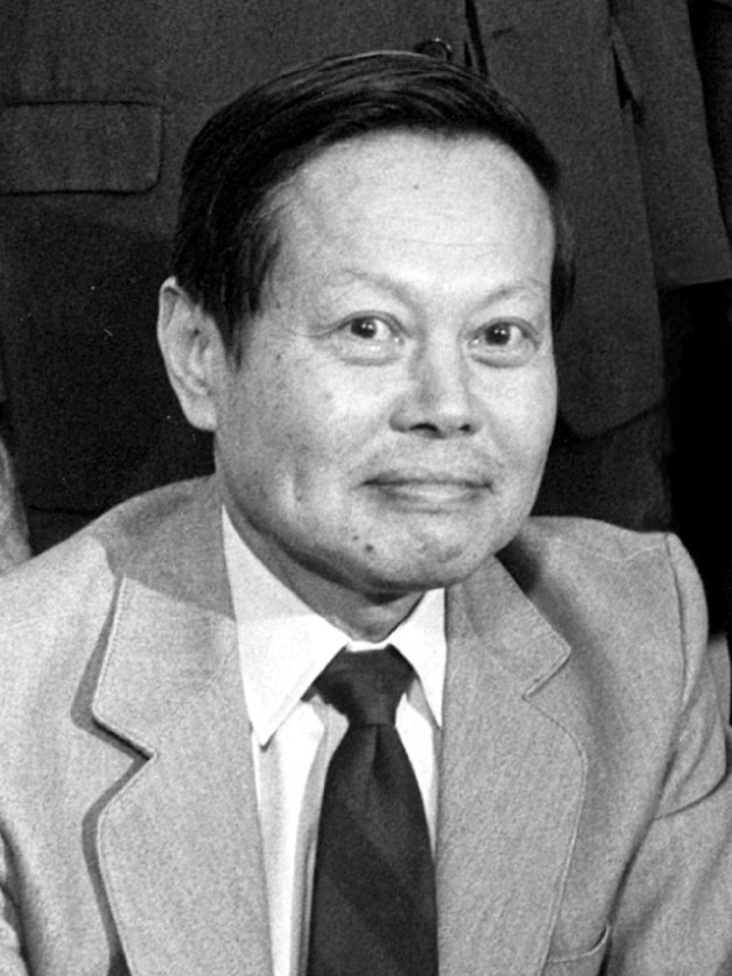 Physicist
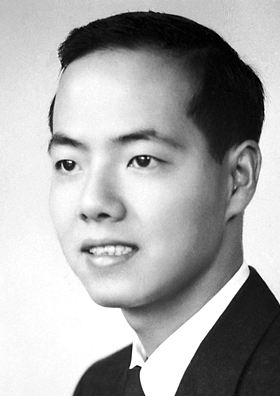
Chen Ning Yang
Challenging mirror symmetry in particle physics and co-developing Yang–Mills theory.
 Physicist
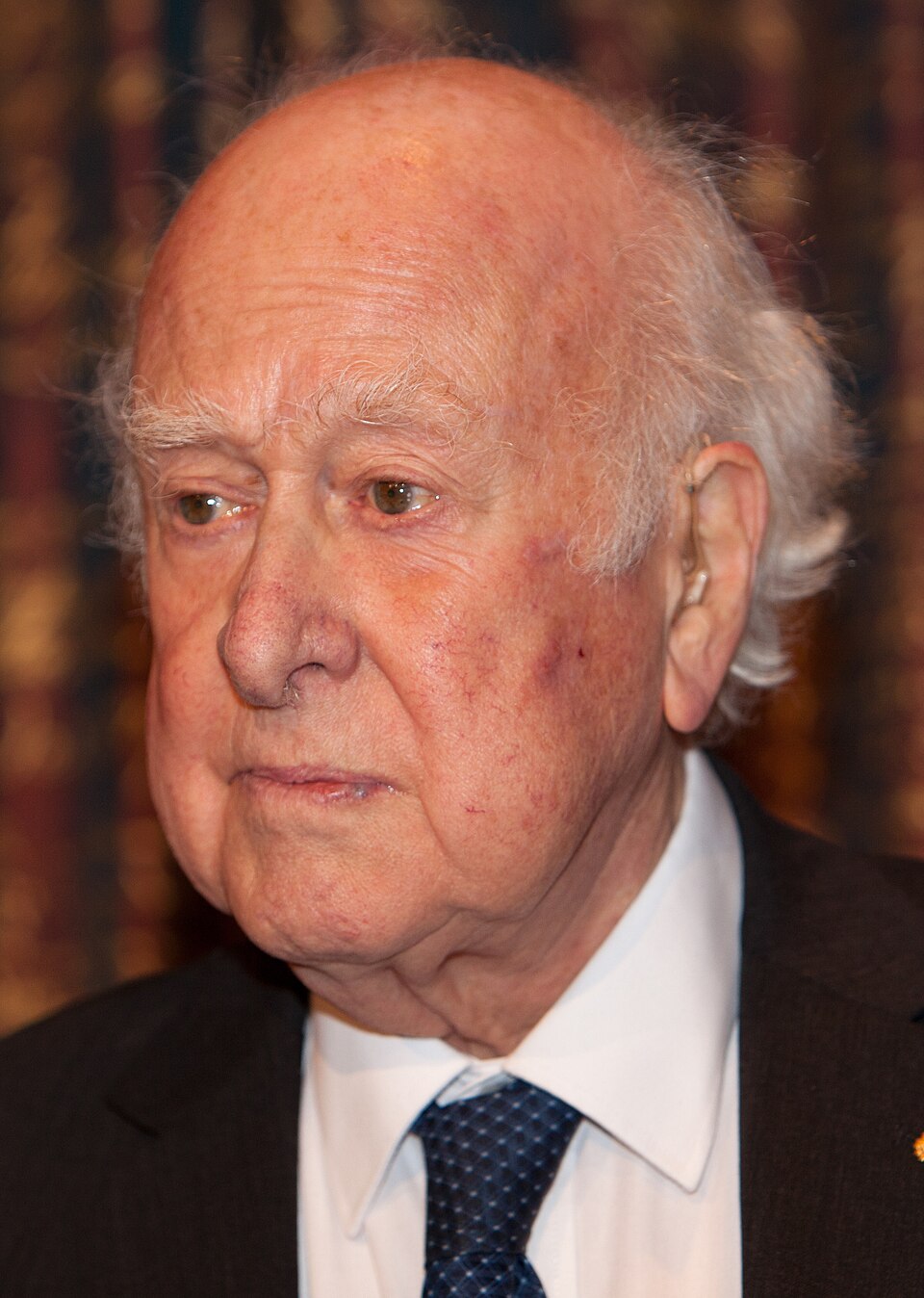
Tsung-Dao Lee
Helping reveal that weak interactions do not obey mirror symmetry.
 Physicist
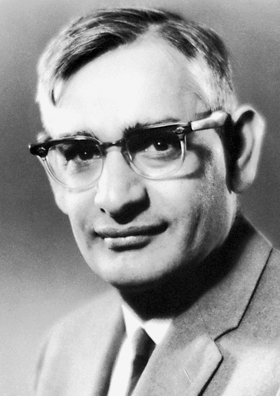
Peter Higgs
Proposing a mechanism that helps explain how elementary particles acquire mass.
 Biochemist
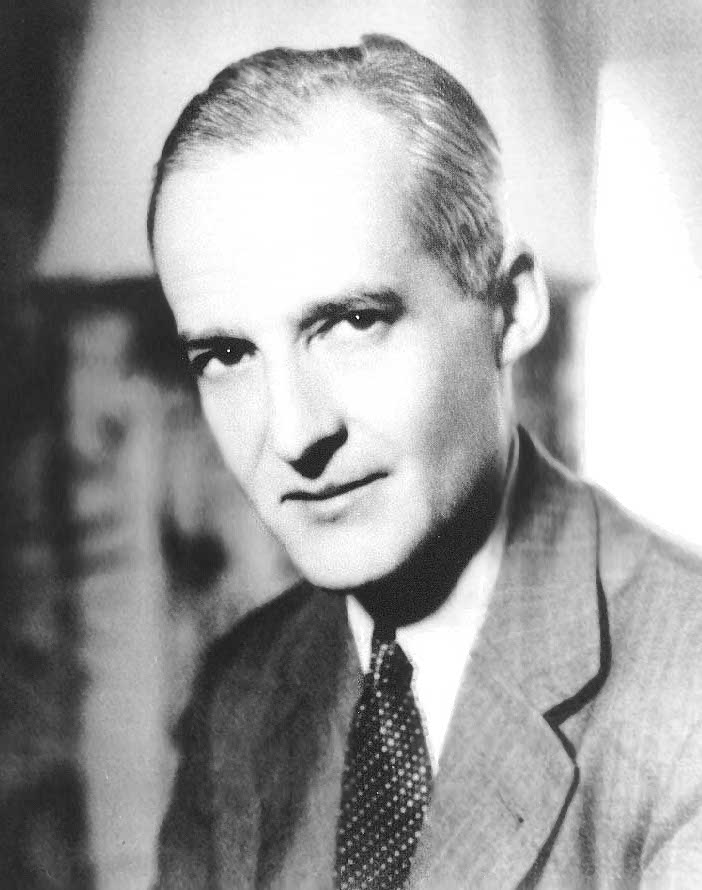
Har Gobind Khorana
Helping decipher how the genetic code specifies proteins.
 Biochemist
Luis Federico Leloir
Discovering how sugar nucleotides help cells build carbohydrates.
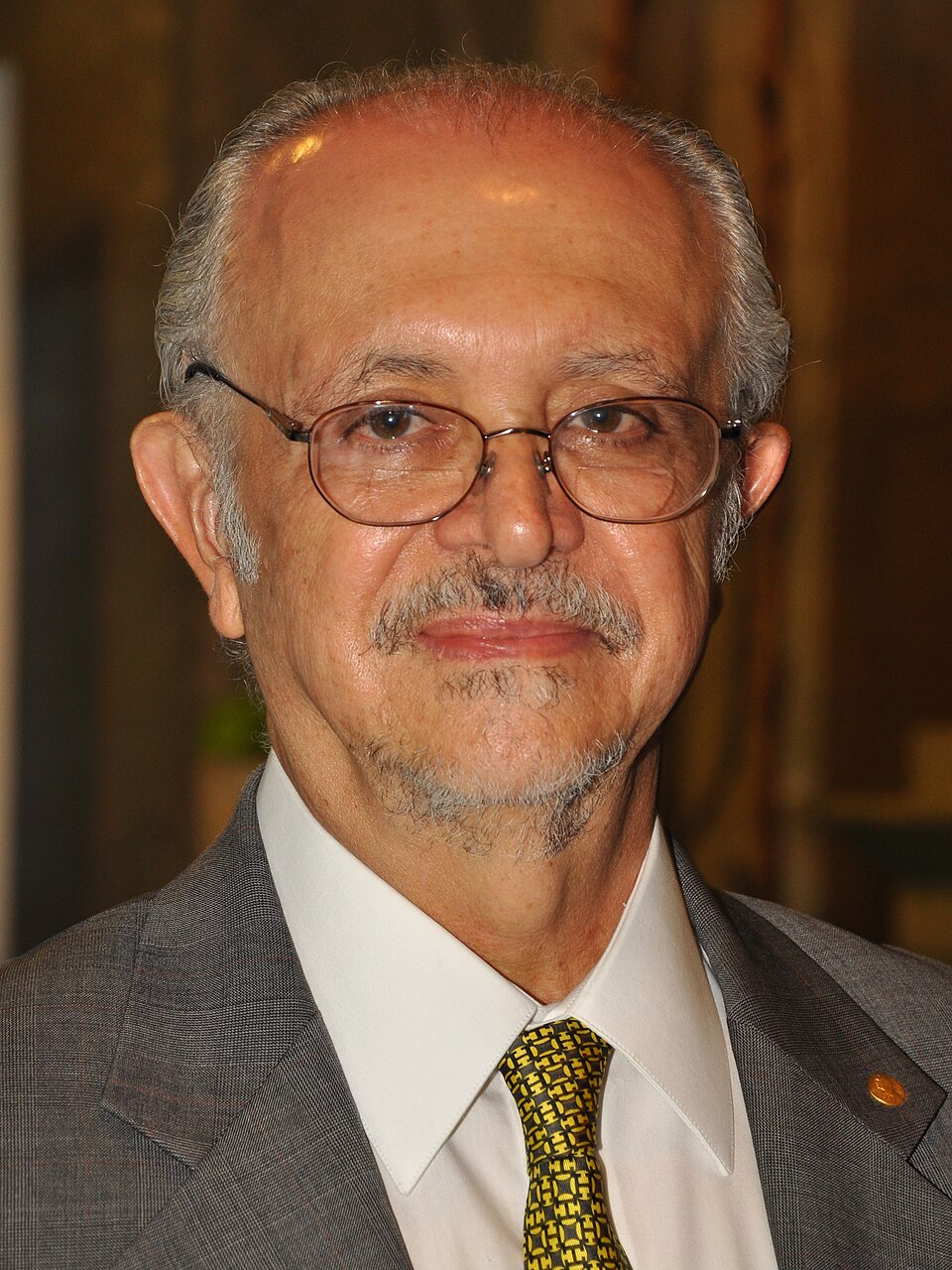 Chemist
Mario Molina
Showing how CFC gases threaten the ozone layer.
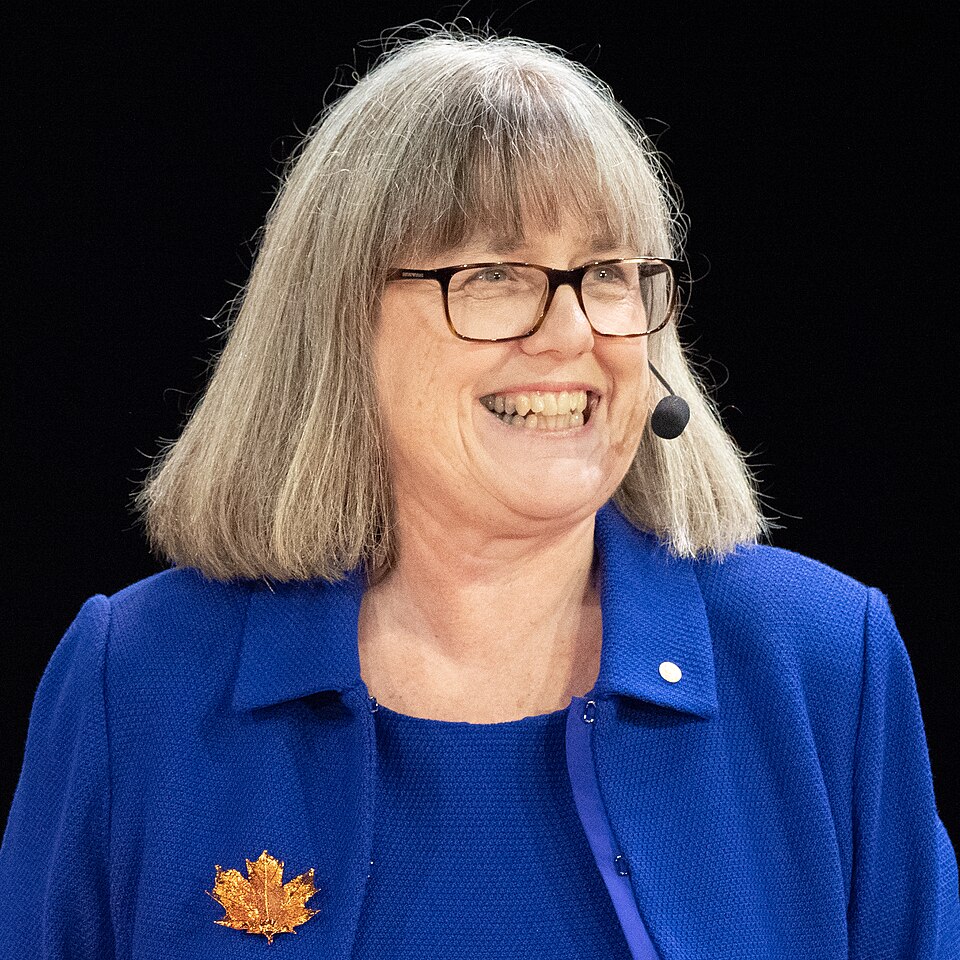 Physicist
Donna Strickland
Developing a method for producing extremely intense, short laser pulses.
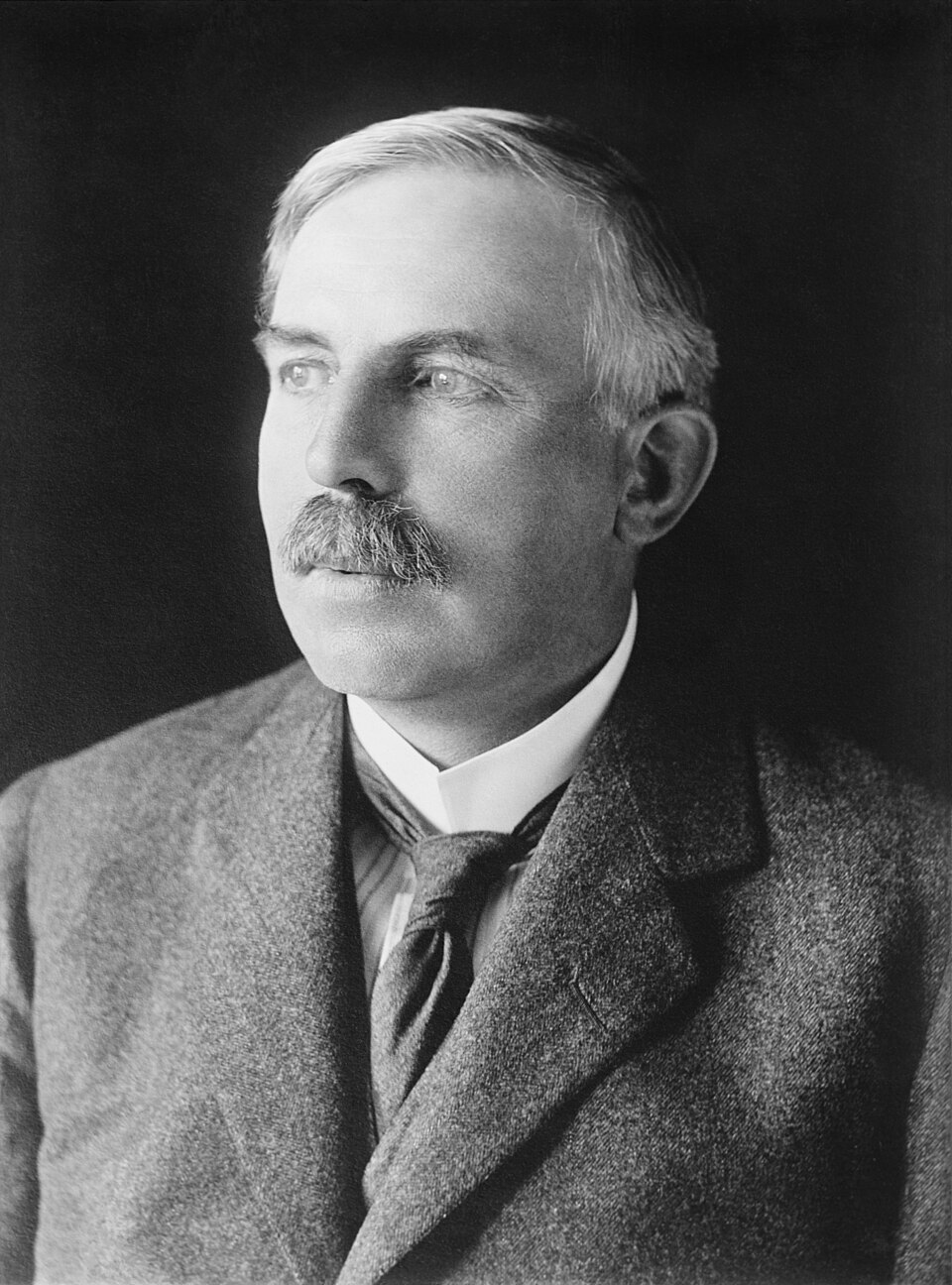 Physicist
Ernest Rutherford
Revealing the tiny nucleus at the centre of the atom.
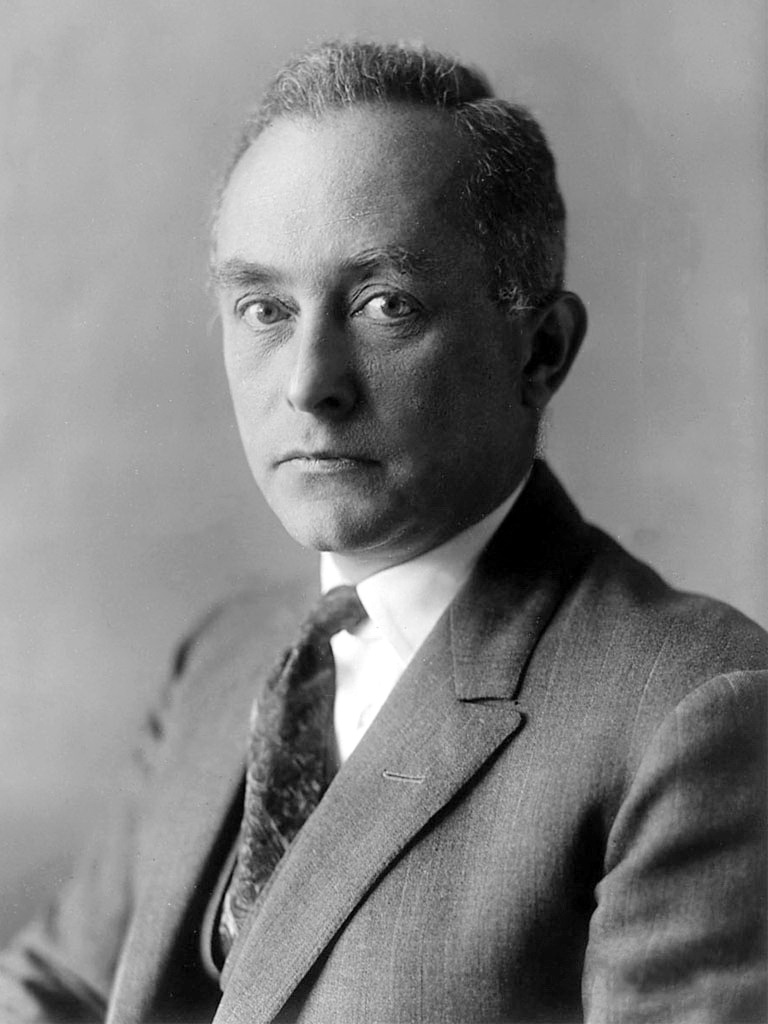 Physicist
Max Born
Explaining quantum waves in terms of probability.
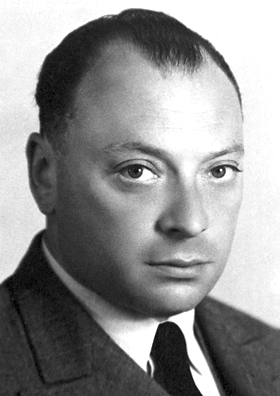 Physicist
Wolfgang Pauli
Formulating the exclusion principle that helps explain atomic structure.
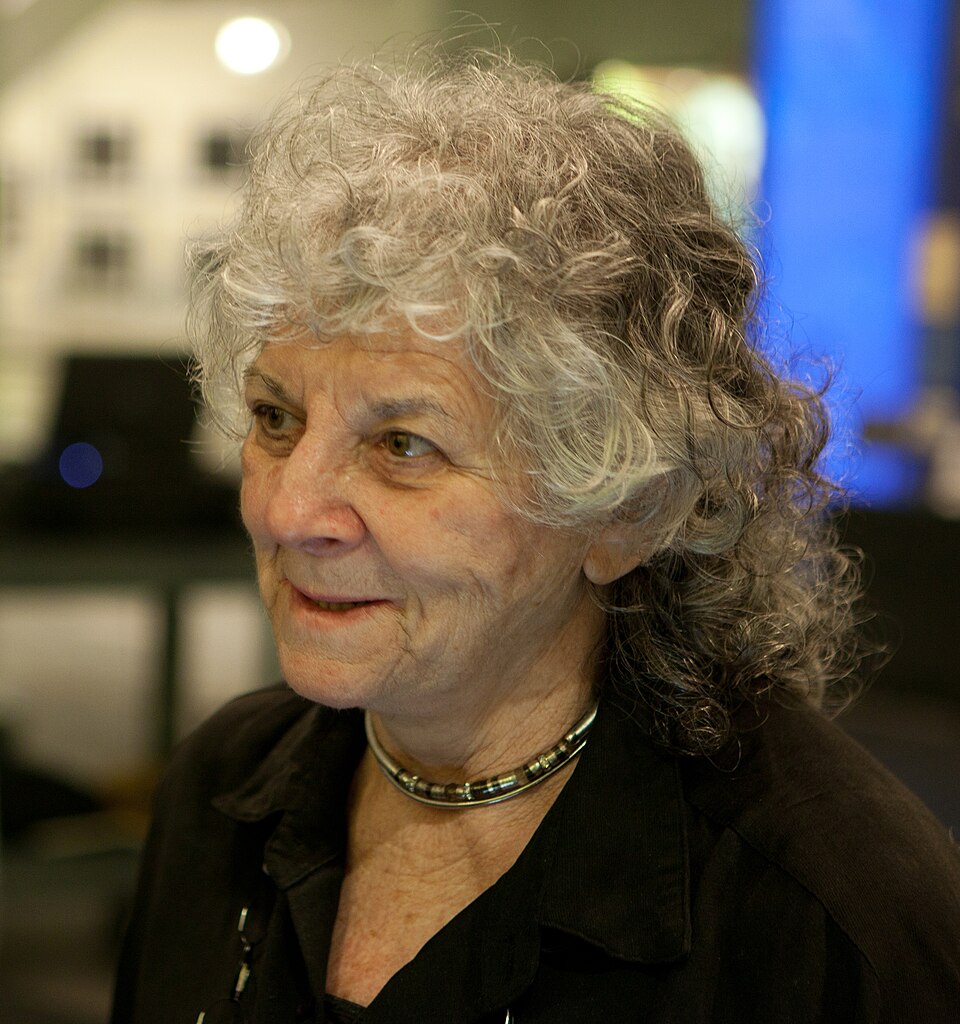 Chemist
Ada Yonath
Revealing the structure of the ribosome, the cell’s protein-making machinery.
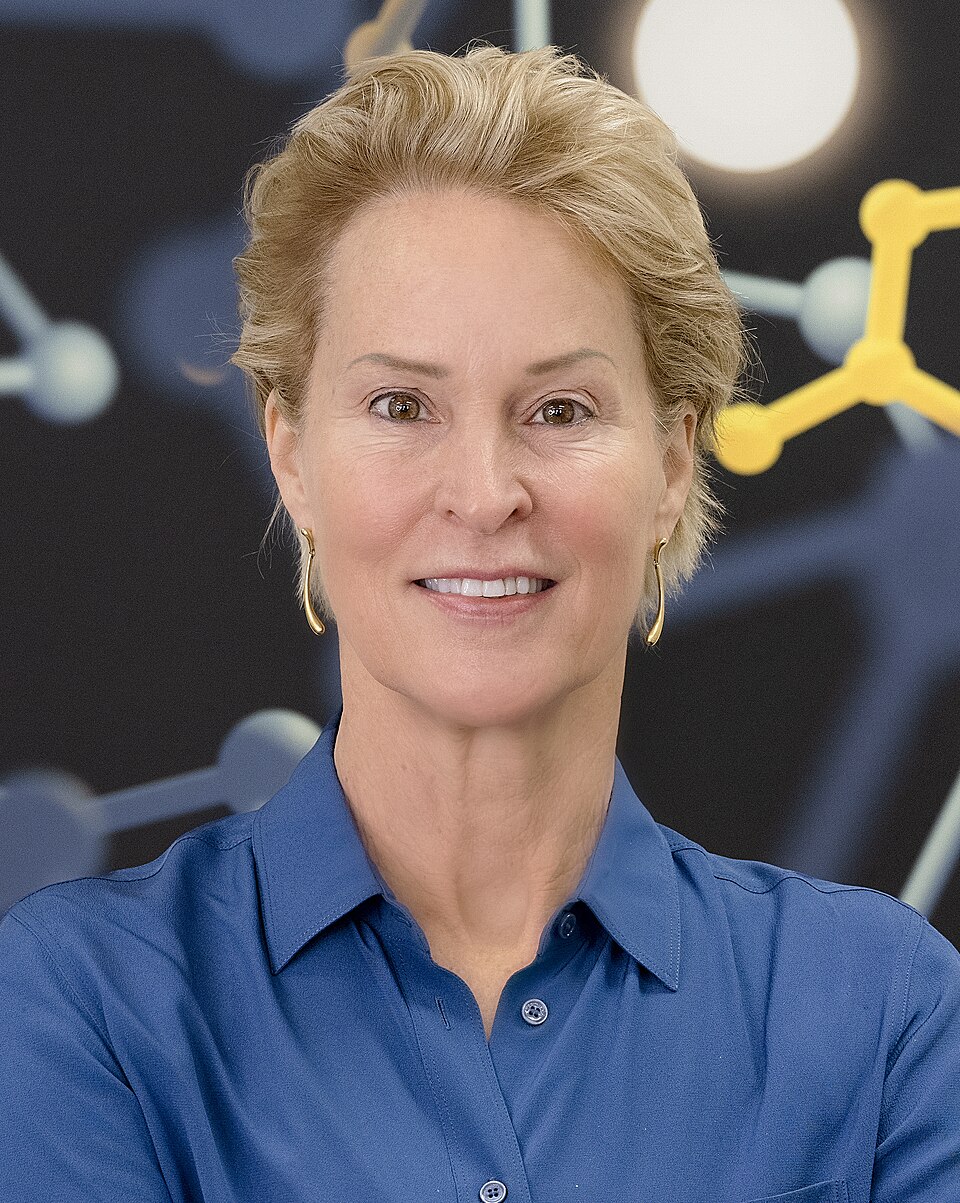 Chemist
Frances Arnold
Using directed evolution to engineer useful enzymes.
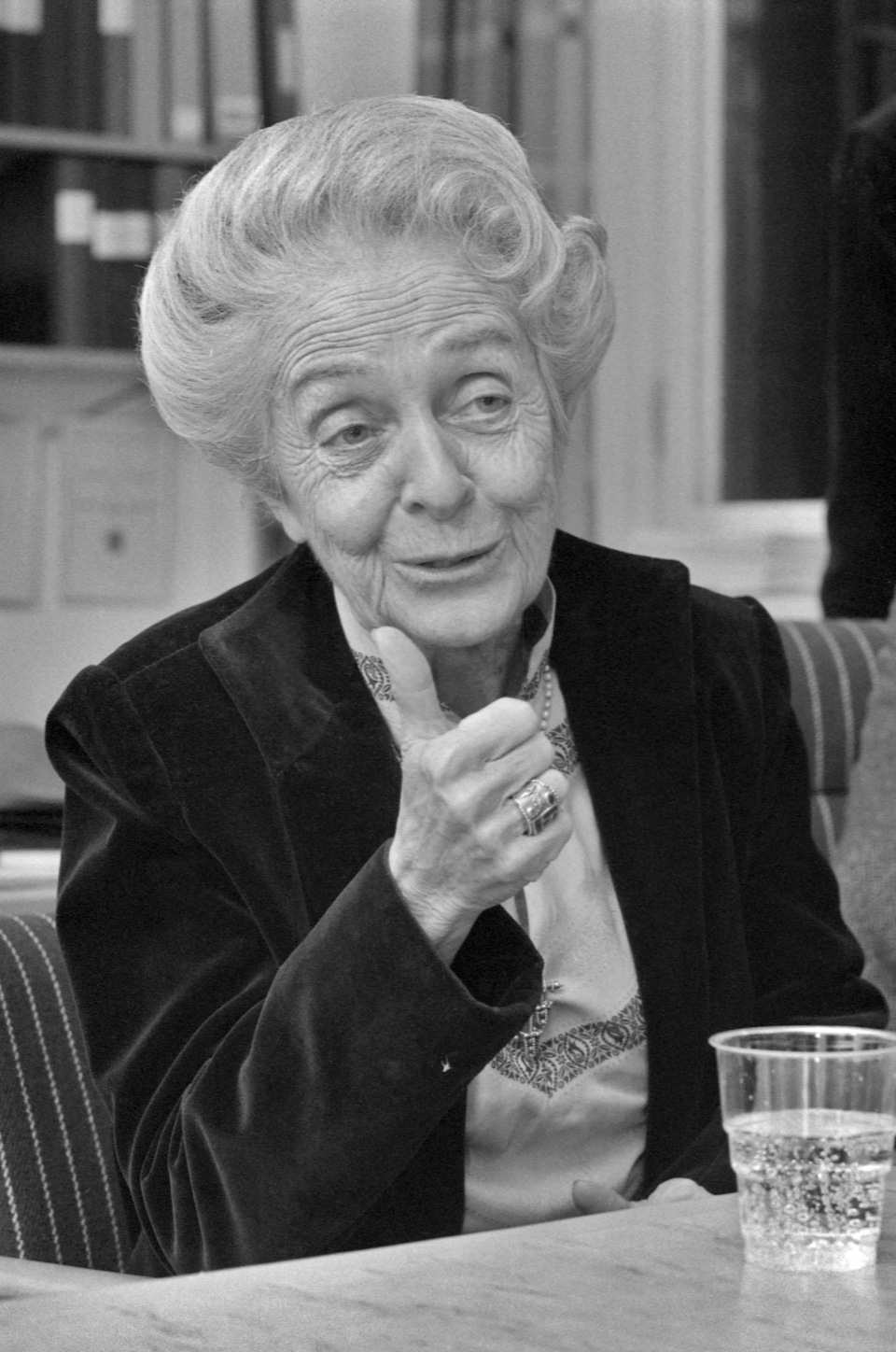 Neuroscientist
Rita Levi-Montalcini
Discovering nerve growth factor, a signal that supports nerve cells.
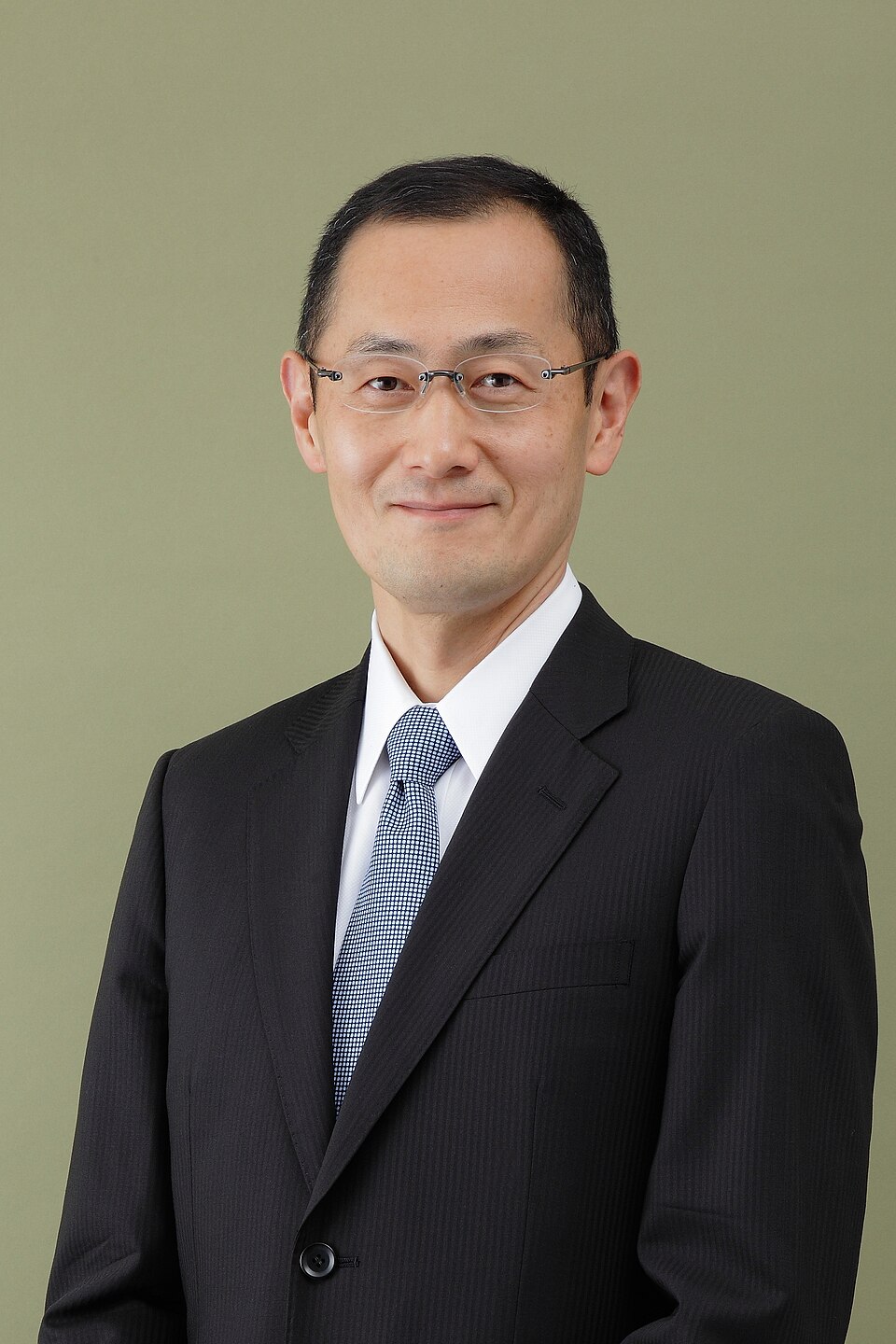 Biologist
Shinya Yamanaka
Reprogramming adult cells into stem cells.
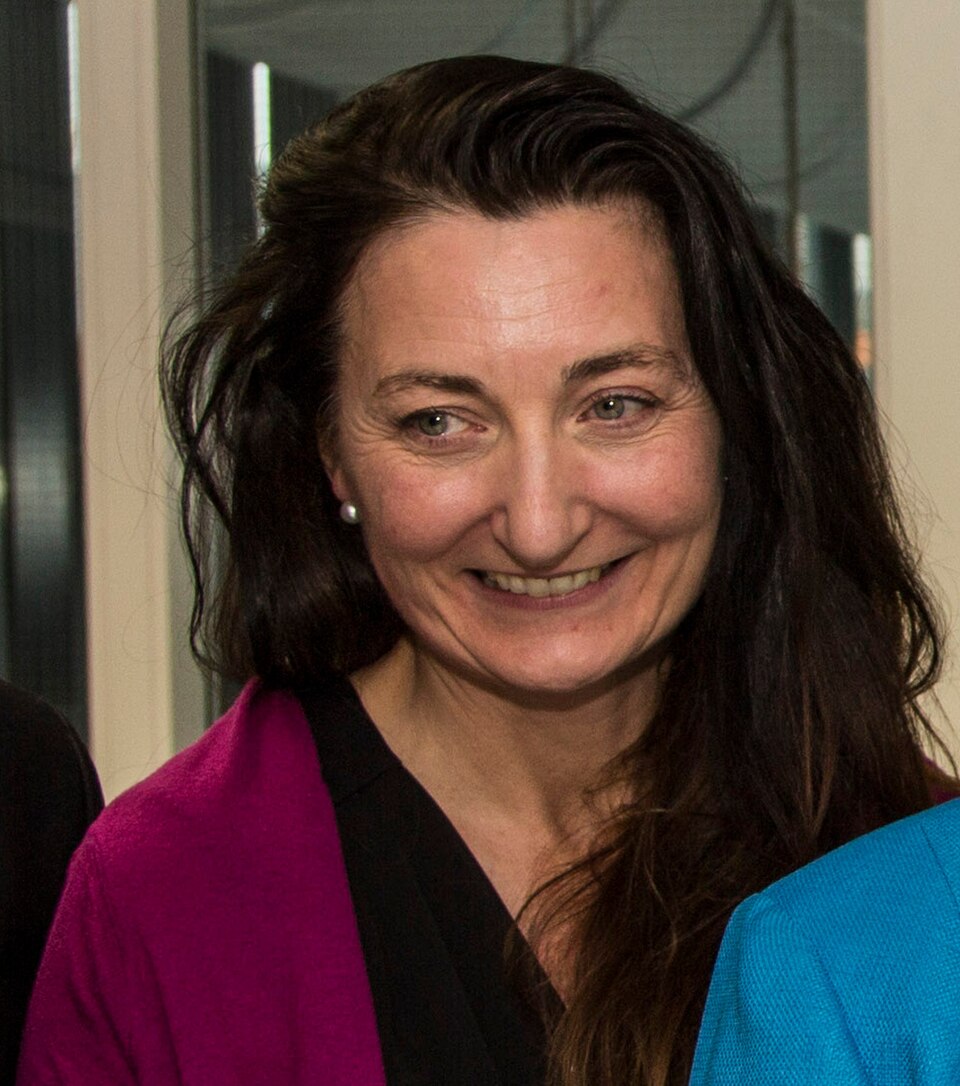 Neuroscientist
May-Britt Moser
Discovering grid cells that help the brain map space.
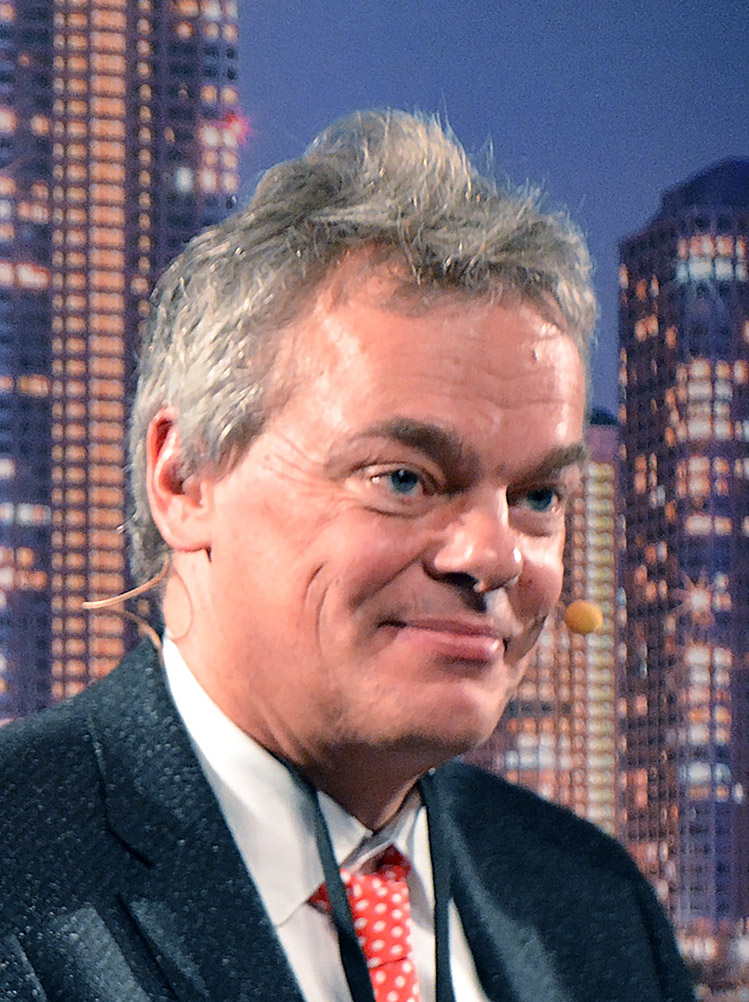 Neuroscientist
Edvard Moser
Co-discovering the grid cells used in the brain’s spatial navigation.
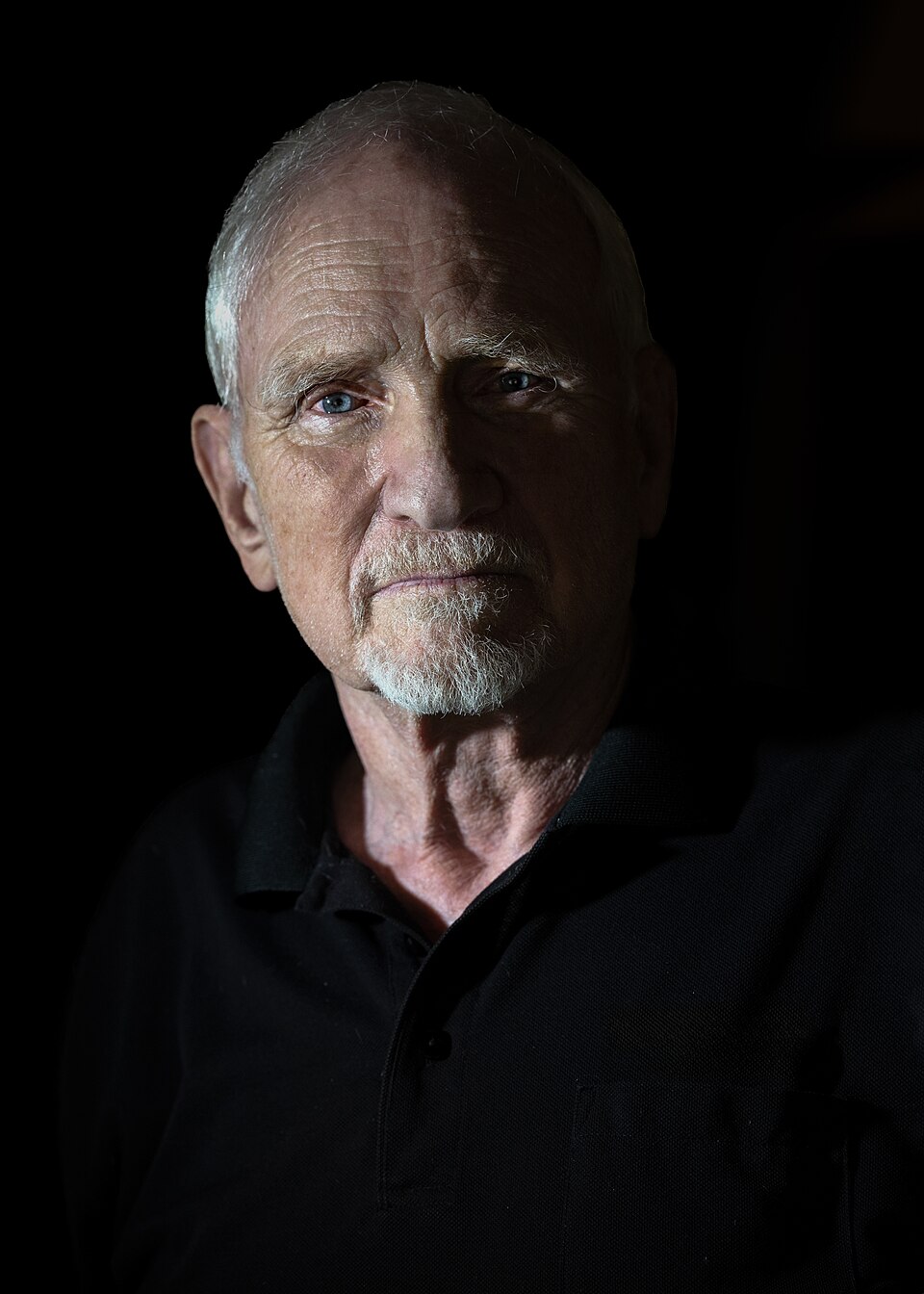 Physicist
John Clauser
Testing quantum entanglement in experiments that challenged classical ideas about reality.
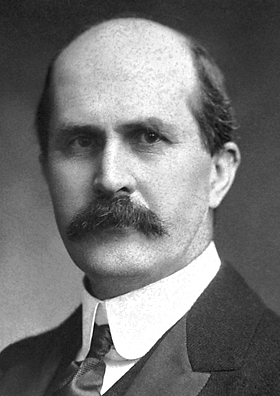 Physicist
William Henry Bragg
Developing X-ray crystallography with his son, revealing how atoms are arranged in crystals.
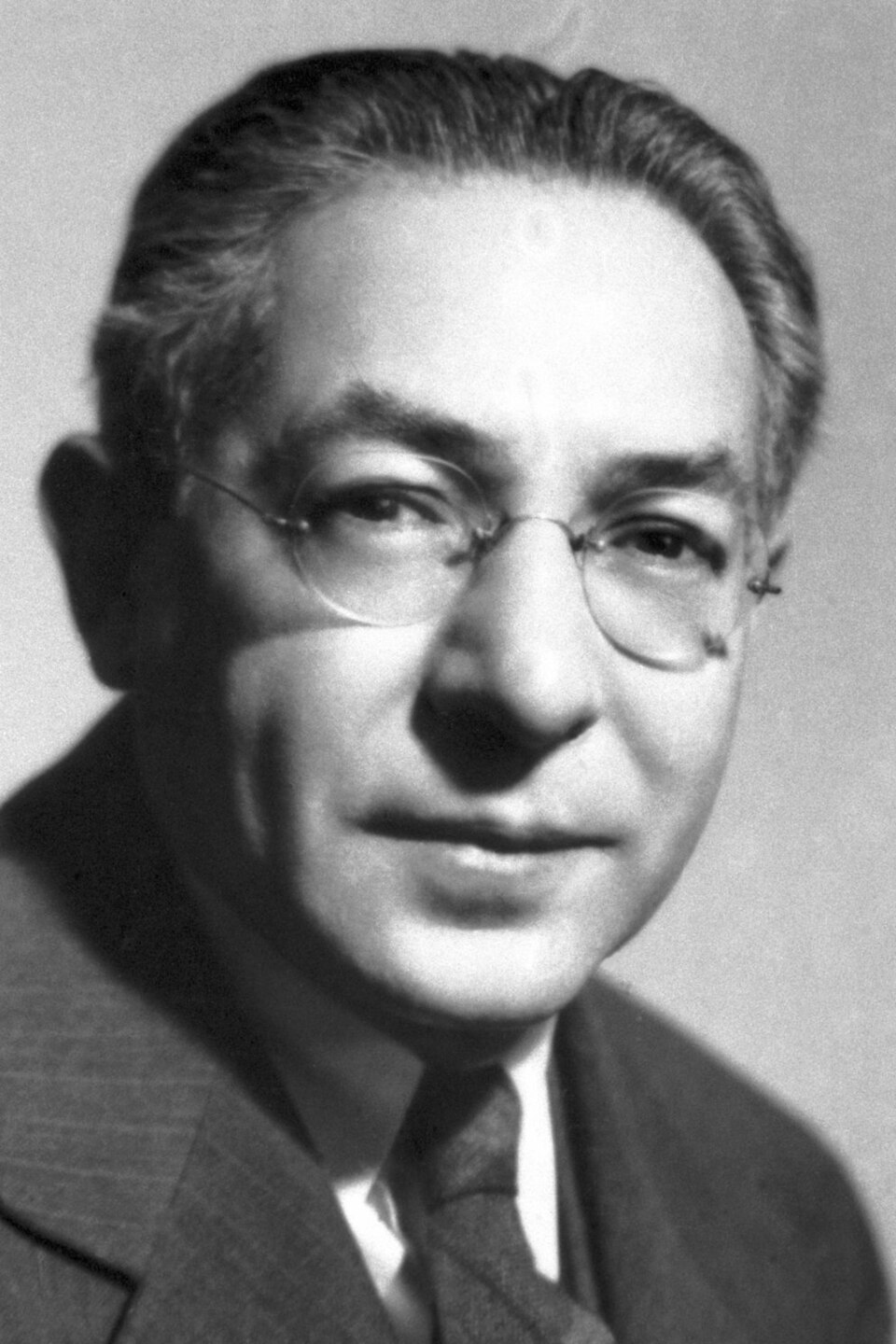 Physicist
Isidor Rabi
Developing a resonance method for measuring atomic nuclei’s magnetic properties.
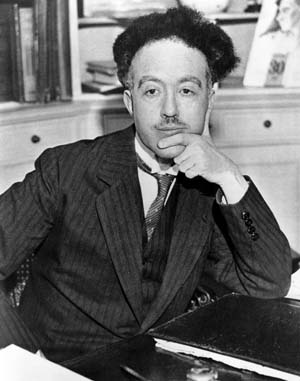 Physicist
Louis de Broglie
Proposing that particles of matter also behave as waves.
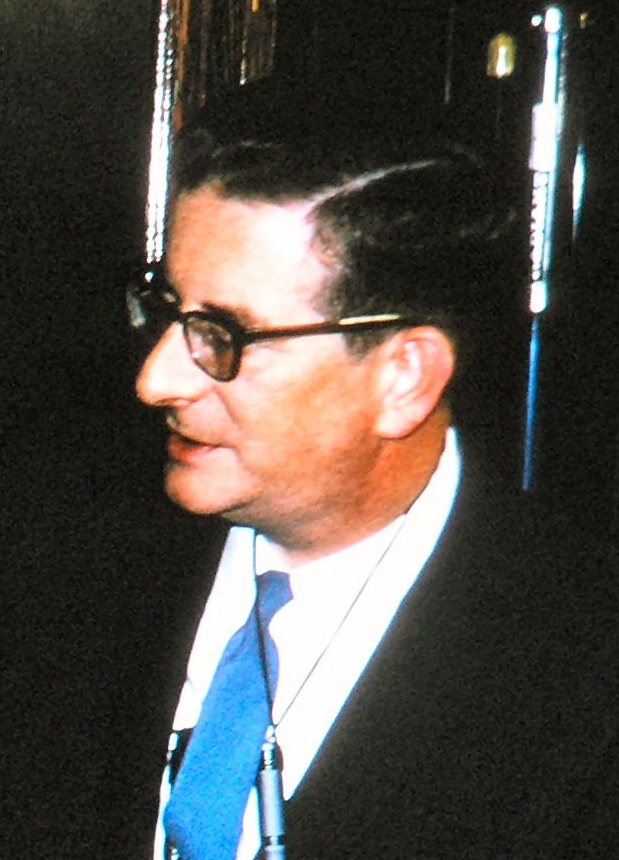 Chemist
Robert Burns Woodward
Constructing complex natural molecules through planned chemical synthesis.
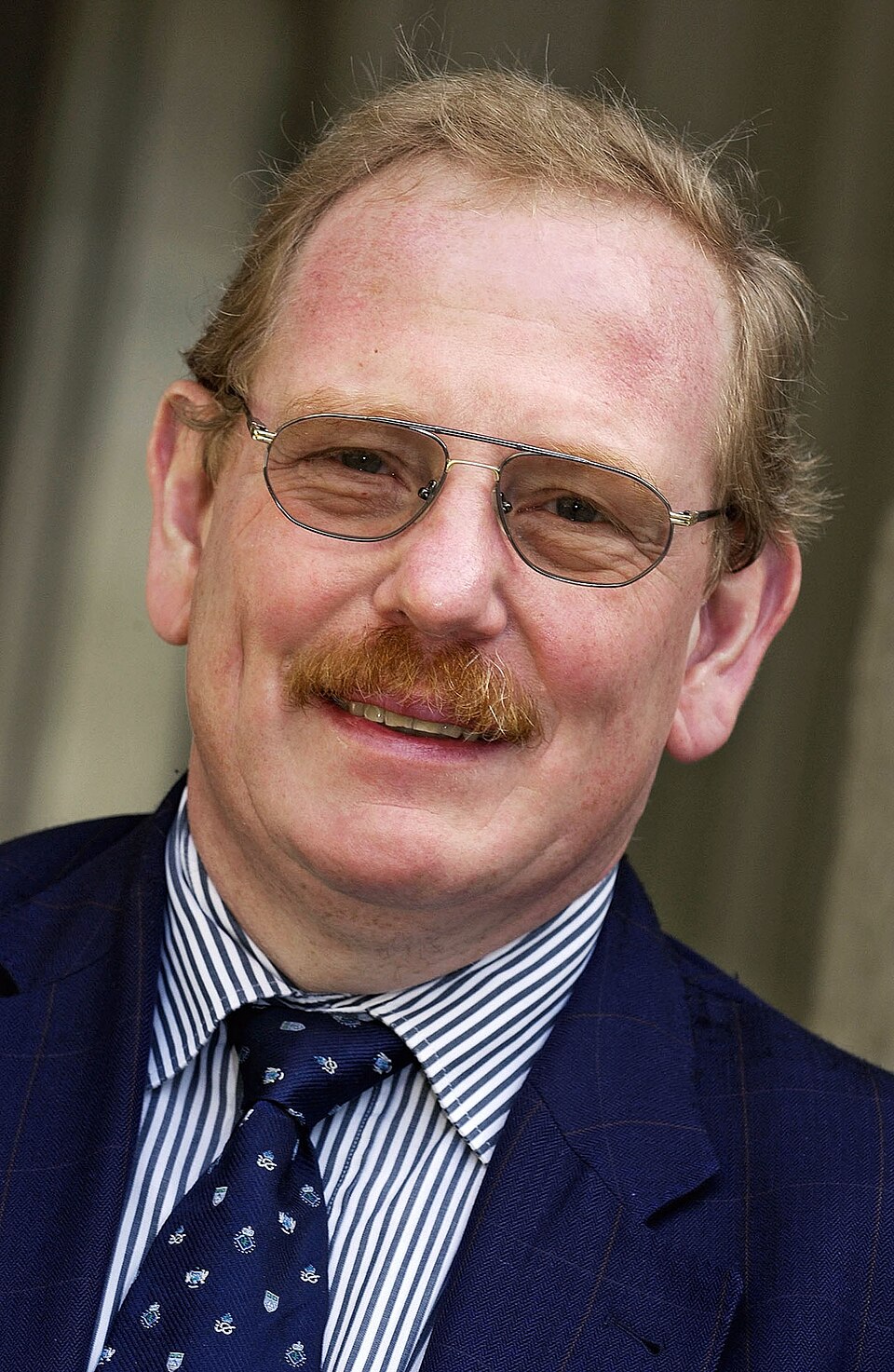 Physicist
Reinhard Genzel
Tracking stars that revealed a supermassive black hole at the Milky Way’s centre.
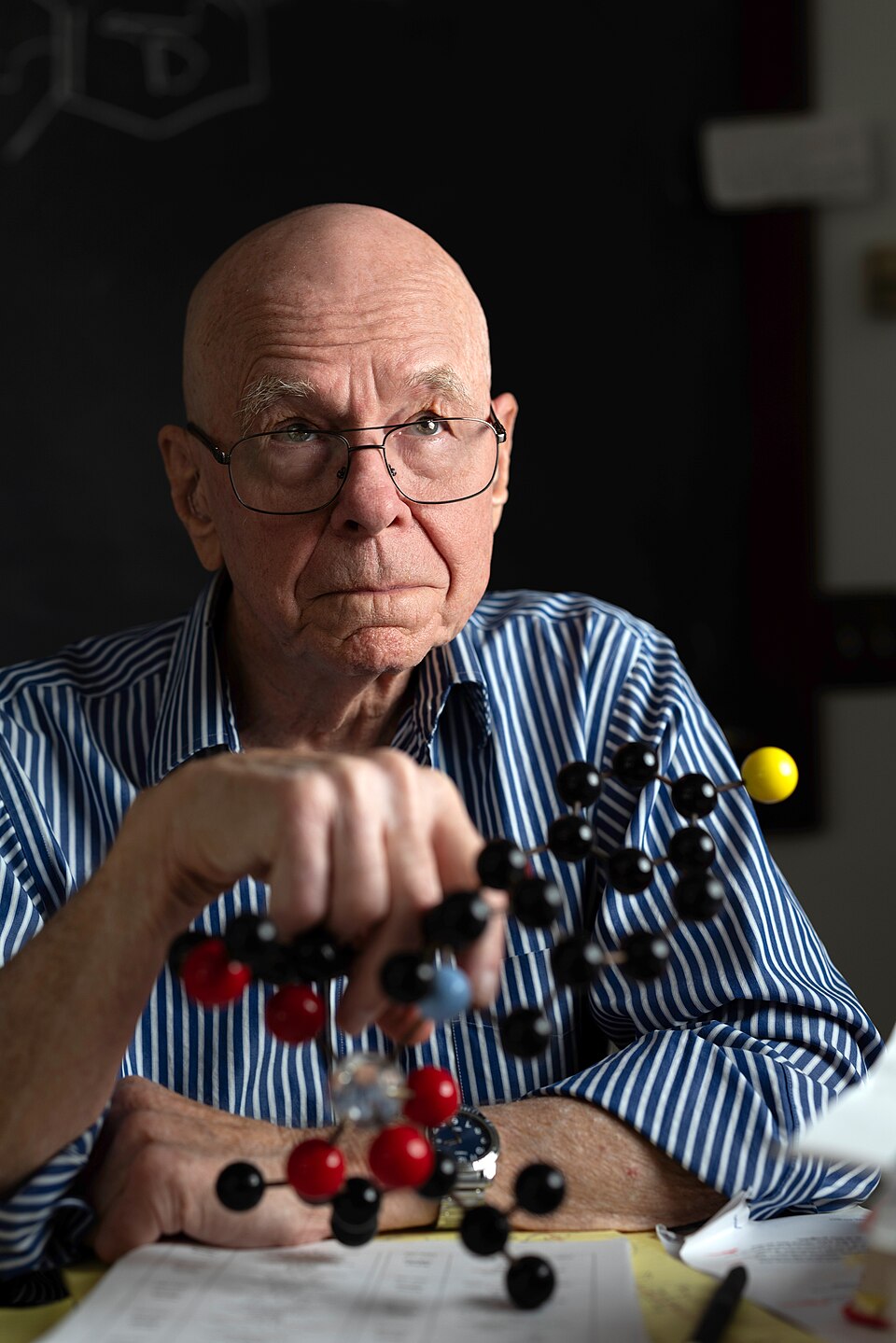 Chemist
Karl Barry Sharpless
Developing selective chemical reactions and click chemistry, earning two chemistry Nobel Prizes.
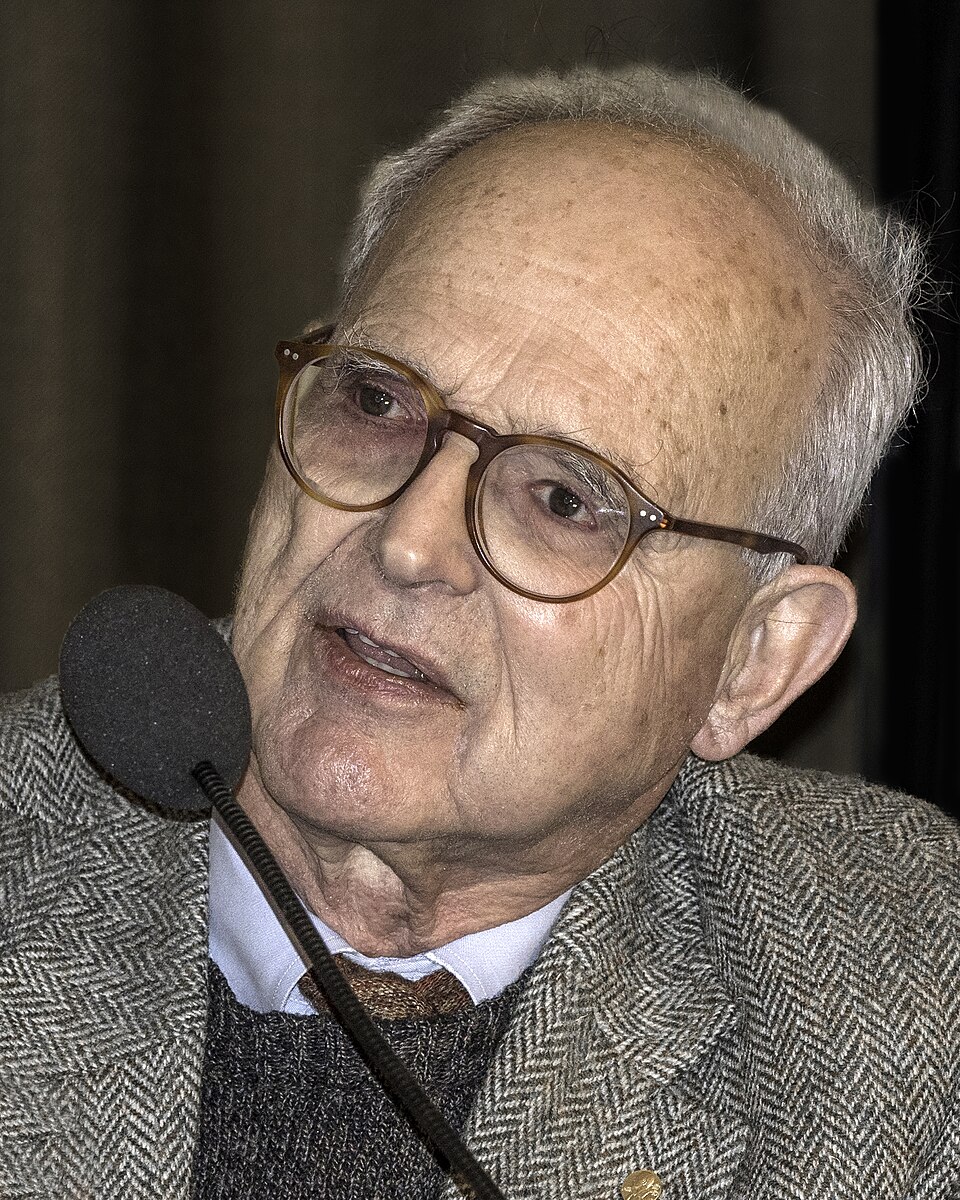 Physicist
Rainer Weiss
Helping design LIGO, which detected gravitational waves from colliding black holes.
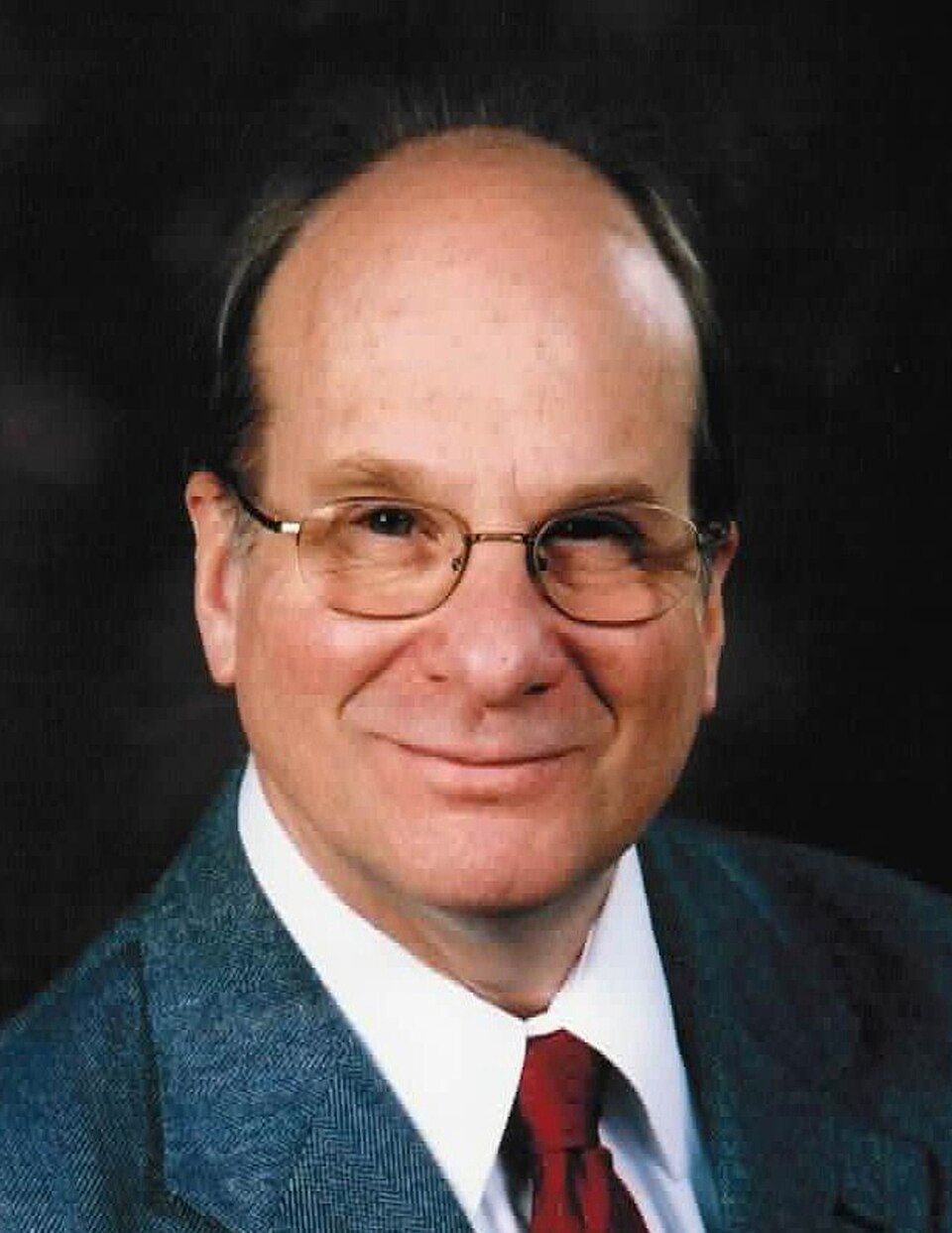 Chemist
Louis E. Brus
Discovering how the size of tiny semiconductor crystals changes their properties.
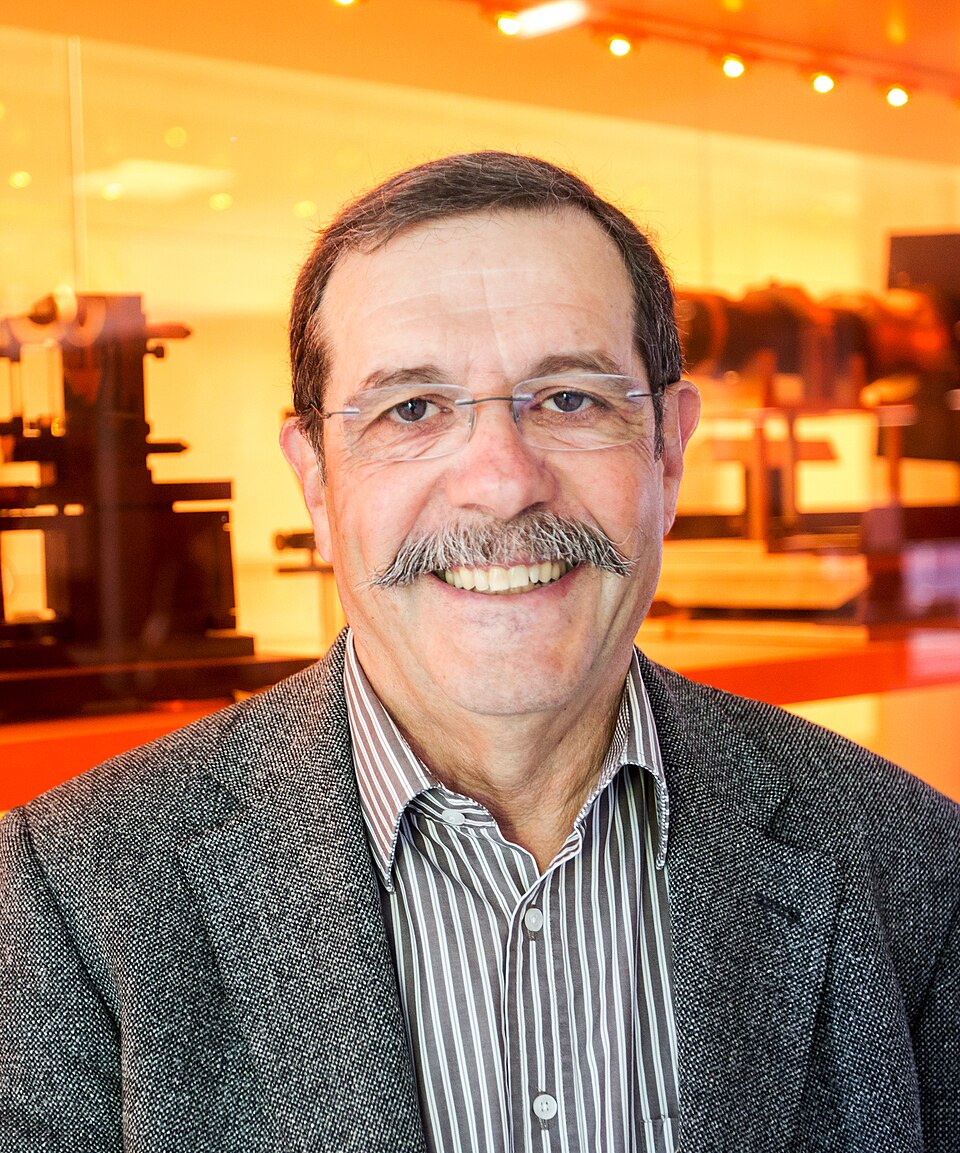 Physicist
Alain Aspect
Testing quantum entanglement with landmark experiments using photons.
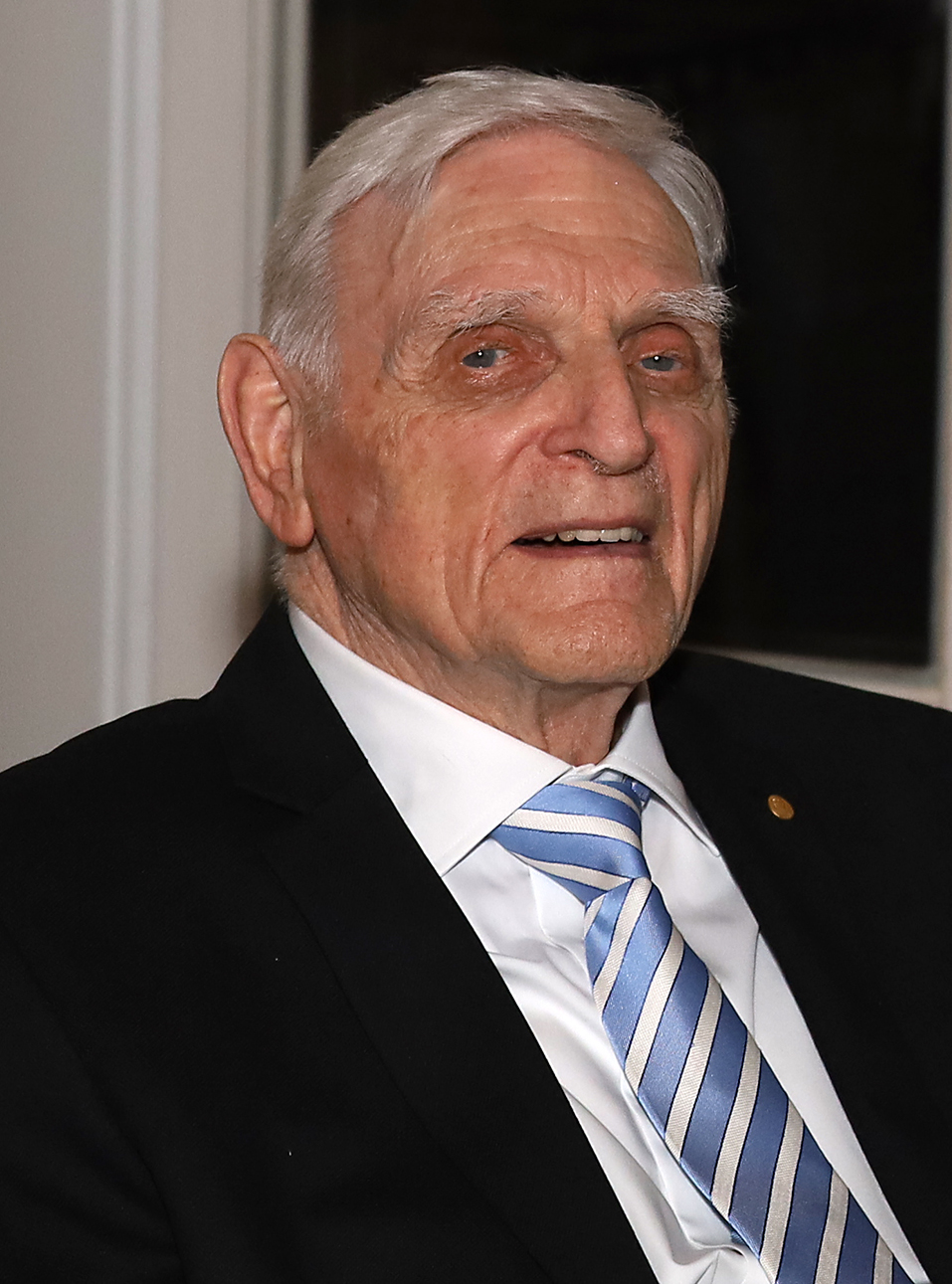 Scientist
John B. Goodenough
Developing materials that made powerful rechargeable lithium-ion batteries possible.
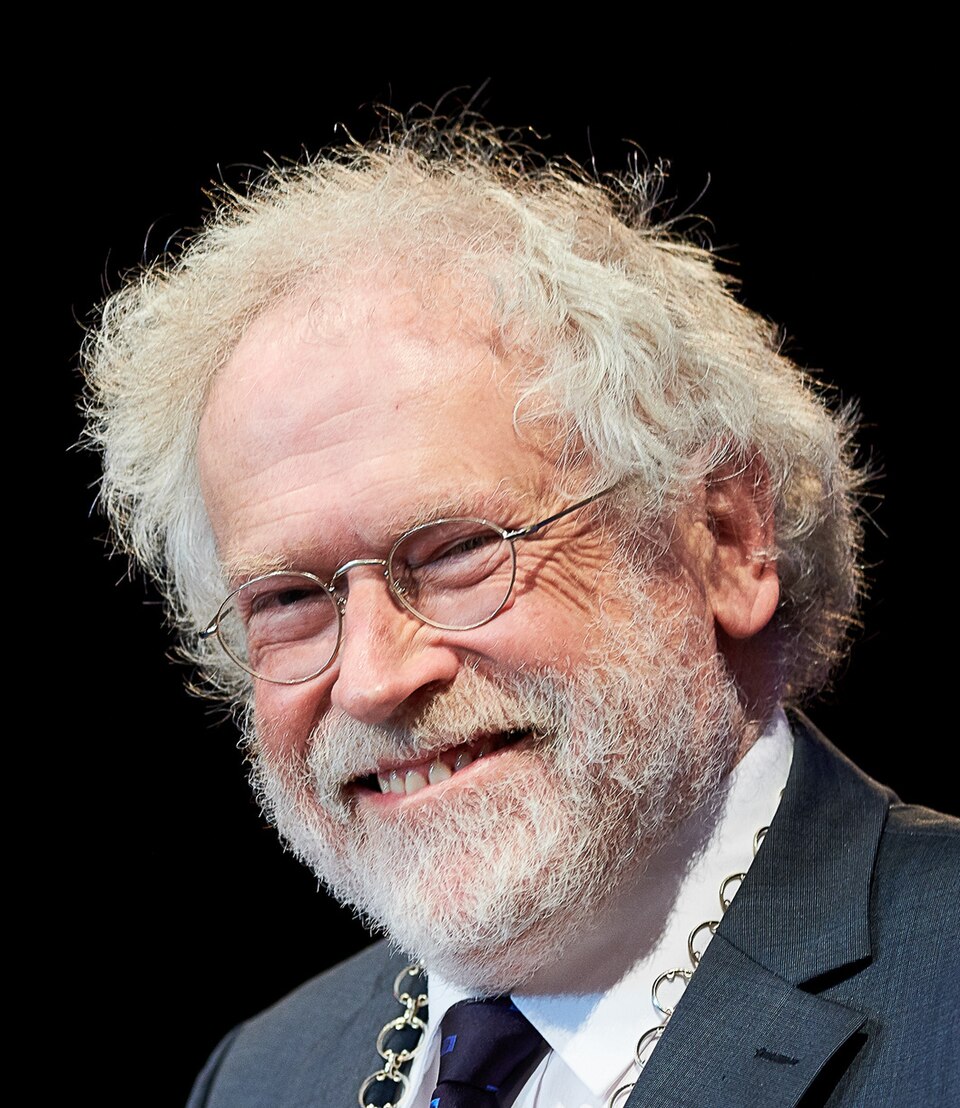 Physicist
Anton Zeilinger
Testing quantum entanglement and pioneering the transfer of quantum information.
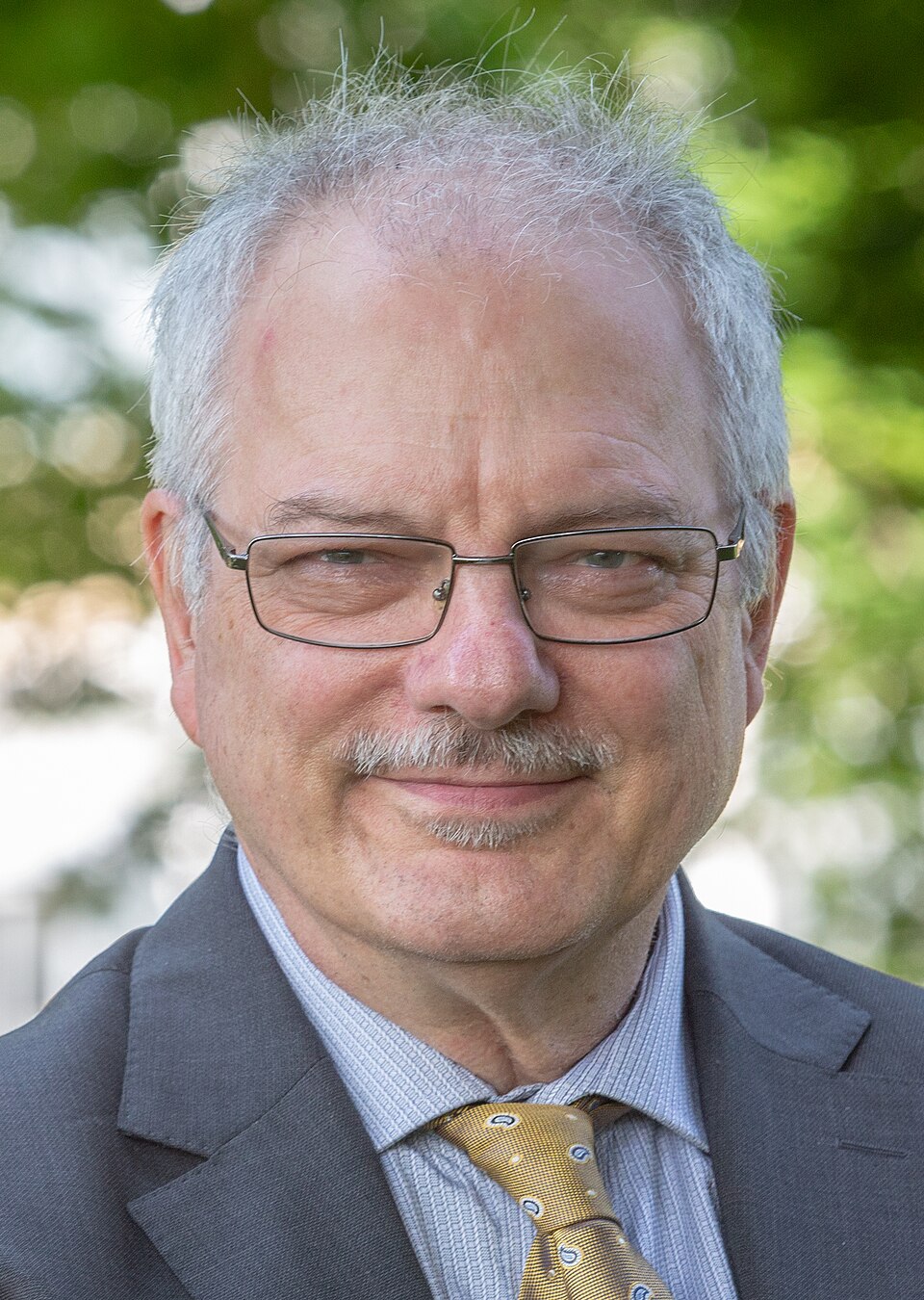 Chemist
Morten Meldal
Co-developing copper-catalysed click chemistry, a reliable way to join molecular building blocks.
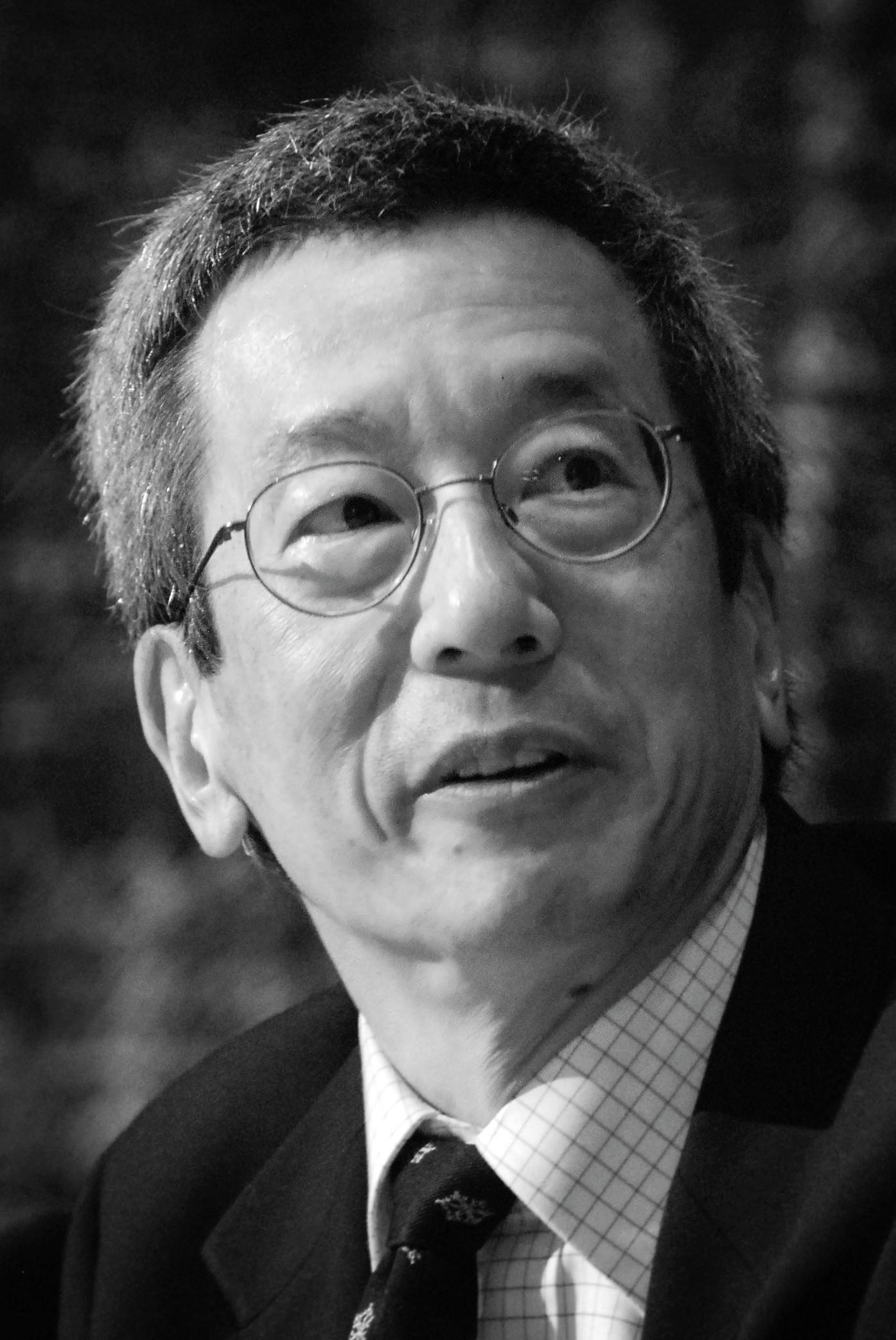 Chemist
Roger Y. Tsien
Turning fluorescent proteins into tools for watching processes inside living cells.
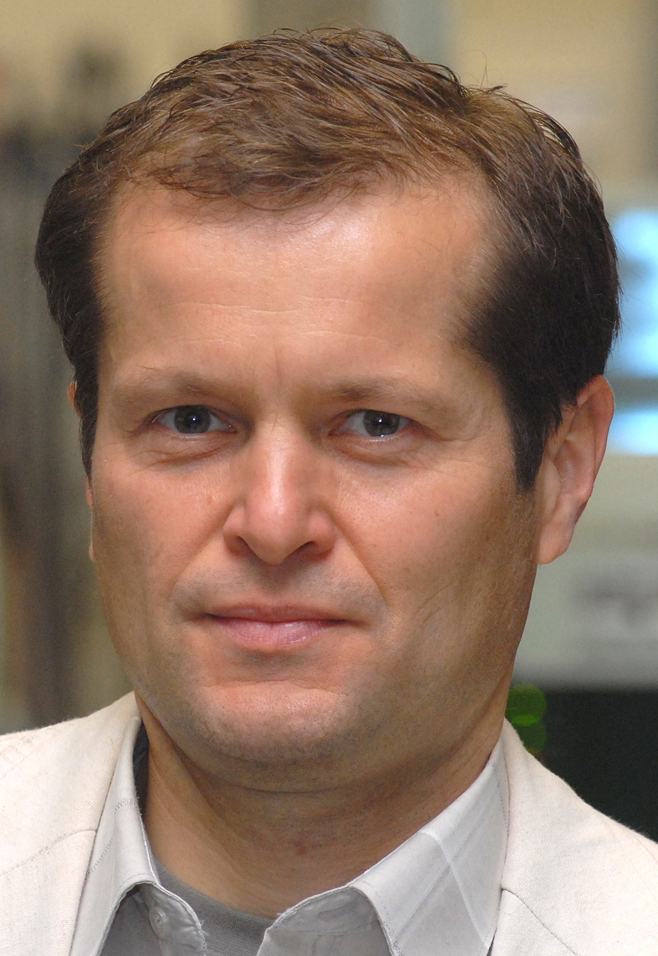 Physicist
Ferenc Krausz
Generating isolated attosecond light pulses to investigate electrons in motion.
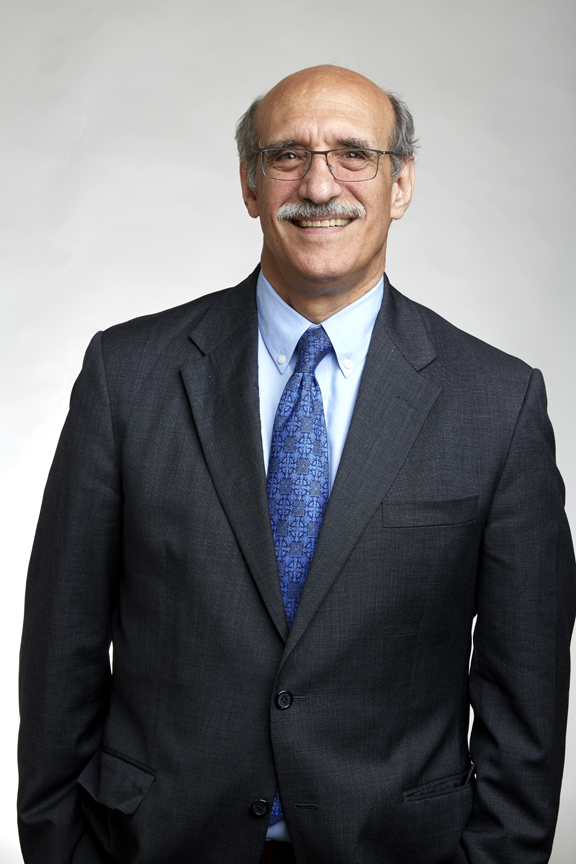 Biologist
Martin Chalfie
Showing how green fluorescent protein could mark living cells for scientific study.
 Physicist
Pierre Agostini
Developing attosecond light-pulse methods that made electron motion accessible to experiment.
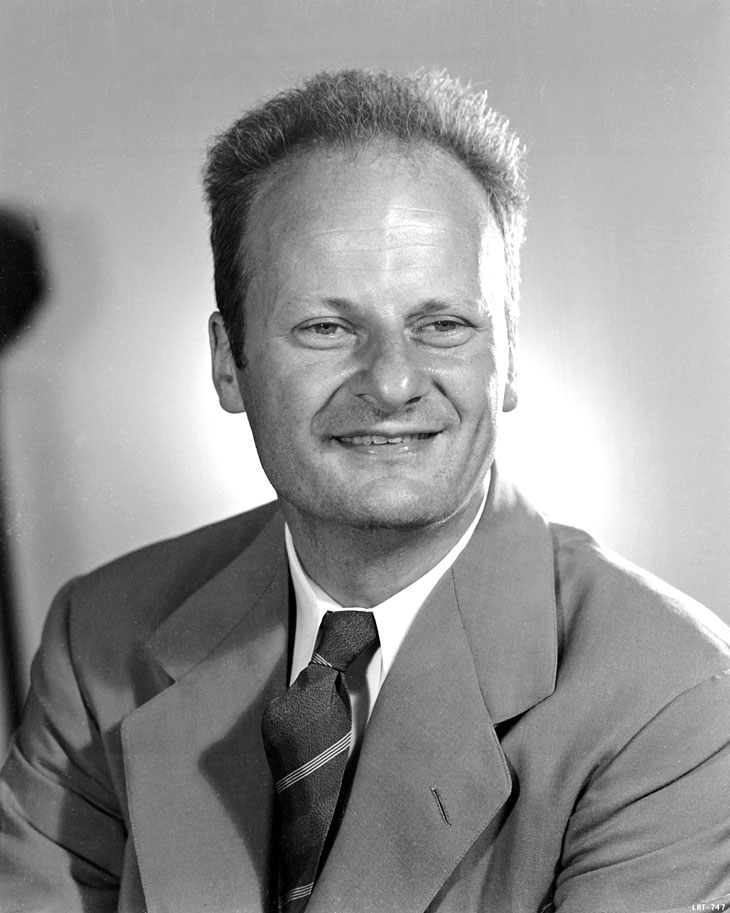 Physicist
Hans Bethe
Explaining the nuclear reactions that power stars.
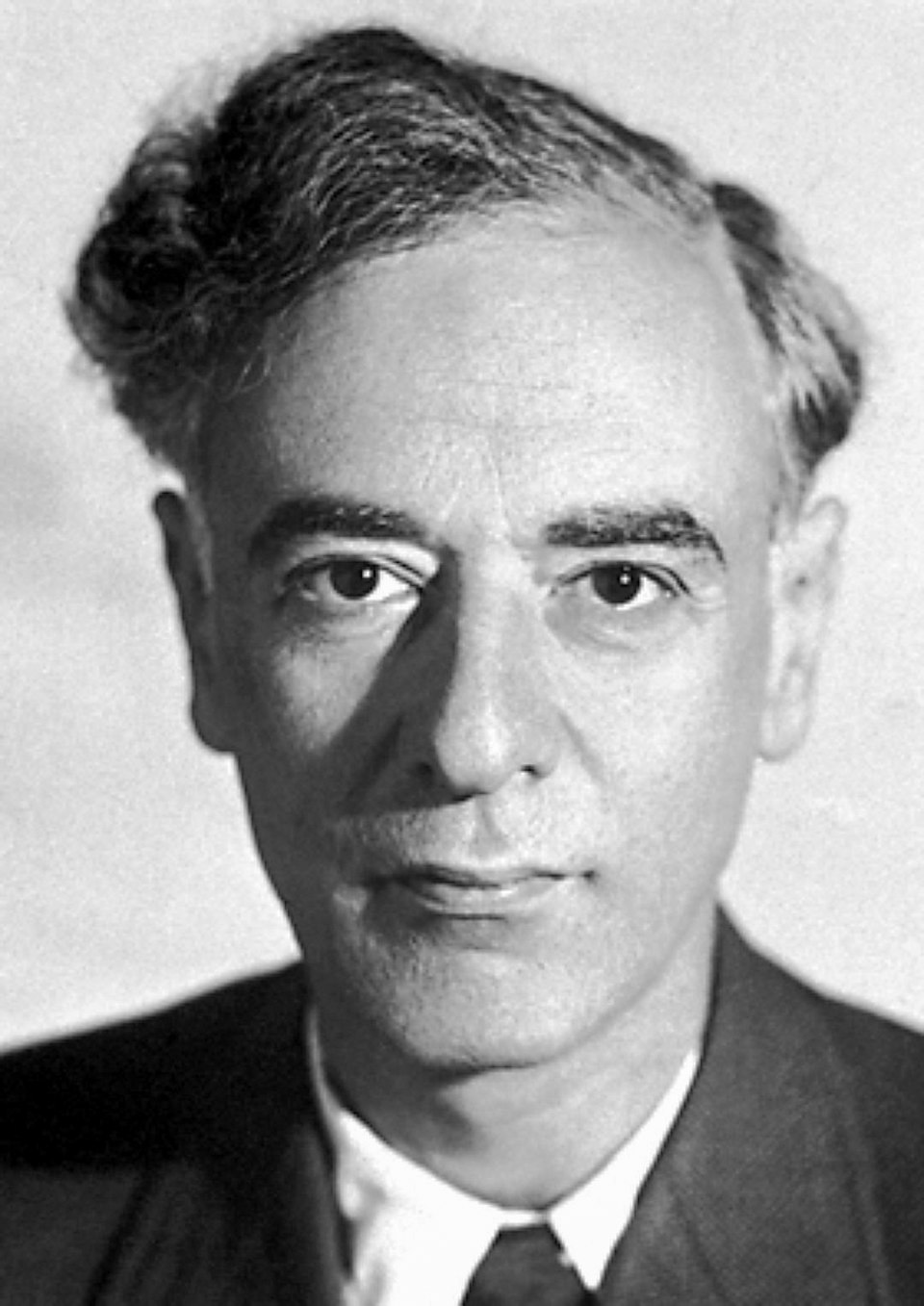 Physicist
Lev Landau
Explaining superfluid helium and building influential theories of matter.
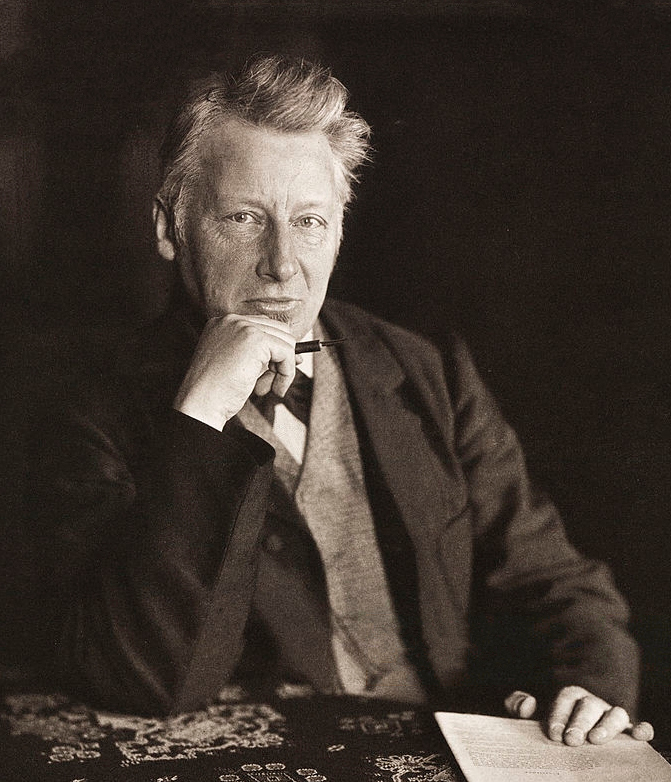 Chemist
Jacobus Henricus van 't Hoff
Helping establish stereochemistry and winning the first Nobel Prize in Chemistry.
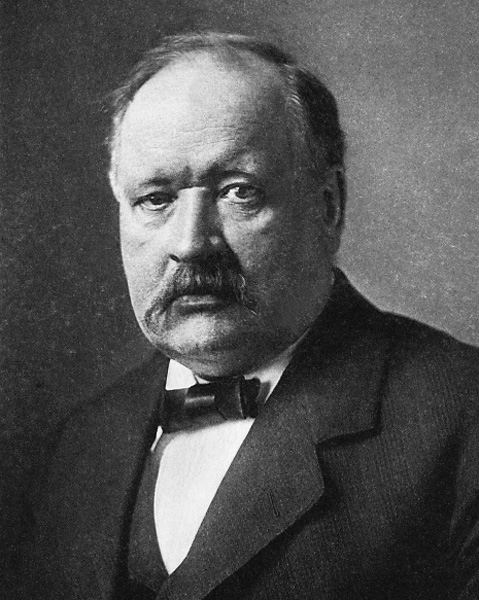 Chemist
Svante Arrhenius
Explaining ions in solution and calculating an early link between carbon dioxide and climate.
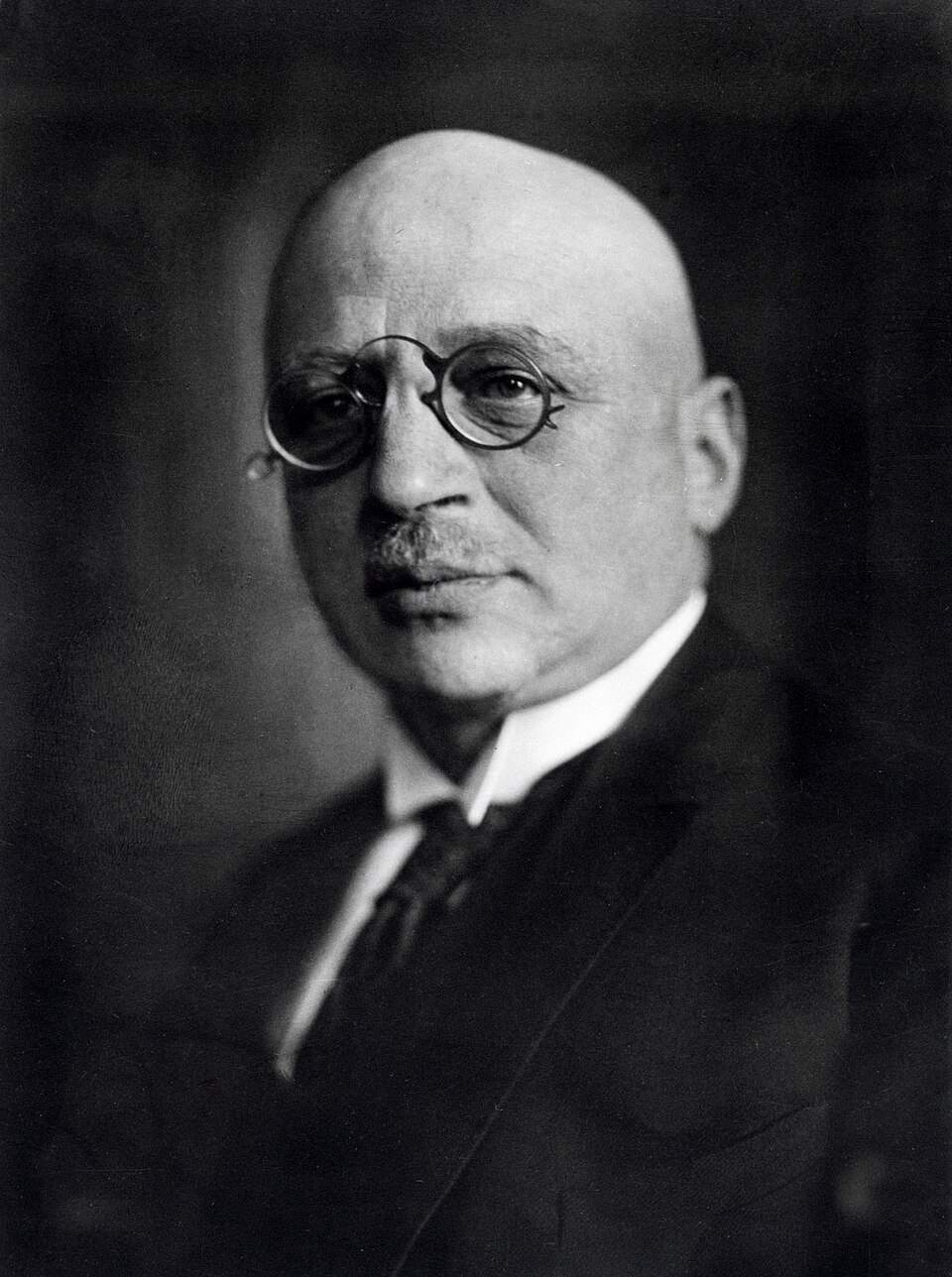 Chemist
Fritz Haber
Developing ammonia synthesis and directing Germany’s First World War poison-gas programme.
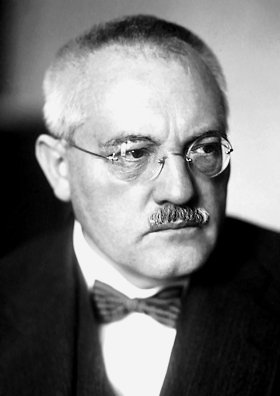 Chemist
Carl Bosch
Turning ammonia synthesis into an industrial process.
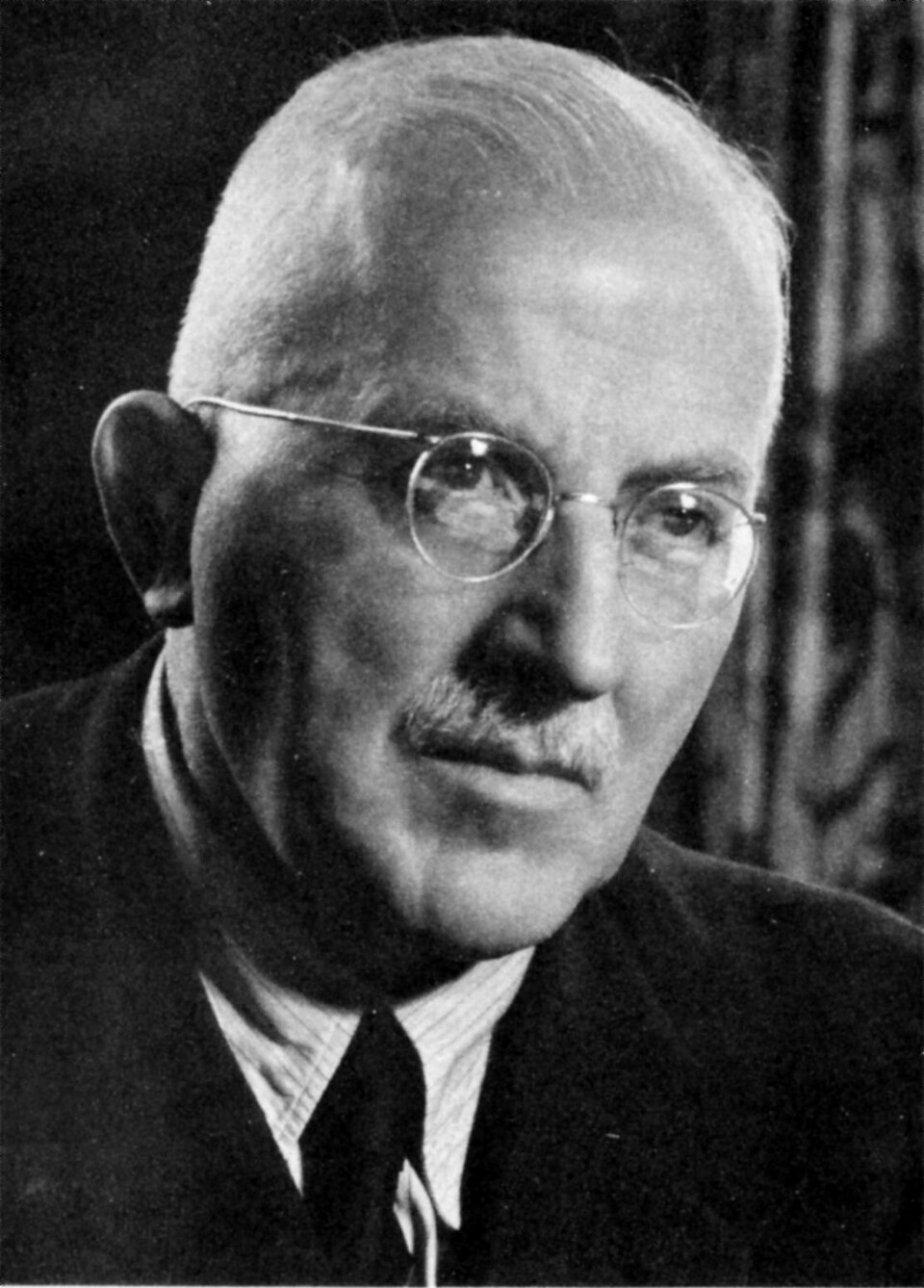 Chemist
Hermann Staudinger
Establishing that polymers are long chains of chemically bonded units.
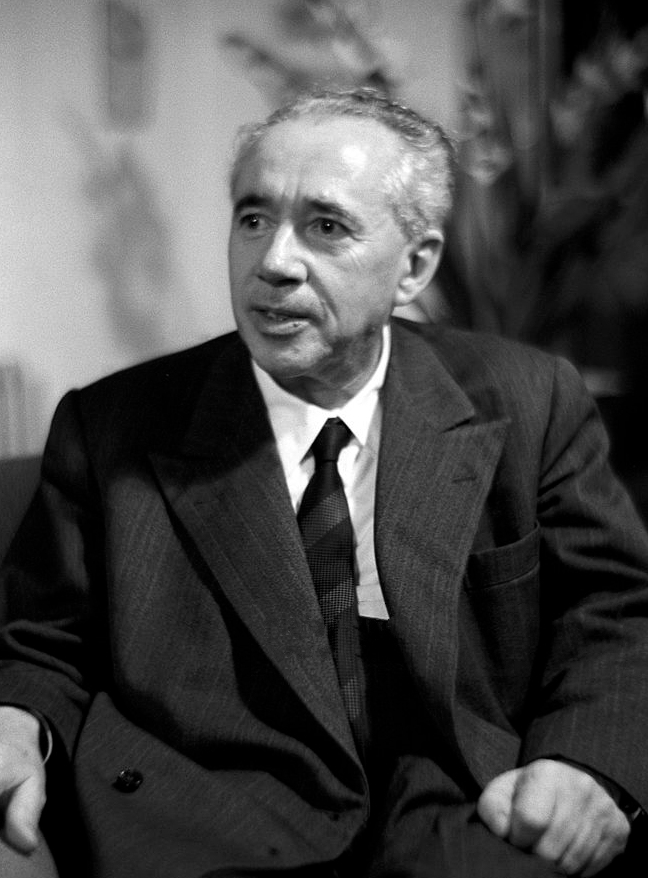 Chemist
Giulio Natta
Developing stereospecific polymerisation and isotactic polypropylene.
 Chemist
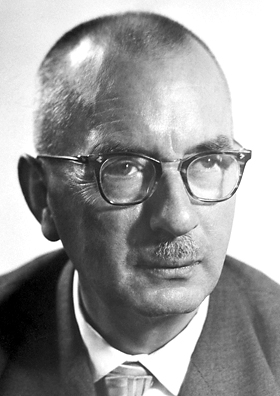
Karl Ziegler
Discovering catalysts that made high-density polyethylene possible at low pressure.
 Chemist
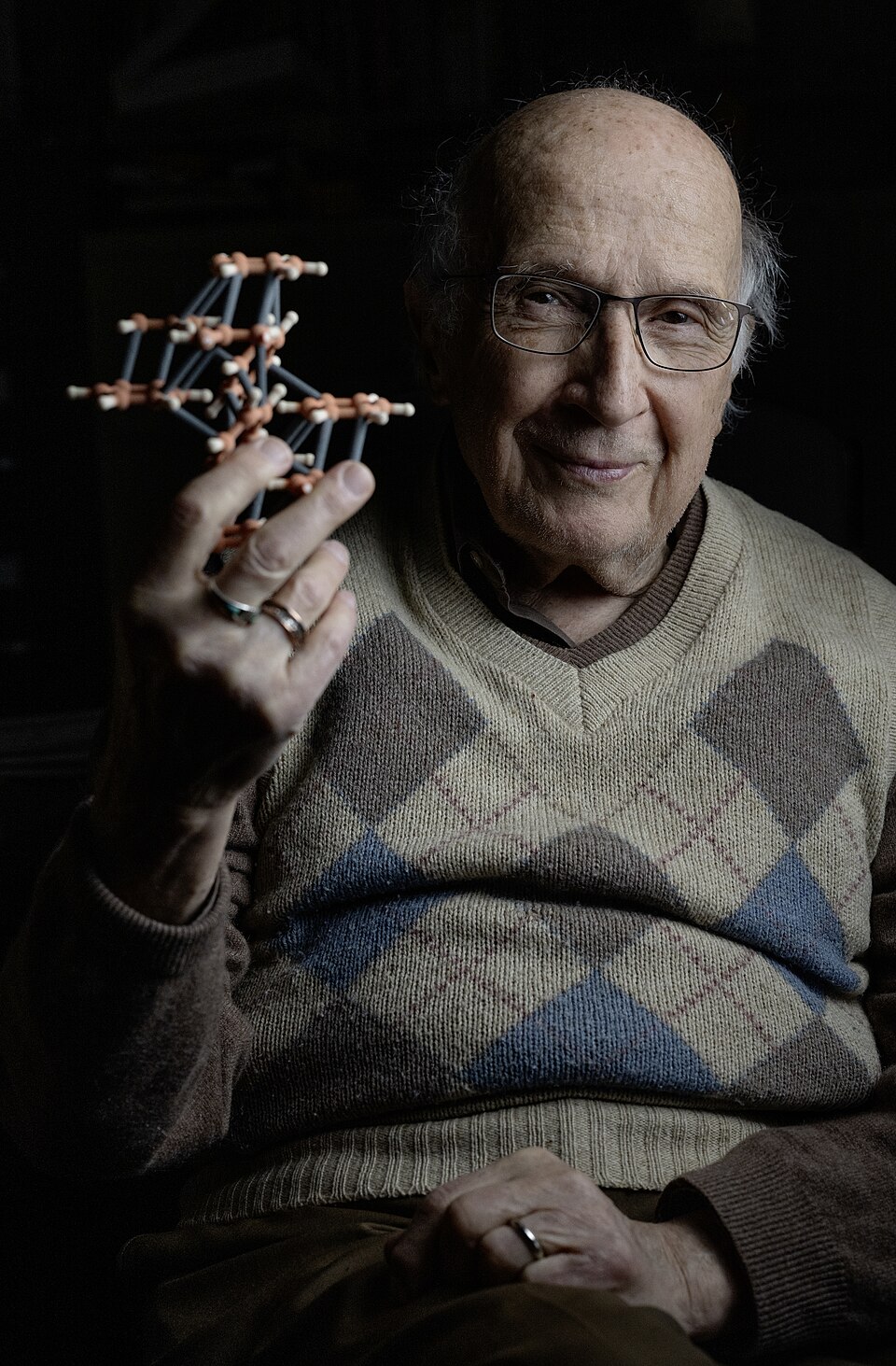
Roald Hoffmann
Explaining chemical reactions through orbital symmetry.
 Chemist
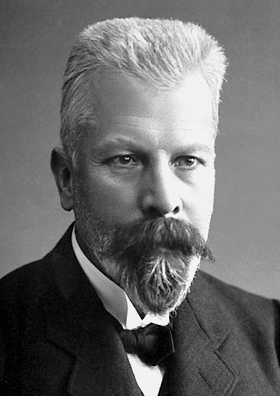
Eduard Buchner
Demonstrating that fermentation can occur without living yeast cells.
 Chemist
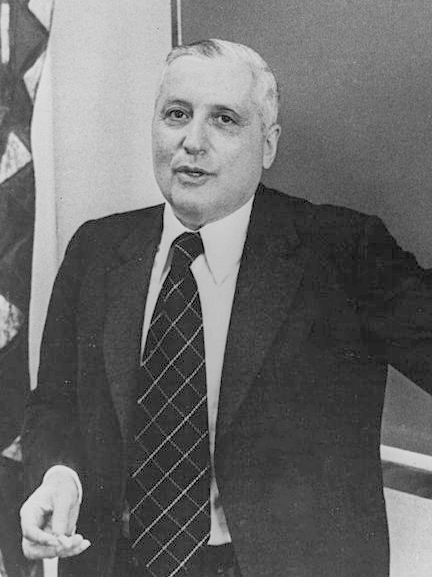
Ilya Prigogine
Explaining ordered structures in systems far from equilibrium.
 Physicist
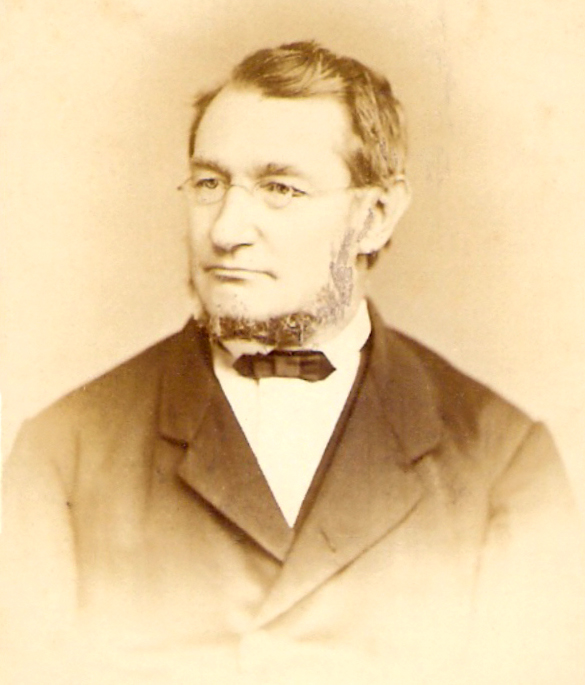
Julius von Mayer
Helping establish the principle of conservation of energy.
 Scientist
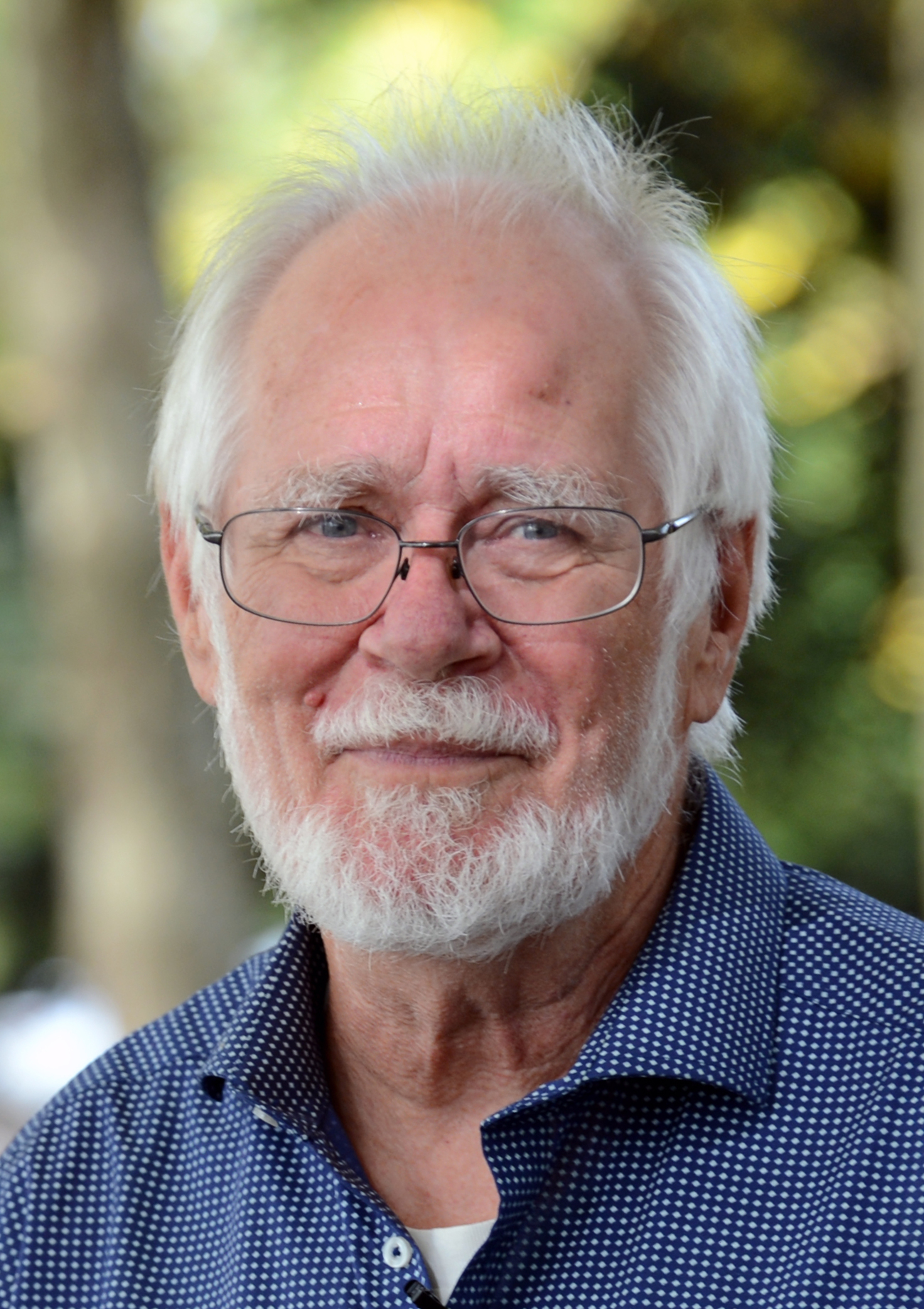
Jacques Dubochet
Developing methods for cryo-electron microscopy.
 Chemist
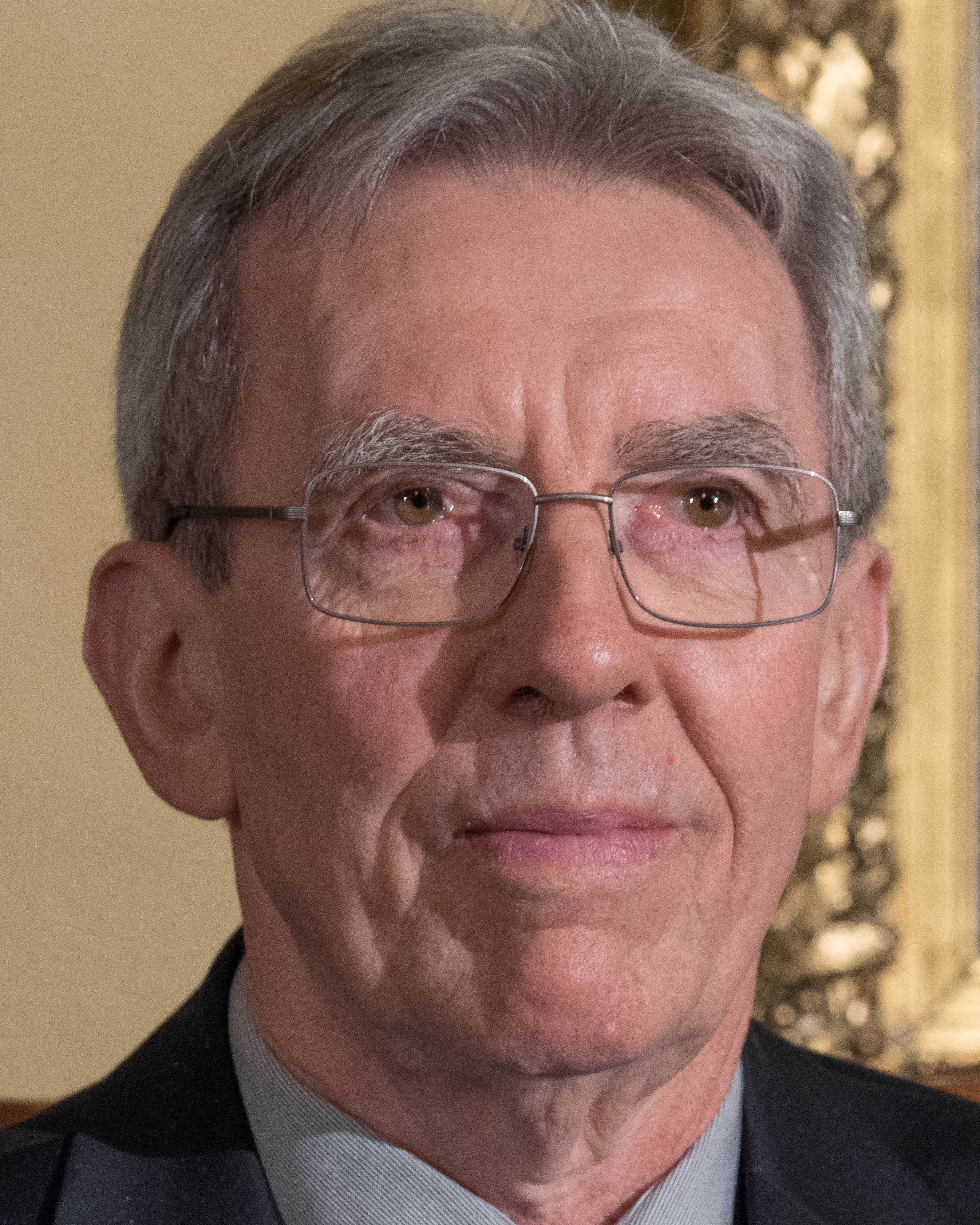
Jean-Pierre Sauvage
Developing mechanically interlocked molecules for molecular machines.
 Biochemist
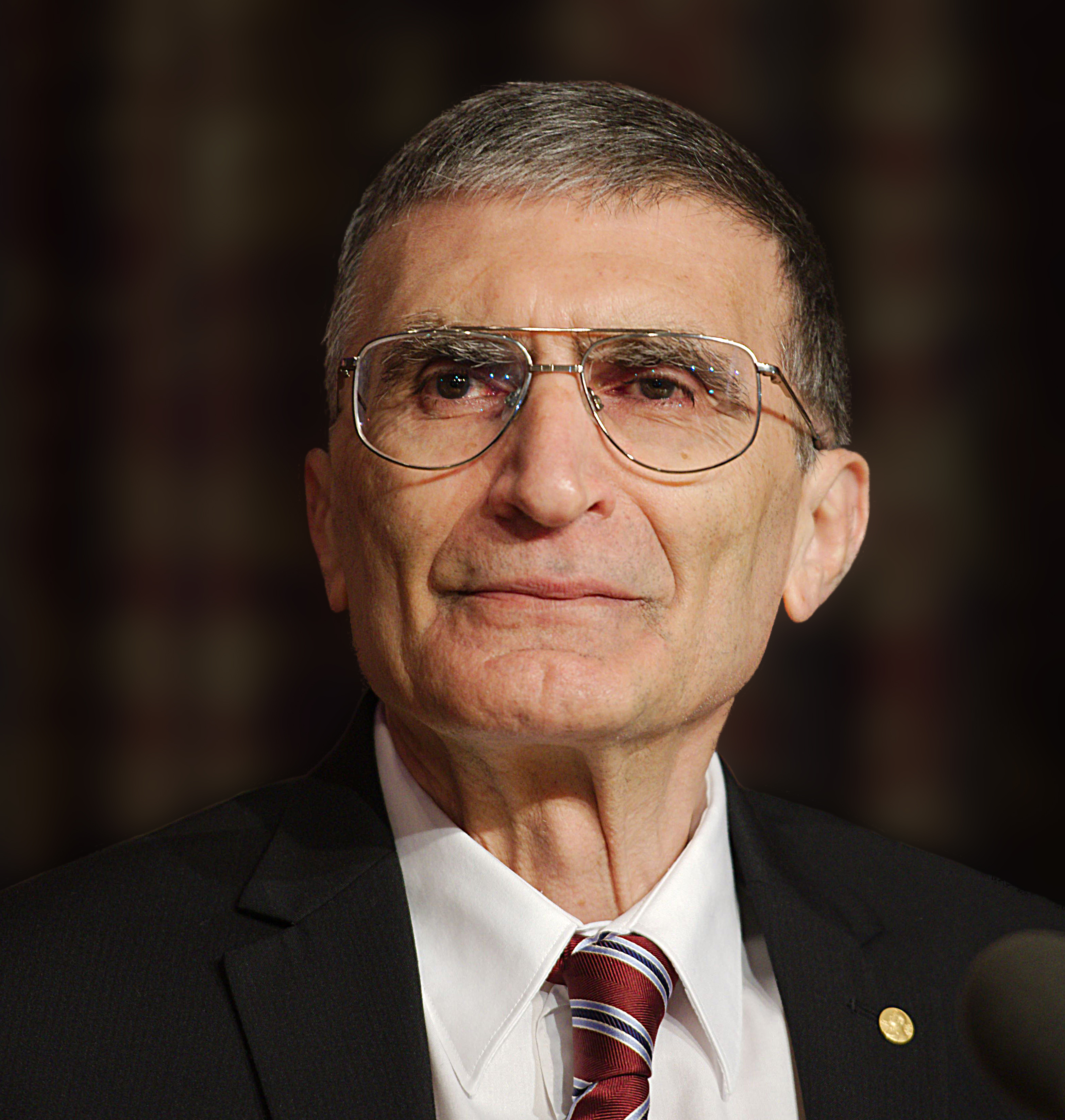
Aziz Sancar
Explaining how cells repair damaged DNA.