Contents
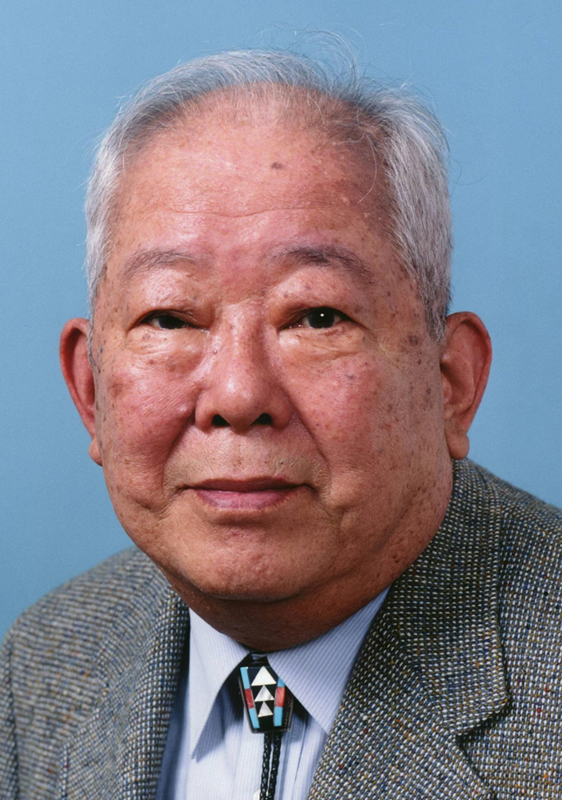
Masatoshi Koshiba
Detecting neutrinos from a supernova and helping establish neutrino astronomy.
Kamiokande · Supernova neutrinos
- Born
- 19 September 1926
- Birthplace
- Toyohashi, Japan
- Died
- 12 November 2020
More people
Masatoshi Koshiba
Japanese experimental physicist whose underground detectors opened a new way to study the universe.
Early life
Childhood
Grew up in Japan and lost his mother when he was very young.
Physics education
Studied at the University of Tokyo and completed a doctorate at Rochester.
Career
- 1950s–1960s
Research career
Worked in Chicago and Tokyo on cosmic rays and particle physics.
- 1970s–1980s
Detector building
Led the development of Kamiokande and its adaptation to neutrino detection.
- 1987–1990s
Teaching and next-generation research
Continued teaching and supported the larger Super-Kamiokande project.
Contributions
Kamiokande
A large underground water detector began operating.
Supernova neutrinos
His collaboration detected neutrinos from supernova 1987A.
Nobel Prize
Shared recognition for pioneering contributions to cosmic-neutrino detection.
Beyond physics
Students
Mentored researchers including future Nobel laureate Takaaki Kajita.
Science encouragement
Supported initiatives encouraging young people to take an interest in scientific research.
Sources & photo credit
Biography and references ↗Biography and contributions ↗Photo: 内閣官房内閣広報室. CC BY 4.0 · Original image. Cropped and displayed in monochrome.
