The British Empire:Inhumane Rule and Its Legacy
British imperial expansion placed land, labour, resources and political authority under unequal colonial control. This overview traces documented harms through particular institutions and decisions: plantation slavery, Company conquest, settler violence, cultural dispossession, restrictive education policies, famine relief and emergency detention. Survivors and colonised communities resisted these systems and challenged their legacies.
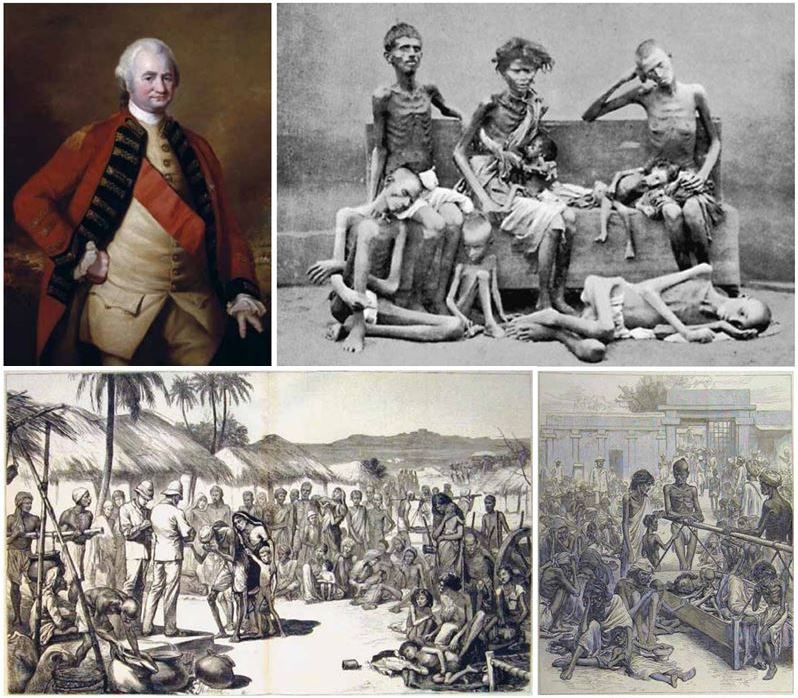
Research in progress. This collection will expand as further cases, images and evidence are researched and reviewed.
This collection will expand as further cases, images and evidence are researched and reviewed. Coverage is not exhaustive. Last updated:
Six connected histories
Slavery & forced labour
Human beings treated as property, and labour controlled after emancipation.
Read this theme ↗02Dispossession, extraction & plunder
The transfer of land, revenue and cultural property into colonial hands.
Read this theme ↗03Massacres & genocide
Specific acts, chains of command and evidence of destructive intent.
Read this theme ↗04Torture, detention & collective punishment
How civilian confinement became an instrument of colonial control.
Read this theme ↗05Famines & the politics of relief
Hunger produced by the interaction of shocks, inequality and government decisions.
Read this theme ↗06Education, cultural suppression & assimilation
Who could learn, whose knowledge counted, and whose culture schools sought to replace.
Read this theme ↗Scope & responsibility
A collection of documented cases and their wider connections. British central government, chartered companies, colonial administrations and settler governments exercised different powers. Each account identifies the relevant institutions; later settler-state policies are labelled as legacies rather than automatically attributed to London.
Slavery & forced labour
Human beings treated as property, and labour controlled after emancipation.
Back to themes ↑The scale of the British slave trade
The National Archives estimates that British ships transported about 3.1 million enslaved Africans, of whom roughly 2.7 million reached their destinations. These are estimates for British trafficking, not figures for the entire Atlantic system. Deaths during the crossing were only one part of the violence: capture, sale, forced separation and plantation labour affected people before and after the voyage. Commercial records describe people as cargo or financial assets; that vocabulary records the system’s practices, not their humanity. [11]
Emancipation compensated owners
The abolition settlement allocated £20 million to former slave-owners. Many formerly enslaved people were instead required to continue working under apprenticeship before full emancipation. Paying owners for the loss of human property preserved wealth produced by slavery while freedom arrived under conditions imposed on the formerly enslaved. [1]
Indenture after slavery
Demand for Indian indentured labour increased after abolition. Workers signed contracts, often amid poverty and famine, to travel to plantation colonies. Contractual recruitment differed legally from enslavement, but dependence on employers and colonial regulation constrained workers’ choices. The National Archives’ labour records provide a route to individual contracts, destinations and administrative decisions. Each colony’s conditions require separate examination; slavery and indenture should not be collapsed into one undifferentiated institution. [12]
Wealth outlasted slavery
UCL’s Legacies of British Slave-ownership project follows compensation recipients and the continuing influence of slave-derived wealth in Britain. Abolition ended a legal system of ownership; it did not erase the accumulated advantages of those who had profited from it. The records also show why attention to owners’ finances must be accompanied by research into the lives of the people they enslaved. [1]
Explore 5 related case profiles
- Atlantic Middle Passage and the slave-ship economy ↗16th–19th centuries
- Zong massacre ↗1781; insurance litigation in 1783
- British Slavery Abolition Act and apprenticeship ↗1833–1838
- Tamil plantation labour in colonial Ceylon ↗19th–20th centuries
- Blackbirding and Queensland's Islander labour trade ↗1863–1904; deportations followed
Dispossession, extraction & plunder
The transfer of land, revenue and cultural property into colonial hands.
Back to themes ↑Commercial power became political rule
In Bengal, the East India Company combined an army with commercial interests. Victory at Plassey in 1757 helped it become a territorial power; in 1765 it acquired the right to collect Bengal’s tax and customs revenues. Control over public revenue connected conquest to further military and commercial expansion. Company rule and later Crown rule were different forms of authority, but neither gave the governed equal control over imperial decisions. [2]
Benin’s palaces were systematically looted
British troops attacked Benin City and took artworks from its palaces. The British Museum itself describes this as systematic looting. The objects carried religious, political and historical significance in the kingdom; their removal was cultural dispossession as well as the seizure of valuable property. [5]
Confiscation given legal authority
New Zealand’s 1863 Settlements Act authorised confiscation of land belonging to Māori deemed to have rebelled. Raupatu transferred land and weakened the economic base of communities resisting colonial power. A law passed by the colonising government could formalise dispossession; it did not settle the justice of the taking. The particular roles of imperial troops, the governor and the settler government must be distinguished when assigning responsibility. [13]
Follow the transfer of ownership and power
The Company’s acquisition of Bengal’s revenue rights is a documented institutional transfer. It provides a stronger starting point for understanding extraction than a single modern monetary estimate for everything Britain took. Taxes, military costs, private fortunes and trade require separate accounting; converting centuries of unequal transactions into one precise present-day figure conceals substantial assumptions. [2]
Explore 6 related case profiles
- Battle of Plassey ↗23 June 1757
- Battle of Buxar and the Bengal revenue settlement ↗1764–1765
- Permanent Settlement of Bengal ↗1793 onward
- Benin expedition and looting ↗1897
- Destruction of Beijing's Old Summer Palace ↗October 1860
- Expulsion of the Chagossians ↗1968–1973
Massacres & genocide
Specific acts, chains of command and evidence of destructive intent.
Back to themes ↑Land and people subjected to colonial authority
Colonial dispossession could involve soldiers, administrators and settlers acting together. In Tasmania, Lieutenant-Governor George Arthur directed military and civilian operations against Aboriginal communities, armed settlers and sought to remove people from their homelands. The relationship between official orders and frontier violence matters: killings were not simply isolated encounters outside the colonial state. [3]
Genocide and the evidence of organised destruction
Historian Kristyn Harman describes the colonial campaigns and removals in Tasmania as genocide, drawing on official correspondence and scholarship including Tom Lawson’s work. The evidence includes coordinated military operations, rewards for capture and the removal of survivors from their country. This is an attributed historical assessment of a specific colonial process. Aboriginal Tasmanians survived and maintain living communities; the history must not repeat colonial claims that they became extinct. [3]
Reprisals in India, 1857–1858
The National Army Museum records indiscriminate hangings and the killing of innocent civilians during British reprisals after the Indian uprising. Describing these as retaliation does not turn their victims into combatants. An adequate account must identify where troops acted, what commanders authorised and how punishment extended beyond those proven responsible for violence. [17]
Troops fired into a civilian gathering
At Jallianwala Bagh in Amritsar, troops commanded by Reginald Dyer fired on a crowd that included peaceful protesters and religious pilgrims. Hundreds were killed. The Hunter Commission investigated the massacre, but the existence of an inquiry did not undo the violence or produce agreement in Britain about responsibility. [6]
Myall Creek: a prosecution that exposed wider violence
At least 28 unarmed Aboriginal people were killed by colonists at Myall Creek in June 1838. Seven perpetrators were eventually convicted and executed. The National Museum of Australia places this within wider frontier violence. This case demonstrates both the existence of colonial courts and the exceptional difficulty of holding settlers accountable; one prosecution cannot establish that the wider system protected Indigenous people. [20]
Explore 3 related case profiles
- Indian rebellion and British reprisals ↗1857–1858
- Jallianwala Bagh massacre ↗13 April 1919
- Zong massacre ↗1781; insurance litigation in 1783
Torture, detention & collective punishment
How civilian confinement became an instrument of colonial control.
Back to themes ↑Camps during the South African War
British counterinsurgency in the South African War confined civilians in camps. The National Archives estimates that 26,000 Boer women and children and more than 14,000 Black inmates died, mainly from disease and malnutrition. Separate camp systems and unequal records require separate accounting. These estimates should not be folded into a single empire-wide death toll or treated as complete lists of named victims. [14]
Kenya’s Emergency detention system
Emergency regulations permitted detention without trial and harsh rehabilitation regimes. Many detainees were never tried and their links to Mau Mau were unproven. Britain’s 2013 statement acknowledged torture and ill-treatment by the colonial administration; its £19.9 million settlement, including legal costs, covered 5,228 claimants. [9]
Explore 2 related case profiles
- Mau Mau detention system ↗1952–1960
- Mau Mau Rebellion ↗1952–1960; independence in 1963
Famines & the politics of relief
Hunger produced by the interaction of shocks, inequality and government decisions.
Back to themes ↑Relief policy became a struggle over survival
During Indian famine relief, Richard Temple and medical officer W. R. Cornish disputed wages, nutritional needs and mortality calculations. David Hall-Matthews’s research shows scientific expertise and political authority clashing inside the administration. The amount of food relief workers received was a policy choice with human consequences, not something dictated by drought alone. [8]
Bengal’s wartime famine
An estimated three million people died in the Bengal famine, according to Colonial Biopolitics and the Great Bengal Famine of 1943. Wartime governance, unequal access to food and failures of protection form part of the explanation. Crop conditions, disrupted supplies and disease also require examination. The disaster cannot be explained by weather alone, nor can every death be assigned to one decision. [7]
Ireland: blight, distress and a mass loss of life
An estimated one million people died during Ireland’s Great Famine, according to the US National Archives. Crop disease explains the loss of potatoes, but does not by itself explain whether people could obtain other food, relief or secure livelihoods. The deaths must be considered alongside displacement and emigration, rather than treating those who left as fatalities. [18]
What relief records can establish
The National Archives of Ireland holds distress papers and Relief Commission records documenting appeals and official responses. Such material makes it possible to examine assistance requested, relief administered and decisions made. It also needs comparison with local testimony: administrative files were produced by institutions managing the crisis and do not exhaust the experience of the hungry. [19]
Explore 8 related case profiles
- British-induced famines in India ↗1765–1947
- Great Bengal famine ↗1769–1770
- Great Famine of 1876–1878 ↗1876–1878
- Bengal famine ↗1943–1944
- Great Famine of Ireland ↗1845–1852
- Agra famine ↗1837–1838
- Orissa famine ↗1865–1867, crisis in 1866
- Rajputana famine ↗1868–1870
Education, cultural suppression & assimilation
Who could learn, whose knowledge counted, and whose culture schools sought to replace.
Back to themes ↑Education designed around a colonial intermediary class
Macaulay’s Minute on Indian Education proposed concentrating limited funds on English learning and a small class able to mediate between rulers and the population. He recommended ending the printing of Arabic and Sanskrit books and abolishing particular institutions or student stipends. These were deliberate proposals to redirect support and subordinate Indian intellectual traditions. His expectation that learning would later spread through vernacular languages should also be recorded: the document does not establish a uniform empire-wide ban on education. [4]
Restrictions were specific and intentional
The 1835 Minute ranks English learning above Sanskrit and Arabic and proposes withdrawing particular forms of support. It supplies direct evidence of cultural hierarchy and a selective funding strategy. It is evidence of what Macaulay advocated; assessing implementation, school access and literacy over subsequent decades requires additional regional records. Proposals, enacted policy and measured outcomes should not be treated as interchangeable. [4]
Schooling could itself be coercive
Canada’s residential-school system removed First Nations, Inuit and Métis children from families and communities. The National Centre for Truth and Reconciliation records that more than 150,000 children attended and that many never returned. The Truth and Reconciliation Commission characterised the assimilative intent as cultural genocide. This is evidence about a particular system, not an invitation to equate every colonial school with it. [15]
Identify who governed the institution
The Canadian federal government and churches operated the residential-school system across a period extending well beyond British colonial government. It belongs here as a settler-colonial legacy, with those responsible identified. The connection to British empire must not substitute for evidence about Canadian laws, institutions and decisions. [15]
Explore 2 related case profiles
- Canadian residential-school system ↗19th–20th centuries
- Stolen Generations ↗19th–20th centuries; policies varied by jurisdiction
Propaganda, Concealment and Control of the Historical Record
How violence was explained, what records survived, and who could access them are part of the history itself.
Legitimising imperial violence
Caroline Elkins’s Legacy of Violence examines how imperial institutions justified, circulated and concealed coercive practices. It provides a framework for connecting individual cases to the ideas and administrative systems that sustained them. This collection will examine those connections case by case; the book’s publisher description and a reader’s review do not substitute for checking its chapters and underlying evidence. [24]
Propaganda as administrative work
The National Archives guide identifies Malayan files FCO 141/7460, 7307 and 7309 on anti-communism and counter-propaganda during 1952–56, including material from the Information Research Department. These catalogue entries establish a documentary trail for studying official messaging. Their existence alone does not establish the content or effect of every campaign; examining the underlying files remains part of this collection’s research programme. [21]
Operation Legacy and the selection of records
The same guide describes Kenyan files FCO 141/6957–6959 covering document classification, restrictions on Special Branch material to officials of European descent, and policies for destroying certain records. It also identifies a report on Operation Legacy in Uganda in 1962 and subsequent Kenyan discussions. These are catalogue descriptions of surviving records, not a claim that every underlying document has been examined here. [21]
Who was allowed to know?
Historian Tim Livsey’s research traces the removal of colonial files and racially restricted filing systems. Instructions included removing papers that might embarrass colonial authorities. His account also complicates the idea of an archive unknown to everyone: some officials and researchers knew of the records, while others were denied access. Unequal access mattered both to historical scholarship and to people seeking evidence of abuses. [22]
Survivors, disclosure and public access
Livsey connects the 2011 disclosure to litigation brought by Kenyan survivors of colonial abuse. This makes the opening of the archive part of the history of resistance and demands for accountability, rather than simply an administrative reform. Recovering documents cannot restore destroyed evidence, and official records still need to be read alongside testimony and records held in formerly colonised countries. [22]
A record that remains open to scrutiny
The Foreign and Commonwealth Office records that the migrated archives collection was made publicly available in 2013, with a small proportion subject to legal exemptions. Its guidance also links the Cary review and statistics on closures and retentions. Those disclosures provide research material; they do not demonstrate that the surviving collection is a complete account of colonial rule. [23]
Images, documents & remembrance
Explore photographs, illustrations, maps and memorials connected with the collection. Captions distinguish records of events from later representations. Some images show severe suffering and death.
Explore by theme or region
Each case keeps its own chronology, evidence and sources.
25 of 25 cases
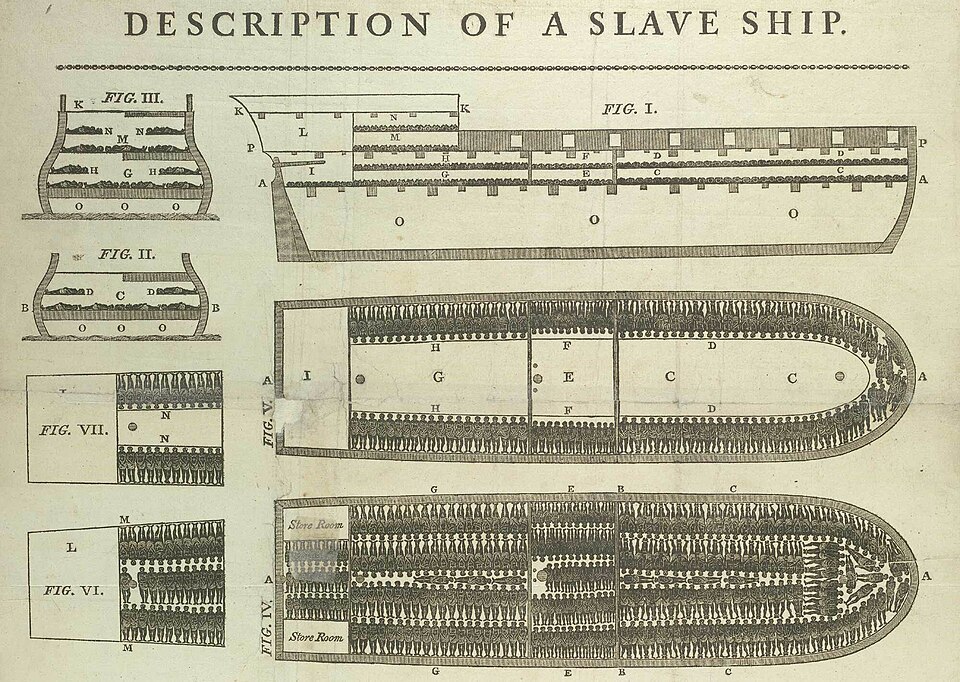
Atlantic Middle Passage and the slave-ship economy
16th–19th centuriesThe forced ocean crossing that sustained Atlantic slavery at immense human cost.
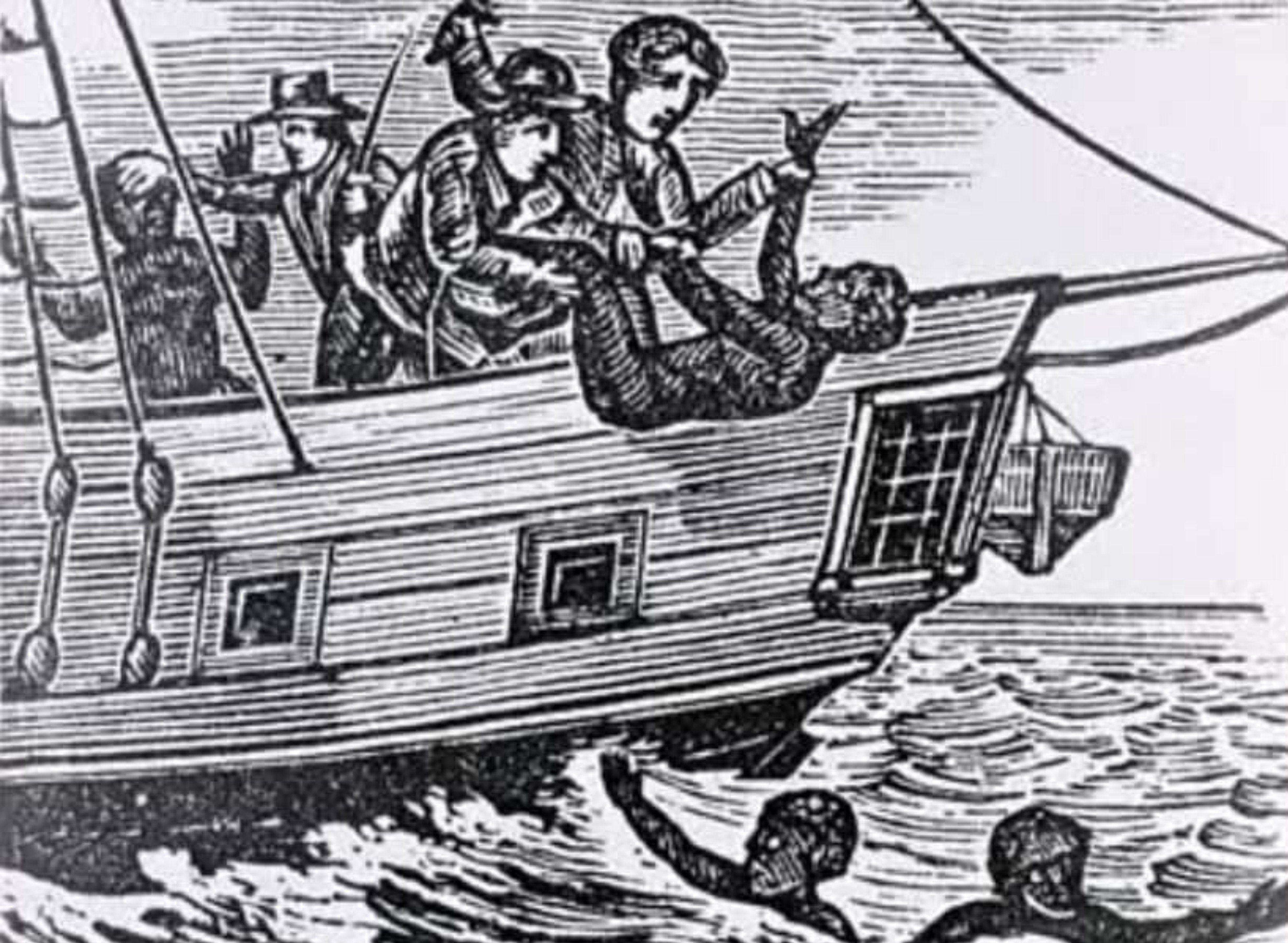
Zong massacre
1781; insurance litigation in 1783The killing of enslaved Africans followed by a court dispute over their insurance value.
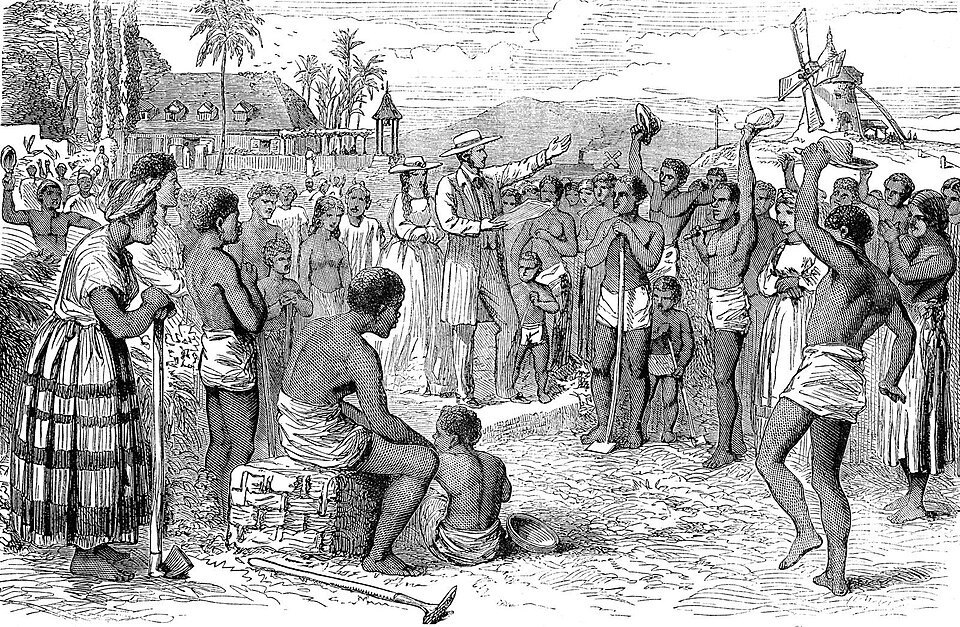
British Slavery Abolition Act and apprenticeship
1833–1838Legal emancipation followed by compulsory apprenticeship and compensation for enslavers.
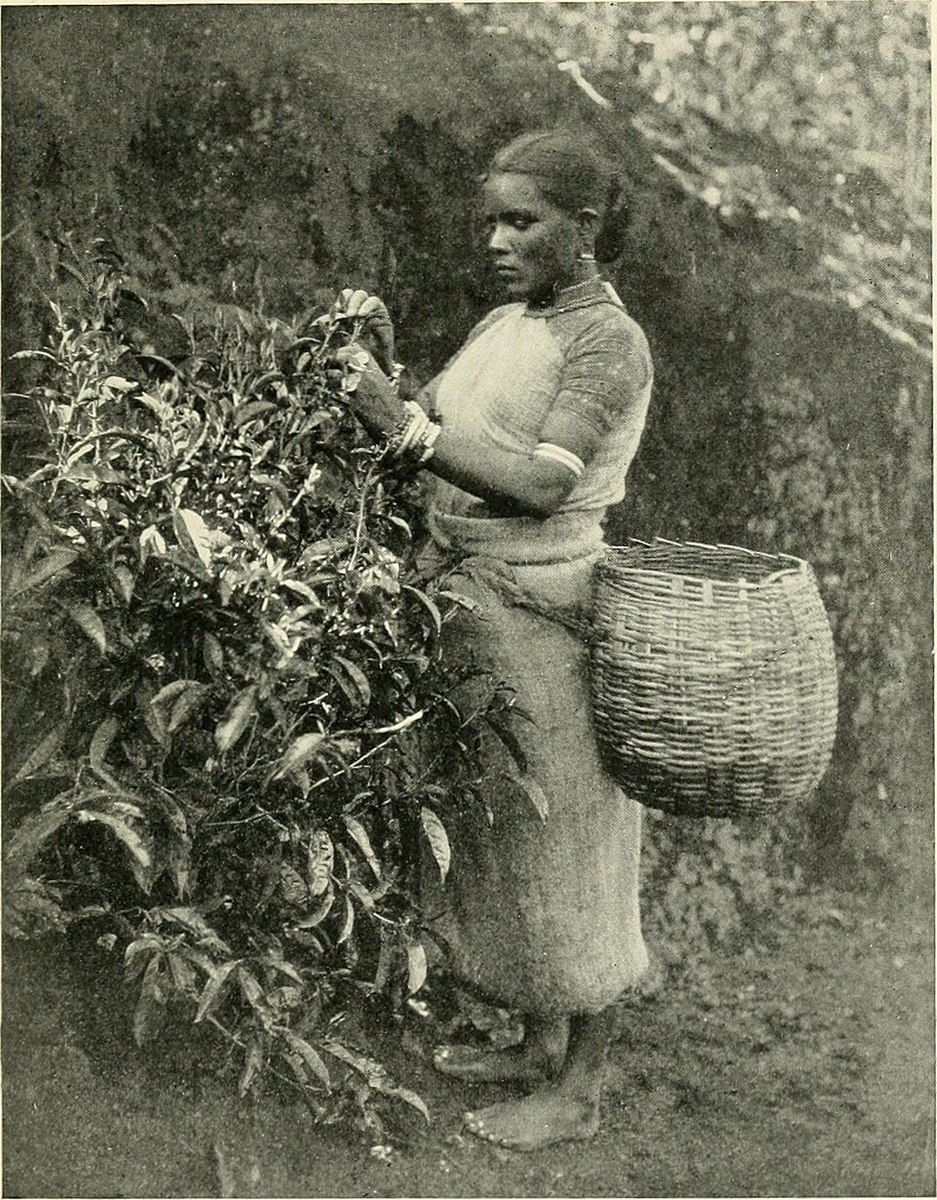
Tamil plantation labour in colonial Ceylon
19th–20th centuriesTamil labour that built the plantation economy under unequal colonial conditions.
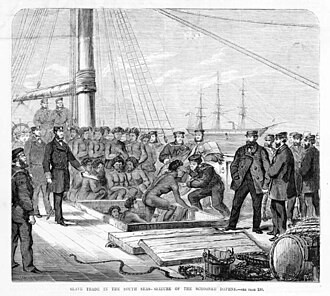
Blackbirding and Queensland's Islander labour trade
1863–1904; deportations followedKidnapping and deceptive recruitment behind Queensland's plantation labour system.
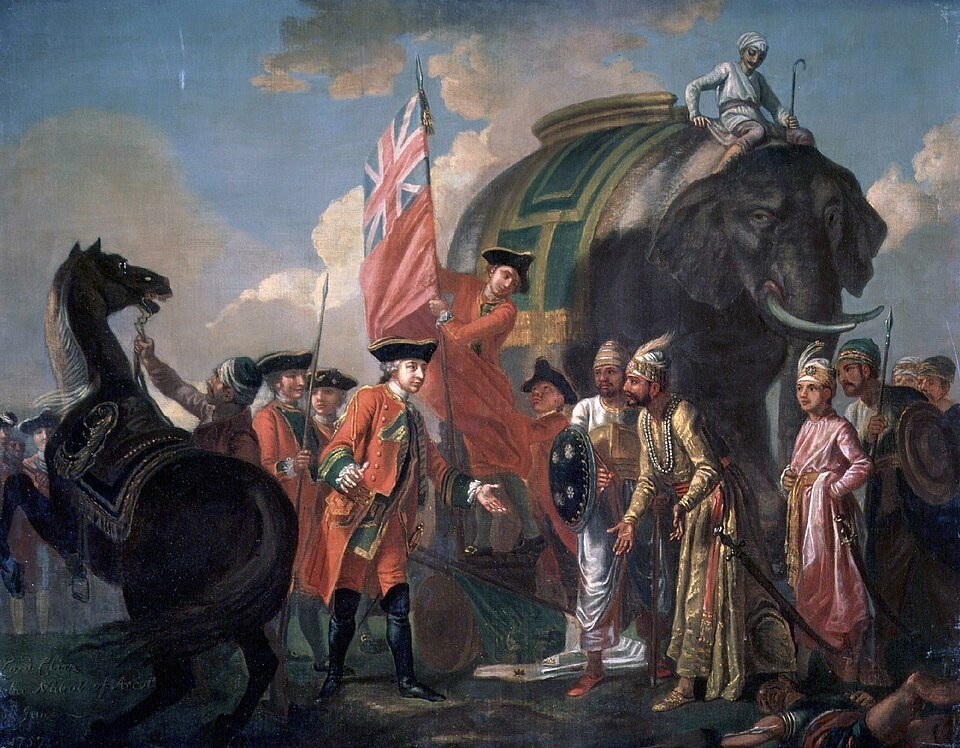
Battle of Plassey
23 June 1757A Company victory that opened the way to British political control in Bengal.
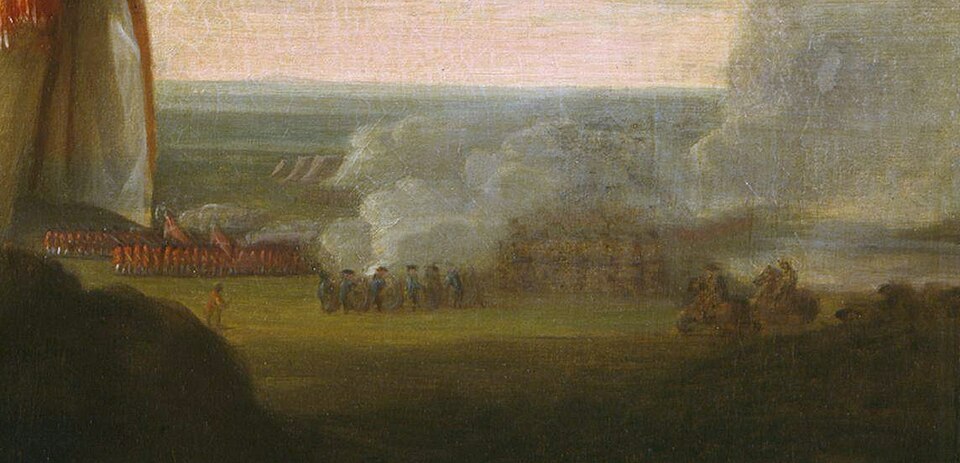
Battle of Buxar and the Bengal revenue settlement
1764–1765A military victory converted into East India Company revenue power.
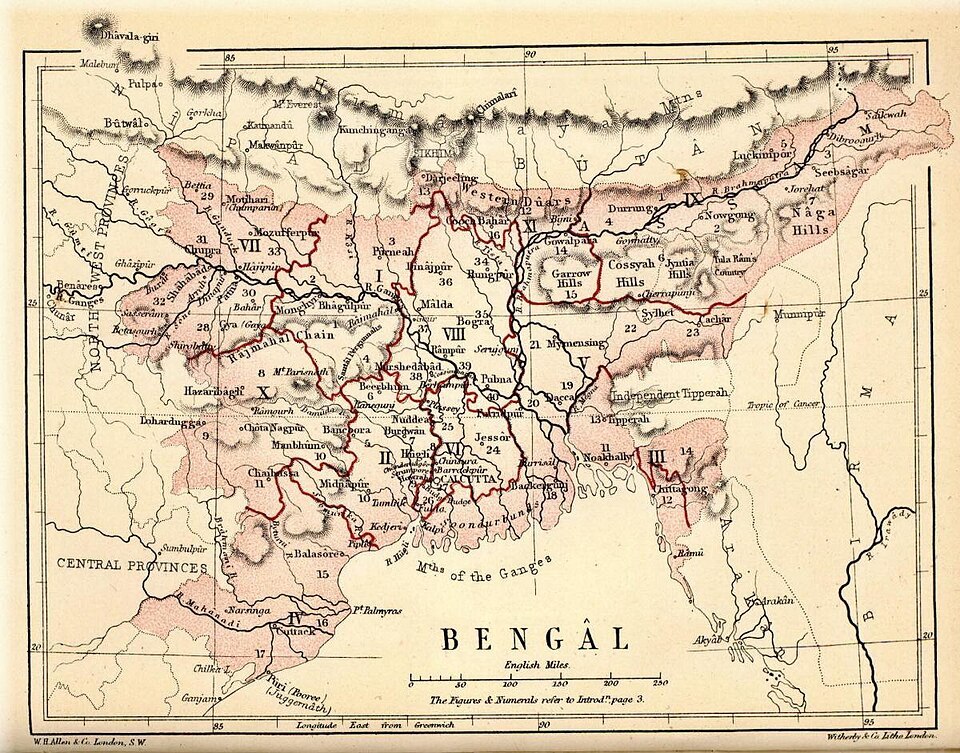
Permanent Settlement of Bengal
1793 onwardLand revenue fixed for zamindars while cultivators remained exposed to unequal power.
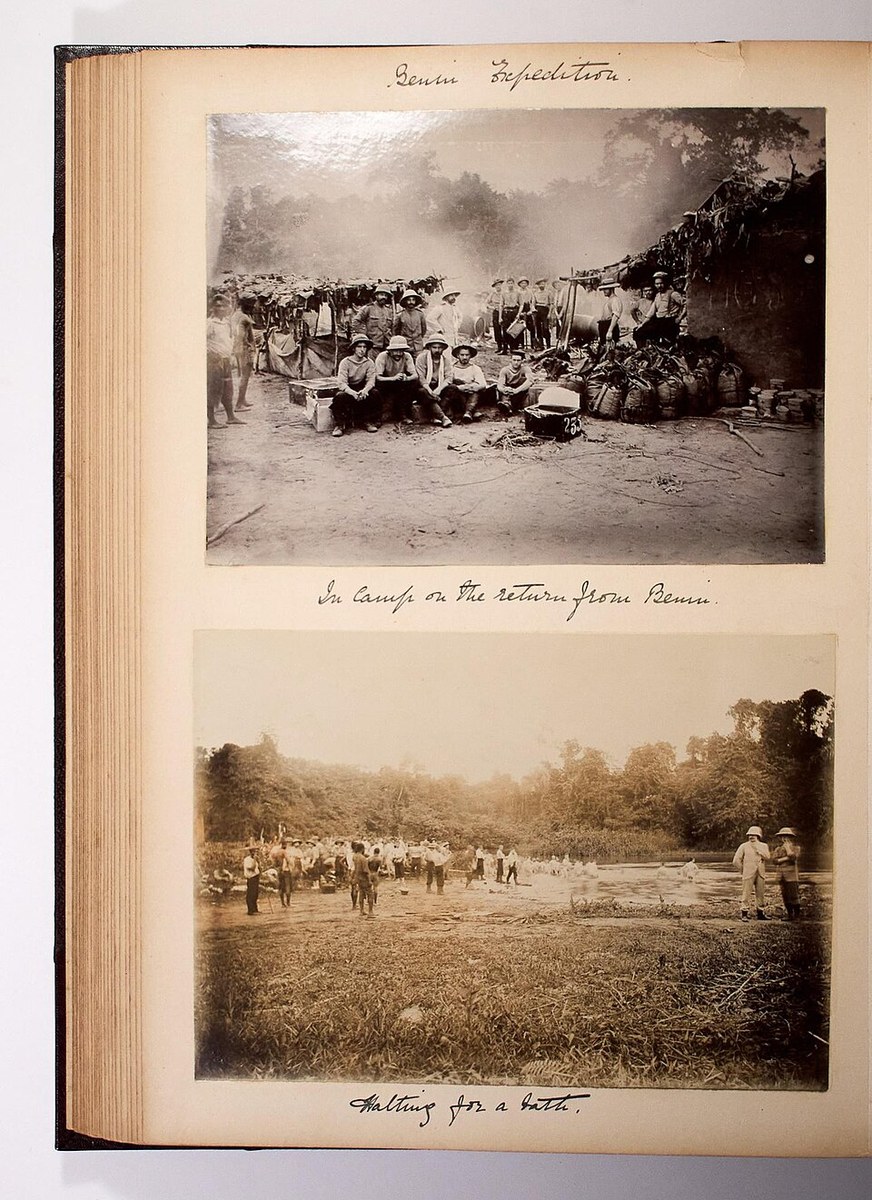
Benin expedition and looting
1897The British invasion of Benin and dispersal of its royal artworks into overseas collections.
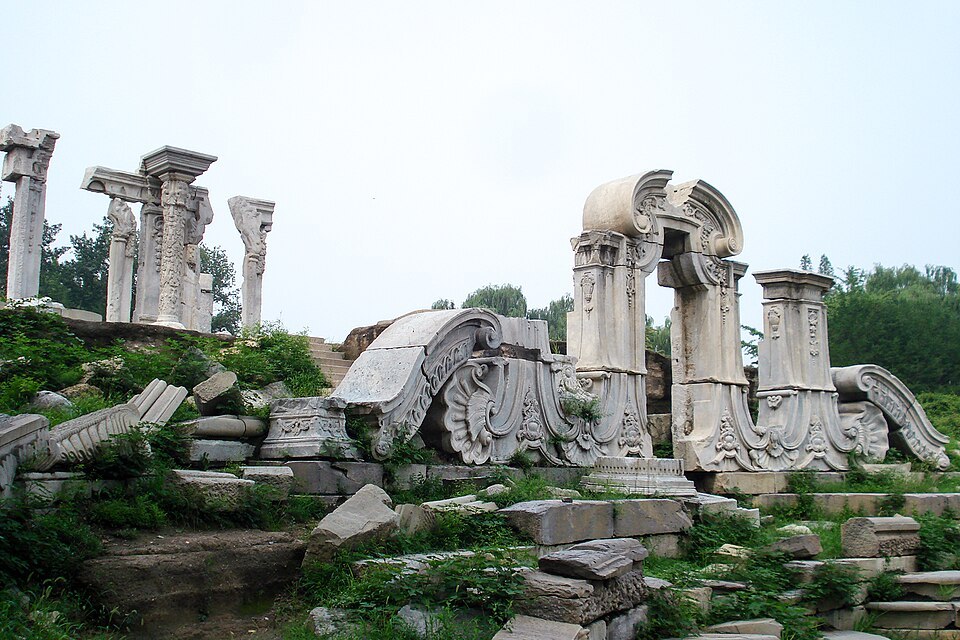
Destruction of Beijing's Old Summer Palace
October 1860Anglo-French looting and British burning of Beijing’s imperial gardens.
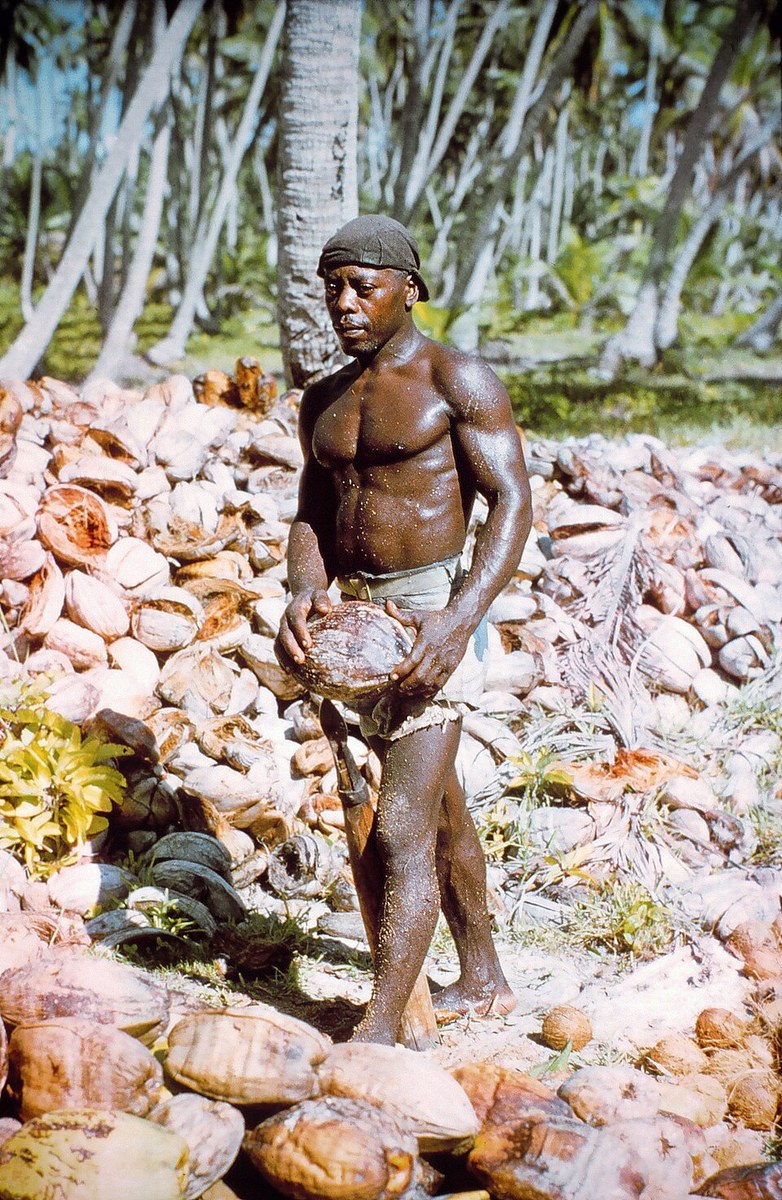
Expulsion of the Chagossians
1968–1973Island communities removed to make way for a British–American military base.
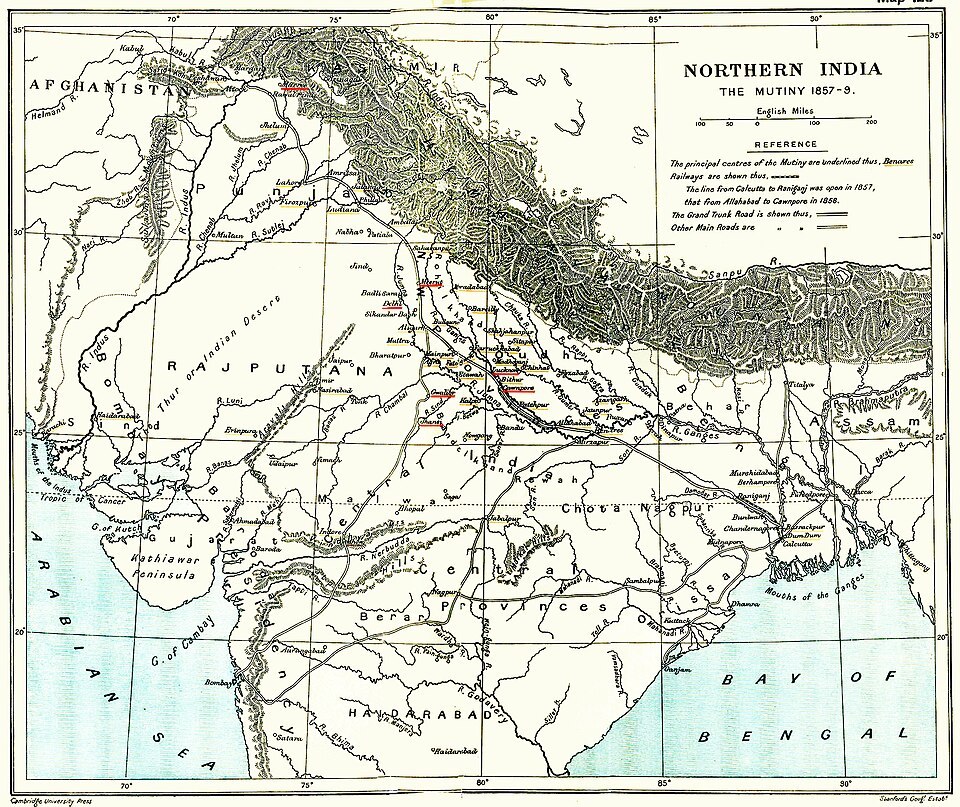
Indian rebellion and British reprisals
1857–1858A major uprising against Company rule met with devastating British reprisals.
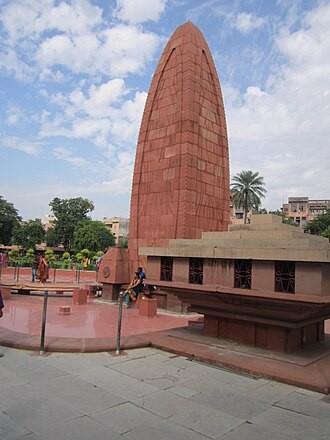
Jallianwala Bagh massacre
13 April 1919The British Indian Army's mass shooting of a crowd in an enclosed Amritsar garden.
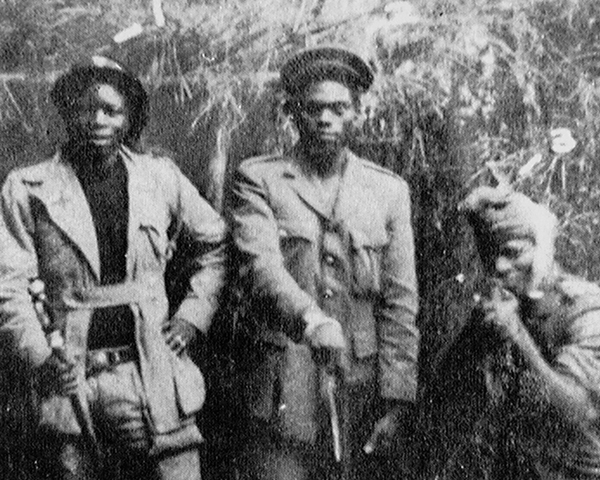
Mau Mau detention system
1952–1960Detention and torture during Britain's suppression of the Kenyan independence struggle.
Mau Mau Rebellion
1952–1960; independence in 1963An armed struggle over land and freedom, met by British military repression and mass detention.
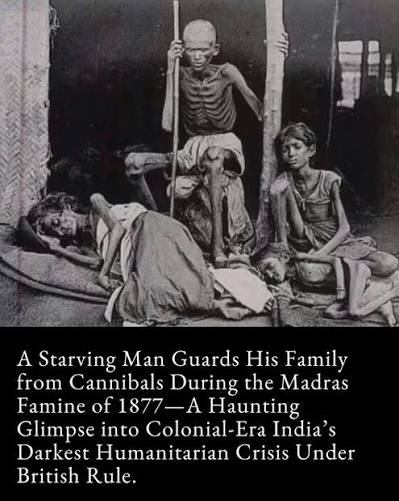
British-induced famines in India
1765–194731 recurring mass starvation shaped by colonial extraction, unequal access to food and failures of relief.
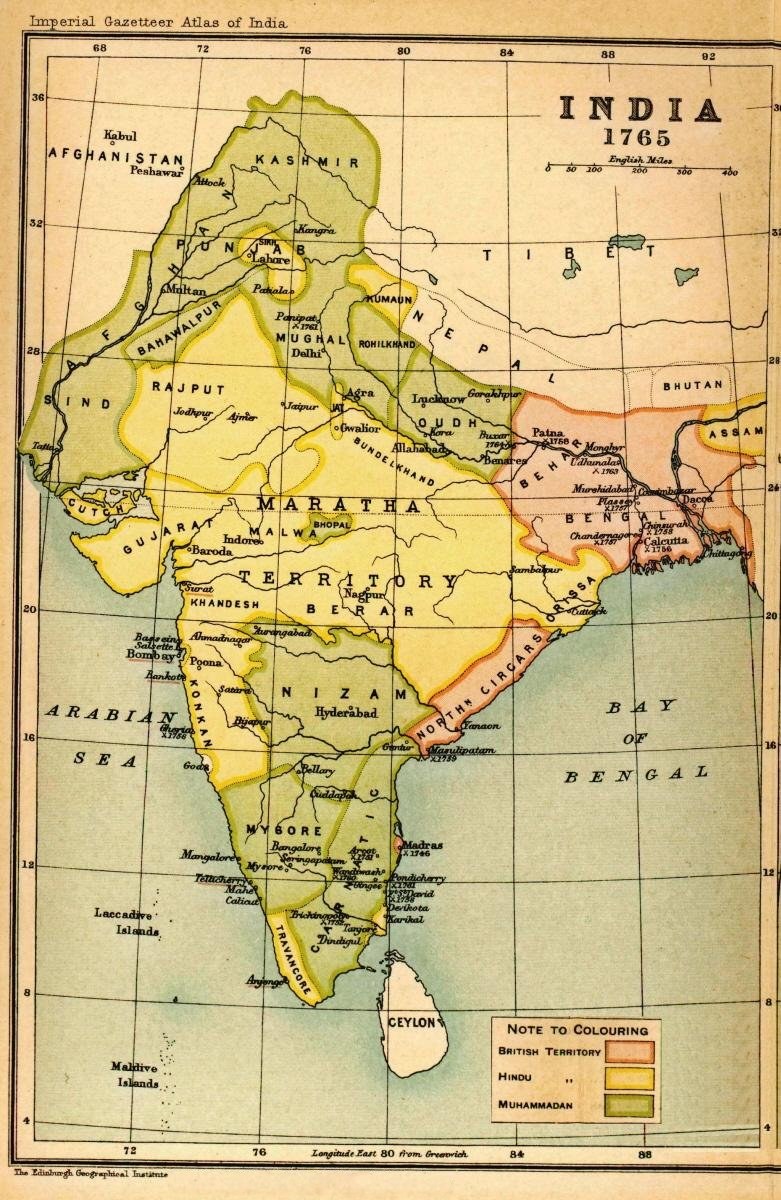
Great Bengal famine
1769–1770Mass hunger during the East India Company's early revenue rule in Bengal.
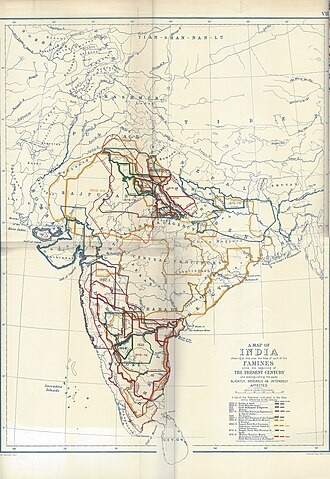
Great Famine of 1876–1878
1876–1878Drought and hunger intensified by restrictive colonial relief and inadequate support.
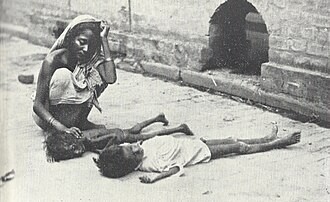
Bengal famine
1943–1944Mass starvation during wartime, shaped by colonial priorities and unequal access to food.
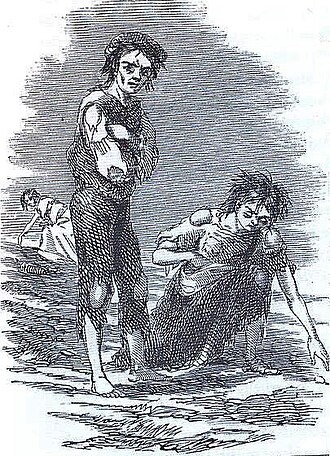
Great Famine of Ireland
1845–1852A crop catastrophe made deadlier by poverty, land inequality and failures of relief.
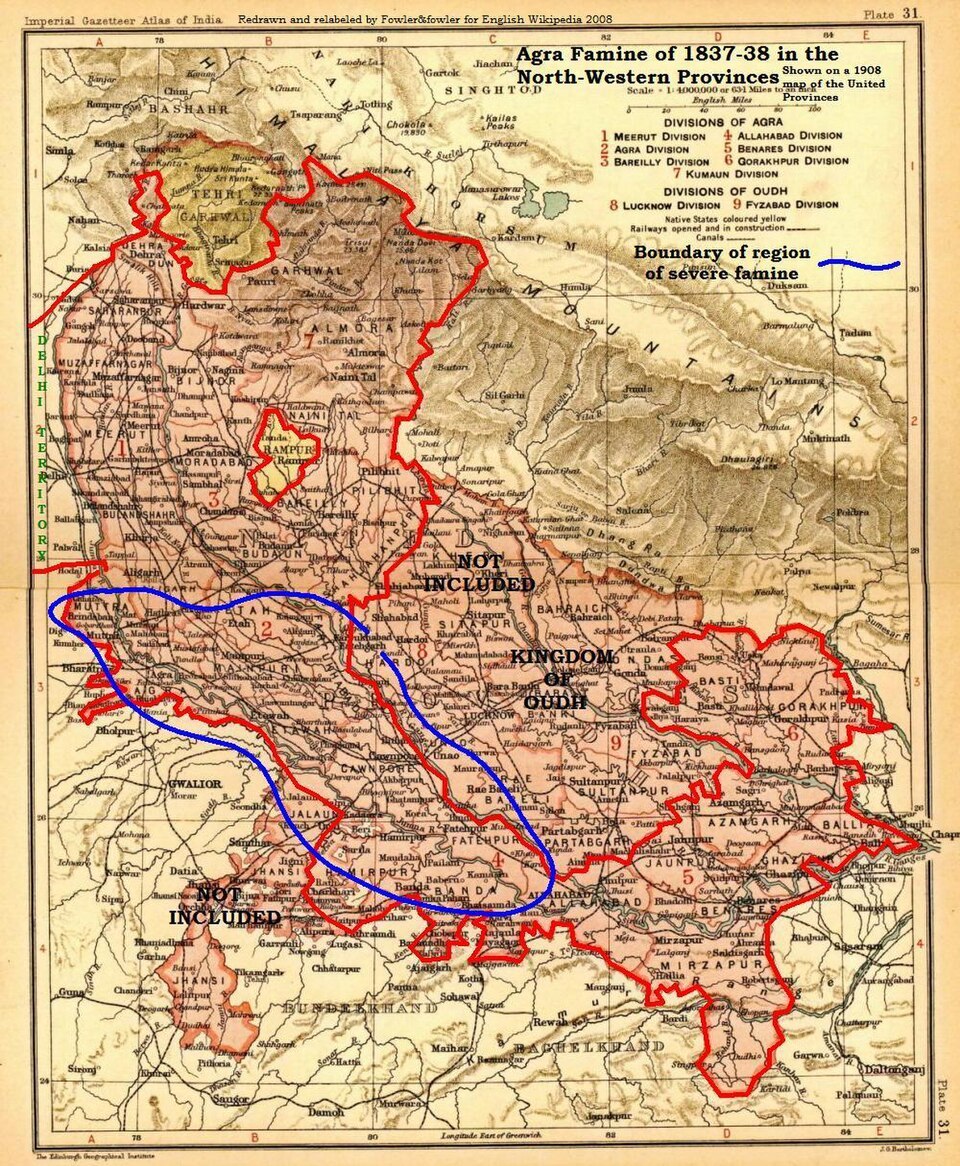
Agra famine
1837–1838Crop failure and loss of access to food devastated the central Doab.
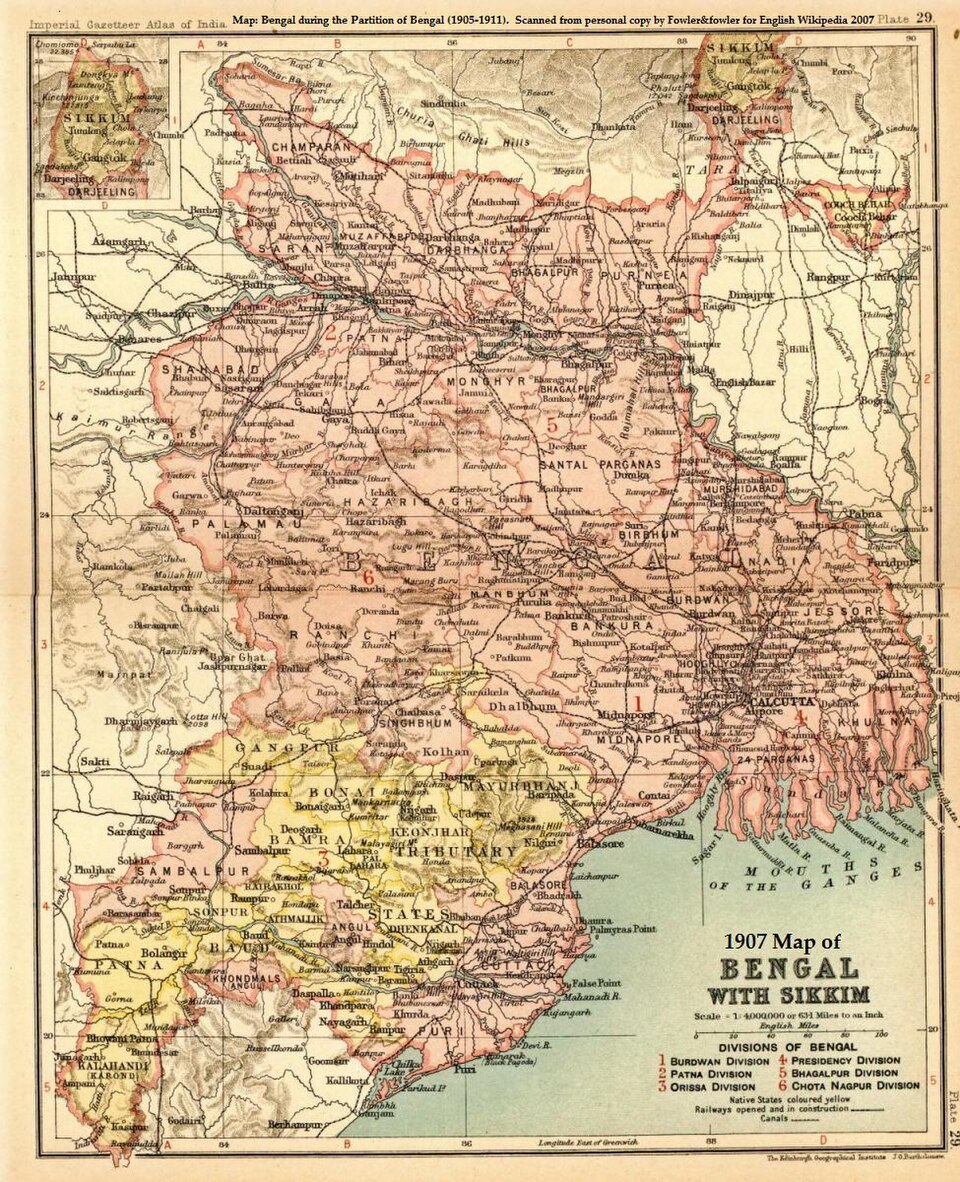
Orissa famine
1865–1867, crisis in 1866A failed harvest became a catastrophe amid delayed and inadequate colonial relief.
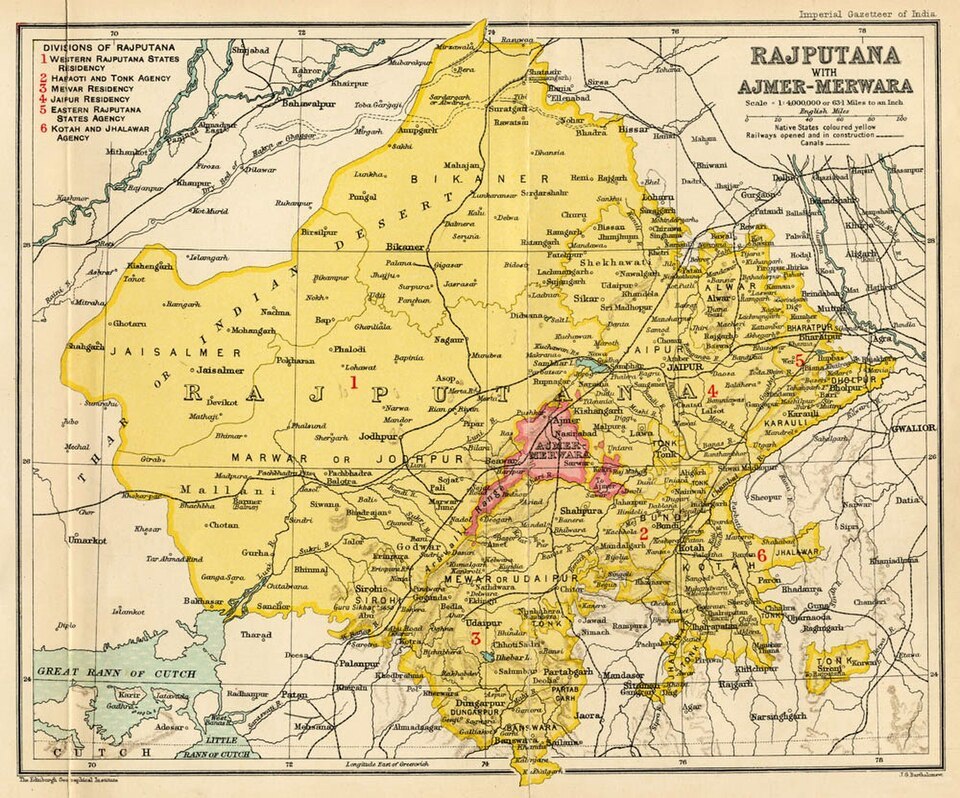
Rajputana famine
1868–1870Drought, livestock losses and inadequate relief across a fragmented political region.
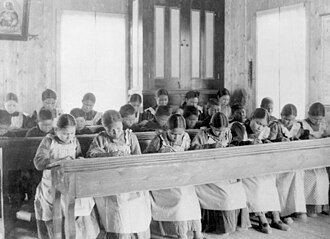
Canadian residential-school system
19th–20th centuriesThe separation of Indigenous children from families to suppress cultures and identities.
Settler-colonial legacy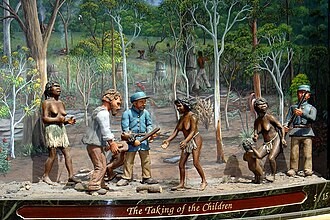
Stolen Generations
19th–20th centuries; policies varied by jurisdictionThe removal of Aboriginal and Torres Strait Islander children under discriminatory policies.
Settler-colonial legacyPolicy, violence and resistance over time
- 1833–1838Emancipation compensated owners ↗
- 1835Education designed around a colonial intermediary class ↗
- 1876–1878Relief policy became a struggle over survival ↗
- 1897Benin’s palaces were systematically looted ↗
- 13 April 1919Troops fired into a civilian gathering ↗
- 1943–1944Bengal’s wartime famine ↗
- 1952–1960Kenya’s Emergency detention system ↗
Survival, restitution & redress
Restitution is a material question
Objects taken from Benin are the subject of concrete ownership claims, not only arguments about museum labels. The Horniman transferred ownership of its Benin collection to Nigeria in 2022; some objects subsequently remained on loan. That distinction between ownership and display illustrates how restitution can change legal control while allowing future cultural cooperation. [10]
Survivors changed the public record
Kenyan survivors’ claims secured acknowledgement and a settlement in 2013. Britain nevertheless denied legal liability. Recognition, compensation and a court finding of responsibility are distinct outcomes. [9]
Displacement and the unfinished work of decolonisation
In its 2019 advisory opinion, the International Court of Justice concluded that Mauritius’s decolonisation had not been lawfully completed following the separation of the Chagos Archipelago. The court addressed the circumstances of separation and removal, and said Britain should end its administration as rapidly as possible. This records the 2019 finding; it is not a claim about the status of later agreements or the present rights of return. [16]
Evidence & sources
- A death toll is attached to its place, period, source and uncertainty. Transported people, displaced people, population decline and deaths are different measures; no empire-wide total is manufactured from them.
- Genocide findings and historical assessments are attributed. Documented intent, official policy, individual acts and the consequences of neglect are examined separately.
- Official archives are compared with scholarship and accounts from affected communities. Administrative silence does not establish that abuse did not happen, and an official claim is not automatically accepted as fact.
- The collection includes resistance, survival and claims for redress. Existing case profiles keep their own addresses and sources; inclusion here is an editorial connection, not a new finding about every claim in them.
Overview bibliography (24)
Supplied by the site owner. Original collage creator and individual image sources not yet established.
- UCL — Legacies of British Slave-ownership ↗
- National Army Museum — Battle of Plassey ↗
- Kristyn Harman, University of Tasmania — evidence for the Tasmanian genocide ↗
- Macaulay — Minute on Indian Education (1835), University of Washington copy ↗
- British Museum — Collecting histories ↗
- UK Parliament — Hunter Commission report ↗
- Colonial Biopolitics and the Great Bengal Famine of 1943 ↗
- David Hall-Matthews — Inaccurate Conceptions ↗
- UK government — settlement of Mau Mau claims (2013) ↗
- Horniman Museum — Benin objects returned to Nigerian ownership ↗
- The National Archives — British transatlantic slave-trade records ↗
- The National Archives — Indian indentured labourers ↗
- Manatū Taonga — Raupatu / land confiscations ↗
- The National Archives — South African War, 1899–1902 ↗
- National Centre for Truth and Reconciliation — Residential School History ↗
- International Court of Justice — Chagos advisory opinion, 2019 ↗
- National Army Museum — Decisive events of the Indian Rebellion ↗
- US National Archives — Ireland’s Famine Children ↗
- National Archives of Ireland — Famine records and relief ↗
- National Museum of Australia — Myall Creek massacre ↗
- The National Archives — Migrated archives guide (Kenya pp. 50–51; Malaya p. 57) ↗
- Tim Livsey — Open secrets: the British migrated archives (2022) ↗
- Foreign & Commonwealth Office — Colonial administration files ↗
- Caroline Elkins — Legacy of Violence (publisher overview; full-book review pending) ↗
Revision record
This collection will expand as further cases, images and evidence are researched and reviewed. Coverage is not exhaustive.
- — First public research edition prepared, with 25 linked case profiles and 27 gallery images. Research and source review continue; earlier entries record development of the draft.
- — Removed the standalone slave-trade abolition entry and Wilberforce portrait from this collection. Retained the account of enslaver compensation and compulsory apprenticeship.
- — Added a South African concentration-camp photograph from the LSE Library collection and a Tasmanian proclamation board held by the State Library of New South Wales, with contextual captions and collection credits.
- — Added an expandable, subject-filtered visual gallery with enlarged viewing, source credits and links to the case profiles. Added the owner-supplied carrier photograph with identification pending. Sexual-violence visual records remain a research gap.
- — Added the section on propaganda, concealment and control of the historical record, with archival and scholarly sources. Established the ongoing collection and revision record. This edition remains an unpublished draft.