Expulsion of the Chagossians
Island communities removed to make way for a British–American military base.
- When
- 1968–1973
- Where
- Chagos Archipelago; Mauritius and Seychelles
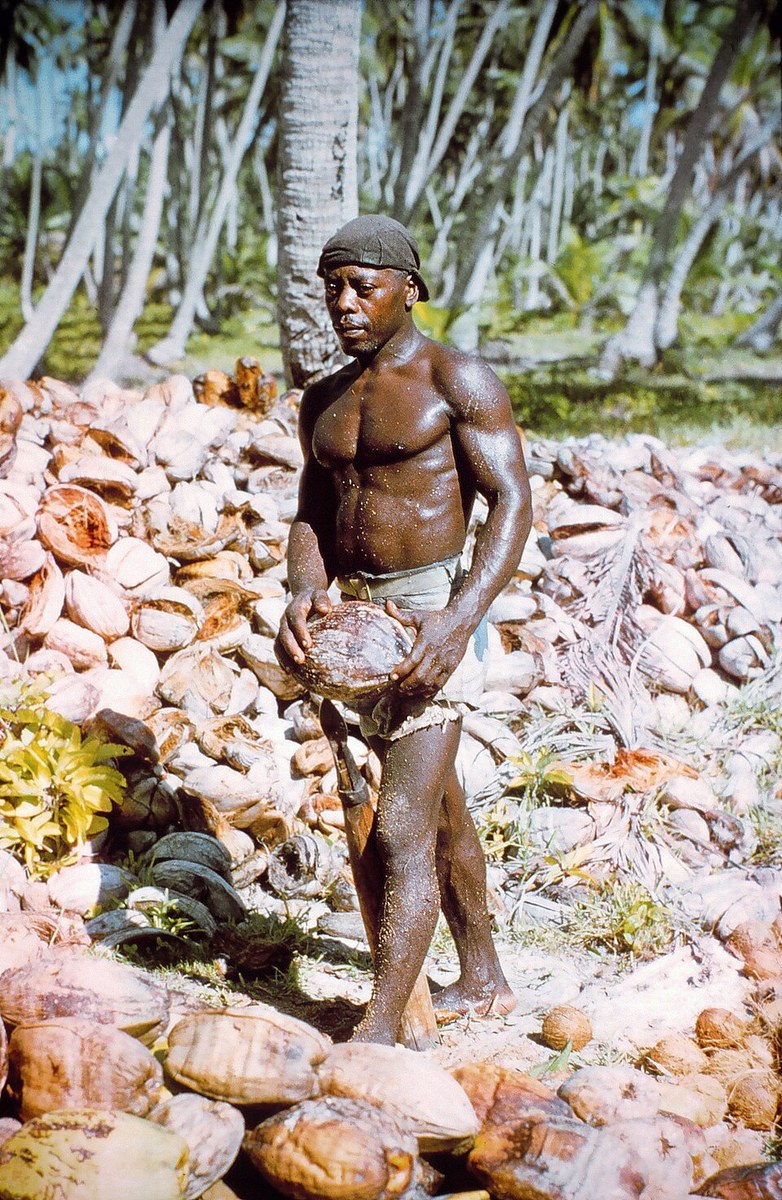
Island communities removed to make way for a British–American military base. Britain detached the Chagos Archipelago from Mauritius in 1965 before Mauritian independence. British–American defence arrangements designated Diego Garcia for military use.
Background
A homeland separated from Mauritius
Britain detached the Chagos Archipelago from Mauritius in 1965 before Mauritian independence. British–American defence arrangements designated Diego Garcia for military use. The islands were inhabited communities, not empty territory, but officials' treatment of the population enabled plans that required their permanent removal.[1]
What happened
- 1968–1973
Return prevented and residents expelled
Some islanders who travelled away were prevented from returning. Others were transported out as the military arrangements proceeded. The removals ended the communities' residence across the archipelago, with people left mainly in Mauritius and Seychelles, often without adequate housing, employment or support.[1]
- After removal
A struggle for return
Displacement severed access to homes, graves, work and community networks. Chagossians pursued petitions, litigation and campaigns for recognition and return. Compensation arrangements did not resolve the underlying question of whether people could choose to live again in the place from which they had been removed.[1]
Impact & evidence
Count people separately from descendants
Accounts commonly describe roughly 1,500–2,000 original displaced islanders; later affected populations include their descendants. Those categories should not be conflated. The central harm was coerced removal and lasting exclusion, with economic and social consequences that continued after the final transport left the islands.[2]
Aftermath & legacy
Decolonisation scrutinised
In 2019 the International Court of Justice concluded that Mauritius's decolonisation had not been lawfully completed and that British administration should end as rapidly as possible. That advisory opinion concerned sovereignty and decolonisation; the practical rights and wishes of Chagossians require attention in their own right. Later diplomatic arrangements are separate from this account of the expulsions.[1]
Sources & image credits (2)
- Wikipedia — Expulsion of the Chagossians ↗
- International Court of Justice — Chagos advisory opinion ↗
Photographer unidentified · Public domain (source record). Resized for display. Image source ↗