Tamil plantation labour in colonial Ceylon
Tamil labour that built the plantation economy under unequal colonial conditions.
- When
- 19th–20th centuries
- Where
- Central highlands of Ceylon, now Sri Lanka
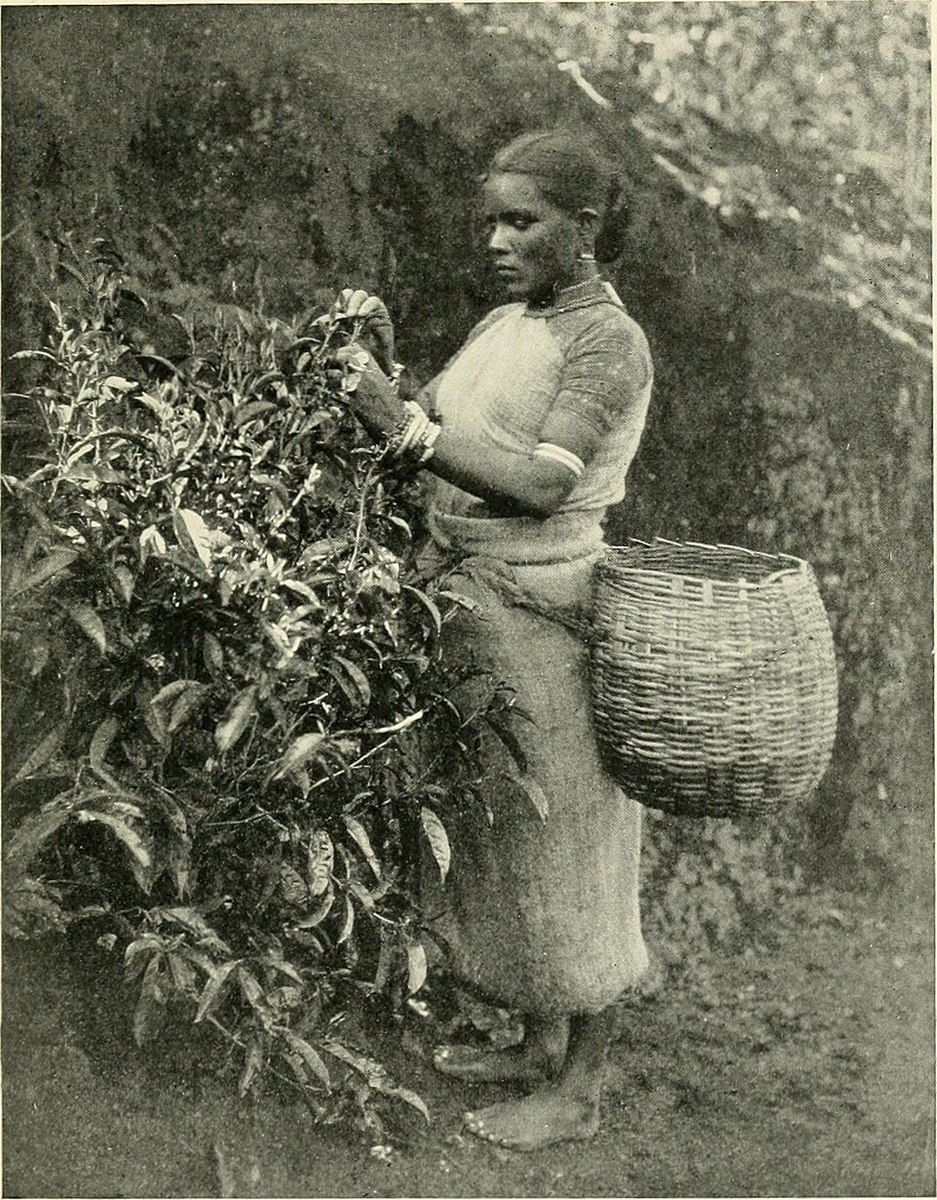
Tamil labour that built the plantation economy under unequal colonial conditions.
Background
Recruitment from southern India
British plantation expansion relied heavily on workers recruited from southern India. Coffee, and later tea and rubber, connected Ceylon to export markets while labourers and their families faced exhausting work and precarious living conditions. Hill Country Tamils developed a distinct social and political history; they are not interchangeable with all other Tamil communities on the island.[1]
An estate system that limited independence
Recruitment through the kangany system tied workers to intermediaries through advances, debts and supervision. Colonial master-and-servant law strengthened employers’ control over labour. Estate housing also tied a family’s home to its employment. These overlapping dependencies help explain why the growth of a profitable export industry did not translate into equal bargaining power for the people sustaining it.[3]
What happened
- Colonial period
Work and dependence
Recruitment through intermediaries, estate residence and dependence on plantation employment constrained workers’ choices. Women’s labour became indispensable to tea production. The plantation economy generated export earnings while workers had limited access to the education, housing and opportunities enjoyed by better-off sections of society.[1]
Impact & evidence
Work without secure belonging
Independence did not automatically bring equal citizenship. UNHCR’s history records how descendants of plantation migrants were left without nationality and consequently faced obstacles to voting, official employment, documentation and access to state land. Labour exploitation and later citizenship deprivation were connected, but they were different policies across different periods.[2]
Aftermath & legacy
Citizenship restored, inequality endured
A 2003 law and registration campaign enabled close to 200,000 stateless people to obtain citizenship in a concentrated programme described by UNHCR. Legal recognition addressed a profound exclusion; it did not by itself undo generations of estate poverty or create equal schooling and employment opportunities. Trade-union organisation and community advocacy belong alongside the history of coercion.[2]
Sources & image credits (3)
- Wikipedia — Indian Tamils of Sri Lanka ↗
- UNHCR: stateless tea workers and citizenship, 2004 ↗
- Amnesty International: plantation workers’ rights, 2026 ↗
Internet Archive Book Images · No restrictions Image source ↗