Permanent Settlement of Bengal
Land revenue fixed for zamindars while cultivators remained exposed to unequal power.
- When
- 1793 onward
- Where
- Bengal Presidency, British India
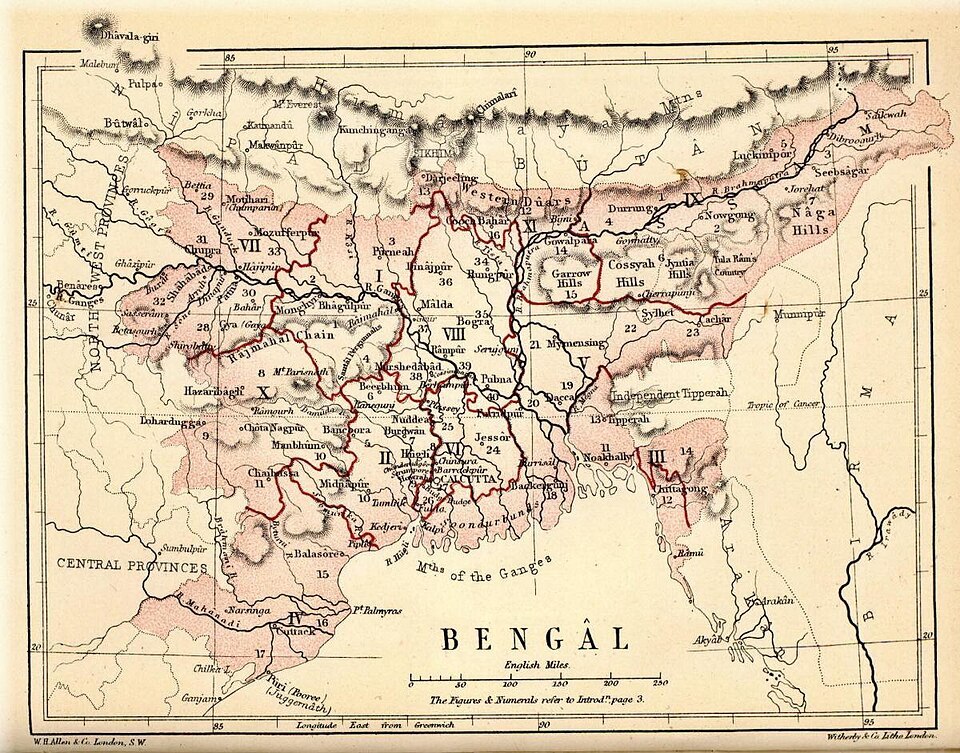
Land revenue fixed for zamindars while cultivators remained exposed to unequal power.
Background
Making revenue predictable
Company officials wanted dependable income and a class of landholders invested in colonial order. Under Cornwallis, the settlement recognised zamindars as proprietors responsible for a permanently fixed payment to the government.[1]
Government revenue and peasant rents
The settlement formed part of Cornwallis’s wider administrative reforms. Revenue collection, judicial work and commerce were assigned to distinct branches of Company service. In the countryside, recognition of zamindars as proprietors strengthened a landed intermediary class through which the colonial government expected to collect a predictable income.[1]
What happened
- 1793
A permanent public demand
The regulation fixed the government’s revenue claim. Landholders could benefit from increased rents and agricultural output, but failure to pay could lead to the loss of their estates. Permanence applied to the state’s demand, not automatically to what tenants owed.[2]
Impact & evidence
Long-term effects
The arrangement redistributed authority over land and encouraged estate sales and intermediary interests. Cultivators’ security depended on rights and enforcement that the initial settlement did not adequately protect. A fixed tax for proprietors was not equivalent to protection from rent increases or dispossession for peasants.[1]
Aftermath & legacy
A durable colonial institution
The settlement shaped agrarian politics long after 1793. Its consequences varied across estates and periods, with local landholding, rents and cultivation shaping the experience of tenants.[1]
Sources & image credits (2)
W. H. Allen and Co. · Public domain Image source ↗