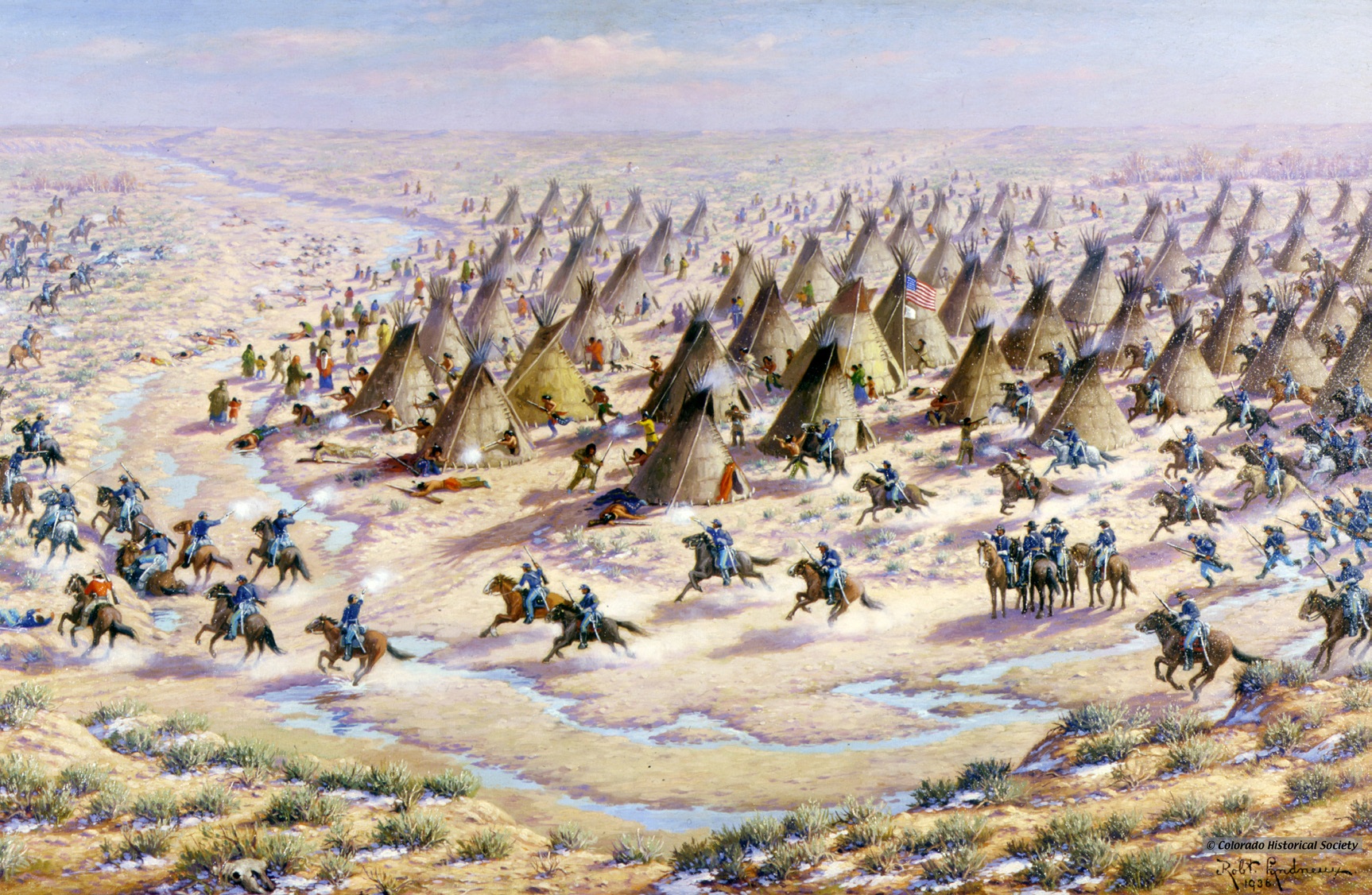
Jallianwala Bagh massacre
The British Indian Army's mass shooting of a crowd in an enclosed Amritsar garden.
- When
- 13 April 1919
- Where
- Amritsar, Punjab, British India; now India
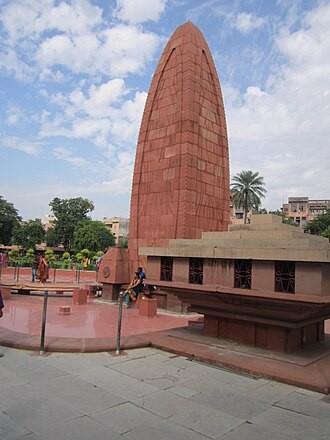
Troops under Brigadier-General Reginald Dyer fired into a crowd at Jallianwala Bagh on 13 April 1919. The gathering included protesters and people visiting Amritsar for Baisakhi. The massacre intensified opposition to British rule.
Background
A gathering in Amritsar
Political unrest and the Baisakhi festival brought people together. The crowd was not simply an assembled military force: parliamentary accounts identify peaceful protesters and religious pilgrims among those present.[1]
A crowd confined in a garden
The gathering took place in an enclosed space with restricted exits. Religious visitors and political protesters were present together. Dyer’s use of troops therefore placed a civilian crowd in a situation where fleeing the gunfire was difficult; the enclosure helps explain the scale of injury and death.[1]
What happened
- 13 April 1919
Dyer orders firing
Troops shot into the enclosed garden, killing hundreds and wounding many more. The physical setting restricted escape and became central to accounts of the massacre.[2]
- 1919–1920
The Hunter inquiry
An official committee investigated the disturbances and Dyer's actions. Its report and the surrounding parliamentary disputes expose disagreement over colonial authority and the use of force.[1]
- After 1919
A political rupture
The massacre strengthened Indian nationalist opposition. Parliament's historical account identifies it as a major stimulus to nationalist feeling after the First World War.[2]
Impact & evidence
The casualty record
British official figures recorded 379 dead and 1,100 wounded. A later parliamentary motion contrasts these with Indian National Congress estimates of about 1,000 dead and 1,500 wounded.[3]
Aftermath & legacy
Remembering the victims
Commemoration centres on the people killed and injured, alongside the wider political consequences. Differences in casualty estimates should remain visible rather than being reduced to a falsely exact total.[3]
An inquiry without a shared verdict
The Hunter inquiry made official evidence available, but British political responses remained divided. Condemnation of Dyer coexisted with defence of his conduct. For Indians confronting colonial rule, the issue extended beyond one officer: it concerned the power of an administration to deploy lethal force against people denied equal political authority.[2]
Sources & image credits (3)
- UK Parliament — Hunter Commission report ↗
- UK Parliament — The Raj and independence ↗
- UK Parliament — Amritsar commemorative motion ↗
Sukanta Pal; CC BY-SA 4.0; via Wikimedia Commons. Image source ↗