Orissa famine
A failed harvest became a catastrophe amid delayed and inadequate colonial relief.
- When
- 1865–1867, crisis in 1866
- Where
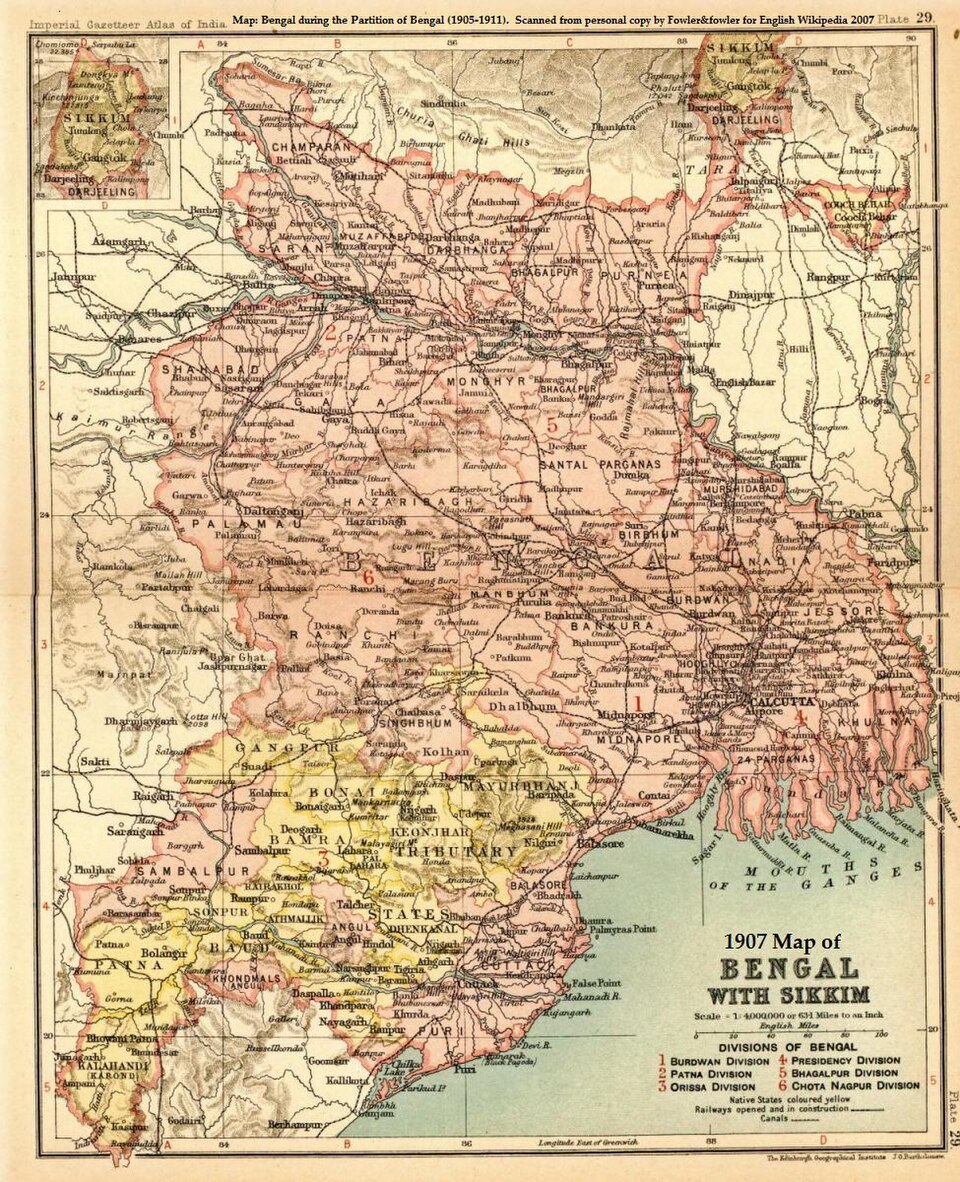
- Odisha and neighbouring eastern India
A failed harvest became a catastrophe amid delayed and inadequate colonial relief.
Background
A vulnerable rice-growing region
Odisha depended heavily on rice and had limited transport connections with other grain-producing areas. Harvest failure combined with rising prices and inadequate purchasing power to leave many households without food.[1]
What happened
- 1866
Relief arrived too late
Officials underestimated the crisis and hesitated over intervention. By the time imports were organised, monsoon conditions obstructed delivery. Food reaching a region after people have exhausted their reserves cannot undo the consequences of delayed action.[1]
Impact & evidence
Mortality on an enormous scale
A commonly cited estimate is at least one million deaths in Odisha, approximately a third of its population at the time. This uncertain historical estimate refers to Odisha, rather than the whole affected coastal region.[1]
A paper trail of delayed relief
British Library records preserve weekly famine reports, relief-fund minutes and a January 1867 defence of the administration by Bengal’s lieutenant governor, Cecil Beadon. These records show the disaster being reported through official channels and subsequently debated as an administrative failure.[2]
Aftermath & legacy
An inquiry into administrative failure
The famine prompted official investigation and criticism of the colonial response. Its legacy concerns information ignored, market assumptions and the practical ability to deliver relief, as well as the failed rains themselves.[1]
Sources & image credits (2)
- Wikipedia — Orissa famine of 1866 ↗
- British Library: famine correspondence and relief records, IOR/L/PJ/3/1098 No.14 ↗
Fowler&fowler at English Wikipedia · Public domain Image source ↗