Mau Mau detention system
Detention and torture during Britain's suppression of the Kenyan independence struggle.
- When
- 1952–1960
- Where
- British Kenya
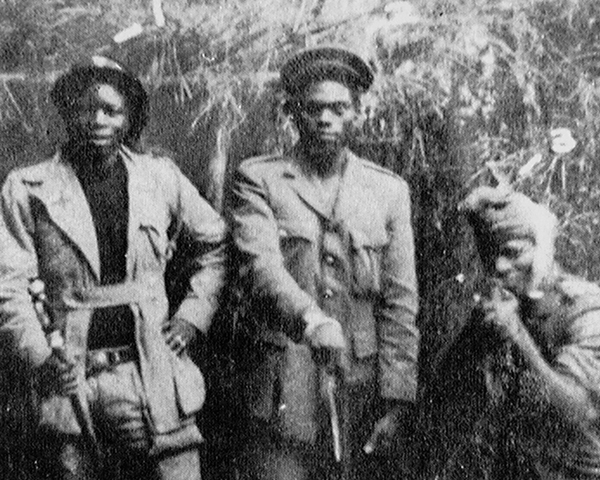
The Kenya Emergency combined military operations with detention and coercion against suspected Mau Mau supporters. Colonial land dispossession was a central grievance. Survivors later pursued legal claims that forced public acknowledgment of torture and ill-treatment.
Background
Land and colonial power
Many Kikuyu had lost land to white settlers. The uprising concerned land ownership and political authority, with violence directed against colonial rule and against Africans considered opponents of the movement.[1]
What happened
- 1952
Emergency rule
The colonial government confronted an armed rebellion. Detention became part of a wider counterinsurgency campaign that extended beyond those fighting in the forests.[1]
- April 1954
Mass arrests and screening in Nairobi
Operation Anvil subjected Nairobi to a large cordon-and-search operation. The National Army Museum records more than 16,000 suspects detained. Screening and detention connected urban policing to the forest war, exposing people outside the guerrilla forces to coercive interrogation and confinement.[1]
- 1956–1960
Fighting subsides
The National Army Museum dates the main defeat of the rebellion to 1956, while emergency powers remained in force for another four years.[1]
- 2009–2013
Survivors seek redress
Former detainees brought claims in the British courts. In June 2013 the UK announced a settlement covering 5,228 claimants, with compensation and legal costs totalling £19.9 million.[2]
Impact & evidence
Acknowledgment and its limits
The government recognised torture and other ill-treatment and supported a Nairobi memorial. It continued to deny legal liability, so the settlement was not a court judgment finding the British government liable.[2]
Torture and the Hola killings
Detention involved inadequate food, disease, torture and summary executions. At Hola, 11 detainees were killed by prison warders. This specific, documented incident should not be mistaken for a total for the camp system or the wider conflict. The later settlement addressed surviving claimants’ treatment rather than establishing an exhaustive count of every victim.[1]
Aftermath & legacy
Survivors shape the record
The claims made survivors' testimony central to a public reckoning decades after independence. Redress addressed named claimants; it should not be presented as comprehensive compensation for everyone affected.[2]
Sources & image credits (2)
National Army Museum. Image source ↗