Zong massacre
The killing of enslaved Africans followed by a court dispute over their insurance value.
- When
- 1781; insurance litigation in 1783
- Where
- Atlantic Ocean; litigation in London
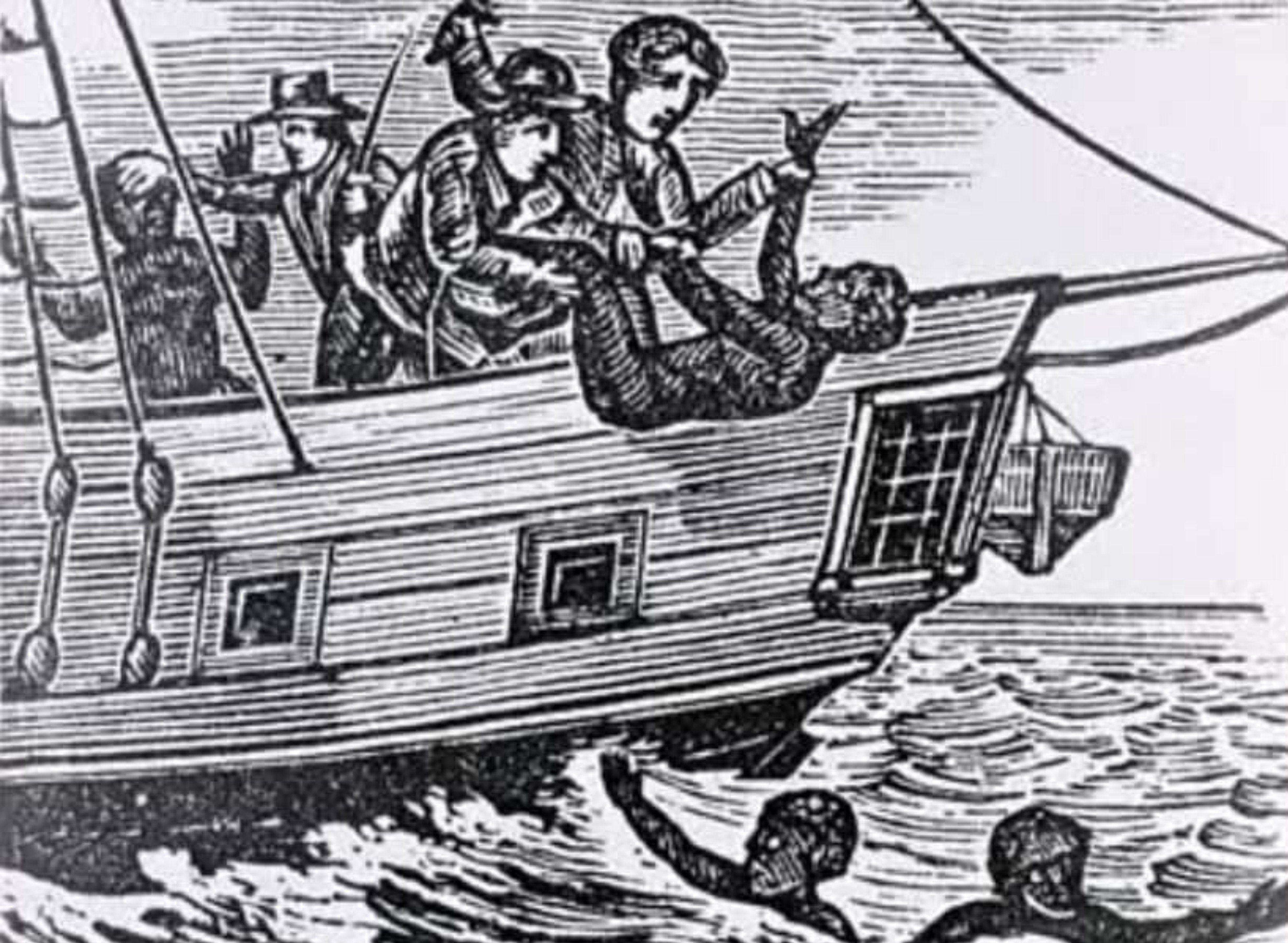
The crew of the British slave ship Zong killed more than 130 enslaved Africans during its 1781 voyage to Jamaica. The owners sought compensation from insurers. Abolitionists challenged the treatment of the victims as property, but the proceedings did not deliver criminal justice.
Background
A trade in human lives
The voyage formed part of Britain's transatlantic slave trade. Enslaved Africans were transported for sale in the Caribbean, with insurance arrangements treating them as commercial property.[2]
Why insurance entered the story
The shipowners’ claim depended on treating the killings as an emergency sacrifice of insured property. Deaths from illness would ordinarily fall on the owners, whereas a loss presented as necessary to preserve the voyage could be charged to insurers. That distinction gave a financial purpose to the crew’s account of a water emergency. It did not make the victims willing participants or establish that killing them was necessary.[2]
What happened
- 1781
Killings at sea
Crew members threw enslaved Africans overboard. The owners subsequently claimed that the deaths represented an insured loss. Royal Museums Greenwich describes the case as involving 132 victims; Historic England gives 133.[1]
- 1783
An insurance case
The dispute reached the Court of King's Bench. The surviving collection includes court proceedings and Granville Sharp's correspondence, documenting how the deaths became a question of compensation.[1]
- 1783
Equiano alerts Sharp
Olaudah Equiano brought the massacre to Granville Sharp's attention. Sharp sought a murder prosecution. Mansfield ordered a new trial in the insurance dispute, but Historic England records that it did not take place.[2]
Impact & evidence
Sharp's appeal to the Admiralty
A letter dated 2 July 1783 and an account of the killings survive among the documents at Royal Museums Greenwich. They preserve the abolitionist effort to pursue accountability.[1]
Aftermath & legacy
What the court did—and did not—decide
The litigation was between the owners and their insurers. It was not a criminal trial of the crew. Mansfield’s order for a new insurance trial did not establish a general judicial recognition that enslaved people could no longer be treated as property. The absence of a murder prosecution is central to the case: exposing an atrocity and securing justice for its victims were very different outcomes.[2]
Sources & image credits (2)
Owner supplied; original artist and date unverified.