Blackbirding and Queensland's Islander labour trade
Kidnapping and deceptive recruitment behind Queensland's plantation labour system.
- When
- 1863–1904; deportations followed
- Where
- Pacific Islands and Queensland, Australia
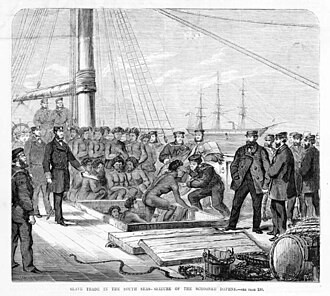
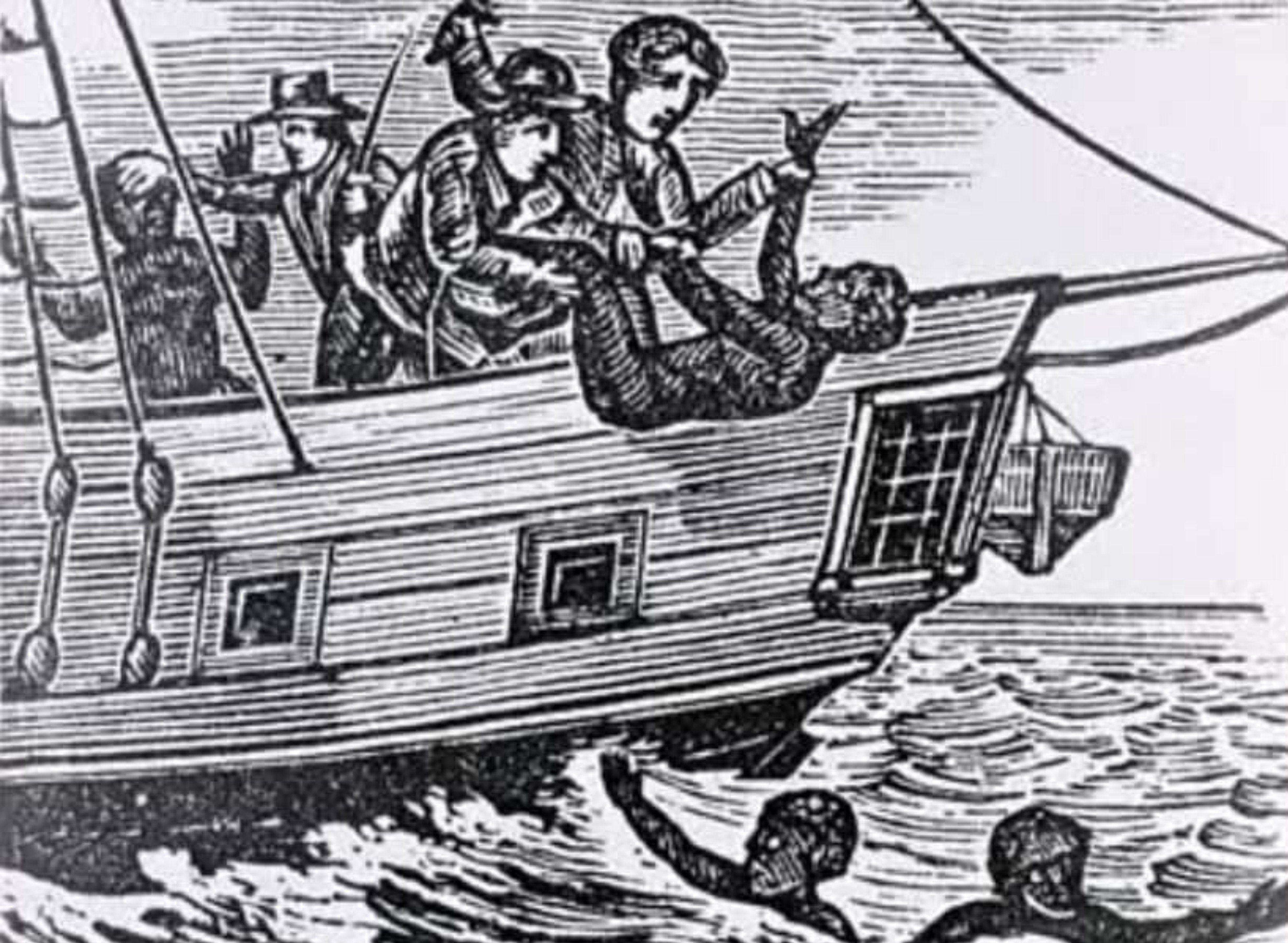
Pacific Islanders supplied labour to Queensland's sugar, pastoral and maritime industries. Recruitment included kidnapping and deception, though not every worker arrived under identical circumstances. Later, the White Australia programme sought to expel many of the people whose labour had supported those industries.
Background
Plantations demand labour
Queensland's expanding agricultural economy recruited workers from Pacific islands. Employers' demand for cheap labour and racial assumptions shaped the trade.[1]
What happened
- 1863
Recruitment to Queensland
A group of 67 Islanders arrived to work in cotton. Over the following decades, recruitment expanded alongside the sugar industry.[1]
- 1868–1880
Regulation and evasion
Queensland passed laws intended to regulate recruitment and conditions. Inspectors did not consistently prevent coercion, and abuses continued.[1]
- 1901–1906
From exploitation to exclusion
The Pacific Island Labourers Act provided for the removal of most Islander workers. Deportations began under the same political programme that established White Australia.[1]
Impact & evidence
Protesting deportation
Islanders petitioned against the law. Their opposition reveals that these communities were political actors with families and established lives, not simply a labour supply to be imported and discarded.[1]
More than 62,000 people transported
The National Museum of Australia records more than 62,000 Pacific Island men, women and children brought to Queensland between 1863 and 1904. Recruitment ranged from contracts to deception and kidnapping. The aggregate should not erase those differences, but the museum documents coercion and exploitation throughout the trade.[1]
Aftermath & legacy
The meaning of blackbirding
The term identifies coercive practices within a wider labour trade. The distinction matters: acknowledging contractual recruitment in some cases does not erase kidnapping or deception in others.[1]
Deportation after decades of labour
More than 7,500 Islanders were deported in 1906–1908, while about 2,500 remained. Some deportees had arrived as children and scarcely remembered the islands to which they were sent. The same economy that had sought their labour later treated their presence as incompatible with White Australia.[1]
Sources & image credits (1)
Samuel Calvert (1828-1913) and Oswald Rose Campbell (1820-1887); Public domain; via Wikimedia Commons. Image source ↗