Great Famine of Ireland
A crop catastrophe made deadlier by poverty, land inequality and failures of relief.
- When
- 1845–1852
- Where
- Ireland, then part of the United Kingdom
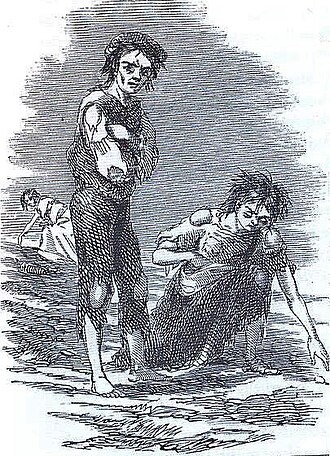
Repeated potato failures deprived poor Irish households of their staple food. Hunger, disease, eviction and migration transformed the country. British relief policy and the unequal land system shaped how the crop disaster became a prolonged human catastrophe.
Background
Dependence and inequality
The potato supported families with little land or income. When blight struck, access to other food depended on resources that many households lacked. The crisis exposed the connection between food, poverty and landholding.[1]
What happened
- 1845
Blight and relief
The potato failure prompted creation of the Relief Commission. Its surviving papers document local distress and attempts to organise assistance.[1]
- 1846–1847
Food moves while people starve
Food continued to leave Ireland during the famine. Research on exports also stresses the need to examine imports, total production and people's purchasing power, rather than treating trade figures alone as an explanation.[2]
- 1847
Temporary soup kitchens
Soup kitchens provided relief but were closed while distress continued. The transfer of responsibility to Poor Law arrangements and restrictions tied to landholding made access to help more difficult.[3]
Impact & evidence
Estimated human loss
Approximately one million people died during the famine, according to the US National Archives. Hunger and associated disease both contributed; deaths must be distinguished from the large population loss through emigration.[4]
The distress papers
Requests for assistance and administrative correspondence preserve evidence from affected districts. They allow the famine to be examined through particular communities rather than a national total alone.[1]
Aftermath & legacy
Memory and responsibility
The famine's consequences extended through emigration and damaged communities. Irish commemoration continues to examine the relationship between colonial power, economic doctrine and decisions about relief.[3]
Population loss continued through emigration
The approximately one million deaths were only part of the demographic rupture. Emigration separated families and carried the famine’s effects into communities overseas. A fall in Ireland’s population consequently cannot be read as a death count: departures and changes in births also contributed. Relief records and migration evidence illuminate different parts of the same catastrophe.[4]
Sources & image credits (4)
- National Archives of Ireland — Famine records and distress papers ↗
- History Ireland — Food exports from Ireland, 1846–47 ↗
- President of Ireland — Understanding An Gorta Mór ↗
- Historical estimate of human loss ↗
James Mahony; Public domain; via Wikimedia Commons. Image source ↗