Philosophy
Thinkers exploring fundamental questions.
People in Philosophy
81 profiles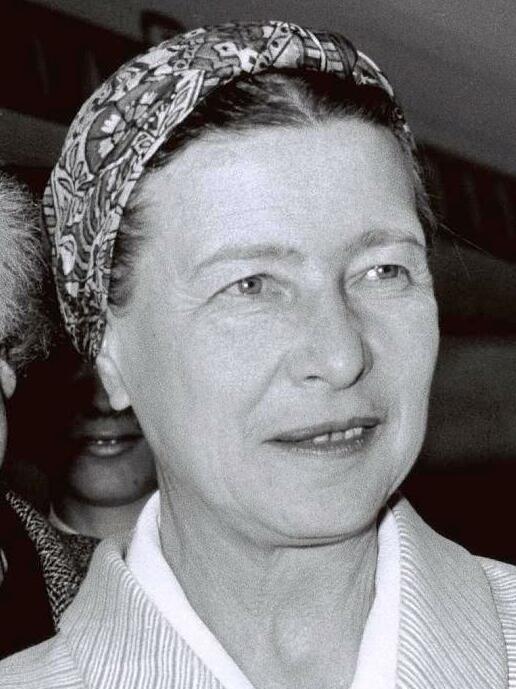 Philosopher
Simone de Beauvoir
Writing The Second Sex, a foundational work of feminist thought.
 Philosopher
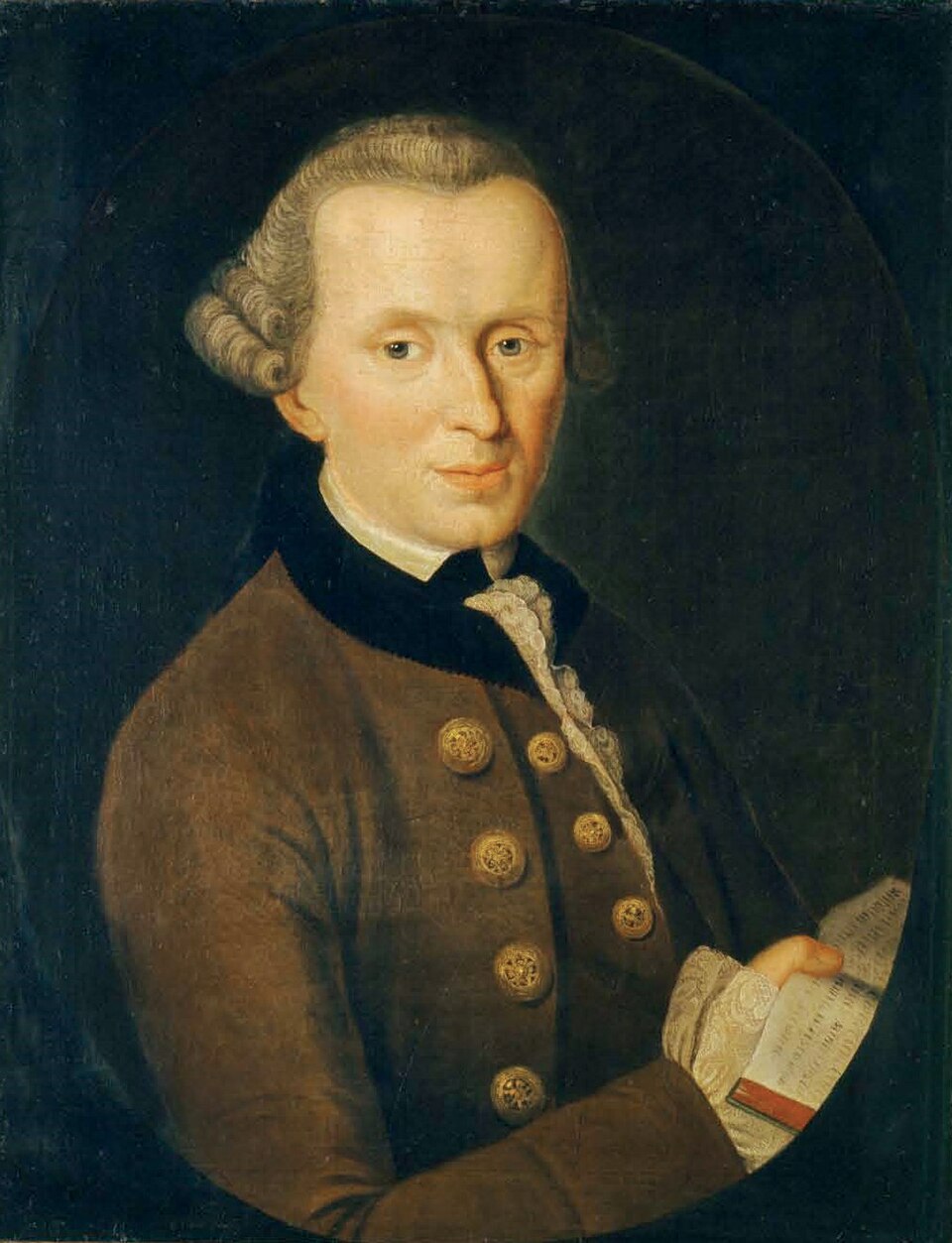
Immanuel Kant
Reshaping philosophy’s accounts of knowledge, moral duty and human freedom.
 Philosopher
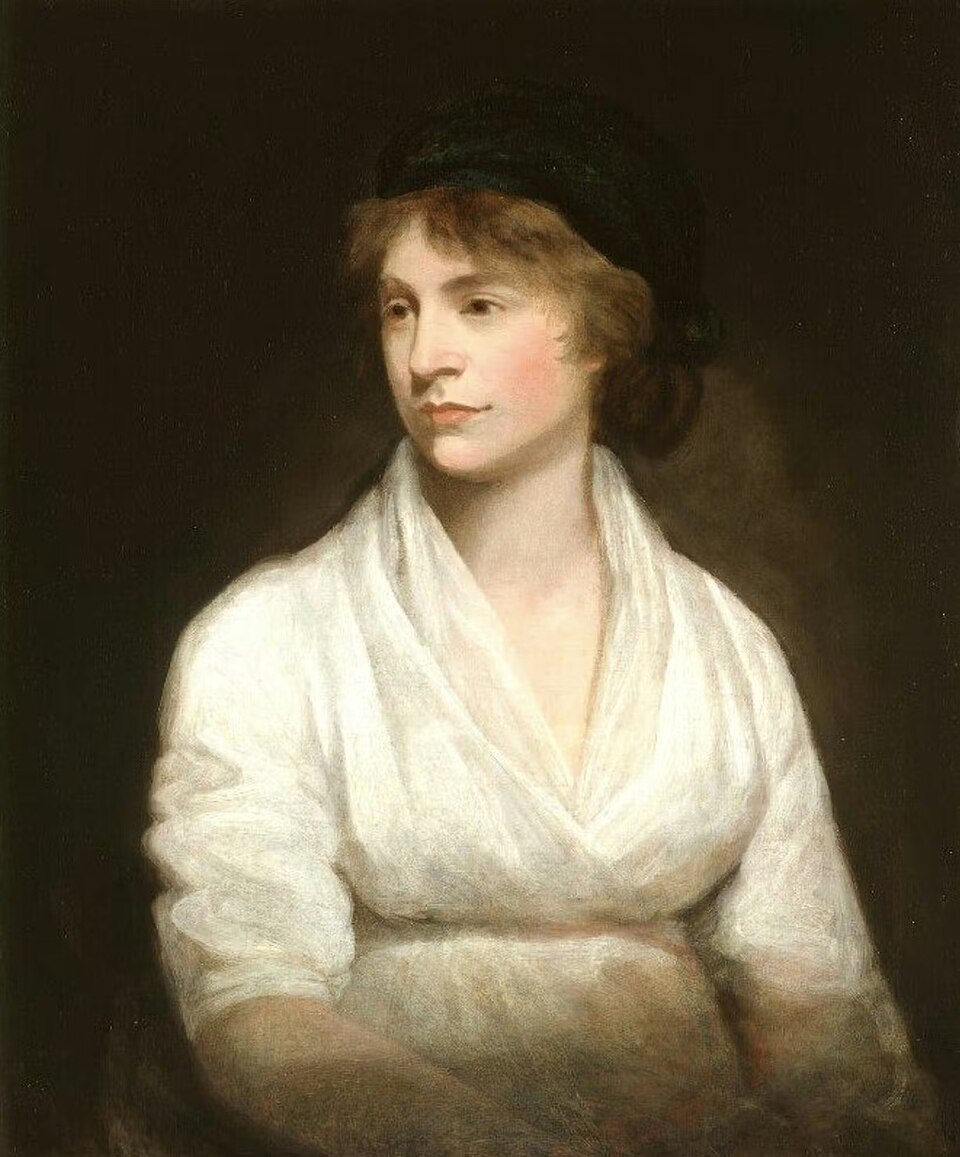
Mary Wollstonecraft
Arguing that women deserve an education grounded in reason and equality.
 Philosopher
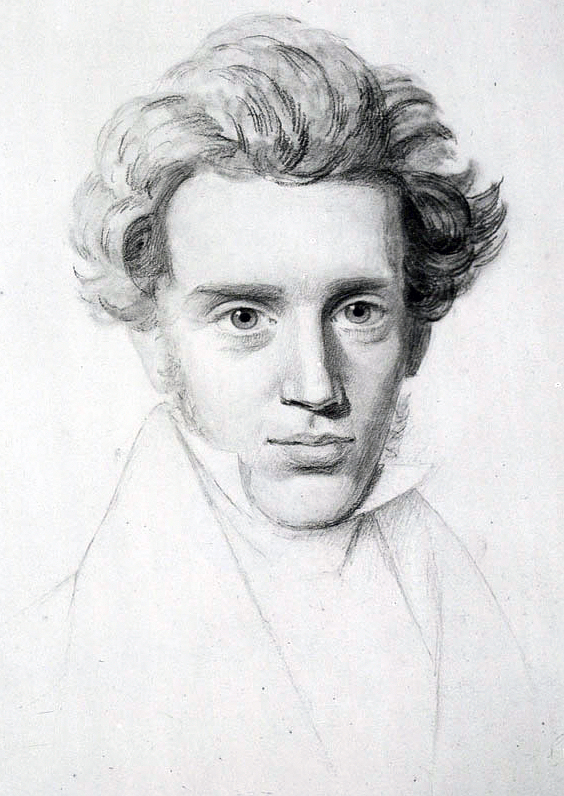
Søren Kierkegaard
Exploring personal choice, anxiety and the demands of religious faith.
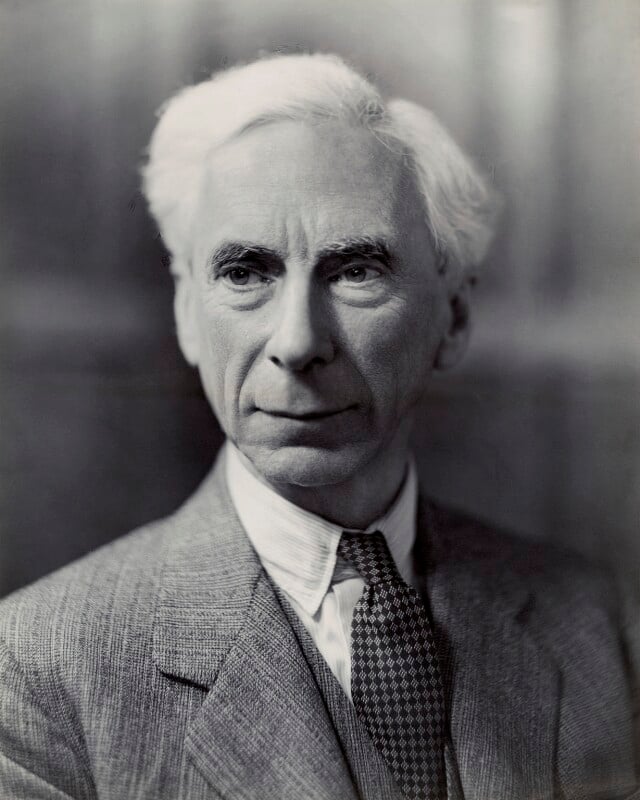 Philosopher
Bertrand Russell
Advancing mathematical logic and campaigning against war and nuclear weapons.
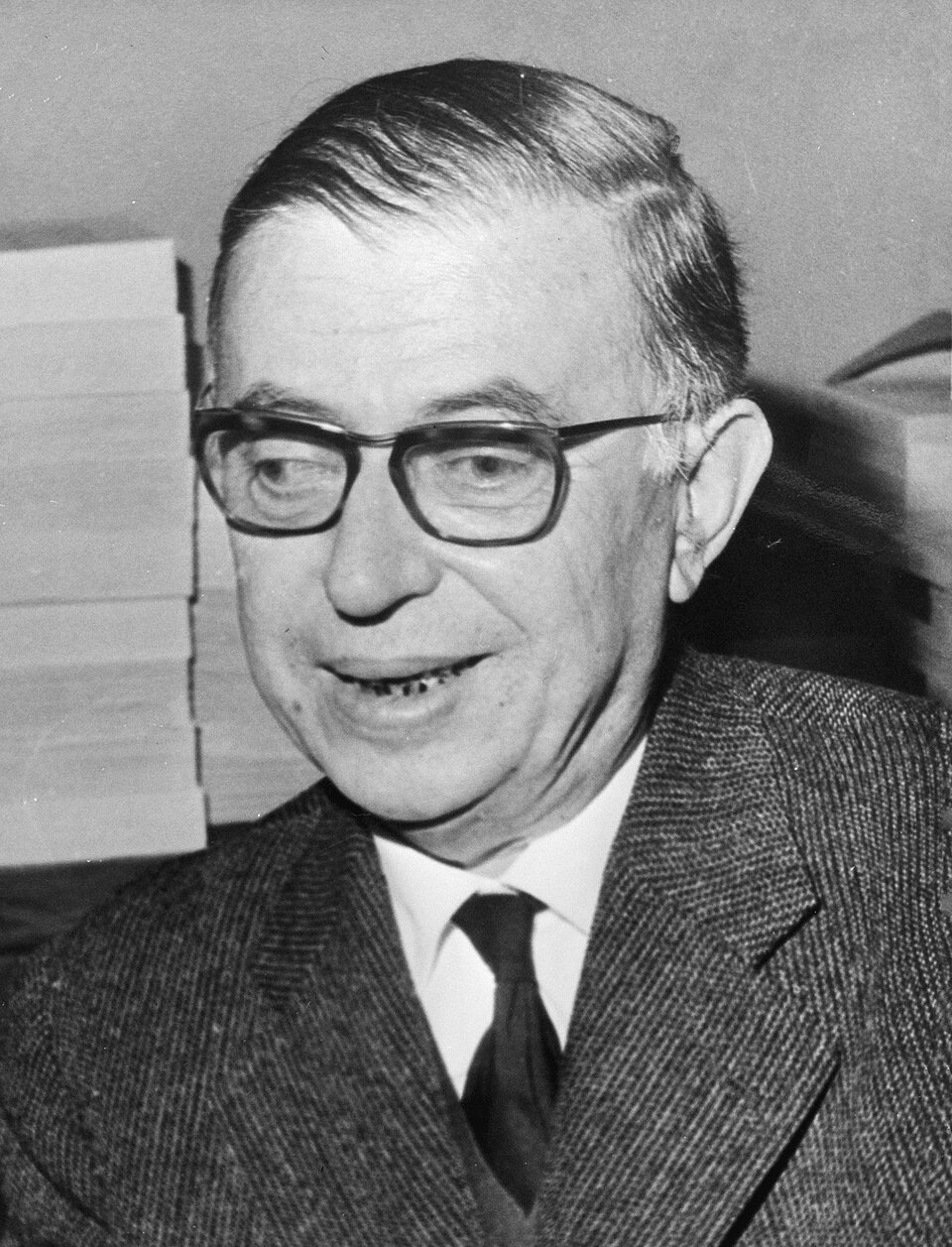 Philosopher
Jean-Paul Sartre
Making existentialism a major force in postwar intellectual life.
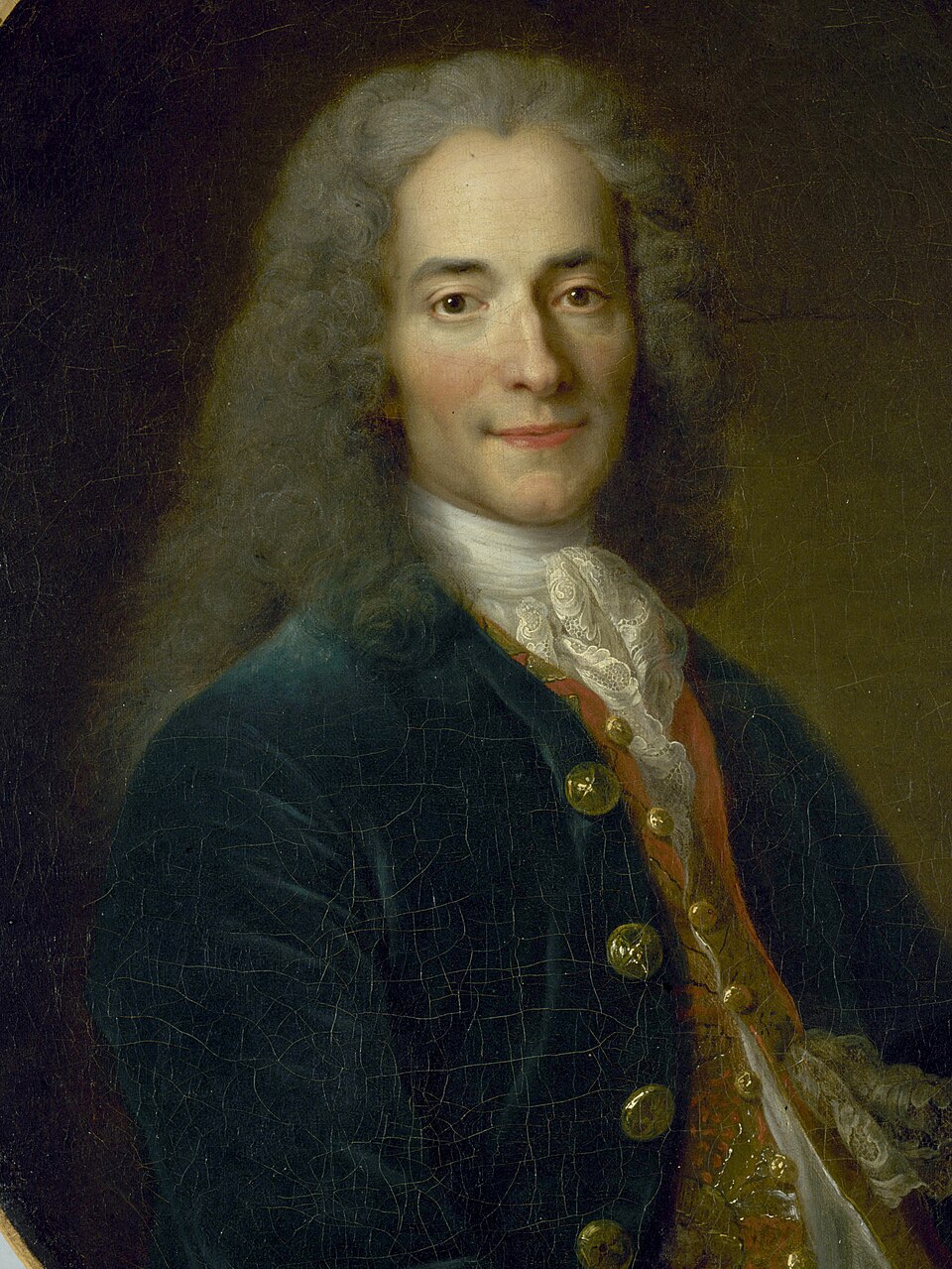 Philosopher
Voltaire
Using satire and argument to challenge intolerance, injustice and religious authority.
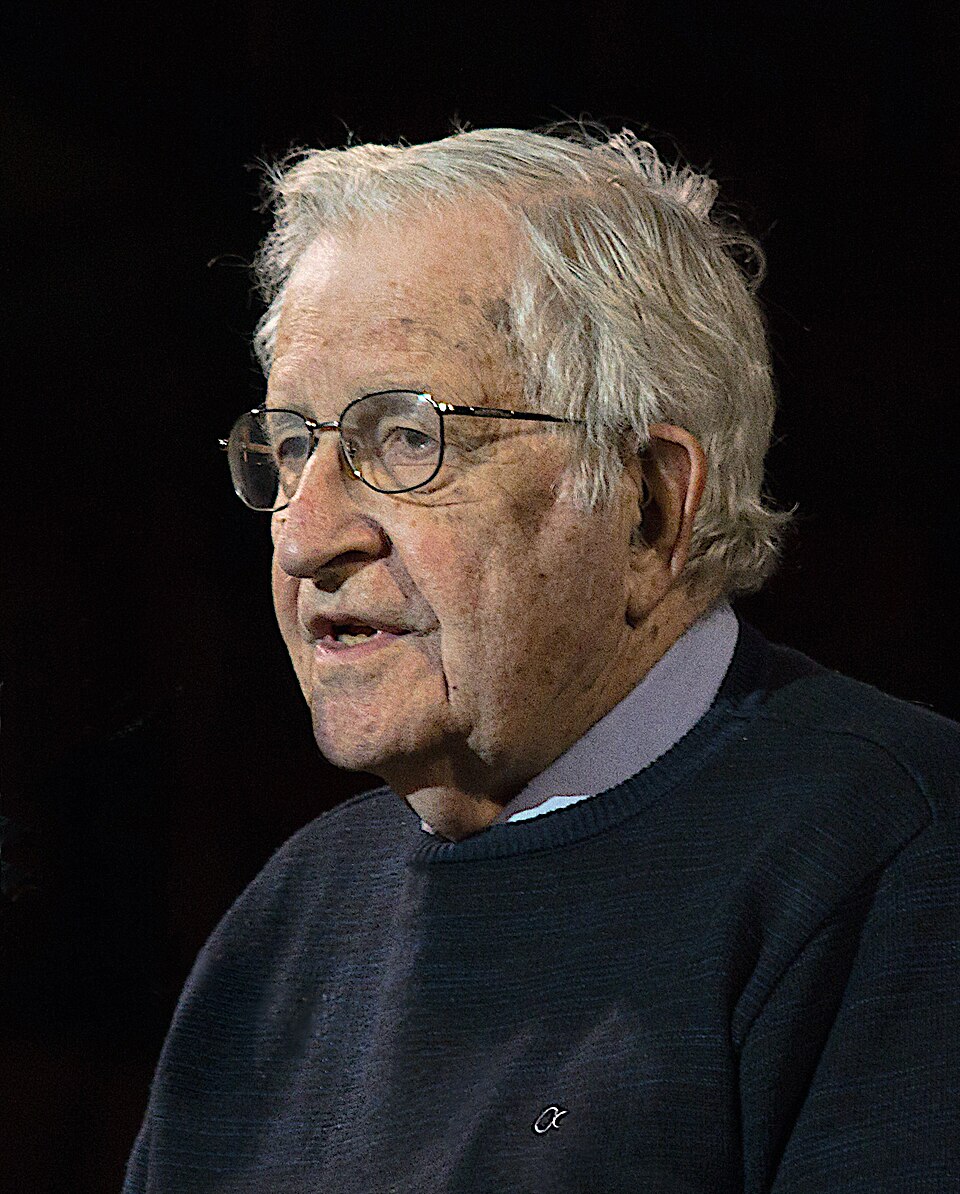 Linguist
Noam Chomsky
Transforming the study of language through generative grammar and becoming a prominent critic of power.
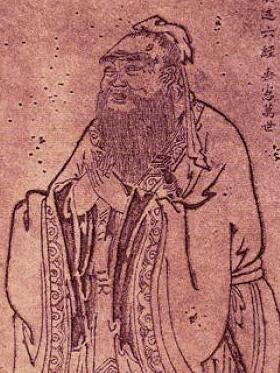 Philosopher
Confucius
Shaping Chinese philosophy through teachings on character, learning and how people should treat one another.
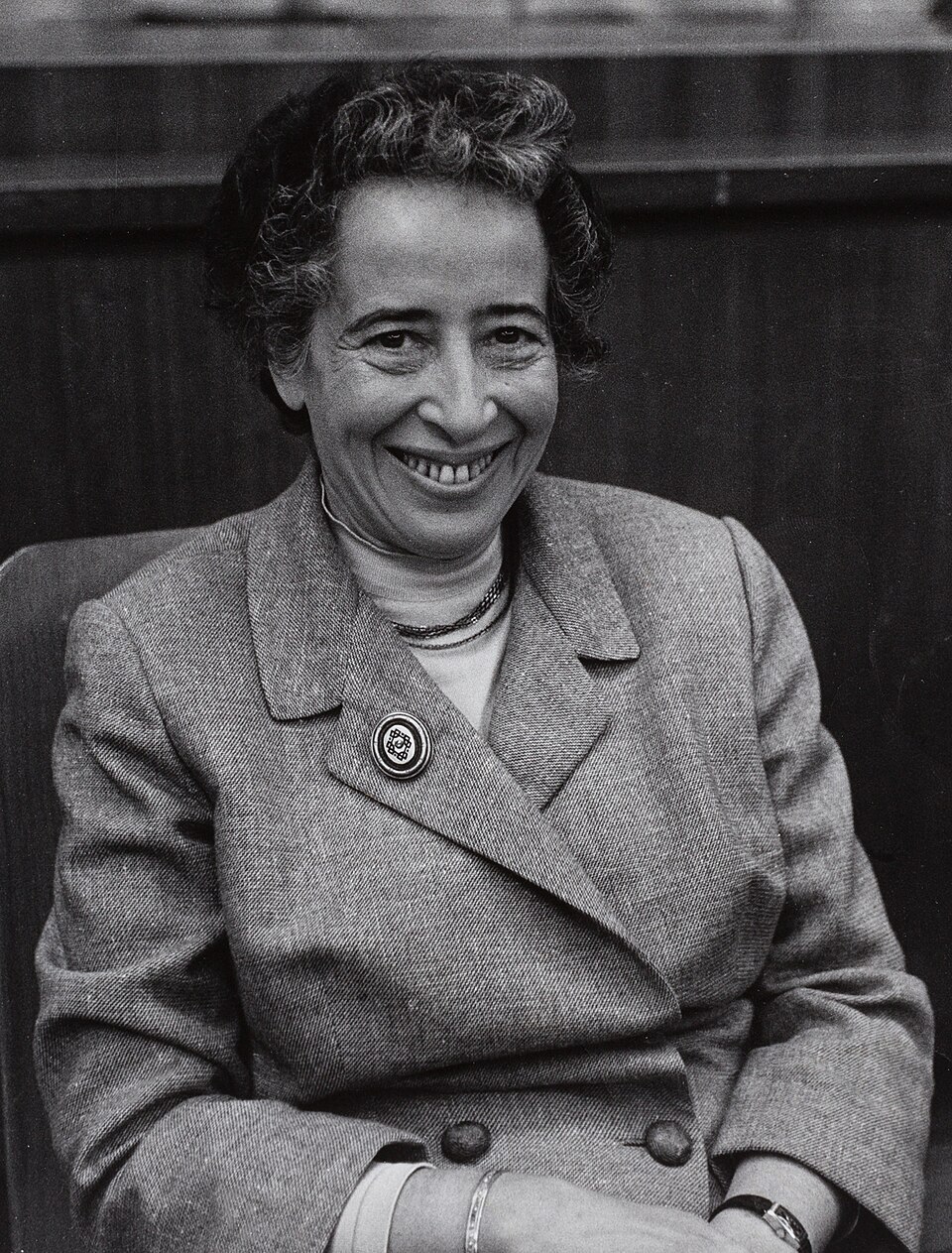 Political thinker
Hannah Arendt
Examining totalitarianism, political freedom and how ordinary people participate in wrongdoing.
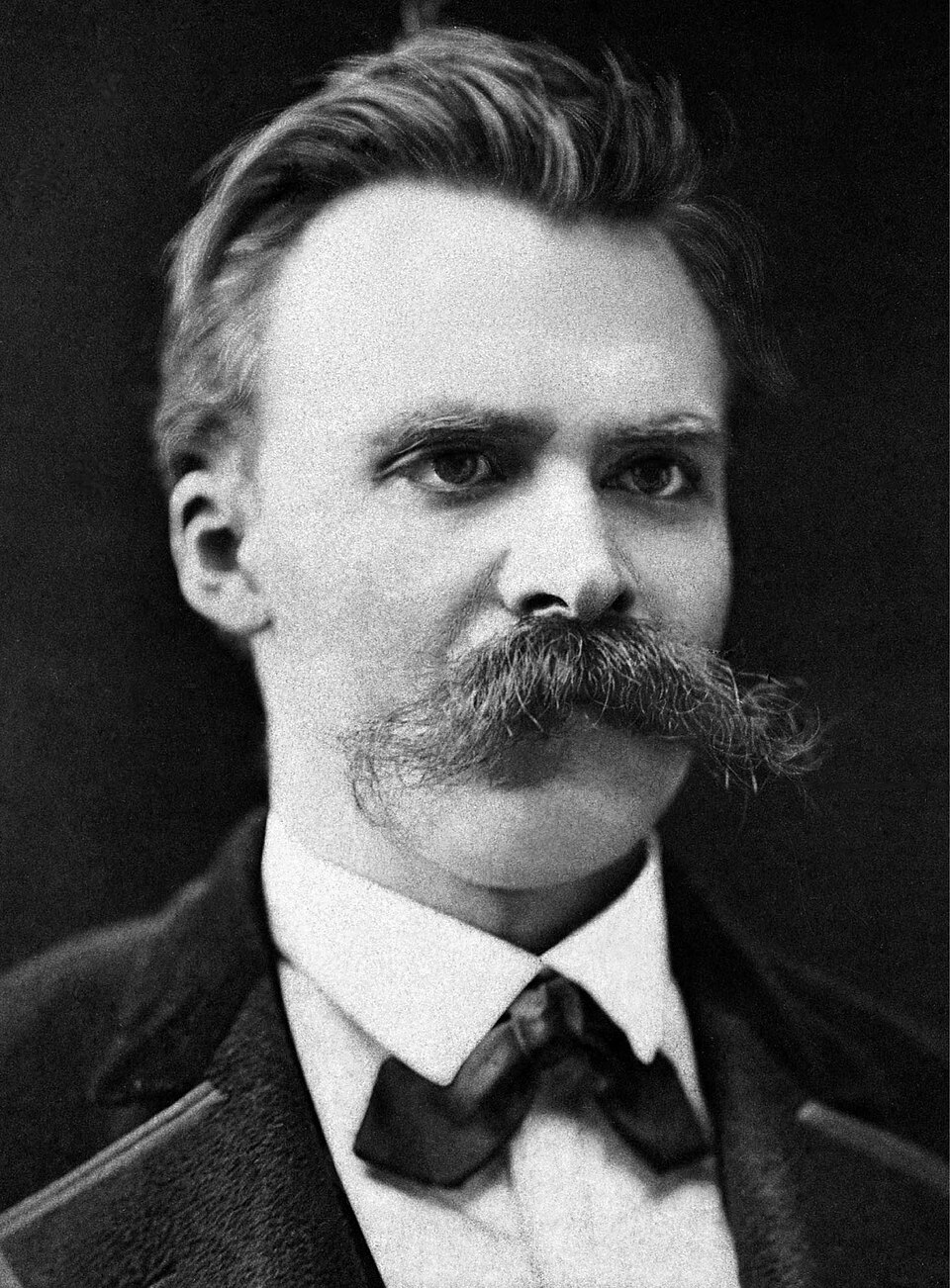 Philosopher
Friedrich Nietzsche
Challenging inherited morality and asking how people create values.
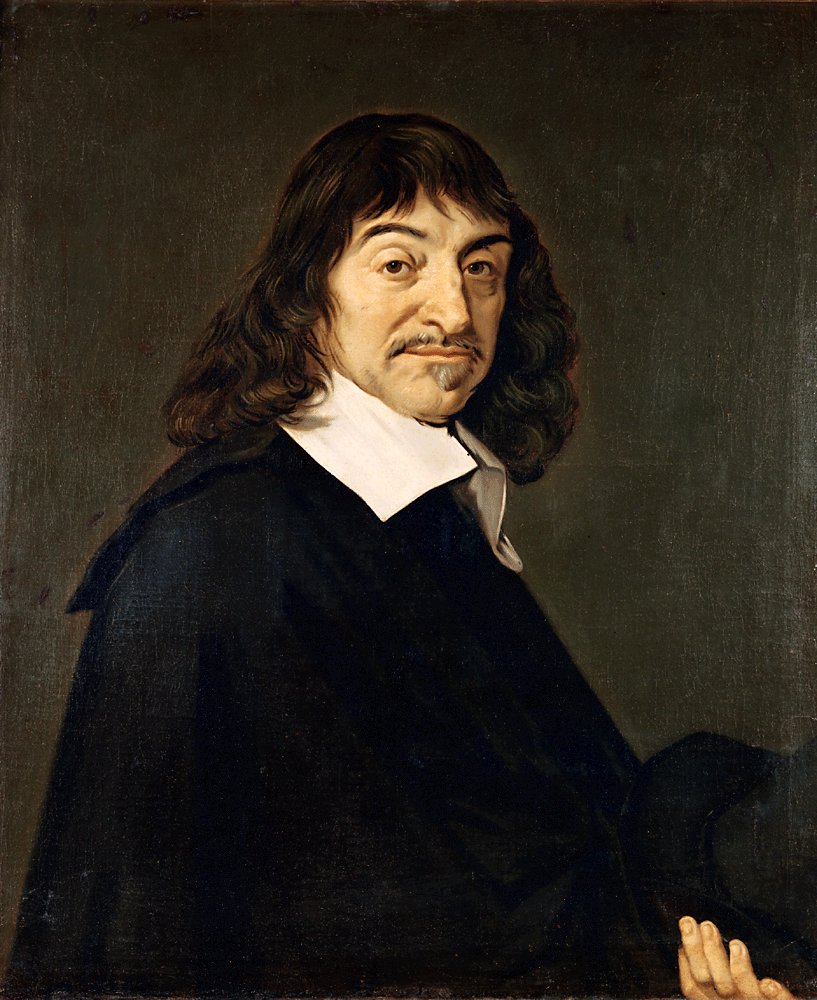 Philosopher
René Descartes
Making systematic doubt central to philosophy and linking algebra with geometry.
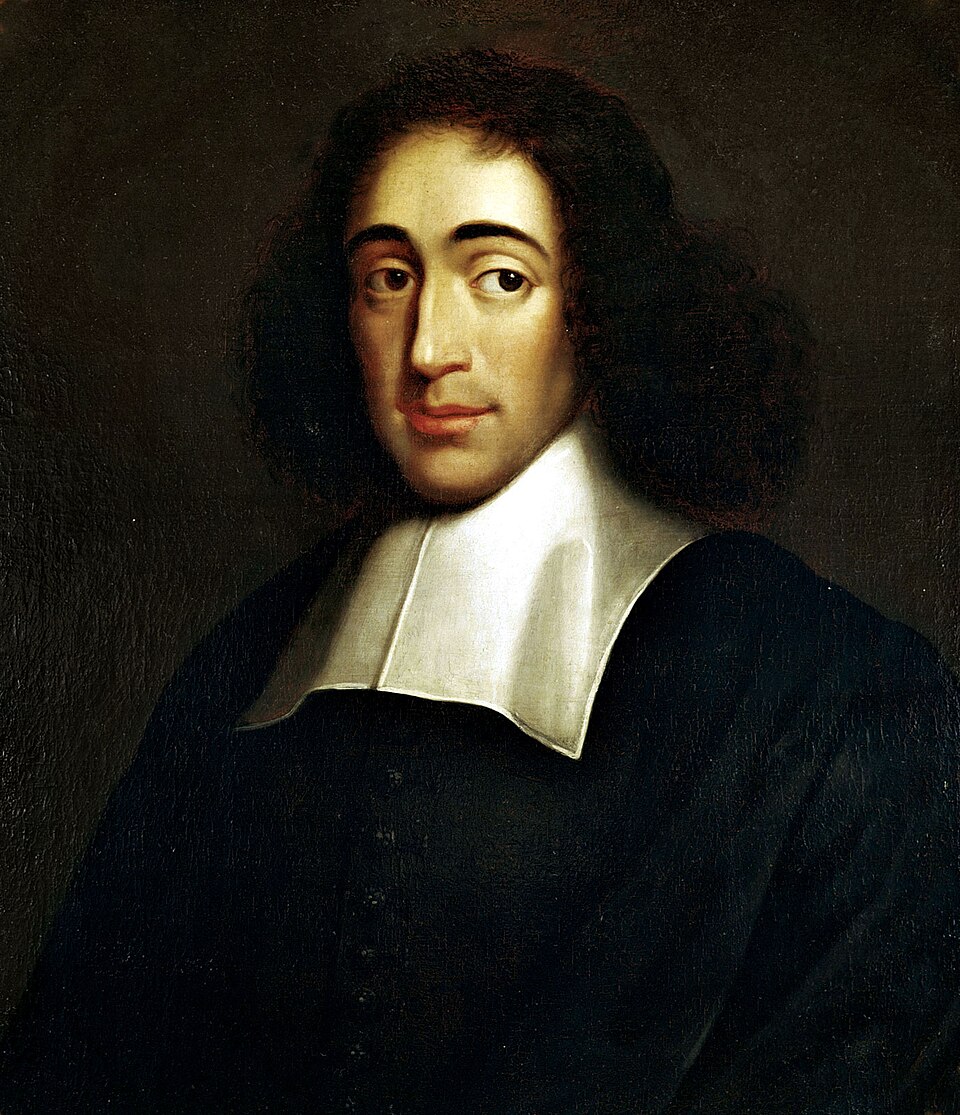 Philosopher
Baruch Spinoza
Arguing that mind and nature belong to one unified reality.
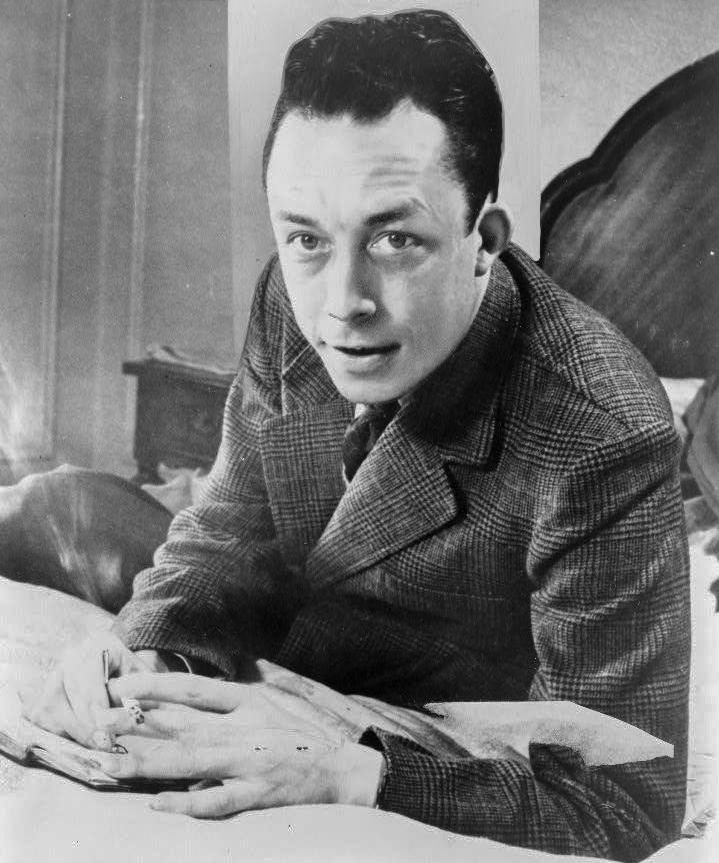 Philosopher
Albert Camus
Exploring the absurd and human solidarity in The Stranger and The Plague.
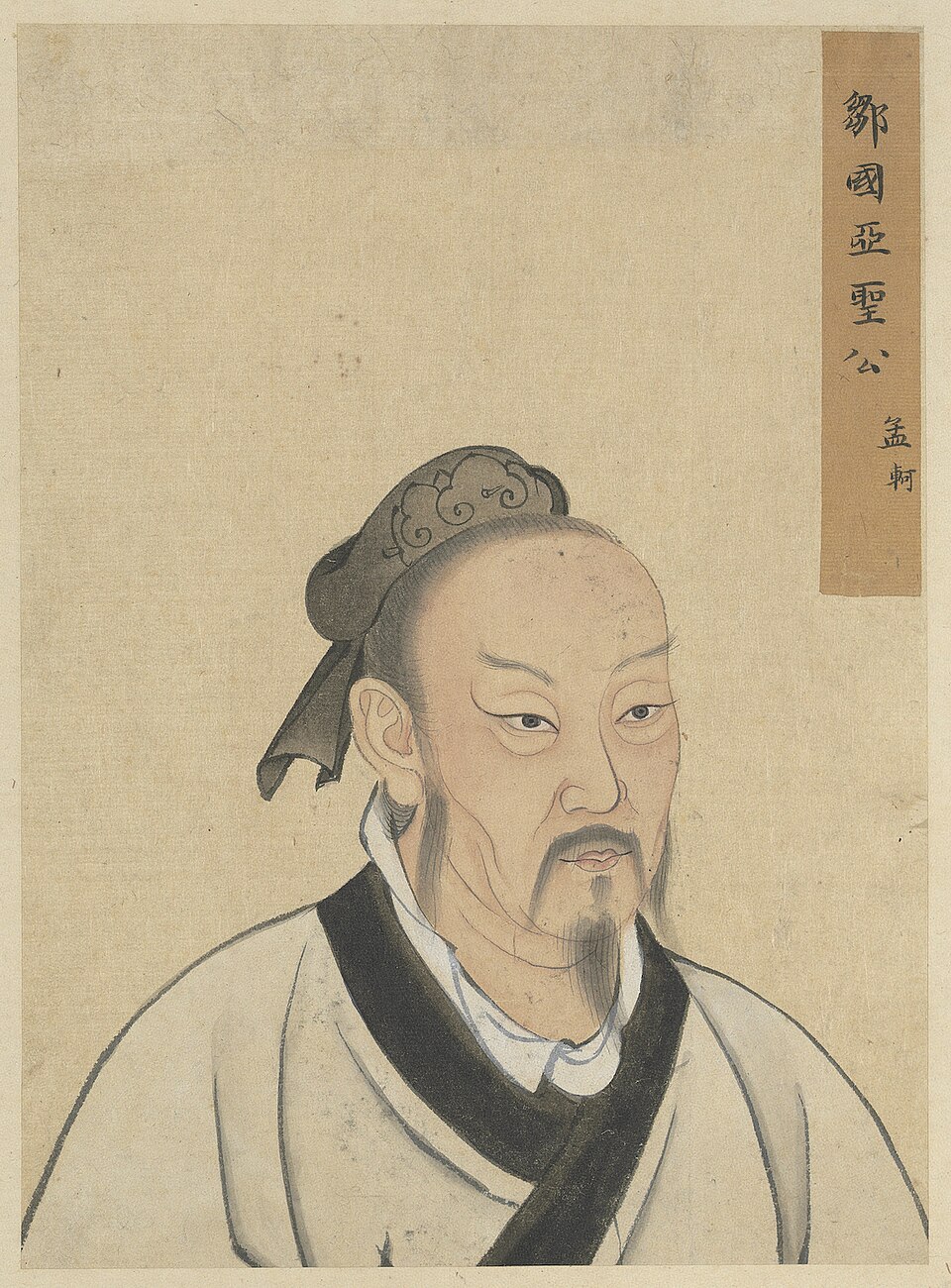 Philosopher
Mencius
Developing the Confucian argument that people possess beginnings of moral goodness.
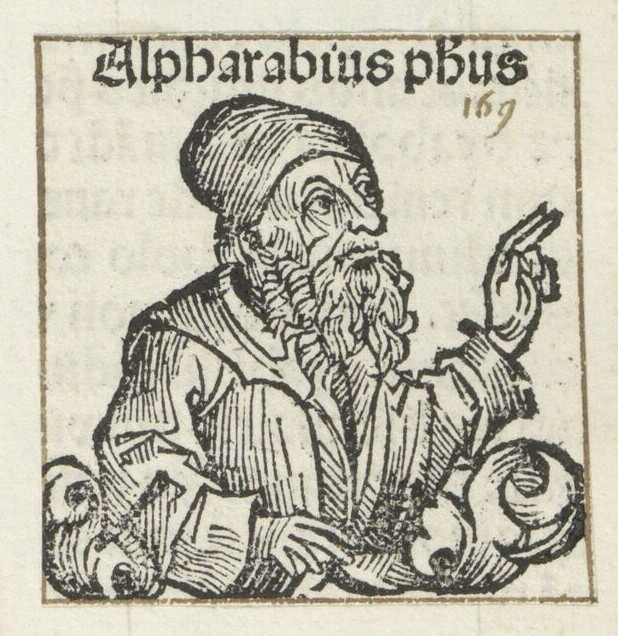 Philosopher
Al-Farabi
Connecting Greek philosophy with Arabic thought on logic, society and knowledge.
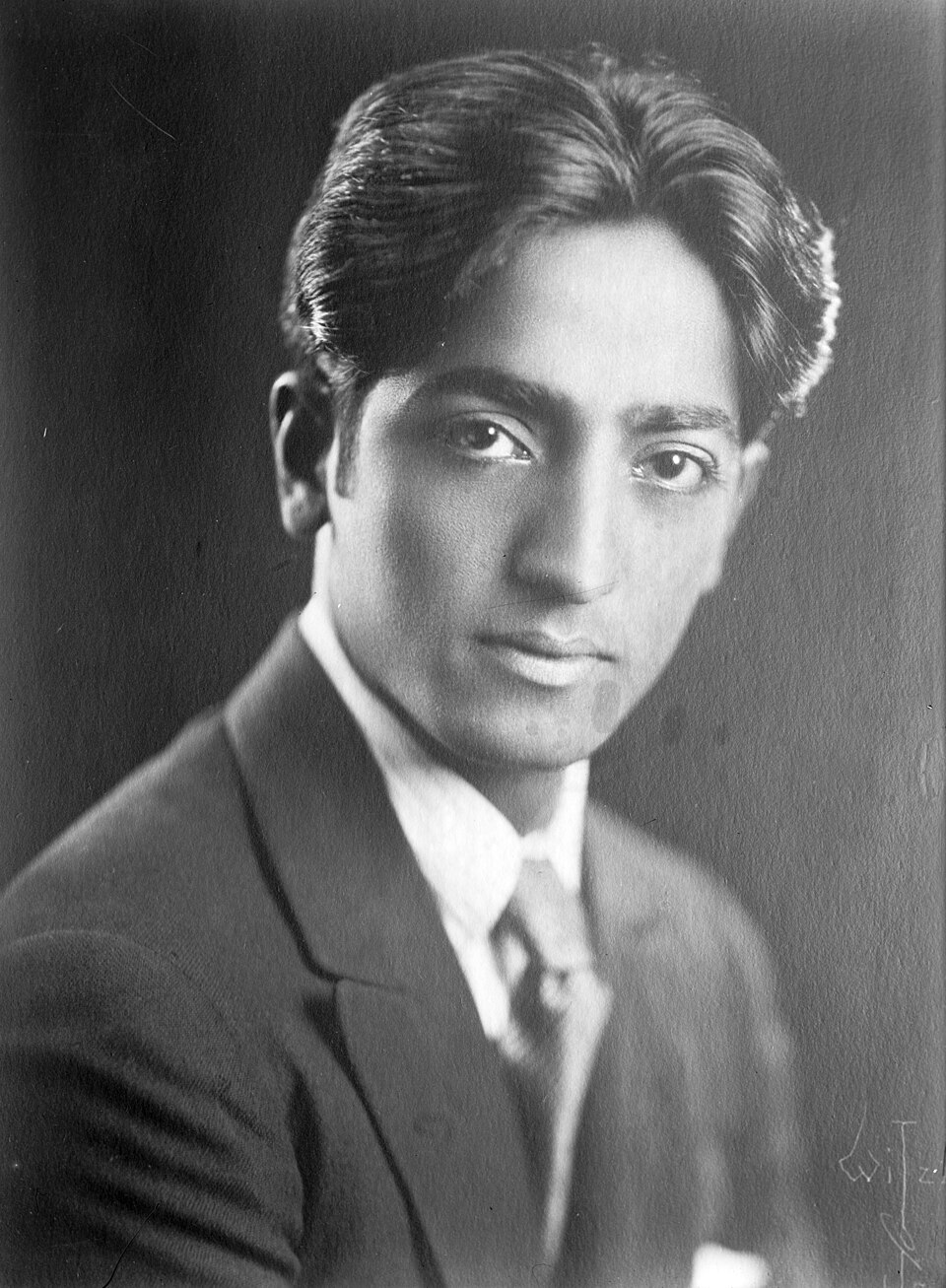 Philosopher
Jiddu Krishnamurti
Rejecting spiritual authority and urging people to examine thought and conditioning directly.
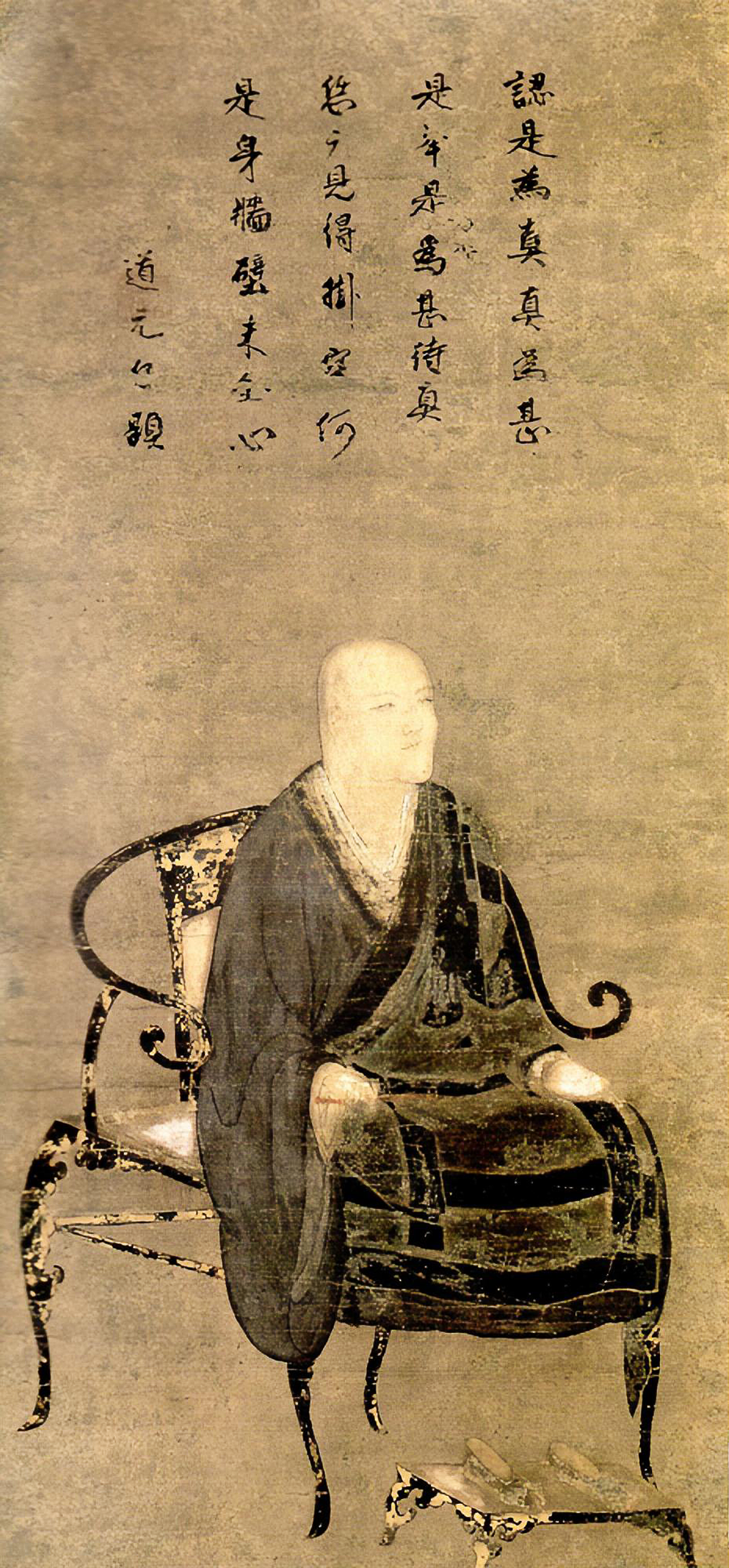 Philosopher
Dōgen
Making seated meditation central to the Sōtō Zen tradition in Japan.
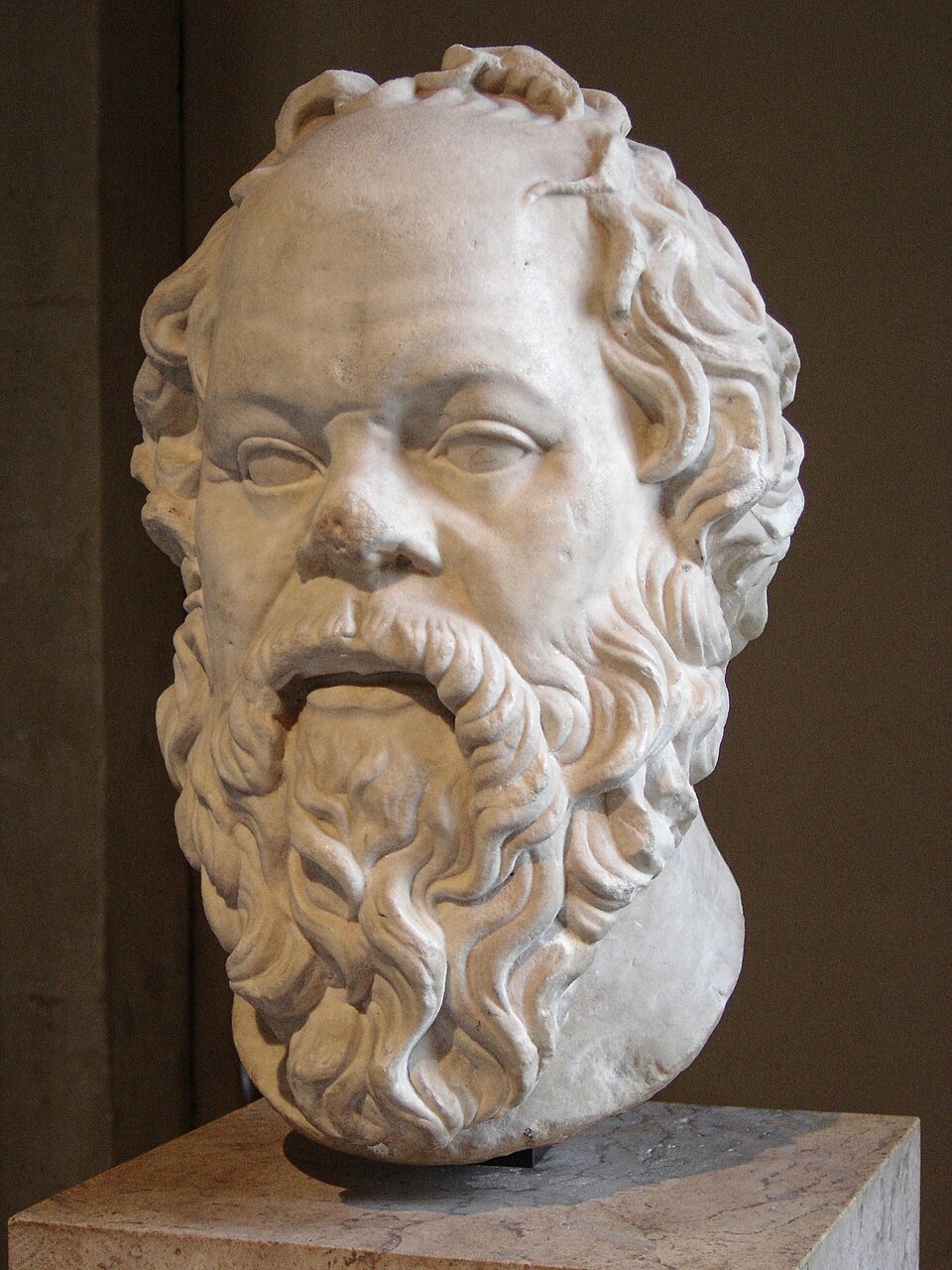 Philosopher
Socrates
Making persistent questioning a model of philosophical inquiry.
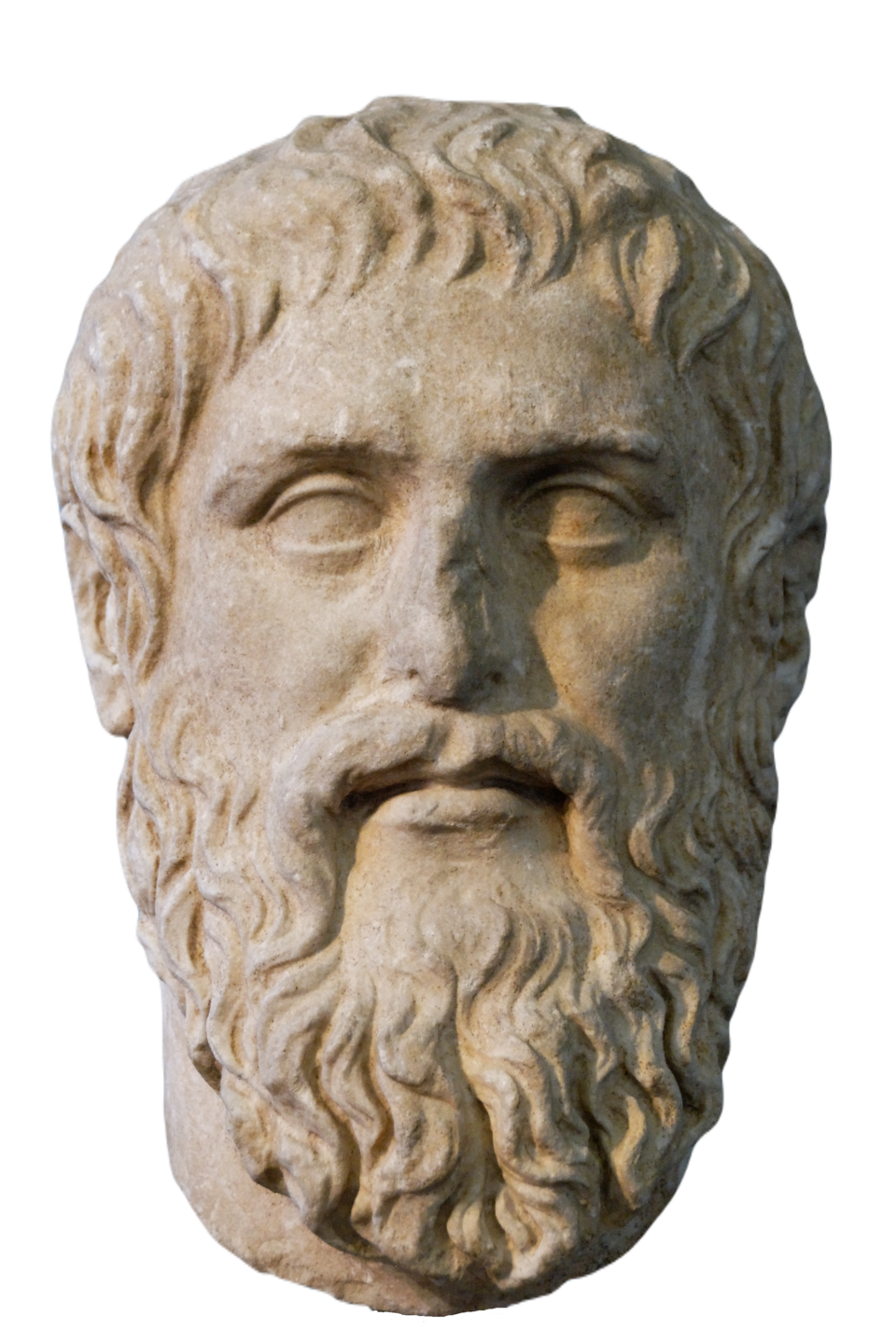 Philosopher
Plato
Writing the Republic and founding the Academy.
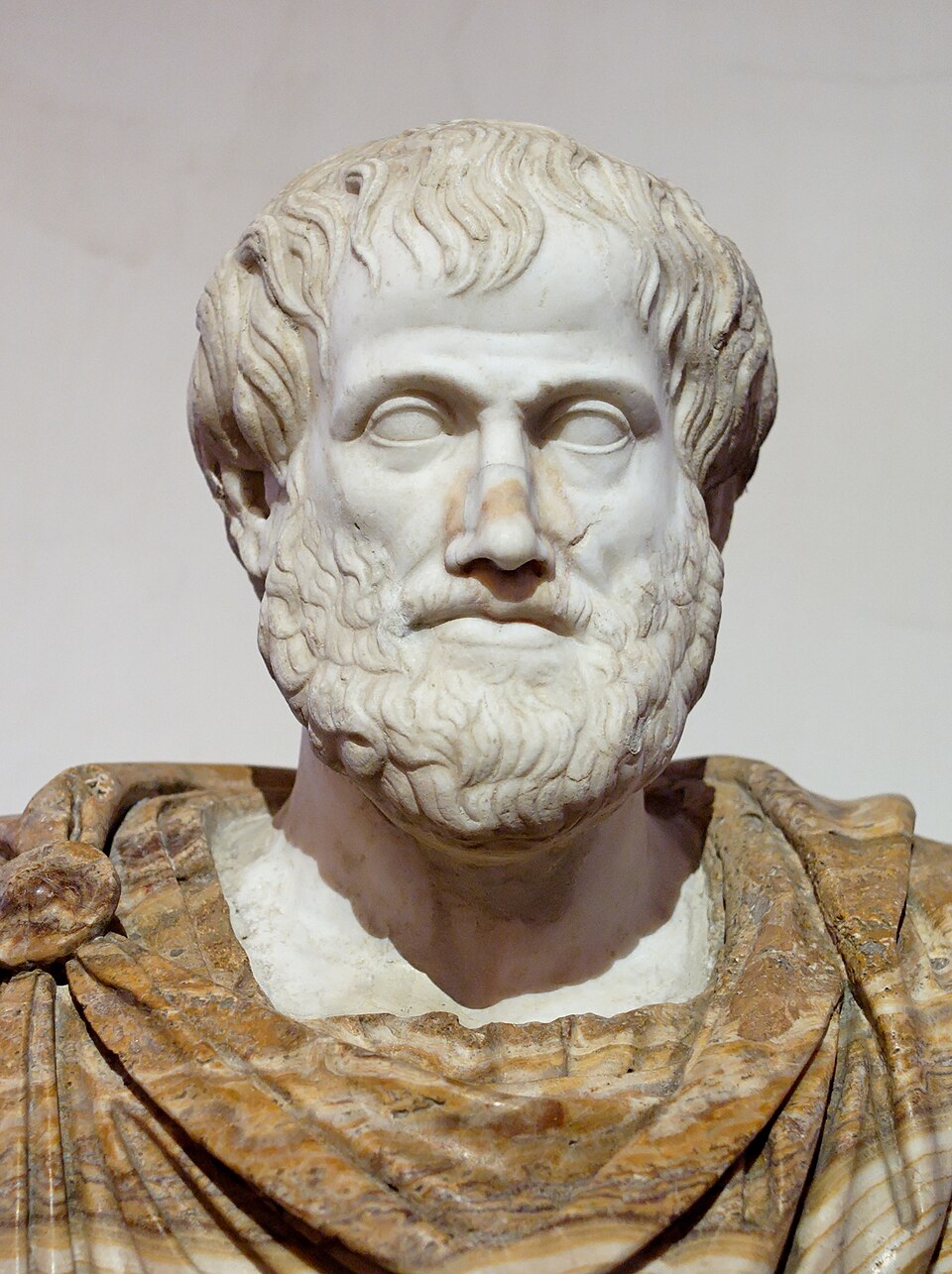 Philosopher
Aristotle
Building influential studies of logic, ethics, politics and the natural world.
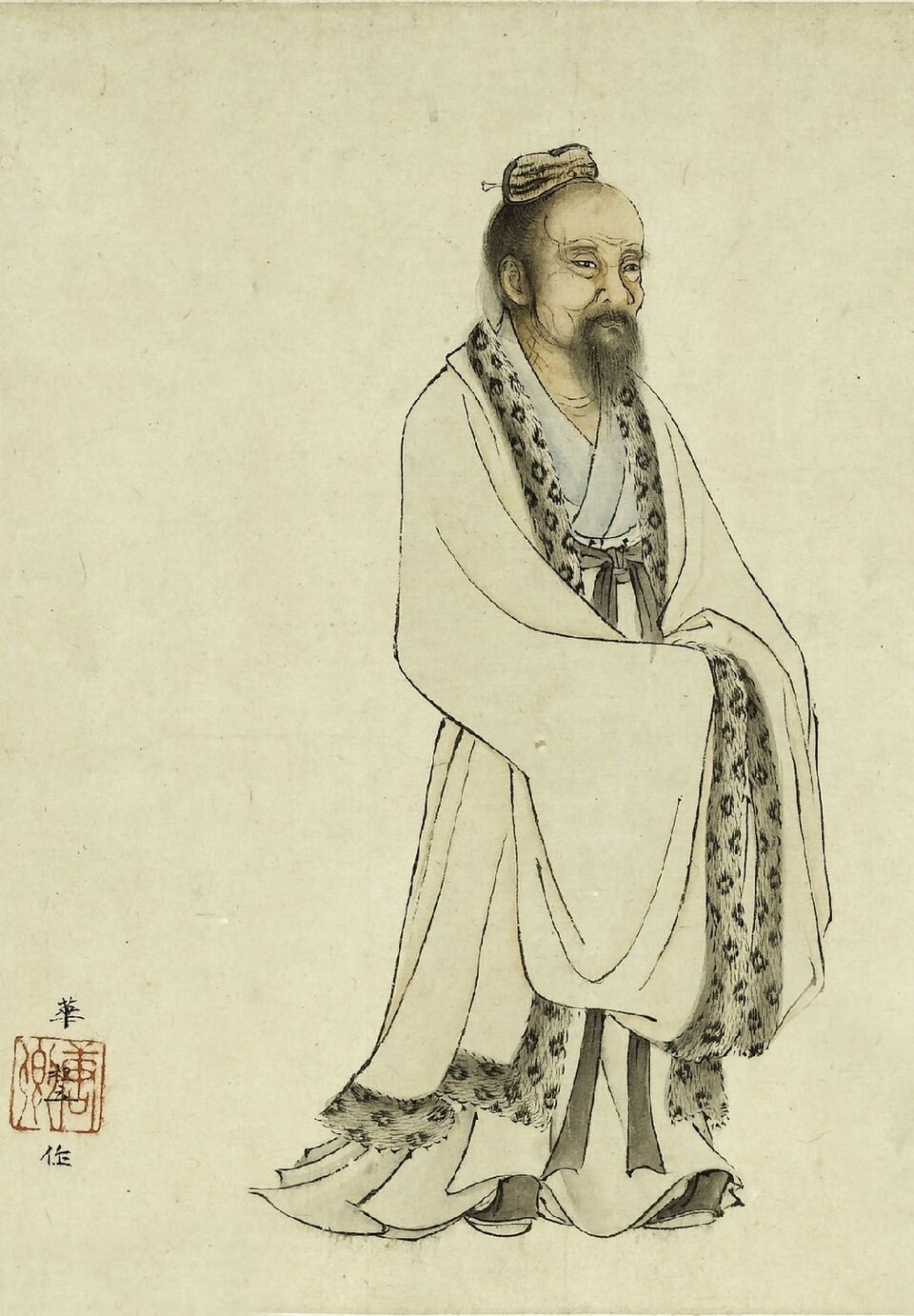 Philosopher
Zhuangzi
Using playful stories to question fixed perspectives and conventional judgements.
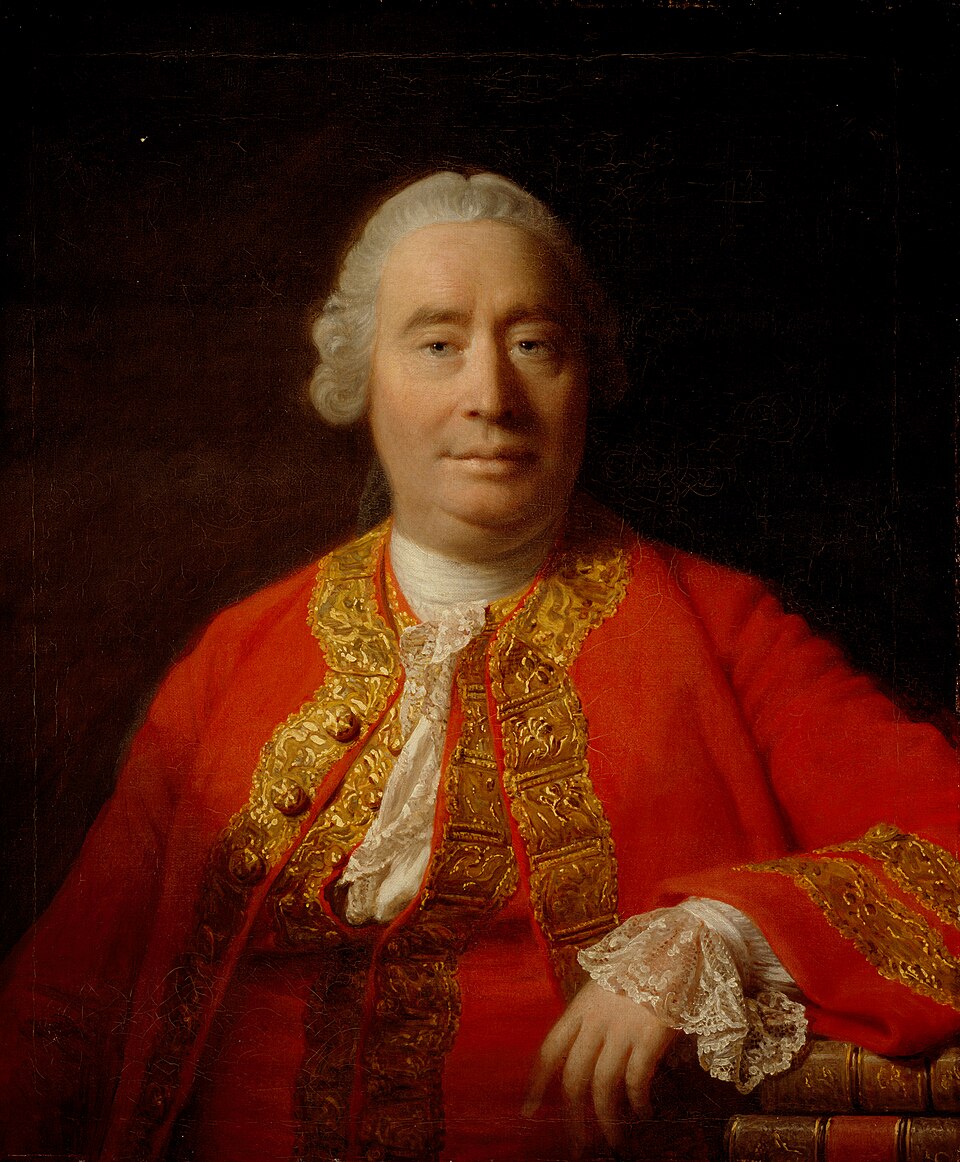 Philosopher
David Hume
Questioning certainty about causation and grounding accounts of human thought in experience.
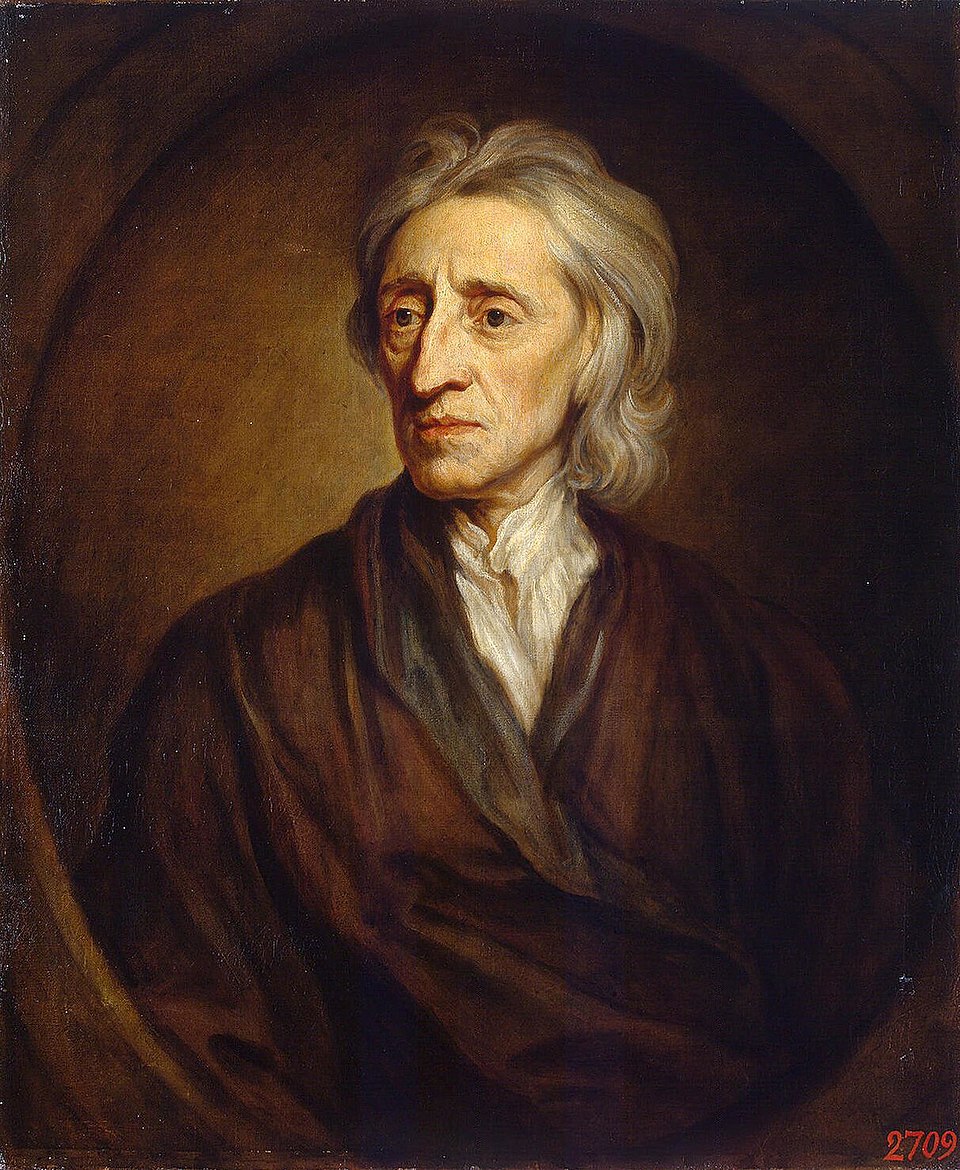 Philosopher
John Locke
Arguing for government by consent and examining how knowledge develops from experience.
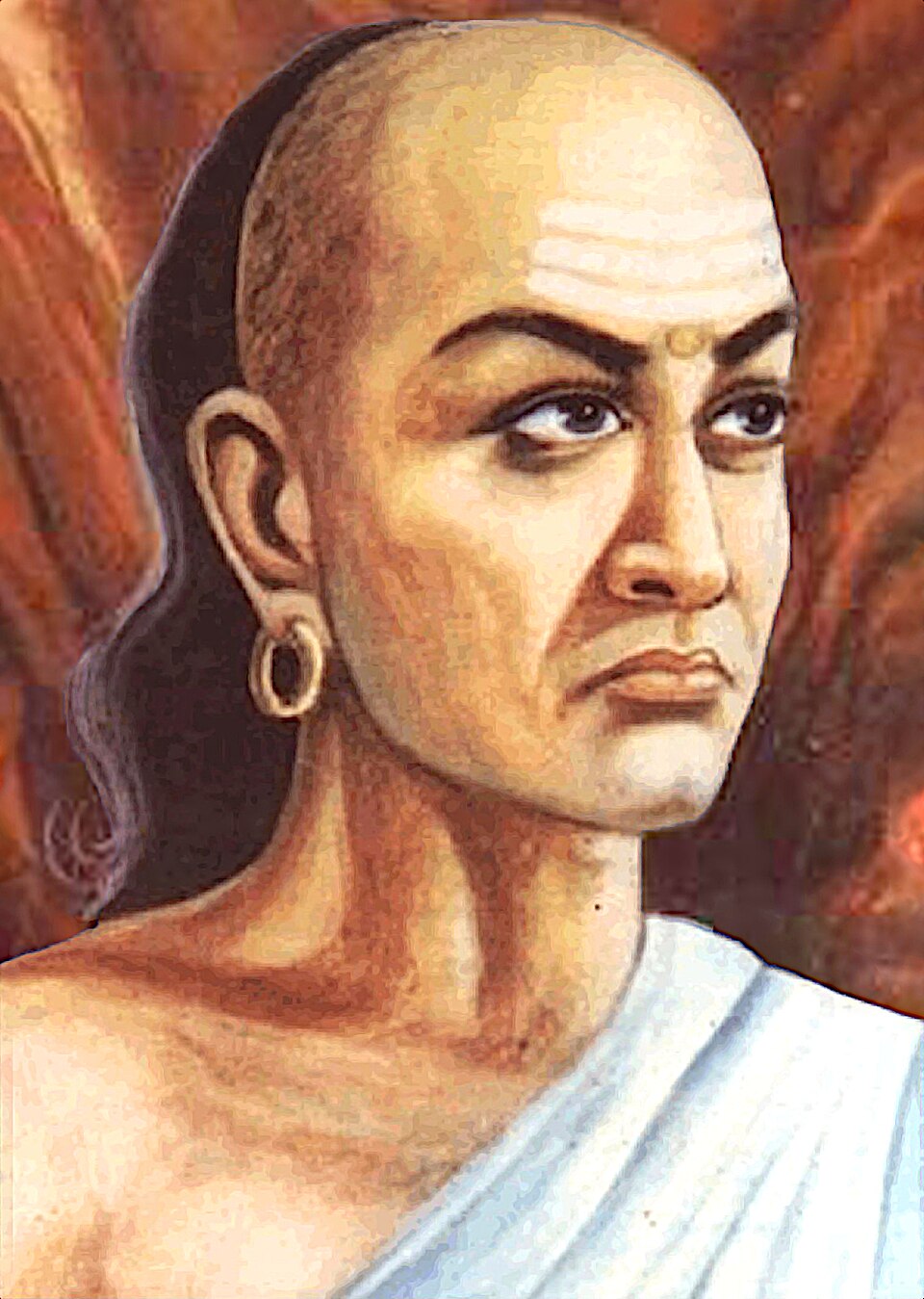 Political thinker
Chanakya
The tradition of statecraft associated with Chandragupta Maurya and the Arthashastra.
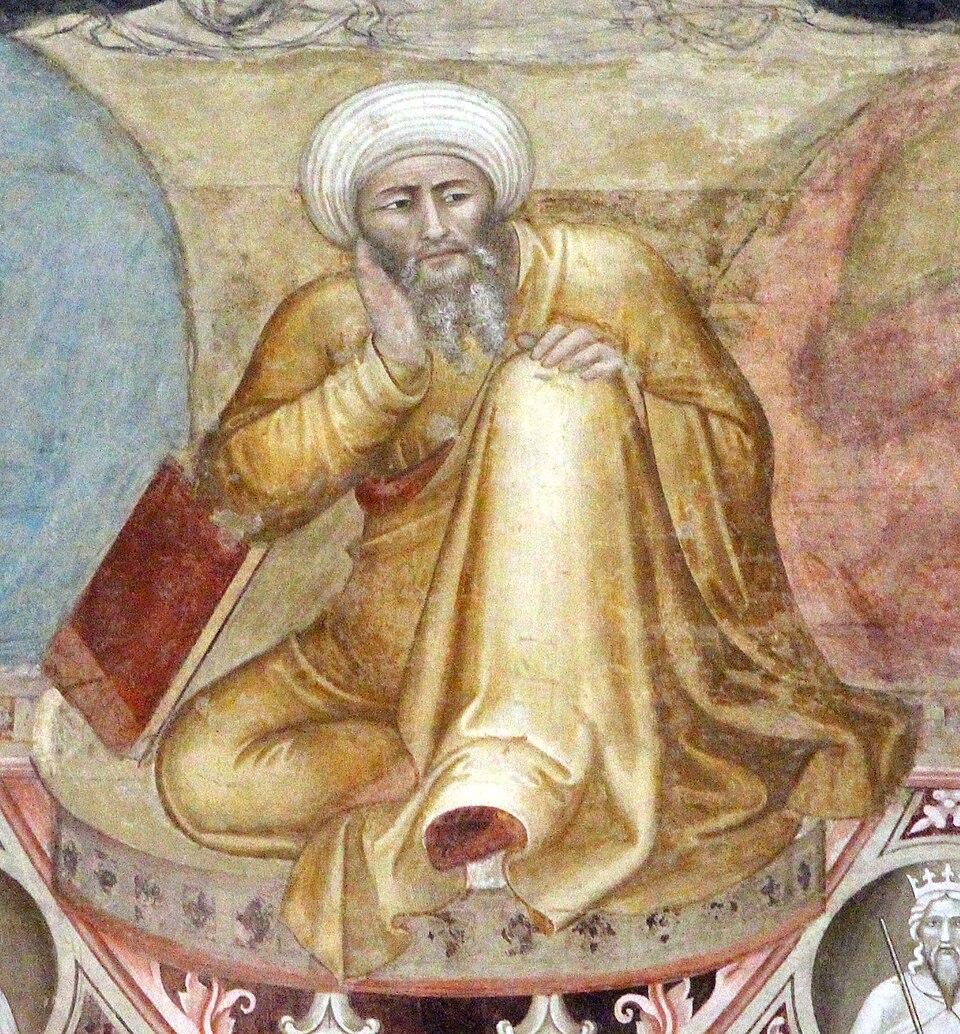 Philosopher
Ibn Rushd
Writing influential commentaries on Aristotle and defending philosophical inquiry.
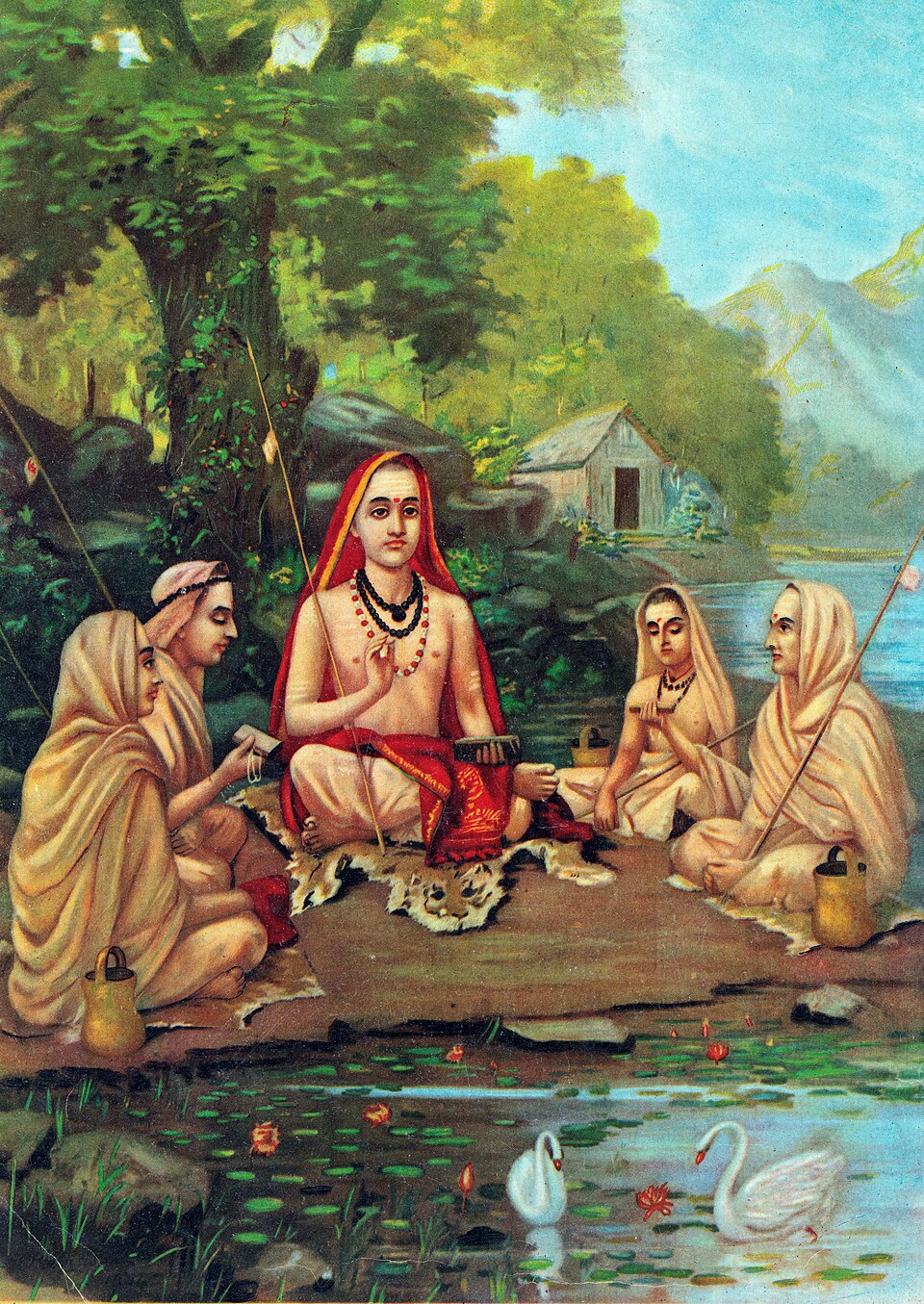 Philosopher
Adi Shankara
Writing influential commentaries associated with Advaita Vedanta.
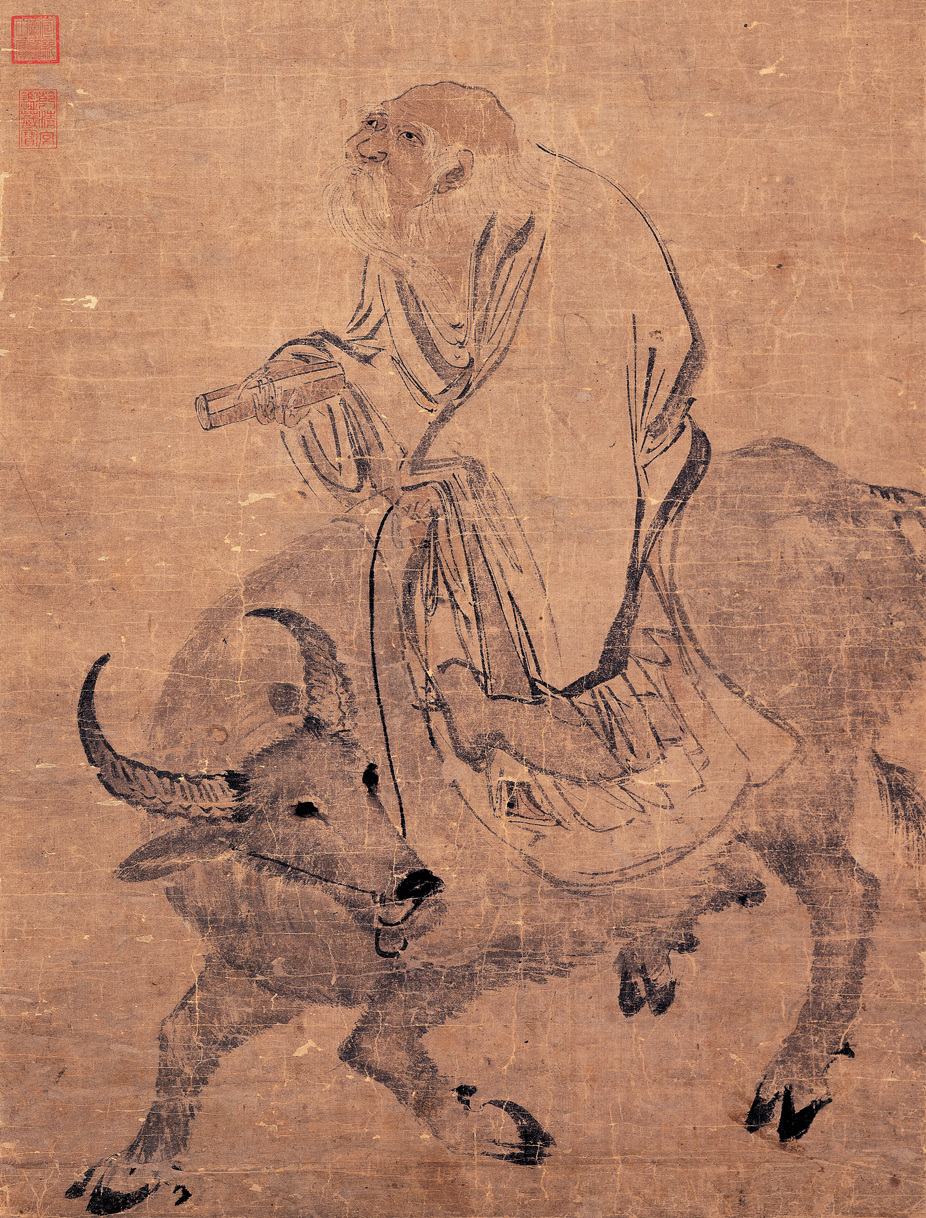 Philosopher
Laozi
The teachings associated with the Tao Te Ching and philosophical Daoism.
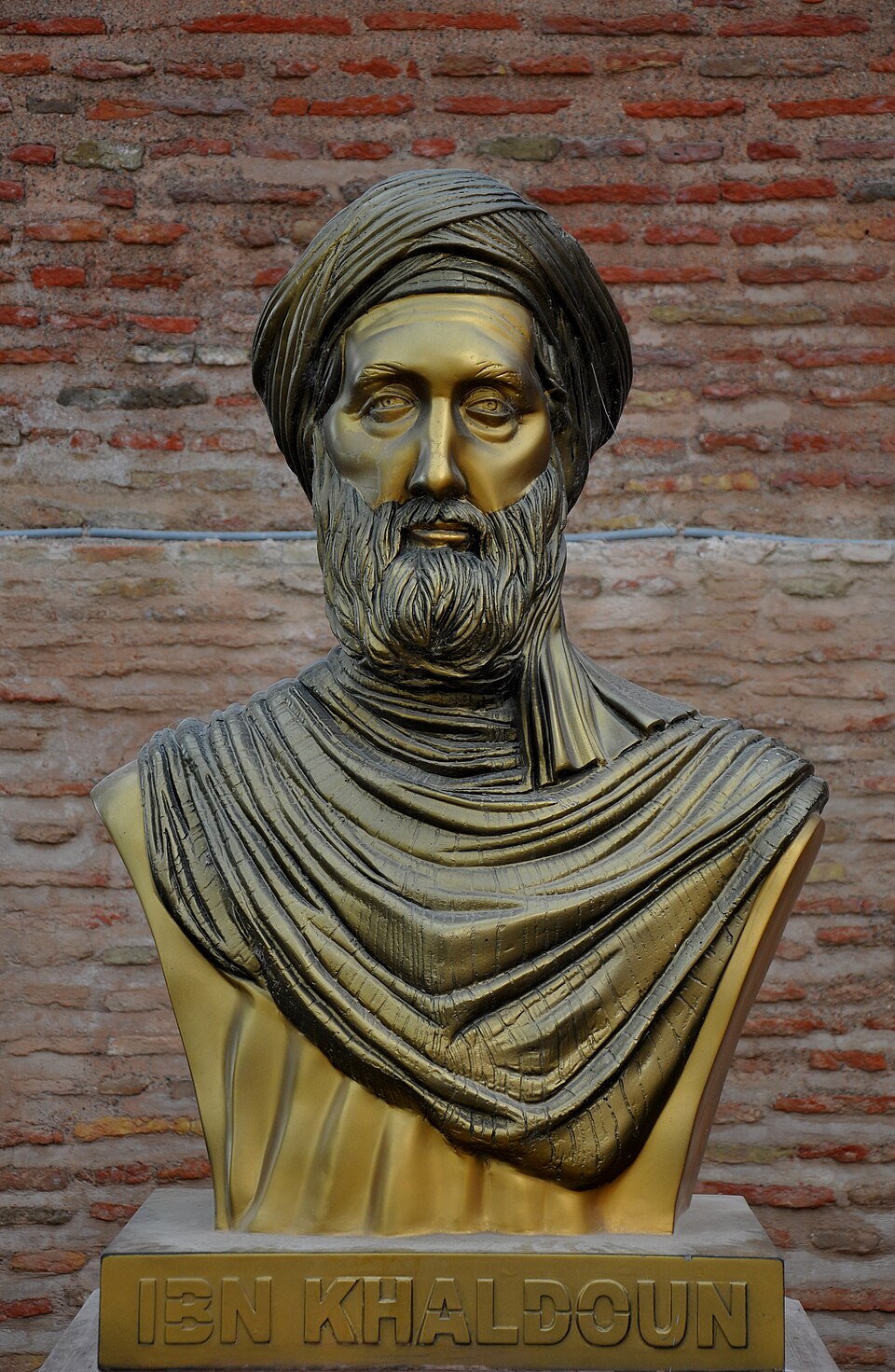 Historian
Ibn Khaldun
Explaining how social cohesion shapes the rise and decline of states.
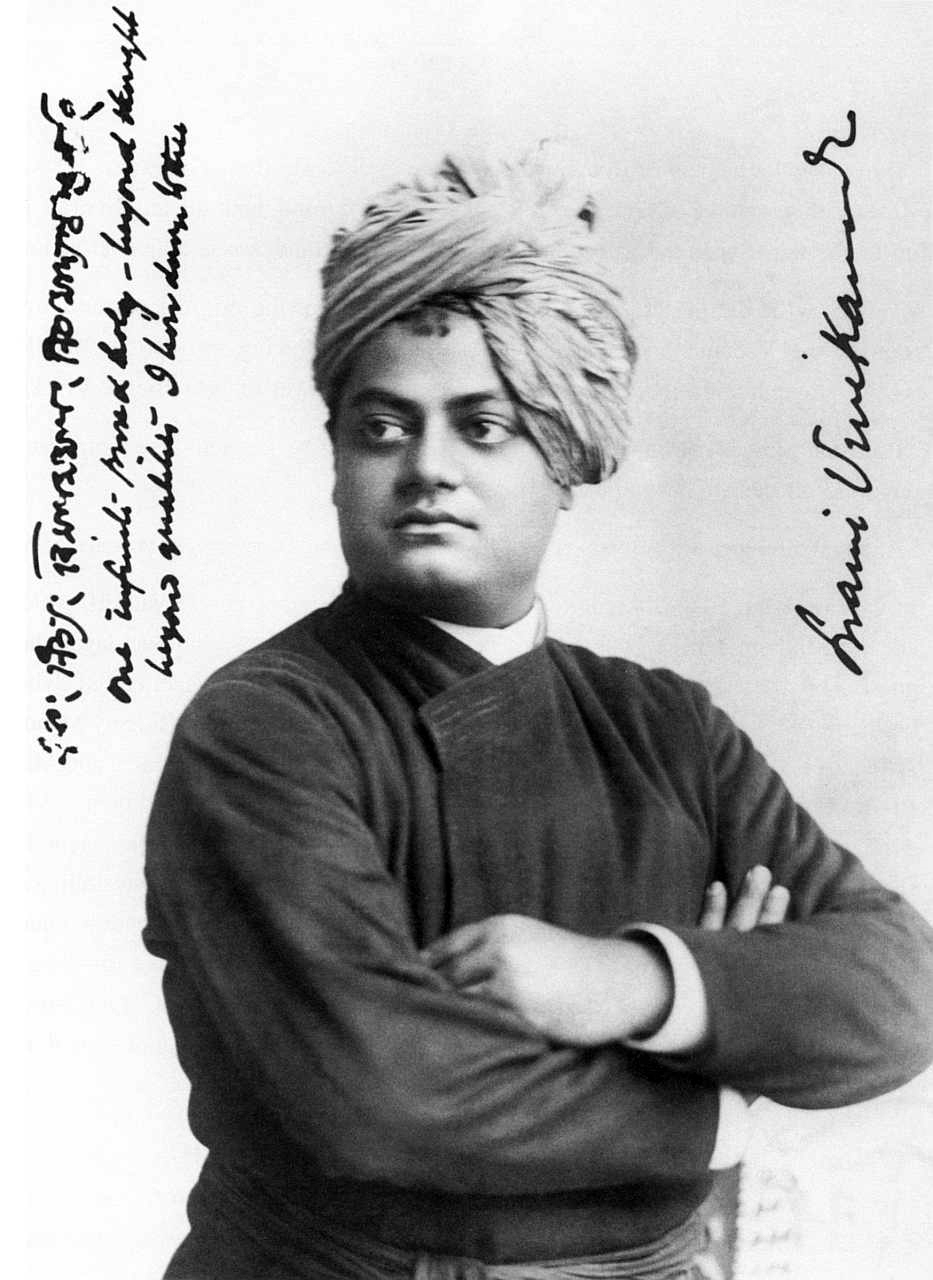 Religious leader
Swami Vivekananda
Introducing Vedanta to international audiences and founding the Ramakrishna Mission.
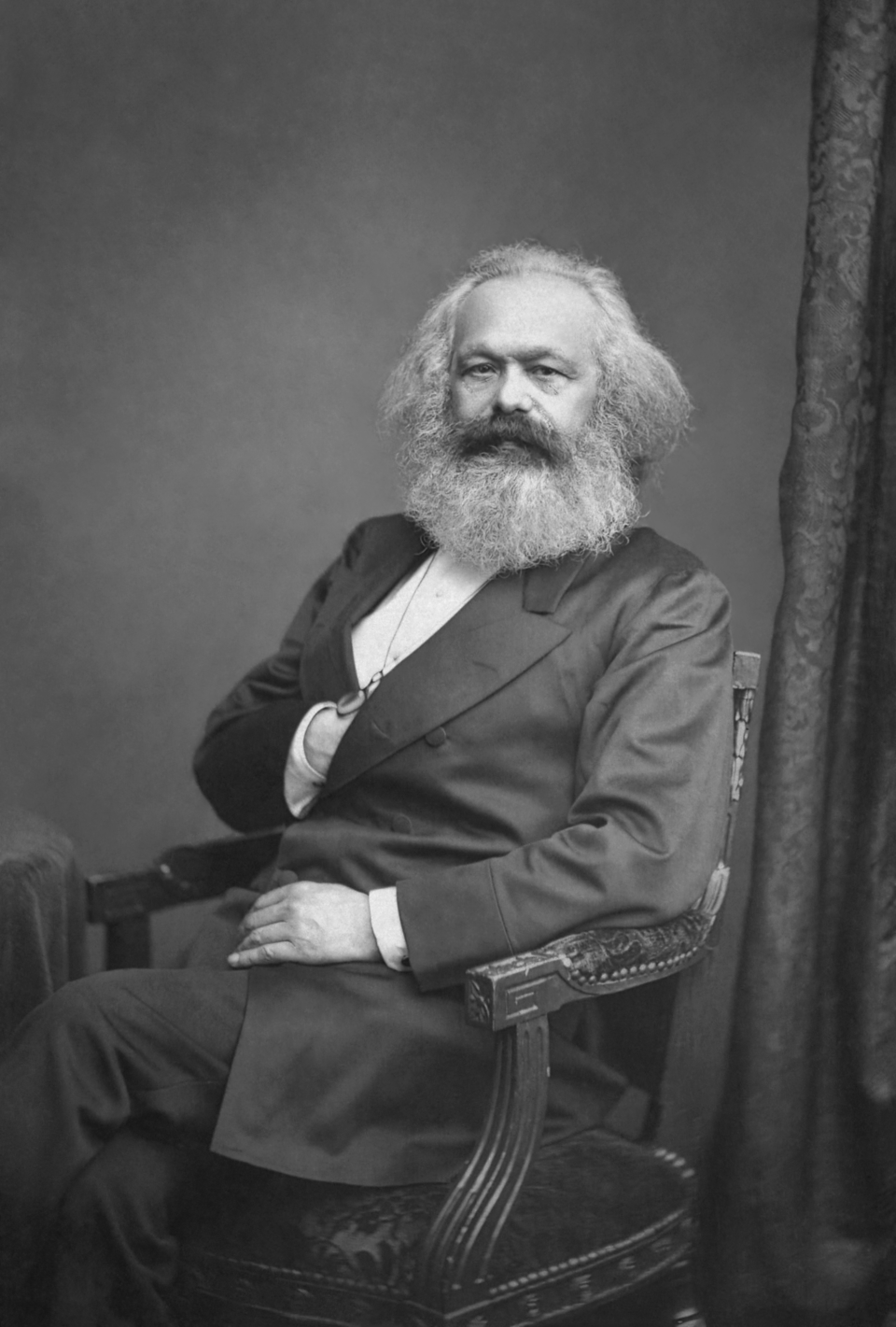 Philosopher
Karl Marx
Developing a critique of capitalism that shaped socialist movements worldwide.
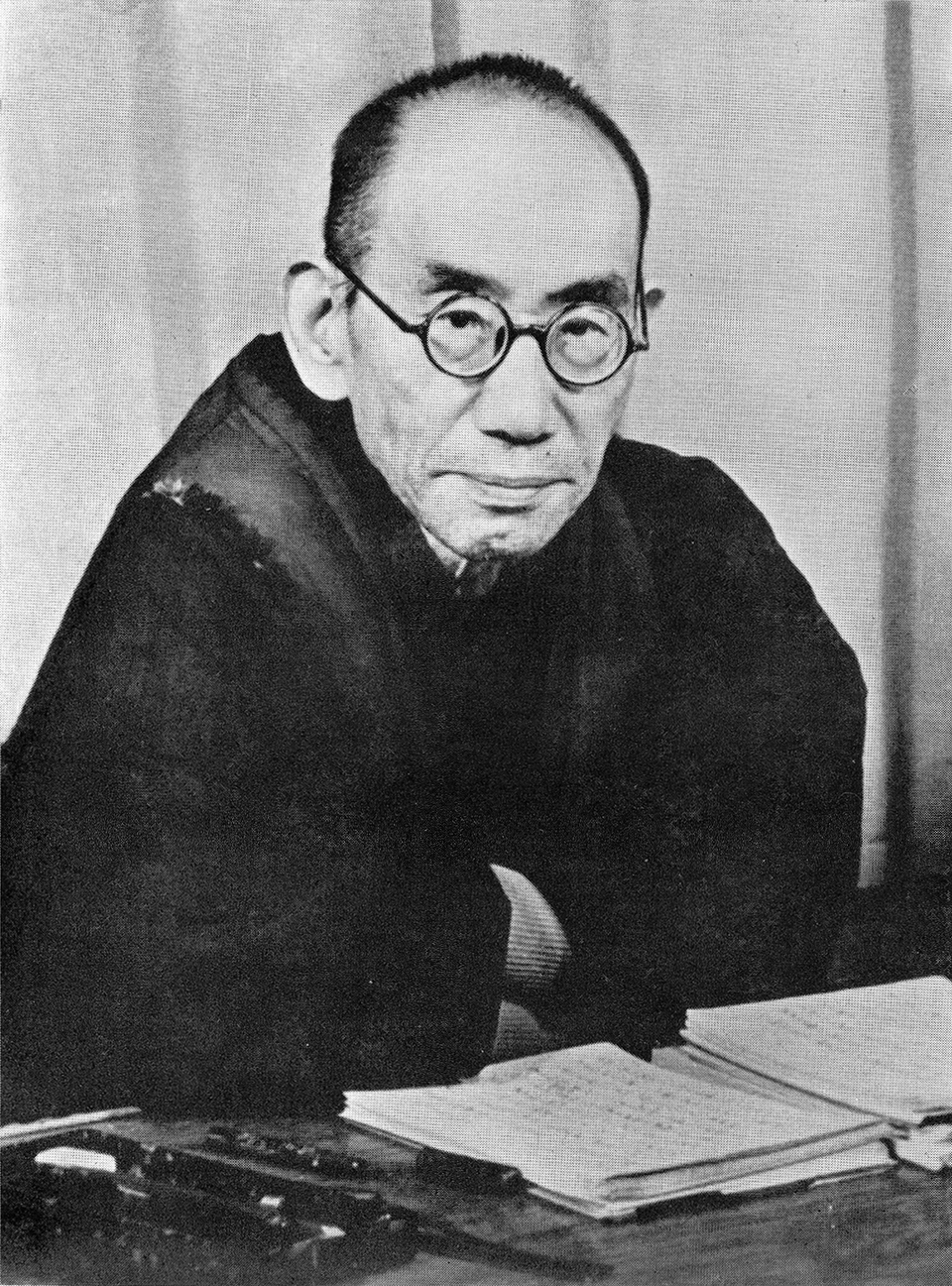 Philosopher
Nishida Kitarō
Founding the Kyoto School and exploring experience before the split between subject and object.
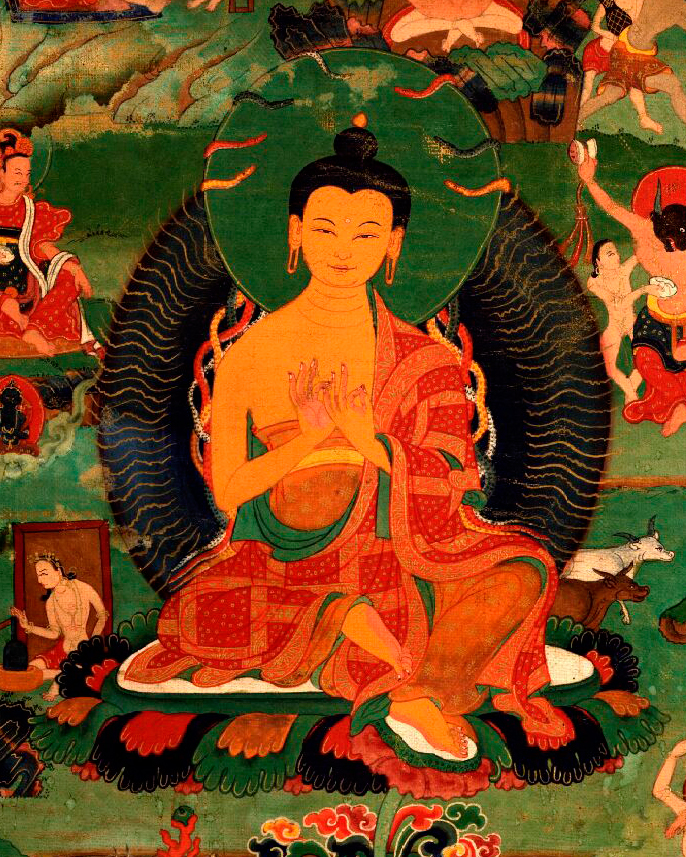 Philosopher
Nagarjuna
Developing the Madhyamaka account of emptiness in Buddhist philosophy.
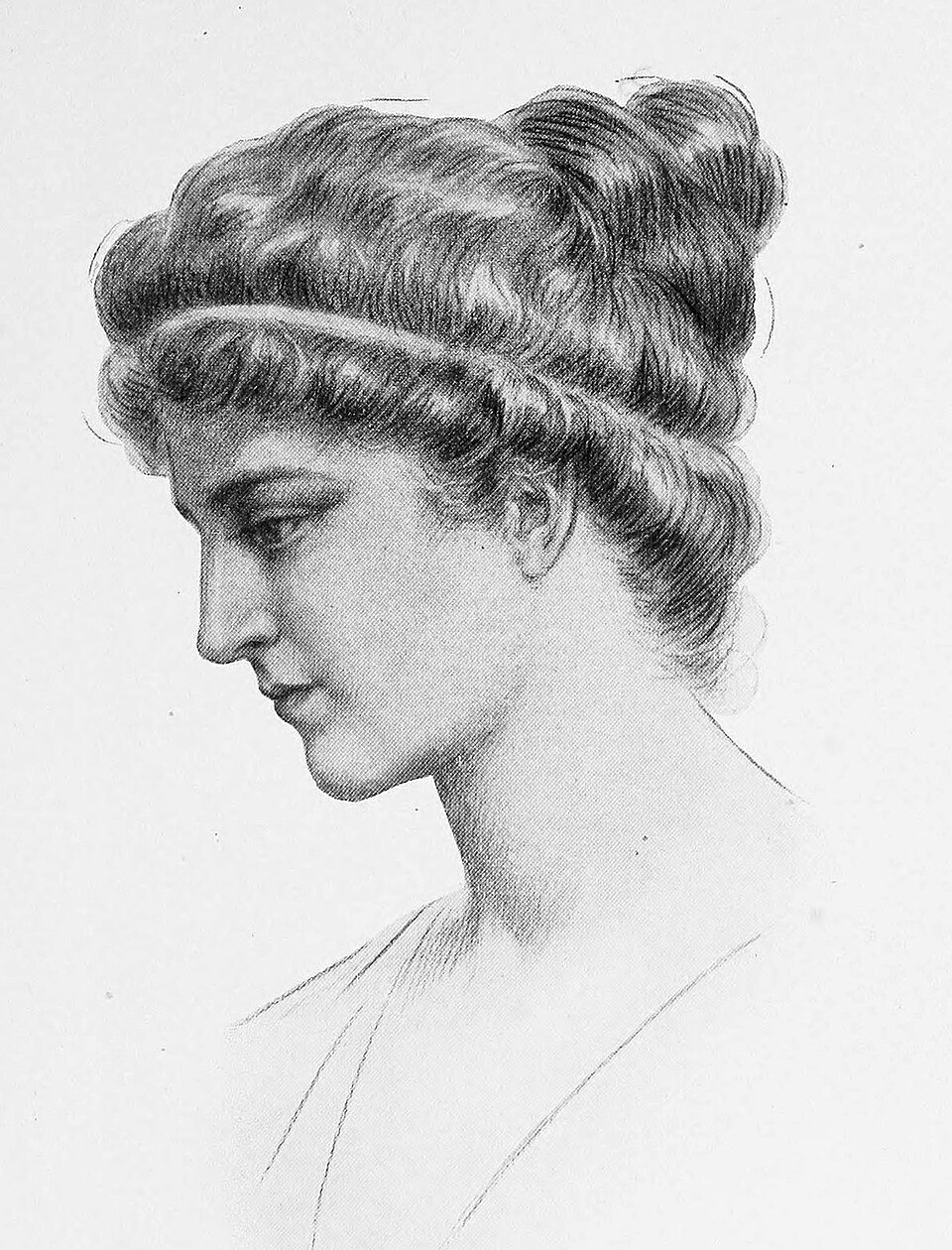 Philosopher
Hypatia
Teaching philosophy and mathematics in late-antique Alexandria.
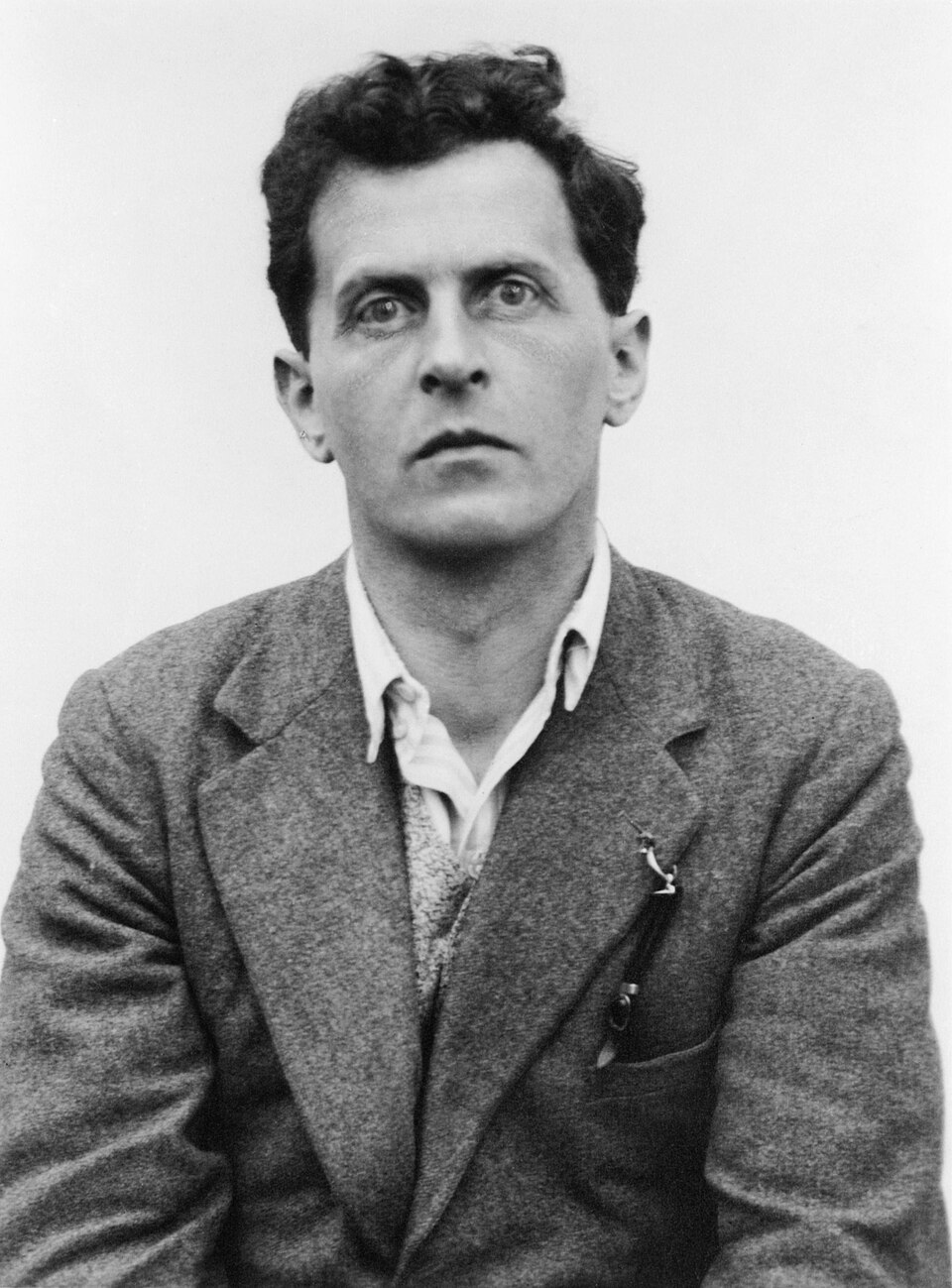 Philosopher
Ludwig Wittgenstein
Changing how philosophers think about language, meaning and understanding.
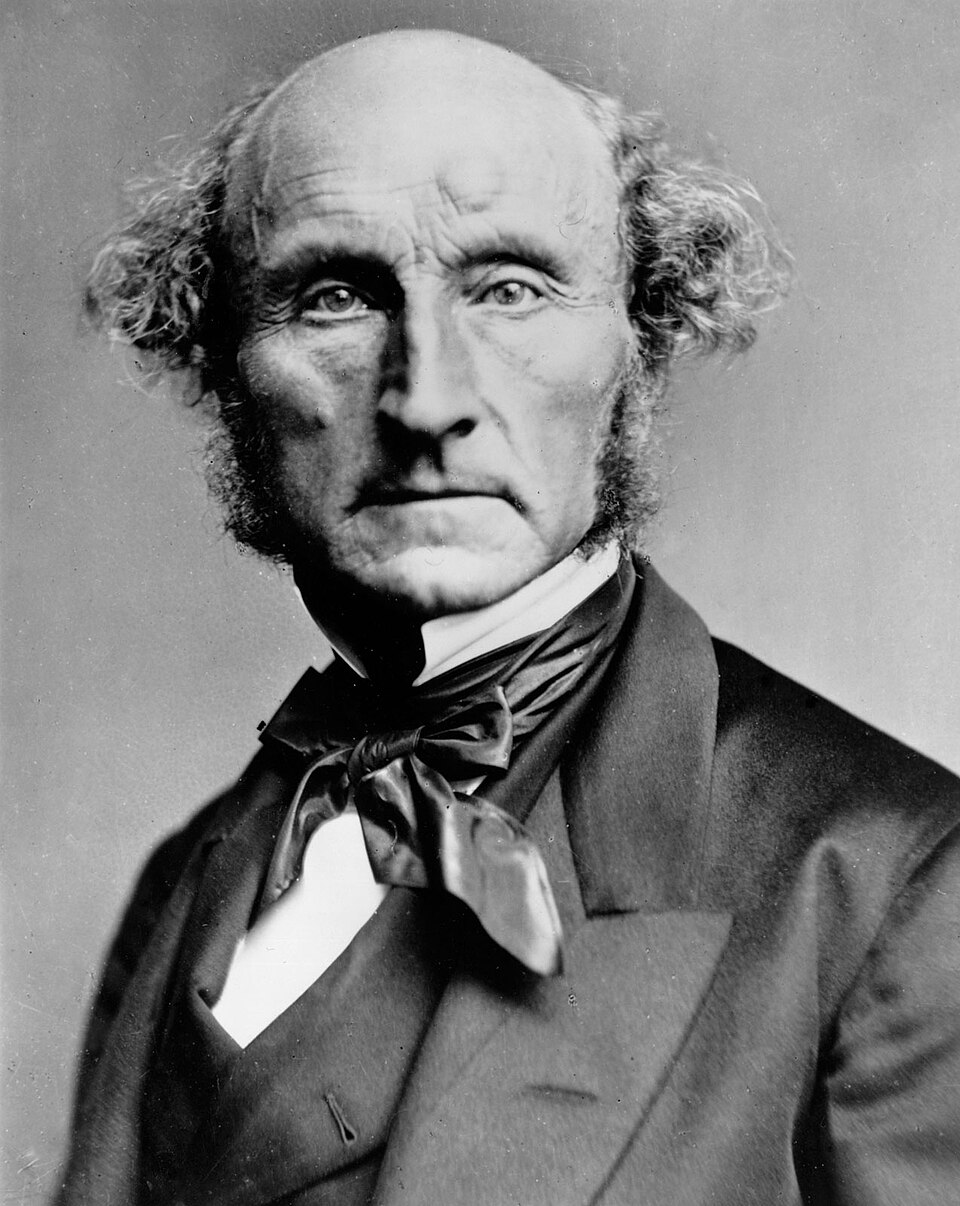 Philosopher
John Stuart Mill
Defending individual liberty and arguing for women’s equality.
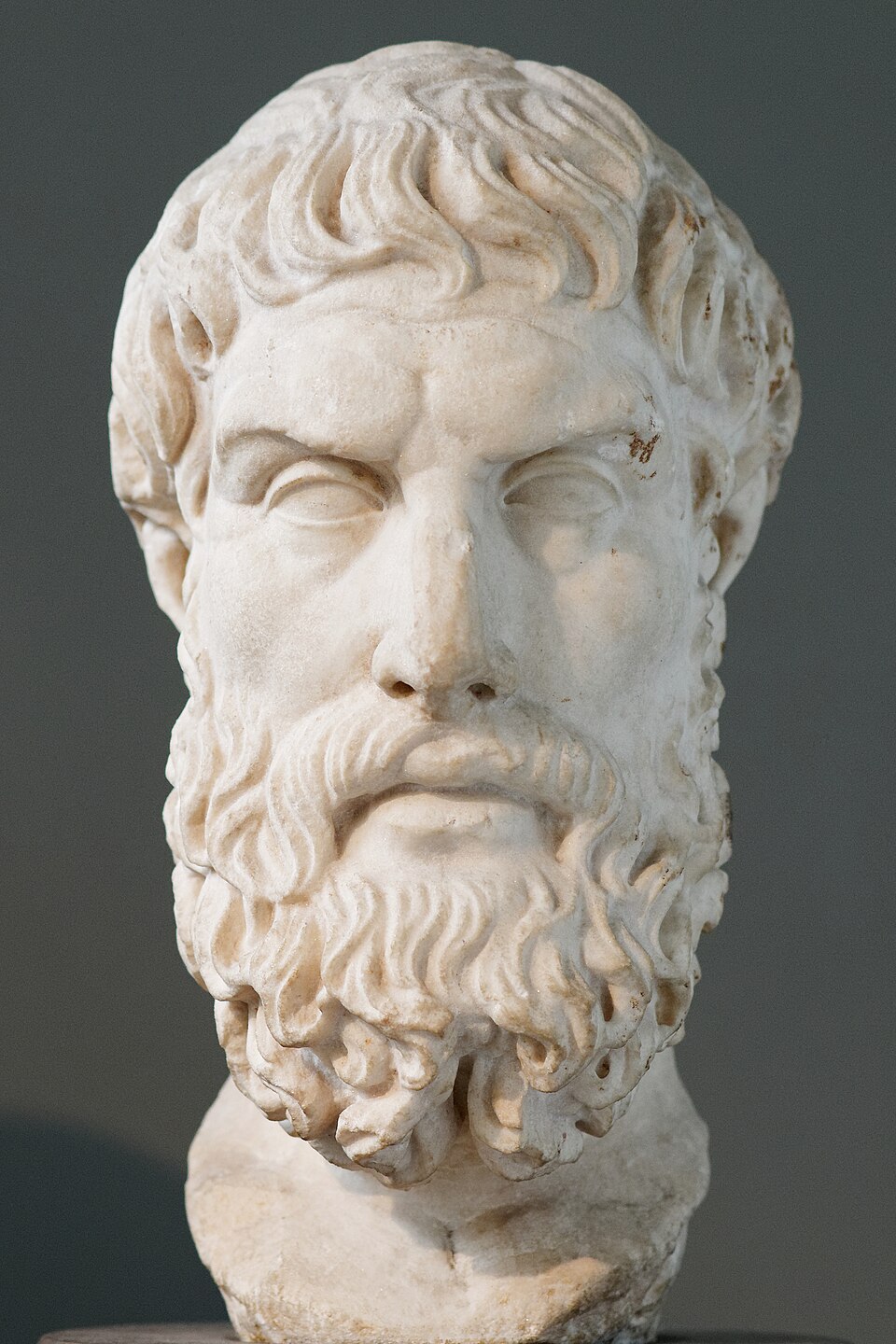 Philosopher
Epicurus
Teaching that a good life rests on friendship, simple pleasures and freedom from needless fear.
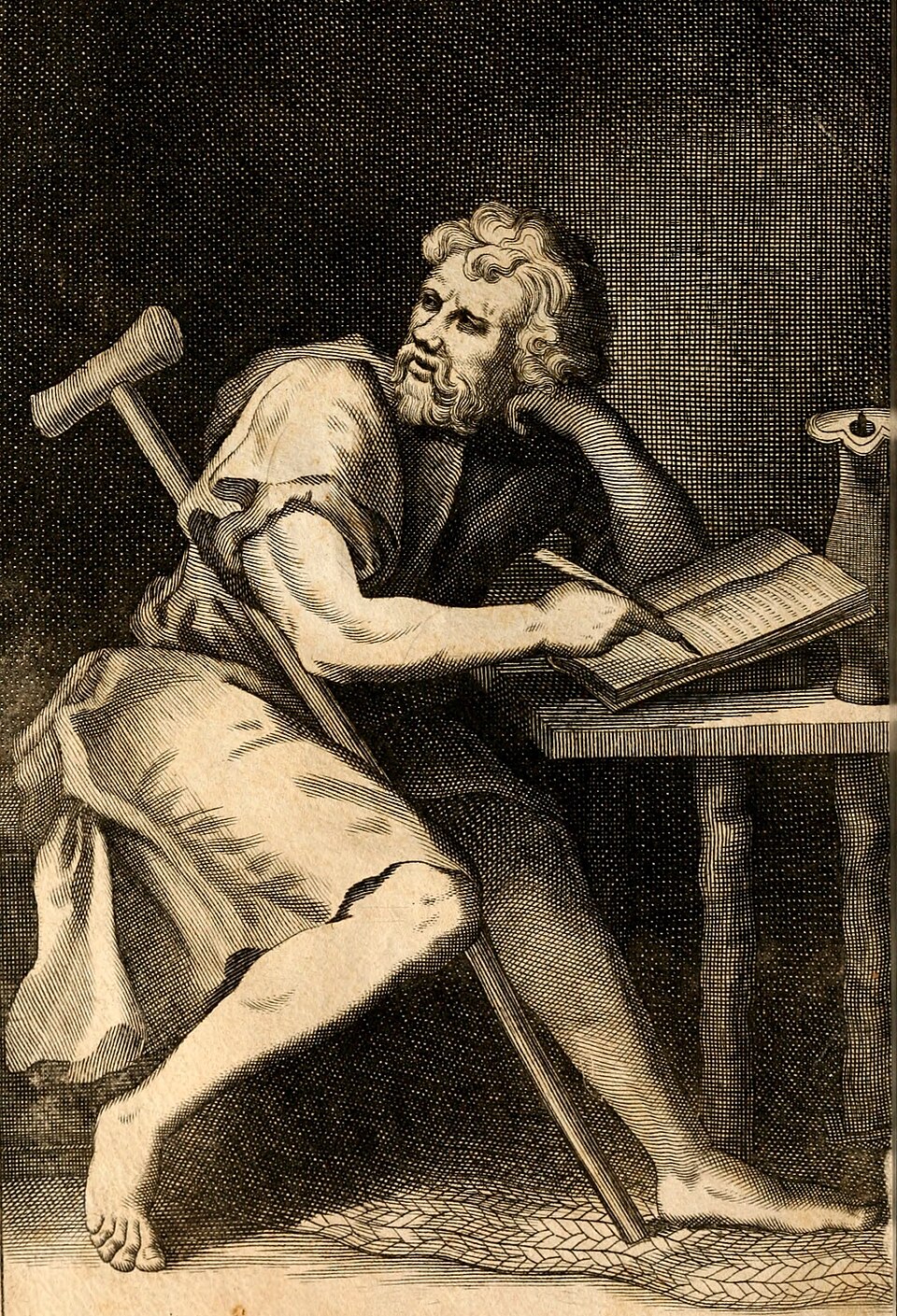 Philosopher
Epictetus
Teaching the Stoic distinction between what we control and what we cannot.
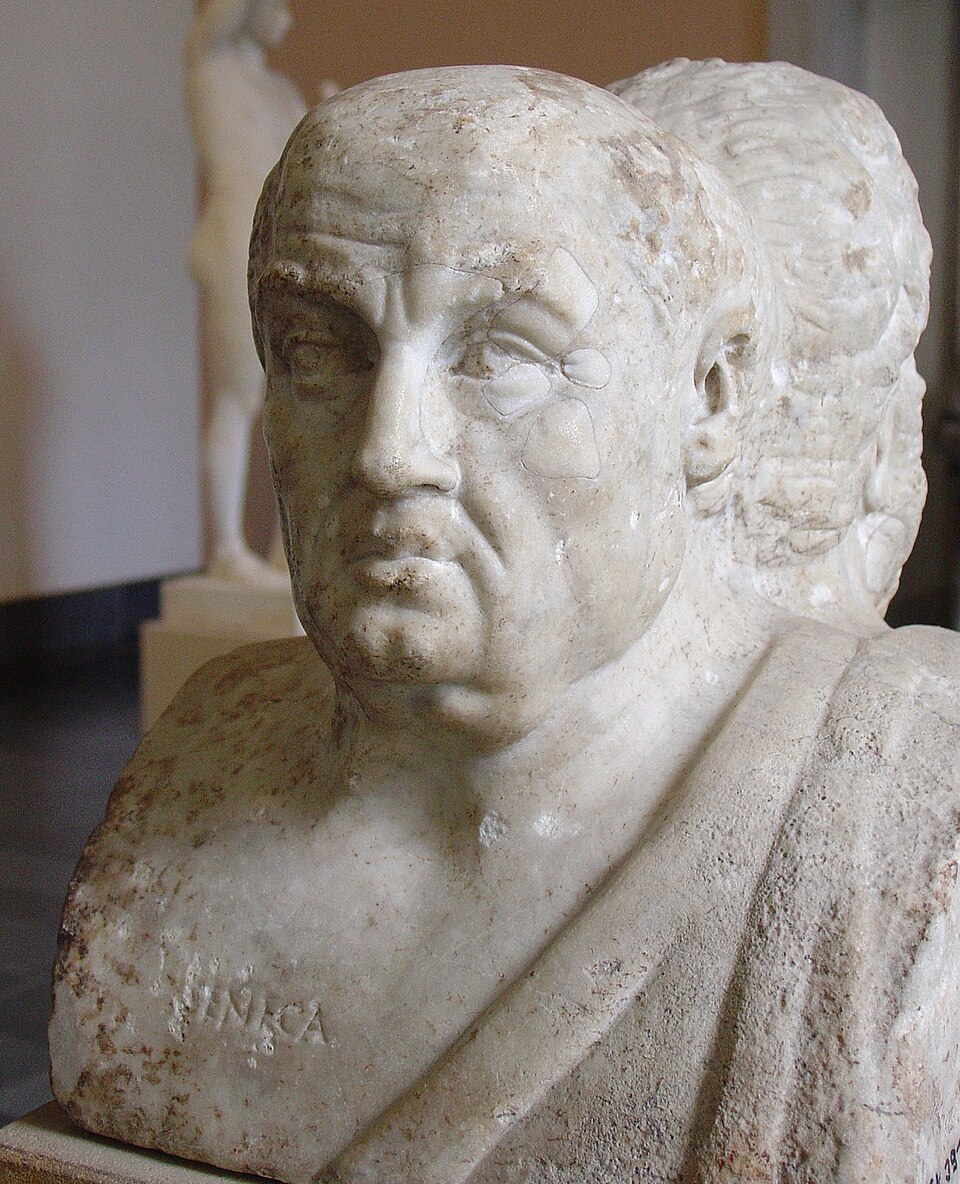 Philosopher
Seneca the Younger
Writing Stoic advice on time, anger and living well while serving at Nero’s court.
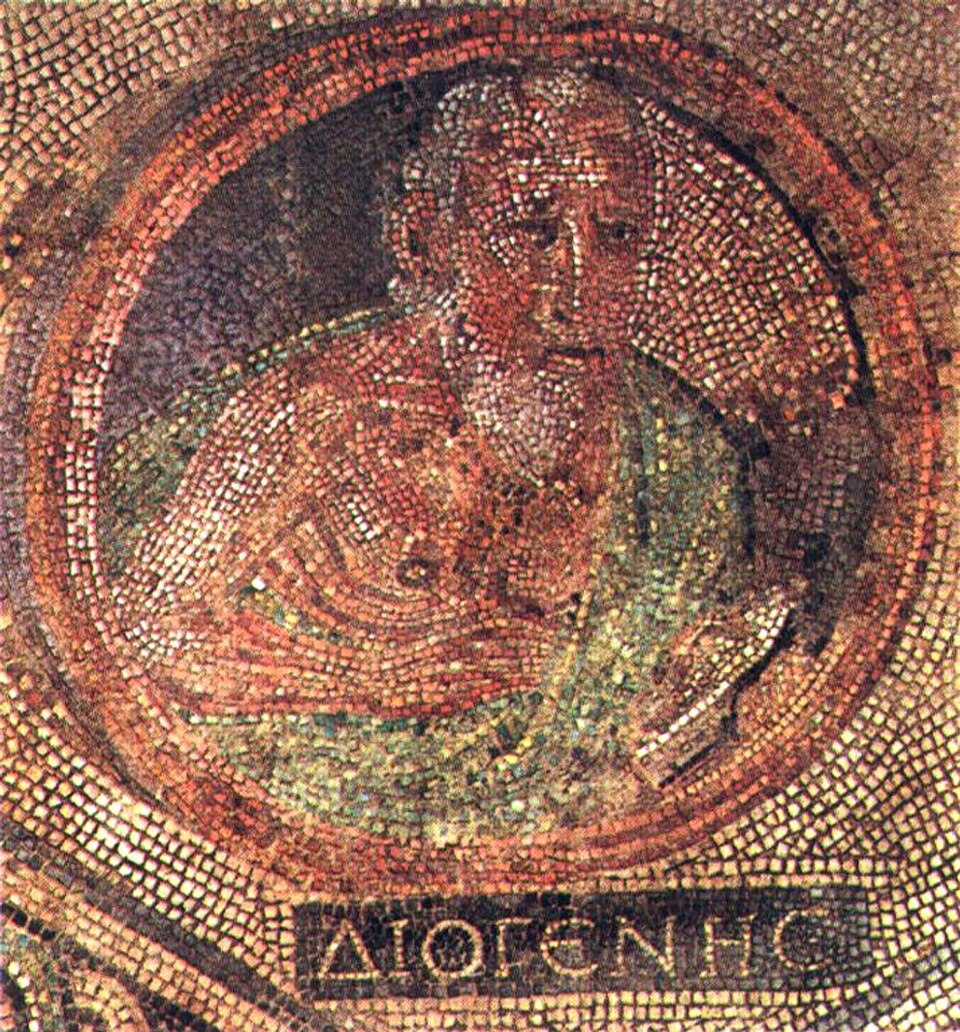 Philosopher
Diogenes
Challenging wealth, status and social convention through a radically simple life.
 Philosopher
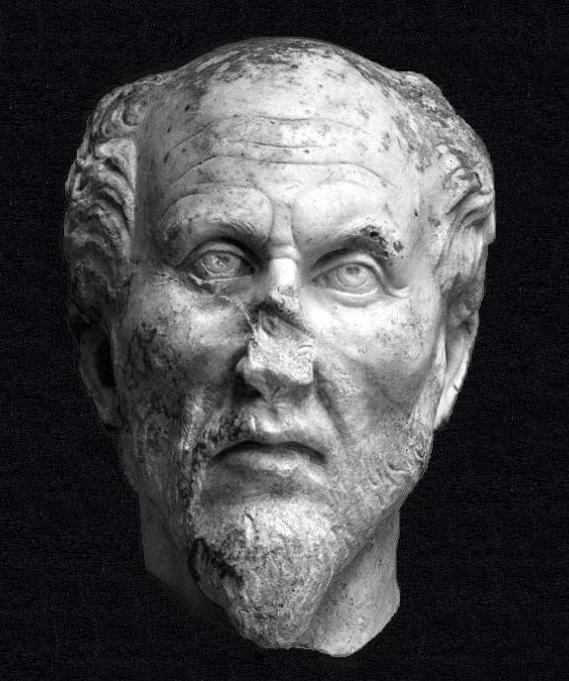
Plotinus
Developing the philosophy now called Neoplatonism around the One, intellect and soul.
 Philosopher
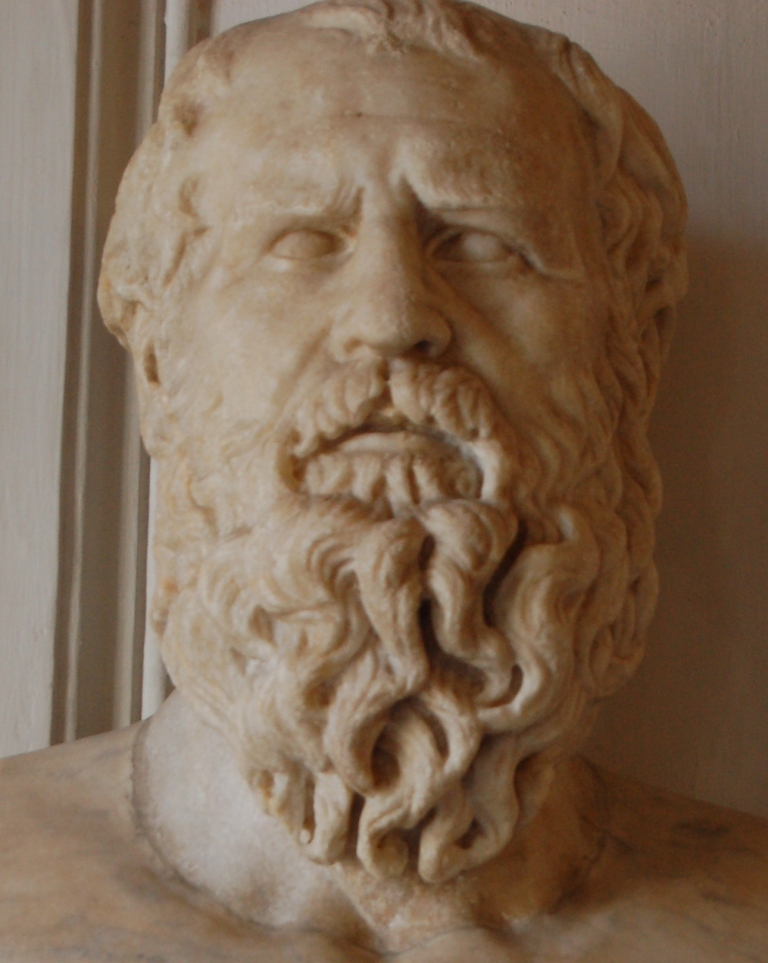
Heraclitus
Arguing that change and opposing forces belong to an ordered whole.
 Philosopher
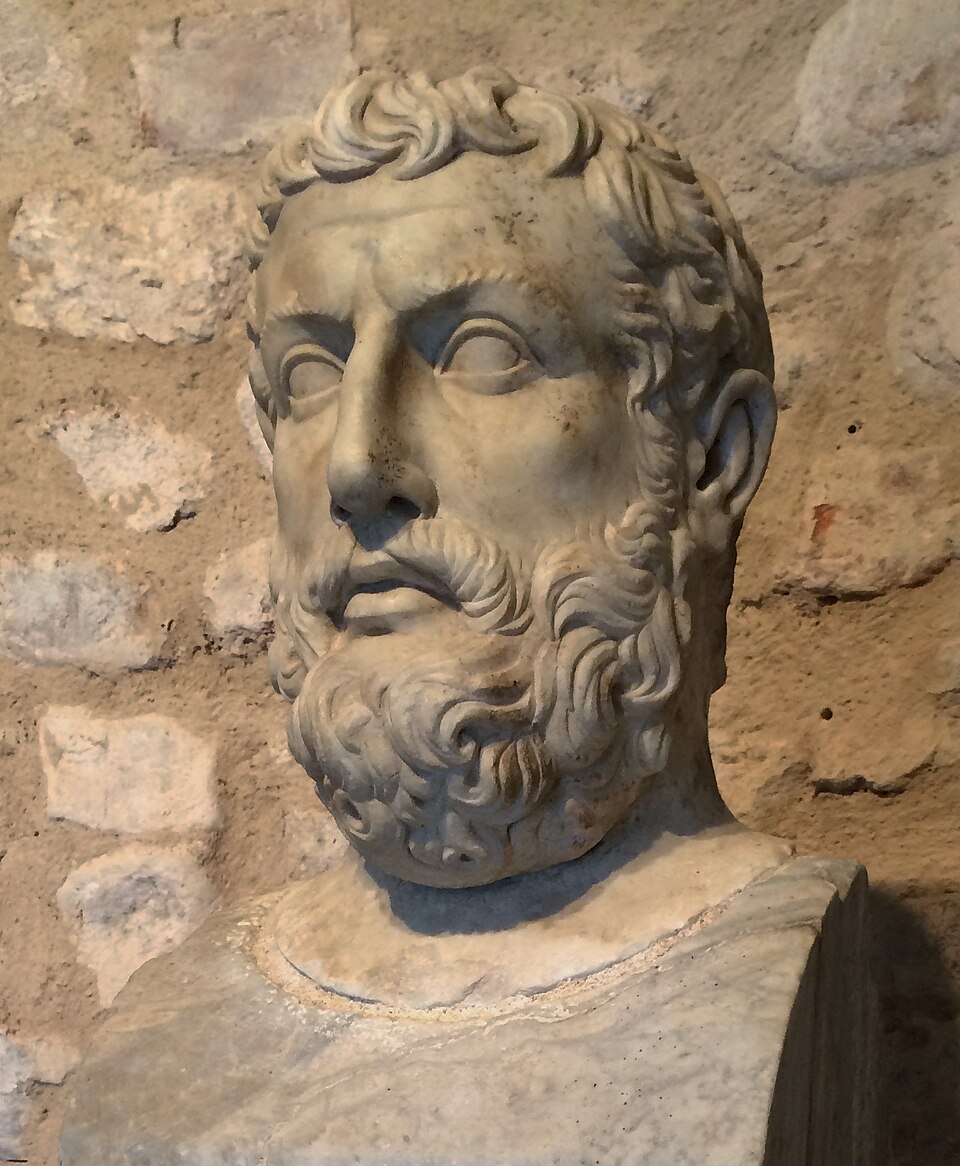
Parmenides
Making the nature of being and the limits of thought central philosophical questions.
 Philosopher
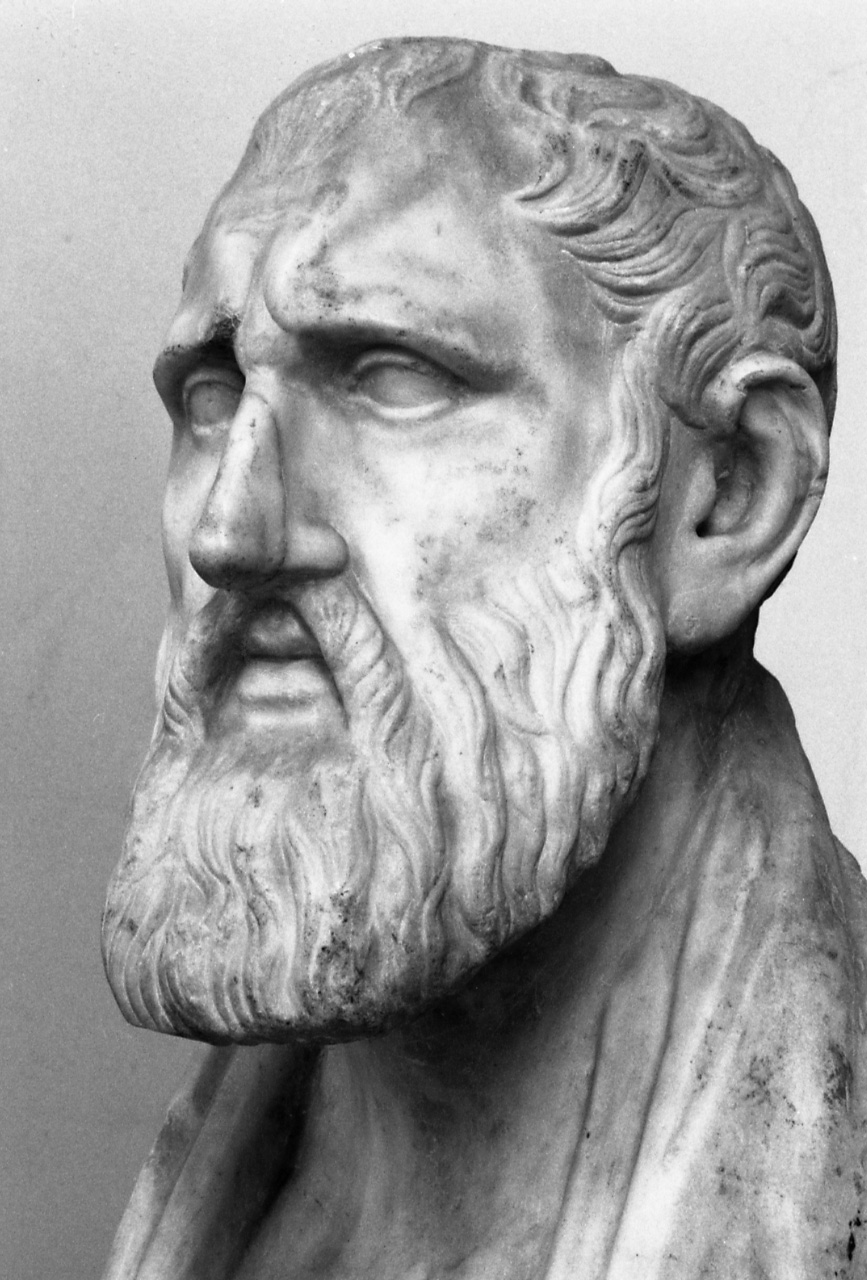
Zeno of Citium
Founding Stoicism, a philosophy centred on virtue and living in accordance with nature.
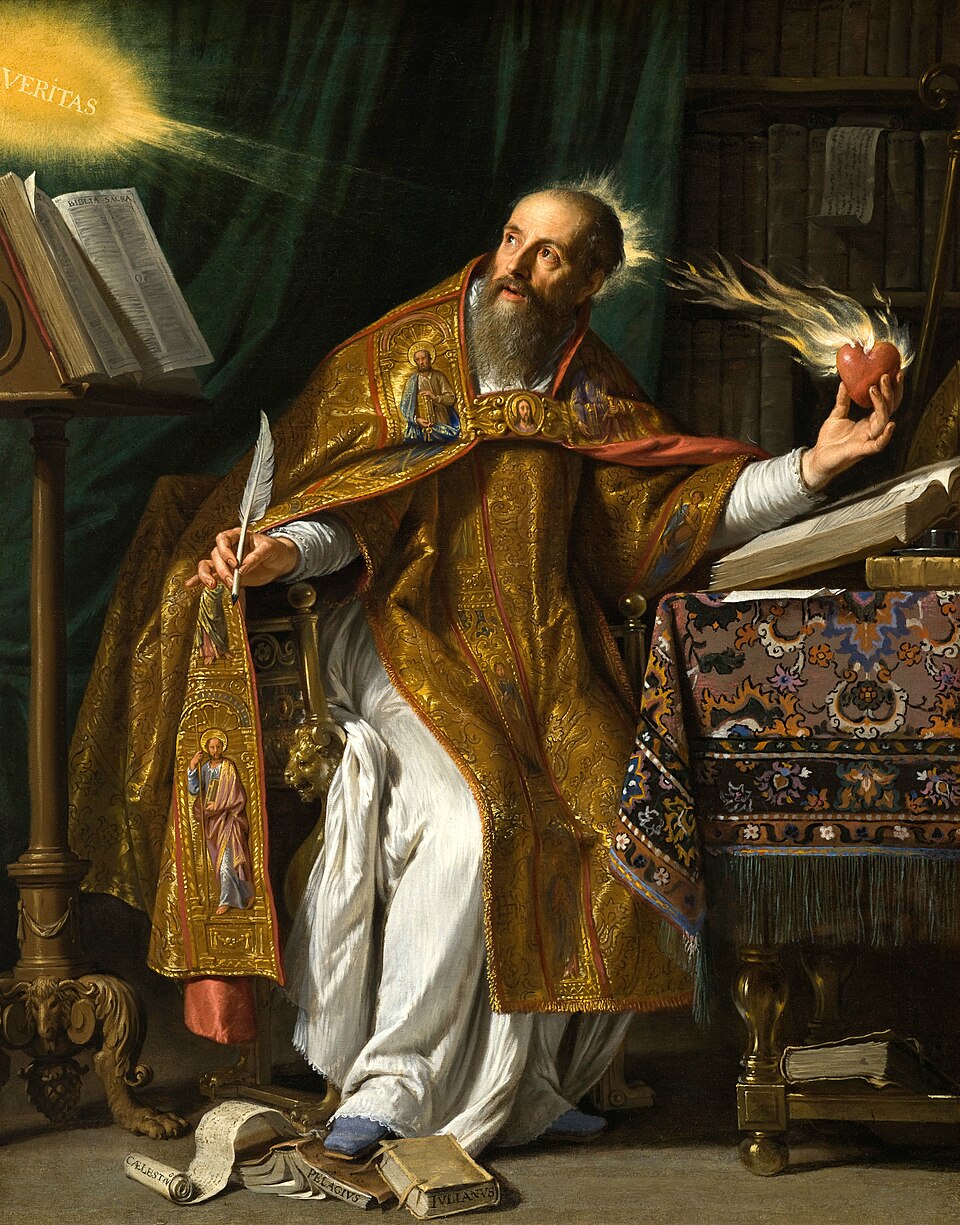 Philosopher
Augustine of Hippo
Writing Confessions and The City of God and shaping Christian ideas about grace and human nature.
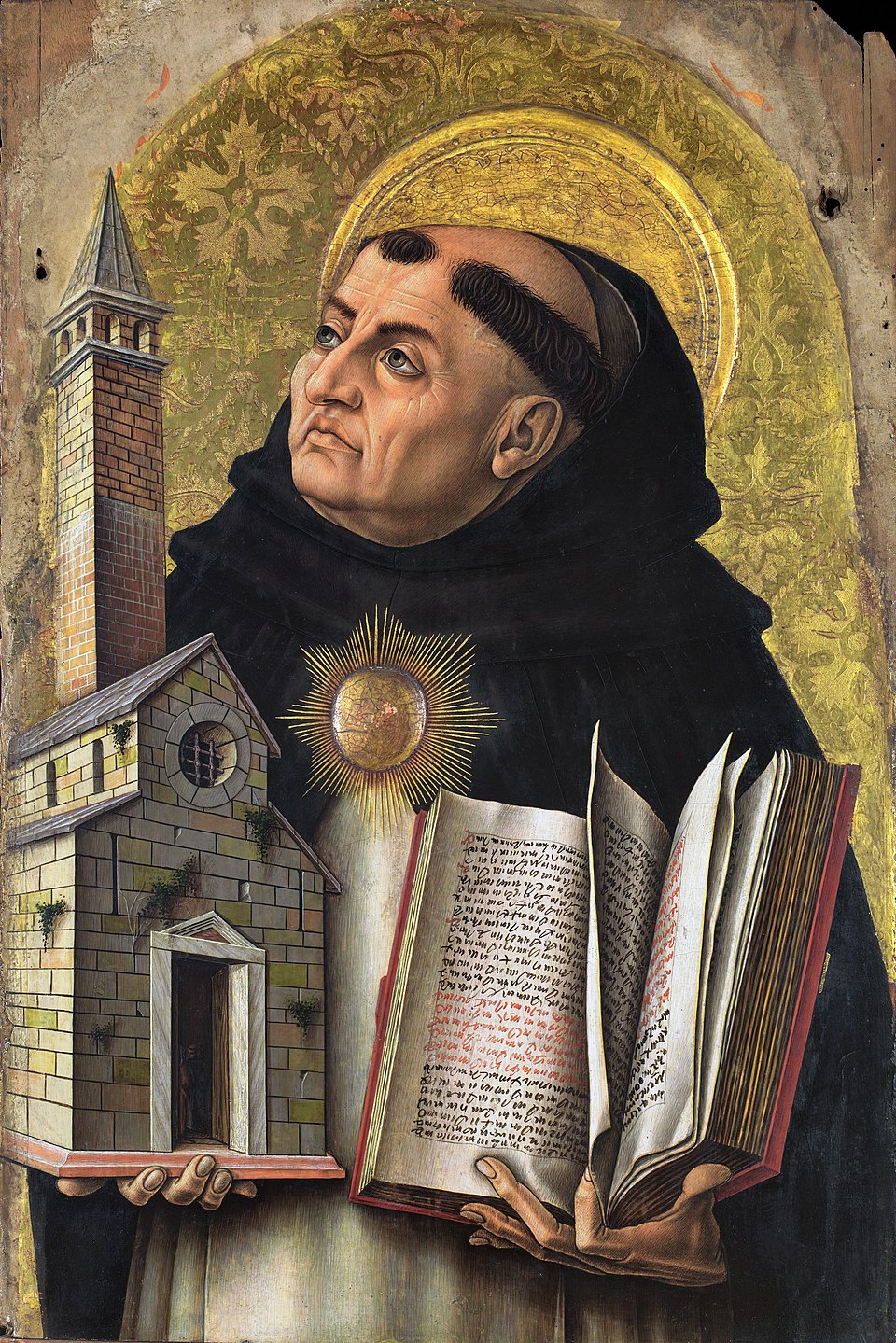 Philosopher
Thomas Aquinas
Bringing Aristotelian philosophy into a systematic account of Christian theology.
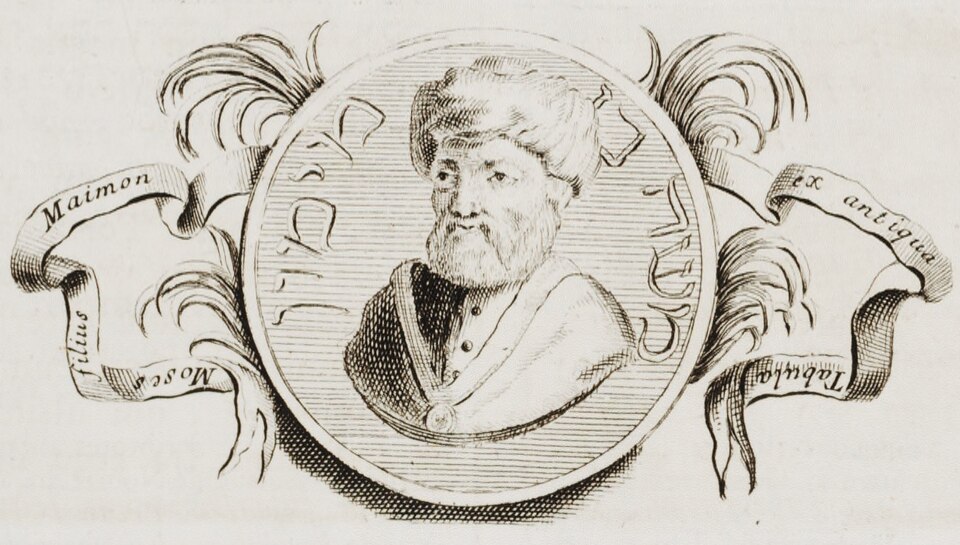 Philosopher
Maimonides
Writing the Mishneh Torah and The Guide for the Perplexed, major works of Jewish law and philosophy.
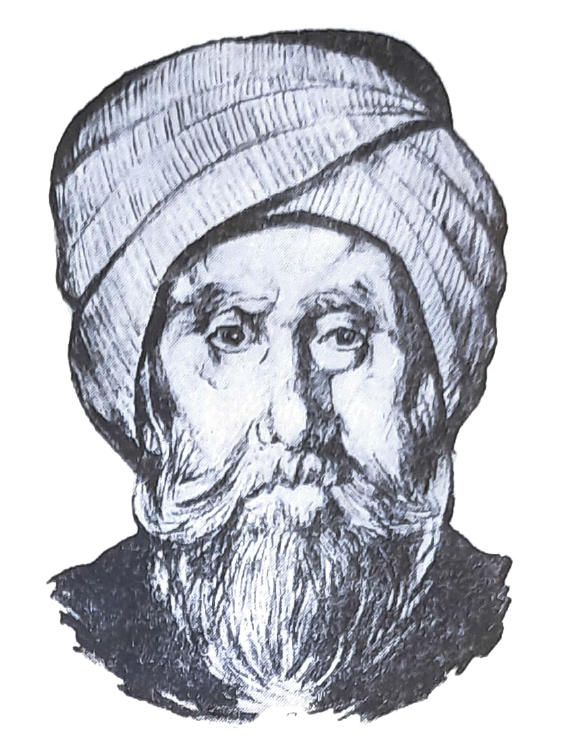 Philosopher
Al-Ghazali
Writing The Revival of the Religious Sciences and challenging the claims of philosophical certainty.
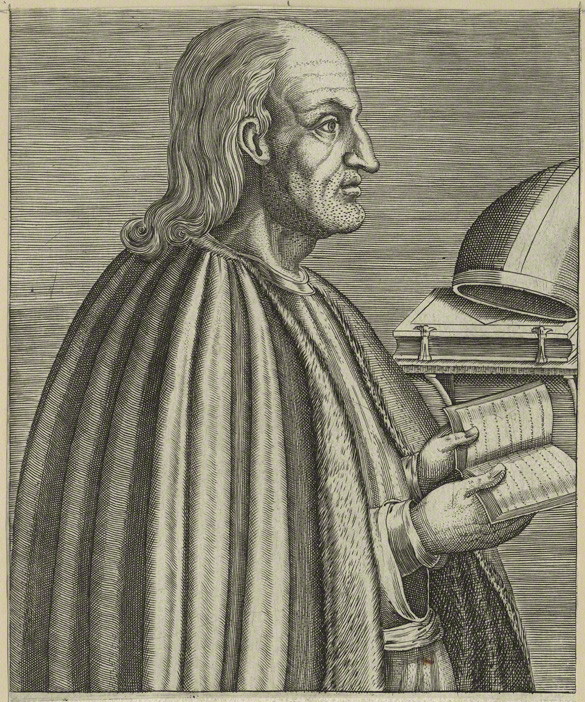 Philosopher
Anselm of Canterbury
Formulating the ontological argument for God’s existence in the Proslogion.
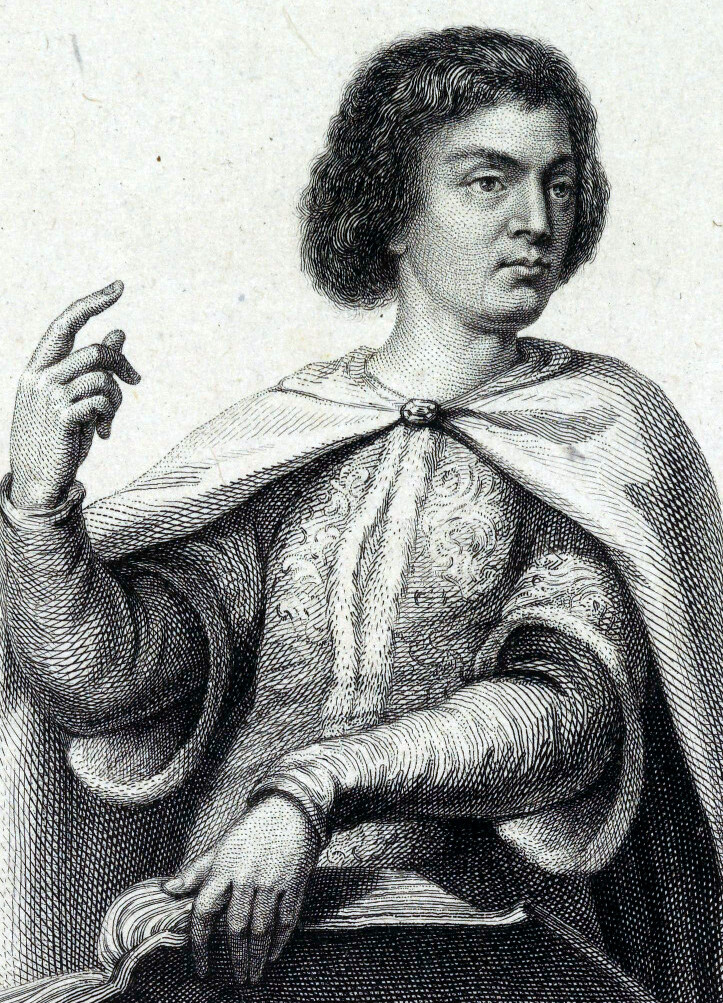 Philosopher
Peter Abelard
Developing influential medieval logic and an ethics centred on intention.
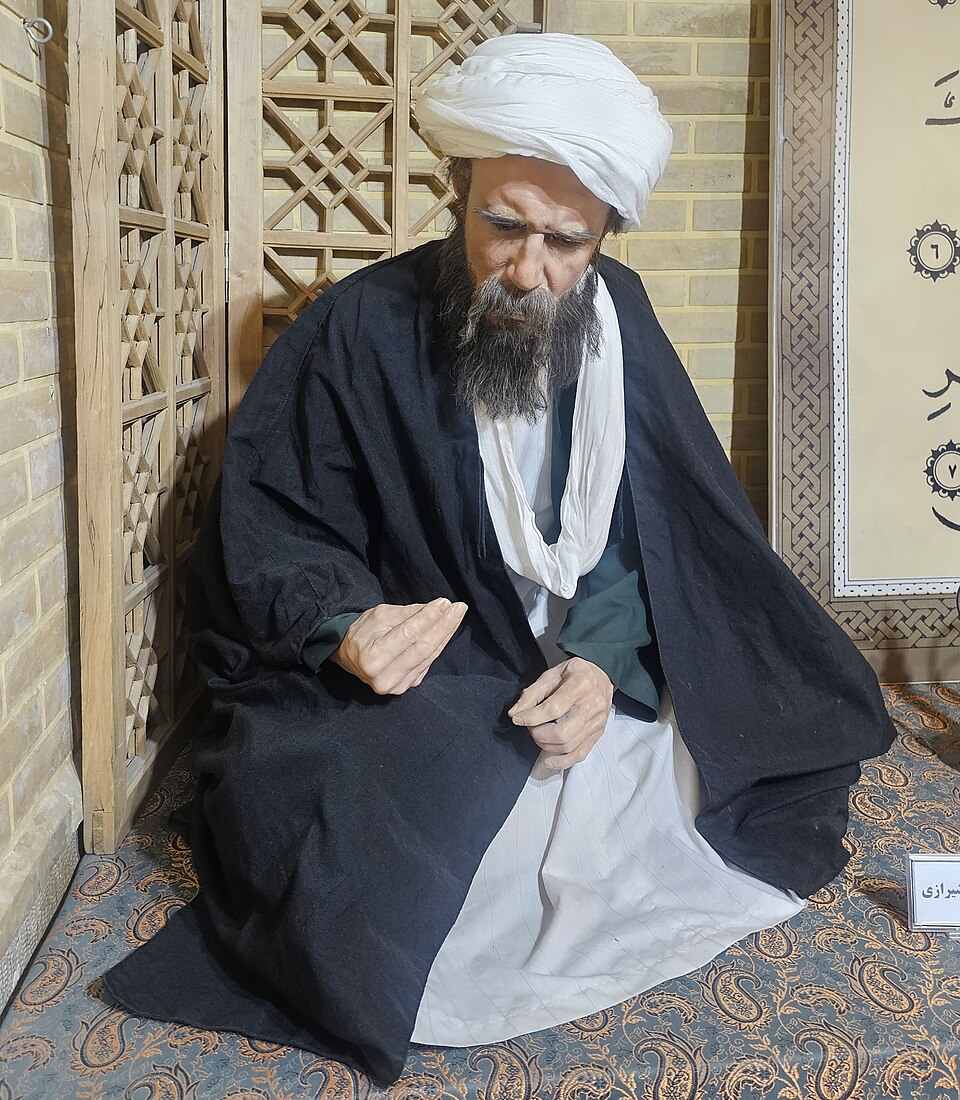 Philosopher
Mulla Sadra
Developing a philosophy centred on existence and substantial motion.
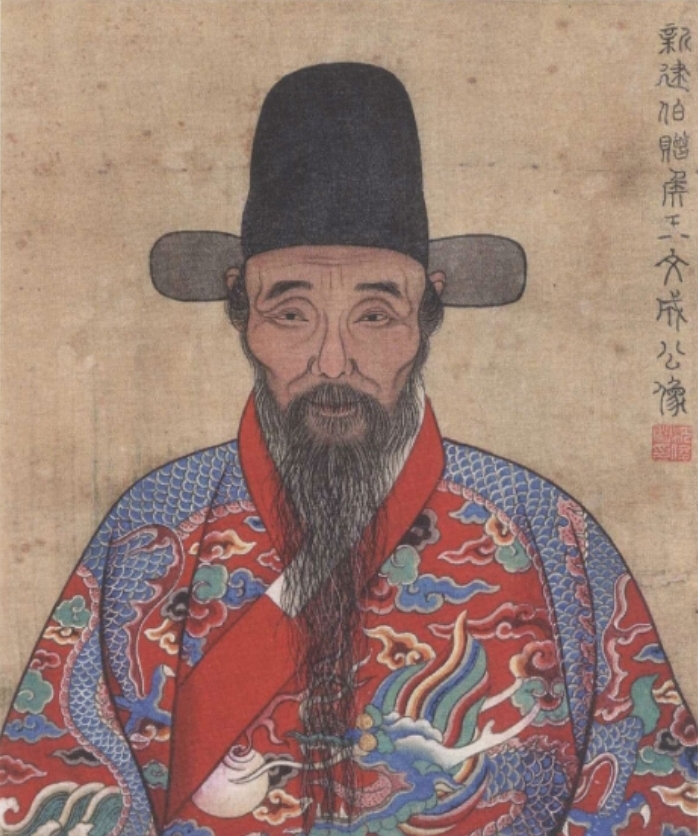 Philosopher
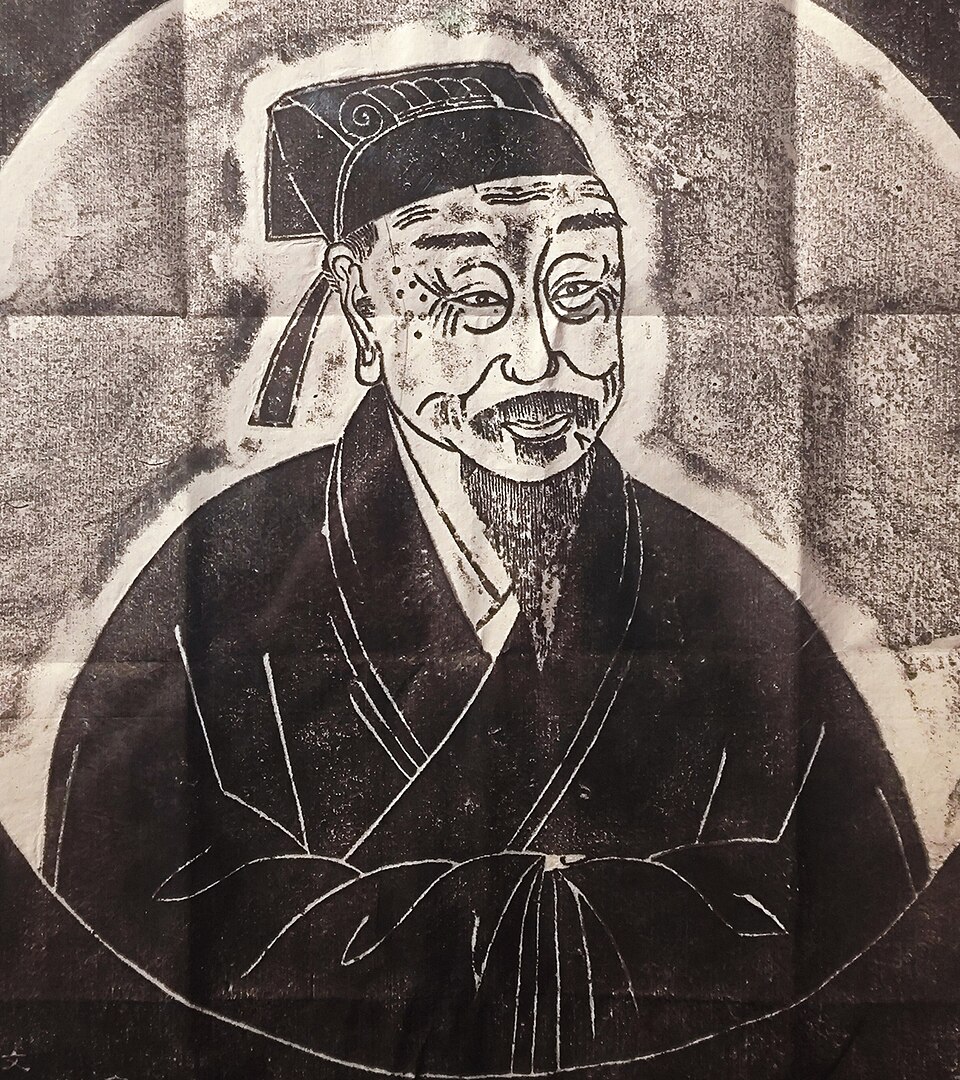
Wang Yangming
Arguing that genuine moral knowledge and action cannot be separated.
 Philosopher
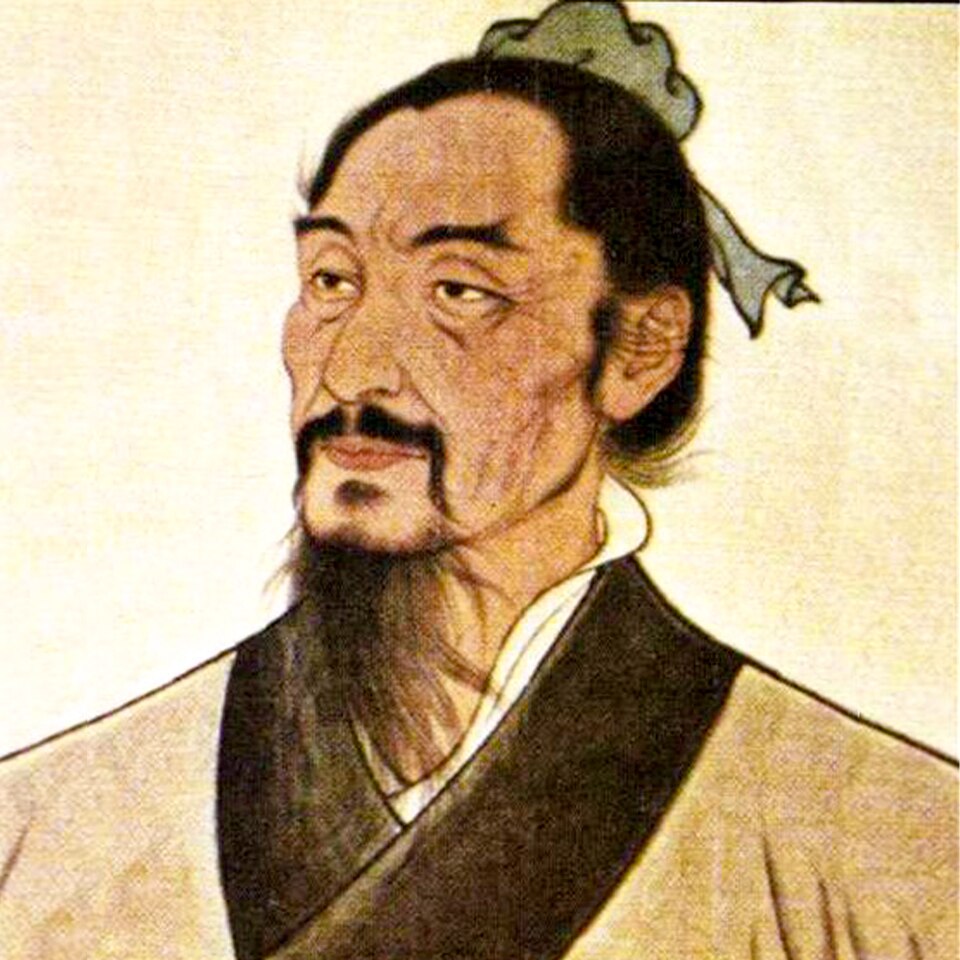
Zhu Xi
Shaping Neo-Confucian thought through his commentaries on the Four Books.
 Philosopher
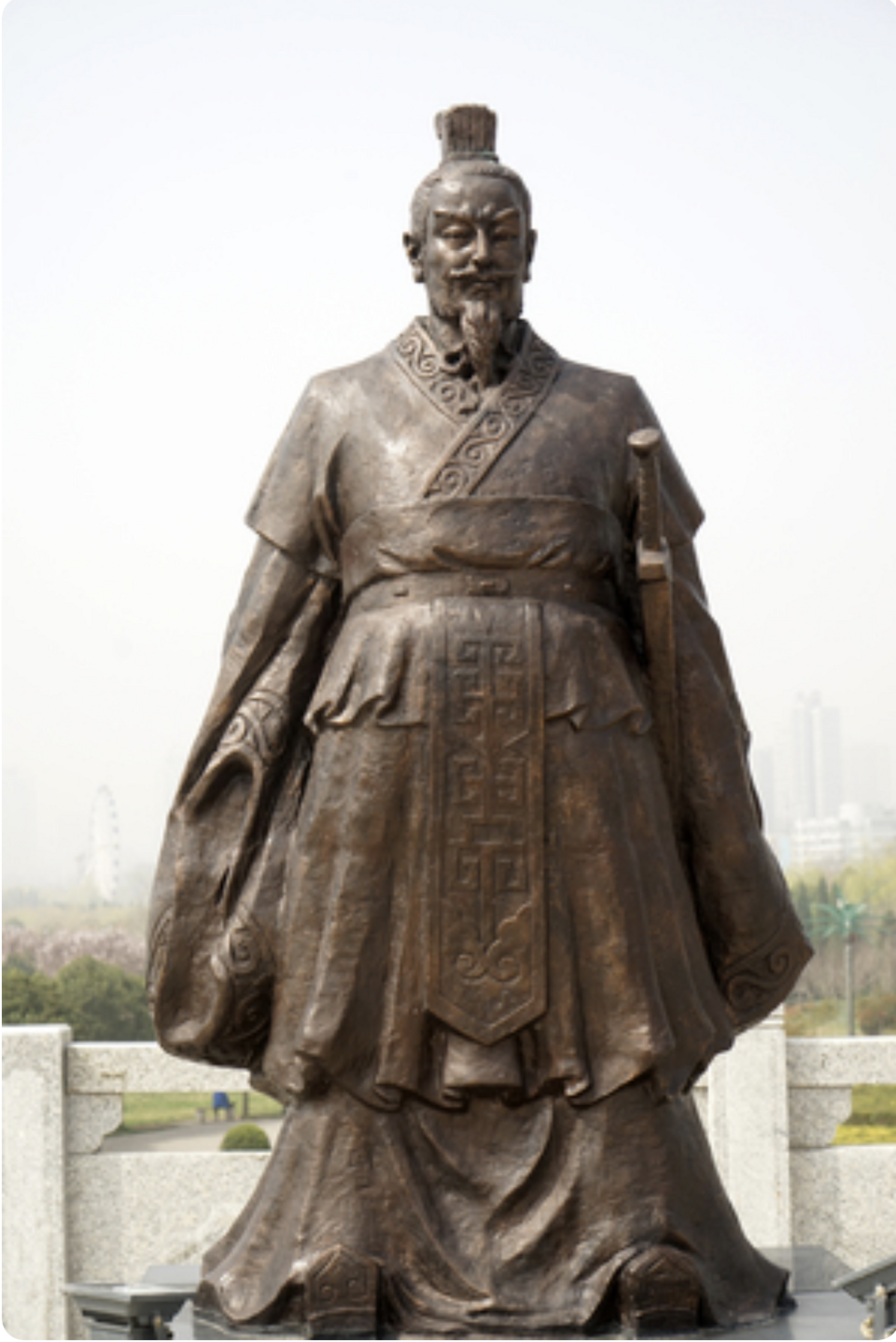
Mozi
Arguing for impartial concern and against aggressive warfare.
 Philosopher
Han Fei
The ancient Chinese thinker whose writings set out a hard-edged theory of law, authority and political control.
 Philosopher
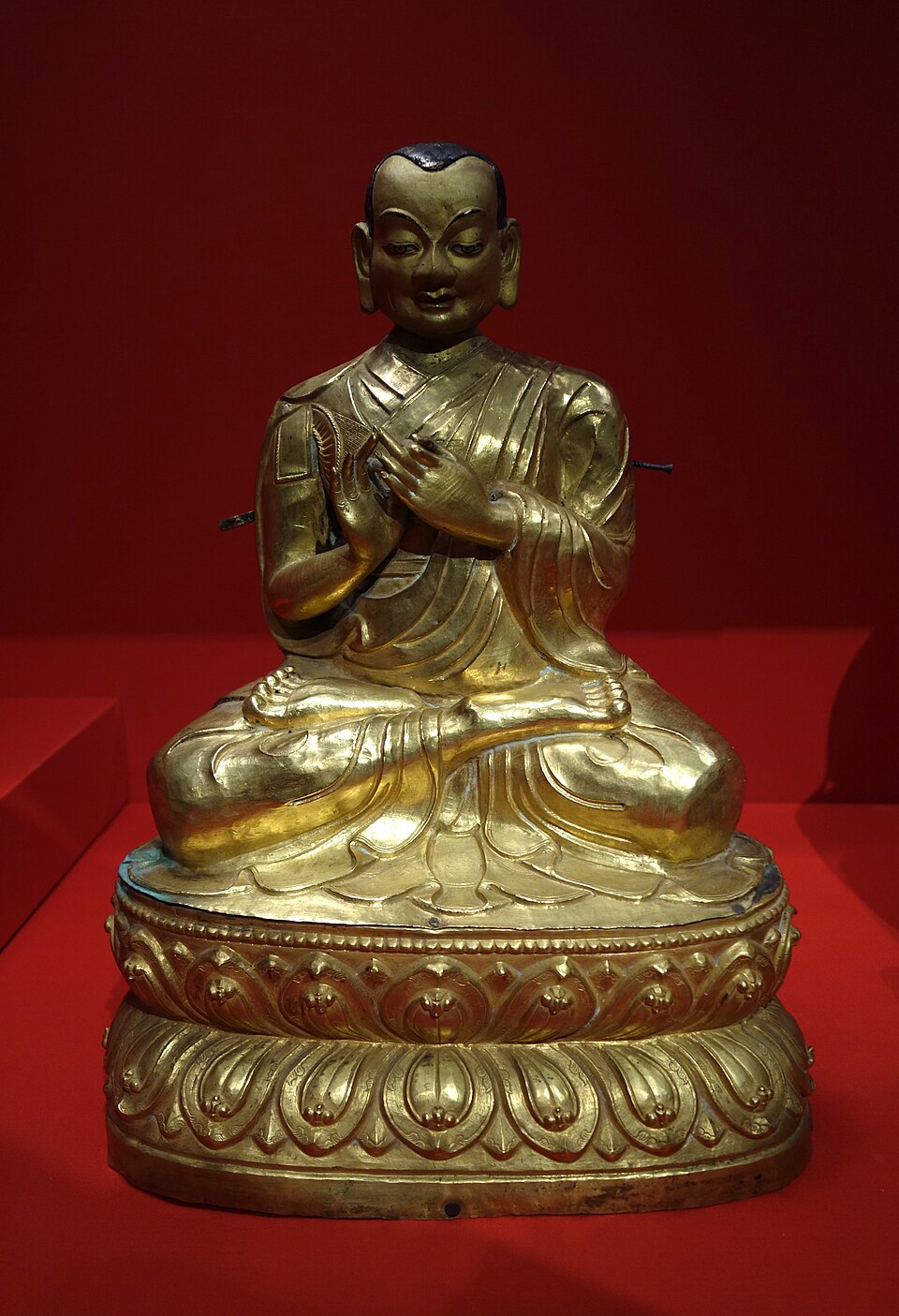
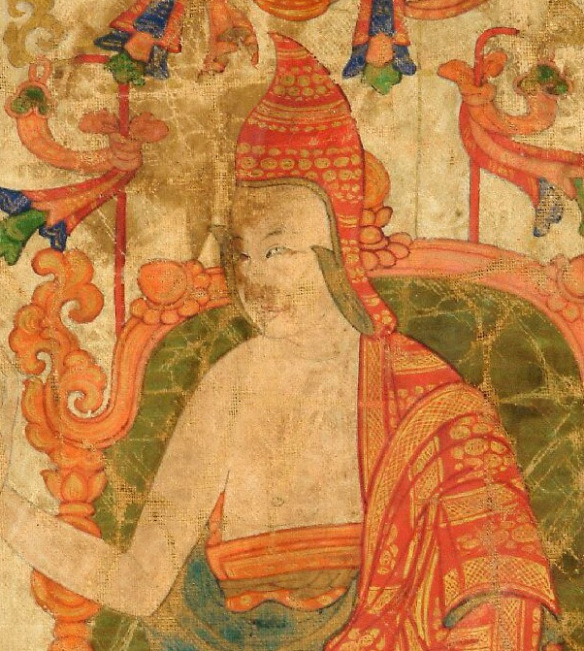
Tsongkhapa
The Buddhist thinker whose synthesis of reasoning and practice helped establish the Gelug tradition.
 Philosopher
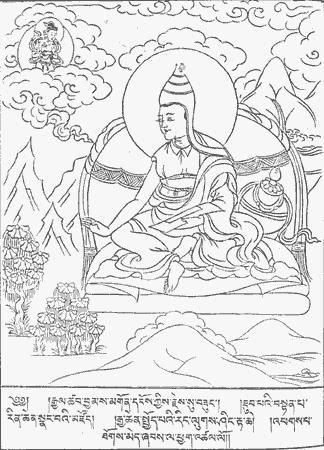
Śāntideva
Writing The Way of the Bodhisattva, an influential Buddhist guide to compassion and wisdom.
 Philosopher
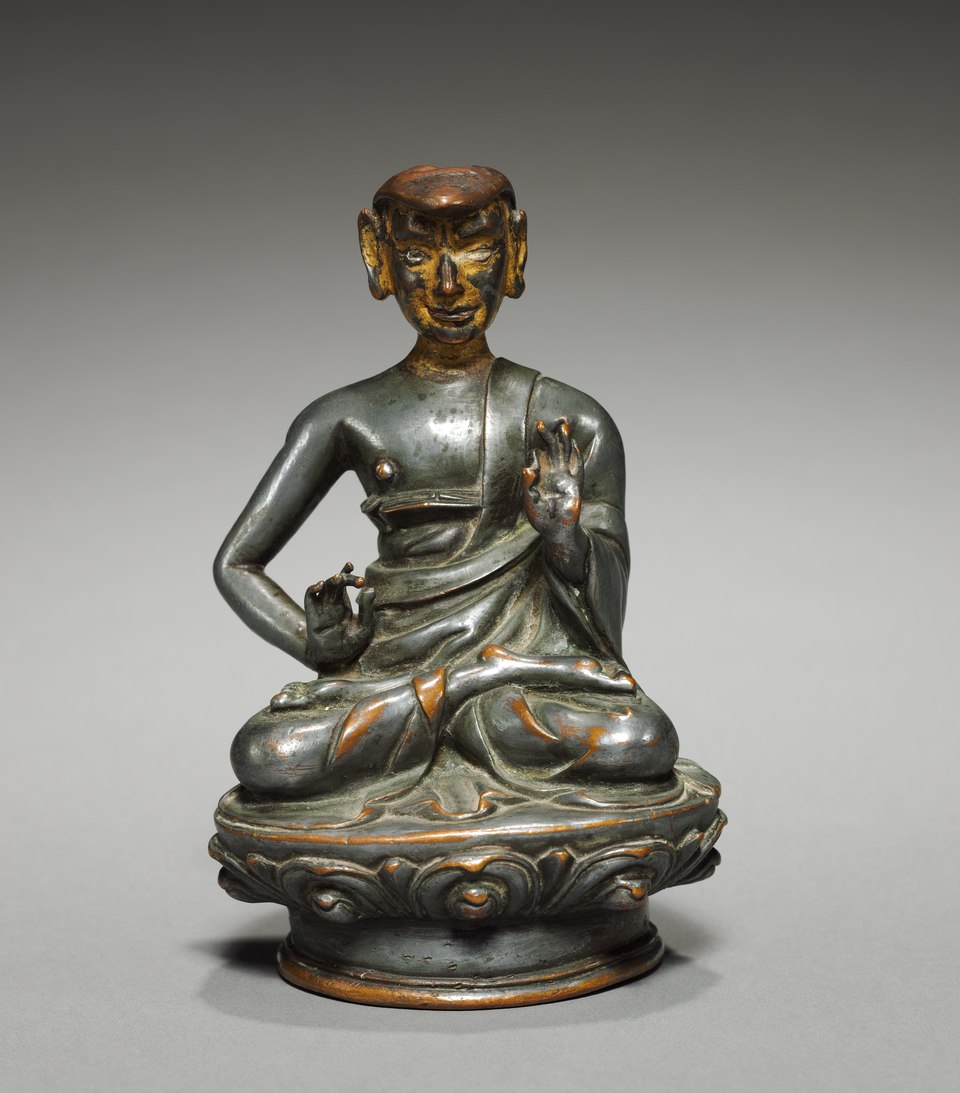
Asanga
Helping establish Yogācāra, a major tradition of Buddhist thought about mind and experience.
 Philosopher
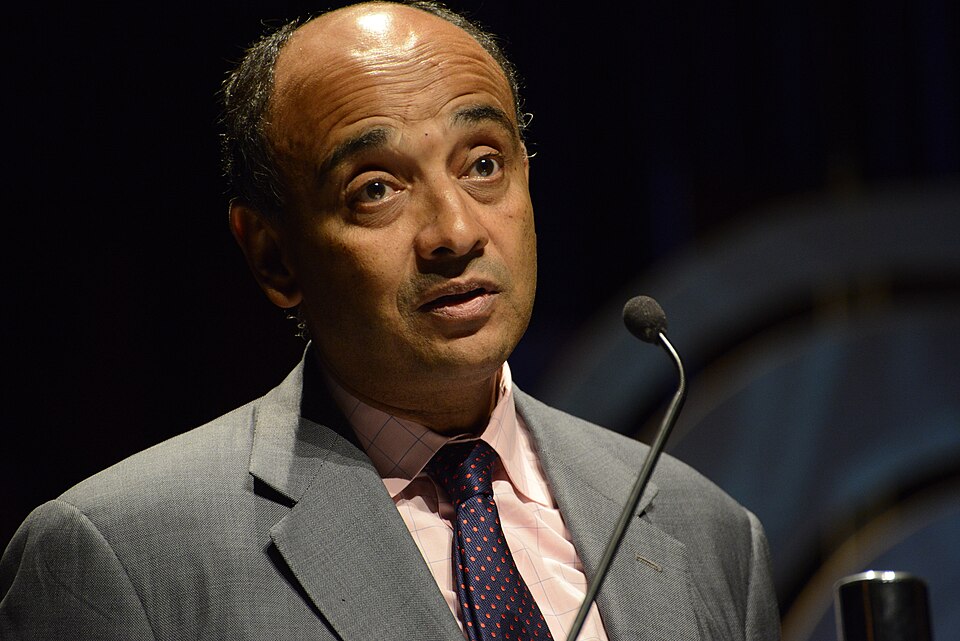
Dharmakirti
Developing influential Buddhist accounts of knowledge, perception and reasoning.
 Philosopher
Kwame Anthony Appiah
Writing influential accounts of identity, cosmopolitanism and obligations across cultural boundaries.
 Philosopher
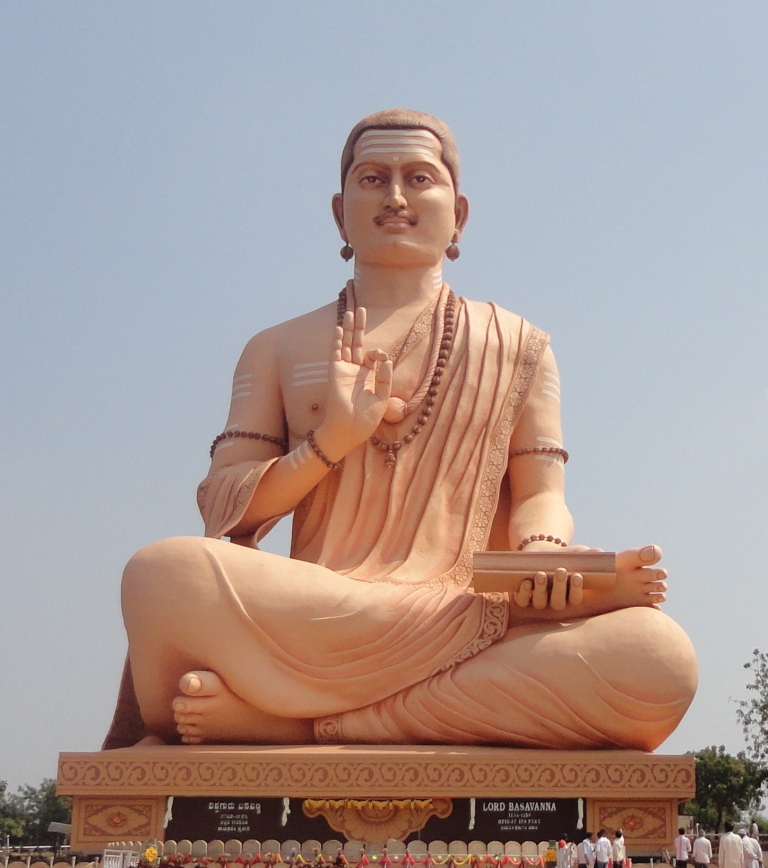
Basava
Using Kannada devotional poetry to challenge social hierarchy.
 Philosopher
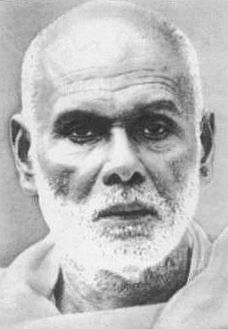
Narayana Guru
Challenging caste discrimination in Kerala through spiritual teaching, education and social reform.
 Philosopher
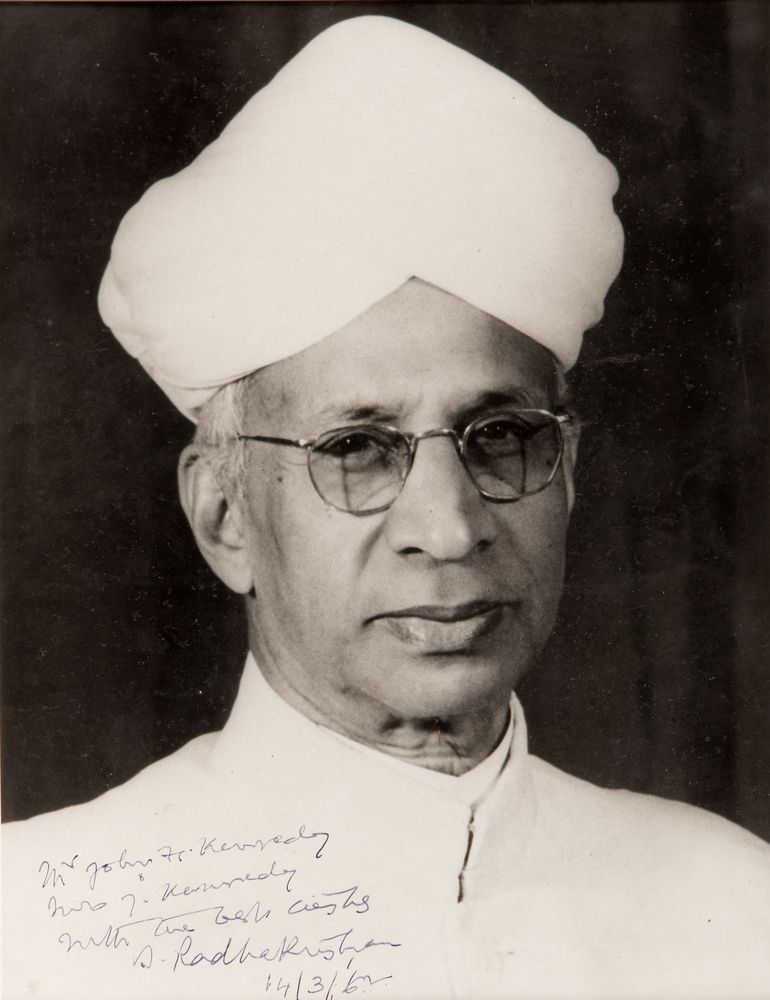
Sarvepalli Radhakrishnan
Interpreting Indian philosophy and serving as India’s second president.
 Philosopher
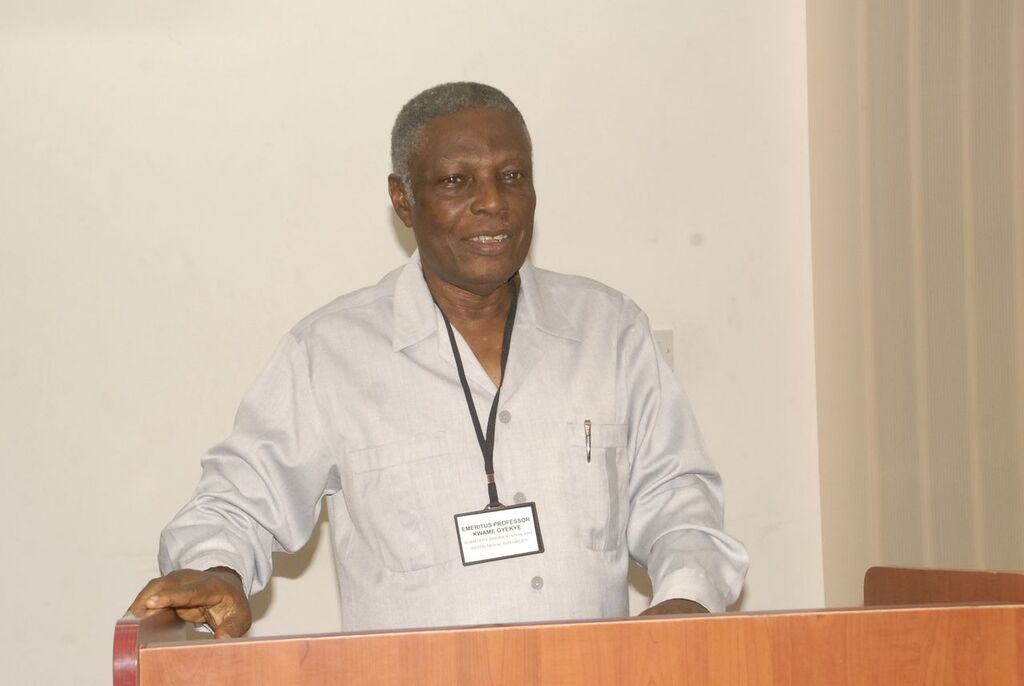
Kwame Gyekye
Developing moderate communitarianism and examining personhood through Akan philosophy.
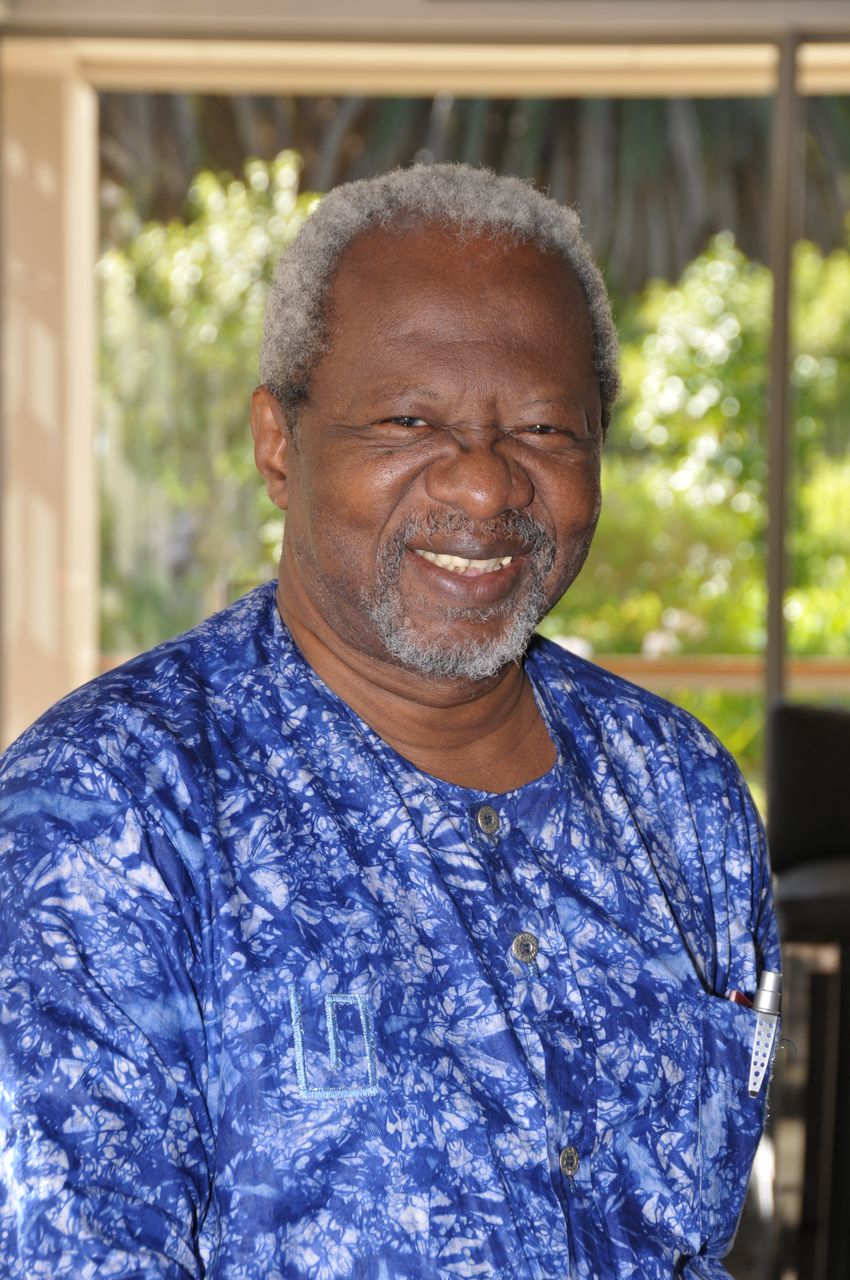 Philosopher
Paulin Hountondji
Challenging the idea that African philosophy is a single inherited worldview.
 Philosopher
Henry Odera Oruka
Developing Sage Philosophy through conversations with African thinkers outside universities.
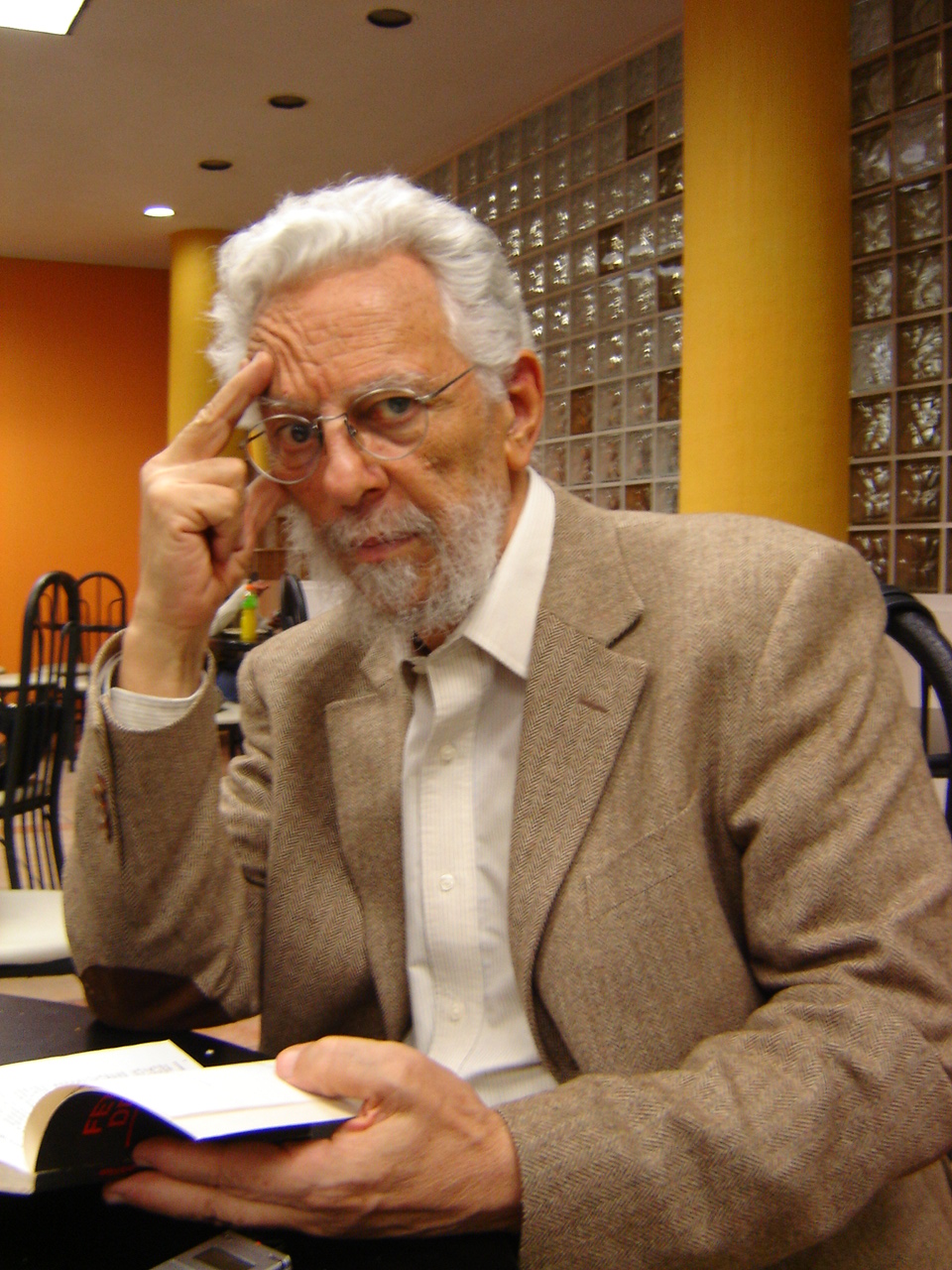 Philosopher
Enrique Dussel
Developing a philosophy of liberation centred on people excluded by dominant systems.
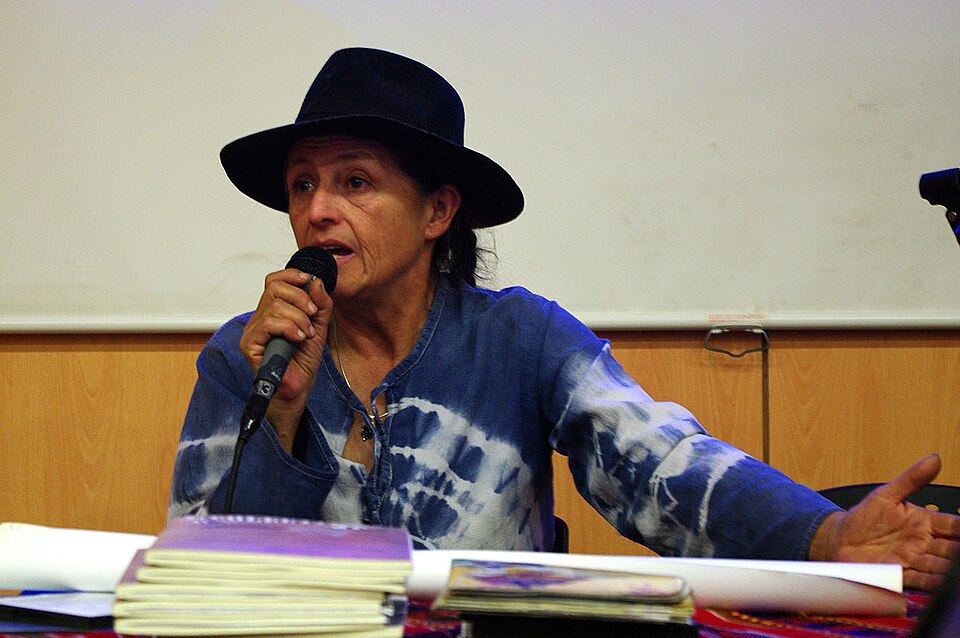 Sociologist
Silvia Rivera Cusicanqui
Developing Andean critiques of colonialism through oral history and the idea of ch’ixi.
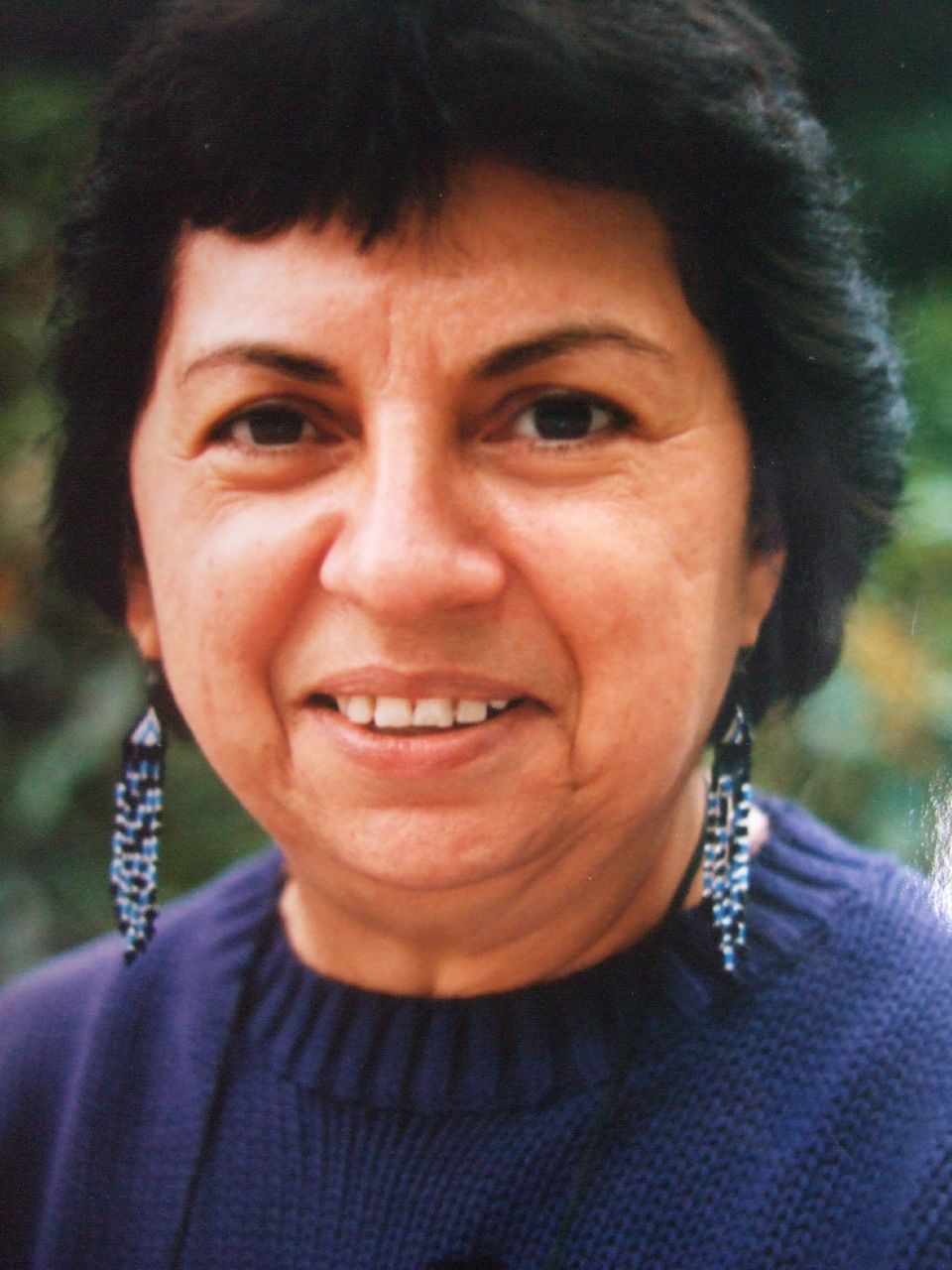 Philosopher
Gloria Anzaldúa
Developing the idea of borderlands as both a place and an experience of mixed identity.
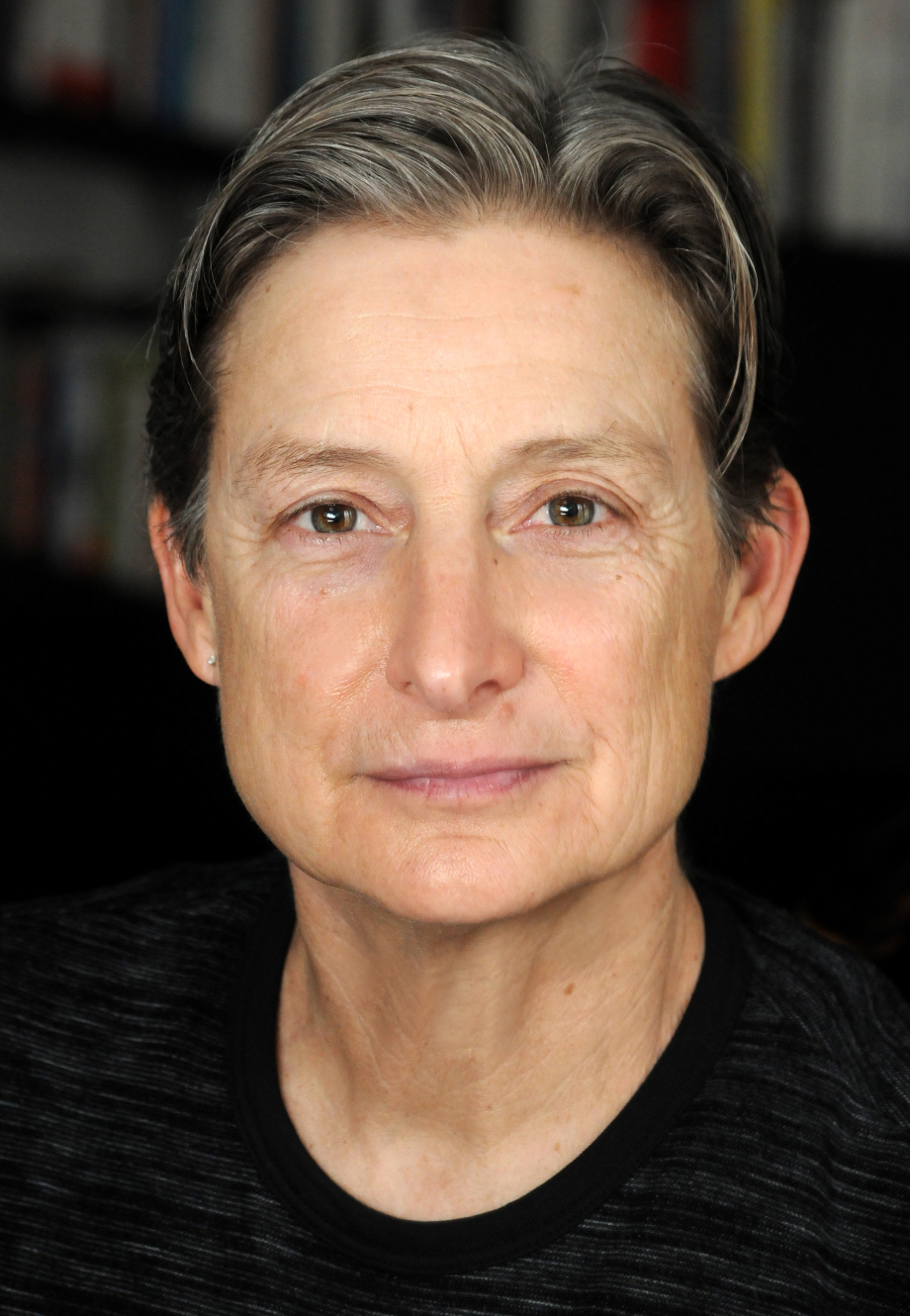 Philosopher
Judith Butler
Developing the theory of gender performativity in Gender Trouble.
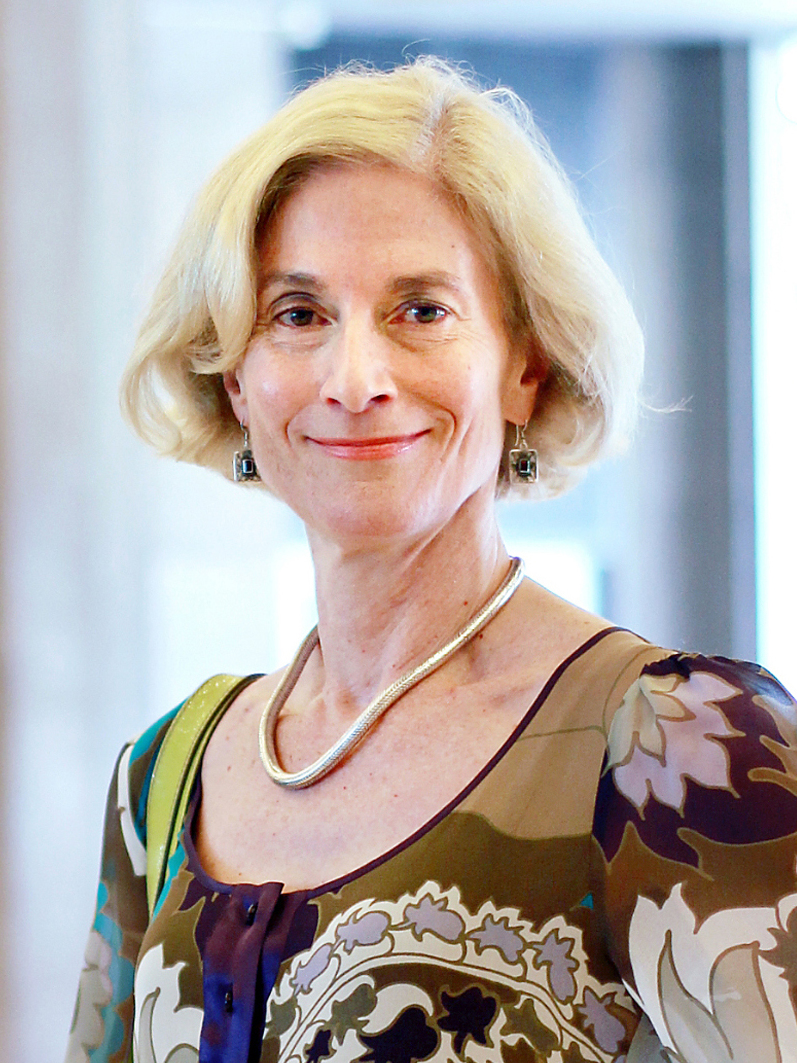 Philosopher
Martha Nussbaum
Developing ideas about human capabilities, justice and the value of emotions.
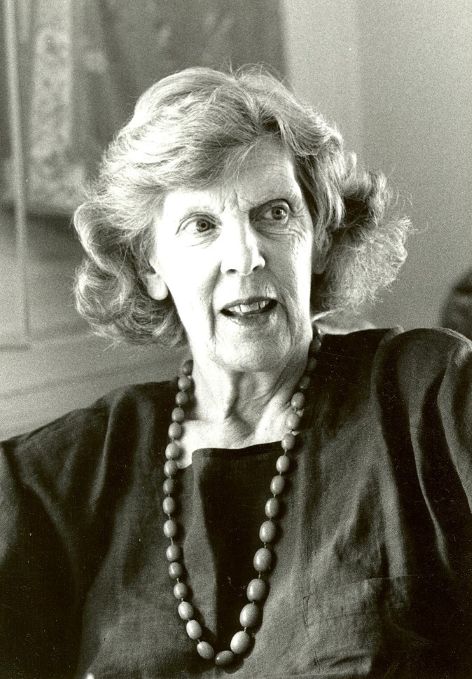 Philosopher
Philippa Foot
Introducing the trolley problem and reshaping debates about moral character.
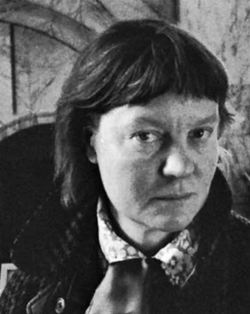 Writer
Iris Murdoch
Writing morally intricate novels such as The Sea, the Sea.
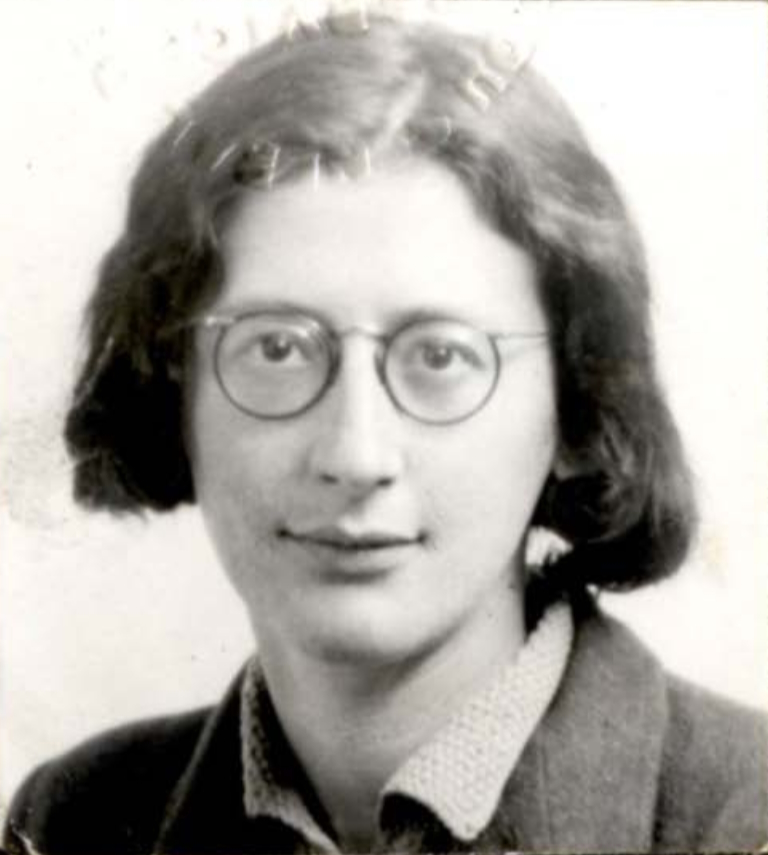 Philosopher
Simone Weil
Writing about attention, oppression and spiritual responsibility while testing her ideas in lived experience.
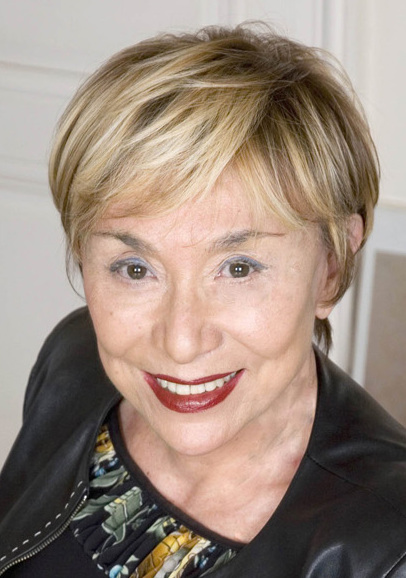 Philosopher
Julia Kristeva
Developing influential ideas about intertextuality and abjection.
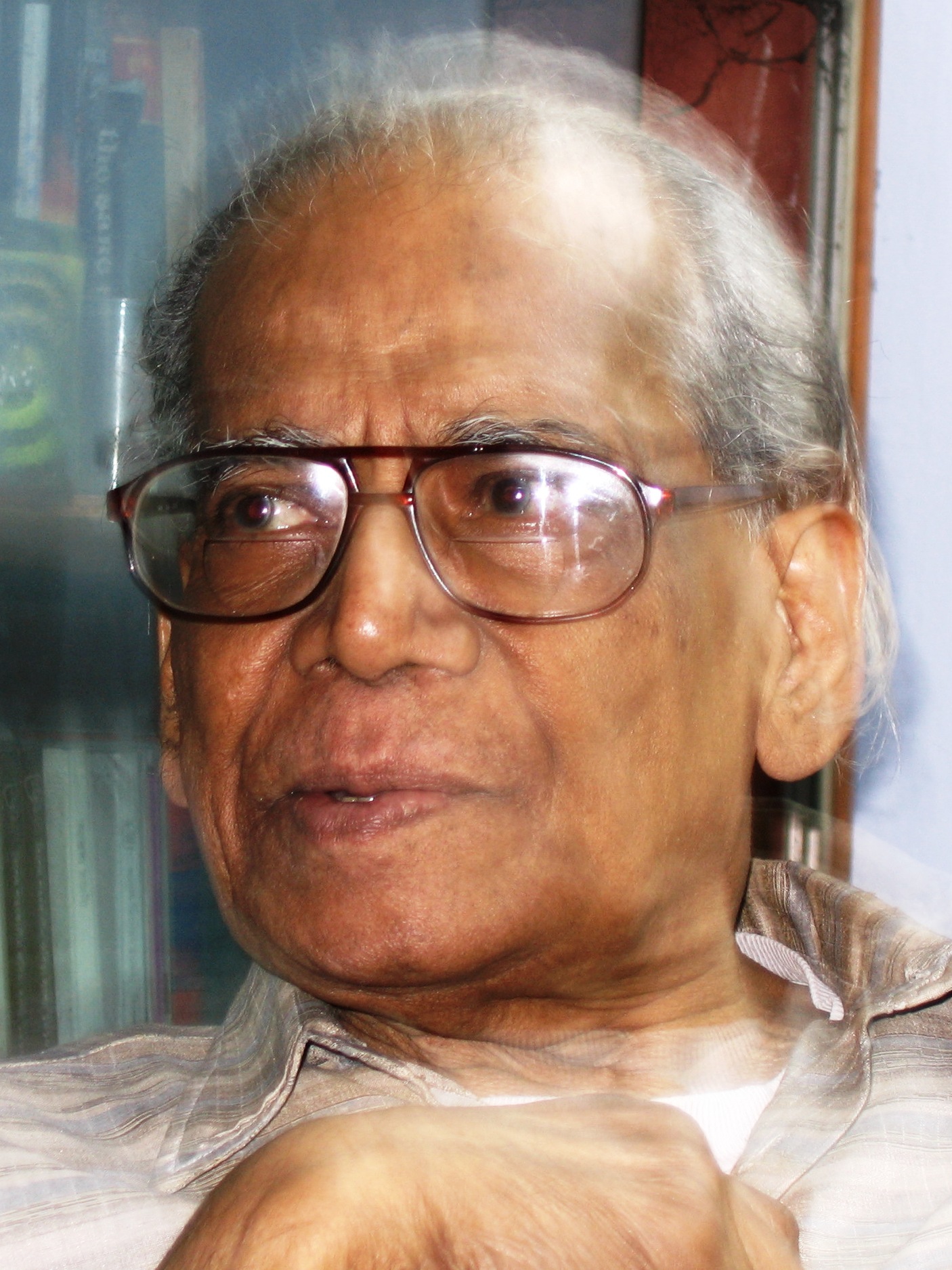 Philosopher
Sibnarayan Ray
Developing radical humanist criticism and studying M. N. Roy.
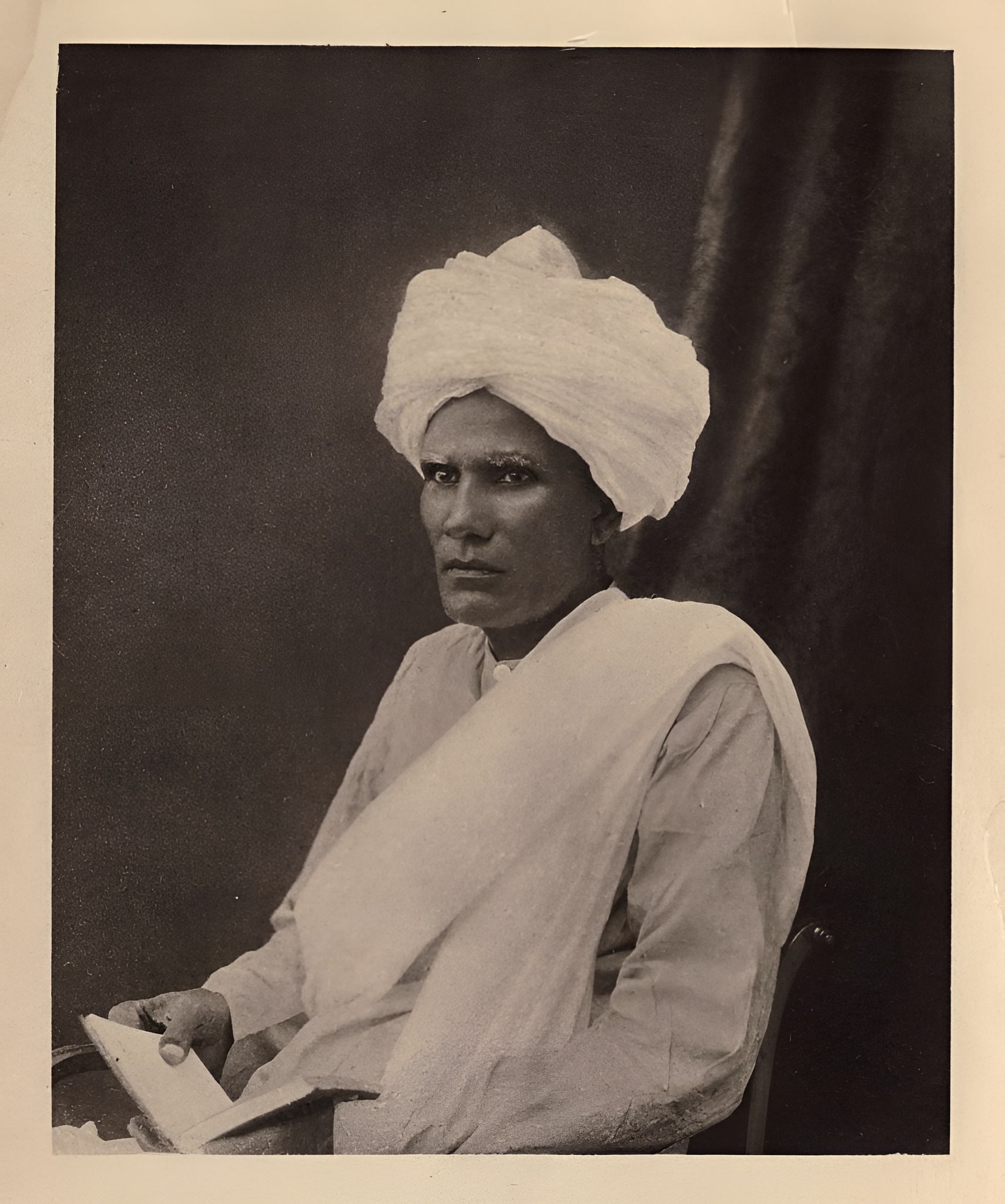 Religious leader
Sri Arulparananda Swamigal
Teaching Tamil spiritual thought and advising the Tanjore court.
 Philosopher
Kurian Kachappilly
Writing on process philosophy, religion and ethics.
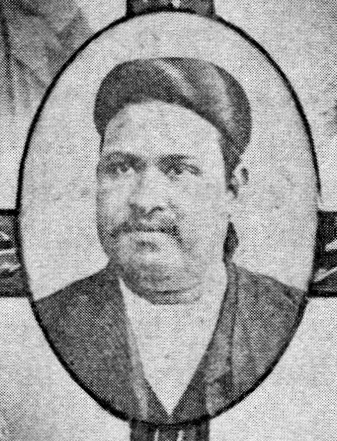 Philosopher
Gyanendra Nath Chakravarti
Representing Theosophy and becoming Lucknow University’s first vice-chancellor.
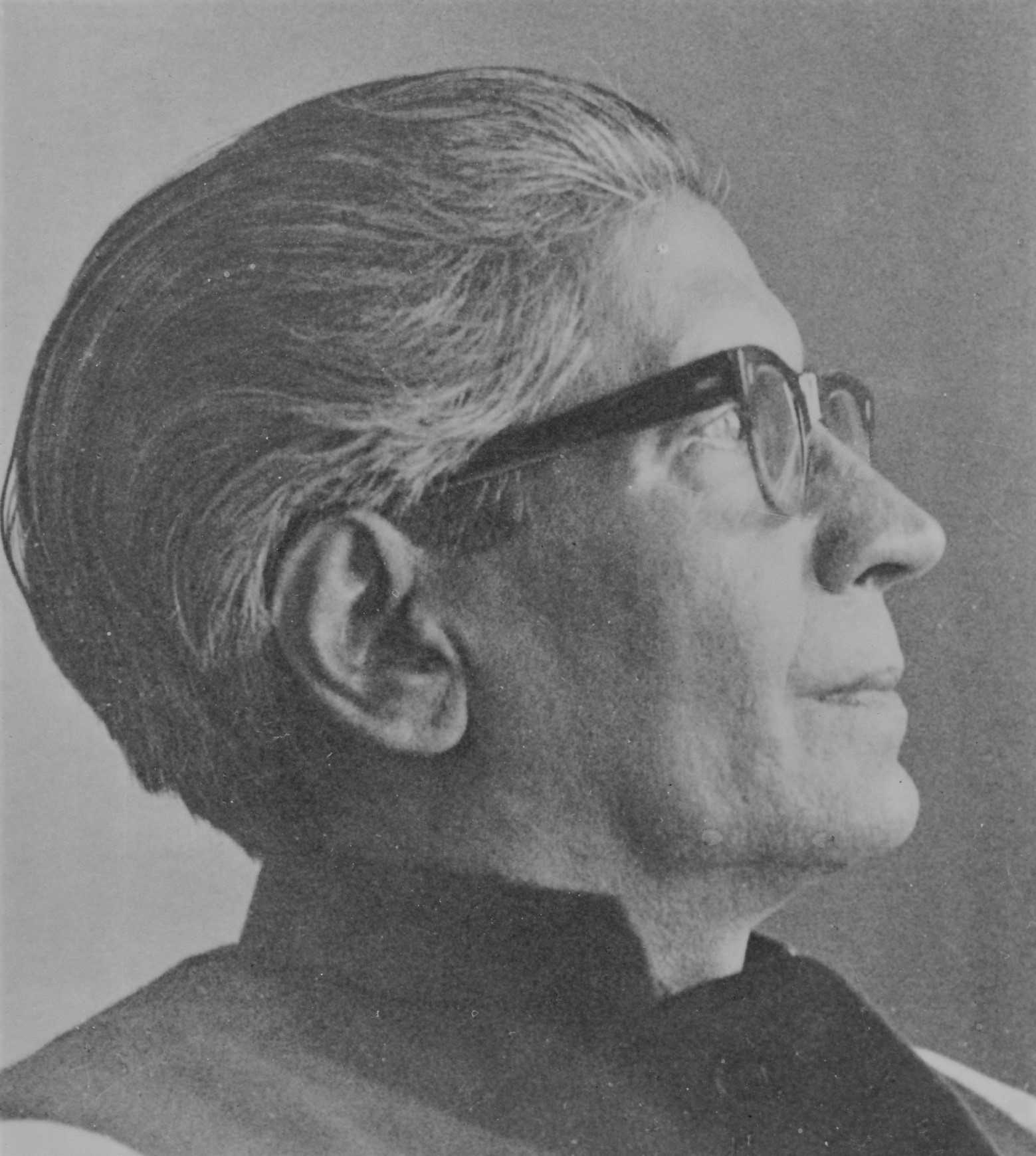 Philosopher
Abu Sayeed Ayyub
Bringing philosophical analysis to the literature of Rabindranath Tagore.
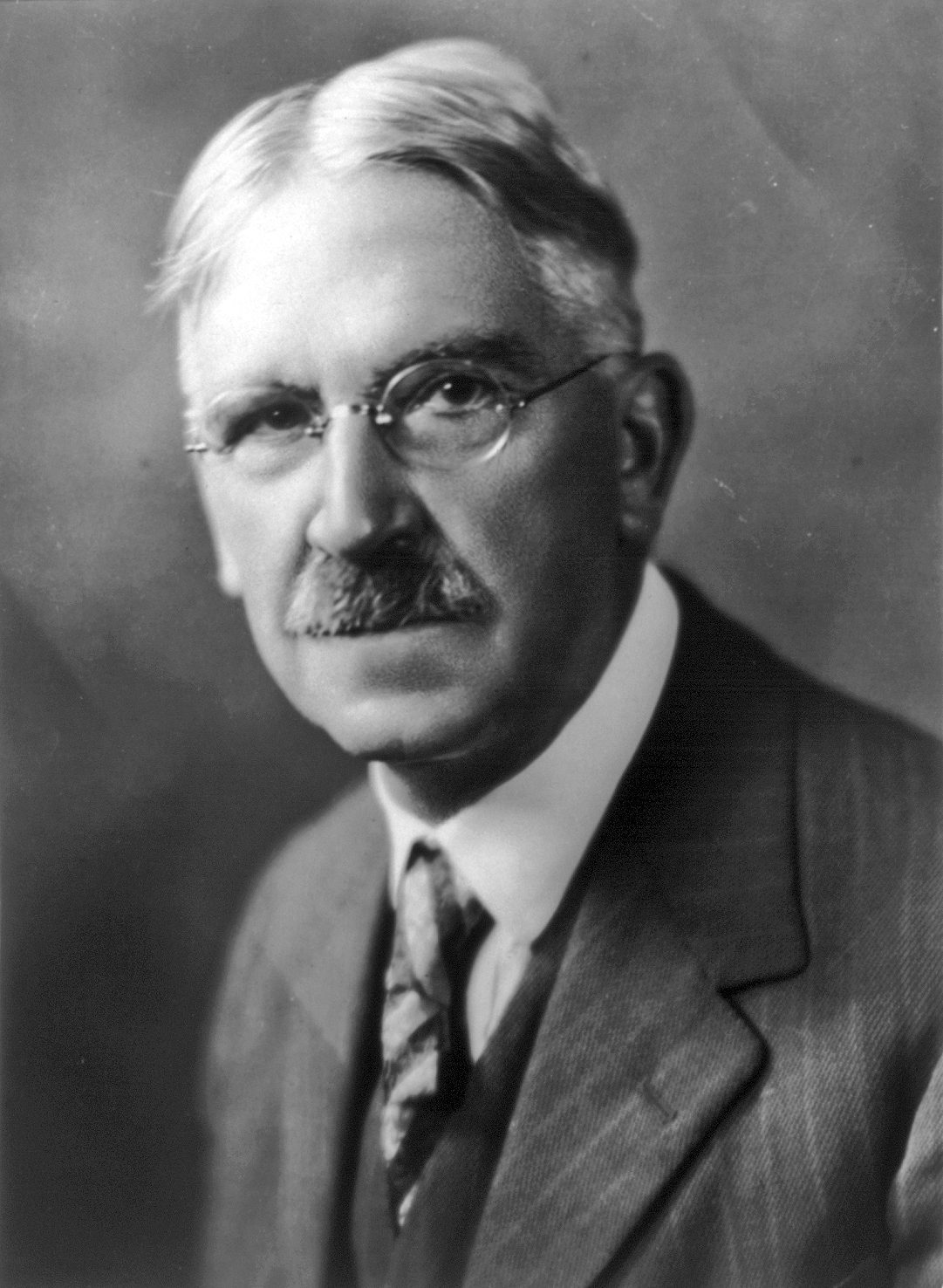 Philosopher
John Dewey
Pragmatism and education grounded in experience.