Contents
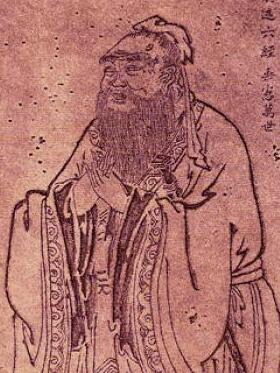
Confucius
Shaping Chinese philosophy through teachings on character, learning and how people should treat one another.
The Analects · Moral education · Chinese philosophy
- Born
- 551 BCE
- Birthplace
- Zou, present-day Shandong, China
- Died
- 479 BCE
More people
Confucius
Chinese teacher and thinker traditionally dated to 551–479 BCE. His teachings linked personal conduct with family and public life, becoming central to intellectual traditions across East Asia.
Early life
A changing China
Born in Zou during the decline of Zhou authority, as regional states grew more independent.
Family circumstances
Traditional accounts describe his father dying early, leaving a family with limited means but some social standing.
Career
- Early adulthood
Ritual learning
Became known for knowledge of inherited ceremonies and classical traditions.
- Public service
Offices in Lu
Worked for aristocratic families; early sources differ about the offices he held.
- Years of travel
Seeking a receptive ruler
Travelled between states, offering ideas about responsible government.
- Later life
Teaching disciples
Turned to teaching, passing on approaches to learning and conduct.
Contributions
The Analects
Conversations and sayings attributed to Confucius, assembled and transmitted after his death.
Humaneness
Ren places care for other people at the centre of good character.
Ritual propriety
Li connects manners, ceremonies and social responsibilities with the practice of ethical life.
Beyond philosophy
A name carried abroad
Confucius is a Latinised form of a Chinese name meaning Master Kong.
A debated inheritance
Later generations adapted his teachings. Modern critics also challenged the social hierarchies associated with his legacy.
Sources & photo credit
Life, sources and legacy ↗Ethics and political thought ↗Photo: Attributed to Wu Daozi (later traditional depiction). Public domain · Original image. Cropped and displayed in monochrome.
.jpg)