Economics
Ideas about markets, work, and resources.
People in Economics
51 profiles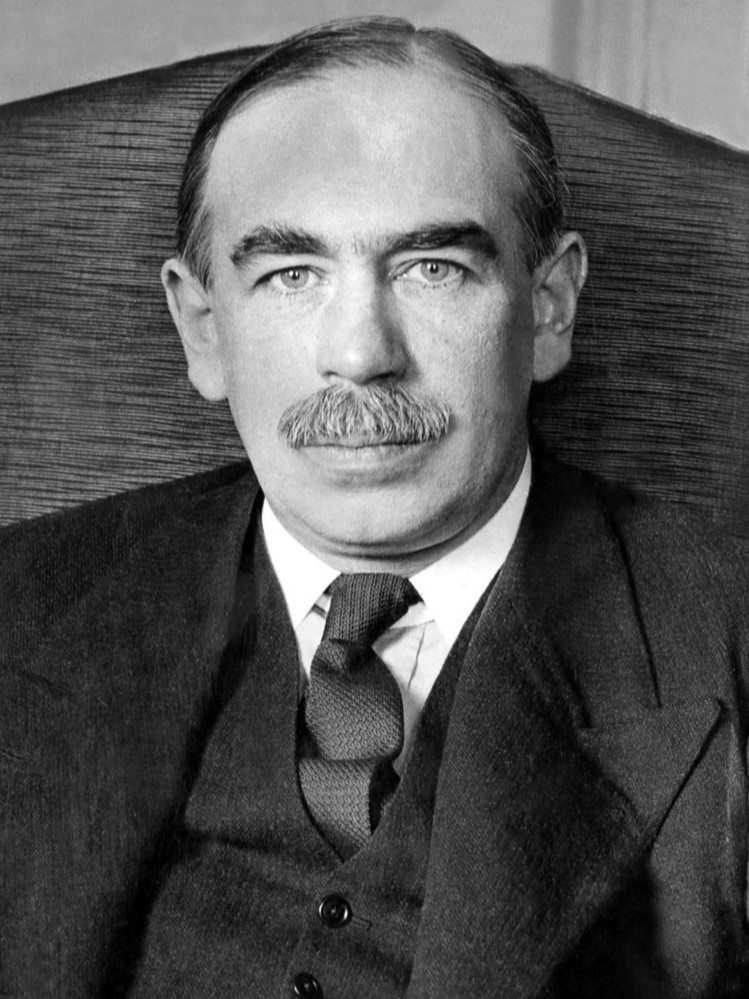 Economist
John Maynard Keynes
Explaining how weak spending can keep an economy in a slump.
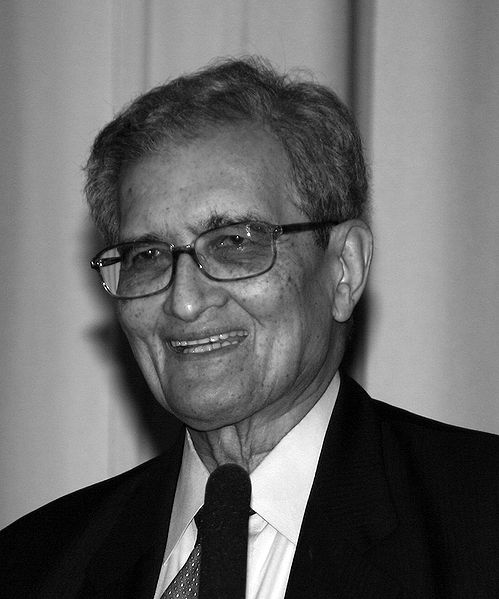 Economist
Amartya Sen
Changing how economists understand poverty, famine and the freedom to live a better life.
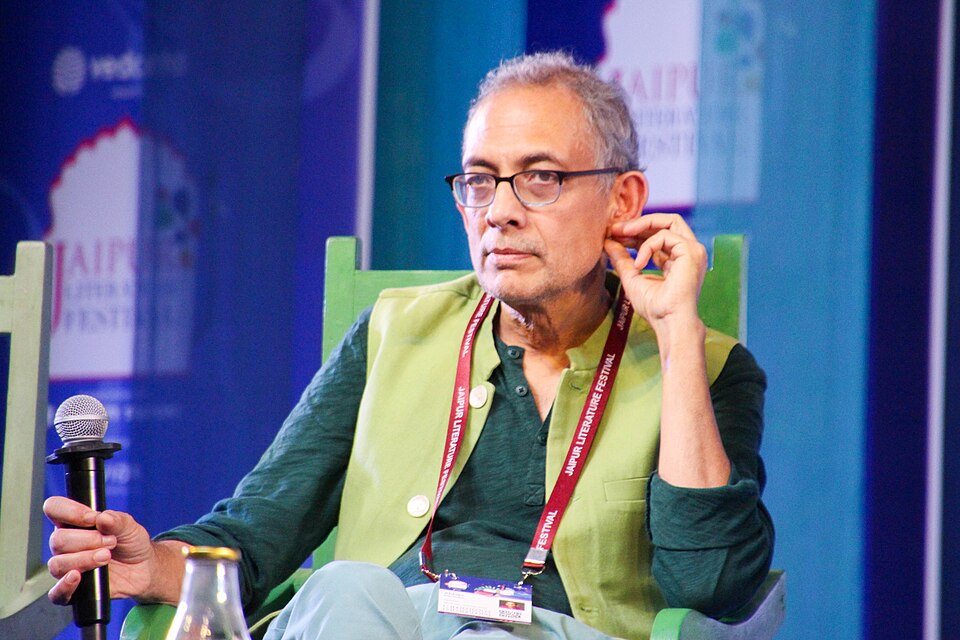 Economist
Abhijit Banerjee
Using field experiments to test what actually helps people escape poverty.
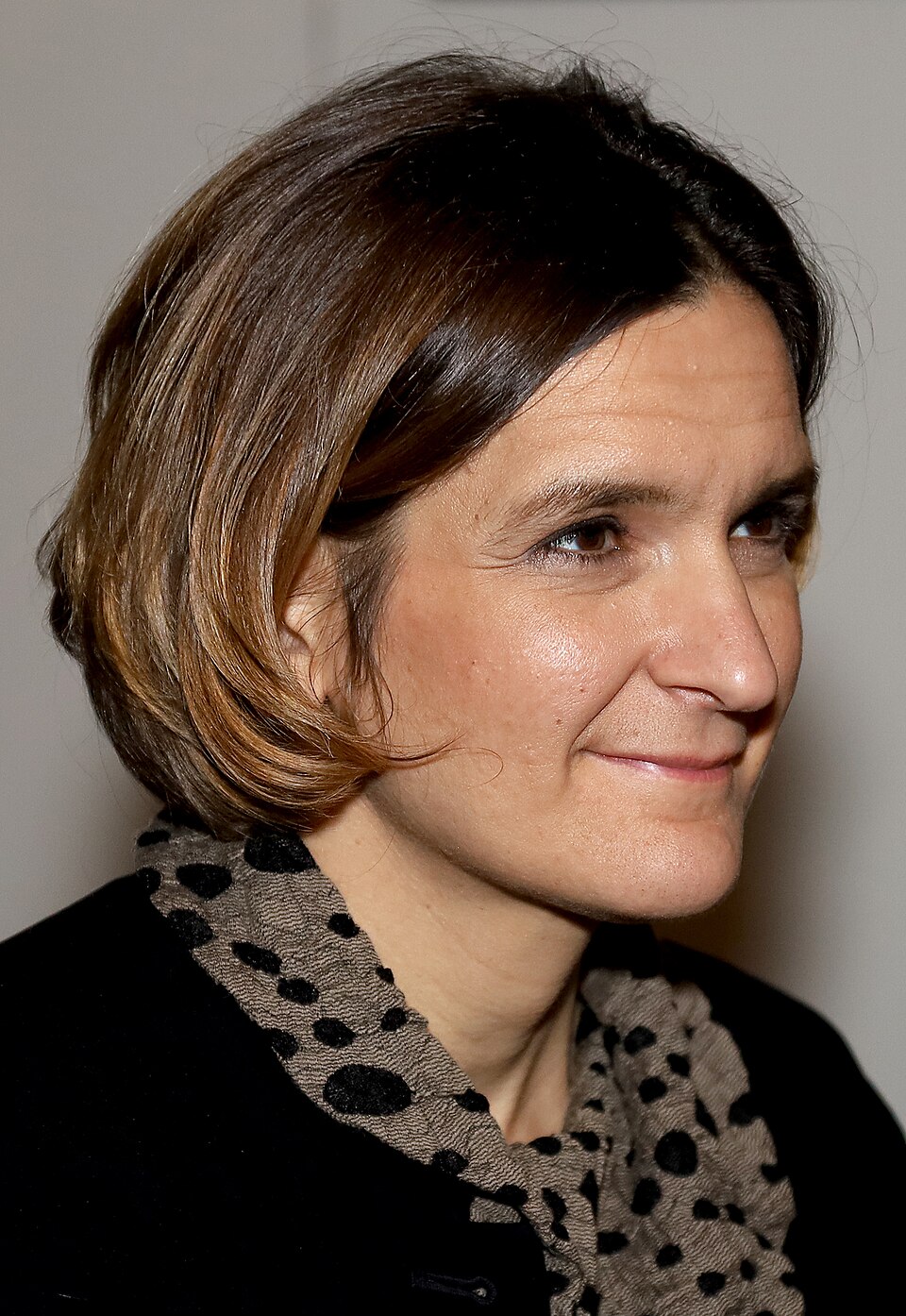 Economist
Esther Duflo
Testing anti-poverty programmes through field experiments in real communities.
 Economist
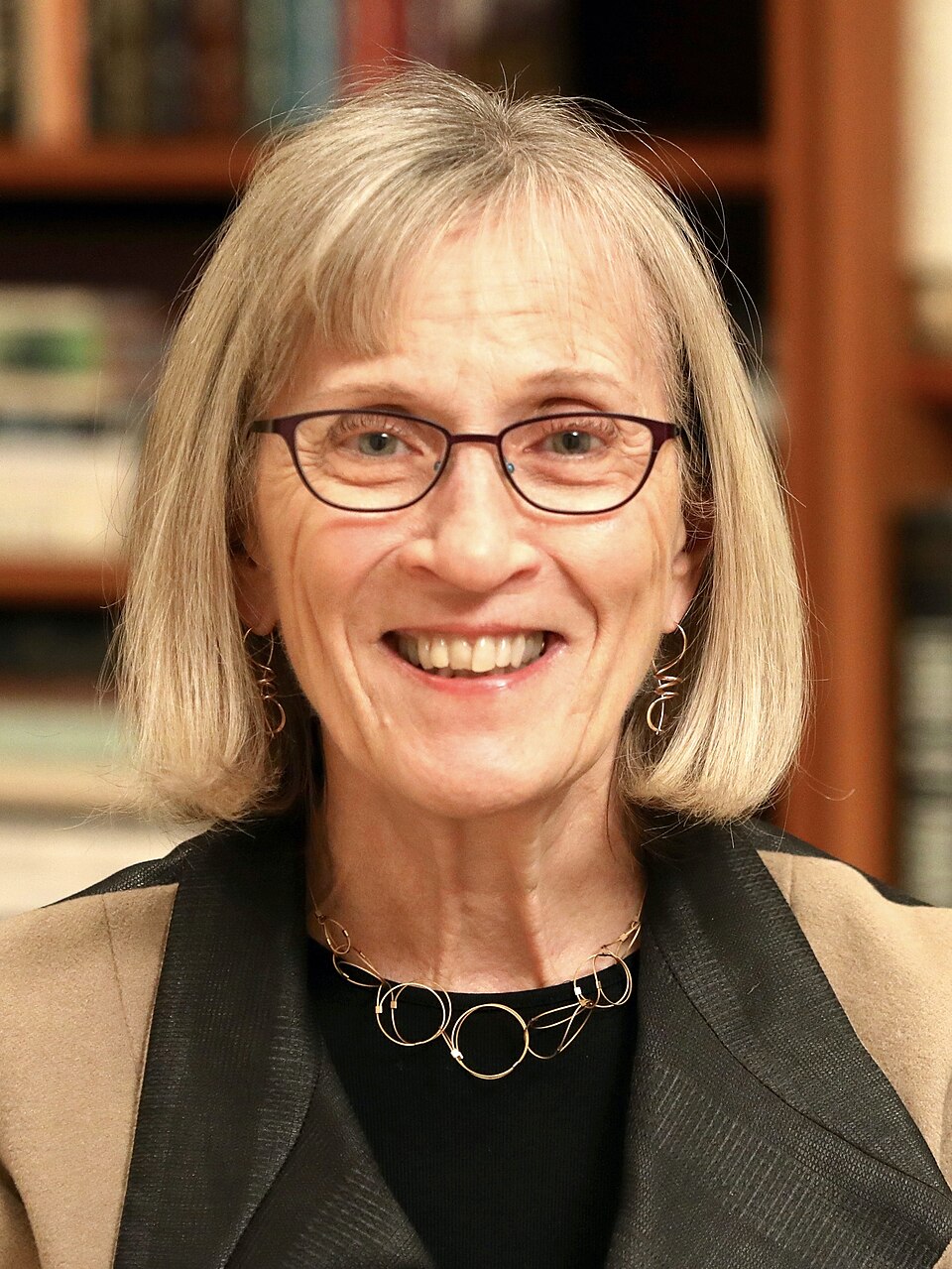
Claudia Goldin
Explaining how women’s work and earnings have changed across generations.
 Economist
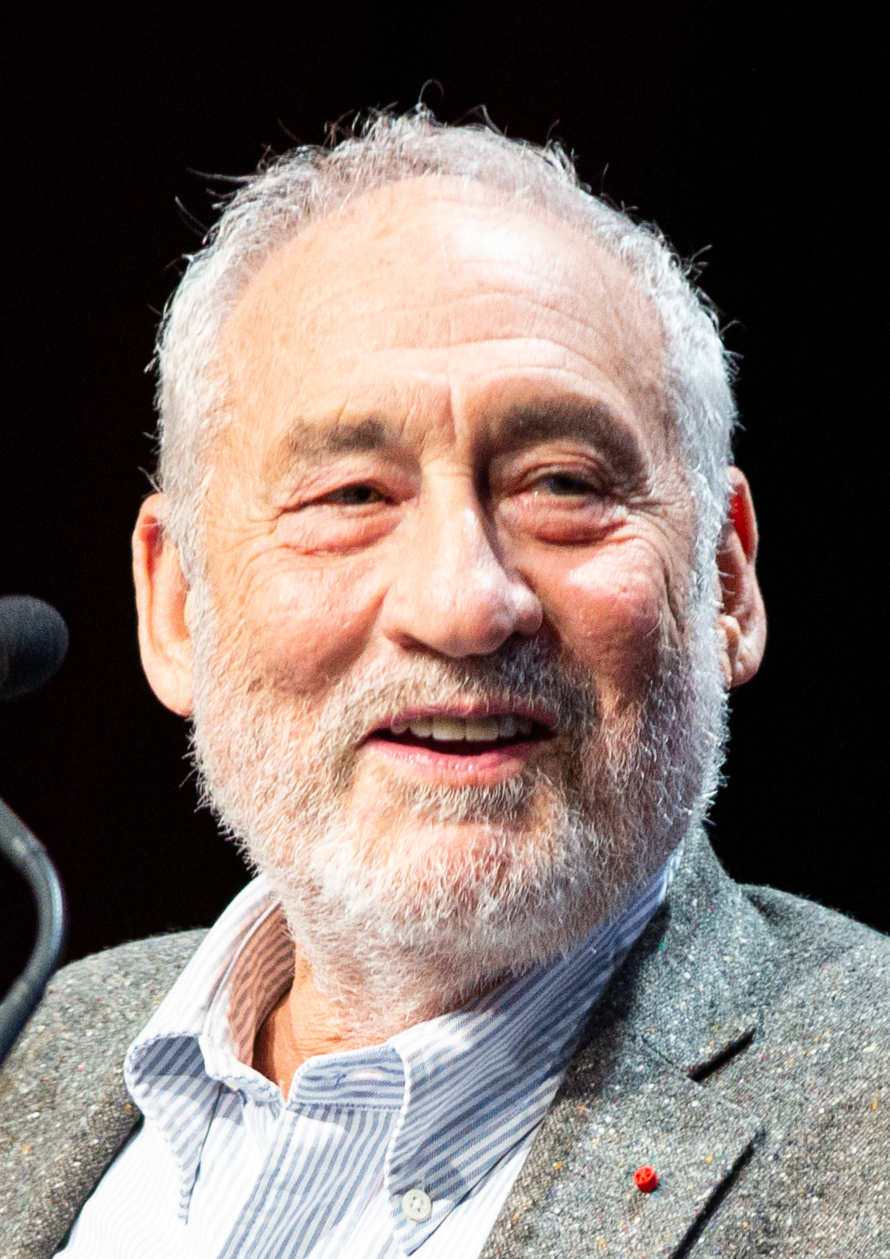
Joseph Stiglitz
Explaining how unequal information changes the way markets work.
 Psychologist
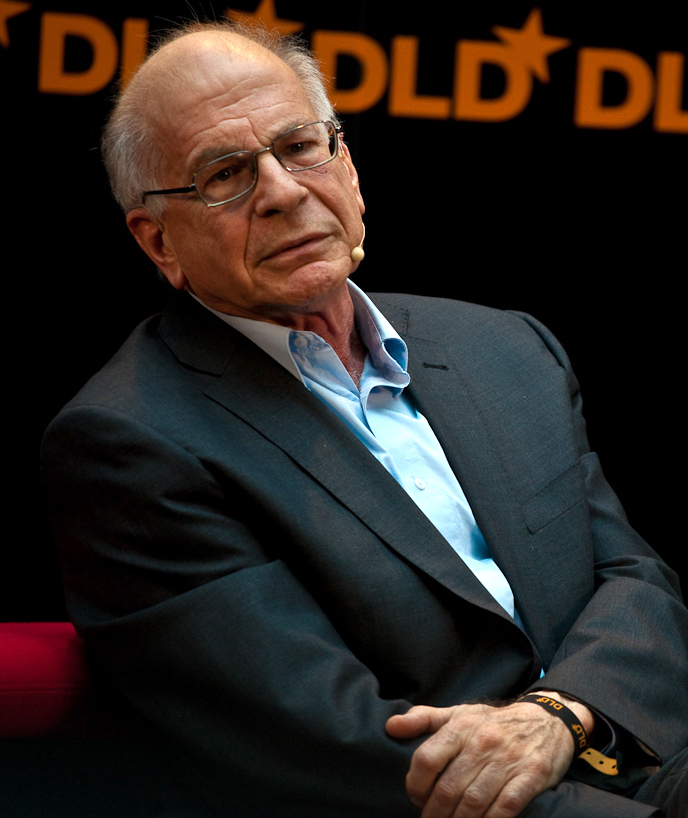
Daniel Kahneman
Showing how judgement and economic choices depart from ideal rationality.
 Economist
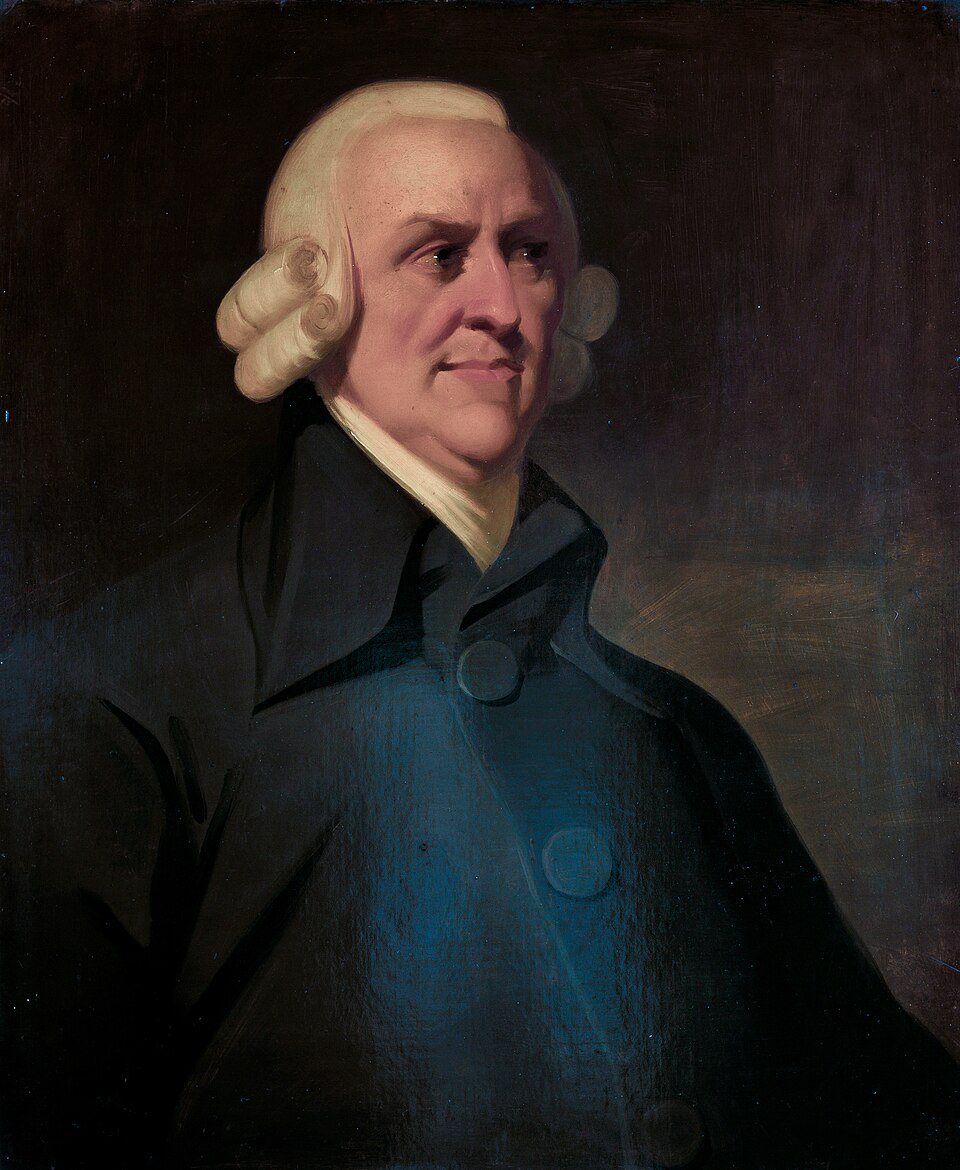
Adam Smith
Explaining markets, the division of labour and the sources of national wealth.
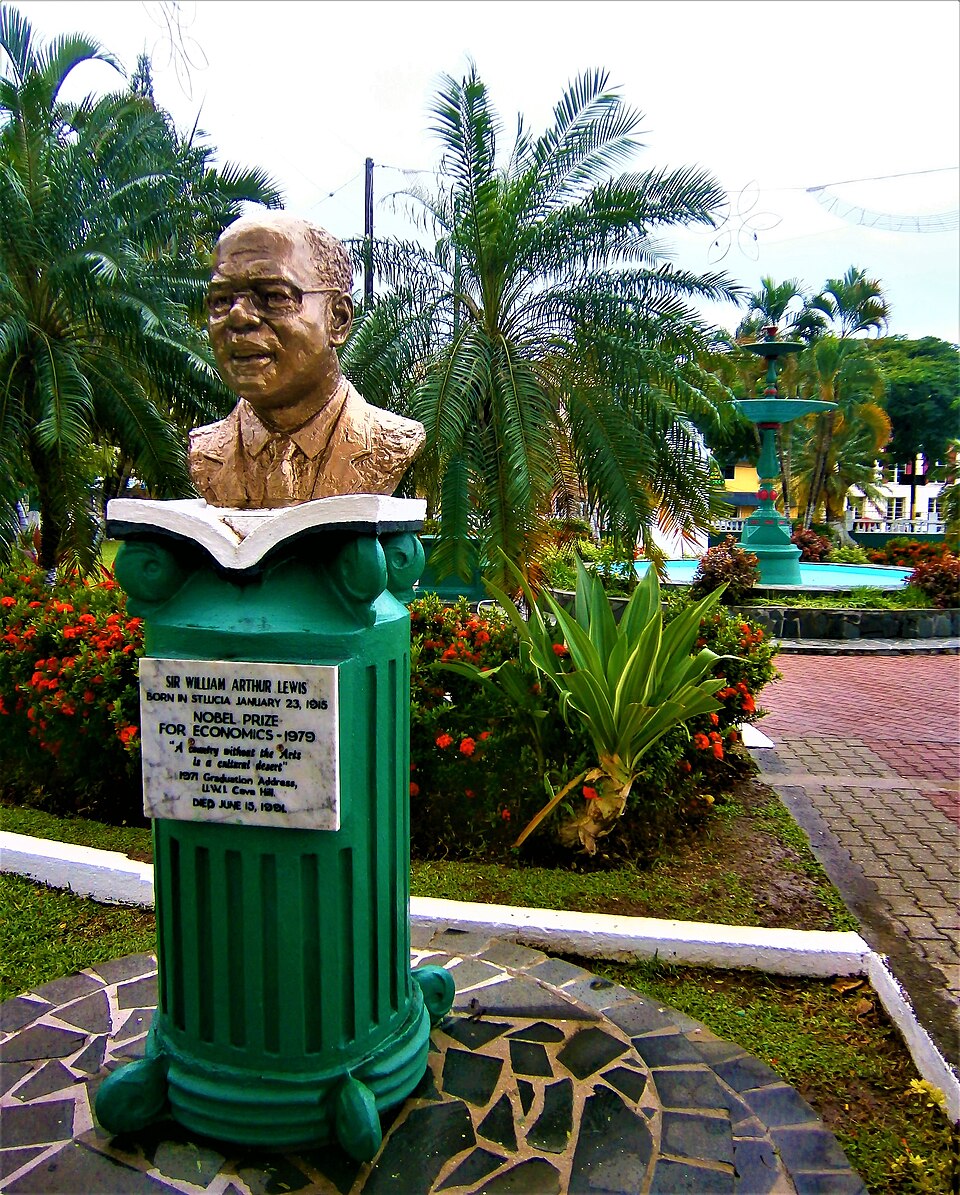 Economist
W. Arthur Lewis
Explaining how workers move from subsistence livelihoods into an expanding modern economy through the Lewis development model.
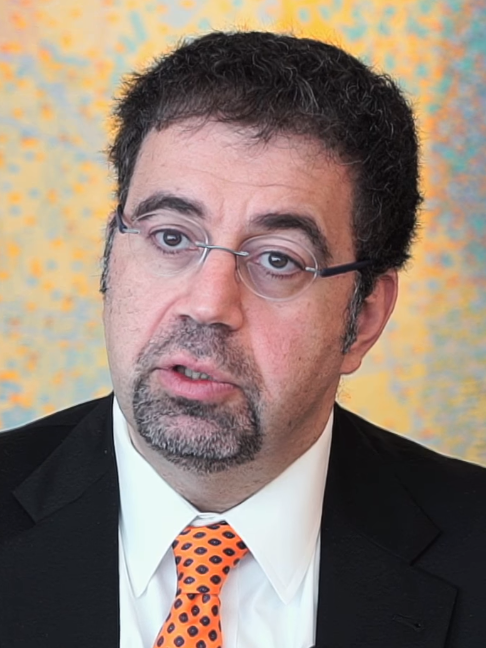 Economist
Daron Acemoglu
Investigating how political and economic institutions shape prosperity, and co-writing Why Nations Fail.
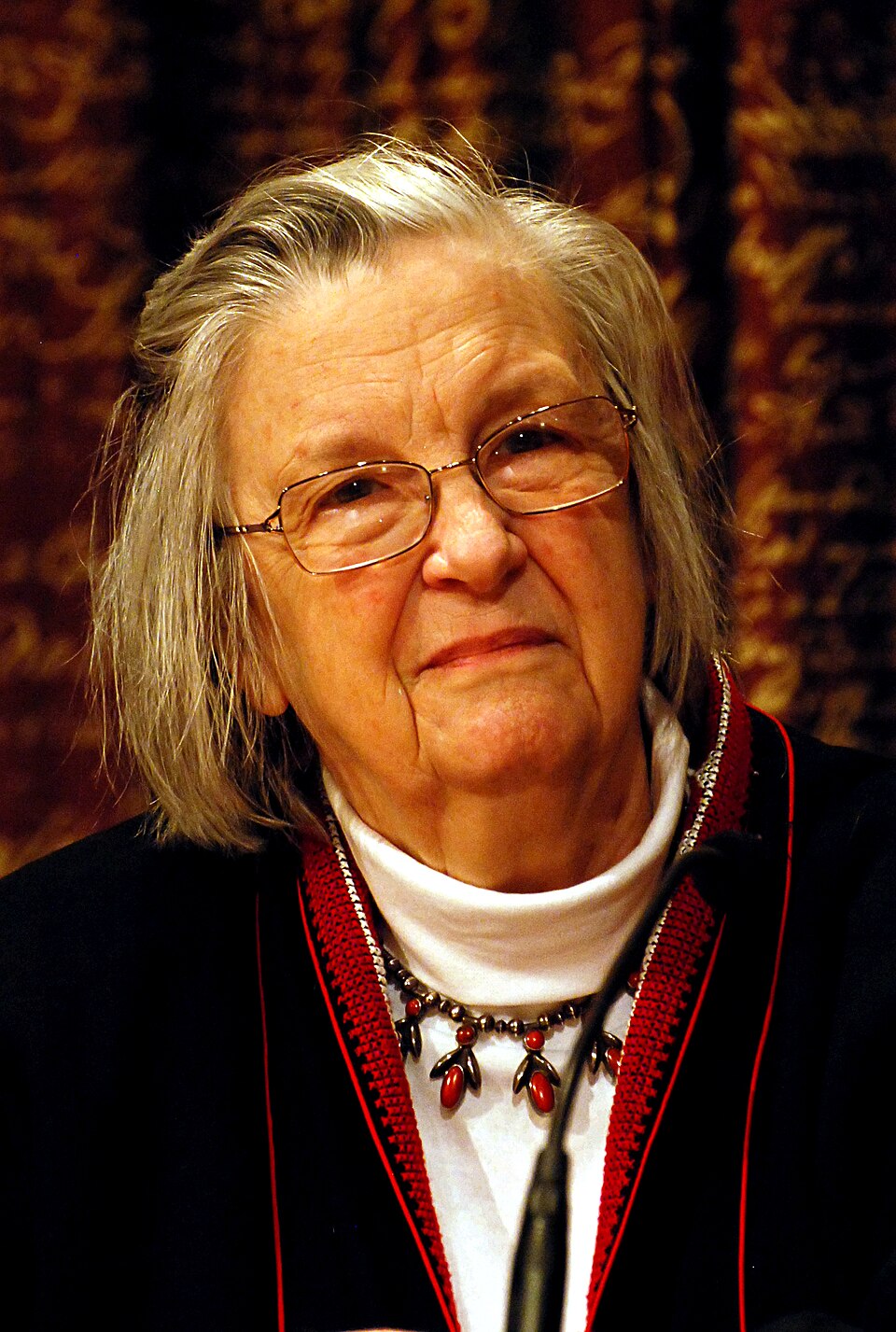 Economist
Elinor Ostrom
Showing how communities can successfully manage shared resources such as forests, fisheries and irrigation systems.
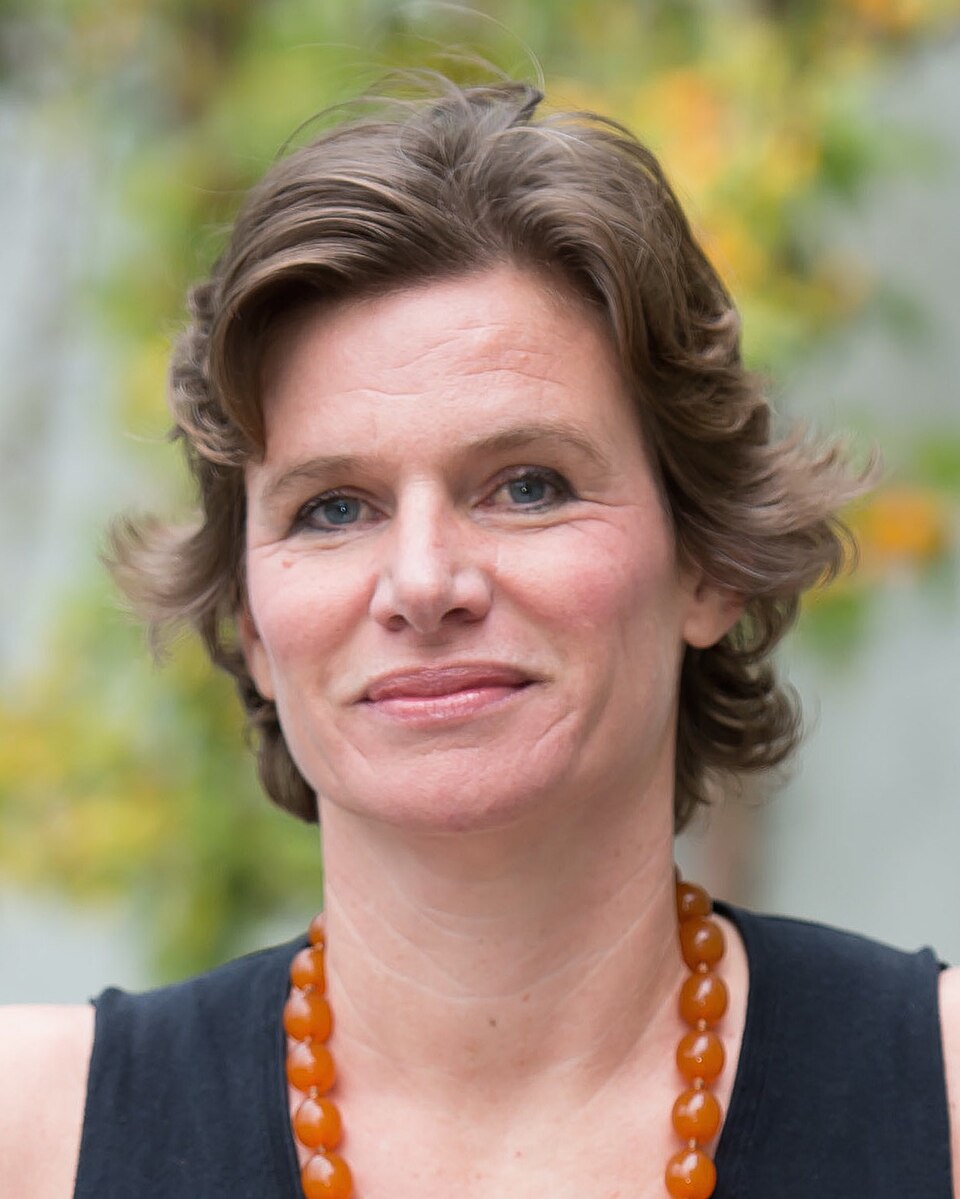 Economist
Mariana Mazzucato
Arguing that governments actively shape innovation and should share in the value created by public investment.
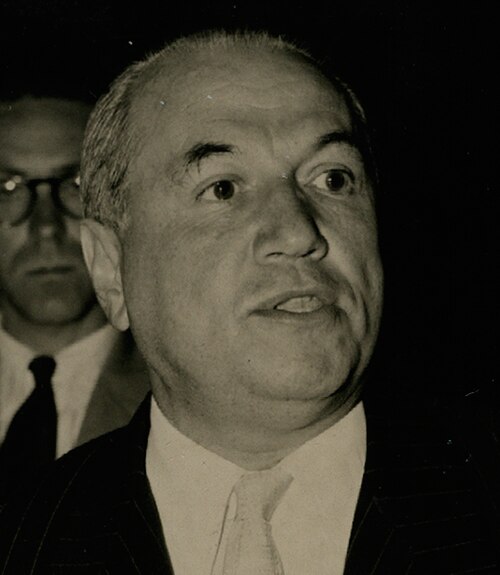 Economist
Raúl Prebisch
Shaping Latin American development economics and challenging the advantages of commodity-led trade.
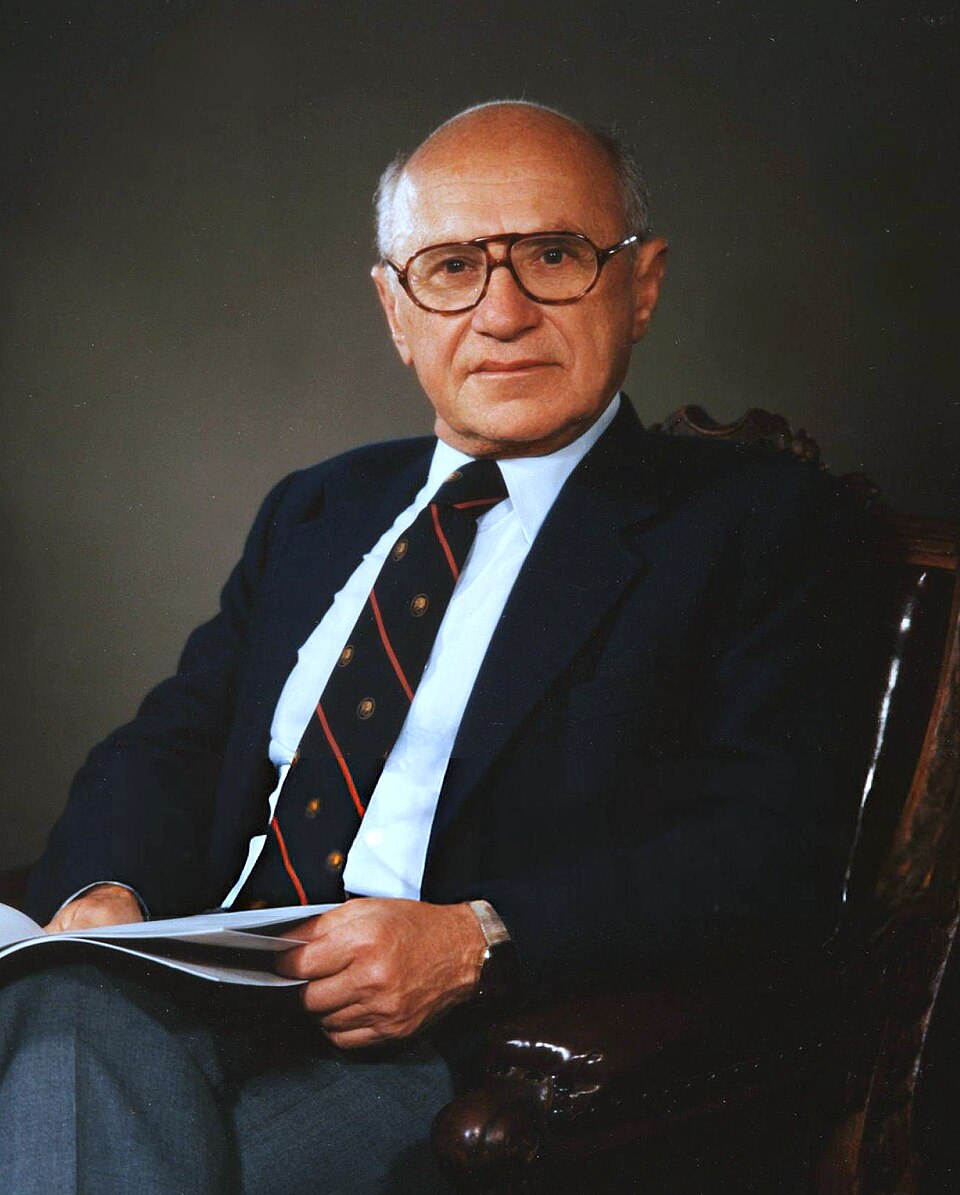 Economist
Milton Friedman
Advancing monetarism and becoming an influential advocate of free-market economic policy.
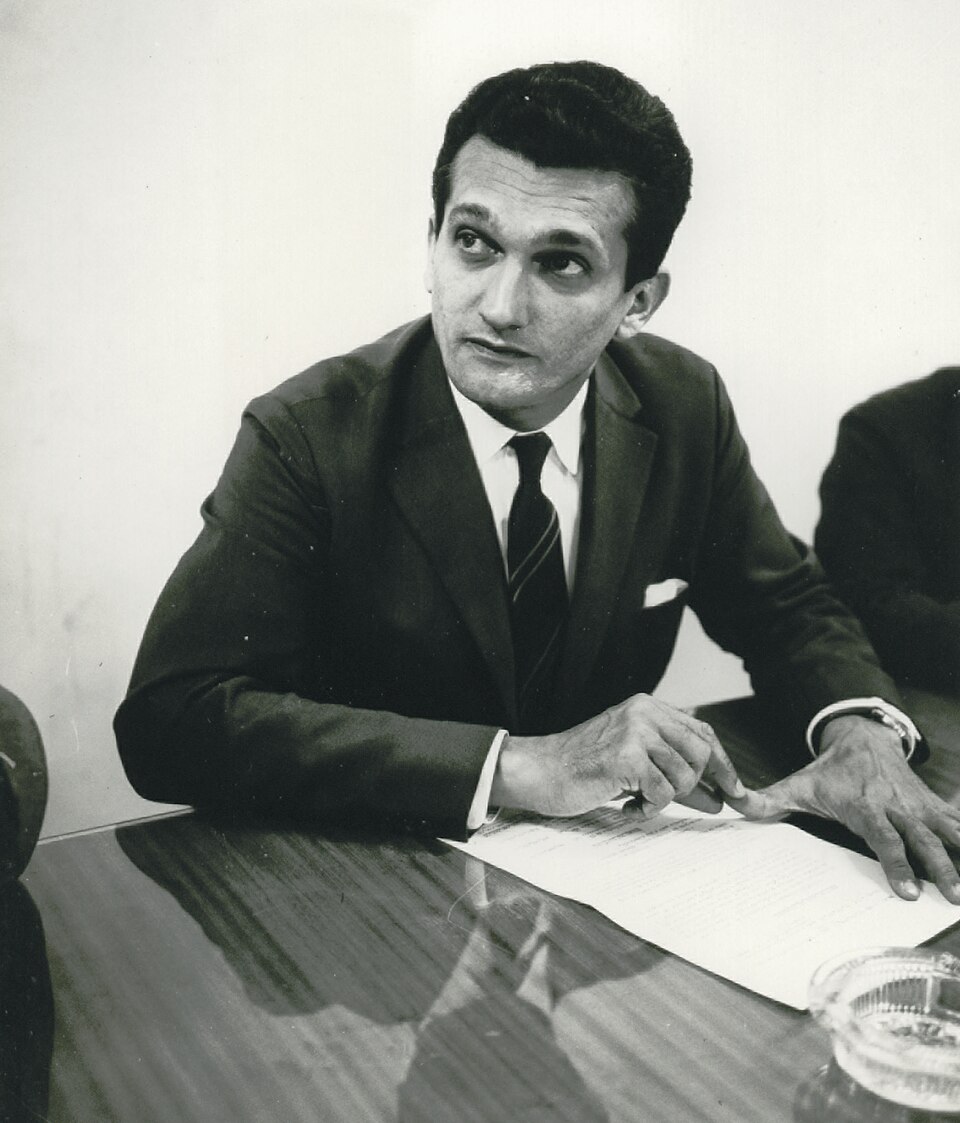 Economist
Celso Furtado
The economist who explained Brazilian underdevelopment through its colonial economy and unequal growth.
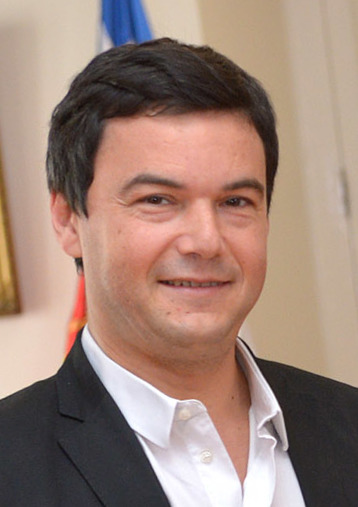 Economist
Thomas Piketty
The economist whose Capital in the Twenty-First Century brought wealth inequality into mainstream debate.
 Economist
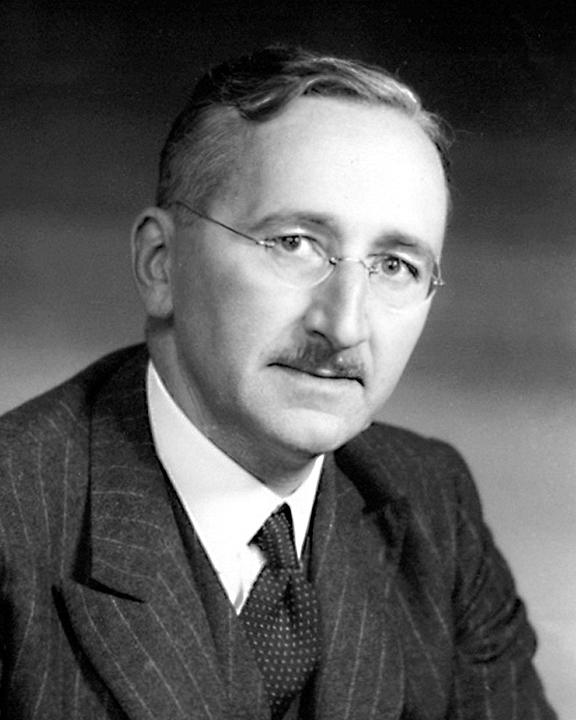
Friedrich Hayek
Explaining the role of dispersed knowledge in markets and arguing against central planning.
 Economist
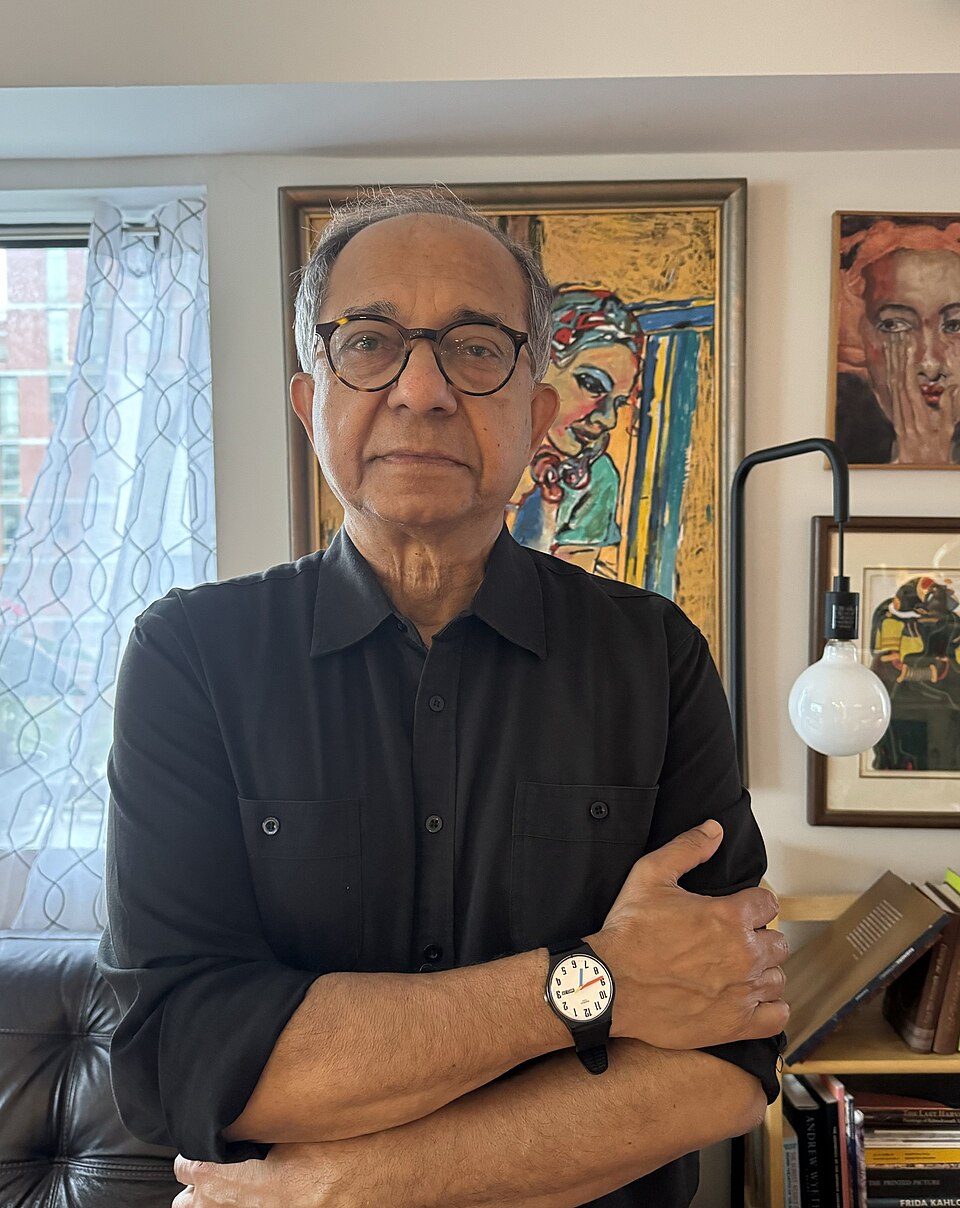
Kaushik Basu
Connecting economic theory with development policy as a World Bank chief economist and adviser to India.
 Economist
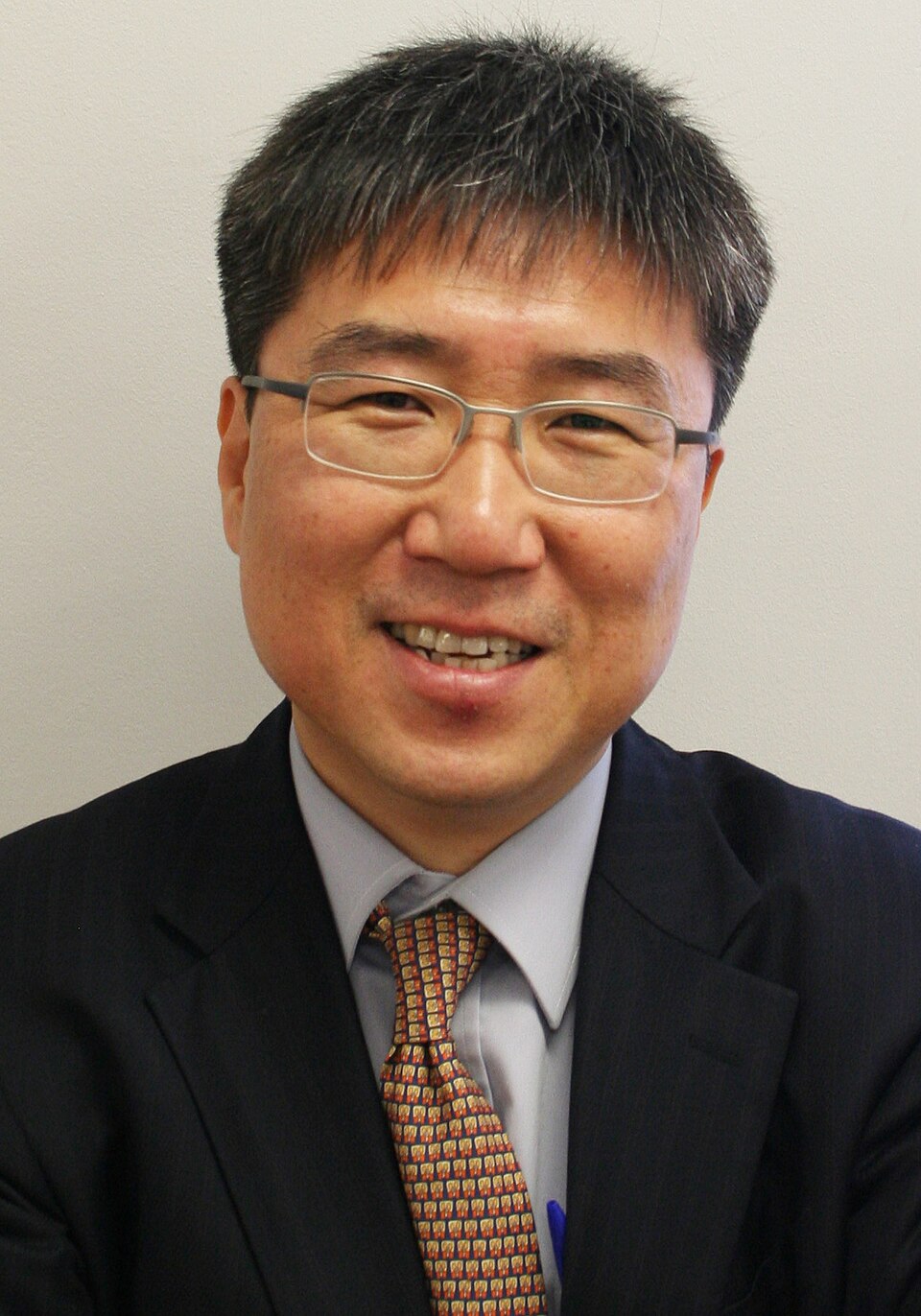
Ha-Joon Chang
Questioning free-market development orthodoxy in Kicking Away the Ladder and accessible economics books.
 Economist
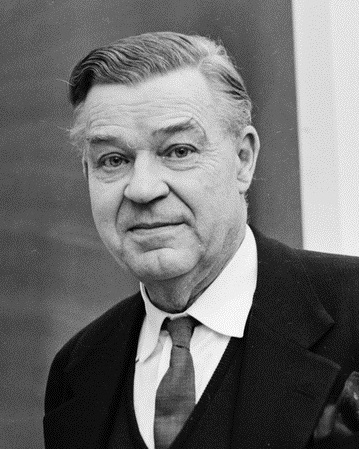
Gunnar Myrdal
Connecting economics with social institutions and racial inequality.
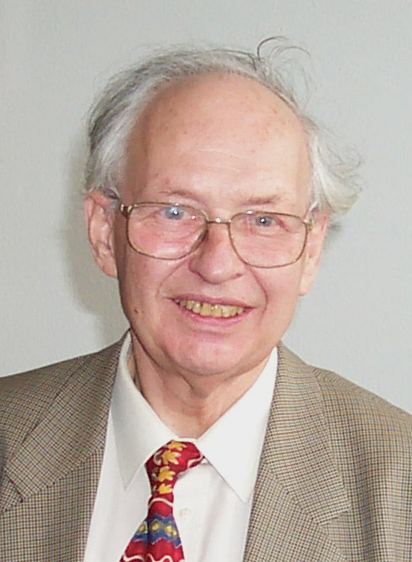 Economist
Reinhard Selten
Refining game theory and developing experimental economics.
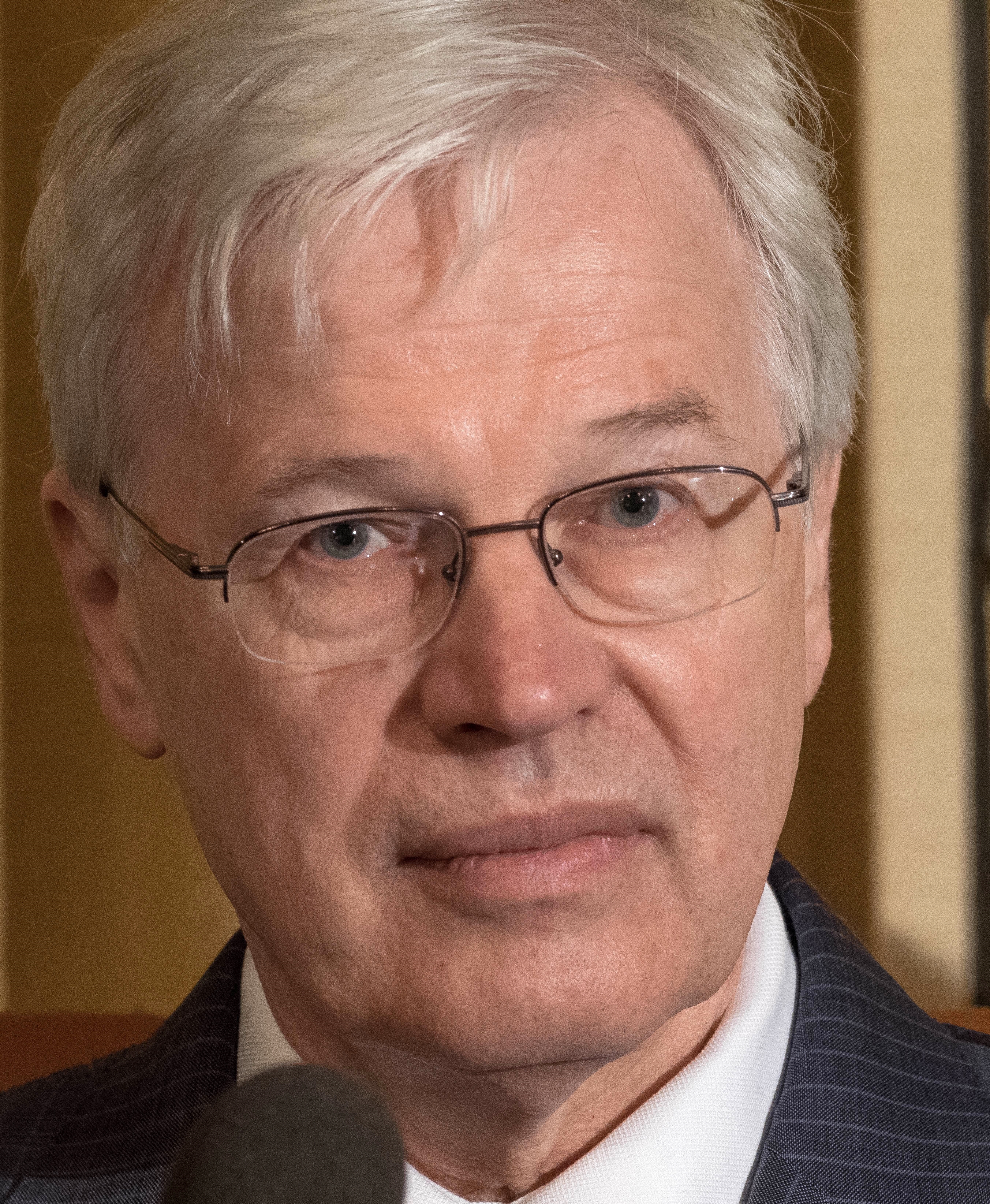 Economist
Bengt Holmström
Explaining how contracts and incentives work under uncertainty.
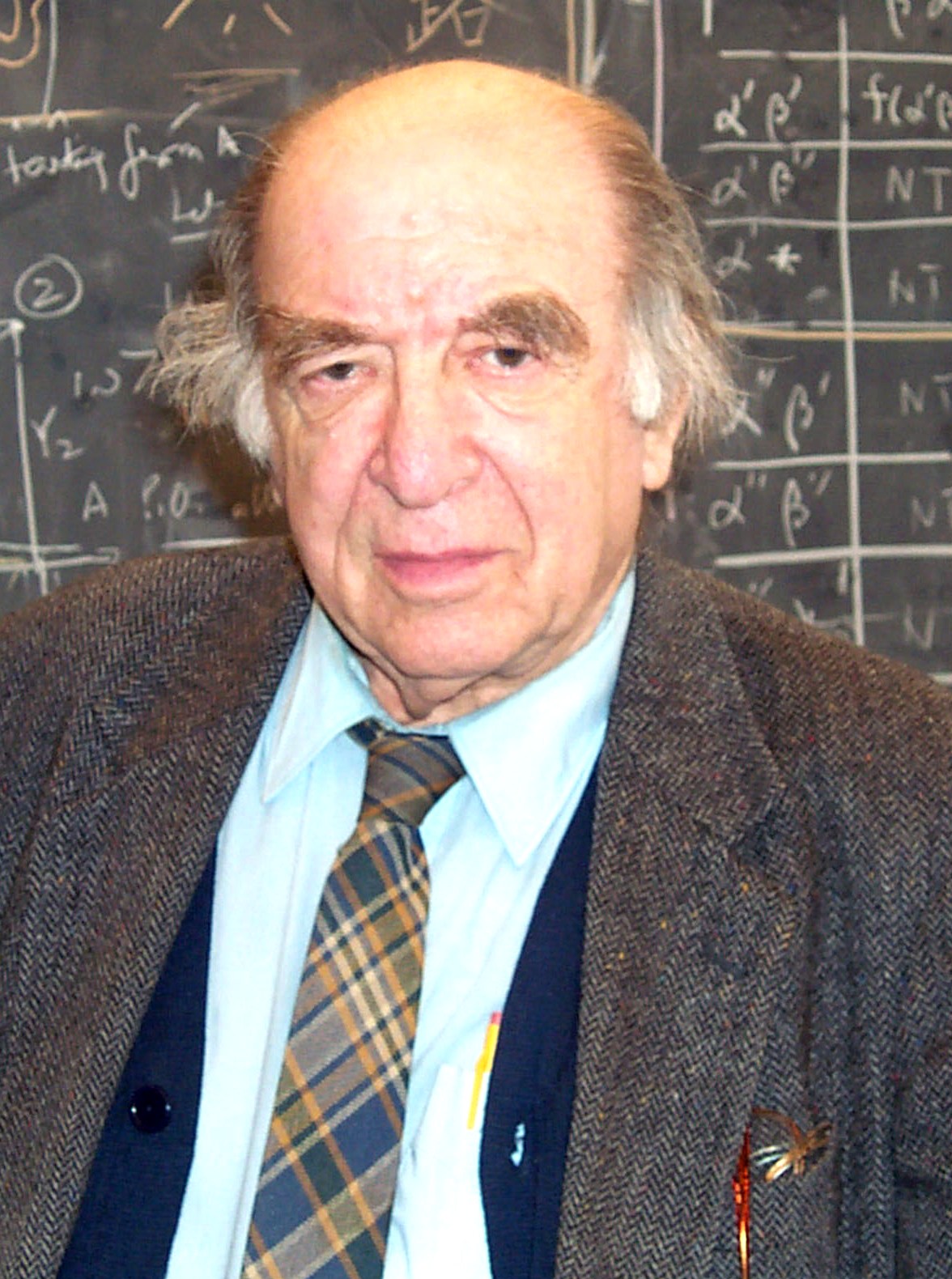 Economist
Leonid Hurwicz
Founding mechanism design and the idea of incentive compatibility.
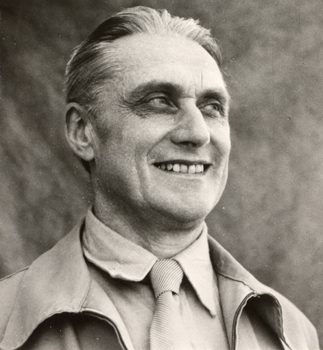 Economist
Ragnar Frisch
Helping establish econometrics and sharing the first economics Nobel memorial prize.
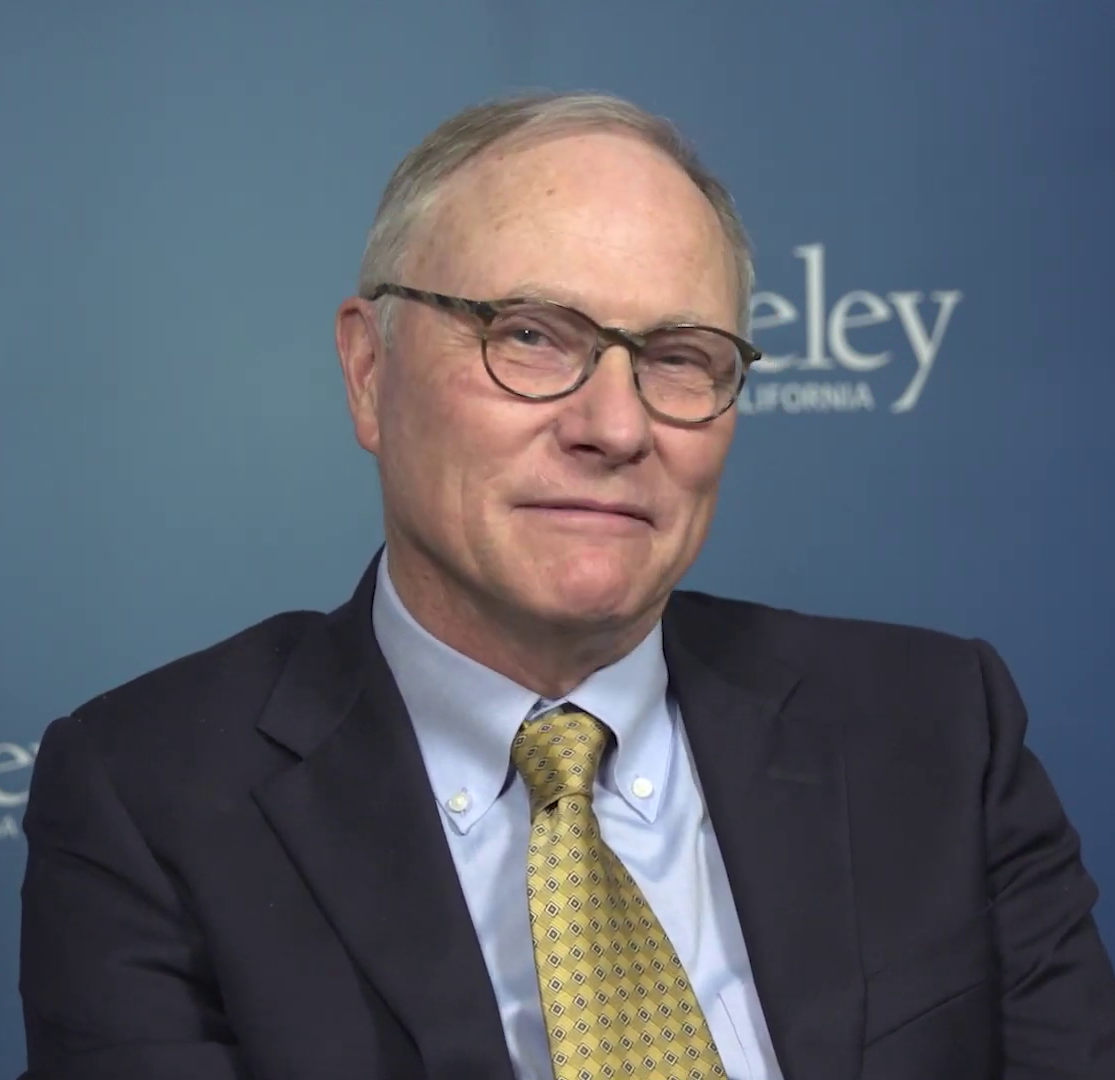 Economist
David Card
Using natural experiments to study wages, immigration and employment.
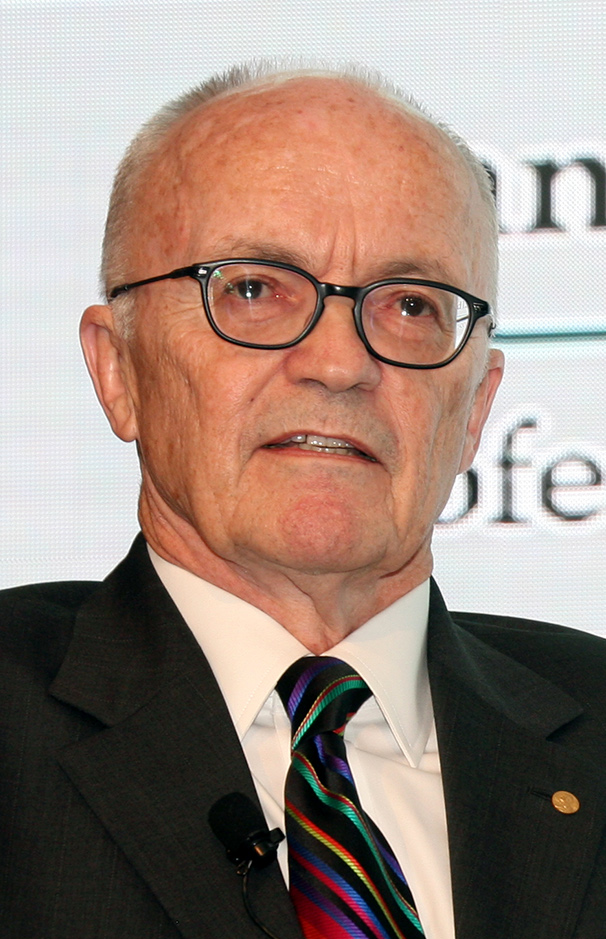 Economist
Finn E. Kydland
Explaining business cycles and the time-consistency problem in economic policy.
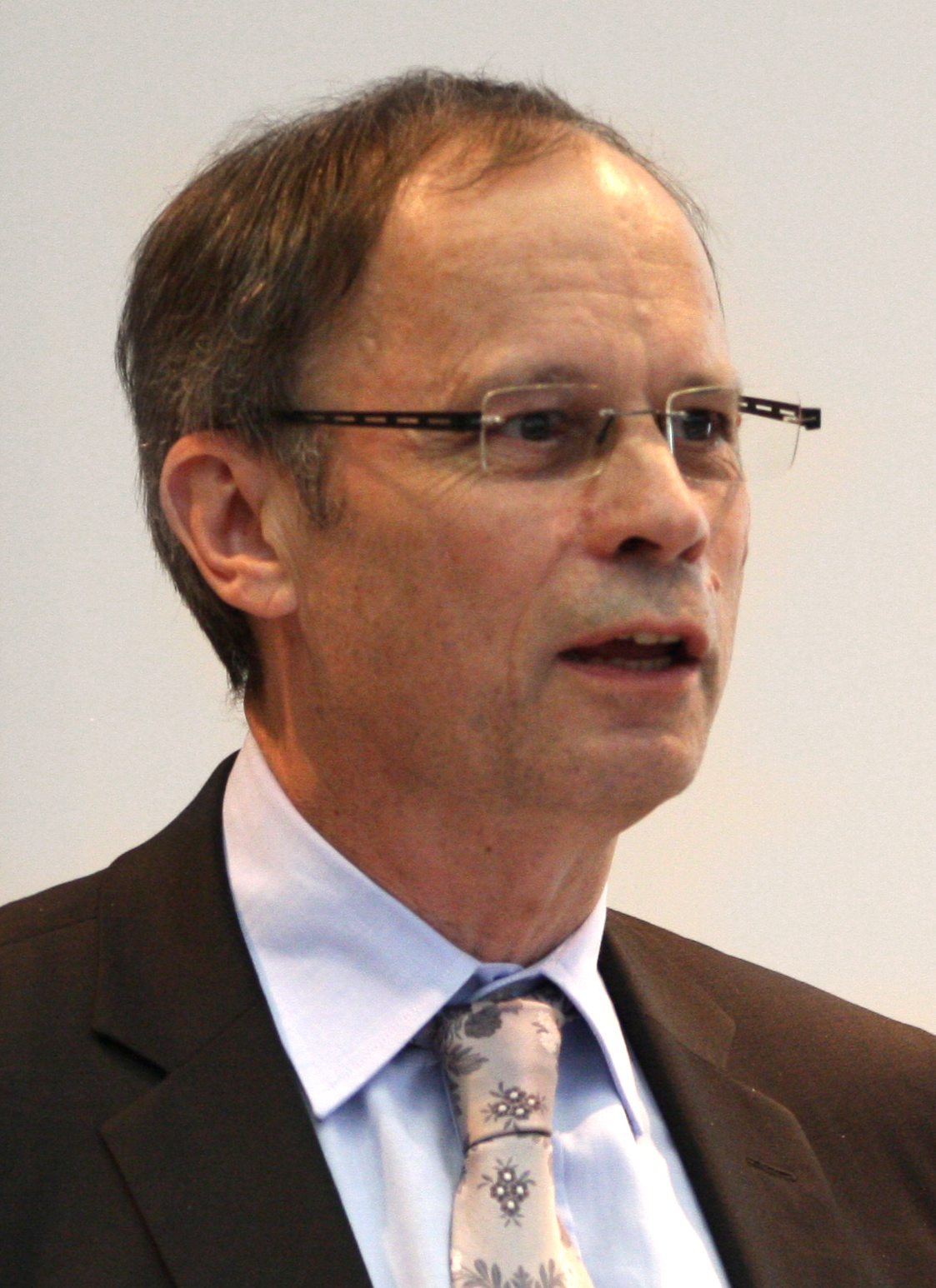 Economist
Jean Tirole
Analysing market power and the regulation of large firms.
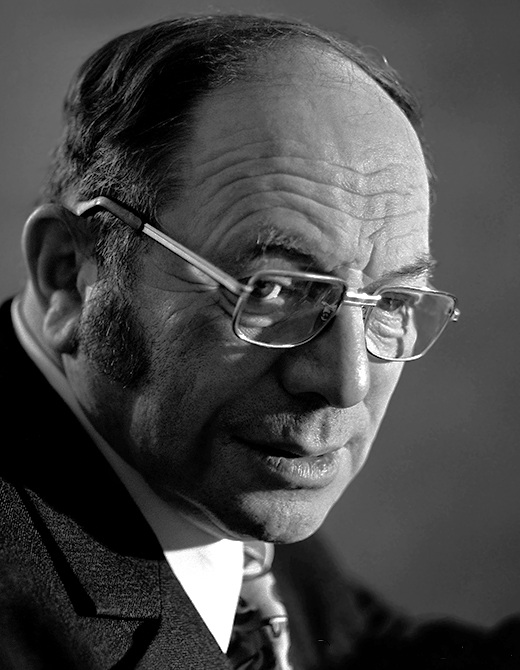 Economist
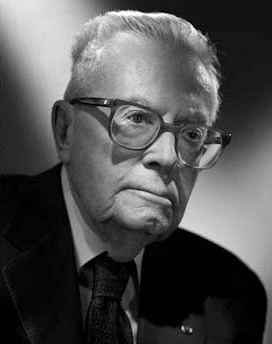
Leonid Kantorovich
Developing linear programming for allocating scarce resources.
 Economist
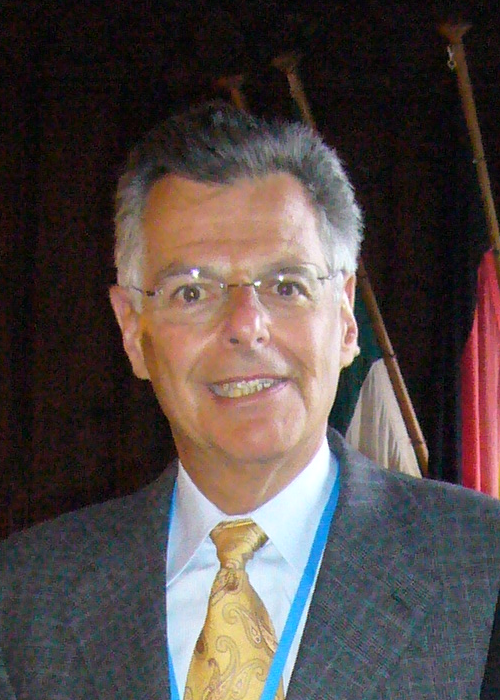
Maurice Allais
Winning the 1988 economics prize for work on markets and resource allocation.
 Economist
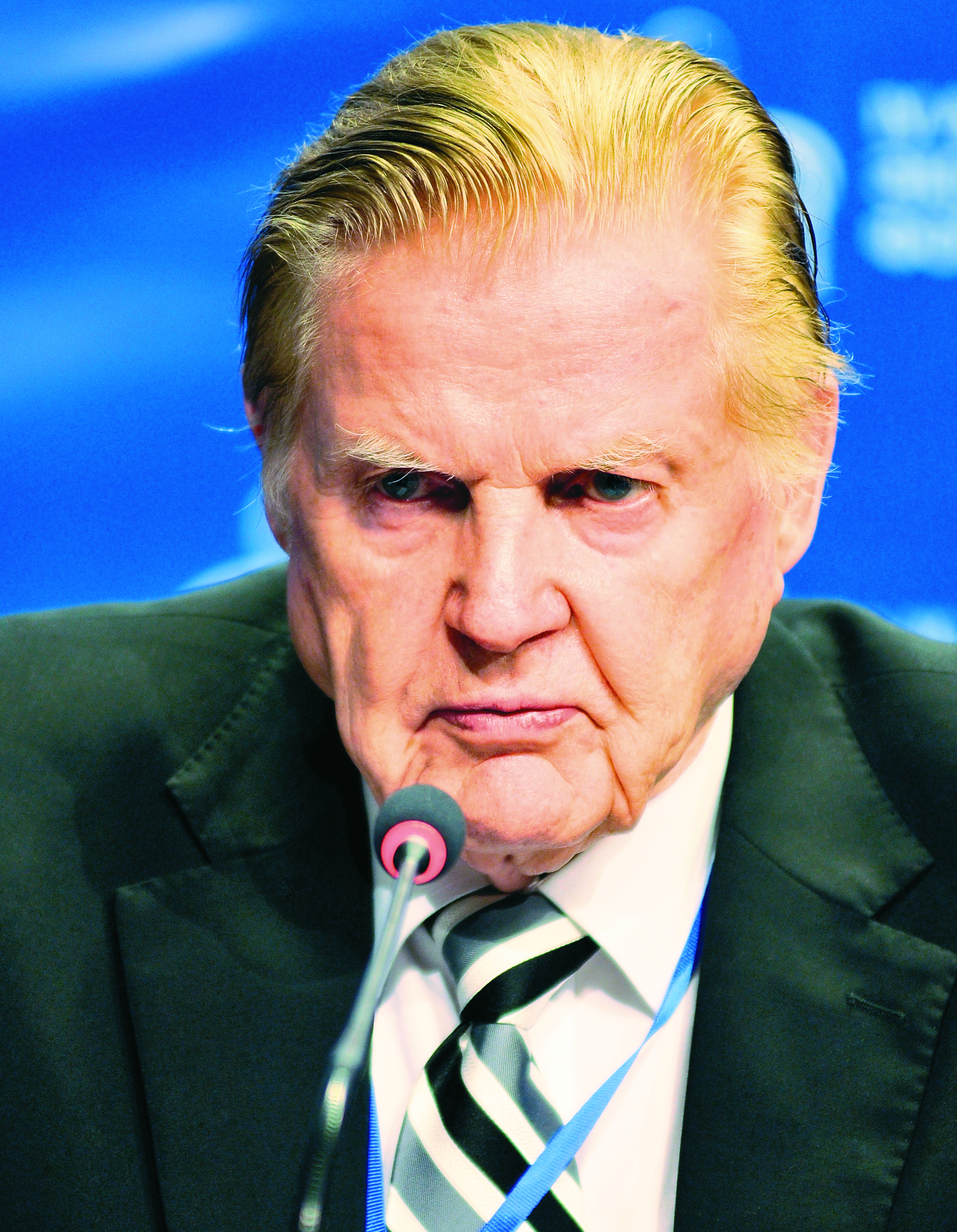
Myron Scholes
Co-developing the Black–Scholes option-pricing model.
 Economist
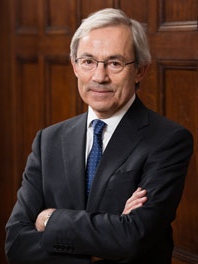
Robert Mundell
Developing the theory of optimum currency areas
 Economist
Christopher A. Pissarides
Explaining unemployment through search-and-matching theory.
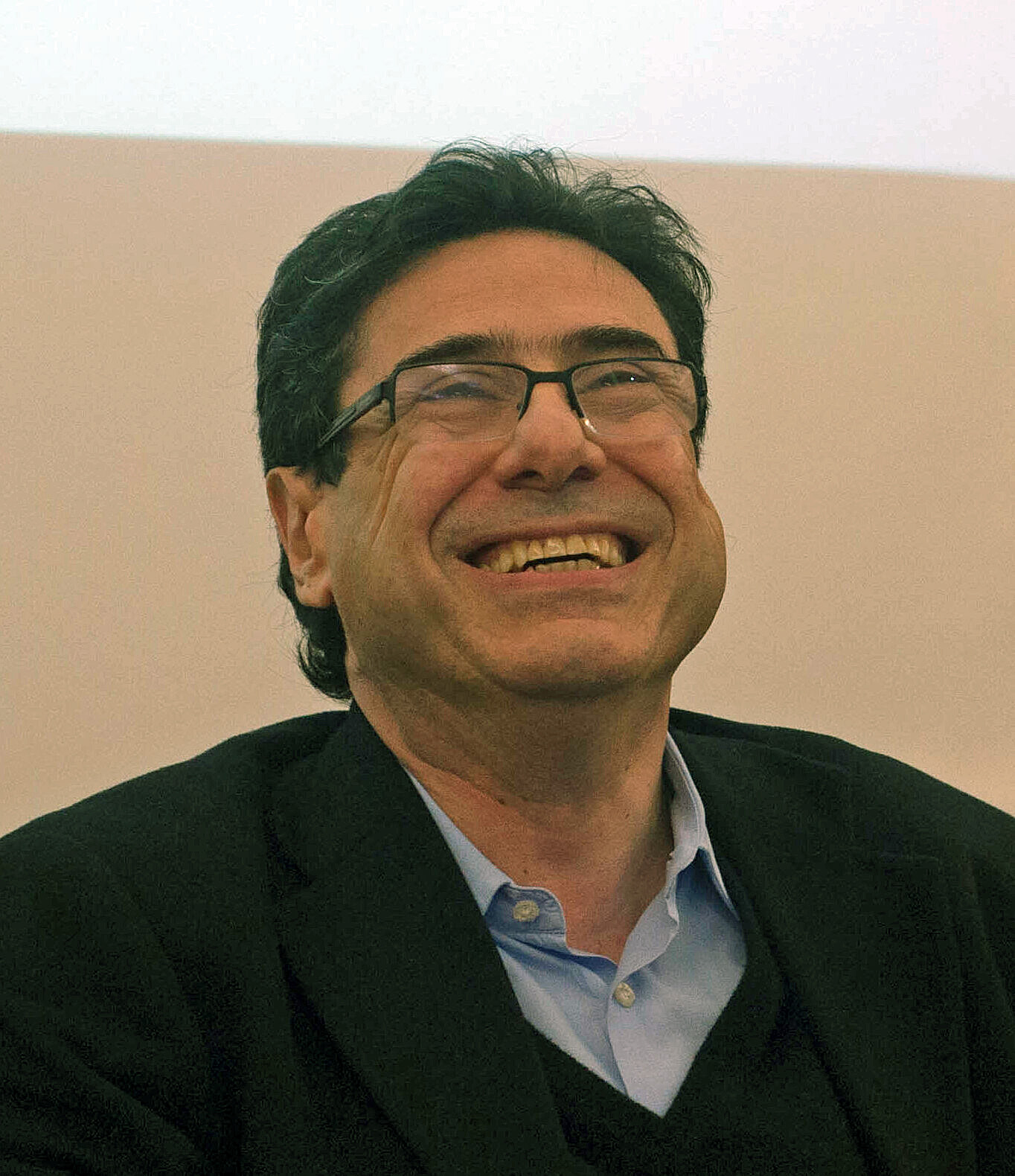 Economist
Philippe Aghion
Explaining economic growth through innovation and creative destruction.
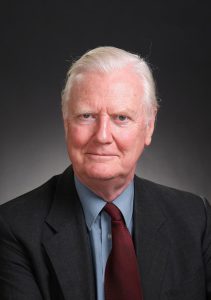 Economist
James Mirrlees
Explaining incentives and taxation when information is unequal.
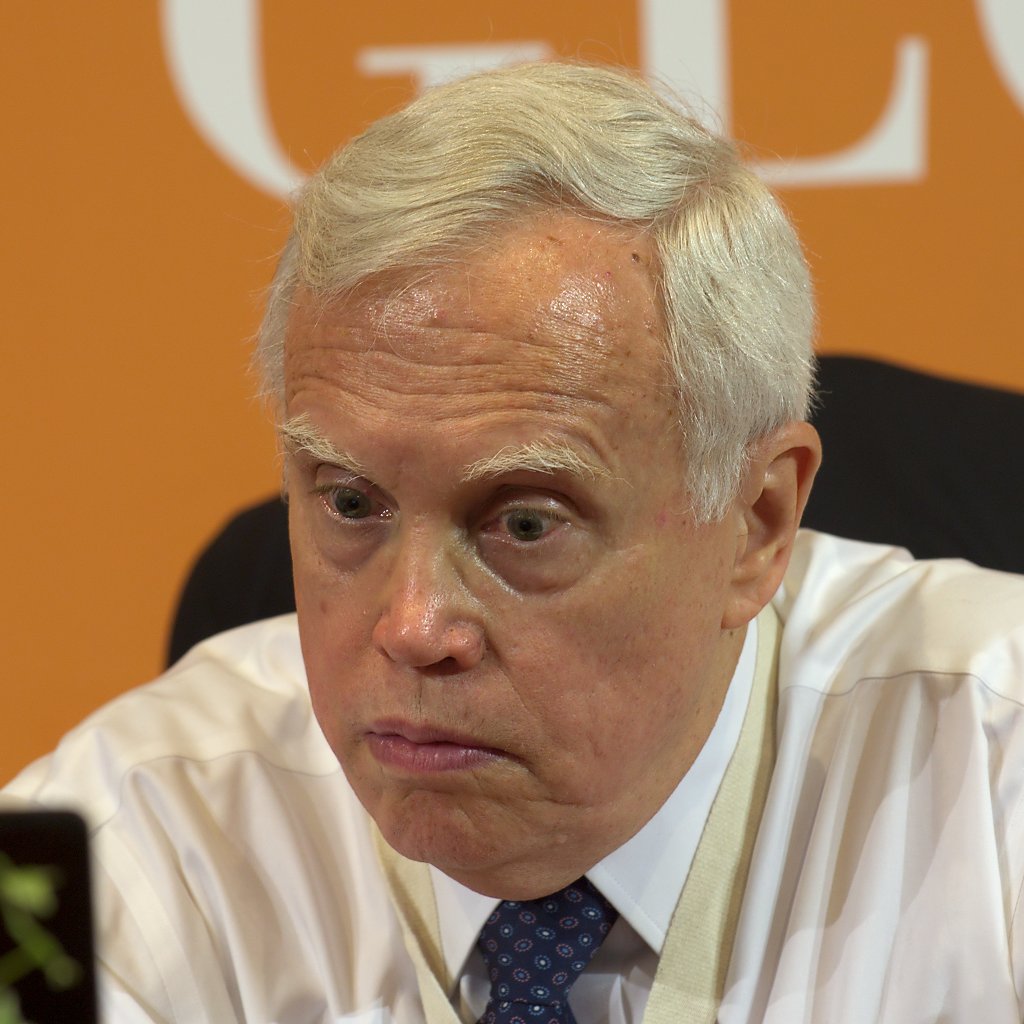 Economist
James Heckman
Developing methods to account for selection bias in economic data.
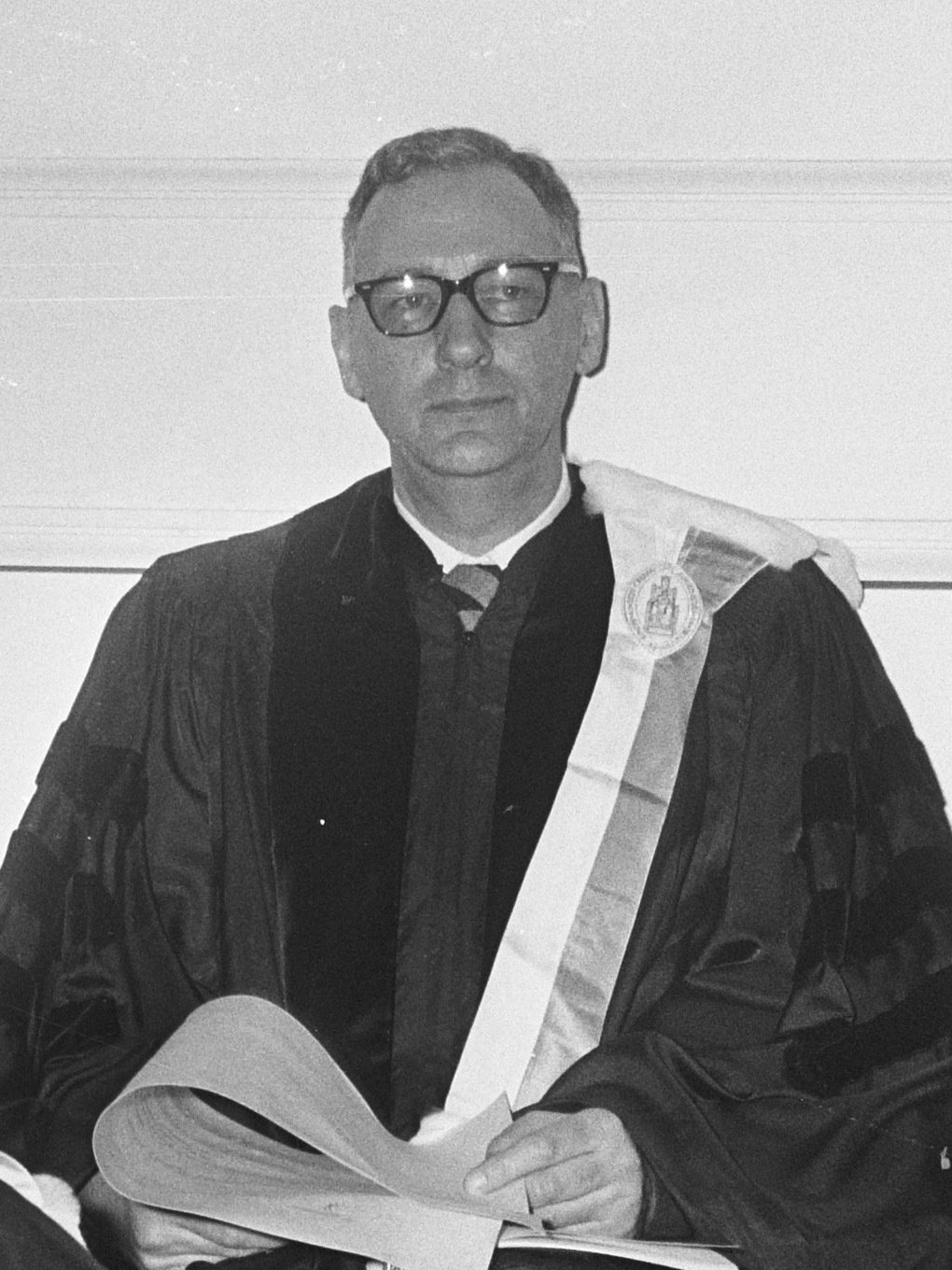 Economist
Tjalling Koopmans
Mathematical analysis of efficient resource allocation
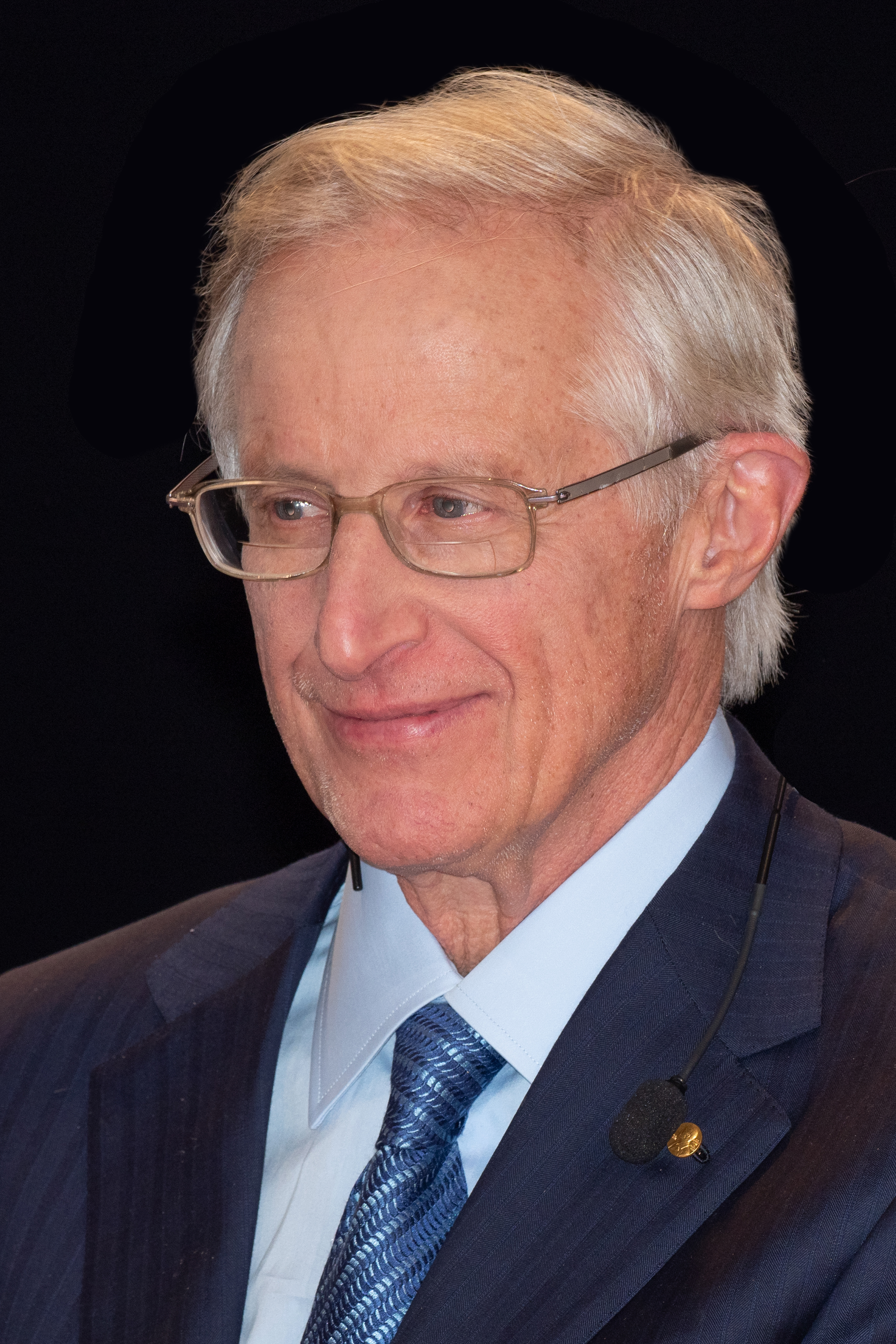 Economist
William Nordhaus
Integrating climate change into economic models
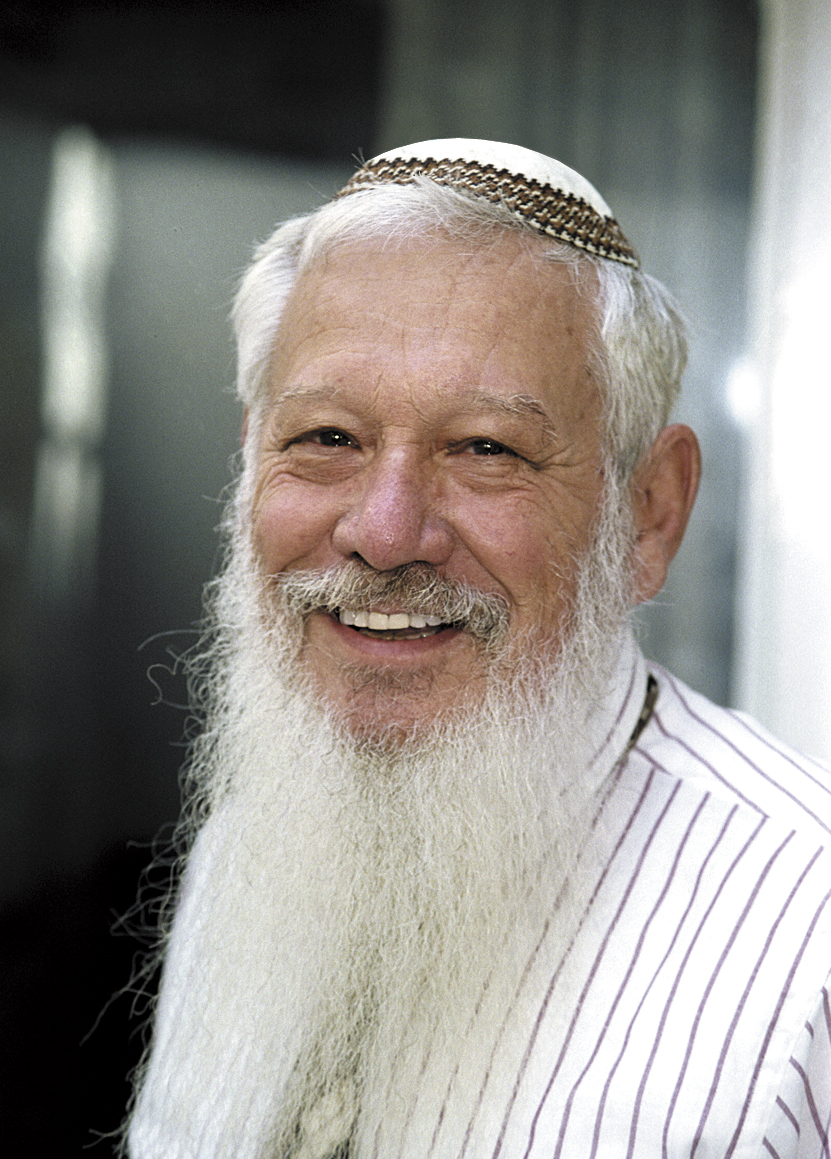 Mathematician
Robert Aumann
Game-theoretic analysis of repeated interaction
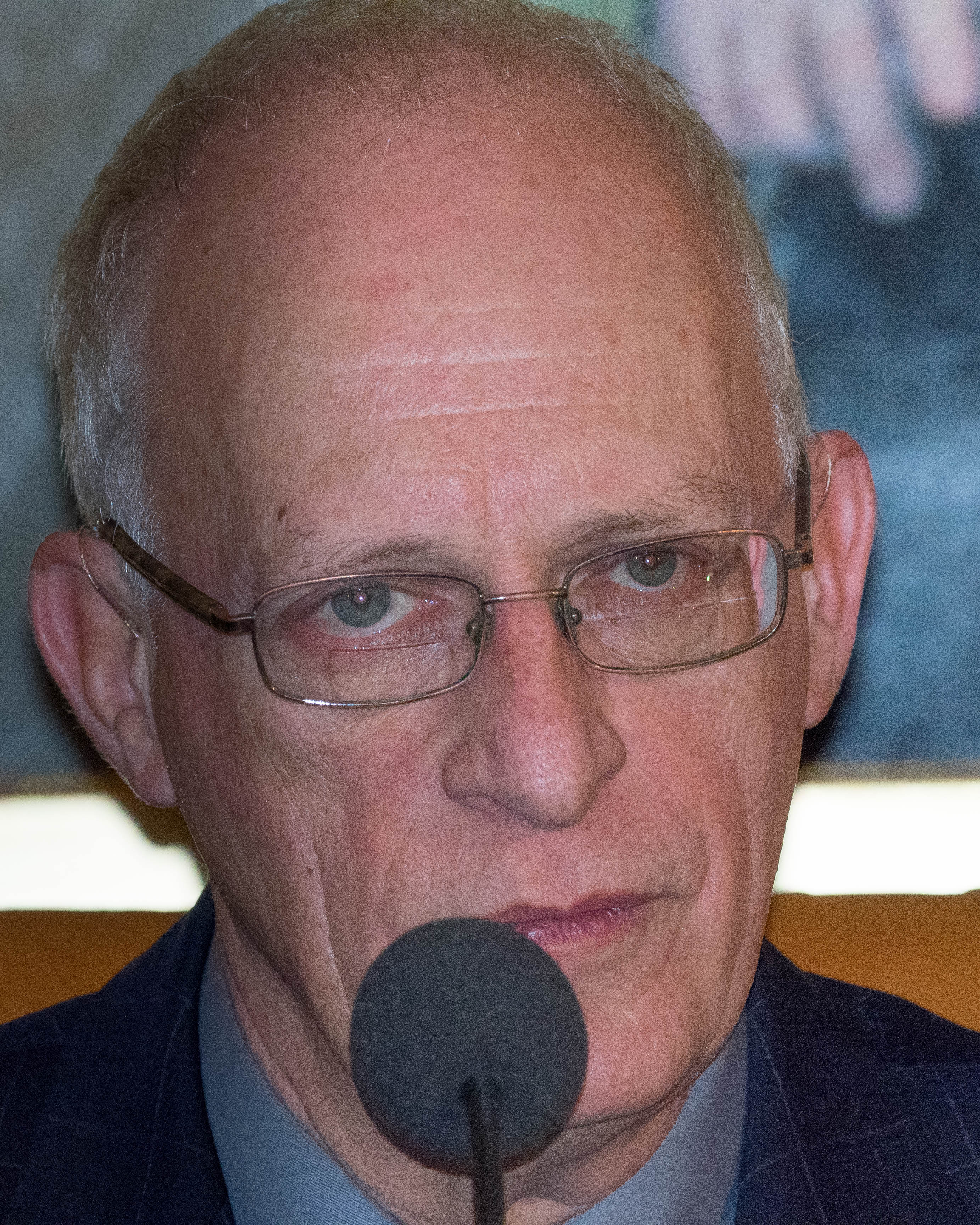 Economist
Oliver Hart
Explaining ownership and incomplete contracts
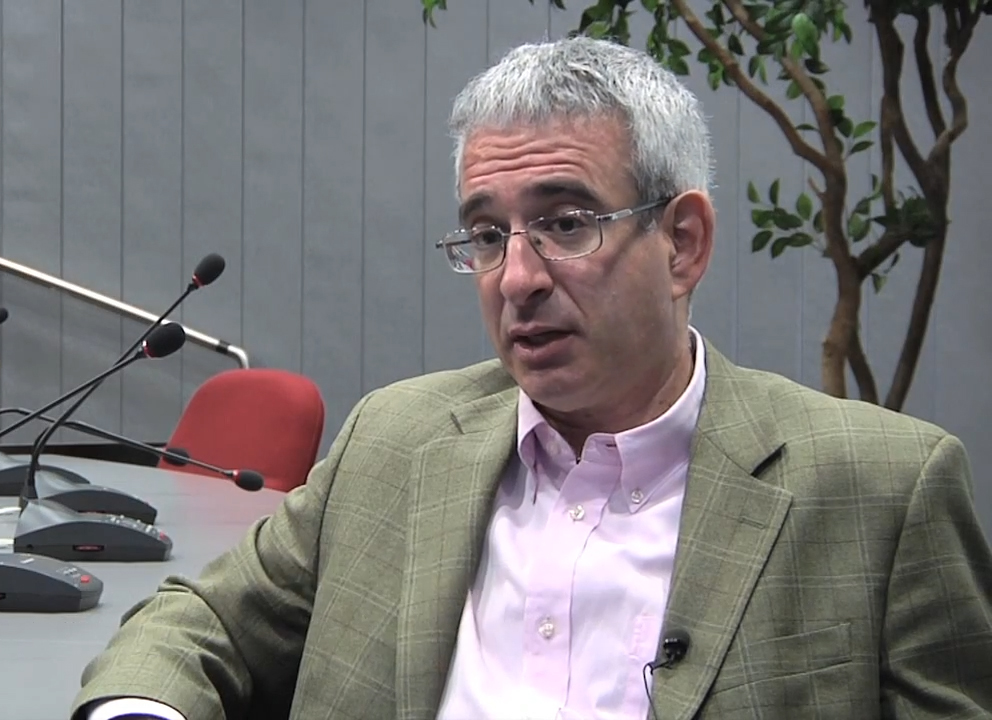 Economist
Joshua Angrist
Developing methods for estimating causal effects in economics.
 Economist
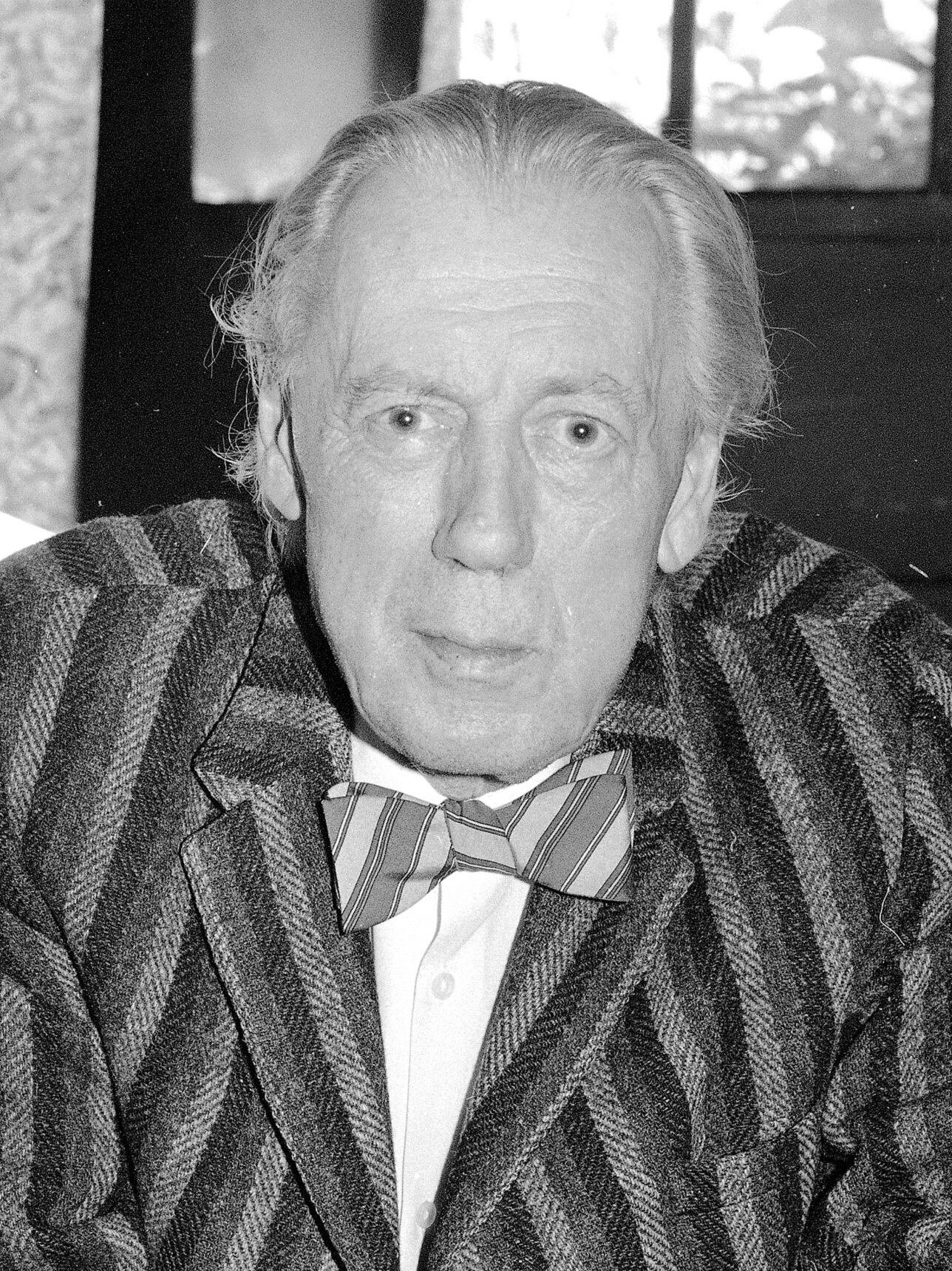
Richard Stone
Developing systems of national economic accounts.
 Economist
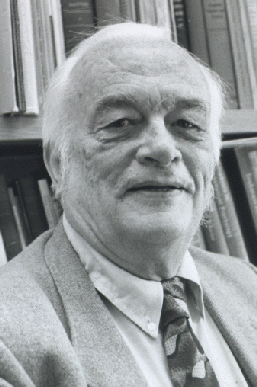
William Vickrey
Auction theory and pricing crowded roads and public services.
 Economist
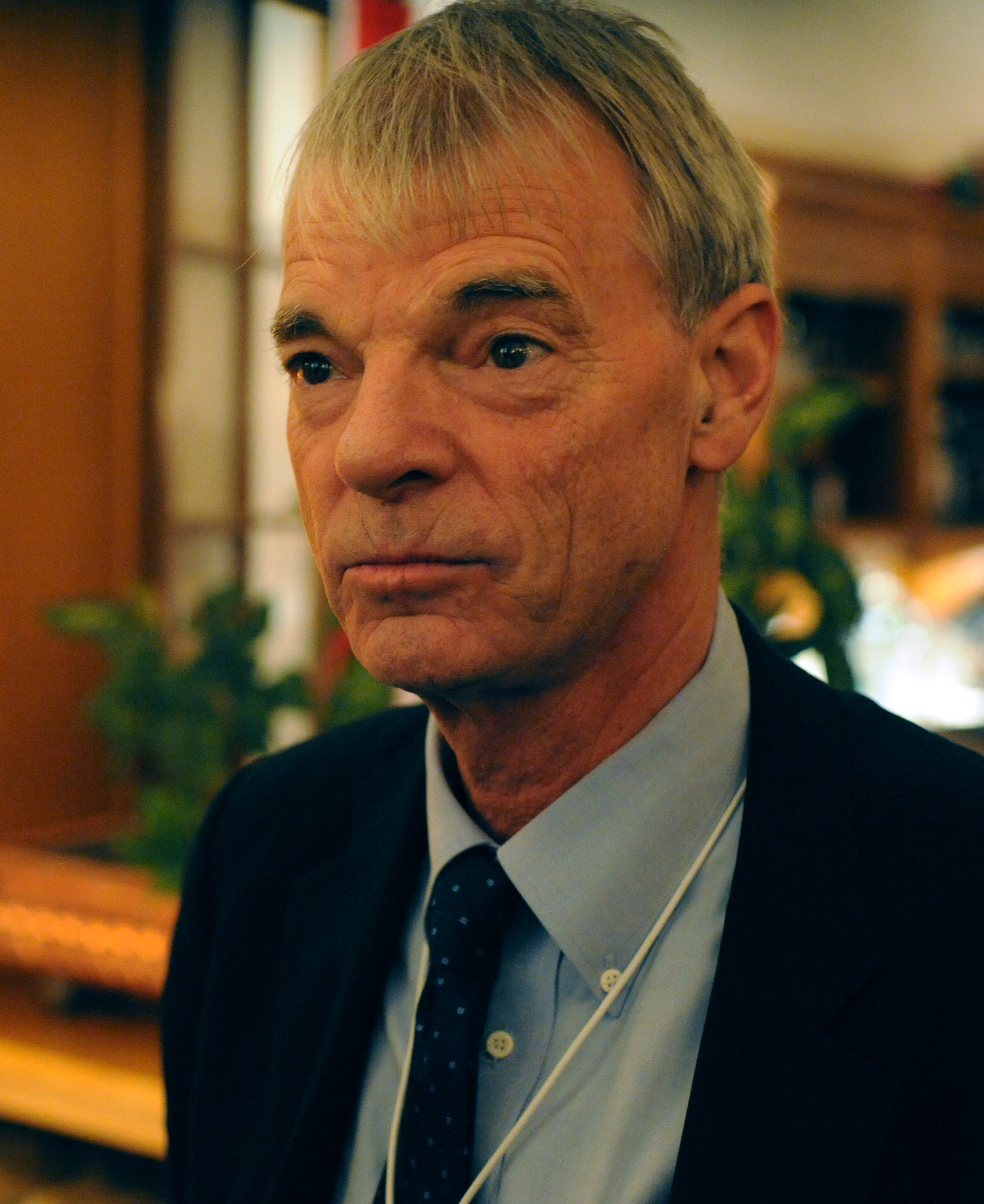
Michael Spence
Explaining how education can signal ability in the job market.
 Economist
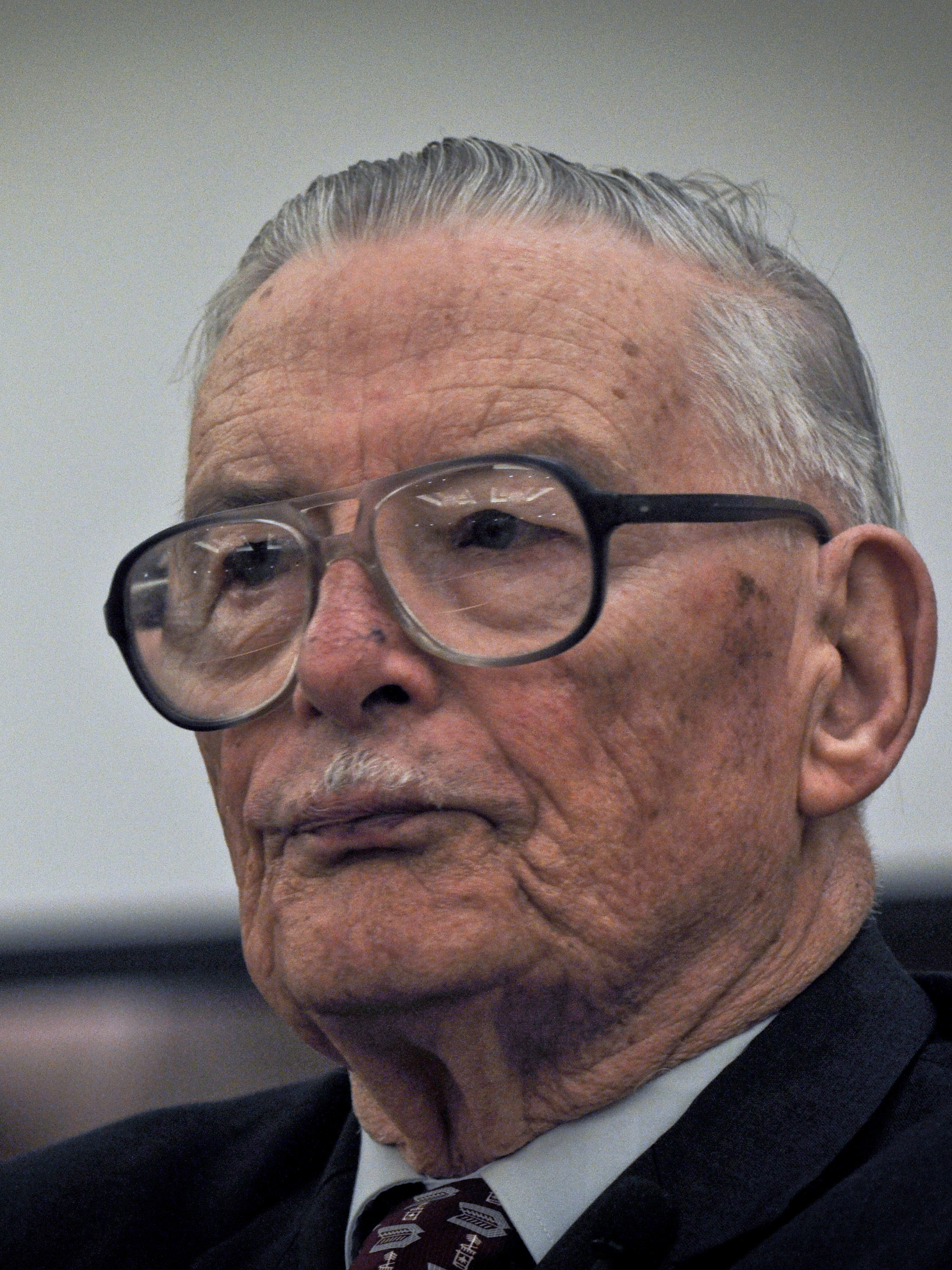
James M. Buchanan
Public choice theory and the rules of collective decisions.
 Economist
Guido Imbens
Methods for drawing causal conclusions from natural experiments.
 Economist
Gérard Debreu
Mathematical foundations of general economic equilibrium.
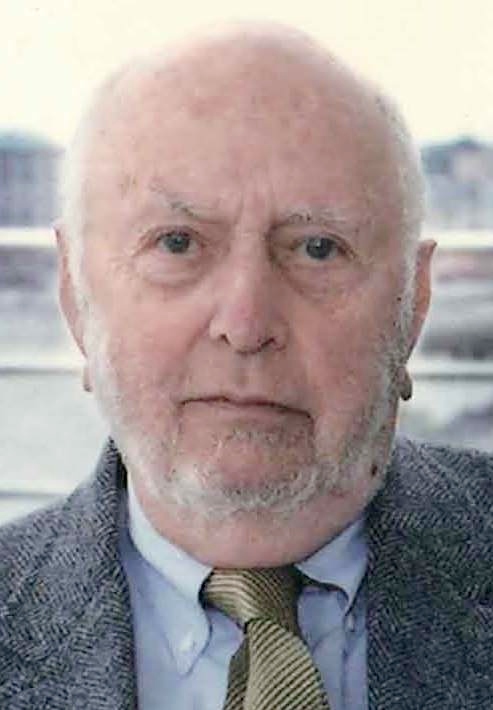 Economist
Douglass North
Explaining economic history through institutions and incentives.
 Economist
Trygve Haavelmo
Establishing probability-based foundations for econometrics.
 Economist
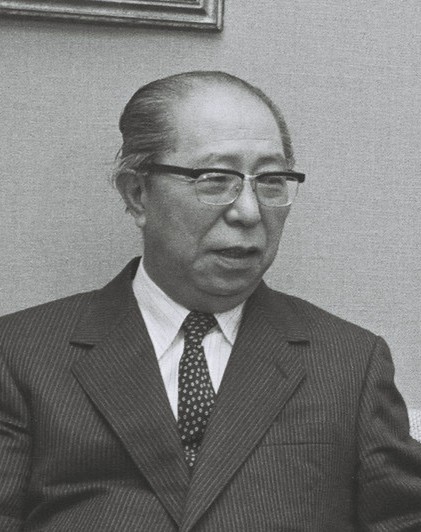
Saburo Okita
Helping shape Japan’s postwar economic planning.
 Economist
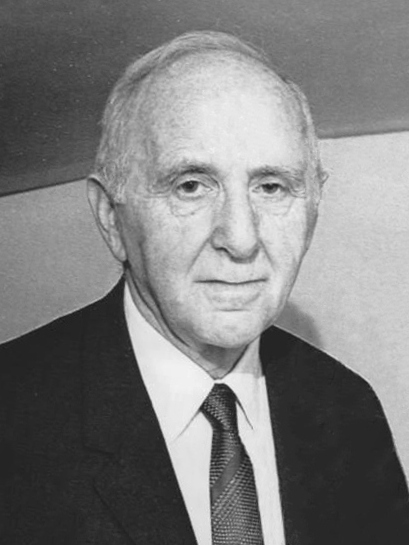
Simon Kuznets
Measuring national income and long-term economic growth.
 Economist
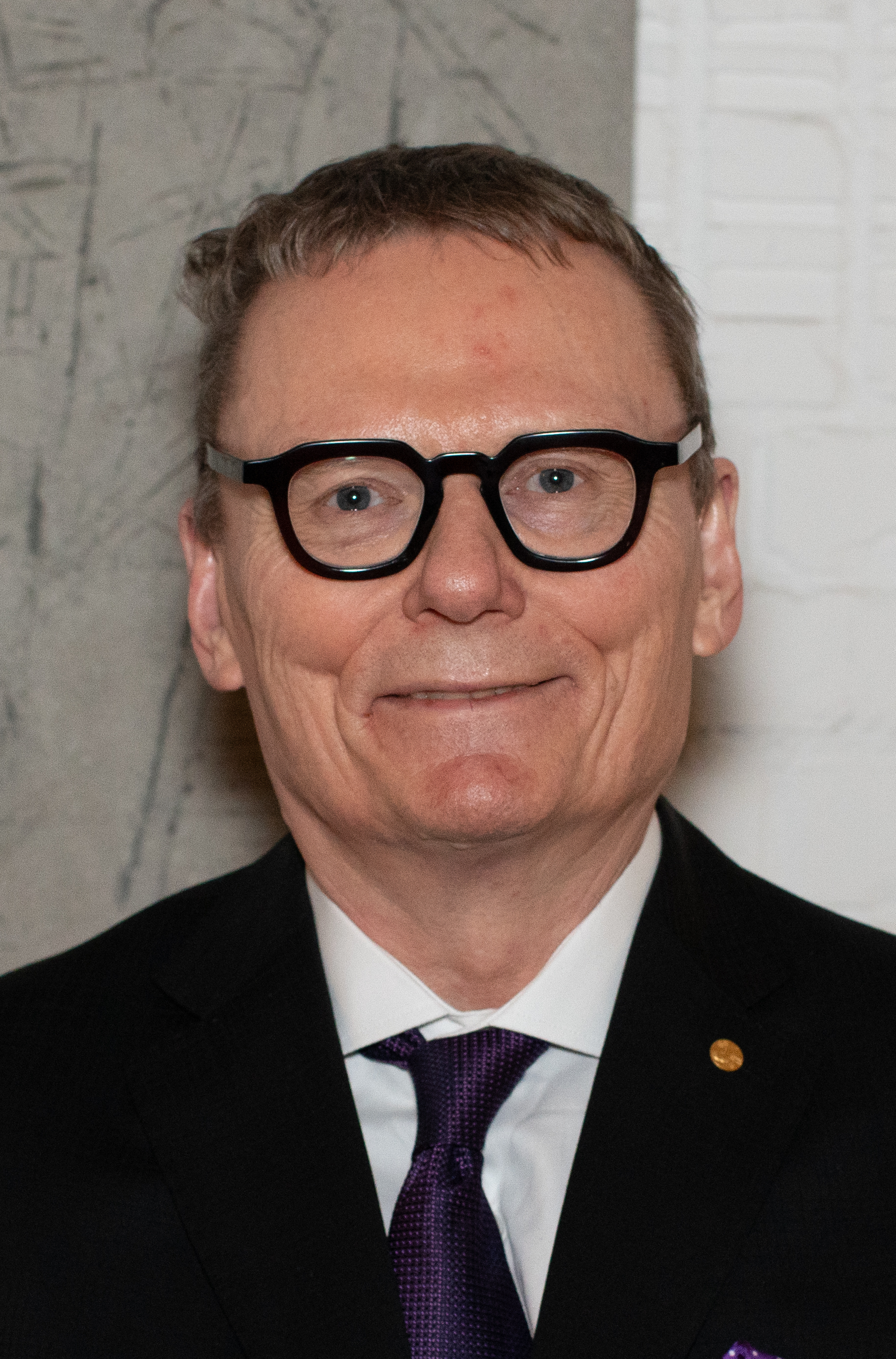
James A. Robinson
Research linking political institutions and economic prosperity.