Contents
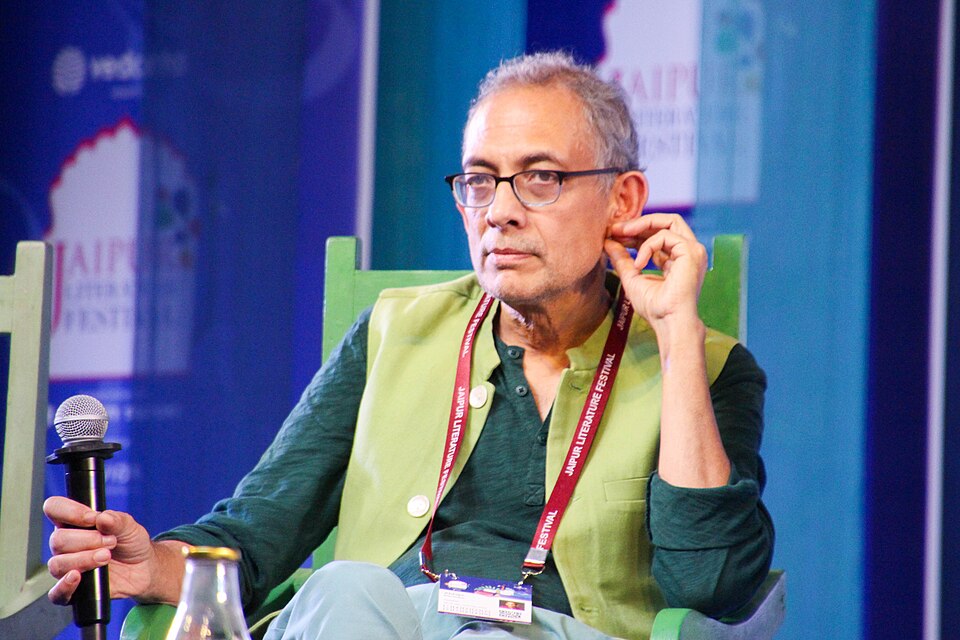
Abhijit Banerjee
Using field experiments to test what actually helps people escape poverty.
Poor Economics · J-PAL
- Born
- 21 February 1961
- Birthplace
- Mumbai, India
More people

Abhijit Banerjee
Abhijit Banerjee is an Indian-American economist who shared the 2019 Nobel Memorial Prize in Economic Sciences with Esther Duflo and Michael Kremer for experimental approaches to reducing poverty.
Early life
Kolkata upbringing
Grew up in an academic family and studied economics at Presidency College.
Graduate study
Continued at Jawaharlal Nehru University before earning a doctorate at Harvard in 1988.
Career
- 1993
MIT economics
Joined the Massachusetts Institute of Technology after teaching at Princeton and Harvard.
- 2003
J-PAL founded
Co-founded a research centre using randomised evaluations to study anti-poverty programmes.
- 2011
Poor Economics
Published a widely read book with Duflo examining everyday decisions under poverty.
- 2019
Economics prize
Shared recognition for bringing experimental methods to development economics.
Contributions
Poverty Action Lab
Helped build a network connecting field research with public policy.
Poor Economics
Examined evidence on education, health, saving and other decisions.
Good Economics for Hard Times
Co-wrote a book on migration, trade, inequality and policy.
Beyond economics
Research partnership
His long collaboration with Esther Duflo also became a marriage in 2015.
Public debate
Writes for audiences beyond economics, questioning broad policy claims through evidence from particular settings.
Sources & photo credit
Life, career and references ↗Nobel Prize biography and award ↗Photo: Sriya Sarkar. CC BY 4.0 · Original image. Cropped and displayed in monochrome.
