Welikada prison massacres
Fifty-three Tamil detainees killed in two attacks inside state custody.
- When
- 25 and 27 July 1983
- Where
- Welikada prison, Colombo, Sri Lanka
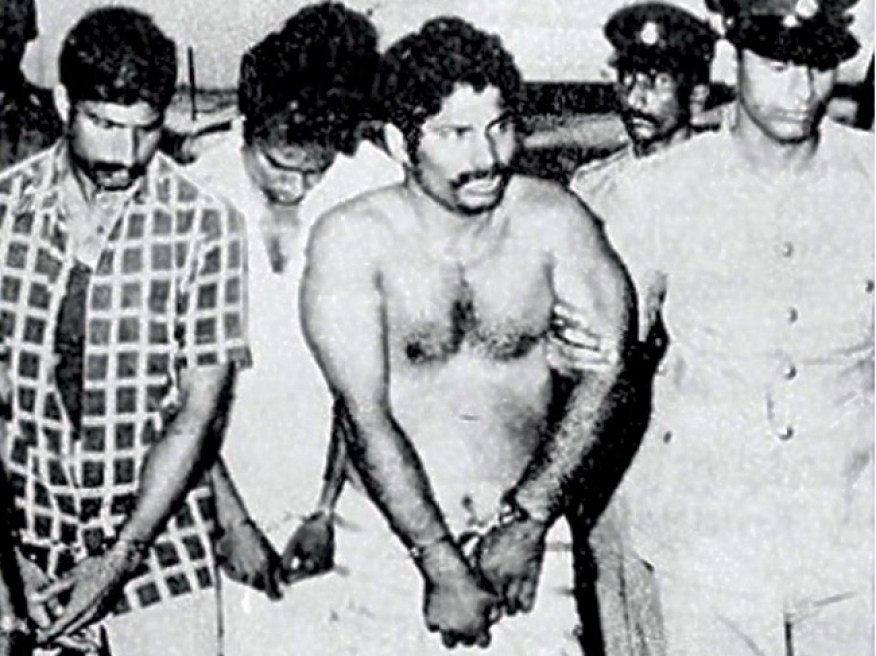
Fifty-three Tamil detainees killed in two attacks inside state custody.
Background
Custody during Black July
Tamil prisoners were held in Welikada as anti-Tamil violence spread outside. Whatever the allegations against individual detainees, the prison authorities had responsibility for their safety. The attacks took place within a controlled institution rather than on an unpoliced street.[1]
What happened
- 25 July 1983
The first attack
Other prisoners attacked Tamil detainees, killing 35. Accounts raised questions about access to their cells, staff conduct and the failure of prison security to prevent the killings.[1]
- 27 July 1983
Protection failed again
A second attack killed another 18 Tamil detainees. The recurrence after the first massacre made the adequacy of the authorities’ protective measures a central issue. Together, the two attacks killed 53 people.[1]
Impact & evidence
Contemporary human-rights scrutiny
Amnesty condemned the state’s failure to protect the detainees and the absence of a comprehensive independent inquiry at the time of its report. The report documented failures of protection and investigation; it was not a criminal judgment against individual defendants.[2]
Aftermath & legacy
Part of Black July’s toll
Welikada is remembered both as a custodial atrocity and as part of Black July. Its 53 victims are included in accounts of the wider pogrom. The second attack, two days after the first, exposed the failure to secure even people whose movement and accommodation were controlled by the prison authorities.[1]
Sources & image credits (2)
Tamil Guardian; photographer not identified in the article · Copyright retained by the rights holder Image source ↗