United States cotton expansion and the domestic slave trade
Cotton expansion drove the forced sale and relocation of more than a million enslaved people within the United States.
- When
- Late eighteenth century–1865
- Where
- United States, especially the Upper and Deep South
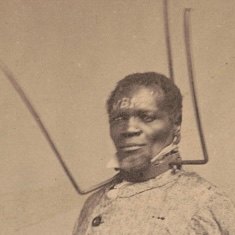
Cotton expansion drove the forced sale and relocation of more than a million enslaved people within the United States.
Background
New demand for coerced labour
Cotton expansion in the Lower South created a market for enslaved labour. In parts of the Upper South, changes in agriculture enabled enslavers to sell people they regarded as surplus property. This was a commercial decision imposed on human beings with families, communities and their own plans for life.[2]
What happened
- 1808 onward
Ending imports did not end trading
The federal prohibition on importing enslaved people from abroad left the domestic trade legal. Traders moved people by road, river and sea to expanding plantation districts. The trade connected auctions and private transactions to banks, transport businesses and cotton markets.[2]
Impact & evidence
More than one million people sold south
Encyclopedia Virginia estimates that more than a million enslaved men, women and children were sold from the Upper to the Lower South during this period. This measures forced sales and movement, not deaths. Richmond and Alexandria were important trading centres in a much larger interstate system.[2]
The human cost of a market
Sale threatened separation from spouses, children and community networks. The end of Atlantic imports therefore did not mean an end to mass displacement. Cotton wealth grew through the ability to buy, sell and compel people already living within the country.[3]
Aftermath & legacy
A central part of slavery's expansion
The domestic trade challenges the idea that American slavery was simply an inherited institution gradually fading away. It expanded with markets and territorial conquest. Its history is also preserved in the accounts of those who survived sale and in family efforts to reconnect after emancipation.[2]
Sources & image credits (3)
- Wikipedia — Slavery in the United States ↗
- Encyclopedia Virginia: the domestic slave trade ↗
- Encyclopedia Virginia: the transatlantic trade and its domestic successor ↗
Myron Holly Kimball Image source ↗