Maji Maji war and repression
An anti-colonial uprising met by the destruction of villages, crops and livelihoods.
- When
- 1905–1907; operations continued into 1908
- Where
- Southern German East Africa, present-day Tanzania
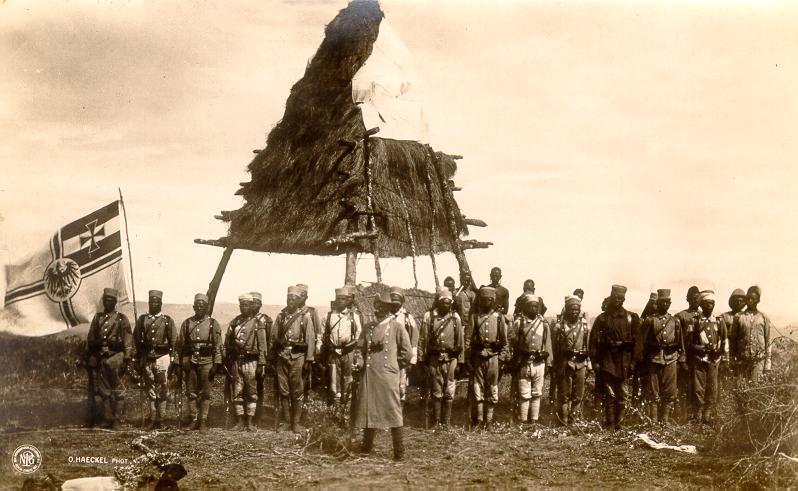
The Maji Maji movement united communities against German colonial rule. Taxation, coerced labour and agricultural demands helped provoke resistance. German-led forces used scorched-earth warfare, leaving hunger and social devastation beyond the fighting itself.
Background
Coercion and mobilisation
Colonial taxation pushed people into labour and movement towards plantation districts. Kinjikitile Ngwale's spiritual message and maji medicine helped mobilise resistance across linguistic and political boundaries.[1]
Cotton, taxes and the household economy
Compulsory demands on labour and crops changed how families used their time and land. Resistance brought together communities with different interests rather than a single pre-existing national army. The maji message supplied a unifying spiritual language, while the underlying conflict concerned colonial interference in daily survival.[1]
What happened
- July 1905
Resistance spreads
Attacks began against representatives of the colonial order and spread through the colony's south. The movement brought together communities with different languages and traditions.[1]
- 1905–1906
Scorched earth
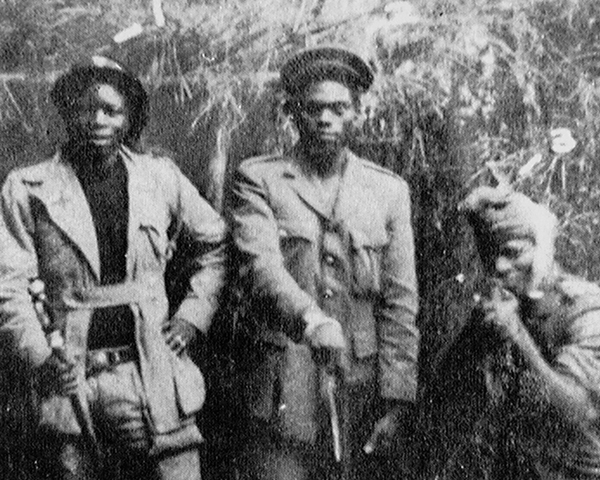
German-led forces destroyed settlements and fields. The destruction targeted people's means of survival; African soldiers and auxiliaries also served in the colonial force.[1]
- 1907–1908
A prolonged aftermath
The war is commonly dated 1905–07, while the German Historical Museum records continuing operations into 1908. Hunger and displacement make the consequences wider than battlefield casualties.[2]
Impact & evidence
Estimated human loss
The German Historical Museum considers approximately 180,000 African deaths likely. Its estimate includes the catastrophe associated with colonial warfare and hunger, rather than only people killed in combat.[1]
Looted objects and military records
The Humboldt Lab Tanzania project examines objects taken during colonial warfare. Such collections connect military repression to the removal of cultural material into European museums.[2]
Aftermath & legacy
A history of collective resistance
The uprising's cross-community organisation is as important as its defeat. Its history includes political choices and solidarity, not merely the colonial stereotype of fighters misled by supernatural beliefs.[1]
Famine as a consequence of warfare
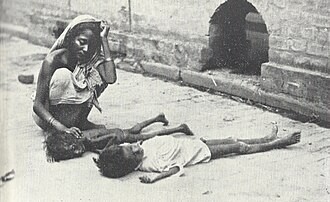
Destroying fields and settlements undermined the food supply of combatants and non-combatants together. Death continued after particular battles ended, which is why a battlefield count would drastically understate the disaster. Hunger, flight and the loss of productive resources were part of the colonial campaign’s consequences.[1]
Sources & image credits (2)
Otto Haeckel; Deutsches Historisches Museum, Berlin, F 66/69. Image source ↗