Texas City industrial disaster
A shipboard ammonium nitrate fire escalating into explosions that devastated a port and killed hundreds.
- When
- 16–17 April 1947
- Where
- Texas City, United States
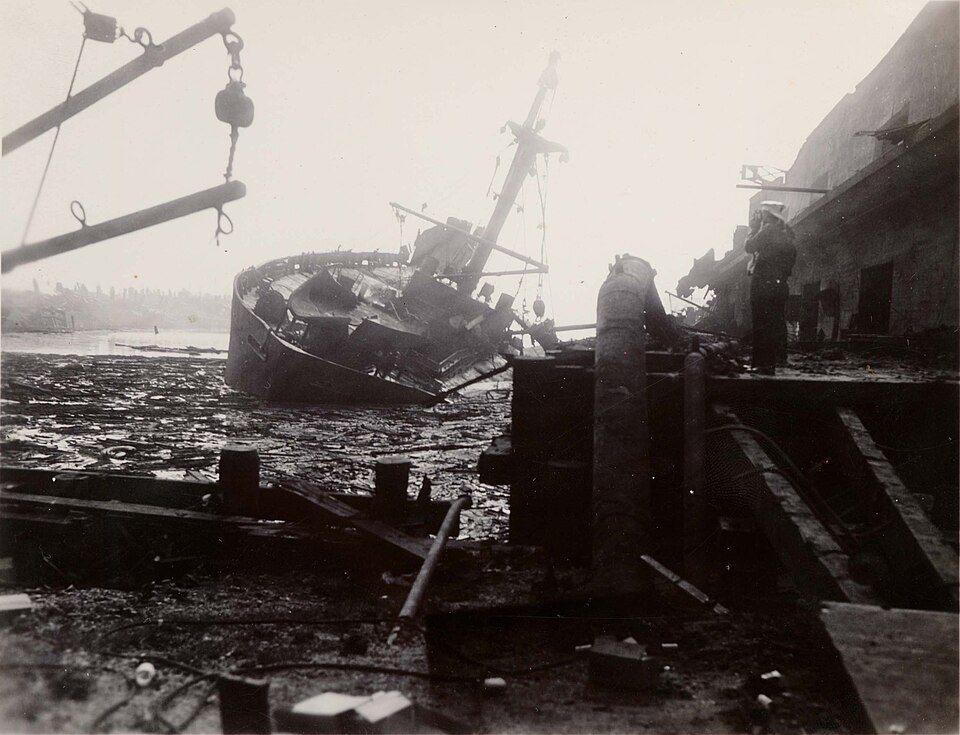
A shipboard ammonium nitrate fire escalating into explosions that devastated a port and killed hundreds. The cargo ship Grandcamp carried ammonium nitrate fertiliser at Texas City. The surrounding port contained ships, warehouses and industrial facilities.
Background
Fertiliser in a crowded industrial port
The cargo ship Grandcamp carried ammonium nitrate fertiliser at Texas City. The surrounding port contained ships, warehouses and industrial facilities. The material's usefulness in agriculture did not remove its potential to explode under dangerous conditions, especially when heated in a confined space.[1]
What happened
- 16 April 1947
Fire aboard Grandcamp
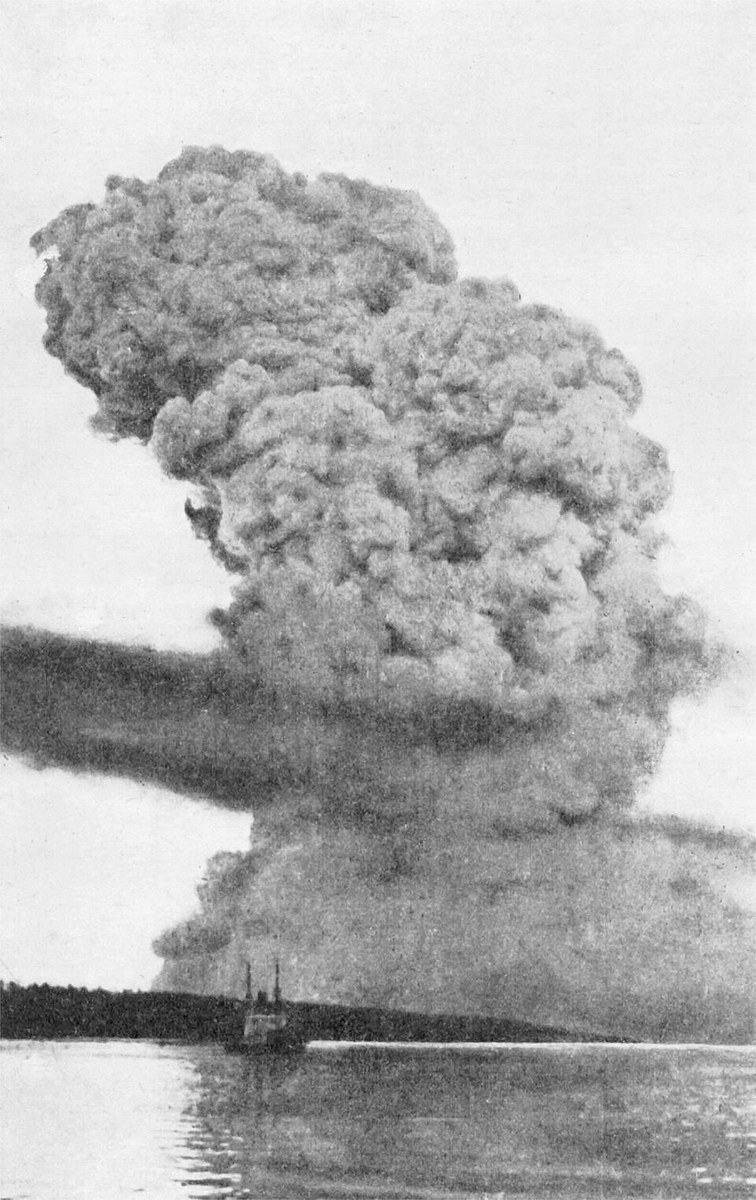
Smoke drew firefighters and onlookers to the ship. Attempts to contain the fire failed to prevent a massive explosion. The blast destroyed nearby structures, threw debris over a wide area and killed many responders who had been closest to the vessel.[1]
- 16–17 April
A second explosion
Fires spread to neighbouring facilities and the vessel High Flyer, which also carried hazardous cargo. Its later explosion compounded the destruction. Damaged infrastructure and continuing fire made rescue and medical treatment hazardous and difficult.[1]
Impact & evidence
A commonly cited toll of 581
Historical accounts often give 581 deaths, including missing people presumed dead. Not all victims could be identified, so the total is an estimate rather than a complete named register. Thousands were injured and substantial parts of the community required rebuilding.[2]
Aftermath & legacy
Storage and emergency planning
The disaster became a major reference for hazardous-cargo regulation and industrial emergency response. Its sequence shows why firefighters and nearby residents need accurate information about stored chemicals. Treating a shipboard fire as an isolated problem can be disastrous when neighbouring cargo and facilities create a chain reaction.[1]
Sources & image credits (2)
University of Houston Libraries Special Collections; original photographer unidentified. · Public domain (source record). Resized for display. Image source ↗