Bhopal gas disaster
A toxic gas release exposing hundreds of thousands of residents and leaving a contested legacy of deaths, illness and compensation.
- When
- 2–3 December 1984; prolonged aftermath
- Where
- Bhopal, India
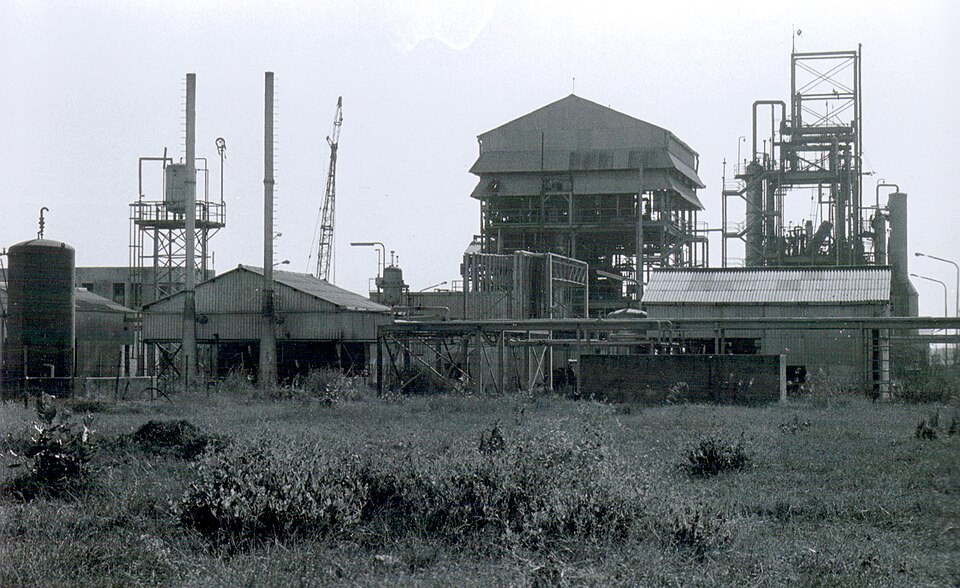
A toxic gas release exposing hundreds of thousands of residents and leaving a contested legacy of deaths, illness and compensation. Union Carbide India Limited operated a pesticide factory near densely inhabited neighbourhoods. The plant stored methyl isocyanate, a highly reactive chemical.
Background
A hazardous plant beside communities
Union Carbide India Limited operated a pesticide factory near densely inhabited neighbourhoods. The plant stored methyl isocyanate, a highly reactive chemical. Safety depended on equipment, maintenance, operating procedures and emergency planning working together; surrounding residents had limited protection if containment failed.[1]
What happened
- Night of 2–3 December 1984
Gas escapes
A runaway reaction in a storage tank released toxic gas over nearby communities. People awoke with burning eyes and breathing difficulties and fled without clear information about the chemical or safe routes. Hospitals confronted large numbers of patients with little immediate guidance.[1]
- Following years
Illness and legal proceedings
Survivors experienced respiratory, eye and other health problems. A 1989 settlement provided US$470 million, while disputes continued over adequacy, liability and medical care. Criminal proceedings and demands for environmental remediation formed separate parts of the long aftermath.[1]
Impact & evidence
Immediate and later mortality
The state relief department records compensation for 3,787 deaths. Broader estimates including later illness often reach 15,000–20,000 or more. These figures use different definitions and evidence; a compensation register is not a complete epidemiological measurement of every premature death linked to exposure.[2]
Aftermath & legacy
Accountability over generations
Survivor organisations continued seeking treatment, compensation and cleanup. The disaster exposed how industrial risks can fall heavily on people with little influence over plant operations. Its history extends beyond the night of the leak to the institutions responsible for recognition, remedy and prevention.[1]
Sources & image credits (2)
Bhopal Medical Appeal, Martin Stott · CC BY-SA 2.0 (source record). Resized for display. Image source ↗