Halifax explosion
A collision involving an explosives-laden ship devastating harbour communities and killing approximately 2,000 people.
- When
- 6 December 1917
- Where
- Halifax and Dartmouth, Canada
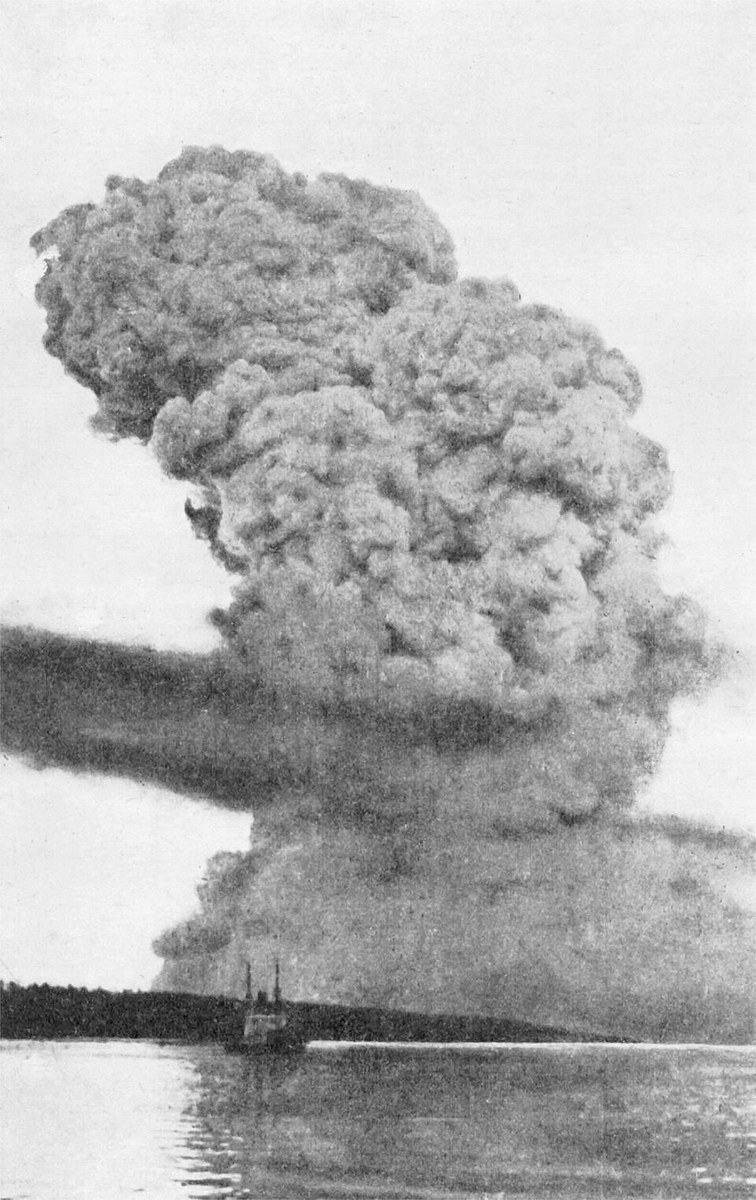
A collision involving an explosives-laden ship devastating harbour communities and killing approximately 2,000 people. Halifax served as an important port during the First World War. Ships carrying military supplies shared confined waters with other traffic.
Background
A busy wartime harbour
Halifax served as an important port during the First World War. Ships carrying military supplies shared confined waters with other traffic. The French vessel Mont-Blanc carried a dangerous cargo of explosives, creating an exceptional hazard if a collision led to fire.[1]
What happened
- 6 December 1917
Collision and fire
Mont-Blanc collided with the Norwegian ship Imo in the harbour. Fire spread aboard the explosives ship. People gathered to watch without understanding the danger, while efforts to warn and move others unfolded in the short interval before detonation.[1]
- Minutes later
The blast reaches the city
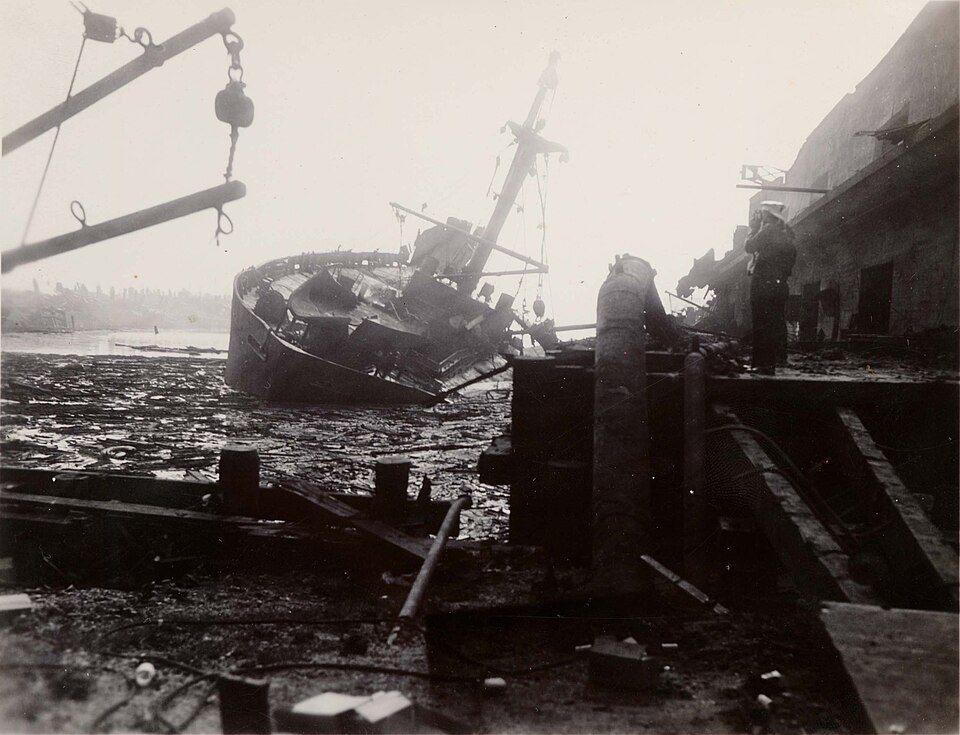
The explosion devastated the Richmond district and damaged communities across the harbour. Buildings collapsed, fires spread and flying glass caused severe injuries, including blindness. A wave generated by the blast added destruction along the waterfront.[1]
Impact & evidence
An evolving record of victims
The commonly cited total is about 2,000 killed, with roughly 9,000 injured. Named-victim registers and broader estimates do not always match. The toll includes people killed through blast, debris, fire and collapsing structures rather than only those aboard the ships.[2]
Aftermath & legacy
Relief, rebuilding and unequal recovery
Medical and material aid arrived from across Canada and the United States, including Boston. A snowstorm complicated the response. Reconstruction and compensation extended over years, and affected communities did not experience recovery equally. The disaster became a lasting part of the region's public memory and emergency-planning history.[1]
Sources & image credits (3)
- Wikipedia — Halifax Explosion ↗
- Nova Scotia — Halifax explosion and relief ↗
- Nova Scotia Museum — Vincent Coleman and the explosion ↗
Photographer unidentified · Public domain (source record). Resized for display. Image source ↗