Sexual violence against Tamils in Sri Lanka
Sexual violence used against Tamil detainees, with consequences extending beyond the war.
- When
- Civil war and post-war period
- Where
- Sri Lanka
Sexual violence used against Tamil detainees, with consequences extending beyond the war.
Background
Abuse in detention
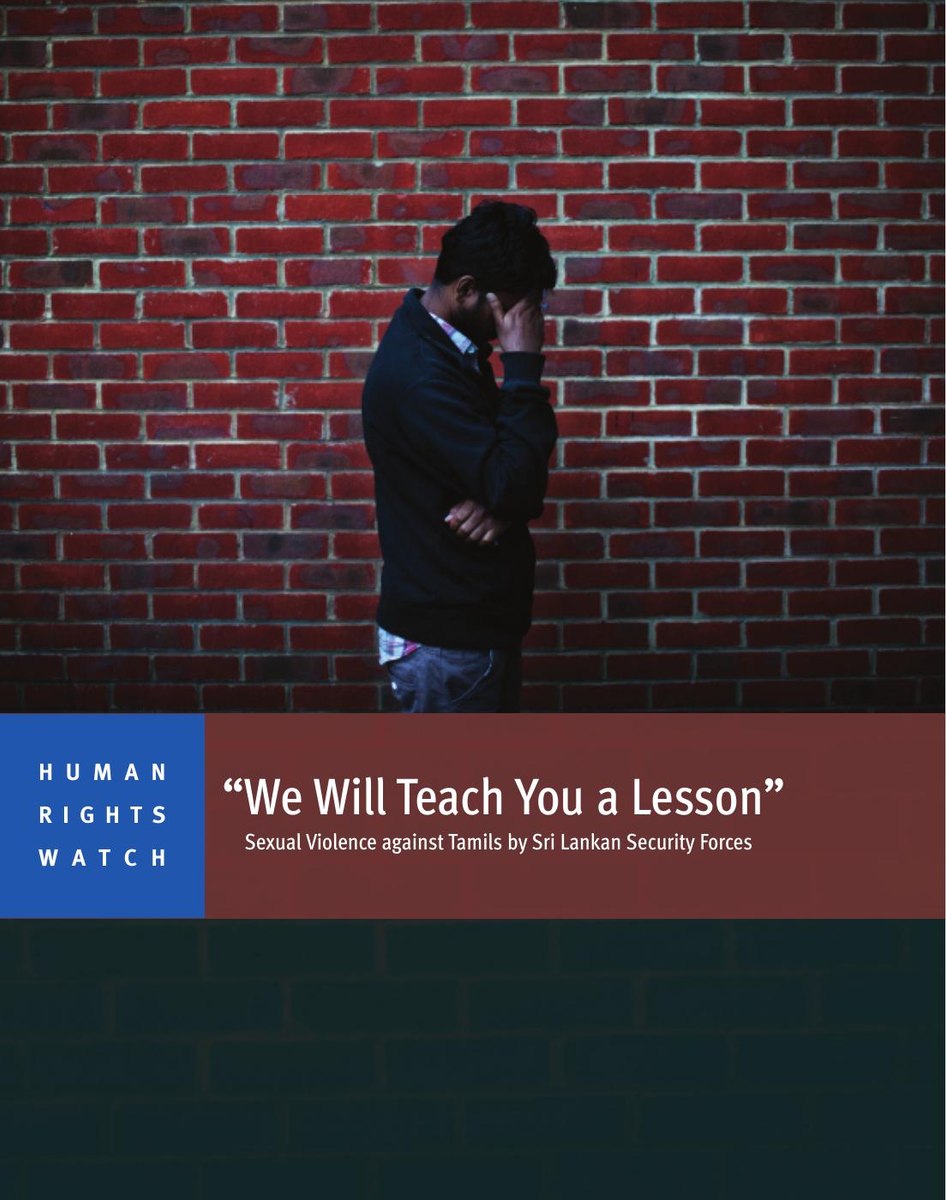
Human Rights Watch investigated rape and other sexual violence against Tamil women and men detained on suspicion of LTTE links. Accounts described interrogation, coerced confessions and humiliation in both official and secret facilities. Sexual violence was accompanied by other forms of torture.[2]
What happened
- 2006–2012
Survivors documented a pattern
The organisation’s 2013 report detailed 75 cases, drawing on interviews and corroborating medical or legal material. This was a selected documented sample, not a total of all victims or a statistical prevalence survey. Barriers to research and fear of disclosure limited what could be established.[2]
Impact & evidence
A wider UN assessment
OHCHR’s later report examined conflict-related sexual violence and persistent obstacles to accountability. It identified a deliberate, widespread and systemic pattern of violations by security forces that could amount to war crimes and crimes against humanity.[3]
Aftermath & legacy
Survivors beyond the evidence file
Survivors described physical injury, trauma, stigma and prolonged mistrust of institutions. Threats and fear of disclosure obstructed complaints and medical care. OHCHR called for survivor-centred responses, protection and accountability; assistance and reparations are needed alongside investigation of the perpetrators.[3]
Sources & image credits (3)
- Wikipedia — Sexual violence against Tamils in Sri Lanka ↗
- Human Rights Watch: Rape of Tamil detainees, 2013 ↗
- OHCHR: Conflict-related sexual violence in Sri Lanka, 2026 ↗
Human Rights Watch; cover design Rafael Jimenez · Source document; rights retained by its publisher Image source ↗