Seveso chemical release
A chemical-plant accident contaminated nearby communities with dioxin and changed industrial-risk regulation.
- When
- 10 July 1976 and long-term aftermath
- Where
- Seveso area, Lombardy, Italy
A chemical-plant accident contaminated nearby communities with dioxin and changed industrial-risk regulation.
Background
Hazardous production near inhabited areas
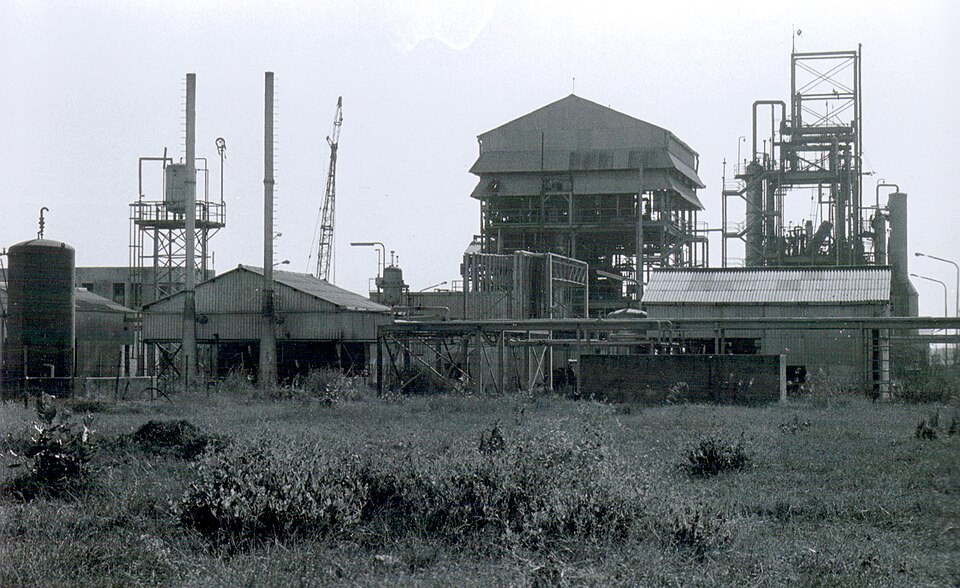
The ICMESA plant operated near residential communities. An uncontrolled reaction released a cloud containing TCDD, a highly toxic dioxin. Residents' exposure depended on where the cloud travelled and how contamination entered their surroundings.[2]
What happened
- July 1976
Contamination required evacuation and restrictions
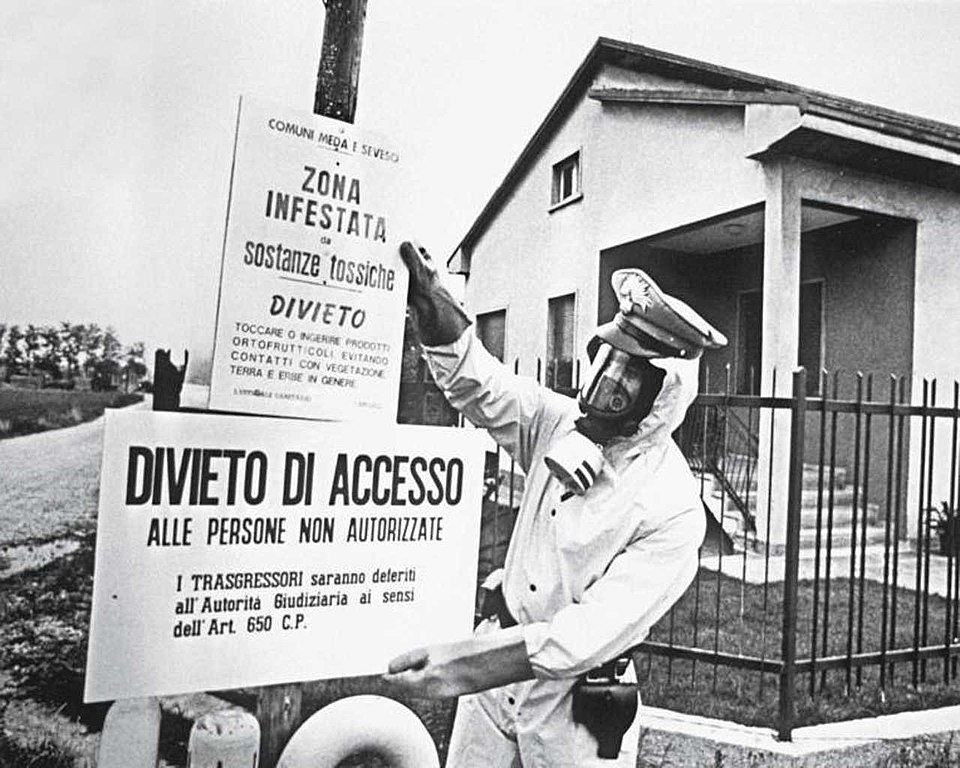
Authorities established contaminated zones and removed residents from the most affected area. Animals died or were slaughtered, and contaminated soil and buildings required intervention. The consequences reached beyond the plant workforce into everyday domestic life.[2]
Impact & evidence
No immediate human death toll, but lasting concern
Chloracne was a prominent early effect, and exposed populations became the subject of long-term health studies. The absence of immediate deaths did not mean absence of harm. Long-term studies examined specific diseases and exposure groups rather than producing a single accepted disaster death toll.[2]
Aftermath & legacy
A name attached to prevention
The disaster helped give its name to European major-accident legislation. Requirements concerning hazardous substances, prevention, emergency planning and public information reflected the danger of treating industrial boundaries as the boundaries of risk.[3]
Exposure left a long research record
Researchers followed exposed residents over decades, examining outcomes in relation to contamination levels and measured exposure. Such studies distinguish particular diseases, sex and age groups, and lengths of follow-up. The record is consequently more informative than a simple division between people immediately injured and everyone else considered unaffected.[2]
Sources & image credits (3)
- Wikipedia — Seveso disaster ↗
- Seveso health-research review ↗
- French environment ministry: Seveso and major-risk law ↗
Unknown author Unknown author · Public domain Image source ↗