Save the Children founding and postwar child relief
Eglantyne Jebb and Dorothy Buxton founded a movement to help children suffering after the First World War, including those in former enemy countries.
- When
- 1919 onward
- Where
- London and international relief networks
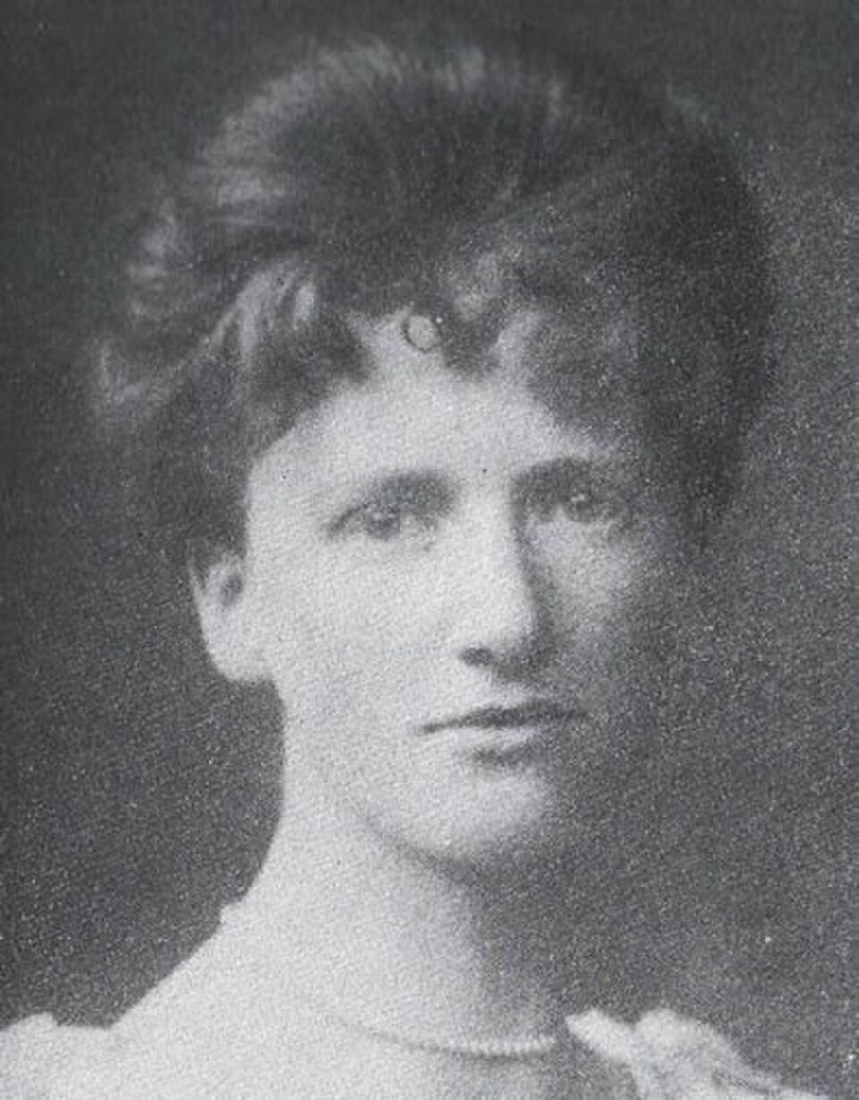
Eglantyne Jebb and Dorothy Buxton founded a movement to help children suffering after the First World War, including those in former enemy countries.
Background
Hunger after the armistice
The sisters campaigned against the suffering of children in post-war Europe. Their criticism of the continuing blockade challenged the idea that a child's claim to relief should depend on the side their country had taken in the war.[2]
What happened
- 1919
From protest to organised relief
The Save the Children Fund launched publicly in London in May 1919. Fundraising supported food and other assistance across borders, joining campaigning with practical relief.[2]
- 1924
Children's rights
Jebb's declaration on children's rights was adopted by the League of Nations. It helped articulate duties toward children beyond discretionary charity, although later binding rights instruments developed through further negotiations.[3]
Impact & evidence
Responding to famine
The organisation's history records a shipment of more than 600 tonnes of aid to Russia. Such institutional accounts document operations but should not be treated as independent proof of every later claim about impact.[2]
Aftermath & legacy
A lasting organisation
The movement expanded into a network of national organisations. Its founding history remains significant for combining relief across former wartime divisions with advocacy for children's rights.[3]
Sources & image credits (3)
- Wikipedia — Save the Children ↗
- Save the Children UK: our history ↗
- Save the Children: historical timeline ↗
Unknown author Image source ↗