The first Geneva Convention
Establishing treaty protections for wounded soldiers and medical assistance.
- When
- 1864
- Where
- Geneva, Switzerland
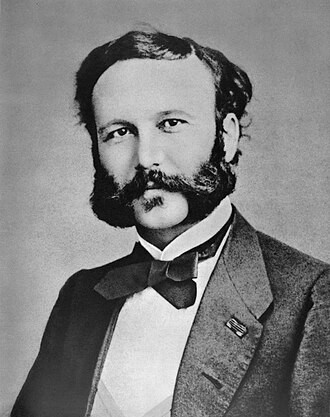
The first Geneva Convention translated a campaign for battlefield relief into international treaty rules. It addressed wounded soldiers and those caring for them, becoming a foundation for later humanitarian law.
Background
From battlefield to proposal
Henry Dunant's experience of wounded soldiers helped inspire proposals for relief societies and international protection for medical care.[1]
What happened
Impact & evidence
Care was not to depend on allegiance
The 1864 convention required care for wounded soldiers and protection for medical personnel and facilities within its scope. Twelve states signed the original agreement. Converting relief into treaty obligations challenged the idea that aid was simply a favour given to one’s own side. Later revisions and conventions expanded the framework substantially; the original document contained only ten articles.[2]
Aftermath & legacy
A developing body of law
Later conventions expanded and revised these protections. The 1864 agreement was limited in scope and should not be confused with all of the protections contained in the 1949 conventions.[1]
Sources & image credits (2)
Frédéric Boissonnas; Public domain; via Wikimedia Commons. Image source ↗