The spread of oral rehydration therapy
Making lifesaving rehydration more accessible during diarrhoeal illness.
- When
- 1970s–1980s
- Where
- Worldwide
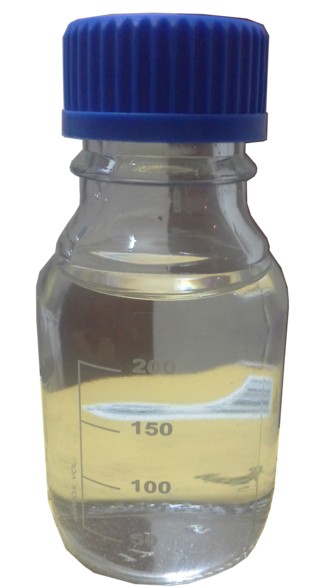
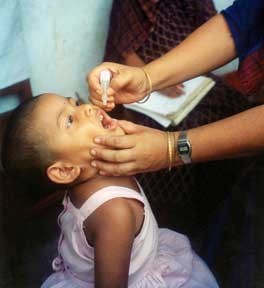
Oral rehydration therapy became a central tool against deaths from diarrhoeal dehydration. Its spread connected clinical knowledge with an approach that could reach communities where hospital treatment was difficult to obtain.
Background
Why replacing fluid mattered
Severe diarrhoea can cause dangerous losses of water and salts. Oral rehydration research showed that these losses could often be treated through a carefully formulated solution, making effective care possible beyond hospitals equipped for intravenous treatment. Its importance lay in reaching families and crowded emergency settings where delay or lack of equipment could be fatal.[2]
What happened
Impact & evidence
Programme milestone
WHO's historical account records the programme as a major step in reducing deaths from diarrhoeal illness.[1]
Aftermath & legacy
A delivery system as well as a treatment
Programmes had to make supplies available, train health workers and communicate when further care was needed. The practical work of distribution and education connected a physiological discovery with reductions in childhood mortality. Rehydration addressed the immediate danger of fluid loss while clean water, sanitation and access to care remained essential.[1]
Sources & image credits (2)
Sachinthonakkara; CC0; via Wikimedia Commons. Image source ↗