The eradication of smallpox
Eliminating a human infectious disease through an international public-health campaign.
- When
- 1967–1980
- Where
- Worldwide
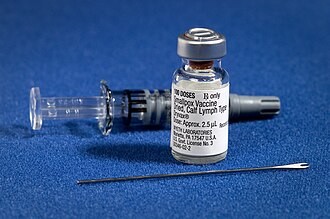
Smallpox eradication combined vaccination with finding cases and interrupting transmission. Health workers, national programmes and international coordination ended naturally occurring smallpox, a disease that had killed and disfigured people for centuries.
Background
Beyond vaccine supply
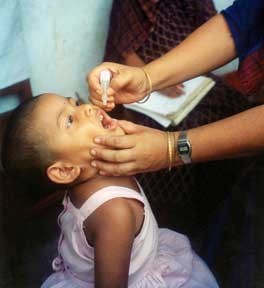
A vaccine existed long before eradication. Reaching affected communities and responding rapidly to outbreaks were organisational challenges as well as medical ones.[1]
What happened
Impact & evidence
Finding the remaining chains of infection
Vaccination was combined with active surveillance: teams sought cases, investigated contacts and contained outbreaks. This became especially important as the remaining infections grew harder to find. The last known naturally occurring case was recorded in Somalia in 1977; certification followed after further investigation. The declaration in 1980 therefore recognised a checked interruption of transmission, rather than simply a large number of vaccinations.[2]
Aftermath & legacy
A lasting public-health lesson
The achievement demonstrated that coordinated action could interrupt a disease's transmission globally. Its methods influenced later campaigns, although other infections present different biological and practical obstacles.[1]
Sources & image credits (2)
Photo Credit: James Gathany Content Providers(s): CDC; Public domain; via Wikimedia Commons. Image source ↗