Genocide against the Tutsi in Rwanda
An organised campaign that murdered Tutsi people and others who opposed extremist rule.
- When
- April–July 1994
- Where
- Rwanda
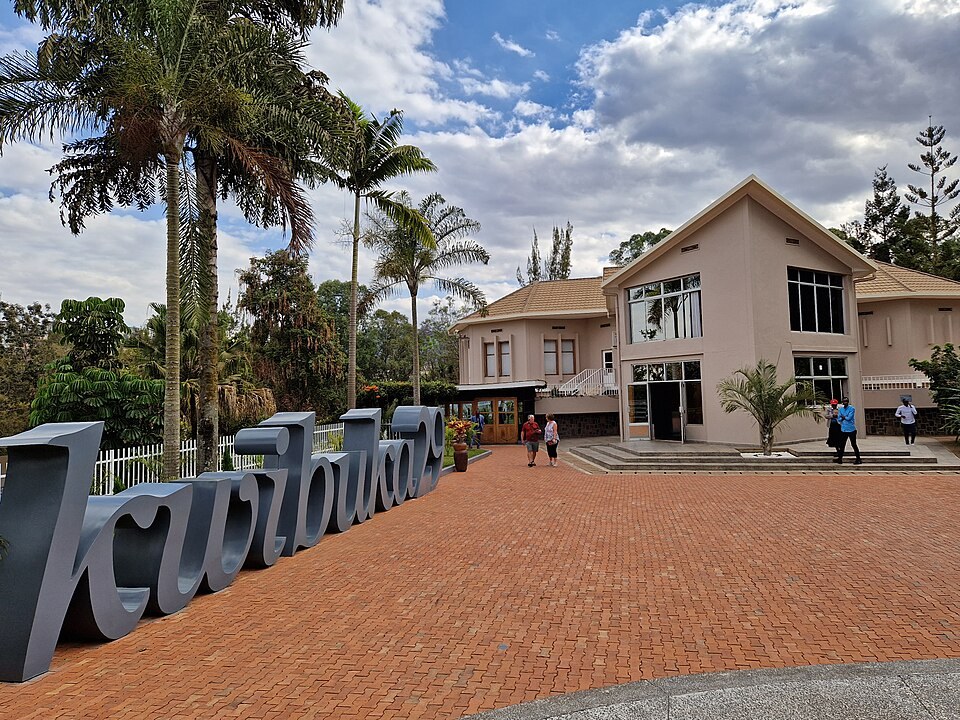
An organised campaign that murdered Tutsi people and others who opposed extremist rule. Colonial classifications and later discriminatory politics shaped Rwanda's ethnic divisions, but genocide was not an inevitable expression of ancient hostility. During civil war, extremist political leaders and media promoted fear and hatred of Tutsi people.
Background
Civil war and political mobilisation
Colonial classifications and later discriminatory politics shaped Rwanda's ethnic divisions, but genocide was not an inevitable expression of ancient hostility. During civil war, extremist political leaders and media promoted fear and hatred of Tutsi people. The Arusha peace process faced determined opponents, and a United Nations mission had limited capacity to protect civilians.[1]
What happened
- April 1994
Killing spreads after the presidential plane crash
After President Juvénal Habyarimana's aircraft was shot down on 6 April, extremists killed political opponents and began systematic attacks on Tutsi civilians. Roadblocks, identity checks and local administrative networks helped identify victims. Participation was organised and encouraged; people were also killed for refusing to join or for sheltering those being targeted.[1]
- April–July 1994
Mass murder amid international failure
Militias, soldiers and civilians attacked homes, churches and other places of refuge. Sexual violence was widespread. International actors failed to stop the campaign, while the Rwandan Patriotic Front advanced militarily. Its victory brought the genocide to an end but also accompanied a wider regional crisis and mass displacement.[1]
Impact & evidence
Hundreds of thousands murdered
UN accounts commonly describe approximately 800,000 deaths, with some giving up to one million. Scholarly demographic estimates vary and often distinguish Tutsi victims from other people killed during the same period. Death counts, rape estimates and refugee numbers measure different harms and must not be added together as one total.[2]
Aftermath & legacy
Justice and a damaged social fabric
The international tribunal, Rwandan courts and gacaca proceedings pursued accountability on different scales. Survivors also faced bereavement, injury, property loss and the challenge of living alongside former perpetrators. Trials established responsibility for specific crimes, but legal convictions alone could not repair the destruction of families and communities.[1]
Sources & image credits (3)
- Wikipedia — Rwandan genocide ↗
- United Nations — Historical background to the genocide ↗
- United Nations — Genocide aftermath and accountability ↗
Hanay · CC BY-SA 3.0 (source record). Resized for display. Image source ↗