Repartimiento labour in New Spain
Indigenous communities compelled to supply rotating workers to colonial employers.
- When
- 16th–17th centuries
- Where
- Colonial Mexico
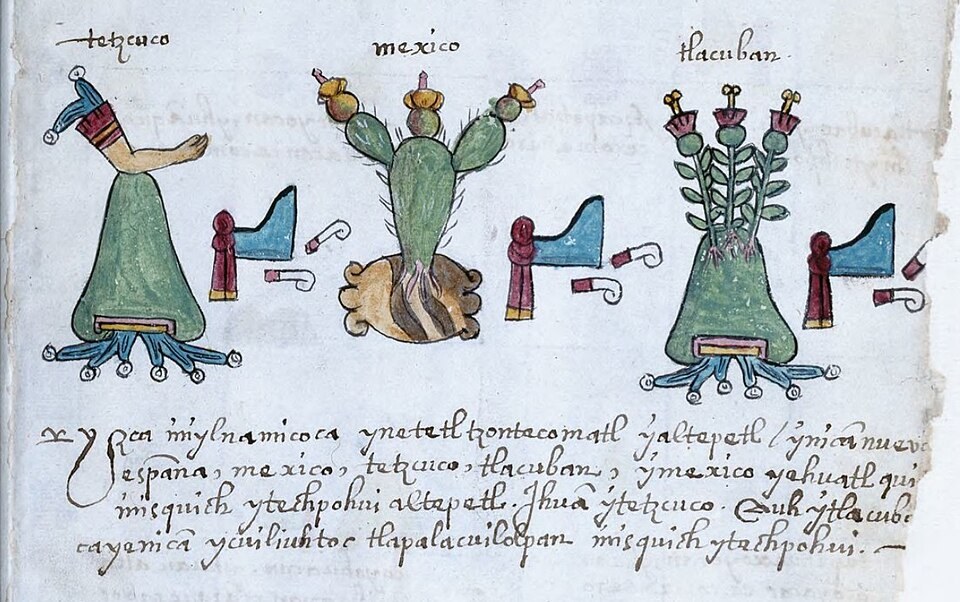
Indigenous communities compelled to supply rotating workers to colonial employers. As the Crown restricted some forms of encomienda labour, colonial employers still demanded workers for agriculture, mining and construction. Repartimiento allocated workers through officials rather than simply allowing one encomendero to command a community.
Background
Labour under official allocation
As the Crown restricted some forms of encomienda labour, colonial employers still demanded workers for agriculture, mining and construction. Repartimiento allocated workers through officials rather than simply allowing one encomendero to command a community. Its nominal wages and regulated rotations did not make participation voluntary.[1]
What happened
- 16th century
Communities supply quotas
Officials ordered communities to provide a proportion of eligible men for defined tasks or periods. Community leaders had to fulfil demands while preserving farming and household livelihoods at home. Travelling to work and supporting absent relatives increased the burden beyond the time recorded in official labour schedules.[1]
- 17th century
Restriction and continuation
Royal measures reduced repartimiento in some sectors, but mining and regional exceptions complicated the picture. Employers also used debt, wage recruitment and other mechanisms to obtain labour. Institutional change therefore did not necessarily mean that workers gained effective freedom to choose their employment.[1]
Impact & evidence
Read rules alongside practice
The system was justified through limits, wages and official supervision. Evidence of pressure and abuse shows why these safeguards cannot be taken at face value. Its consequences included interference with local production and household stability, even where a particular employer complied with some formal requirements.[2]
Aftermath & legacy
A distinct mechanism within colonial extraction
Repartimiento should be distinguished from both encomienda tribute rights and the Andean mining mita, while recognising their connections. These distinctions reveal how colonial administrations changed the legal form of labour procurement without abandoning the demand that Indigenous communities supply it.[1]
Sources & image credits (2)
Codex Osuna, 1565; manuscript artists not identified in the source record. · Public domain (source record). Resized for display. Image source ↗