Rape and murder of Krishanthi Kumaraswamy
The rape and murder of a Tamil schoolgirl and the killing of relatives searching for her.
- When
- 7 September 1996
- Where
- Jaffna, Sri Lanka
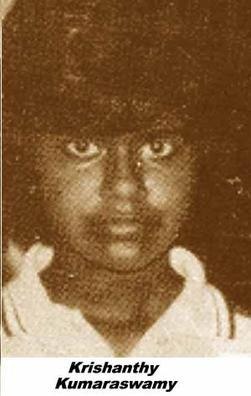
The rape and murder of a Tamil schoolgirl and the killing of relatives searching for her.
Background
A checkpoint on the journey home
Krishanthi Kumaraswamy was a school student living under military control in Jaffna. On 7 September 1996 she was stopped at a checkpoint while returning from school. Her detention placed her at the mercy of armed personnel.[1]
What happened
- September 1996
A family’s search ended in further killings
Krishanthi was raped and murdered. Her mother, younger brother and a neighbour, who went to look for her, were also killed. The case therefore involved four victims, not solely the young woman whose name became publicly associated with it.[1]
Impact & evidence
An unusual prosecution
The case resulted in convictions, an exception within Amnesty’s wider account of impunity for grave abuses. It became an important example of the possibility of prosecution, while also exposing how rare such outcomes were.[2]
Aftermath & legacy
Connections to Chemmani
Statements during the proceedings drew attention to alleged burials of other disappeared people at Chemmani. The Krishanthi judgment did not determine all the subsequent allegations concerning Chemmani. Her case remains a focal point for campaigns against sexual violence and military impunity.[1]
Sources & image credits (2)
Tamil Guardian; photographer not identified in the article · Copyright retained by the rights holder Image source ↗