The first polio vaccine rollout
Bringing an effective vaccine against paralytic polio into widespread use.
- When
- 1954–1955
- Where
- United States; later worldwide
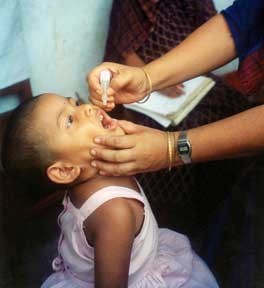
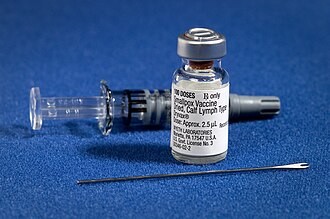
The Salk vaccine emerged from large field trials and was introduced in 1955. It offered a means of preventing a disease associated with paralysis and recurring epidemics, while the rollout also exposed the importance of rigorous manufacturing oversight.
Background
Fear of epidemics
Polio outbreaks placed children and families at risk of lasting disability. Vaccine development required both laboratory research and organised public participation.[1]
What happened
Impact & evidence
Testing before mass use
The 1954 field trial involved approximately 1.8 million children in the United States, Canada and Finland. Its findings preceded the announcement of the Salk vaccine’s effectiveness on 12 April 1955. Turning that result into prevention required manufacturing, safety controls and repeated vaccination programmes. The later oral vaccine offered another tool; neither milestone meant that polio disappeared everywhere at once.[1]
Aftermath & legacy
Prevention and surveillance
Vaccination greatly reduced polio, but safe production and continuing surveillance were essential. This milestone was a beginning of control, not the worldwide eradication of the disease.[1]
Sources & image credits (2)
USAID; Public domain; via Wikimedia Commons. Image source ↗