The Human Genome Project
Producing a shared reference sequence of the human genome.
- When
- 1990–2003
- Where
- International collaboration
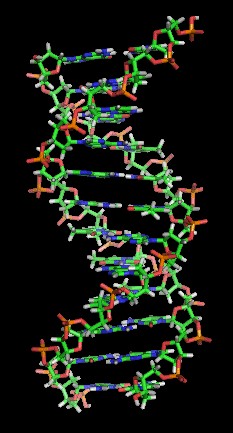
An international research collaboration mapped and sequenced human DNA, making its results widely available. The 2003 reference was a landmark, but did not include every stretch of the genome or represent all human genetic variation.
Background
A vast sequencing task
The project combined laboratory sequencing, computing and cooperation between research centres. Its goals included technology development as well as a human reference sequence.[1]
What happened
Impact & evidence
What “complete” meant in 2003
The project’s finished sequence covered about 92% of the human genome and still contained gaps in regions that were particularly difficult to read. A much more complete sequence followed in 2022. The reference was assembled from several donors, with most of it derived from one person; it was never a catalogue of every human genetic variation. These limits matter when describing what the project achieved.[1]
Aftermath & legacy
A shared research foundation
Rapid release of sequence data encouraged collaboration. Later work improved completeness and representation, so the 2003 achievement should not be described as the final account of human DNA.[1]
Sharing the sequence
Rapid public release of sequence data allowed laboratories beyond the original consortium to use the work. Alongside sequencing, the project supported research into ethical, legal and social questions, including privacy and discrimination. Its legacy includes shared research infrastructure as well as a biological reference.[1]
Sources & image credits (1)
U.S. Department of Energy, Human Genome Project; Public domain; via Wikimedia Commons. Image source ↗