Discovery of oxygen and the chemical revolution
Experiments with gases overturning an influential explanation of combustion.
- When
- 1770s–1780s
- Where
- Sweden, Britain and France
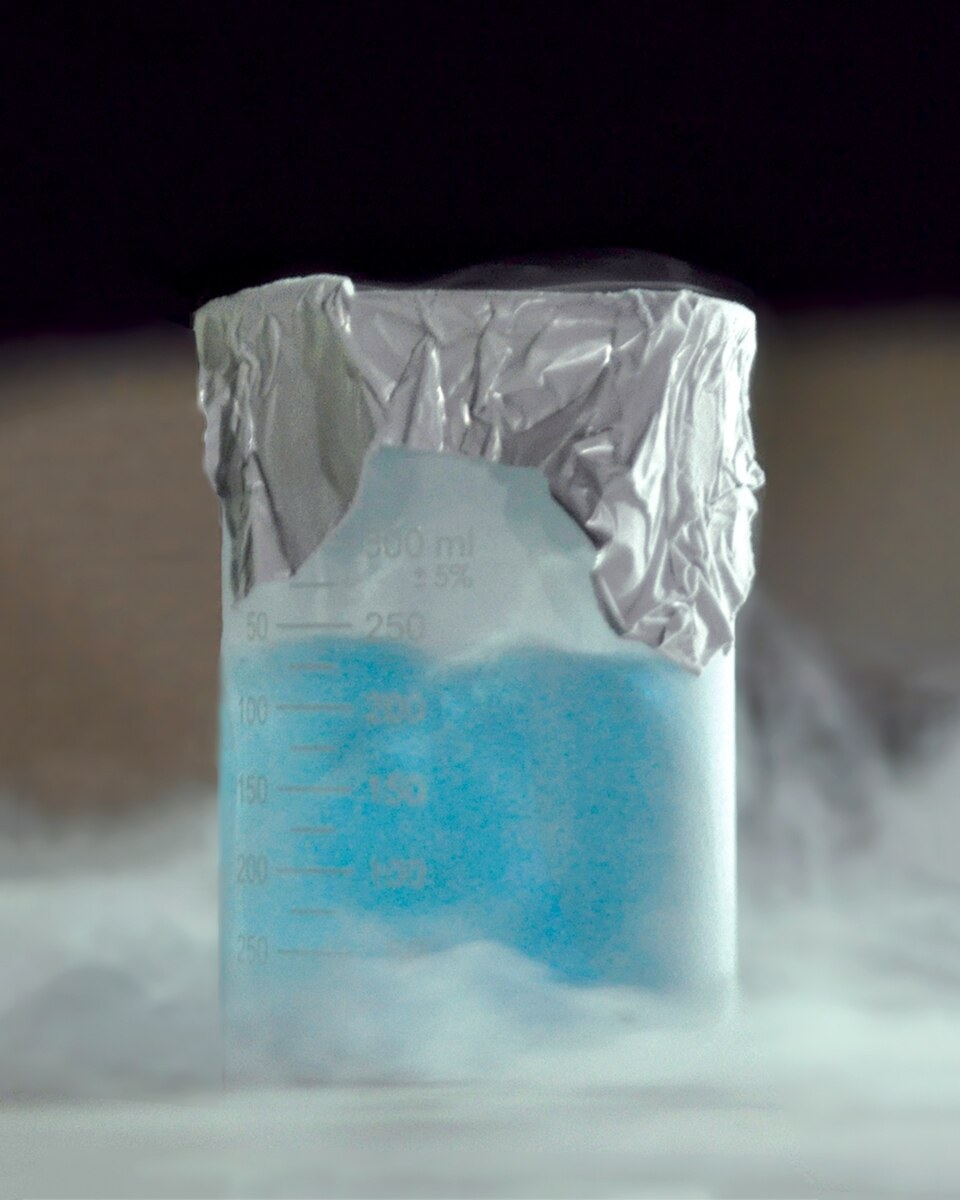
Experiments with gases overturning an influential explanation of combustion. Chemists investigating burning and respiration worked within theories that differed sharply from modern chemistry. The phlogiston theory explained combustion through the release of a substance from burning material.
Background
Air was not yet understood as a mixture
Chemists investigating burning and respiration worked within theories that differed sharply from modern chemistry. The phlogiston theory explained combustion through the release of a substance from burning material. Experiments with distinct gases challenged the assumption that ordinary air was one uniform element.[1]
What happened
- 1770s
A gas isolated more than once
Carl Wilhelm Scheele and Joseph Priestley independently produced the gas later called oxygen. Priestley's 1774 work demonstrated properties including its ability to support burning particularly strongly. Identifying who first prepared, published or correctly interpreted a substance involves different questions, which is why a single-discoverer story is inadequate.[1]
- 1770s–1780s
Lavoisier changes the explanation
Antoine Lavoisier used quantitative experiments to connect combustion with combination involving oxygen rather than loss of phlogiston. This interpretation helped reorganise chemical language and the understanding of reactions. Experimental results did not automatically carry their modern meaning; the conceptual change was part of the discovery.[1]
Impact & evidence
Measurement matters
Weighing reactants and products made it possible to test competing explanations. The new framework also reshaped accounts of respiration and the composition of water. Some of Lavoisier's associated assumptions were later corrected, illustrating that a transformative theory can still contain errors.[2]
Aftermath & legacy
Discovery as a shared process
The oxygen story links preparation, observation, interpretation and communication across several researchers. Giving each contribution its place makes the breakthrough more understandable than choosing one person and ignoring the others. It also explains why disagreement persisted even among scientists working with similar experimental evidence.[1]
Sources & image credits (2)
Staff Sgt. Nika Glover, U.S. Air Force · Public domain (source record). Resized for display. Image source ↗