Women's suffrage in New Zealand
Enfranchising women in national parliamentary elections.
- When
- 1893
- Where
- New Zealand
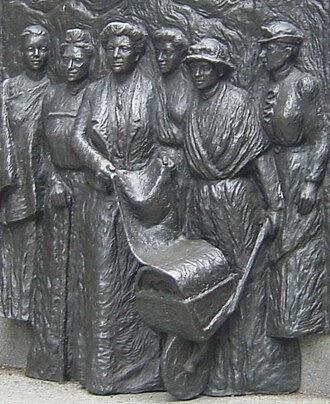
After years of organisation and petitions, New Zealand passed legislation giving women the parliamentary vote. It became the first self-governing country to extend that right to adult women, while political equality in other areas remained incomplete.
Background
A sustained campaign
Suffragists organised through local networks and gathered petitions. Earlier proposals had failed, making the successful law the outcome of repeated political effort.[1]
What happened
Impact & evidence
A campaign built through petitions
Organisers including Kate Sheppard used petitions and sustained political pressure to make women’s voting rights unavoidable. In 1893 the final legislative struggle was close: the upper house approved the bill by twenty votes to eighteen. Women gained the parliamentary vote that year, but did not gain the right to stand for Parliament until 1919. Voting eligibility also operated within citizenship rules that excluded some communities.[1]
Aftermath & legacy
A major but partial gain
Voting rights changed women's participation in public life. The right to stand for Parliament came later, showing why suffrage and full political equality should not be treated as identical.[1]
Sources & image credits (1)
Robert Cutts; CC BY 2.0; via Wikimedia Commons. Image source ↗