South Africa's first democratic election
Opening national voting to citizens of all races after apartheid.
- When
- 1994
- Where
- South Africa
South Africa's 1994 election followed decades of anti-apartheid struggle and negotiations over a new political order. Millions voted in a national election that ended the exclusion on which white-minority rule had depended.
Background
Negotiating a transition
The unbanning of liberation movements in 1990 opened a period of negotiations. The transition took place amid serious political violence and uncertainty.[1]
What happened
Impact & evidence
Votes changed the basis of authority
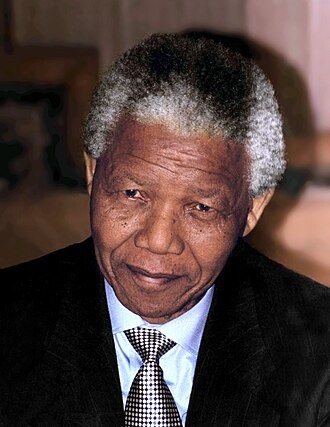
Millions of people voted in a national election from which they had previously been excluded by apartheid. The ANC won a clear majority, allowing Nelson Mandela to lead the new government. The transition established inclusive electoral legitimacy, while economic inequality and the consequences of racial dispossession remained. The election was a decisive change in political power, not the completion of every promise of liberation.[1]
Aftermath & legacy
Political equality and unfinished work
The election transformed citizenship and representation. It did not by itself remove the economic inequalities or social damage inherited from apartheid.[1]
Sources & image credits (1)
Kingkongphoto & www.celebrity-photos.com from Laurel; CC BY-SA 2.0; via Wikimedia Commons. Image source ↗