The Négritude movement
Black francophone writers challenging colonial cultural hierarchies through poetry and political thought.
- When
- From the 1930s
- Where
- Paris; Africa and the Caribbean
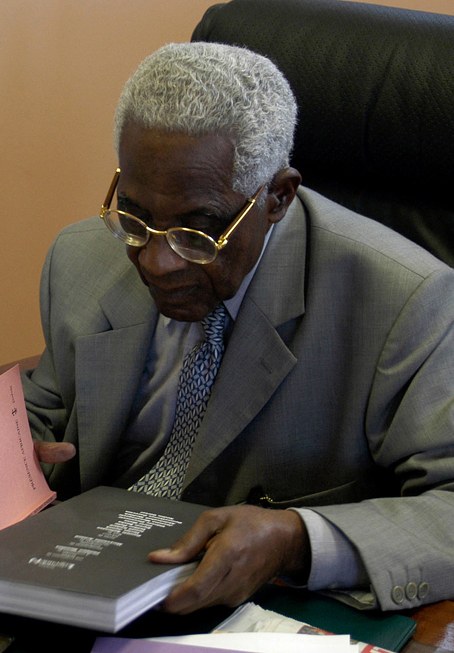
Black francophone writers challenging colonial cultural hierarchies through poetry and political thought. French colonial education often treated European culture as universal and African cultures as inferior. Black students and writers meeting in Paris challenged that hierarchy.
Background
Education under assimilation
French colonial education often treated European culture as universal and African cultures as inferior. Black students and writers meeting in Paris challenged that hierarchy. Their exchanges connected experiences from Africa, the Caribbean and the Americas, while revealing that those experiences were not identical.[1]
What happened
- 1930s
Networks and publications
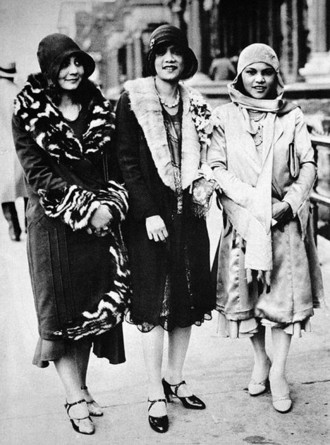
Aimé Césaire, Léopold Sédar Senghor and Léon-Gontran Damas became central figures. The work and intellectual networks of Paulette and Jane Nardal also helped create the conditions for the movement. Journals and discussion groups offered spaces for ideas that colonial institutions marginalised.[1]
- 1930s onward
A language of affirmation
Poetry and essays reclaimed Black identity and opposed the cultural assumptions of colonial rule. Césaire's writing, Damas's poetry and Senghor's interpretations gave Négritude different emphases. It could express resistance, cultural connection or a philosophical account of African values rather than one fixed political programme.[1]
Impact & evidence
Strength and limitation
Négritude challenged the claim that colonised people lacked history or cultural achievement. Critics also questioned whether descriptions of a shared Black essence reproduced racial categories or obscured differences of class, gender and place. Those disagreements became part of its intellectual history.[2]
Aftermath & legacy
Literature and decolonisation
The movement influenced debates about independence, cultural education and artistic expression. Some participants entered government, while others remained sharply critical of colonial power. Its importance lies in the arguments it opened about self-definition, not in the assumption that every Black writer accepted its framework.[1]
Sources & image credits (2)
Jean Baptiste Devaux · CC BY-SA 4.0 (source record). Resized for display. Image source ↗