The Harlem Renaissance
Making modern Black life a major subject and force in art and literature.
- When
- 1920s–1940s
- Where
- United States; transatlantic connections
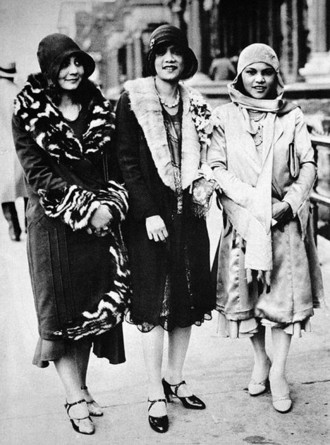
The Harlem Renaissance brought new visibility to Black artistic and intellectual life. Although Harlem was a major centre, the movement involved other American cities and international connections, shaped in part by the Great Migration.
Background
Migration and urban culture
African Americans moving away from the segregated South helped reshape urban communities. Artists explored the ambitions, pressures and variety of modern Black experience.[1]
Migration changed the cultural landscape
The Great Migration brought African Americans from the segregated rural South into northern cities. Harlem became an especially influential centre, but the cultural transformation also unfolded elsewhere. Artists, writers, photographers and performers explored modern Black life and asserted the right to represent it on their own terms. The movement’s setting included both new urban opportunities and the persistence of racial exclusion.[2]
What happened
Impact & evidence
Art and periodicals
Portraits, urban scenes, photographs and illustrated publications provide records of its varied cultural production.[1]
Aftermath & legacy
Modernism reconsidered
The movement places African American artists within the history of international modern art. It should not be reduced to one neighbourhood, one medium or a uniform political outlook.[1]
Sources & image credits (2)
Public Domain; CC BY-SA 4.0; via Wikimedia Commons. Image source ↗