Mexican Constitution
Mexico's revolutionary constitution placed land, labour and education within the state's constitutional responsibilities.
- When
- 1917
- Where
- Querétaro and Mexico
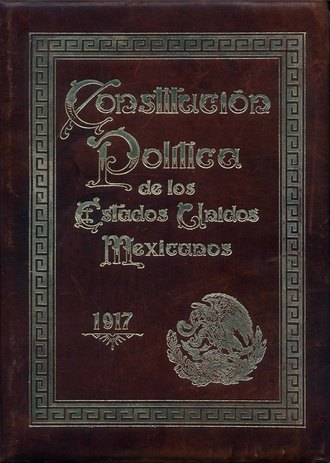
Mexico's revolutionary constitution placed land, labour and education within the state's constitutional responsibilities.
Background
Revolution raised questions beyond electoral power
The Mexican Revolution brought struggles over land ownership, labour conditions, church–state relations and political authority. A constitutional settlement had to address these social demands as well as the organisation of government. The drafting process involved disagreements within the victorious revolutionary movement.[1]
What happened
- 5 February 1917
A new constitution promulgated
Delegates at Querétaro produced a text that went beyond simply restoring the earlier constitution. Its provisions created a basis for state intervention in areas that liberal constitutionalism had often treated primarily as private affairs.[3]
Impact & evidence
Education, land and labour
Article 3 addressed education, Article 27 land and national authority over resources, and Article 123 labour rights. These provisions made the constitution a major example of social constitutionalism. Their practical meaning depended on legislation, political conflict and enforcement rather than the text alone.[2]
Aftermath & legacy
Promises contested in practice
Land redistribution and labour protections developed unevenly after adoption. The constitution was repeatedly amended and interpreted by later governments. Its significance lies in giving social claims constitutional standing, while the distance between those promises and lived conditions remained a central political issue.[3]