Mendeleev's periodic table
Organising elements into recurring patterns and predicting properties of missing members.
- When
- 1869 and subsequent refinement
- Where
- Russian Empire; international chemistry
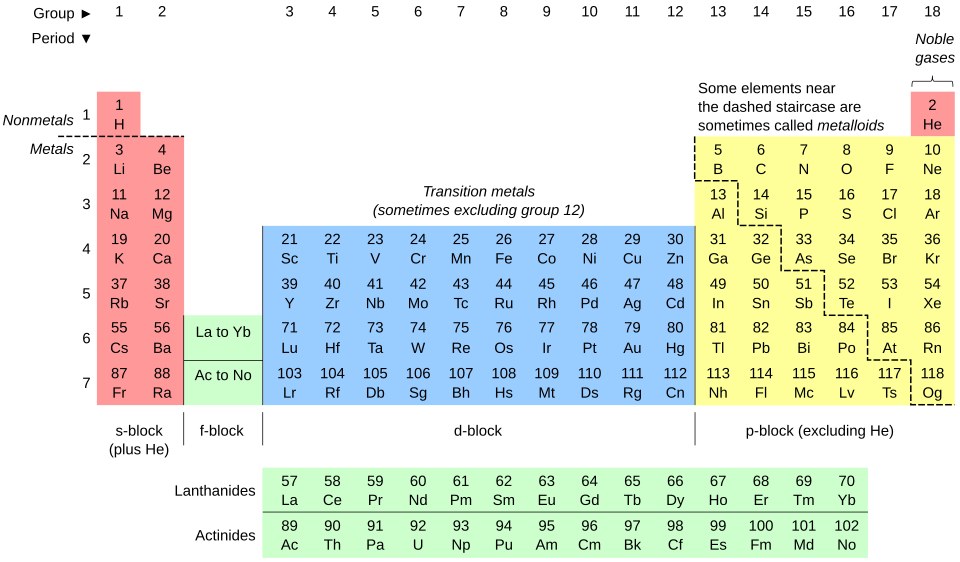
Organising elements into recurring patterns and predicting properties of missing members. Chemists had identified many elements and measured their properties, but classification remained difficult. Atomic weights were uncertain and earlier researchers had already noticed recurring relationships.
Background
A growing catalogue needed order
Chemists had identified many elements and measured their properties, but classification remained difficult. Atomic weights were uncertain and earlier researchers had already noticed recurring relationships. Dmitri Mendeleev developed his table while trying to organise chemistry systematically, building within that larger search rather than beginning from nothing.[1]
What happened
- 1869
Patterns guide an arrangement
Mendeleev placed elements in an order that linked atomic weight with repeating chemical behaviour. Where the pattern suggested a missing element, he left a gap. He also questioned some accepted weights when they conflicted with chemical relationships, treating the table as a tool for investigation rather than a passive list.[1]
- Following decades
Predictions meet new evidence
Discoveries including gallium, scandium and germanium supported important predictions about missing elements. The correspondence between predicted and observed properties strengthened the periodic system. Other researchers, notably Lothar Meyer, developed related classifications, making the achievement part of a broader scientific development.[1]
Impact & evidence
The modern table is a later refinement
Mendeleev's arrangement was not identical to today's table. Work on atomic structure established atomic number as the governing order and explained relationships through electrons. Distinguishing the original system from later understanding shows how a useful pattern can precede knowledge of its underlying cause.[2]
Aftermath & legacy
A predictive framework
The table changed how chemists reasoned about substances and searched for new elements. Its enduring value lies in connecting properties across a whole system. It remains a working scientific framework precisely because it was tested and revised, not preserved as an unaltered historical diagram.[1]
Sources & image credits (2)
Lekritz · CC BY-SA 4.0 (source record). Resized for display. Image source ↗