Melavalavu massacre
Dalit elected representatives and companions murdered after challenging dominant-caste control.
- When
- 30 June 1997
- Where
- Melavalavu, Tamil Nadu, India
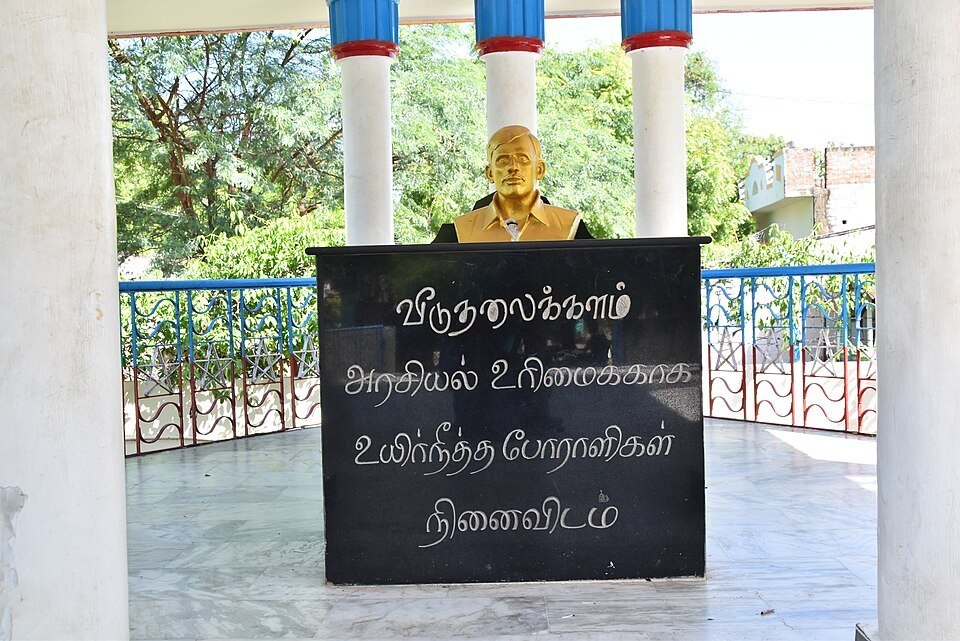
Dalit elected representatives and companions murdered after challenging dominant-caste control.
Background
An election changed access to power
Reservation of the village council presidency for a Scheduled Caste candidate threatened established control of local resources. Dalit candidates faced intimidation and economic threats before the election. Representation involved practical authority over village assets, not merely possession of a title.[2]
What happened
- 30 June 1997
Representatives attacked while travelling
Council president Murugesan and five other Dalit men were killed in an attack on a bus. The killings followed resistance to Dalits exercising elected office. They targeted people whose participation in local government challenged caste power.[1]
Impact & evidence
A democratic institution under attack
Human Rights Watch examined Melavalavu as an example of violence used to preserve social and economic domination. The case shows how formal electoral rights can coexist with threats against those entitled to exercise them.[2]
Aftermath & legacy
Justice and its contested aftermath
Seventeen men received life sentences. Thirteen surviving prisoners were released in 2019 under a state remission policy, following three earlier releases and one death in custody. The releases generated litigation over how the government exercised its remission powers. Release reduced the punishment being served; it did not erase the original convictions or the victims’ families’ objections.[3]
Sources & image credits (3)
- Wikipedia — 1997 Melavalavu massacre ↗
- Human Rights Watch: Broken People, 1999 ↗
- Madras High Court: P. Rathinam v State of Tamil Nadu, remission proceedings ↗
Bhimaraovck · CC0 Image source ↗