Kilvenmani massacre
Forty-four Dalit workers and family members killed amid an agricultural labour dispute.
- When
- 25 December 1968
- Where
- Kilvenmani, Tamil Nadu, India
Forty-four Dalit workers and family members killed amid an agricultural labour dispute.
Background
Land, caste and wages
Dalit agricultural labourers in the Cauvery delta organised for better pay and working conditions. Landowners’ economic power overlapped with caste hierarchy, making a wage dispute a challenge to entrenched local authority.[1]
A struggle over agricultural wages
The victims belonged to Dalit agricultural-labourer families involved in a wage dispute with landowners in the Thanjavur delta. Union organising challenged both employers’ economic power and the caste hierarchy. The attack therefore struck a community’s effort to improve working conditions as well as the people sheltering in the village.[2]
What happened
- 25 December 1968
A refuge became a death trap
During an attack on the village, residents sought shelter in a hut. It was set on fire, killing 44 people, including women and children. The victims were workers and their families, not an armed force engaged in combat.[2]
Impact & evidence
Violence against collective action
The massacre exposed the danger faced by landless labourers attempting to bargain with powerful employers.[1]
Aftermath & legacy
Political and cultural remembrance
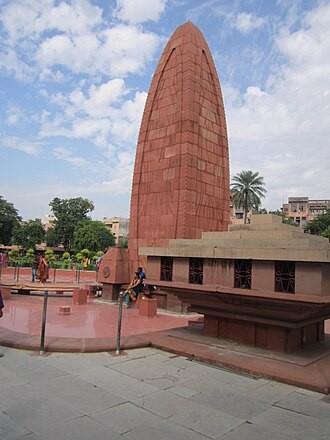
Kilvenmani became a lasting reference in labour organising, Dalit politics and literature. Memorialisation preserves the victims’ names and the connection between their deaths and demands for dignity at work.[2]
Sources & image credits (2)
njkl · CC BY-SA 4.0 Image source ↗