Japonisme in European art
Japanese art reshaped European composition, design and collecting while being interpreted through unequal cultural expectations.
- When
- Second half of the nineteenth century
- Where
- Europe and international art markets
Japanese art reshaped European composition, design and collecting while being interpreted through unequal cultural expectations.
Background
Objects circulate through expanding trade
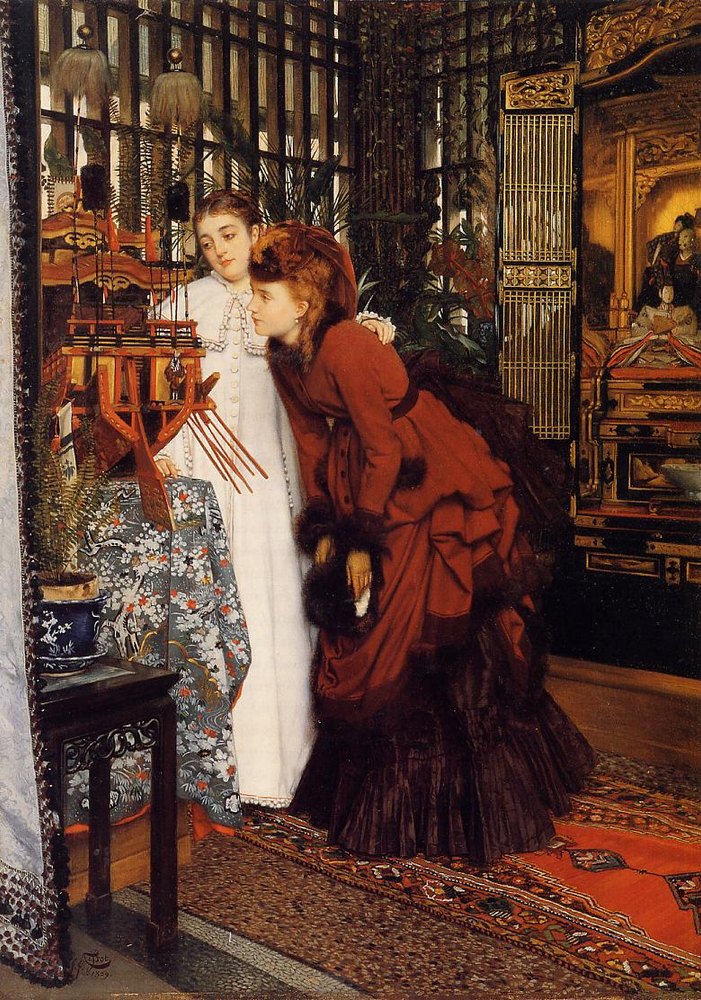
Japanese prints and decorative arts reached growing European audiences through trade, exhibitions and dealers. Collectors and artists encountered works with unfamiliar compositions and subjects. Their enthusiasm developed within a wider market that often packaged Asian cultures as exotic alternatives to Europe.[1]
What happened
- 1860s–1890s
Artists adapt new visual approaches
Ukiyo-e offered examples of asymmetry, cropped forms, flat colour and everyday subjects. Impressionist and Post-Impressionist artists used these possibilities in different ways. Influence could involve changes in composition rather than simply placing a Japanese object inside an otherwise conventional painting.[2]
Impact & evidence
A partial view of Japanese art
European taste favoured certain prints and objects and sometimes detached them from their social meaning. Japanese makers were not merely anonymous suppliers of inspiration. Identifying the artists, workshops and original contexts restores agency to the people whose work travelled.[2]
Aftermath & legacy
A relationship beyond a fashion
Japonisme affected painting, printmaking and decorative design. Its history reveals productive exchange alongside appropriation and stereotype. It should be considered together with, but not substituted for, the history of Japanese art within Japan.[1]
Sources & image credits (2)
James Tissot Image source ↗