Japanese ukiyo-e and its international influence
Ukiyo-e brought urban life, performers and landscapes to a broad commercial audience through collaborative printmaking.
- When
- Seventeenth–nineteenth centuries
- Where
- Japan, especially Edo
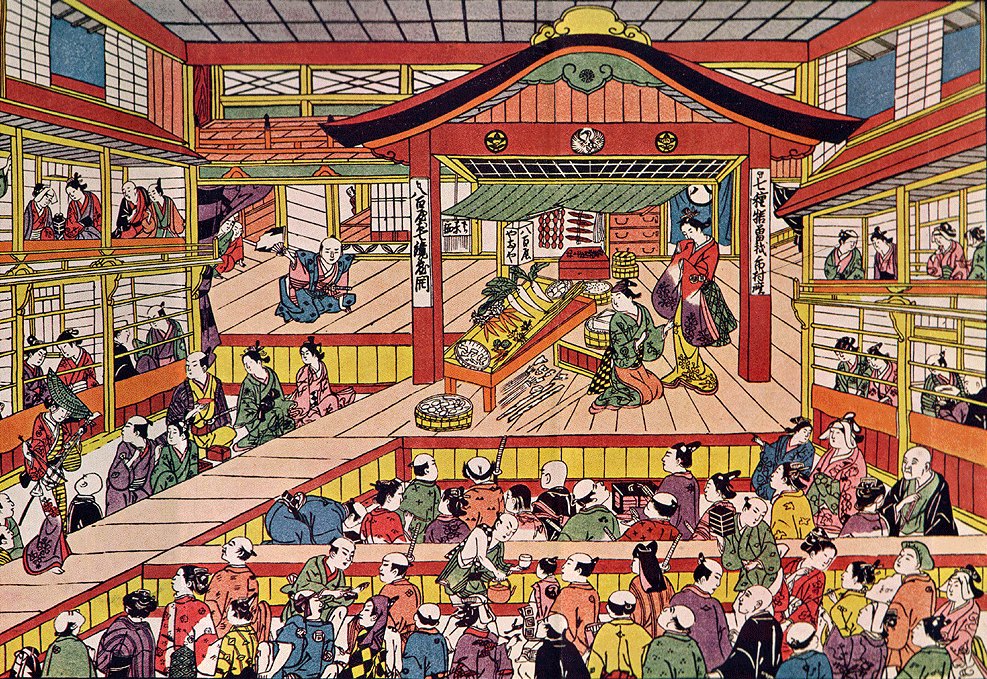
Ukiyo-e brought urban life, performers and landscapes to a broad commercial audience through collaborative printmaking.
Background
An art of the urban market
Ukiyo-e developed within the commercial culture of Edo-period Japan. Images of actors, courtesans and entertainment districts appealed to urban buyers. Paintings and illustrated books were part of the tradition as well as the single-sheet prints that later became internationally famous.[2]
What happened
- Eighteenth century
Colour printing expands
Advances in multiblock printing enabled increasingly elaborate colour images. A print involved a designer, block carvers, printers and a publisher. Attributing the object only to its named artist can obscure the skilled collaboration that made production possible.[2]
Impact & evidence
Landscape reaches new audiences
Artists such as Hokusai and Hiroshige expanded the prominence of landscapes and travel imagery. Strong framing, unusual viewpoints and changing weather gave familiar places distinctive visual identities. Commercial popularity and artistic invention were not mutually exclusive.[1]
Aftermath & legacy
Influence without reducing Japan to a sourcebook
Ukiyo-e later influenced artists abroad, but its significance begins within Japanese culture. Subjects, censorship, publishing economics and audience expectations shaped the works before European collectors encountered them. Its international reception is a separate history, not the reason the tradition mattered in the first place.[1]
Sources & image credits (2)
Okumura Masanobu Image source ↗